Textile Artifacts

A diverse array of textile objects including embroidered pouches and woven fragments, highlighting intricate designs and historical craftsmanship from various cultures.
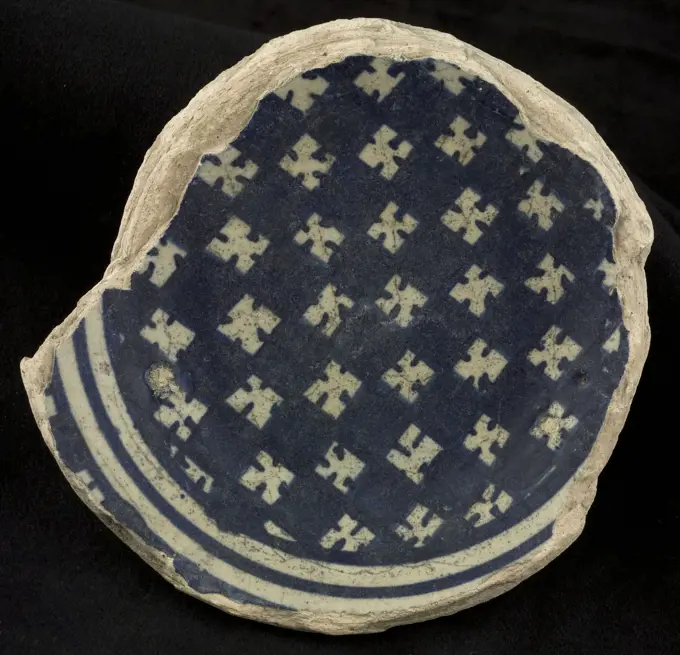
Fragment majolica bowl, blue on white, chessplate decor, bowl crockery holder soil find ceramic pottery glaze, baked underside covered with slightly green tinted lead glaze. Polychrome. Italian Dutch decor. Possible whole monochrome archeology serving food adorn Italy archaeological find in the soil 1917
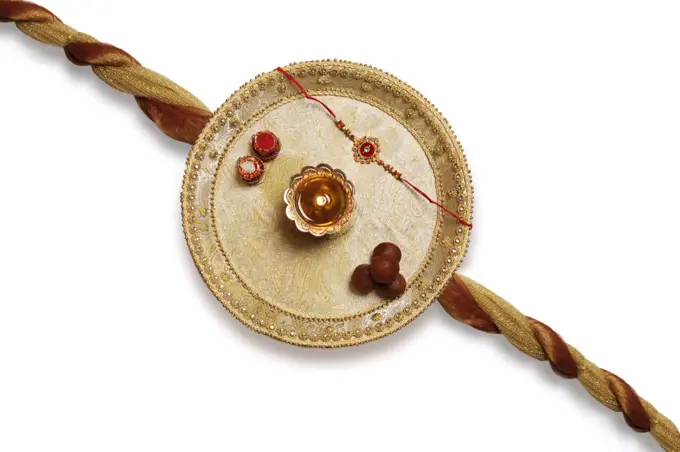
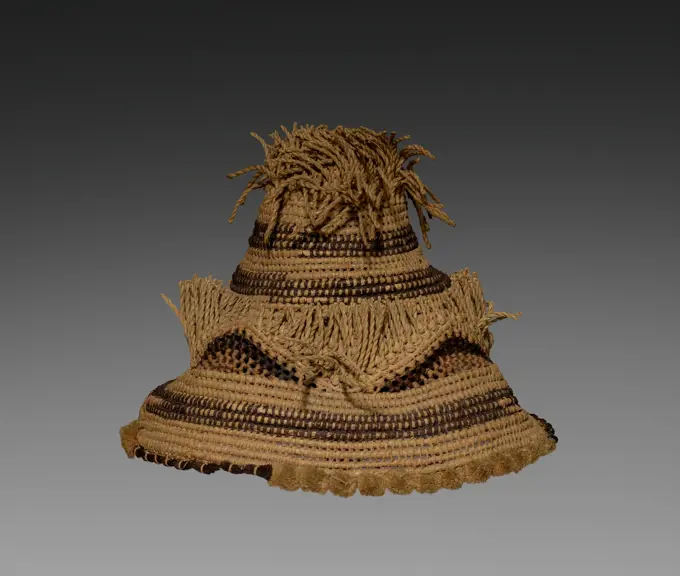
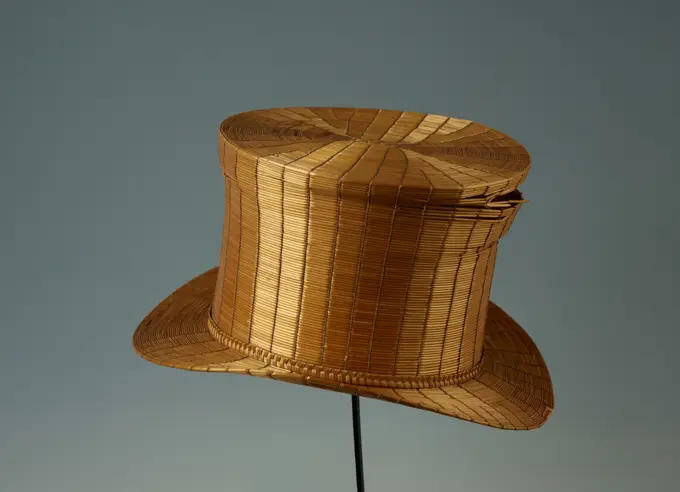
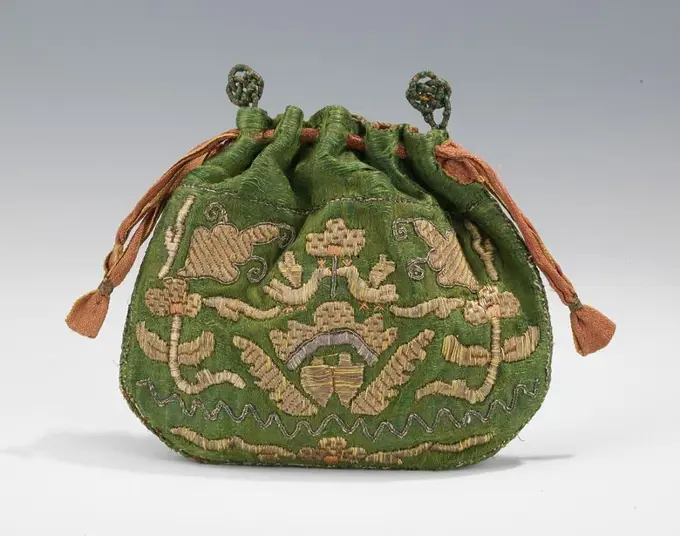
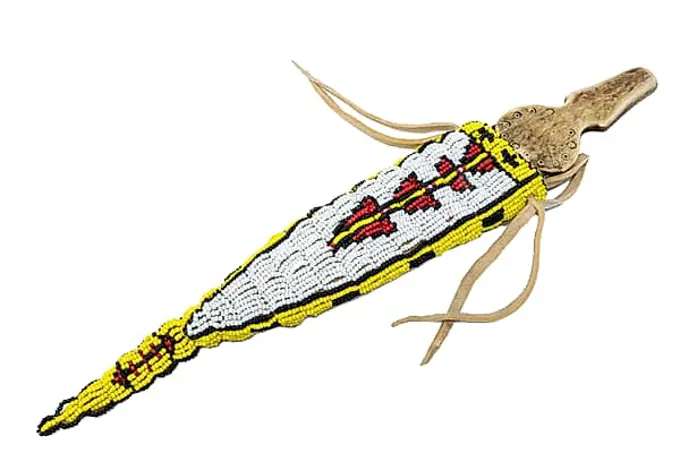
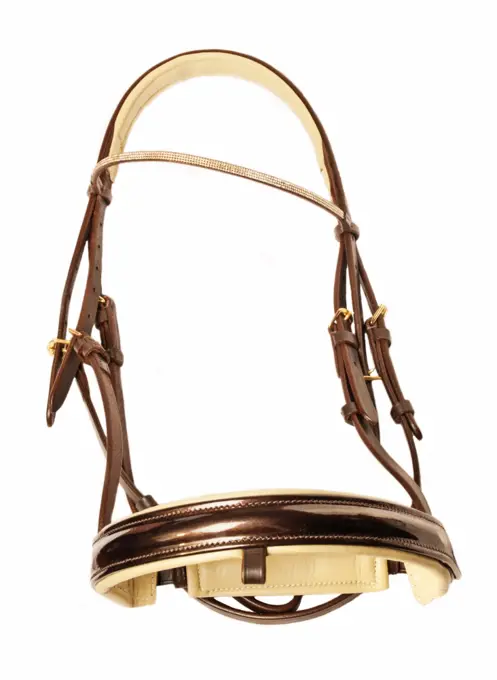
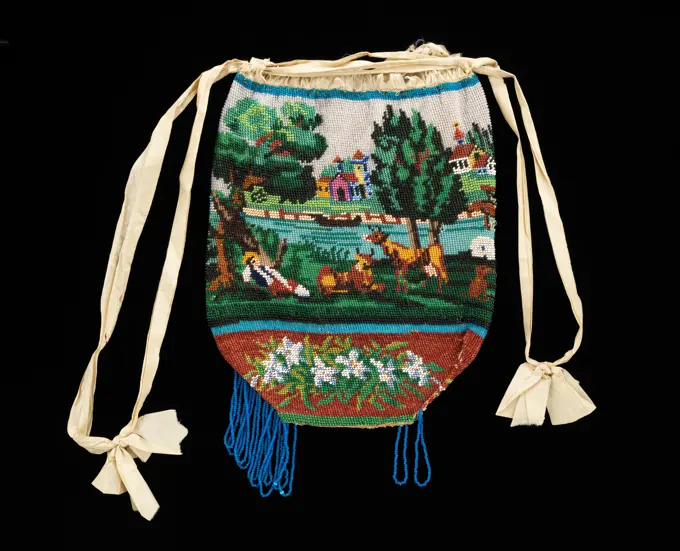
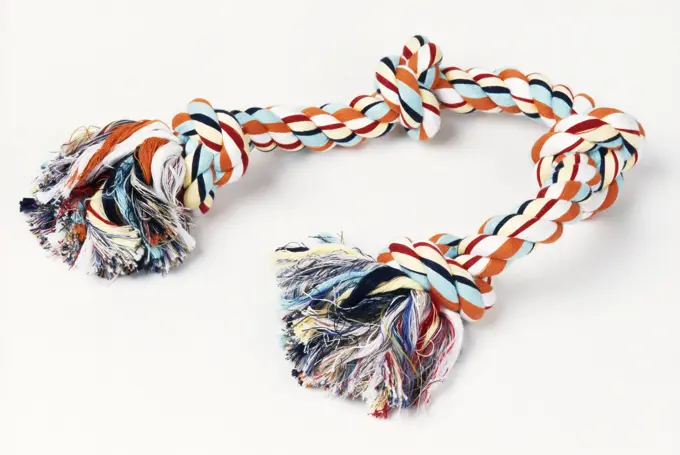
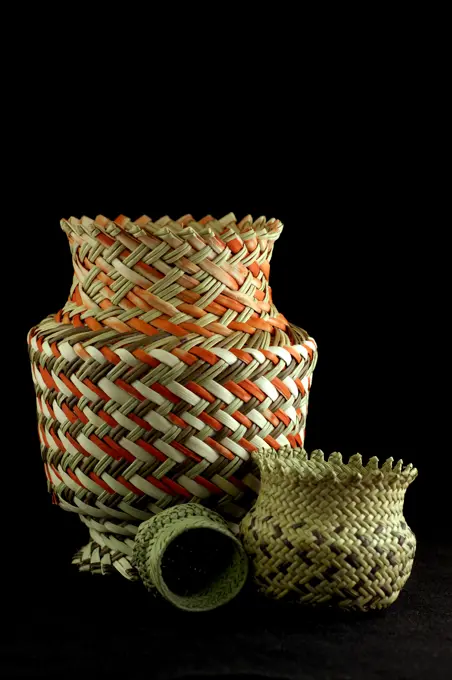
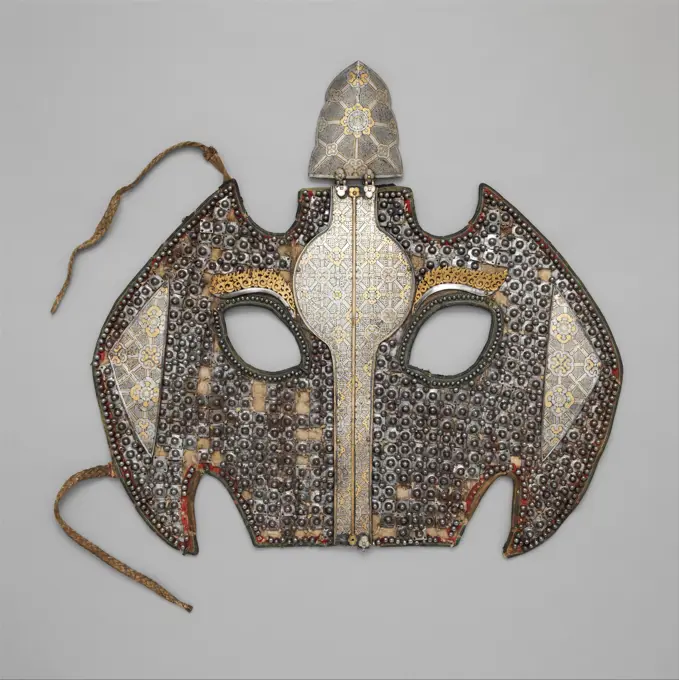
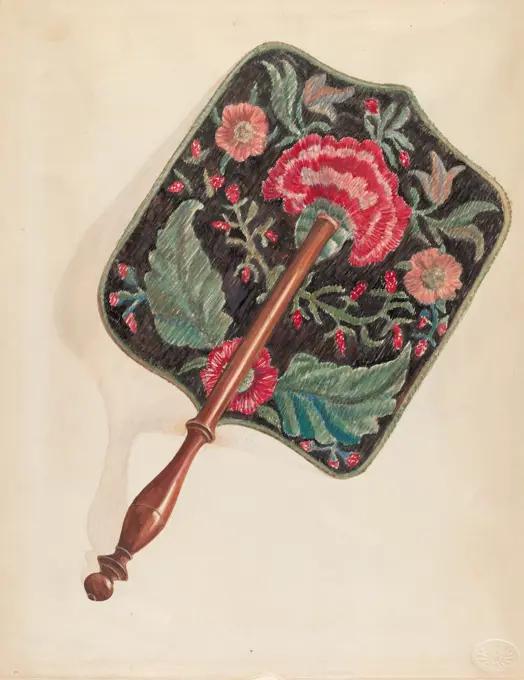
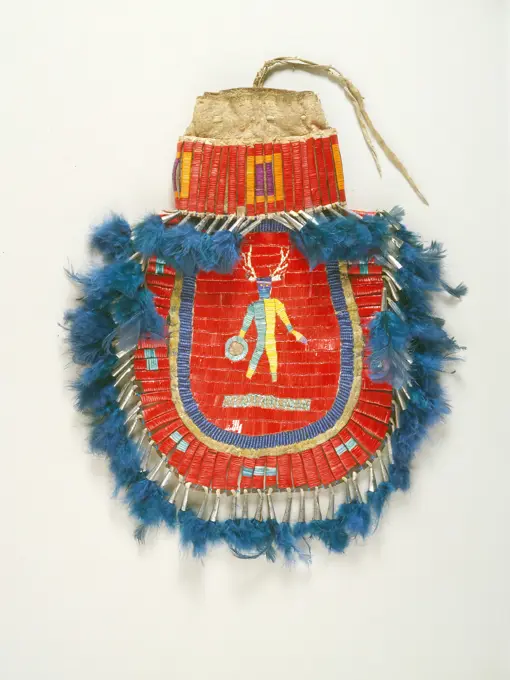
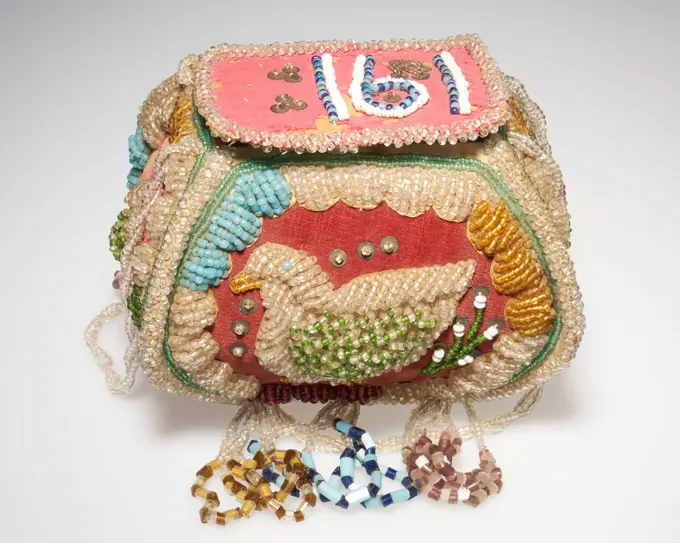
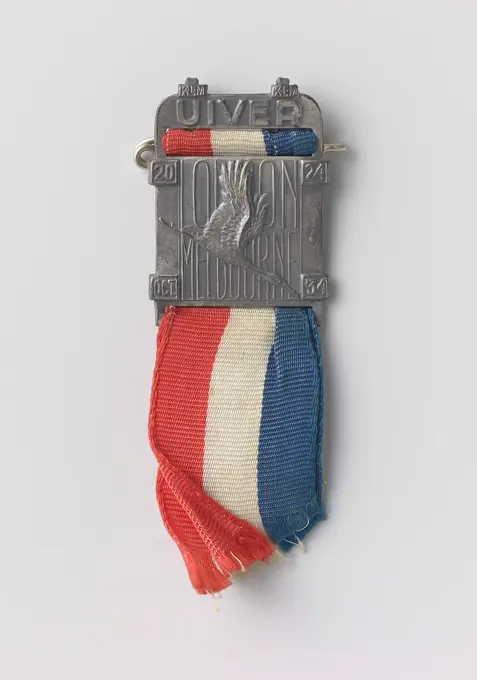
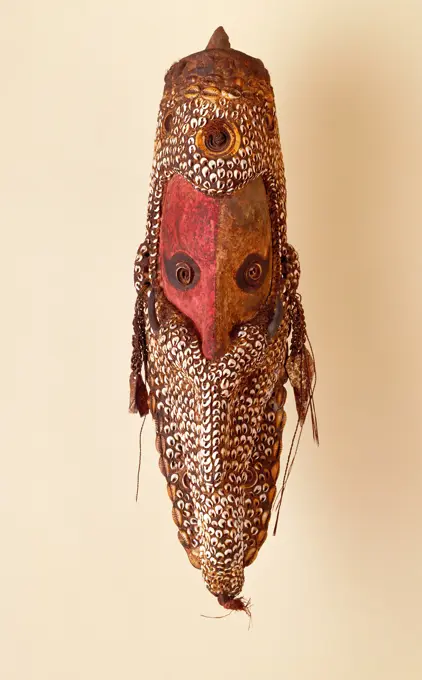
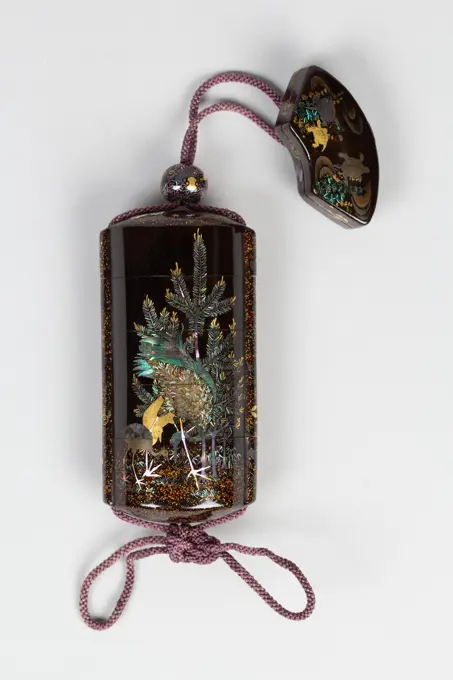
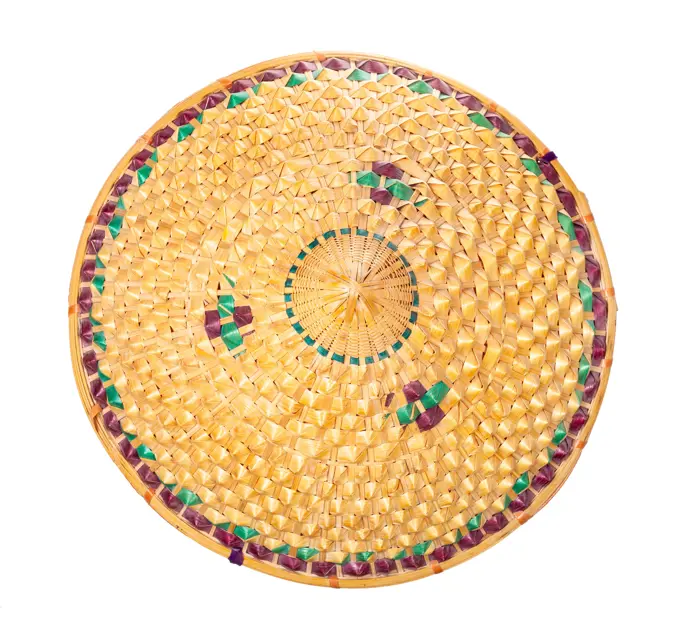
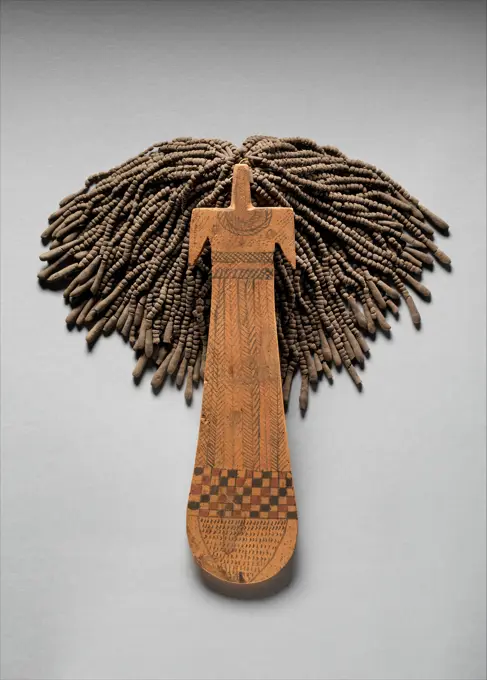
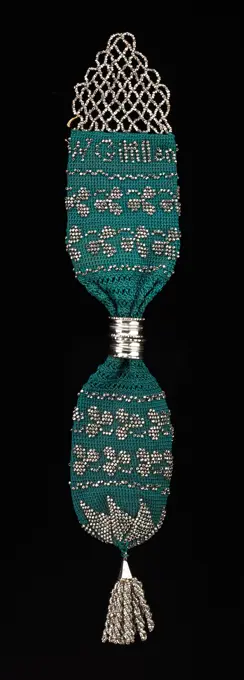
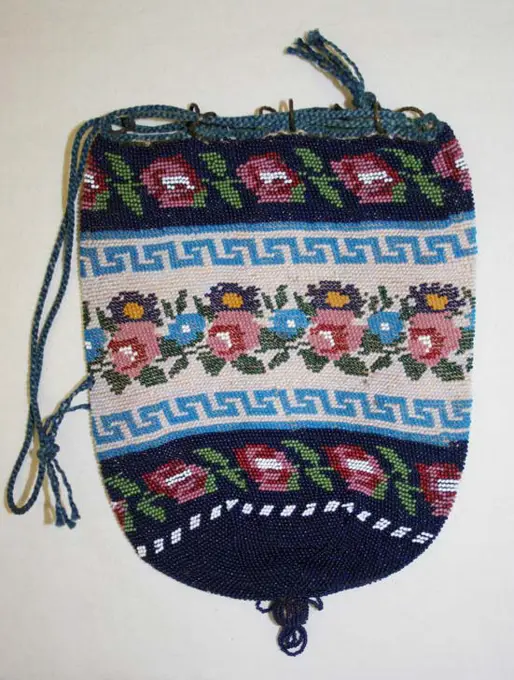
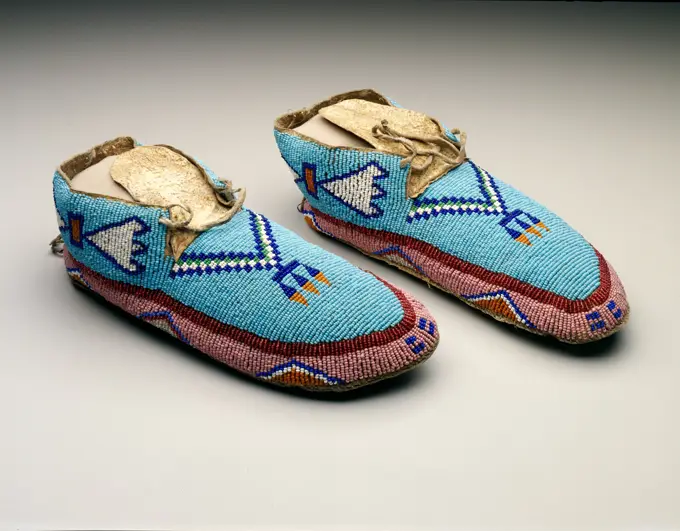
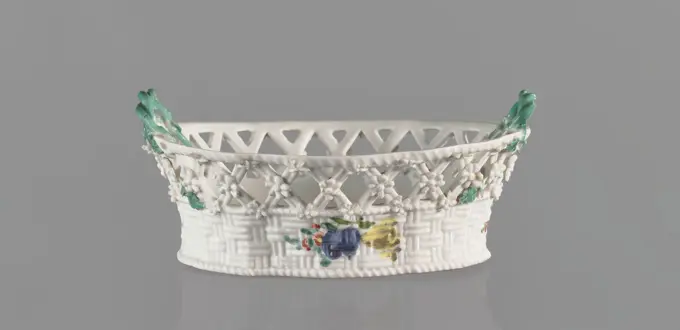
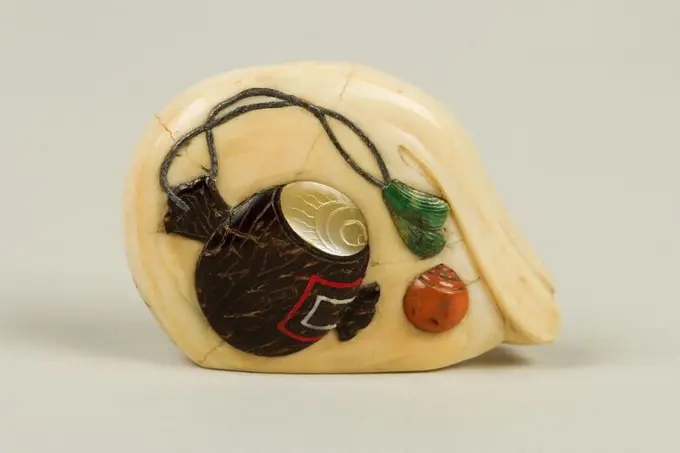
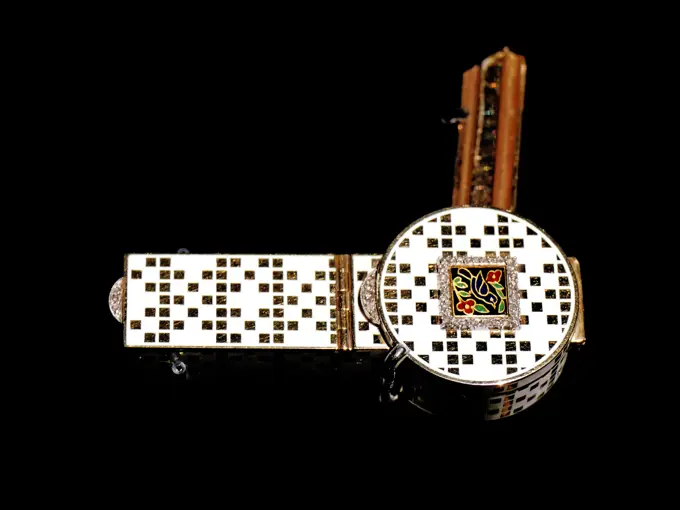
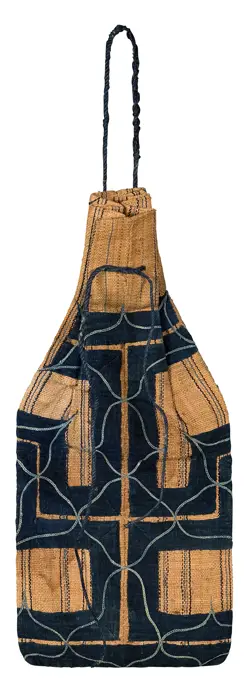
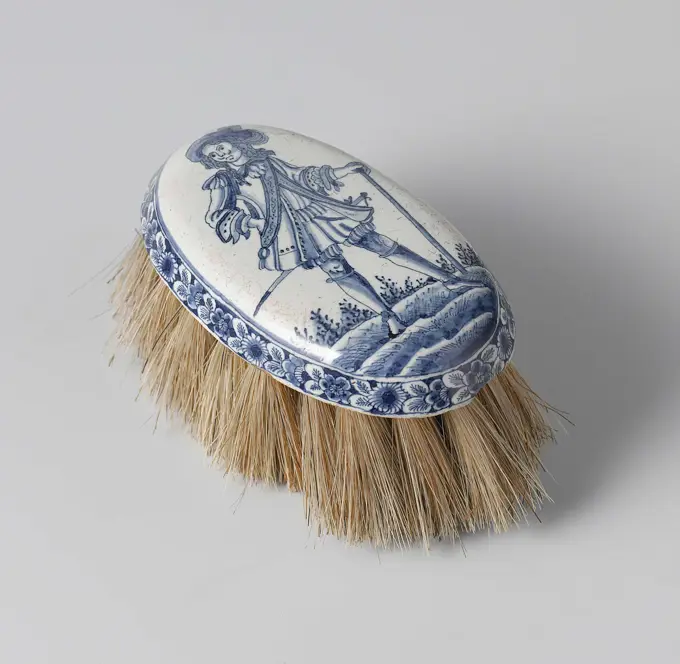
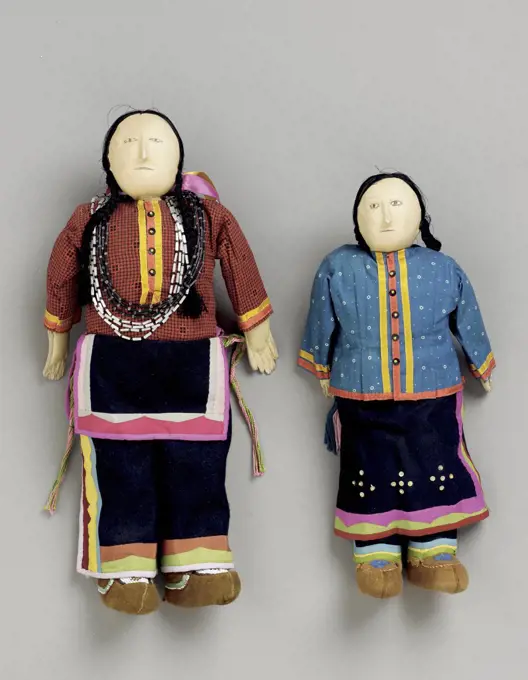
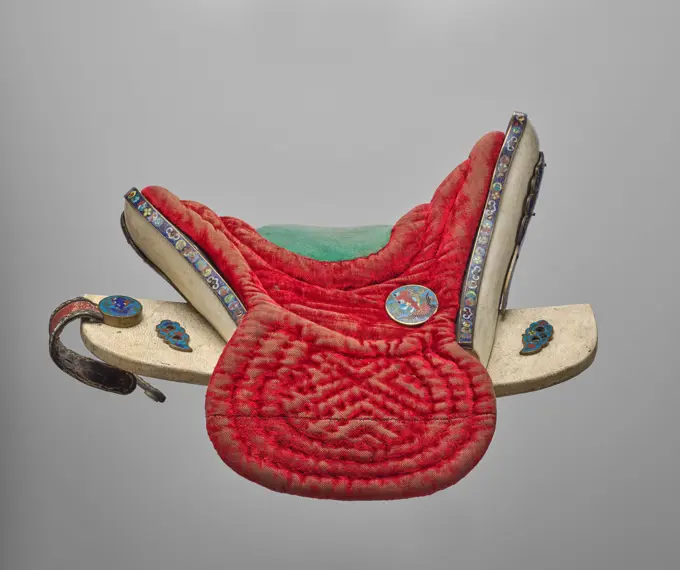
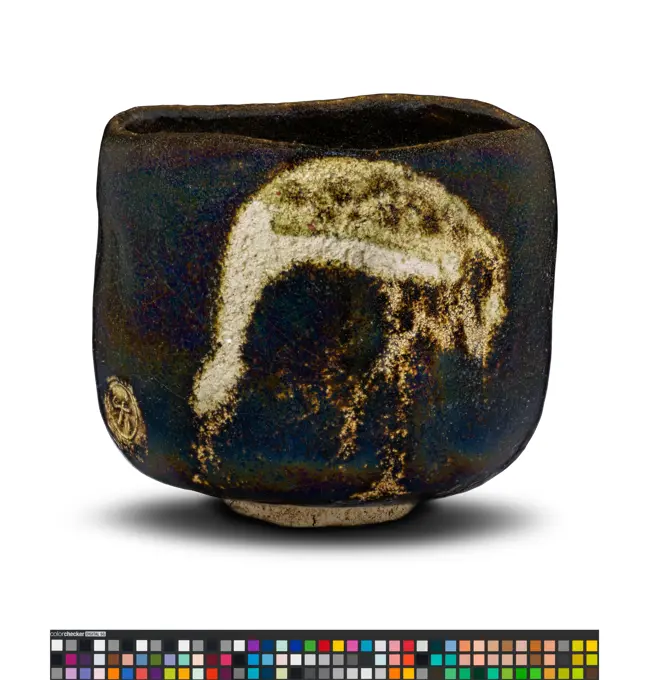
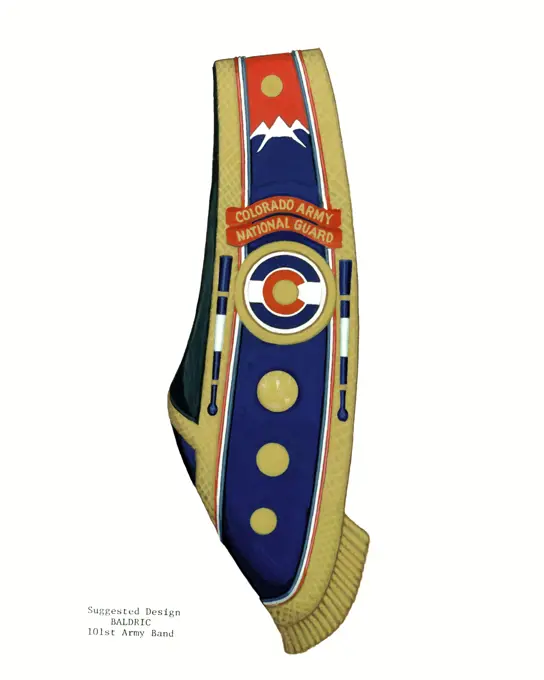
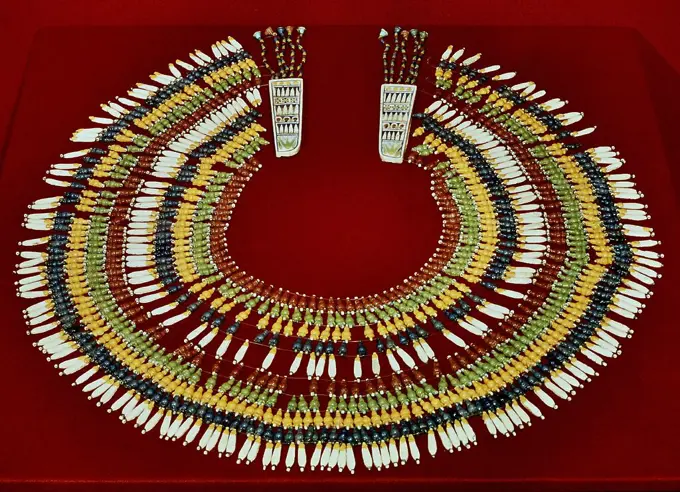
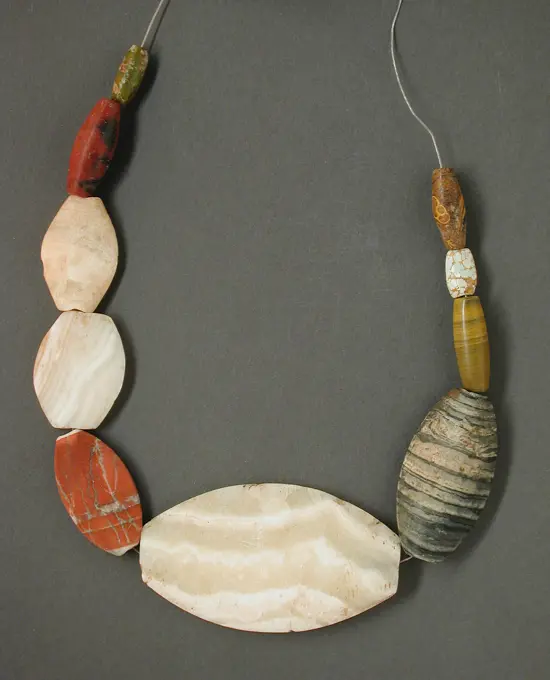
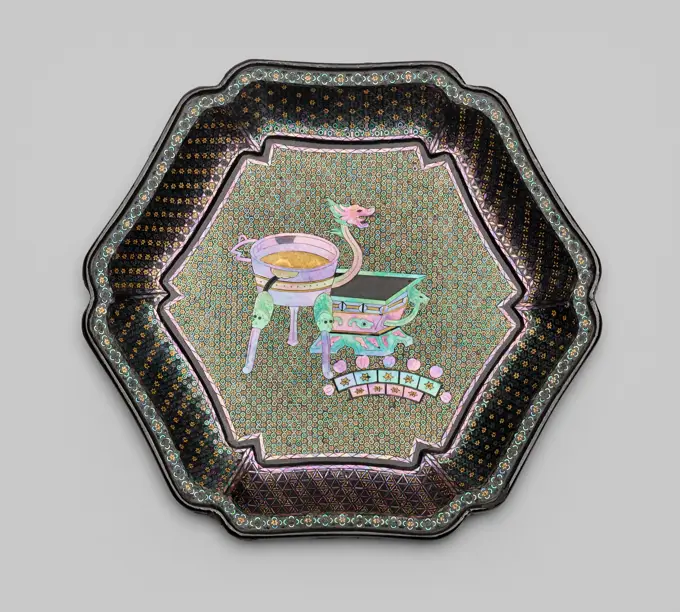
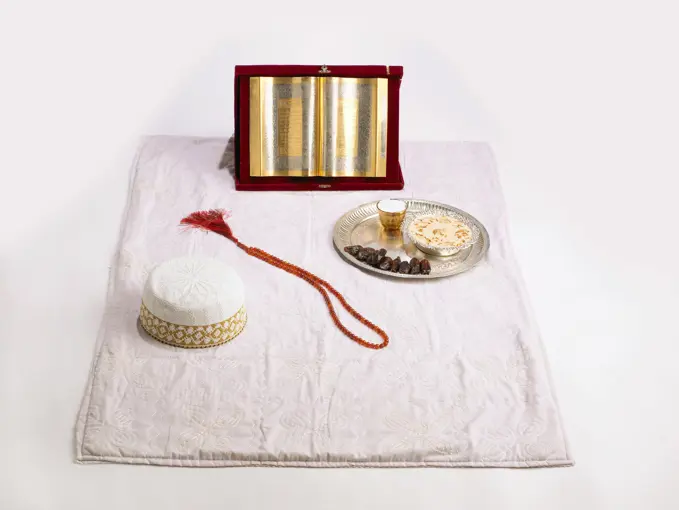
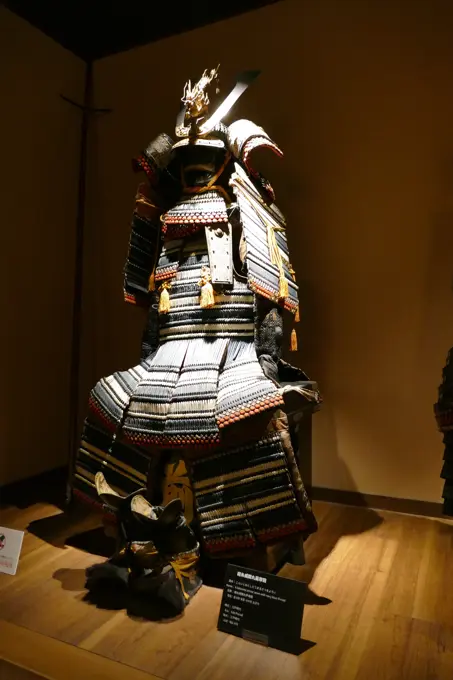
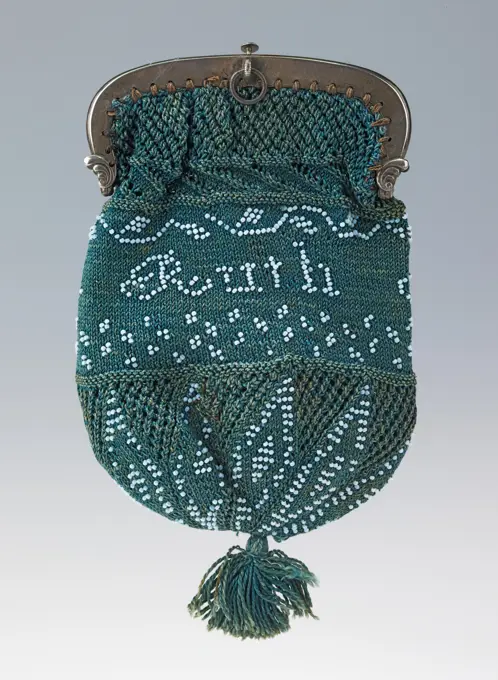
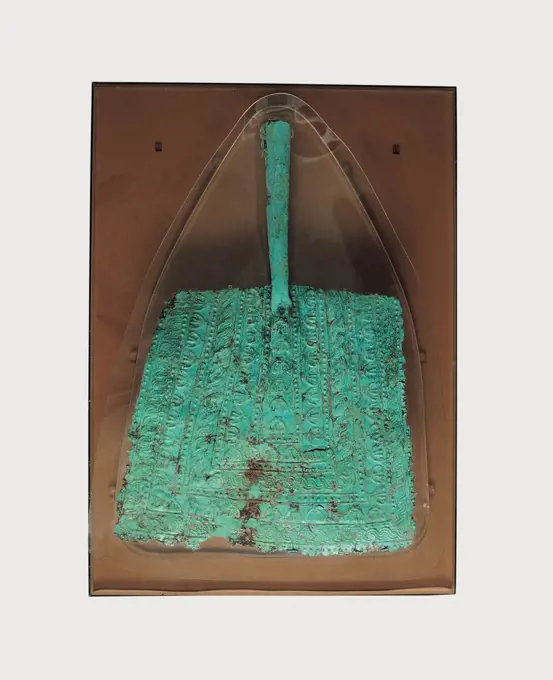
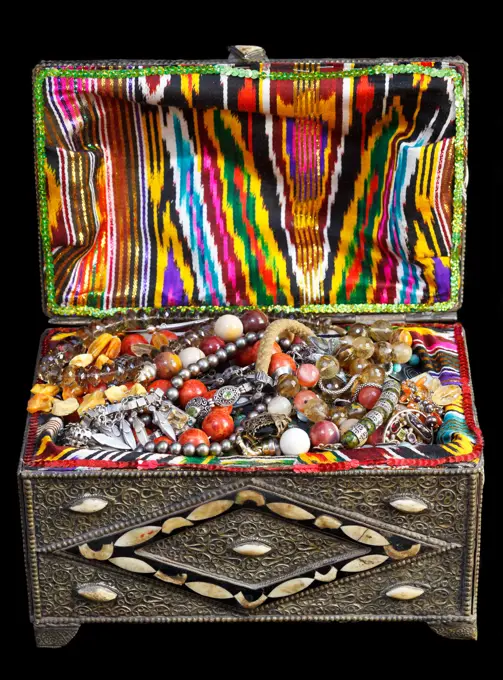
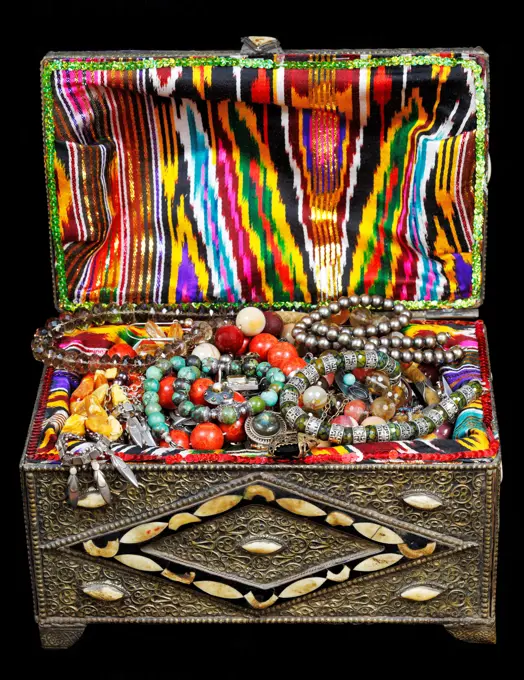
Embroidered hat from Palestine called 'Shatweh', worn by married women in the area of Bethlehem. Dated 20th CenturyClose-up of Rakhi, RAKSHABANDHANRetro headphones for professional audio with vintage vinyl records.H-Comb, 1500-1600. Made in France or England. Pinto Collection - Purchased from Edward H Pinto, 1965.. Richly carved boxwood combs were given as expensive love tokens in medieval times. The carver chose boxwood because it was the only wood with a sufficiently straight and dense grain to allow him to carve such fine teeth without splitting. He cut the teeth using a double-bladed saw called a stadda. A skilled craftsman with a steady hand could usually cut up to fifty teeth per inch.Strip -Hat with Pin, early 1900s. Africa, Central Africa, Democratic Republic of Congo, early 20th century. Raffia and dye; width at bottom: 12.1 x 12.7 cm (4 3/4 x 5 in.).Top hat unknownPhotograph of various curtain tie-back sash cords.Bonnet 1875-85 American or European. Bonnet 113366Pouch. Culture: Russian. Date: first quarter 18th century.This object is from the collection of Natalia de Shabelsky (1841-1905), a Russian noblewoman compelled to preserve what she perceived as the vanishing folk art traditions of her native country. Traveling extensively throughout Great Russia, she collected many fine examples of textile art of the wealthy peasant class. From the 1870s until moving to France in 1902, Shabelsky amassed a large collection of intricately embroidered hand-woven household textiles and opulent festival garments with rich decoration and elaborate motifs. The Brooklyn Museum holdings include many fine examples including the majority of the garments. Portions of Shabelsky's collection are also housed at the Museum of Fine Arts, Boston, the Cleveland Art Museum, and the Russian Museum of Ethnography in St. Petersburg. This rare and expensive luxury accessory depicts the traditional goddess or tree of life motif. Depictions of the goddess are common in RussiReticulin. End XIXth. GAL1961.34.48Gimp 18th century Italian. Gimp 213732Tassel 18th century French. Tassel 213575burlap hessian sacking isolated on white backgroundIndian knife with bone handle in a quiver embroidered with colourful beadsDecorative patterned shopping bag for sale in the market, Mattancherry, Cochin, Kerala, IndiaCap 1850s Polish. Cap 116474Back Apron, 20th century, 17 15/16 x 24 1/2in. (45.6 x 62.2cm), Cotton, China, 20th centuryBorder possibly 19th century unknown. Border 460326jewelery brown bridle without bit isolated on whitePouch 1820-40 American The imagery seen here depicts early-19th century American life. The narrative is continuous over the whole of the bag and is unified by the body of water and the bridge. A notable detail in this pastoral scene is the figure of the shepherd carrying what appears to be an injured lamb suspended from a pole. Margaret S. Bedell (1861-1932) donated, by gift or bequest, over 500 objects to the Brooklyn Museum, including furniture, quilts, samplers, costume and Native American beadwork. Her collection of American and European beaded bags includes examples from Philadelphia and the Catskill Mountain region of New York State, as well as Italy, Austria, Germany, and Holland.. Pouch 156448DOG'S TOY - COLOURFUL ROPE Shadow Puppet Head, 20th century, 5 in. (12.7 cm), China, 20th centuryMexico, State of Chihuahua, Copper Canyon. Tarahumara Indian handicrafts, traditional baskets.Shaffron (Horse's Head Defense) late 15th-early 17th century Tibetan or Mongolian Tibetan shaffrons are relatively rare, the majority of surviving examples having been acquired by museums in the early twentieth century. This shaffron is by far the most elaborately decorated of any recorded up to this point. The quality and execution of its lavish gold and silver damascening rank among the best examples of Tibetan decorated ironwork of this kind, suggesting that it was made for a very high ranking general, if not a king. A carbon-14 test of one of its leather laces resulted in a date range of 1450-1650, coinciding almost exactly with the period of the last two secular Tibetan monarchies: the Rinpung (1435-1565) and the Kings of Tsang (1566-1641).. Shaffron (Horse's Head Defense) 27673Cairo, Egypt. Beaded necklaces for sale at a market.Rose belonging to the wreath for victims of Japanese performance during the Second World War, Alpina, 2000  Nine dried red roses and three branches with leaves belonging to the wreath for victims of the Japanese performance during the Second World War. Laid by the Japanese imperial couple on May 23, 2000 at the National Monument on Dam Square. The Hague textile materials   Amsterdam. Japan. IndonesiaElla Josephine Sterling, Fan, c 1936 FanElk Dreamer's Society Pouch, 1890-1910, 14 x 11 x 1 in. (35.56 x 27.94 x 2.54 cm), Porcupine quills, hide, beads, tin, feathers, United States, 19th-20th century, The Lakota had a complex system of societies that were associated with animals, sacred power, and battle exploits. Members of the Elk Dreamer's Society had to have a vision involving elk in order to be a member. Participants usually wore and used items with elk imagery, like this pouch. During their ceremonies, some members wore masks that symbolized elk and carried a decorated hoop. One of the powers that Elk Dreamer's had was the ability to control love.Box -Two oval amulets made of carnelian on a silk string. unknown, male artistWatch Case, 19th-20th century, L.3-1/8 in., satin, silk, embroidery, China, 19th-20th centuryWhimsey in the form of a purse, c. 1910-1919, 5 1/2 x 6 1/2 x 5 3/8 in. (13.97 x 16.51 x 13.65 cm) (without dangles or handles), Beads, cotton, velvet, sequins, cardboard, United States, 20th centurySilk fabric bag made by hand to keep money India Copyright: xAnilxDave/DinodiaxPhotox NAWallet. 1820. Closed.Vinaigrette box 1829 Gervaise Wheeler. Vinaigrette box 207456Jacket 19th century. Jacket 85533Chevron Beads 18th century or later African, made in Europe. Chevron Beads 320987Handmade dream catcher with feathers threads and pearl rope hang handmade dream catchers with feathers threads and pearl rope hang copyright: xzoonar.com/fedorovaxdariax 22940582Flight from the Uiver from London to Melbourne. Silver one-sided, rectangular plaque with rounded corners; On top two and at the bottom an elongated opening, almost over the entire width of plaque, whereby red-white-blue ribbon has been inserted through which pin. Front: flying stork for inscription under the inscription. Reverse: Blank.Textile Fragment 5th century Coptic. Textile Fragment. Coptic. 5th century. Linen, wool. Made in Byzantine Egypt. Textiles-WovenMei Mask, c. 1920, 19 1/2 x 5 1/4 x 5 in. (49.53 x 13.34 x 12.7 cm), Wood, fibers, metal, shells, hair, Papua New Guinea, 20th century, This 'mei' mask represents a male ancestor of a Iatmul clan and would have been used for male initiation ceremonies. The elaborate design of encrusted cowrie shells frames the two-toned face and covers the beak-like mouth. When worn for a ceremonial dance, the mask was part of a large costume decorated with feathers, leaves, and other ornaments. Mei masks belonged to the clan and were stored in the homes of clan elders when not in use.Iron breastplate armor with gold decorations of the King Philip II of Macedon, from the Royals Tombs at Vergina, GreeceThe Wichita Indians decorated their moccasins with beadwork and long fringe that would disguise their tracks left by the unusual moccasinsCase (Inr) with Design of Cranes and Pines with Takaramono (Mythical Treasure) 19th century Japan. Case (Inr) with Design of Cranes and Pines with Takaramono (Mythical Treasure). Japan. 19th century. Lacquer, roiro, nashiji, gold foil, hiramakie, aogai inlay; Interior: nashiji and fundame. Edo period (1615-1868). Inrtop view of Asian conical straw hat isolated top view of Asian conical straw hat isolated on white background Copyright: xZoonar.com/ValeryxVoennyyx 14989787Paddle Doll ca. 2030-1802 B.C. Middle Kingdom The so-called paddle doll consists of a flat piece of wood depicting the torso, rudimentary arms and neck of a woman, with a thick shock of "hair" made of beads strung on linen thread. The body is often painted with jewelry, textile patterns and/or tattoos. Contrary to their modern name, these "dolls" were not toys. The key-hole shape of the body is similar to the counterpoise of the menat necklaces that were used as percussion instruments during religious ceremonies (see 11.215.450). When shaken, the beads of the menat necklace would have made a sound intended to appease a god or goddess. The paddle dolls, with their beaded hair, may have served the same purpose. It has been suggested that paddle dolls were an accoutrement of troops of singers and dancers who performed at religious ceremonies associated with the goddess Hathor.. Paddle Doll 544216Boa -Fob late 18th century German. Fob 102454Tunic 1st century B.C.-A.D. 2nd century Nasca. Tunic 314363Hat -Bag (USA); glass beadsMiser's purse 1840-60 American. Miser's purse 157823Reticule 1840-50 probably American. Reticule 101152Moccasins, c. 1890, 3 x 3 x 9 1/2 in. (7.62 x 7.62 x 24.13 cm) (each), Animal hide, beads, United States, 19th centuryRetro handmade natural flax backpackModern bracelet Modern bracelet with crystals on a white background Copyright: xZoonar.com/Jandix2gmail.comx 7792881Christmas decoration  isolated on a white  backgroundBasket a Ur.; Porzellanmanufaktur Prinz Friedrich W.E. von Hildburghausen (1760-1795); approx. 1770 (1765-00-00-1775-00-00);Netsuke of Daikoku with Mallet and Bag. Culture: Japan. Dimensions: H. 1 1/4 in. (3.2 cm); W. 1 3/4 in. (4.4 cm). Date: 19th century. Museum: Metropolitan Museum of Art, New York, USA.Party hats isolated on the whiteCuffs 1770s probably French. Cuffs 102885Cooking Bowl, Unassigned, before 1942. California, Karok or Hoopa, Unassigned. Twined; overall: 17.5 x 28.5 cm (6 7/8 x 11 1/4 in.).Vanity Case (Compaq), with key. American, made in New York circa 1930 by Cartier. Gold, platinum, enamel, and rubiestraditional Chinese decorationDark red and pink silk crochet work, with two metal bars and a chain, anonymous, c. 1820 - c. 1840 Elongated stock exchange of alternating dark red and pink lanes of silk crochet. Halfway through the fair a dark red lane with souvenir in pink letters. A small metal bell hangs on the round bottom. The fair closes with two metal bars that have been stabbed by crocheted loops. The same small metal calls and a metal chain on the four ends of the bars. The stock exchange in unlocked. Switzerland (possibly) whole: Silk. Closure: Metal crocheting / forging Elongated stock exchange of alternating dark red and pink lanes of silk crochet. Halfway through the fair a dark red lane with souvenir in pink letters. A small metal bell hangs on the round bottom. The fair closes with two metal bars that have been stabbed by crocheted loops. The same small metal calls and a metal chain on the four ends of the bars. The stock exchange in unlocked. Switzerland (possibly) whole: Silk. Closure: Metal crochetiBag (ketush), second half 19th century, Unknown Ainu, 18 1/8 × 8 9/16 in. (46.04 × 21.75 cm) (not including straps), Cloth: elm-bark fiber; cotton appliqué and embroidery, Japan, 19th centuryMirror 19th century China. Mirror 69703Purse 1820s German. Purse 116963Basket, 20th century, 2 x 3 1/2 x 3 1/2 in. (5.1 x 8.9 x 8.89 cm), Woven grass, United States, 20th century. Brush back from faienceArmband - Chief American Horse's OutfitThe figure pictured here represents a German nobleman between A.D. 1400 and 1450. .Australian wooden boomerang. Cartoon boomerang on a white background. Vector illustration of colored boomerang Tribal lizard. Stock vectorA Pair of Santee Sioux Beaded Hide and Cloth Dolls Native American Art Beads, cotton and leatherBig basket Big rattan basket isolated included clipping path Copyright: xZoonar.com/Baloncicix 14290072Artistically painted easter eggs - butterfly.Kpele Kpele Mask, 19th century, 44 x 26 1/2 x 17 1/2 in. (111.8 x 67.3 x 44.5 cm) (horns), Wood, reconstructed raffia collar, Côte d'Ivoire, 19th century, The kpele kpele mask represents the junior male element in a series of four mask types that appear in pairs in the Goli ceremony.Kulbaka with the seat;  18th century (1701-00-00-1800-00-00);Black Raku Teabowl with Crane Design, named 'Aged Pine'. Ryōnyū (Raku IX) (Japan, 1756-1834). Japan, circa 1810-1834. Ceramics. Raku ware; earthenwareMandolin. Culture: Portuguese. Dimensions: L.: 58 cmStg L.: 34 cm. Maker: Joao Vieira da Silva. Date: 18th century. Museum: Metropolitan Museum of Art, New York, USA.The baldric design for the 101st Army Band. Country: UnknownBlue pillow Decorative blue pillow isolated with clipping path included Copyright: xZoonar.com/Baloncicix 7310037TESORO DE TUTANKAMON - COLLAR - ORNAMENTO FUNEBRE - II MILENIO AC. Location: EGYPTIAN MUSEUM. KAIRO. EGYPT.Close-up of woman's multi-coloured striped straw hatGroup of Beads. Bactria, Namazga V period, circa 2200-1800 B.C.. Jewelry and Adornments; beads. StoneStrip -Dish with Images of Ancient Bronzes Made 1644-1911 China. Lacquer with inlay .Koran prayer beads shawl mass Allah bohri Muslim topi cap eid ul-fitr or id-ul-fitr with sewaiya khajoor salt for Id festival Copyright: xVirenxDesai/DinodiaxPhotoxEdo Period, Satsuma Samurai armour sewn with blue thread. (1603 - 1868)Coin purse 1830-50 American The construction of this coin purse is unusual; 19th-century coin purses were more often crocheted rather than knitted. The maker's name worked in beads and what is likely the owner's name on the frame offer a good document of Victorian craft making. The bag, which belonged to the donor's family, was probably created by a woman for a male friend.Margaret S. Bedell (1861-1932) donated, by gift or bequest, over 500 objects to the Brooklyn Museum, including furniture, quilts, samplers, costume and Native American beadwork. Her collection of American and European beaded bags includes examples from Philadelphia and the Catskill Mountain region of New York State, as well as Italy, Austria, Germany, and Holland.. Coin purse 156451Bronze Fan, by Unknown, 6th Century, melted bronze. Italy, Lazio, Rome, Villa Giulia National Museum. Whole artwork. From above. Bronze fan decorations bands registers braids lotus flowers handle.ancient arabic treasure chest ancient east treasure chest with antique jewelry isolated on black background Copyright: xZoonar.com/ValeryxVoennyyx 5528814Turkish style traditional hand knitten socks in the viewJJ O'Neill, Carpet Bag, 1938 Carpet BagBeautiful mask of hand-worked for festive decoration, isolated Beautiful mask of hand-worked for festive decoration, isolated on black background Copyright: xZoonar.com/OleksandrxKostiuchenkox 9786292Fireman's parade leather coat (kawabaori) with Ōhisa family crest, 19th century, Unknown Japanese, 43 3/4 × 55 in. (111.13 × 139.7 cm), Cloth: deerskin; smoked resist, Japan, 19th centuryancient arabic treasure chest ancient east treasure chest with antique jewelry isolated on black background Copyright: xZoonar.com/ValeryxVoennyyx 5528860Ute Indian beadwork of a flower that decorates a small coin purse.