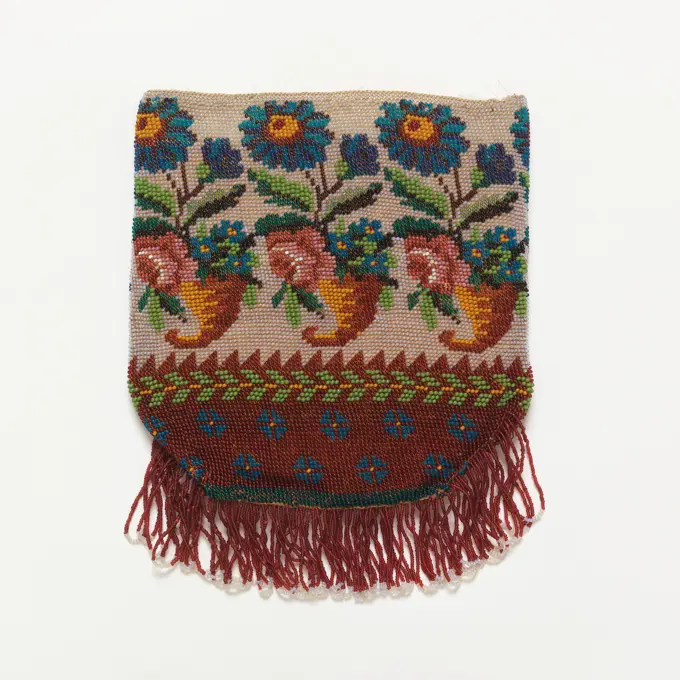
Textile Artifacts

An array of colorful bags and woven textiles from various cultures, highlighting traditional patterns and techniques from India, Bolivia, and Turkey.
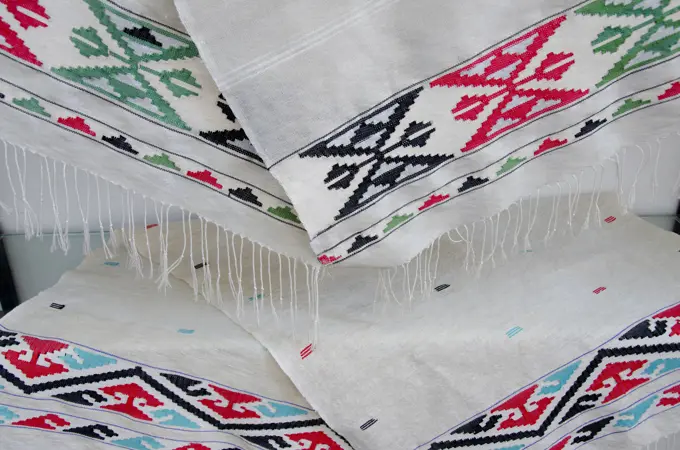
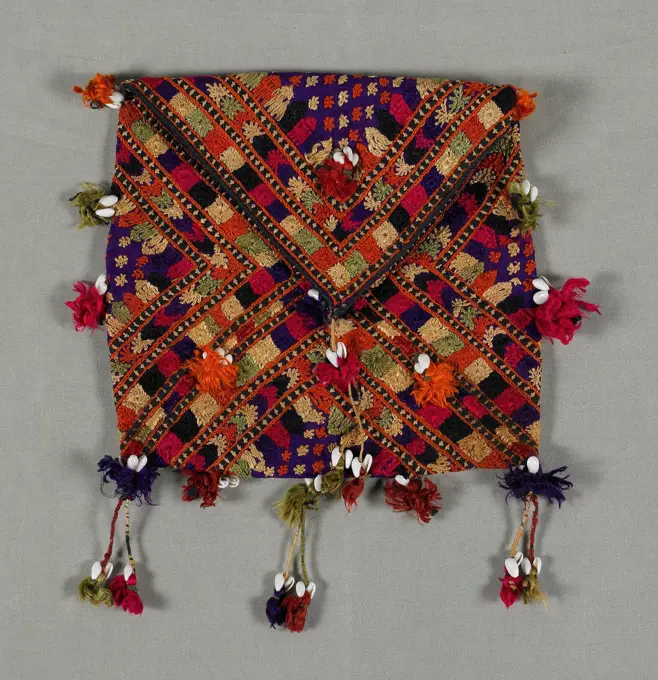
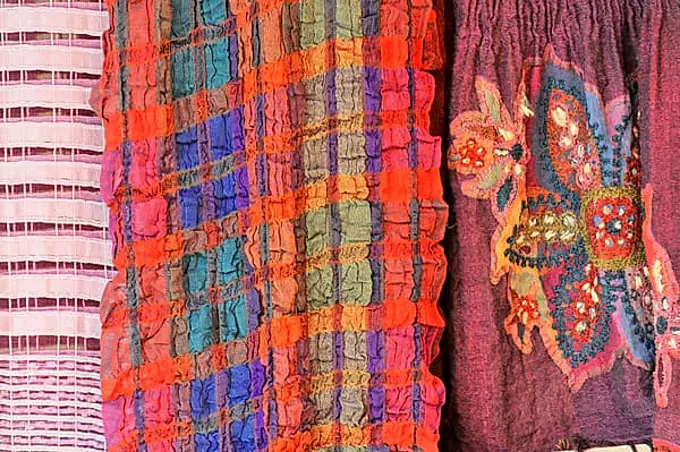
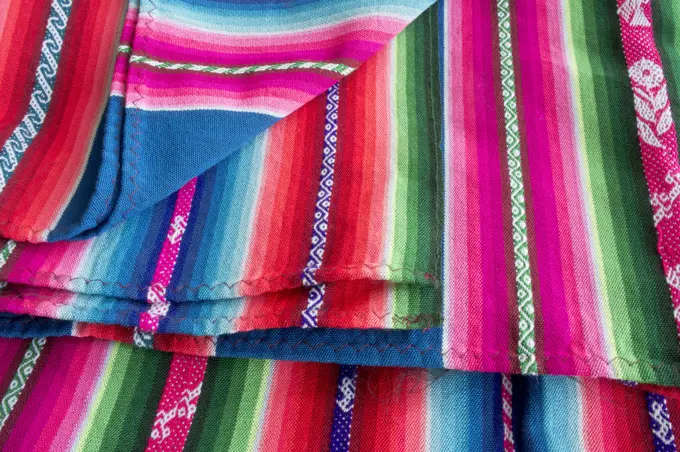
Turkey, historic region of Paphlagonia, Sinop (aka Sinope). Pervane Medresse, historic school now converted to handicraft market. Typical Turkish textile.
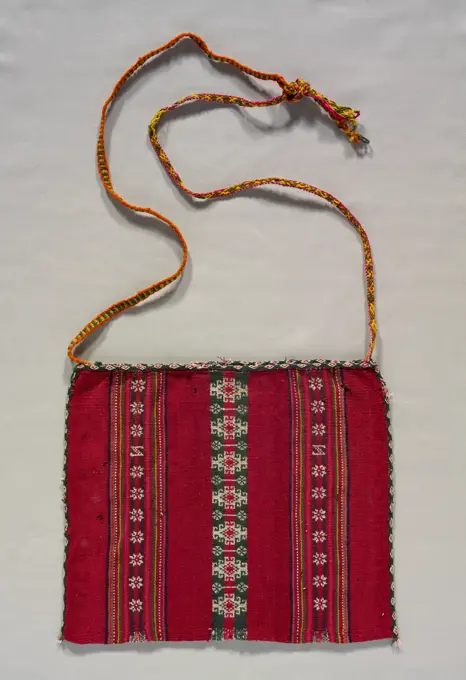
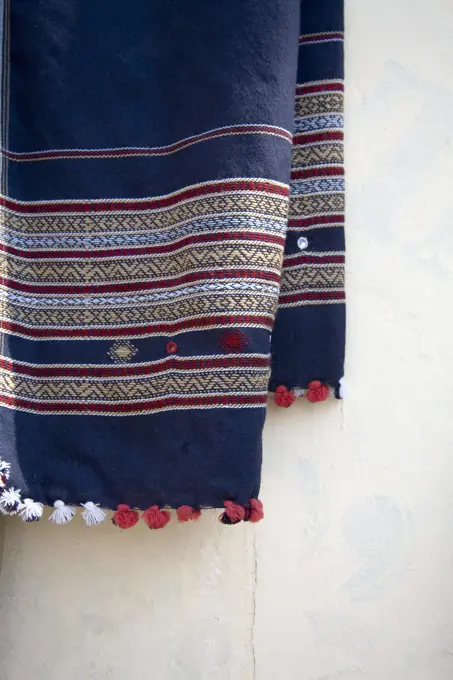
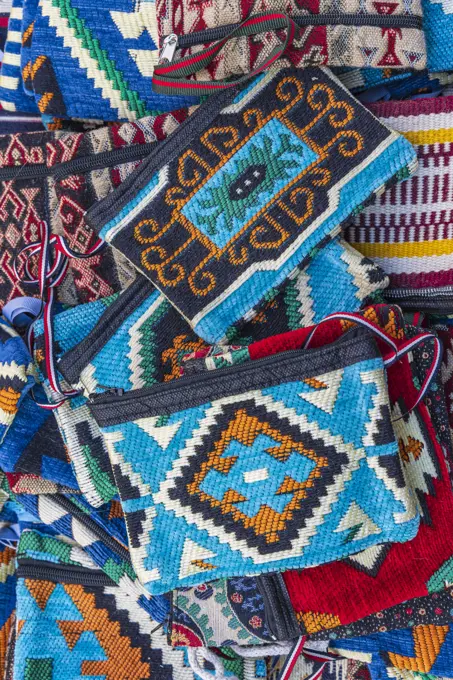
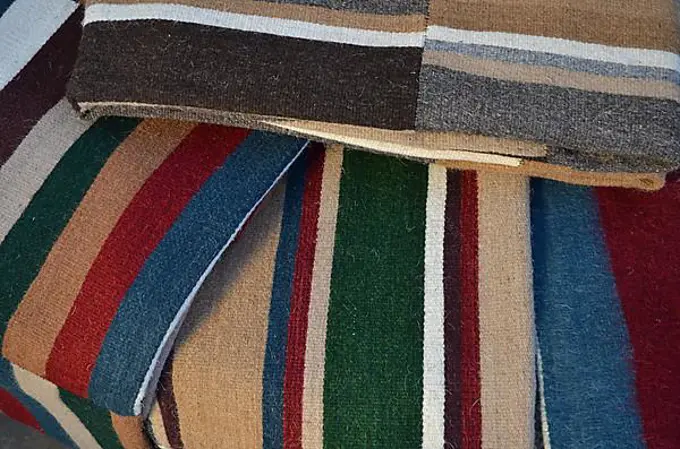
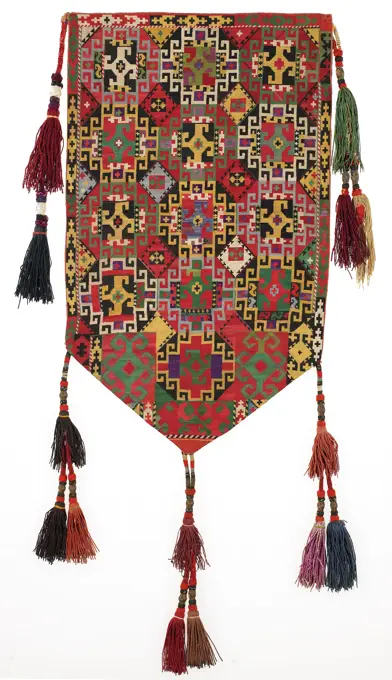
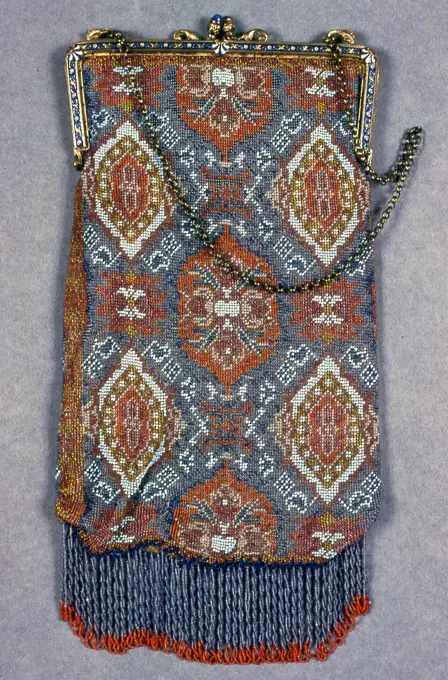
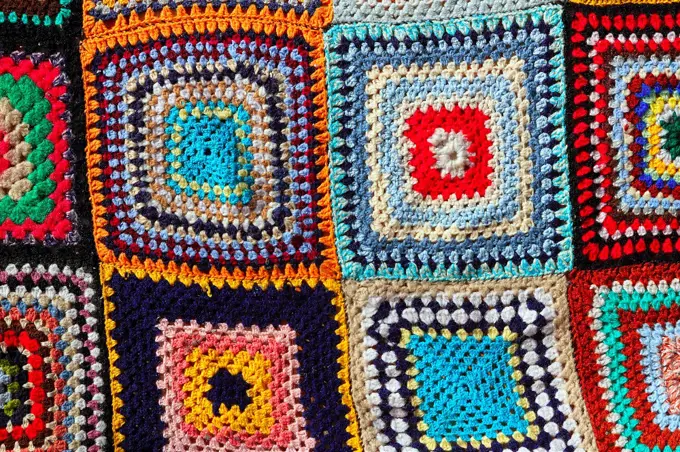
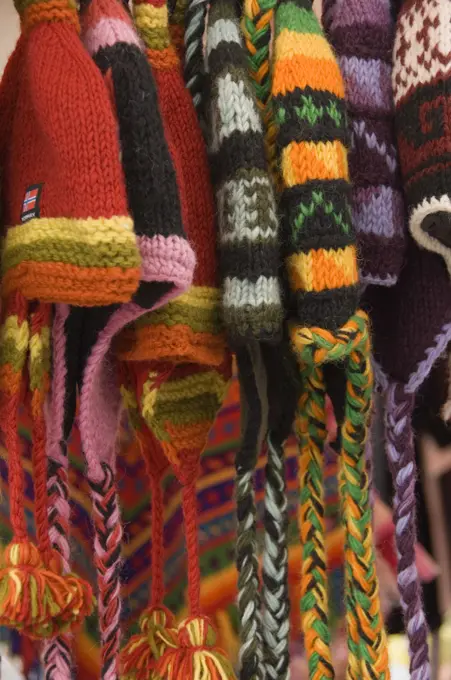
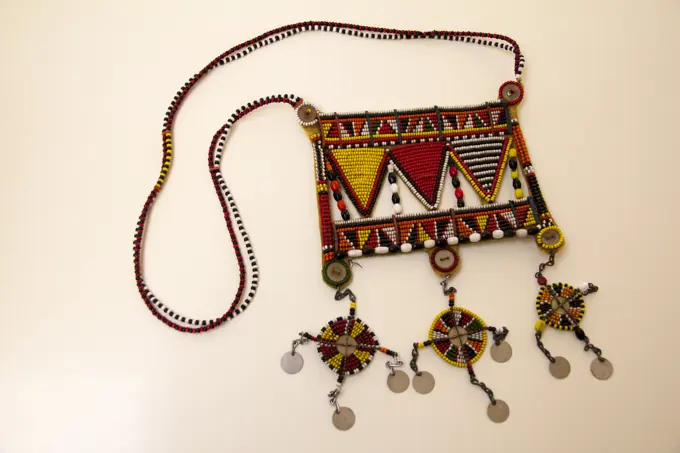
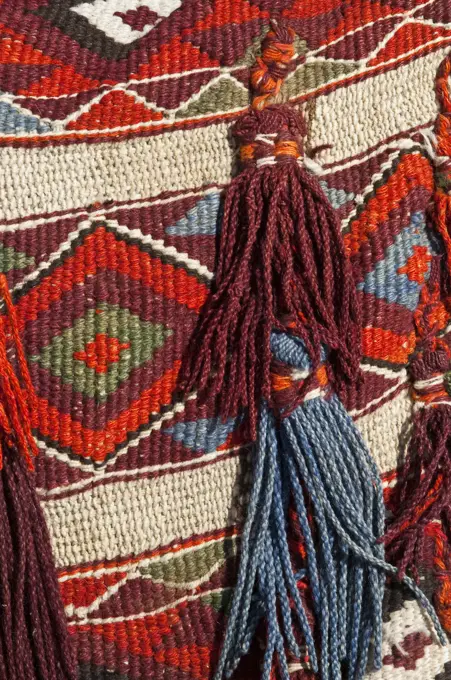
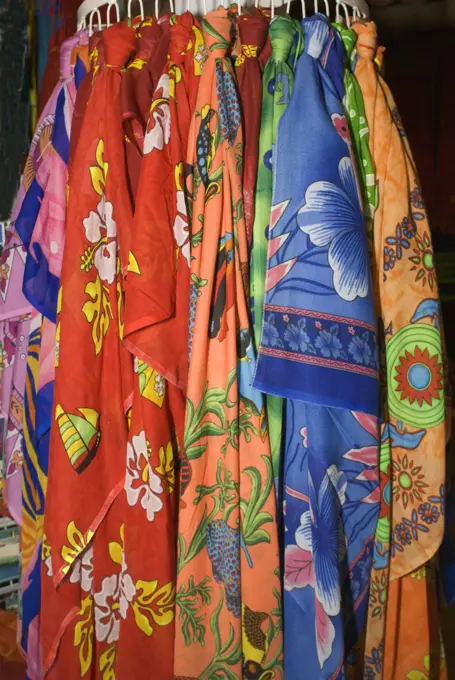
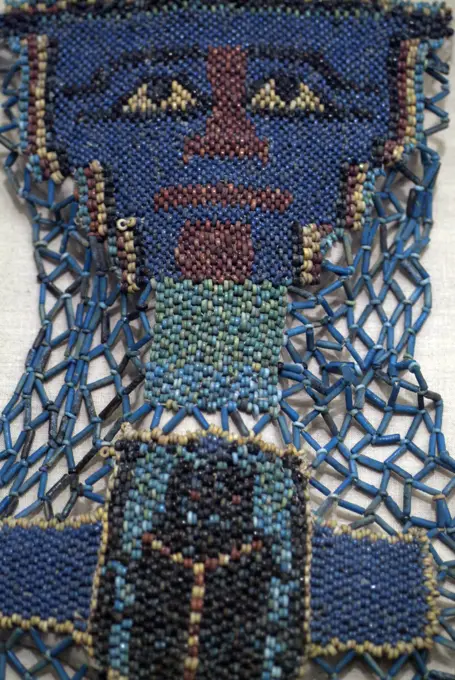
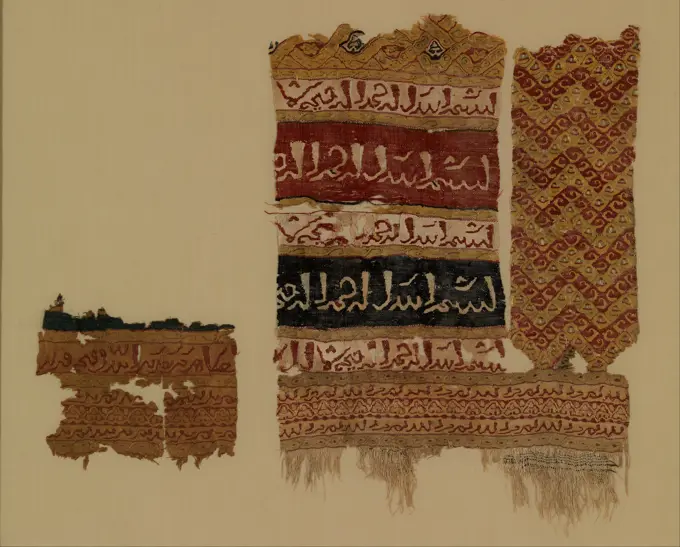
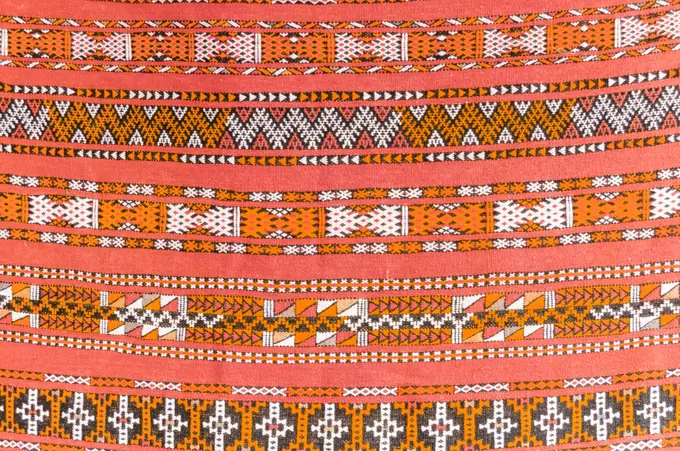
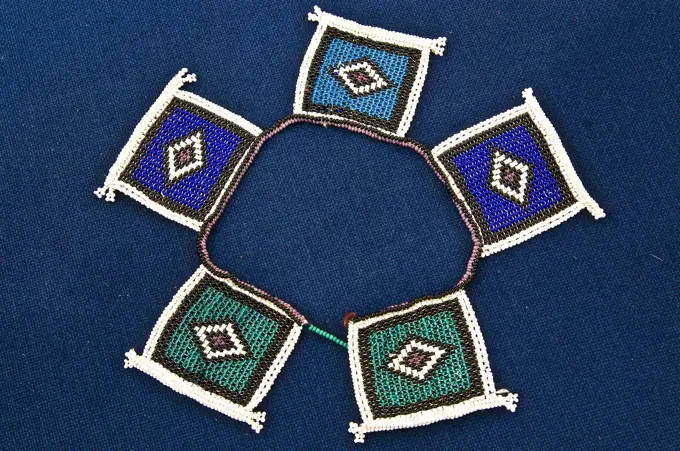
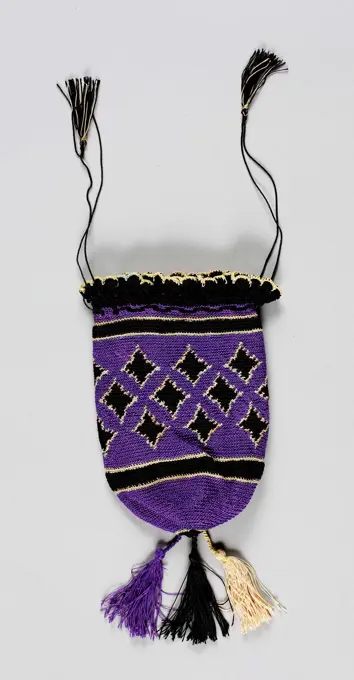
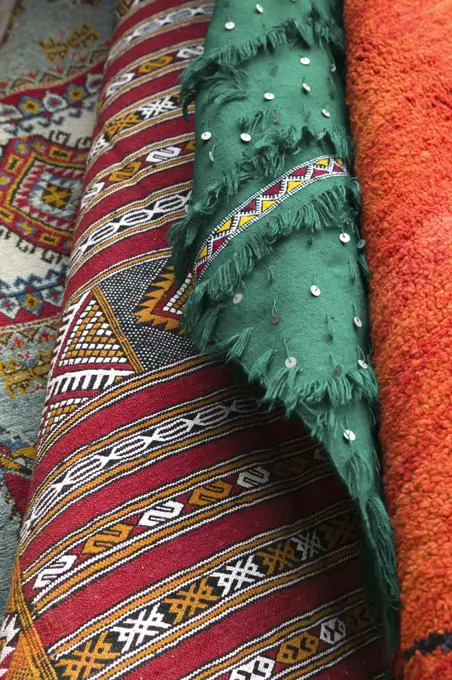
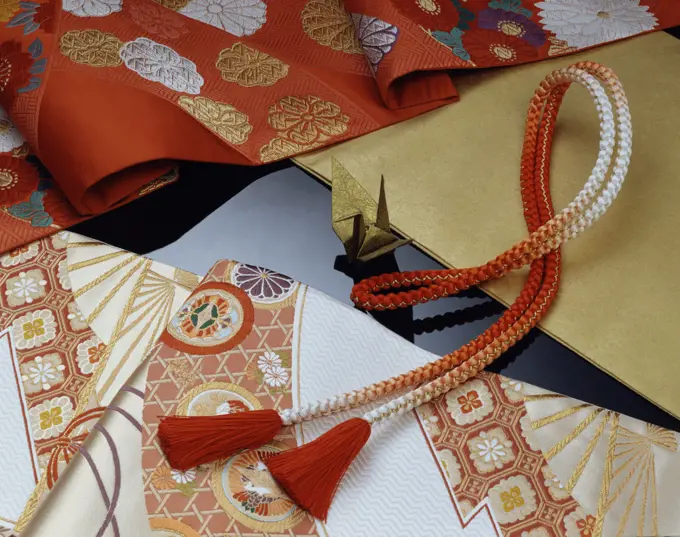
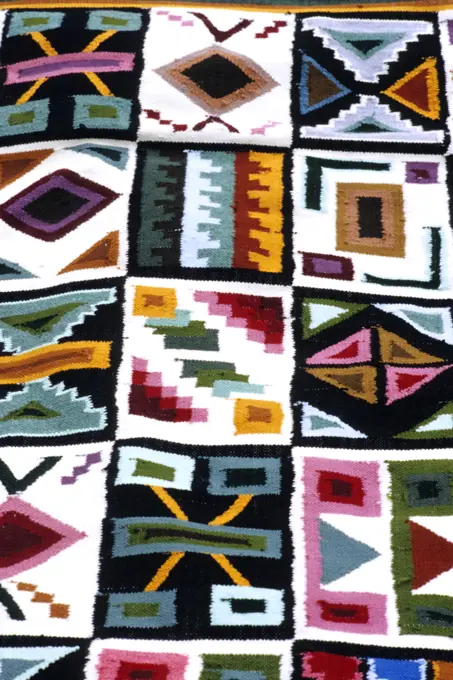
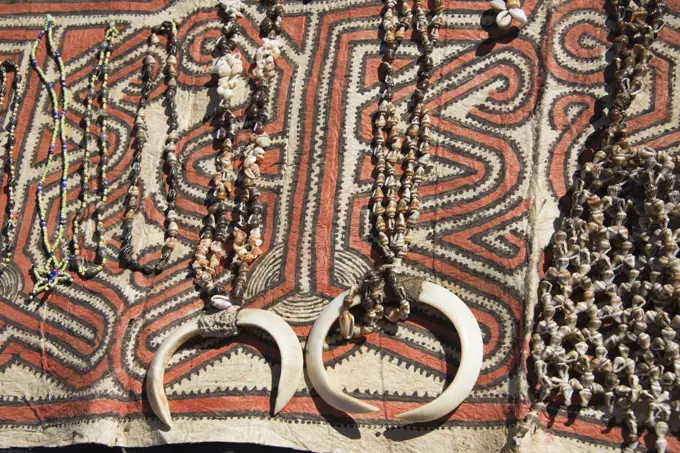
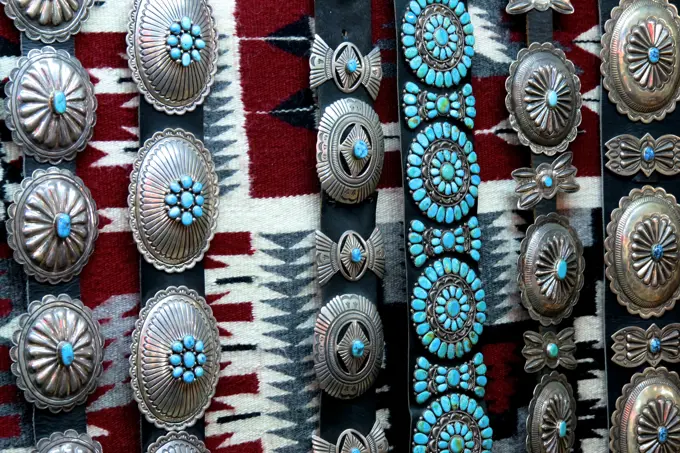
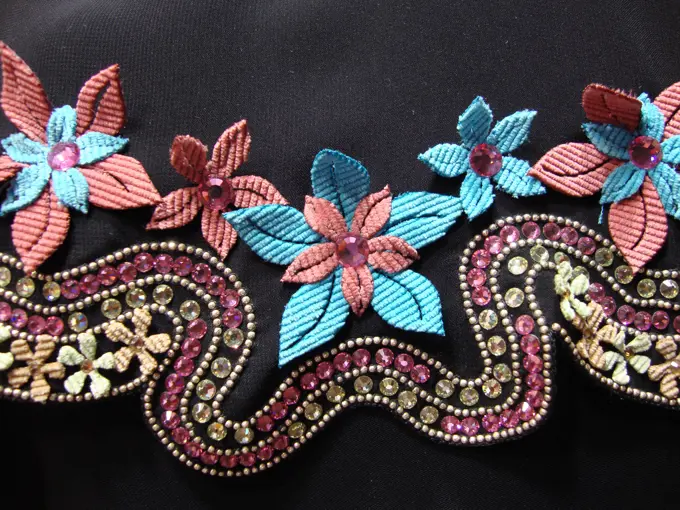
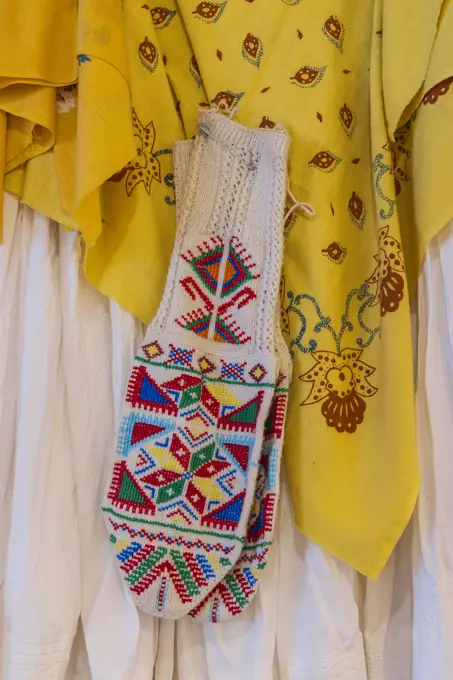
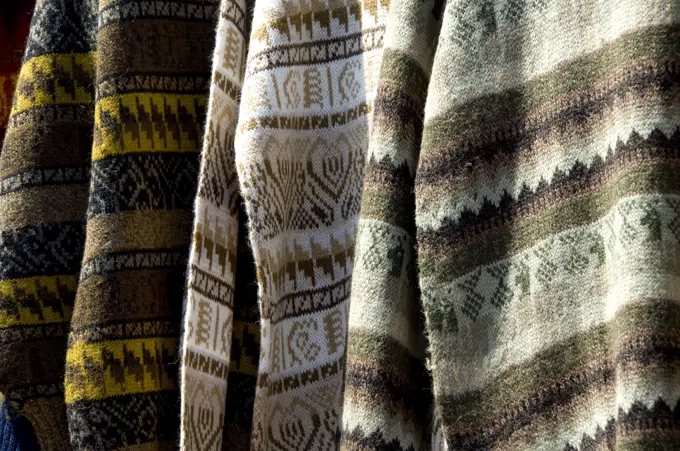
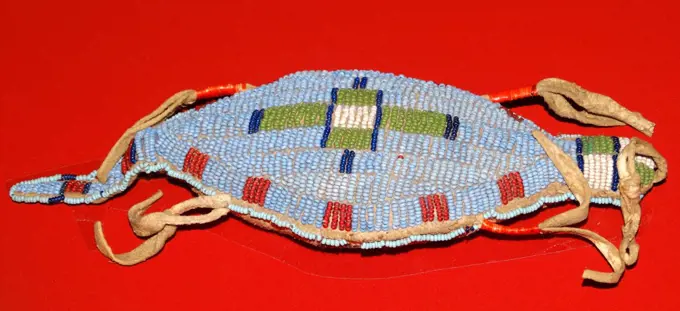
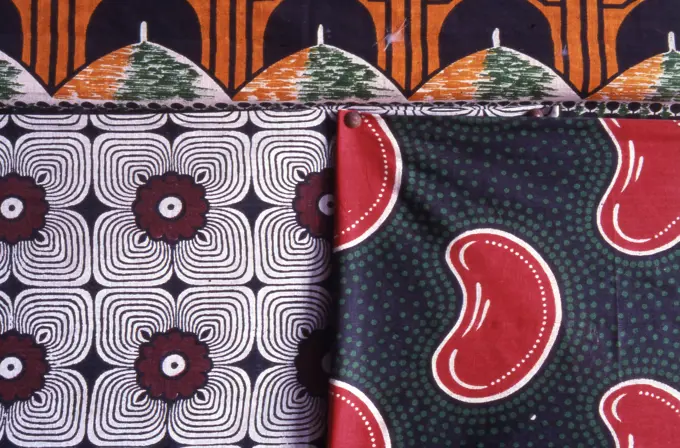
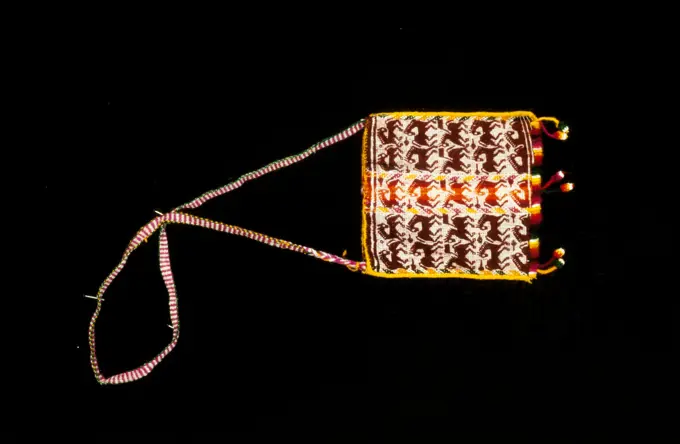
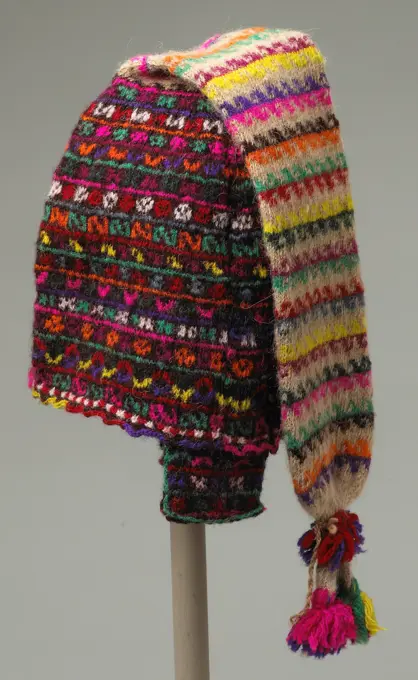
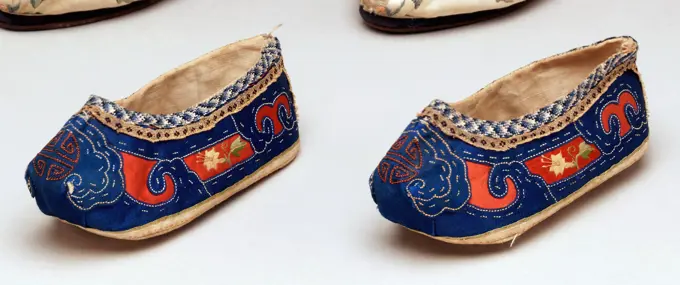
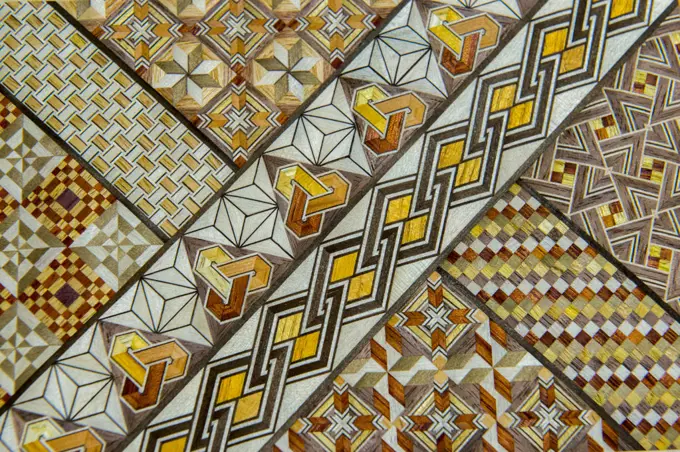
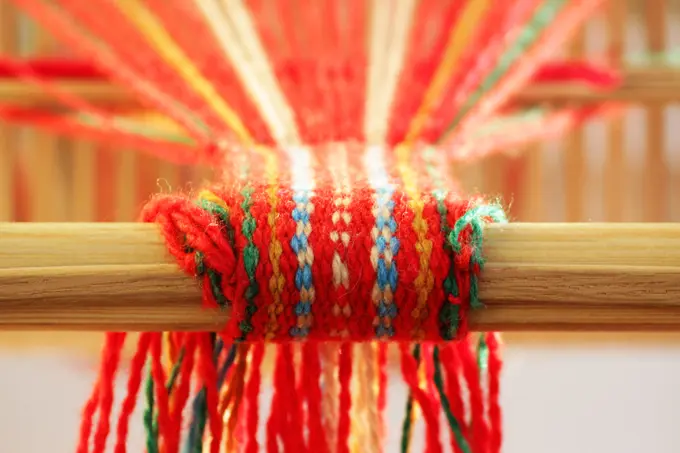
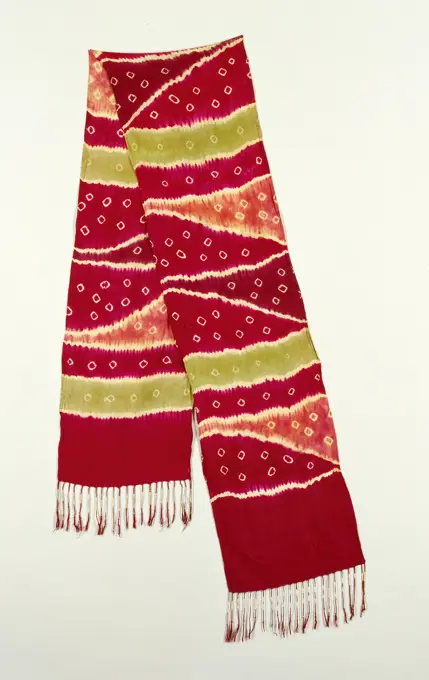
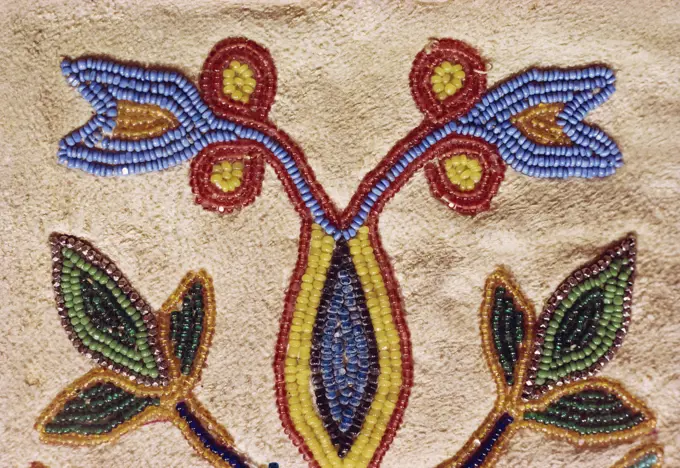
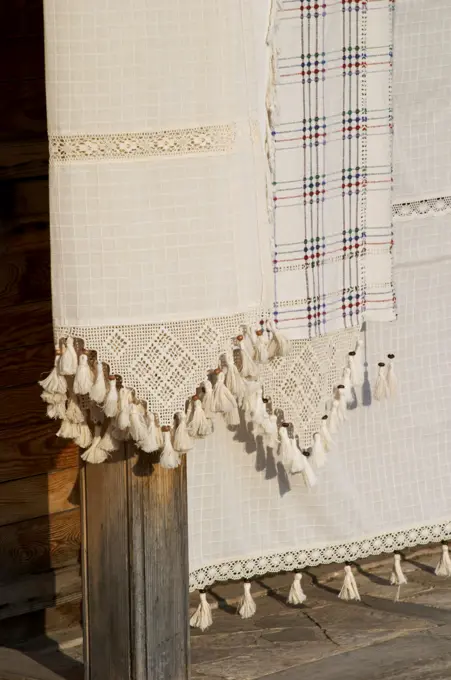
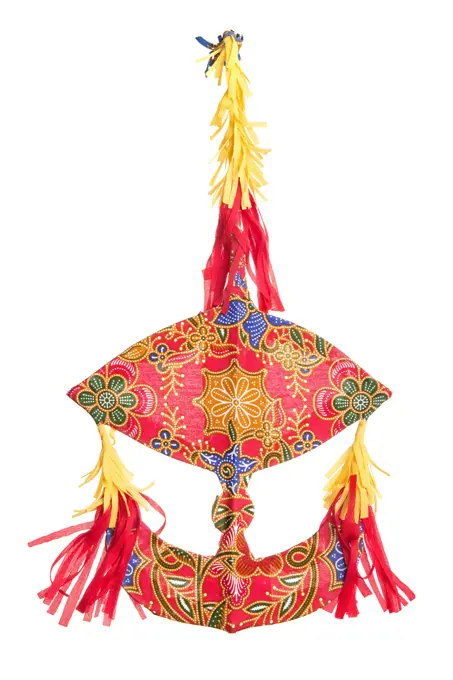
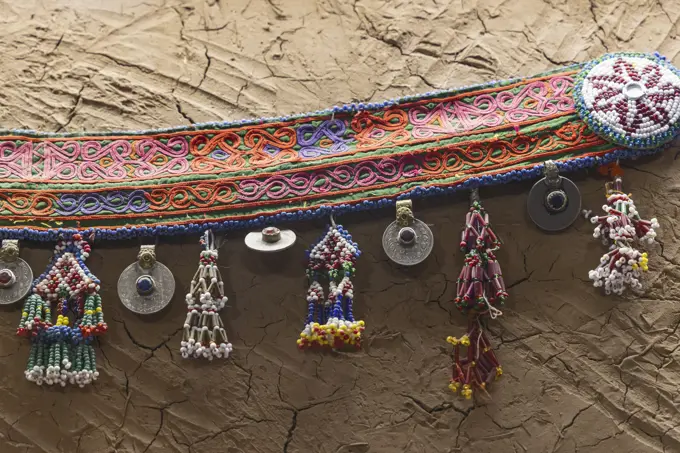
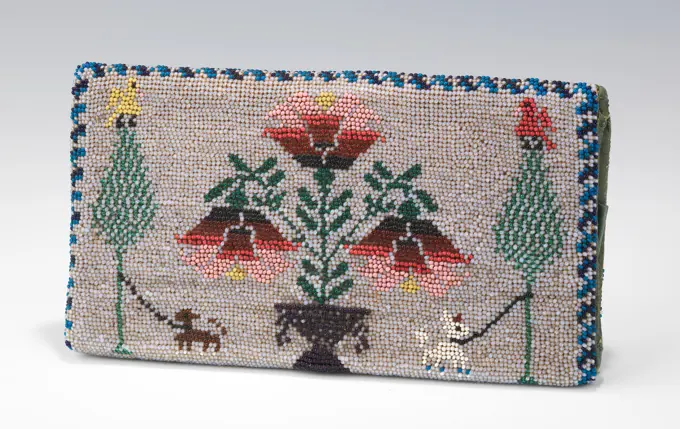
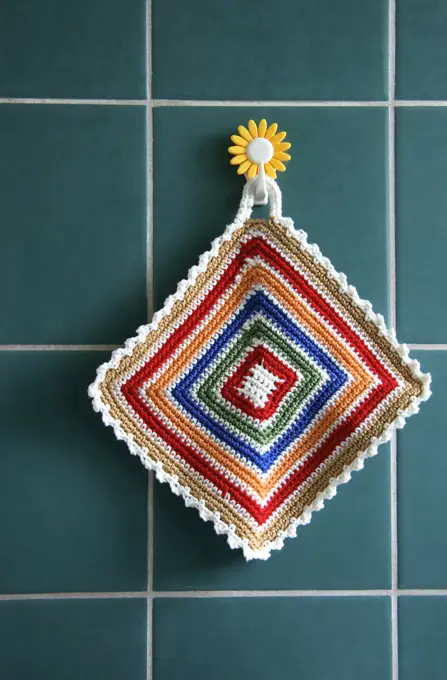
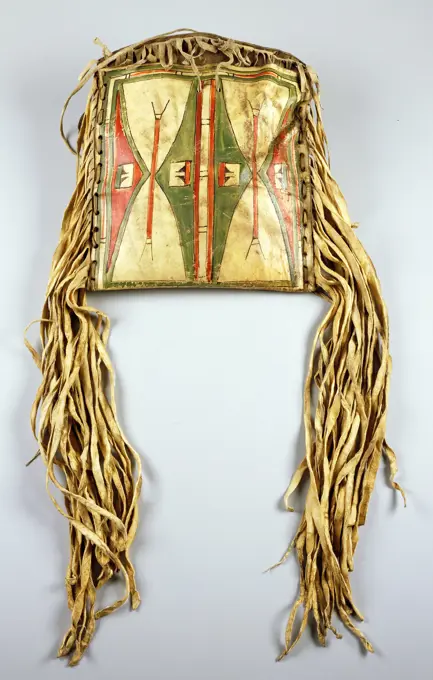
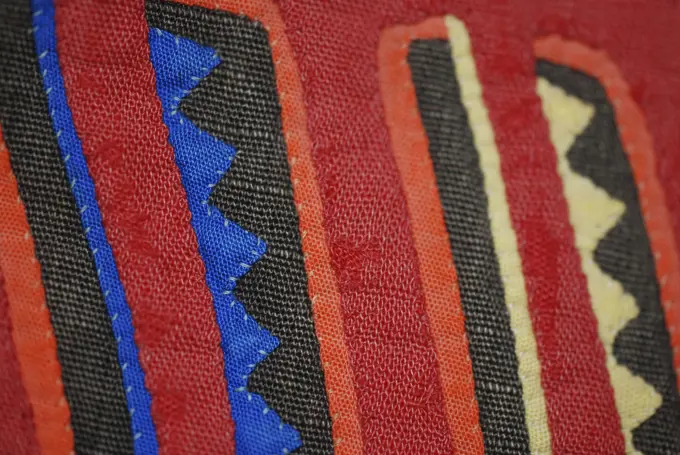
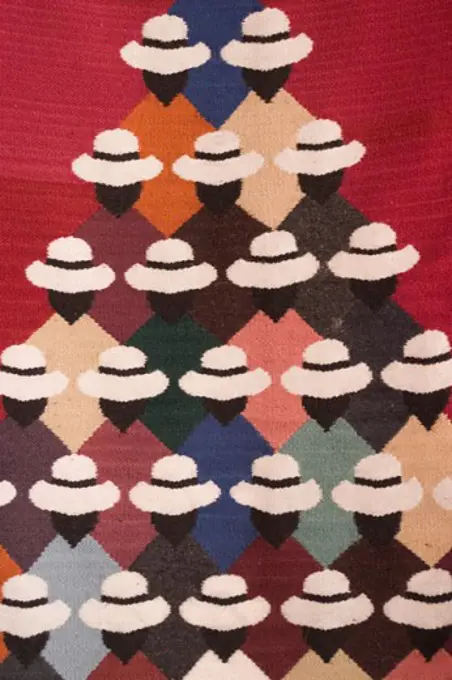
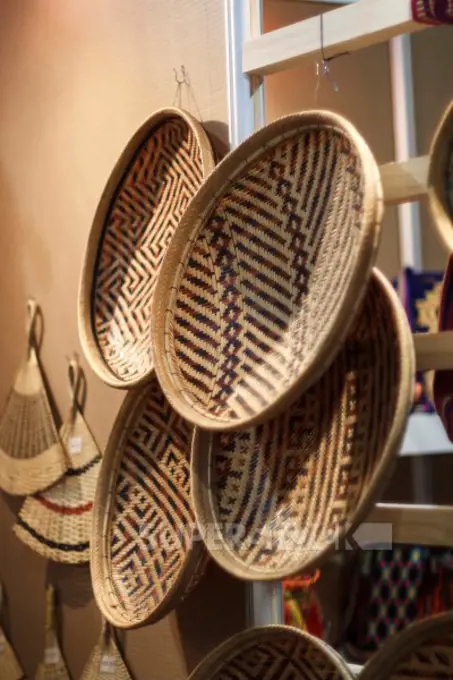
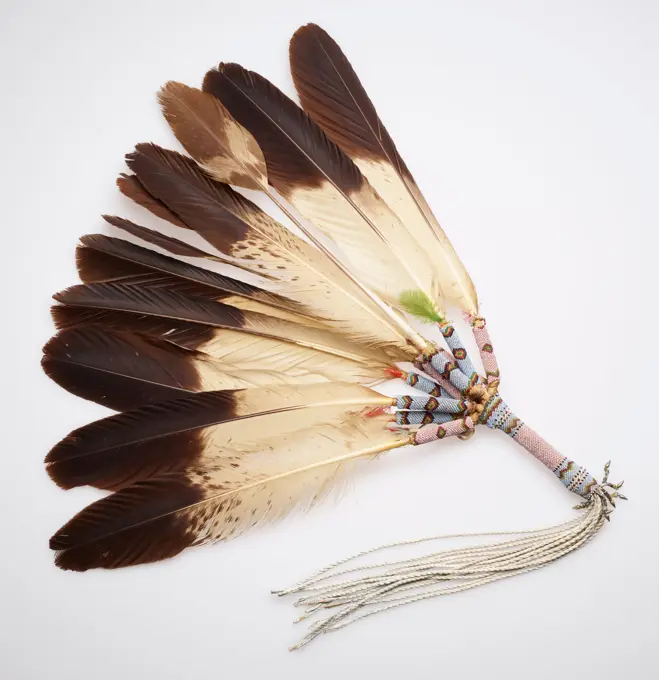
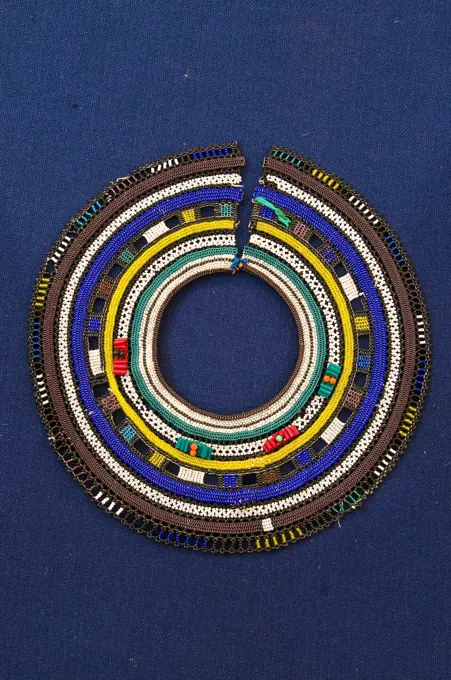
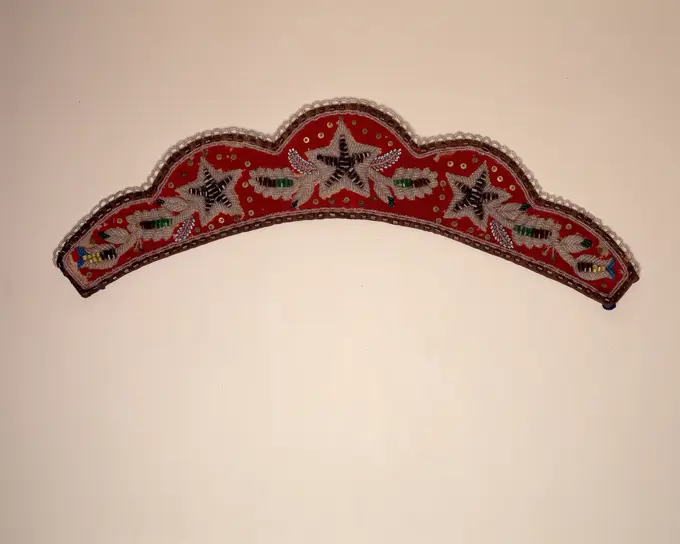
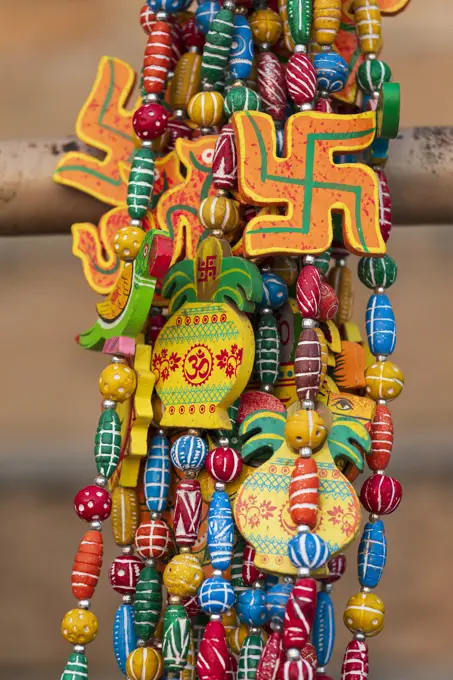
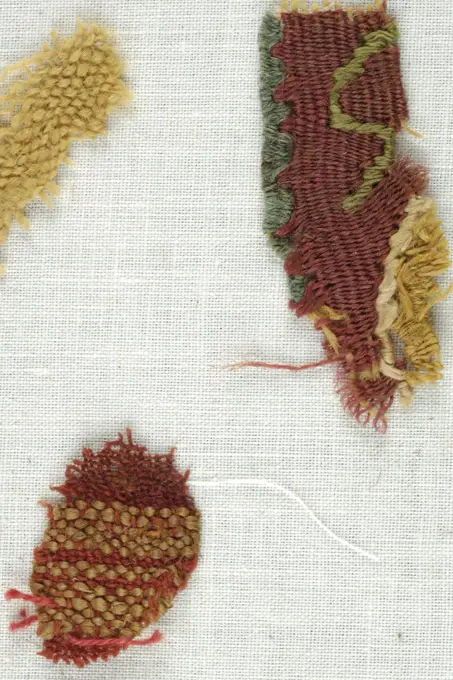
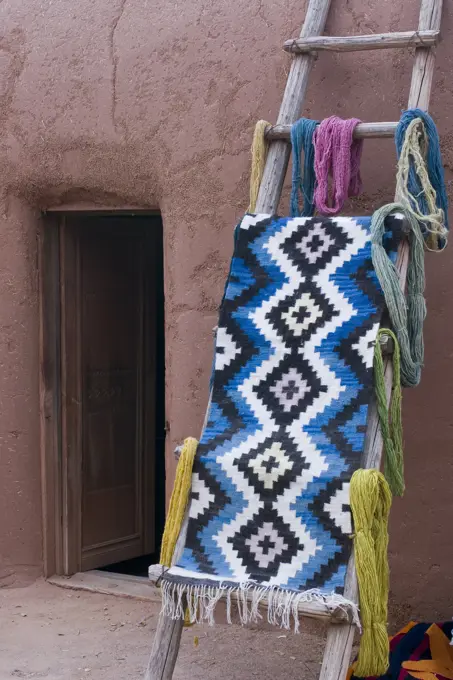
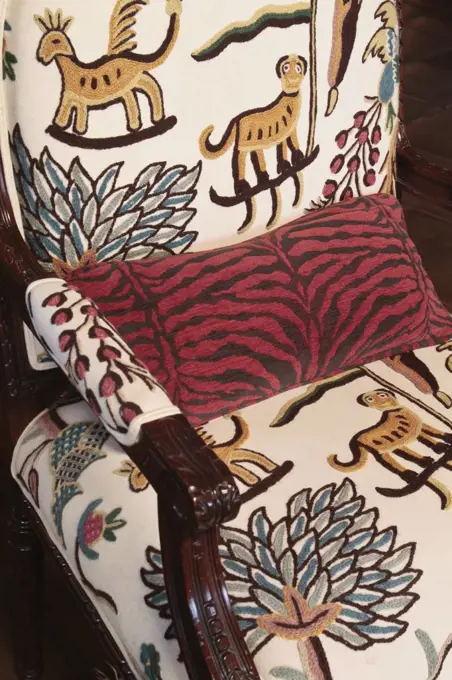
Bag, 20th century, 10 1/2 x 7 1/8 in. (26.67 x 18.1 cm) (without tassels), Cotton, shells; needlework, India or Pakistan, 20th centuryPouch (Bolsa), c. 1900. Bolivia, Choclla, early 20th century. Wool; overall: 26.7 x 31.2 cm (10 1/2 x 12 5/16 in.).Traditional Turkish hand made carpet and rugsCloth (tzute), 1955-1960, 34 1/4 x 19 1/2 in. (87 x 49.53 cm), Cotton, silk; warp-faced with supplementary weft patterning, Guatemala, 20th centuryBead Pattern Cape From Greenland Pitt Rivers Museum Oxford UKFringe late 18th century Italian. Fringe 224925Buzzing purse. GAL2001.45.16Poncho Made 1850-1900 Bolivia. Wool, stripes of plain weave and three-color complementary warp weave; joined with darning stitches; bottom edged with tape of three-color complementary warp weave; plain weave with extended supplementary patterning weft fringe . AymaraPouch 1840-60 American. Pouch 168407Colorful designers cloths for sale  Udaipur  Rajasthan  India Copyright: xRavixShekhar/DinodiaxPhotoxTurkey, historic region of Paphlagonia, Sinop (aka Sinope). Pervane Medresse, historic school now converted to handicraft market. Typical Turkish textile.Tirana, Albania. Colorful woven hand bags for sale. (Editorial Use Only)Tibetan handicrafts, colourful yak wool patchwork quilt, yak blanket, bedspreads, Tibet, China, AsiaUuk kap ilgich, late 19th-early 20th century, 34 x 16 in. (86.36 x 40.64 cm), Silk, cotton, metal; cross-stitch, Uzbekistan, 19th-20th centuryBag Made 1875-1900 Europe. Linen, knitted with attached glass beads and beaded fringe; metal handle and chain; lining silk, plain weave .Traditional Turkish hand made carpet and rugsCrochet patchwork colorful pattern handcraft fabric blanketTraditional Norwegian woollen hats, Stavanger, Norway, Scandinavia, EuropeColourful tapestries with different patterns for sale, Pokhara Valley, Pokhara, Nepal, AsiaAfrica, Kenya. Maasai tribal beadwork.Egypt, Giza. Camel blanket at the Pyramids of Giza.Shaman's Hat, 20th century, 12 x 15 3/8 x 3/4 in. (30.48 x 39.05 x 1.91 cm) (without tassels or ties), Cotton, beads; needlework, Laos or Vietnam, 20th centuryMauritius, Port Louis. Souvenirs in shop at Caudan Waterfront.Turksih traditional woman scarf with some embroideryBeaded Mummy Decoration, Egyptian, Saite Period, Dynasty 26, 664-525BC. Beads and fiber. The famous Art Institute of Chicago.Textile Featuring Arabic Inscriptions 12th century While it might be difficult to reconstruct the original appearance of this fragmentary tapestry-woven textile, the decorative style places it within the corpus of surviving textiles of the late Fatimid period, which is characterized by the use of golden yellow and red to create complex braided designs as seen on the top. Also representative of this late period is the shift towards the use of stylized inscriptions rendered in a cursive script. Although truncated, the Arabic inscription in the four bands on the right begins with, "In the name of God, the Merciful and Compassionate, There is no God but God;" while the two bottom lines contain a repetition of the phrase, "Victory is from God.". Textile Featuring Arabic Inscriptions. 12th century. Linen, silk; plain weave, tapestry weave. Attributed to Egypt. Textiles-WovenCarpet for sale in the Souk, Marrakech, Morocco.Africa, South Africa, Mpumalanga Province, Ndebele tribe, Loopsruit cultural village, Ndebele Museum, necklace called 'Mange Betjhe'Basket wall decor displaying necklaces, Santa Fe, New Mexico, USA.rigger s bend knot joining two ropes close up rigger s bend knot joining two ropes close up isolated on white background Copyright: xZoonar.com/ValeryxVoennyyx 13966611Colorful handheld tradition fan sold in local marketShoulder bag ca. 1840 Delaware Artist. Shoulder bag. Delaware Artist. Delaware. ca. 1840. Wool cloth, cotton cloth, wool yarn, glass beads, silk cloth, silk ribbon, and metal cones. United States, Kansas; United States. Textiles-BeadworkSotck exchange. Around 1861. GAL1985.84.1MOROCCO, Casablanca: Quartier Habous / Nouvelle (New) Medina built by the French in the 1930's, Moroccan Souvenirs, RugsJapanese Tapestry and OrigamiTextile (China); silk, paper with applied gold foilInca Artwork Rug Cuzco PeruPapua New Guinea, Tufi. Shell necklaces with boar tusks on traditional handmade tapa cloth, made from the paper mulberry tree, hand painted with natural dyes using geometric patterns distinctive to each village. (Large format sizes available)Turquoise and silver concha belts, Richardson's trading post, Native American jewelry, Gallup, New Mexico, USAorientalische Stickerei orientalische Stickerei Copyright: xZoonar.com/th.vietzx 3243446Kruje, Durres, Albania. Traditional knit mittens for sale at a market in Kruje.Ecuador. Famous Otavalo Market which dates back to pre-Inca times. Ecuadorian knit sweaters.Legging strip -A child's amulet. From the Sioux people of the Northern Plains, USA, 1880-1920.Close up of colorful khangas for sale in Stone Town, Zanzibar, Tanzania.Coca leaf bag (ch'uspa), 1965-1975, 6 1/4 x 6 3/4 in. (15.9 x 17.1 cm), Wool, Bolivia, 20th centuryNoh Robe (Atsuita) with Cloud-Shaped Gongs and "Chinese Flowers". Culture: Japan. Dimensions: Overall: 60 x 55 in. (152.4 x 139.7 cm). Date: first half of the 19th century.The term atsuita originally referred to high-quality fabrics imported from China as bolts rolled around "thick wood boards" (atsu-ita). In the Muromachi period (1392-1573), warlords acquired these fabrics through private trade and presented them to Noh actors. The costumes made from such fabrics also came to be called atsuita. In the Edo period, these robes were made from twill-weave fabric produced in Japan and mainly worn by male leads playing warlords, gods, or demons. Costumes for violent gods and demons were decorated with powerful motifs, including dragons, clouds, zigzag patterns known as "hammer-wheels on lightning," and cloud-shaped, flat gongs, as seen on this robe. Museum: Metropolitan Museum of Art, New York, USA.Hat, 20th century, 24 x 10 1/2 in. (60.96 x 26.67 cm) (including tassels), Wool, knitted, Peru, 20th centurySewing Instruction Book Samples (USA); 1945-20-20-a/hBelt -Leather slippers isolated on the white backgroundMongolia, Central Asia, bike tour Tamir - Tsetserleg, stage 5, nomad, yurt, inside, toothbrushesJacket, Chinacolorful hatsAfrican ethnic colorful jewellery necklaces with selective focusPair of Children's Shoes, 19th century, Manchu, 4 3/4in. (12.1cm), Silk with embroidery, China, 19th centuryBoxes with Yosegi-zaiku wooden inlaid work at the Hamamatsuya - a studio where wooden handicrafts are made in the Hakone area, Kanagawa Prefecture, Japan.Weaving mini machine for making belts with patterns. Folk art, handmade. Detail. Weaving mini machine for making belts with patterns. Folk art, handmade. Detail Copyright: xZoonar.com/OvchinnikovaxOlgax 11600475Scarf, 20th century, 106 x 13-1/4 in. (269.2 x 33.7 cm), Silk; tie-dye, Indonesia, 20th centuryBoys miyamairi kimono with arrow and goals. Formal kimono for a boy for the first visit to a Shinto shrine (Miyamairi Kimono), with a decoration of scattered round goals, with a large arrow. Handwoven silk from hand-spun raw silk (tsumugi) with tie-dye decoration (shibori) in green, brown and black. White silk lining. Five family weapons (Mon) by Paulownia (Kiri).Detail of Blackfoot gloves from around 1890, buckskin with glass beads, Robert A. Testudine Collection, United States of America, North AmericaBazar street Kujundziluk, traditional embroidered cloth and craft tissue. Detail of lace border. Historic town of Mostar. Federation Bosne i Hercegovine. Bosnia Herzegovina.Selection of Ottoman Turkish traditional tassels in various colorsWau Malaysian traditional moon kite or Wau isolated on white background. Copyright: xZoonar.com/szefeix 7284893Party hat isolated on white backgroundHat, 1950-1984, 13 1/2 x 9 1/2 in. (34.29 x 24.13 cm), Cotton; appliqué and reverse appliqué; needlework, Thailand, 20th century, Hats such as this one are worn by the Hmong people as a form of decorative clothing to be worn for special celebrations and sometimes as a form of protection. The elaborate designs and fanciful attachments, such as these pompoms, are thought to distract mischievous spirits who sometimes tempt the unsuspecting soul to leave the physical body, thereby causing the death of the individual.Mirror Case, c. 1870, 9 5/16 x 5 3/4 in. (23.65 x 14.61 cm) (pouch only), Animal hide, beads, cotton, felt, bells, United States, 19th century, Apsaalooka women created beautifully adorned objects that were used by men. Basic Apsaalooka design elements include the hourglass shape, which is often outlined by a single row of white beads. This simple line of beads has a significant visual effect of separating the foreground and background designs. This technique, combined with typical Apsaalooka color palette of pink, light blue and green, makes the decorated surface designs radiate.cane furniture and bottle with wood decoration outdoor in natureHat -Hat and umbrella stand, O. M. Bergh House 1836, Dorp and Village Museum, Stellenbosch with intact historic old town, South Africa, Stellenbosch, AfricaSanta Fe, New Mexico, USA. International Folk Art Market. African folkart dolls.Ushaiger Heritage Village, Riyadh, Saudi Arabia. Colorful beaded cloth belt.INDIA, Rajasthan, Udaipur: Tourist Souvenirs, HandbagPurse 1800-1830 Mexican The key and heart imagery suggest this pocketbook has some association with romance, it may have been created to hold letters between a romantically involved couple. The pair of trees with birds standing atop, and dogs tied to their trunks appears to be an individual motif worked out by the maker. The pocketbook is part of the Mexican beadwork collection of over 600 pieces assembled by Elizabeth Morrow (1873-1955), mother of writer Anne Morrow Lindbergh, the wife of renowned aviator Charles Lindbergh. Morrow collected the objects between 1927 and 1930, when her husband, Dwight Morrow, Sr., served as U.S. ambassador to Mexico. She lent the collection to the Brooklyn Museum in 1938 and upon her death, her children donated it. A collection of 155 pieces of Mexican ceramics and other decorative arts were given to Amherst College, her husband's alma mater. Mrs. Morrow collected Mexican beadwork, along with other examples of colonial and native arts, to decorate theirPot holder hanging on tiled wall, close-upFlat bag (Parfleche), c. 1880s, 13 1/8 x 11 7/8 x 3 9/16 in. (33.34 x 30.16 x 9.05 cm) (without fringe), Animal hide (leather), pigment, United States, 19th century, These two uniquely shaped rawhide cases highlight the technically skilled artistic abilities of Tsistsistas (Cheyenne) and Inua-ina (Arapaho) artists. Because they were allies, the Arapaho and the Tsistsistas share some artistic qualities, particularly their use of delicately drawn lines. The pattern you see on the fringed bag is one of three distinct patterns used by the Tsistsistas on their bags. This artist emphasizes the power of color in her dramatic shapes. There is a sense of balance as the amount of colored and uncolored areas are distributed evenly.Woman's head band, c. 1970s, 3 3/16 x 9 3/4 x 9 3/4 in. (8.1 x 24.77 x 24.77 cm) (including 'tassels'), Plant fibers, plastic (), hair, India, 20th centuryMOLA PATTERNS FROM PANAMA KUNA INDIANSTraditional turkish handmade bagSmall decorative stylish colorful printed oriental cupboard with foots with ceramic shelves on isolated backgroundSet of traditional style woven purseMulticolor wool fibers closeupNative american indian dream catcher traditional symbol. Bright card card with colored feathers and beads. Native american indian dream catcher traditional symbol. Bright card card with colored feathers and beads.Basketry. Balay, wicker basket.Artistically used patterns woven into this cedar storage and gathering basket with lid made by the Suquamish Indians of the Northwest Coastal areas in Washington State.Blankets with traditional identification lines Hudson Bay Company Fort Langley national historic site CanadaFan, c. 1950, 29 7/8 × 12 1/2 × 2 in. (75.88 × 31.75 × 5.08 cm) (approx., including fringe), Eagle feathers and other feathers, glass and metal beads, leather, pigments, United States, 20th centuryAfrica, South Africa, Mpumalanga Province, Ndebele tribe, Loopsruit cultural village, Ndebele Museum, pearl necklace called 'Irasu'Headdress -India, Uttar Pradesh, Varanasi, Bangali Tola. Decorative beads for sale.Quechua colored, typical, blanket Quechua colored, typical, blanket Copyright: xZoonar.com/AndreasxGiannakisx 6900856Tapestry Weave Fragments Coptic. Tapestry Weave Fragments. Flax, wool, 5 x 7 in. (12.7 x 17.8 cm).   Egyptian, Classical, Ancient Near Eastern ArtA woven mat drapped over a ladder in New Mexico.Handmade colorful Turkish ethnic styled woven woolen socksString of 7 Beads 10th century Islamic Period. String of 7 Beads. 10th century. Glass. Islamic Period. From EgyptBeautiful Christmas or New Year colorful homemade gingerbread cookies on a ceramic plate on a dark concrete background. Beautiful Christmas or New Year colorful homemade gingerbread cookiesArmchair with printed patternTraditional hat being knit (close-up), Taquile Island (also known as Isla Taquile), Lake Titicaca, Peru.Bag (USA); glass beads