Textile Embellishments

Diverse collection of decorative textile pieces, including lace trims and ribbons, showcasing unique patterns and historical craftsmanship.

Cap crown and border, Medium: linen, straw Technique: satin and running stitches on net, Round cap crown and ties in black net embroidered with straw. Crown never mounted., France, 19th century, embroidery & stitching, Cap crown and border
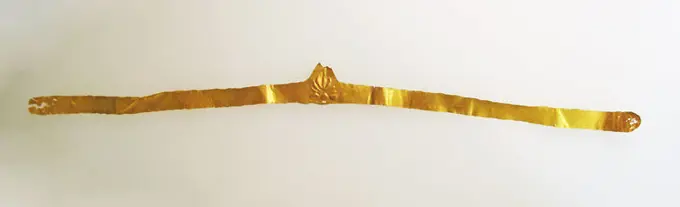
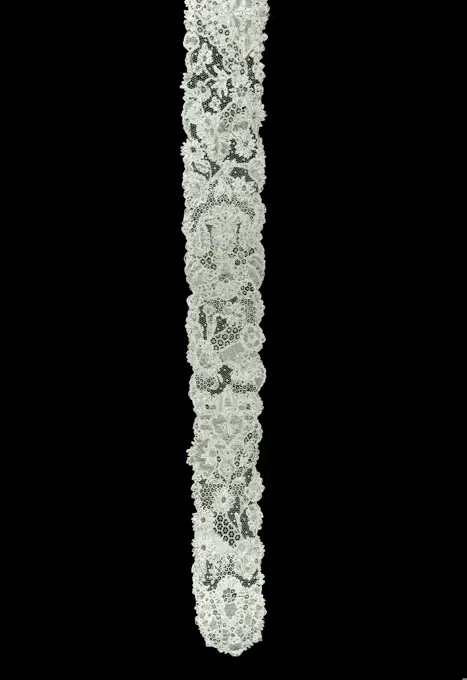
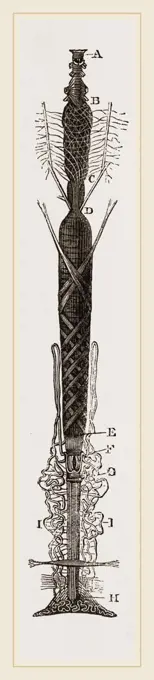
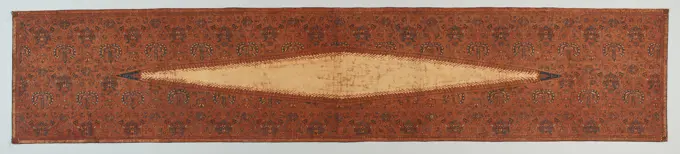
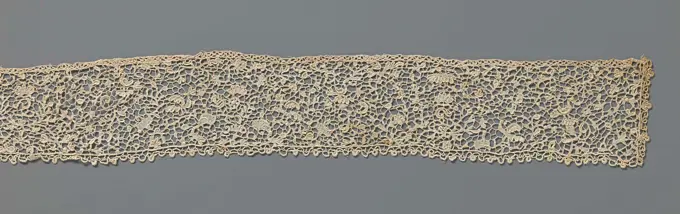
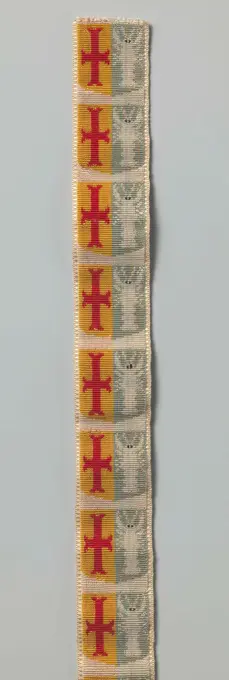
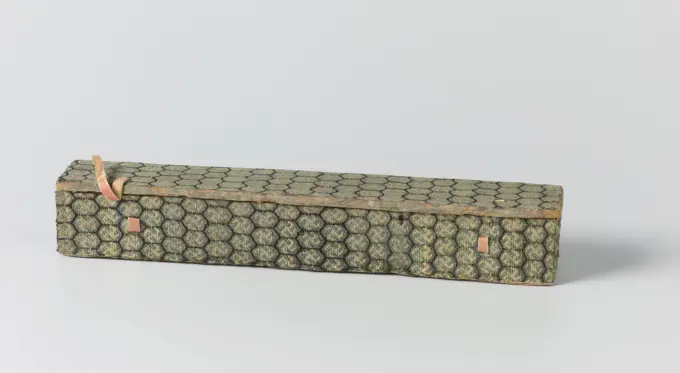
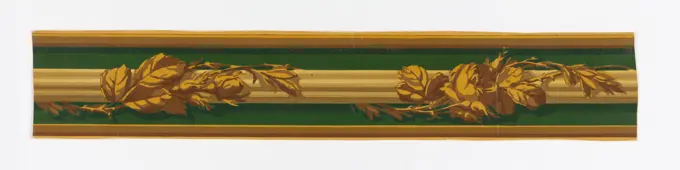
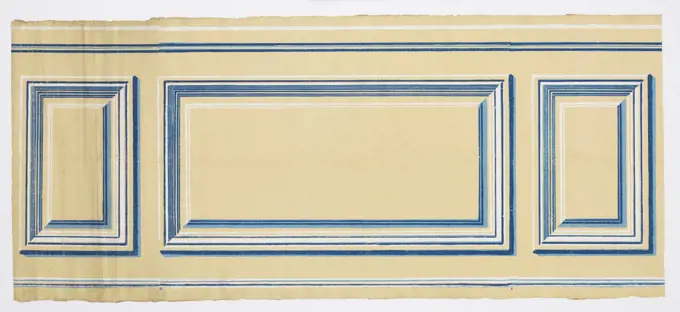
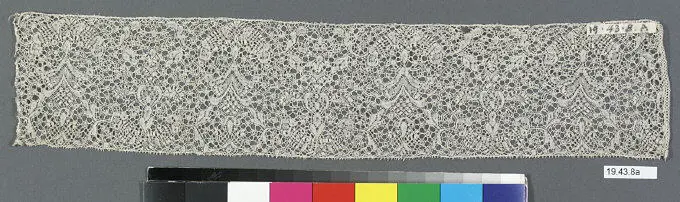
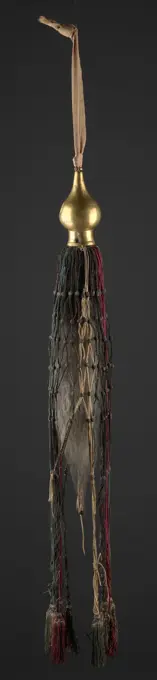
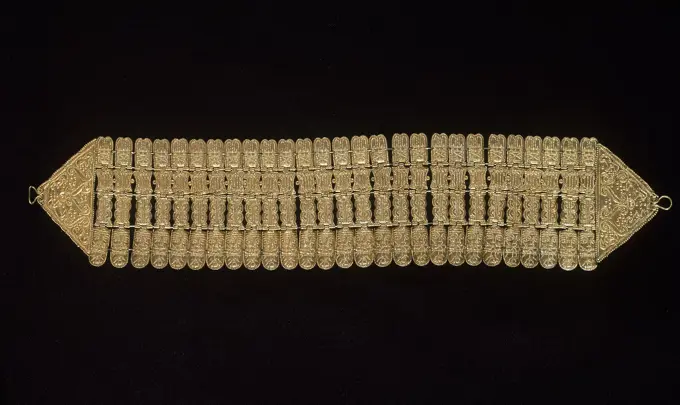
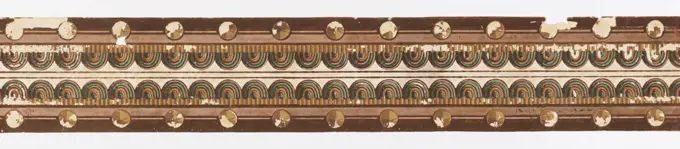
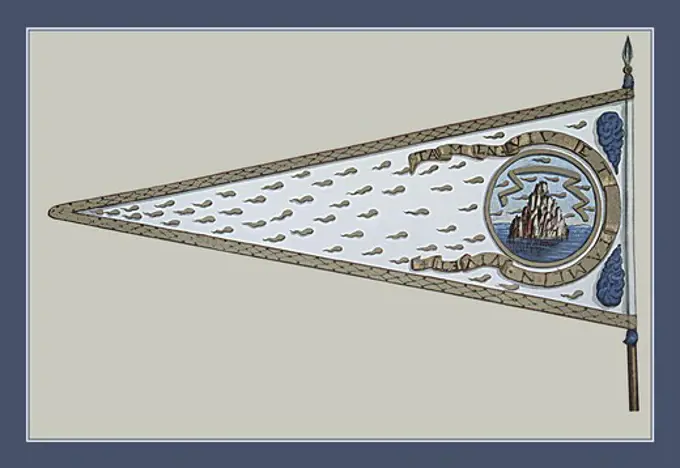
Ribbon early 19th century possibly French. Ribbon 220668Fragment, Medium: silk, metallic thread Technique: plain weave with a set of supplementary warps (orange) and discontinuous supplementary wefts (silks and metallics) bound on the front in 1/3 twill, Long narrow fragment from the right side of a pattern which had a ship at sea and bold vegetation in bright colors and metallic thread., France, ca. 1740, woven textiles, FragmentGalloon 18th century Italian. Galloon 213960Trimming, Medium: silk Technique: woven, Trimming woven in a yellow checkerboard design., Italy, 18th century, trimmings, TrimmingGalloon 18th century French. Galloon 214100Insertion 17th century Italian. Insertion 214997a typical curled ribbon banner isolated on white background 3d illustration of a typical curled ribbon banner isolated on white background Copyright: xZoonar.com/magannx 11194733Frontlet of gold leaf. Culture: Cypriot. Dimensions: Other: 3/4 × 11 in. (1.9 × 27.9 cm). Date: 4th century B.C.. Museum: Metropolitan Museum of Art, New York, USA.Hat -slip (barbe) of Brussels bobbin side decorated with, among other things, a fly and a butterfly, Anonymous, c. 1735 - c. 1750 Heat slip (Barbe) of Brussels bobbin, irregularly sculpted with a round end and fully equipped with a picotrand. The pattern consists of volutes, flowers, flower branches, foliage, a fly and a butterfly. Brussels linen (material) Brussels bobbin lace Heat slip (Barbe) of Brussels bobbin, irregularly sculpted with a round end and fully equipped with a picotrand. The pattern consists of volutes, flowers, flower branches, foliage, a fly and a butterfly. Brussels linen (material) Brussels bobbin laceLength of LacePair of Lappets (Joined) Made 1720-1739 France. Linen, needle lace .Field of five edge tiles with marigolds and leaves, anonymous, c. 1600 - c. 1630 Field of five edge tiles (1 x 5) with a multicolored (blue, green, yellow and orange) ornament of marigolds and leaves. Netherlands earthenware. tin glaze majolica Field of five edge tiles (1 x 5) with a multicolored (blue, green, yellow and orange) ornament of marigolds and leaves. Netherlands earthenware. tin glaze majolicaViscera of Goat-MothNeedlepoint (Reticella) Lace Insertion and Edging, 16th century. Italy, 16th century. Lace, needlepoint; average: 19.7 x 333.4 cm (7 3/4 x 131 1/4 in.).Fragment, China, 18th-19th century, woven textiles, FragmentSlendang (Shawl) Made 1801-1900 Java. Cotton, batik dyed .Fringe European 19th centuryApparel from a Dalmatic, early 1500s. Italy, early 16th century. Embroidery; silk and metallic threads; overall: 3.6 x 65.6 cm (1 7/16 x 25 13/16 in.).Piece mid-18th century French. Piece 224885White clay pipe, marked with stalk decorated with fleur de lis stamps, clay pipe smoking equipment smoke floor pottery ceramics pottery, hand molded baked White clay pipe marked with fleur de lis stamps decorated handle. Heel mark. heel mark: II in between star letters crossing the pearl edge archeology smoking tobaccoFragment, Medium: silk Technique: cut supplementary warp pile (velvet) in a 3/1 twill foundation, Unpatterned cut red velvet with green and ivory striped selvages., Italy, 18th century, woven textiles, FragmentSleeve Band 19th century China. Sleeve Band 68695Trimming (France); silkFragment of the Bordic;  k. 19th century (1900-00-00-1910-00-00);Piece 18th century Japan. Piece. Japan. 18th century. Silk / Compound weave. Edo period (1615-1868). Textiles-WovenSwaddling Cloth (Italy); cotton; 1967-82-1-dSword Grip () 10th century Punuk. Sword Grip (). Punuk. 10th century. Ivory (walrus). United States, Alaska. Bone/Ivory-ImplementsWedding Belt, late 18th-early 19th century, L.90 x W.13-3/8 in., excluding fringe, Silk; lampas weave, Morocco, 18th-19th century, This style of belt was an important and expensive costume item that was often part of a bride's accessories which would be valued and used on special occasions during the rest of her life. This belt was worn folded in half and wrapped around the waist. By varying the wrapping, four different color effects could be achieved to coordinate with the garment being worn.flagpole, c. 1830 - 1840  Flagpole of the banner of Al-Iskander. The peak has silver battle.  schacht: wood (plant material). kling: iron (metal)   Dutch East Indies, The. Baroes. AtjehHandle (Kozukka);  19th century (1801-00-00-1900-00-00);Medieval ornamentBorder; cotton, metalweapons arms halberds Middle Ages Central Northern Europe mid 15th century,Knife Handle (Kozuka) 19th century Ichiyosai Hironao Japanese A kozuka is a handle of a by-knife that is part of a sword mounting. It is kept in a slot on the reverse of a katana scabbard, often with a matching kōgai (hairdressing tool).. Knife Handle (Kozuka) 25279Kemben  battered rust navy blue and yellowish diamonds unknownStrook naaldkant met vogels.Strip natural needle side, point de france. Pattern without report but with recurring motifs, including small birds, on a hexagonal soil with picoted bars. Full work decorated with recesses, motifs partly without and partly with cordons. Small picoted arcs hang on the straight edge on the bottom. The sides are finished with palms. The top is trimmed with a border clamping side.Textile Sample from Sample Book 19th century Japan. Textile Sample from Sample Book 68217Fragment of Coptic fabric unknownTrimming, Medium: linen Technique: bobbin lace, Brussels style, Curving branches and bands of openwork., Belgium, late 18th century, lace, TrimmingTray, Sèvres Porcelain Manufactory, French, established 1756 to the present, soft paste porcelain, vitreous enamel, gold, Rectangular plaque decorated with central clusters of rose and anemones, and serpentine sprays of roses, anemones and morning glories, foliage., France, 1766, ceramics, Decorative Arts, tray, trayFan Case; Manufactured by Alouïse van de Voord; printed paper on cardboard box, satin lining, metal catchStrip bobbin with elongated triangular scales and fans, anonymous, c. 1600 Strip of natural -colored bobbin: Old Flemish side. The repeating and symmetrical pattern consists of elongated triangular shells under a fan -shaped motif that is formed by six open -worked standing ovals between seven 'legs'. Seven lying ovals have been saved above this fan -shaped motif between small pieces. The top of the strip is straight finished. The scrap edge is finished with picots. Southern Netherlands linen (material) bobbin lace / old Flemish lace Strip of natural -colored bobbin: Old Flemish side. The repeating and symmetrical pattern consists of elongated triangular shells under a fan -shaped motif that is formed by six open -worked standing ovals between seven 'legs'. Seven lying ovals have been saved above this fan -shaped motif between small pieces. The top of the strip is straight finished. The scrap edge is finished with picots. Southern Netherlands linen (material) bobbin lace / old Flemish Przeszo Przyszoci unknownMetrage passing, bord band or livreiband with the arm of the Haarlem family Fabricius.metry fit, blackboard band or live egg, polychrome, with the coat of arms of the Haarlem Family Fabricius (Which Owned One of Heukelom).Band 10th-11th century. Band 448029Belt -Sash, Medium: wool Technique: diagonal interlacing, Long sash in chevon pattern, known as 'ceinture flêche'., French Canada, 19th century, SashCOLLAR DE SUERO DE QUINONES (SANTIAGO ALFEO) S XV. Location: CATEDRAL-INTERIOR. SANTIAGO DE COMPOSTELA. A CORUÑA. SPAIN.Trimming, Medium: silk Technique: supplementary warp pile (velvet), Design of a curving stem with flowers and leaves between straight borders. In red and white velvet on a white ground., Italy, 16th century, trimmings, TrimmingPanel or pilaster early 18th century French. Panel or pilaster 189316 French, Panel or pilaster, early 18th century, Oak, 69  6 3/4 in. (175.3  17.1 cm). The Metropolitan Museum of Art, New York. Gift of J. Pierpont Morgan, 1906 (07.225.26)Fans of thick paper of which outside stuffed fabric with honeycomb motif in which swastikas woven, c. 1830 - c. 1840 Sea theater box made of thick paper, covered outside of fabric with honeycomb motif in which swastikas woven. On the inside of the lid is printed with red ink Huchon, on the disadvantaged of the box in black initials PMH. Canton whole: Paper. upholstery: Silk. Lining: Paper. Print: Ink Sea theater box made of thick paper, covered outside of fabric with honeycomb motif in which swastikas woven. On the inside of the lid is printed with red ink Huchon, on the disadvantaged of the box in black initials PMH. Canton whole: Paper. upholstery: Silk. Lining: Paper. Print: InkTextile Fragment probably 17th century. Textile Fragment. probably 17th century. Silk, metal thread. Made in Iran. TextilesLice line is made of velvet velvet, wine red, salmon color and fletschel on a white satin fond. Lice line for a four-poster bed (bottom right). The lambrequin is made of velvet velvet, wine red, salmon color and fletschel on a white satin fond. The pattern has large symmetrical acanthus leaves, ending in volutes, and with dotted contours and small carried fields. This label belongs to the so-called Rosendaelbed.Border (Italy); linenvertical wide green satin ribbon isolated vertical wide green satin ribbon isolated on white background Copyright: xZoonar.com/ValeryxVoennyyx 7849918Edward Lear, 1812-1888, British, Deir Kadige, noon, January 2, 1867 (26), 1867. Watercolor, graphite, pen and brown ink on moderately thick, rough, cream wove paper.Border (France); block-printed on paper; 49.5 x 9 cm (19 1/2 x 3 9/16 in.)Strip late 18th century French. Strip 218245Strip -Lace, 1914-1918, Belgium, maker unknown. Gift of Mrs V Brownlie, 1983.Textile Fragment 18th century. Textile Fragment 447944Dado, Block-printed on joined sheets, Dado with inset panels. Printed in shades of blue and white on beige ground., H#589, France, 1800-1850, Wallcoverings, DadoFrance, Vauquer, Jacques, Designs for goldsmiths, Strip with two oval medallions, The medallions are surrounded by leaf tendrils., print, ornament print, prints, ornament prints, height 73 mm, width 16 mm, Work conception, French, 1621-10-11 - 1686-08-31, after a design by, 1631 - 1676, second quarter 17th century, third quarter 17th century, fourth quarter 17th century, paper, engraving, engraving (printing process), print maker, printmaker, Publication (Event), Publication, publisherLine of seedsPiece 17th century Japan. Piece 71044Ribbon: "Allegories of Harvest", 1800 - 1850. England, early-mid-19th century. Patterned tabby weave; silk; overall: 48 x 5 cm (18 7/8 x 1 15/16 in.).Piece (one of three) 18th century Flemish. Piece (one of three) 220046Auto tire tread grunge element. Car and motorcycle tire pattern, wheel tyre tread track. Black tyre print. Vector illustration isolated on white background.. Auto tire tread grunge element. Car and motorcycle tire pattern, wheel tyre tread track. Black tyre print. Vector illustration isolated on white backgroundTrimming (France); 1909-2-221Decorative element, fence of the De Voorst, Daniël Marot (I), c. 1675 - c. 1700 Wrought iron decorative element of the entry fence of Huize De Voorst, with gilded spearheads. Warnsveld iron (metal) forging / gilding  House De Voorst Wrought iron decorative element of the entry fence of Huize De Voorst, with gilded spearheads. Warnsveld iron (metal) forging / gilding  House De VoorstAuto tire tread grunge element. Car and motorcycle tire pattern, wheel tyre tread track. Black tyre print. Vector illustration isolated on white background.. Auto tire tread grunge element. Car and motorcycle tire pattern, wheel tyre tread track. Black tyre print. Vector illustration isolated on white backgroundCorinthian Olpe Fragment. UnknownSotck exchange. Restoration. Gal1967.66.3Galloon Made 1701-1800 Italy. velvet .Przeszo Przyszoci unknownTrimming (France); silkRank ornament with three birds, Anonymous, 1400 - 1500 print Leaf vank with flowers and three birds. Possibly a design for a handle or a pocket. Germany paper engraving ornament derived from plant formsBorder, Block-printed, Small fragment of striped paper, printed in shades of green, brown and pink., possibly USA, 1820-75, Wallcoverings, BorderDIADEMA DE ORO RECONSTRUIDA DEL TESORO DE EVORA- HACIA S VII A.C.- ARTE FENICIO. Location: MUSEO ARQUEOLOGICO-COLECCION. Sevilla. Seville. SPAIN.Border, Medium: linen Technique: bobbin lace, discontinuous tape, Section of a border with deep scallops. Center design of each scallop shows a vase form with birds on either side. In squares at the base between the scallops is a peacock with spread tail., Belgium, 1601-50, lace, BorderGalloon Made 1701-1800 Italy. linen .Stag and Flower Pattern Frame (side frame section) 1897-1899 England. To display a set of nine color etchings, first exhibited in 1899, Roussel created two etched frame designs to cover wide wood moldings. The Stag and Flower Pattern Frame has an eclectic combination of design elements, while the Lotus Pattern Frame incorporates Egyptian motifs. The two etched frame designs were printed in distinct color combinations to complement specific color prints. The Stag and Flower frame segments are related toóbut not the same asótwo of those color variants.. Etching and soft ground in yellow-brown metallic and black on ivory laid paper . Theodore RousselTextile Fragment 5th century. Textile Fragment. 5th century. Wool, linen; tapestry weave. Attributed to Egypt. TextilesBorder, Block-printed and flocked paper, Passementerie design with central cream stripe overlaid at top and bottom by brown repeating shield motif; bordered above and below by wide brown stripes of graduated intensity, overlaid by regularly spaced bosses. Brown stripes are printed in flock., England, ca. 1860, Wallcoverings, BorderGalloon 1846-78 Italian or French. Galloon 222271Length 1770-90 French. Length 229873Border (France); block-printed, flocked, handmade paper, joined; 80 x 18.5 cm (31 1/2 x 7 5/16 in.)Gilded wooden and ivory pen case in the form of column inlaid with glass. Reign of Tutankhamun. Tutankhamun, commonly referred to as King Tut, was an ancient Egyptian pharaoh who was the last of his royal family to rule during the end of the 18th Dynasty during the New Kingdom of Egyptian historyPassementerie from a Jewish home, late 19th century, 24 x 4 in. (60.96 x 10.16 cm), Silk, metallic thread, metal sequins; passementerie, Morocco, 19th centuryPendant in the form of a Dragon, 480-221 BCE, 3 9/16 x 3/4 x 3/16 in. (9.05 x 1.91 x 0.48 cm), Pale green jade, China, 5th-3rd century BCEDivided San Juan city, capital of Puerto Rico state flag, white background, 3d rendering. Divided San Juan capital city flagEdging 17th century Italian. Edging 217924Trimming (France); silkLoincloth, anonymous, 1900 - 1949 The triangular motif at the bottom is the (almost everywhere occurring in Indonesia) Pucuk Rebung, growing bamboo shoots. Sarawak cotton (textile) The triangular motif at the bottom is the (almost everywhere occurring in Indonesia) Pucuk Rebung, growing bamboo shoots. Sarawak cotton (textile)Ornament with plants and flowers, Bernard Willem Wierink, c. 1910 print   paper  plants and herbs. ornaments ~ art. fable of Reynard the FoxEtendard Italien, Heraldry - Flags & BannersTrimming (France); silkFan Holder 18th-19th century China. Fan Holder 68854Band with Trophy Heads, 100 BC-700. Peru, South Coast, Nasca style (100 BC-AD 700). Interlocking warp and weft, single interlock: wool; overall: 180.7 x 21.6 cm (71 1/8 x 8 1/2 in.); mounted: 193 x 30.5 cm (76 x 12 in.).Gimp 18th century Italian. Gimp 213739