Textile Fragments and Patterns

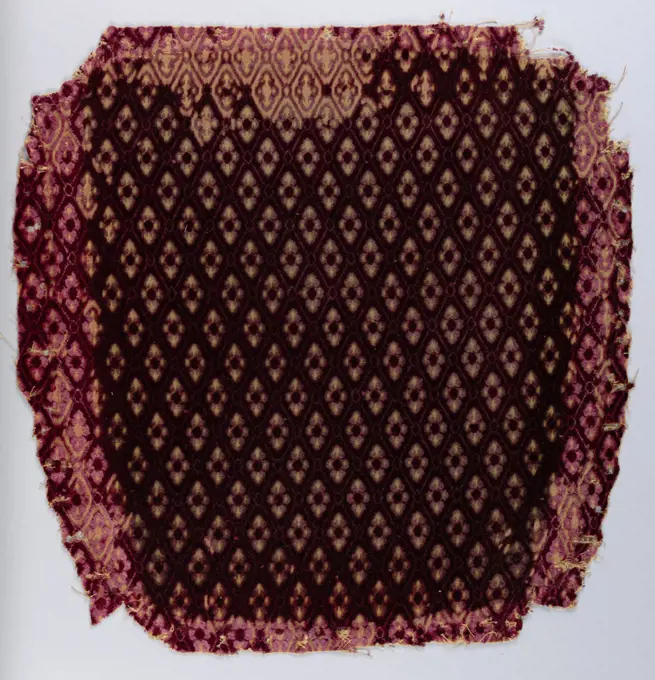
A selection of textile fragments featuring intricate patterns and historical designs, showcasing cultural artistry through various fabric techniques.

Three uncut tabs for Anghaka, 18th century, 11 5/16 x 11 5/16 in. (28.73 x 28.73 cm), Wool, silk, metallic thread; embroidered, India, 18th century
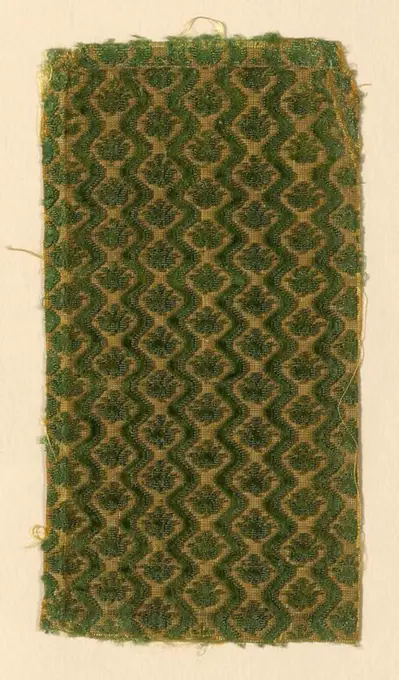
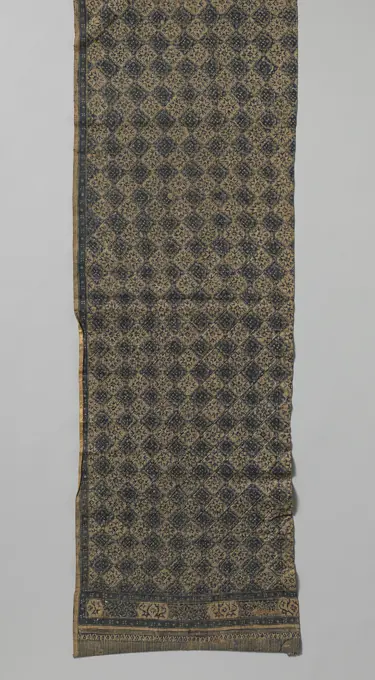
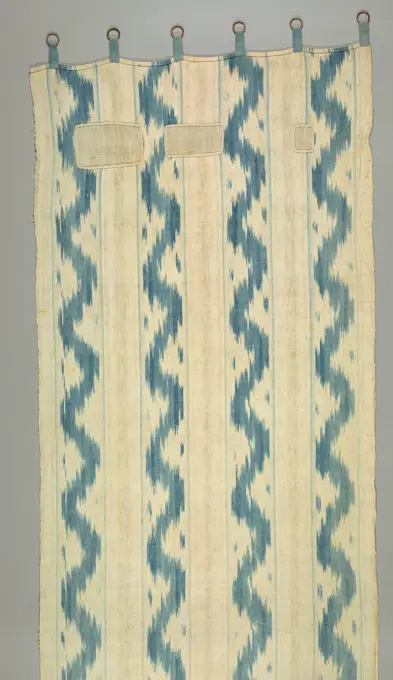
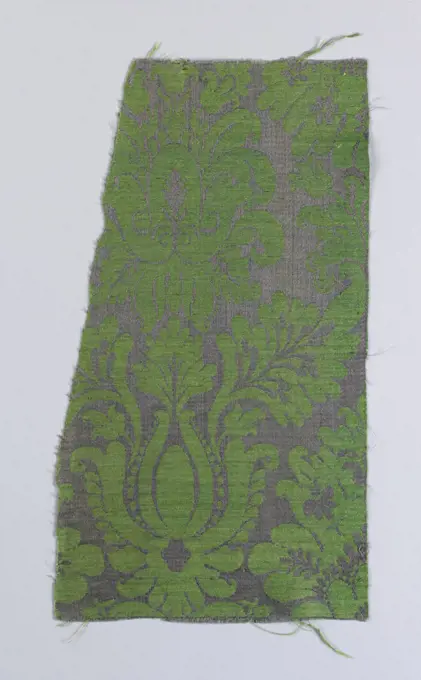
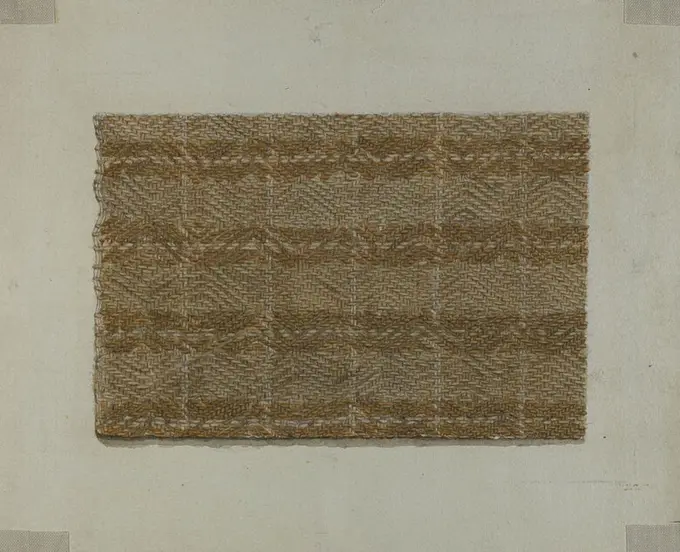
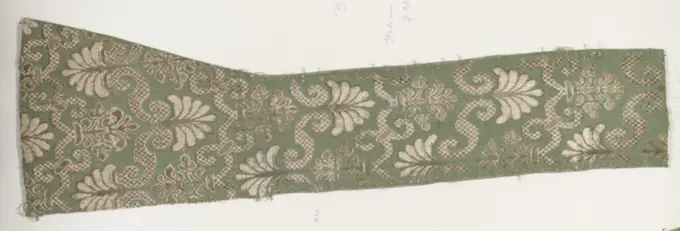
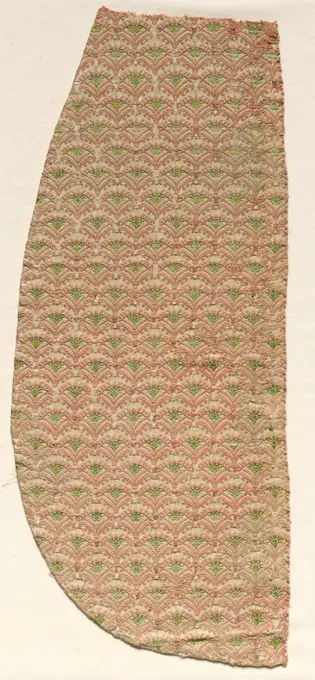
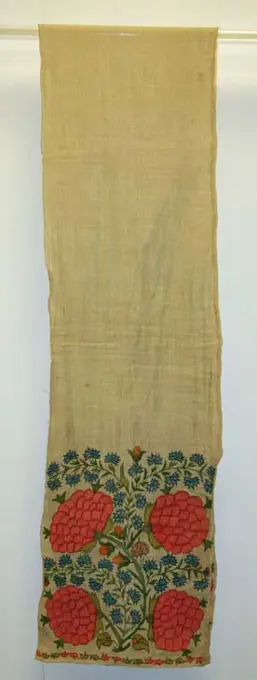
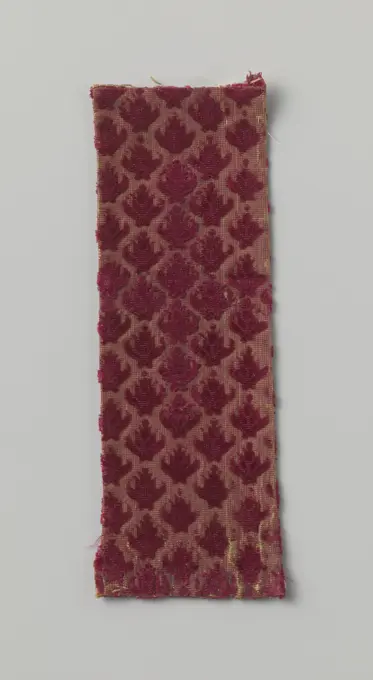
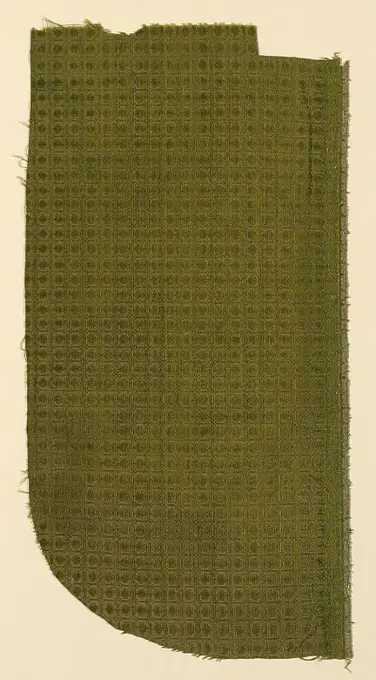
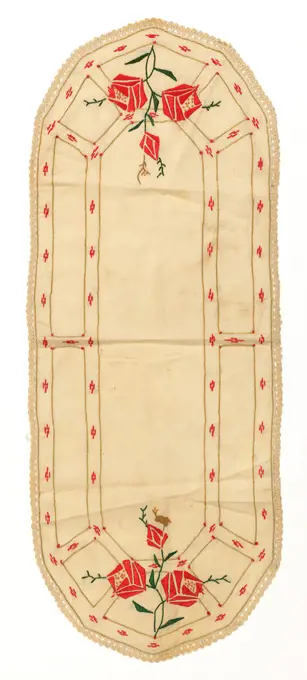
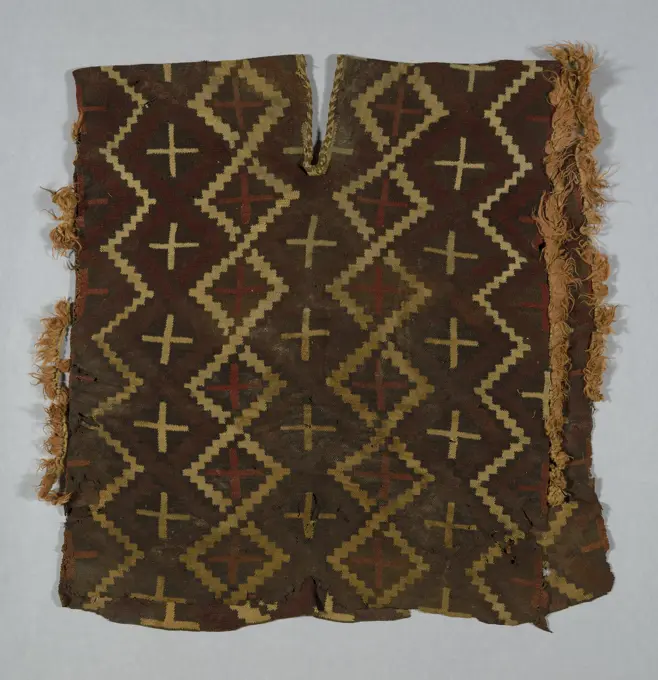
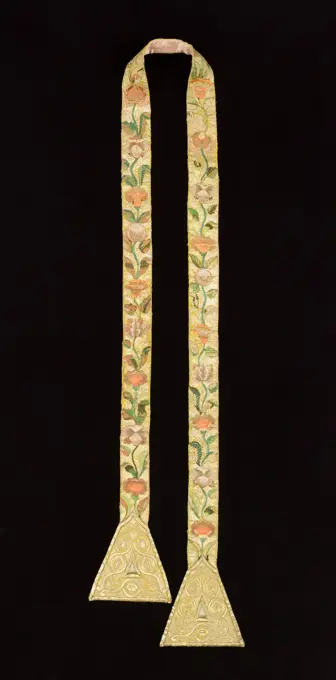
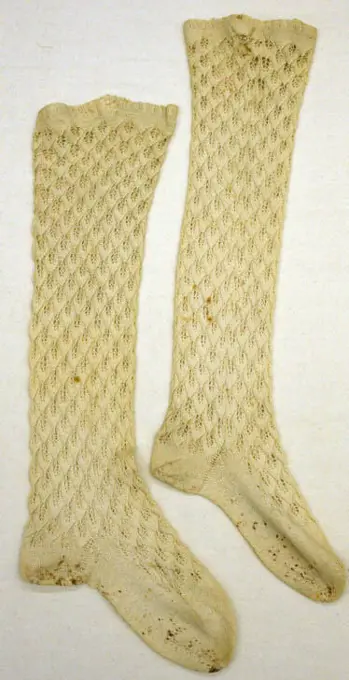
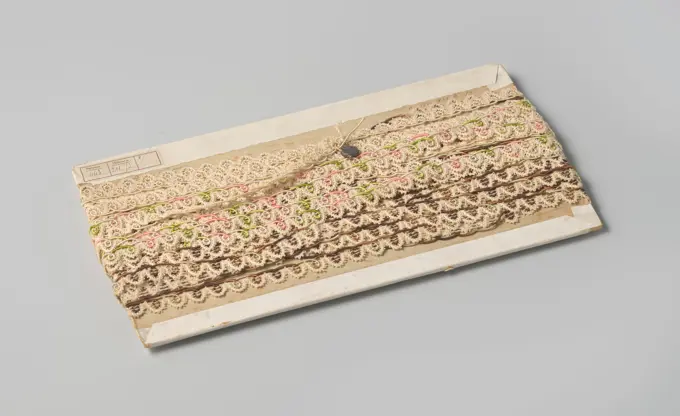
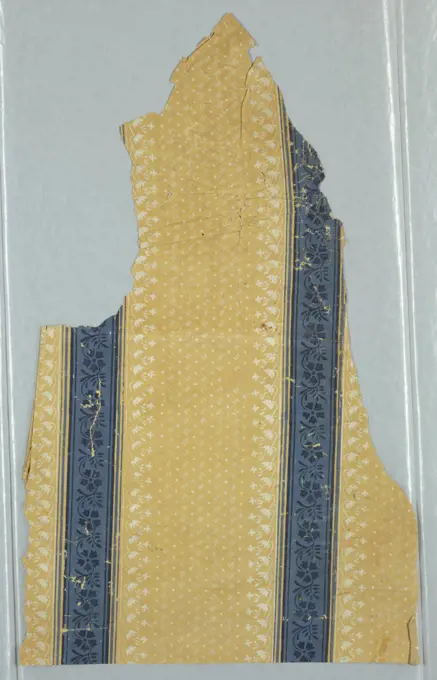
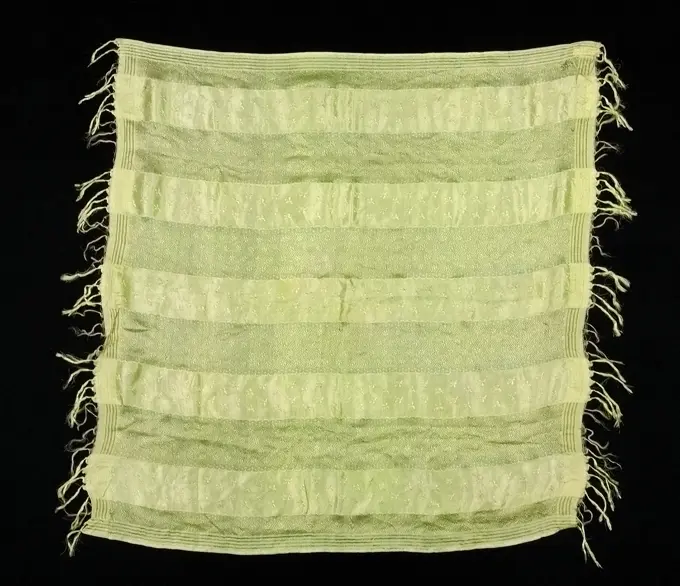
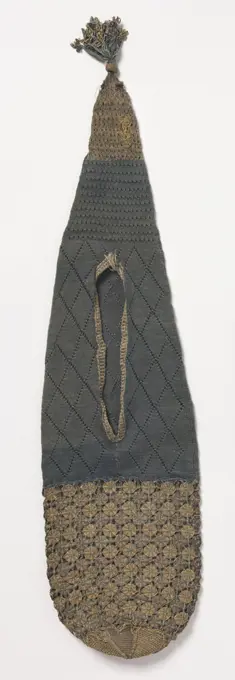
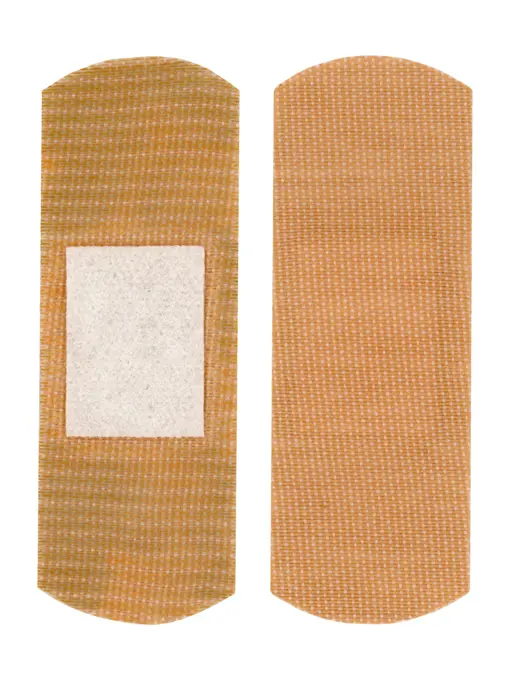
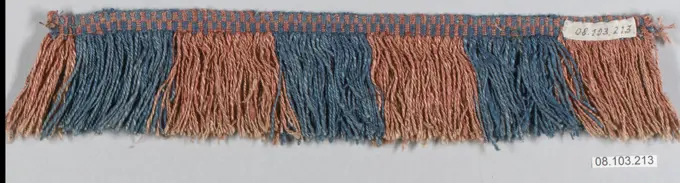
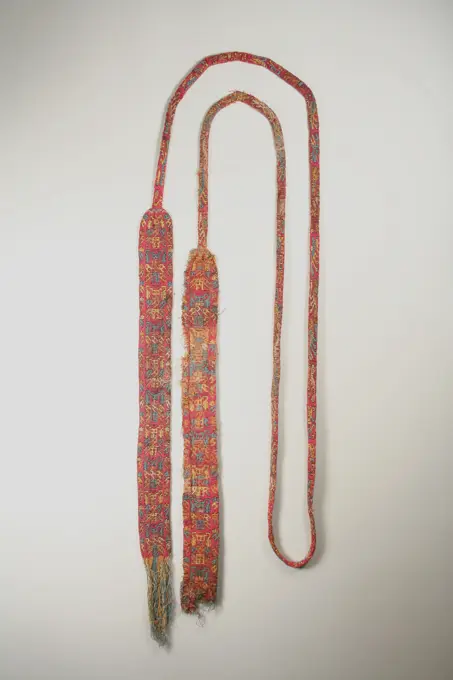
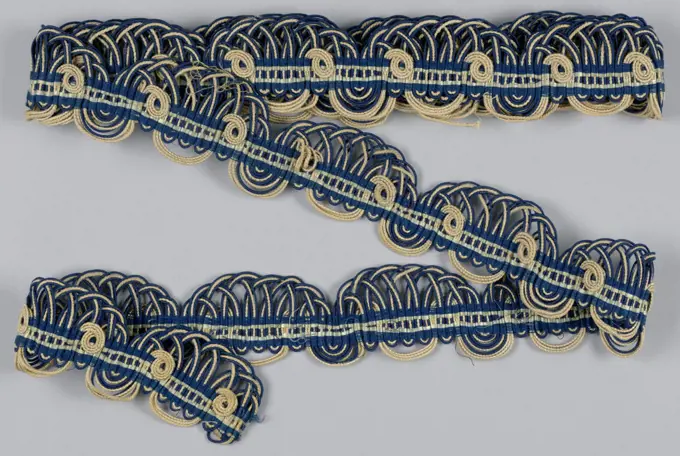
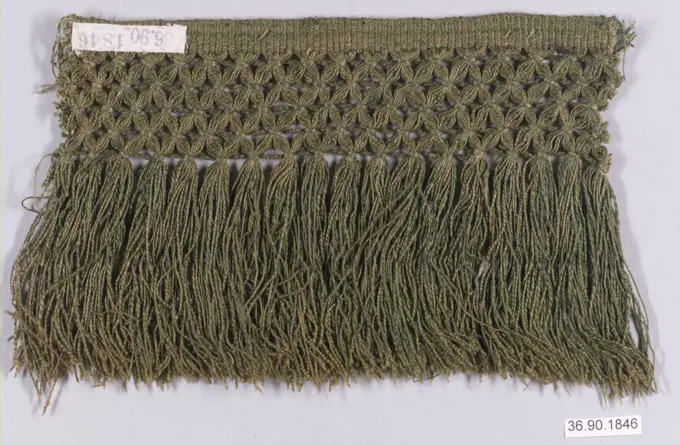
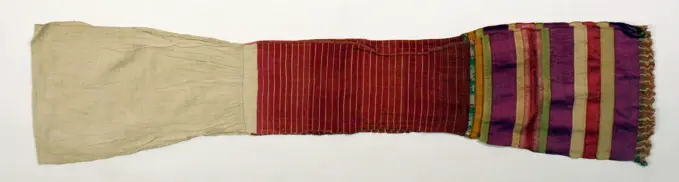
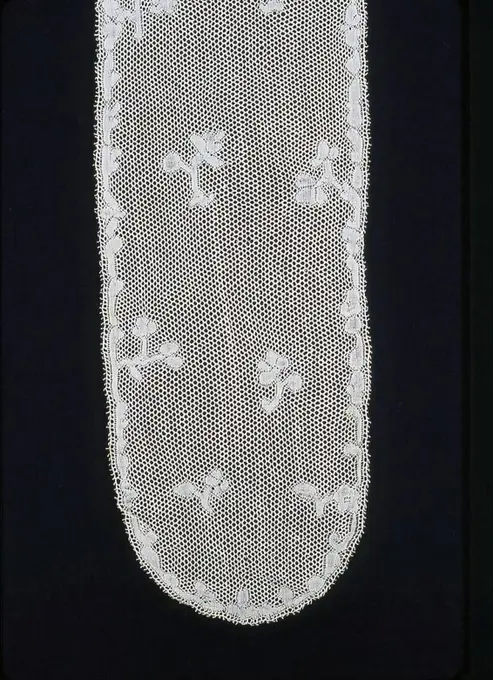
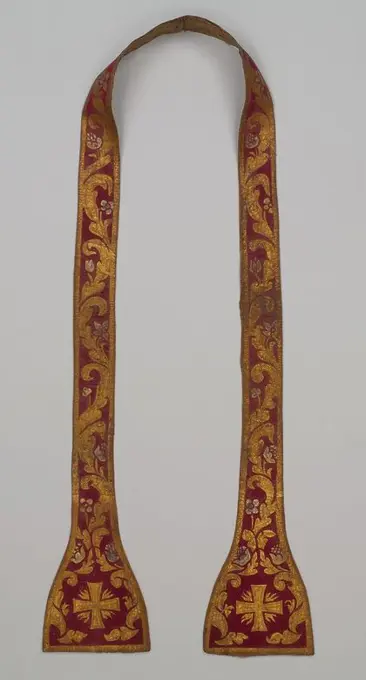
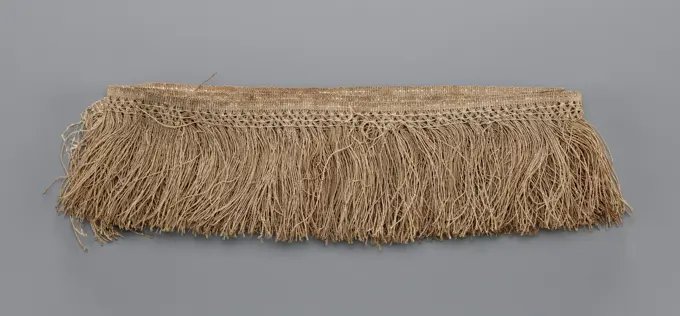
Hip band of Eastern textile; Batik, Anonymous, c. 1400 - c. 1950 Hip band of Eastern textile. The tire consists of a printed cotton. The pattern consists of blue and white diamonds. The blue windows silk filled with lines and dots, the white with a cruis around which zigzag lines. Gold powder is applied on the back in another motif.  cotton (textile) printing Hip band of Eastern textile. The tire consists of a printed cotton. The pattern consists of blue and white diamonds. The blue windows silk filled with lines and dots, the white with a cruis around which zigzag lines. Gold powder is applied on the back in another motif.  cotton (textile) printingFragment. Italy, Florence. Date: 1501-1600. Dimensions: 18.5 x 9.5 cm (7 1/4 x 3 3/4 in.). Cisele voided cloth velvet. Origin: Italy. Museum: The Chicago Art Institute, Chicago, USA.Heupband van oosterse textiel; batik.Hip tire of Oriental textile. The band consists of a printed cotton. The pattern consists of blue and white windows. The blue diamond side filled with lines and dots, the white with a cruise where around zigzag lines. Gold powder is applied to another motif on the back.Curtain Panel; cotton, linenFragments, medium: linen, silk, wool Technique: two plain weaves; one warp faced, one weft faced, Flowers and scrolling motif in red, green and white., 17th century, woven textiles, FragmentsThree uncut tabs for Anghaka, 18th century, 11 5/16 x 11 5/16 in. (28.73 x 28.73 cm), Wool, silk, metallic thread; embroidered, India, 18th centuryFragment, Medium: silk Technique: 7&1 satin damask, Incomplete symmetrical design of large scale palmettes with decorative leaves., 17th century, woven textiles, FragmentKontusz sash. Manufaktura Aleksandra Unruga (Kobyłka ; wytwórnia pasów ; 1781-1787), factoryShaker Bedspread. Dated: 1935/1942. Dimensions: overall: 21.5 x 17.7 cm (8 7/16 x 6 15/16 in.). Medium: watercolor and graphite on paperboard. Museum: National Gallery of Art, Washington DC. Author: George Constantine.Fragment late 16th century Italian. Fragment 230287Fragment, Medium: silk Technique: velvet, Italy, 16th-17th century, woven textiles, FragmentFragment (England); linen; 1946-42-50Fragment of a Chasuble, 1600s. Italy, 17th century. Lampas weave (), silk; overall: 52.7 x 22.9 cm (20 3/4 x 9 in.).Cap fragment, Medium: silk, cotton, wool Technique: slit and interlocking tapestry, Small-scale allover design of diamonds framed within interlocking S-scroll borders in black and yellow silk with accents of dark red wool, white cotton, and turquoise blue silk. Incomplete border section in red and white., Romania, 19th century, woven textiles, Cap fragmentTextile 19th century. Textile 128196Textile (USA); cottonFragment, Medium: silk Technique: cut and uncut supplementary warp pile (velvet) in a woven foundation, Dark purple fragment with cut and uncut pile in a design of stylized flower sprigs alternating facing left and right., Italy or France, 17th century, woven textiles, FragmentFringe probably European 19th centuryBag with InnerPouchPiece 18th century Japan. Piece 71664Textile, Medium: piña (pineapple) fiber, cotton Technique: plain weave, White pineapple fiber ground with a fine check of orange cotton., Philippines, 19th century, woven textiles, TextileFragment of a stop patch () Of silk on cotton musline, anonymous Fragment of a stop patch () From blue -green silk on cotton. The excerpt is surrounded with a feston stitch and has two square bets.  cotton (textile). silk. muslin embroidering Fragment of a stop patch () From blue -green silk on cotton. The excerpt is surrounded with a feston stitch and has two square bets.  cotton (textile). silk. muslin embroideringHandkerchief 1863 French, Paris. Handkerchief. French, Paris. 1863. Linen. Textiles-EmbroideredTissue unknownFragment, late 16th century. Spain, late 16th century. Silk damask; overall: 14 x 20.3 cm (5 1/2 x 8 in.).Sample. France. Date: 1825-1850. Dimensions: 8.5 × 7.5 cm (3 3/8 × 3 in.). Silk and straw, bands of: complex gauze weave self-patterned by areas of plain weave and areas of main warp floats over plain interlacing; and band of weft-float faced satin weave with supplementary facing wefts tied by supplementary binding warps in plain interlacing and self-patterned main warp floats. Origin: France. Museum: The Chicago Art Institute, Chicago, USA.Fringe early 17th century Italian. Fringe 225078Fragment silk velvet with panic pattern. Fragment silk velvet (5 pieces assembled) with panic pattern. Italy, 16th century.Piece 16th-17th century Italian. Piece 223376Fragment Silk Low Flining with shaved pattern of staggered rows of palmets in purple red, anonymous, 1550 - 1599 Fragment Silk flows with shaved pattern of staggered rows of palmets in purple red. Italy, 16th century. Italy silk Velvet chiseled Fragment Silk flows with shaved pattern of staggered rows of palmets in purple red. Italy, 16th century. Italy silk Velvet chiseledTextile with Brocade 13th century Italian. Textile with Brocade 463572Textile 19th century Japan. Textile 68028Ingrid Selmer Larsen, Knitted Rug, 1935 1942 Knitted RugFragments. Spain or Italy. Date: 1501-1600. Dimensions: 53.5 x 27 cm (21 x 10 5/8 in.). Silk; cut, voided velvet against plain weave foundation. Origin: Spain. Museum: The Chicago Art Institute, Chicago, USA.Piece 16th-17th century Italian. Piece 216950Runner, Medium: acetate, cotton Technique: embroidered on plain weave, Off-white oval table runner has a double border outlined in tan stem stitches that contains small groups of red stitchwork. A cluster of conventionalized red roses embellishes both ends., USA, ca. 1910, embroidery & stitching, RunnerFragment; linen, silkTunic Made 200 BCE-1 BCE Peru. This tunic is identifiable through the slit at the center to accommodate the wearerís head and neck. The geometric design of interlaced stepped diagonal lines suggests the twisting together of threads to make yarn, a fitting motif for a textile. Similar motifs appear on ceramic vessels made by the Paracas; the use of the same twisted-thread design across different media demonstrates a consistent visual language and attests to the primacy of textiles as a means of aesthetic expression for the Paracas.. Wool (camelid), simple looping; applied wool (camelid) braided neck edging; and unspun wool fringe . ParacasA box for sewing accessoriesBand (Peru); woolAfghan carpet unknownFragment; silkFragment, Medium: silk and metal, Green silk brocaded in gold., Italy, late 16th-early 17th century, woven textiles, FragmentBreast Cover, 48 1/4 x 13 in. (122.56 x 33.02 cm), Cotton (), Myanmar (Burma)Fringe (Spain); silkFragment, 13th century. Spain, Islamic period, 13th century. Silk; average: 26 x 19.7 cm (10 1/4 x 7 3/4 in.).Fragment of a Ship Flag, anonymous, anonymous, anonymous, 1570 - 1630 ship flag Fragment of a white ship's flag with a red bat cross. Spain (possibly) wool.  flag, colours (as symbol of the state, etc.)Set of Ecclesiastical Vestments (Stole). Mexico, first quarter of the 18th century. Costumes; ecclesiastical. Silk satin with silk, metallic-thread, and lamella embroidery with metallic-thread fringeStockings 1860-69 American. Stockings 104145Cushion cover ,, 1800 - 1866 Linen blue -checked cushion cover. Netherlands linen (material) Linen blue -checked cushion cover. Netherlands linen (material)Passement of scalloped white side with picots weaving with a shallow shiny alternating rose green thread, on cardboard, c. 1925 Passement of scalloped white side with picots weaving with a shallow shiny alternating rose green wire, on cardboard. Nijmegen cardboard. Passement of scalloped white side with picots weaving with a shallow shiny alternating rose green wire, on cardboard. Nijmegen cardboard.Fringe ca. 1750 Italian. Fringe 224863Sidewall, Block-printed on joined sheets, Blue floral stripe, with band of stylized vining floral motif on either side. Printed in blue and white on tan background covered with pattern of dots and dashes., possibly France, possibly USA, 1815-25, Wallcoverings, SidewallWoman's Ceremonial Skirt (Tapis) 18th century or earlier Lampung. Woman's Ceremonial Skirt (Tapis) 318102Fragment (USA)Fringe European 19th centuryScarf third quarter 19th century American. Scarf 169316Textile Sample from Sample Book 19th century Japan. Textile Sample from Sample Book. Japan. 19th century. Silk. Textiles-WovenTextile Swatches Onondaga Silk Company, Inc. (1925-1981). , 1948-1959. Silk, metal, 44 1/2 x 23 1/2 in. (113 x 59.7 cm).    1948-1959Miser's purse, Medium: silk, steel beads Technique: knitted using openwork stitches, Knitted miser's purse of tan silk with cut steel beads, with beaded tassel at rounded end and bead loop fringe at flat end. Plain cut steel rings to fasten., France, 1830-60, costume & accessories, Miser's pursePurse, Medium: silk, metal Technique: knitting, Purse, with the upper section knitted in blue silk in a lozenge pattern with openwork borders. The lower section is a a grid of laid blue silk cords interlaced and looped with gold and silver-wrapped silks, and the bottom tip looping using foil-wrapped silk (gold and silver)., Italy or Spain, 17th century, costume & accessories, PurseSutra Cover Made 1590-1599 China. Silk and gold-leaf-over-lacquered-paper strip, gauze weave with supplementary patterning wefts .band aid bandage isolated over white a medical self adhesive bandage band aid isolated over white background Copyright: xZoonar.com/adminx 12664888Skirt or loin cloth, 20th century, 12 3/4 x 34 1/4in. (32.4 x 87cm), Cotton, beads; indigo dyed, embroidery, Bangladesh, 20th centuryFragment, c 1900s . Philippines, Ilokos, Norte Province, Luzon, 20th century (). Woven cotton; extended tabby weave; overall: 68.6 x 48.3 cm (27 x 19 in.).Lappet 1690-99 Flemish. Lappet 156493Fringe 18th century Italian or Spanish. Fringe 213709Fringes of silver thread decorated with three garlands with loops interspersed with cartisanes in the form of four -leaf rosettes, at the end of silk rip ribbon (torn off), c. 1785 - c. 1800 Franning of silver thread decorated with three garlands with loops interspersed with cartisanes in the form of four -leaf rosettes, at the ends of a silk rip ribbon. Smooth cut. (torn) Torn rip ribbon is loose in the box. Europe ripslint: silk. franje: silver thread. cartisane: paper striking (metalworking) Franning of silver thread decorated with three garlands with loops interspersed with cartisanes in the form of four -leaf rosettes, at the ends of a silk rip ribbon. Smooth cut. (torn) Torn rip ribbon is loose in the box. Europe ripslint: silk. franje: silver thread. cartisane: paper striking (metalworking)StoleNecklace -Quiver -Fragment brochure silk, c. 1775 Fragment silk tissue. A cream -colored satin soil has white flower garlands and a multi -colored bouquet of flowers with leafyers. Europe silk Fragment silk tissue. A cream -colored satin soil has white flower garlands and a multi -colored bouquet of flowers with leafyers. Europe silkHeadband 7th-10th century Peruvian. Headband 316931Piece 18th century Japan. Piece 71162Fringe (Italy); silkOld style hair comb made of woodLength of trim, cotton, silk, wool, wood, Woven looped trim in blue and white cord., England, mid-19th century, trimmings, Trimming, TrimmingFringe early 19th century British. Fringe 224928Fragment Silk Low Flow with rows of palm flowers and star forms staggered on golden ground, Anonymous, 1500 - 1599 Fragment Silk flows with rows of palm flowers and star forms staggered on golden soil. Italy, 16th century. Italy silk. Velvet chiseled Fragment Silk flows with rows of palm flowers and star forms staggered on golden soil. Italy, 16th century. Italy silk. Velvet chiseledHeadscarf 19th century Russian. Headscarf 98460Pair of Lappets. France, Valenciennes. Date: 1780-1799. Dimensions: a: 59.8 × 9.2 cm (23 1/2 × 3 5/8 in.)b: 59.3 × 9.0 cm (23 1/4 × 3 1/2 in.). Linen, bobbin straight lace of a type known as "Valenciennes" with a round Valenciennes mesh ground. Origin: France. Museum: The Chicago Art Institute, Chicago, USA.Stole. Culture: Spanish. Dimensions: L. 82 3/4 x W. 6 1/2 inches210.2 x 16.5 cm. Date: ca. 1600. Museum: Metropolitan Museum of Art, New York, USA.Placket Sampler (Germany); cottonFROPLE;  XVII century (1601-00-00-1700-00-00);Display table of Batist. Batisten fall with embroidered repeating pattern of two flowers for a dressing table in a boudoir.Fringe, Medium: silk Technique: plain weave, Green fringe with a plain weave heading and skirt threads tied at the top by a running thread inserted into the trellis band., Greece, 18th century, trimmings, FringeHood. Culture: American. Date: 1860-65. Museum: Metropolitan Museum of Art, New York, USA.Apron, belonging to pop "lilly", of reform dust with ajour edge, P. Titjen boss, c. 1910 Apron, belonging to pop "lilly", short model, of reform dust with ajour edge. Netherlands Apron, belonging to pop "lilly", short model, of reform dust with ajour edge. NetherlandsGreen silk cover with woolen fringe, c. 1700 - c. 1799 Green silk cover with green woolen fringe. A second cover is kept on the cover (BK-1992-21-B), a strip (BK-1992-21-C) and a strip of fringe (BK-1992-21-D). NetherlandsFrance silk. linen (material). wool Green silk cover with green woolen fringe. A second cover is kept on the cover (BK-1992-21-B), a strip (BK-1992-21-C) and a strip of fringe (BK-1992-21-D). NetherlandsFrance silk. linen (material). woolNeedlepoint (Burano Point) Lace Edging, 20th century. Italy, Burano, 20th century. Lace, needlepoint: linen; average: 20.4 x 9.9 cm (8 1/16 x 3 7/8 in.).Legging strip  -Sash Fragment 7th century Nasca. Sash Fragment 308020Handkerchief 1880 French. Handkerchief 122462Bracelet;  19th/20th century (1891-00-00-1910-00-00);Seat covers, Velvet, USA, England, ca. 1910, woven textiles, Seat coversTwo Brocaded Fragments, late 1500s. Italy, late 16th century. Lampas weave (), silk and metal thread; overall: 21.6 x 14 cm (8 1/2 x 5 1/2 in.).Textile Swatches Onondaga Silk Company, Inc. (1925-1981). , 1948-1959. Silk, 47 x 17 1/2 in. (119.4 x 44.5 cm).    1948-1959Long Shawl Made 1825-1845 England (Object Probably made in), Scotland (Object Probably made in). Wool and cotton, center of weft-float faced 1 3 'Z' twill weave; patterned areas of weft-float faced 3 1 twill weave with supplementary patterning wefts bound in weft-float faced 1 3 'Z' twill interlacings over warp-float faced twill weave; main warp fringe; woven on loom with Jacquard attachment .Piece. Culture: Japan. Dimensions: 23 3/4 x 13 in. (60.33 x 33.02 cm). Date: 19th century. Museum: Metropolitan Museum of Art, New York, USA.Fragment, Medium: cotton Technique: printed on plain weave, Coarse cotton plain weave with natural ground. All-over small-scale brown printed design of zig-zags with dot at each point. Incomplete border at right with red lozenges., India, 14th-15th century, printed, dyed & painted textiles, Fragment