Textile Fragments and Patterns

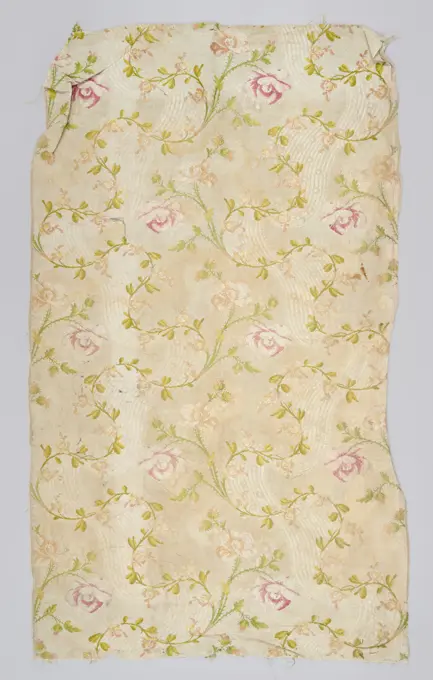
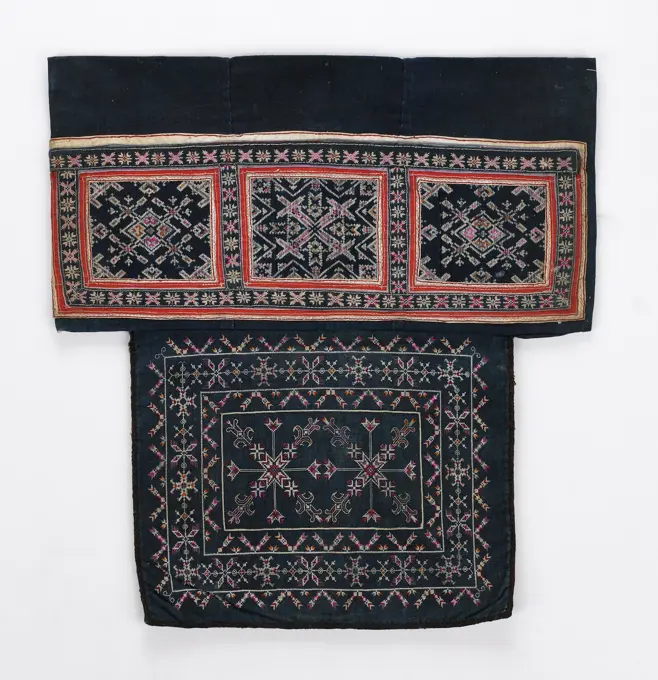
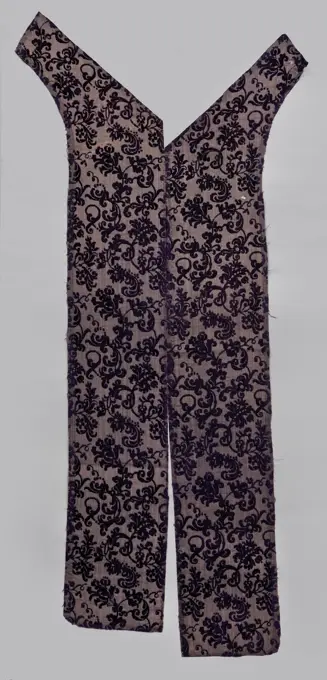
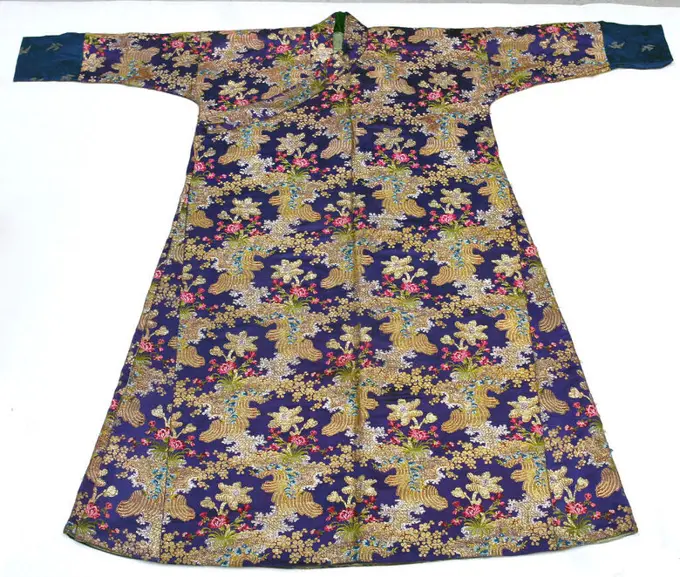
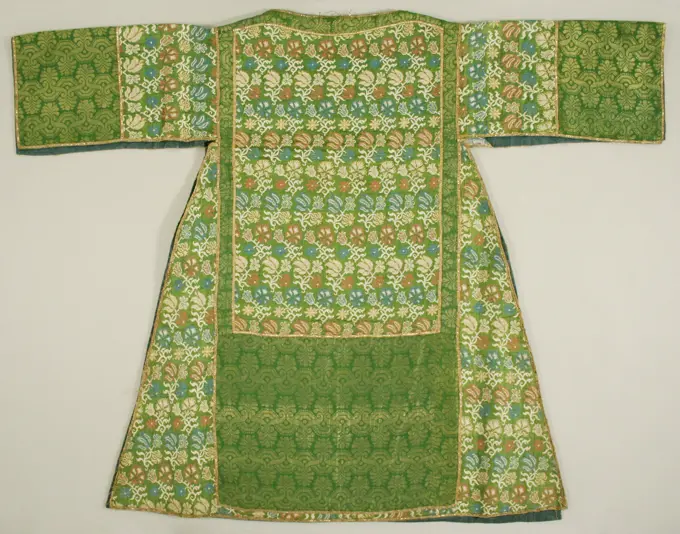
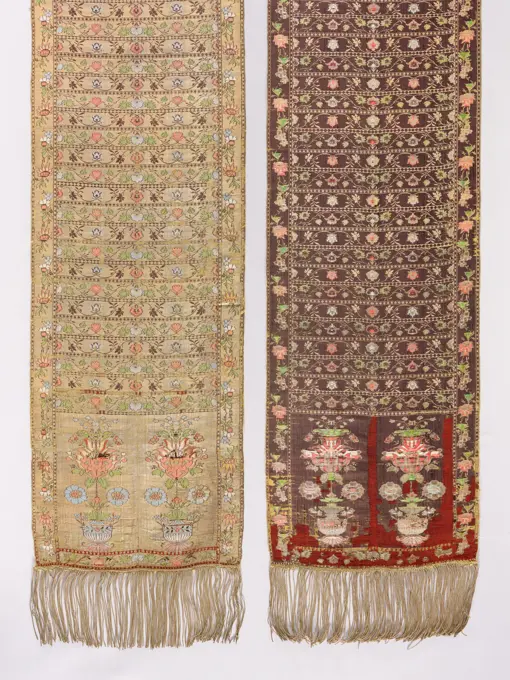
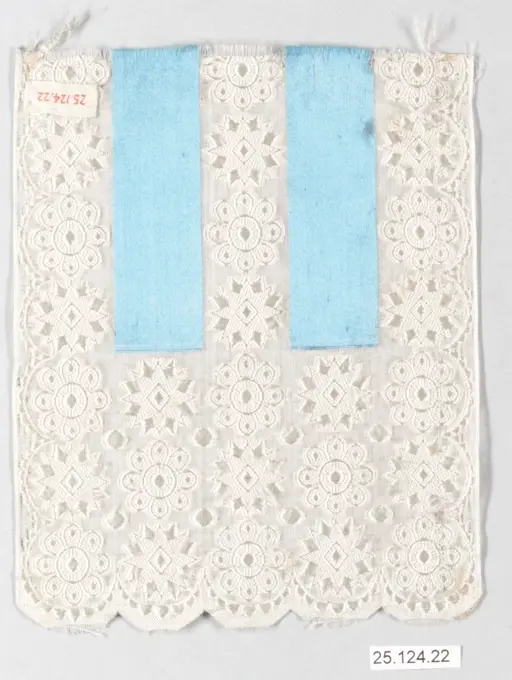
Historical textile fragments displaying intricate floral and patterned designs, showcasing delicate fabrics and embroidery from different eras.
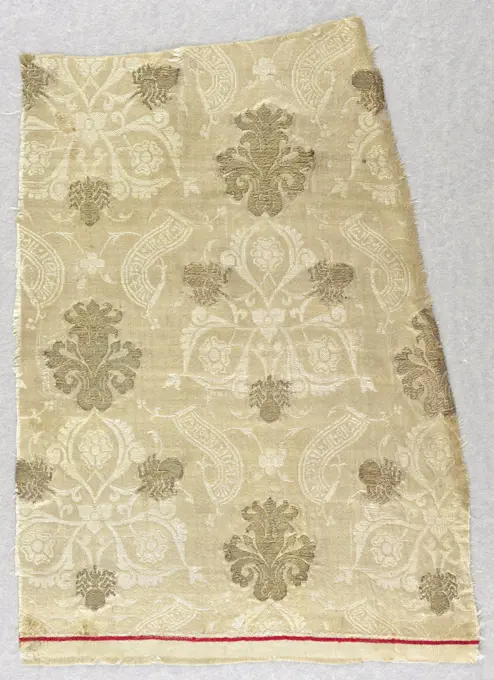
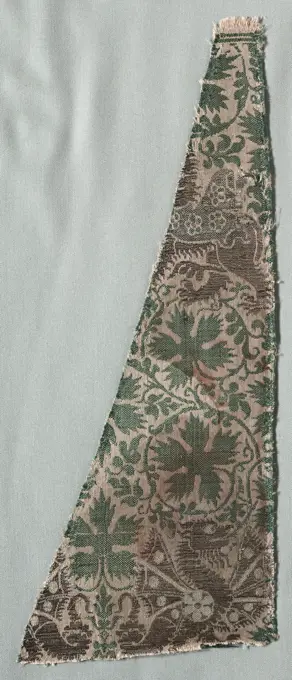
Textile, Medium: silk, metal Technique: twill, brocaded, Double warp twill, brocaded in gold (gold beaters' gold). Patterned with trefoils, each enclosing a rose, flanked at top by diagonal banderoles with debased Islamic inscription, which is arranged in diagonal repeats in cream tabby on cream twill ground. Metallic brocaded palmettes and brocaded insect. This piece has a red stripe across the bottom, indicating end of piece., Europe, 14th century, woven textiles, Textile
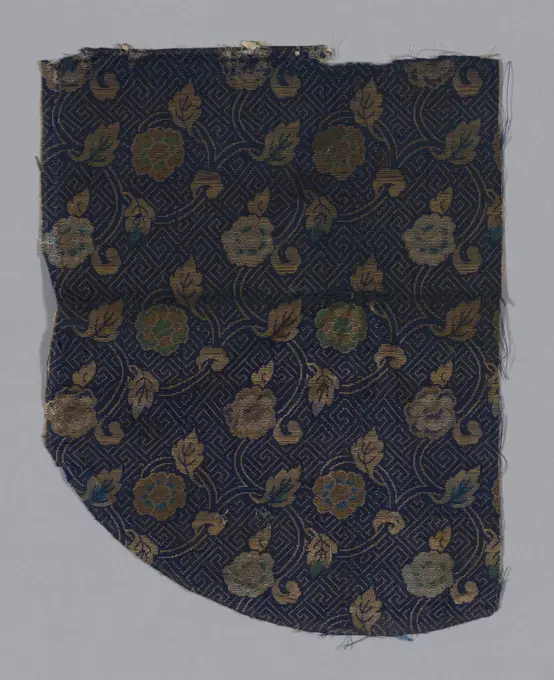
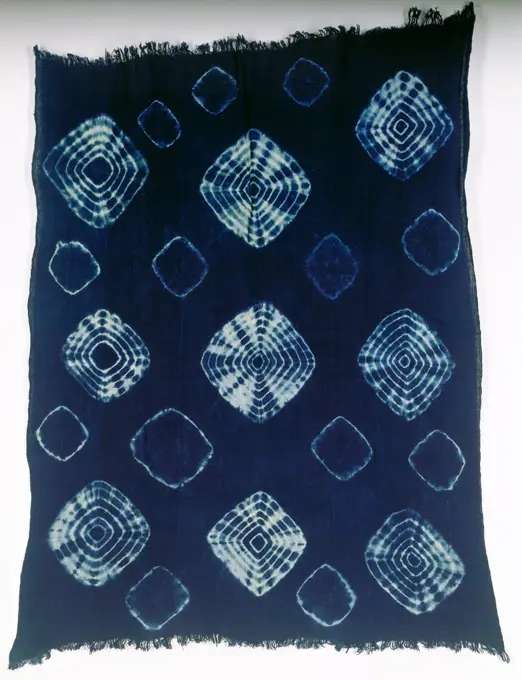
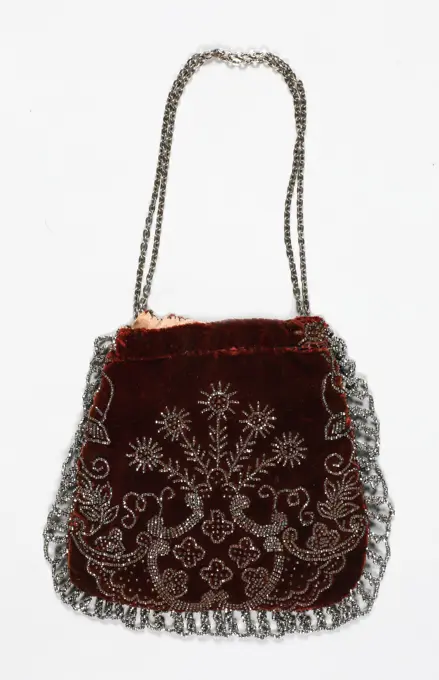
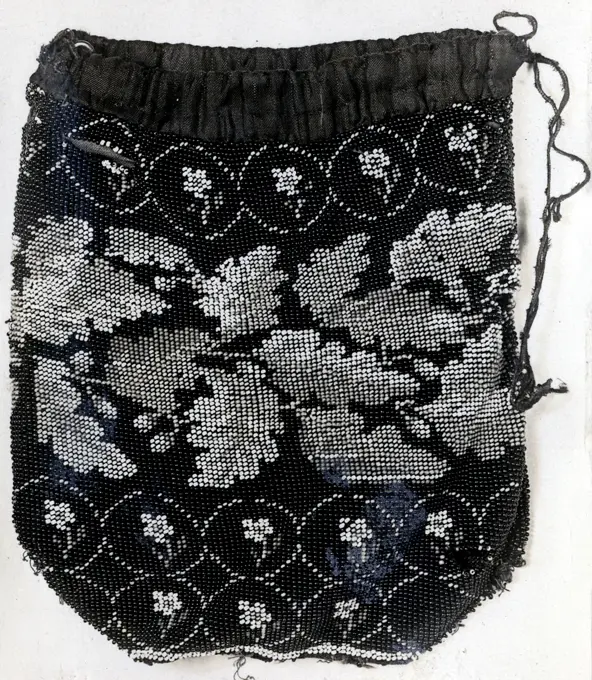
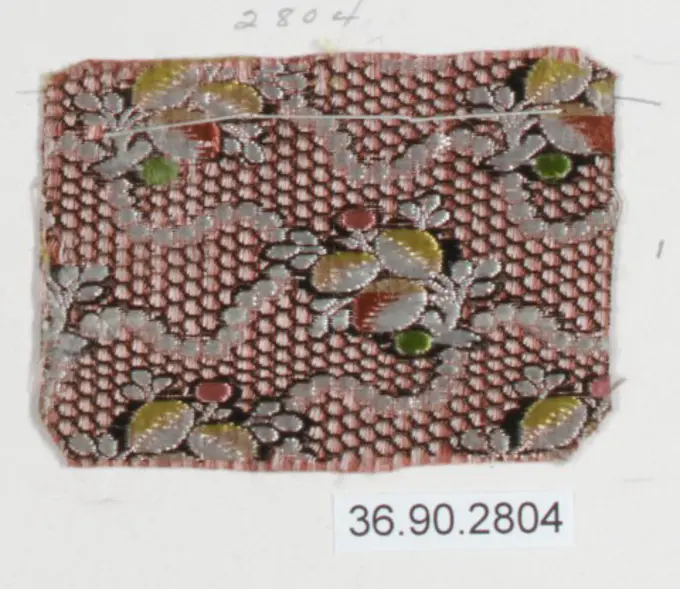
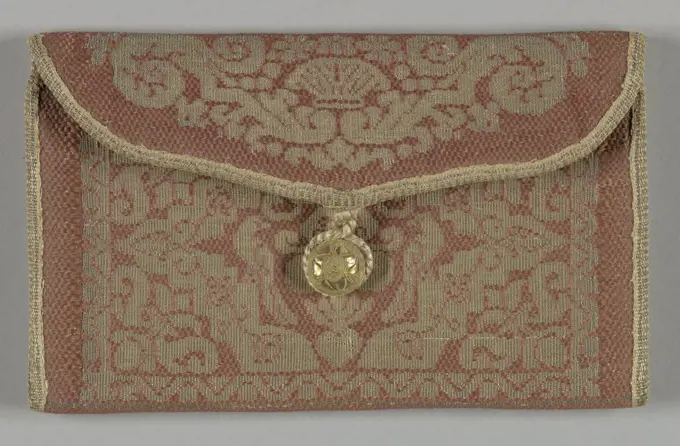
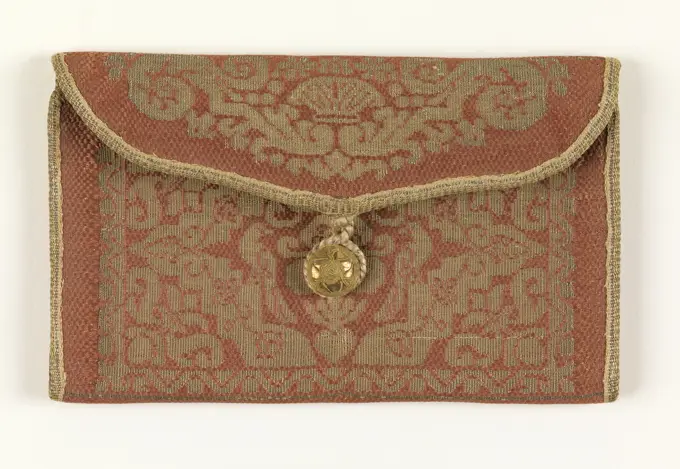
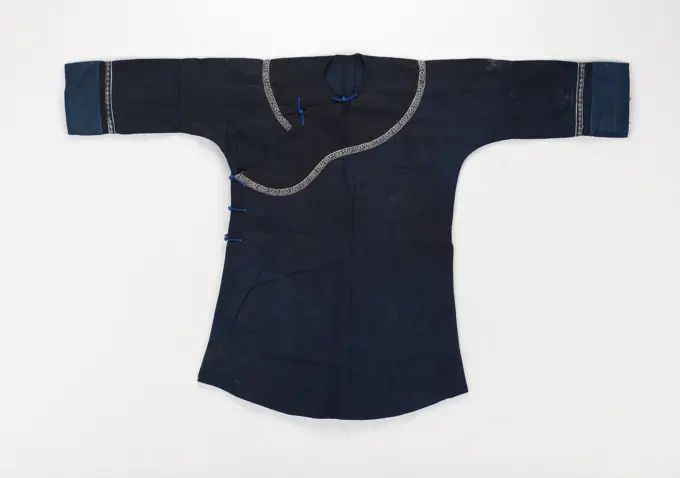
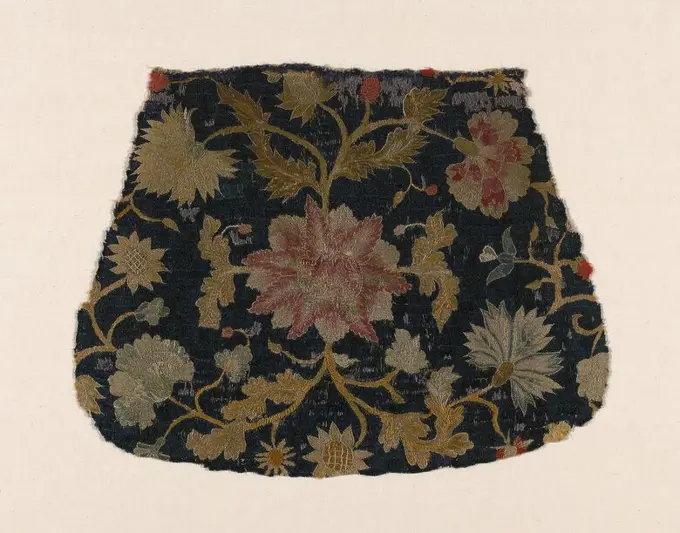
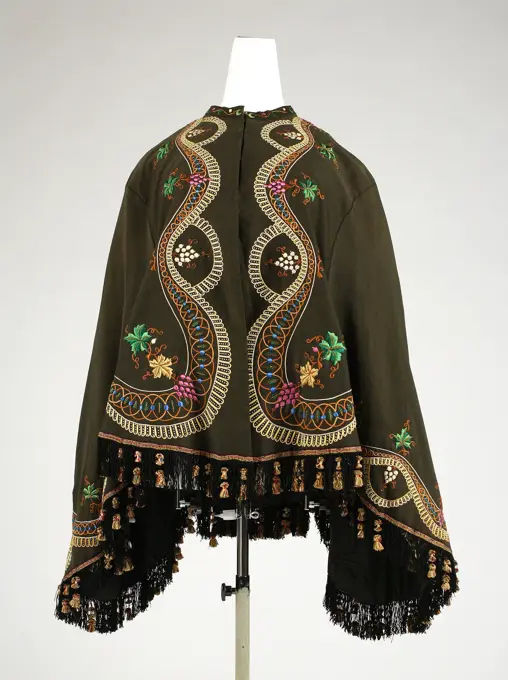
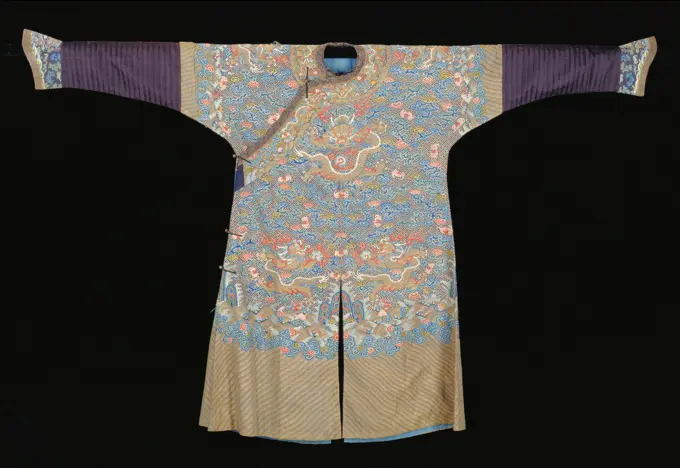
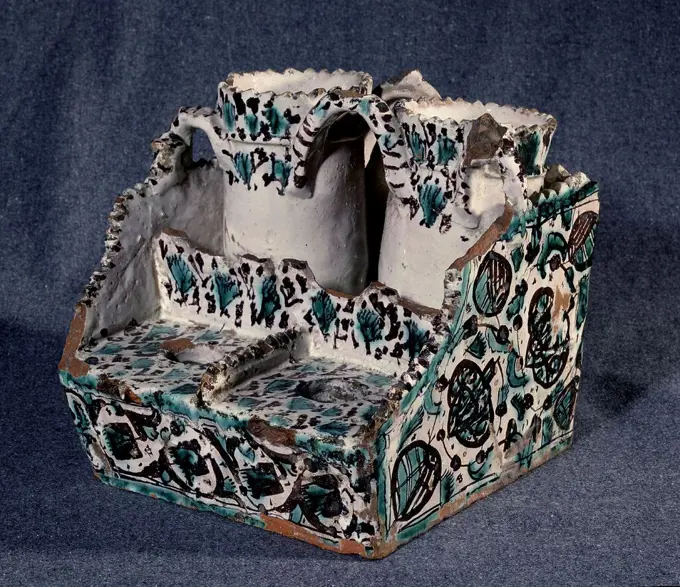
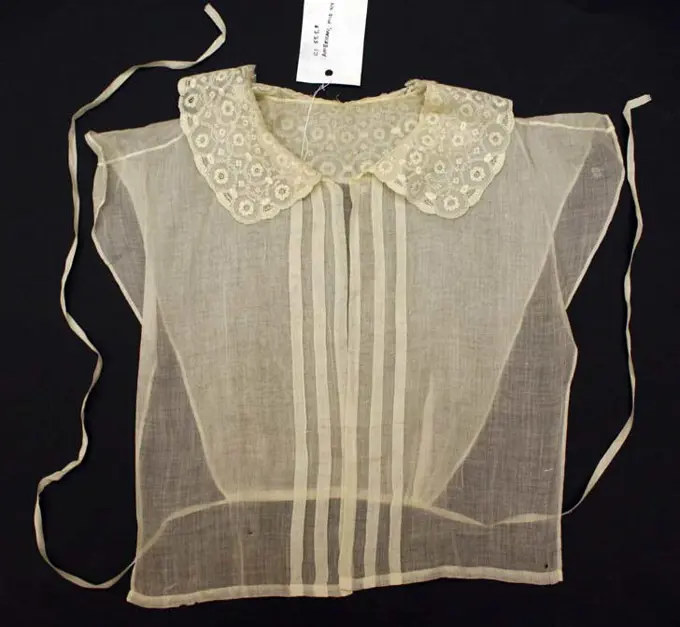
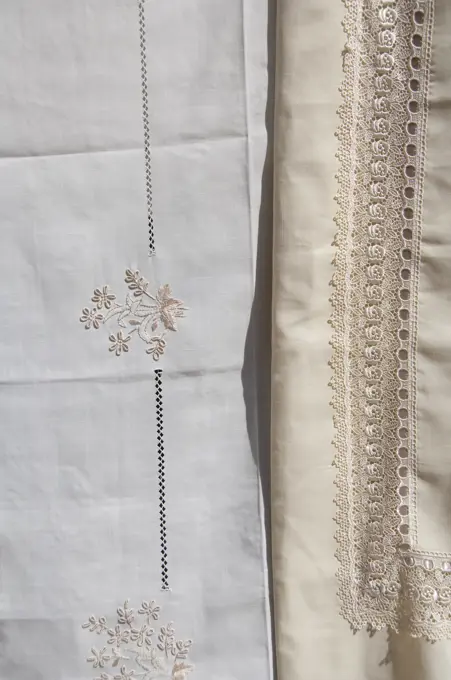
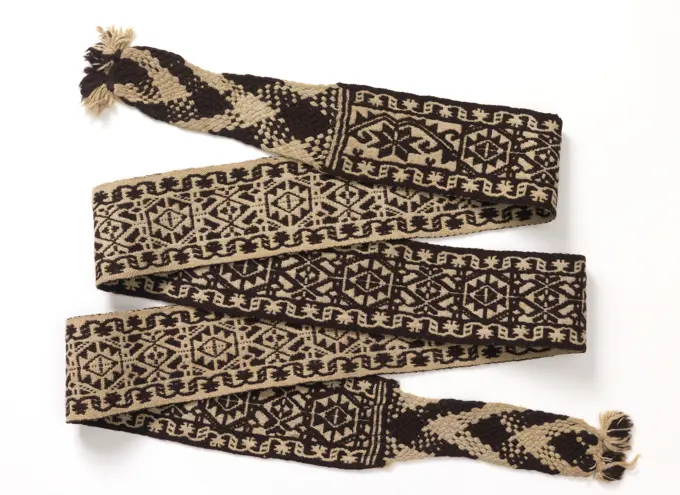
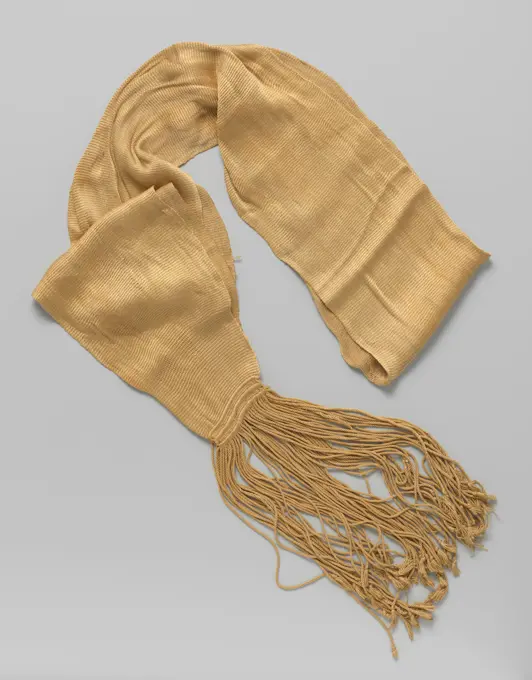
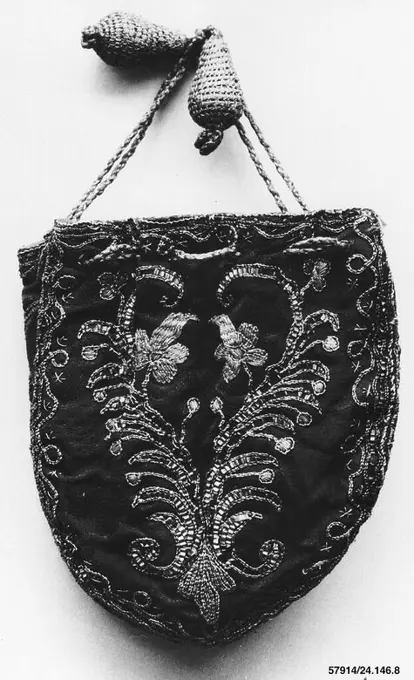
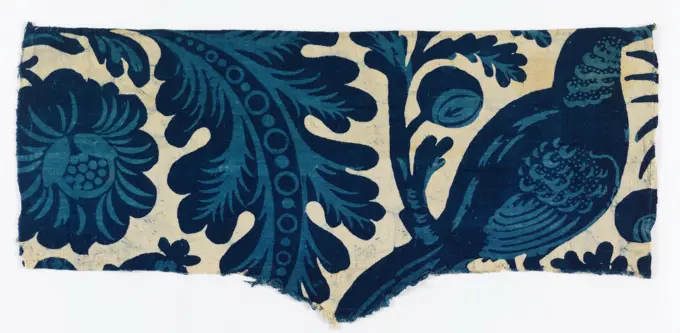
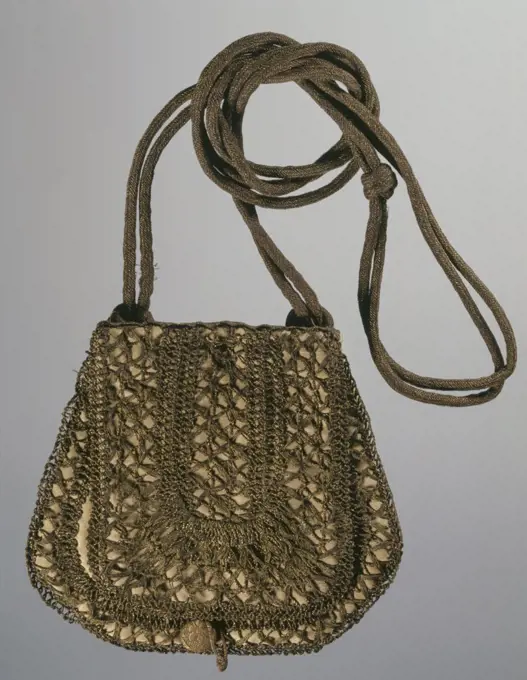
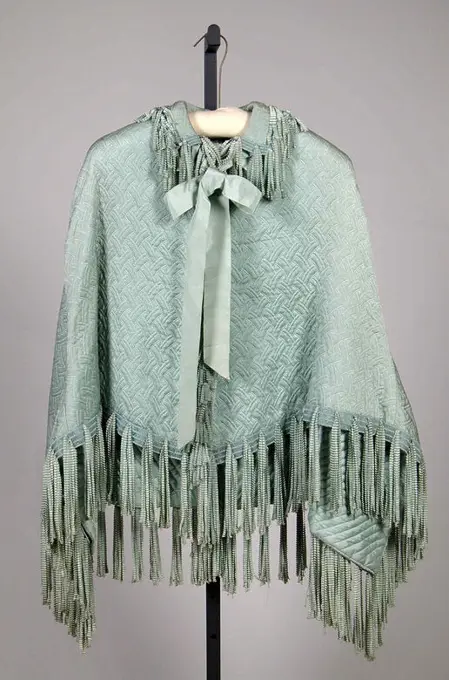
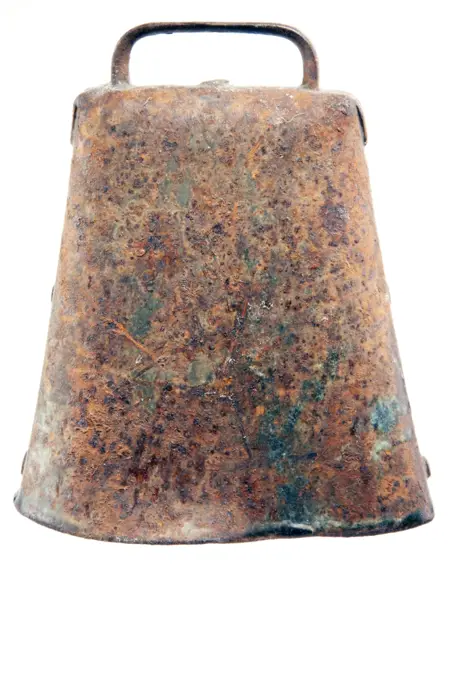
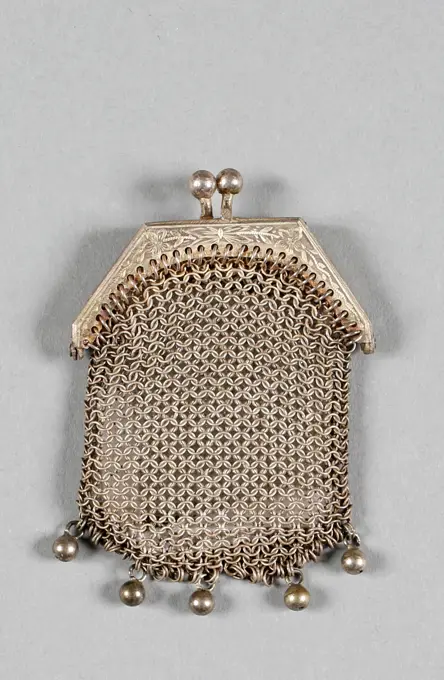
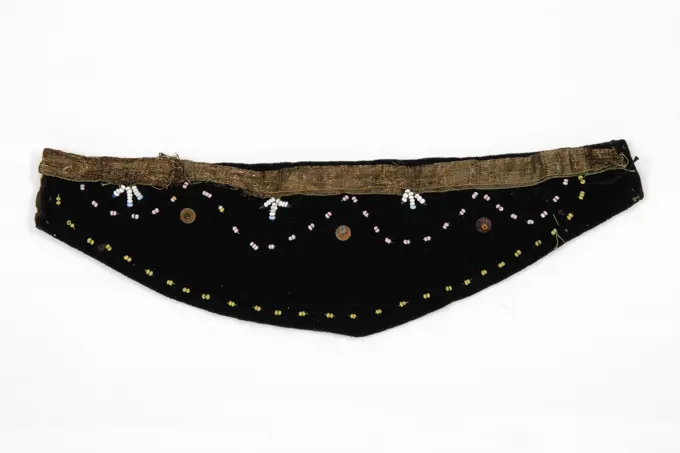
Fragment upholstery of a four-poster bed. Fragment upholstery managing at a wall sky bed.Fragment; silk, cottonWaistcoat. Culture: probably French. Date: last quarter 18th century. Museum: Metropolitan Museum of Art, New York, USA.Purse; silk and metal-wrapped silkFragment of silk fabric  pattern made of deIIcate floral twig with flowers and a wavy river” in the background unknownBag. End XIXth. GAL1990.154.57Fragment, Medium: silk, linen Technique: twill damask, Repeat of small symmetrical sprigs with two variations of a pomegranate and leaf motif in alternate rows. One very narrow selvage., Spain, 16th century, woven textiles, FragmentPurse (Austria); silk, linen, hair () trimming, sterling silver frameTextile, Medium: silk, metal Technique: twill, brocaded, Double warp twill, brocaded in gold (gold beaters' gold). Patterned with trefoils, each enclosing a rose, flanked at top by diagonal banderoles with debased Islamic inscription, which is arranged in diagonal repeats in cream tabby on cream twill ground. Metallic brocaded palmettes and brocaded insect. This piece has a red stripe across the bottom, indicating end of piece., Europe, 14th century, woven textiles, TextileFabric, fragment, white with silver and gold thread with woven stars and flowers, anonymous, 1730 Tissue, fragment, white with silver and gold thread with woven stars and flowers with sewn-sized pailjetten and passion. Spain. In three pieces.  silver thread. Tissue, fragment, white with silver and gold thread with woven stars and flowers with sewn-sized pailjetten and passion. Spain. In three pieces.  silver thread.Fragments; silkPiece French 19th centuryTextile, Medium: cotton Technique: resist printed on plain weave, Coarse white cotton printed in blue in a design of scrolling foliage and pomegranate arranged in an allover pattern. Throughout the design is furthur ornamented by small white dots emphasizing the line of growth or providing extra interior decoration. No selvages., England or France, 18th century, printed, dyed & painted textiles, TextileFragment silk cisele velvet .. triangular fragment velvet.. Bookmark in blue with bulled pattern of a dotted line along the long sides, between dots and circles and a tree view in the pointed ends. Homes are sewn to one side.Piece 16th-17th century Italian. Piece 224411Baby carrier panel, ChinaFragment (Spain); silkTextile (Netherlands); silk; Warp x Weft: 96 x 48.5 cm (37 13/16 x 19 1/8 in.)Lace, 1900s , maker unknown. Gift of Heather Lloyd, 1990.Piece. Culture: Italian. Dimensions: L. 17 x W. 10 1/4 inches (43.2 x 26.0 cm). Date: 16th-17th century. Museum: Metropolitan Museum of Art, New York, USA.Fragment of the fabric;  XVII century (1601-00-00-1700-00-00);fragments of silk fabrics, fabrics, patterned fabricsFichu made of white cotton batist, triangular, tamulated along two sides with edge red, blue, green and golden flowers and leaves, anonymous, c. 1750 - c. 1800 Fichu of white cotton batist, triangular, tameded along two sides with border red, blue, green flowers and leaves. Model: Triangular, two sides with flat hem, one with a roller. Processed diagonally on the wire. Decoration: A border with a winding leaf and flower stem on two sides. Here and there a narrow edge gold in the flower chalice or leaves. On the hem a narrow, straight blue edge. India whole: Cotton (textile). embroidery:. embroidery: Fichu of white cotton batist, triangular, tameded along two sides with border red, blue, green flowers and leaves. Model: Triangular, two sides with flat hem, one with a roller. Processed diagonally on the wire. Decoration: A border with a winding leaf and flower stem on two sides. Here and there a narrow edge gold in the flower chalice or leaves. On the hem a narrow, straight blue edge. InFragments; silk, linenTextile (Italy); silk, metallicChuba made from Russian Silks. Culture: Tibet. Dimensions: 81 x 37 in. (205.7 x 94 cm). Date: 19th century. Museum: Metropolitan Museum of Art, New York, USA.Carpet bag, Medium: wool pile on linen foundation Technique: woven with supplementary warp looped pile, Wide envelope bag with turnover flap; loop handles of leather. Floral pattern in taupe, pinks and reds on a brown ground., USA, 1860-69, costume & accessories, Carpet bagSilk Fragments, 1350-1399. Italy, Lucchese, second half of 14th century. Lampas weave, brocaded; silk and gold thread; overall: 35.7 x 15 cm (14 1/16 x 5 7/8 in.).Fragment Made 1601-1700 Japan. Plain compound cloth, silk .Woman's wrapper, 1999, 46 3/4 x 49 3/4 in. (118.75 x 126.37 cm) (irregular, without fringe), Cotton; indigo tie dye (plangi), Côte d'Ivoire, 20th centuryBack of the ornate;  2nd half 18th century (1770-00-00-1780-00-00);Fragment of velvet with Instruments of the Passion 16th-17th century possibly Spanish. Fragment of velvet with Instruments of the Passion 223784. Hat, knitted, bulb of black silk with diamond shaped, geometric ornaments of gold thread and an edge of solid black silk. Knitted around with four or five needles. The gold thread comes with the black silk. A 'seam', where is milled. Fully knitted right. The decoration is on the sphere, the curled 'edge' is solid. The hat is most likely introduced by steaming and stretching, since there is hardly removed or milled to reach the shape.Stock Exchange bag. End XIXth. Gal1957.80.1Fragment; silkBag Made 1801-1900 France. Glass beads, round, opaque and transparent; worked in silk in buttonhole stitch without foundation textile; lined; fringe has been removed .Piece French 19th century View more. Piece. French. 19th century. Textiles-WovenApron 1850-60 American. Apron 168866Purse, Medium: silk, gold-wrapped silk (ID: Lab) Technique: tapestry woven, Small purse of deep rose silk with a pattern in greenish-white, shot with metal. Pattern is a symmetrical arrangement of a crown in the center with highly stylized vine forms. Same pattern front and back. Purse is an envelope shape with a silk loop and button to fasten. Blue taffeta lining., France, 1640-1700, costume & accessories, PurseLappet late 19th century French. Lappet 169853Pouch fourth quarter 19th century American. Pouch 168408Cope 1760s or 1770s French. Cope 461354Purse (France); silk, gold-wrapped silk (id: lab)Fragments of embroidery unknownSet of vestments 1500-1625 Spanish. Set of vestments 108641Purse. Culture: British. Dimensions: H. 4 1/2 x W. 5 inches (11.4 x 12.7 cm). Date: first quarter 17th century. Museum: Metropolitan Museum of Art, New York, USA.Piece French 19th century View more. Piece. French. 19th century. Silk. Textiles-WovenJacket, ChinaKontusz sash/belt. Pracownia Daniela Chmielewskiego (Kraków ; wytwórnia pasów ; 1796-1825), atelierWoman's necktie 1870-80 French. Woman's necktie 221677Ribbon French 19th century View more. Ribbon. French. 19th century. Textiles-TrimmingsA fragment of the Florentine glitter unknownHand warmer or flask first half 18th century British, Lambeth. Hand warmer or flask 198006Machinal side, side such as Valenciennes, Anonymous, c. 1910 Machinal side, side as Valenciennes. The model is cut long and smoothly, with a rough hanging over the wrist, with elastic. Side as Valenciennes, with diamond -shaped meshes and closed tissue with pattern of separate five -leaf flowers. Belgium (possibly) whole: Valenciennes lace Machinal side, side as Valenciennes. The model is cut long and smoothly, with a rough hanging over the wrist, with elastic. Side as Valenciennes, with diamond -shaped meshes and closed tissue with pattern of separate five -leaf flowers. Belgium (possibly) whole: Valenciennes laceTextile Swatches Onondaga Silk Company, Inc. (1925-1981). , 1948-1959. Silk, 46 3/4 x 18 in. (118.7 x 45.7 cm).    1948-1959Embroidered orphreys sewn into a chasuble unknownUnderemen belonging to children's coat of brokaat in silver on light blue, anonymous, c. 1715 - c. 1735 Underemen, belonging to children's jacket of brokaat in silver on light blue. Italy (possibly) Underemen, belonging to children's jacket of brokaat in silver on light blue. Italy (possibly)Two Chair Seats. Abigail Davenport Williams (American, 1696-1766); United States, probably Connecticut, Stamford. Date: 1712-1722. Dimensions: 38.3 × 50.9 cm (15 1/8 × 20 in.). Linen, plain weave; embroidered with wool yarns in bullion, flat, Roman, satin, stem, and surface satin stitches. Origin: United States. Museum: The Chicago Art Institute, Chicago, USA.Fragment late 16th century Italian. Fragment 230464Mantle late 1860s American. Mantle. American. late 1860s. wool, silkDragon Robe, Jiaqing period, 1796-1820, L.56-3/8 in., silk, China, 18th-19th centuryBag (France); silk and glass beadsArmorMannequin with a tape measure a over white backgroundGolden and pink pouch isolated on whiteSidewall (USA); block-printed , stenciled, handmade paper; 37 x 38 cm (14 9/16 x 14 15/16 in.)colorful traditional asian skullcap cap on a dark background. traditional asian skullcapApron (Spain); silk, metallic threadWallet. End XIXth. Beginning XXth. GAL1988.110.10ESCRIBANIA TUROLENSE DE BASTA FACTURA ADORNADA CON ATAURIQUES - SIGLO XV. Location: MUSEO DE CERAMICA-CERAMICA ARAGONESA. Barcelona. SPAIN.Chemisette mid-19th century American. Chemisette 119382Romania, Wallachia, Sinaia. Traditional hand made Romanian embroidered textiles.Belt (Mexico); wool; Warp x Weft: 294.9 x 10.7 cm (9 ft. 8 1/8 in. x 4 3/16 in.)Cover Made 1601-1700 Italy. Linen, plain weave; edged with linen, plain weave; embroidered with silk floss in antique hem, back and double running stitches; edged with silk, countered weft twining with extended ground weft cut fringe .Slip bag. 1900. GAL2001.184.XChristening cap first half 19th century European. Christening cap 89132Conciliate belt; Daniel Chmielewski's studio (Kraków; Pasów label; 1796-1825); 1794-1796 (1794-00-00-1794-00-00);Bourse. Second Empire. Gal1977.57.3Close-up of a pencil caseOfficersjerp (Sprang) from yellow side, in Egyptian braid with long fringe, arising from the thick braid threads, perhaps from a militia, anonymous, c. 1800 - c. 1825 Officersjerp (Sprang) from yellow side, in Egyptian braid with long fringe, arising from the thick braid threads, perhaps from a militia. Netherlands silk braiding Officersjerp (Sprang) from yellow side, in Egyptian braid with long fringe, arising from the thick braid threads, perhaps from a militia. Netherlands silk braidingBag. Culture: French. Dimensions: L. 6 x W. 4 inches (15.2 x 10.2 cm). Date: early 17th century. Museum: Metropolitan Museum of Art, New York, USA.Fragment (England); cotton; 1954-13-1-aShoulder bag in beige grosgrain covered with flashing brown lace, fashion accessories, Italy, late 19th century-early 20th century.Tie, Medium: silk Technique: bobbin lace, Chantilly style, Black silk tie with narrow neck section and wider oval motifs. Design of flowers and stems with leaves within conventionalized border., France, 19th century, lace, TieCape. Culture: American. Date: 1865-70. Museum: Metropolitan Museum of Art, New York, USA.Alps cowbell on white backgroundPurse (Germany); silk, glass beads, metalWallet. 1820. Open. GAL1959.10.76Cap Fragment (England); silkAnonymous, glass (main title), 1870. Blue transparent glass, red, yellow, white opaque glass. Petit Palais, Museum of Fine Arts of the City of Paris.Closeup of a colorful  zipper on linen canvasEpaulet -Purse, Medium: silk, metal Technique: woven, Envelope-shaped case of dull blue silk with woven design of silver. Back, silver urn with three fleurs-de-lis above and at sides. Confronted dolphins. Framed with heavy symmetrical foliage. Front same. Lined with pink silk and bound with narrow braid. Threaded with silver., France, late 17th-early 18th century, costume & accessories, PurseStock Exchange bag. End XIXth. Gal1975.8.13Textile Swatches Onondaga Silk Company, Inc. (1925-1981). , 1948-1959. Silk, 47 1/2 x 18 in. (120.7 x 45.7 cm).    1948-1959Bag 1825-35 French. Bag. French. 1825-35. silverApron, ChinaVisiting cape mid-1860s American or European. Visiting cape 104704Miser's purse. Culture: American. Date: third quarter 19th century. Museum: Metropolitan Museum of Art, New York, USA.Miser's purse, Medium: silk, steel beads, metal rings Technique: knitted in crossed and uncrossed stockinette and openwork stitches Label: knitted silk and steel beads in cross and uncrossed stockinette and openwork stitches, metal rings, Brown silk miser's purse with two steel rings and steel beads, in paisley pattern at rounded end., USA, Europe, 1890-1910, costume & accessories, Miser's purse