Textile Fragments and Robes

Historical textile pieces including priest's robes and decorative fragments from different cultures and time periods, showcasing intricate patterns.

Piece 18th century Lazareff. Piece 222387
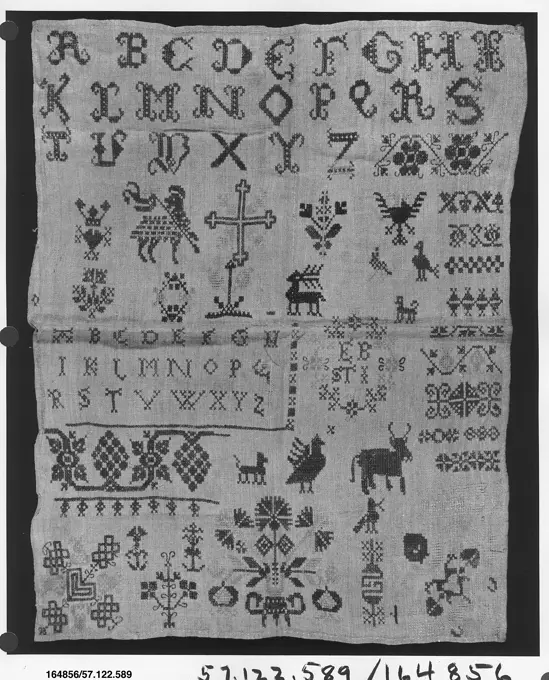
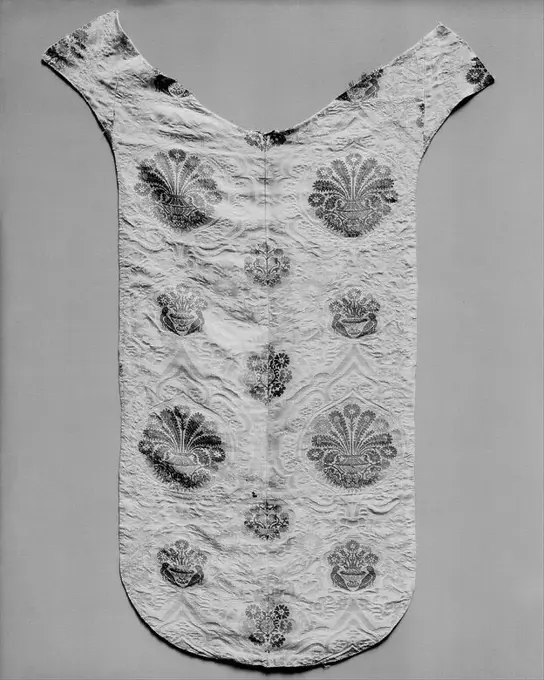
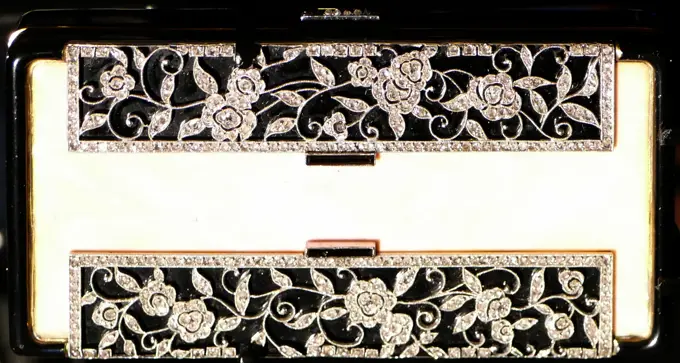
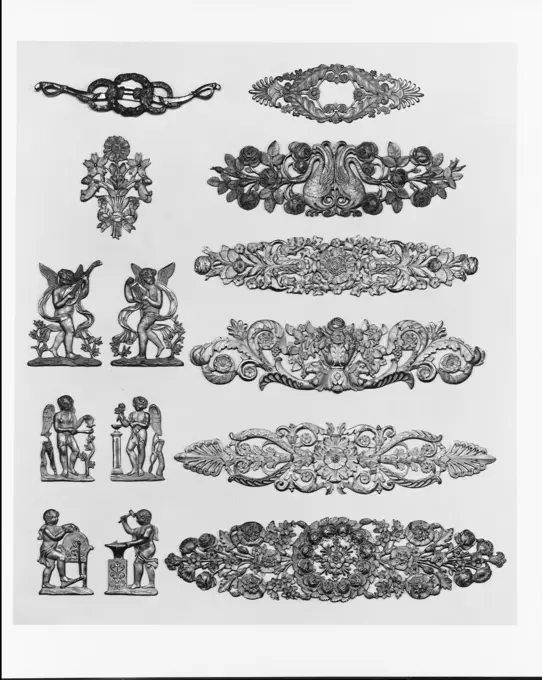
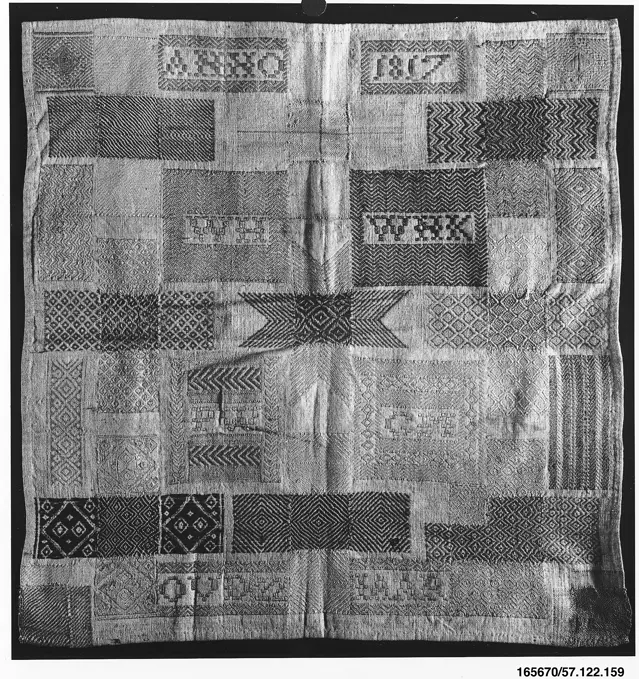
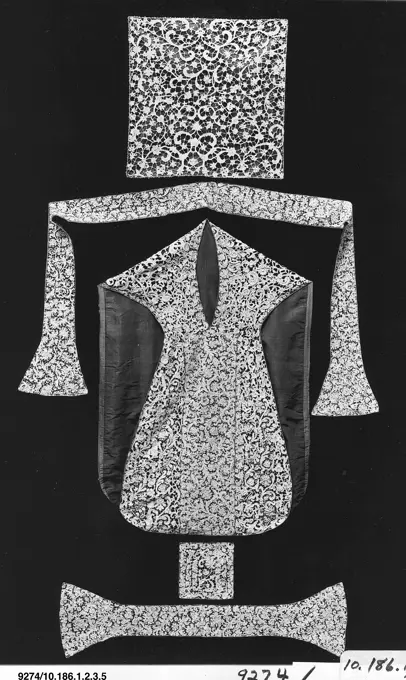
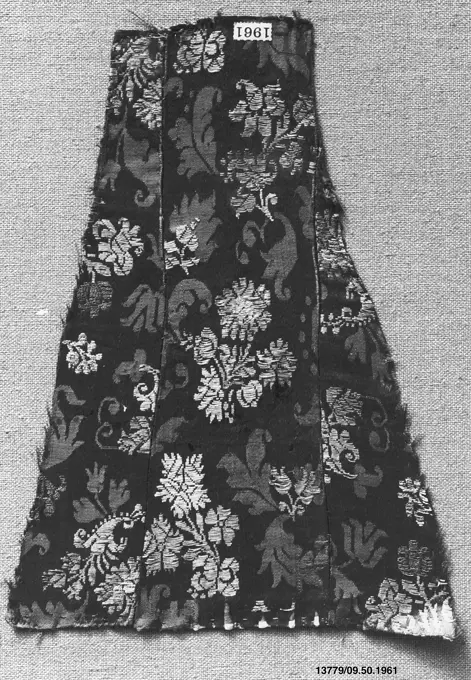
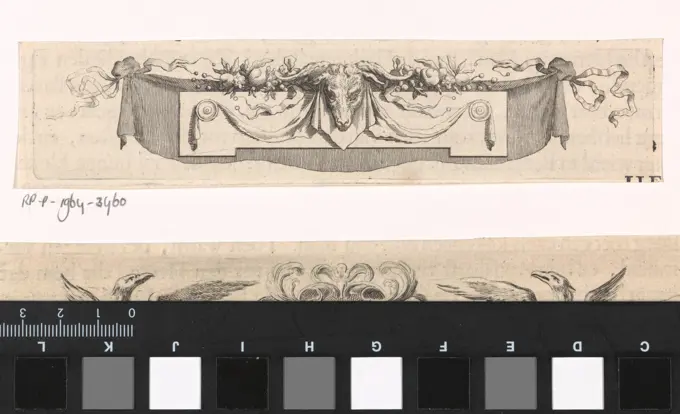
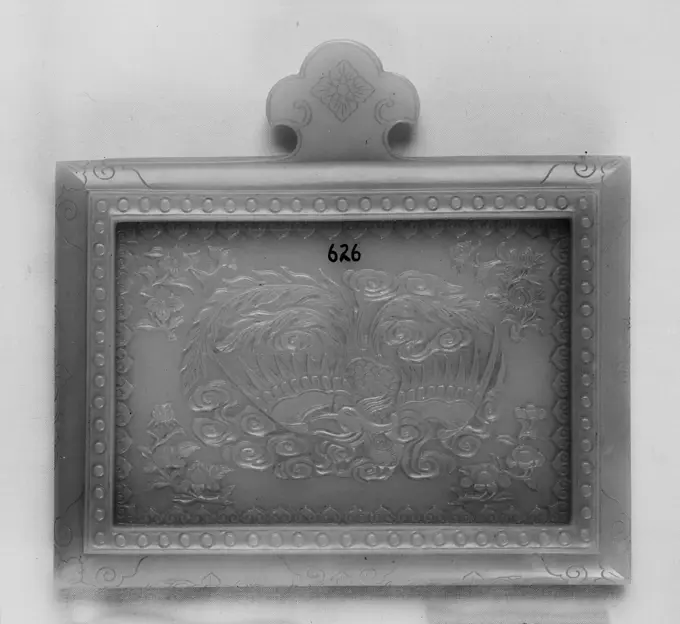
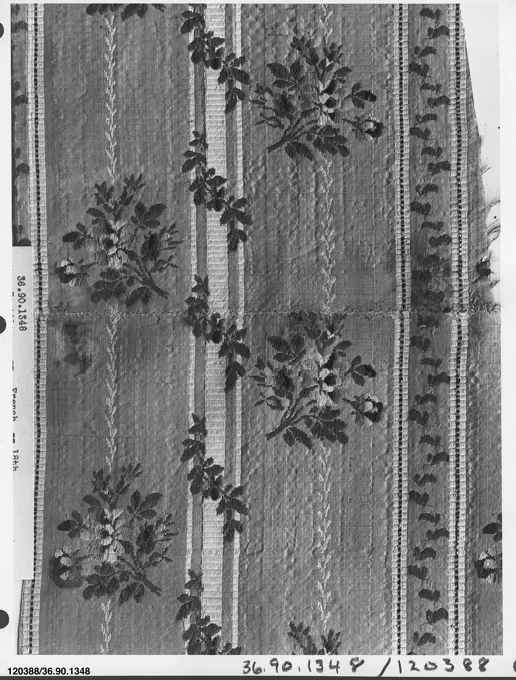
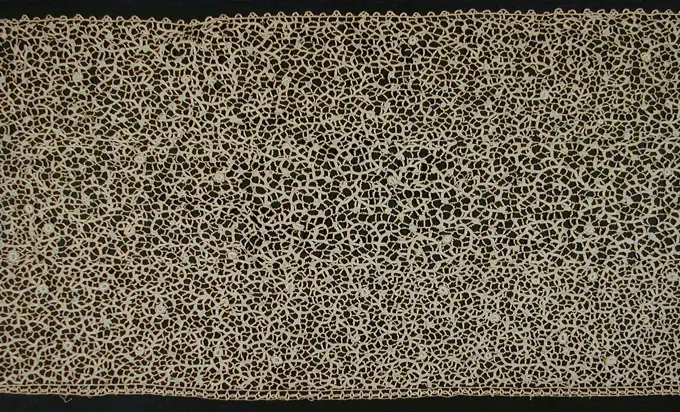
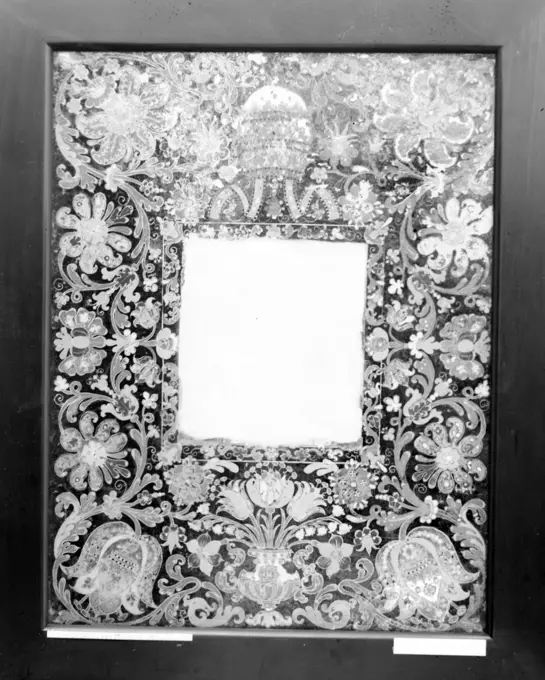
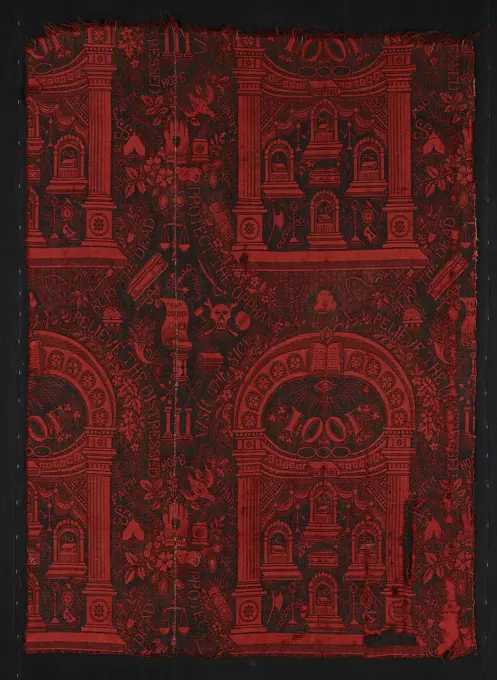
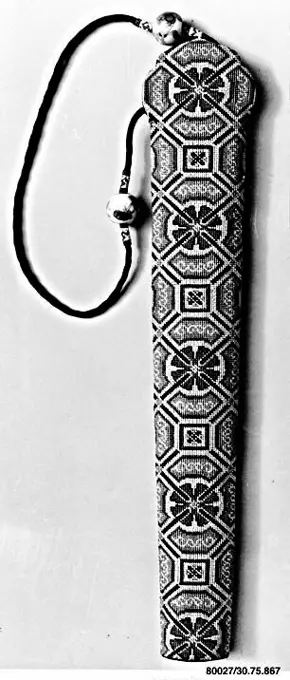
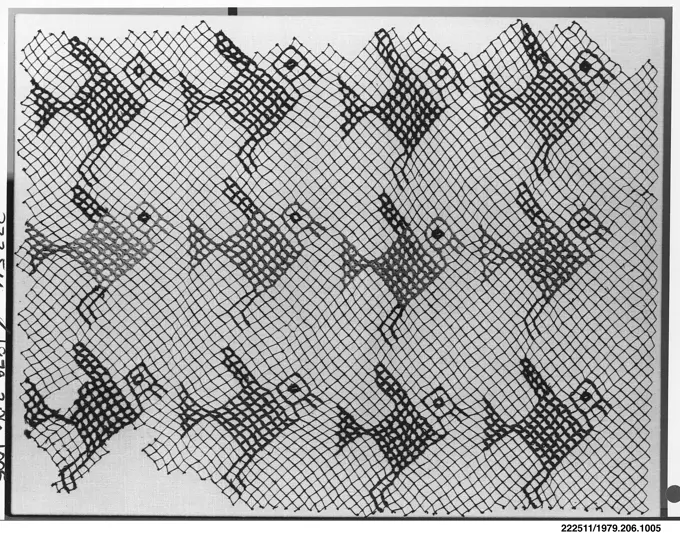
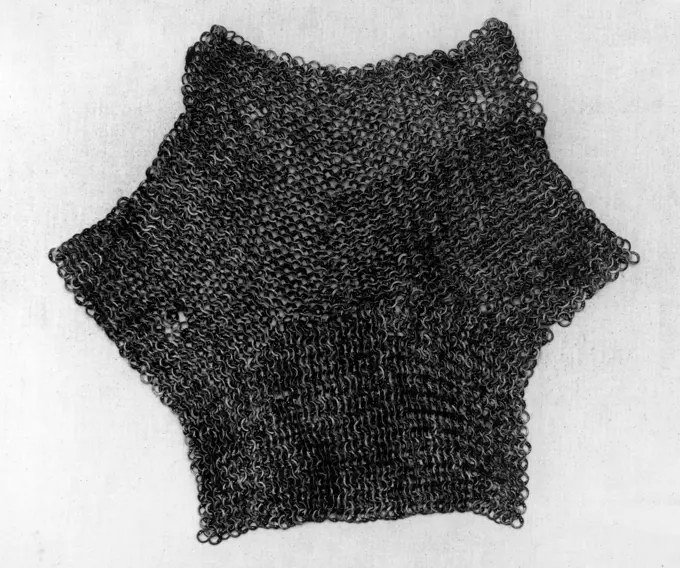
Mantle, Small, Fragments or Headcloth, Fragments or Mantle, Border and Corners, Fragments Nasca. Mantle, Small, Fragments or Headcloth, Fragments or Mantle, Border and Corners, Fragments, 100-200 C.E. Cotton, camelid fiber, a: 105 1/8 x 5 1/8 in. (267.0 x 13.0 cm).   Arts of the Americas 100-200 C.E.Edging 17th century Italian. Edging 220849Sampler 18th century German or Austrian. Sampler 228513Woman's Ceremonial Skirt (tapis) Made 1801-1900 Indonesia. Two panels joined stripes of cotton, warp resist dyed (warp ikat), plain weave with paired warps; cotton and silk, plain weave with supplementary brocading wefts and stripes of cotton, plain weave embroidered with silk and gold-leaf-over-lacquered-paper-strip wrapped silk in back, chain, stem and surface satin stitches; laidwork and couching . PaminggirPiece 18th century French. Piece 223315Chasuble. Culture: Italian. Dimensions: L. 38 1/2 x W. 33 inches (97.8 x 83.8 cm). Date: 15th century. Museum: Metropolitan Museum of Art, New York, USA.Vanity case, Compaq, French, made in Paris, 1925, by Van Cleef and Arpels. Gold, platinum, rose enamel, and onyx.Fan Holder 18th-19th century China. Fan Holder 68835Pair of Table Screens China. Pair of Table Screens 41937Furniture Hardware 1820-30 Henry Kellam Hancock. Furniture Hardware 5256Civil rank badge 19th century China. Civil rank badge 65068Embroidered darning sampler 1817 Dutch. Embroidered darning sampler 228086Stole second half of 17th century Italian The Venetian gros point needle lace that covers the surface of this stole would have taken skilled hands many months to produce. For this reason, it was highly prized long beyond its popularity in the seventeenth century. This is part of the set 10.186.1, .2, .3, .5 that comprises a chasuble, maniple, stole, and chalice veil.. Stole 218989Piece 1690-95 Italian. Piece 216804Piece 1840 French, Alsace. Piece 221586Textile Fragment 3rd-4th century. Textile Fragment 443212Set of four panel ornaments French 19th century View more. Set of four panel ornaments. French. 19th century. Gilt bronze. Metalwork-Gilt BronzeCup of a ram with ornaments of fruit and ribbons, Bernard Picart (workshop of), 1683 - 1733 print  Amsterdam paper etching / letterpress printing ram's head ~ ornament. fruits and vegetables ~ ornament. ribbon, scroll, banderole ~ ornamentFrame with mirror China. Frame with mirror. China. Nephrite, white with greenish tint. Qing dynasty (1644-1911), Qianlong period (1736-95). JadePiece 18th century French. Piece 224432Two Lengths of Lace (Flounce). Italy, circa 1700. CostumesFrame 17th century Italian, Venice (Murano). Frame. Italian, Venice (Murano). 17th century. Glass. Glass-PaintedSampler 18th century German. Sampler. German. 18th century. Silk on linen. Textiles-EmbroideredValance China. Valance 70431Upholstery from a settee British 19th centurySampler 19th century Italian. Sampler 228341The cake from which "soap" oil is extracted by means of a solvent. Strathmore, California 1942. still image. Photographs. The Miriam and Ira D. Wallach Division of Art, Prints and Photographs: Photography Collection. California , Strathmore, California , Tulare CountyCushion with octagon flower. unknown unknown Tapestry Dimensions: H 50 cm x W 50 cm Tapestry Materials/Techniques: unknown Culture: French Weaving Center: Aubusson Ownership History: Château d'Eu, France. Queen Mary, Buckingham Palace, England. Seligmann & Co. sold 5 pieces to Rasmussen 6/10/1925 & sold 4 pieces to Cecil Blunt 12/31/1926. Inscriptions: Stamp of Château d'Eu & number on the back: letters EU surmounted by crown & 1167 underneath Stylized flower head in octagonal frame, with acanthus leaves & fans in corners (BRD) laurel branches rosette medallions in corners This cushion is one of 9, & a note on verso of photograph indicates that each cushion is stamped & numbered on the back. Jacques Seligmann & Co. stock sheet in archive, 7457 old stock no. 6899Head on pedestal, two birds and ornaments with leaf motif, Anonymous, Hans Weiditz (II), 1514 - 1532 print Print is part of an album.  paper letterpress printing foliage, tendrils, branches ~ ornament. fabulous animals ~ ornamental birds. foliated head ~ ornamentCarpet Made 1880-1890 United States. Wool, plain weave; double cloth .Piece 17th century Italian. Piece 219603No maker's mark, Bell, 1894/95, silver.Bliżej Kultury unknownWindow,  military tent as a frame. Vector illusrtation.Sleeve of Mail. Culture: German. Dimensions: L. 18 1/2 in. (47.0 cm); W. 7 7/8 in. (20.0 cm); Diam. (outside) of links 3/16 in. (5.0 mm); Diam. (inside) of links 1/8 in. (2.8 mm); Wt. 2 lbs. 9 oz. (600 g).. Date: 16th century. Museum: Metropolitan Museum of Art, New York, USA.STRATY WOJENNE MNKSTRATY WOJENNE MNKFan Holder 18th-19th century China. Fan Holder 68855Gauze Headband () 10th-15th century Chancay. Gauze Headband () 313202Fragment. Dimensions: 5 3/8 in. high 1 15/16 in. wide (13.6 cm high 5 cm wide). Date: 5th-6th century. Museum: Metropolitan Museum of Art, New York, USA.Armpit Defense 16th century German From about the third century B.C. through the early fourteenth century A.D., mail, also called chain mail, was the predominant and most effective type of body armor known in Europe. From about the mid-fifteenth century onward, mail was used in conjunction with full plate armor to fill the gaps between plates. Separate mail sleeves were made to be worn with a cuirass (breastplate and backplate); shaped panels of mail called gussets, covered the armpits or the crooks of the elbows and were attached to arming jackets, garments specially tailored to be worn under armor; and mail breeches, called brayettes or pairs of paunces, could be worn by men fighting on foot.. Armpit Defense 34854Obverse and reverse of an Allied 10 -mark note.Fragment of a Tunic. Dimensions: 4 1/2 in. high 4 5/16 in. wide (11.5 cm high 11 cm wide). Date: 3rd-4th century. Museum: Metropolitan Museum of Art, New York, USA.