Textile Fragments from History

Historical fabric pieces, including silk and lace, showcasing intricate patterns and textures, preserving craftsmanship from different eras.

Fragment, Medium; silk Technique: 4&1 satin damask, Large scale pattern with heart-shaped leaves and Tudor rose in ivory, 16th-17th century, woven textiles, Fragment
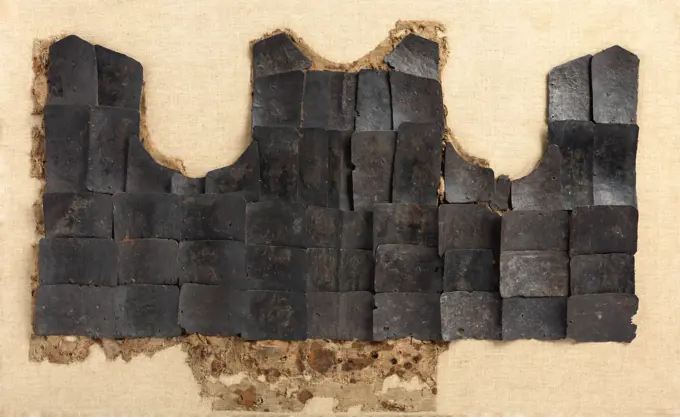
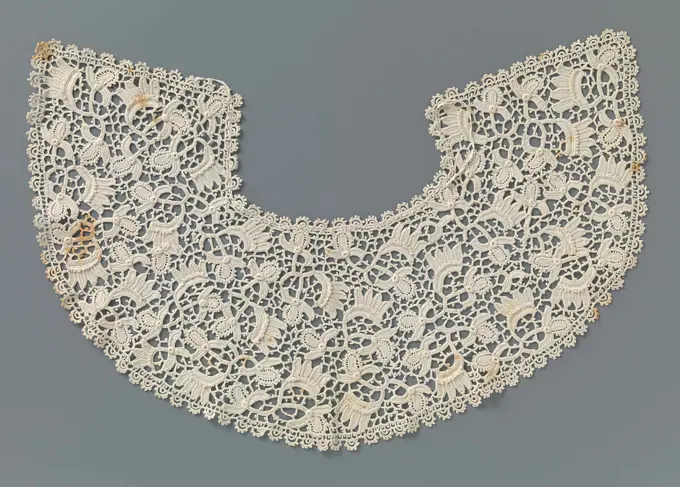
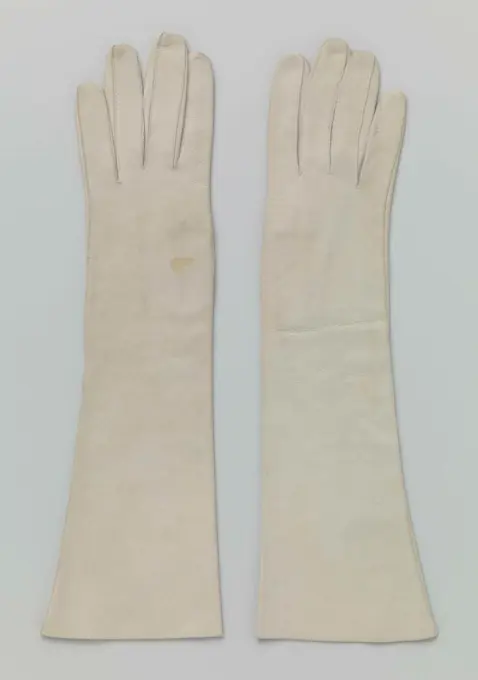
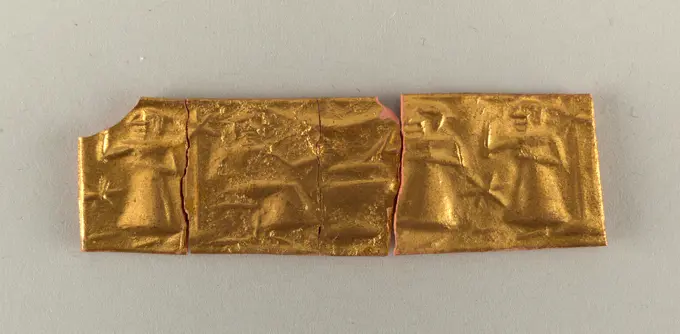
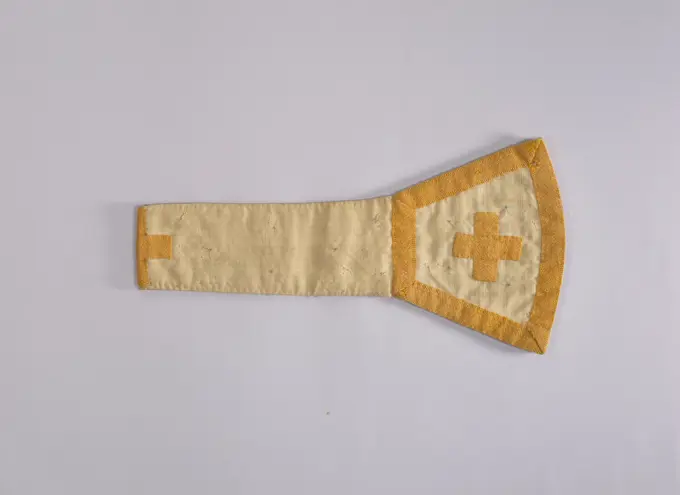
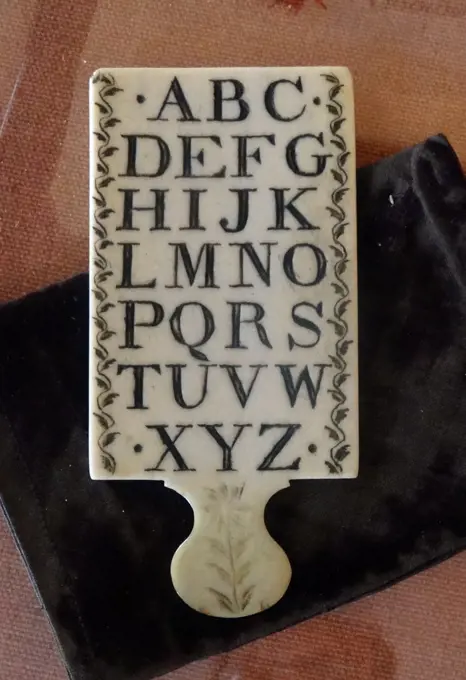
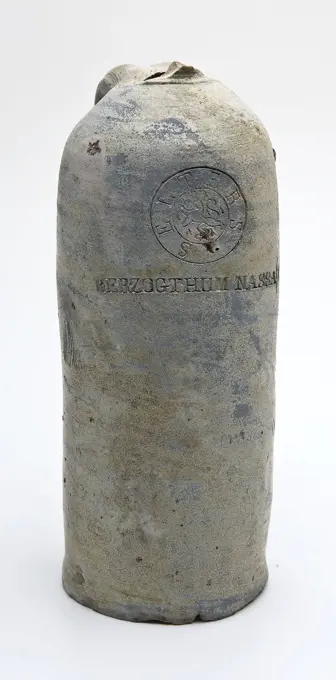
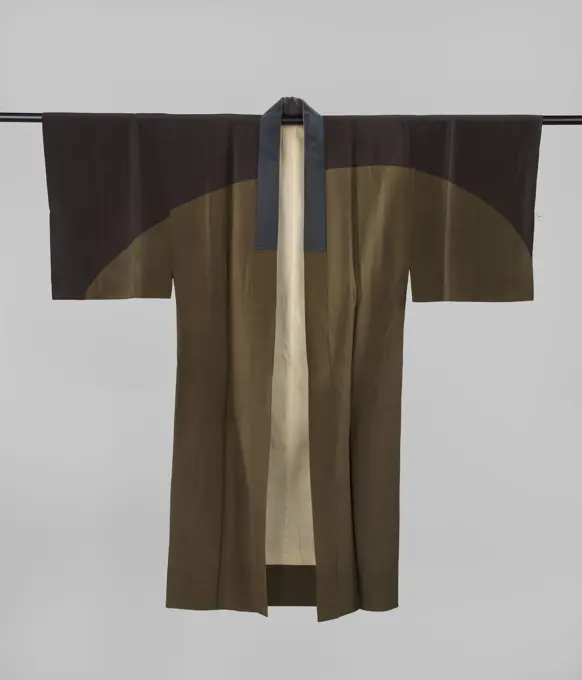
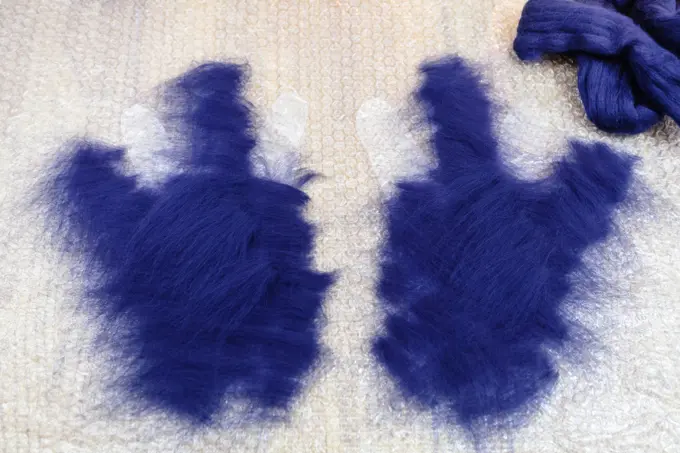
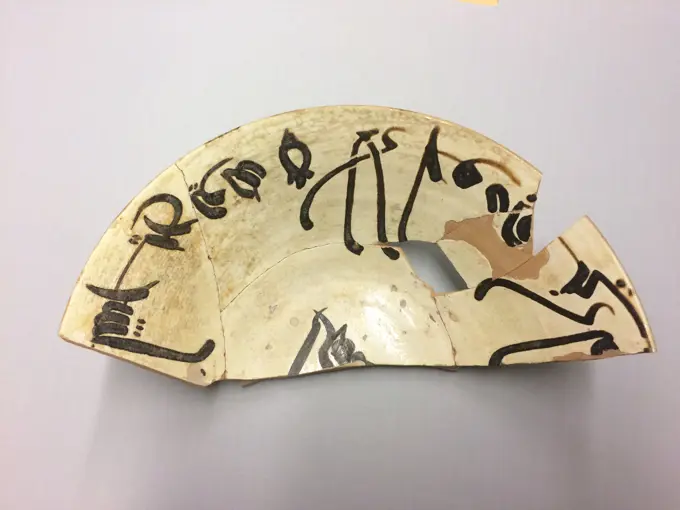
Gold Appliqué in the Form of a Cross ca. 600 Langobardic Once they were in Italy, the Langobards adopted the custom of sewing one or more crosses on the shrouds of the deceased. The origin and meaning of the custom remain uncertain.This group of objects was found in the grave of a Langobardic horseman, who was buried in his warrior dress, with weapons, shield, helmet, and the fittings for his horse. What remains are the many gold pieces that would have ornamented his clothing and equipment, and they attest to the great wealth of the Langobardic aristocracy within a generation of settling in Italy.. Gold Appliqué in the Form of a Cross 469013Sample early 19th century French. Sample 224701Przeworski belt, silver with blue Friday from the HR collection. Józef Tyszkiewicz in 1920 - general view; Bu Akowska, Zofia (1866-); 1920 (not after 28.09.1920) (1918-00-00-1920-00-00);Coat of Plates, or Brigandine ca. 1400 Italian This is part of a large find of medieval armor discovered in 1840 in the ruins of the fortress of Chalcis, on the Greek island of Euboea (then a Venetian colony called Negroponte). The fortress had been captured and destroyed by the Turks in 1470. Now divided largely between the Ethnological Museum, Athens, and The Metropolitan Museum of Art, the Chalcis hoard contains many rare and unusual elements of fourteenth- and fifteenth-century armor. Of particular importance are the variety of headpieces and the many fragments of brigandines (armor for the torso constructed of small plates riveted to layers of fabric), some of which retain portions of their original velvet covering. The Chalcis armor provides a unique picture of the armament used in the Aegean, one of the easternmost military outposts of the Venetian empire.. Coat of Plates, or Brigandine. Italian. ca. 1400. Steel, textile. Chalcis. Armor PartsGreen sheet of paper with torn edges for writing an ad on a white isolated backgroundCollar of crocheted side with brushy leaves. Collar of natural-colored Irish crochet side. Pattern of flower stems with brushy leaves, put together with picoted bars. Raised circular flower hearts and a layered edge along the stem where the leaves steal. Finished on all sides with a border shines in the form of double bowes.Countertop samples on whiteFragment crocheted side with flowers and grapes, anonymous, c. 1890 - c. 1909 V-shaped part of a lot of natural Irish crocheted side. Pattern with flowers and grape bunches and a crocheted irregular mesh soil with picots. On the outside, the semi -circular scallops are trimmed with picoted arches. Different parts of edges are not finished and/or cut or cut. Ierland (possibly) cotton (textile) V-shaped part of a lot of natural Irish crocheted side. Pattern with flowers and grape bunches and a crocheted irregular mesh soil with picots. On the outside, the semi -circular scallops are trimmed with picoted arches. Different parts of edges are not finished and/or cut or cut. Ierland (possibly) cotton (textile)Pattern with uncompleted piece of lace, Medium: parchment, linen thread Technique: bobbin lace made in Lille style with heavy outlining thread, Pattern with partially worked Lille style lace., 19th century, lace, Pattern with uncompleted piece of lacePair or gloves. Left glove from gray corner leather.Fragment, Medium: cotton Technique: plain weave foundation with gauze weave, Fragment of a red cotton shawl or mantle in which a geometrical design is executed in an open work or lace effect., Peru, 400-100 BC, woven textiles, FragmentTextile Swatches Onondaga Silk Company, Inc. (1925-1981). , 1948-1959. 53 wool, 47 silk, 22 1/2 x 18 in. (57.2 x 45.7 cm).    1948-1959Textile Swatches Onondaga Silk Company, Inc. (1925-1981). , 1948-1959. Silk, 7 1/2 x 4 1/2 in. (19.1 x 11.4 cm).    1948-1959Unfolded blank roll of yellowish burnt vintage parchment isolated over white backgroundPhoto production of a portrait of a sitting man, 1851 - c. 1900 photograph This photo is part of an album.  paper albumen print adult man. anonymous historical person portrayedDetail cast-iron column with the books in the cabinets in the library in the background; Interior Library. .Impression Of Seal Cylinder; 1902-20-8Stem book Voladers from WatzdorfManiple;  18th century (1701-00-00-1800-00-00);Throne of the Palais des Tuileries in Paris, Anonymous, 1855 - 1875 tissue stereograph  Paris photographic support. paper. cardboard albumen print interior ~ representation of a building. throne-room. throne Tuileriep-palpalSketchbook with 18 magazines, George Hendrik Breitner, 1883 - 1885  Sketchbook consisting of 18 sheets with figure studies, portraits and cityscapes. The Hague paper. boekband: marbled paper. boekband: cardboard. rug: linen (material). chalk. pencil  public road. adult man. adult woman The HagueEnglish, early 18th century hornbook of ivory, engraved on both sides with the alphabet in capitalsSketchbook with 51 sheets, Abraham de Haen (II), 1732 Sketchbook consisting of 51 sheets with castles, country houses, churches and villages in the Netherlands and Germany. Netherlands paper. ink. boekband: parchment (animal material) pen / brush  Weesp. Ankeveen. 's-Graveland. Kortenhoef. Oud-Loosdrecht. Nieuw-Loosdrecht. Kessel. Materborn. Wyler. Tiel. Kerk-Avezaath. Eembrugge. Bunschoten. Spakenburg. Nijkerk. Garderen. Voorthuizen. Ermelo. Nijbroek. Welsum. Veessen. Mastenbroek. Zwartsluis. Hasselt (Overijssel). Zwolle. Staphorst. Rouveen. Meppel. Nijeveen. Kolderveen. Havelte. Steenwijk. Steenwijkerwold. Blesdijke. Pepperga. Wolvega. Oudeschoot. Oranjewoud. Haskerhorne. Joure. Diever. Katlijk. Dwingeloo. Nieuwehorne. Gang Sketchbook consisting of 51 sheets with castles, country houses, churches and villages in the Netherlands and Germany. Netherlands paper. ink. boekband: parchment (animal material) pen / brush  Weesp. Ankeveen. 's-Graveland. Kortenhoef. Oud-Loosdrecht. Nieuw-LoosdFresco Fragment. UnknownCap Fragment (France); cotton; Diam.: 36 cm (14 3/16 in.)Design for a book bridge for: Johanna van Woude, De Zeven Schoonheidsen, 1897, Anonymous, in Or Before 1897 photomechanical print Above the book title and author's name a stylized flower chalice. At the bottom of the publisher's name in a frame with two upward growing flowers behind it.  paper printing block flowers ~ ornamentStoneware mineral water pitcher, cylindrical with round shoulder, sausage ear and short neck, mineral water pitcher jar product packaging container soil find ceramic stoneware glaze salt glaze, hand turned glazed baked Stoneware mineral pitcher cylindrical with round shoulder short neck and sausage ear. Stand area with traces of deduction and soul. Gray glazed with many spots in very thin glaze. Marked under the ear and marked on the front with medallion and text. Mark under ear pottery brand: M NUM 51 archeology Rotterdam Kralingen-Crooswijk Struisenburg Oostmaaslaan Boslaan Buizengat advertising indigenous pottery import drinking water drinking medicine medicine packaging Soil discovery: Buizengat Oostmaaslaan Boslaan Rotterdam an old landfill of urban waste.Movable type printEmpty wooden cutting board with cracks and scuffs Empty wooden cutting board with cracks and scuffs located on a dark concrete background Copyright: xZoonar.com/TetianaxChernykovax 21413789Embroidery sample, Medium: silk, paper Technique: embroidered on a compound foundation, Dark blue ground with narrow stripes embroidered in a border design of floral bouquets in multicolored silks and white., France, ca. 1770, embroidery & stitching, Embroidery sampleMendiant.. 1844. Avery, Samuel Putnam, 1822-1904. Prints. The Miriam and Ira D. Wallach Division of Art, Prints and Photographs: Print Collection. BeggarsDress Trimming (France); silkMaterial of the painter Ernest Renoux: folding easel ". Museum of Fine Arts of the city of Paris, Petit Palais. 26987-4 Folding bridge, material, tool, painter, table, canvasView of Japan View of Japan, late 19th-early 20th century. Albumen silver photograph mounted on cardboard, with mounting: 4 3/16 x 6 7/16 in. (10.6 x 16.4 cm).   Asian Art late 19th-early 20th centuryLinen pants ca. 7th-9th century A.D. Alanic. Linen pants 327591Men Nagajuban with bridge and Fuji, 1920 - 1940 Subjectoro (Nagajuban) for a man with a decoration throughout the plane of the front and back of a large round bridge, where two boats and two sails in the background, the coastline and the mountain of Fuji in the background. Brown silk with stenciled Yuzen decorations. Lining of white cotton. Japan silk. cotton (textile) painting Subjectoro (Nagajuban) for a man with a decoration throughout the plane of the front and back of a large round bridge, where two boats and two sails in the background, the coastline and the mountain of Fuji in the background. Brown silk with stenciled Yuzen decorations. Lining of white cotton. Japan silk. cotton (textile) paintingFragment, Medium: silk Technique: cut supplementary warp pile (velvet) in a woven foundation, Sample of 'velours miniatures' has vertical stripes comprised of black and orange circles connected by short black dashes., France, late 18th century, woven textiles, FragmentChalky el salvador flag painted with color chalk on old blackboardpatterns of gloves covered by first fibers workshop of hand making a fleece gloves from blue Merino sheep wool using wet felting process - cutting patterns of gloves covered by first layer of fibers ,property released Copyright: xZoonar.com/ValeryxVoennyyx 13197007 ,model released, Symbolfoto ,property releasedThe reverse side of a postage stamp The reverse side of a postage stamp on a black background Copyright: xZoonar.com/OlgaxPopovax 3681365Fragment of a Bowl late 10th century. Fragment of a Bowl. late 10th century. Earthenware; white slip and brown decoration under glaze. Excavated in Iran, Nishapur. Attributed to Iran, Nishapur. CeramicsTile with landscape, anonymous, c. 1750 - c. 1800 Tile with a blue and black -painted landscape with figures and a horse and carriage in the foreground within a blocked octagon. In the corners, a quarter rosette. Rotterdam (possibly) earthenware. tin glaze majolica Tile with a blue and black -painted landscape with figures and a horse and carriage in the foreground within a blocked octagon. In the corners, a quarter rosette. Rotterdam (possibly) earthenware. tin glaze majolicaWall detail in a building in the abandoned (1954) German diamond mining settlement of Kolmanskop near Luderitz, Namibia.Wall Facing (Holland); tin-glazed earthenware, underglaze; 5 tiles tall, various wideEmbroidered message on a wall hanging, Sweden.USA, Arkansas, Hot Springs. Lace curtain at Fordyce Bath House.