Textile Fragments Through Ages

A visual collection of historical textile fragments from different regions and time periods, showcasing their intricate designs.

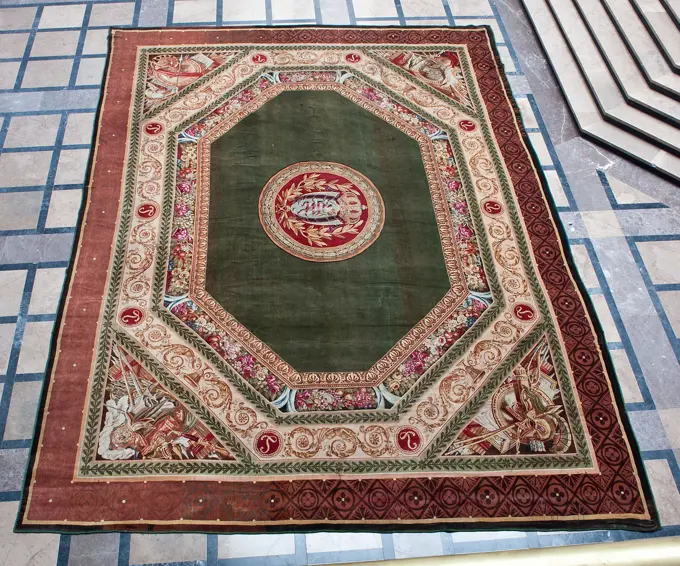
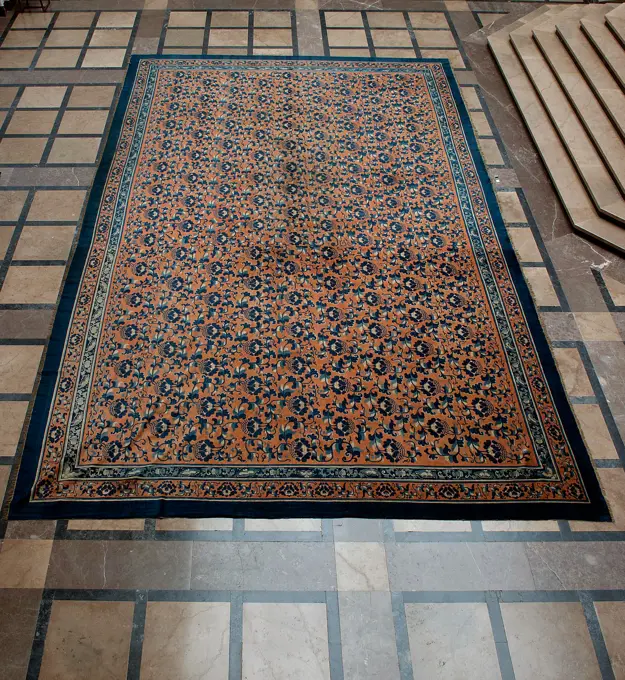
Oriental carpet, Anonymous, 1800 - 1900 Eastern carpet, medailla rug. In the middle a medallion with flowers against a solid terracotta fond. The edge is divided into red and olive -green color areas by windows and huge corners; A flower in every octagon. Chinese Turkestan Ketting an element: Cotton (Textile). Pool: Wool. Pool: Silk Eastern carpet, medailla rug. In the middle a medallion with flowers against a solid terracotta fond. The edge is divided into red and olive -green color areas by windows and huge corners; A flower in every octagon. Chinese Turkestan Ketting an element: Cotton (Textile). Pool: Wool. Pool: Silk
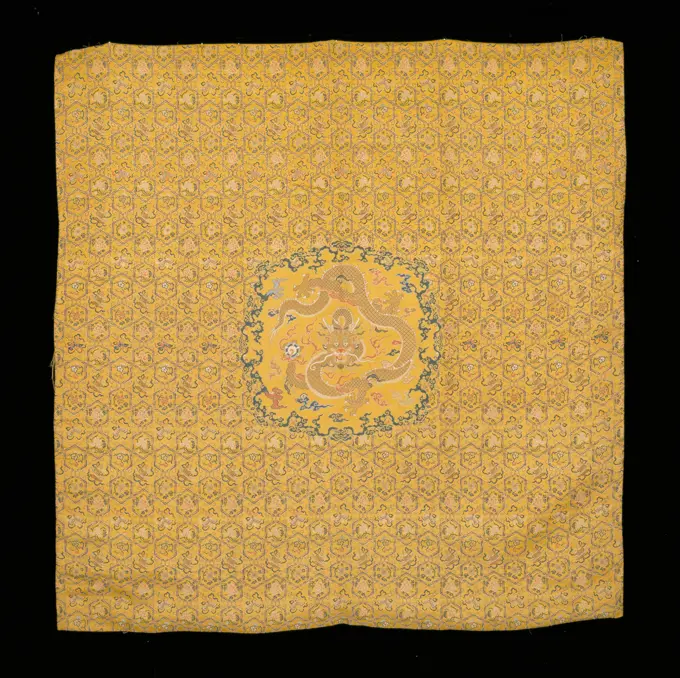
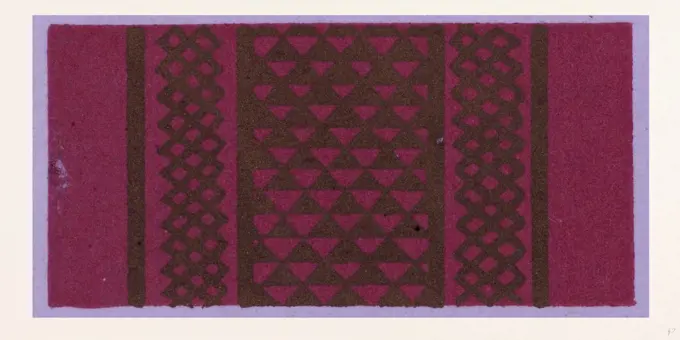
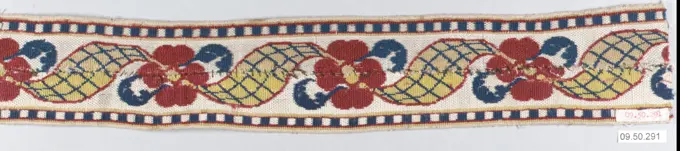
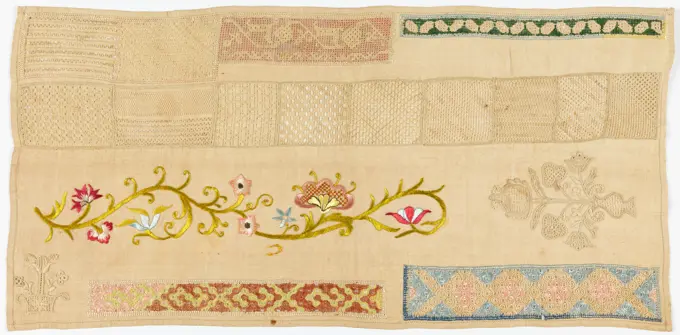
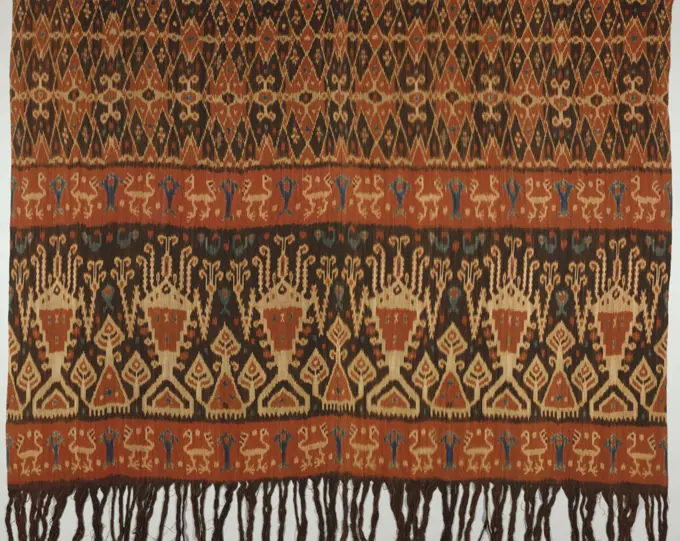
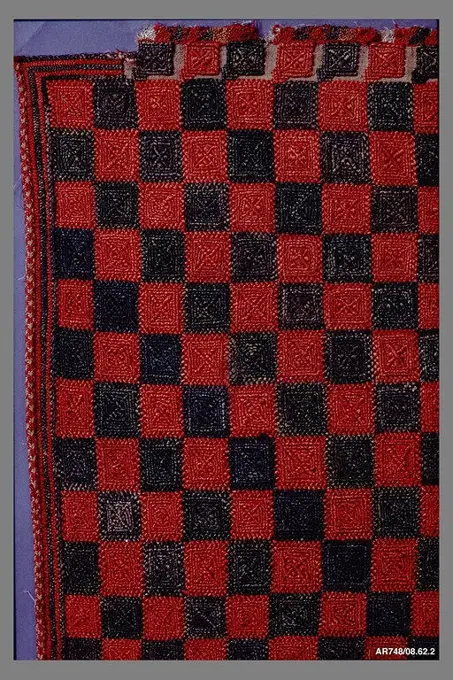
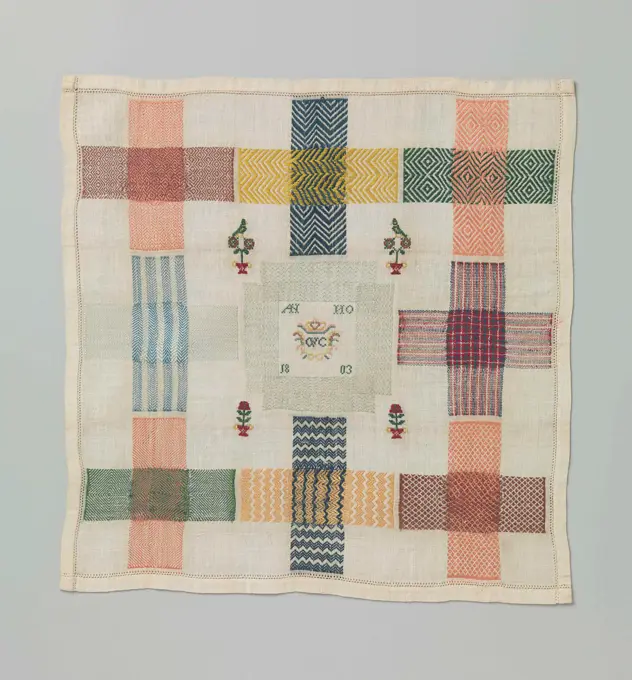
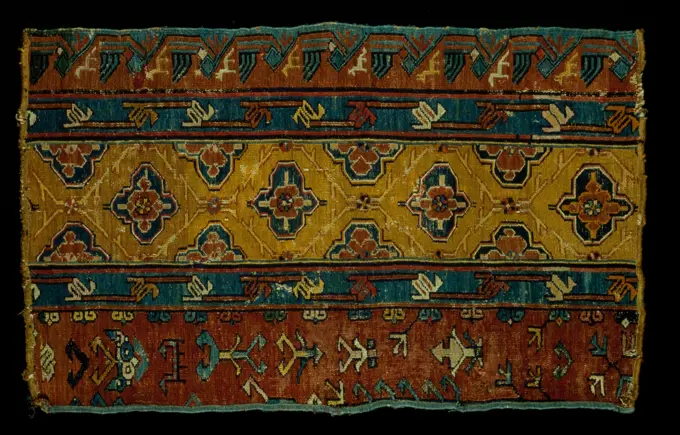
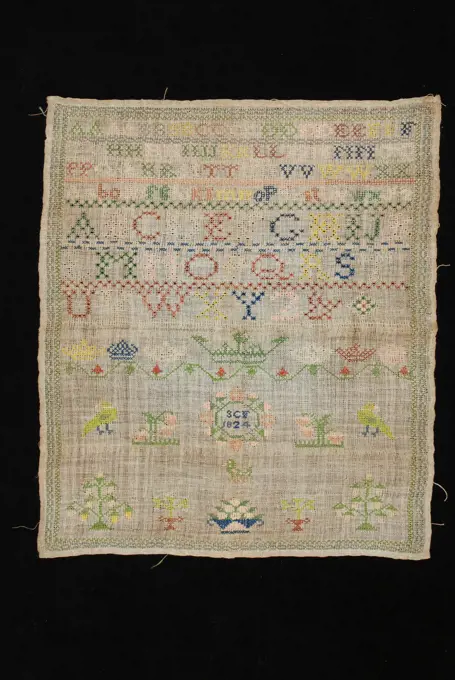
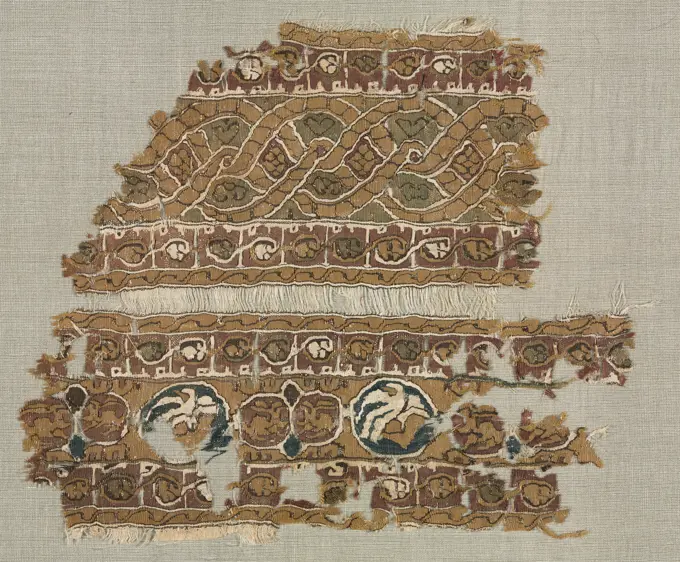
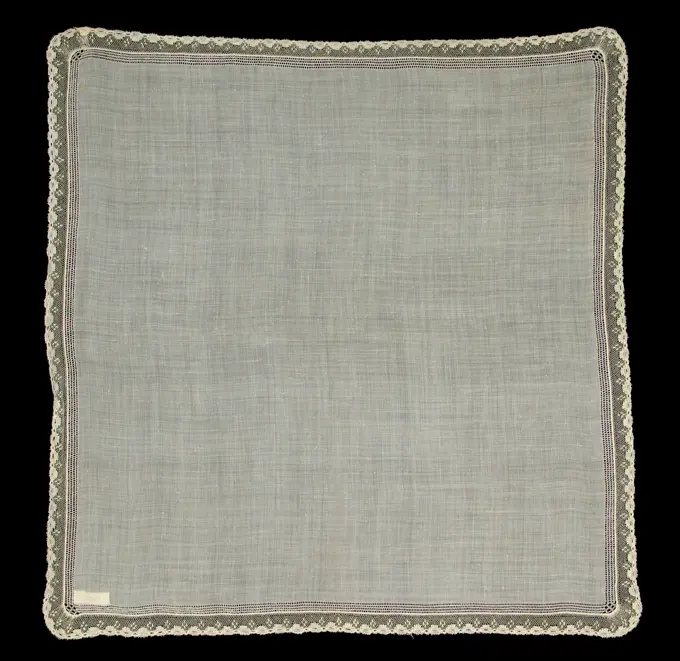
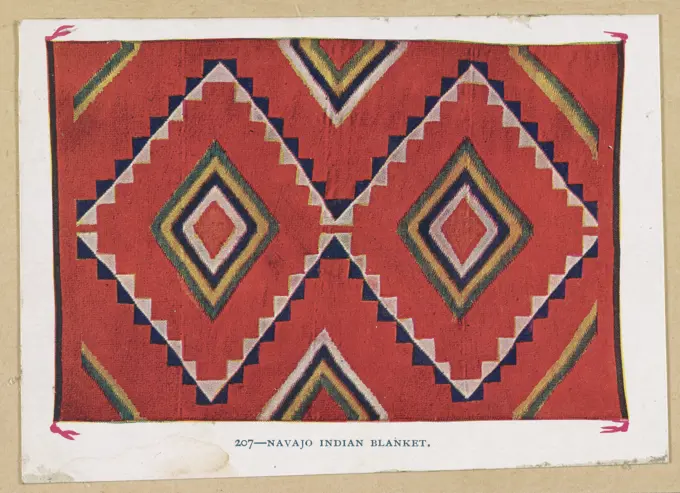
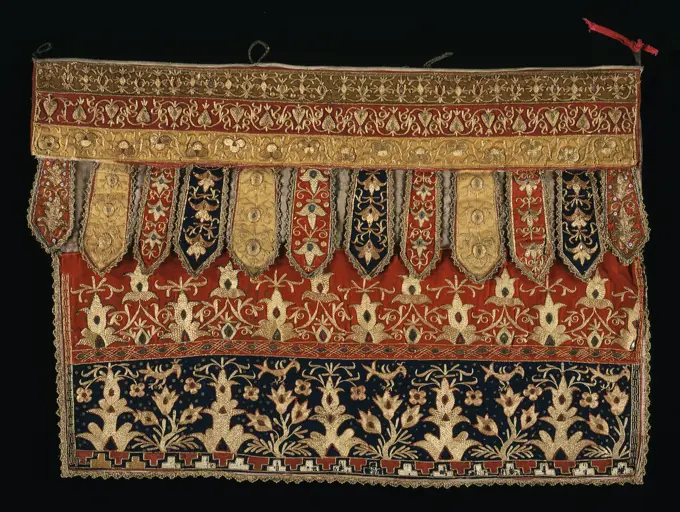
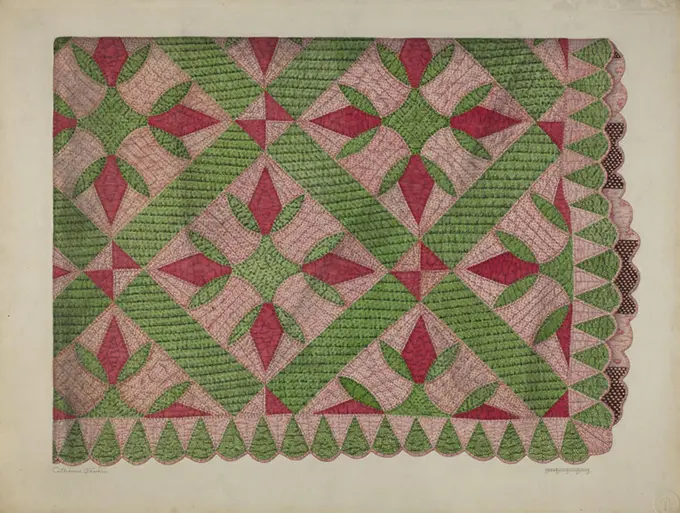
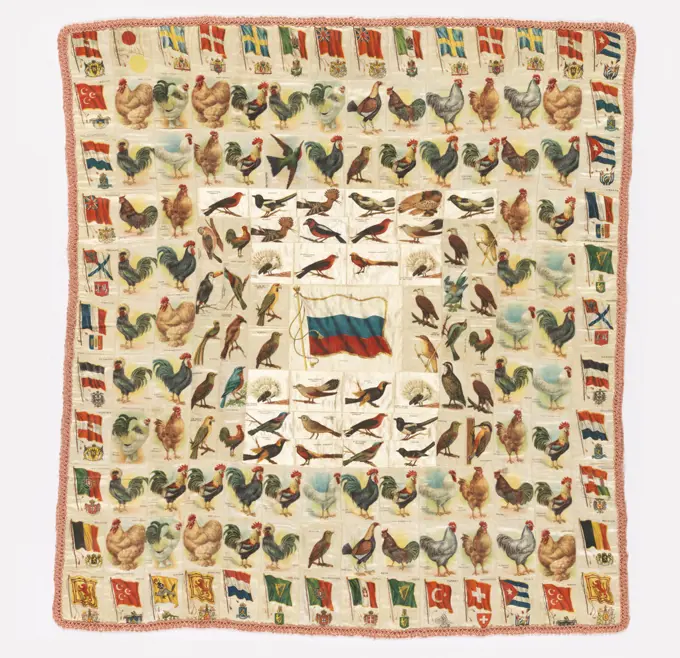
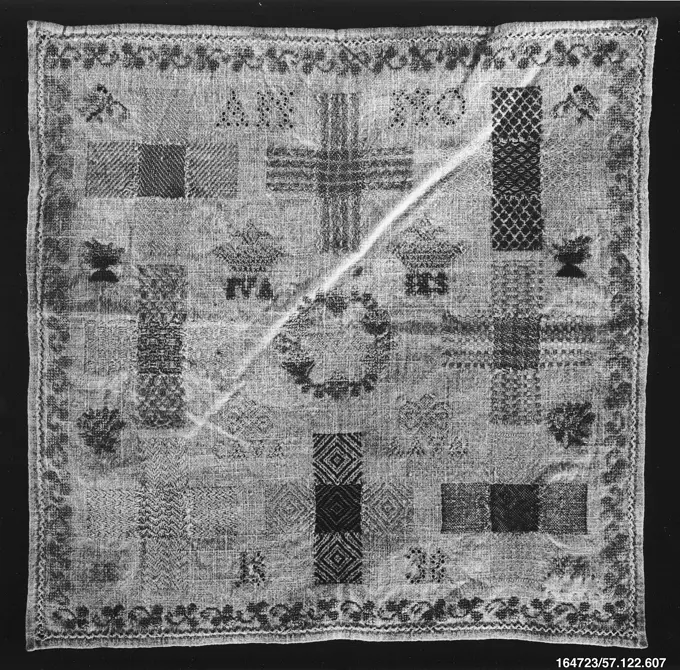
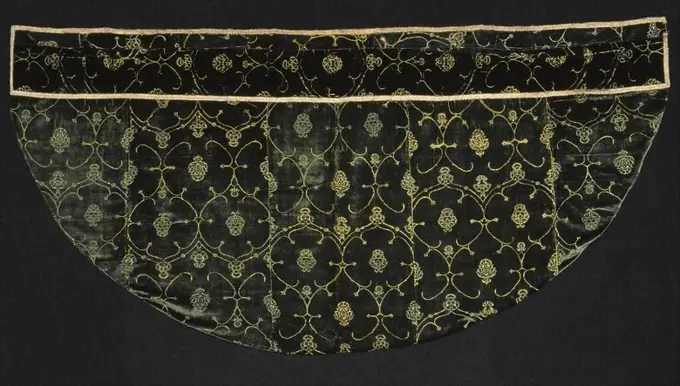
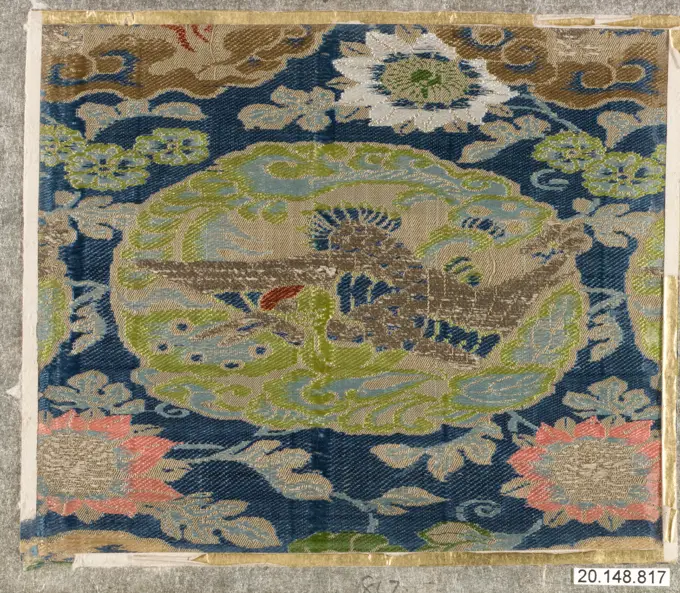
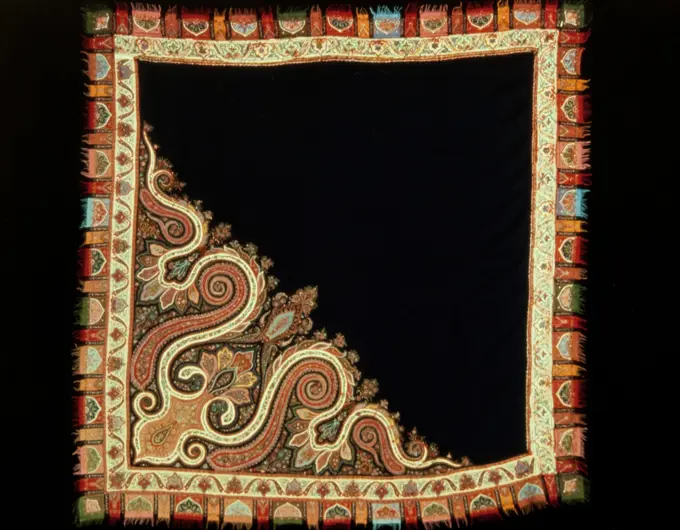
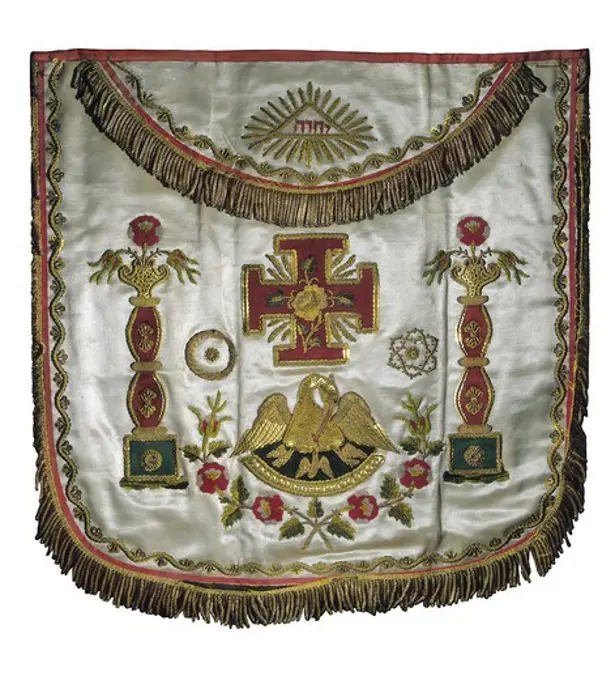
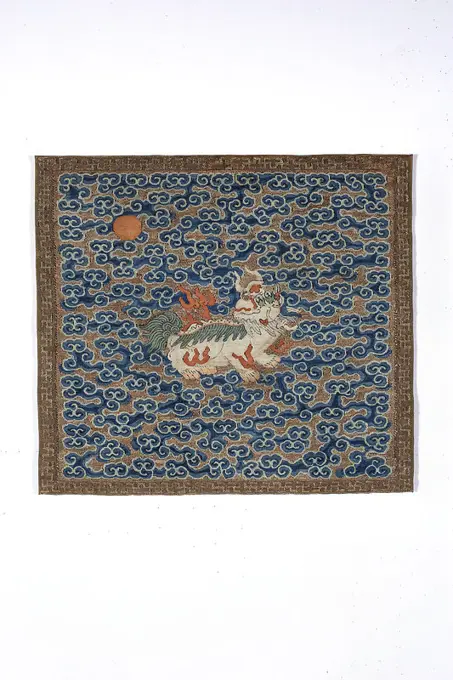
Skirt 18th century British. Skirt 228834Fragment, Medium: silk Technique: supplemenartary forming raised pile in satin foundation (velvet), vertical stripes of scrolls in green. Selvage present., 17th century, woven textiles, FragmentFragment of Coptic fabric unknownALFOMBRA TURCA DE ORACION,LADIK-S XVIII. Location: INSTITUTO VALENCIA DE DON JUAN-COLECCION. MADRID. SPAIN.Throne Cover, early 18th century, L.42-7/8 x W.42 in., silk, satin, gold, China, 18th centuryIndian ornamentPiece 18th century Japan. Piece 71532Kontusz sash/belt. unknown, authorGalloon 18th century German. Galloon. German. 18th century. Textiles-TrimmingsSampler; Embroidered by Briegitt Friederici; silk embroidery on wool foundationConciliate belt; Manufaktura Aleksander Unruga (Kobyłka; Pasów Factory; 1781-1787); 1781-1784 (1781-00-00-1784-00-00);Sampler (Mexico); silk embroidery on cotton foundationTrimming (France); silkChaplet from the collection of minutes Institut, Liegnitz; Belitski, Ludwig (1830-1902); 1854- (1854-00-00-1854-00-00);Legnica (Dolnośląskie Voivodeship), minutes of institut (Legnica), lace, artistic craftsmanshipHeadcovering (mezzaro) (Italy); cottonMarjorie McIntyre, Homespun Linen, 1938 Homespun LinenOne half of a Kontusz sash/belt. Manufaktura Paschalisa Jakubowicza (Warszawa ; wytwórnia pasów ; 1788-1794), manufactureSampler worked in cross stitch in colored silk on white cotton with linen effect, marked 1841 IB, sampler embroidery needlework imagery silk cotton, textile embroidery Lap of bleached cotton with linen effect in the spun thread. Around hem edge of 0.5 cm. The piece is embroided in cross stitch with silk in the colors black dark blue pink lilac mid blue rust red different shades of green yellow-green old brown light brown beige golden yellow pink red. The black silk is discolored in the cotton fabric and the yellow-green has turned into bluish spots. embroided: 1841 and the initials IB AVB IEVO HB and PP handicrafts bible religion spy Canaan Dutch Garden Dutch LionCommemorative embroidered kerchief unknownFragment; linen, woolTextile Fragment 4th century. Textile Fragment 443977Octagonal Carpet. Date/Period: 1300 - 1400. Carpet. Author: Egypt Unknown.Sampler, 1600 - 1630. England, 17th century. Embroidery: silk on linen tabby ground; overall: 24.1 x 50.8 cm (9 1/2 x 20 in.).Hinggi kombu (men's ceremonial wrapper), Medium: cotton Technique: tied resist patterning in warp (ikat) on plain weave, Men's ceremonial wrapper in red, brown, buff, and blue. Central section shows a patola-inspired motif (groups of diamons shaped lozenges interspersed with small circular motifs). Flanking the center on both ends is a row of birds confronted on either side of an upright blue fish; then a wide band of trees: one small with three conical branches, the other large, resembling candelabrum. The outermost bands have the bird and fish motif again. Two widths sewn together. Warp fringe (6in.) at both ends., Indonesia, 19th century, printed, dyed & painted textiles, Hinggi kombu (men's ceremonial wrapper)Band fragment, Medium: silk, linen, metallic Technique: complementary weft 2/1 twill, Horizontal bands of abstracted floral pattern., Germany or Spain, 15th century, woven textiles, Band fragmentTextile fragment. Date/Period: 900/1470. Width: 34 cm. Height: 53 cm. Author: UNKNOWN.Hinggi Kombu (man's Ceremonial Wrapper); cottonChasuble. Italy, Piemonte. Date: 1740-1750. Dimensions: 108.3 x 66.5 cm (42 5/8 x 26 1/8 in.). Silk, warp-float faced 7:1 satin weave; embroidered with silk and gilt- and silvered-metal-strip-wrapped silk in satin and split stitches; laid work, couching, and padded couching; lined with silk, plain weave; underlining with linen, plain weave; edged with gilt-metal-strip-wrapped silk, bobbin lace. Origin: Italy. Museum: The Chicago Art Institute, Chicago, USA.Loincloth, Fragment Chimú (probably). , 1000-1700. Cotton, camelid fiber, 9 1/16 × 15 9/16 in. (23 × 39.5 cm).   Arts of the Americas 1000-1700Trimming Fragment (France); silkSleeve 18th century Greek Islands, Southern Sporades, Karpathos. Sleeve 213475Shawl of Joined Fragments late 18th century. Shawl of Joined Fragments 453412Dress of oriental textile with multicolored embroidery. Dress of multicolored chewy cotton, decorated with flower drinks and ornament, lined with cotton.Sampler (England); silk embroidery, linen foundationTextile Sample from Sample Book 19th century Japan. Textile Sample from Sample Book 68210Plug of multicolored silk on linen .. Stop stack with multicolored embroidery. The embroidery consists of the year Anno 1803 and a square within which the initials CVC.Rug, 19th century, 37 x 23 in. (93.98 x 58.4 cm), Wool (), 19th centurySilk fabric on display in shop in historic Yanaka neighborhood, Tokyo, JapanCOBERTOR MURCIANO. Location: MUSEO DE LA HUERTA. ALCANTARILLA. MURCIA. SPANIEN.Sampler or letterlap worked in cross stitch in colored silk on loosely woven linen, marked SCF 1824, lettercloth sampler embroidery needlework images silk linen, textile embroidery cross stitch star stitch lock stitch Lap of loosely woven unbleached linen with hem edge around 0.4 cm. The piece is embroided with silk in cross-stitch stitch and cabinet stitch in the colors green gray blue light pink dark pink yellow red brown white dark red dark blue yellow green. Around simple zigzag edge and link edge embroided in green and gray blue and also after each row of letters delimiting edge with simple motif embroided letter series and number series and SCF 1824 craftsmanship orphanageSquare (Egypt); warp; s-spun linen. wefts; s-spun linen, s-spun woolEmbroidery Sample, 15 1/8 x 81 1/2 in. (38.42 x 207.01 cm), Cotton, rayon; needlework, ChinaPanel (formerly Cover from a Sedan Chair) 1710-1730 France. silk compound weave, brocaded .Fragment of a Tiraz-Style Textile, 1094 - 1101. Egypt, Fatimid period, probably Caliphate of al-Musta'li, AH 487-495 (A.D. 1094-1101). Tabby ground with inwoven tapestry ornament; linen and silk; overall: 13.4 x 15.9 cm (5 1/4 x 6 1/4 in.).Fragment; silk; Bequest of Richard Cranch Greenleaf in memory of his mother, Adeline Emma Greenleaf; 1962-56-84Kontusz sash/belt. Pracownia Franciszka Masłowskiego (Kraków ; wytwórnia pasów ; 1781-1806), atelierPiece Italian 16th-17th century View more. Piece. Italian. 16th-17th century. Silk. Textiles-VelvetsTextile (France); woolScarf sample, Medium: silk Technique: printed on plain weave, Quarter of printed scarf used for sample in two shades of blue, two shades of brown, and black. In the field is a pattern of small leaves and the border shows geometric key design., France, mid-19th century, printed, dyed & painted textiles, Scarf sampleStrip 18th century German. Strip 215450Handkerchief 1840-60 American. Handkerchief 168805Navajo Indian blanket - digital file from original print | Library of CongressEmbroidered sampler. Culture: Italian. Dimensions: 23 3/4 × 26 1/2 in. (60.3 × 67.3 cm). Date: ca. 1600.This sampler features both colored silk embroidery and white cutwork, in addition to a bobbin lace edging (probably a later addition). Unfinished acorn and oak leaf, flower pot, and geometric motifs are stitched in a light brown thread on the top half of the sampler, while cutwork and drawnwork geometric patterns are present on the work's bottom half and top left corner. Cutwork, from which needle lace developed, is a technique in which portions of the ground fabric are cut away and reinforced with embroidery stitches and filled in with needle lace. While many surviving English samplers include lace, cutwork, and drawnwork, very few examples of seventeenth-century lace have been attributed to English manufacture. Museum: Metropolitan Museum of Art, New York, USA.Mantle Corner Fragment, 700-1100 A.D.. Peru, South Coast, Wari Culture, Middle Horizon, 8th-11th Century. Cotton and camelid fiber; plain weave with supplementary weft (brocade); overall: 46 x 46.5 cm (18 1/8 x 18 5/16 in.).Woman's Skirt (Sarong) Made 1801-1900 Indonesia. Two panels joined stripes of cotton and silk, warp resist dyed (warp ikat) plain weave .Ceremonial Hanging (tirai). Indonesia, east Sumatra, 19th century. Textiles; hangings. Metallic gold and silk thread embroidery, mica chips on wool; metallic laceFragment early 17th century Italian. Fragment 230534Fragment Made 1775-1800 Italy. Silk and silvered-metal strips, warp-float faced twill weave with supplementary facing wefts and suplementary pile warps forming cut and uncut voided velvet .Turkey Track Quilt. Dated: c. 1941. Dimensions: overall: 44 x 57.9 cm (17 5/16 x 22 13/16 in.). Medium: watercolor, graphite, and pen and ink on paperboard. Museum: National Gallery of Art, Washington DC. Author: Catherine Fowler.Fragment Made 1650-1700 Italy. Silk, satin damask weave .Pair of cuffs. Culture: Italian. Dimensions: Each: 7 1/4 × 14 1/2 in. (18.4 × 36.8 cm). Date: 17th century. Museum: Metropolitan Museum of Art, New York, USA.Textile Sample from Sample Book 19th century Japan. Textile Sample from Sample Book 68192Front doubleur. Dorat, Claude Joseph (1734-1780). bindings (gathered matter components), Book covers. 1770. Spencer Collection. BookbindingConciliate belt; Manufaktura Karol Stanisław Radziwiłł (Słuck; Pasów label; Ca 1767-1790), Madżarski, Jan (Tkacz; Słuck, -A 1800); 1767-1780 (1767-00-00-1780-00-00);Handkerchief (France); silkPatchwork cover, Medium: silk, cotton Technique: chromolithography printed on 7 & 1 satin, stitching, Patchwork cover made of cigarette souvenir squares printed with national flags and birds. The large central flag is from pre-revolutionary Russia, surrounded by birds and other national flags. Several flag souvenirs read 'Zira Cigarettes.' Backing is a roller-printed cotton with a design of roses. Edged in silk hairpin lace., USA, ca. 1910, printed, dyed & painted textiles, Patchwork coverAltar-cloth. unknown, authorEmbroidered darning sampler 1838 Dutch. Embroidered darning sampler 228530Leaf with job pattern with woven motif and bow, anonymous, c. 1700 - c. 1850  Leaf with vertical job pattern with woven motif and bow. Used as a cover.  paper. block printing (relief printing process) fantasy ornamentPersian carpetHeadcovering; silk and metallic thread on cottonCope. Culture: Italian or Spanish. Dimensions: 51 1/2 x 170 1/2 in. (circumference of hem) (130 x 433.07 cm). Date: mid-15th century.This cope with a self-orphery is pieced from dark green silk cut voided velvet patterned in an allover stepped repeat of a five-lobed shape enclosing a symmetrically placed stylized plant reminiscent of a pomegranate. The lobed shape is surmounted by smaller plant devices on a branch that echoes its outline. Two fragments, a chasuble, and a cope in cut voided velvet in a similar pattern are in the Musées Royaux d'Art et d'Histoire, Brussels. Museum: Metropolitan Museum of Art, New York, USA.Piece 16th-17th century Italian. Piece 216958Square 3rd-4th century. Square 444356Arlene Perkins, Coverlet, 1935 1942 CoverletPiece 16th century Italian. Piece 224548Darning sampler, Medium: silk embroidery on linen foundation Technique: cross stitch embroidery, multiple darning stitches, Sampler of nine different darning weaves in blue, green and yellow on white linen, with four cross stitch floral wreaths and numerous sets of initials in red cross stitch., Netherlands, 1839, embroidery & stitching, Darning samplerCount belt, the product of Persjarnia Selimanda in Korc, from the collections of the National Museum in Warsaw in 1919 (inv. No. 21153) - fragment in a 1: 1 scale; Frania, Zygmunt (1882-Post 1932); 1919 (before 11.08.1919) (1916-00-00-1916-00-00);Piece 18th century Japan. Piece 71807A chair cover with symbolic motifs of longevity  a crane and a Shou sign, as well as Qilin and Lotos stylized unknownShawl, 19th century, 69 1/2 x 69 1/2in. (176.5 x 176.5cm), Wool; needlework, India, 19th centuryCarpet. Piat Lefébrvre (Tournai ; manufaktura ; ca 1800-ca 1820), authorPiece 18th-19th century Japan. Piece. Japan. 18th-19th century. Silk. Textiles-WovenTextile (France); Manufactured by Séguin et Cie; silk, metal-wrapped silk threads, smooth and friséBuzi (Court Rank Badge) Made 1775-1800 China. Silk and gold-leaf-over-lacquered-paper-strip-wrapped silk, warp-float faced 7 1 satin weave with supplementary brocading wefts and self-patterning ground wefts bound in weft-float faced 1 3 'Z' twill interlacings . ManchuTEJIDO HISPANO-MUSULMAN. Location: PRIVATE COLLECTION. MADRID. SPAIN.Piece 17th-18th century Italian. Piece 230902Decorative detail of a carpet, Ouarzazate, MoroccoMasonic apron. Textiles. SPAIN. MADRID (AUTONOMOUS COMMUNITY). Madrid. National Historical Archive of Madrid.Piece 18th-19th century Japan. Piece 66741Wool rug with plain blocks and squares ,, c. 1910 - c. 1927 Wool rug with plain blocks and squares, belonging to room design to design G.C. SCHUBAD. Netherlands wool Wool rug with plain blocks and squares, belonging to room design to design G.C. SCHUBAD. Netherlands woolCarpet. unknown, authorBand from Towel, 1500s. Italy, Perugia, 16th century. Embroidery; silk on linen; overall: 8.9 x 57.8 cm (3 1/2 x 22 3/4 in.).Ornaments from embroidered and woven fabrics, paintings on vases, exhibited at the Indian Collection, 1851. Chromolithograph by Francis Bedford from Owen Jones' The Grammar of Ornament, Quaritch, London, 1868.Sash ends, Medium: silk and metal-wrapped silk on cotton Technique: double running and satin stitches on plain weave, Two ends of an embroidered cover or sash, each with four units arranged in a square repeat (two units high, two units wide) of a flowering plant on a mound. In the center is a small basket of flowers. All in shades of red, blue, green and metallic gold., Turkey, late 19th century, embroidery & stitching, Sash endsHandkerchief (France); cottonSample (France)Horse Trapping, late 19th century, L.84 x W.39 in., Wool; weft-wrapped brocade (soumak), 19th centurySampler (USA); Embroidered by Harriet Bradbury, American; silk embroidery on linen foundationMandarin square (buzi) of the 2nd rank military official (). unknown, craftsman