Textile Patterns and Fabrics

Diverse textile samples featuring intricate patterns and rich colors showcasing historical and artistic significance from various eras.
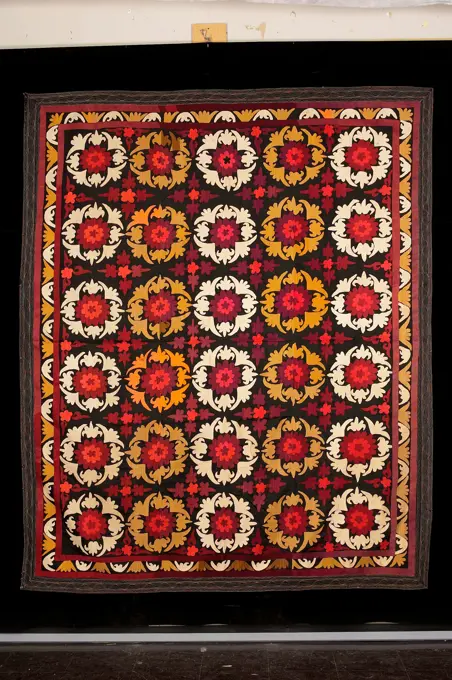
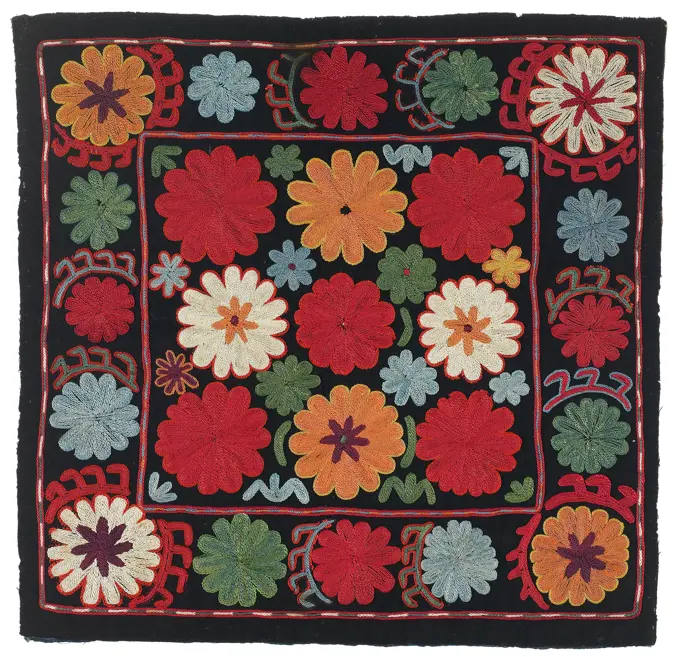
Suzani, 1920-1930, H.95-1/2 x W.79 in., Cotton; needlework, Uzbekistan, 20th century
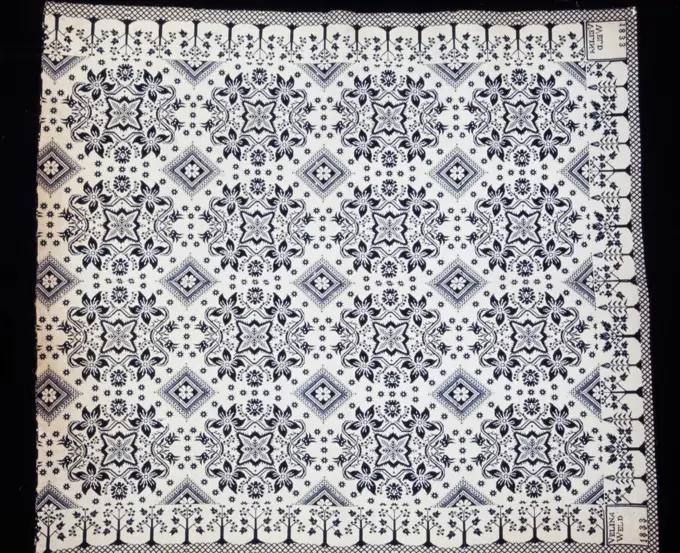
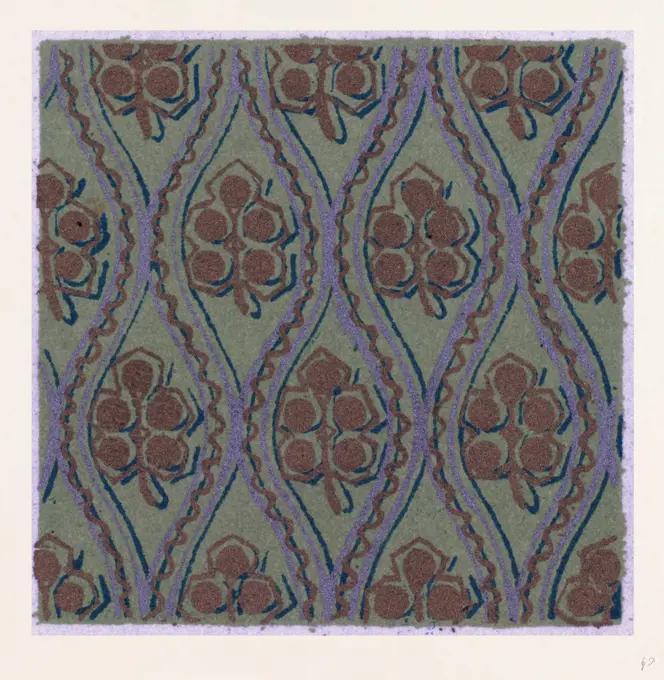
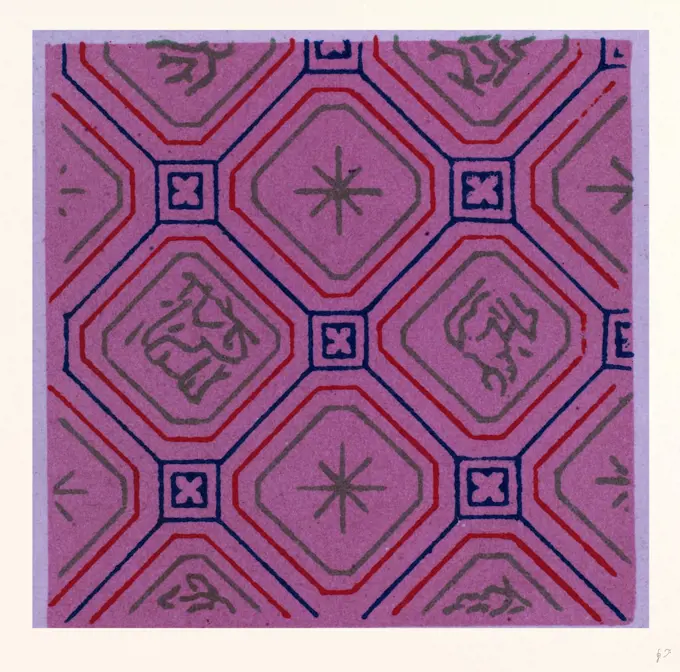
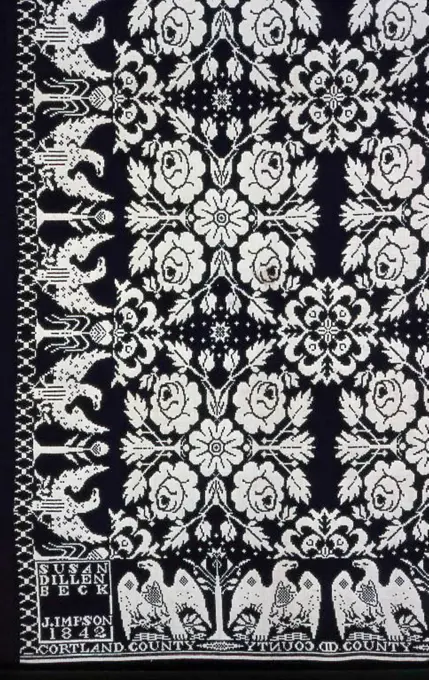
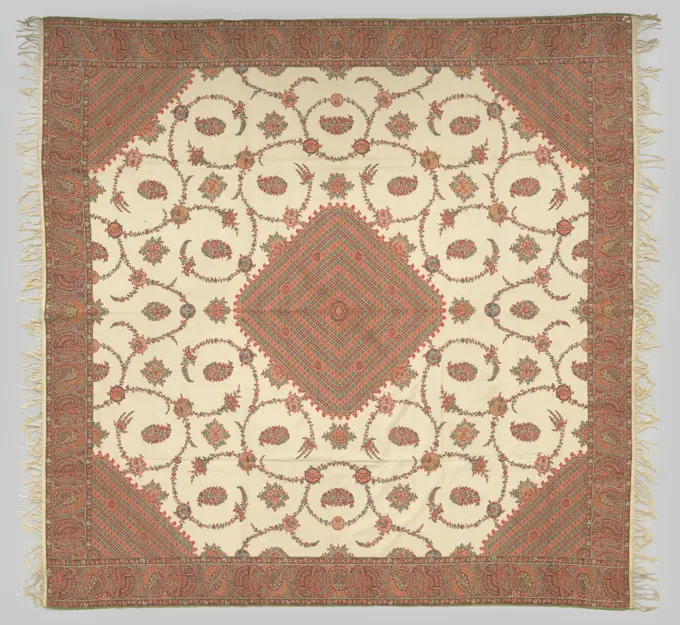
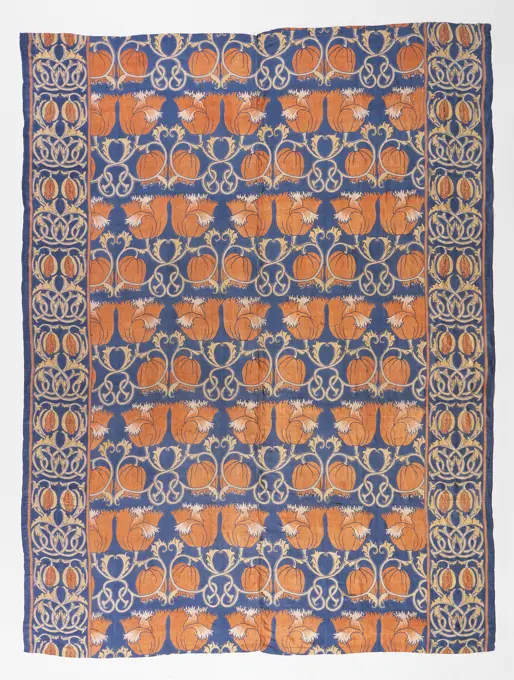
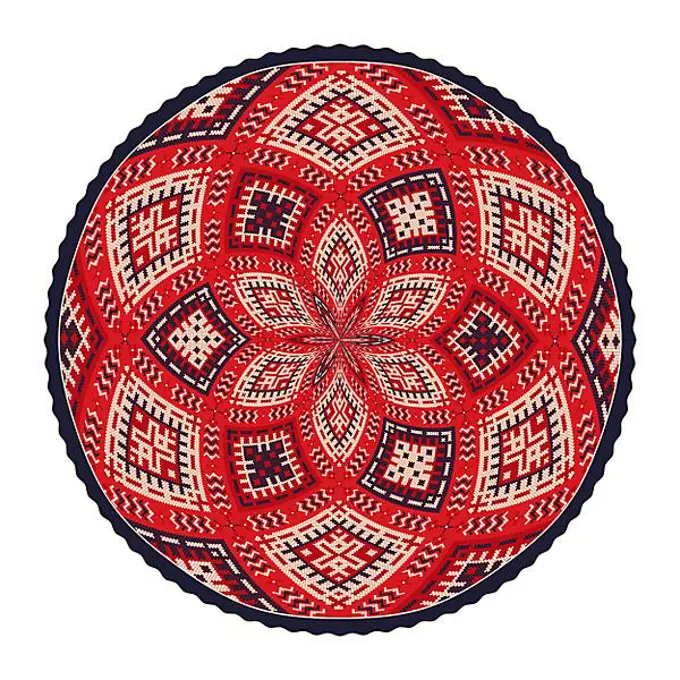
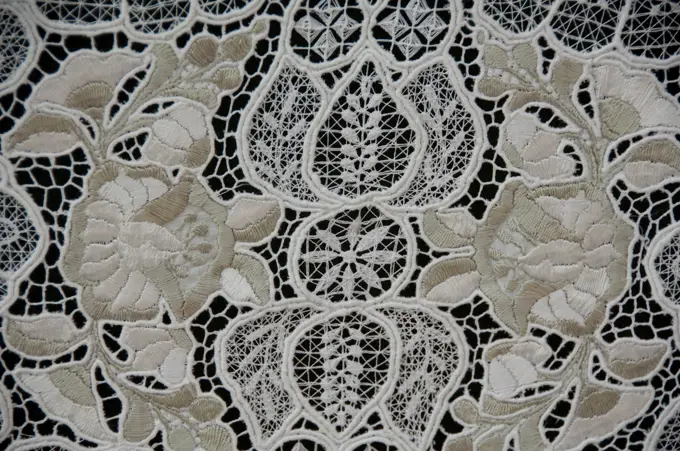
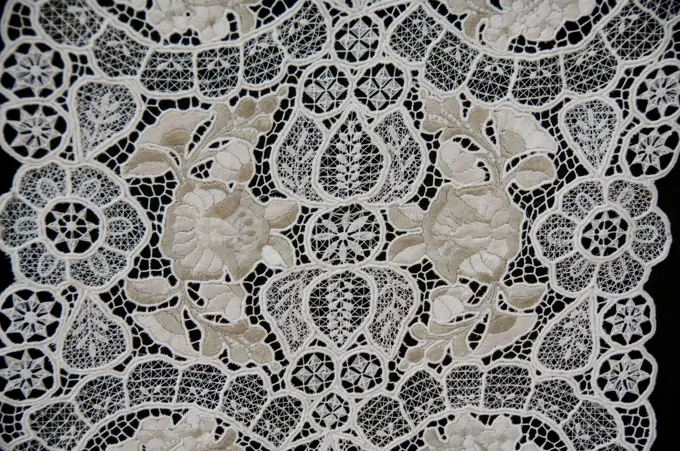
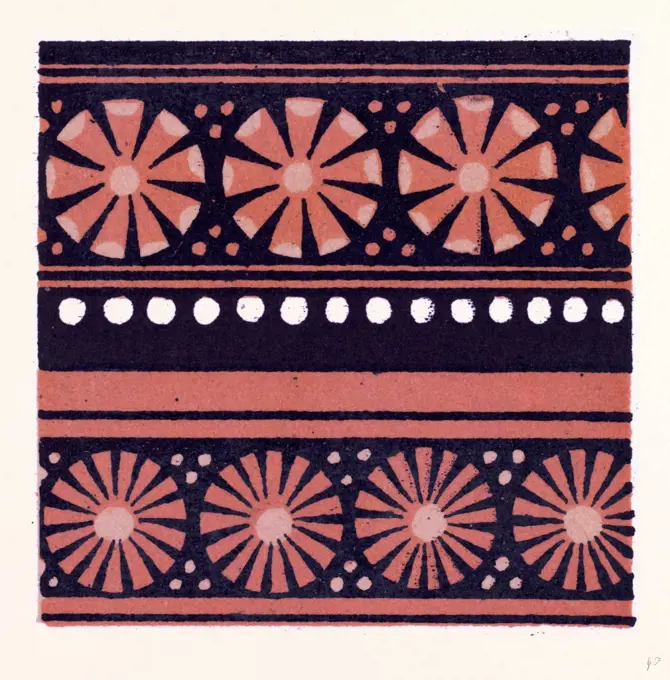
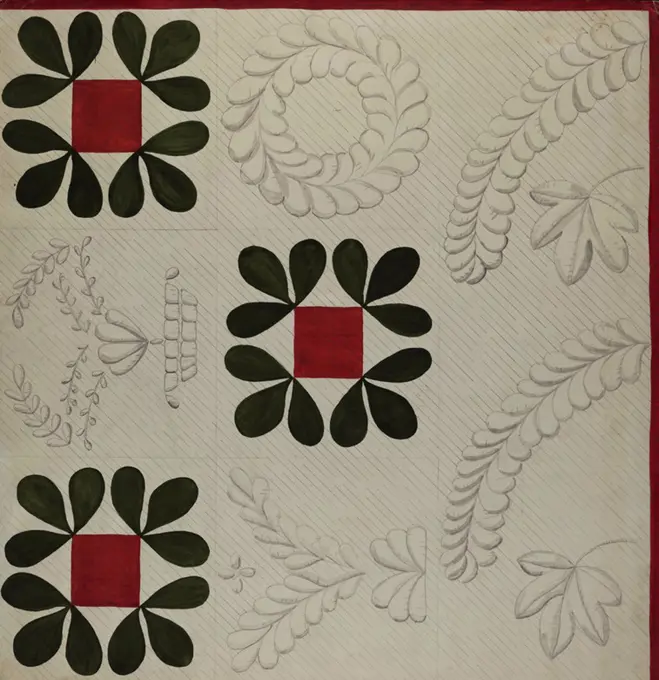
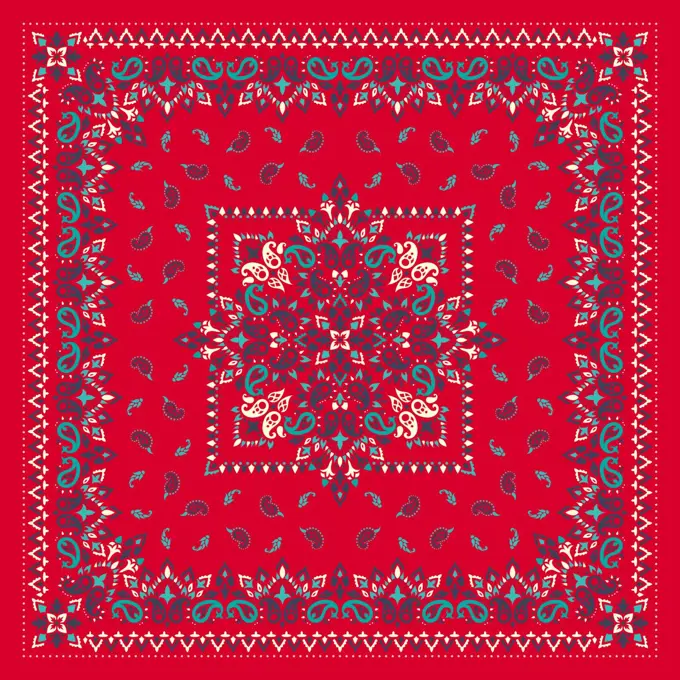
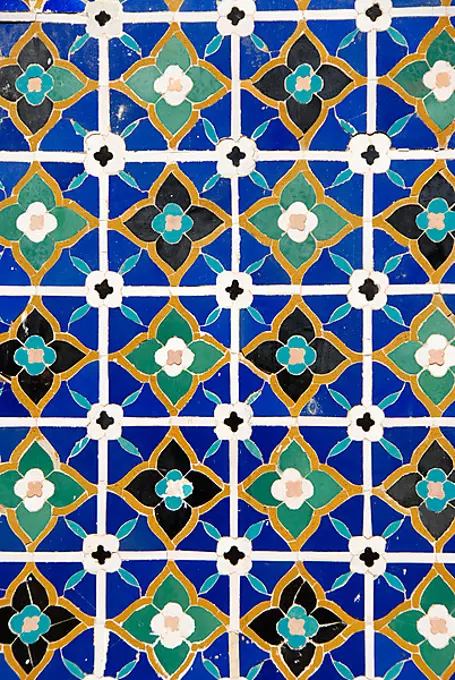
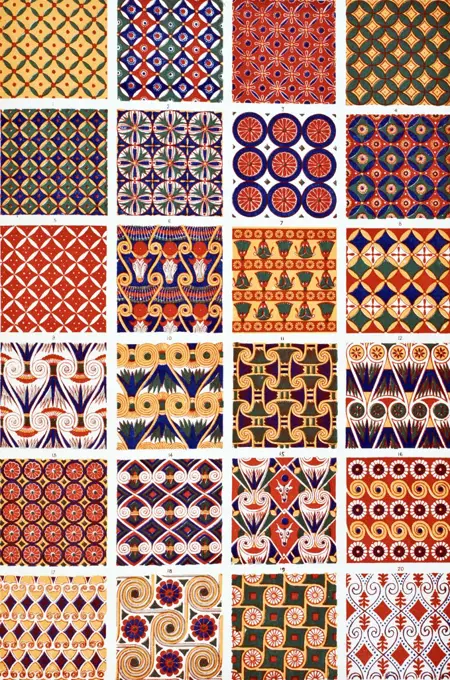
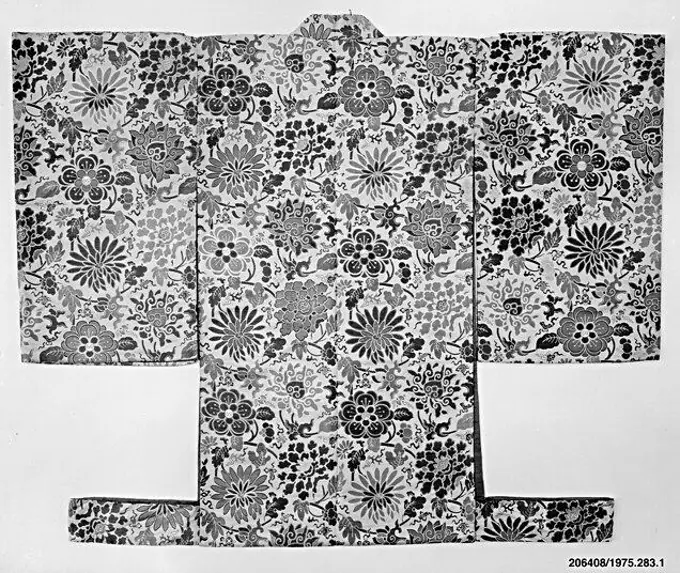
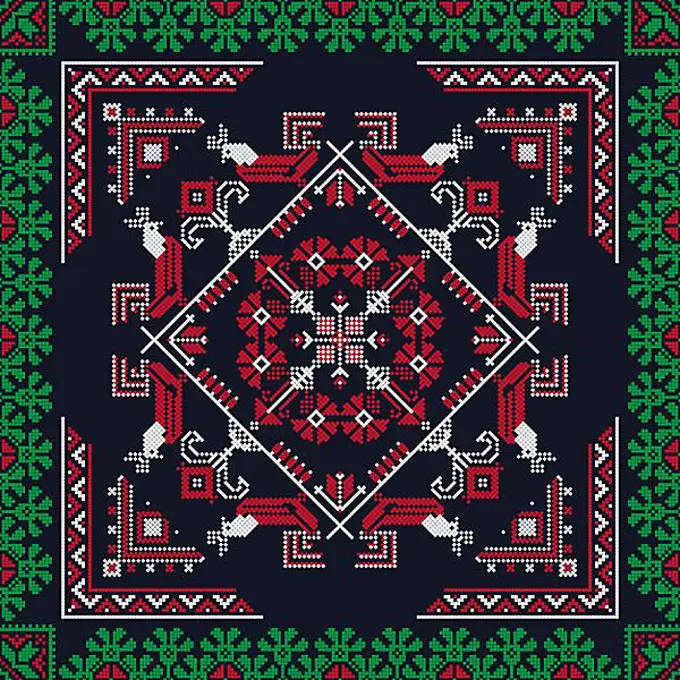
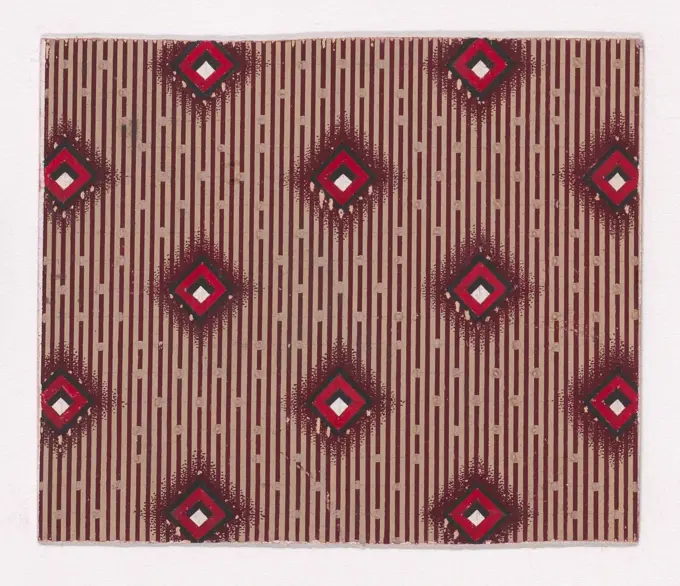
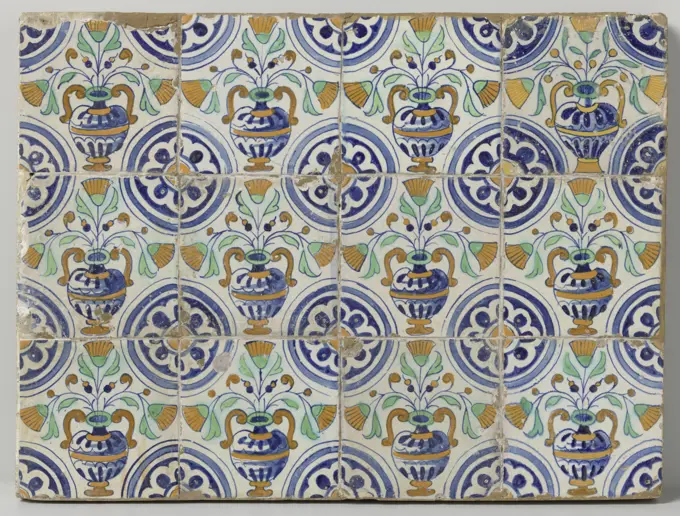
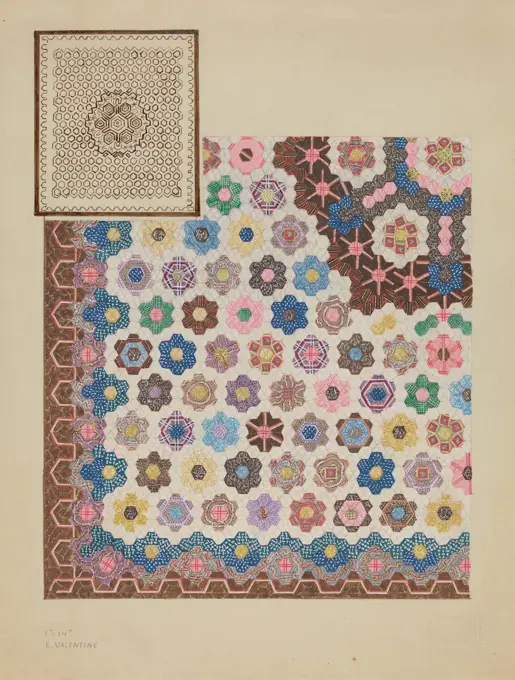
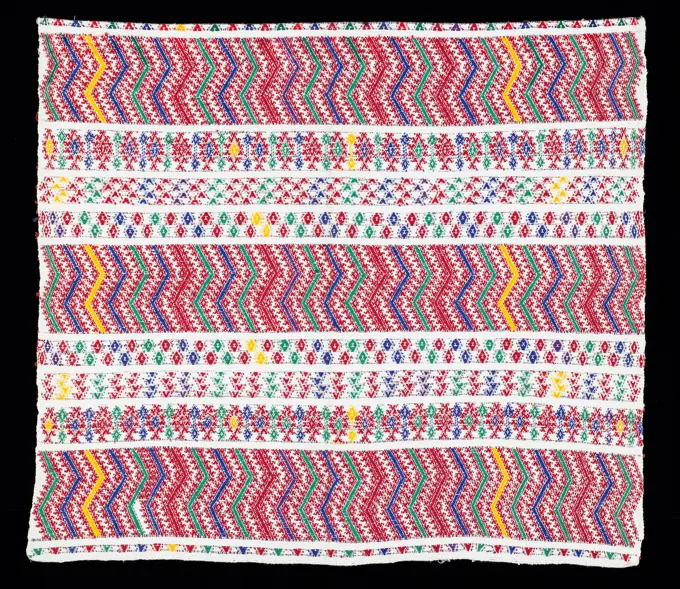
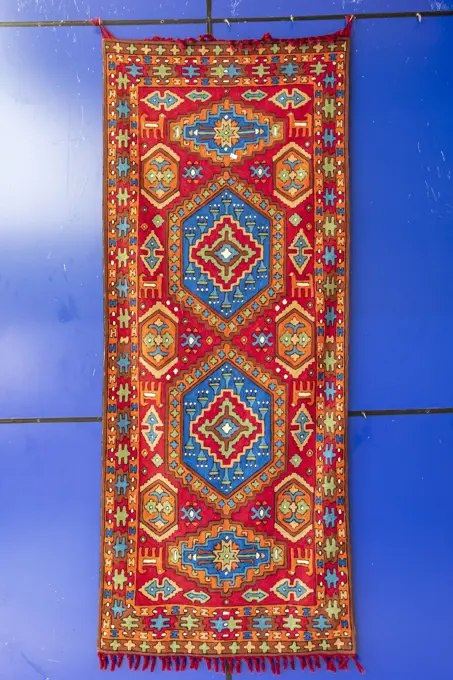
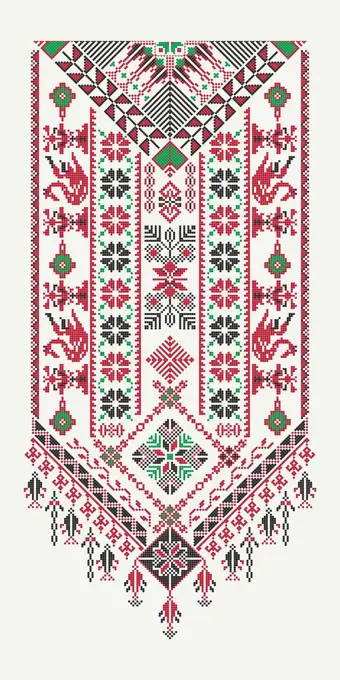
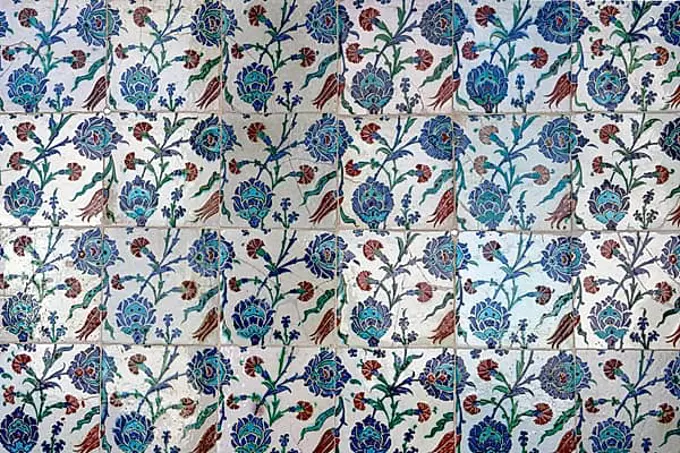
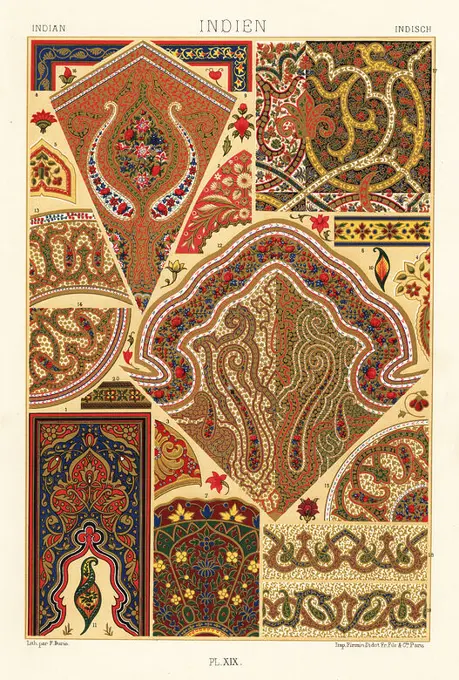
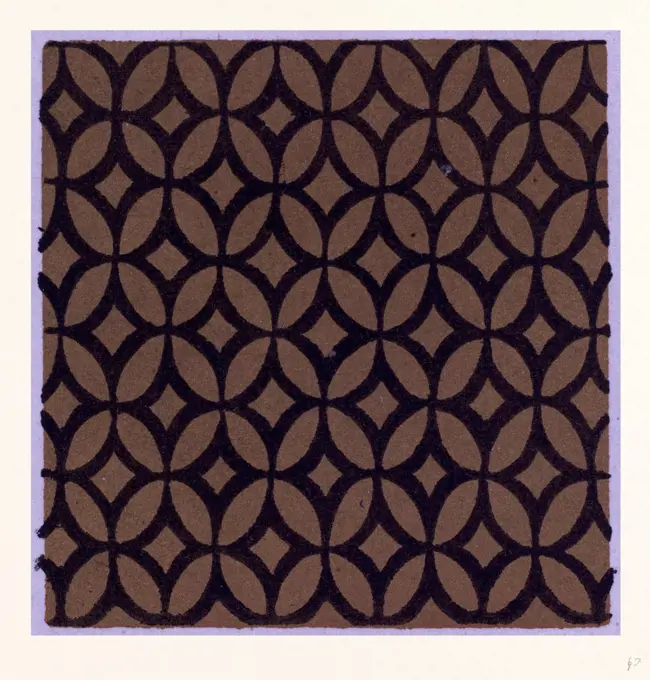
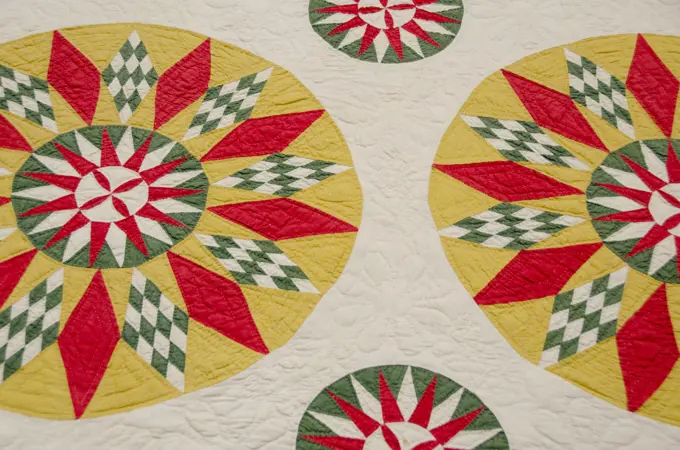
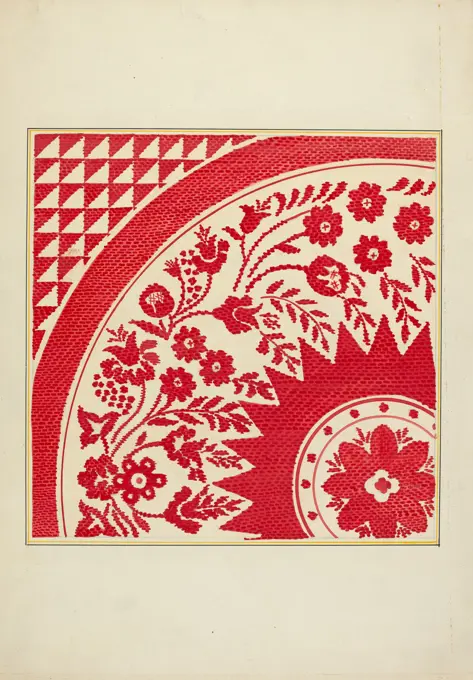
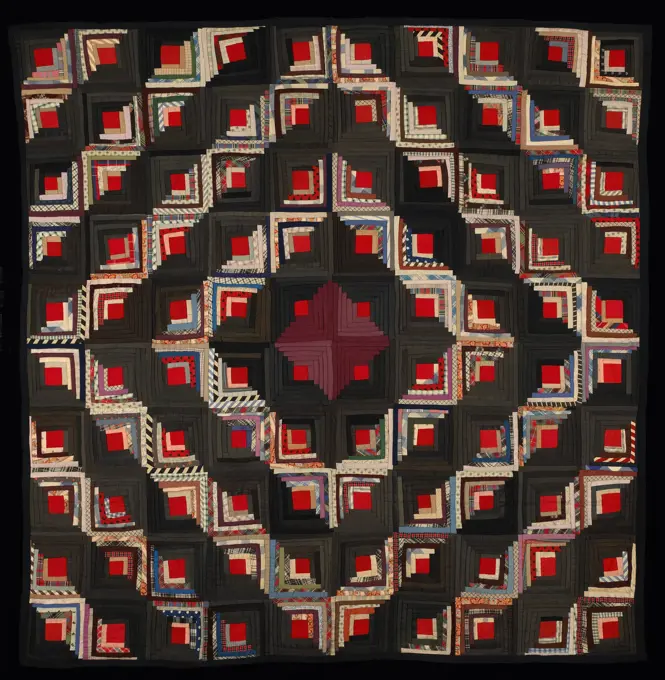
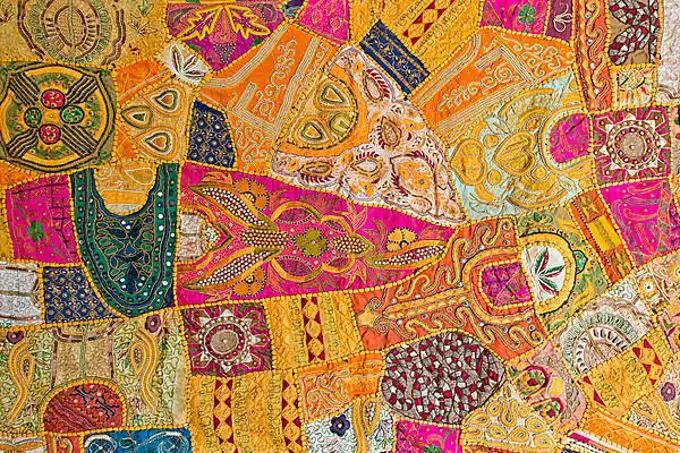
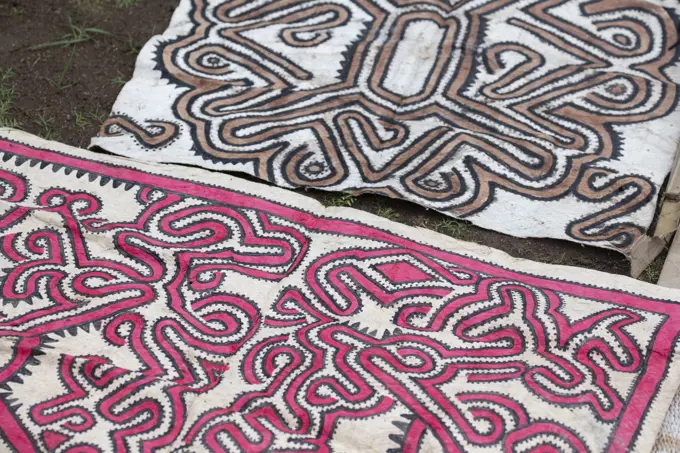
Piece 18th-19th century Japan. Piece. Japan. 18th-19th century. Silk. Textiles-WovenGeorgian embroidery pattern 52Sunburst Quilt ca. 1835 Artist Unknown. Sunburst Quilt. Artist Unknown , American. American. ca. 1835. Cotton. Made in Mid-Atlantic, United StatesCoverlet, Agriculture & Manufactures pattern American 1837 This double cloth coverlet is woven in one wide panel of undyed cotton and dark blue wool. The central field has large floral medallions, and the borders are decorated with images of eagles with outspread wings alternating with Masonic symbols.Coverlet, 1833, 88 x 76 1/2 in. (223.52 x 194.31 cm), Wool, cotton, United States, 19th centuryOrnamental Floral Paisley Bandanna Traditional ornamental floral paisley bandanna You can use this pattern in the design of carpet shawl pillow cushion Copyright: xkara-kotsyaxField of sixteen pompan tiles with rosettes and pomegranates. Field of sixteen PumpAdour tiles (4 x 4) with a multicolored (blue, orange, green and yellow) rosette surrounded by pomegranates inside a four-pass with in the corners, ornament in filling technology.Suzani, 1920-1930, H.95-1/2 x W.79 in., Cotton; needlework, Uzbekistan, 20th centuryGeorgian embroidery pattern 44Field of sixteen tiles with pomegranates and marigolds in a four -pass, anonymous, c. 1580 - c. 1620 Field of sixteen tiles (4 x 4) with multicolored (blue, orange, green and yellow) painted pomegranates and marigolds within a four -pass, formed from four tiles. The four passes are surrounded by ornament in Vultechniek. Netherlands earthenware. tin glaze majolica Field of sixteen tiles (4 x 4) with multicolored (blue, orange, green and yellow) painted pomegranates and marigolds within a four -pass, formed from four tiles. The four passes are surrounded by ornament in Vultechniek. Netherlands earthenware. tin glaze majolicaIndian ornamentColorful vintage spanish style ceramic tiles wall decoration.Georgian embroidery pattern 53Mexican talavera ceramic tile pattern. Ethnic folk ornament. Italian pottery, portuguese azulejo or spanish majolica.. Mexican talavera ceramic tile pattern. Ethnic folk ornament.Chinese ornamentDecorative element of Royal Palace, Fez el Jedid (UNESCO World Heritage List, 1981), Fes-Boulemane, Morocco, 17th century. Detail.Vector round design element with traditional Russian embroidery symbolsTraditional Palestinian Embroidery Pattern in colors, editable vector compositionCoverlet Made 1842 New York. Cotton and wool, plain weave double cloth; two loom widths joined; woven on loom with Jacquard attachment . Jacob Impson (Weaver)Hungarian embroidery pattern 63Byzantine ornamentBulgarian embroidery pattern 27Square cashmere scarf with white mirror, decorated with multi -colored diamond -shaped heart motif, volute -shaped flower garlands and botas, anonymous, c. 1830 - c. 1840 Square palms scarf, woven from wool and silk, with a white stock, a negotiated middle and a closed edge. A diamond -shaped heart motif and quarter corners with a fine grid in red, green, orange and dark blue, with flowers on garlands that form volutes. Great Britain (possibly) Mirror: Silk. Decoration: Wool twill Square palms scarf, woven from wool and silk, with a white stock, a negotiated middle and a closed edge. A diamond -shaped heart motif and quarter corners with a fine grid in red, green, orange and dark blue, with flowers on garlands that form volutes. Great Britain (possibly) Mirror: Silk. Decoration: Wool twillTextile; Manufactured by Schwartz-Huguenin; cottonBed cover. Charles Francis Annesley Voysey (England, London, 1857-1941)G. P. and J. Baker, Ltd. (England, London, founded 1884)Liberty & Co. (England, London, founded 1875). England, circa 1895, designed circa 1888. Textiles; covers. Silk plain weave, blockprinted.Mexican talavera ceramic tile pattern. Ethnic folk ornament. Italian pottery, portuguese azulejo or spanish majolica.. Mexican talavera ceramic tile pattern. Ethnic folk ornament.Georgian embroidery pattern 34Band (from Woman's Trousers or Robe) Made 1875-1900 China. .Coverlet 1833 American This dark blue wool and undyed cotton coverlet is woven in two panels and seamed at the center. The central field is patterned with quadrupled rose medallions, while the borders show alternating eagles and fruit trees.. Coverlet. American. 1833. Cotton and wool warp and weft, woven. Made in Southport, New York, United StatesMat mats, lace, net, filet laceVector round design element with traditional Russian embroidery symbolsHungary, capital city of Budapest. Traditional Hungarian handicrafts, handmade embroidered lace.Ancient Ottoman time Handmade Turkish Tiles with floral patternsTextile, Flower Pot; Made by Morris & Co. (United Kingdom); England; cottonHungary, capital city of Budapest. Traditional Hungarian handicrafts, handmade embroidered lace.Coverlet. Dated: 1937. Dimensions: overall: 35.7 x 28.2 cm (14 1/16 x 11 1/8 in.) Original IAD Object: 84" wide; 96" long. Medium: watercolor, gouache, and graphite on paper. Museum: National Gallery of Art, Washington DC. Author: Hazel Sheckler.Traditional Polish embroidery round symbol 9Hungarian embroidery pattern 155Traditional Bulgarian embroidery design element over white backgroundTextile, Medium: silk Technique: tied-resist patterning on plain weave, tied-resist dyed silk textile with a field filled with diamond shapes, border of large dots with guard borders of smaller dots. In red, orange and white., Indonesia, 19th century, printed, dyed & painted textiles, TextileLaces, 16th century. Embroidered cloth with central, reticella lace insertion with rosettes, hem-stitch and gigliuccio stitch lace edging, approximately 1590-99.Greek Ornament and Etruscan OrnamentQuilt. Dated: c. 1936. Dimensions: overall: 54.4 x 52.5 cm (21 7/16 x 20 11/16 in.) Original IAD Object: 74" wide; 77" long. Medium: watercolor and graphite on paper. Museum: National Gallery of Art, Washington DC. Author: Katherine Hastings.Vector ornament paisley Bandana Print. Silk neck scarf or kerchief square pattern design style, best motive for print on fabric or papper.Textile, Cheney Brothers, (South Manchester, Connecticut, USA), Medium: silk Technique: compound satin weave, Reproduction textile with an adapted design from a sixteenth century textile. Pattern has interlacing bands forming ogives that frame a central pomegranate and surrounding pomegranate buds., USA, 1915, woven textiles, TextileHungarian embroidery pattern 82Geometric pattern of colourful tiles Necropolis Shah-i-Zinda Samarkand UzbekistanEgyptian No 7 Plate X From The Grammar of Ornament by Owen Jones published by Day & Son London 1865Bedcover in Pomegranate Pattern Made 1830-1850 United States. quilted and appliqued .Noh Robe (Happi) with Pattern of Flowers and Auspicious Symbols 19th century Japan The happi is a costume unique to the Noh stage that is often worn as an outer jacket for a warrior's role. When it is slipped off the right arm or when both sleeves are hiked up, it is used to give the impression of armor. Many lined happi, like this one, have bold designs of Chinese inspiration. Another kind of happi, probably more familiar, is a short coat worn by townsmen during the Edo period and later.. Noh Robe (Happi) with Pattern of Flowers and Auspicious Symbols 45189Romanian vector pattern inspired from traditional embroideryTablecover American ca. 1840-60Hungarian embroidery pattern 135Ornaments from Persian  manuscripts in the  British Museum        Date: 1868Georgian embroidery symbol 19Georgian embroidery symbol 4Italian ceramic tile pattern. Ethnic folk ornament. Mexican talavera, portuguese azulejo or spanish majolica.. Italian ceramic tile pattern. Ethnic folk ornament.Hexagonal Wall Tile, 16th century, 7 1/8 in. (18.1 cm), Earthenware with underglaze blue and turquoise, Syria, 16th century, Architectural tile work reached its greatest artistic expression in the Islamic countries. Glazed tile used as wall decoration became popular throughout the Middle East during the Seljuk dynasty (1038-1157). Animal figures and purely geometric motifs were applied to tiles glazed in both luster and polychrome techniques into the fifteenth century. Blue-and-white decor became universally popular with the Ottomans, however, and tile work in two shades of blue, such as the example shown here, was produced at Damascus in Syria beginning around 1500. Several Turkish mosques and palaces of the sixteenth and seventeenth centuries incorporated similar tiles in their decor. Removed from its original setting, the tile loses much of its decorative impact, but thousands of such pieces adjacent to each other created a brilliant interior.Textile Design with Alternating Lozenges over a Striped Background of Intermittent Lines 1840 Anonymous, Alsatian, 19th century Rectangular sheet of paper with a textile design from a group, dated 1840, made in Mulhouse, Alsace which was an important nineteenth-century center for textile production in the Haut-Rhin region of France. The design is made of alternating lozenges over a striped background of intermittent lines of dark reddish-brown color over a light tan ground. The lozenges are rendered with dark reddish-brown stipples and adorned with two smaller lozenges of different sizes, one over the other. The smallest lozenge is colored with white and the other one is colored with red.. Textile Design with Alternating Lozenges over a Striped Background of Intermittent Lines. Anonymous, Alsatian, 19th century. 1840. GouacheIlgich, early 20th century, 18 3/4 x 19 in. (47.63 x 48.26 cm), Silk, wool; needle chain stitch, Uzbekistan, 20th centuryField of twelve tiles with flower pots, anonymous, c. 1610 - c. 1625 Field of twelve tiles (3 x 4) each with a multicolored (blue, orange, green and yellow) flowerpot with marigolds. In the corners, a quarter rosette. Netherlands earthenware. tin glaze majolica Field of twelve tiles (3 x 4) each with a multicolored (blue, orange, green and yellow) flowerpot with marigolds. In the corners, a quarter rosette. Netherlands earthenware. tin glaze majolicaOttoman Turkish art with geometric patterns on woodMedieval Diamonds. Traditional Georgian round decorative element, isolated vector over white backgroundOttoman Turkish art with geometric patterns on woodVector illustration of Ukrainian ornament in ethnic style, identity, vyshyvanka, embroidery for print clothes, websites, bannersElizabeth Valentine, Patchwork Quilt, c 1936 Patchwork QuiltStencil with Hemp-Leaf Pattern early 19th century Japan The design has a naturalistic associationthe hemp leaf. Hemp fiber was commonly grown and used for textiles throughout Japan.. Stencil with Hemp-Leaf Pattern. Japan. early 19th century. Paper. Edo period (1615-1868). StencilsLong Shawl Made 1801-1900 Europe. Cotton, weft-float faced 1 2 'Z' twill weave of complementary wefts; main warp fringe; woven on loom with Jacquard attachment .Man's Ceremonial Head dress (Tzute), 1998, 25 x 27 1/2 in. (63.5 x 69.85 cm), Cotton, Guatemala, 20th centuryDETALLE DE LA AZULEJERIA DEL SALON DE COMARES-CONJUNTO 29738. Location: ALHAMBRA-PALACIO DE COMARES. GRANADA. SPAIN.Hungarian embroidery pattern 87Middle East, Arabian Peninsula, Oman, Muscat, Muttrah. Rugs for sale at the souk in Muttrah.Palestinian Tatreez ornament 2North America, Mexico, Oaxaca Colorful hand-woven carpetIznik tiles in the Topkapi Palace, Istanbul, Turkey, AsiaIndian art: modern decoration. Painted wood 1, embroidered velvet slipper 2,3, onyx dagger 4,5, goblet 6,7, borders and palm leaves from miniature paintings 8-11, papier-mache items 12-19. Indien. Hand-finished chromolithograph by F. Durin from Albert-Charles-Auguste Racinets LOrnement Polychrome, (Polychromatic Ornament), Firmin-Didot, Paris, 1869-73.Indian ornamentUSA, Tennessee, Nashville, Tennessee State Museum. Antique quilt collection, 'Mariner's Compass' quilt circa about 1850-1860.Cloth; PA Biang. Cloth with floral and geometric motifs.Cloth (tzute), c. 1940, 47 1/2 x 40 5/8 in. (120.6 x 103.2 cm), Cotton, silk; supplementary weft patterning, Guatemala, 20th centuryFloral art pattern example of the Ottoman timeHungarian embroidery pattern 102Vector ornament paisley Bandana Print. Silk neck scarf or kerchief square pattern design style, best motive for print on fabric or papper.Close-up of a weaving made from wool dyed with natural dyes at a weavers home in Teotitlan del Valle, a small town in the Valles Centrales Region near Oaxaca, southern Mexico.Vector ornament Bandana Print. Traditional ornamental ethnic pattern with paisley and flowers. Silk neck scarf or kerchief square pattern design style, best motive for print on fabric or papper.Cornelius Christoffels, Homespun Coverlet, 1935 1942 Homespun CoverletBaby Carrier, 16 3/4 x 15 3/4 in. (42.55 x 40.01 cm), Silk, cotton; needlework, ChinaPatchwork quilt, 1870s, New Zealand, by Eliza Ellis. Gift of Jennifer Orange, 1997.Fragment (Japan)Textile, Medium: cotton Technique: printed by engraved roller on plain weave, All-over design, small scale, roller printed; honeysuckle in rose-brown with green leaves. The green is direct. Glazed., England, 19th century, woven textiles, TextileSet of Ethnic ornament pattern with cross stitch flowerFrieze, Williamson, Machine-printed paper, liquid mica, Alternating large and small foliate medallions inset with fleurs-de-lis motifs and a crown. Above the small medallions are foliate scrolls. The medallions are connected along the bottom by foliate scrolls above a panel with foliate motifs (possibly shamrocks/clovers). Top has stripes and bead and spindle pattern. Background is a floral trelis. Ground shades from dark red to green to yellow (bottom to top). Printed in top selvedge: 'Williamson.' Pattern number '665', USA, 1905-1915, Wallcoverings, FriezeLog Cabin (Barn Raising) Quilt, c. 1890, Unknown, 81 3/16 x 80 1/8 in. (206.22 x 203.52 cm), Wool, silk, cotton; pieced, United States, 19th century, Log Cabin quilts are constructed of blocks made up of narrow strips or 'logs' of fabrichalf of them dark, half lightaround a central square. The squares are often red, a reference to the fireplace, the center of the home. The blocks in this quilt are arranged so as to form concentric diamonds that create a bulls-eye effect, a Log Cabin variation called Barn Raising.Traditional wall hanging from Rajasthan, multicolored, with tiny mirrors, detailed view, Rajasthan, India, AsiaPapua New Guinea, Oro Province, Tufi Island, Baga Village. Traditional tapa cloth.Scarf isolated on the white backgroundSample ca. 1840 French, Mulhausen. Sample 219998Ottoman ancient Handmade Turkish Tiles with floral patternsBedcover (Harvest Rose or Rose of Sharon Quilt) Made 1840-1860 United States. .