Textiles and Decorative Crafts

An assortment of traditional crafts including bonnets, woven baskets, and symbolic ornaments, reflecting cultural heritage and artistry.
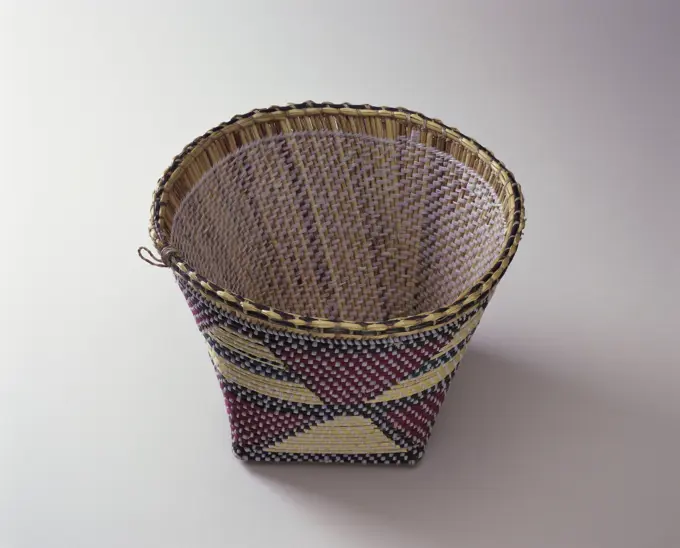
High angle view of a basket, Ghana
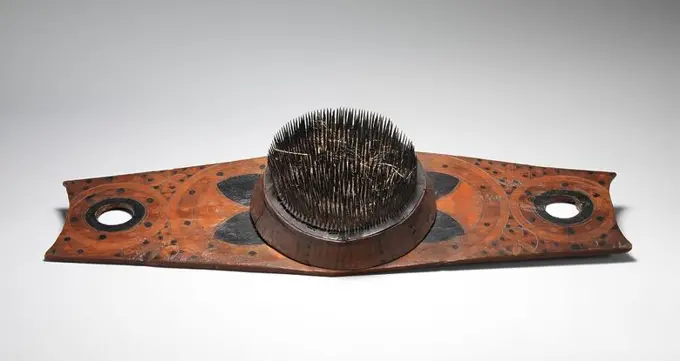
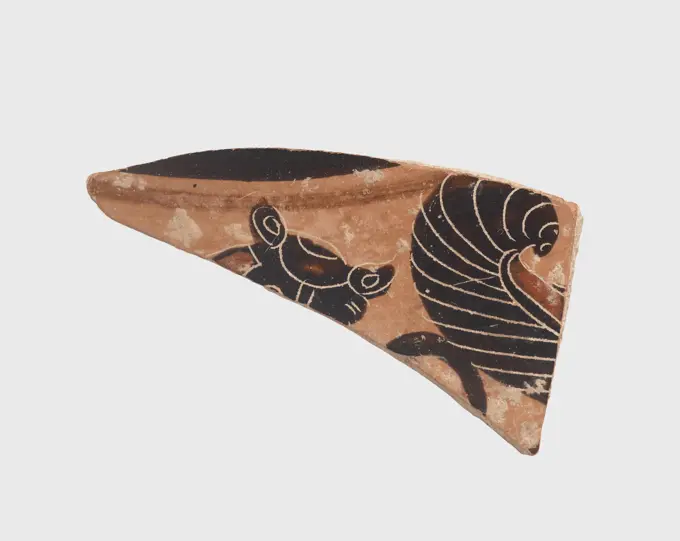
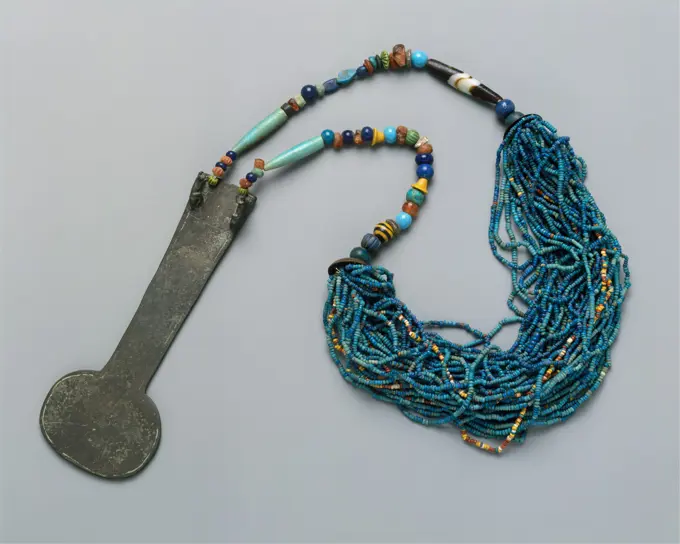
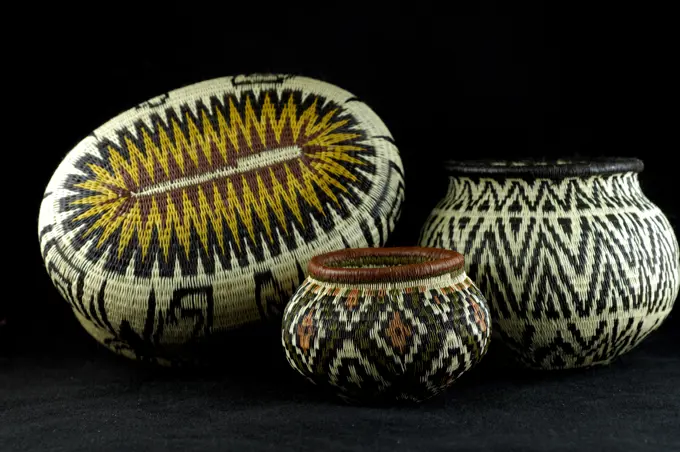
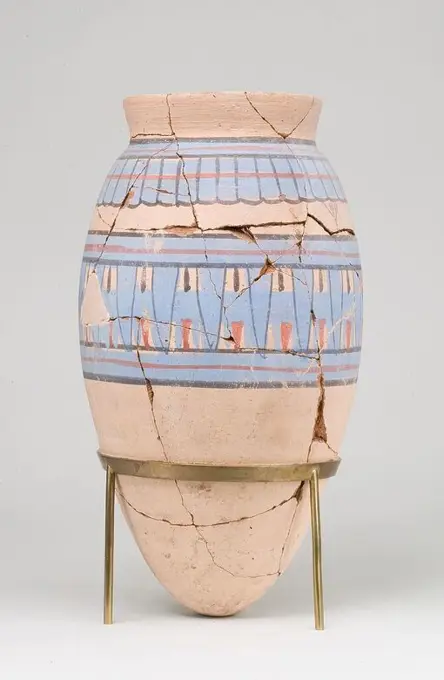
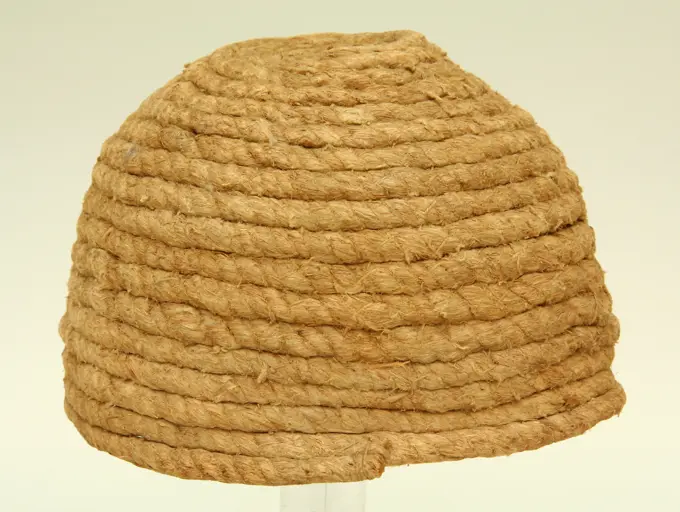
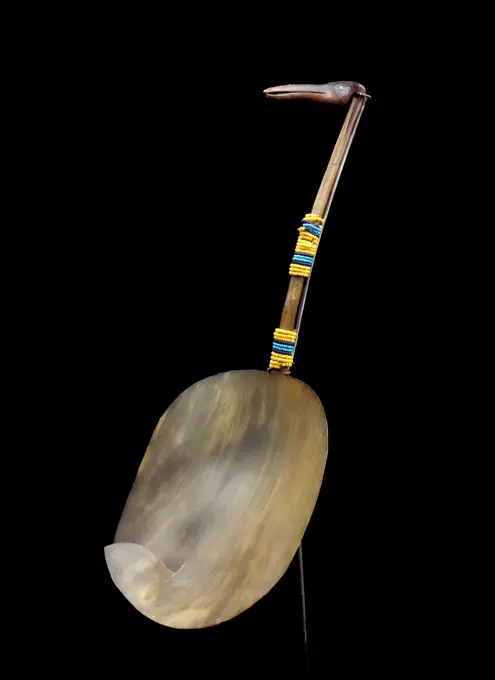
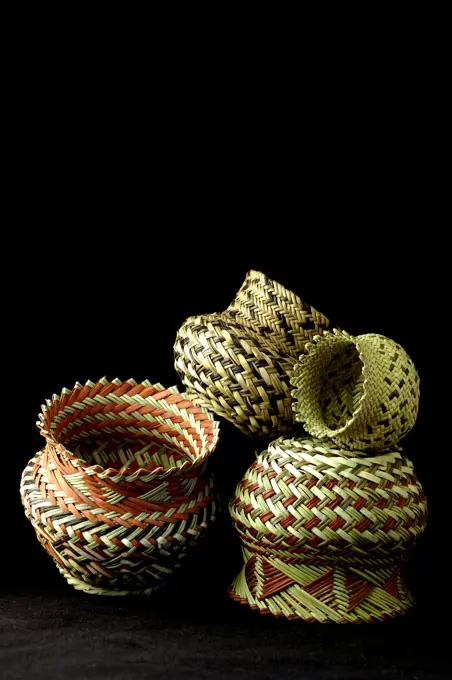
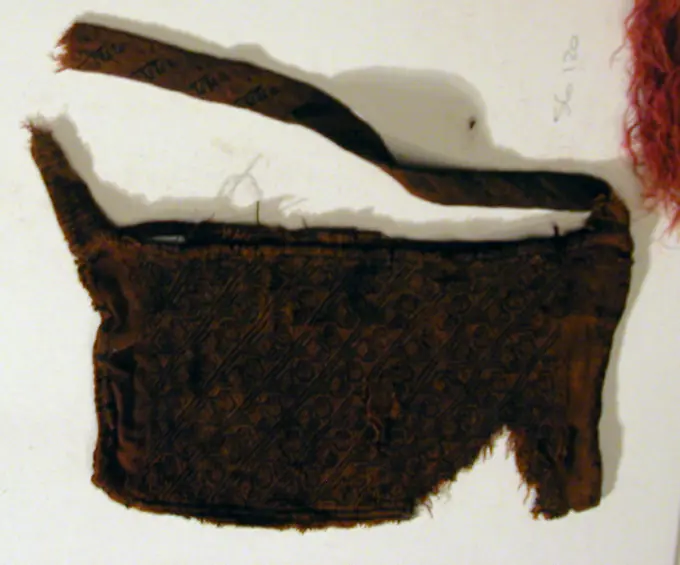
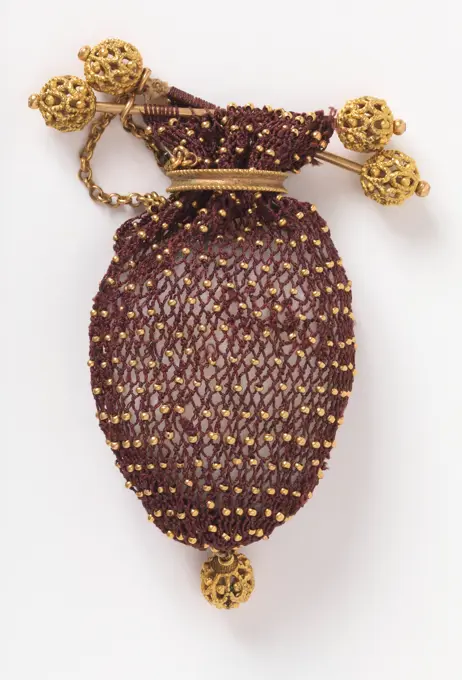
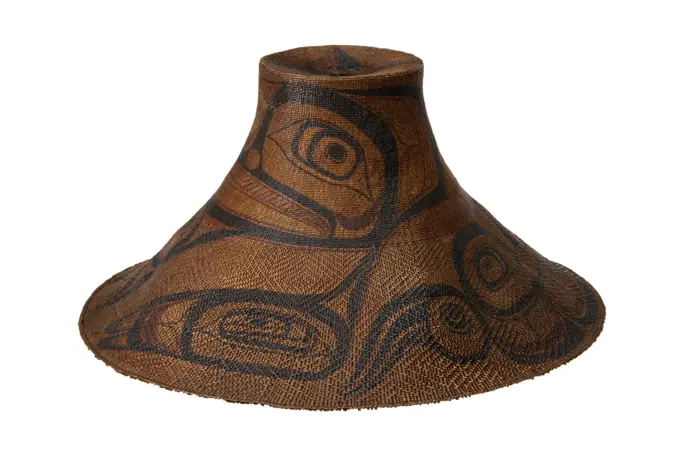
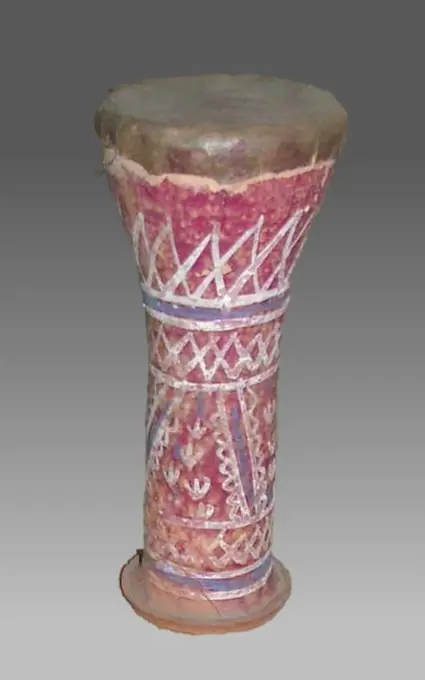
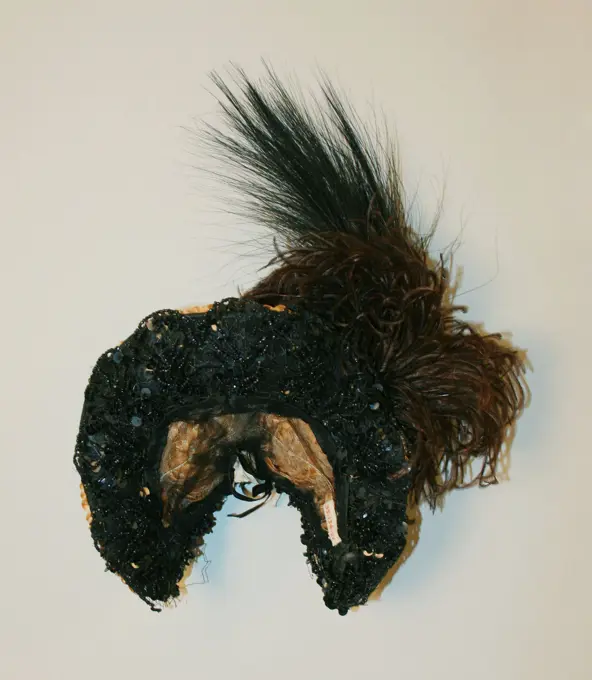
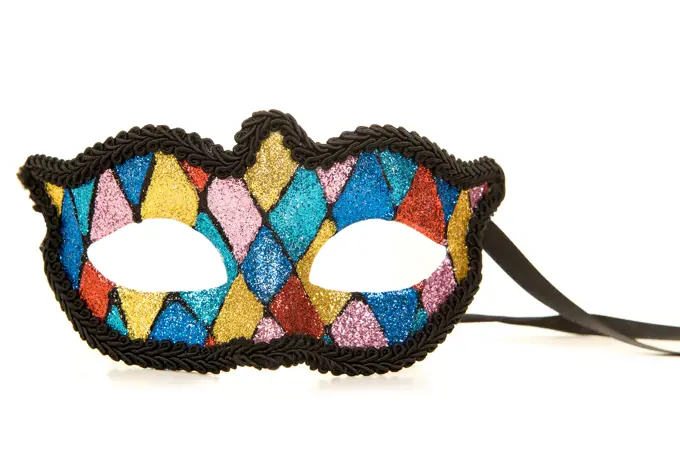
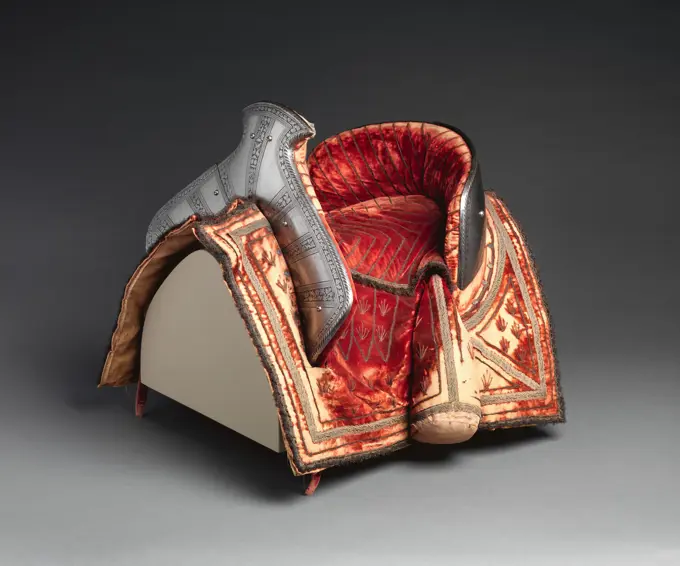
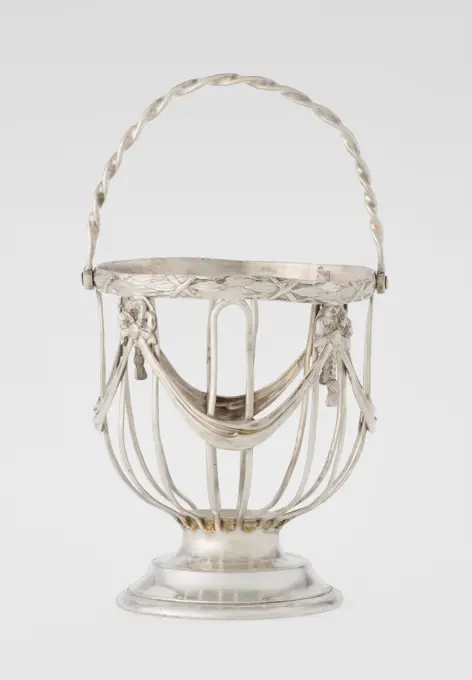
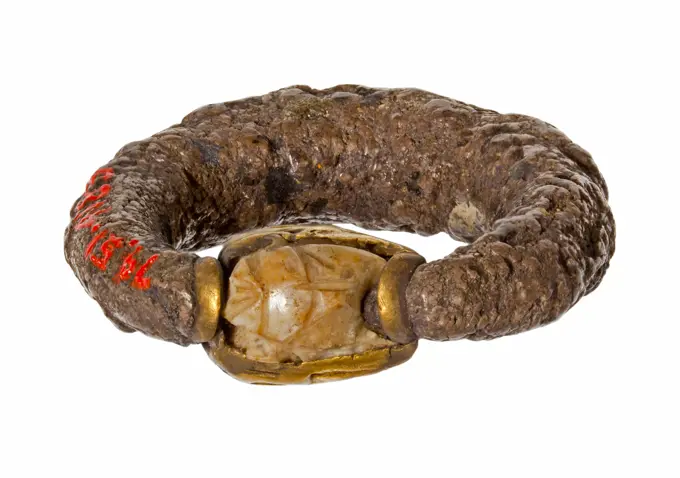
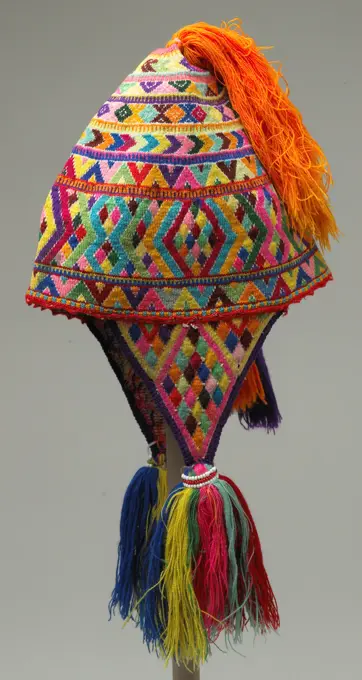
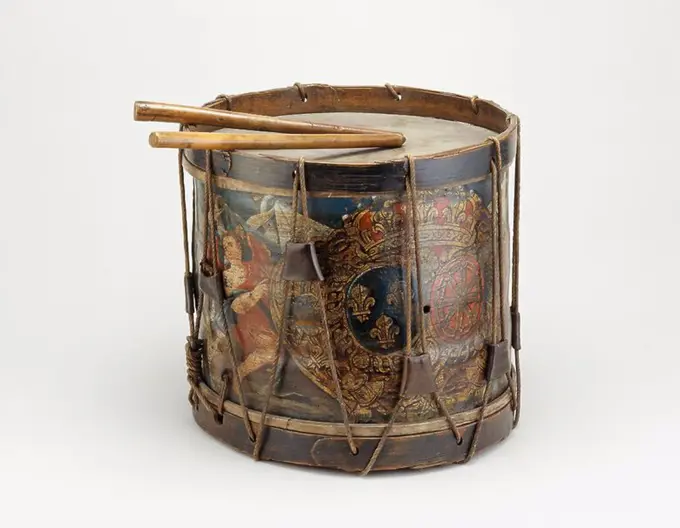
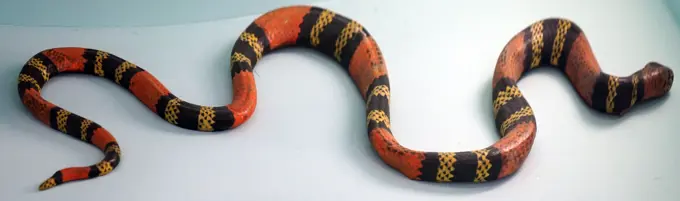
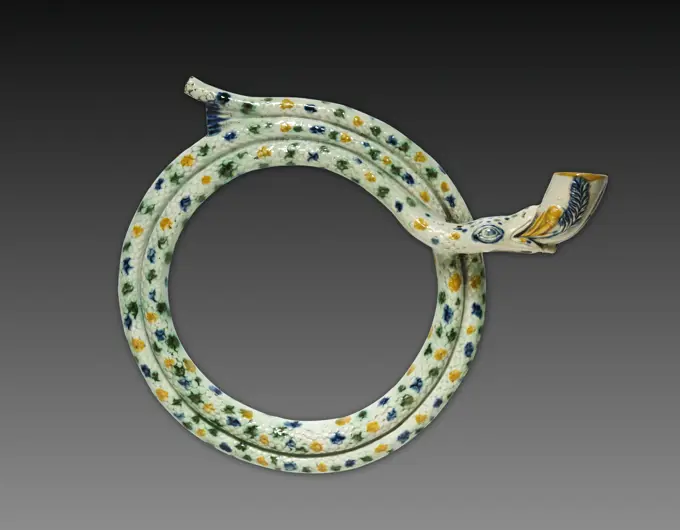
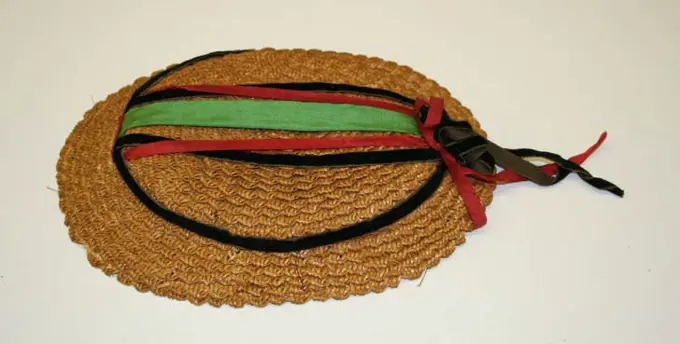
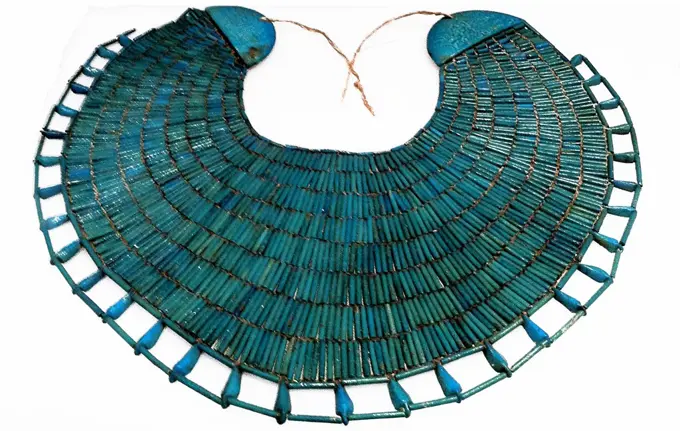
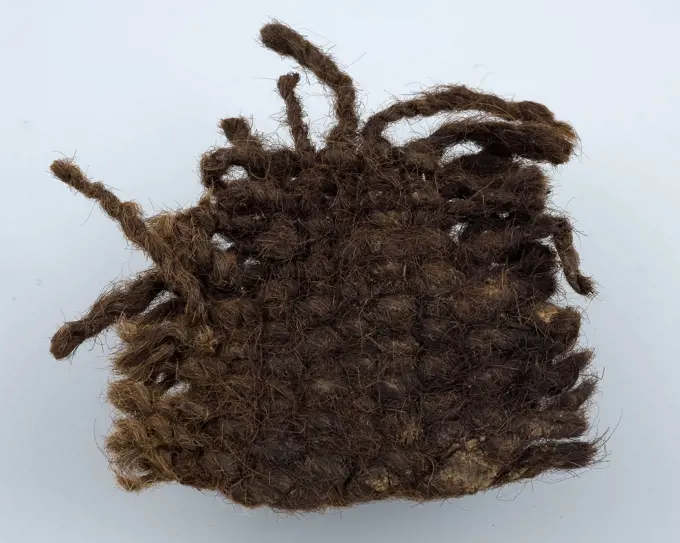
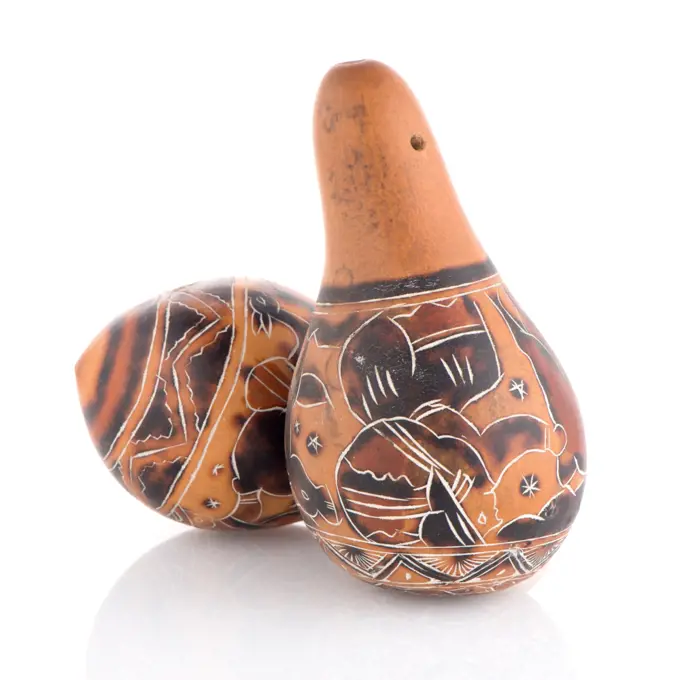
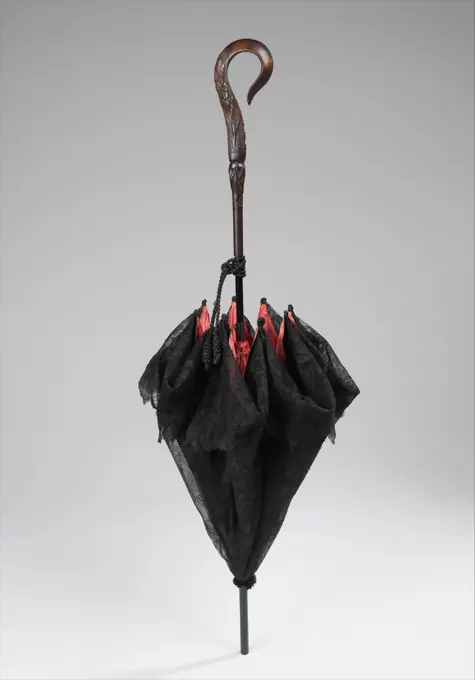
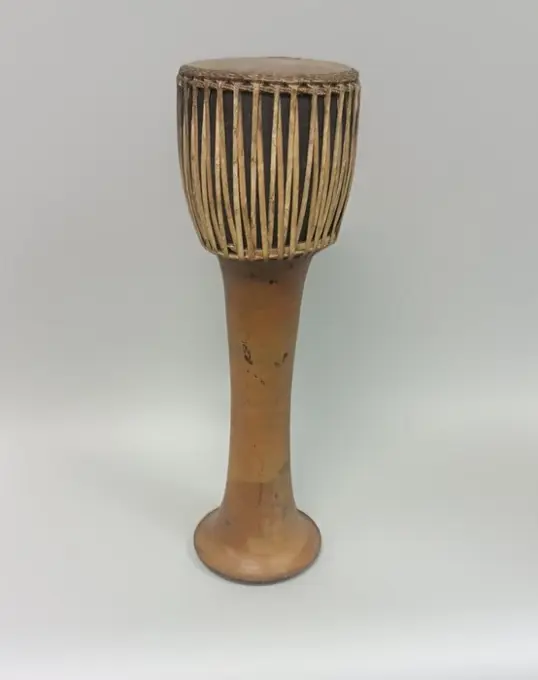
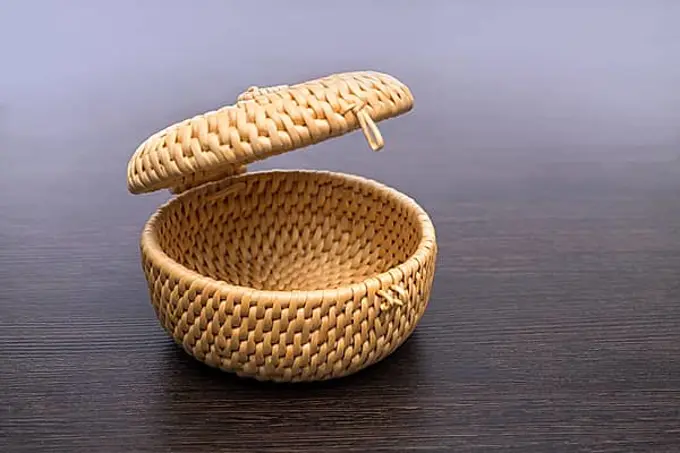
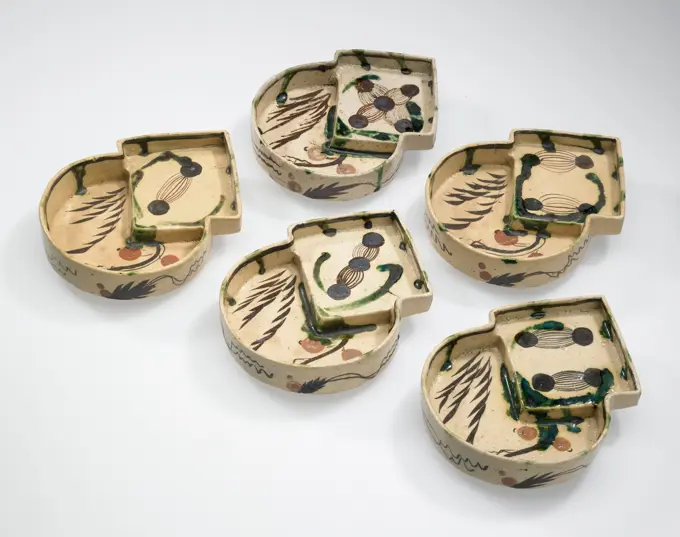
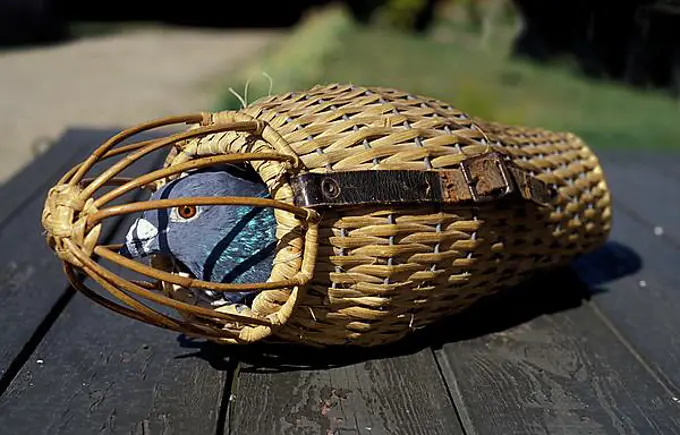
Basket, 20th century, 2 x 2 1/2 x 2 1/2 in. (5.08 x 6.35 x 6.35 cm), Woven grass, United States, 20th centuryStraw rice bagFlax Comb. Culture: American. Dimensions: 29 x 9 1/2 in. (73.7 x 24.1 cm). Date: 1750-1800. Museum: Metropolitan Museum of Art, New York, USA.Bracelet; cast, wraught, pierced, chased and partly enameled gold set with stonesMorion ca. 1575 Italian. Morion 27151Vase fragment with top of head of panther and wing ofsphinxLeather brown cowboy hat  top view isolated on whiteCoconut, halvedCase; wood, brass, ropePurse; silk, metalMenat necklace from Malqata ca. 1390-1353 B.C. New Kingdom A menat necklace consists of a heavy, keyhole-shaped counterpoise (menat) and many strands of beads. Although the necklace is sometimes shown being worn (fig. 2 above), it was more often carried by females participating in religious ceremonies. It functioned as a percussion instrument that was shaken to create a soothing noise that was thought to appease a god or goddess. In the New Kingdom the menat necklace and sistrum (68.44) were attributes of women who held the title "Singer of Amun-Re" such as Renenutet, who is depicted holding her menat on her lap in a statueIn the early 20th century, the Museum conducted excavations at Malqata, a site at the southern end of the Theban necropolis where Amenhotep III had built a festival city for the celebration of his three jubilees (or heb seds). This miraculously preserved menat necklace and two single-strand necklaces of beads and amulets were found in the corner of a room in a privatBICORNIO DE GALA UNIFORME ARMADA ESCARAPELA. Location: EXPOSICION DE LA GUERRA CIVIL ESPAÑOLA. MADRID. SPAIN.Hat ca. 1885 American. Hat 113267Latin America,  Panama,  Panamanian arts & crafts.Traditional Embera Indian baskets.Jacobus Das van Leyden, Silver oval tobacco box engraved with representation of the Blauwmolen, high stone mill, and Joseph donates corn to his brothers, tobacco box holder metal silver, sawn engraved oval box; bar hinge in sawn out decoration; cable edge around lid and box and dog stand for decoration; inside lid and box an edge for reinforcement. Top lid; engraving of mill stone topiary with double door. Bottom of box: Joseph's brothers ask Joseph to sell corn to them Joseph donates corn to his brothers Blue mill grain groats Rotterdam City triangle Goudsesingel Binnenrotte Pompenburg Hofpoort bible old testament religion Joseph tobacco snuffboxYam Mask, c. 1975, 15 x 10 1/2 x 6 5/8 in. (38.1 x 26.67 x 16.83 cm), Plant fibers, pigment, wood, Papua New Guinea, 20th centuryBlue-painted Jar from Malqata. Dimensions: H. 29 cm (11 7/16 in). Dynasty: Dynasty 18. Reign: reign of Amenhotep III. Date: ca. 1390-1353 B.C.. Museum: Metropolitan Museum of Art, New York, USA.Anonymous / 'Case for heliotrope salver with a tall foot'. 1650 - 1711. Leather, Wood, Cloth. Museum: Museo del Prado, Madrid, España.Bamboo steamerStand for Arrows and Bow, 1800s. Japan, Edo period (1615-1868) to Meiji period (1868-1912). average: 63.5 cm (25 in.).Woollen Caps Worn by Dutch Whalers. In 1980 archaeologists investigated the graves of 185 Dutchmen - whale hunters, and workers at whale oil refineries - who had died on or near Spitsbergen in the 17th century. Many skeletons were still wearing their knitted woollen head coverings. These caps were highly personal. The men were bundled up against the severe cold and could only be recognized by the colours and patterns of their caps. Presumably this is the reason why the caps went with them into their graves.Cerveliere (Cap Worn Under Mail) 15th century possibly German. Cerveliere (Cap Worn Under Mail). possibly German. 15th century. Rope. MiscellaneousSpoon, c. 1875, 14 x 5 3/4 x 3 1/2 in. (35.56 x 14.61 x 8.89 cm), Cow horn, glass beads, United States, 19th centuryBell pull, Tinted and molded stoneware (Jasperware), Blue and white jasperware baluster shapes, pierced longitudinally for passage of cord. Dipped jasperware, decorated with row of lancette leaves and four bows connected with swags. Yellow silk cord., England, ca. 1780, ceramics, Decorative Arts, Bell pullMexico, State of Chihuahua, Copper Canyon. Tarahumara Indian handicrafts, traditional baskets.Puppet hat, covered with light blue taf side, chenille and a net, anonymous, c. 1800 - c. 1835 Puppet hat, covered with light balance silk, chenille and a net. Emipre or Biedermeier Model: Three horizontal, covered metal tires are kept in place by two intersecting brackets. The lower tire is open and is closed with a tailor -made bow. Tires and brackets are developed with a taf side, while around the far out -to -out middle band a net is tense between the first and the third band. Decoration. On the crown a bow of satin. A laiton is sewn along the lower upper tire for softening (), Which is mounted on racing chenille. State: All silk, Chenille and Lind is very, but almost to gray faded. Amsterdam (possibly) silk. taffeta Puppet hat, covered with light balance silk, chenille and a net. Emipre or Biedermeier Model: Three horizontal, covered metal tires are kept in place by two intersecting brackets. The lower tire is open and is closed with a tailor -made bow. Tires and brackets are deveRight clip for a uniform after Tadeusz Kryska KarkskiBag Made 1000-1476 Peru. . ChancayFringe European 19th century View more. Fringe. European. 19th century. Silk. Textiles-TrimmingsPurse (France); silk, metalHandbag from crocodile genuine leather and metal stripRattle Native American (Chippewa: Ojibwa) 19th centuryHat - Charles Edenshaw (1839-1920) , Isabella Edenshaw (1858-1926)UnderHatBox -Tour of black and white striped horsehair, anonymous, c. 1875 - c. 1900 Tour from mesh with white and black stripes, partly lined with white cotton and with two iron ribs and ten linen tires. The mesh is laid in large folds in horizontal and vertical direction.  cotton (textile). linen (material) Tour from mesh with white and black stripes, partly lined with white cotton and with two iron ribs and ten linen tires. The mesh is laid in large folds in horizontal and vertical direction.  cotton (textile). linen (material)Bracelet; cast, wraught, pierced, chased and partly enameled gold set with stonesBonnet. Culture: American. Date: 1883.This quintessential bonnet of the early 1880s belonged to Amelia Beard Hollenback (1881-1917), wife of prominent financier and philanthropist John Welles Hollenback (1834-1923). While their primary residence was in the Brooklyn neighborhood of Clinton Hill, the Hollenback family spent summers at their mountaintop retreat in Glenn Summit (Pocono Mountains). Worn in the summer of 1883, Amelia likely wore the bonnet for formal teas, luncheons and lawn parties. As is apparent in the ombré ribbon and artificial flowers, millinery ornamentation were extraordinarily crafted and highly regarded in this period. Museum: Metropolitan Museum of Art, New York, USA.T'arija late 19th century Moroccan This slender vase-shaped drum is used in the spiritual music of the Aissawa and Daqqa polyrhythmic ensembles of Marrakech to accompany ritual dance.. T'arija. Moroccan. late 19th century. Clay, skin. Tangier, Morocco. Membranophone-single-headed / goblet drumMirror 19th century China. Mirror 69715WarriorHat 1895-96 probably American. Hat 102293Pretty party carnival mask with different colors and ribbons on a white background Pretty party carnival mask with different colors and ribbons on a white background Copyright: xZoonar.com/EllesxRijsdijkx 21450844Woollen caps worn by Dutch whalers, anonymous, c. 1650 - c. 1800  Hat, double with ear valves, blue and white (ikat), coarsely knitted. Turned around in Tricot stitch.  wool knitting  Spitsbergen. Svalbard. Zeeuwsche UytkyckPair of anklets (paizel), anonymous, c. 1750 A few ankle tires (paillel) of silver. Consisting of braided links on which small silver bubbles hang. With hinge closure. Surat silver (metal) A few ankle tires (paillel) of silver. Consisting of braided links on which small silver bubbles hang. With hinge closure. Surat silver (metal)Paul de Lamerie, Set of Three Shells, 1724/25, silver.SOPLILLO DE PAJA.Box, 19th century. Philippines. average: 7.4 cm (2 15/16 in.).Set of Saddle Steels ca. 1550 to 1575 Italian This complete set of saddle steels is part of an unusually large armor garniture (acc. no. 27.159.1) from the armory of the Dos Aguas family in Valencia, Spain. The saddle tree and its embroidered velvet cover were made in the early 20th century, based on 16th century examples. The garniture contains pieces for use in battle and for the tilt in both the Italian and German fashions. The tilt was a tournament fought on horseback between two opponents armed with lances and separated by a lengthwise barrier.The armor as mounted is equipped with a helmet and vambraces (arm defenses) for the tournament. The buffe (chin defense), second breastplate (27.159.2), and manifer (reinforced left gauntlet) (27.159.6) would have been added to make the armor ready for exchange pieces for different forms of the tournament. For the German tilt, the trellised targe (shield) (27.159.7), small elbow defense (27.159.5), and small stomach defense (27.159.3) were aPeaked Morion, c. 1580-90. North Italy, Milan, 16th century. Etched russet steel with traces of gilding; roped brim, brass plume holder; overall: 35.4 x 23.7 x 26.7 cm (13 15/16 x 9 5/16 x 10 1/2 in.).Fragment of a jug with a coat of arms, anonymous, c. 1600 - c. 1799 Fragment of a jug of stoneware covered with a brown engobe and cobalt blue. On the shard in relief a printed and imposed weapon in a medallion with the date '1466' or '1646'. Frechten. Cheek stoneware. glaze. engobe. cobalt (mineral) vitrification Fragment of a jug of stoneware covered with a brown engobe and cobalt blue. On the shard in relief a printed and imposed weapon in a medallion with the date '1466' or '1646'. Frechten. Cheek stoneware. glaze. engobe. cobalt (mineral) vitrificationBasket - luminaire for glass; Haseler Brothers (Chester; company Z Otnicz; Fl. 1883-1924); 1908/09 (1908-00-00-1909-00-00);Culpepper Compound Microscope Slide, 18th Century. From microscope storage box 1965T5099.1.. Purchased from Edward H Pinto, 1965.Ring with a scarab inscribed with an ankh ca. 1070-712 B.C. Third Intermediate Period. Ring with a scarab inscribed with an ankh. ca. 1070-712 B.C.. Silver, travertine (Egyptian alabaster), gold. Third Intermediate Period. From LevantPinsel Pinsel Copyright: xZoonar.com/RobertxBiedermannx 3632624Sheaf Of Wheat Sheat of wheat on an isolated studio background Copyright: xZoonar.com/AndreyxSkatx 16439120Bamboo blindCap. Schirmmütze troop/non-commissioned officer of the navigating/parachutist of the Luftwaffe. Leather, sheet, metal, 1936. General Leclerc Museum of Hauteclocque and the Liberation of Paris, Jean Moulin Museum. 79172-24 German army, air army, military capHat, 20th century, 28 x 9 3/4 in. (71.12 x 24.77 cm) (including tassels), Acrylic, cotton, Peru, 20th century, Chullos are popular among men and boys in the Andean highlands. Often worn under another hat, they provide extra warmth in the cool, thin air of the area around Qusqu (Cuzco), elevation 11,200 feet. Their distinct conical shape was influenced by the past practice of shaping the heads of babies and young children to communicate social rank, personal beauty or style, and community identity.French Military Side Drum and Drumsticks. French. Date: 1765-1770. Dimensions: 64.5 × 43.2 cm (25 3/8 × 17 in.) Wt. 12 lb. 12 oz. Wood, brass, iron, hide, cord, and paint. Origin: France. Museum: The Chicago Art Institute, Chicago, USA.Model of a Coral snake, a large snake of the elapid snakes. Dated 21st CenturyPipe in the Form of a Coiled Snake, 1780-1820. England, Staffordshire, late 18th-early 19th Century. Lead-glazed earthenware; diameter: 19.5 x 17 x 3.3 cm (7 11/16 x 6 11/16 x 1 5/16 in.); overall: 19.5 x 3.3 cm (7 11/16 x 1 5/16 in.).Watteau hat 1867-69 American. Watteau hat 113217Fixed fan 1865-75 Brazilian. Fixed fan 157985Handmade wooden decorative candy container isolated on white background. Selective focus. Top view Handmade wooden decorative candy container isolated on white background. Selective focus. Top view Copyright: xZoonar.com/Photographer:xAskoldsxBerowskisx 23045348Broad Collar with Elements of Two other Collars 1328 B.C. Part of the excavations of Howard Carter 1922-32Brayette, 1400s. European, 15th century. Riveted steel rings; strongly reinforced; diameter: 1 cm (3/8 in.); overall: 47.7 cm (18 3/4 in.).Fragment of woolen fabric or clothing, colored brown, blanket soil find wool, w 7.0 washed spun woven textile Fragment of woolen clothes or rug of brown coarse spun wool Conserved archeology Rotterdam City triangle Groenendaal underground pit rugs spinning blanket woolworks Soil discovery: underground pit Groenendaal Rotterdam.Basket, 20th century, 2 x 3 1/4 x 3 1/4 in. (5.08 x 8.26 x 8.26 cm), Woven grass, United States, 20th centuryMorion late 16th century German, Nuremberg Silvered morions of this type probably were worn by the officers of the bodyguards of the prince-electors of Saxony.. Morion 22237Pumpkin rattle isolated over a white background. Valhoed of black silk floors with filled edge and two tires running cross over the head, decorated with silver decassination and side. Model: Edge made up of natural colored linen on which a 1 cm thick layer of natural-colored wool is placed on the outside, which is attached to the linen every 1.5 cm. The exterior is covered with black silk floors, the inside is lined with blue silk. The edge has four blunt points (every 15 cm). From the low sides, diagonally two tires run, which are built up four loose ovals of black silk emergers, which are set to each other with coarse stitches (linen thread). Decoration: On the black velvet of the edge are vertical, around the 2 cm, braided straps of silver thread sewn. The edge is deposited at the bottom with a cord braided silver wire; At the top a (1.5 cm wide) passing element of silver thread over a sides core. With two (opposite), a triangular piece of silk brocade (green, yellow, silver) is applied under the passing. The tires constructed fVessel from the Casas Grandes. s.XI-s.XIII. Pre-Columbian art. Terra-cotta. MEXICO. FEDERAL DISTRICT. Mexico City. National Museum of Anthropology. Proc: MEXICO. Chihuahua.. Stick range with a leaf of twelve goose springs and a handle of horn. Feathers held together by bent, metal pin. Halfway through the handle a Chinese characters in red flat.Purse. Culture: Northern European. Dimensions: Overall: 12 5/16 x 9 x 1 in. (31.2 x 22.8 x 2.5 cm)iron clasp only: 5 7/8 x 5 3/16 x 1 in. (15 x 13.2 x 2.5 cm). Date: late 15th century. Museum: Metropolitan Museum of Art, New York, USA.Parasol 1885-95 probably French While this parasol has a simple black exterior, the interior is a changeante silk in a muted red which completely covers the interior mechanisms. The handle is particularly refined in its carving, as the leaf motif on one side has been carved out from the base, giving a 3D aspect to the design. Additionally, the shaping of the crook is asymmetrical and elegant.. Parasol 157912Ozi Burmese late 19th centuryTraditional azeri drum called nagaraCover for a Wicker-Work Sauce Tureen, c. 1780-1840. Wedgwood Factory (British). Earthenware; overall: 18 x 19.7 x 19.7 cm (7 1/16 x 7 3/4 x 7 3/4 in.).Vintage inspired green and gold Christmas ornament with intricate geometric patterns.. Vintage inspired green and gold Christmas ornament with intricate geometric patternsPurse; silk, steel frameBag (USA); glass beads, silkScent pouch, 19th century, 3 3/8 x 3 3/4 in. (8.6 x 9.5 cm), Silk, China, 19th centuryMirror 19th century China. Mirror 69697Screen, 14th-17th century, 9 1/4 x 7 1/8 x 3 5/16in. (23.5 x 18.1 x 8.4cm), Glazed earthenware, China, 14th-17th centuryTwo table tennis bats and a ballGM maize, corn cobs, numbered maize grainsRed iberian chorizo with some cut pieces over wooden. Isolated over white backgroundMatchsafe (Russia); champlevé enameled silver, fiberZOQUETA.Craft. Studio photo of small wicker basket with lidBonnet ca. 1850 American. Bonnet 170142Set of serving dishes (mukōzuke) with design of willow boughs, gourds, and geometric patterns, c. 1615-1630, Unknown Japanese, 1 5/8 x 6 5/8 x 5 1/4 in. (4.13 x 16.83 x 13.34 cm), Mino ware, Yashichida-Oribe type; stoneware with copper-green glaze, red slip, and underglaze iron oxide, Japan, 17th centuryCarrier pigeon in its basketSkull created from wood, glass beads and vegetable fibres, from Cameroon, Republic of Cameroon, Africa. Dated 1870Lluís Masriera / Peineta con hojas, 1902. Colección privada. Author: LLUÍS MASRIERA I ROSÉS.Toy Bączek Heavy, monika, heavy, krzysztof, heavy designKorean Norigae (pendant), Necklace and Purse, 20th century. made from, cotton, plastic and paktong. Women embellished their appearance with accessories.Headdress -Hand woven hive made of straw. Age beehive, beehives of straw called basket Beekeeping is an ancient tradition. Copyright: xZoonar.com/JFsxPicxFactory xThielemannx 10482698