Textiles and Decorative Crafts

An assortment of traditional crafts including bonnets, woven baskets, and symbolic ornaments, reflecting cultural heritage and artistry.
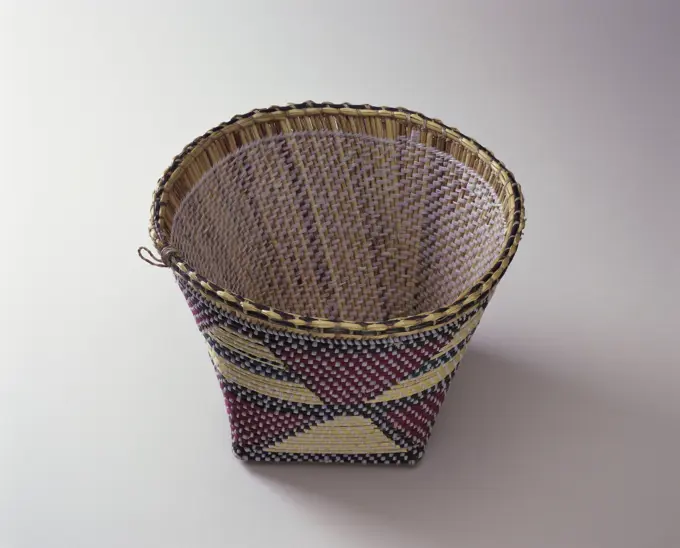
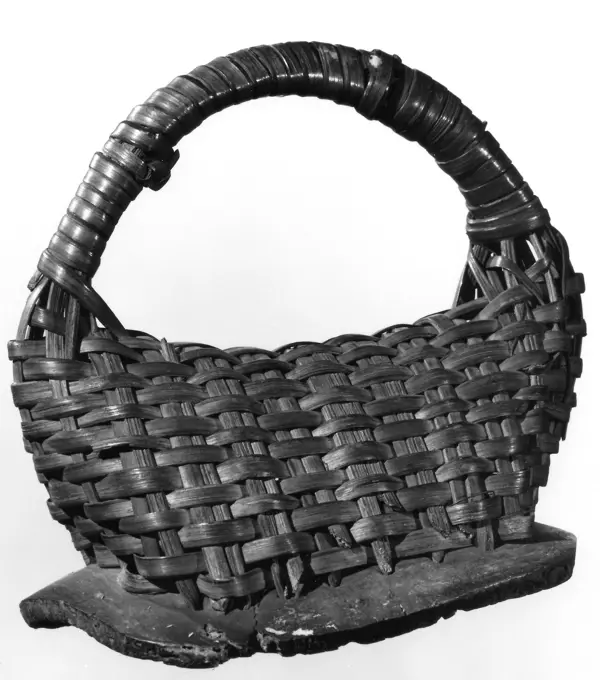
High angle view of a basket, Ghana
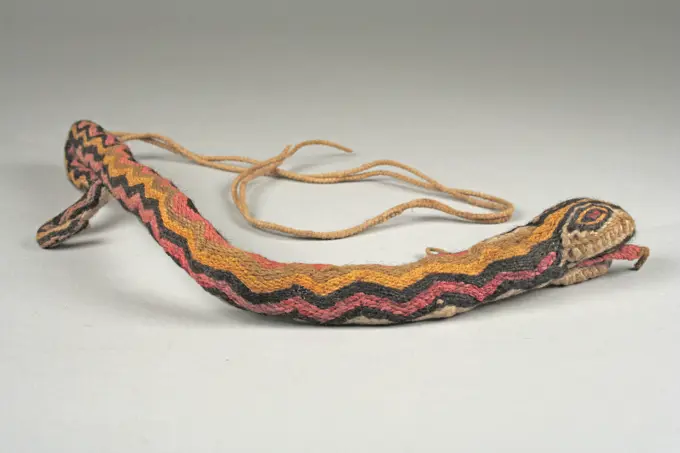
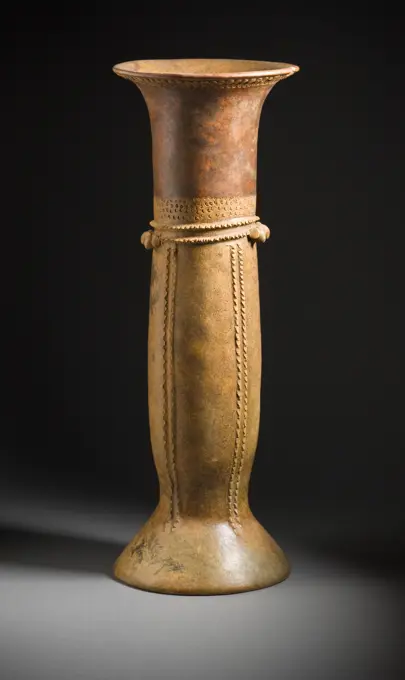
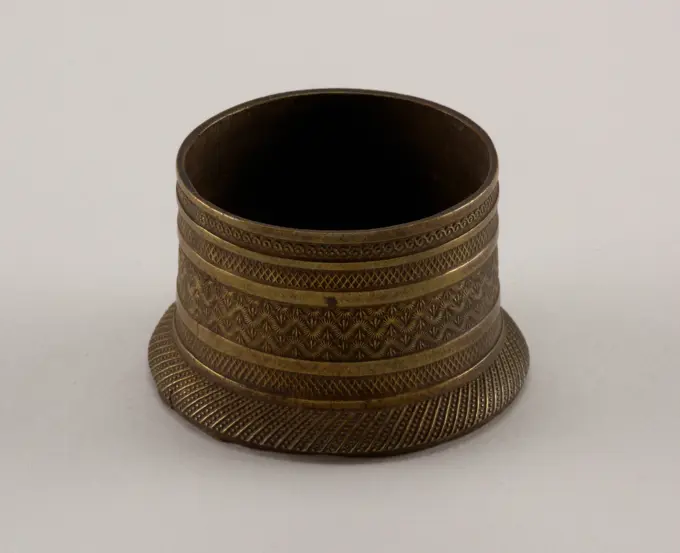
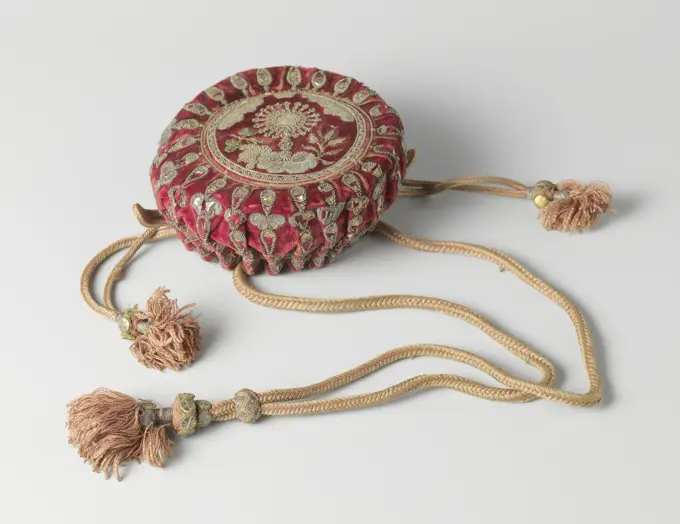
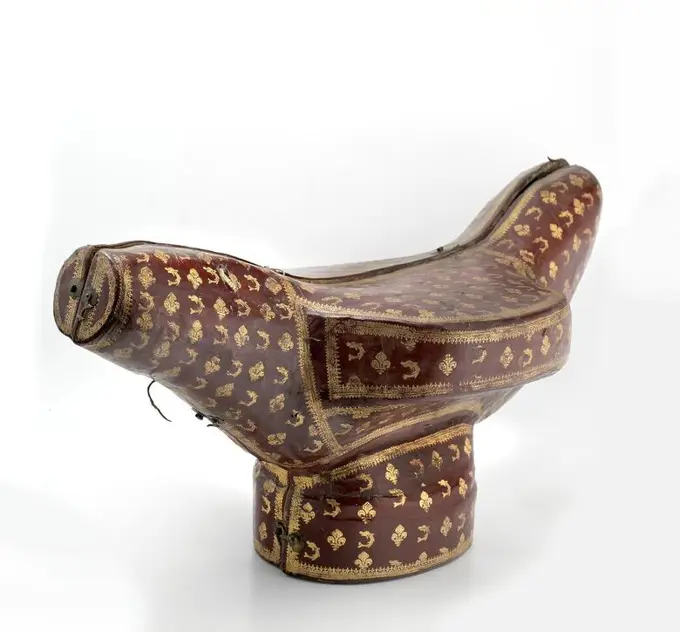
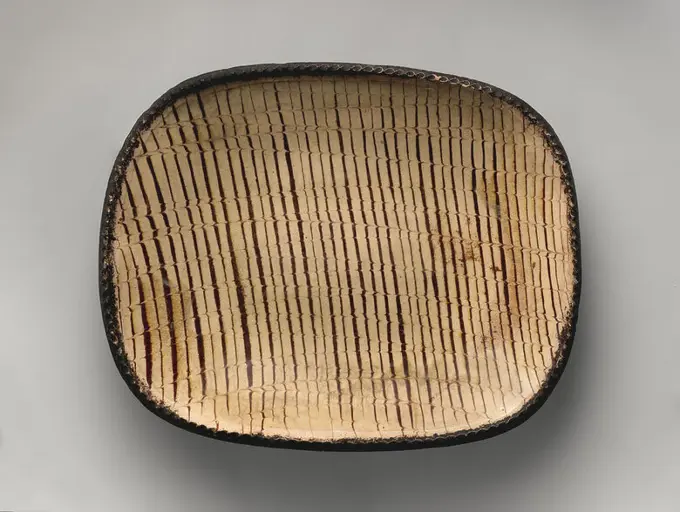
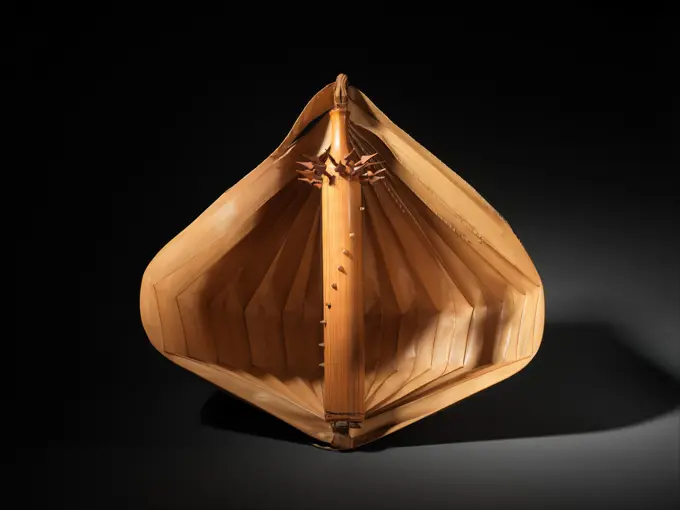
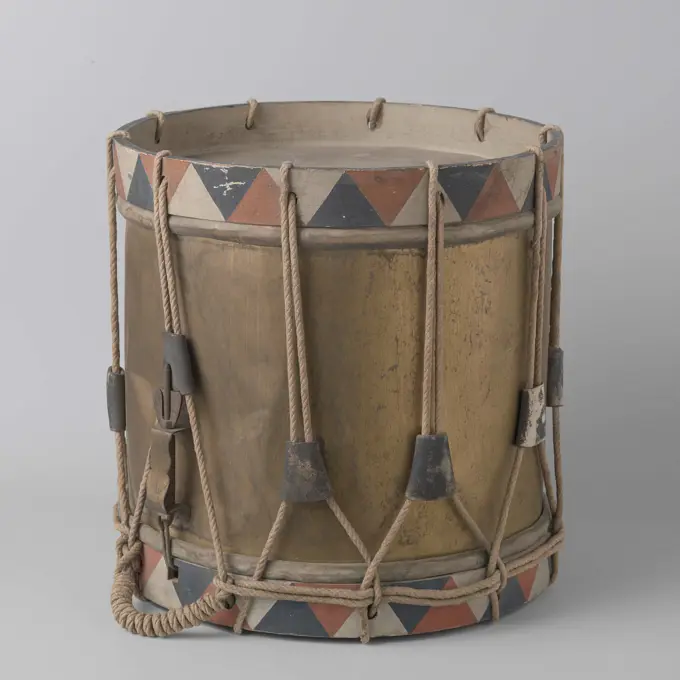
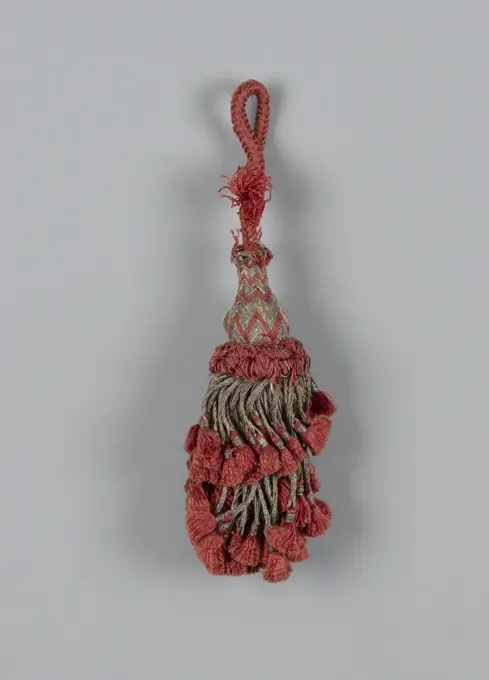
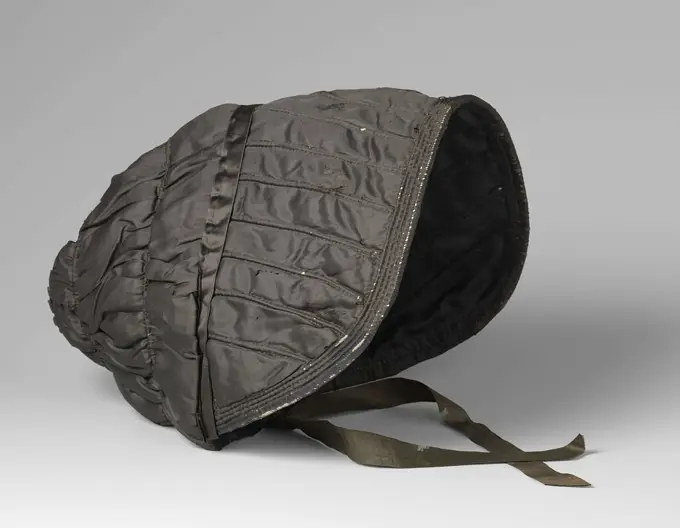
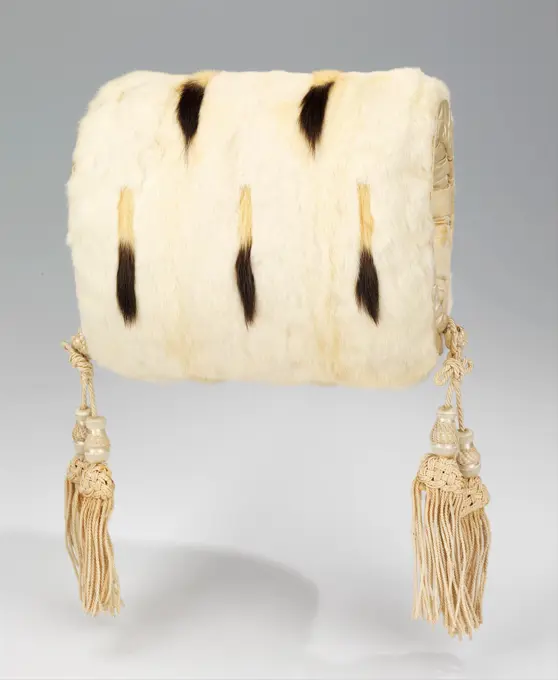
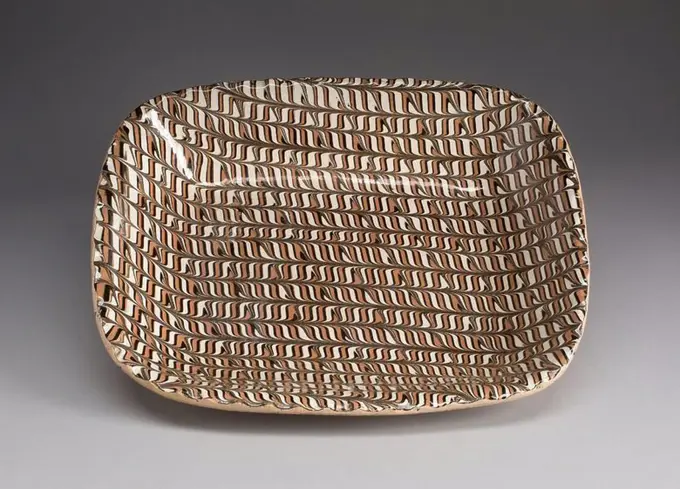
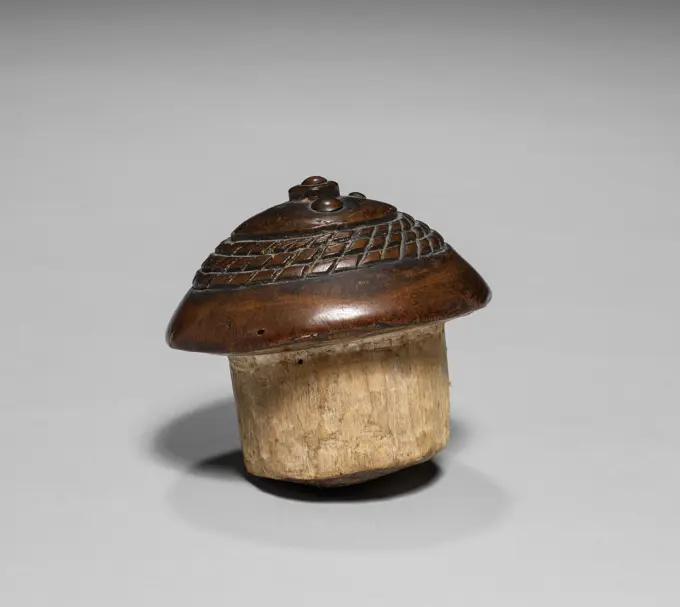
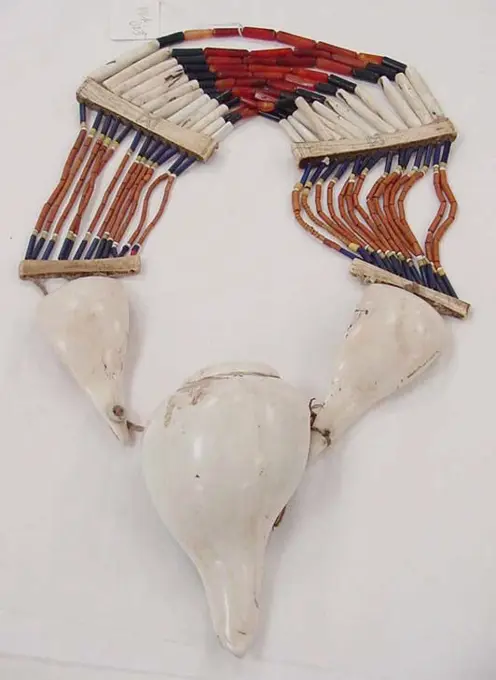
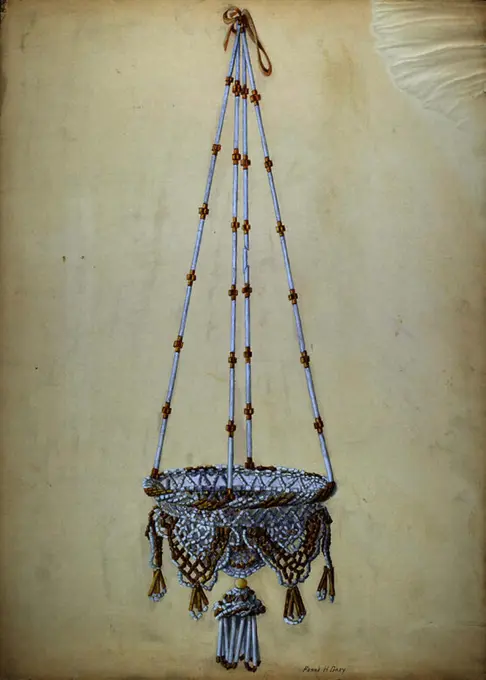
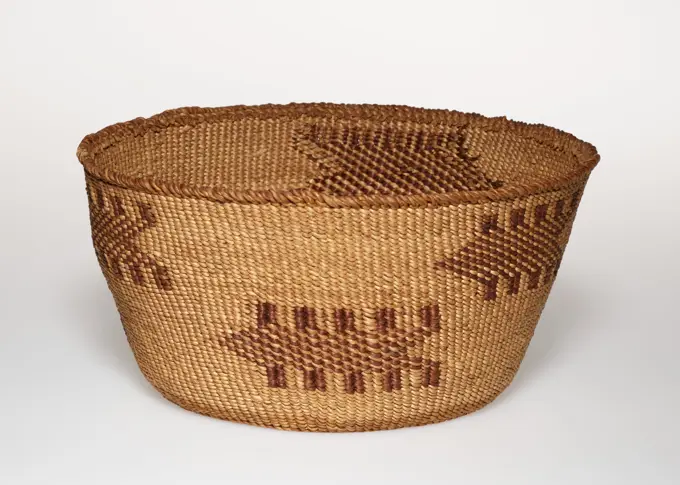
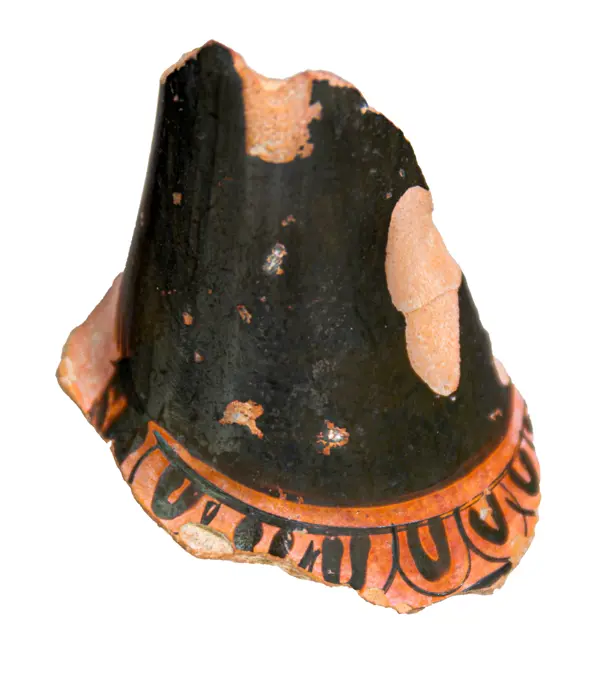
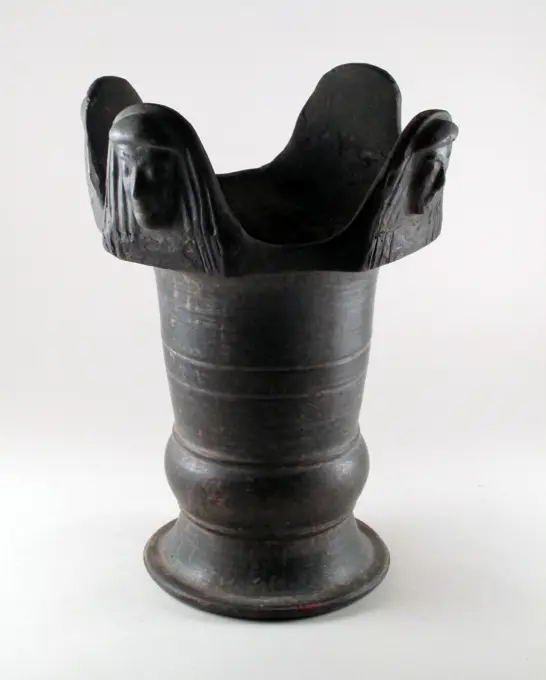
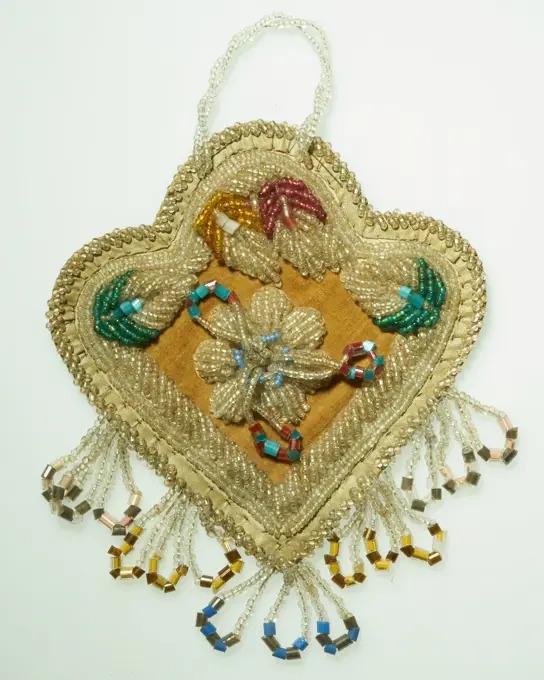
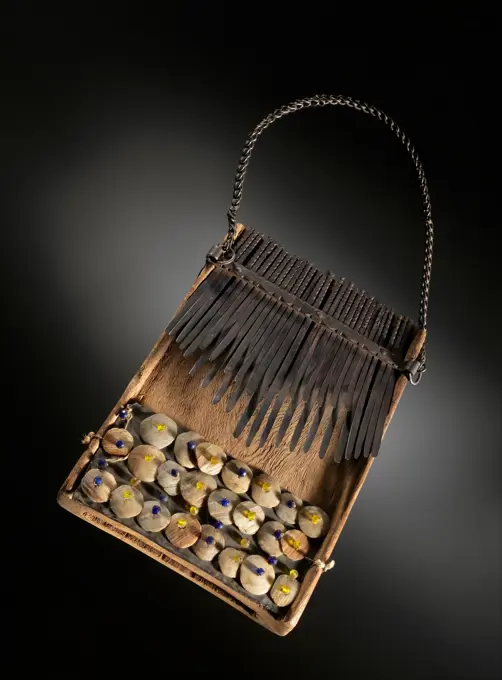
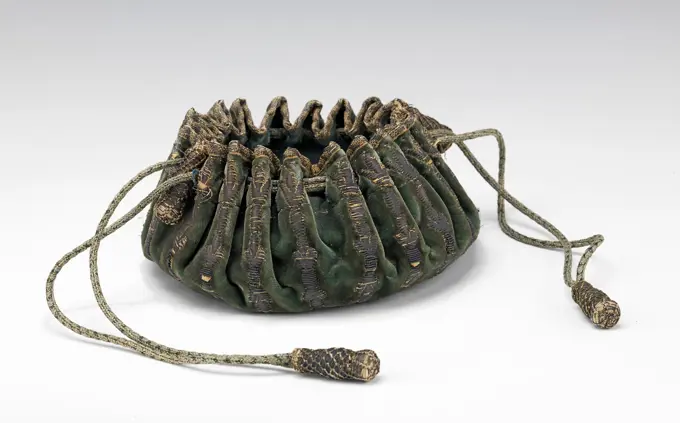
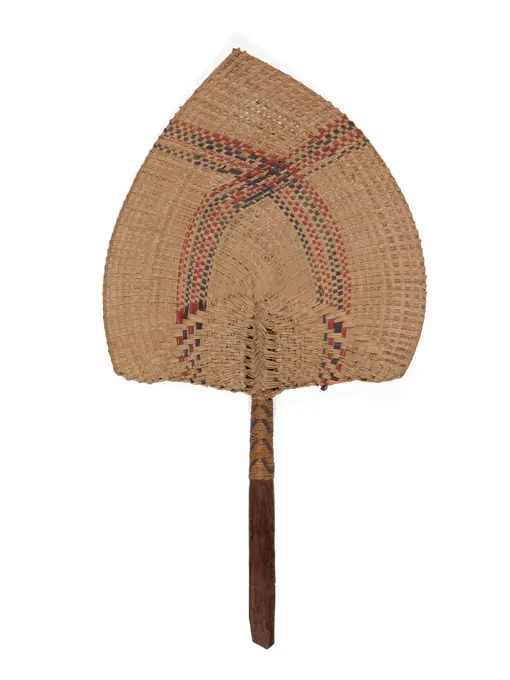
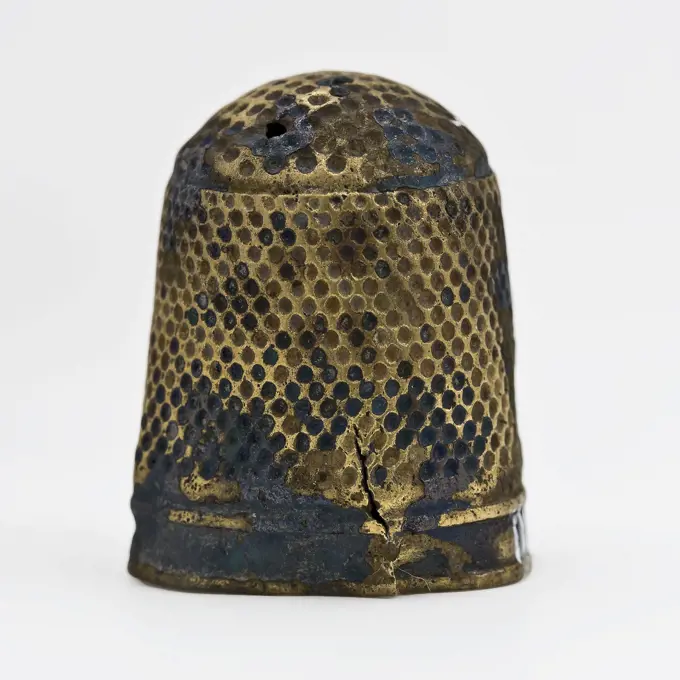
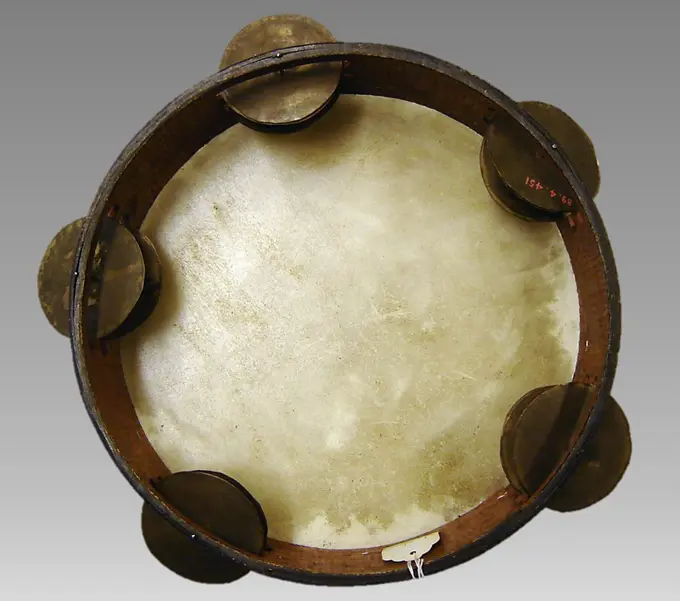
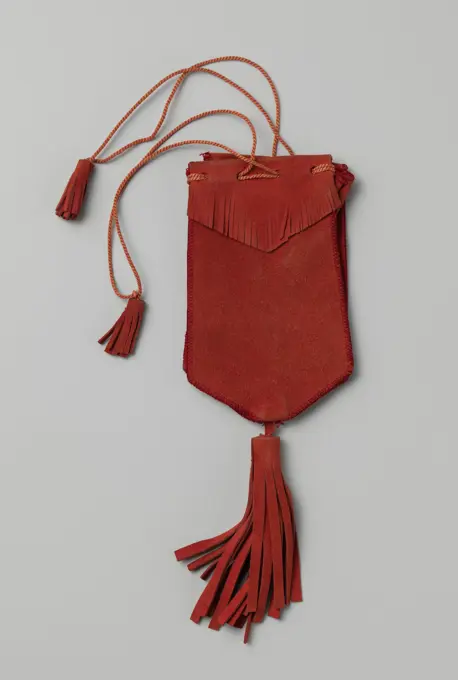
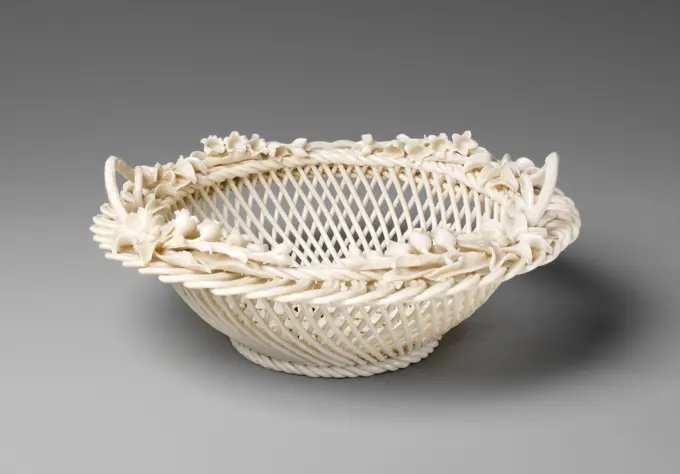
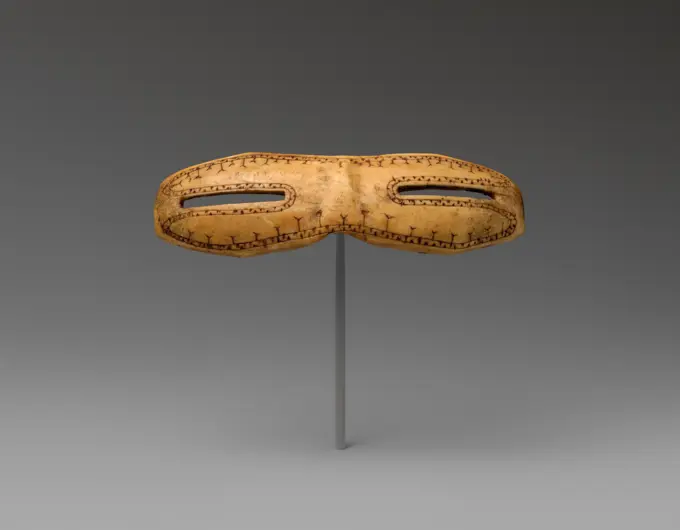
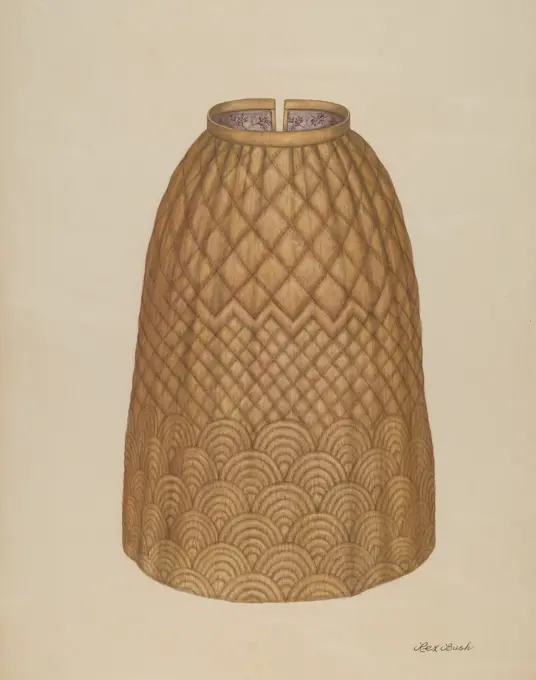
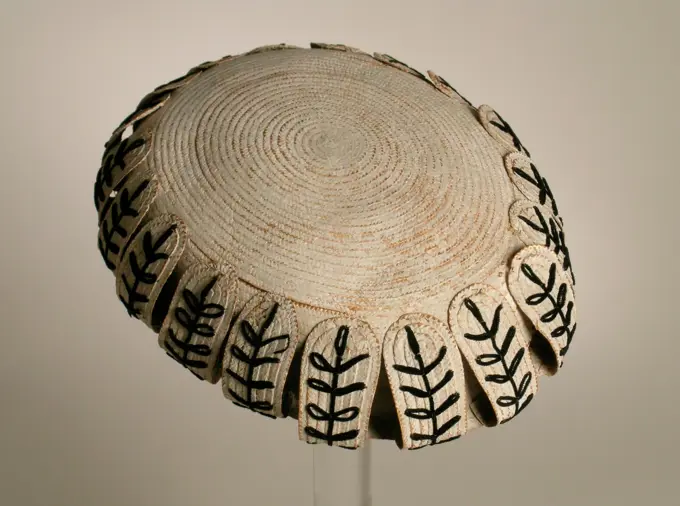
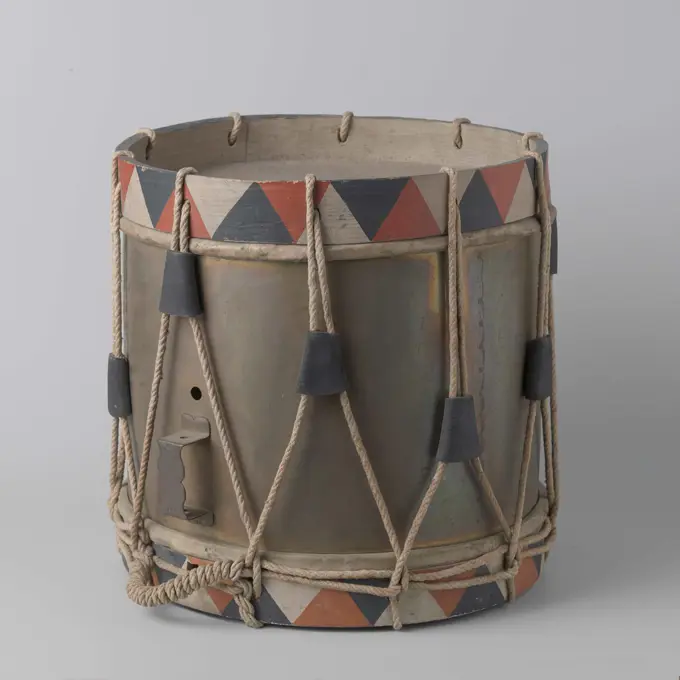
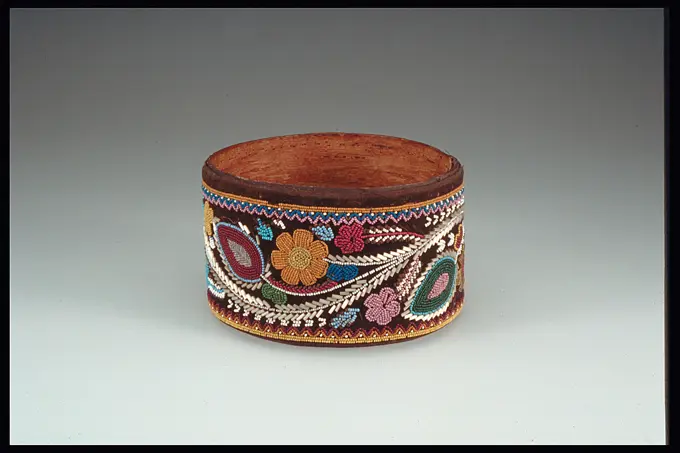
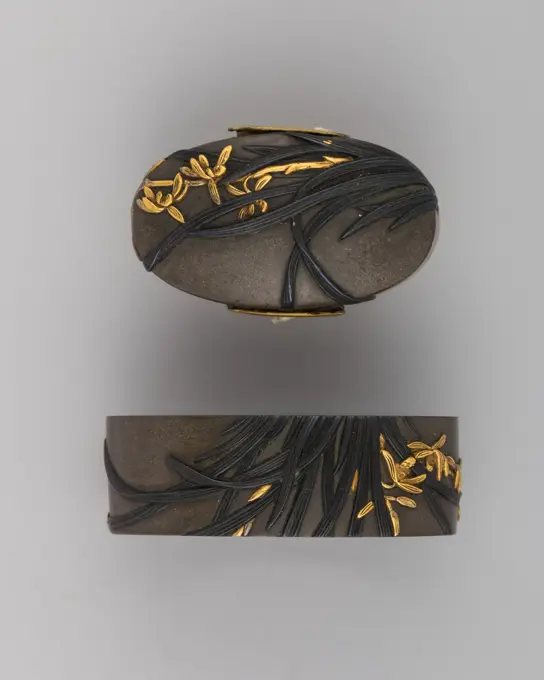
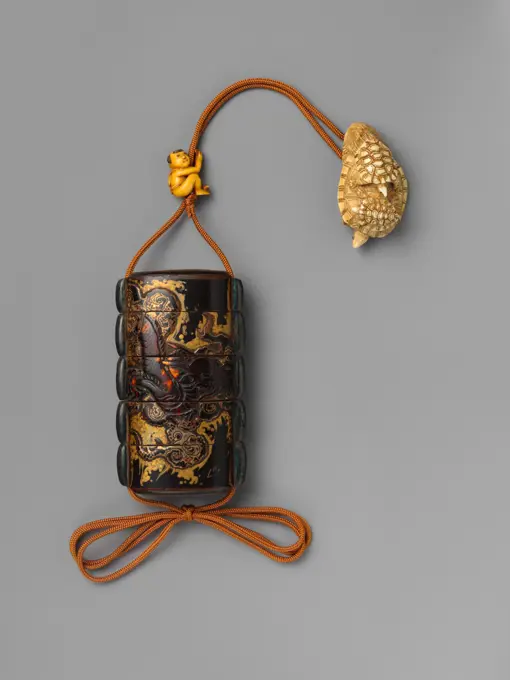
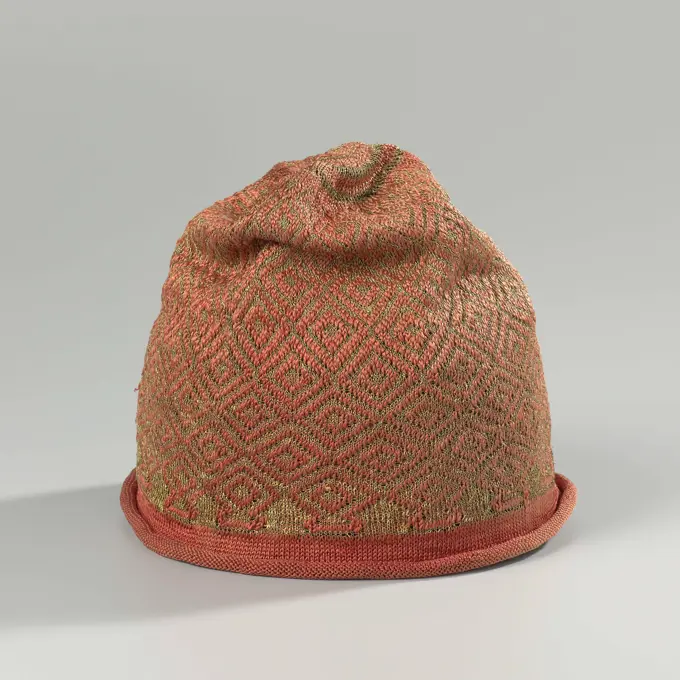
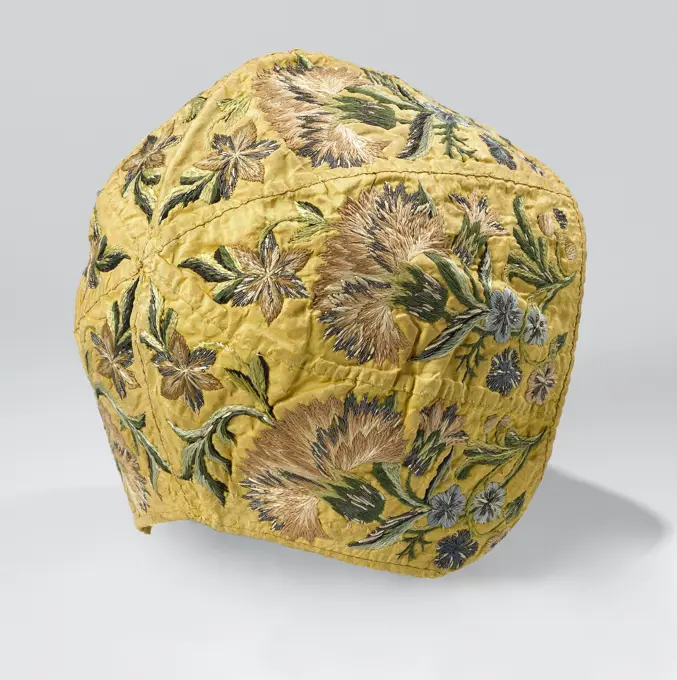
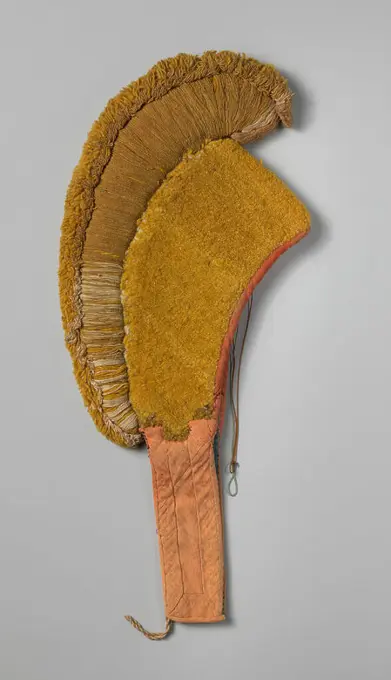
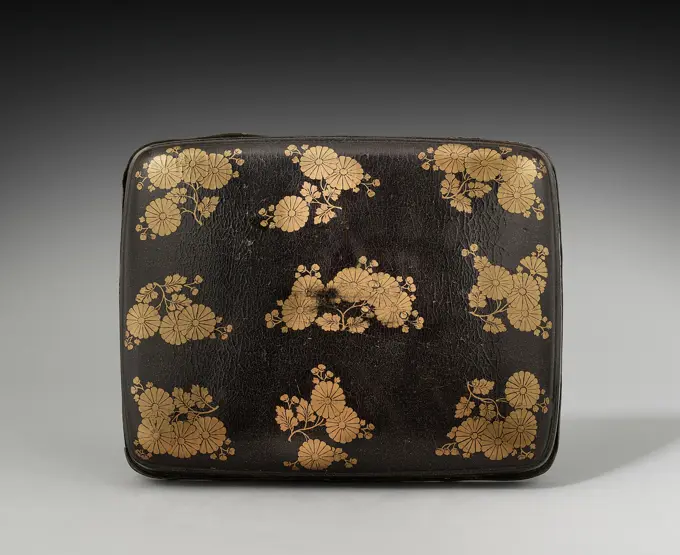
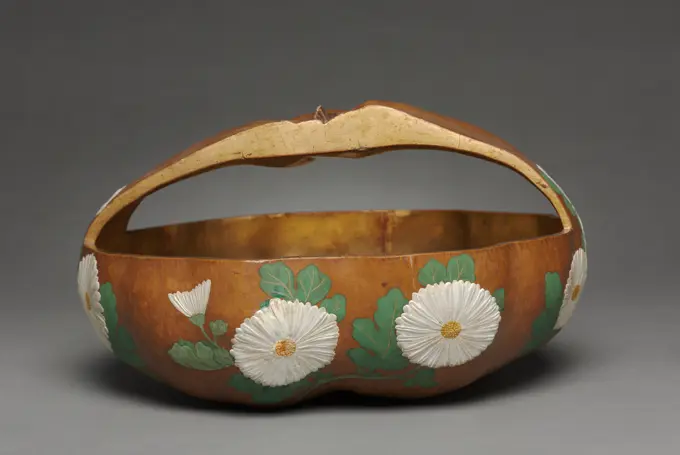
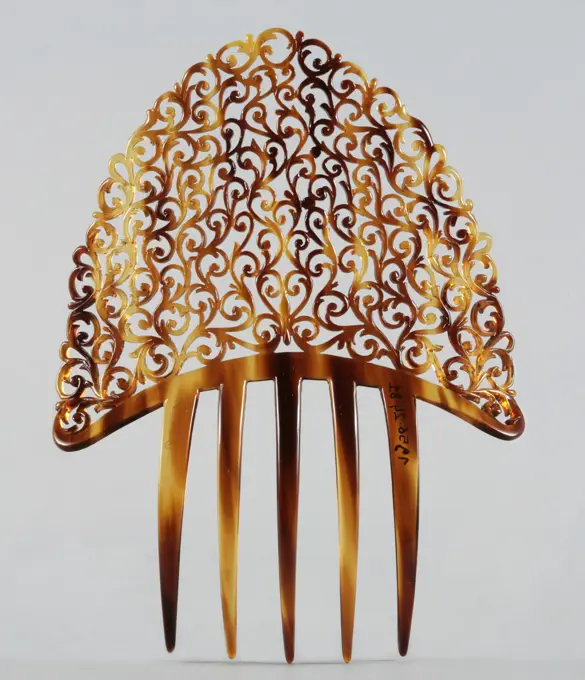
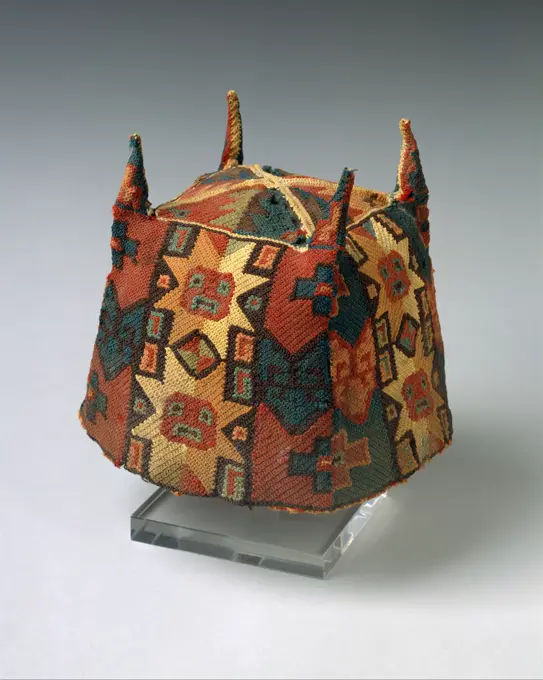
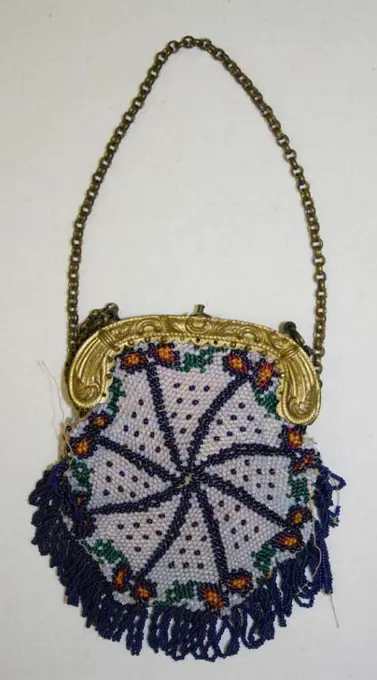
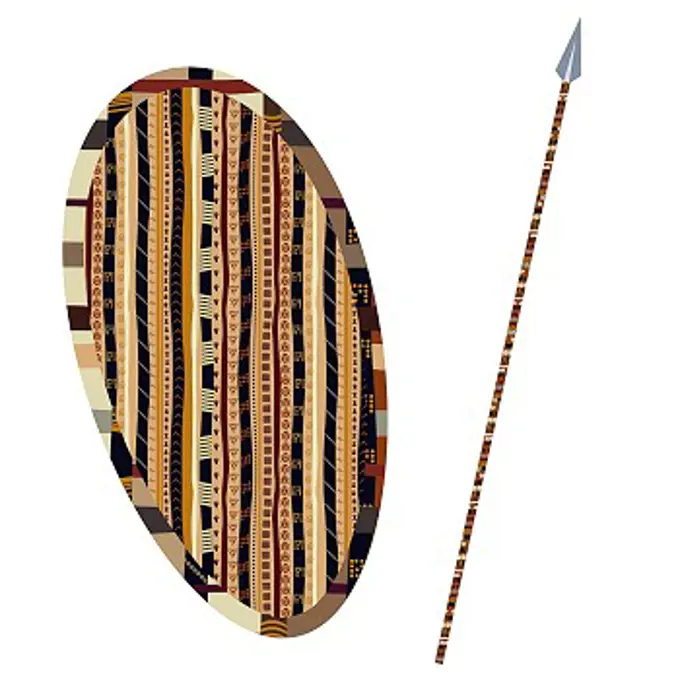
Bonnet 1840-49 American. Bonnet 104220Glass striped mosaic bowl fragment. Culture: Roman, probably Italian. Dimensions: 1 5/8 × 1 1/16 × 1/8 in. (4.1 × 2.6 × 0.3 cm)Estimated diameter 3 15/15 in. (10 cm). Date: late 1st century B.C.-early 1st century A.D..Translucent cobalt blue, partially appearing green, opaque yellow, white, and red, and colorless.Vertical rounded rim; slightly convex curving side of deep bowl, turned in towards bottom.Striped mosaic pattern formed from lengths of two alternating canes laid side by side in parallel rows and separated from one another by single lengths of a colorless network cane wound with a double spiral thread: one composite cane comprising two red stripes encasing white and flanking a blue stripe encasing white, and a narrow blue stripe encasing yellow at right; the other with a central yellow length flanked by red stripes, flanked by blue stripes encasing yellow. A separate square length of the second cane is added at top below rim. A colorless network cane wound spirally with tHigh angle view of a basket, GhanaBaby's Cap (France); linen, glass beadsSerpent ornament A.D. 1450-1532 Inca () This exquisite three-dimensional textile representation of a serpent is from the South Coast of Peru and was likely fabricated in the 16th century. With a sinuous body, elliptical-concentric eyes, open red mouth, and protruding tongue, the snake threatens us, while at the same time its colorful body, with its lively red, yellow, black, and light brown zigzag lines, engages us. A double-braided rope is tied to the distal end, while a braided ring is inserted on the ventral side near the head, and would be used to secure the effigy snake. Although the function of this serpent is a matter of discussion, early colonial chronicles shed light on its likely use and meaning. For example, the anthropologists Tom Zuidema (1967) and Anne-Marie Hocquenghem (1997, 2008) have written essays about the symbolism of the serpent in the Inca Empire. In a ritual combat known as ayllar, snakes made of wool were used as projectiles. This effigy snake may have been woUmbrella with a deck of blue-purple side with colored border, on a stick of wood on which and the handle of plastic in the form of a parrot or parakeet head, anonymous, c. 1920 - c. 1935 Umbrella with a deck of blue-purple side with colored edge, on a stick of wood, metal ribs and hook of plastic in the shape of a parrot or parakeet head with glass eyes. Model: short thick stick. These umbrellas were called 'Tompouce' or 'Tom Thumb'. Black lacquered metal ribs. End of the ribs of beige plastic. Blunt wooden point. Decoration: The deck is trimmed with a woven edge consisting of a doubled edge within which colored squares. Under the hook a twisted cord of black satin with ditto brush. The handle is made of Celluloid partially crushed to generate the illusion of springs. The parrot or parakeet has a curved beak and plastic eyes on the head. Netherlands (possibly) deck: Silk. Baleinen: Steel (Alloy). Stok: Wood (plant material). Handle: celluloid (cellulosic). Cord: Silk lacquering / cuttiCase (Inr) with Design of Nanban Flowers 19th century Japan. Case (Inr) with Design of Nanban Flowers. Japan. 19th century. Lacquer, dark wood, gold, silver, brown and green takamakie; Interior: plain, drawers, ivory handles. Edo (1615-1868) or Meiji period (1868-1912). InrBasket 19th century Japan. Basket. Japan. 19th century. Bamboo. Edo (1615-1868) or Meiji (1868-1912) period. BasketryPaint container -Vessel Stand. Panama, Veraguas, Criollo, 100-300 CE. Ceramics. Slip-painted ceramicBaby bonnet -part ancient Asian stringed musical instrument on black background with backlight. national musical instrument of AsiaMountSpeelbeurs van Wijnrood velvet, embroidered in silver wire and green silk with gold and silver foil, with a monstrance between grape roses and corner, anonymous, c. 1680 - c. 1720 Speelbeurs van Wijnrood velvet, embroidered in silver wire and green silk with gold and silver foil, with a monstrance between grapes and corner. Model: flat round bottom around which a wavy raised edge has holes with holes, which draws a cord of red braided silk - ending in a pet with silver thread and red silk with round silver slices and a brush - is pulled. On both sides a loop of braided red side to fertilize the sealing. In addition to a drawstring, this play fair also has a handle consisting of the same braided red sides with a larger pet with a brush. Lined with red silk. Decoration: The 23 bulges or ribs are decorated with a stacked ornament consisting (from bottom to top) out: a drop, a double heart, a drop, a double heart, a heart. These shapes are made up of an edge of twisted silver Canetille andCarved Finial. Northern Iran, probably Mazandaran, second half of 14th century. Wood. Wood with traces of paintAnonymous / 'Case for large vase in the shape of a dragon or ''caquesseitío'''. Ca. 1650. Leather, Wood, Metal, Cloth. Museum: Museo del Prado, Madrid, España.Dish. Culture: British. Dimensions: Overall: 3 × 15 × 11 in. (7.6 × 38.1 × 27.9 cm). Date: ca. 1800.The Museum's permanent collection includes some of the earliest known works of English slipware, an important category of English ceramics from the seventeenth through the nineteenth centuries, with examples that reflect some of the creative ways in which this decorative technique was employed. This dish dates from the very end of the eighteenth century or from the early nineteenth century, and it demonstrates the ongoing popularity of slipware decorated ceramics. The use of two colors of slip to create a design that could be quickly and easily executed ensured that slipwares were affordable, and dishes such as this were produced in large quantities judging by surviving examples.This dish, which may have been used either for baking or serving, is decorated with two colors of slip, a term used for clay diluted with water. On this dish, the interior was covered with a cream-colored slip Basket, 1900-1942, 7/8 x 3/4 x 3/4 in. (2.2 x 1.9 x 1.9 cm), Natural plant fibers, United States, 20th century, In the early 1900s, many Euro-American women traveling through the Southwest region of the United States became infatuated with miniature Native American baskets, and some became avid collectors. Native women basket makers responded to this demand by creating ever-smaller baskets, utilizing the same harvesting, processing, and coiling techniques as those for personal use. Creating tightly woven, tiny baskets in an expanding range of designs and styles for their new clientele required the same levels of expertise and knowledgebut perhaps even more dexterity and skill.Sesando late 19th century Javanese (Timorese) Among the most remarkable string instruments in Oceania is the sesando, a tubular bamboo zither with ten or eleven metal strings set in a sounding box made from the frond of a lontar palm. Collected on the Indonesian island of Timor, this sesando was likely made by a member of the local Rotinese community whose residents originated on the neighboring island of Roti. When playing, the musician uses the right hand to pluck the bass strings while the left hand plays the treble. The pitch is adjusted with a complex series of movable bridges and tuning pegs. Used at weddings and funerals, the sesando is believed to possess supernatural powers. Occasionally played as a solo instrument, this zither is predominantly used to accompany songs with verses composed in bini, a special poetic language, and refrains in ordinary Rotinese. The songs are often philosophical, portraying the world as dominated by inescapable fate and life as at times disappointDrom, old model of the arches. Groom of the militia. The brass boiler is provided with a veal sheet on both sides, held by a hoop and tense by means of a tensioner with tractors and screws. Both hoops are decorated with a motif of triangles in the colors red, white and blue. With engraved numbers: 1841-1.Exhibition consisting of four shield-shaped parts of silver and gold brocade in which ornaments of a crowned and pierced heart and monogram V and C () Woven, anonymous, c. 1680 - c. 1715 Beurs consisting of four shield-shaped parts of silver and gold brocade, on which a window pattern of silver thread. Four green woven surfaces and woven ornaments woven within the windows: crowned in pink vloszijde and leaning and arrows pierced hearts interspersed with blue -stiled flower motifs within the windows. In the middle of two buildings in pink Vloszijde, a monogram of most likely the intertwined letters 'V' and 'C' with a heart shape in the opening of the 'V'. Along the edges of the buildings a passement of gold thread, which meets at the bottom of the fair in a brush knotted of gold thread. Along the opening a board of gold thread. A twisted cord has been laced by the eyes deposited with gold thread, to which two knotted brushes. The fair is fed with pink silk organza. Possibly a wedding faTile fragment, part of a wig from a figure of the king New Kingdom, Ramesside ca. 1279-1213 B.C. View more. Tile fragment, part of a wig from a figure of the king. ca. 1279-1213 B.C.. Faience. New Kingdom, Ramesside. From Egypt, Eastern Delta, Qantir (Piramesse), Palace of Ramesses II. Dynasty 19Tassel; silk, metal thread, wooden corePowder Flask 1575-1625 Germany. Bone, iron, and gold thread .Bowl ca. 1820-40 Austral Islanders. Bowl 313627Wooden carved ornament, consisting of shell motif and two curling leaves, ornament wood carving sculpture footage wood. The first poke bonnets, or capotes, made their appearance around 1805 and remained in fashion until around 1815. The broad brim, which framed the wearers face and straight hairstyle, severely restricted her field of vision. She had to turn her head in order to look sideways.Evening muff fourth quarter 19th century American. Evening muff 158044CapitalRound flower stand, 17th century, Unknown Japanese, 24 13/16 × 23 7/8 × 8 1/2 in. (63.02 × 60.64 × 21.59 cm), Red and black lacquer with shell inlay, Japan, 17th centurySlippers 1830-49 British. Slippers 1127131 Schepel from Bredevoort. Wooden content sizes for dry ones of 1 Schepel, v.z.v. Stamps and labels.Dish. American or English for the American market. Date: 1860. Dimensions: 34.6 × 27.9 cm (13 5/8 × 11 in.). Earthenware. Origin: Staffordshire. Museum: The Chicago Art Institute, Chicago, USA. Author: Staffordshire Potteries.Woman's Bag, c. 1900, 19 in. (48.26 cm), Hide, beads, silk, United States, 20th centuryFemale Bowl-Bearing Figure (lid), late 1800s-early 1900s. Africa, Central Africa, Democratic Republic of Congo, Luba-style carver. Wood and upholstery studs; overall: 40.8 x 16.1 x 27.3 cm (16 1/16 x 6 5/16 x 10 3/4 in.). This bowl-bearing figure functioned as an oracle for a royal diviner who used it to reveal the origin of problems brought to his attention. The diviner would dispense to his patient a mixture of medicinal substances and chalk from the bowl. This sculpture also served to protect and heal the local village as a whole.Jewelry set 19th century Indian (Naga-Angami) This collection of largely ethnographic jewelry includes examples from cultures in South America, North America, Europe, Asia, and Africa and dates from the Pre-Columbian period to the twentieth century. Owned by renowned art collector and fashion enthusiast Muriel Kallis Newman, the collection represents her knowledge and appreciation of a wide range of jewelry design and making traditions. Numerous items in her collection are composite artifacts made from various cultures and time periods reappropriated as modern jewelry creations by or for Muriel. It is important to note that Newman wore many of the pieces in the collection, interpreting them to suit and express her own singular, often avant-garde style.. Jewelry set 141478medieval church flag tassel medieval church flag old tassel over white background Copyright: xZoonar.com/tudorxantonelxadrianx 6243587Rattle late 19th century Liberian The pocketbook shaped basket rattle is made of woven fiber with a gourd base.. Rattle 502184Beadwork Hanging Basket. Dated: c. 1937. Dimensions: overall: 71.2 x 51.2 cm (28 1/16 x 20 3/16 in.) Original IAD Object: 26" long; 7 1/2" in diameter. Medium: watercolor, gouache, graphite, and pen and ink on paperboard. Museum: National Gallery of Art, Washington DC. Author: Frank Gray.Basket, 3 3/8 × 7 1/4 × 7 5/16 in. (8.57 × 18.42 × 18.57 cm), Plant fibers, United StatesMiniature canoe -Hat of wine red velvet, stitched through, with a flat straight ball and upright edge on which bows on both sides, rose descat, c. 1940 Hat of wine red velvet, stitched through, with a flat straight ball and upright edge on which bows on both sides. Small model with loose ball and edge, unlined; Interior of Tarlatan. The raised edge is reinforced with Laiton. In the ball of brown rip ribbon. The bulb and the edge are stitched with concentric circles. The edge is stitched through and through. Double bows of velvet on either side; Not stitched. Paris whole: velvet (fabric weave). Stitching: cotton (textile). Interior: Tarlatan. Rand reinforcement:. entrance: braiding Hat of wine red velvet, stitched through, with a flat straight ball and upright edge on which bows on both sides. Small model with loose ball and edge, unlined; Interior of Tarlatan. The raised edge is reinforced with Laiton. In the ball of brown rip ribbon. The bulb and the edge are stitched with concentric circles. The edgeModel of a Buoy. Copper model of an iron buoy or Zeeton, made from unknown plates. It has a conical body with sharp end below and a spherical top. A vertical keel has been applied to one side. The eye at the bottom end has been demolished. Scale 1:10 (Archives).Canoe-shaped basket, 3 5/8 × 11 1/4 × 7 7/16 in. (9.21 × 28.58 × 18.89 cm), Plant fibers, United StatesPurse, Medium: silk, glass beads, steel Technique: beaded netting, Small shaped purse in an open netting with green, black and gold-colored glass beads, fitted into a plain steel frame., Europe, 1830-60, costume & accessories, PurseBell-krater fragment 4th century B.C. Greek, South Italian, Apulian. Bell-krater fragment. Greek, South Italian, Apulian. 4th century B.C.. Terracotta; red-figure. Late Classical. TerracottasVase with lid ca. 550-500 B.C. Etruscan Cylindrical shape, edge ending in four human heads.. Vase with lid. Etruscan. ca. 550-500 B.C.. Terracotta; bucchero pesante. Archaic. VasesPincushion, 20th century, 6 9/16 x 6 5/8 x 11/16 in. (16.67 x 16.83 x 1.75 cm) (without dangles or hanger), Beads, velvet, cotton, paper, United States, 20th centuryNyonganyonga Possibly Barwe People ca. 1900 The nyonganyonga is a lamellaphone, an instrument consisting of thin metal or split cane tongues mounted on a resonating board or box. Depressing the free ends of the tongues with the thumbs produces a gentle ringing sound, sometimes augmented by jingling objects attached to the board. The instrument may be amplified by holding it in a hollow gourd. Tuning is accomplished by sliding the tongues in or out to change their vibrating length. Lamellaphones are distributed across sub-Saharan Africa and were brought to Latin America by enslaved Africans. They are known by many names that also may be shared with xylophones. Most names have word stems that include -mbila -mira -limba or -rima. Westerners, not recognizing differences in construction, have simplified the name to two regional terms, calling them either mbira or sanza.Glass striped mosaic bowl late 1st century B.C.-early 1st century A.D. Roman, probably Italian Translucent purple and blue, opaque white and yellow, and colorless glass.Vertical rim with rounded edge; almost vertical side curving in below to concave bottom.Striped mosaic pattern formed from lengths of two alternating canes laid side by side in ten parallel rows and separated from one another by single lengths of a network cane in cololress glass wound spirally with two yellow threads; one cane comprises a central length of purple outlined in white and flanked by blue stripes, and the other comprises a central length of blue outlined in white and flanked by yellow stripes; a blue network cane wound spirally with a single white thread is attached as rim.Broken and repaired from many fragments with numerous losses; some pinprick bubbles; slight dulling and faint iridescent weathering.. Glass striped mosaic bowl 245776Gaming purse late 17th century French A new level of card game mania swept Europe during the 17th century. Gambling with cards or "gaming" was a favored pastime for both men and women of all ages and classes. Several examples of luxury gaming purses in the Brooklyn Museum collection reflect the fashion for a specific type of bag in which to hold one's coins or counters won in games like "Put" or "La Bête." Made of velvet or brocade, the bags are often heavily embroidered with silver and gold metallic threads. Like others of the type, it has a round flat bottom and closes by means of a drawstring at the top edge. Wooden beads covered with metallic thread form the fancy end ornaments on the drawstring. A pouch bag like this allowed even the unlucky to appear fashionable at the gaming table.. Gaming purse 156852Inro with bamboo curtains and cherry blossoms, ojime, anonymous, c. 1700 - c. 1800 Decorated on both sides with partially rolled up jalousy with brushes, cords, etc. and cherry blossoms in gold. Japan wood (plant material). lacquer (coating) Decorated on both sides with partially rolled up jalousy with brushes, cords, etc. and cherry blossoms in gold. Japan wood (plant material). lacquer (coating)ili tea (fan with wooden handle) fansCopper molded thimble with groove at the top, thimble sewing kit soil find copper metal, cast Copper molded thimble with round holes in lines on the top with groove changing into the shaft with wheel punch and with blank board with two grooves archeology Rotterdam rail tunnel seamstress tailor sewing textiles clothing needle and thread repair Soil discovery: rail tunnel Rotterdam.Peach and Leaf Container, with Lid and Stand, 10th-13th century, 6 1/2 x 10 1/2 x 7in. (16.5 x 26.7 x 17.8cm), Jade, China, 10th-13th centuryHat -Dried Buddha-NutMiser's Purse (France); silk, metallic beadsBasket, before 1929. Central Africa, Democratic Republic of the Congo, Mangbetu, 20th century. Plant fibers and dye; overall: 22.5 cm (8 7/8 in.); diameter of top: 31.6 cm (12 7/16 in.).Tar 19th century Algerian. Tar. Algerian. 19th century. Wood, brass, parchment, leather. Algeria. Membranophone-single-headed / frame drumHat 19th century American or European. Hat 94395Tas of stone red Peau de Suede with a fringe along the top edge and a brush at the bottom, anonymous, c. 1920 Bag in an elongated shape whose bottom runs in one point. The bag is completely from Steenrode Peau de Suede with a fringe along the top edge and a brush at the bottom. The model has four pattern parts, Waravan two forms a soufflé, which are sewn together with a lock machine. At the bottom of a brush formed by a rolled strip of suede sliced in lanes. In the top edge, two rotated red cord with two brushes at the ends have been strung by holes. The bag is unlined. Netherlands (possibly) whole: Leather. Cord: Silk Bag in an elongated shape whose bottom runs in one point. The bag is completely from Steenrode Peau de Suede with a fringe along the top edge and a brush at the bottom. The model has four pattern parts, Waravan two forms a soufflé, which are sewn together with a lock machine. At the bottom of a brush formed by a rolled strip of suede sliced in lanes. In the top edge, twoClose-up of a drum Close-up of a drum Copyright: xZoonar.com/yogeshxmorex 4993260Sword-Hilt Pommel (Kashira), 1700-1850. Japan, Edo period (1615-1868). Shakudo; average: 3.5 x 2 cm (1 3/8 x 13/16 in.).Basket, 1900-1942, 7/8 x 1 1/8 x 1 1/8 in. (2.2 x 2.9 x 2.9 cm), Natural plant fibers, United States, 20th century, In the early 1900s, many Euro-American women traveling through the Southwest region of the United States became infatuated with miniature Native American baskets, and some became avid collectors. Native women basket makers responded to this demand by creating ever-smaller baskets, utilizing the same harvesting, processing, and coiling techniques as those for personal use. Creating tightly woven, tiny baskets in an expanding range of designs and styles for their new clientele required the same levels of expertise and knowledgebut perhaps even more dexterity and skill.Basket 1887-93 Manufactured by Willets Manufacturing Company Executed in the manner of Irish prototypes, this Willets Belleek basket, constructed of handwoven strands of clay adorned with hand-formed flowers, illustrates the makers virtuosity.. Basket 19000Sword Guard (Tsuba) 19th century Kanō Natsuo Japanese This tsuba features a design of white ants on old wood.. Sword Guard (Tsuba) 24625Snow goggles ca. 800-1200 Thule, Native American These goggles were used to shield the eyes from windblown ice and the glare of the sun upon the Arctic snow. Significant to the owner or maker, engraved double lines, spikes, and linear projections form the border. The designs, along with the narrow eye openings, create a distinct appearance. Arctic peoples have made and worn such highly effective eyewear for centuries.. Snow goggles. Thule, Native American. ca. 800-1200. Walrus ivory. Made in Alaska, United StatesPurse ; silk, glass beads, metalRex F Bush, Quilted Petticoat, c 1938 Quilted PetticoatWoman's Toque. England, late 1860s. Costumes; Accessories. Mottled split-plaited straw, painted, silk chenilleDrom, old model of the arches. Groom of the militia. The brass boiler is provided with a veal sheet on both sides, held by a hoop and tense by means of a tensioner with tractors and screws. Both hoops are decorated with a motif of triangles in the colors red, white and blue. With engraved numbers: 1846-41.Box -Double-Ended Cup, 1700-1800. Pinto Collection - Purchased from Edward H Pinto, 1965.. Made in Sweden. This birch burr fluted double cup is Swedish, dating from the 18th century. Burr wood was used for many luxury drinking vessels as not only is it both rare and beautiful, but it is capable of withstanding both dry and damp conditions. The diagonal flutes on this cup mirror the designs found on Swedish silver at this time.Sword-Hilt Collar and Pommel (Fuchigashira) 19th century Japanese A fuchigashira is a pair of matching sword fittings comprising the fuchi (collar at the base of the grip of the sword hilt) and kashira (pommel cap at the end of a sword hilt).. Sword-Hilt Collar and Pommel (Fuchigashira). Japanese. 19th century. Copper-silver alloy (shibuichi), gold, copper-gold alloy (shakud). Sword Furniture-Fuchi-KashiraCase (Inr) with Design of Dragon among Clouds and Waves 17th-18th century Japan. Case (Inr) with Design of Dragon among Clouds and Waves. Japan. 17th-18th century. Lacquer, roiro, rubbed fundame, gold, red and black hiramakie, tortoiseshell; Interior: nashiji and fundame. Edo period (1615-1868). InrInro with bird, netsuke with blossoms, ojime, anonymous, 1821 Against the black stock on one side a plover in, among other things, red and gray; On the other side the Kamo river with plants moved by storm. Signed on the bottom in gold "Toshihide" with age and year and stamp. Japan wood (plant material). lacquer (coating) Against the black stock on one side a plover in, among other things, red and gray; On the other side the Kamo river with plants moved by storm. Signed on the bottom in gold "Toshihide" with age and year and stamp. Japan wood (plant material). lacquer (coating). Hat knitted with a globe of red silk with diamond shaped, geometric ornaments of gold thread and a border of solid red silk. Knitted around with four or five needles. The gold thread comes with the red silk. A 'seam', where is milled. Knitted entirely. The decoration is on the sphere, the curled 'edge' is solid. The hat is most likely introduced by steaming and stretching, since there is hardly removed or milled to reach the shape.Hat of yellow side consisting of six equal pattes, embroidered with floral pattern in multicolored silk and silver thread, anonymous, c. 1750 - c. 1775 Cap from yellow side consisting of six equal pattes, embroidered with floral pattern in multicolored silk and silver wire. Model: composed of six equal patts from yellow side with natural linen lining. The linen lining (possibly used for reinforcement) is boarded, so that the finish can be seen on the inside. The points on both sides of the face have been beaten and secured. Decoration: embroidered in multicolored silk and silver wire with a carnation surrounded by violets and forget-me-niets in an ingredient. Netherlands whole: Silk. Lining: Linen (Material). Embroidery: Silk. Embroidery: Silver thread embroidering Cap from yellow side consisting of six equal pattes, embroidered with floral pattern in multicolored silk and silver wire. Model: composed of six equal patts from yellow side with natural linen lining. The linen lining (possHelmet-Shaped Hat. Culture: Tibet. Dimensions: 10 x 24 1/2 in. (25.4 x 62.2 cm). Date: 19th century. Museum: Metropolitan Museum of Art, New York, USA.Purse, Medium: silk, steel Technique: embroidered, Melon-shaped purse of white silk moire with steel ornaments and steel frame., France, late 18th century, costume & accessories, PurseMulti-strand Necklace 6th-10th century Wari (). Multi-strand Necklace. Wari (). 6th-10th century. Shell, cotton. Peru. Beads-OrnamentsCosmetics Box with Chrysanthemums (lid), early 1300s. Japan, Kamakura period (1185-1333). Lacquer on wood; overall: 17.6 x 29 x 22.8 cm (6 15/16 x 11 7/16 x 9 in.). In China, the chrysanthemum was historically appreciated for its association with the Double Nine Festival and the reclusive life of the poet Tao Yuanming (AD 365-427). In Japan, the 16-petaled chrysanthemum came to symbolize the Japanese imperial family after Emperor Gotoba (1180-1239) chose the motif as his personal emblem, having it applied to his sword and everyday utensils. This box proves that the flower also appeared on lacquer wares as early as the Kamakura period.Voodoo Doll from New Orleans, made by a Voodoo priestess and labelled 'Voodoo doll of childish fits'.Blonde, metal chick comb.Gourd Basket with Chrysanthemum Design, 1700s. Attributed to Ogata Kōrin (Japanese, 1658-1716). Gourd; lacquered and painted with gesso, color, and gold pigments; overall: 16 x 30.2 cm (6 5/16 x 11 7/8 in.).Xylophone 19th century probably South African. Xylophone 501124Traditional wooden bottles, used for holding water or wineComble in Spanish. Openwork plant pattern stylized and scrolls that invest the space in vertical bands.Cache-Sexe 12th century Tellem peoples This carefully crafted object is part of a rare group of female "modesty skirts," which are thought to have been worn low on the hips and held in place with a fiber cord. Commonly called a "cache-sexe," these fiber skirts are the oldest of their type to have survived the tropical climate of West Africa. The remarkable state of preservation of this example is due to the favorable climatic conditions of the cave in which it was found. Located within the Bandiagara Escarpment of present-day Mali, these caves are historically significant as the home of the ancient Tellem people, to whom this object is attributed, and later the Dogon. The Tellem are believed to have arrived at the Bandiagara Escarpment some time during the eleventh century and remained there until their population was devastated in the fifteenth to sixteenth centuries.This cache-sexe consists of three interconnected layers and is constructed from a sophisticated combination of plating Four-Cornered Hat 5th-9th century Tiwanaku Finely woven, brightly colored hats, customarily featuring a square crown, four sides, and four pointed tips, are most frequently associated with two ancient cultures of the Andes: the Wari and the Tiwanaku. The Wari Empire dominated the south-central highlands and the west coastal regions of what is now Peru from 500-1000 A.D. The Tiwanaku occupied the altiplano (high plain) directly south of Wari-populated areas around the same time, including territory now part of the modern country of Bolivia. The cultures not only developed and flourished as contemporaries, but also occupied adjacent lands for nearly four centuries. A Wari ceremonial center called Cerro Baúl was located a mere five miles from Tiwanaku-settled fields in the Moquegua Valley of Peru. The two cultures likely encountered each other at Cerro Baúl and elsewhere, but the nature of these interactions remains largely unknown. Four-cornered hats from both the Wari and the Tiwanaku wPurse 1840s German. Purse 116970Shield and spearModel or Lumley's Patent Rudder. Black and pink model of a helm and stirring stage. One base board. The stirrer has a heel and three stirrings, the stirring king is round and has a cross bar with chains on top of demonstration purposes. The stir sheet is divided vertically into two pieces, the rear part with three stirrets attached to the front. Because the back cover is coupled to the stirrer with an S-shaped hinge, it will remove extra far from rotation. Scale 1:24 (Scale by model).Cosmetic Container, c. 100 BCE -c. 200 CE, 2 1/8 x 2-1/2 x 2-1/2 in. (5.4 x 6.4 x 6.4 cm), Lacquer, silver, China, 2nd century BCE - 3rd century CEancient treasure chest ancient bronze treasure chest isolated on white background Copyright: xZoonar.com/ValeryxVoennyyx 5526826Necklace, 15 x 3/4 in. (38.1 x 1.91 cm), Beads, metal, Sierra LeoneFan. Artist: Christiana Hummer. Culture: American. Date: 1837. Museum: Metropolitan Museum of Art, New York, USA.Stab belonged to H.M.A.J. van Asch van Wijck, mayor of Utrecht, Isaäc Johannes Froger, 1827 - 1839 bicorne Set, trimmed with short black ostrich; On the right side Lis van Zilverkoord and Oranje Kokarde. This stitch belonged to H.M.A.J. van Asch van Wijck, mayor of Utrecht (1827-1839). There is a can of drum in the sting in which it can be stored. The stitch has been marked. Amsterdam textile materials. felt (textile).   Old columns. Velsen. UtrechtCharleston collier of wire and beads, c. 1920 - c. 1930 Charleston collier of silver wire and wine red, transparent and black beads. Netherlands silver thread basting Charleston collier of silver wire and wine red, transparent and black beads. Netherlands silver thread basting