Textiles and Fabrics

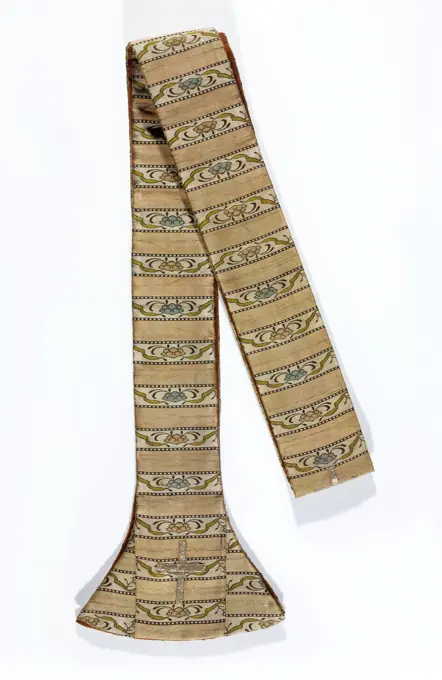
A variety of traditional textiles including sashes and scarves from different cultures, showcasing intricate patterns, colors, and craftsmanship.

Pair of Leg Wraps, Cotton, China
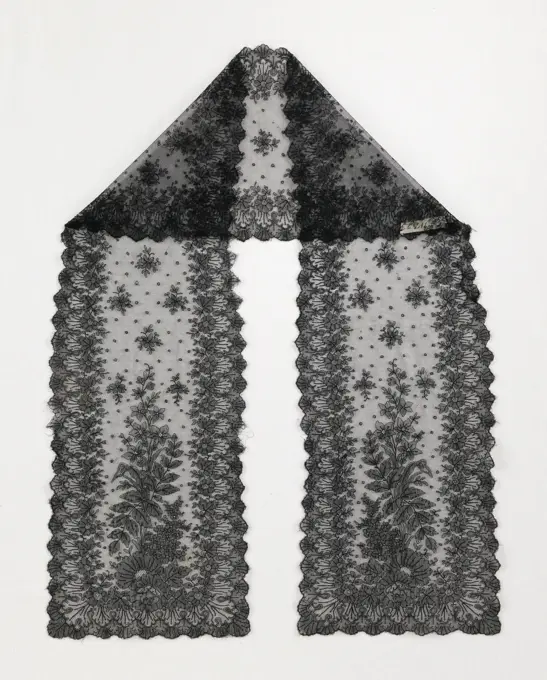
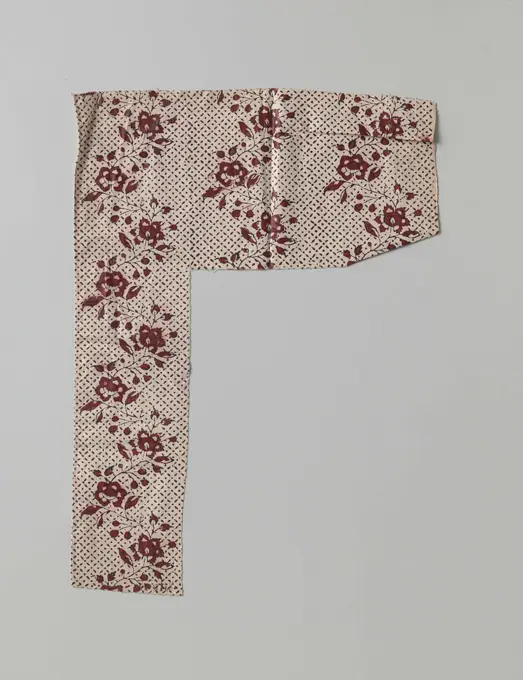
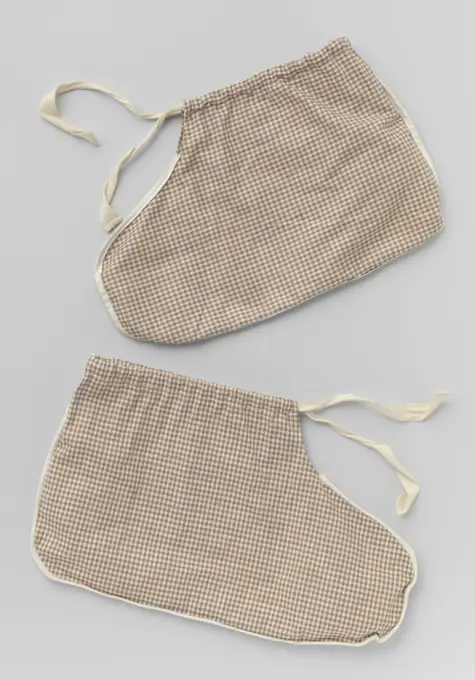
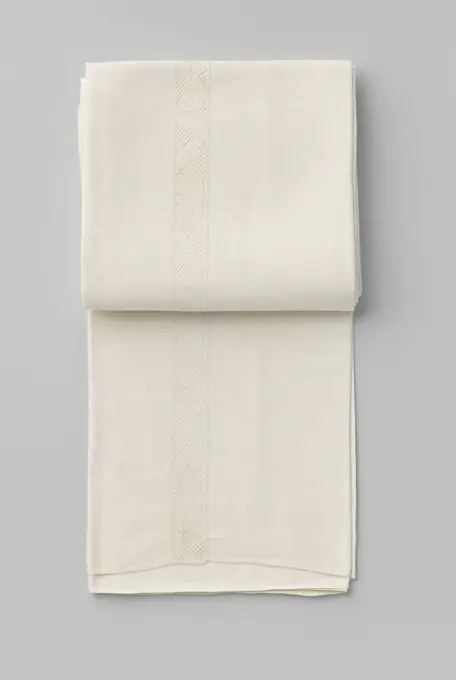
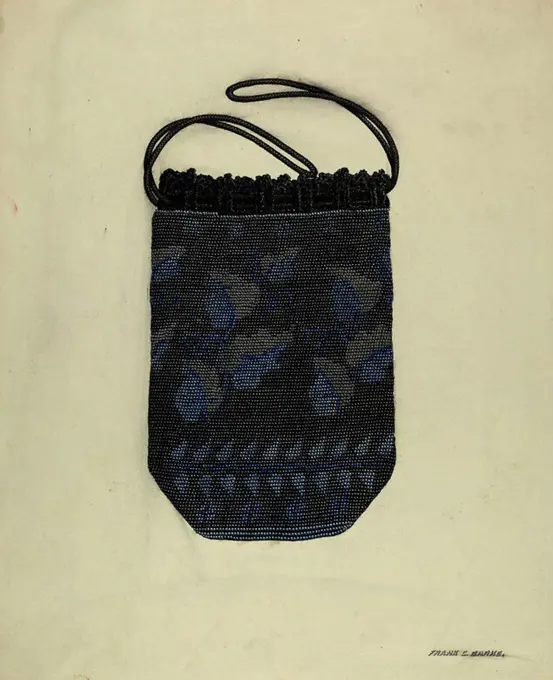
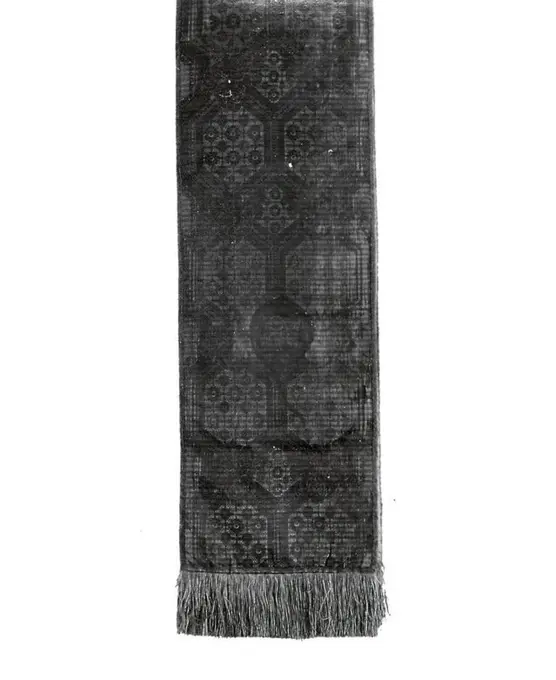
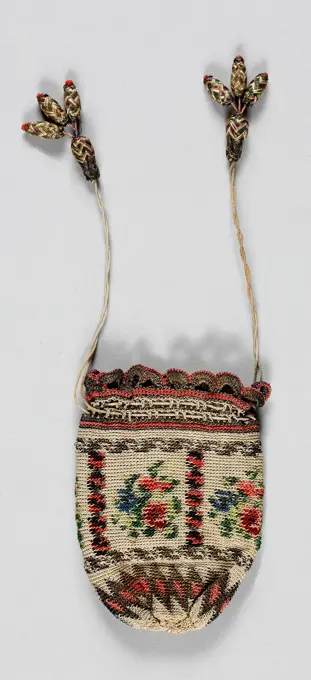
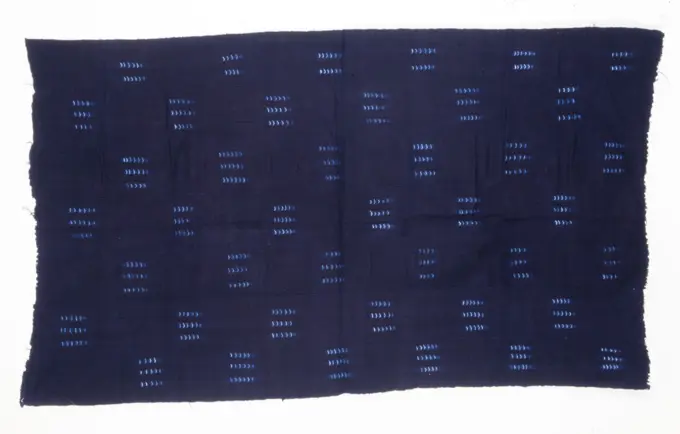
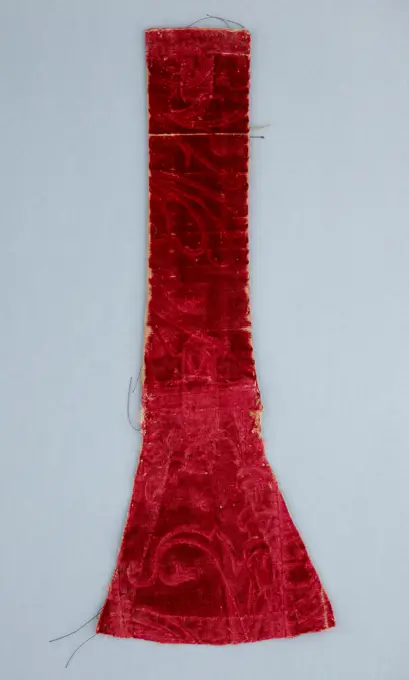
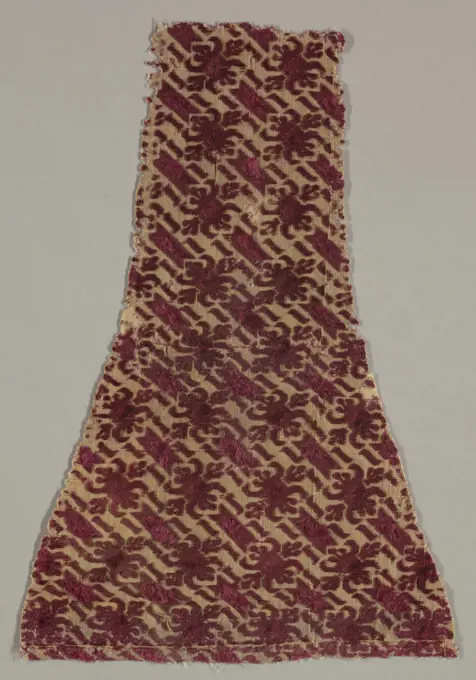
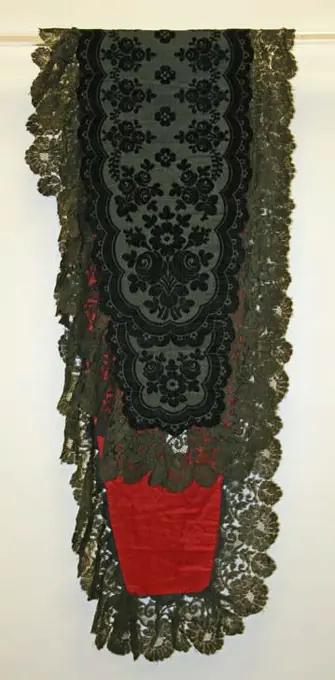
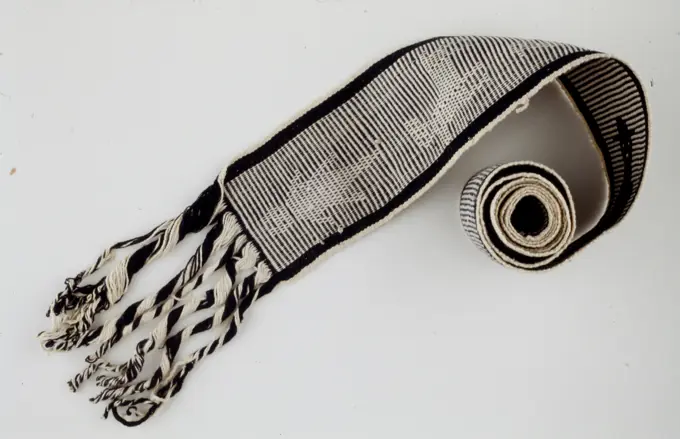
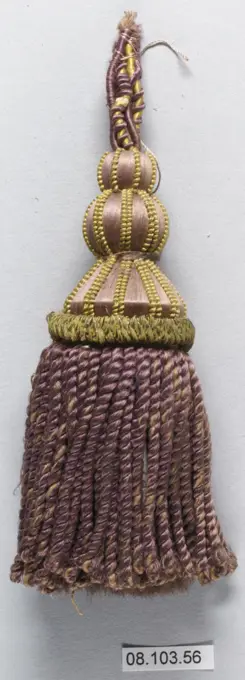
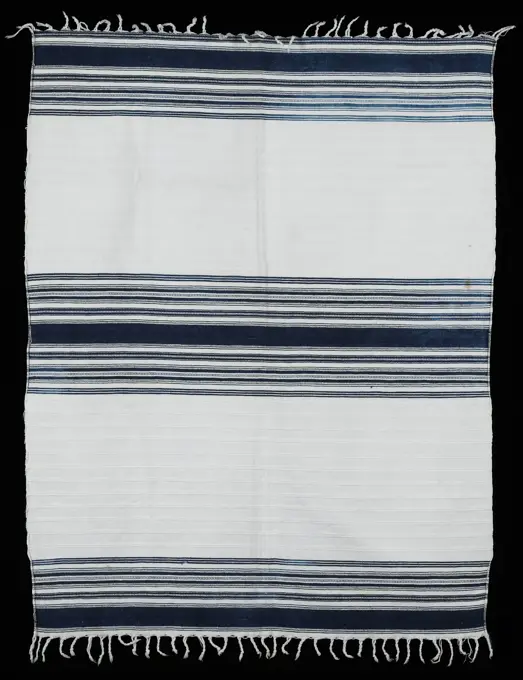
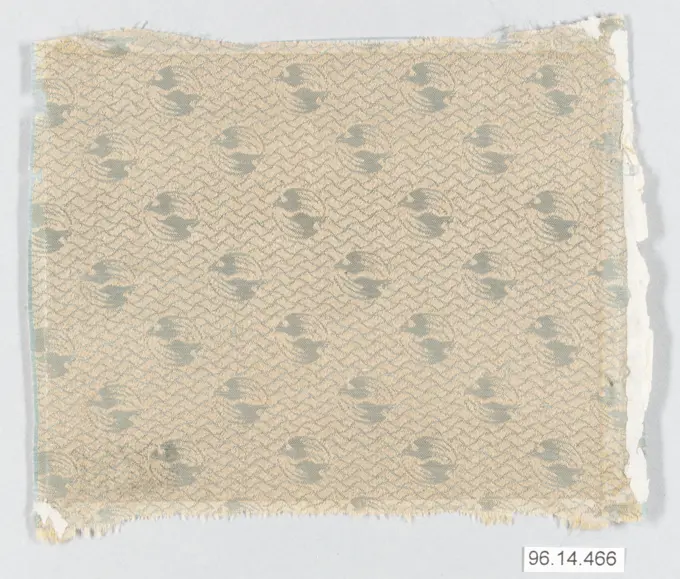
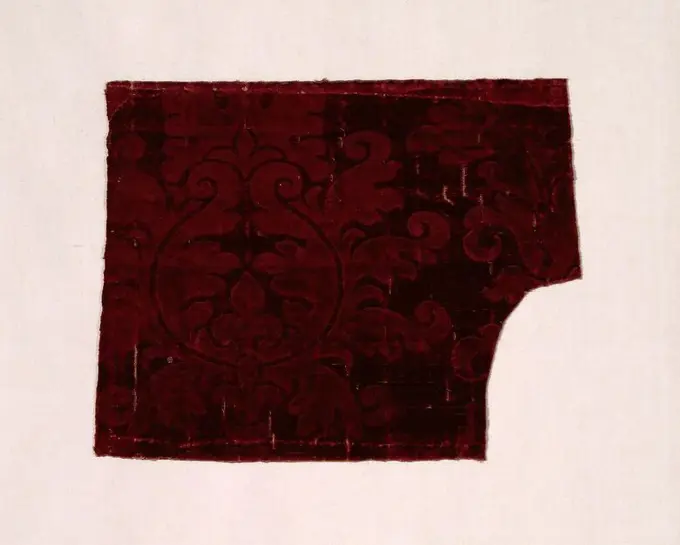
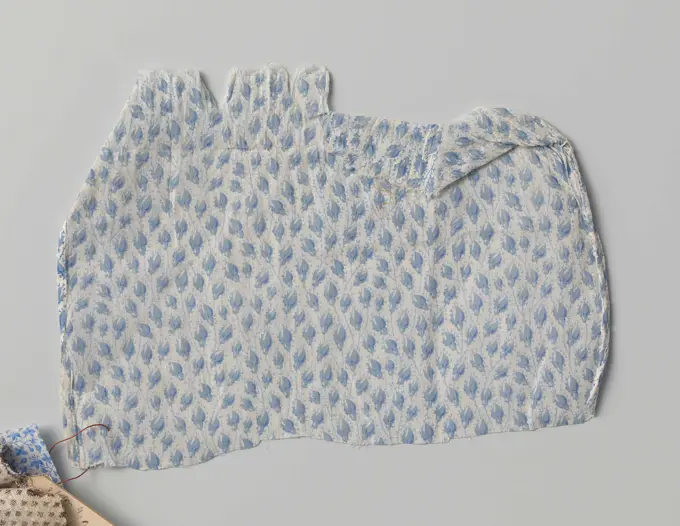
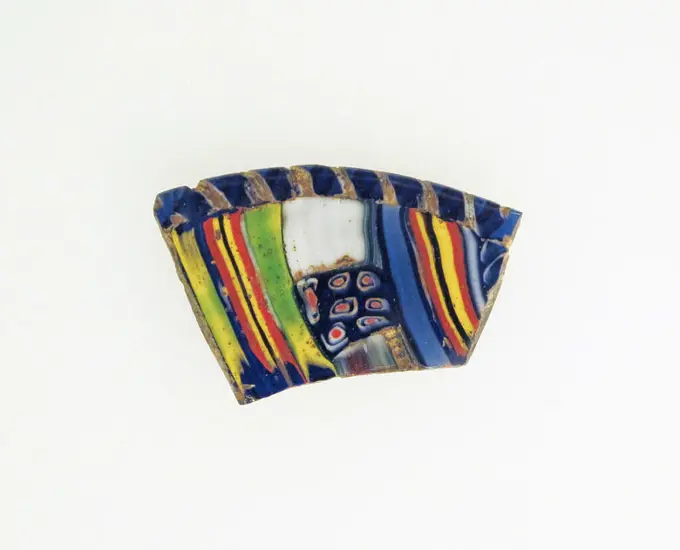
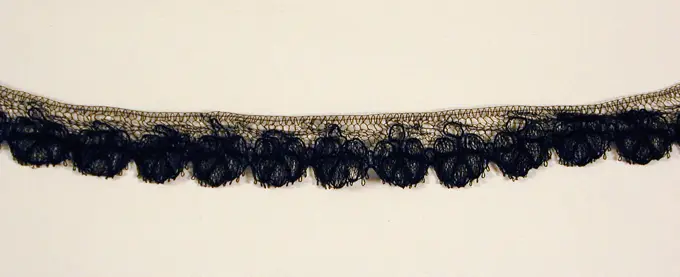
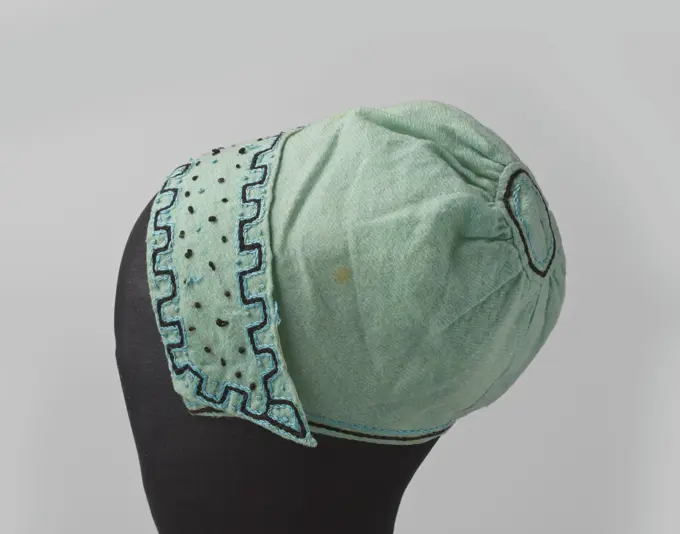
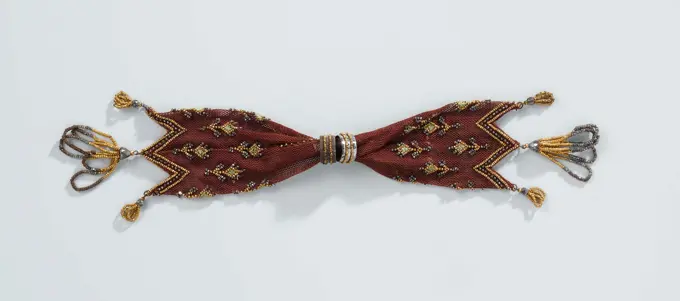
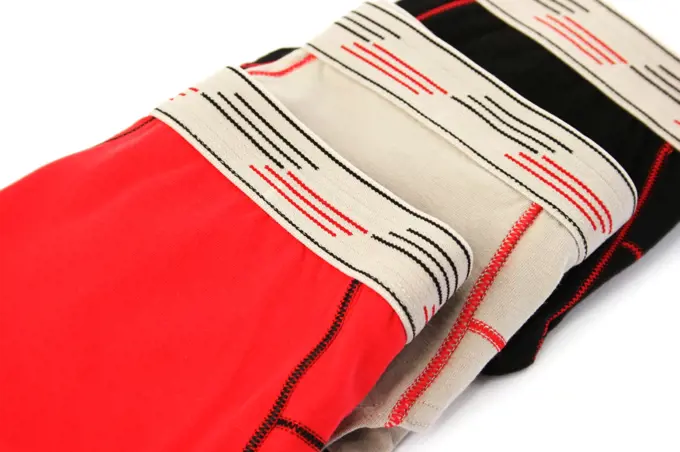
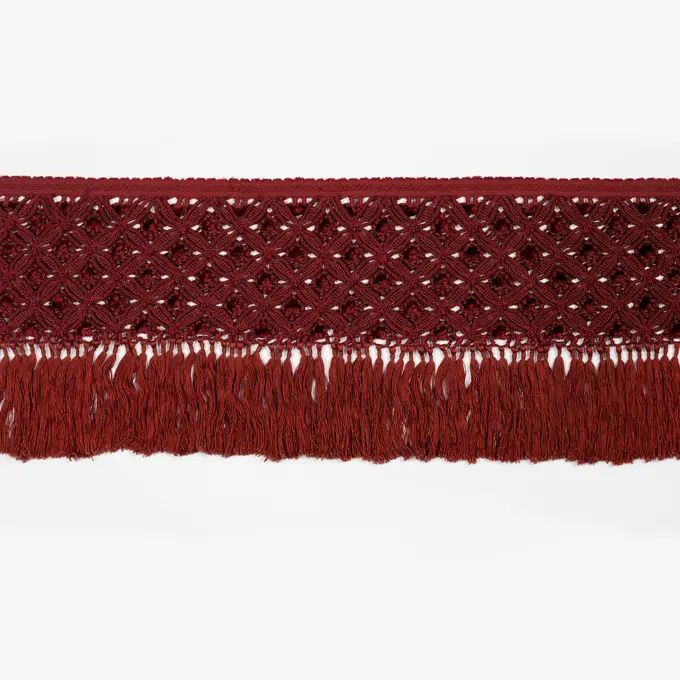
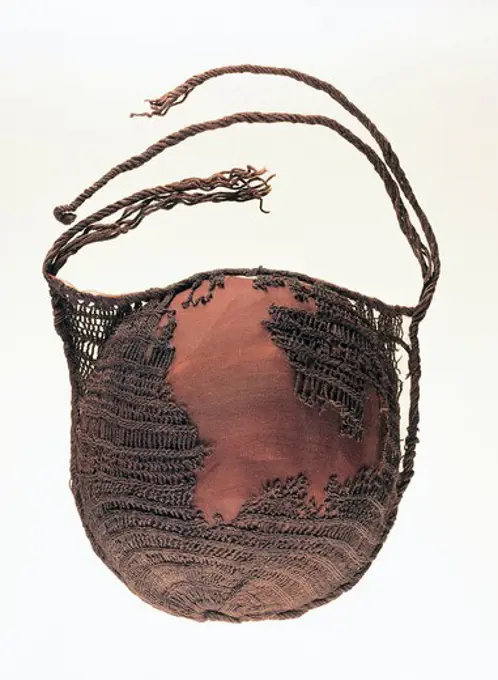
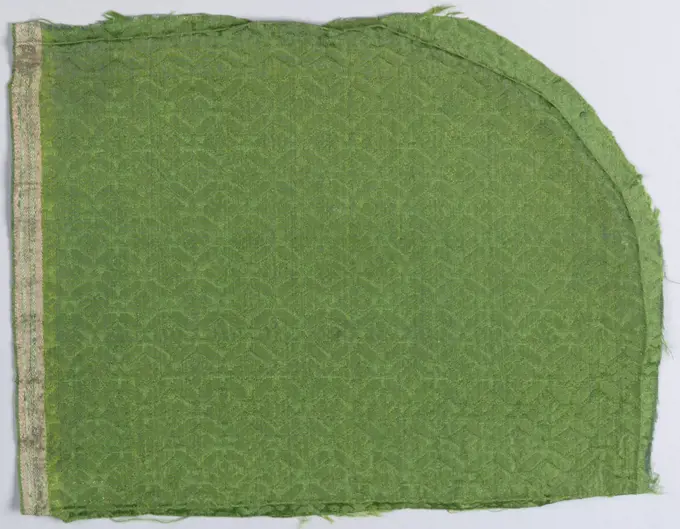
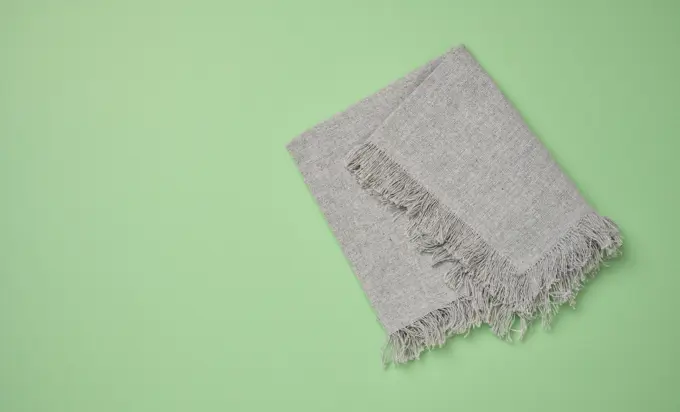
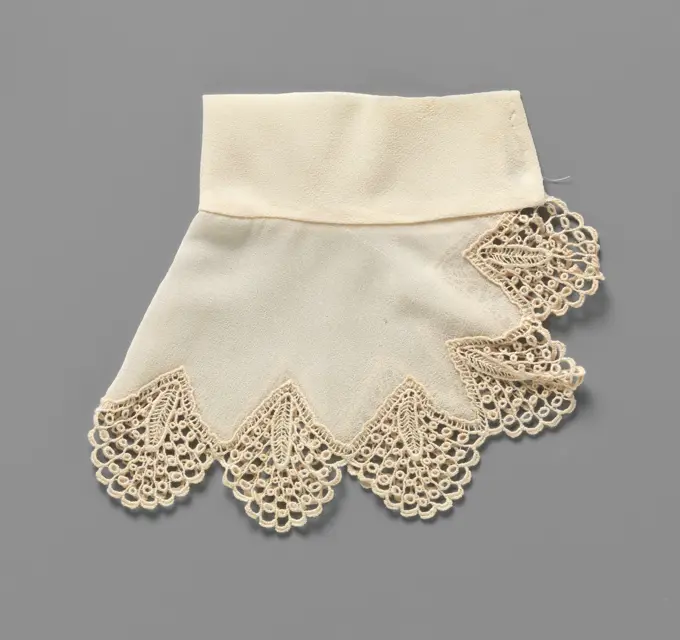
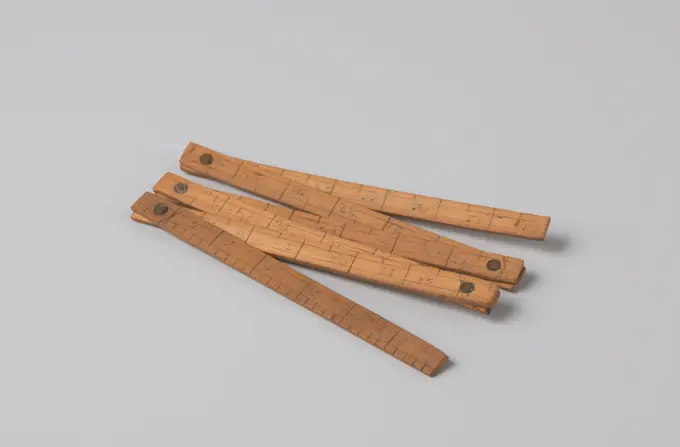
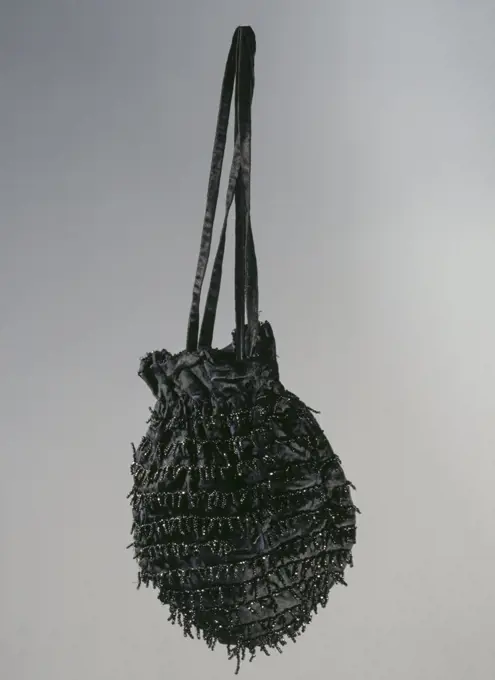
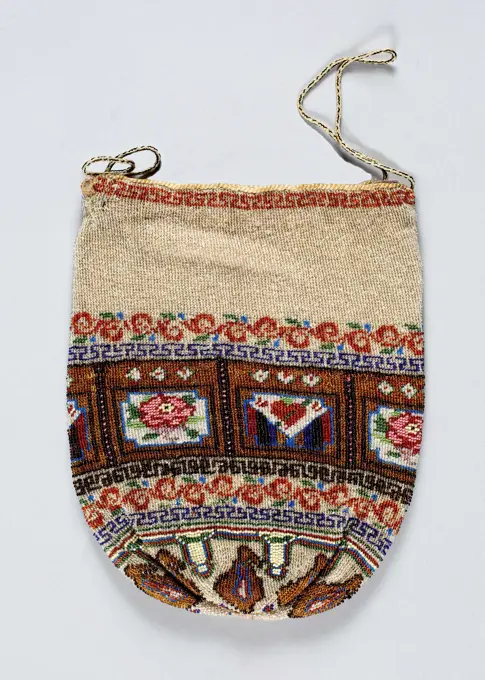
Piece 18th century Japan. Piece 67677Man's Sash, 2000-2004, 113 5/16 x 7 15/16 in. (287.81 x 20.16 cm) (without fringe), Cotton; plain weave, Guatemala, 21st centuryFragment of a Robe à l'Anglaise of blue silk with window and floral pattern, anonymous, c. 1760 - c. 1775 Fragment of a Robe à l'Anglaise of blue silk with woven diamond pattern and embroidered floral pattern. West-Europa whole: Silk embroidering Fragment of a Robe à l'Anglaise of blue silk with woven diamond pattern and embroidered floral pattern. West-Europa whole: Silk embroideringScarf. Culture: French. Date: ca. 1870. Museum: Metropolitan Museum of Art, New York, USA.Piece Japan. Piece 70754Scarf ca. 1870 French. Scarf 156727Pair of Leg Wraps, Cotton, ChinaFragment of a printed cotton. Fragment of a printed cotton. On white cotton, a black diamond pattern is printed from dots and lines, on which a flower branch. in red and black.Poncho 13th-15th century Chuquibamba. Poncho 318747Pink knitted scarf on a white background.Shoe bag, c. 1930 - c. 1970 Shoes bag in brown white diamond pattern. West-Europa whole: Cotton (textile) Shoes bag in brown white diamond pattern. West-Europa whole: Cotton (textile)Cloth with intermediate facial from Kloskant and brand and year NW and 1694, Anonymous, c. 1650 - c. 1699 Bedslaken with an intermediate creature of natural -colored bobbin, Flanders side. The sheet consists of two lanes lined together in width. The repeating pattern consists of a lobed flower between S-Ranken. The motifs are made in linen stroke and connected to each other by a grid, a five -part ground. Furthermore, the sheet white is marked with the letters NW and equipped with an embroidered year 1694. Flanders (Possible) linen (material) bobbin lace / Flanders lace Bedslaken with an intermediate creature of natural -colored bobbin, Flanders side. The sheet consists of two lanes lined together in width. The repeating pattern consists of a lobed flower between S-Ranken. The motifs are made in linen stroke and connected to each other by a grid, a five -part ground. Furthermore, the sheet white is marked with the letters NW and equipped with an embroidered year 1694. Flanders (PossiblFragment; silk. For daily use in the house, mitaines, or mittens, were extremely practical. They allowed women to performhousehold chores and other activities while keeping their lower arms covered. They were made of cotton, which was easy to wash, and were worn summer and winter.Bag. Dated: c. 1938. Dimensions: overall: 35.9 x 27.9 cm (14 1/8 x 11 in.). Medium: watercolor and gouache on paper. Museum: National Gallery of Art, Washington DC. Author: Frank C. Barks.Fragment pink silk tissue, anonymous, 1750 - 1775 Fragment pink silk tissue with a knotted soil on which rows with wavy, white leaves. Spain silk Fragment pink silk tissue with a knotted soil on which rows with wavy, white leaves. Spain silkCap, Medium: linen, wool Technique: satin and stem stitch embroidery on plain weave, bobbin lace, Woman's cap embroidered in characteristic design of open flowers and leaf forms. Lined in cotton., Balkans, 19th century, costume & accessories, CapFragment yellow and blue silk tissue with palm motifs, anonymous, c. 1500 - c. 1599 Fragment yellow side with pattern in blue of rows of heart palmets that are facing up and down per row. Italy silk Fragment yellow side with pattern in blue of rows of heart palmets that are facing up and down per row. Italy silkChild's CapeFragment sprayed trijp with a rose, purple on gold., Anonymous, c. 1800 - c. 1950 Fragment sprayed trijp with a rose of stem, purple on gold.  ketting: mohair. inslag: cotton (textile). Fragment sprayed trijp with a rose of stem, purple on gold.  ketting: mohair. inslag: cotton (textile).Runner. England. Date: 1860-1870. Dimensions: 225.2 × 34.9 cm (88 3/4 × 13 3/4 in.)Warp repeat: 21.5-22.7 cm (8 1/2-9 in.). Silk, plain weave with supplementary patterning warps; edged with gilt-metal-strip-wrapped silk and silk, bobbin lace braid and extended weft cut fringe; woven on loom with Jacquard attachment. Origin: England. Museum: The Chicago Art Institute, Chicago, USA.Embroidered whitework sampler. Culture: British. Dimensions: 24 3/4 × 8 3/4 in. (62.9 × 22.2 cm). Date: 17th century.Whitework samplers typically consist of a variety of stitches and lace-making techniques, all stitched in white thread. Based on the small number of documented seventeenth-century embroiderers who made multiple samplers, it is thought that samplers containing whitework, cutwork, drawnwork, and lace designs were stitched only after multi-colored band samplers were finished, as whitework techniques are more difficult. While many surviving English samplers include lace, cutwork, and drawnwork, few examples of seventeenth-century lace have been attributed to English manufacture.This sampler is worked in whitework and reticella, which requires a stitcher to remove warp and weft threads from a piece of fabric before stabilizing the fabric with buttonhole stitches and creating designs based on the grid of the linen. The top of the sampler, worked in satin, eye, and line stitcHeupdoek, anonymous, 1900 - 1949 Hip cloth with millwiek figures. Cambodia silk Hip cloth with millwiek figures. Cambodia silkCape 1890-95 American. Cape 107149Fall of Batist, for a toilet table, anonymous, c. 1800 - c. 1920 Batists fall for a toilet table in a boudoir. Netherlands batiste Batists fall for a toilet table in a boudoir. Netherlands batisteDoll cape of sits with a white stock with red -rande blue leaves, circular model with upright collar, anonymous, c. 1850 - c. 1900 Doll capt of sits with a white stock with red -rande blue leaves, circular model with raised collar. Lined with beige wool. Closure in the middle front with copper hook and eye. In the neck a bias on which '1783' is embroidered with a light purple side in the cross stitch. Amsterdam whole: Cotton (textile). Dessin: Paint (coating). Desin: Stain (coating). Lining: Wool. hook and eye: copper (metal) painting Doll capt of sits with a white stock with red -rande blue leaves, circular model with raised collar. Lined with beige wool. Closure in the middle front with copper hook and eye. In the neck a bias on which '1783' is embroidered with a light purple side in the cross stitch. Amsterdam whole: Cotton (textile). Dessin: Paint (coating). Desin: Stain (coating). Lining: Wool. hook and eye: copper (metal) paintingTextile, Medium: silk Technique: twill weave with supplementary weft, Blue-grey silk twill brocaded in gold, rose and white in a pattern of small scale palmettes, rosettes and bars., Italy, 16th century, woven textiles, TextileBourse. GAL1948.11.29Panel, 20th century, 33 1/2 x 57 5/8 in. (85.1 x 146.4 cm), Cotton; dyed, 20th centuryKubaw tissue of raffia, Anonymous, 1800 - 1899 Kubaw tissue consisting of two lanes together, on one side with ball fringe. A plant fiber is woven in a diamond pattern. Congo raffia (fiber) Kubaw tissue consisting of two lanes together, on one side with ball fringe. A plant fiber is woven in a diamond pattern. Congo raffia (fiber)Miser Bag Made 1801-1850 France. Steel cut beads; silk crochet; steel findings; trimmed with spiraled wire and beads strung and joined in pattern .Textile Swatches Onondaga Silk Company, Inc. (1925-1981). , 1948-1959. 90 wool, 10 silk, 23 x 17 1/2 in. (58.4 x 44.5 cm).    1948-1959Linen mark, Wah ca. 1981-1975 B.C. Middle Kingdom. Linen mark, Wah 564912Betty Fuerst, Shaker Case, c 1936 Shaker CaseHandkerchief (USA); cottonblack socks on a white backgroundFederal Shooting Competition Badge (50/25 m) Huguenin Frères & CoFragment of pressed velvet unknownBlack plastic bottle lotion isolated white background Black plastic bottle lotion isolated white background Copyright: xZoonar.com/AntonxDobreax 21268806Fragment; silkGlove of cream color cotton, anonymous, c. 1880 - c. 1900 Left glove made of cream -colored cotton, with ajour knit at the height of the wrist. Border with bow ribbon, top sculpted with three radiating cords on the hand. Netherlands whole: Cotton (textile) knitting Left glove made of cream -colored cotton, with ajour knit at the height of the wrist. Border with bow ribbon, top sculpted with three radiating cords on the hand. Netherlands whole: Cotton (textile) knittingFragments, Medium: silk Technique: supplementary warp pile (velvet), cut and uncut, Small-scale repeat pattern in maroon cut and uncut velvet against dark cream-colored ground., Italy, 16th-early 17th century, woven textiles, FragmentsMantilla mid-19th century Spanish. Mantilla 117830Apron, ChinaLarge fragment red silk dam mast, c. 1600 - c. 1699 Two fragments red silk tissue with a pattern of stylized floral motifs.  silk damask Two fragments red silk tissue with a pattern of stylized floral motifs.  silk damaskBelt, 20th century, 55 1/2 x 3 1/4in. (141 x 8.3cm), Cotton, Mexico, 20th centuryTassel French 19th century View more. Tassel. French. 19th century. Silk, wool and metal thread. Textiles-TrimmingsWoman's tzute, c. 1960, 44 x 32 1/2 in. (111.76 x 82.55 cm), Cotton; woven fabric, Guatemala, 20th centuryPiece 19th century Japan. Piece 66191Kitchen towel isolated on white backgroundTextile Swatch Textile Swatch, 1950s to 1960s. Silk, 10 3/4 x 8 3/4 in. (27.3 x 22.2 cm).    1950s to 1960sFragment. Italy. Date: 1501-1525. Dimensions: 30.2 x 37.8 cm (11 7/8 x 14 7/8 in.). Silk, satin weave with supplementary pile warps forming cut solid pile-on-pile velvet. Origin: Italy. Museum: The Chicago Art Institute, Chicago, USA.Fragment printed cotton. Fragment printed cotton. Blue, fine flower drinks are printed on white cotton.Textile, 18th century, 38 7/8 × 34 in. (98.74 × 86.36 cm), Wool, pigments, Peru, 18th centuryBlack mourning lamp; On the wool lining are the initials T.V.B. (= Teding of Berkhout) Embroidered, Anonymous, c. 1800 Black mourning lamp. The lamfer consists of a silk strap, on which two in length of each other hang different strips of silk, which are trimmed with black frills. The shortest strip is part of a bow that is sewn on the tire. The tire, which is fed with wool, can be attached to the hat or stitch by means of woolen tires. Two pins have been put into the lining. On the lining there are also the initials T.V.B. (Teding van Berkhout) applied in cross stitch. Amsterdam (possibly) whole: Silk. lining; Band: Wool embroidering Black mourning lamp. The lamfer consists of a silk strap, on which two in length of each other hang different strips of silk, which are trimmed with black frills. The shortest strip is part of a bow that is sewn on the tire. The tire, which is fed with wool, can be attached to the hat or stitch by means of woolen tires. Two pins have been put into the linMitts 1680-1720 British. Mitts 157529One hundred;  2. PO. 18th century (1751-00-00-1800-00-00);stoleTextile Swatch , 1950s to 1960s. Silk, 19 1/2 x 12 1/2 in. (49.5 x 31.8 cm).    1950s to 1960sPillow, blue-white striped, lined with a green cord. A cushion of blue white striped fabric (white linen blue cotton) filled with down, circumboard with a green silk cord, flared in a loose piece. A short side right, the other short silk spherical.Volhynian handwork Probably near Wladimir Wolinsky, Russia, Volhynia; photographer: Kriegsvermessung 4.Strip of a climbing side with hanging rosette flower between windows. Natural collate strip, Valenciennes side. Under a wide job with a spreading pattern of large round moes, the lower half of the pattern consists of a rosette flower, which depends on a curved twig. The flower is probably placed between two windows. However, the strip is so short that it does not produce a complete picture. Under the flower a large part of a lobed shell can be seen, with a mesh in every lob. The motifs are connected by a mesh soil, a diamond-shaped valenciennes ground. The motifs are made in linen battle with recesses and open editors. The flower heart is decorated with a snowflake. The recesses in the petals are decorated with crossing couples. The top of the strip is straight finished. The lobed shell along the underside is finished with picots.Striped mosaic glass lens-shaped dish fragment. Culture: Roman. Dimensions: 1 1/16 × 1 9/16 × 1/8 in. (2.6 × 4 × 0.3 cm)Estimated diameter: 3 9/16 in. (9 cm). Date: late 1st century B.C.-early 1st century A.D..Translucent cobalt blue, partially appearing light blue or green, opaque yellow, white, and red, and colorless.Upright, rounded rim; shallow, convex curving side.Striped mosaic pattern formed from lengths of two composite canes and squarish sections laid side by side in parallel rows: one cane in green, blue, red, and yellow stripes arranged in a mirror pattern on either side of a blue stripe, and the other in blue, light blue, red, and yellow stripes arranged in a mirror pattern on either side of a blue stripe; a blue network cane wound with a white thread; and three squares arranged in a row, one in white, the second in a blue ground with rods in concentric white, blue, and white circles and a central red dot, and the third in stripes of streaky blue, white, and purple, flaNeck tie isolated on the white backgroundFragment of silk fabric, Eastern unknownMiser's Purse (France); metal beads, silk; L: 24.5 cm (9 5/8 in.)Clothes dummy isolated on the whiteLength of Lace. Belgium, 1825-1850. Textiles; textile lengths. Silk Chantilly bobbin laceGray muslin blanket for kids on white backgroundBaptismal Robe Made 1712-1713 Norway. Silk, gilt-metal-strip-wrapped silk, 4 1 satin weave with supplementary brocading wefts bound in twill interlacing and self-patterned by reversing of faces; lined with silk and gilt-metal strips; plain weave with supplementary patterning wefts; edged with silk, gilt-metal-strip-wrapped silk, plain weave with supplementary patterning warps, and eccentric wefts .Sash (), ChinaAmulet -Children's hat of light blue wool, anonymous, c. 1900 - c. 1910 Children's hat of light blue wool in the model of a hood with overflowed edge, on which an edge of tilting is embroidered in light blue and black silk Netherlands whole: Wool. whole: Silk embroidering Children's hat of light blue wool in the model of a hood with overflowed edge, on which an edge of tilting is embroidered in light blue and black silk Netherlands whole: Wool. whole: Silk embroideringSampler (Germany); wool and straw embroidery on cotton foundationThese purses were used to hold different denominations of coins in each end. The horizontal slit in the middle could be opened or closed by sliding the rings from one side to the other. The purse was often folded double in everyday use.Man panties isolated on white background.Bourse. GAL1958.68.8Trimming (Italy); silkWarf scarf isolated on the white backgroundpink plastic zip fastener close up pink plastic zip fastener close up isolated on white background Copyright: xZoonar.com/ValeryxVoennyyx 5455415Evening pouch 1830-60 American Knitted beadwork bags, whether made from a pattern or in a professional workshop, were de rigueur for the fashionable 19th-century woman. The motifs on this evening bag are simple and elegant. The variation of round and beveled beads adds surface texture and sparkle. Violets against a black ground suggest the colors of half-mourning; in Victorian floriography, blue violets represent faithfulness.Margaret S. Bedell (1861-1932) donated, by gift or bequest, over 500 objects to the Brooklyn Museum, including furniture, quilts, samplers, costume and Native American beadwork. Her collection of American and European beaded bags includes examples from Philadelphia and the Catskill Mountain region of New York State, as well as Italy, Austria, Germany, and Holland.. Evening pouch. American. 1830-60. glass, silk, linenSilver mesh bag with chain, 1900-1905, fashion accessories, Italy, 20th century.Woman's Hairband (Cinta), early 20th century, 142 x 3/4 in. (360.68 x 1.91 cm) (includes tassles), Wool; braided, Guatemala, 20th centurySample of woven fabric, circa 1845, Nelson, by Thomas Blick. Gift of Bill Carter, 2010.Hat. Dated: c. 1937. Dimensions: overall: 35.8 x 26.6 cm (14 1/8 x 10 1/2 in.). Medium: watercolor, graphite, and pen and ink on paper. Museum: National Gallery of Art, Washington DC. Author: Ann Gene Buckley.Denmark, Copenhagen, hairnet from tomb in Borum EshojBarkcloth Fragment (Kapa) 19th century Hawai'i. Barkcloth Fragment (Kapa). Hawai'i. 19th century. Barkcloth, pigment. United States, Hawai'i. BarkclothFragment, Medium: silk Technique: 5-harness satin damask, Close-set small repeat of composite leaf framed by four bars set angles, upright and reversed in alternate rows. Strié grass green with broad twill selvage with narrow pink and white stripes., France or Italy, 17th century, woven textiles, FragmentTextile (France); silk; Warp x Weft: 28.3 x 79.1 cm (11 1/8 x 31 1/8 in.); Anonymous bequest in memory of Albert and Rebecca Elsberg; 1938-82-196-bPiece 16th-17th century Italian. Piece. Italian. 16th-17th century. Silk. Textiles-VelvetsTurban, late 20th century, 96 1/2 x 15 1/2 in. (245.1 x 39.4 cm) (excluding fringe), Cotton, China, 20th centuryGefaltetes graues Küchenhandtuch auf grünem Hintergrund, Ansicht von oben. Folded gray kitchen towel on a green background, top view. Copy space Copyright: xZoonar.com/DANKOxNx 22313768Glass network mosaic bowl fragment. Culture: Roman. Dimensions: Overall: 1 1/2 x 3/4 in. (3.8 x 1.9 cm). Date: late 1st century B.C.-early 1st century A.D.. Museum: Metropolitan Museum of Art, New York, USA.Children's sleeve of sits, with a white stock with purple spreading motif and purple leaf vines and multi -colored floral pattern, anonymous, c. 1750 - c. 1800 Children's sleeve of sits, with a white stock with purple spreading motif and purple leaf vines and multi -colored floral pattern; Paid with blue linen bow tires and green silk ruffle. Netherlands cotton (textile). chintz. silk chintz Children's sleeve of sits, with a white stock with purple spreading motif and purple leaf vines and multi -colored floral pattern; Paid with blue linen bow tires and green silk ruffle. Netherlands cotton (textile). chintz. silk chintzBalaclava BalaclavaCuff of beige crepe georgette with mechanical loss in the form of peacock tails, anonymous, c. 1933 Cuff of beige crepe Georgette with mechanical lace sculptures in the form of peacock tails. Conical model with a rectangular board of crepe and the lace sculptures between the points of the widely flared part of Crêpe. Netherlands Machine side: Silk Cuff of beige crepe Georgette with mechanical lace sculptures in the form of peacock tails. Conical model with a rectangular board of crepe and the lace sculptures between the points of the widely flared part of Crêpe. Netherlands Machine side: SilkGemWood buyer chat with thumb distribution, anonymous, c. 1400 - c. 1950 Houtkopersatstok with thumb distribution, in 5 parts divided into 36 thumbs. Total length 1 tbsp.  wood (plant material) Houtkopersatstok with thumb distribution, in 5 parts divided into 36 thumbs. Total length 1 tbsp.  wood (plant material)Mitaine van Zwarte Kloskant with rose bouquet and flower garlands, anonymous, c. 1850 - c. 1899 Mitaine van Zwarte Kloskant: Chantilly side. The pattern consists of a bouquet with roses, rose buttons, berries and leaves on the back of the hand. Around the bouquet flower sideers with smaller flowers. There is a large leaf on the thumb. The edge along the top consists of a row of connected rosette flowers, with an arc under each flower. The edge along the underside consists of a row of connected openwork circles. All edges are finished with picots. The motifs are made in netslag and are accentuated by contour threads. The motifs are connected by a tuler land. Belgium (possibly) silk. bobbin lace Mitaine van Zwarte Kloskant: Chantilly side. The pattern consists of a bouquet with roses, rose buttons, berries and leaves on the back of the hand. Around the bouquet flower sideers with smaller flowers. There is a large leaf on the thumb. The edge along the top consists of a row of connected roBucket bag with black silk satin strap beaded with black jet decorations and little fringes, 1900, fashion accessories, Italy, 20th century.Bourse. Gal1986.200.21