Textiles and Fabrics

Collection of various fabric pieces, including tapa cloth, velvet, and embroidery, showcasing different textures and historical significance.
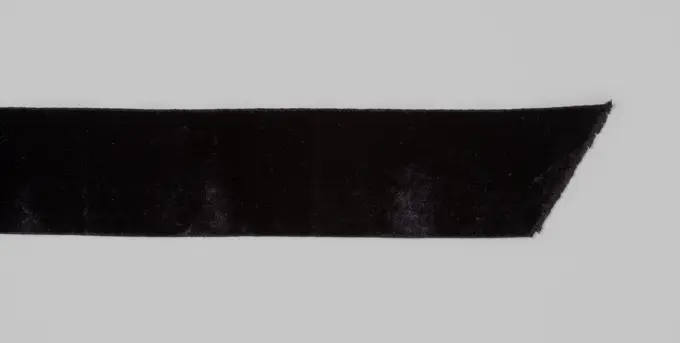
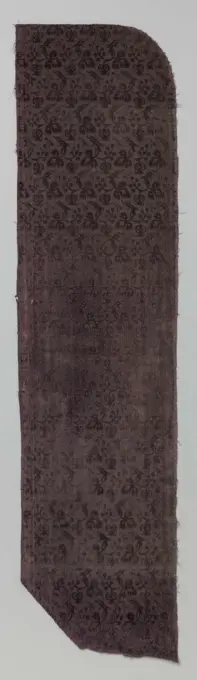
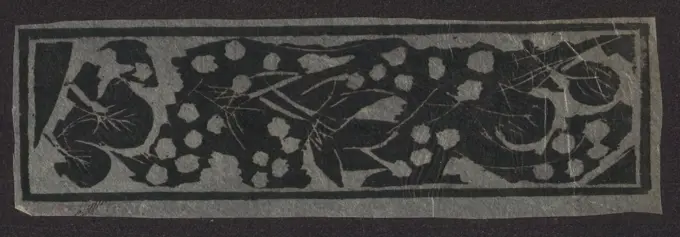
Band of black velvet, anonymous, c. 1400 - c. 1950 Band of black velvet. West-Europa velvet (fabric weave) Band of black velvet. West-Europa velvet (fabric weave)
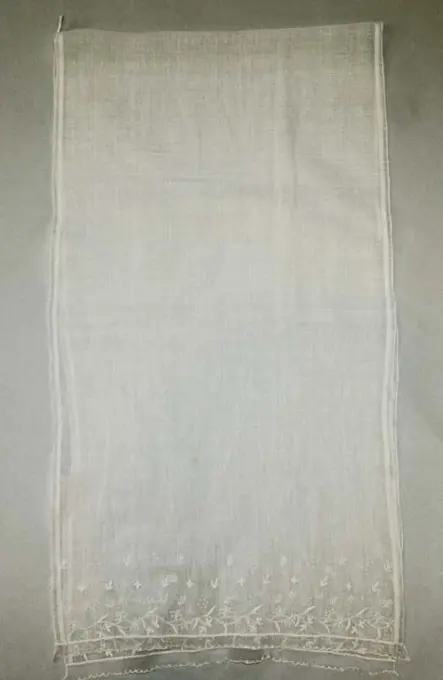
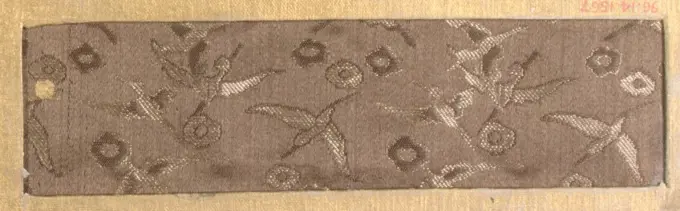
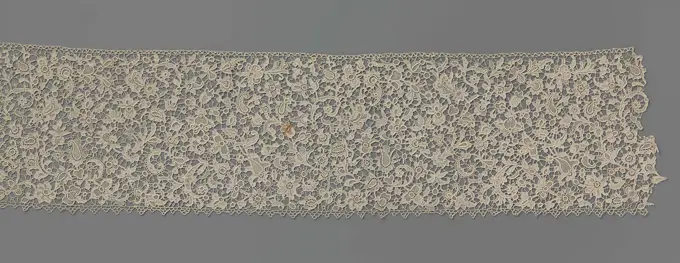
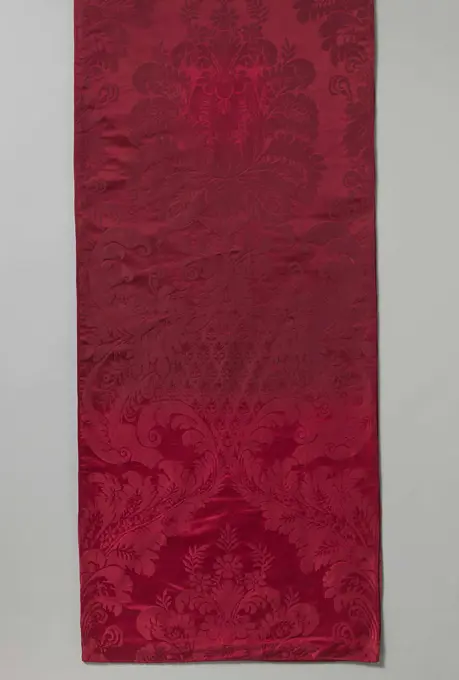
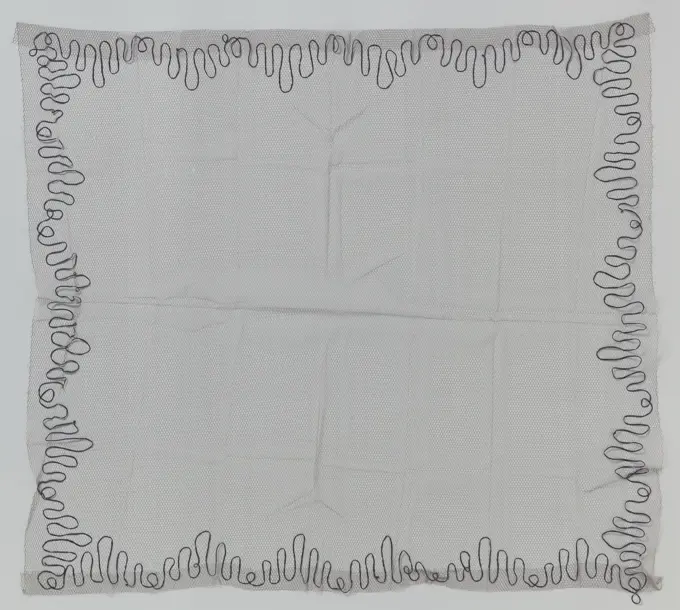
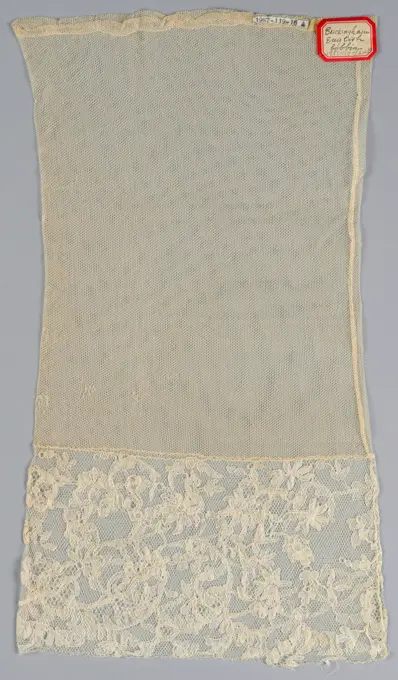
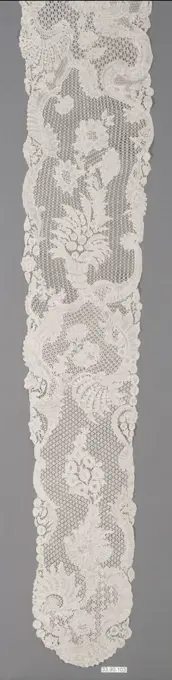
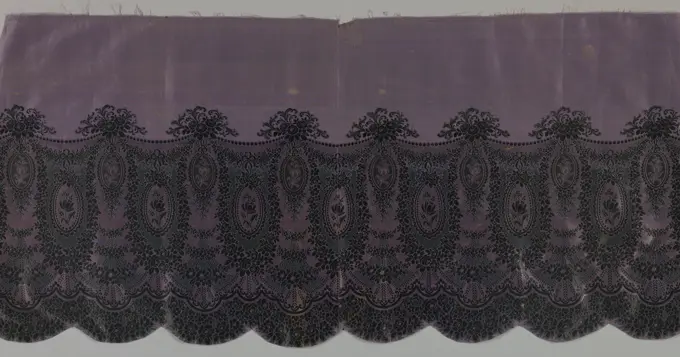
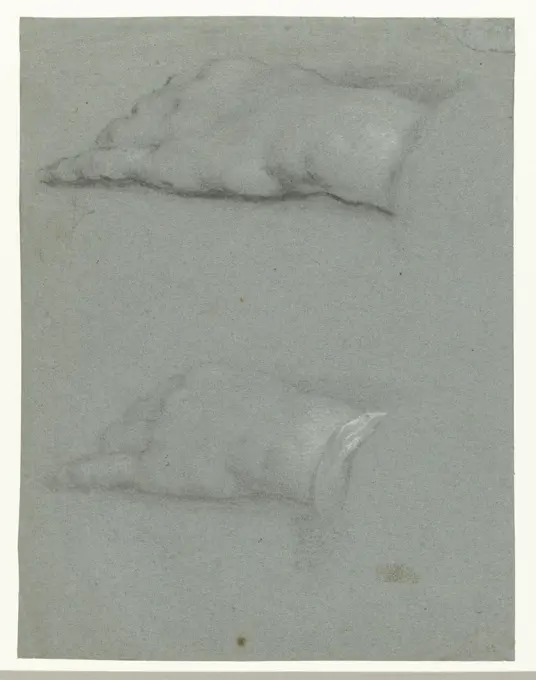
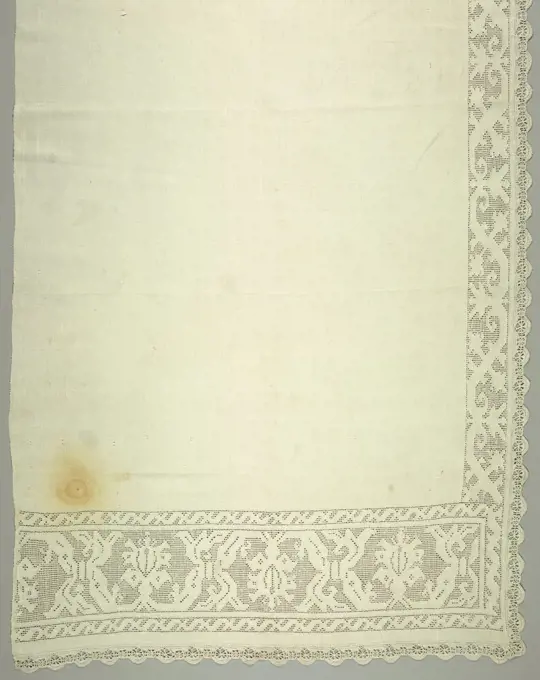
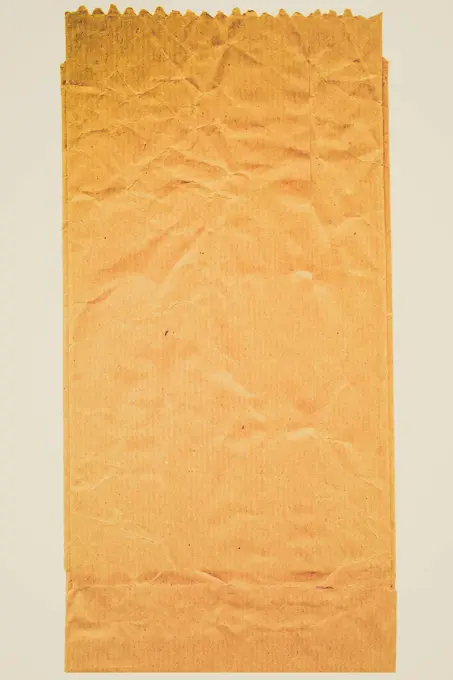
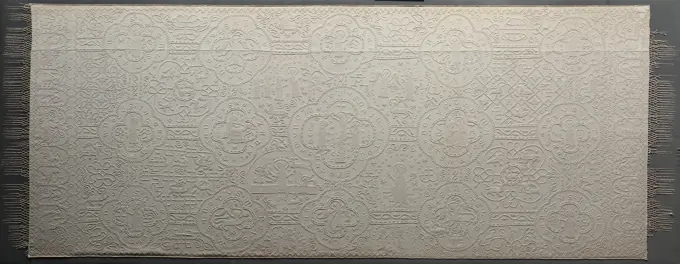
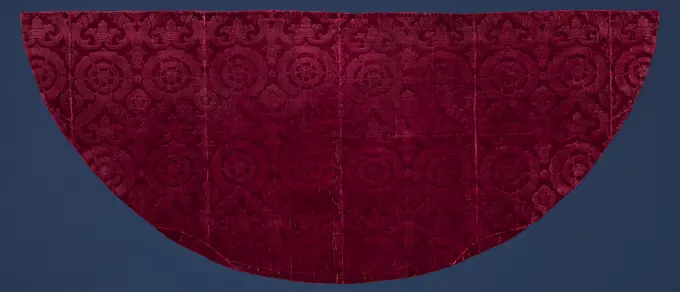
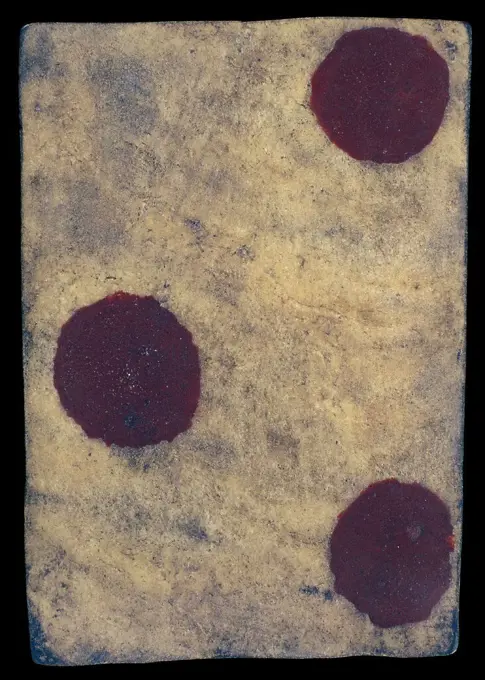
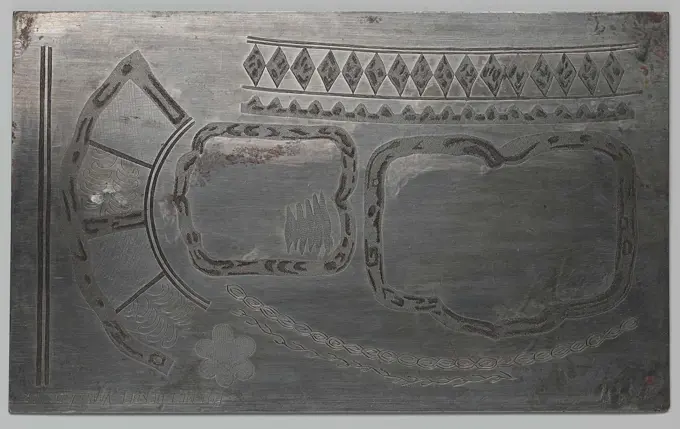
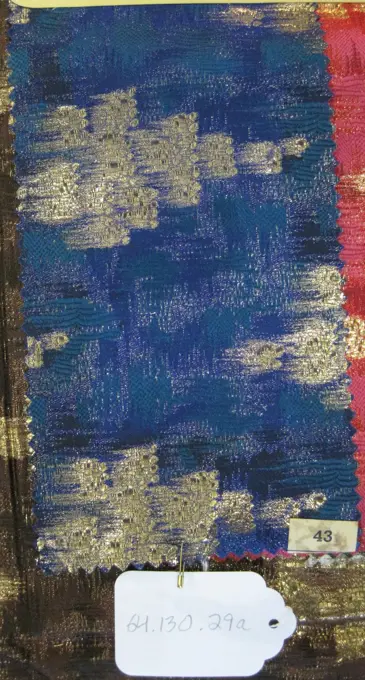
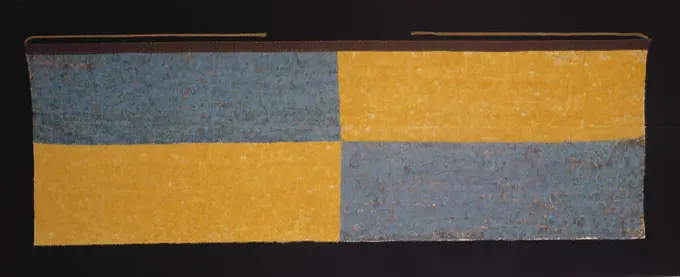
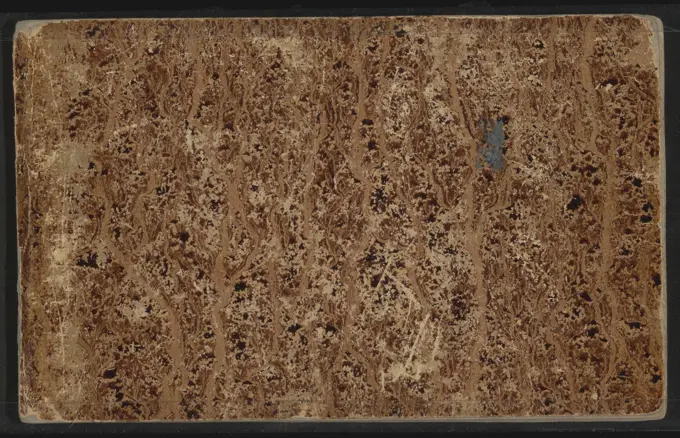
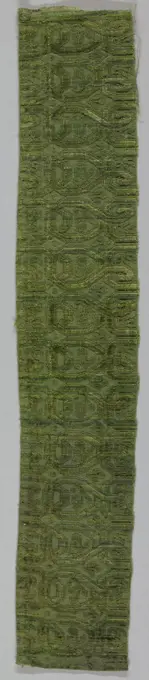
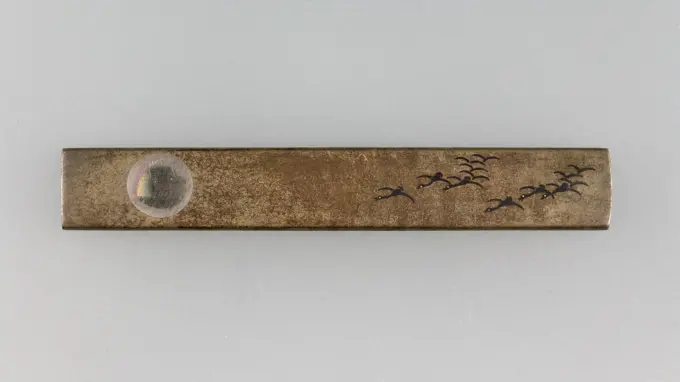
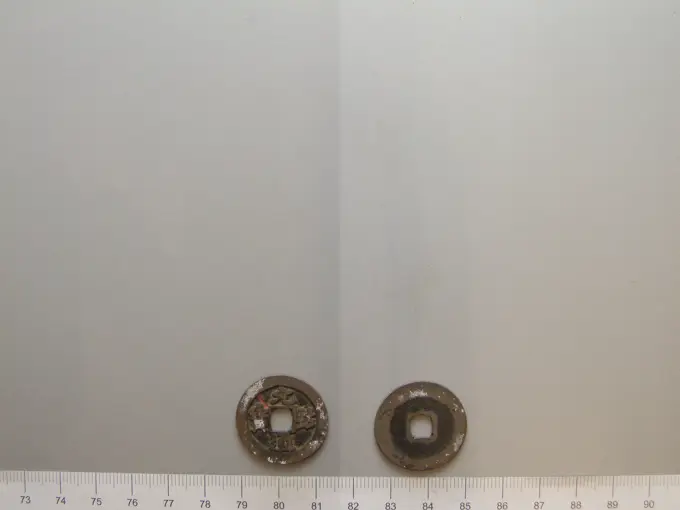
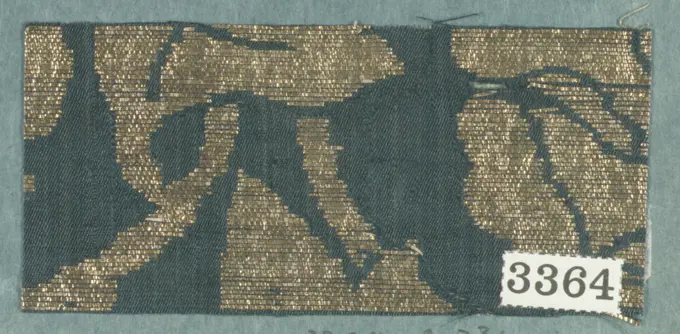
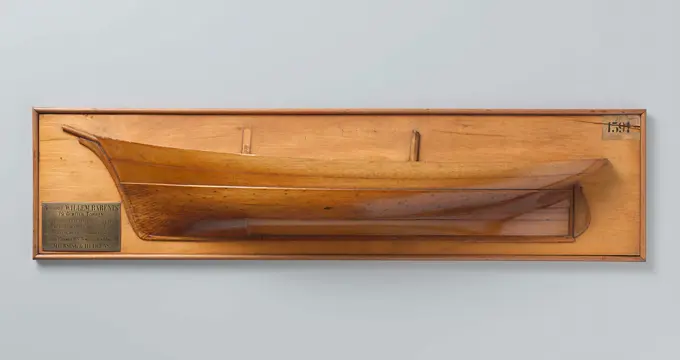
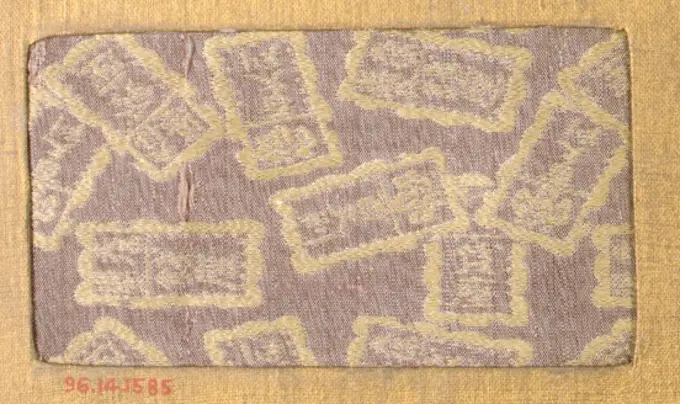
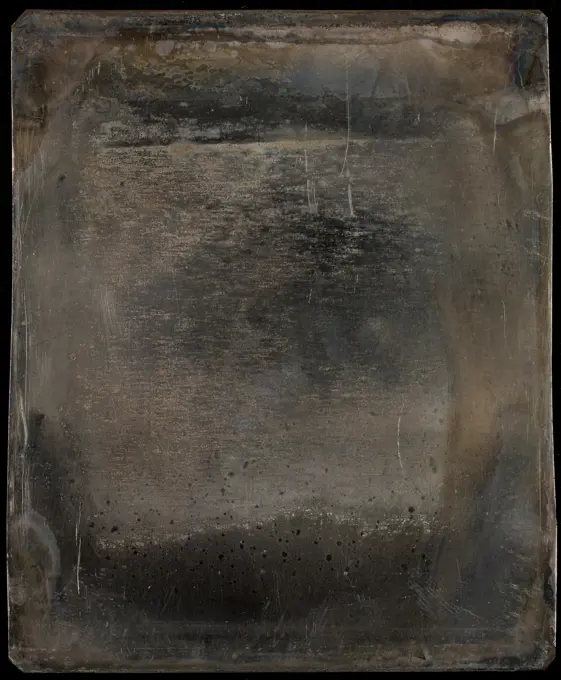
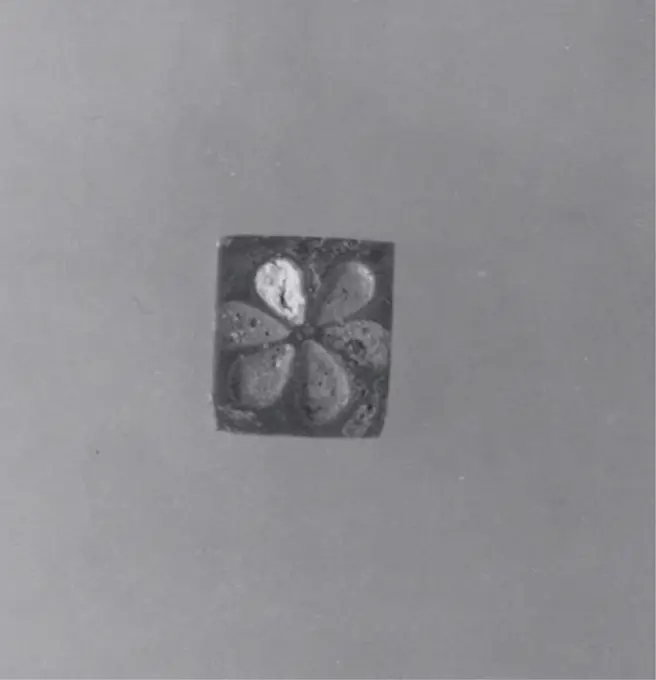
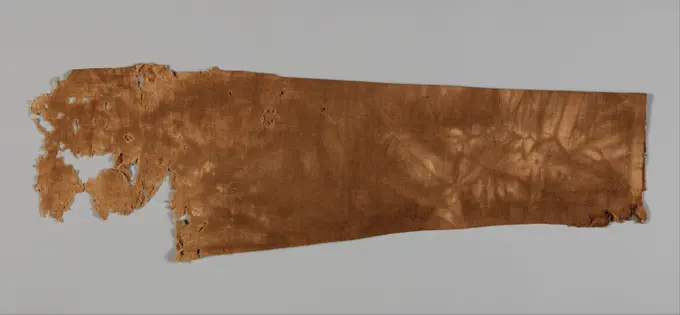
Masi (Tapa Cloth) textilesBand of black velvet, anonymous, c. 1400 - c. 1950 Band of black velvet. West-Europa velvet (fabric weave) Band of black velvet. West-Europa velvet (fabric weave)Fichu fourth quarter 18th century British. Fichu 123950Ceremonial blade 2nd millennium B.C. China. Ceremonial blade 49376Fragment paarse zijde fluweel.A fragment of a velvet. On a purple ground horizontal twigs with blades, grenades and buds to thick branches.Piece 18th-19th century Japan. Piece 66942Scarf 1890 American. Scarf 119142Machinale tulle tulle with embroidered letter m j and a bouquet and around a border machine with stylized branches with knots and leaves, anonymous, c. 1900 Strikdas of natural -colored machine tulle with embroidery - Whitework with plumetis - and around a border machine side: Machinal Valenciennes side. Elongated rectangular model. At both short ends, a bouquet with forget-me-nietjes is embroidered with the letters M J. The tie has a smooth rim on the long sides and a double-pleated edge of machine valenciennes side on the short side. The side has a pattern of stylized branches with a knot and a leaf. The scrap edge along the bottom is finished with picots. Europe cotton (textile) Embroidering / Valenciennes lace Strikdas of natural -colored machine tulle with embroidery - Whitework with plumetis - and around a border machine side: Machinal Valenciennes side. Elongated rectangular model. At both short ends, a bouquet with forget-me-nietjes is embroidered with the letters M J. The tie Strip mixed side with wavy ribbon with various flowers and leaves, anonymous, c. 1650 - c. 1699 Strip of natural -colored mixed side: Venetian ribbon side. Elongated pattern with a wavy slender over the full width with palm flowers, club -shaped leaves, rosette flower and four different palm flowers. The slender and the contours of the motifs are formed by a woven ribbon. Within the contours, different (decorative) lands have been made with feston stitches. The motifs are connected by a square Maas soil (needle side). The top is straight. The underside is finished with a straight picot edge with arcs. Venice linen (material) mixed lace / tape lace (mixed lace) / Venetian tape lace (mixed lace) Strip of natural -colored mixed side: Venetian ribbon side. Elongated pattern with a wavy slender over the full width with palm flowers, club -shaped leaves, rosette flower and four different palm flowers. The slender and the contours of the motifs are formed by a woven ribbon. Within the contourGaulise Silk Sword (Title Audited) Gallic Silk Sword (Title Audited). Iron. Carnavalet Museum, History of Paris.Piece 18th-19th century Japan. Piece. Japan. 18th-19th century. Silk. Textiles-WovenPiece 18th-19th century Japan. Piece 66669Fragment (France); silkGrasscloth (USA); grasscloth; 21.5 x 11.5 cm (8 7/16 x 4 1/2 in.); 1951-121-1Stomacher early 18th century European. Stomacher 78923Strook naaldkant met veermotief.Strip natural needle side: Venetian relief side. On an open bars soil, they are branches with a variety of flowers, including flowers with a spring motif. It is a continuous pattern with report. The top edge is straight finished with equal triangles. The bottom edge is finished with a zigzag line decorated with picots.Towel, 20th century, 37 3/4 x 19 in. (95.89 x 48.3 cm), Linen, United States, 20th centuryFragments of silk fabric  lace pattern unknownMitts ca. 1838 American. Mitts 100262Fragment, Medium: silk Technique: 4&1 satin damask, Plants within lozenge formation in olive green ., 17th century, woven textiles, FragmentTrousers 1840-49 American. Trousers 173970Woman's waist wrap, 1970s, 40 13/16 x 19 3/4 in. (103.66 x 50.17 cm), Cotton, India, 20th centuryBedcover, Medium: cotton Technique: running stitch and double running stitch on plain weave; plain weave backing; inner layer of wadding, White-on-white bedcover with a wide border on four sides patterned by twisting ribbons and flowers. Center circular medallion with eight radiating points. The spaces between the points are filled with pairs of doves. The outer edge of the medallion is completed by a curving vine. The full medallion fills the entire field., USA, mid-19th century, embroidery & stitching, BedcoverPelerine ca. 1830 Italian. Pelerine 102608Piece 18th century China. Piece 72048Stencil 19th century Japan. Stencil 70710Volant of application side with foam heads, anonymous, c. 1890 - c. 1909 Volant of natural -colored application side, bobbin lacquered on mechanical tulle. In the upper half, some stripped flowers are interrupted by an upright forced branch with three -type flowers. The edge is filled with flowers and uninterrupted sculpted tire work, which is laid in the form of wrap heads of rolling waves. Due to a bow, a branch with dune rose is connected to this. Brussels (possibly) linen (material) Volant of natural -colored application side, bobbin lacquered on mechanical tulle. In the upper half, some stripped flowers are interrupted by an upright forced branch with three -type flowers. The edge is filled with flowers and uninterrupted sculpted tire work, which is laid in the form of wrap heads of rolling waves. Due to a bow, a branch with dune rose is connected to this. Brussels (possibly) linen (material)Pin ca. 3rd-7th century A.D. Sasanian. Pin. Sasanian. ca. 3rd-7th century A.D.. Bronze. Sasanian. Iran, Qasr-i Abu NasrAttic Black-Figure Neck Amphora Fragment. UnknownWhite bed cover embroidered in white with a design of flowers and birds, anonymous, c. 1900 - c. 1915 White bedspread with embroidered birds and flowers. Canton textile materials. silk embroidering White bedspread with embroidered birds and flowers. Canton textile materials. silk embroideringFan Case; paperNapkin van Wit Linnamast, Anonymous, 1800 - 1899 White Linnamasten Napkin with the weapon of Heeckeren and Flower Edge, brand HS 18. North Batestwente linen (material) damask White Linnamasten Napkin with the weapon of Heeckeren and Flower Edge, brand HS 18. North Batestwente linen (material) damaskRug of red silk dead. A rug of red silk, with repetitive symmetrical drawing of a large palm-shaped flower stealed and flanked by large serrated leaves. The courses between the leaves are filled with palm-shaped flowers in satin. Red Satin lining.Piece 18th-19th century Japan. Piece 66687Strip of gray lace decorated with dark blue ribbon, c. 1400 - c. 1950 Strip of gray lace, probably mechanically manufactured. One of the long and two short sides are decorated with a dark blue ribbon that is placed on the surface in an elegant pattern,  textile materials Strip of gray lace, probably mechanically manufactured. One of the long and two short sides are decorated with a dark blue ribbon that is placed on the surface in an elegant pattern,  textile materialsPair Of Sleeve Ends; linenStencil 19th century Japan. Stencil 70665Pen Rest 17th-18th century. Pen Rest 447358Rolsloop, , 1852 - 1872 Rolloop of linen with a closed end. Northern Netherlands linen (material) Rolloop of linen with a closed end. Northern Netherlands linen (material)Lappet mid-18th century Flemish, Brussels. Lappet 222792Vignette with an ornament with ga  zek and blueberries; Makowski, Tadeusz (1882-1932); 1914 (1914-00-00-1914-00-00);Textile (France); silk; 1956-33-2-a,bFragment, Medium: silk Technique: 5-harness satin damask, Small allover continuous diamond repeat outlined in a checkerboard design and with small cubes in center., Italy, 16th century, woven textiles, FragmentTwo studies of a left hand, Anthony Van Dyck (Possible), 1610 - 1641 drawing   paper. chalk  handPiece 18th-19th century Japan. Piece 67164Altar frontal, Medium: linen Technique: withdrawn element; bobbin lace, Heavy linen altar frontal with a wide border showing a large-scale design of blossoms or pomegranates within curving circular bands reserved in linen. Narrow border of simple strapwork in the same technique. Edging of heavy bobbin lace in a scalloped design., Italy, 16th-17th century, lace, Altar frontalFlag, anonymous, c. 1750 - c. 1830 flag Red flag with a blue horizontal track along the top and bottom, and blue pants. Indonesian Archipelago linen (material). cotton (textile)  flag, colours (as symbol of the state, etc.) Dutch East Indies, TheWoman's ceremonial chest covering, 23 x 15 in. (58.42 x 38.1 cm), Cotton, Myanmar (Burma)Tablecloth from Linnamast with a flower pattern, anonymous, c. 1725 Tablecloth from Linnamast with flowers and a rainy ornament. Ten napkins (BK-1974-87-A to BK-1974-J) belong to the table fakes.  linen (material) damask Tablecloth from Linnamast with flowers and a rainy ornament. Ten napkins (BK-1974-87-A to BK-1974-J) belong to the table fakes.  linen (material) damaskRetro look Paper bag Vintage looking Paper bag for food such as vegetables and bread Copyright: xZoonar.com/ClaudioxDiviziax 5861163Scout scarf unknown labelWide wooden crate box isolated on white background.Lead ingot used as ballast from the wreck of the Dutch East Indiaman Hollandia, anonymous, 1700 - in or before 1743  Ingot; (1) corroded, oblong, straight, rectangular ends, flat upper side (75l, 17.5w, 6h), tapered underside. Netherlands lead (metal)   SecondPiece 18th-19th century Japan. Piece 67431Altar Cloth, c. 1350. Germany, Altenberg on the Lahn, Premonstratensian Convent, 14th century. Embroidery: linen; overall: 154.3 x 374.5 cm (60 3/4 x 147 7/16 in.).Napkin, c. 1675. Flanders, 17th century. Damask: linen; overall: 107.3 x 80.7 cm (42 1/4 x 31 3/4 in.).Cope Made 1490-1510 Venice. This luxurious expanse of velvet and embroidery is a cope, a type of priestly vestment. Because its heaviness and flared shape restricted the use of the arms, the garment was worn mostly for processions. This example no longer has the richly embroidered band that outlined the front edges when draped over the priestís shoulders or the central, decorative hood. However, the quality of the silk fabric itself speaks to the priestís status. Two distinct layers of velvet pile create the design of crowns, rosettes, and knots, and the deep crimson color was produced by a costly imported dye called kermes.-The Deering Family Galleries, Medieval and Renaissance Art. Silk, satin weave cut pile-on-pile solid velvet .Textile (USA); horsehair, linenNAIPE DECORADO CON TRES CIRCULO ROJOS SUPERPUESTOS - CUERO Y PIGMENTO - SIGLO XVIII - PROCEDENTE DE CHILE - ESTILO MAPUCHE - 10,9x7,6 CM. Location: MUSEO DE AMERICA-COLECCION. MADRID. SPANIEN.Plaat met gegraveerde decoraties voor aardewerk met randdecoraties voor borden.Plate of copper with engraved performances. On the one hand three edge decorations for plates with hexagonal fields with flowers and a fragment of a decor with playing children (connect to: BK-1983-299). In the upper right corner the text: Kom ... n. in the upper left corner the number: 1221. The other side with three engraved edge decorations for plates with flowers. In the top right corner the text: Edge ... ().Textile Swatches Onondaga Silk Company, Inc. (1925-1981). Textile Swatches, 1948-1959. silk; metal, (a) - (d): 9 x 5 in. (22.9 x 12.7 cm).    1948-1959Cotton and feather standard ML600003. Date/Period: 800 - 1300. Standard. Algodón y plumas de ave. Height: 680 mm (26.77 in); Width: 169 mm (6.65 in). Author: Huari style.Old card box with opening lid Old dirty red card box with opening lid Copyright: xZoonar.com/StevexBallx 8634832Przeszo Przyszoci unknownSketchbook with 35 sheets. Sketchbook consisting of 35 blades with landscapes, cityscapes, figures and copies to Adrea del Sarto.Man's sash, 20th century, 96 x 20 in. (243.84 x 50.8 cm), Cotton, Thailand/Laos, 20th centuryWaistcoat ca. 1740 British. Waistcoat 90106The Order of Saint Stanislaus on a sashBand Fragment 10th-15th century Chimú (). Band Fragment 307454Album with scenes from the life of Romulus and Remus, 1572 - 1573 Album with 27 performances on 57 album blades. The album is shot with 26 empty sheets. The performances concern scenes from the life of Romulus and Remus. Leather band with lapwing marble paper, front and in the back 2 bracts. Italy paper. band: cardboard. band: leather. band: marbled paper etching Album with 27 performances on 57 album blades. The album is shot with 26 empty sheets. The performances concern scenes from the life of Romulus and Remus. Leather band with lapwing marble paper, front and in the back 2 bracts. Italy paper. band: cardboard. band: leather. band: marbled paper etchingCapslip from Valenciennes side, Anonymous, c. 1770 - c. 1780 Cutslip from Kloskant. The pattern has loose branches with flowers and leaves. The scalloped edge is trimmed with picots. France linen (material). Valenciennes lace Cutslip from Kloskant. The pattern has loose branches with flowers and leaves. The scalloped edge is trimmed with picots. France linen (material). Valenciennes laceFragment, Medium: silk, metallic Technique: supplementary warp forming cut and uncut raised pile in plain weave foundation (velvet) with supplementary wefts, Interlacing linear scrolls in green., 17th century, woven textiles, FragmentEarly color photograph by Arthur von Hübl depicting a still life of a bouquet in a vase, captured on individual plastic film, illustrating pioneering color photography techniques.Sketchbook with 38 sheets, Charles Rochussen (Circle of), c. 1840 - c. 1860  Sketchbook consisting of 38 sheets with figures in contemporaine and historical clothing (presumably studies for book illustrations) and landscapes. Low Countries paper. pencil. watercolor (paint). ink. boekband: cardboard. boekband: leather pen / brush landscapes. riding a horse, ass, or mule; rider, horseman. couple of loversVictor Canale. Medal plate. Paul Vidal. Metal, silver. Museum of Fine Arts of the City of Paris, Petit Palais. 58759-6 Money, medal, metal, inventory number, numismatics, reverse, plateKnife Handle (Kozuka) 19th century Japanese A kozuka is a handle of a by-knife that is part of a sword mounting. It is kept in a slot on the reverse of a katana scabbard, often with a matching kōgai (hairdressing tool).. Knife Handle (Kozuka) 29783Mantle, c. 1900, 51 × 39 5/8 in. (129.54 × 100.65 cm), Cotton, pigments, United States, 20th centuryTongbao of Emperor Zhezong fromUnknown . Ruler: Song Zhezong, Emperor of China, 1076-1100 Artist: UnknownBand with a line motif, 1876 - 1924 drawing   paper  ornament ~ round and curved formsTextile 19th century Japan. Textile. Japan. 19th century. Textiles-WovenWrapper, 20th century, 120 3/8 x 29 1/8 in. (305.75 x 73.98 cm) (irregular), Cotton, Laos, 20th centuryBell Urban (illegible inscription in the vegetable frame)  Zygmuntów Tower, Wawel Cathedral, KrakowTextile Swatch Textile Swatch, 1950s to 1960s. Silk, 20 x 14 1/4 in. (50.8 x 36.2 cm).    1950s to 1960sHalf Model of a Schooner.Stack model (port) of a tweemast schooner. Very Schepre Klippersteven. Overhanging fence; Stir with rounded leaves. The Zeeg opens forward. V-shaped underwater ship. The most striking thing about this model is the partially reinforced skin in the defence and all around at the level of the waterline and just below; This reinforcement was specially applied for sailing in the polar regions.Tray; Mappin & webb (London; Silver workshop; 1775-1963); around 1920 (1910-00-00-1930-00-00);Sketchbook (17 leaves, black pebbled cardboardcover).  Artist: Edwin Austin Abbey, American, 1852-1911, M.A. (HON.) 1897Textile Fragment, undetermined Nasca. Textile Fragment, undetermined, 200-600 C.E. Cotton, camelid fiber, 1 15/16 x 63 3/8 in. (4.9 x 161 cm).   Arts of the Americas 200-600 C.E.Pellen, Anonymous, 1800 - 1899 Napkin made of white linen with a peel pattern, brand K. Netherlands (possibly) linen (material) Napkin made of white linen with a peel pattern, brand K. Netherlands (possibly) linen (material)CDK FUJIWARA YUKINAGAPiece 18th-19th century Japan. Piece 67298Self-portrait as hunter holding a hare; Warren T. Thompson (American, active Philadelphia, Pennsylvania 1840 - 1846 and Paris, France 1849 - 1860); about 1855; Hand-colored daguerreotype stereograph;Textile Swatch J. Bachelard & Cie. Textile Swatch, 1950s to 1960s. Silk, 22 x 7 1/4 in. (55.9 x 18.4 cm).    1950s to 1960sChalkboard vector hand drawn Doodle cartoon set of objectsTextile Swatches Onondaga Silk Company, Inc. (1925-1981). , 1948-1959. 68 Rayon, 32 silk, 47 3/4 x 16 1/2 in. (121.3 x 41.9 cm).    1948-1959Daguerreotype plate with no image. UnknownSherd ca. late 3rd millennium B.C.. Sherd 326130Square inlay ca. 9th-7th century B.C. Assyrian. Square inlay 324781Vintage canvas deck chair cover Vintage blue striped retro canvas deck chair cover Copyright: xZoonar.com/StevexBallx 11665140Part of a linen sleeve ca. 7th-9th century A.D. Alanic. Part of a linen sleeve. Alanic. ca. 7th-9th century A.D.. Linen. Caucasus regionPiece 17th century China. Piece. China. 17th century. Silk. Textiles-Woven