Textiles and Historical Artifacts

Images of various textiles and artifacts including tablecloths and sword blades, showcasing historical craftsmanship.

To peel. Brand: Kroon GS3 and IICV22., Anonymous, 1714 Tablecloth with peel pattern, Brand Kroon GS 3 and IIVG 22 Northern Netherlands (Possible) linen (material) Tablecloth with peel pattern, Brand Kroon GS 3 and IIVG 22 Northern Netherlands (Possible) linen (material)
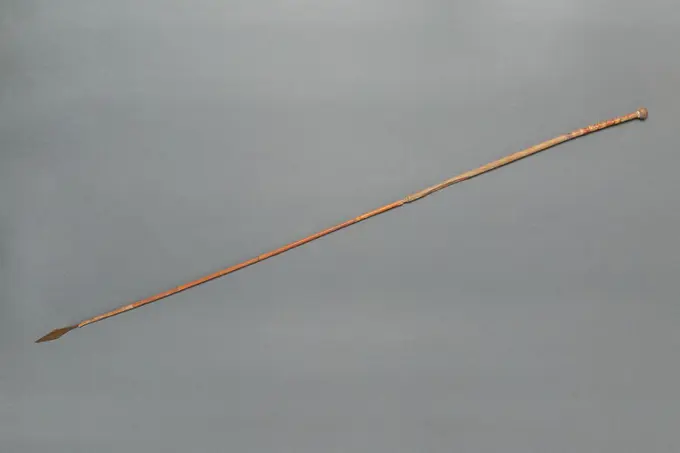
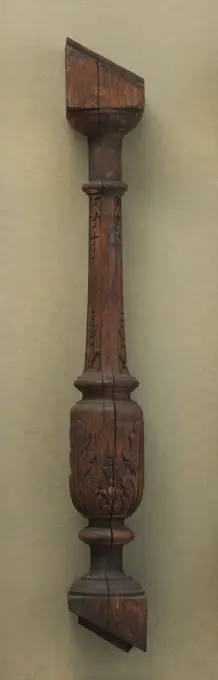
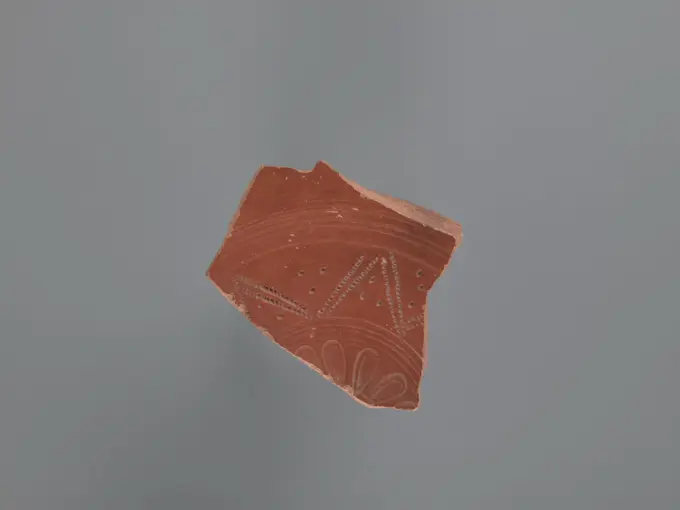
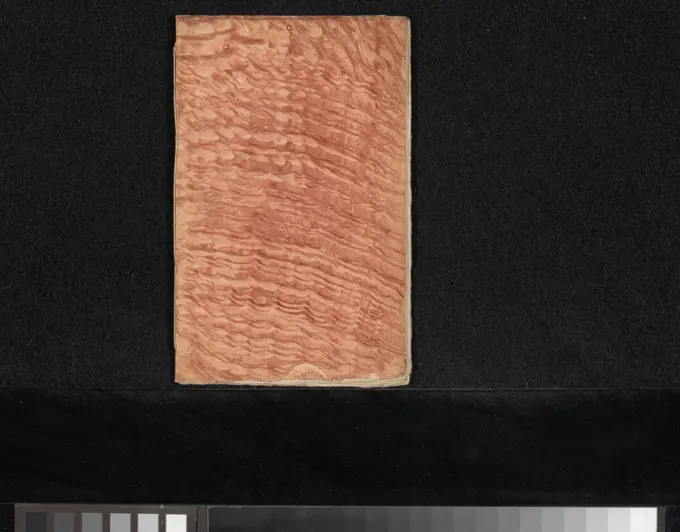
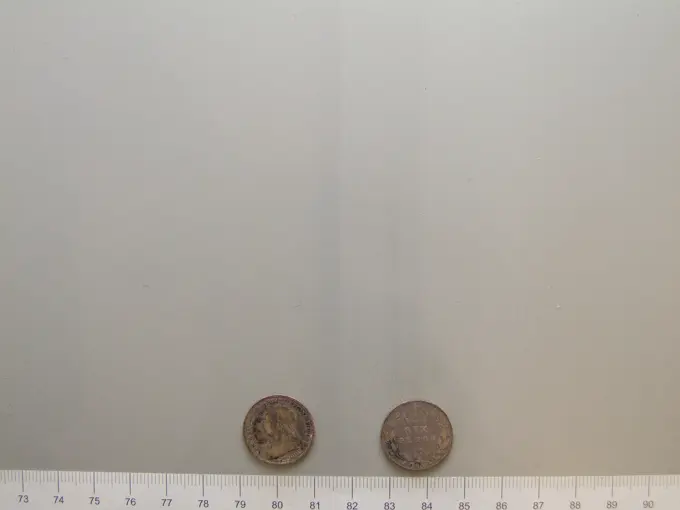
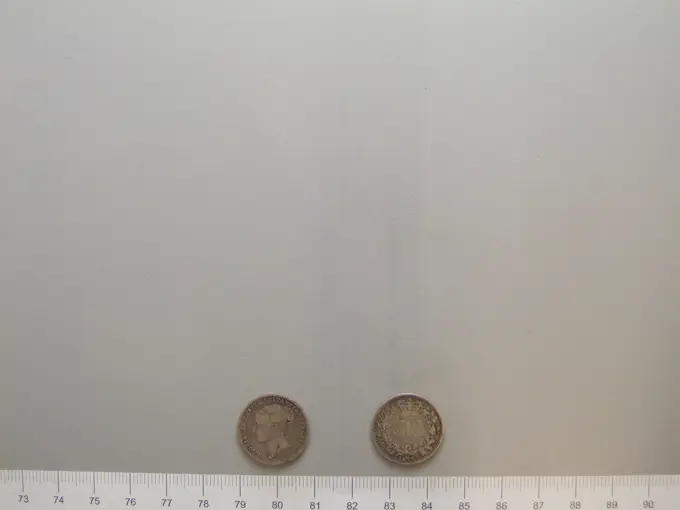
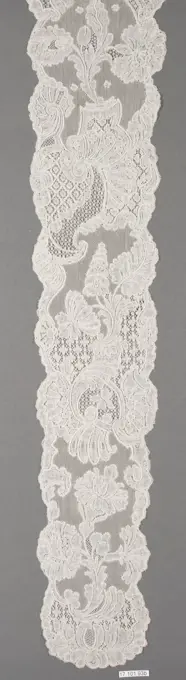
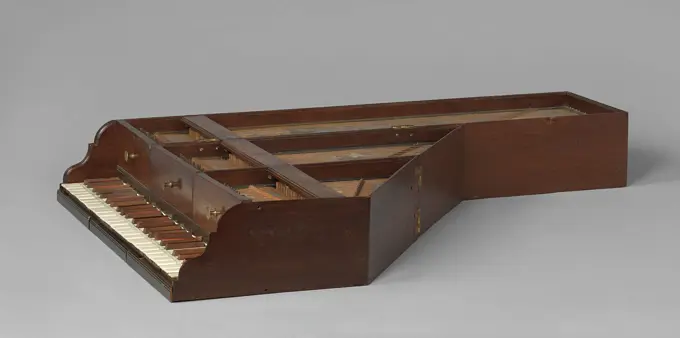
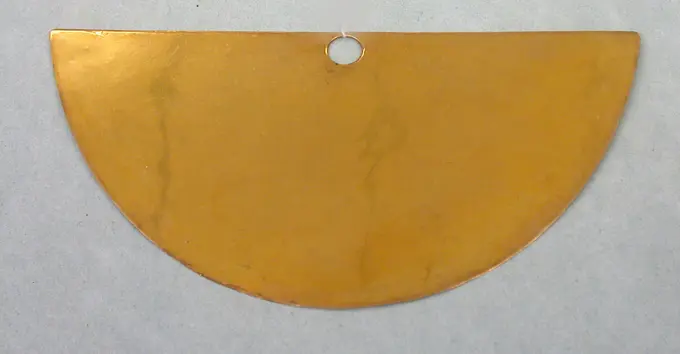
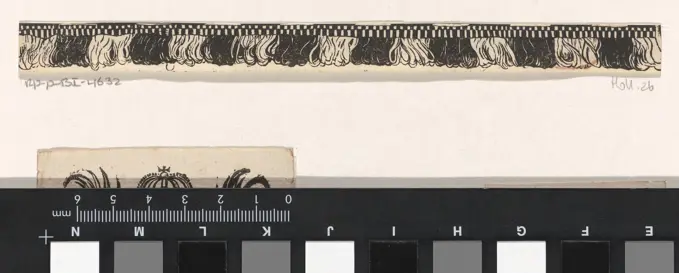
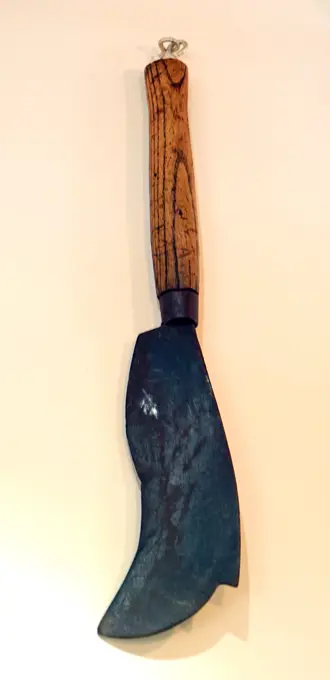
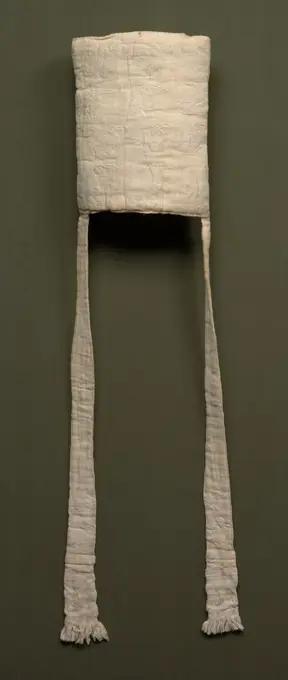
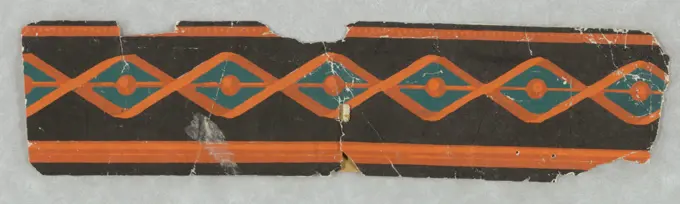
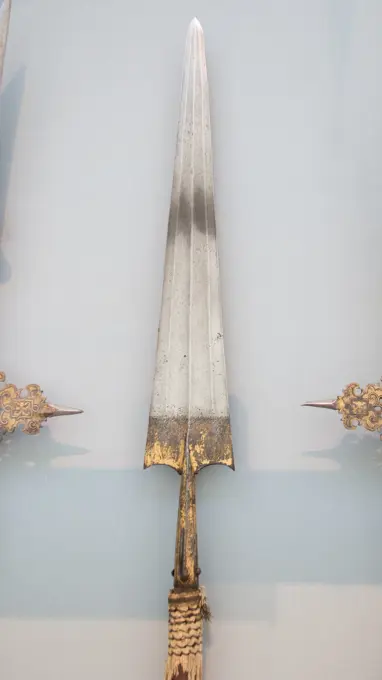
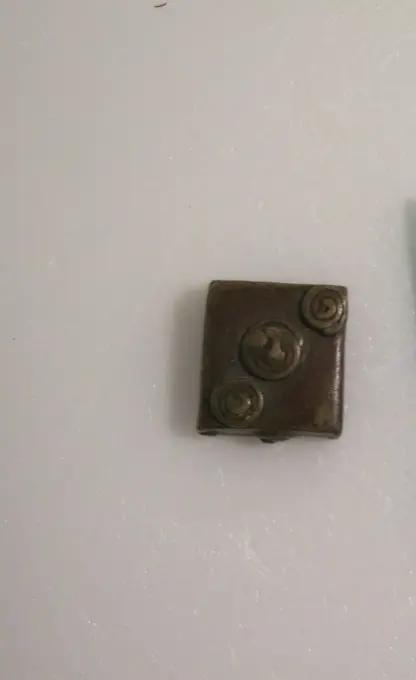
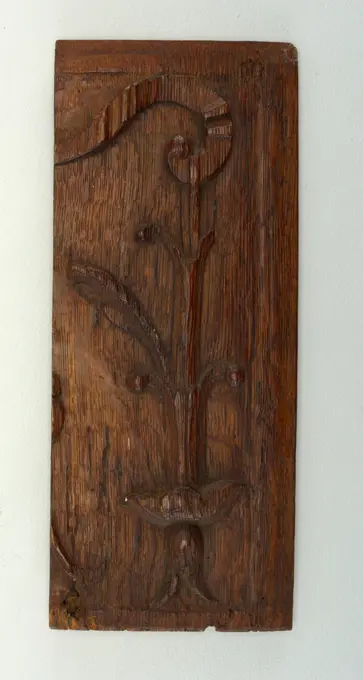
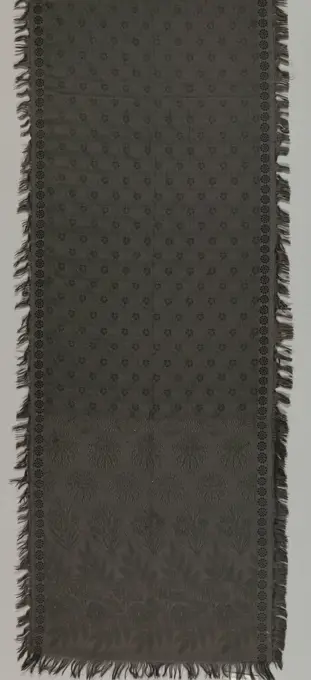
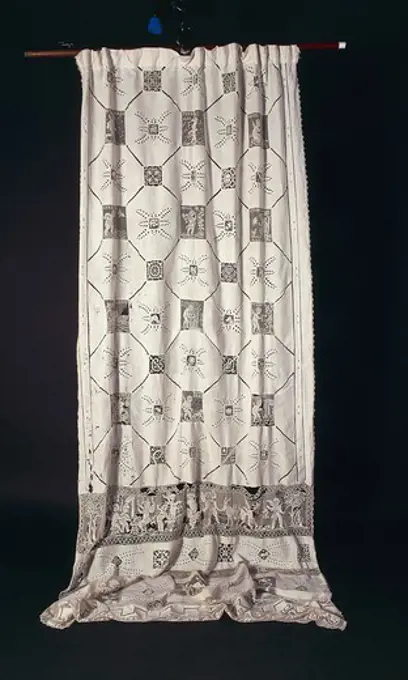
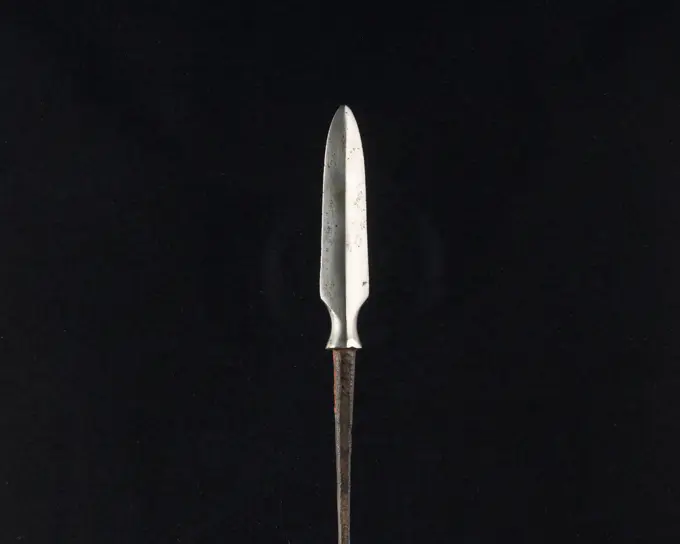
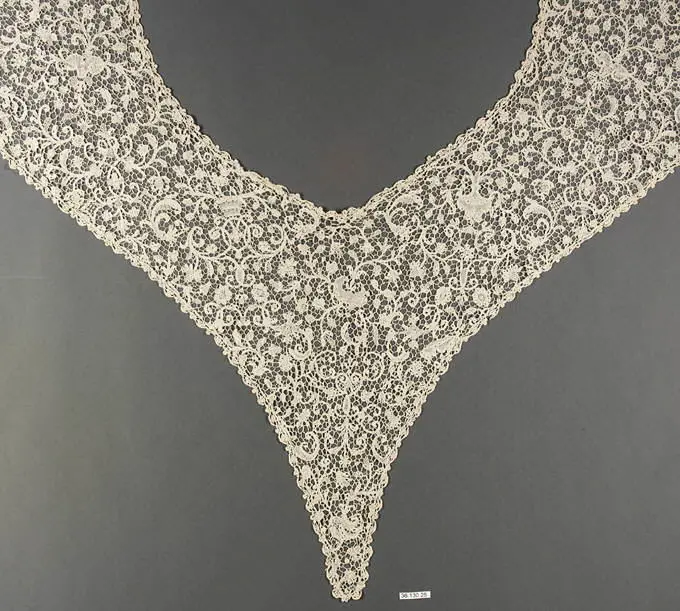
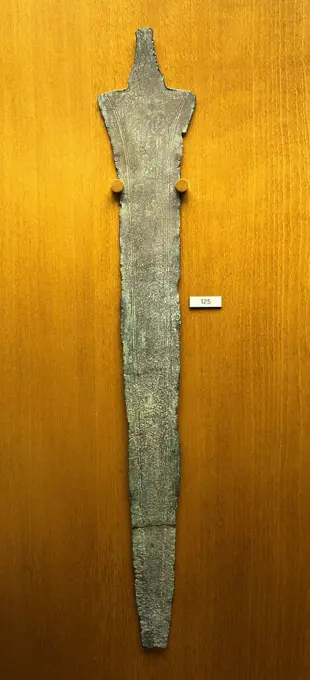
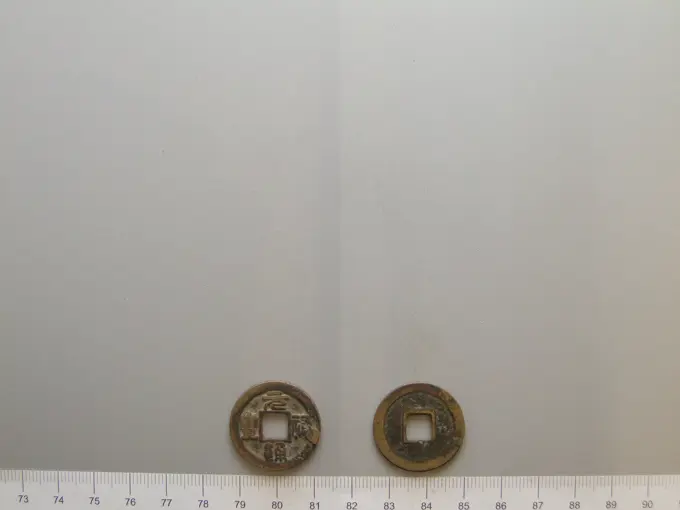
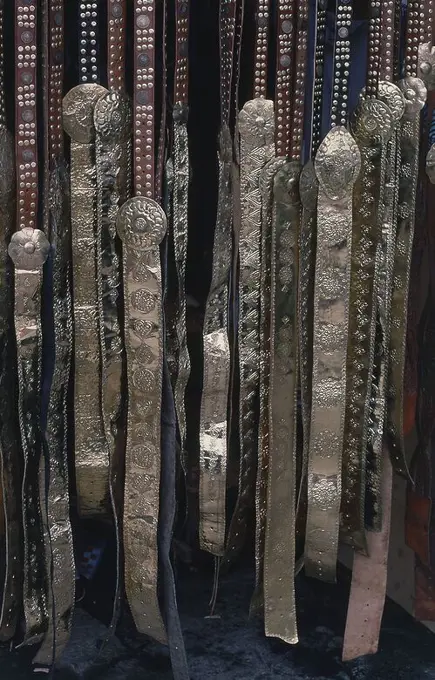
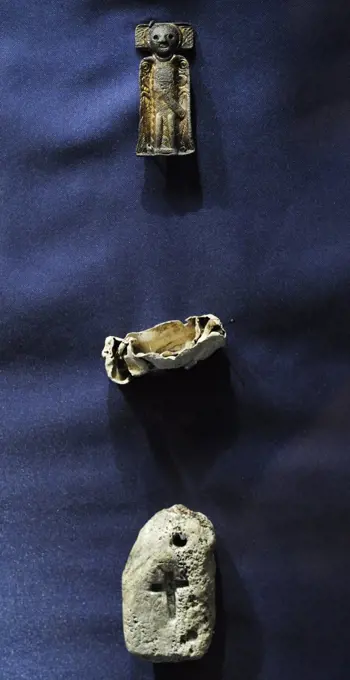
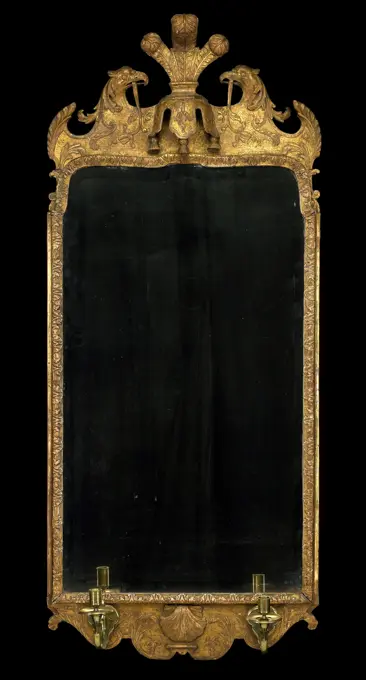
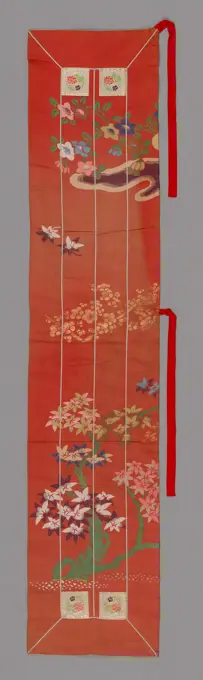
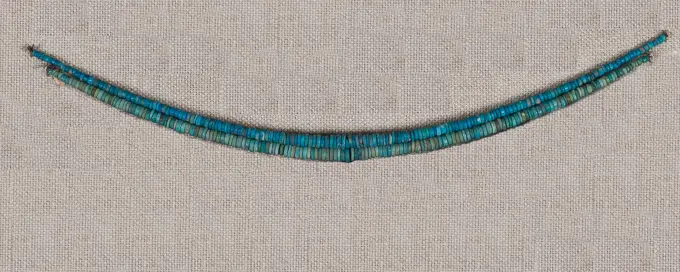
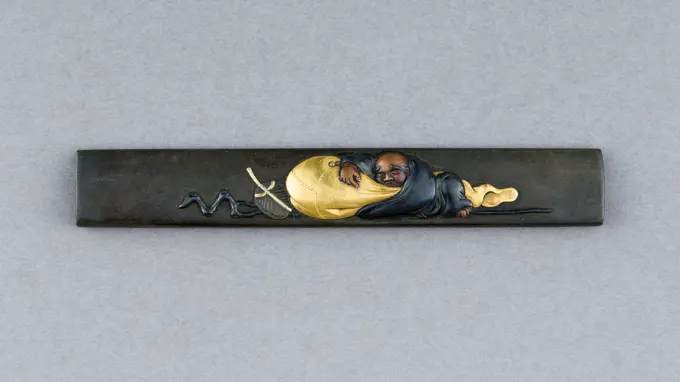
Earlier water pipe unknownPiece 18th-19th century Japan. Piece 67531Paper card White rough paper card over grey recycled paper Copyright: xZoonar.com/AlexanderxKarasevx 6415360Bracket6 Pence from Board of Revenue with George IV, King of GreatBritain.   Subject: George IV, King of Great Britain, British, 1762-1830, ruled 1820-30 Mint: Board of Revenue Artist: UnknownChoose box of paper, outside covered with diamond pattern, inside blue gray pastHilt of a Javelin. Dimensions: L. 55 cm (21 5/8 in); d. 1.3 cm (1/2 in); diam. of knob 2.4 cm (15/16 in). Dynasty: Dynasty 18. Reign: Joint reign of Hatshepsut and Thutmose III. Date: ca. 1479-1458 B.C.. Museum: Metropolitan Museum of Art, New York, USA.Sabre from the times of the Constitution of 3 May unknownBaluster second half 17th century British. Baluster. British. second half 17th century. Oak. WoodworkPierced fragrance ball with silk tassel.Silk brush from openwork pooper of porcelain.Textile Swatches Onondaga Silk Company, Inc. (1925-1981). Textile Swatches, 1948-1959. 72 silk; 28 metal, (a) - (c): 24 x 8 in. (61 x 20.3 cm).    1948-1959Vessel, fragment of the plate; Unknown ASUA SKI workshop; V-VI century (401-00-00-600-00-00);Note concerning paintings from the collection of Willem Lormier, Anonymous, in or after 1752    paper. ink writing (processes) / pen painting (including book-illumination, miniature-painting). art collecting. art trade, art shop. money6 Pence from London with Victoria, Queen of GreatBritain.   Subject: Victoria, Queen of Great Britain, British, 1819-1901, ruled 1837-1901 Mint: London Artist: UnknownHunting knife, so called FINKA unknown6 Pence from London with Victoria, Queen of GreatBritain.   Subject: Victoria, Queen of Great Britain, British, 1819-1901, ruled 1837-1901 Mint: London Artist: UnknownShadow of wine glass next to wine bottleBox.   Maker: Moore shop traditionWhite headset over blue deckchair, vertical imageLappet (one of a pair) early 18th century Flemish. Lappet (one of a pair) 219929Trumpet late 19th century Philippine. Trumpet 501395Folding harpsichord.In Paris, 1699, Jean Marius claimed the invention of the folding harpsichord. It was convenient for travelling. The two smaller sections, at right and centre, are hinged and can be closed to form a single long unit which is then folded over the left-hand part. The famous castrato Farinelli owned two such harpsichords, as well as five normal harpsichords and a grand piano.Fragment orange silk tissue ..Knife Handle (Kozuka) 1844 Japanese A kozuka is a handle of a by-knife that is part of a sword mounting. It is kept in a slot on the reverse of a katana scabbard, often with a matching kōgai (hairdressing tool).. Knife Handle (Kozuka) 29775Knife Handle (Kozuka) late 18th-early 19th century Japanese A kozuka is a handle of a by-knife that is part of a sword mounting. It is kept in a slot on the reverse of a katana scabbard, often with a matching kōgai (hairdressing tool).. Knife Handle (Kozuka) 26139Cap Streamer (Belgium); linenLace, 1800-1850, maker unknown. Acquisition history unknown.1 Cash of Song Zhezong from Board ofRevenue. Ruler: Song Zhezong, Emperor of China, Chinese, 1077-1100, ruled 1085-1100 Mint: Board of Revenue Artist: UnknownNose Ornament 1st century B.C.-A.D. 2nd century Salinar (). Nose Ornament. Salinar (). 1st century B.C.-A.D. 2nd century. Gold. Peru. Metal-Ornamentsmetal construction  hardware tool on metal textureFragment of the lace;  19th century (1801-00-00-1900-00-00);Lint, ISAAC VINCENTSZ. van the fol, c. 1681 - 1740 print   paper  ribbon, scroll, banderole ~ ornamentDessert Knife (France); Designed by F. Nicoud (French, active 1890); silver, steel, mother-of-pearl, gilding; L x W x D: 20 x 1 x 0.8 cm (7 7/8 x 3/8 x 5/16 in.)Textile Swatch Textile Swatch, 1950s to 1960s. Silk, 20 x 11 in. (50.8 x 27.9 cm).    1950s to 1960sBrushFarming tool used by the Tolpuddle Martyrs. Dated 19th CenturyManipel van Zijddamast ,, 1500 - 1600  Manipel consisting of seven fragments of silk daamast from yellow to red. The pattern stretched lengthwise shows each other, symmetrical wavy tires, one blocked, the other feathered. A large palmet from Tsji signs and a small downward pomegranate at the junctions alternately. The manipel also includes two similar fragments. Italy silk damaskWall Gun (Barrel) 1500-1533 Germany. Iron and wood .Knife with a Handle Representing a Bishop, anonymous, c. 1650 - c. 1700 With his right hand he holds the bishop's staff, on his left hand he wears an incense ship. Northern Netherlands boxwood (hardwood) With his right hand he holds the bishop's staff, on his left hand he wears an incense ship. Northern Netherlands boxwood (hardwood)Knife Handle (Kozuka). Culture: Japanese. Dimensions: L. 3 3/4 in. (9.5 cm); W. 9/16 in. (1.4 cm); thickness 3/16 in. (0.5 cm); Wt. 0.9 oz. (25.5 g). Date: ca. 1615-1868. Museum: Metropolitan Museum of Art, New York, USA.Padded Hat, 1405-1450 (radiocarbon date, 95.4% probability). Peru, North Coast, Chimú style, 1200-1460s. Cotton; plain weave, brocaded ; overall: 124.5 x 31.7 cm (49 x 12 1/2 in.); mounted: 172.7 x 148.6 cm (68 x 58 1/2 in.).Fragment, Medium: silk Technique: woven, Portion of a dark mauve sleeve with self pattern in satin ground., France, 1850-1900, woven textiles, FragmentBorder, Block-printed on machine-made paper, Ribbon twist or guilloche with strung bead in center. Solid band and beaded band along edge. a, b) Orange, gray and white on blue ground; c, d) Two shades of orange and green on black ground., H# (A) 625, H# (B) 626, France, 1800-1850, Wallcoverings, BorderPartisan ca. 1510-25 Italian. Partisan. Italian. ca. 1510-25. Steel, gold, wood, textile. Shafted WeaponsFragment of Persian silk fabric unknownShards of Kommen from V.O.C. ship De 'Witte Leeuw', Before 1613 bowl Shards of Kommen from V.O.C. ship De 'Witte Leeuw'.  porcelain   Sint-HelenaFoedraal, belonging to bridal frame, Anonymous, 1597 Schede van Leer with gold and Niëlllo. The sheath is rectangular and rejuvenates towards the bottom. The sheath is decorated with golden batter. Northern Netherlands gold (metal). leather Niello (technique) Schede van Leer with gold and Niëlllo. The sheath is rectangular and rejuvenates towards the bottom. The sheath is decorated with golden batter. Northern Netherlands gold (metal). leather Niello (technique)Buddhist column China The column depicts Buddha and his disciples in a mountain landscape. Jade, the material used here, is a hard mineral that is difficult to carve; this pieces intricate detail and lustrous finish demonstrate the great skill and patience of the Chinese craftsmen who created it.. Buddhist column. China. Jade (nephrite). Qing dynasty (1644-1911), Qianlong period (1736-95). JadeYeah one hundred; Tauron-Parisot (couples; Factory; 1839-); after 1880 (1901-00-00-2000-00-00);Mortar and Pestle for BetelNutBaluster first half 17th century British. Baluster. British. first half 17th century. Oak. WoodworkBamboo stalk with insects 18th century China. Bamboo stalk with insects 39866Goldweight Geometric, 20th century, 5/8 x 9/16 in. (1.59 x 1.4 cm), Bronze, Ghana, 20th centuryKnife Handle (Kozuka). Culture: Japanese. Dimensions: L. 3 13/16 in. (9.7 cm); W. 9/16 in. (1.4 cm); thickness 3/16 in. (0.5 cm); Wt. 1.1 oz. (31.2 g). Date: ca. 1615-1868. Museum: Metropolitan Museum of Art, New York, USA.Textile Swatch Textile Swatch, 1950s to 1960s. Silk, 20 x 7 in. (50.8 x 17.8 cm).    1950s to 1960sFragment, Panel; wood, carvedFragment (France); silkShawl (France)Laces, 20th century. Linen, embroidered in English stitch lace, full stitch and cordonnet lace curtain with filet inserts, depicting the months, a great entredeux and little needle panels with birds, puttos and little animals.Rod or Bobbin 5th-8th century. Rod or Bobbin 449179Arrowhead (Yanone) 18th century Japanese Although today Japanese warriors are renowned most for their swordsmanship, archery, especially from horseback, has been an essential part of samurai warfare and culture for centuries. Arrows were fitted with heads of varying shape according to their intended use in war, the hunt, or target practice. Arrowheads made for use on the battlefield incorporated different designs intended for specialized purposes such as the piercing of armor or to cause maximum damage to horses and unarmored personnel.Large arrowheads, pierced and elaborately chiseled with landscapes, birds, flowers, dragons, and Buddhist divinities, were created to be admired for the beauty of their metalwork and design rather than for use in archery. Such highly elaborate examples may have been made for presentation or as a votive offerings to a shrine.. Arrowhead (Yanone). Japanese. 18th century. Steel. Archery Equipment-ArrowheadsRectangular glove box with valve cover covered with cotton printed with a flower pattern on a pink stock, c. 1925 Rectangular glove box with valve cover. The box is covered with cotton printed with a flower pattern on a pink stock. The underside of the box is covered with paper with imitation wood grain. The inside of the box is stuck with gold -colored paper. West-Europa Box: Cardboard. upholstery: cotton (textile). lining: Paper printing Rectangular glove box with valve cover. The box is covered with cotton printed with a flower pattern on a pink stock. The underside of the box is covered with paper with imitation wood grain. The inside of the box is stuck with gold -colored paper. West-Europa Box: Cardboard. upholstery: cotton (textile). lining: Paper printingA rustic wooden sign in green and brown, color copy space.Hand peak, fragment consisting of Kling and a part of stick, anonymous, c. 1590 - c. 1596  Hand peak, fragment consisting of a blade of iron and a part of the stick.  iron (metal). wood (plant material) forging / cutting  Nova Zembla. Saving HuysStrip -Iron Gate Covered In SnowBertha 18th century French. Bertha 226045Copper sword of Pinhal dos Melos, Portugal. Early Bronze Age, C. 1800 BC. Arsenical Bronze.Fragment of Shoulder Band 7th-8th century. Fragment of Shoulder Band. 7th-8th century. Wool, linen; tapestry weave. Attributed to Egypt. TextilesFragment of the lace;  18th century (1701-00-00-1800-00-00);1 Cash of Song Zhezong from Board ofRevenue. Ruler: Song Zhezong, Emperor of China, Chinese, 1077-1100, ruled 1085-1100 Mint: Board of Revenue Artist: UnknownCap Streamer; linen; Bequest of Marian Hague; 1971-50-425vintage monochrome mountain range banner illustration,Textile Swatch Textile Swatch, 1950s to 1960s. Silk, 20 x 9 3/4 in. (50.8 x 24.8 cm).    1950s to 1960sShadow player 19th century China. Shadow player 73284Fragments taken from the Temple of Apollo in DelphiCINTURONES DE CUERO Y LATON. Location: INTERIOR. FEZ.Textile Swatches Onondaga Silk Company, Inc. (1925-1981). , 1948-1959. Silk, 17 1/2 x 8 1/2 in. (44.5 x 21.6 cm).    1948-1959Angel or statue of a Saint, Rise, Oppdal k., Sor-Trondelag, Viking Age. Reliquary shrine, Kaupang, Larvik k., Vestfold, 9th-10th century. Mould for making crosses. Eikenes, Larvik k., Vestfold. Viking Age. Historical Museum. Oslo. Norway.Cap streamer, Medium: linen Technique: bobbin lace, Brussels style, Cap streamer with a dense, asymmetric floral and foliated pattern., Belgium, late 18th century, lace, Cap streamerIvory game with box, found in the tomb of King Tutankhamen; 18th Dynasty. Circa 1323 BCMirror, c. 1710, 44 1/2 x 19 in. (113.03 x 48.26 cm), Wood, gesso, England, 18th centuryRelief from the tomb of Queen Neferu: part of a sunshade (see 26.3.353-1) ca. 2051-2030 B.C. Middle Kingdom. Relief from the tomb of Queen Neferu: part of a sunshade (see 26.3.353-1). ca. 2051-2030 B.C.. Limestone, paint. Middle Kingdom. From Egypt, Upper Egypt, Thebes, Deir el-Bahri, Tomb of Neferu (TT 319, MMA 31), MMA excavations, 1923-25. Dynasty 11Mahjong, Hong Kong, China, AsiaTextile Swatches Onondaga Silk Company, Inc. (1925-1981). , 1948-1959. 38 rayon, 35 silk, 27 acrylic, 42 1/2 x 18 in. (108 x 45.7 cm).    1948-1959Fence post of the prisoner camp with insulators, exhibition in the concentration camp memorial Flossenbuerg, Flossenbuerg, Upper Palatinate, Bavaria, Germany, EuropeÔhi (Stole) Made 1875-1900 Japan. Silk and gold-leaf-over-lacquered-paper strips, warp-float faced 2 1 'Z' twill weave with supplementary brocading wefts bound in 1 2 and 5 1 'S' twill interlacings; patches silk and gold-leaf-over-lacquered-paper strips, warp-float faced 2 1 'Z' twill weave with 1 2 'Z' twill interlacings of secondary binding warps and supplementary patterning wefts; cords silk wrapped cotton; lined with silk, 5 1 twill damask weave .Double -sided gingerbread form with various performances on both sides; Glauer; 1826 (1826-00-00-1826-00-00);Mirror 19th century China. Mirror 69711Strook zwarte machinale kant met liggende madeliefjes en v-vormende blaadjes.Strip black machine side: machining chantilly-side. The repeating pattern consists along the underside of the strip from a concatenation of daisies on a lying curved stem with seven drip-shaped leaves. Above the stalks there is always a sprig of two narrow elongated leaves that form a V and between which a rough branch sticks with triple berries or flowers. There is always one mesh between this twig. The motifs are equipped with contour wires, the full work is relatively translucent. The motifs are connected to each other by machining. The daisies and flower stems form a lobed slip edge along the bottom of the strip, which is finished with picots. The top of the strip is straight finished.Necklace ca. 1981-1295 B.C. Middle Kingdom-Early New Kingdom. Necklace. ca. 1981-1295 B.C.. Blue faience. Middle Kingdom-Early New Kingdom. From Egypt, Memphite Region, Lisht North, Cemetery, debris, MMA excavations. Dynasty 12-18Knife Handle (Kozuka) ca. 1615-1868 Japanese A kozuka is a handle of a by-knife that is part of a sword mounting. It is kept in a slot on the reverse of a katana scabbard, often with a matching kōgai (hairdressing tool).. Knife Handle (Kozuka) 34674 in the carbonate   rusty brass brown knocker a  door curch  closed wood italy  lombardy   Pair of tassels 16th century French. Pair of tassels 213418Piece 17th century Italian. Piece 217406Anonymous. "Brigadier general summer jacket (Haÿs)". Weaving. 1969-1969. General Leclerc Museum of Hauteclocque and the Liberation of Paris, Jean Moulin Museum. 158935-7Water Level Pole Staff Gauge Water Level Measuring Pole Copyright: xZoonar.com/MarkoxBericx 14557106back of soldered components as a backgroundAfrica, Namibia, Kalahari, Tivoli farm, white Karakul / Swakara furTextile Swatch Textile Swatch, 1950s to 1960s. Silk, 21 x 7 1/4 in. (53.3 x 18.4 cm).    1950s to 1960s