Textiles and Historical Artifacts

Images of various textiles and artifacts including tablecloths and sword blades, showcasing historical craftsmanship.

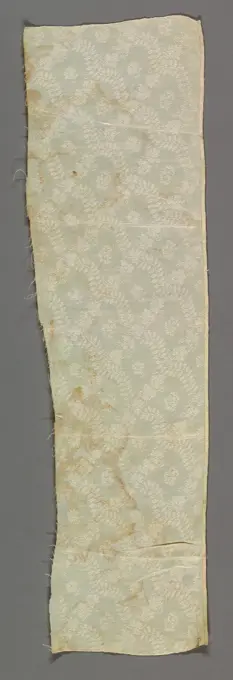
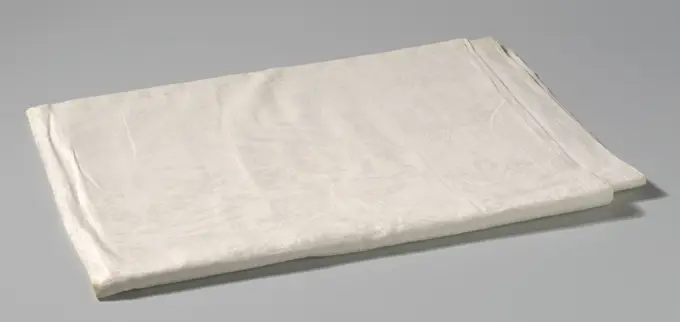
To peel. Brand: Kroon GS3 and IICV22., Anonymous, 1714 Tablecloth with peel pattern, Brand Kroon GS 3 and IIVG 22 Northern Netherlands (Possible) linen (material) Tablecloth with peel pattern, Brand Kroon GS 3 and IIVG 22 Northern Netherlands (Possible) linen (material)
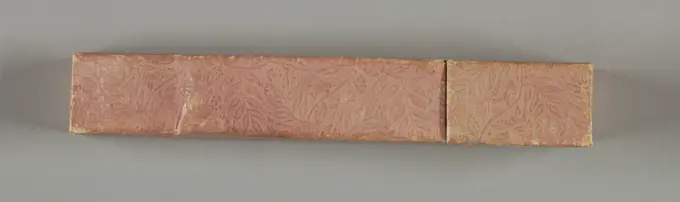
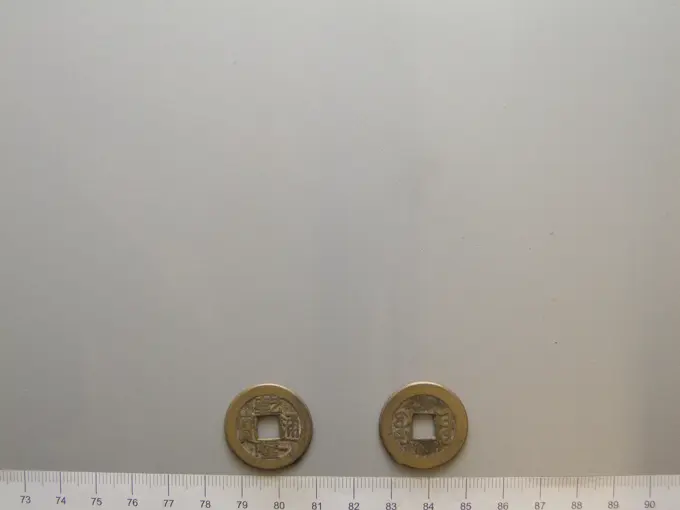
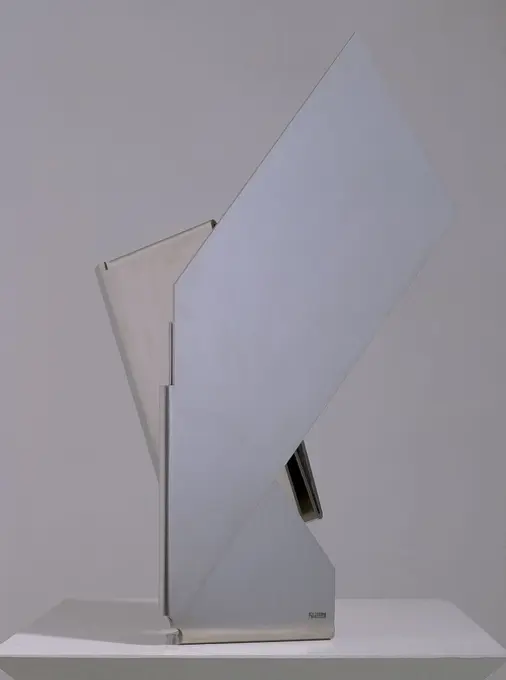
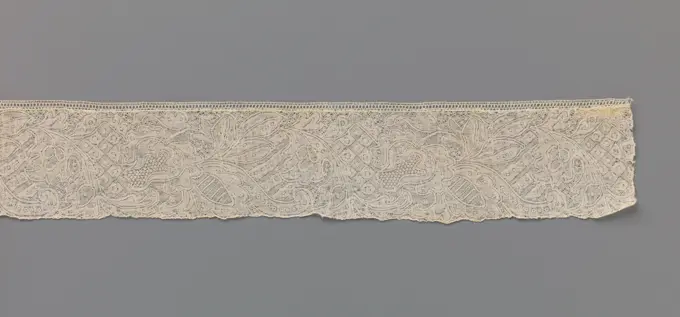
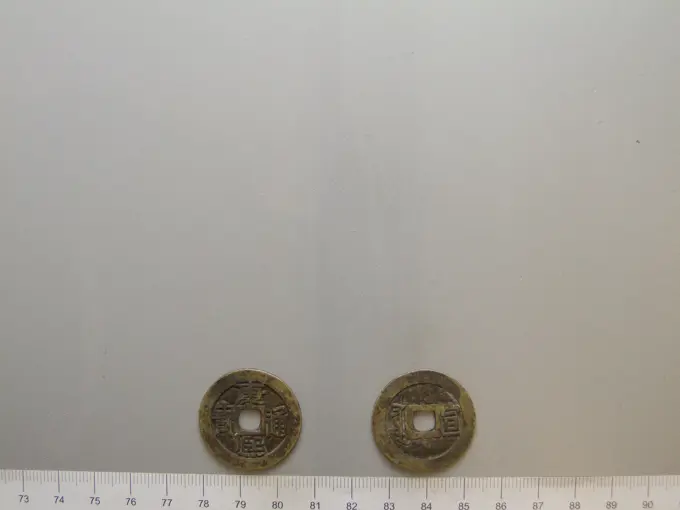
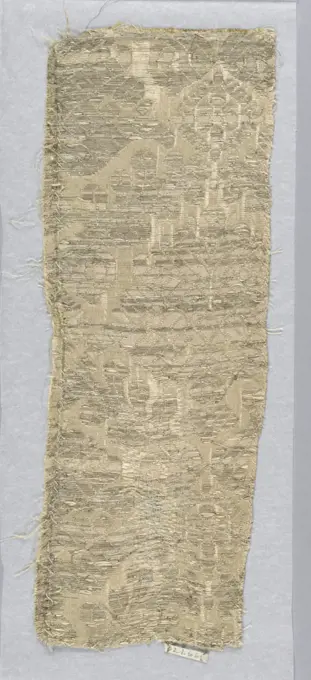
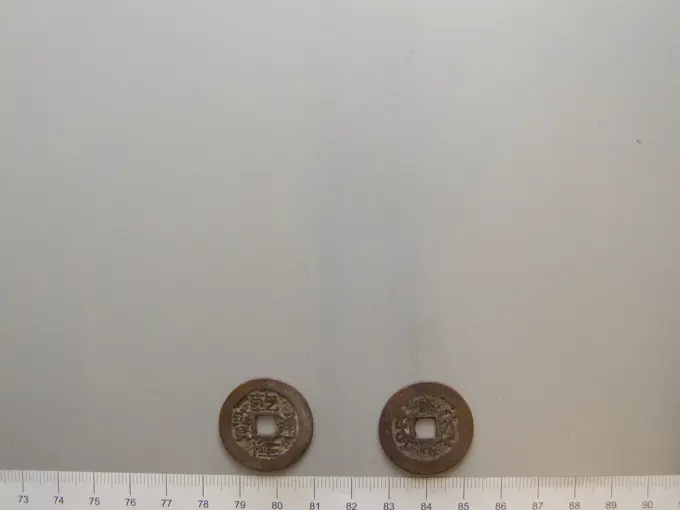
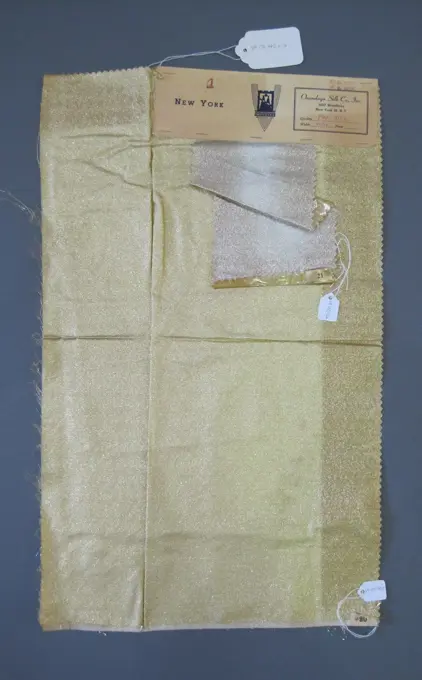
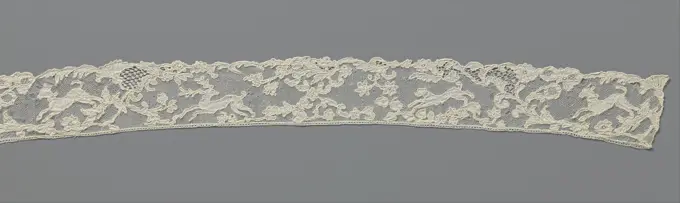
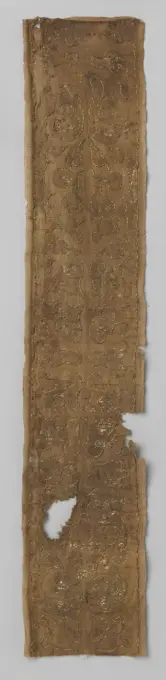
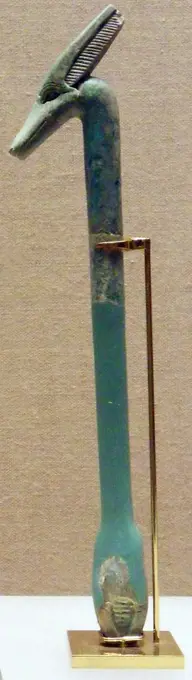
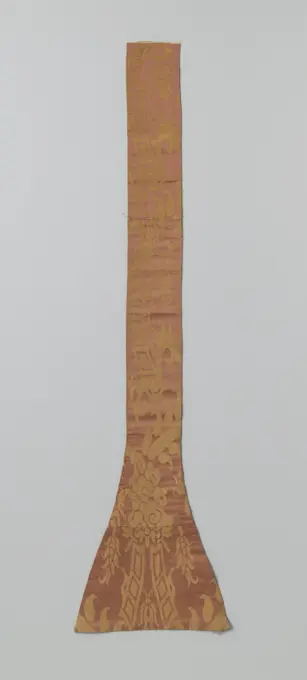
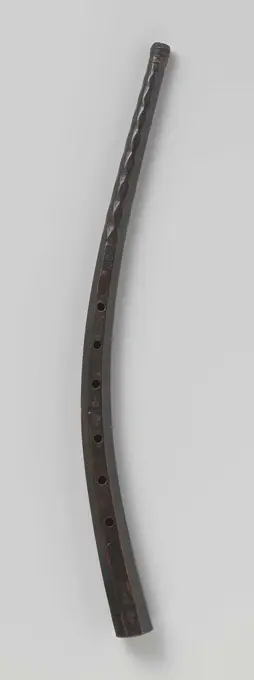
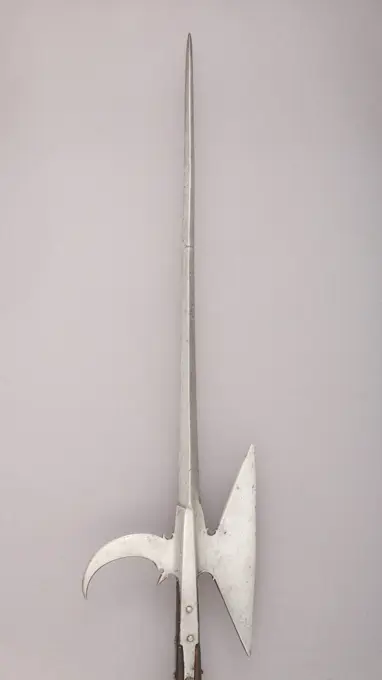
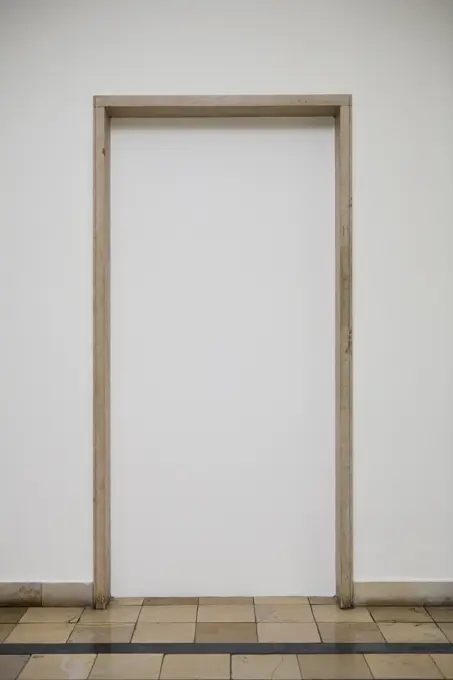
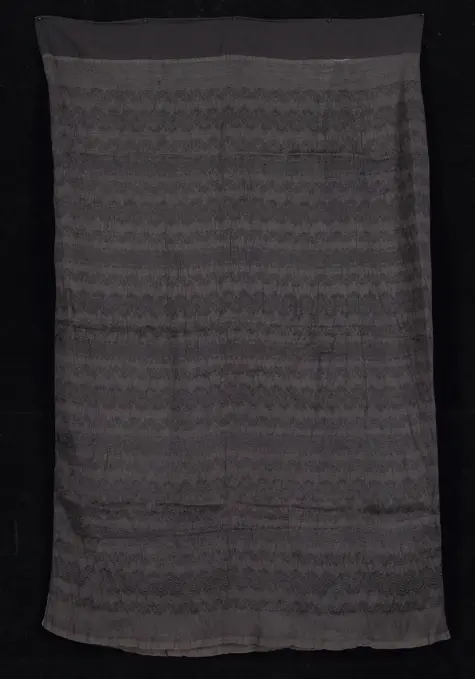
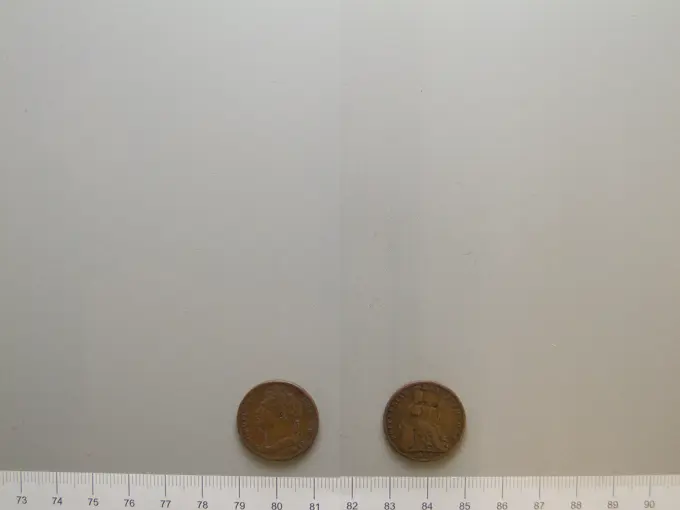
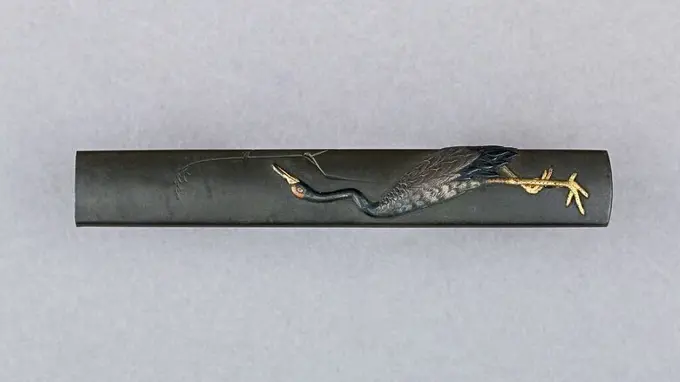
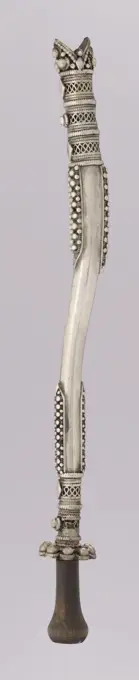
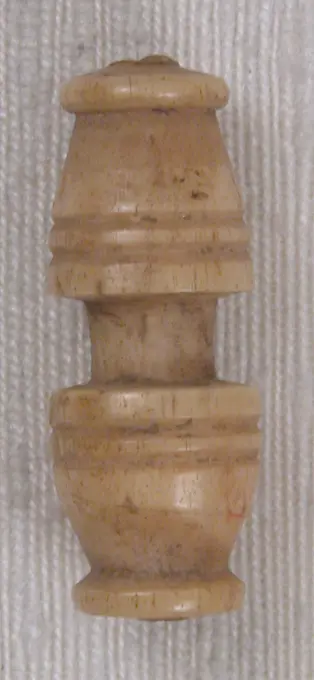
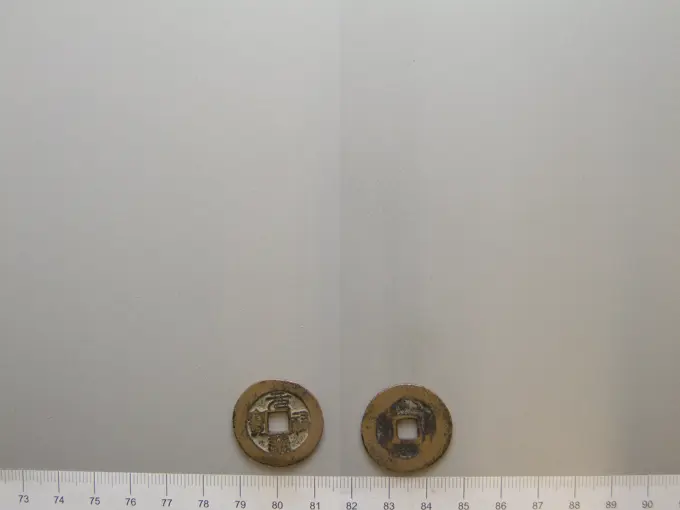
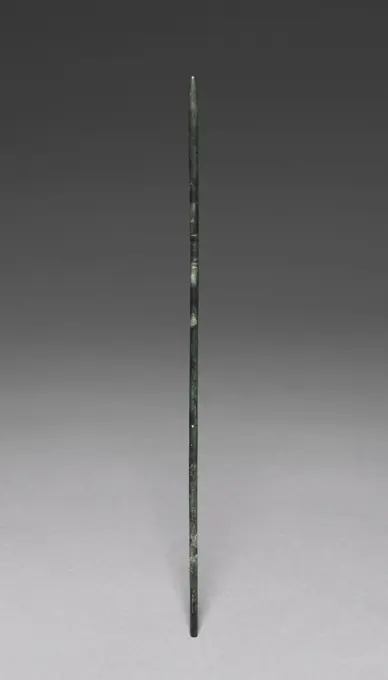
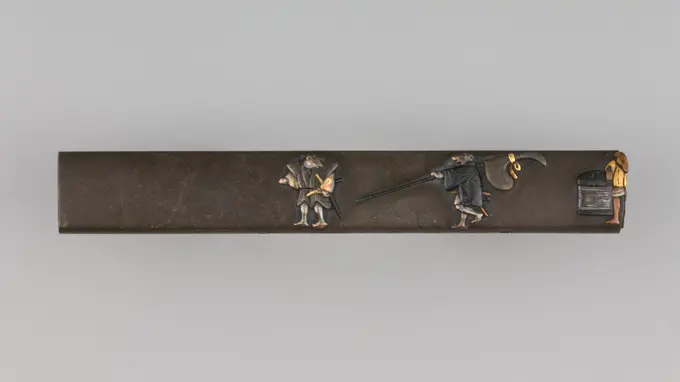
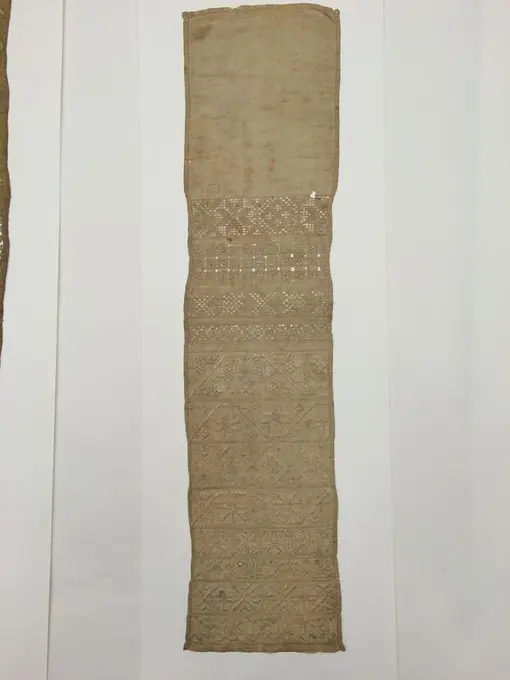
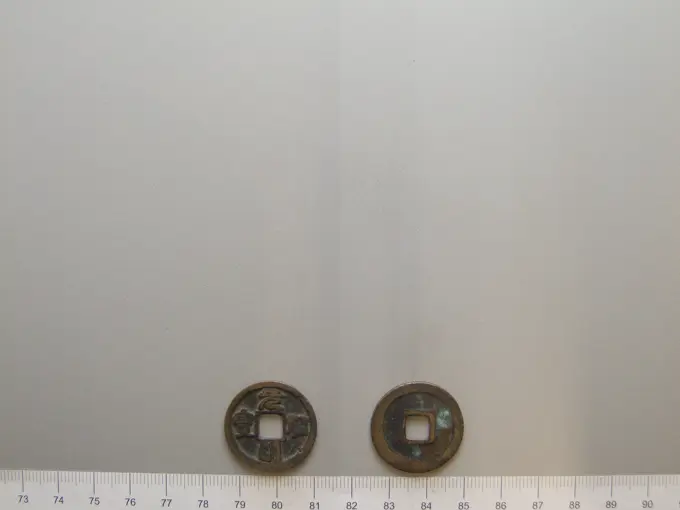
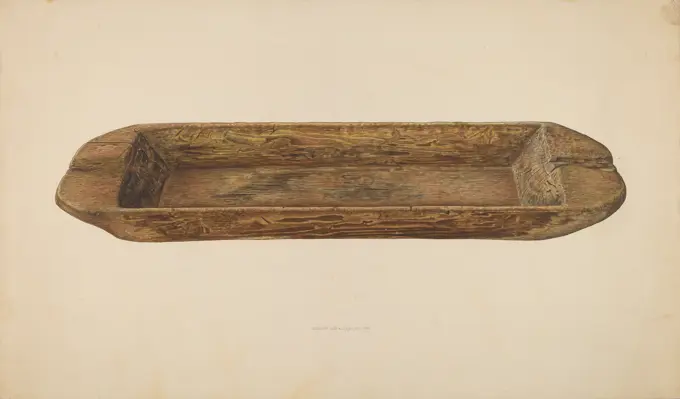
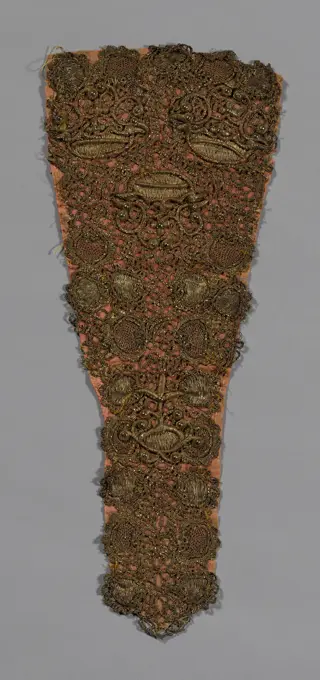
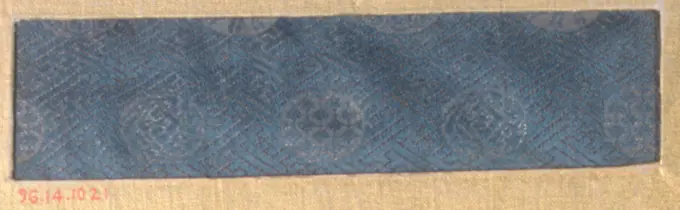
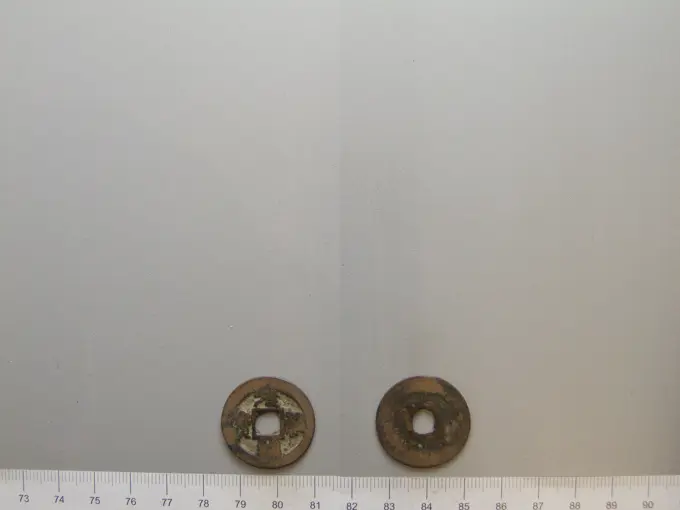
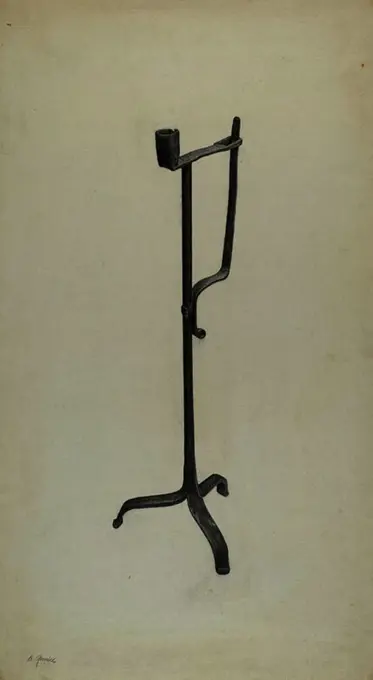
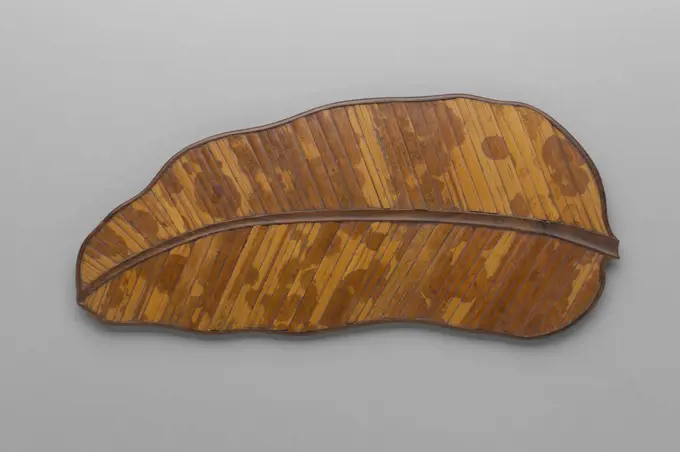
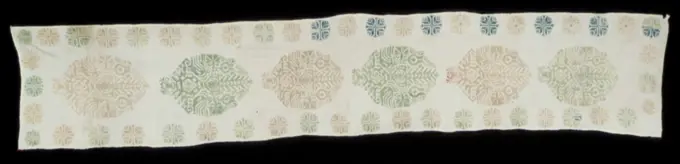
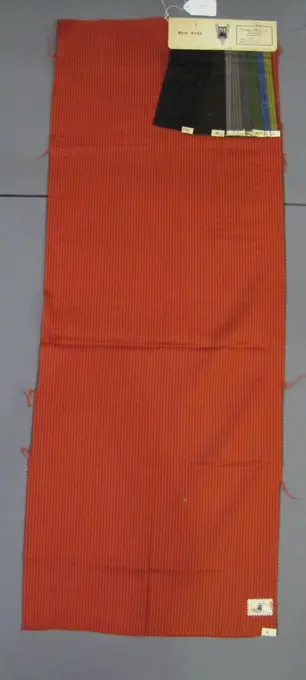
To peel. Brand: Kroon GS3 and IICV22., Anonymous, 1714 Tablecloth with peel pattern, Brand Kroon GS 3 and IIVG 22 Northern Netherlands (Possible) linen (material) Tablecloth with peel pattern, Brand Kroon GS 3 and IIVG 22 Northern Netherlands (Possible) linen (material)Blade for a Straight Single-Edged Sword (Chokuto). Culture: Japanese. Dimensions: L. 38 1/2 in. (97.8 cm); Wt. 2 lb. (907.2 g). Date: 7th century or earlier. Museum: Metropolitan Museum of Art, New York, USA.Fragment Eastern textile ,, 1800 - 1850 An excerpt of a fabric. Check shapes in cream on a red soil. In the silk. cotton (textile) An excerpt of a fabric. Check shapes in cream on a red soil. In the silk. cotton (textile)Tablecloth with the sacrifice of Abraham, Quirijn Jansz. Damast (Possible), c. 1625 - c. 1649 Table fails from Linnamast with the sacrifice of Abraham. Midfield: The symmetrical pattern shows five scenes from bottom to top: 1 Isaac on a stake kneeling behind which Abraham with sword, which is stopped by an angel. 2 Abraham bare head, kneeling, with an incense vessel for an altar whose smoke rises, in which the Word of God in unclear letters; A ram above that, emerging from the scrub. 3 Abraham, in a long cloak, on a couch addressed by angels; In the background a house with a woman before (sarah) And the words: gene. Capt. XXII. Above that follows a repetition of scenes 1 and 2. Standing and lying edges: symmetrical flower vines and birds; Outside of it blocks. Zoom: Double open zoom on the short sides. Haarlem linen (material) damask Table fails from Linnamast with the sacrifice of Abraham. Midfield: The symmetrical pattern shows five scenes from bottom to top: 1 Isaac on a stake kneelKling for Ruiterdegen, Anonymous, c. 1550 - c. 1900  Kling for Ruiterdegen with inscription: Sahagom and image of a running animal (Wolfskling).  iron (metal)   NetherlandsWedding cravat 1875 Keys & Lockwood. Wedding cravat 173576Fan Case; carved woodTablespoon.   Maker: John Avery, Jr., American, 1755-1815Panel, 1715-1723. France, Regency Period, 18th Century. Wood; overall: 21.6 x 76.9 cm (8 1/2 x 30 1/4 in.).Sabel, anonymous, c. 1700 - c. 1950 sabre Sabel with curved blade and with a wire handle handle.  iron (metal).Sheet Folded into a Mattress ca. 1981-1975 B.C. Middle Kingdom. Sheet Folded into a Mattress. ca. 1981-1975 B.C.. Linen. Middle Kingdom. From Egypt, Upper Egypt, Thebes, Southern Asasif, Tomb of Wah (MMA 1102), in coffin, MMA excavations, 1920. Dynasty 12Coin of Qianlong, Emperor of China from BooYuwan. Ruler: Qianlong, Emperor of China, Chinese, 1711-1799 Mint: Boo Yuwan, Beijing, China Artist: UnknownDIAS DE JUNIO XI - 2004 - 57x22x29 - ACERO INOXIDABLE. Author: PABLO PALAZUELO (1916-2007). Location: GALERIA SOLEDAD LORENZO. MADRID. SPAIN.Handle made of wood, for an umbrella or umbrella, with Been button, Gustav Schnitzler, c. 1910 - c. 1920 Handle made of wood, cylindrical, for an umbrella or parasol. The handle has a leg button. The handle also has a leg disk in which a hole is drilled. The handle is pierced in the middle; The inside of the hole is covered with leg. Nijmegen wood (plant material). bone (material) Handle made of wood, cylindrical, for an umbrella or parasol. The handle has a leg button. The handle also has a leg disk in which a hole is drilled. The handle is pierced in the middle; The inside of the hole is covered with leg. Nijmegen wood (plant material). bone (material)Kiln Rod 9th century. Kiln Rod 451142Strip of bobbin with hanging pear-shaped flour and striping and windscreen pattern, anonymous, c. 1720 - c. 1740 Strip of natural-colored bobbin, binche side. The repeating pattern consists of a pear -shaped flower hanging slanted, with a lobed edge around the convex part. The pointed leaf slanted below points the other way and also has a lobed edge, along which a ribbon with curling end slides down at the top. From the ribbon to the next pear -shaped flour, the pattern is filled with sloping stripes and diamonds. The stripes and diamonds are separated by a whimsical leaf, which depends diagonally from the top of the pattern. The motives are against each other and partially overlap each other. Where they do not touch each other, they are connected by a fine decorative soil, a snowflake ground, which has also been used in the flower as a decorative soil. The motifs are made in linen battle and mains with openwork edges and with loose snowflakes. The top of the strip is finished with a sSamples (2) early 19th century French. Samples (2) 219349Textile Swatches Onondaga Silk Company, Inc. (1925-1981). , 1948-1959. 83 wool, 17 silk, 48 x 18 in. (121.9 x 45.7 cm).    1948-1959Coin of Qianlong, Emperor of China from BooCiowan. Ruler: Qianlong, Emperor of China, Chinese, 1711-1799 Mint: Boo Ciowan, Beijing, China Artist: UnknownQianlong Tongbao of Qianlong, Emperor of China from Board of Revenue,Beijing. Ruler: Qianlong, Emperor of China, Chinese, 1711-1799 Mint: Board of Revenue, Beijing Artist: UnknownCoin of Kangxi, Emperor of China from Xuanhua,Zhili. Ruler: Kangxi, Emperor of China, Chinese, 1654-1722, ruled 1661-1722 Mint: Xuanhua, Zhili Artist: UnknownFragment, Medium: silk, metallic Technique: woven, Scrolling leaf bands framing central palmettes in white and silver., 17th century, woven textiles, FragmentQianlong Tongbao of Yong Zheng fromGuizhou. Ruler: Yongzheng, Emperor of China, 1678-1735 Mint: Guizhou Artist: UnknownBracketYuan Bao of Emperor Zhenzong fromUnknown . Ruler: Song Zhenzong, Emperor of China, 968-1022 Artist: UnknownTextile Swatches Onondaga Silk Company, Inc. (1925-1981). , 1948-1959. 81 silk, 19 metal, a: 47 1/2 x 17 1/4 in. (120.7 x 43.8 cm).    1948-19591 Cash of Song Zhezong from Board ofRevenue. Ruler: Song Zhezong, Emperor of China, Chinese, 1077-1100, ruled 1085-1100 Mint: Board of Revenue Artist: UnknownStrip of needle side with deer and dogs, anonymous, c. 1740 - c. 1760 Strip of natural-colored needle side: Alençon side. The repeating pattern consists of a deer that is hunted by dogs. The animals are surrounded by ranks with multifaceted flowers. The motifs are made up of feston stitches with recesses and equipped with relief contours. The motifs are connected to each other by a fine hexagonal Maas soil, an alençon ground, mazen worked with across. A few spaces between the tenders are filled with decorative grounds. The scalloped top is created from the pattern with the flower ines and is finished with very fine picots. The underside is trimmed with a border bobbin. France linen (material) Alençon Lace Strip of natural-colored needle side: Alençon side. The repeating pattern consists of a deer that is hunted by dogs. The animals are surrounded by ranks with multifaceted flowers. The motifs are made up of feston stitches with recesses and equipped with relief contours. The motifs areFigured woven silk textile fragment with birds 5th-6th century Byzantine. Figured woven silk textile fragment with birds. Byzantine. 5th-6th century. Silk, weft-faced compound twill (Samit) weave. Textiles-WovenTextile (USA); cottonBand of linen on which ornaments of gold thread and silk appliqué, c. 1600  Germany silk. linen (material)  Germany silk. linen (material)Towel scarf, 19th century, 19 3/4 x 62 1/2 in. (50.17 x 158.8 cm), Silk, tinsel, cotton; needlework, Armenia, 19th centuryTextile Swatches Onondaga Silk Company, Inc. (1925-1981). , 1948-1959. 83 wool, 17 silk, 48 3/4 x 17 in. (123.8 x 43.2 cm).    1948-1959Coin of Jiaqing, Emperor of China from Boo Ciowan;Unknown . Ruler: Jiaqing, Emperor of China, Chinese, 1760-1820, ruled 1796-1820 Mint: Boo Ciowan, Beijing, China Mint: UnknownLappet ca. 1700 French. Lappet 212984Dessert fork, Charles Victor Gibert, French, Silver, Handle in the form of a monkey poking its face through large parted leaves., ca. 1890, cutlery, Decorative Arts, Dessert forkSheet Folded into a Mattress ca. 1981-1975 B.C. Middle Kingdom. Sheet Folded into a Mattress. ca. 1981-1975 B.C.. Linen. Middle Kingdom. From Egypt, Upper Egypt, Thebes, Southern Asasif, Tomb of Wah (MMA 1102), in coffin, MMA excavations, 1920. Dynasty 12Faience Large was sceptre amulet. ca. 712332 B.C. Egypt and Sudan, Nubia, Gebel Faras1 Cash of Song Renzong from Board ofRevenue. Ruler: Song Renzong, Emperor of China, Chinese, 1010-1063, ruled 1022-63 Mint: Board of Revenue Artist: UnknownWomen's non -circle;  19th/20th century (1890-00-00-1950-00-00);gift (provenance), collarNapkin Fragment; linenBlack cotton rip ribbon, anonymous, c. 1400 - c. 1950 Black cotton rip ribbon. West-Europa cotton (textile). Black cotton rip ribbon. West-Europa cotton (textile).Piece 18th-19th century China. Piece 67726Waongoos, white, made of paper with loose lid. Waongoetoos, white, paper with loose lid, placed outside with glossy white paper.Manipel van Zijddamast, Anonymous, 1500 - 1600  Manipel consisting of five fragments of silk daamast from yellow to red. The pattern stretched lengthwise shows each other, symmetrical wavy tires, one blocked, the other feathered. A large palmet from Tsji signs and a small downward pomegranate at the junctions alternately. The manipel also includes two similar fragments. Italy silk damaskCDK unknownCoin of Qianlong, Emperor of China from BooCiowan. Ruler: Qianlong, Emperor of China, Chinese, 1711-1799 Mint: Boo Ciowan, Beijing, China Artist: UnknownCornetto.Altzink (also called Cornetto) from Palmhout covered with leather. The instrument has six feet of the front and one inch hole at the rear. Decorated at the front with different in the leather pressed noise.Tubular Stone Bead before 16th century Mexican. Tubular Stone Bead 317363Coin of Jiaqing, Emperor of China from Boo Ciowan;Unknown . Ruler: Jiaqing, Emperor of China, Chinese, 1760-1820, ruled 1796-1820 Mint: Boo Ciowan, Beijing, China Mint: UnknownBlack -sided elongated scarf, striped against the short side with blue, yellow and red, fringe at the end, anonymous, c. 1940 - c. 1950 Elongated scarf of blue, yellow, red and black striped silk. Stola model, long sides finished with fringes, short sides with frills in the same colors as the scarf. The stripe pattern is framed with fine stripes, a wide black strip in the middle. Italy whole: Silk Elongated scarf of blue, yellow, red and black striped silk. Stola model, long sides finished with fringes, short sides with frills in the same colors as the scarf. The stripe pattern is framed with fine stripes, a wide black strip in the middle. Italy whole: SilkCoin of Kangxi, Emperor of China from BooCiowan. Ruler: Kangxi, Emperor of China, Chinese, 1654-1722, ruled 1661-1722 Mint: Boo Ciowan, Beijing, China Artist: Unknown1 Cash of Song Zhezong from Board ofRevenue. Ruler: Song Zhezong, Emperor of China, Chinese, 1077-1100, ruled 1085-1100 Mint: Board of Revenue Artist: UnknownLappet early 18th century French. Lappet. French. early 18th century. Bobbin lace. Textiles-LacesHalberd 16th century German. Halberd. German. 16th century. Steel, wood. Shafted WeaponsStrip or collar of needle side with fine tendrils and flowers, anonymous, c. 1685 - c. 1699 Strip or collar of natural -colored needle side: Venetian rose side. The pattern consists of fine curling and sprinkling tifles with many small leaves and multifaceted flowers. The motifs are made with feston stitches. By applying twisting in the feston stitches, fine recesses have emerged that form patterns in different petals and leaves. Decorative stitches have been applied in some motifs. Relief contours run along all the motives and thickening around the flower hearts have been realized with cordons, which are decorated with (rader) picots. The motifs are connected by picoted bars. The top of the strip is straight finished with a tie. The bottom is finished with an arc edge. The short sides are more or less straight finished. Venice linen (material) Venetian rose point Strip or collar of natural -colored needle side: Venetian rose side. The pattern consists of fine curling and sprinkling tiA blocked doorwayFuneral skirt (Sarong), first half 20th century, 41 x 27 in. (104.14 x 68.58 cm), Silk, cotton, Myanmar (Burma), 20th centuryChopstick, 918-1392. Korea, Goryeo period (918-1392). Bronze;1 Farthing from Board of Revenue with George IV, King of GreatBritain.   Subject: George IV, King of Great Britain, British, 1762-1830, ruled 1820-30 Mint: Board of Revenue Artist: UnknownHalf model or a screw steamer. Polychromed, completely covered mold model (starboard) of a three-way screw steam vessel. Six gunpaints on the upper deck. The sheek image is a gold-plated curl. Elliptical fence with national arms; Stir with round roaring (American rudder) and rounded stir sheet; The model has a screw sleeve for a screw light device. Sollect almost flat, one Reehout. V-shaped underwater ship with round kimps. Scale 1:40 (Scale by model).Knife Handle (Kozuka). Culture: Japanese. Dimensions: L. 3 13/16 in. (9.7 cm); W. 9/16 in. (1.4 cm); thickness 1/4 in. (0.6 cm); Wt. 1.1 oz. (31.2 g). Date: ca. 1615-1868. Museum: Metropolitan Museum of Art, New York, USA.Coin of Kangxi, Emperor of China from BooCiowan. Ruler: Kangxi, Emperor of China, Chinese, 1654-1722, ruled 1661-1722 Mint: Boo Ciowan, Beijing, China Artist: UnknownYuan Bao of Emperor Shenzong fromUnknown . Ruler: Song Shenzong, Emperor of China, 1048-1085, ruled 1067-85 Artist: UnknownFragment wollen samiet.Fragment with pattern of rosettes and jumping deer.Scandinavia. Middle Ages. Tongs, hammers and anvil were the main tools of the black-smith. Tong. Norway. Historical Museum. Oslo. Norway.Standing Buddha. Culture: Central Asia. Dimensions: H. 23 3/4 in. (60.3 cm); W. 6 in. (15.2 cm); D. 3 1/4 in. (8.3 cm). Date: 7th century. Museum: Metropolitan Museum of Art, New York, USA.Mouthpiece from a water pipe;  beginning of the 20th century (1901-00-00-1910-00-00);Bobbin ca. 1840 British. Bobbin. British. ca. 1840. Wood. Textiles-Methods and MaterialsHalf Model of a Launch, anonymous, 1780 - 1820 ship model. half model. builder's model Polychromed mold model (port) of a sloop. Flat mirror with a heckboard; Wide rudder. De Zeeg rises to both ends; One barkhout, continuously on the mirror. Peaked around. Netherlands wood (plant material)Ornament, Possibly from a Necklace 30 B.C.-A.D. 364. Ornament, Possibly from a Necklace 444843Tablecloth ,, 1708 White linen dams of tablecloth with the conquest of Lille by Prince Eugenius of Savoy. Flanders linen (material) damask White linen dams of tablecloth with the conquest of Lille by Prince Eugenius of Savoy. Flanders linen (material) damask6 Pence from London with Victoria, Queen of GreatBritain.   Subject: Victoria, Queen of Great Britain, British, 1819-1901, ruled 1837-1901 Mint: London Artist: Unknown1 Cash of Song Zhezong from Board ofRevenue. Ruler: Song Zhezong, Emperor of China, Chinese, 1077-1100, ruled 1085-1100 Mint: Board of Revenue Artist: UnknownChopstick, 918-1392. Korea, Goryeo period (918-1392). Bronze; overall: 25.3 cm (9 15/16 in.).Knife Handle (Kozuka) first half 19th century Japanese A kozuka is a handle of a by-knife that is part of a sword mounting. It is kept in a slot on the reverse of a katana scabbard, often with a matching kgai (hairdressing tool).. Knife Handle (Kozuka). Japanese. first half 19th century. Copper-silver alloy (shibuichi), gold, copper, silver. Sword Furniture-KozukaEmbroidered whitework sampler. Culture: British. Dimensions: H. 21 1/2 x W. 5 1/4 inches (54.6 x 13.3 cm). Date: 17th century.Whitework samplers typically consist of a variety of stitches and lace-making techniques, all stitched in white thread. It is thought that samplers containing whitework, cutwork, drawnwork, and lace designs were stitched only after multi-colored band samplers were finished, as whitework techniques are more difficult. However, this theory is based on a the very small number of documented seventeenth-century embroiderers who made multiple samplers. This sampler includes bands of acorns and stylized flowers, in addition to four bands of cutwork and drawnwork featuring star and geometric patterns. While many surviving English samplers include lace, cutwork, and drawnwork, few examples of seventeenth-century lace have been attributed to English manufacture. Museum: Metropolitan Museum of Art, New York, USA.1 Cash of Song Zhezong from Board ofRevenue. Ruler: Song Zhezong, Emperor of China, Chinese, 1077-1100, ruled 1085-1100 Mint: Board of Revenue Artist: UnknownAlbert Geuppert, Butter Tub, 1939 Butter TubRoman Cavalry "spatha" (sword). Replica. Army Museum. Toledo, Spain.Stomacher Made 1701-1800 Norway. Silk, plain weave with gilt-metal-strip-wrapped silk, bobbin lace .Napkin of linen with pellet pattern ,, 1750 - 1850 White linen napkin with a peel pattern, brand HW 58 Northern Netherlands (Possible) linen (material) White linen napkin with a peel pattern, brand HW 58 Northern Netherlands (Possible) linen (material)Ottoman Turkish art with geometric patterns on woodTowel, early 20th century. Spain, early 20th century. Tabby weave with drawnwork: linen, applied cotton fringe; average: 174.3 x 29 cm (68 5/8 x 11 7/16 in.).Coin of Qianlong, Emperor of China from BooCiowan. Ruler: Qianlong, Emperor of China, Chinese, 1711-1799 Mint: Boo Ciowan, Beijing, China Artist: UnknownDress 1805-10 French. Dress 1213251 Cash of Song Zhezong from Board ofRevenue. Ruler: Song Zhezong, Emperor of China, Chinese, 1077-1100, ruled 1085-1100 Mint: Board of Revenue Artist: Unknowntop view ripped paper with blank cyber mondayYuan Bao of Emperor Shenzong fromUnknown . Ruler: Song Shenzong, Emperor of China, 1048-1085, ruled 1067-85 Artist: UnknownPiece 18th-19th century Japan. Piece 66743Coin of Kangxi, Emperor of China from BooCiowan. Ruler: Kangxi, Emperor of China, Chinese, 1654-1722, ruled 1661-1722 Mint: Boo Ciowan, Beijing, China Artist: UnknownFan box of black floral paper, c. 1850 - c. 1975 Fan box whose outside is covered with black flower paper. Loose lid. Netherlands whole: Paper Fan box whose outside is covered with black flower paper. Loose lid. Netherlands whole: PaperMiser's Purse (France); silk, steel; L: 28.5 cm (11 1/4 in.)1 Cash of Song Zhezong from Board ofRevenue. Ruler: Song Zhezong, Emperor of China, Chinese, 1077-1100, ruled 1085-1100 Mint: Board of Revenue Artist: UnknownRush Light and Candle Holder. Dated: c. 1938. Dimensions: overall: 45.8 x 25.6 cm (18 1/16 x 10 1/16 in.). Medium: graphite on paperboard. Museum: National Gallery of Art, Washington DC. Author: Benjamin Resnick.Cap streamer, Medium: linen Technique: bobbin lace, Binche ground, Flowers and leaves on undulating stem with scalloped border., Belgium, 18th century, lace, Cap streamerBananaLeaf, 17th-18thcentury, Spotted bamboo and wood, 4 1/2 × 10 1/8 in. (11.4 × 25.7cm), China, Chinese, Qing dynasty(1644-1911), Tools andEquipmentBed Curtain, 18th century, 93 x 18 in. (236.22 x 45.7 cm), Linen, silk embroidery, Greece, 18th centuryTextile Swatches Onondaga Silk Company, Inc. (1925-1981). , 1948-1959. 83 wool, 17 silk, 48 x 18 1/4 in. (121.9 x 46.4 cm).    1948-1959Few laces of brown cotton, c. 1910 - c. 1950 Few laces of brown cotton with copper -colored metal ends, unused. West-Europa whole: Cotton (textile). ends: Metal Few laces of brown cotton with copper -colored metal ends, unused. West-Europa whole: Cotton (textile). ends: Metal