Textiles with Geometric Patterns

A collection of traditional textiles featuring colorful geometric motifs. Rich colors and intricate designs reflect cultural heritage and craftsmanship.

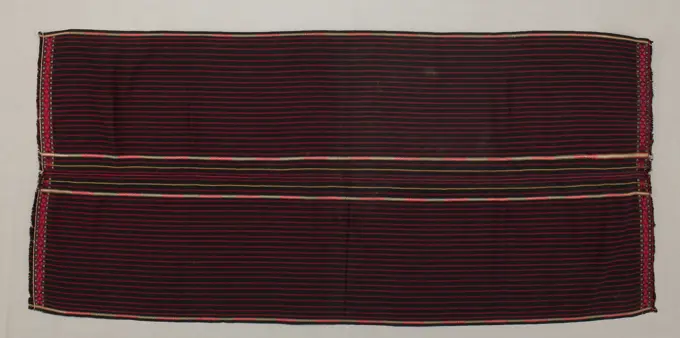
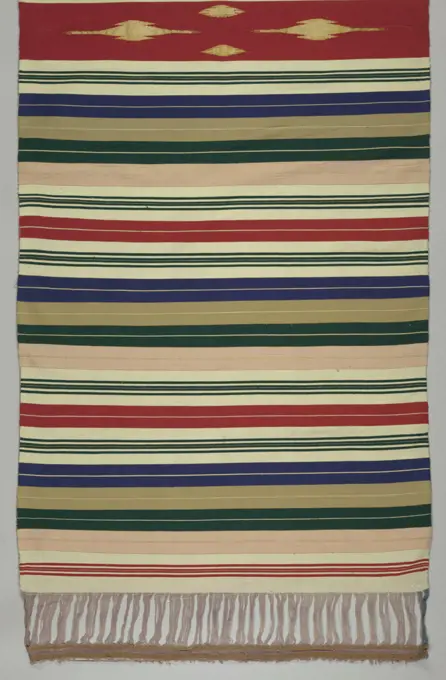
Cloth (tzute), 20th century, 52 1/8 x 27 7/8 in. (132.39 x 70.82 cm), Cotton, silk; supplementary weft patterning, Guatemala, 20th century
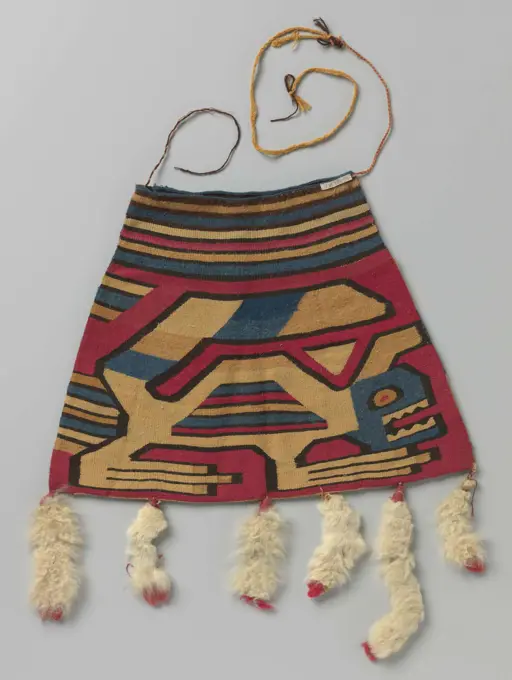
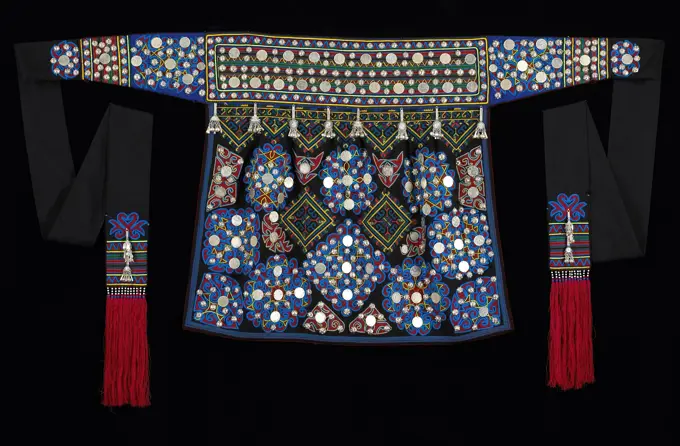
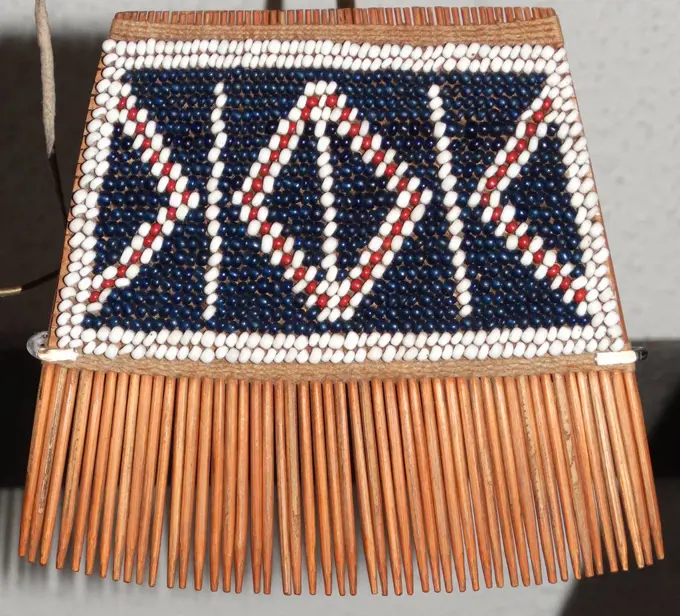
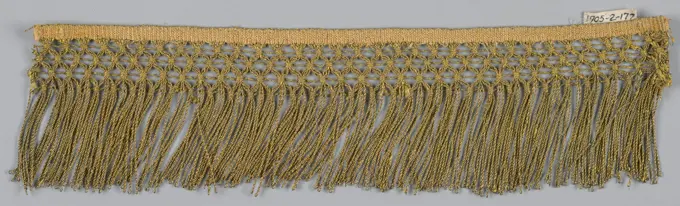
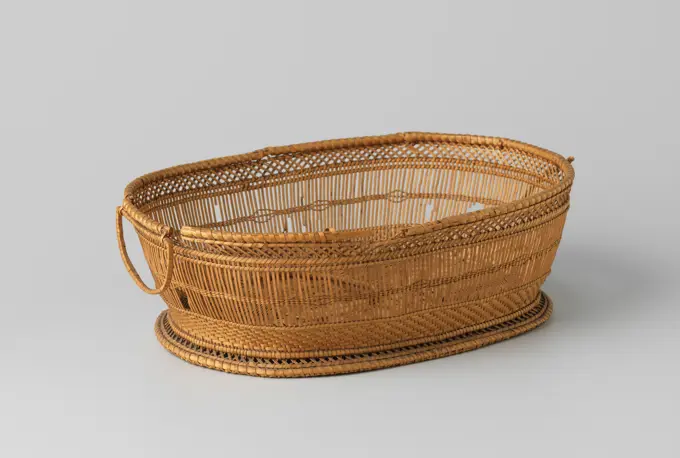
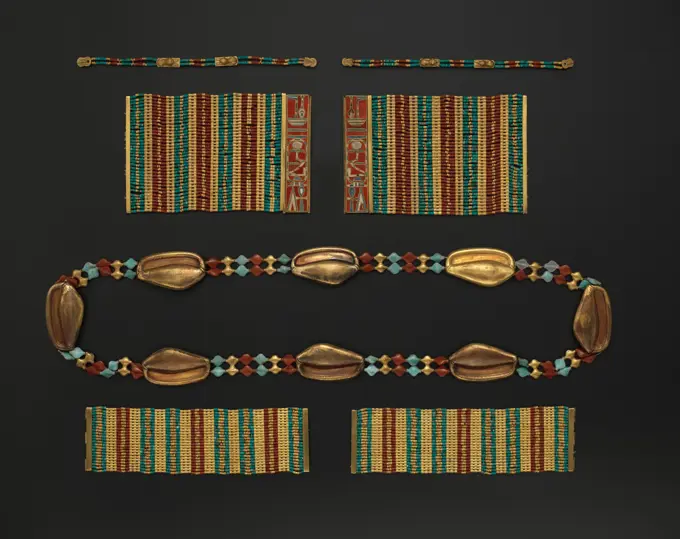
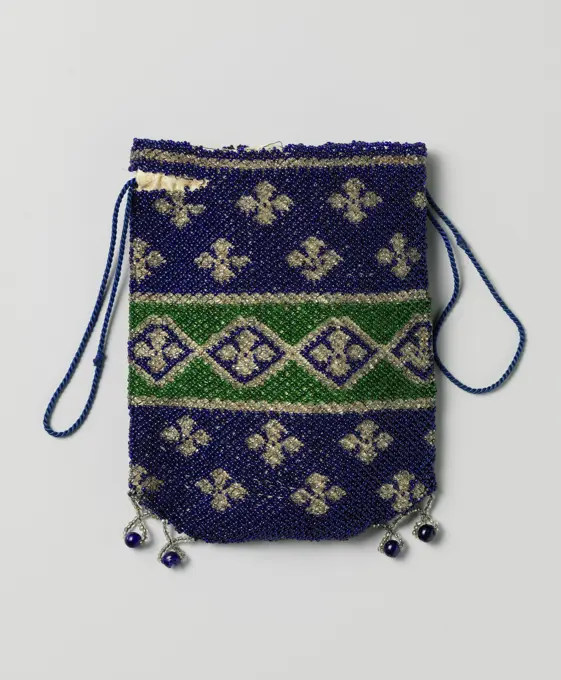
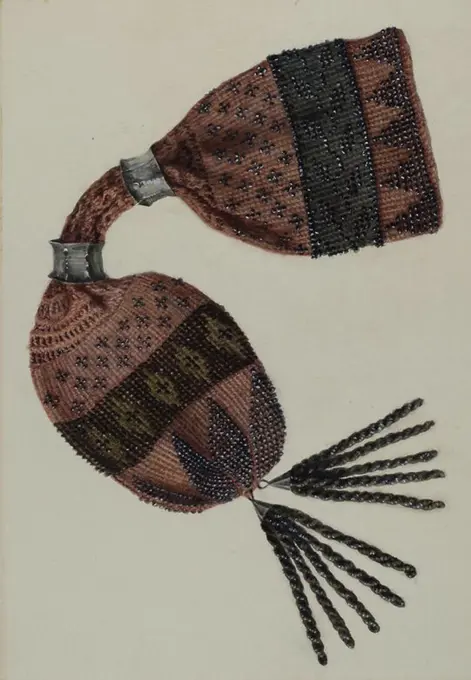
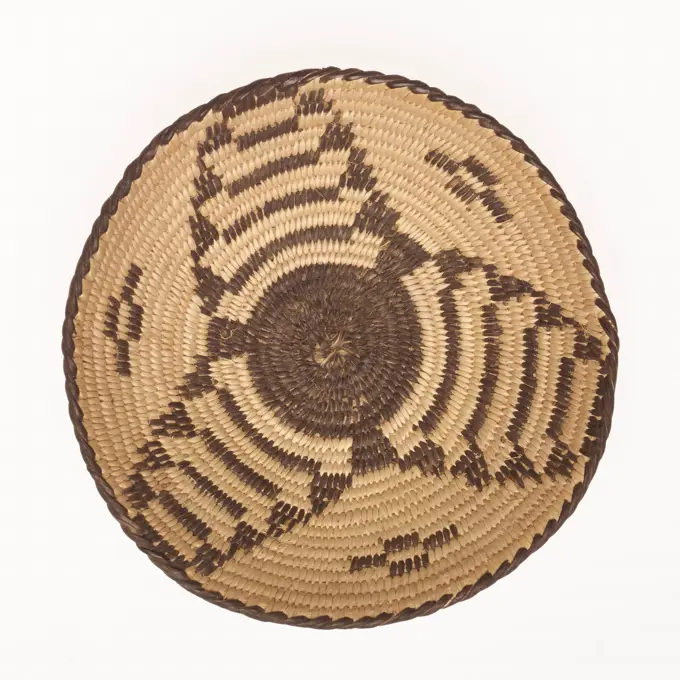
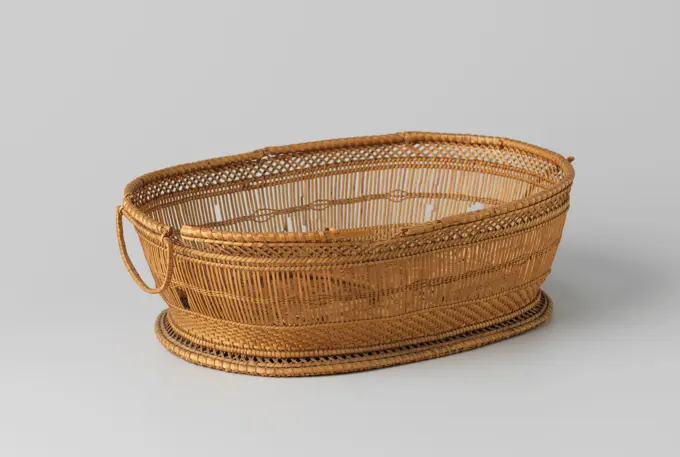
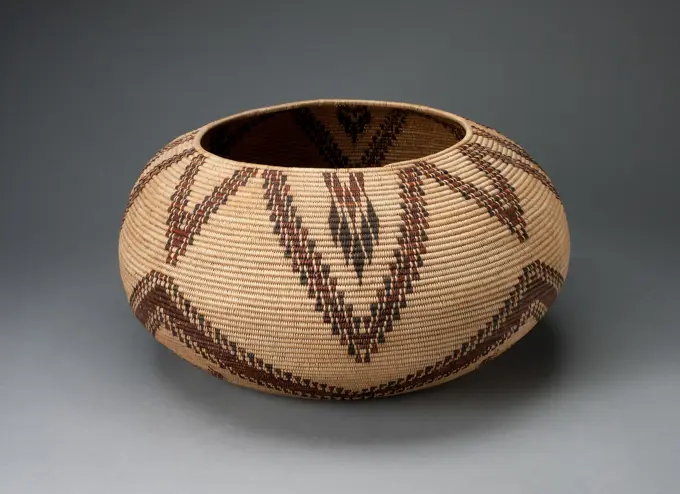
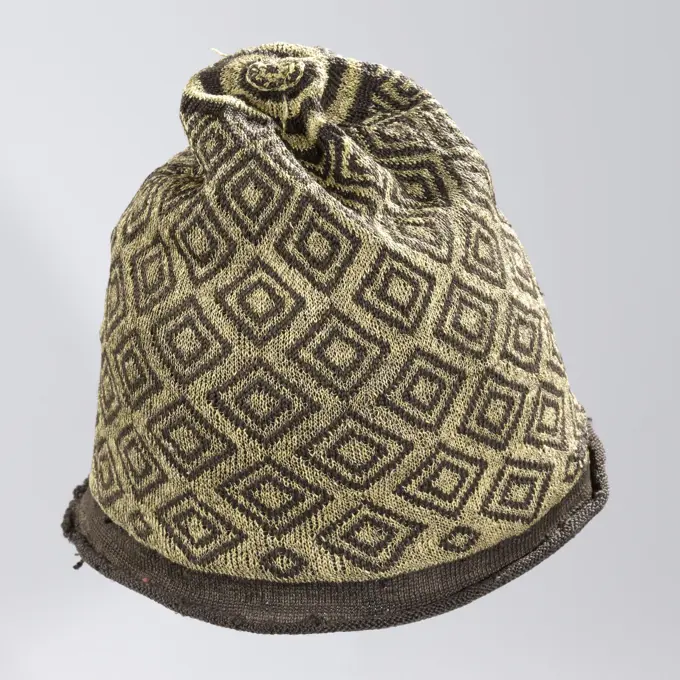
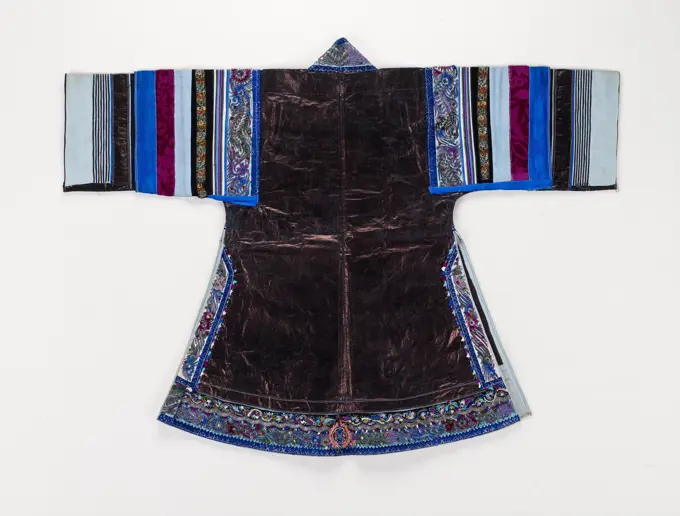
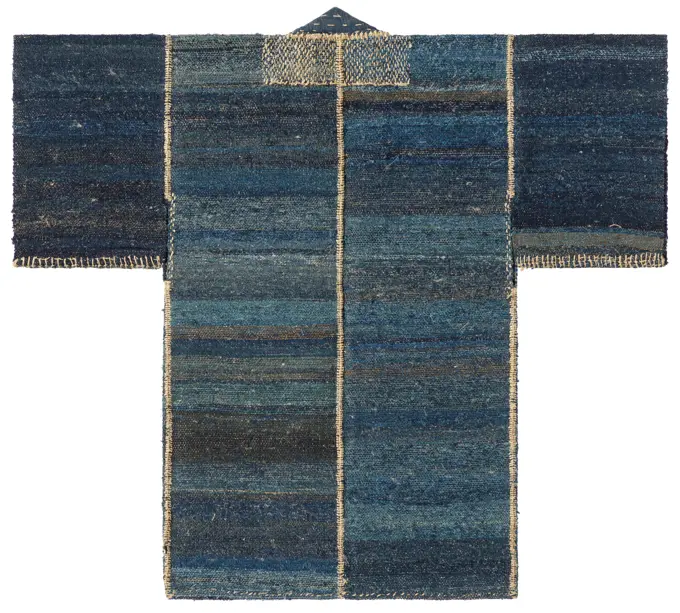
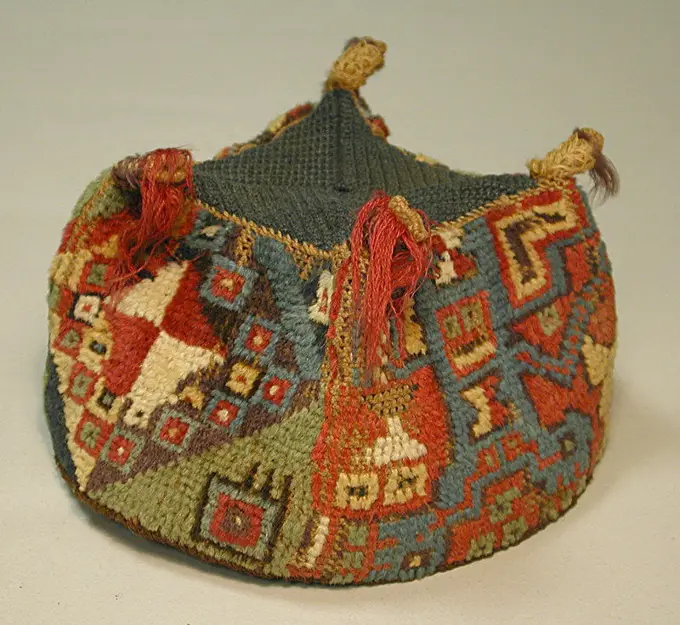
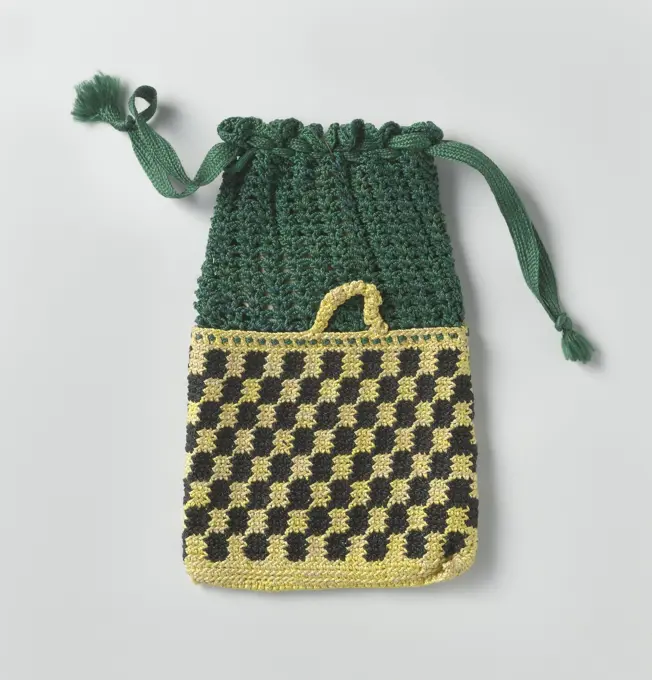
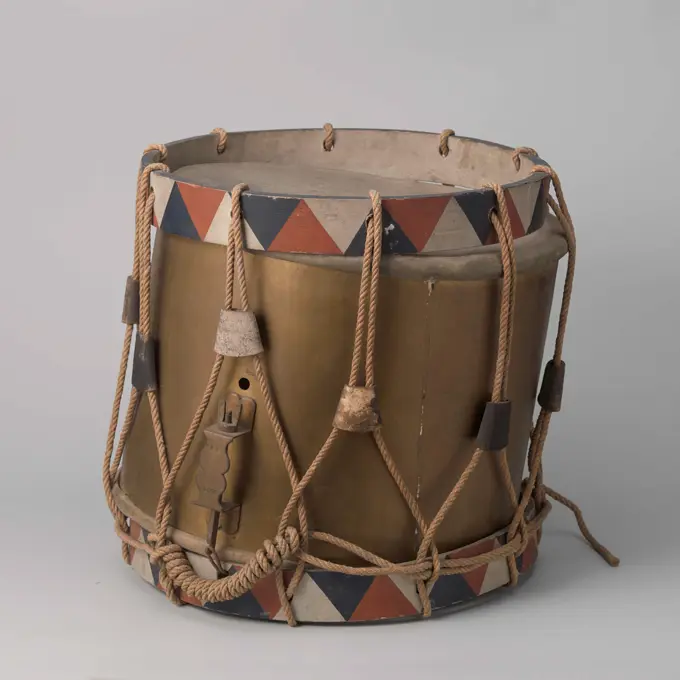
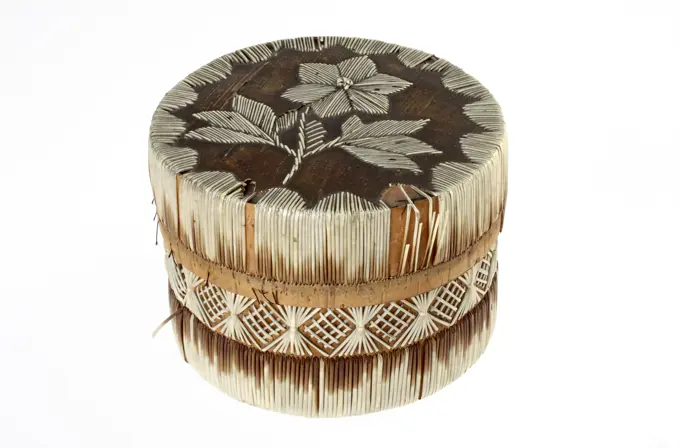
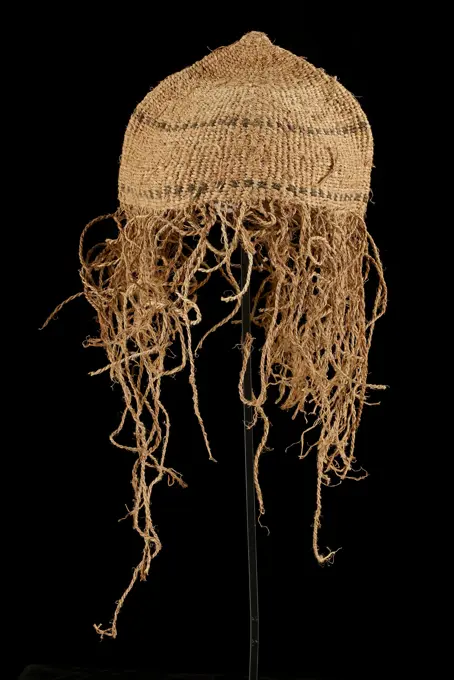
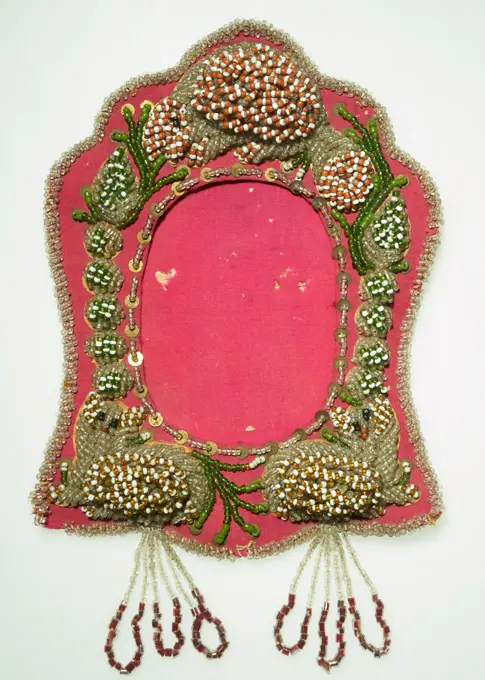
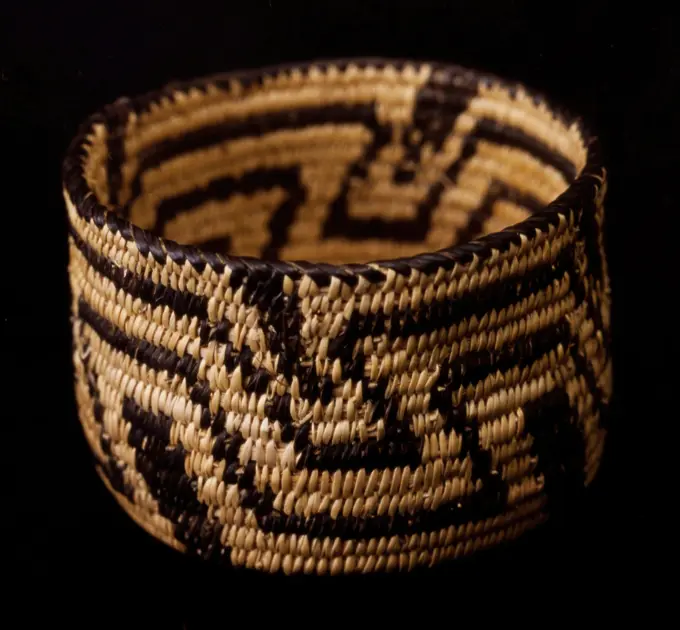
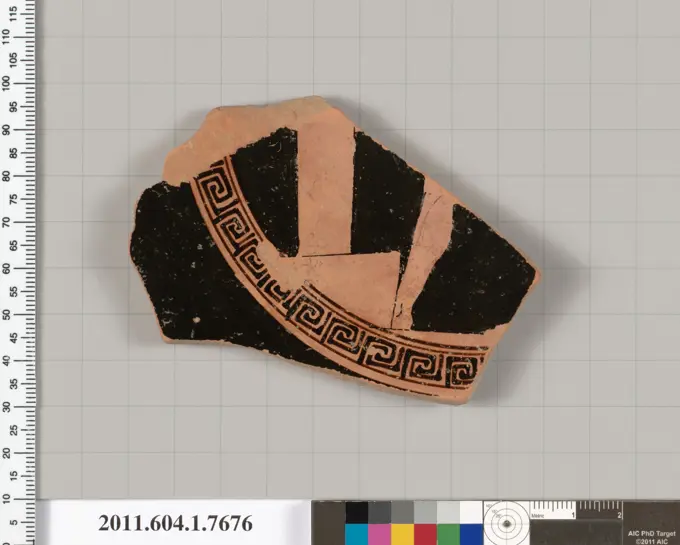
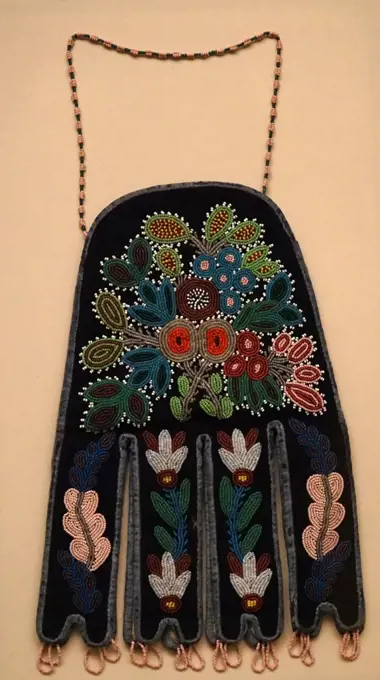
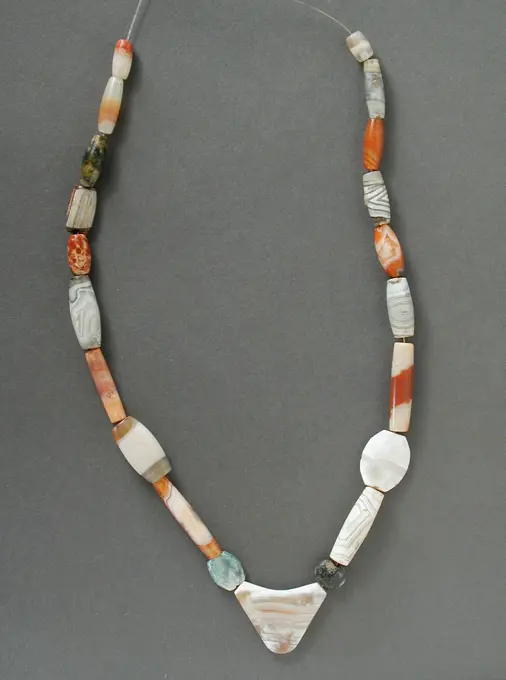
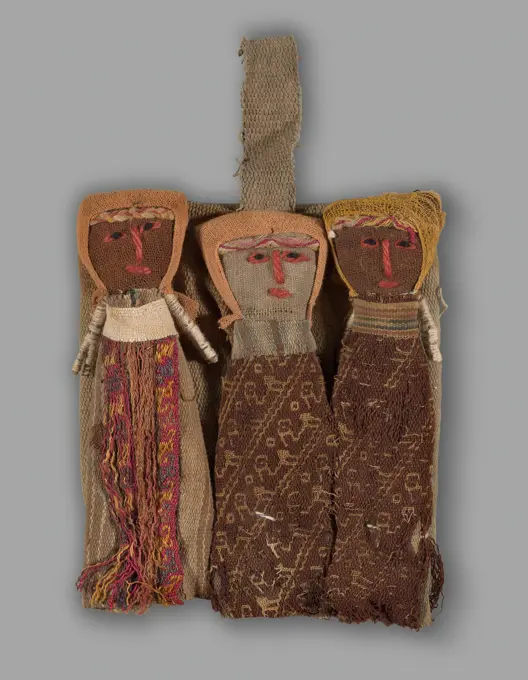
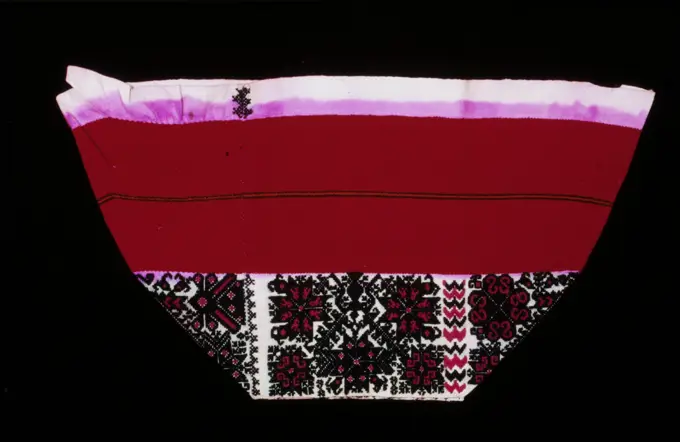
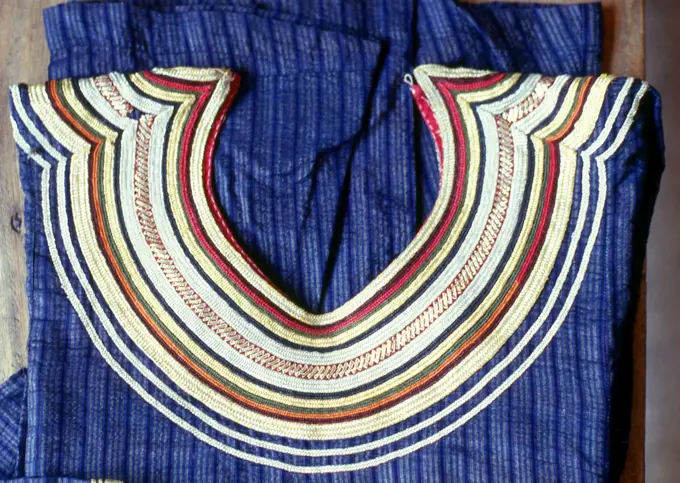
Skirt, 20th century, 20 7/8 x 42 13/16 in. (53.02 x 108.74 cm), Cotton; needlework, Myanmar (Burma), 20th centuryAttic Red-Figure Statuette Kantharos Fragment (comprised of 2 joined fragments). Attributed to Onesimos (Greek (Attic), active 500 - 480 B.C.)Bag or bag that six white wool brushes hang with red dots .. on the bag on one side The stylized motif of a four-footed animal, on the other side a bird () In yellow, brown, red, blue and black.Fragment Made 1201-1400 Italy. Silk and gilt-metal-strip-wrapped silk, warp-float faced warp chevron twill weave with plain interlacings of secondary binding warps and supplementary patterning and brocading wefts .Bourse. GAL1948.11.30CoasterStrip -Beads (Ghana); millefiori glass, raffiaConciliate belt; Studio of Franciszek Masłowski (Kraków; Pasów Factory; 1781-1806); XVIII/19th century (1781-00-00-1806-00-00);USA, Arizona, Scottsdale. Close-up details of Native- American beading and fringe.Blanket strip -Pectoral 19th century Tibet. Pectoral. Tibet. 19th century. Silver and jade. JewelryApron, 18 1/4 x 14 in. (46.36 x 35.56 cm) (without ties or fringe), Cotton, nuts or shells, ChinaSampler textile, 35 × 25 1/2 in. (88.9 × 64.77 cm), Wool, pigments, United StatesWoman's hat, 6 7/16 x 7 9/16 x 11 3/4 in. (16.35 x 19.21 x 29.85 cm) (without tassels), Cotton, silk (), metallic tape, metallic cord, cardboard, beads, ChinaTobacco pouch -Apron / Baby cover, 20th century, 28 x 31 9/16 in. (71.12 x 80.17 cm) (without ties), Cotton, coins, metal buttons and charms, beads; needlework, Thailand, 20th centuryFringe probably European 19th centuryFringe, Medium: silk Technique: woven, Pink and white fringe with a plain-woven heading. Pink and white skirt threads are arranged to form stripes., Italy, 18th century, trimmings, FringeCoverlet (Fragment) Made 1801-1900 United States. Cotton and wool, plain weave with supplementary patterning wefts (overshot) .Textile, Medium: wool, metallic thread Technique: tapestry weave, Plain weave with light brown warps and wefts of doubled threads. Design consists of horizontal stripes in varying thicknesses in pale pink, shades of green, blue and red predominating. Some stripes have diamond-shapes in metallic threads., Syria, 19th century, woven textiles, TextileDecorative Hair Comb from Malawi & Papua New Guinea. Made by the Yao people. Dated 1898Vest, 1900-1925, a: H.14 x W.8 in.; b: H.14-3/4 x W.8 in., Cotton, silk (); needlework, Syria, 20th centuryFringe (Italy); silk, metallic thread (gold strips wound on a silk core)BagCeramic female statuettes from the Mexican state of GuanajuatoFour-Cornered Hat 7th-9th century Wari Finely woven, brightly colored hats, customarily featuring a square crown, four sides, and four pointed tips, are most frequently associated with two ancient cultures of the Andes: the Wari and the Tiwanaku. The Wari Empire dominated the south-central highlands and the west coastal regions of what is now Peru from 500-1000 A.D. The Tiwanaku occupied the altiplano (high plain) directly south of Wari-populated areas around the same time, including territory now part of the modern country of Bolivia. The cultures not only developed and flourished as contemporaries, but also occupied adjacent lands for nearly four centuries. A Wari ceremonial center called Cerro Baúl was located a mere five miles from Tiwanaku-settled fields in the Moquegua Valley of Peru. The two cultures likely encountered each other at Cerro Baúl and elsewhere, but the nature of these interactions remains largely unknown. Four-cornered hats from both the Wari and the Tiwanaku were Basket of reeds. Sewing or stop basket of fine straw. Oval model on foot, with something outstanding edge. Closed braided soil and open edge of fine bars. Two large oval ears on either side.Border (France); block-printed on machine-made paper; a) Overall: 13 x 6.5 cm (5 1/8 x 2 9/16 in.) b) Overall: 35.5 x 6 cm (14 x 2 3/8 in.) c) Overall: 20.5 x 5 cm (8 1/16 x 1 15/16 in.) D) Overall: 20 x 5 cm (7 7/8 x 1 15/16 in.)Cowrie Shell Girdle, Lion Bracelets, Bracelets with the Name of Amenemhat III, and Anklets of Princess Sithathoryunet ca. 1887-1813 B.C. Middle Kingdom Along with the pectoral, these bracelets, anklets, and girdle seem to have belonged to a set of formal jewelry that may have been worn during a special rite. Although the objects share a color scheme, variations in manufacture suggest they were accumulated over time. All the pieces were reconstructed from loose elements found scattered around Sithathoryunets decayed boxes. The bracelets are inlaid with the name of King Amenemhat III. The girdle, whose shells have erotic associations, was worn around the hips. Each contains small pellets that would have made a soft sound when the woman walked or danced.. Cowrie Shell Girdle, Lion Bracelets, Bracelets with the Name of Amenemhat III, and Anklets of Princess Sithathoryunet. ca. 1887-1813 B.C.. Gold, carnelian, turquoise, feldspar, pellets of copper-silver alloy. Middle Kingdom. From Egypt,Black textile neck jewelry with appliques, Anja Adolfs, c. 2010 - c. 2012 Black textile neck jewelry with appliques of five painted faceted glassstones with elements of patinated metal. The closure consists of a ribbon of velvet. Netherlands textile materials. glass. metal. velvet (fabric weave) Black textile neck jewelry with appliques of five painted faceted glassstones with elements of patinated metal. The closure consists of a ribbon of velvet. Netherlands textile materials. glass. metal. velvet (fabric weave)Reticule in a flat rectangular model, whole of blue, green and white beads in a geometric pattern, anonymous, c. 1910 - c. 1920 Reticule in blue, green and white. Flat pocket model with beveled corners and two cords as a closure. Wide blue lanes with two rows of white are top and bottom and connect a narrower green center lane, on which a white switching motif with blue diamonds is again filled with a white star. Two large blue beads hang in the corners on white beaded cords. The beads are woven () On diagonal lines, alternately of full and semi -filled revs, so that a fine open grid has been created. Lining of white satin. West-Europa Beads: Glass. Lining: Silk glassblowing Reticule in blue, green and white. Flat pocket model with beveled corners and two cords as a closure. Wide blue lanes with two rows of white are top and bottom and connect a narrower green center lane, on which a white switching motif with blue diamonds is again filled with a white star. Two large blue beads hang iBeaded Purse. Dated: c. 1940. Dimensions: overall: 26.8 x 21.2 cm (10 9/16 x 8 3/8 in.). Medium: watercolor, graphite, and heightening on paper. Museum: National Gallery of Art, Washington DC. Author: Stella Mosher.Pipe Bag, 19th century, 32 1/2 x 8 1/4 in. (82.55 x 20.96 cm), Leather, glass beads, porcupine quills, and feathers, United States, 19th centuryGallon;  19th century (1801-00-00-1900-00-00);Basket, 1900-1942, 4.25 x 4.25 in. (10.8 x 10.8 cm), Natural plant fibers, United States, 20th century, In the early 1900s, many Euro-American women traveling through the Southwest region of the United States became infatuated with miniature Native American baskets, and some became avid collectors. Native women basket makers responded to this demand by creating ever-smaller baskets, utilizing the same harvesting, processing, and coiling techniques as those for personal use. Creating tightly woven, tiny baskets in an expanding range of designs and styles for their new clientele required the same levels of expertise and knowledgebut perhaps even more dexterity and skill.Fringe 18th century () European. Fringe 225049Cuff Made 1690-1710 England. Silk, satin weave, over linen, plain weave; embroidered in silk floss, metal strips wrapped around a silk fiber core, with silk cords; in couching, line and padded satin stitches .Fragment of a terracotta oinochoe (jug) 7th century B.C. East Greek, Wild Goat Style Horned quadruped and bird.. Fragment of a terracotta oinochoe (jug) 254218 East Greek, Wild Goat Style, Fragment of a terracotta oinochoe (jug), 7th century B.C., Terracotta, H. 2 15/16 in. (7.5 cm). The Metropolitan Museum of Art, New York. Rogers Fund, 1941 (41.162.51)Mant of split willow, c. 1800 - c. 1900 Sewing or stop basket of split willow, fine-hungry. Oval model on foot, with slightly outstanding edge. Closed braided bottom and open edge of fine spikes. Two large oval ears on either side. Italy (possibly) . braiding Sewing or stop basket of split willow, fine-hungry. Oval model on foot, with slightly outstanding edge. Closed braided bottom and open edge of fine spikes. Two large oval ears on either side. Italy (possibly) . braidingLoincloth (Pio (s)u(ng)ki or Cawat)Basket 1875-1900 Northern California. Plant fibers . MaiduEgyptian OrnamentHat, knitted, black silk with diamond -shaped, geometric ornaments of gold thread and a curled edge of plain black silk, anonymous, c. 1600 - c. 1699 Hat, knitted, black silk with diamond -shaped, geometric ornaments of gold thread and an edge of plain black silk. Knitted with four or five needles. The gold thread is brought along with the black side. In the middle behind a 'seam', where is reduced. On the far right knitted. The decoration is on the sphere, the curled 'edge' is plain. The hat was most likely brought in shape by steams and stretching, since there is hardly any mooring or reduced to reach the shape. London whole: Silk. BOL: knitting Hat, knitted, black silk with diamond -shaped, geometric ornaments of gold thread and an edge of plain black silk. Knitted with four or five needles. The gold thread is brought along with the black side. In the middle behind a 'seam', where is reduced. On the far right knitted. The decoration is on the sphere, the curled 'edge' is plain. The Fragment of aHeadband.  Artist: UnknownPurse first quarter 17th century British. Purse. British. first quarter 17th century. Silk and metal thread on canvas. Textiles-EmbroideredJacket, ChinaWorkwear (noragi) jacket made in Shōnai, Yamagata Prefecture, second half 19th century, Unknown Japanese, 44 × 40 1/4 in. (111.76 × 102.24 cm) (overall), Cloth: cotton and bast fiber; saki-ori (split weaving), sashiko (decorative reinforcement stitching), Japan, 19th centuryReticule. Culture: British. Date: first quarter 19th century.Small mesh bags known as reticules were the must-have "it bags" of 1800-1825. Too small for carrying much more than a few coins, reticules were often shown in satirical prints as a fashionable foible of women's attire. Knit into an elegant lantern-like shape, this example survives with its original ribbon trim making it a particularly lovely and rare example of a short-lived fashion trend. Museum: Metropolitan Museum of Art, New York, USA.Bowl, Unassigned, before 1917. Northwest Coast, Tlingit, Unassigned. Twined, imbricated; diameter: 16.5 x 18.5 cm (6 1/2 x 7 5/16 in.).Four-Cornered Hat 7th-9th century Wari Finely woven, brightly colored hats, customarily featuring a square crown, four sides, and four pointed tips, are most frequently associated with two ancient cultures of the Andes: the Wari and the Tiwanaku. The Wari Empire dominated the south-central highlands and the west coastal regions of what is now Peru from 500-1000 A.D. The Tiwanaku occupied the altiplano (high plain) directly south of Wari-populated areas around the same time, including territory now part of the modern country of Bolivia. The cultures not only developed and flourished as contemporaries, but also occupied adjacent lands for nearly four centuries. A Wari ceremonial center called Cerro Baúl was located a mere five miles from Tiwanaku-settled fields in the Moquegua Valley of Peru. The two cultures likely encountered each other at Cerro Baúl and elsewhere, but the nature of these interactions remains largely unknown. Four-cornered hats from both the Wari and the Tiwanaku were Pouch ca. 1860 American. Pouch 169838Bag (France); cotton, glass beadsPouch in a small, flat and rectangular model, with a top of crocheted green silk and a bottom in a pattern of rejected blocks in black and yellow side, anonymous, c. 1800 - c. 1850 Pouch in a small, flat and rectangular model, with a top of crocheted green silk and a bottom in a pattern of rejected blocks in black and yellow side. Halfway through the pouch two crocheted yellow loops. His two green ribbons are strung through the top. The pouch is unlined. West-Europa whole: Silk crocheting Pouch in a small, flat and rectangular model, with a top of crocheted green silk and a bottom in a pattern of rejected blocks in black and yellow side. Halfway through the pouch two crocheted yellow loops. His two green ribbons are strung through the top. The pouch is unlined. West-Europa whole: Silk crochetingCamel Bag, 20th century, 27 x 50 in. (68.58 x 127 cm), Painted leather, Niger, 20th centuryDrom, old model of the arches. Groom of the militia. The brass boiler is provided with a veal sheet on both sides, held by a hoop and tense by means of a tensioner with tractors and screws. Both hoops are decorated with a motif of triangles in the colors red, white and blue. With engraved numbers: 1855-35.Handmade colorful Turkish ethnic styled woven woolen socksBeaded Bag (floral motif), early 19th century. America, early 19th century. Glass beads, cotton lining; average: 16.5 x 15.9 cm (6 1/2 x 6 1/4 in.).Close-up of woven basket in Bali, Indonesia (Large format sizes available)Transformational figure Okvik, Native American ca. 200 BCE-100 CE This female figure with an elongated head and torso appears part-human and part-sea mammal or fish. Although its exact purpose is specific to the owner, the narrow opening at the center may signify the boundary between the physical and spirit worlds. Carvings such as this one are among the most aesthetically refined of the Old Bering Sea sculptural works. View more. Transformational figure. Okvik, Native American. ca. 200 BCE-100 CE. Walrus ivory. Made in Bering Strait region, Alaska, United StatesKnife Sheath 1850-60 Tahltan. Knife Sheath 319235Rug, 20th century, 128 x 29 1/2 in. (325.12 x 74.9 cm), United States, 20th centuryStreamers, from a seven-piece costume, mid 20th century, 15 1/2 x 28 15/16 in. (39.37 x 73.5 cm) (without tassels or closure), Cotton, beads, China, 20th centuryFragment with decorated bands, probably 1400s. India, Gujarat. Plain weave: cotton, stamped resist and dyed; overall: 7.9 x 15.6 cm (3 1/8 x 6 1/8 in.).Box -Fringe 18th century () European. Fringe 225125Hat, 1940, 5 5/8 x 6 x 8 in. (14.29 x 15.24 x 20.32 cm), Plant fibers, Democratic Republic of the Congo, 20th centuryTribal vaseTassel 18th century French. Tassel. French. 18th century. Metal thread. Textiles-TrimmingsBand, Bands; PeruTraditional fabric shop, Weavers Studio, Calcutta, West Bengal, India Copyright: xBxPxMaiti/DinodiaxPhotoxDifferent coloured banglesCoptic fabric; Egyptian workshop; VII-IX century (601-00-00-900-00-00);Fabric Swatch Fab-Tex Inc.. , 1963-1966. Cotton, sheet: 8 1/4 x 9 1/2 in. (21 x 24.1 cm).    1963-1966Ribbon French 19th century View more. Ribbon. French. 19th century. Textiles-TrimmingsTheatrical Costume for the Role of a Warrior. Culture: China. Dimensions: Overall (a): 59 5/8 x 68 3/4 in. (151.4 x 174.6 cm)Overall (b): 37 1/2 x 35 in. (95.3 x 88.9 cm). Date: 18th century.This costume is for the role of a high-ranking warrior. A nearly identical costume is in the Qing court collection of theatrical costumes in the Palace Museum, Beijing. Museum: Metropolitan Museum of Art, New York, USA.Thai traditional old vintage fabric triangle pillow on dark wood backgroundShip full of Viking warriors. Gotland. 10th cent. Viking artifact.Cradleboard Cover Panel 1810-30 Eastern Sioux. Cradleboard Cover Panel 319037Baby carrier panel (), ChinaFringe, Medium: silk Technique: plain weave, Yellow and green fringe with a heading and looped skirt threads holding tufts arranged to form a pointed edge., Spain, 16th century, trimmings, FringePincushion, 20th century, 8 1/8 x 10 x 2 7/16 in. (20.64 x 25.4 x 6.19 cm) (without dangles), Beads, cotton, velvet, United States, 20th centuryPicture frame whimsey, 10 7/16 x 7 3/4 x 1 in. (26.51 x 19.69 x 2.54 cm) (without dangles), Beads, cotton, sequins, paper, United StatesCushion created from skin pigments and silk, from Niger, Western Africa. Dated 20th CenturyOne of the 3,000 oriental rugs from Arthur T. Gregorian Inc., 2284 Washington Street, Newton Lower Falls, Mass. 02162 , Rugs, Textile industry, Tichnor Brothers Collection, postcards of the United StatesBasket, 20th century, 1 1/2 x 2 3/16 x 2 3/16 in. (3.8 x 5.6 x 5.6 cm), Natural plant fibers, United States, 20th century, These various sized baskets, all made exclusively for the tourist market, share similar fret designs. The Akimel Oothom and Tohono Oodham often employ the same designs in their basketry because they intermarried, traded, and shared many aspects of each others traditions and language.Pouch 1830-60 American. Pouch 168389Terracotta fragment of a kylix (drinking cup) second quarter of the 5th century B.C. Greek, Attic Interior, part of goal post; calf and heel of male to left; Exterior, palmette and tendrils; lower drapery and feet of a draped male to right, with a stick; part of a goal post; part of foot of draped male to left. Terracotta fragment of a kylix (drinking cup). Greek, Attic. second quarter of the 5th century B.C.. Terracotta; red-figure. Classical. VasesAn example of quillwork by Subarctic peoples. Quilwork was a major decorative element used. Dated 20th CenturyWari textil Wari culture 500AC-1000AC Perú.Bag (France); glass beads, steel frameHat, c. 1900. California, Karok, Humboldt County, 20th century. Hazel, conifer root, woodwardia fern, bear quats, maiden- hair fern; twine ( 4-strand twine); overall: 9 x 18 cm (3 9/16 x 7 1/16 in.).Group of Beads. Bactria, Namazga V period, circa 2200-1800 B.C.. Jewelry and Adornments; beads. AgateBaby Bib, 24 x 14 1/4 in. (60.96 x 36.2 cm), Cotton, silk, sequins, brass buttons, ChinaMedicine bag with floral design , Bags, Ojibwa Indians, Peabody Museum of Archaeology and Ethnology, Tichnor Brothers Collection, postcards of the United StatesDolls Made 1950-1984 Peru. Contemporary assemblage of materials from a variety of past cultures. Cotton and wool, variety of weaves; embroidered with wool in running stitch; coton wrapped twigs . ChancayQuechquemitl, 20th century, 17 1/2 x 33 in. (44.45 x 83.8 cm), Wool, cotton; needlework, Mexico, 20th centurynotepadThe dhivehi libaas is a traditional Maldivian dress for women. The neckline is adorned with what is called kasabu viyun, a collar hand stitched with silver and gold laces. Asia's smallest and least-known nation, the Republic of Maldives, lies scattered from north to south across a 750-kilometre sweep of the Indian Ocean 500 kilometres south-west of Sri Lanka. More than 1000 islands, together with innumerable banks and reefs, are grouped in a chain of nineteen atolls which extends from a point due west of Colombo to just south of the equator. The atolls, formed of great rings of coral based on the submarine Laccadive-Chagos ridge, vary greatly in size. Some are only a few kilometres square, but in the far south the great atoll of Suvadiva is sixty-five kilometres across, and has a central lagoon of more than 2000 square kilometres. The northern and central atolls are separated from each other by comparatively narrow channels of deep water, but in the south Suvadiva is cut off by the eigFrank van Goud, 1700 - 1900 Fringes of gold.  . Fringes of gold.  .