Textiles with Geometric Patterns

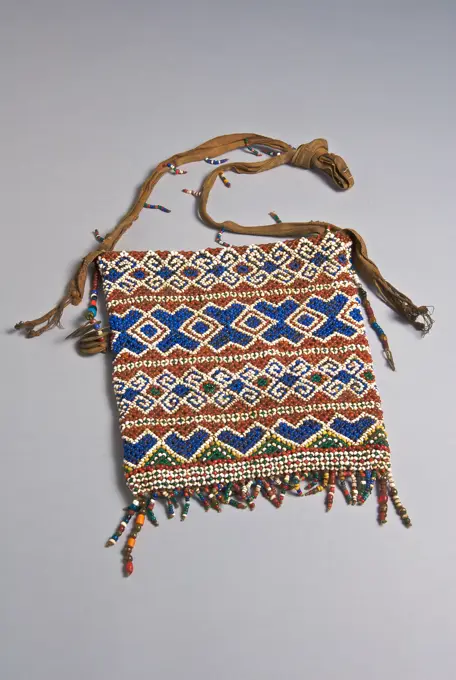
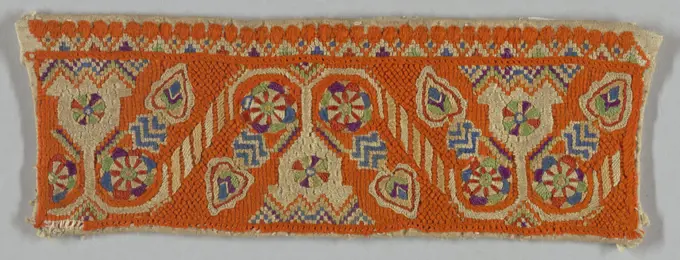
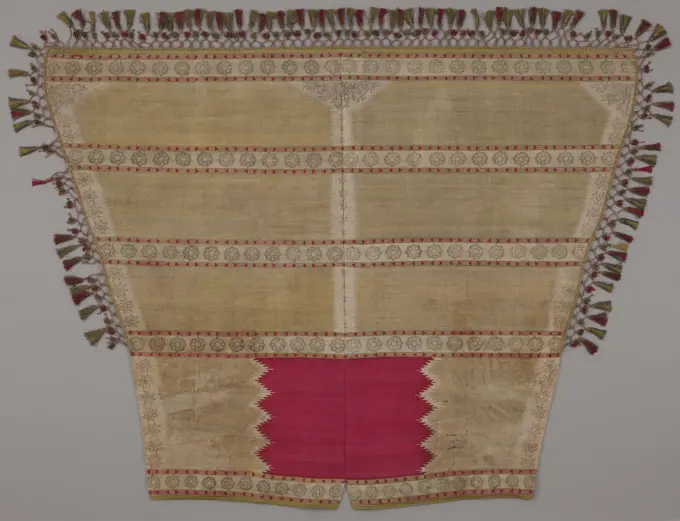
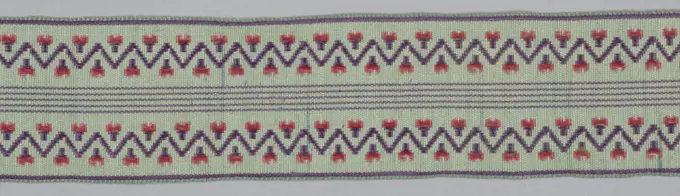
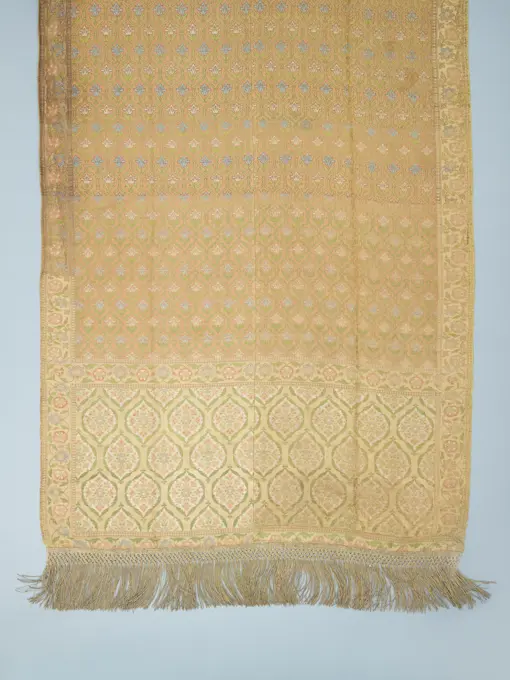
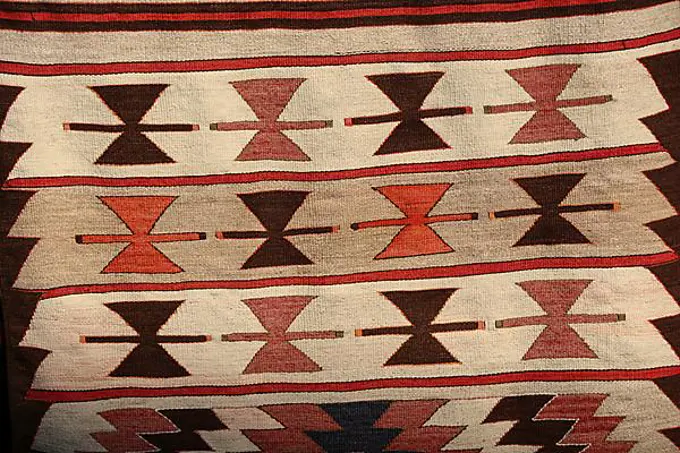
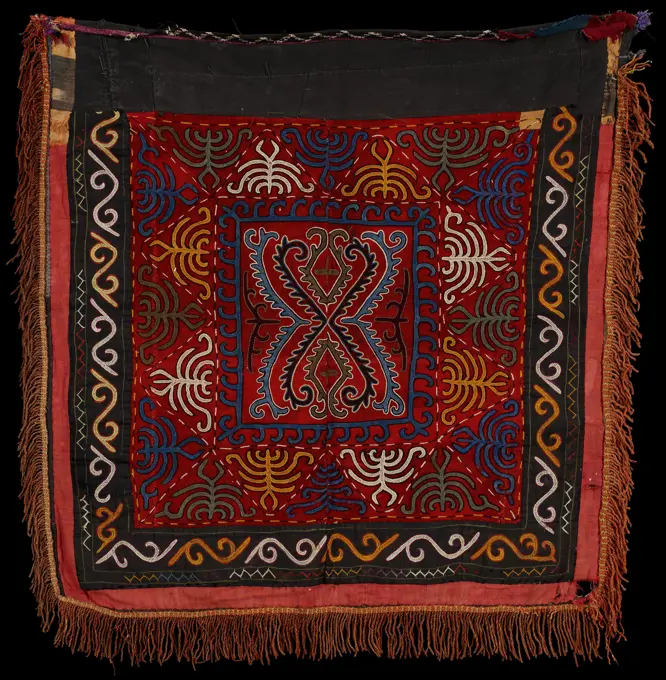
A collection of traditional textiles featuring colorful geometric motifs. Rich colors and intricate designs reflect cultural heritage and craftsmanship.

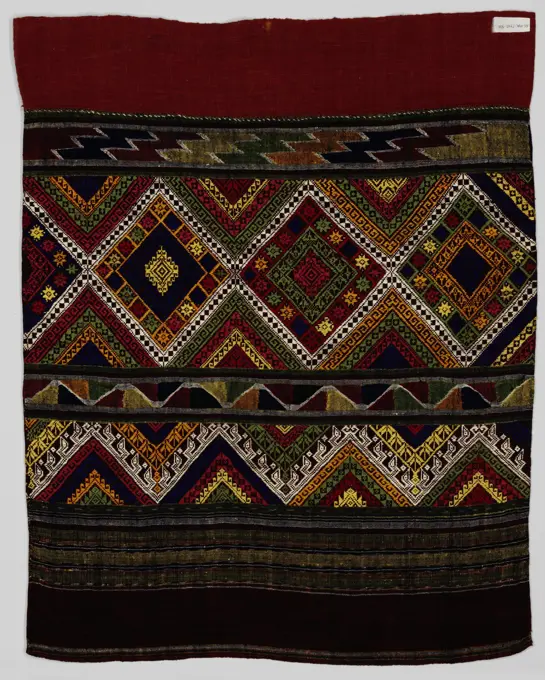
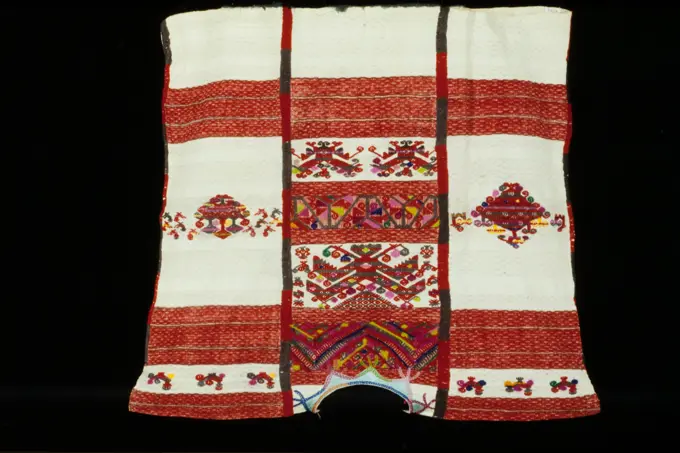
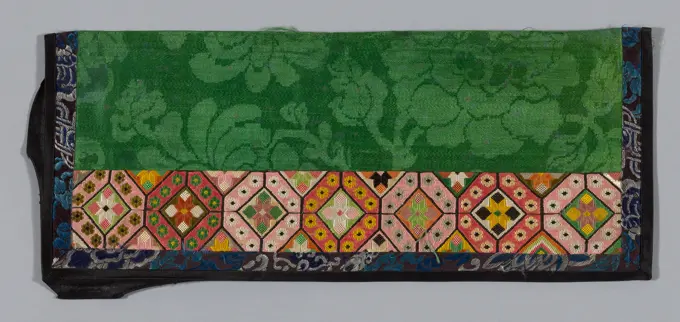
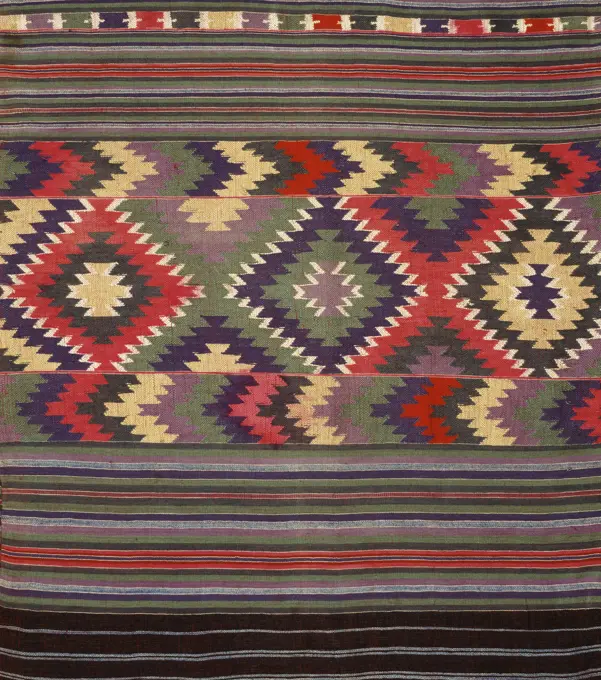
Cloth (tzute), 20th century, 52 1/8 x 27 7/8 in. (132.39 x 70.82 cm), Cotton, silk; supplementary weft patterning, Guatemala, 20th century
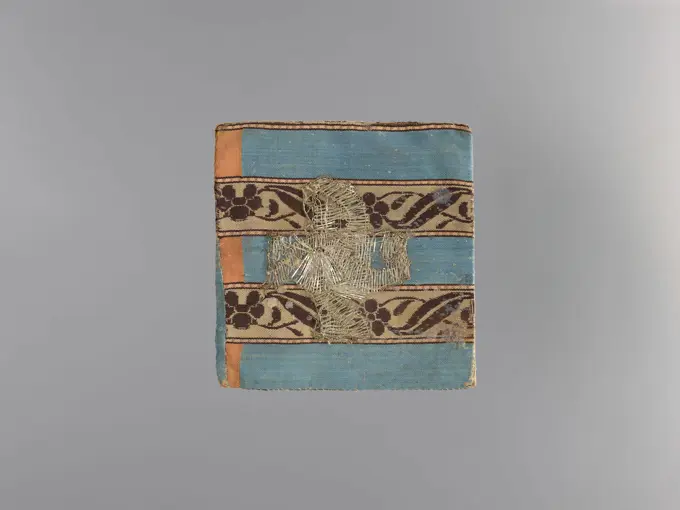
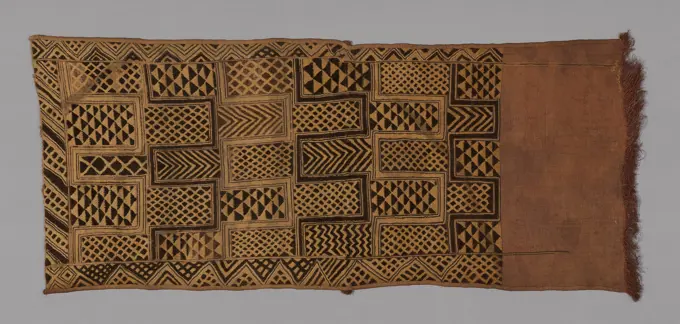
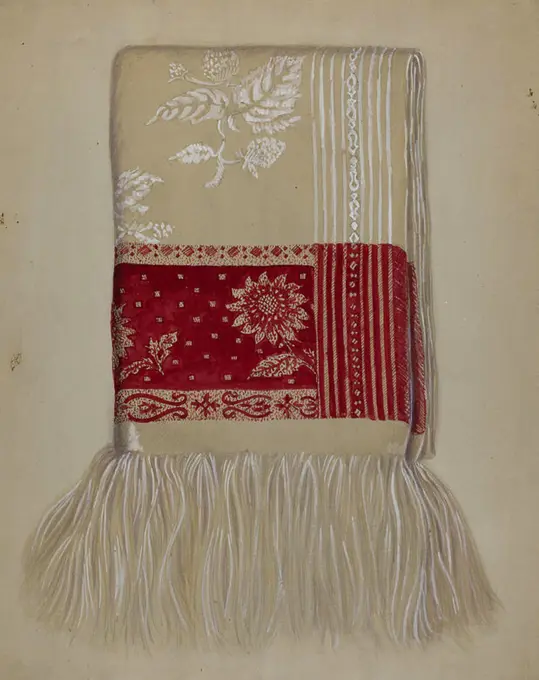
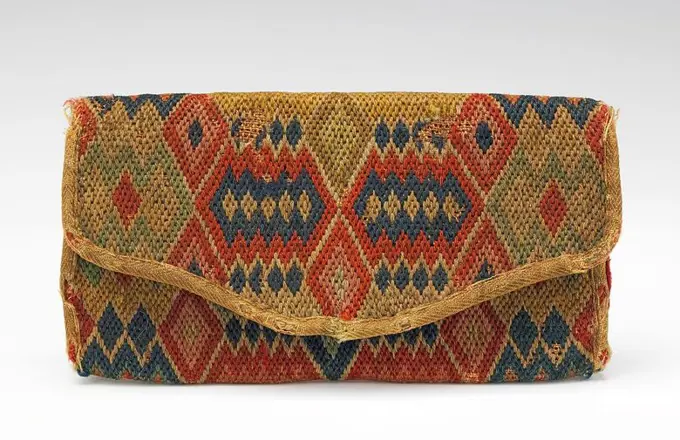
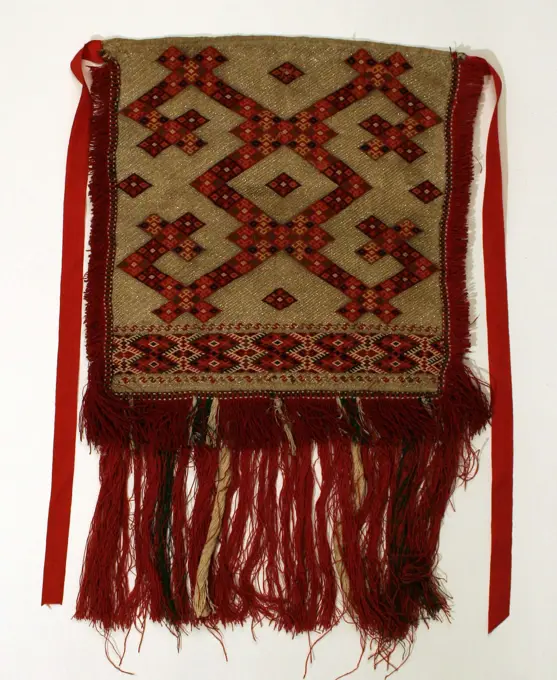
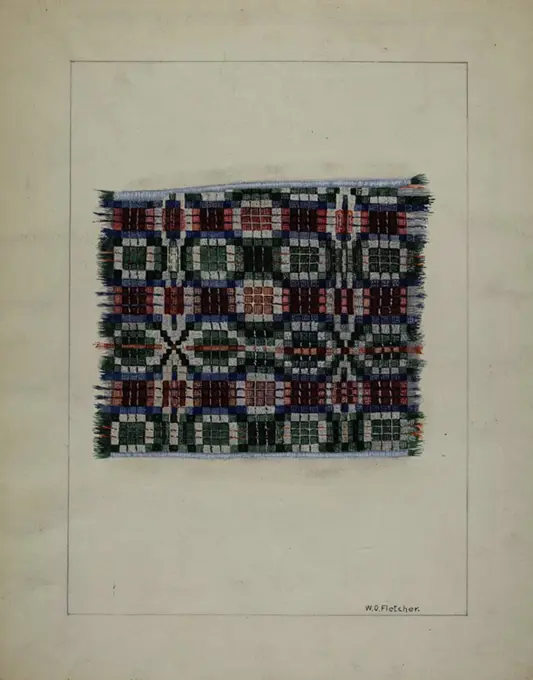
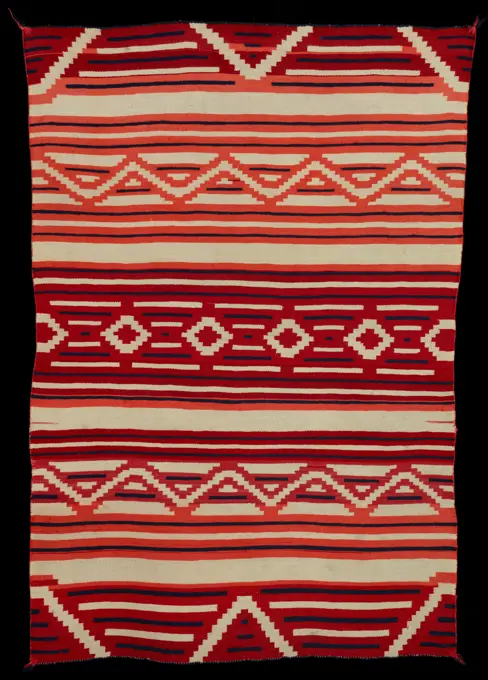
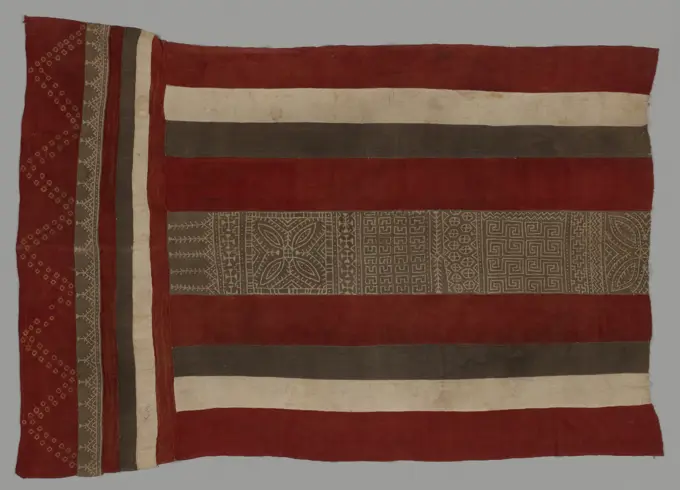
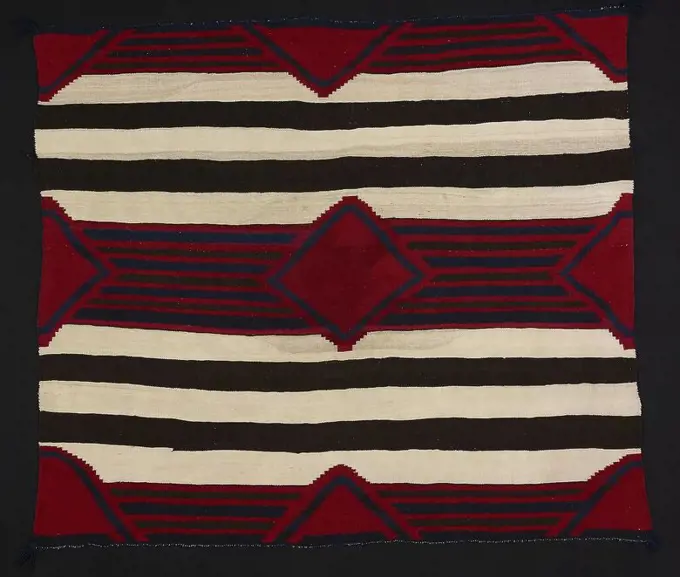
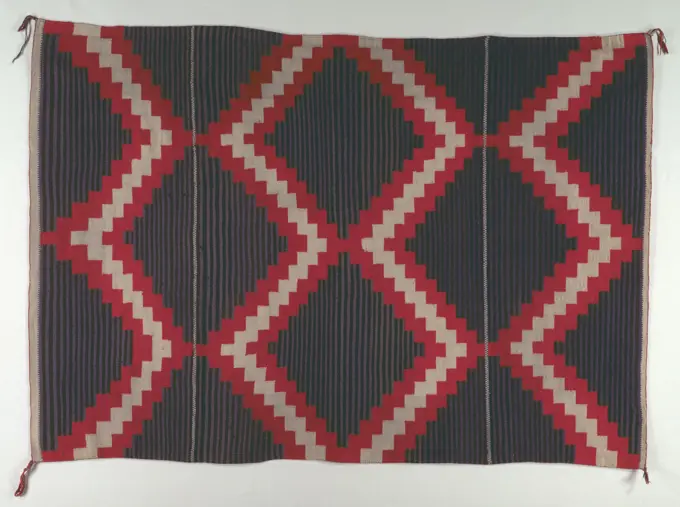
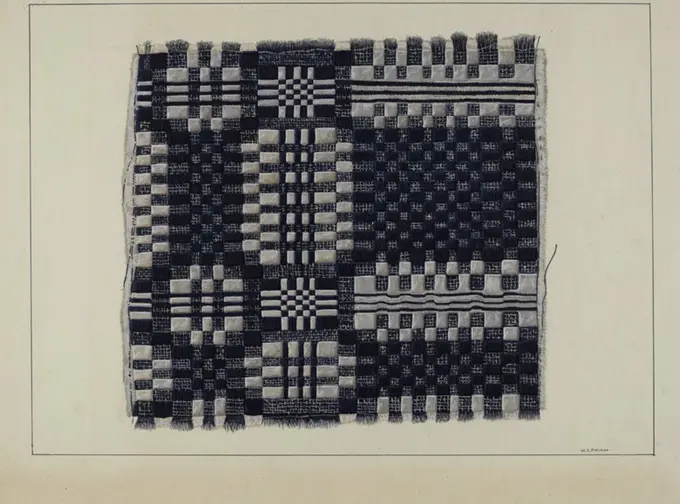
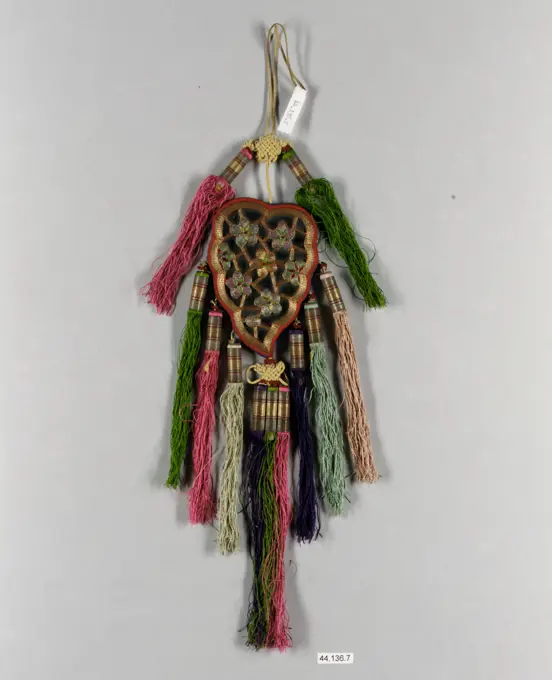
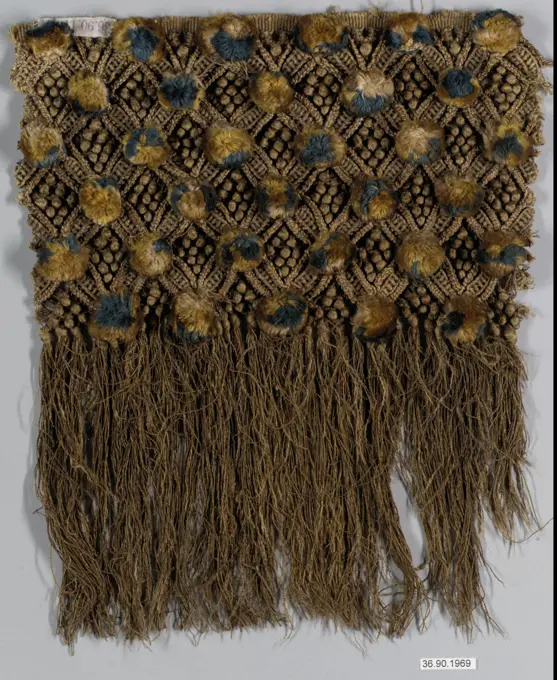
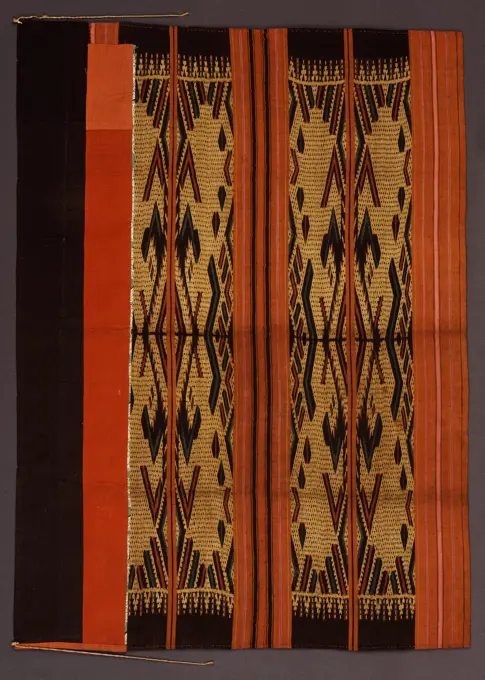
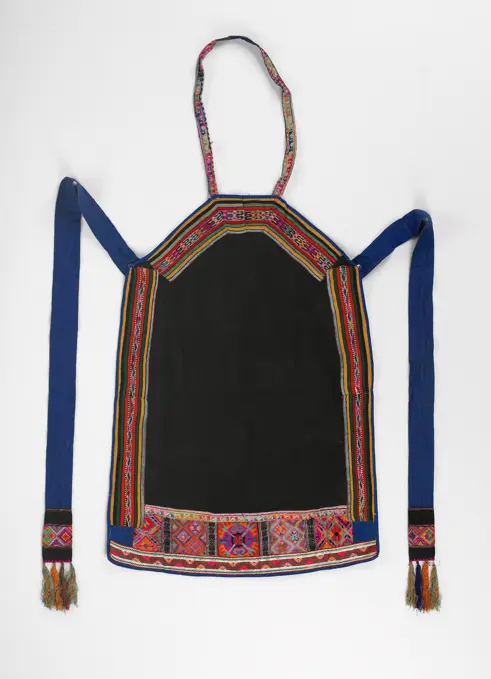
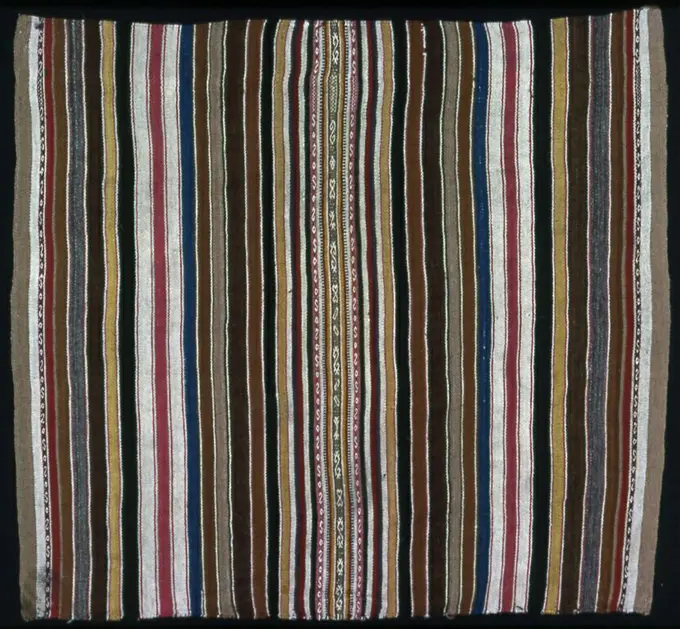
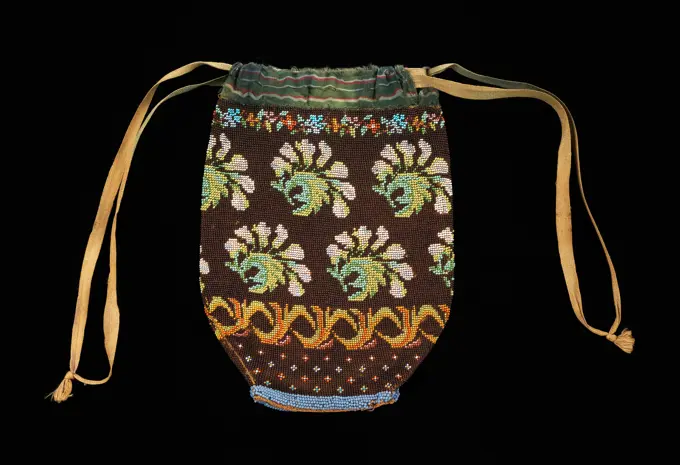
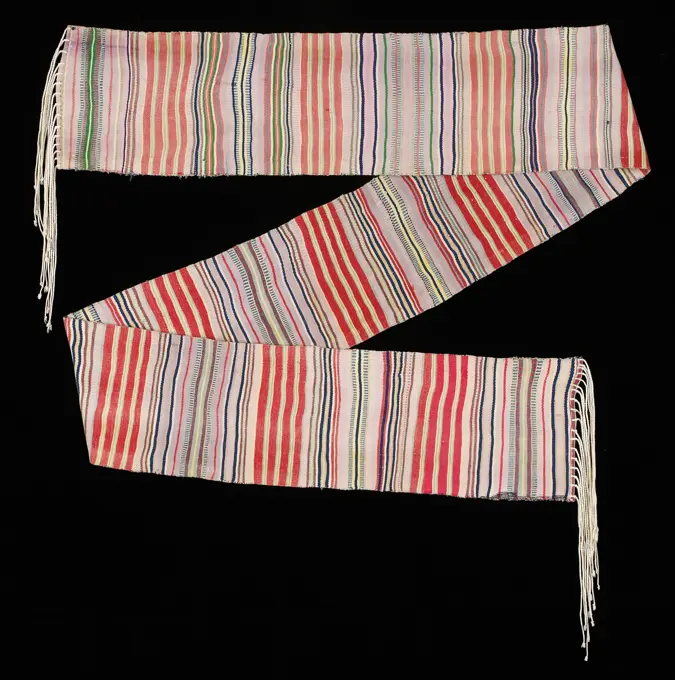
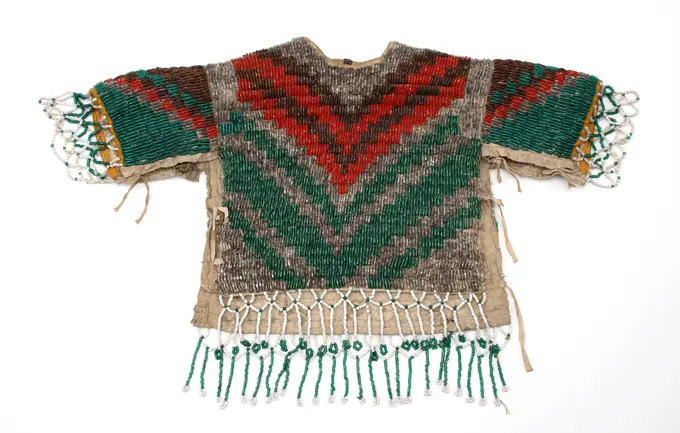
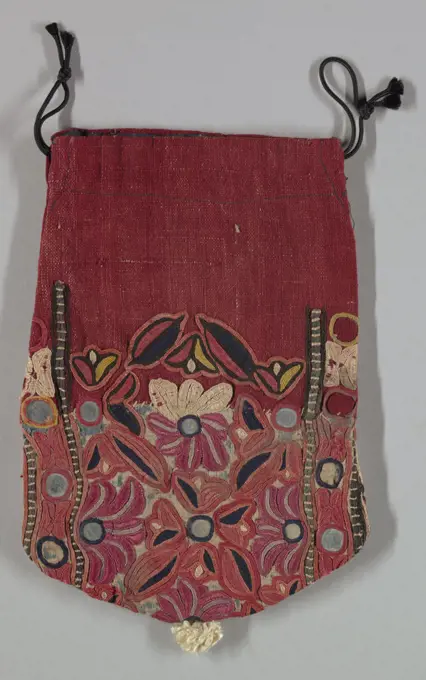
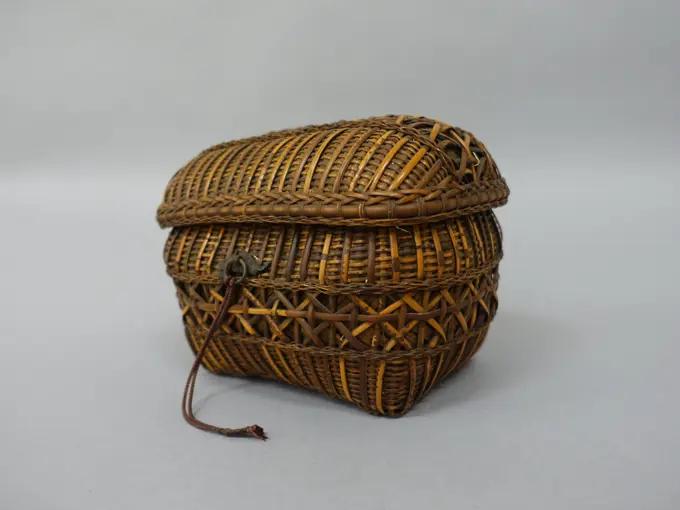
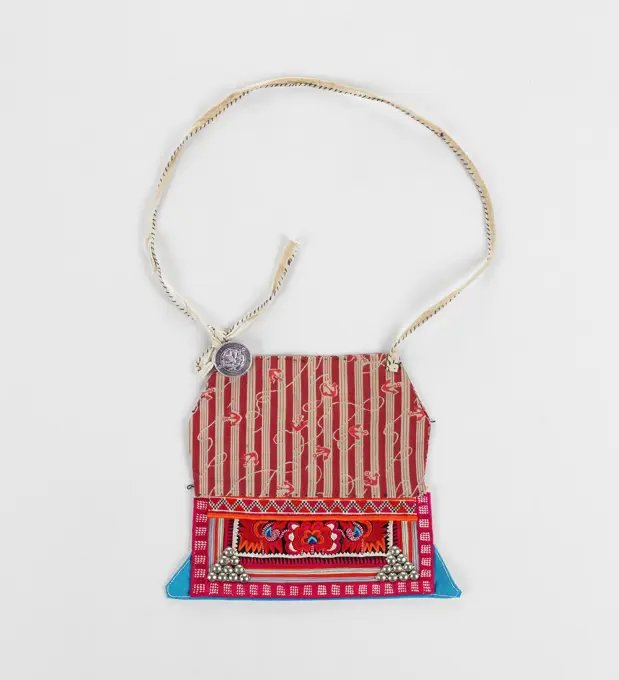
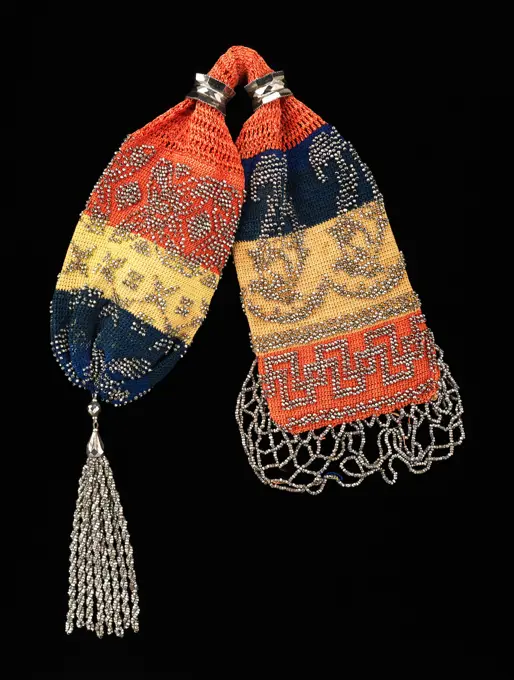
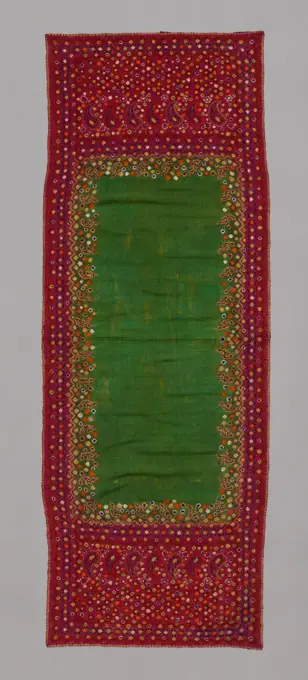
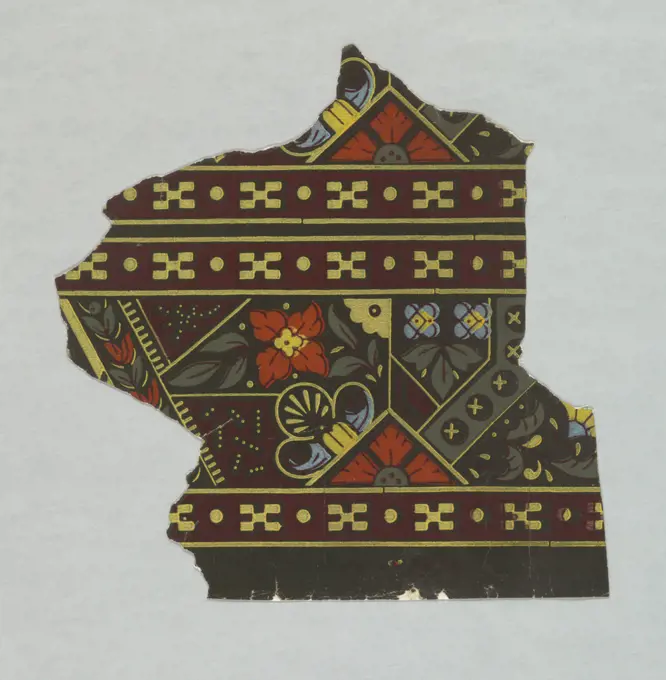
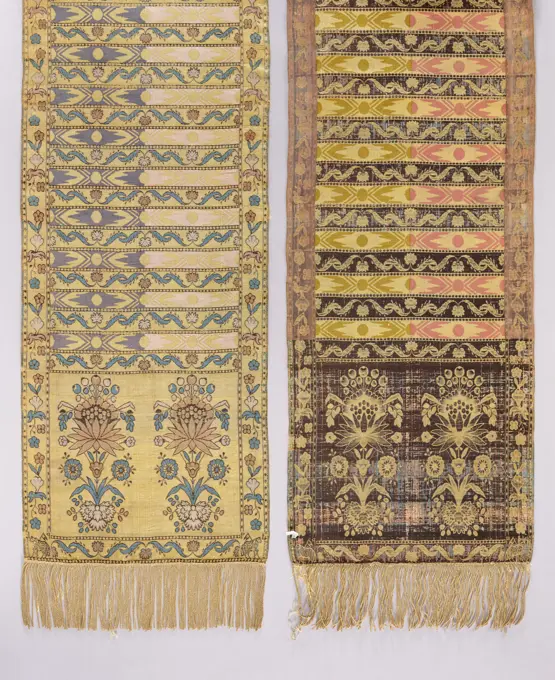
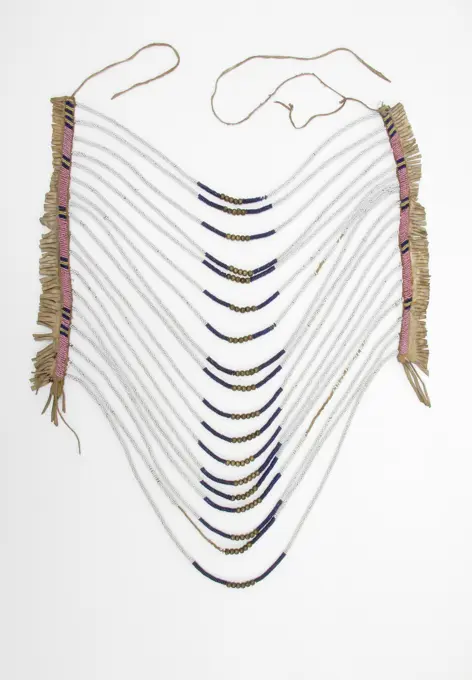
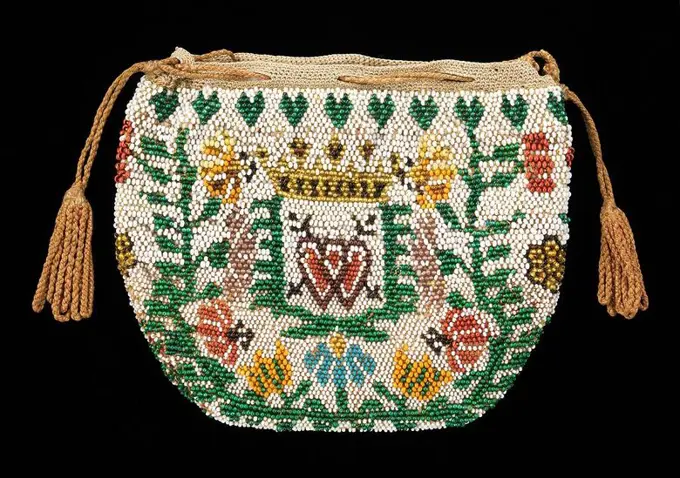
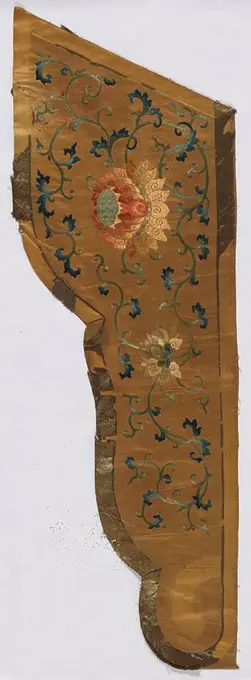
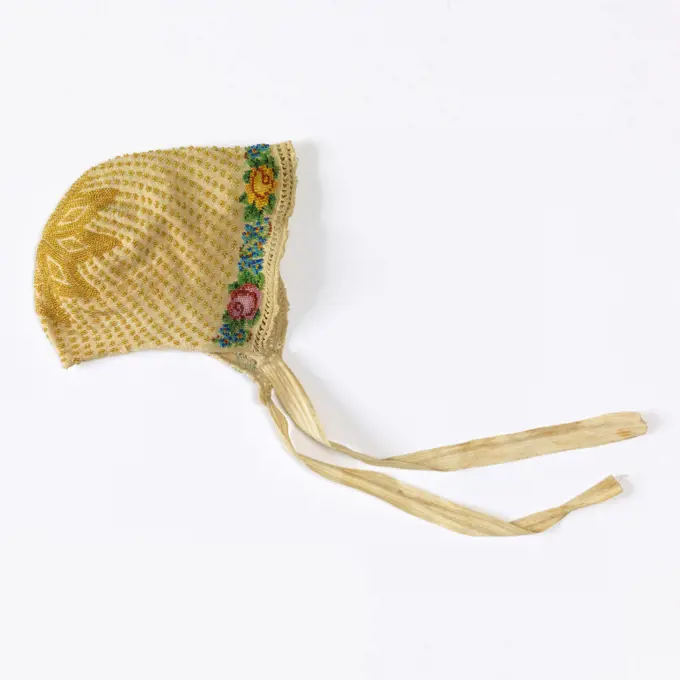
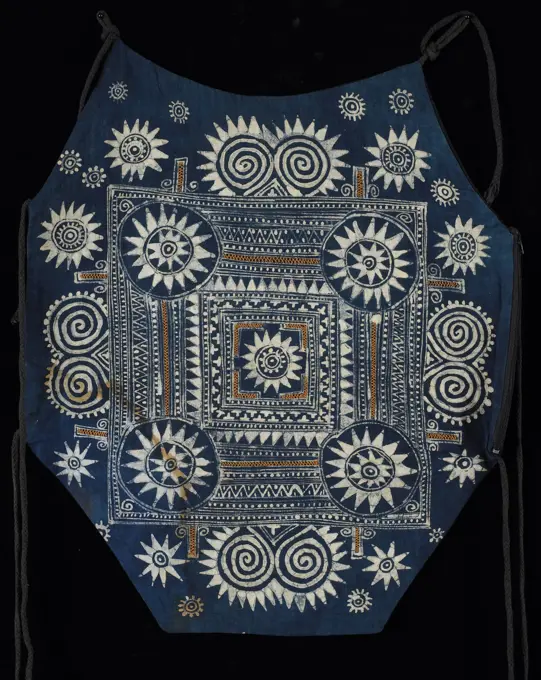
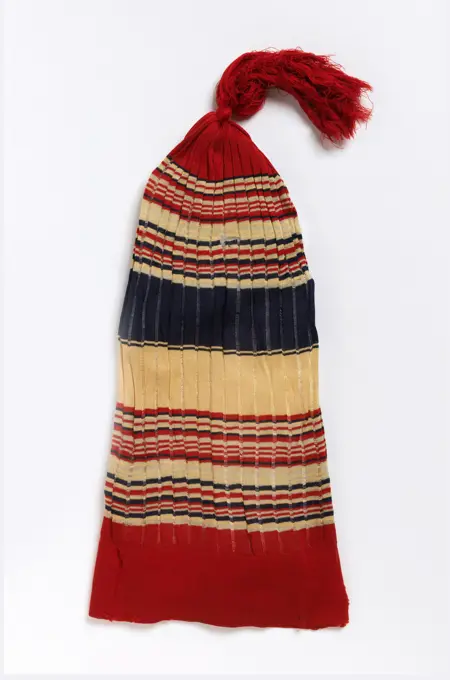
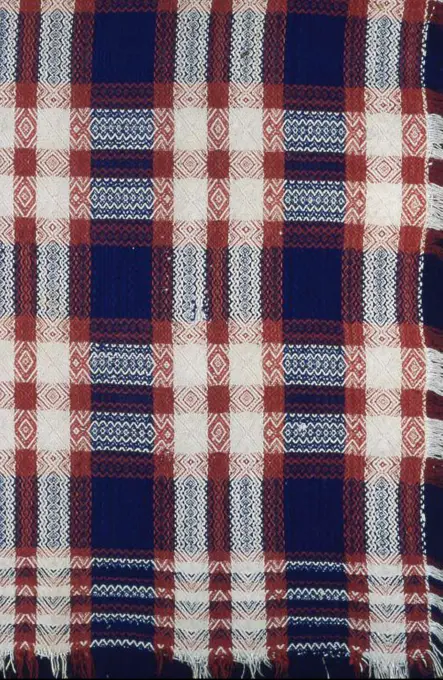
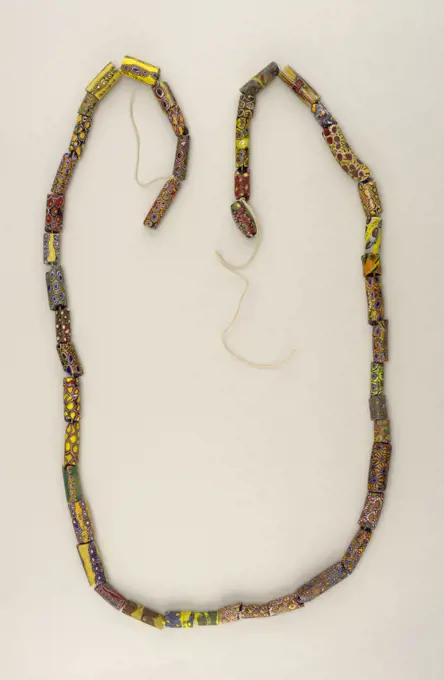
Doek, Anonymous, 1900 - 1949 Cloth with geometric motifs. Laos cotton (textile). silk Cloth with geometric motifs. Laos cotton (textile). silkTextile (Bolivia); wool; Warp x Weft: 62 x 61 cm (24 7/16 x 24 in.); 1955-157-6BagApron 19th century Romanian. Apron 98432Blanket/ Sarape, c. 1875-1880. America, Native North American, Southwest, Navajo, Post-Contact, Late Classic Period. Tapestry weave: wool (handspun, Germantown, and bayeta); overall: 208 x 120 cm (81 7/8 x 47 1/4 in.).Cover, decorated on the narrow field with oval medallion -like shapes that are partly filled with a tree and a bird -like animal, Tschaudor Volk, 1800 - 1825 Cover, perhaps for a camel. The wide narrow field is decorated with oval medallion -like shapes, so -called Ertmen generous, partly filled with a tree and a bird -like animal. Between the Guls a grid of twigs. Central Asia Necklace and impact: Wool Cover, perhaps for a camel. The wide narrow field is decorated with oval medallion -like shapes, so -called Ertmen generous, partly filled with a tree and a bird -like animal. Between the Guls a grid of twigs. Central Asia Necklace and impact: WoolPanel, Medium: silk and wool on cotton Technique: embroidered on plain weave, Rectangular panel of repeating cup-shaped flowers flanked by heart-shaped leaves. The floral motifs are connected by diagonally striped bars. Embroidered in blue, green, cerise and cream wool and silk on a predominantly orange embroidered ground., Balkans, 18th-19th century, embroidery & stitching, PanelPrzeszo Przyszoci unknownCloth (tzute), 20th century, 52 1/8 x 27 7/8 in. (132.39 x 70.82 cm), Cotton, silk; supplementary weft patterning, Guatemala, 20th centuryRibbon, Medium: silk, cotton Technique: plain weave, Green ribbon with purple and pink ornament., USA, late 19th century, woven textiles, RibbonPanel, 20th century, 39 3/4 x 17 in. (101 x 43.2 cm), Cotton, silk; discontinuous supplementary weft patterning, Guatemala, 20th centuryCamel cinch, 19th century, 111 1/8 x 3 7/8 in. (282.26 x 9.84 cm) (without buckle or tassels), Cotton, animal hide, metal, India, 19th centuryUuk kap ilgich, late 19th century, 25 1/2 x 14 in. (64.77 x 35.56 cm), Silk, cotton; chain stitch, double chain stitch, Uzbekistan, 19th centuryBaby carrier back panel, c. 1970s-1980s, 30 7/8 x 22 15/16 in. (78.42 x 58.26 cm), Cotton; needlework, China, 20th centuryWoman's Overskirt Made 1801-1900 Democratic Republic of Congo. Raffia, plain weave; embroidered in stem stitches and running stitches cut to form pile . KubaLinen - Red Border with Sunflower. Dated: c. 1937. Dimensions: overall: 35.2 x 27.8 cm (13 7/8 x 10 15/16 in.) Original IAD Object: 52" long; 23 1/4" wide. Medium: watercolor, gouache, and graphite on paper. Museum: National Gallery of Art, Washington DC. Author: Eva Wilson.Purse. Culture: American. Designer: Deborah Hill. Date: fourth quarter 18th century. Museum: Metropolitan Museum of Art, New York, USA.Borders (France); cotton; Warp x Weft: 125.7 x 13 cm (49 1/2 x 5 1/8 in.); Bequest of Elinor Merrell; 1995-50-294Apron 19th century Romanian. Apron 98433Cloth (tzute), 1895, 34 x 25 in. (86.36 x 63.5 cm) (including fringe), Cotton, silk, Guatemala, 19th centuryPoncho, early 20th century, 55 x 56 7/8 in. (139.7 x 144.5 cm), Cotton, wool; ikat (jaspe), Ecuador, 20th centuryApron (ge-jia), early 20th century, 13 1/2 x 12 3/8 in. (34.3 x 31.4 cm), Cotton, China, 20th centuryHandwoven Coverlet. Dated: c. 1937. Dimensions: overall: 35.7 x 28.1 cm (14 1/16 x 11 1/16 in.). Medium: watercolor, gouache, and graphite on paper. Museum: National Gallery of Art, Washington DC. Author: William O. Fletcher.Bag 8th-9th century Nasca (). Bag 3156982 Band Fragments with Botanical and Geometric Decoration Coptic. 2 Band Fragments with Botanical and Geometric Decoration, 5th-7th century C.E. Wool, 2 3/8 x 5 3/8 in. (6 x 13.7 cm).   Egyptian, Classical, Ancient Near Eastern Art 5th-7th century C.E.Chyrpy (Head covering), late 19th-early 20th century, 47 x 31 5/16 in. (119.38 x 79.53 cm), Cotton, silk; embroidery, Turkmenistan, 19th-20th centuryStrip -Bag with Tassels 8th-16th century Peruvian. Bag with Tassels 309762Banded serape, c. 1890, 52 1/2 × 77 in. (133.35 × 195.58 cm) (with fringe), Wool, pigments, United States, 19th centuryBlanket, c. 1855-1885, 44 x 30 1/2 in. (111.8 x 77.5 cm), Wool, dye, United States, 19th century, Both commercial and handspun yarns were used to create this stunning Third Phase child's blanket. The bold red, white, and indigo motifs reference both the mans and womans Third Phase blankets in that terraced diamonds and triangles merge with the traditional placement of horizontal stripes. The innovative use of salmon-colored trade yarn works to further expand upon Diné traditions and help pave the way for more daring experiments with color.Half of a Festival Banner (PioPuang)Chief Blanket (Third Phase). Navajo (Diné); Northern New Mexico or Arizona, United States. Date: 1855-1865. Dimensions: 149.6 x 173.9 cm (58 7/8 x 68 1/2 in.). Wool, single interlocking tapestry weave; twined edges; corner tassels. Origin: Southwest. Museum: The Chicago Art Institute, Chicago, USA.Fragment; silk, cotton, linen, metallic threadHubbell Revival-style Rug with Moki (Moqui) Stripes, c. 1890-1910. America, Native North American, Southwest, Navajo, Post-Contact, Early Period. Tapestry weave: wool (Germantown); overall: 194.8 x 138.4 cm (76 11/16 x 54 1/2 in.).Blue and White Homespun. Dated: c. 1937. Dimensions: overall: 24.3 x 32.4 cm (9 9/16 x 12 3/4 in.) Original IAD Object: 7 1/2" wide; 7 3/4" long. Medium: watercolor, pen and ink, and gouache on paper. Museum: National Gallery of Art, Washington DC. Author: William O. Fletcher.Belt, 81 1/2 x 3 1/2 in. (207.01 x 8.89 cm) (including fringe), Silk, ChinaUnmarried woman's cloth, late 19th-early 20th century, 35 x 32 in. (88.9 x 81.28 cm), Cotton, Laos, 19th-20th centuryTrimming (France); lisleDecorative Rectangle, 19th century, 6 3/4 x 2 1/4 in. (17.15 x 5.72 cm), Leather, quills, glass beads, United States, 19th centuryHalf of the index belt; Manufaktura Karol Stanisław Radziwiłł (Słuck; Pasów label; Ca 1767-1790), Madżarski, Jan (Tkacz; Słuck, -A 1800); 1767-1780 (1767-00-00-1780-00-00);Baby Carrier, 27 3/4 x 23 in. (70.49 x 58.42 cm), Cotton; needlework, ChinaEmbroidered travel bag, c. 1910 Embroidered bag for toiletries.  textile materials. metal Embroidered bag for toiletries.  textile materials. metalWoman's Headband (Wincha), 20th century, 2 11/16 x 19 13/16 in. (6.83 x 50.32 cm) (without tie), Wool, beads, Bolivia, 20th centuryMirror 19th century China. Mirror 69693Yoke from a woman's tunic, early 20th century, 20 1/8 x 18 in. (51.12 x 45.72 cm), Silk, cotton, mirrors; needlework, Pakistan, 20th centuryStrip -Fringe 18th century Italian or Spanish. Fringe 225050Woman's Skirt Cloth (bidang). Indonesia, Kalimantan, Mahakam District, early 20th century. Costumes; principal attire (lower body). Cotton, bast fiber, resist-dyed warp (warp ikat)Basket and contents, Medium: rushes, cotton, wool, clay beads, Outer basket of plaited rushes partly covered with coarse undyed cotton cloth and a plaited multicolored wool cord. Inner basket of plaited rushes with cloth covering made with double warps and containing: four cotton fiber cones, one small loom with cotton warp and cotton weft on a shuttle, one shed tied to a stick; one wound with wool and cotton yarns and a tassel; two full thread holders, each made of crossed sticks; sixteen thorn spindles, each painted and with decorated clay bead; nine thorn spindles painted (four of these with hollow stem, substitute for bead); two long stem thread-holders with bead at each end wound with wool yarn; six pieces of stem wound with cotton; one long hank of undyed cotton yarn., Peru, 11th-14th century, appliances & tools, Basket and contentsApron, 31 1/2 x 22 1/2 in. (80.01 x 57.15 cm), Cotton, ChinaCoca or Ceremonial Cloth (Inkuña) Made 1850-1900 Bolivia. Wool, stripes of plain weave and two-color complementary warp weave . AymaraBelt, 59 1/2 x 3 in. (151.13 x 7.62 cm) (without tassels), Cotton, pearls (), ChinaNorth America, Mexico, Oaxaca Hand-woven colorful carpetApron, 18 1/4 x 12 3/4 in. (46.36 x 32.39 cm) (including fringe), Cotton, seeds, ChinaPouch 1830-60 American The beautiful combination of colors used in the work on this bag, show the infinite variety of colored beads available at the time. The striped faille top is a perfect match to the beads and as a surviving original drawstring top, it is a rarity.Margaret S. Bedell (1861-1932) donated, by gift or bequest, over 500 objects to the Brooklyn Museum, including furniture, quilts, samplers, costume and Native American beadwork. Her collection of American and European beaded bags includes examples from Philadelphia and the Catskill Mountain region of New York State, as well as Italy, Austria, Germany, and Holland.. Pouch 156440Epaulet -Man's sash (Faja), 1910-1920, 112 x 8 in. (284.48 x 20.32 cm) (includes fringe), Cotton, silk; woven fabric, Guatemala, 20th centuryCape -Bag, Medium: silk on linen, mirrored glass Technique: ladder, buttonhole, surface, stem and satin stitch embroidery on plain weave, Red linen drawstring bag with a blue silk lining and white tassel at the bottom. Embroidered in the center with a design of stylized flowers and leaves. Narrow borders on the sides enclose circular disks with embroidered borders. Mirrored glass accents., India, 19th century, embroidery & stitching, BagFringe ca. 1750 Italian. Fringe. Italian. ca. 1750. Silk and metal thread. Textiles-TrimmingsCovered Basket 19th century Japan. Covered Basket 62233Fragments (Spain); linen, woolBag: reticle. GAL1974.36.7Tabaklau ilgich, late 19th-early 20th century, 23 x 25 in. (58.42 x 63.5 cm), Silk, wool, cotton; chain stitch, Uzbekistan, 19th-20th centuryBaby carrier, c. 1970s-1980s, 28 3/4 x 29 1/4 in. (73.03 x 74.3 cm), Cotton, silk; needlework, China, 20th centuryHuipil, 20th century, 28 1/4 x 31 in. (71.76 x 78.7 cm), Cotton, wool, Mexico, 20th centuryApron, 20th century, 34 x 10 1/8 in. (86.4 x 25.7 cm), Cotton, China, 20th centuryCollar early 19th century Croatian. Collar 98166Persian half gold lamé silk sash unknownSewing instruction book samples, USA, 1829, sample books, Sewing instruction book samplesApron, 20th century, 8 1/2 x 10 7/16 in. (21.6 x 26.5 cm), Cotton, China, 20th centuryMiser's purse 1840-60 American. Miser's purse 157825"Hopi Brocade" Style Dance Sash, c. 1880-1900. America, Native North American, Southwest, Pueblo (Hopi), Post-Contact, Transitional Period. Plain weave with supplementary weft wrap; wool (homespun and Germantown); overall: 119 x 25 cm (46 7/8 x 9 13/16 in.).Sash, from a three-piece group, 78 7/16 x 7 1/4 in. (199.23 x 18.42 cm) (without tassels), Cotton, silk, synthetic fibers, plastic beads, ChinaHead Scarf Made 1801-1900 India. This multicolored head scarf is an impressive example of the art of resist-dying made by tying off small sections of the textile. The stitch lines and folds form part of the design itself.. Silk; tye-dyed . Unknown artistWrapper, 20th century, 29 1/4 x 30 15/16 in. (74.3 x 78.58 cm), Cotton, beads; needlework, Laos, 20th centuryZulu tapestry with geometric patters woven in wool. South Africa 1972Border, Machine-printed paper, Small irregularly-shaped portion of a paper, probably a border, in a designof geometrical divisions set with flowers, in dark colors. Printed in red, black, yellow and green. Anglo-Japanesque in style., USA, ca. 1885, Wallcoverings, BorderBag 1775-90 American. Bag 169886Kontusz sash/belt. Manufaktura Paschalisa Jakubowicza (Warszawa ; wytwórnia pasów ; 1788-1794), manufactureOld hand made carpet and rugs of traditional typesCase with Cover 19th century China This flat case in the shape of two pomegranates has a cover shaped like two leaves. Pomegranates, with their copious seeds, represent a wish for many descendants.. Case with Cover 51364Trouser Band Made 1875-1900 China. Forty-four pairs and eight odd pieces of embroidered sleeve, ankle bands, etc. on gauze. . Han-ChineseTextile (France); silkHanging. Pracownia Oskara Potockiego (Buczacz ; pracownia tkacka ; 1879-1913), atelierBox -Mirror cover, 20th century, 27 5/16 x 26 5/8 in. (69.37 x 67.63 cm) (without fringe), Cotton, wool; needlework, Kazakhstan, 20th centuryConciliate belt; Studio of Franciszek Mas Owski (Kraków; label Pasów; 1781-1806); 1781-1806 (1781-00-00-1806-00-00);Marchel, Mieczysław (Fl. Ca 1930) - collection, plant ornaments, double -sided belts, Lite belts, Polish belts, Poland (culture), Polish clothing, purchase (provenance)Hat -Details of Tai Lu Textiles, Thailand, Southeast Asia, AsiaNecklace -Metragre Livreiband in passamentweefsel, Anonymous, c. 1700 - c. 1799 Metrage Livreiband in Passement tissue in the colors of the Teding van Berkhout family, executed in silk and wool. Netherlands silk. wool Metrage Livreiband in Passement tissue in the colors of the Teding van Berkhout family, executed in silk and wool. Netherlands silk. woolCoin purse. Culture: probably British. Date: 1780-1810. Museum: Metropolitan Museum of Art, New York, USA.Temple banner. China. Date: 1700-1750. Dimensions: 39.4 × 116.9 cm (15 1/2 × 46 in.). Origin: China. Museum: The Chicago Art Institute, Chicago, USA.Baby's cap, Medium: linen, glass beads Technique: beaded knitting, Baby's cap decorated with gold beads on the crown in a stylized floral form with lines of gold beads radiating toward a beaded floral border of red and yellow roses with small blue flowers., France, 19th century, knotted, knitted and crocheted textiles, Baby's capWoman's Bib, 20th century, 19 x 16 5/16 in. (48.26 x 41.43 cm) (without ties), Cotton; resist dyed (batik) and embroidery, Vietnam, 20th century, In Hmong tradition, women have created complex textiles, often with geometric, abstracted patterns, that provide a shared visual language within an oral culture. Among the most difficult to produce are indigo batiks, which depend on a resist-dyeing process. First, the design is drawn on the cloth with wax, which resists dyeing and protects the pattern. Then the cloth is dipped in an indigo dye bath. Next, the wax is removed, revealing the intricate design. Patterns signify communal values, with the spiral motifs seen here associated with family. Over centuries of displacement, the Hmong use textiles as a primary transmitter of culture.Cap (Italy); silkCoverlet Made 1840 Ohio. Cotton and wool, point twill weave (multiple shaft); warp and weft fringe; two loom widths joined .Altar-cloth. unknown, authorBeads, Millefiori glass, raffia, Forty-six multi-colored glass beads of various lengths on single string; all cylindrical with exception of one with tapered ends., Tarkwa, Ghana, Europe, ca. 1860, jewelry, Decorative Arts, Beads