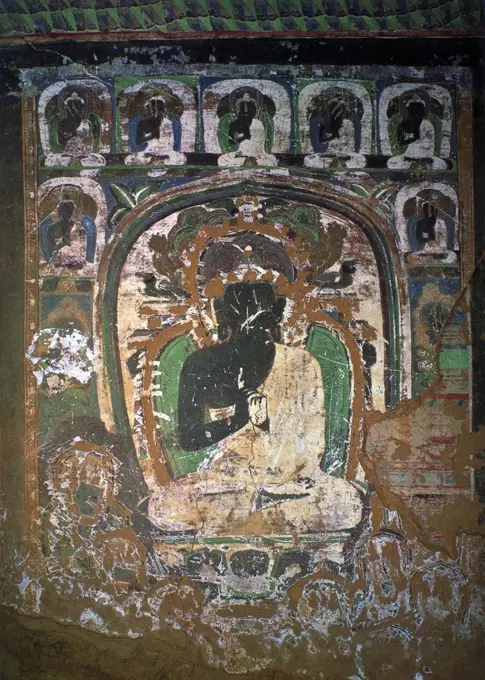
Thangka Paintings in Tibetan Culture

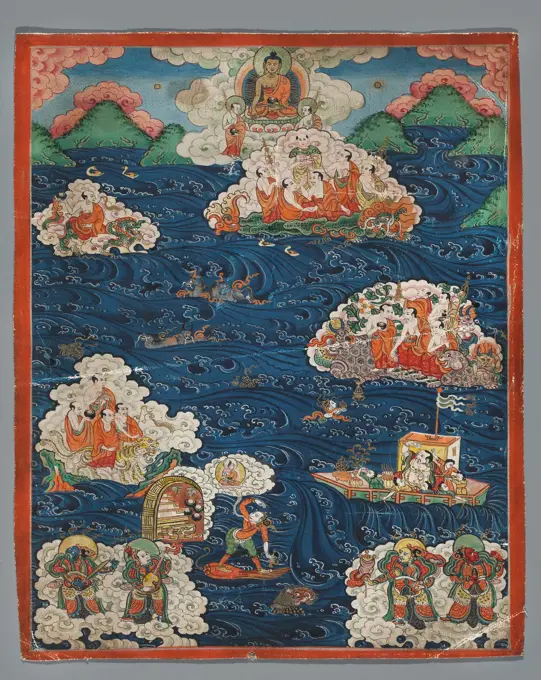
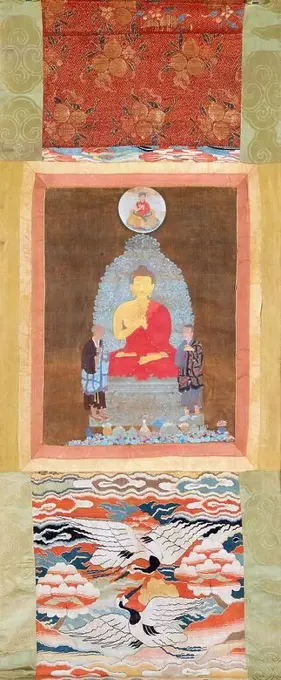
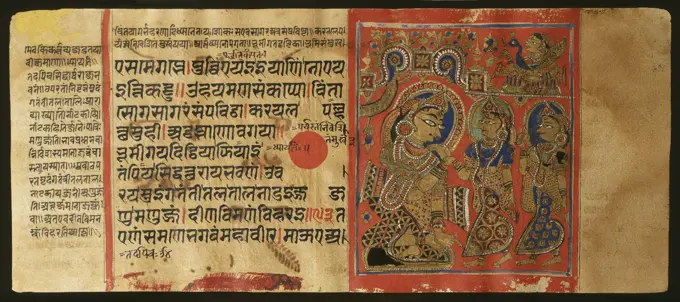
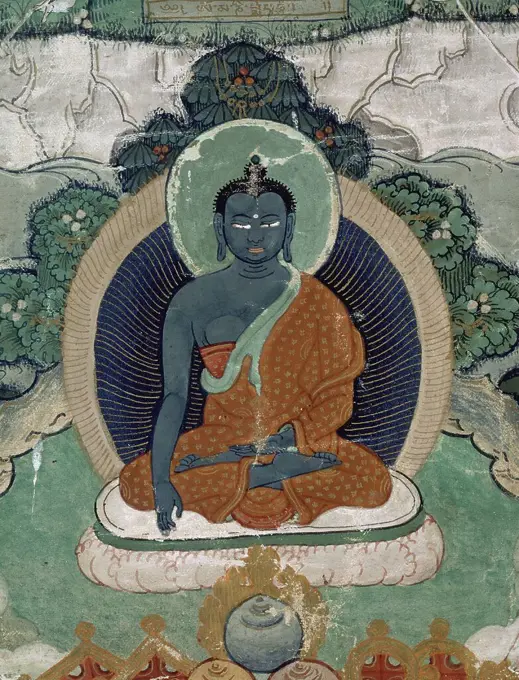
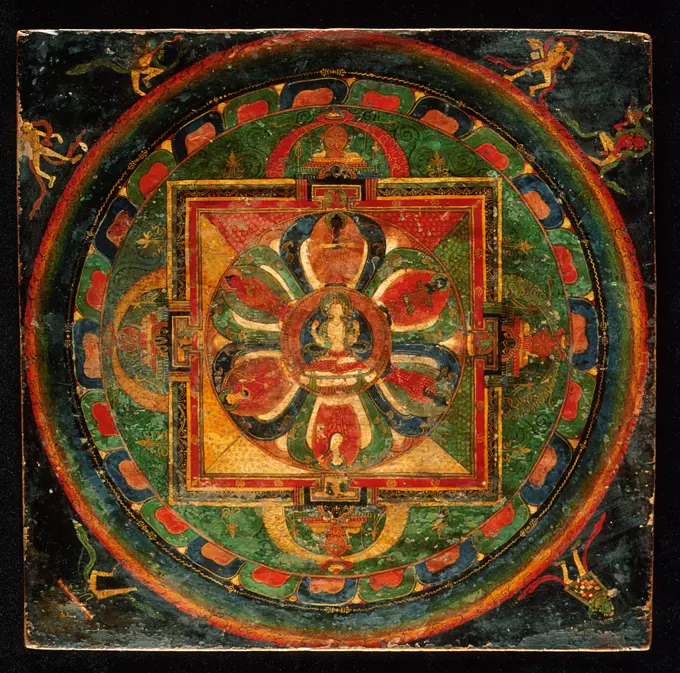
Vibrant thangka paintings illustrating Tibetan Buddhist themes and figures. They showcase intricate designs and rich colors, encapsulating spiritual stories and cultural heritage.
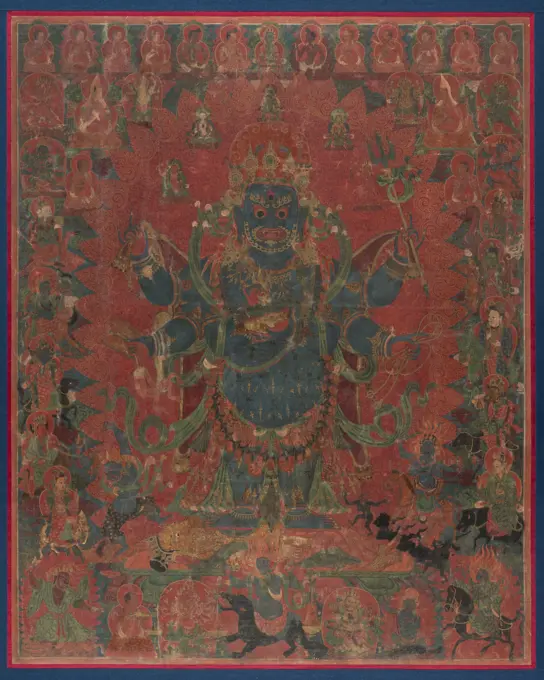
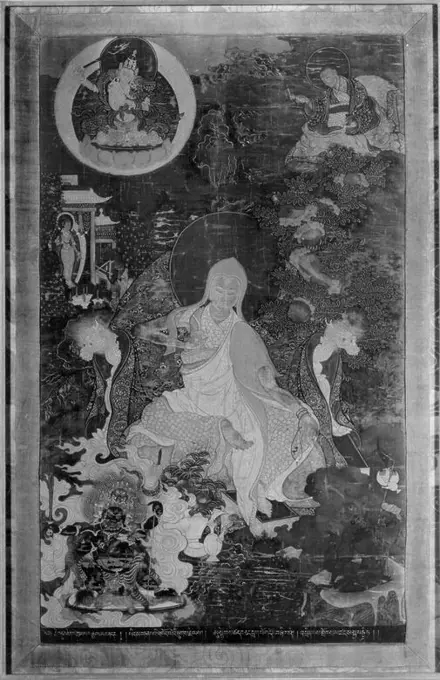
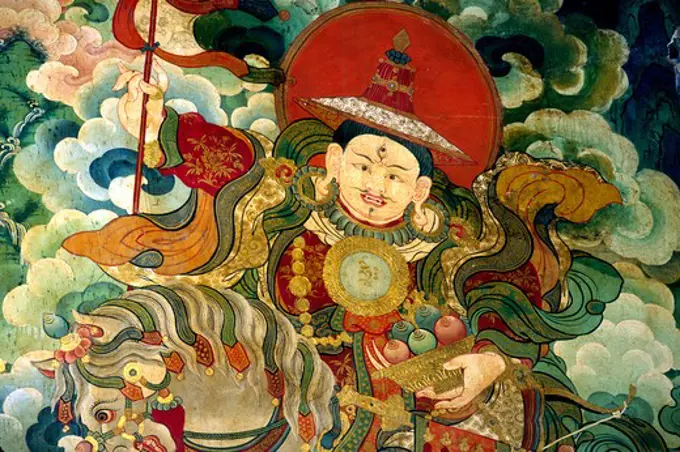
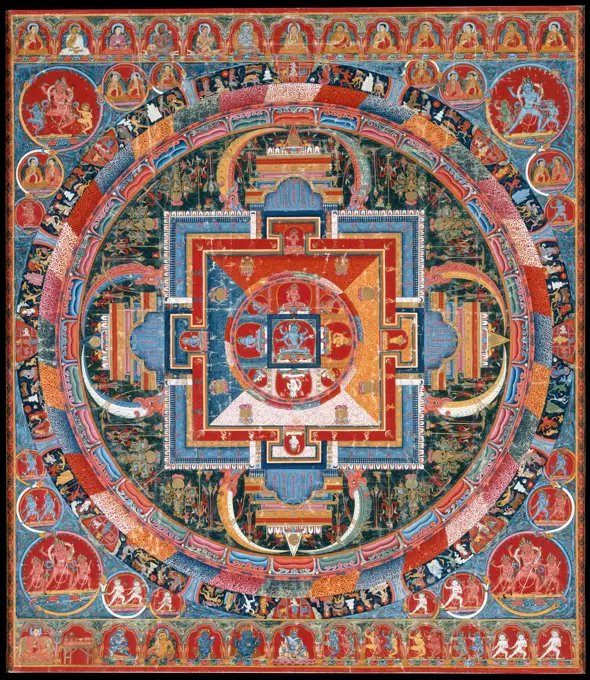
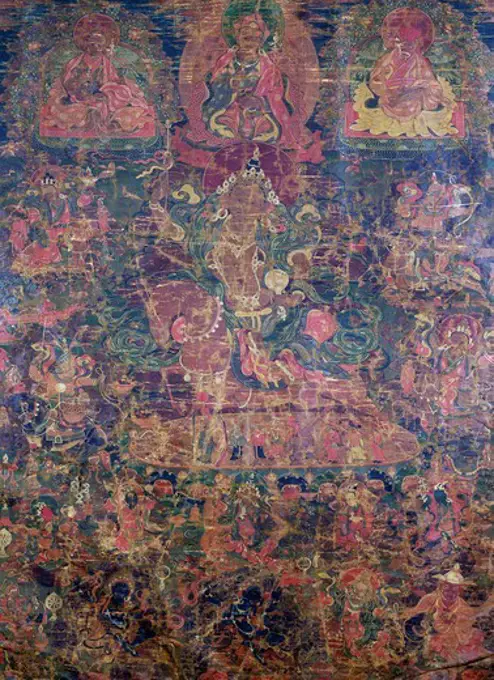
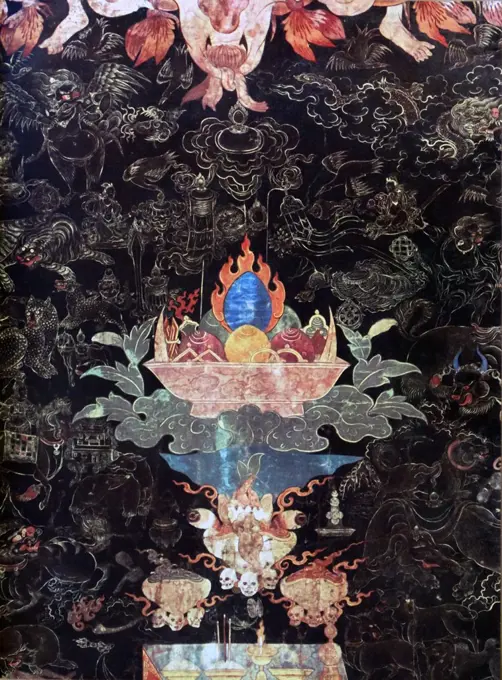
Mahakala and his Entourage. Central Tibet, Gyantse (), circa 1450-1500. Paintings. Mineral pigments, gold, and ink on cotton cloth
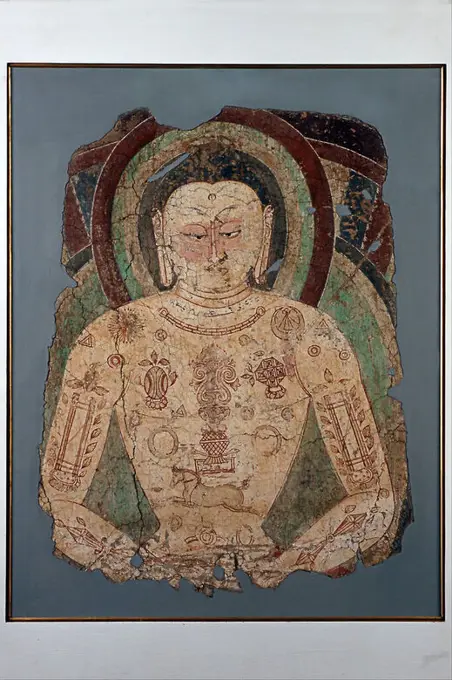
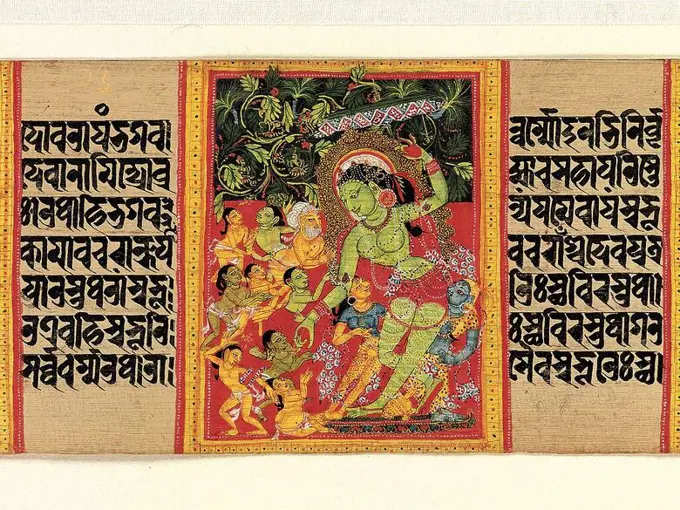
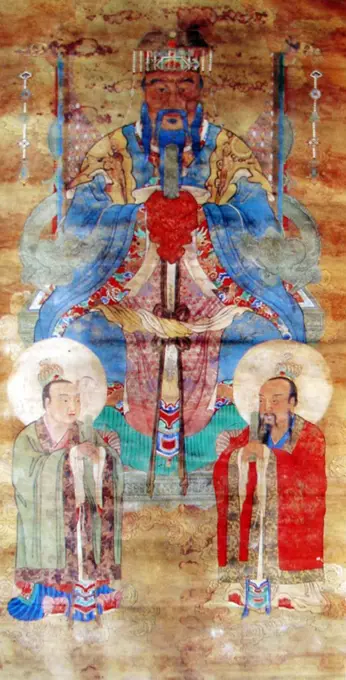
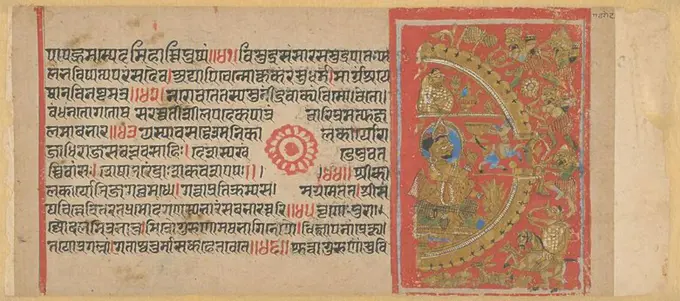
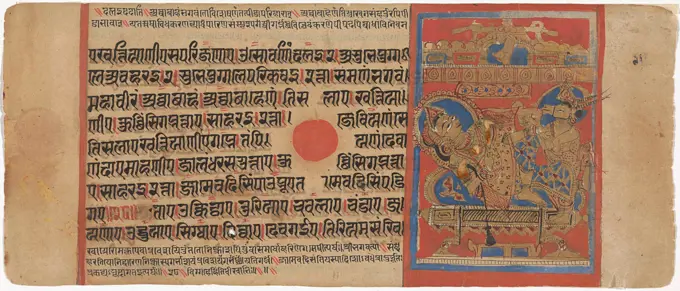
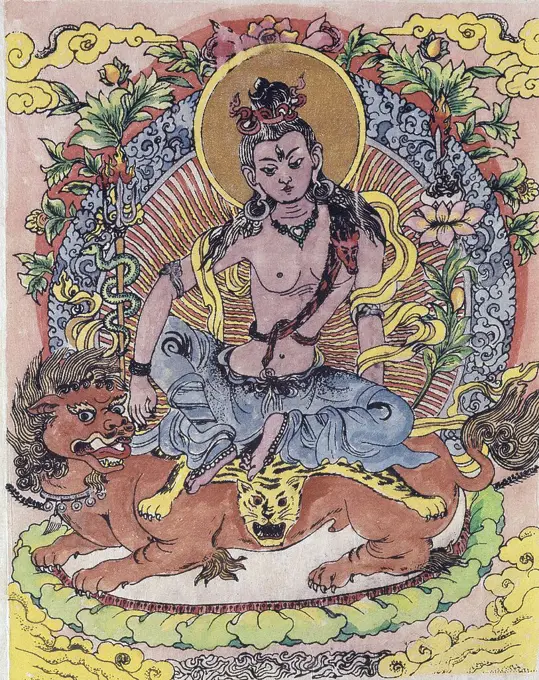
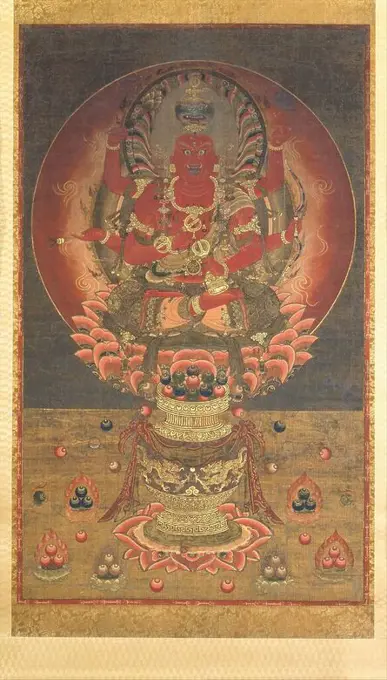
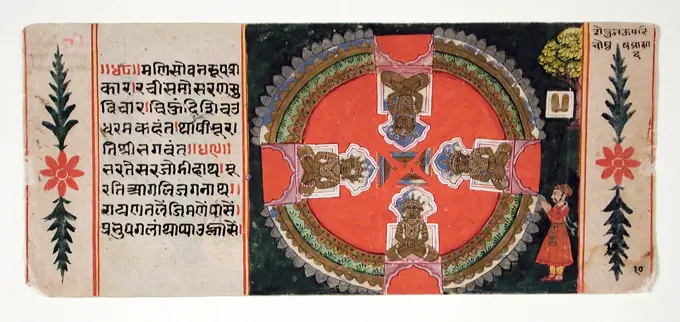
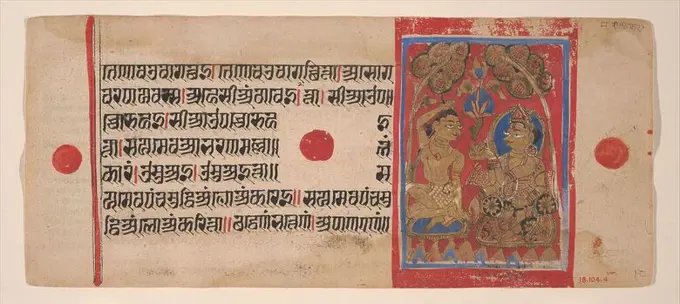
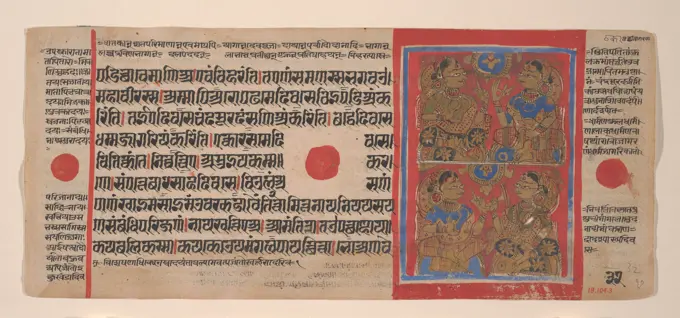
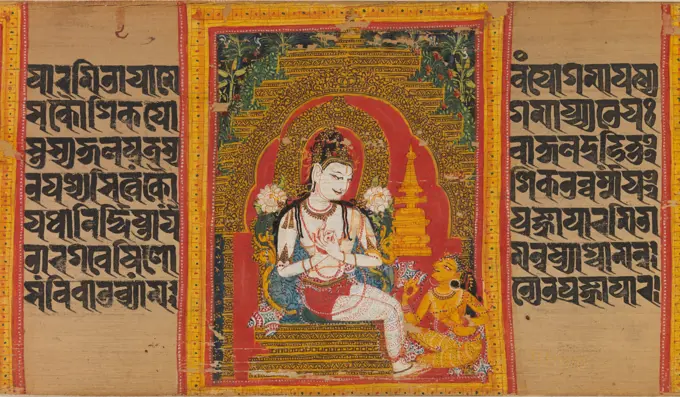
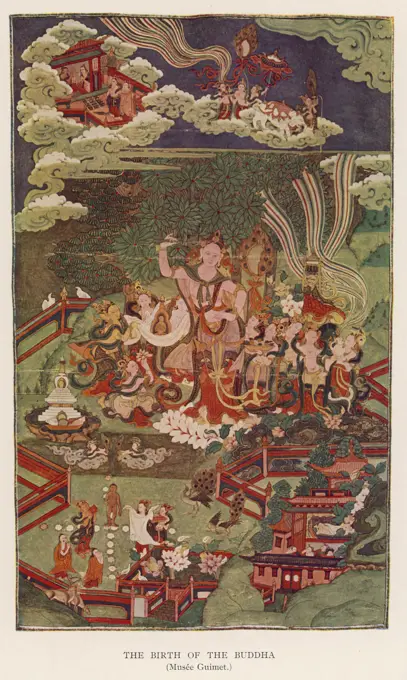
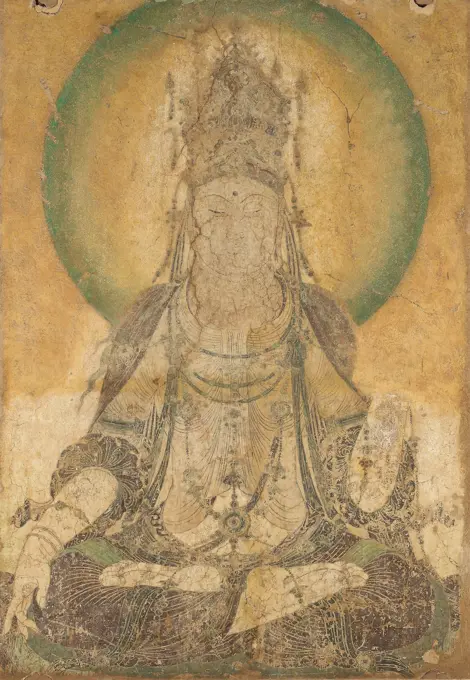
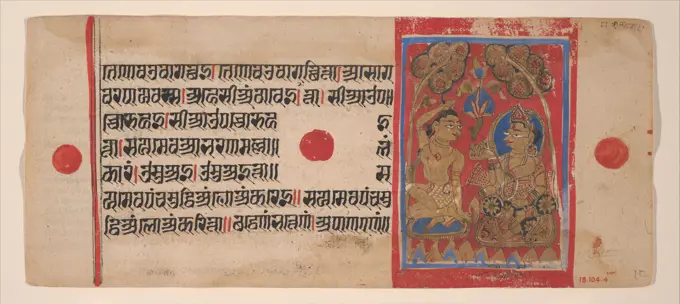
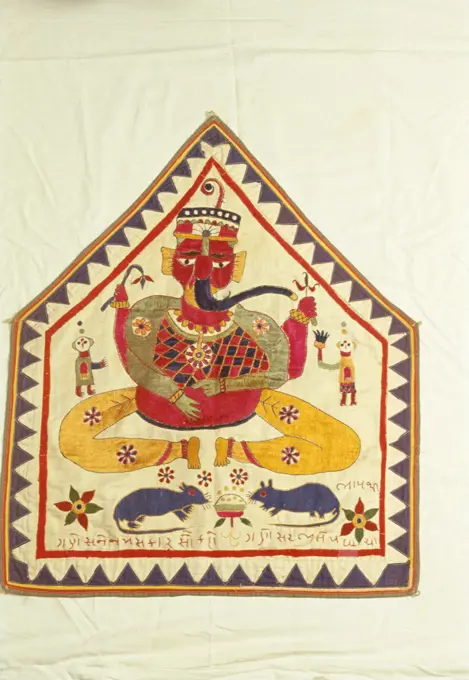
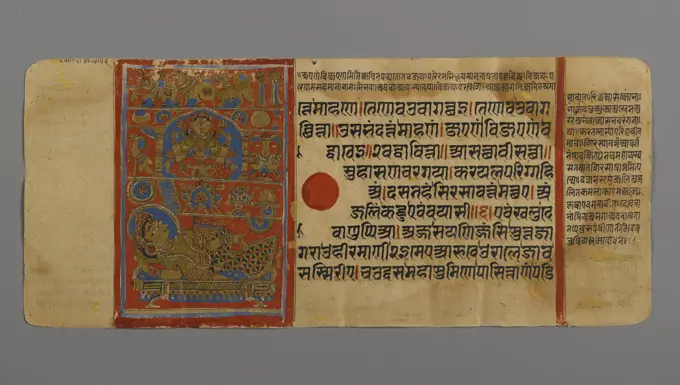
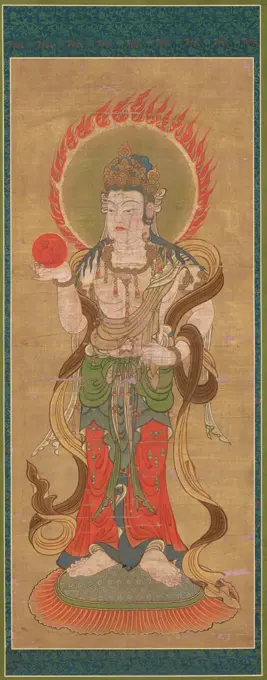
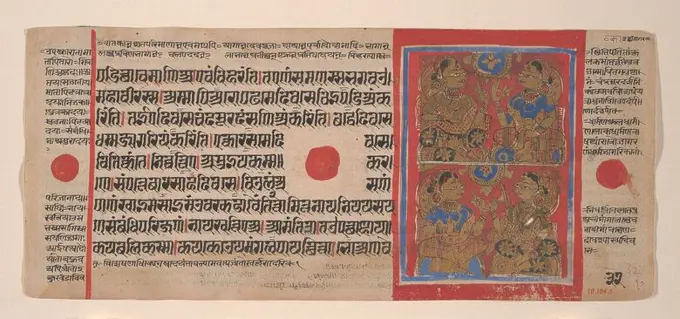
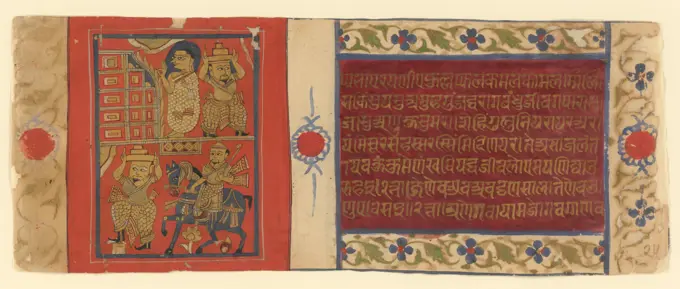
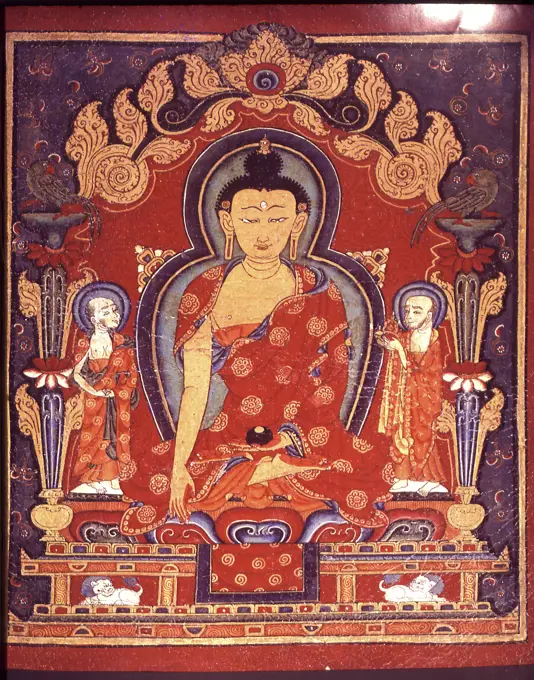
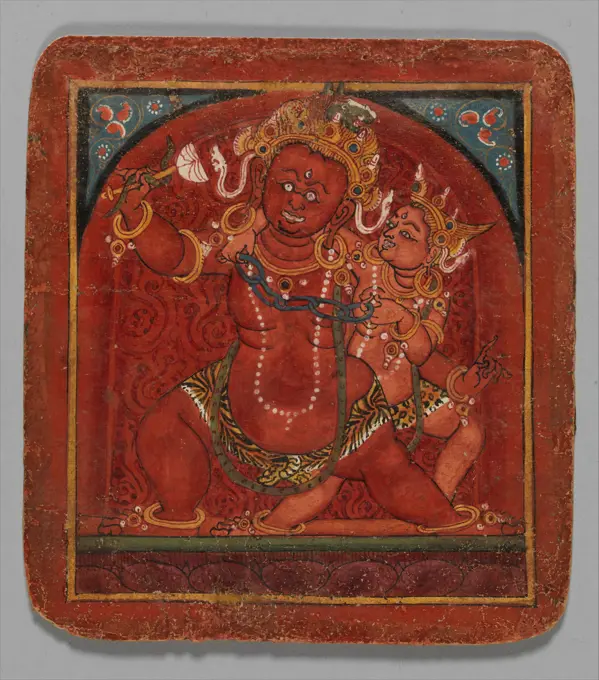
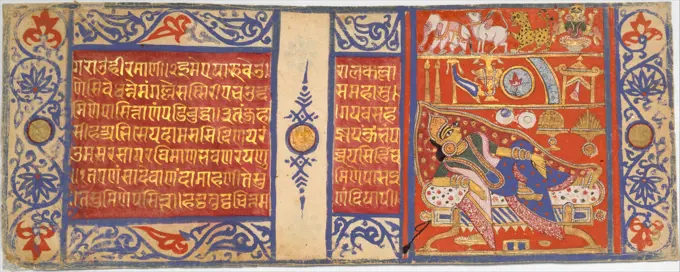
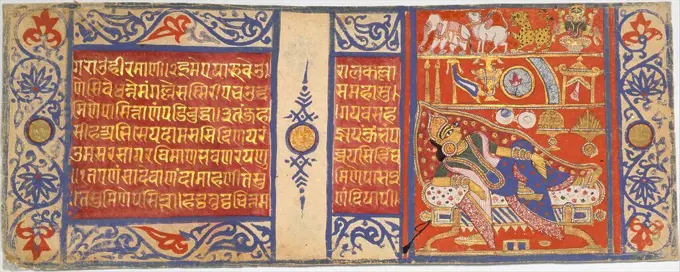
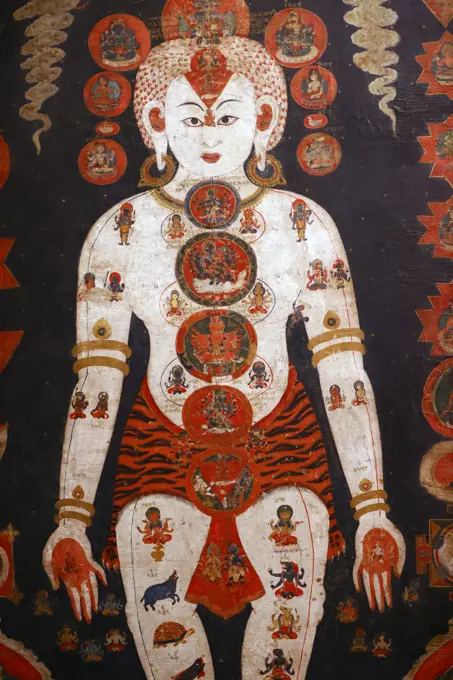
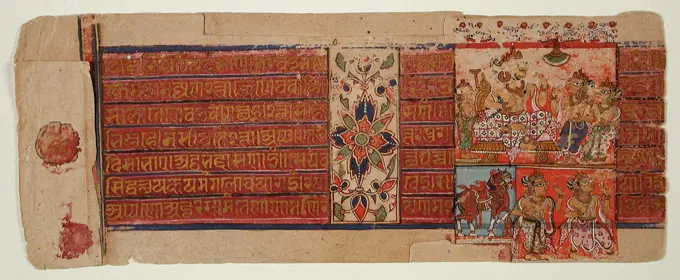
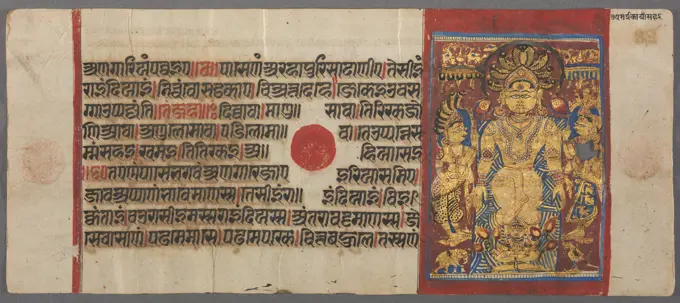
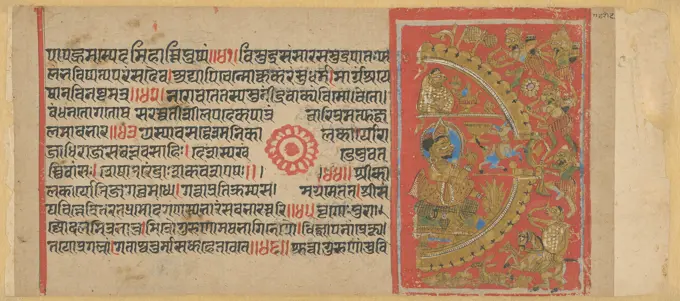
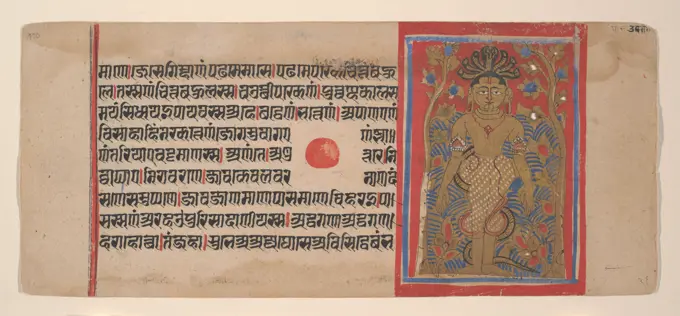
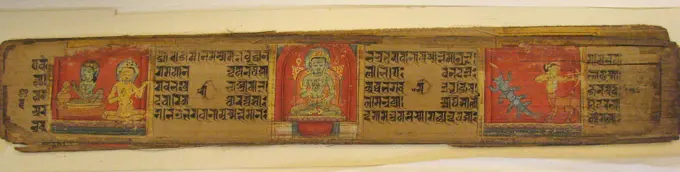
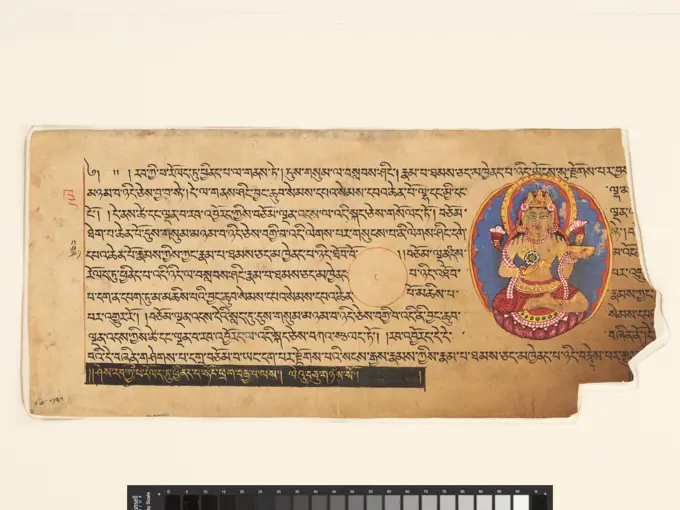
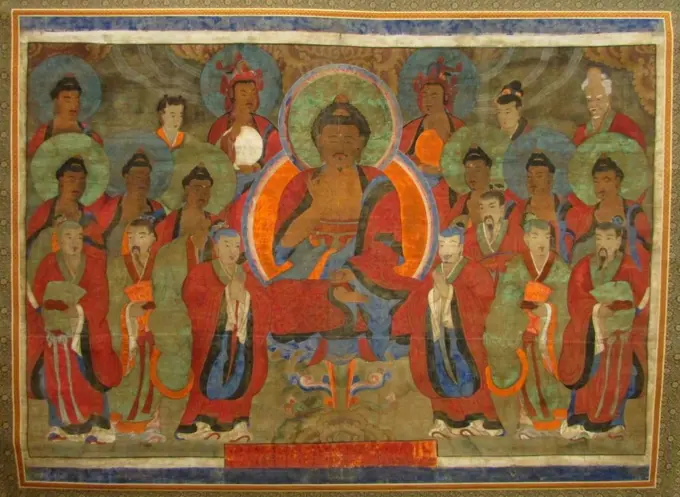
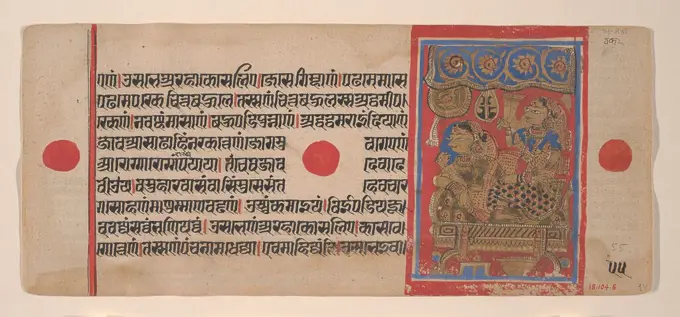
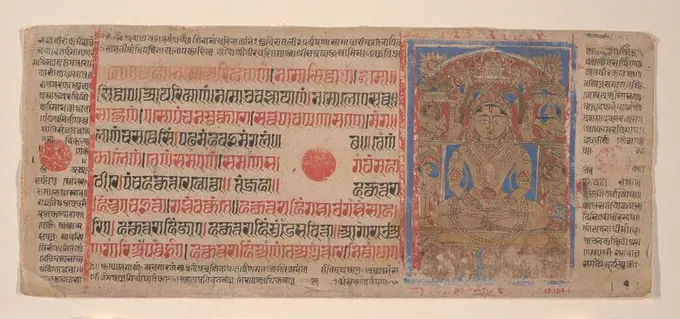
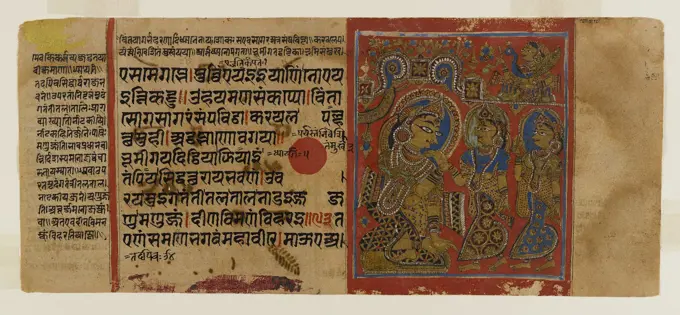
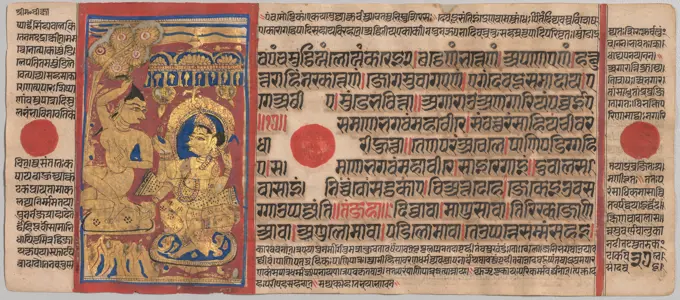
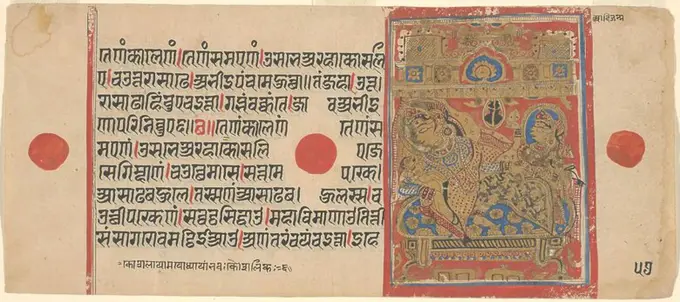
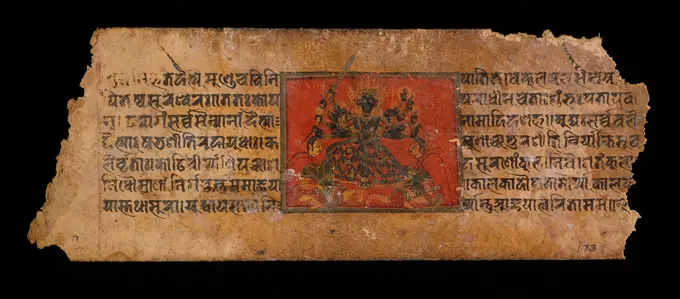
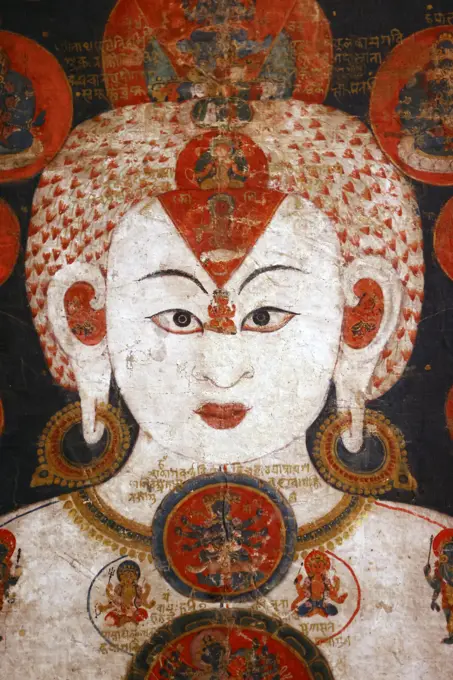
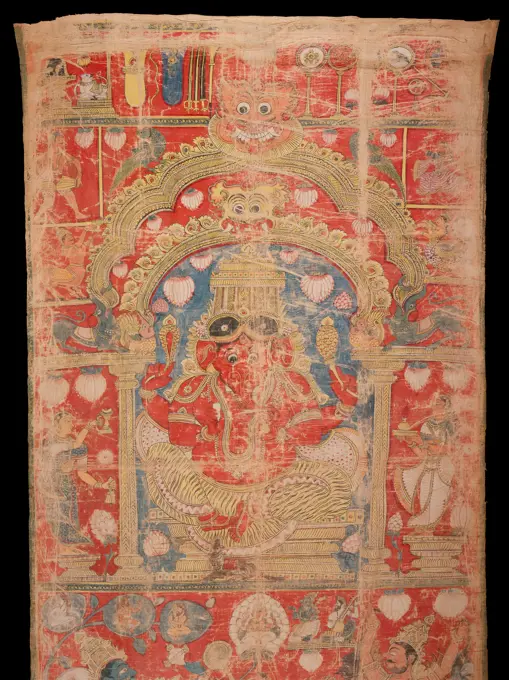
A Vaishnava Scroll. India, Andhra Pradesh, Early 18th century. Drawings; watercolors. Opaque watercolor on cotton clothMahapratisara, Folio from a Pancharaksha (The Five Protective Charms). Nepal, late 16th century. Books. Opaque watercolor and ink on paperKalaka Becomes a Jain Monk; Kalaka Abducts the Nun, Two Leaves from a Dispersed Jain Manuscript of the Kalakacharya-katha Indian. Kalaka Becomes a Jain Monk; Kalaka Abducts the Nun, Two Leaves from a Dispersed Jain Manuscript of the Kalakacharya-katha, ca. 1465. Opaque watercolor and gold on paper, sheet: 4 3/8 x 10 1/2 in. (11.1 x 26.7 cm).   Asian Art ca. 1465LEH, INDIA - SEPTEMBER 4, 2011: Wall paintings of Buddha in Tsemo gompa Buddhist monastery. Leh, Ladakh, IndiaArhat Gopaka (One of Nine Tibetan Ritual Paintings of Arhats) , 17th century. Opaque watercolor on silk mounted on a paper and wood frame, Each painting: 43 x 25 1/2in.   Asian Art 17th centuryVairochana Buddha. Date/Period: 500 - 700. Wall Painting. Height: 762 mm (30 in); Width: 572 mm (22.51 in). Author: UNKNOWN.Painted Banner (paubha) of Goddess Ushnishavijaya Within a Funerary Mound (chaitya) and Surrounded by Chaityas 1508-1518 Nepal. At the center of this cloth painting (paubha) from Nepal the goddess Ushnishavijaya is enshrined within a large Buddhist funeral mound or shrine (chaitya), flanked by a red and green bodhisattva. As the personification of the Buddhaís cranial bump (ushnisha), Ushnishavijaya is associated with wisdom and is worshipped for long life and freedom from rebirth. At the periphery, she is surrounded by the guardians of the four directions. The blank red spaces are areas where the painting was damaged and then restored. An upper section is also missing. The many small chaityas represent the multiplication of merit accumulated in this painting, which symbolically allow for the donation of 100,000 chaityas in a ceremony known as lakshachaitya (100,000 chaityas). This ceremony is depicted in the bottom register, where priests officiate at the lower left and donors officiaGreen Tara Dispensing Boons to Ecstatic Devotees: Folio from a Manuscript of the Ashtasahasrika Prajnaparamita (Perfection of Wisdom). Culture: India, West Bengal or Bangladesh. Dimensions: Page: 2 3/4 x 16 7/16 in. (7 x 41.8 cm)Image: 2 1/2 x 1 15/16 in. (6.4 x 4.9 cm). Date: early 12th century.Tara, a bodhisattva of compassion and protection, is shown dispensing boons to the surrounding devotees, as indicated by her lower hand held in varada mudra. From the tips of her fingers she drips nectar into the mouth of the hungry ghost (preta) who sits below, his belly swollen because of starvation. Unlike the male bodhisattvas in palm-leaf illuminations, she is presented in a dynamic twisting posture that emphasizes the volumes of her body and shows clear connections with the larger pan-Indian goddess traditions. Museum: Metropolitan Museum of Art, New York, USA.Illustration to Buddhist parable from the life of arhats. unknown, painterKalaka with Shakra Disguised and Revealed, Leaf from a Dispersed Jain Manuscript of the Kalakacharya-katha Indian. Kalaka with Shakra Disguised and Revealed, Leaf from a Dispersed Jain Manuscript of the Kalakacharya-katha, ca. 15th century. Opaque watercolor and gold on paper, sheet: 4 1/4 x 10 1/4 in. (10.8 x 26.0 cm).   Asian Art ca. 15th centuryBuddha with His Hands Raised in Dharmacakra Mudra, Leaf from a dispersed Pancavimsatisahasrika Prajnaparamita Manuscript. Culture: India (Bengal) or Bangladesh. Dimensions: 2 1/16 x 22 1/8 in. (5.2 cm x 56.2 cm). Date: ca. 1090.Buddha with his hands raised in dharmacakra mudra, preaching first sermon at Sarnath, attended by two disciples. Museum: Metropolitan Museum of Art, New York, USA.The Great Heavenly Emperor of the Highest Palace of Polaris is in charge of the Three Powers (Sancai) of Heaven, Earth and Man, and of wars in the human world. In Daoist ritual, as well as the Three Pure Ones, the Four Heavenly Ministers are also worshipped. Each of the Four Heavenly Ministers has his own divine birthday: The Great Jade Emperor on the 9th of the first lunar month, the Middle Heaven Great Emperor of the North Pole Star of Purple Subtlety on the the 27th of the tenth month, the Great Heavenly Emperor of the Highest Palace of Polaris on the 2nd of the second month, and the Imperial Earth Goddess on the 18th of the third month. Many Daoists go to temples to burn incense on these days.The Siege of Ujjain and the Magic Donkey, page from a copy of the Kalakacharyakatha. India; Gujarat. Date: 1445-1455. Dimensions: Image: 10.1 x 6.9 cm (3 15/16 x 2 11/16 in. ); Paper: 11.3 x 25.3 cm (4 7/16 x 9 15/16 in.). Opaque watercolor and gold on paper. Origin: India. Museum: The Chicago Art Institute, Chicago, USA.TANKA TIBETANA CON BUDA SENTADO. Location: VICTORIA AND ALBERT MUSEUM. LONDON. ENGLAND.Overdracht van de embryo van Mahariva.On a long, narrow strip, the God Mahavira is depicted as Embryo on the right. The left side contains a text in old Indian Scripture in red and black, the upper and lower rules in a smaller scripture. On verso more text in the same way; On both sides a narrow unwritten column; A large red dot is placed in the middle of the strip. Two-thirds text column on recto, one-third show; Verso: text; wide red brush line along text and presentation, red dots in the middle of strip; Also on verso text and three dots.BUDA MEDITANDO XILOGRAFIA (TIBET). Location: PRIVATE COLLECTION. MADRID. SPAIN.Aizen Myoo. Culture: Japan. Dimensions: 53 5/16 x 32 7/16 in. (135.4 x 82.4 cm). Date: 14th century.The blood-red body and flaming halo of Aizen Myoo, the Wisdom King of Passion, symbolize how, in Buddhist practice, the violent energies of carnality and desire can be converted in the pursuit of enlightenment. Aizen Myoo is the embodiment of rage: his hair stands on end, a snarling lion rises from his head, and his six arms brandish Esoteric Buddhist weapons and other emblems of power. The bow and arrow in his middle hands are attributes appropriated from Kama, the Hindu god of love. In contrast to this righteous anger, jewels of good fortune forming flaming clusters spill from a vase in front of the deity's lotus throne. While Aizen Myoo's appearance may instill fear, the faithful afflicted with problems of the heart address him as a popular intercessor. Museum: Metropolitan Museum of Art, New York, USA.Unpurified Nothingness, Folio from a Shatasahasrika Prajnaparamita (The Perfection of Wisdom in 100,000 Verses). Western Tibet, Maryul district, Tholing Monastery, 11th century. Manuscripts. Ink, opaque watercolor, and gold on paperWorship of Jina Rishabhanatha (Adinatha) (recto), Shrine on Mount Shatrunjaya (verso), Folio from a Jain Manuscript. India, Rajasthan, Mewar, circa 1700. Manuscripts. Opaque watercolor, gold, and ink on paperTonsure of Mahavira: Folio from a Kalpasutra Manuscript. Culture: India (Gujarat). Dimensions: 4 3/8 x 10 1/8 in. (11.1 x 25.7 cm). Date: 1461 (Samvat 1519). Museum: Metropolitan Museum of Art, New York, USA.Wat Saket Ratcha Wora Maha Wihan (usually Wat Saket) dates back to the Ayutthaya era, when it was called Wat Sakae. King Rama I (1736 - 1809) or Buddha Yodfa Chulaloke renovated the temple and renamed it Wat Saket. The Golden Mount (Phu Khao Thong) is a steep hill inside the Wat Saket compound. It is not a natural outcrop, but an artificial hill built during the reign of Rama III (1787 - 1851) or King Jessadabodindra. Page 51 from a manuscript of the Kalpasutra: recto text, verso mandala of Mahavira's enlightenment Page 51 from a manuscript of the Kalpasutra: recto text, verso mandala of Mahavira's enlightenment, 1472. Opaque watercolor and ink on gold leaf on paper, 4 3/8 x 10 1/4 in. (11.1 x 26 cm).   Asian Art 1472Mandala of Amogapasha. Date/Period: 1502. Painting. Pigments on cloth Pigments on cloth. Author: UNKNOWN.Night Vigil for Mahavira's Birth: Folio from a Kalpasutra Manuscript 1461 (Samvat 1519) India (Gujarat). Night Vigil for Mahavira's Birth: Folio from a Kalpasutra Manuscript 37839Scroll Painting (Thangka) with Four Mandalas 1400-1500. Each of these four mandalas, or ritual diagrams, represents a sacred space.The Bodhisattva Avalokitesvara Expounding the Dharma to a Devotee: Folio from a Ashtasahasrika Prajnaparamita Sutra Manuscript early 12th century Mahavihara Master The enthroned Avalokiteshvara, bodhisattva of compassion, who is crowned, bejeweled, and framed by two white lotus blooms, sits in a temple shrine setting with bhadra-style superstructure of the Pala style. His hands held in double vitarkamudra preach the Perfection of Wisdom sutra to the female devotee who looks up in rapture at her savior. In this scene of powerful humanist sentiment, the psychological drama follows textual prescriptions describing how devotees should gaze on the deity. The Buddha essence (dhatu) is evoked by the depiction of a stupa, embodying the presence of both the Buddha relics and Buddha teachings.About the ArtistMahavihara Master Active in the early 12th century, in BengalThis master painter of the Pala-era Buddhist monastic tradition is known from one extant palm-leaf manuscript, now shared betweenWhen Mahavira chose to renounce his life as a prince to seek omniscience and ultimate liberation, he traveled from his palace to the countryside until he came to a wooded park. The text states that under an ashoka tree in the park, Mahavira removed his ornaments and garlands and plucked out his hair with his fists in five handfuls. In the illumination he unflinchingly grasps a fistful of hair, his pectoral muscle flexed with the effort. Indra, the four-armed king of the gods, sits under a royal canopy on a lower level than Mahavira and praises his extreme act of self-mortification. The dramatic moment is effectively conveyed through the pert and wiry line drawing and bold palette of pigments made from lapis lazuli, vermilion, and lavish amounts of gold. Mahavira's Initiation Tonsure, Folio 37 (verso), from a Kalpa-sutra, c. 1475-1500. Western India, Gujarat, last quarter of the 15th century. Gum tempera, ink, and gold on paper; overall: 12.5 x 25.7 cm (4 15/16 x 10 1/8 in.).'Buddha and 84 Buddhas'. China, Tangut State of Xi -Xia, Khara-Khoto, 13th - 14th century. Dimensions: 100x60 cm. Museum: State Hermitage, St. Petersburg.The Ashta-Nayika is a collective name for eight types of nayikas or heroines as classified by Bharata in his Sanskrit treatise on performing arts, the Natya Shastra. The eight nayikas represent eight different states (avastha) in relationship to her hero or nayaka. As archetypal states of the romantic heroine, it has long been used as theme in Indian painting, literature, sculpture as well as Indian classical dance.Phagmodrupa with His Previous Incarnations and Episodes from His Life. Date/Period: 14th century. Painting. Pigments on cloth Pigments on cloth. Height: 403.35 mm (15.87 in); Width: 330.20 mm (13 in). Author: UNKNOWN. The birth of SIDDHARTHA  GAUTAMA, known as the BUDDHA        Date: 563 BC - 483 BCAvalokiteshvara Bodhisattva (Guanyin), from a set of Avalokiteshvara Bodhisattva and Flying Celestials, c. 951-953, 68 x 48 in. (172.72 x 121.92 cm), Colors on plaster, China, 10th centuryTonsure of Mahavira: Folio from a Kalpasutra Manuscript 1461 (Samvat 1519) India (Gujarat). Tonsure of Mahavira: Folio from a Kalpasutra Manuscript 37840Ganesh Ganpati Festival, Elephant headed God painting on cloth Copyright: xDinodiaxPhotoxThe Seige of Ujjain and the Defeat of the Magic She-Ass, Page from a Dispersed Jain Manuscript of the Kalakacharya-katha Indian. The Seige of Ujjain and the Defeat of the Magic She-Ass, Page from a Dispersed Jain Manuscript of the Kalakacharya-katha, ca. 15th century. Opaque watercolor and gold on paper, sheet: 4 1/2 x 10 1/8 in. (11.4 x 25.7 cm).   Asian Art ca. 15th centuryQueen Trisala and the Newborn Mahavira: Folio from a Kalpasutra Manuscript 1461 (Samvat 1519) India (Gujarat). Queen Trisala and the Newborn Mahavira: Folio from a Kalpasutra Manuscript 37842Page 4 from a Manuscript of the Kalpasutra: recto image of Queen Trishala's Dreams, verso text Page 4 from a Manuscript of the Kalpasutra: recto image of Queen Trishala's Dreams, verso text, 1472. Opaque watercolor and ink on gold leaf on paper, sheet: height: 4 3/8 in.   Asian Art 1472Nitten, the Sun Deity one of a set of Twelve Devas, 14th-15th century, Unknown Japanese, 38 x 15 1/2 in. (96.52 x 39.37 cm), Ink, color, gold, and cut gold leaf (kirikane) on silk, Japan, 14th-15th century, Nitten is the Sun Deity and serves in Buddhism in the same capacity. Nitten holds a solar disc in his right hand within which is a three-legged rooster, believed to inhabit the sun.Night Vigil for Mahavira's Birth: Folio from a Kalpasutra Manuscript. Culture: India (Gujarat). Dimensions: 4 3/8 x 10 1/8 in. (11.1 x 25.7 cm). Date: 1461 (Samvat 1519). Museum: Metropolitan Museum of Art, New York, USA.Sakya Pandita (1182-1242). Culture: Tibet. Dimensions: Image: 28 x 16 5/8 in. (71.1 x 42.2 cm). Date: late 17th-early 18th century. Museum: Metropolitan Museum of Art, New York, USA.Probably a mounted version of TRISONG DETSEN in the entryway to the MAIN ASSEMBLY HALL of SERA JE COLLEGE - LHASA, TIBETManual for Ritual Dances. Nepal, circa 1730. Manuscripts. Opaque watercolor and ink on paperKalakacharya Turns Bricks Into Gold for the Shahi Princes, folio 25 from a Dispersed KalpaSutraKichaka and Bhimasena, Folio from a Dispersed Mahabharata Series Indian. Kichaka and Bhimasena, Folio from a Dispersed Mahabharata Series, 1670. Opaque watercolor and gold on paper, 6 1/4 x 15 1/2 in. (15.9 x 39.4 cm).   Asian Art 1670Buddha Shakyamuni flanked by disciples Shariputra and Maudgalyayana. Engraving. Tibet.Kalaka Hears Gunaprabha Preach (top), Kalaka Exercises a Horse (bottom). India, Gujarat, circa 1450. Manuscripts. Ink, opaque watercolor, and gold on paperMural of Guru Rimpoche, Lotus-born Buddha, Trongsa Dzong, Bhutan'Tsong-kha-pa (1357-1419) with his Retinue'. China, Early 18th century. Dimensions: 77x51 cm. Museum: State Hermitage, St. Petersburg.Ten Classes of Cosmological Deities Identified by Their Crown Ornaments, Folio from a Laghu-Samgrahanisutra ('Short' Book of Compilation). India, Gujarat, circa 1575. Books. Opaque watercolor and ink on paperInitiation Card (Tsakalis): Hayagriva early 15th century Tibet Tsakali cards were used by itinerant teachers moving from one monastery to another in order to evoke Vajrayana Buddhist deities. When laid on the ground in the form of a mandala, as seen here, they functioned to create a fixed sacred space like that of a temple. The deities shown on these initiation cards include the Tathagata Buddhas, various bodhisattvas, fierce protectors, and the six possible realms of rebirth seen across the bottom. They probably were made by a Nepali artist for a Tibetan patron of the Nyingma school of Tibetan Buddhism.Tsakali cards were used individually to align a disciple with a deity from the vast pantheon. First, the disciple sought permission from the deity, either through a dream or under the guidance of a teacher. The associated ritual involved visualizing the deity as described in recited mantras (incantations) and with an imagein this case, the deity represented on the tsakali.The cards forThe Seige of Ujjain and the Defeat of the Magic She-Ass, Page from a Dispersed Jain Manuscript of the Kalakacharya-katha Indian. The Seige of Ujjain and the Defeat of the Magic She-Ass, Page from a Dispersed Jain Manuscript of the Kalakacharya-katha, ca. 15th century. Opaque watercolor and gold on paper, sheet: 4 5/16 x 10 3/16 in. (11.0 x 25.9 cm).   Asian Art ca. 15th centuryPortraits of Two Lineage Masters of the Kagyu Order: Phagmo Drupa (1110-1170) and Tashipel (1142-1210), c. 1236-1310. Central Tibet. Gum tempera on sized cotton; overall: 51.4 x 39.4 cm (20 1/4 x 15 1/2 in.).Neminatha Renounces the World, Folio from a Kalpasutra (Book of Sacred Precepts). India, Gujarat or Rajasthan, 1475-1500. Manuscripts. Opaque watercolor and gold on paperDevananda's Fourteen Auspicious Dreams Foretelling the Birth of Mahavira: Folio from a Kalpasutra Manuscript ca. 1465 Master of the Jaunpur Kalpasutra Indian This folio is from an illustrated Kalpasutra (Book of Rituals), which contains the biographies of the Jain tirthankaras (ford crossers). It depicts the fourteen auspicious dreams of the Brahmani Devananda, who would become the mother of Mahavira. All of the dreams are alluded to by the emblems above the bedchamber scene. The use of gold and an intense ultramarine derived from lapis lazuli demonstrates an awareness of Iranian painting, which had become accessible during the Delhi Sultanate period of the fourteenth and fifteenth centuries. While retaining the broad conventions of the archaic style of western India, the work displays a bold approach to color and ornamentation that connects it to the emerging North Indian schools, which gained their fullest expression in Delhi and the surrounding regions. The horizontal format preservThangka painting of the Buddha Sakyamuni surrounded by temptation, Bhaktapur, Nepal, AsiaDevananda's Fourteen Auspicious Dreams Foretelling the Birth of Mahavira: Folio from a Kalpasutra Manuscript. Artist: Master of the Jaunpur Kalpasutra (Indian). Culture: India, (Gujarat, Jaunpur). Dimensions: Overall: 4 5/8 x 11 1/2 in. (11.8 x 29.2 cm). Date: ca. 1465.This folio is from an illustrated Kalpasutra (Book of Rituals), which contains the biographies of the Jain tirthankaras (ford crossers). It depicts the fourteen auspicious dreams of the Brahmani Devananda, who would become the mother of Mahavira. All of the dreams are alluded to by the emblems above the bedchamber scene. The use of gold and an intense ultramarine derived from lapis lazuli demonstrates an awareness of Iranian painting, which had become accessible during the Delhi Sultanate period of the fourteenth and fifteenth centuries. While retaining the broad conventions of the archaic style of western India, the work displays a bold approach to color and ornamentation that connects it to the emerging North Indian scGuimet Museum. Purusha, Nepal 1806. Purusha is a complex term with diverse meanings. Paris. France.The Tibetan alphabet is an abugida of Indic origin used to write the Tibetan language as well as the Dzongkha language, Denzongkha, Ladakhi language and sometimes the Balti language. The printed form of the alphabet is called uchen script (Tibetan: ; Wylie: dbu-can; 'with a head') while the hand-written cursive form used in everyday writing is called umê (Tibetan: ; Wylie: dbu-med; 'headless'). The alphabet is very closely linked to a broad ethnic Tibetan identity. Besides Tibet, it has also been used for Tibetan languages in Bhutan, India, Nepal, and Pakistan. The Tibetan alphabet is ancestral to the Limbu alphabet, the Lepcha alphabet, and the multilingual 'Phags-pa script. The creation of the Tibetan alphabet is attributed to Thonmi Sambhota of the mid-7th century. Tradition holds that Thonmi Sambhota, a minister of Songtsen Gampo (569-649), was sent to India to study the art of writing, and upon his return introduced the alphabet. The form of the letters is based on King Siddhartha, the Father of Mahavira, Summons the Dream Interpreters, Folio from a Kalpasutra (Book of Sacred Precepts). India, Madhya Pradesh, Mandu, 1439. Books. Ink, opaque watercolor, and gold on paperSerpents Protect Parshva from the Flood, from the Kalpa-sutra, c. 1500. Western India, Gujarat, late 15th-early 16th century. Opaque watercolor, ink and gold on paper; overall: 12.5 x 25.7 cm (4 15/16 x 10 1/8 in.).The Siege of Ujjain and the Slaying of the Magic Donkey, from a copy of the Kalakacharyakatha 1445-1455 India. Opaque watercolor and gold on paper .Decorated outer wall of the Sim prayer hall with gilded images of Apsaras, mythological animals, floral motifs and scenes from the Jakata tales in filigree stencil work, Wat Xieng Thong, Luang Prabang, Laos, AsiaParsvanatha's Austerities: Folio from a Kalpasutra Manuscript 15th century India (Gujarat) Parsvanatha, the twenty-third jina, is standing in a body-abandonment meditation posture (kayotsarga) in a forest, enduring a storm sent by an evil force. He receives shelter from the naga-king Dharana, who coils his snake body around the jina and provides a canopy with his sevenhooded head. This well-known story is shared with Buddhism, and we can only speculate as to which came first; certainly Jains claim that the antiquity of Parsvanatha antedates that of the Buddha by several centuries. Indeed, Parsvanatha is claimed to have lived in the sixth century B.C. and may well be the original founder of Jainism rather than Mahavira, a near contemporary of the Buddha.. Parsvanatha's Austerities: Folio from a Kalpasutra Manuscript 37845Kalaka Conversing with Two Monks (recto) and Abduction of Sarasvati (verso), Folio from a Kalakacharyakatha (Story of the Teacher Kalaka). India, Gujarat or Rajasthan, 1500-1525. Books. Ink, opaque watercolor, and gold on paperBodhisattva in a Mountain Grotto, Playing a Stringed Instrument (Vina), Leaf from a Dispersed Pancavimsatisahasrika Prajnapramita Manuscript. Culture: India (Bengal) or Bangladesh. Dimensions: 2 1/4 x 22 1/2 in. (5.7 x 57.2 cm). Date: ca. 1090.A bodhisattva in a mountain grotto, playing a stringed instrument (vina). Museum: Metropolitan Museum of Art, New York, USA.Leaf from an Illuminated Buddhist Manuscript 14th century Nepal (Kathmandu Valley). Leaf from an Illuminated Buddhist Manuscript 74880Parshva stands in a yogic posture of meditation, bearing the hardship of the elements, unmoved. When stormwaters threatened his life, serpents shielded him so that he could complete his meditations and reach liberation. One cobra stretched his seven-hooded canopy over his head like an umbrella, while a serpent king and his wife praise him. The abstract gold lines on the blue background represent the waters that rose to the level of his shoulders. In this painting, the image of Parshva wears a white lower garment, which indicates that this manuscript was made for the prominent branch of Jainism that allows monks and nuns to wear white robes. Parshva Undergoes Physical Trials, Folio 46 (recto), from a Kalpa-sutra, c. 1500. Western India, Gujarat, late 15th-early 16th century. Gum tempera, ink, and gold on paper; overall: 12.5 x 25.7 cm (4 15/16 x 10 1/8 in.).'Buddha Sakyamuni'. Tibet, 17th century. Dimensions: 37x28,5 cm. Museum: State Hermitage, St. Petersburg. Author: 10th Karmapa Chöying Dorje.Page 48 from a manuscript of the Kalpasutra: recto text, verso image of Mahavira's initiation Page 48 from a manuscript of the Kalpasutra: recto text, verso image of Mahavira's initiation, 1472. Opaque watercolor and ink on gold leaf on paper, 4 3/8 x 10 1/4 in. (11.1 x 26 cm).   Asian Art 1472The buddhistic painting inside of the templeWat Buak Khrok Luang, located in Ban Buak Khrok Luang Moo 1, Chiang Mai - Sankamphaeng Road, Chiang Mai, is a small and typically northern Thai Buddhist temple. It is believed to have been founded in the 15th century during the time of the independent Lan Na Kingdom (1292-1558), and was extensively restored during the reign of Chao Kaew Naowarat (r.1911-1939), the last King of Chiang Mai. The temple is chiefly noteworthy for its main viharn, which is purely Lan Na in inspiration, with a four-tiered roof and elegant naga balustrade entrance. The most remarkable aspect of the viharn is its extensive mural paintings, dating from around 1835 during the reign of Chao Phuttawong (r.1826-1846), the fourth ruler of the Chiang Mai Thipchang Dynasty. The murals, which are northern Thai in style with clear elements of Shan State and Konbaung Dynasty Burmese influence, are among the best in northern Thailand. They feature the jataka stories, past lives of the Buddha, and are interspersed with vernPage 37 from a manuscript of the Kalpasutra: recto image of Trishala's grief, verso text Page 37 from a manuscript of the Kalpasutra: recto image of Trishala's grief, verso text, 1472. Opaque watercolor and ink on gold leaf on paper, sheet: height: 4 3/8 in.   Asian Art 1472TAPIZ DE SEDA TARTARO - DETALLE. Location: PRIVATE COLLECTION. MADRID. SPAIN. BUDDHA.The Congregation Platform and the Salvation of Parsvanatha, folio 87 from a Dispersed KalpaSutraManuscripts of the Kalpa-sutra are sacred embodiments of Jain doctrine. For this reason, they are worthy of beautification, adornment, and celebration by the inhabitants of heaven, such as the celestial dancers under cusped arches on this page.The commissioning of a manuscript is believed to cleanse donors of the karmic effects of past wrongdoing. Wealthy donors gained prestige in the community with the costly production of a sacred manuscript. Celestial Dancers, folio 5 (recto), from Brahman Rishabhadatta's speech, from a Kalpa-sutra, c. 1475-1500. Western India, Gujarat. Gum tempera and gold on paper; overall: 11.5 x 29.3 cm (4 1/2 x 11 9/16 in.).Kalaka Converts the Bricks to Gold, Leaf from a Dispersed Jain Manuscript of the Kalakacharya-katha Indian. Kalaka Converts the Bricks to Gold, Leaf from a Dispersed Jain Manuscript of the Kalakacharya-katha, ca. 15th century. Opaque watercolor and gold on paper, sheet: 4 1/2 x 11 1/4 in. (11.4 x 28.6 cm).   Asian Art ca. 15th centuryMandala of the Bodhisattva Shadakshari Lokeshvara. Tibet, 17th-18th century. Drawings; watercolors. Opaque watercolor and gold on woodFragment of a Prajnaparamita Sutra manuscript folio ca. 11th century Unidentified This rare and seemingly unprecedented painting in all likelihood represents the earliest surviving illustrated manuscript tradition in the Kashmiri style. Passages of surviving text in both black and red ink on both the recto and verso confirm that it accompanied a manuscript edition of the esoteric Prajnaparamita Sutra. The deity depicted is an early representation of Manjushri, seated in meditative posture and displaying in his raised hand the holy book (pustaka) and in the lower hand, poised over his heart, a stylized blue lotus bud. White lotus adorn ribbons bracketing the head, and white rosettes are tucked beneath a triple-tiered golden diadem. He is further adorned with golden jewelry and a white (pearl) necklace and garland. He is seated on a lotus cushion, a cusped nimbus frames his head and the entire figure is set in a cusped mandorla, edged in yellow.. Fragment of a Prajnaparamita Sutra manusPainting of the Seven Stars (Chil Sung) Korean. Painting of the Seven Stars (Chil Sung), early 19th century. Hanging scroll: color on cloth, 81 × 75 in. (205.7 × 190.5 cm).   Asian Art early 19th centuryQueen Trisala and the Newborn Mahavira: Folio from a Kalpasutra Manuscript. Culture: India (Gujarat). Dimensions: 4 3/8 x 10 1/8 in. (11.1 x 25.7 cm). Date: 1461 (Samvat 1519). Museum: Metropolitan Museum of Art, New York, USA.Choijin Lama Temple, Thangka painting representing Chaturmukha Mahakala, the Four-Faced Buddhist Protector, Ulaanbaatar, Mongolia, AsiaMahavira in Puspottara Heaven: Folio from a Kalpasutra Manuscript. Culture: India (Gujarat). Dimensions: 4 3/8 x 10 1/8 in. (11.1 x 25.7 cm). Date: 1461 (Samvat 1519). Museum: Metropolitan Museum of Art, New York, USA.Mandala of Jnanadakini late 14th century Tibet The central six-armed goddess (devi), Jnanadakini, is surrounded by eight emanationsrepresentations of the devi that correspond to the colors of the mandala’s four directional quadrants. Four additional protective goddesses sit within the gateways. Surrounding the mandala are concentric circles that contain lotus petals, vajras, flames, and the eight great burial grounds. Additional dakinis and lamas occupy roundels in the corners. The upper register depicts lamas and mahasiddhas representing the Sakya school’s spiritual lineage. The lower register depicts protective deities and a monk who performs a consecration ritual. This tangka was likely part of a set of forty-two mandalas relating to ritual texts collectively known as the Vajravali or Vajramala (Garland of Vajras). The refined detailing suggests that an itinerant Newari artist painted it in Tibet.. Mandala of Jnanadakini 37802Painting of the Seven Stars (Chil Sung) Korean. Painting of the Seven Stars (Chil Sung), early 19th century. Hanging scroll: color on cloth, 81 × 75 in. (205.7 × 190.5 cm).   Asian Art early 19th centuryThe Goddess Mahasahasrapramardani (Great Destroyer of a Thousand Foes), Folio from a Pancharaksha (The Five Protective Charms). Nepal, 19th century. Books. Opaque watercolor and ink on paperPage 37 from a manuscript of the Kalpasutra: recto image of Trishala's grief, verso text Page 37 from a manuscript of the Kalpasutra: recto image of Trishala's grief, verso text, 1472. Opaque watercolor and ink on gold leaf on paper, sheet: height: 4 3/8 in.   Asian Art 1472Three Monks Fording a River (recto) and Two Raginis (verso), Folio from the Devasano Pado” Kalpasutra (Book of Sacred Precepts) and Kalakacharyakatha (Story of the Teacher Kalaka). India, Gujarat, Patan (?), circa 1500. Manuscripts. Opaque watercolor and gold on paperKalpa-sutra Manuscript with 24 Miniatures: Mahavira's Tonsure, c. 1475-1500. Western India, Gujarat, last quarter of the 15th century. Opaque watercolor, ink, and gold on paper; overall: 12.5 x 25.7 cm (4 15/16 x 10 1/8 in.). When Mahavira chose to renounce his life as a prince to seek omniscience and ultimate liberation, he traveled from his palace to the countryside until he came to a wooded park. The text states that under an ashoka tree in the park, Mahavira removed his ornaments and garlands and plucked out his hair with his fists in five handfuls. In the illumination he unflinchingly grasps a fistful of hair, his pectoral muscle flexed with the effort. Indra, the four-armed king of the gods, sits under a royal canopy on a lower level than Mahavira and praises his extreme act of self-mortification. The dramatic moment is effectively conveyed through the pert and wiry line drawing and bold palette of pigments made from lapis lazuli, vermilion, and lavish amounts of gold.Arhat Vajriputra or Vanavasin (One of Nine Tibetan Ritual Paintings of Arhats) , 17th century. Opaque watercolor on silk mounted on a paper and wood frame, Each painting: 43 x 25 1/2 in.   Asian Art 17th centuryTrishala Gives Birth to Mahavira, page from a copy of the Kalpasutra. India; Gujarat. Date: 1475-1495. Dimensions: Image: 10.3 x 7.4 cm (4 1/16 x 2 7/8 in.); Paper: 11.4 x 26.3 cm (4 1/2 x 10 3/8 in.). Opaque watercolor, gold, and ink on paper. Origin: India. Museum: The Chicago Art Institute, Chicago, USA.Leaf from a Dispersed Jain Manuscript of the Kalakacharya-katha Indian. Leaf from a Dispersed Jain Manuscript of the Kalakacharya-katha, ca. 1450-1475. Opaque watercolor and gold on paper, sheet: 4 3/8 x 10 1/2 in. (11.1 x 26.7 cm).   Asian Art ca. 1450-1475Kalpa-sutra Manuscript with 24 Miniatures: Sthulabhadra as a Lion, c. 1475-1500. Western India, Gujarat, last quarter of the 15th century. Color and gold on paper; overall: 12.5 x 25.7 cm (4 15/16 x 10 1/8 in.). In the upper register two Jain nuns visit their brother, a monk named Sthulabhadra, who reached such a high level in his practice of yoga and meditation that he could perform miracles of transformation. He wanted to show his sisters how accomplished he had become, so he transformed himself into a lion with an elephant head. The sisters were terrified and ran to a senior monk named Bhadrabahu, shown at the lower left, who disciplined Sthulabhadra for his inappropriate, prideful display of his powers. Bhadrabahu sits in a cave, since the scene takes place during the monsoon season, when mendicant nuns and monks cease their wanderings and take shelter from the rain.The Goddess Chanda, Folio from a Devimahatmya (Glory of the Goddess). Nepal, 19th century. Books. Opaque watercolor and ink on paperChina: Imperial thangka depicting General Guan Yu (-220 CE) as Sangharama Bodhisattva, from the Qianlong period of the Qing dynasty, c. 1736-1795'Fortune Telling Icon'. Buryatia, late 19th century. Dimensions: 6x4 cm. Museum: State Hermitage, St. Petersburg.Goddess Mt'in-gi zalbzan-ma, belonging to the following of Pal-Idan lHa-mo, painting on fabric, Tibet. Tibetan Civilisation, 17th-18th centuries.Tibetan silk hanging, depicting an offering 17th centuryGuimet Museum. Purusha, Nepal 1806. Purusha is a complex term with diverse meanings. Paris. France.The Yulin Caves are a Buddhist cave temple complex in Guazhou County, Gansu Province, China. The site is located some 100 km east of the oasis town of Dunhuang and the Mogao Caves. It takes its name from the eponymous elm trees lining the Yulin River, which flows through the site and separates the two cliffs from which the caves have been excavated. The forty-two caves house some 250 polychrome statues and 4,200 square metres of wall paintings, dating from the Tang Dynasty to the Yuan Dynasty (7th to 14th centuries). The site was among the first in China to be designated for protection in 1961 as a Major National Historical and Cultural Site. In 2008 the Yulin Grottoes were submitted for future inscription on the UNESCO World Heritage List as part of the Chinese Section of the Silk Road.Mahavira Preaching at the Gunashilaka Shrine, Leaf from a Dispersed Jain Manuscript of the Kalpasutra Indian. Mahavira Preaching at the Gunashilaka Shrine, Leaf from a Dispersed Jain Manuscript of the Kalpasutra, 15th century. Opaque watercolor and gold on paper, sheet: 4 1/2 x 11 3/8 in. (11.4 x 28.9 cm).   Asian Art 15th century