Tibetan Buddhist Art

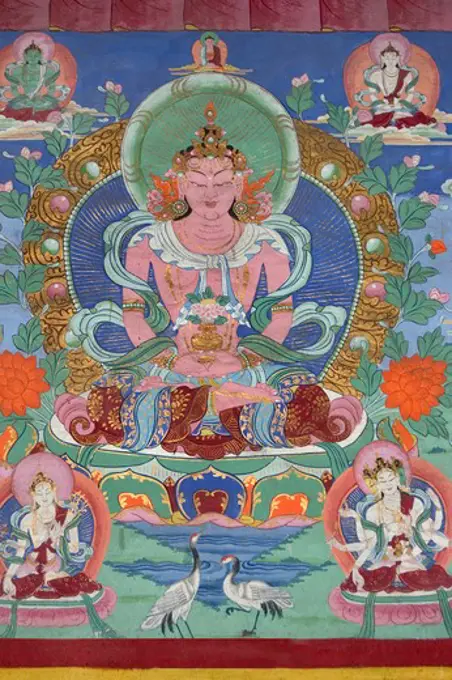
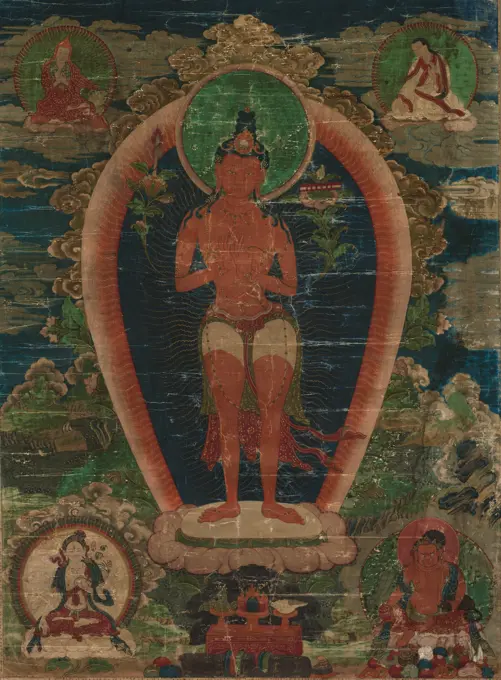
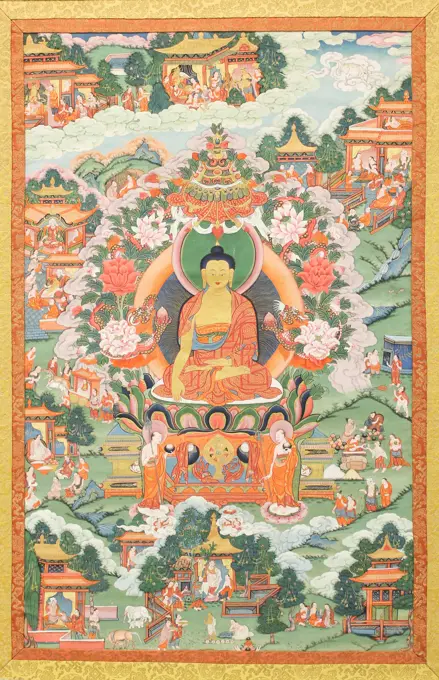
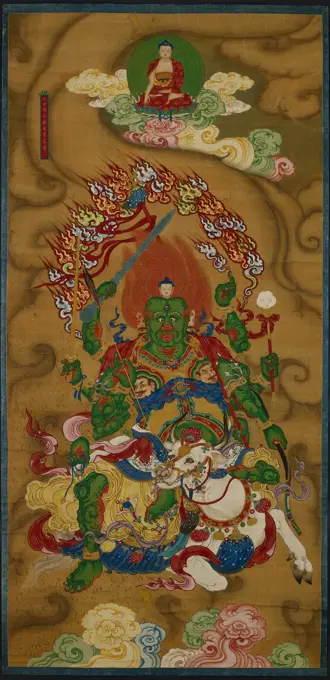
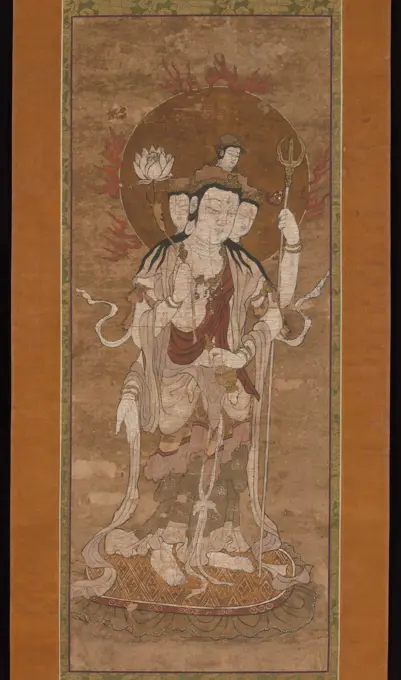
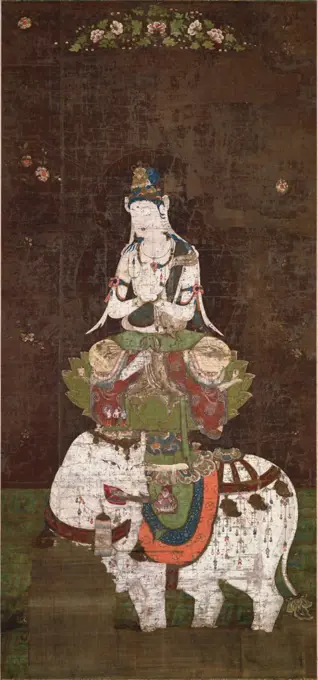
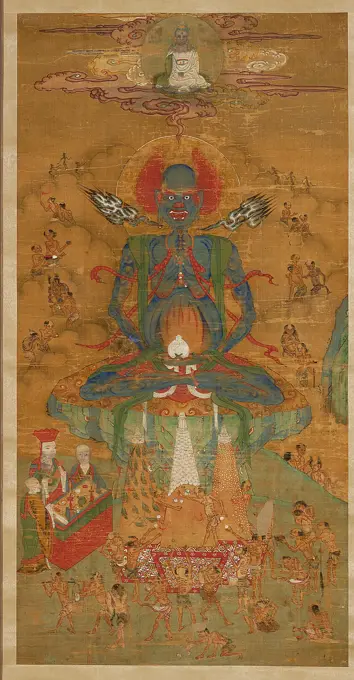
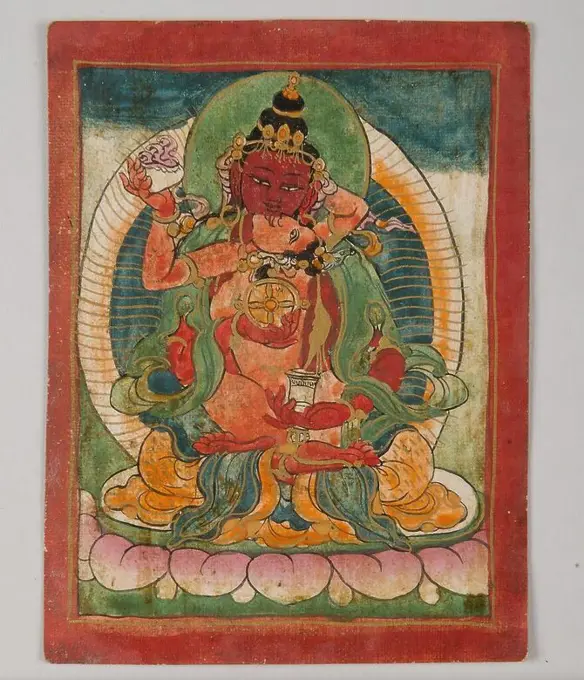
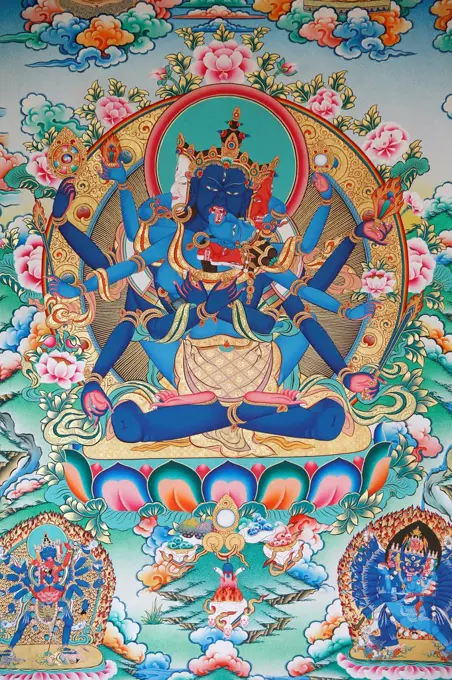
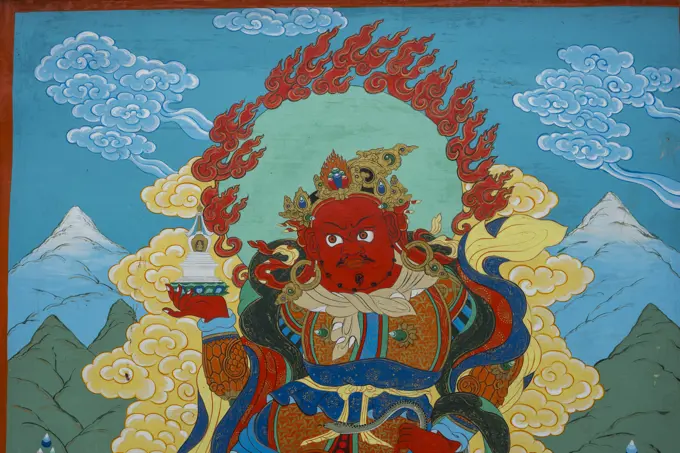
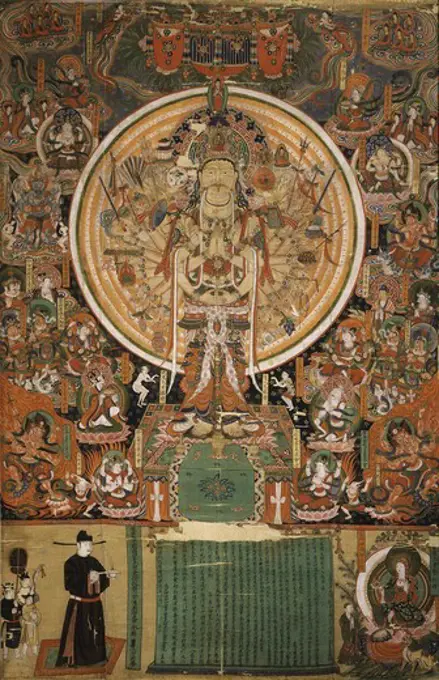
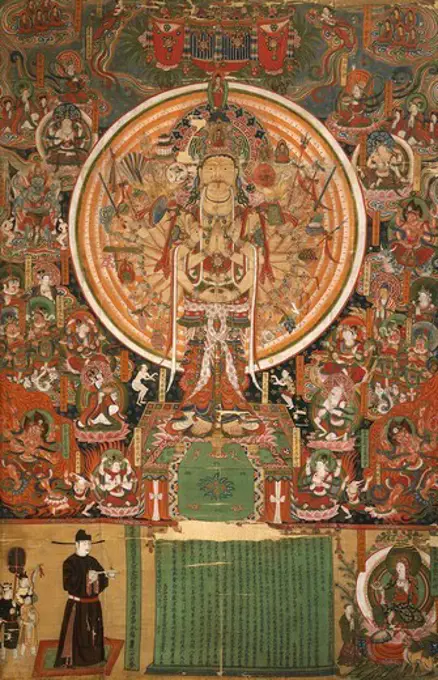
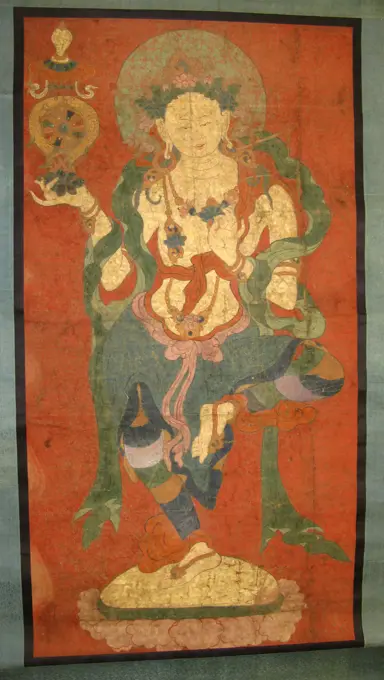
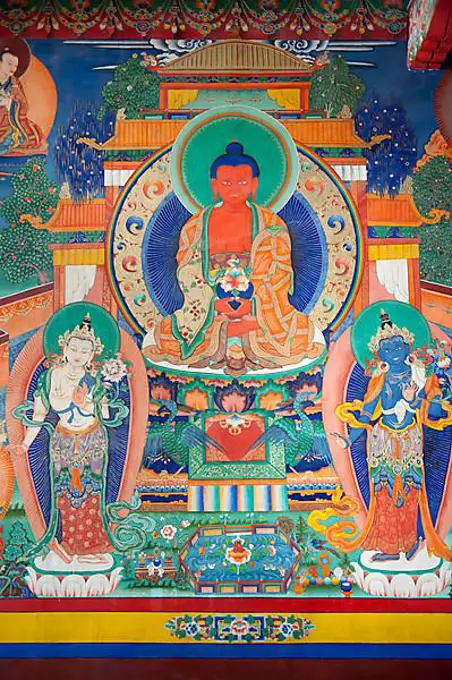
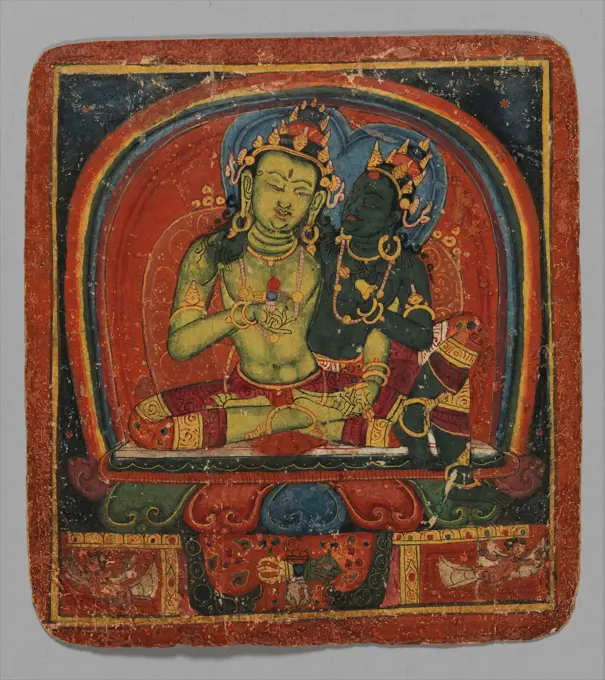
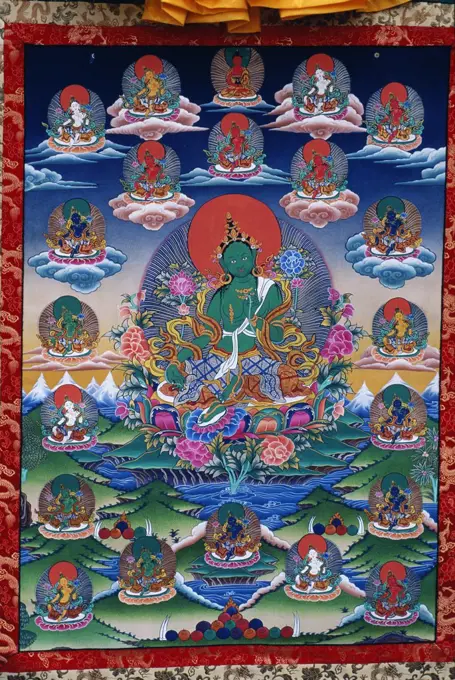
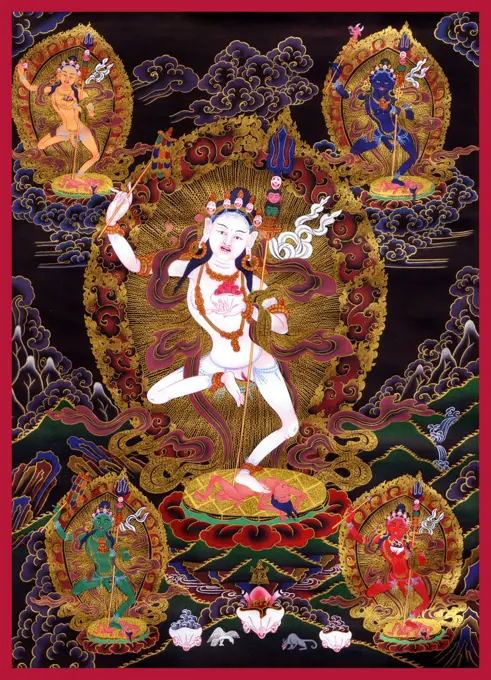
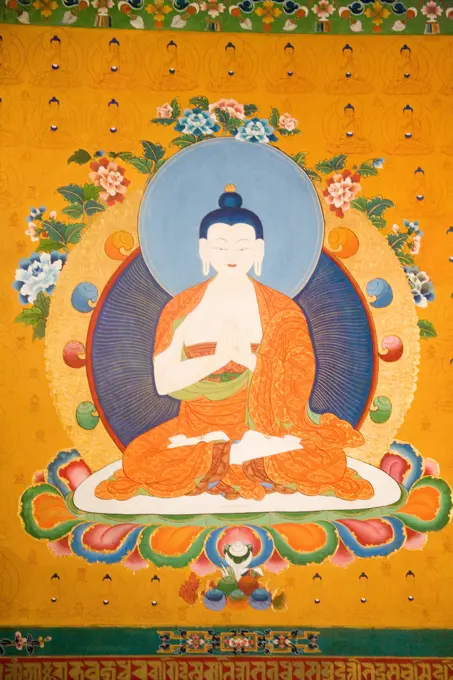
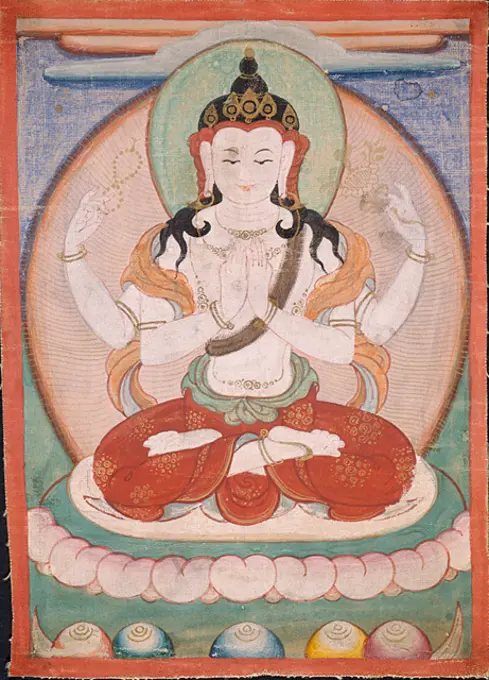
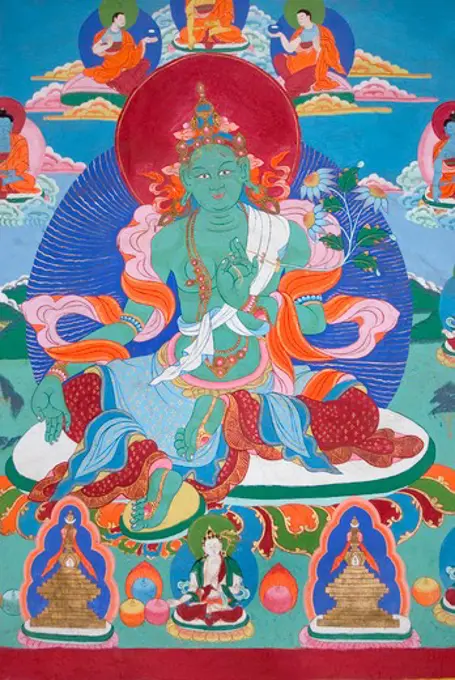
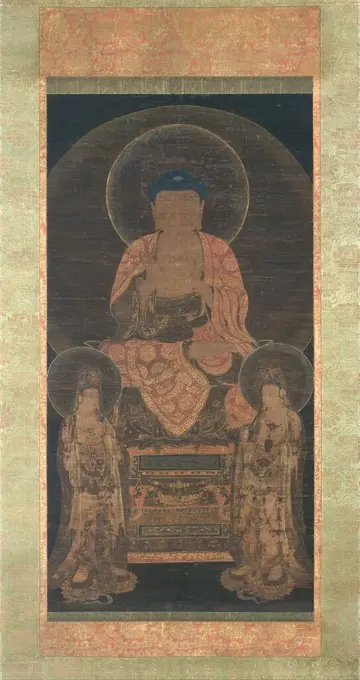
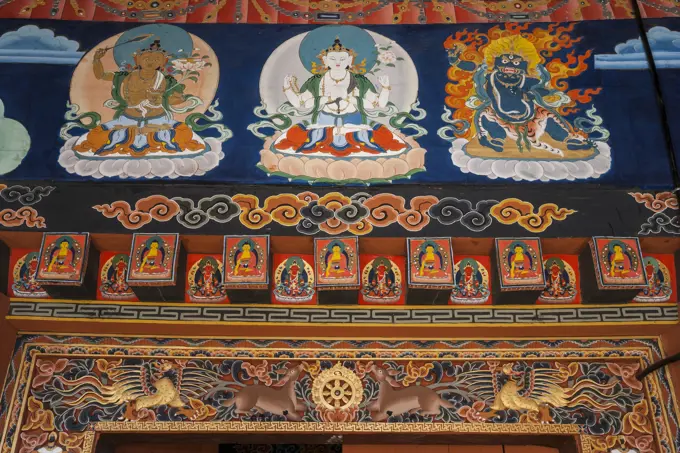
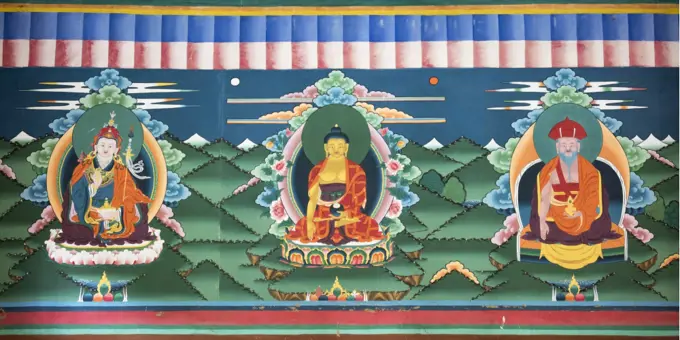
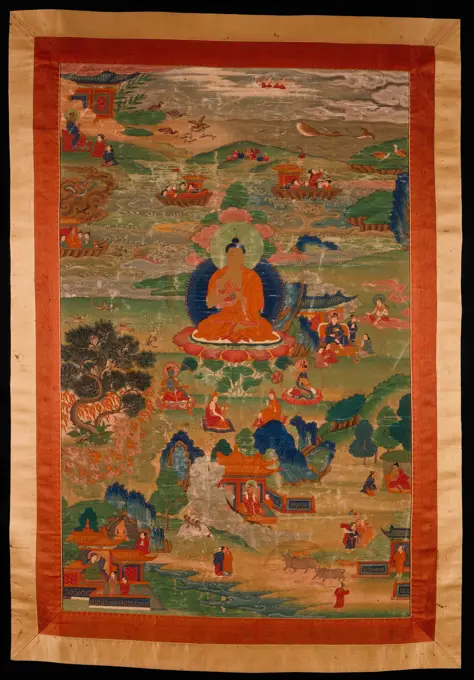
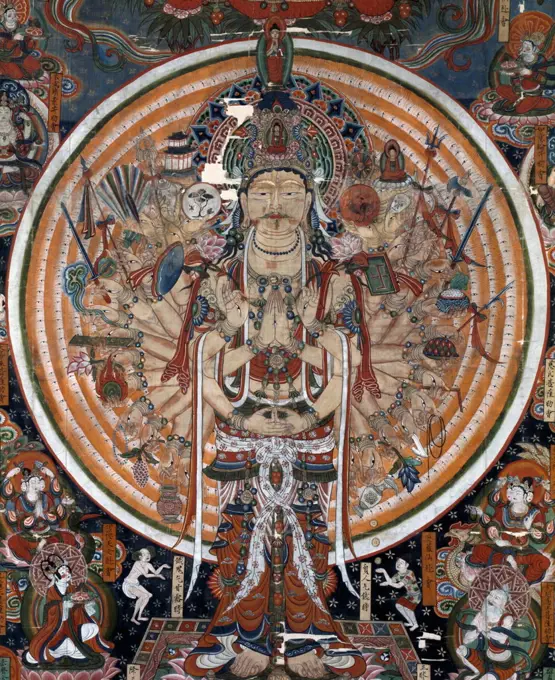
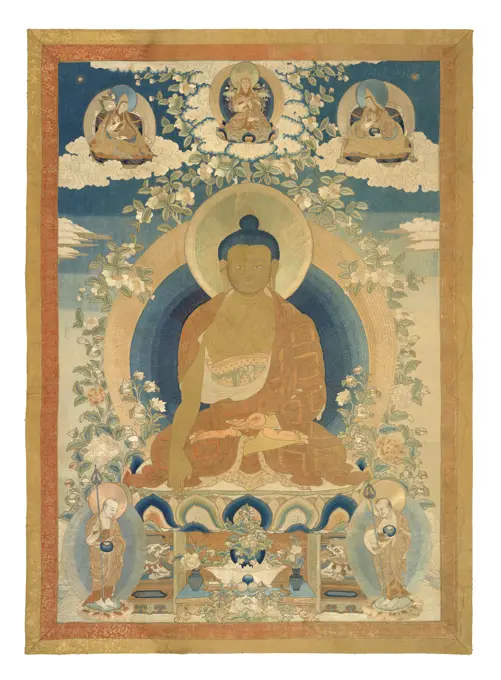
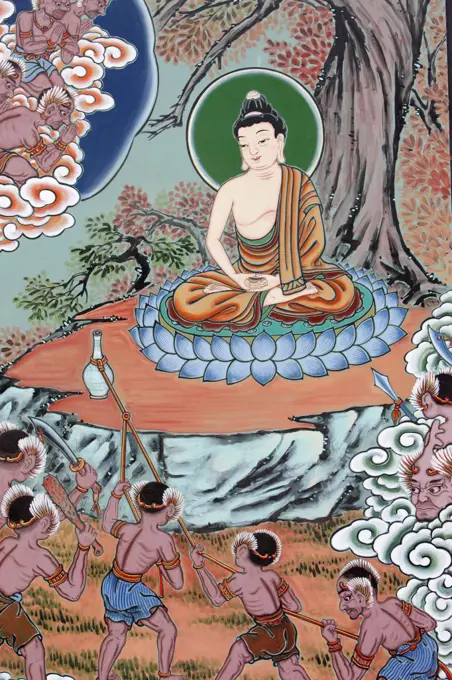
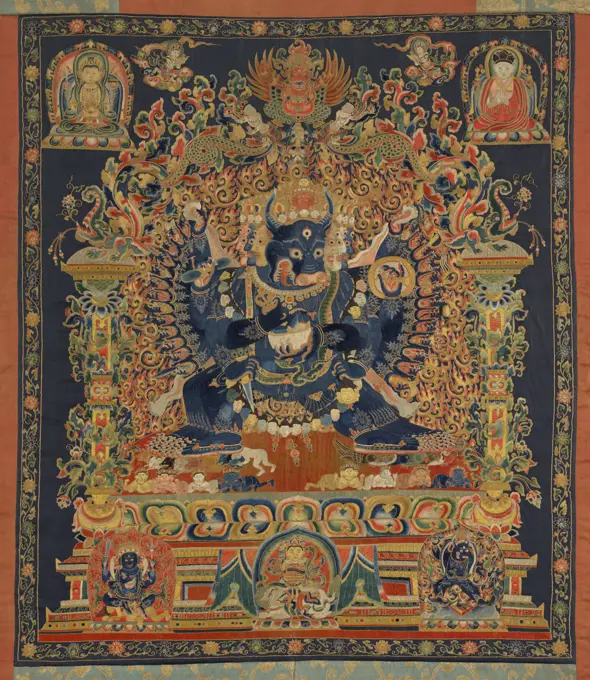
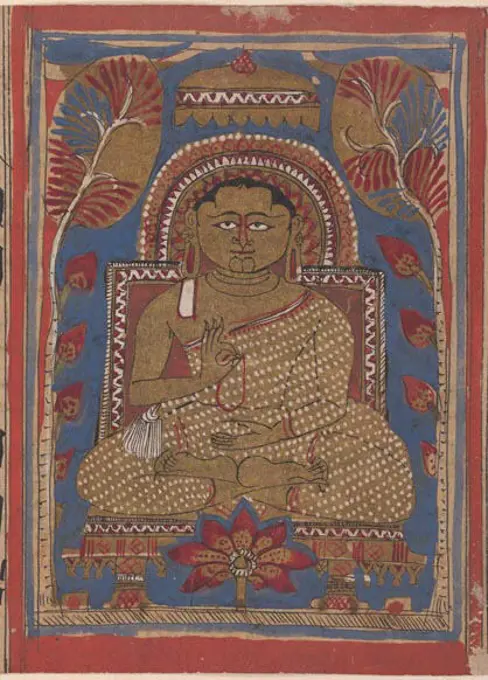
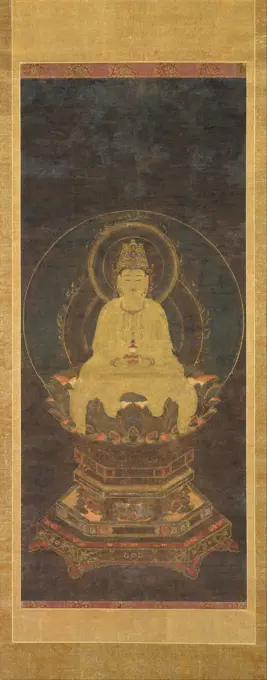
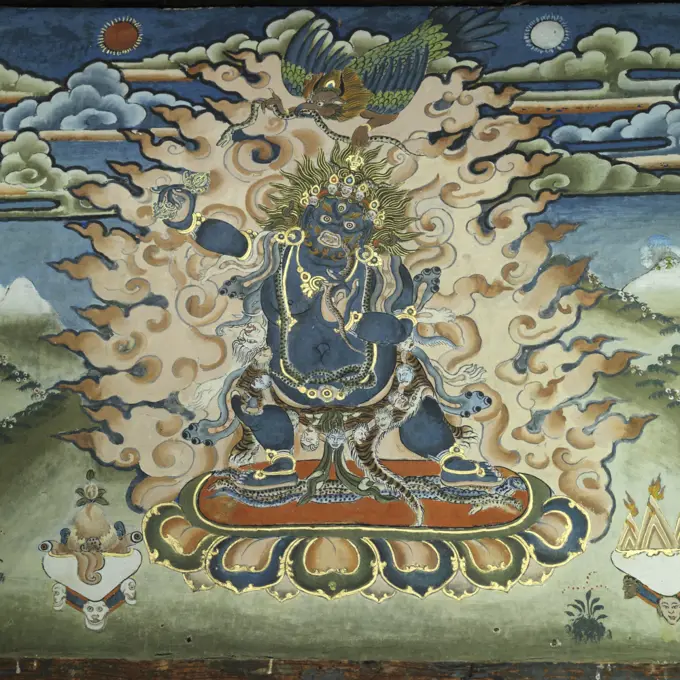
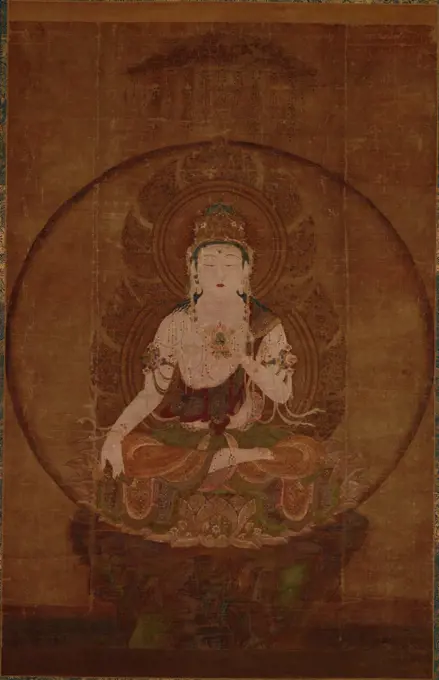
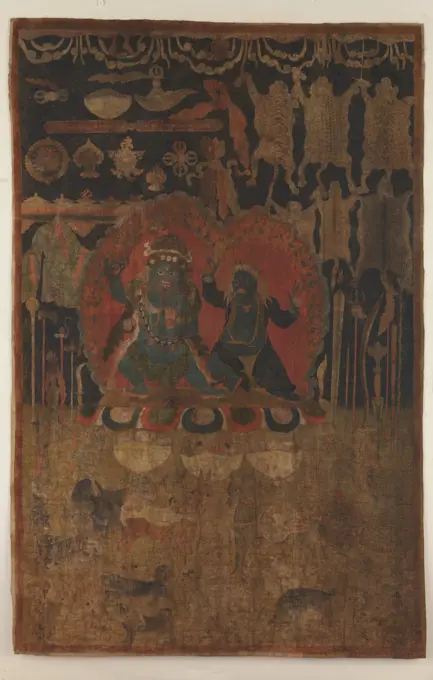
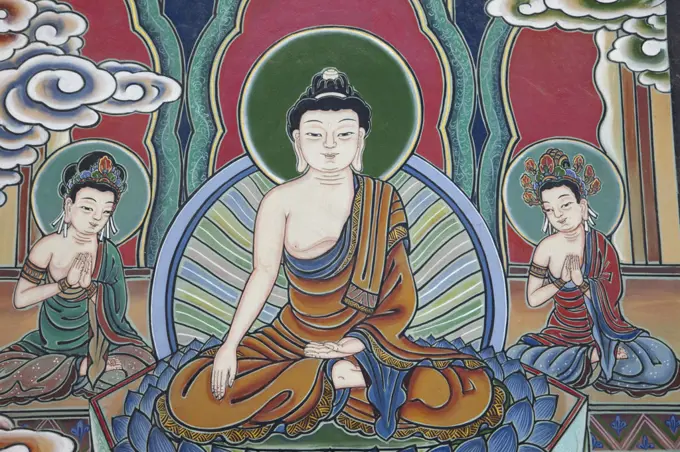
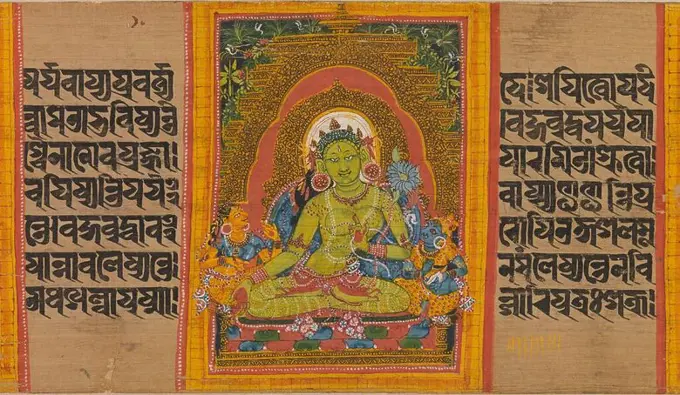
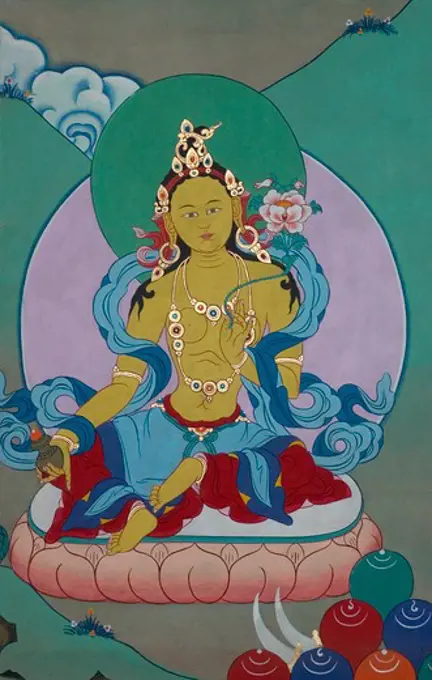
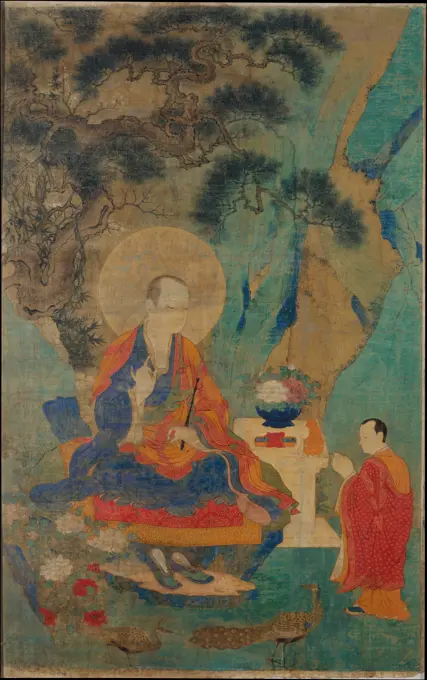
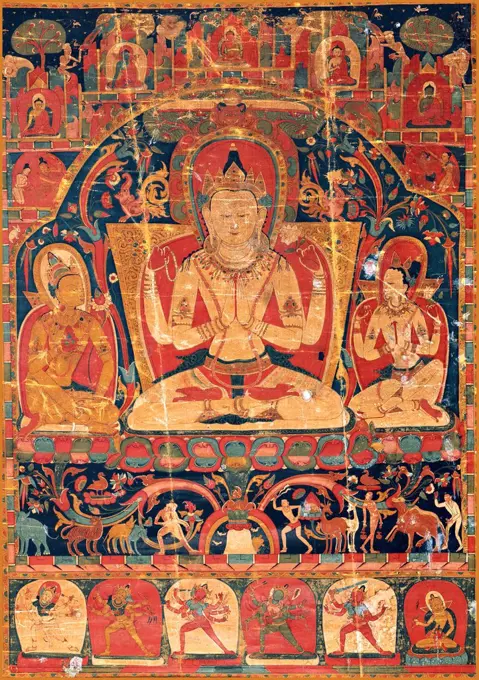
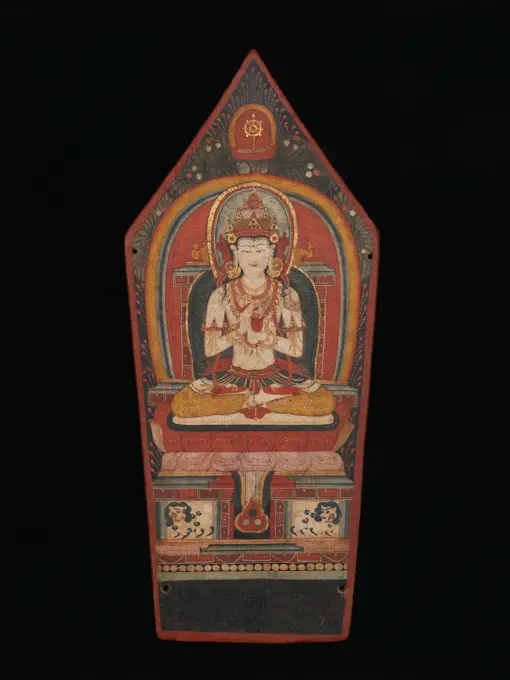
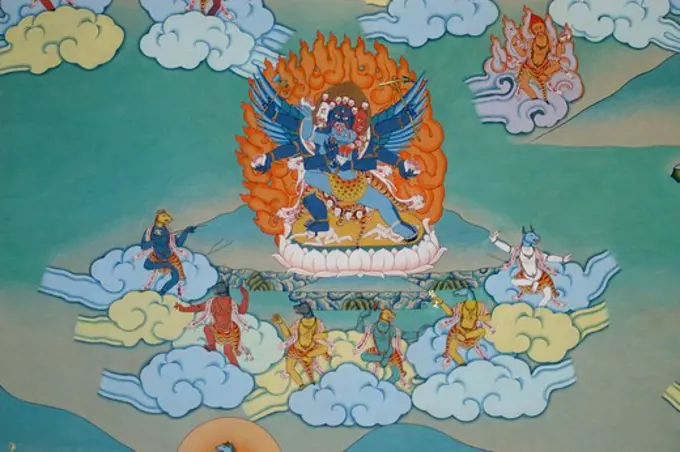
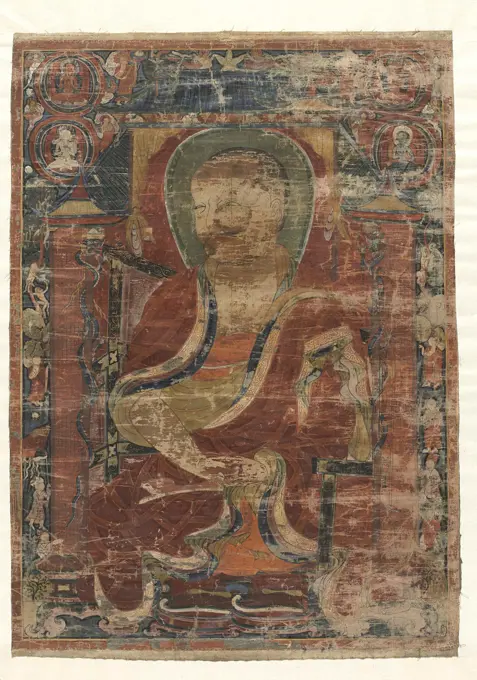
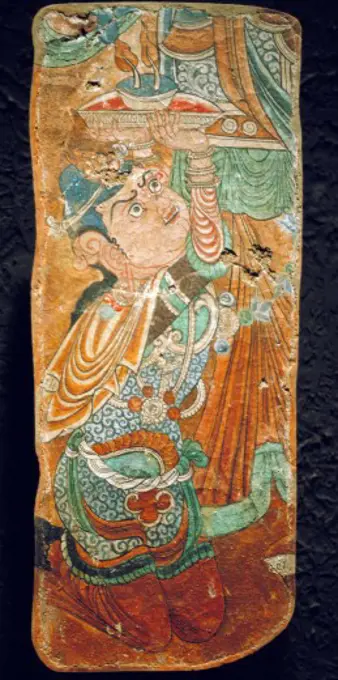
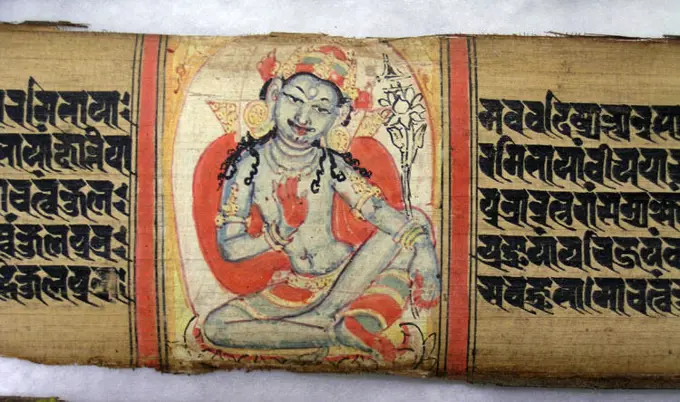
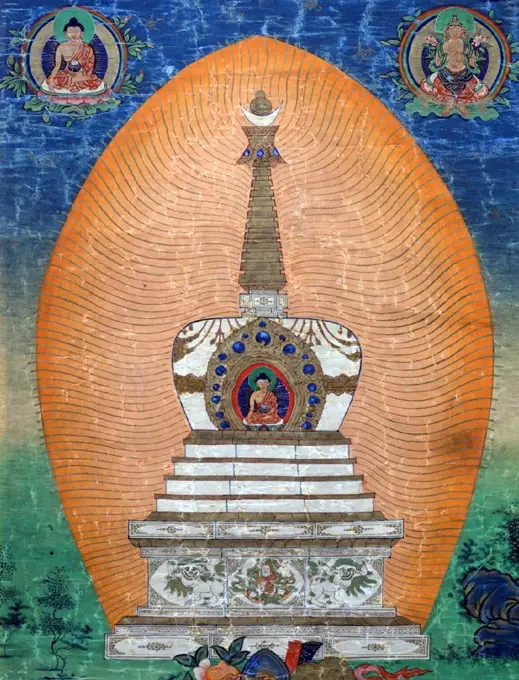
Vibrant thangka paintings of Tibetan deities, featuring intricate details, bright colors, and spiritual symbolism typical of Buddhist art.
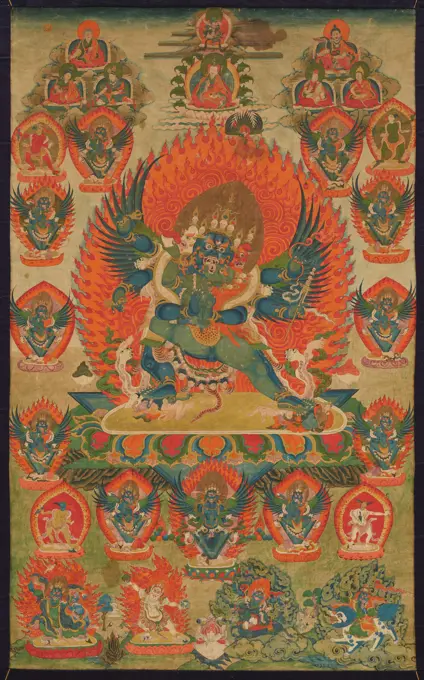
Thangka of Vajrakila and Diptachakra, late 19th century, 33 3/8 x 20 7/16 in. (84.77 x 51.91 cm) (image), Ink colors and gold on sized cotton, Tibet, 19th century, In Tibetan Buddhist practice, buddhas and bodhisattvas can express both benevolent and wrathful sides. Vajrakila is a wrathful form of the Cosmic Buddha Vajrasattva, a purifying force who valiantly tramples obstacles on the path to enlightenment. Vajrakila is shown in the center, in union with the female deity Diptachakra, who represents wisdom. The focal meditational deity is surrounded by 10 miniature Vajrakila images, their lower bodies in the form of a triangular ritual dagger to peg down evil forces. Vajrakilas garments further heighten the graphic vision, with distended eyeballs representing the conquest over human afflictions, such as desire, illusion, and ignorance. Below are guardian deities of the four directions, and above is Padmasambava, a Buddhist monk to whom Vajrakila is said to have appeared in a mystic rev