Tibetan Buddhist Art

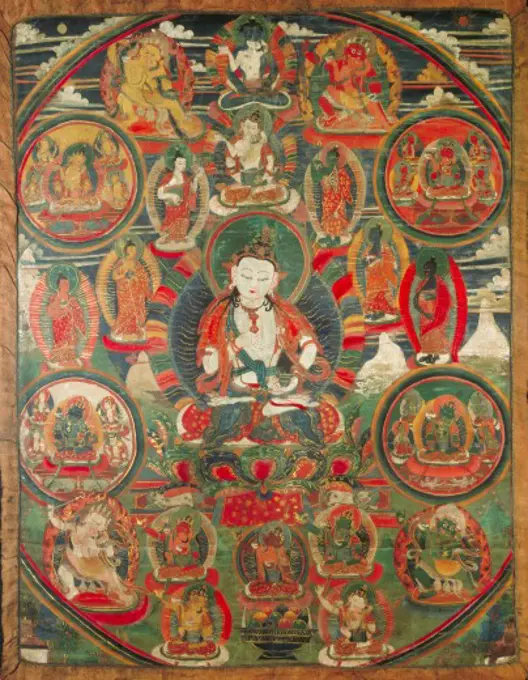
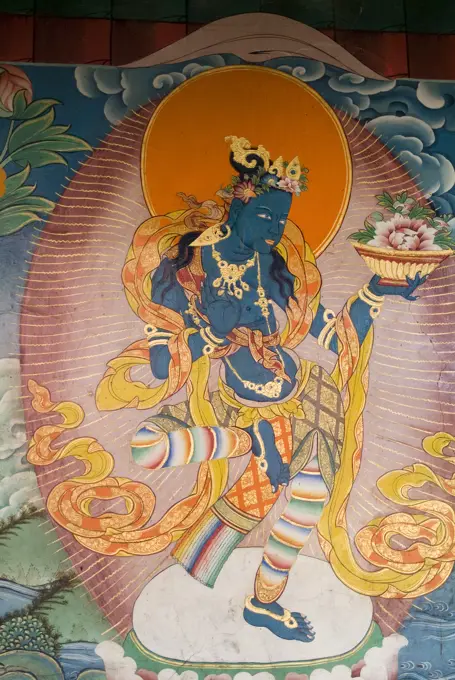
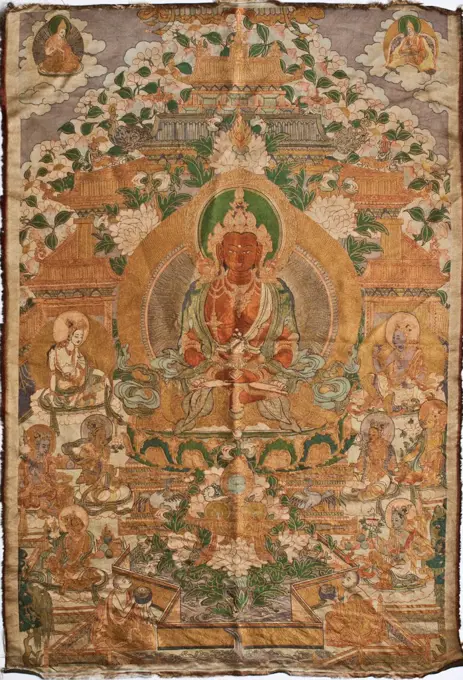
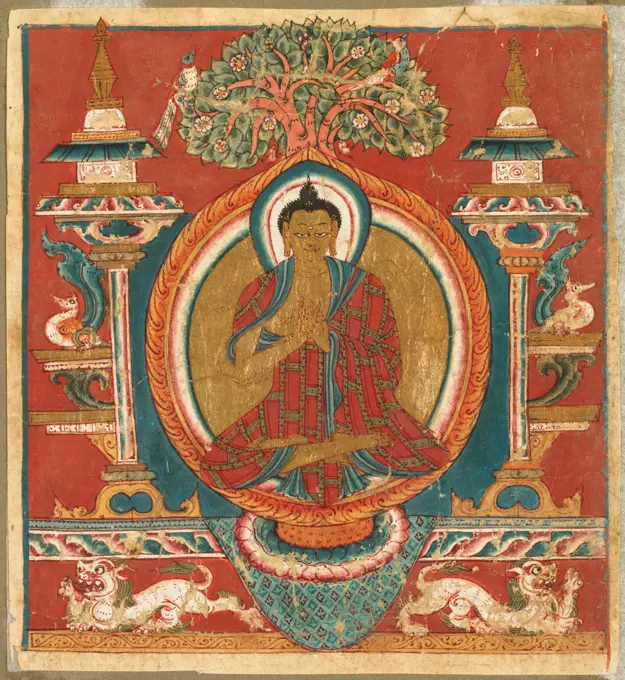
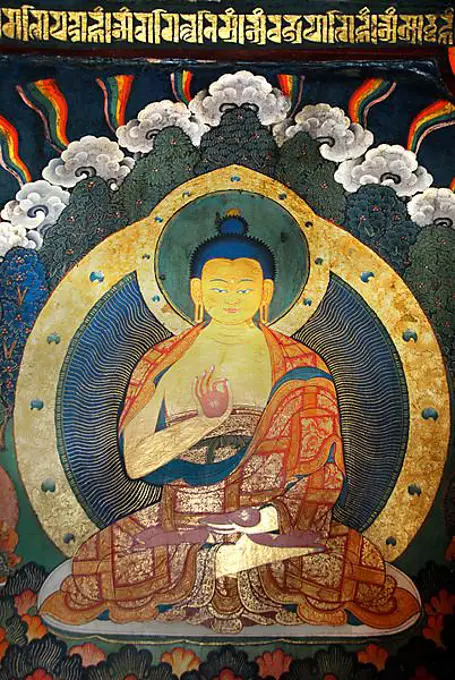
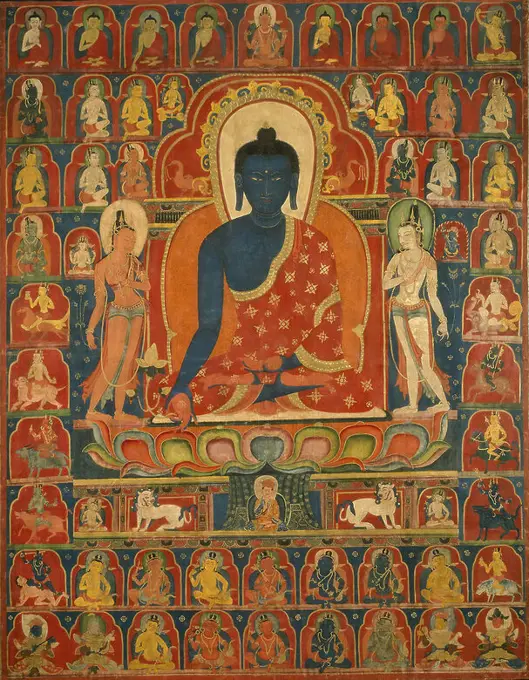
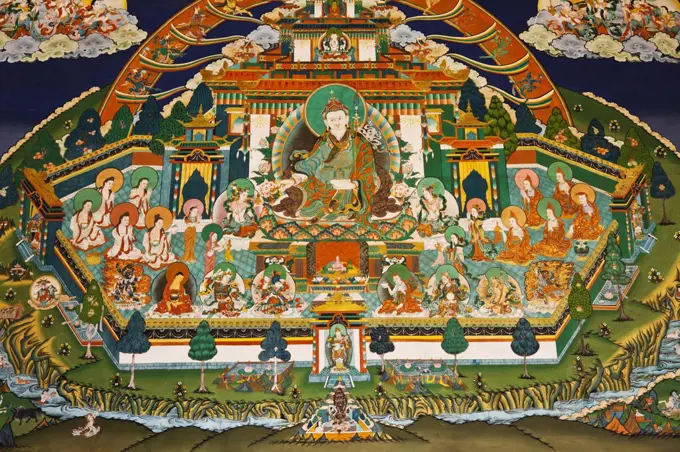
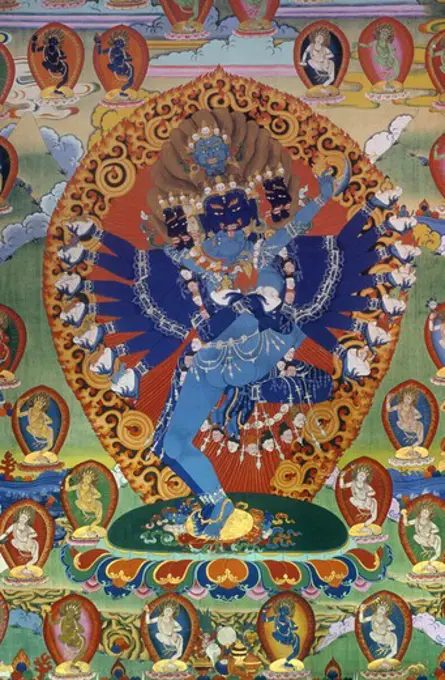
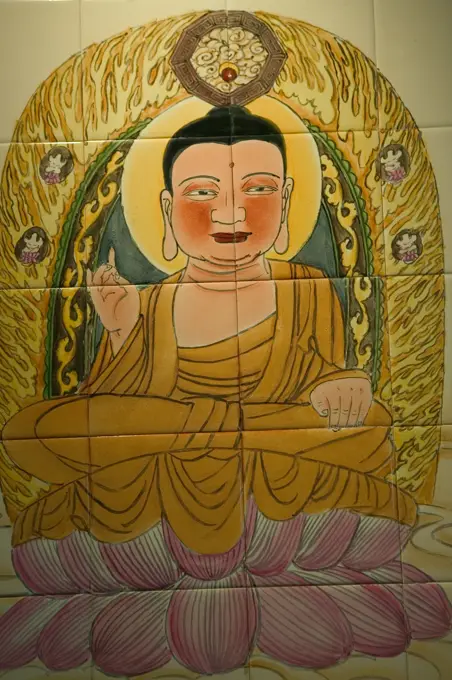
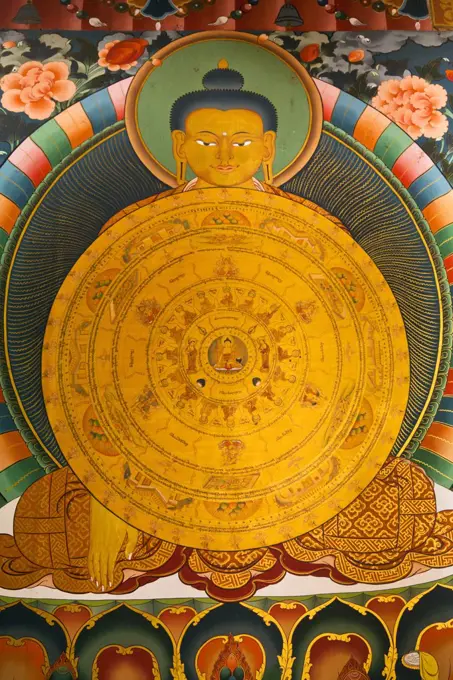
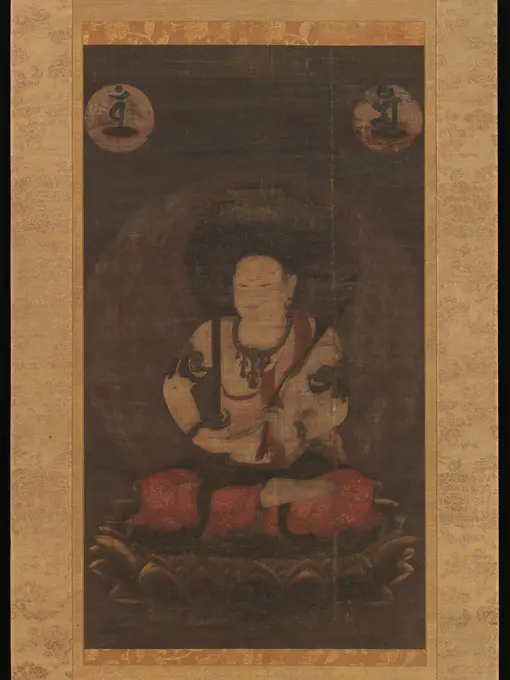
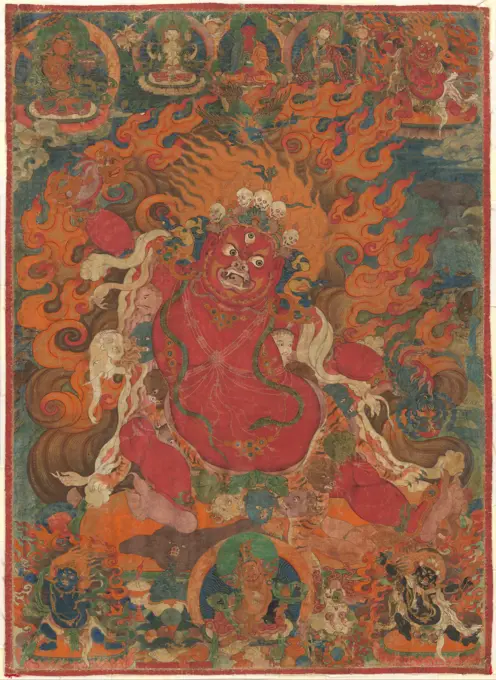
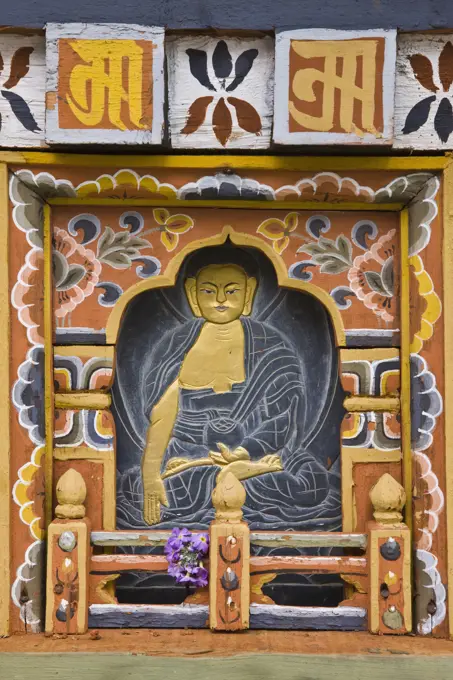
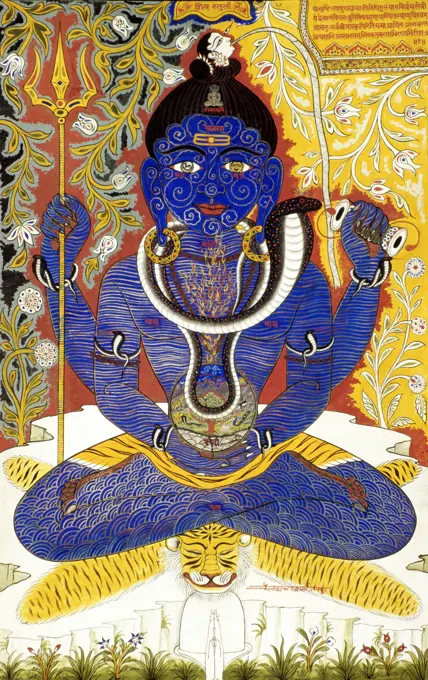
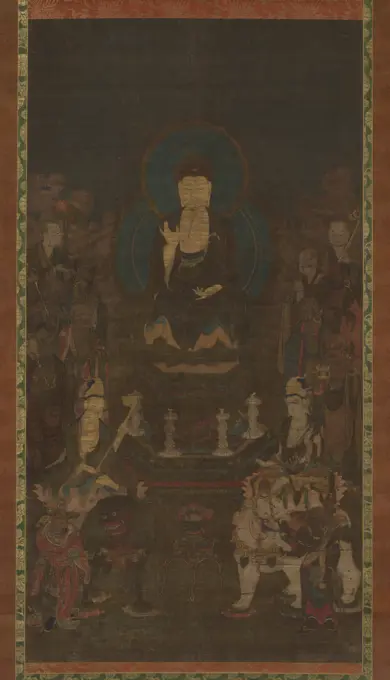
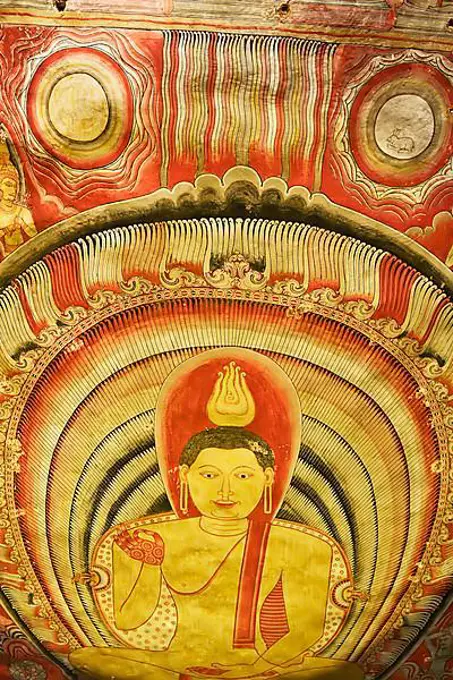
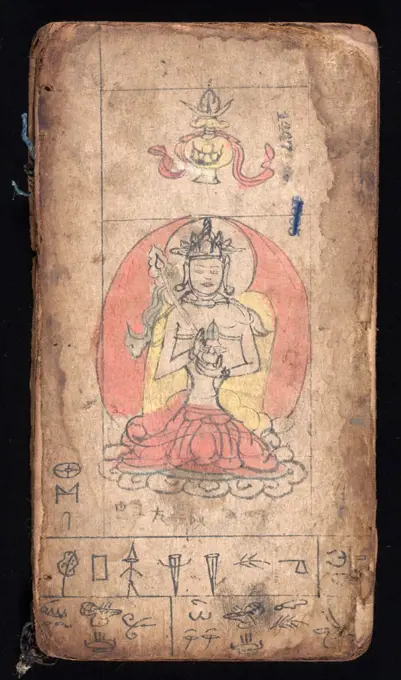
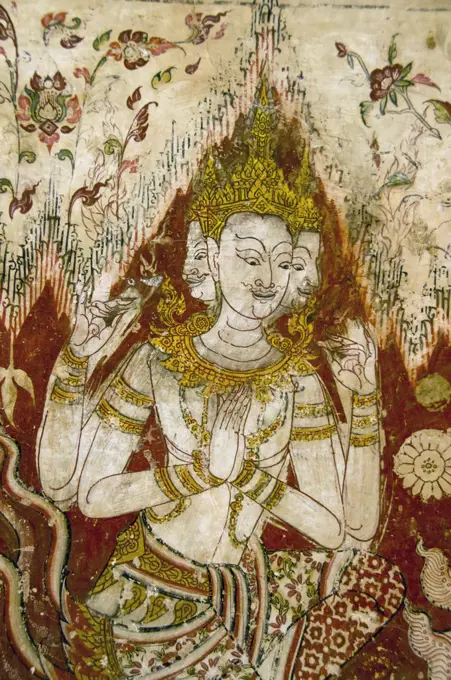
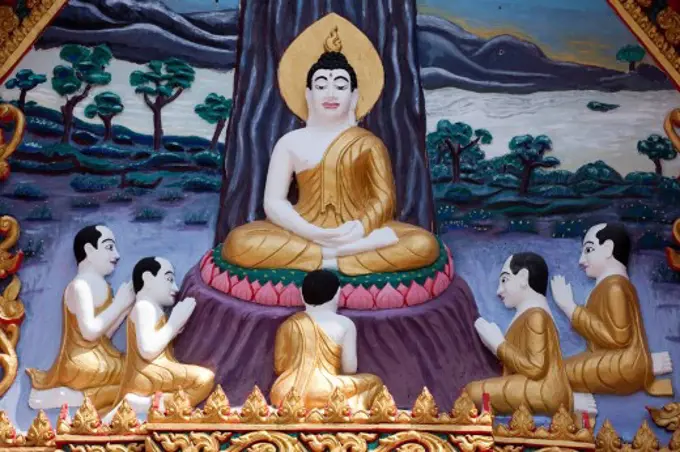
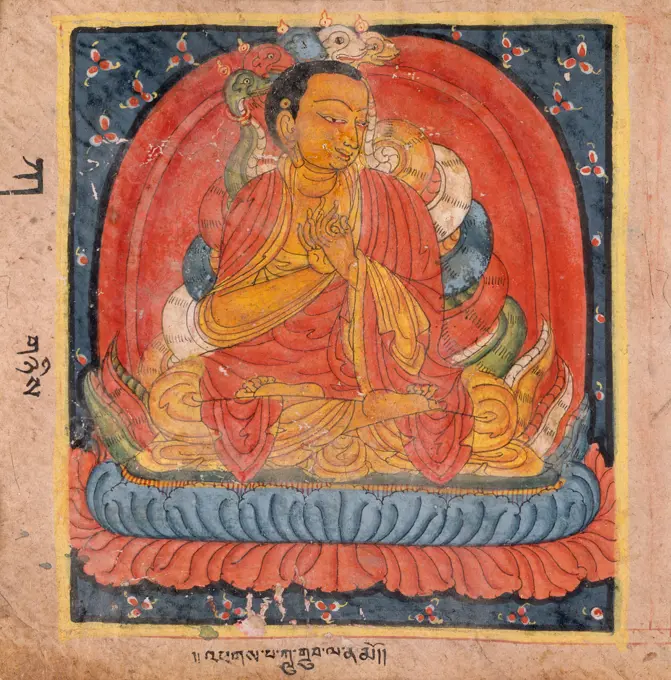
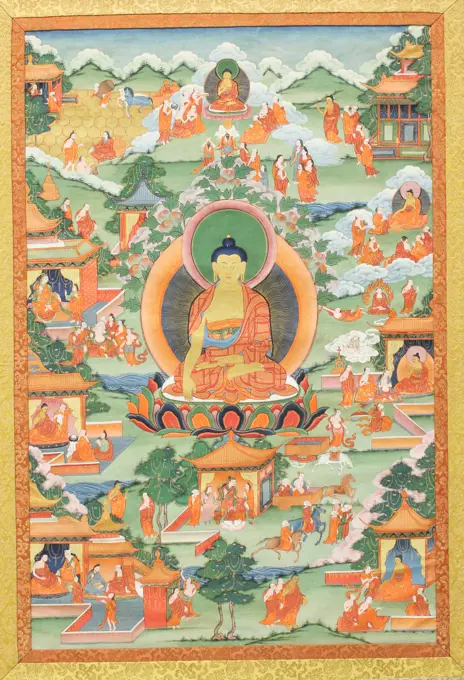
Colorful and intricate Thangka paintings reflecting Tibetan Buddhism, highlighting deities like Tara and Buddha, rich in symbolism and spiritual themes.
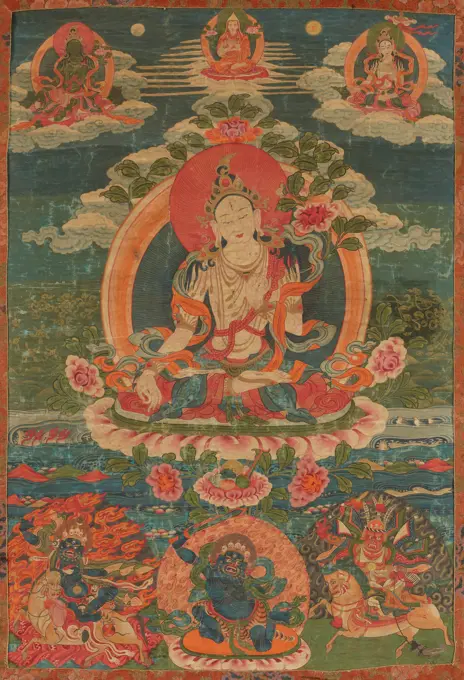
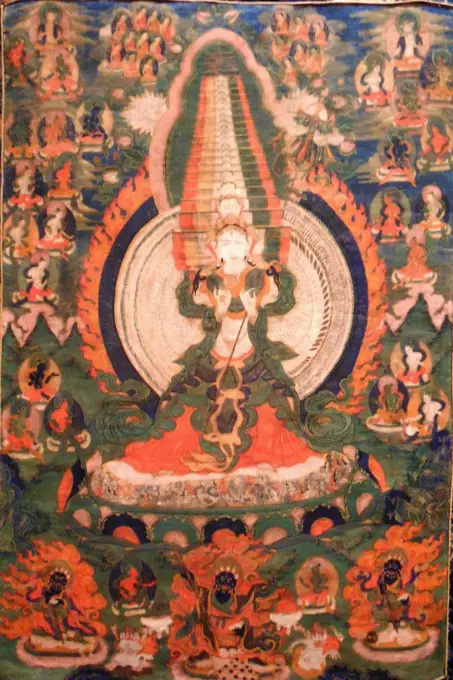
Sgrol-dkar (The White Tara or White Savioress), 18th century, 64 x 38 1/2 in. (162.56 x 97.79 cm), Colors on sized cotton, Tibet, 18th century, Tara, the goddess of mercy, is one of the most popular deities of Tibetan Buddhism. She is incarnated in two principal forms, green and white, symbolizing night and day, respectively. Both are consorts of Avalokitesvara, the bodhisattva of compassion and the patron deity of the largest school of Tibetan Buddhism, the Yellow Hat Sect. Here Tara holds in her left hand a lotus blossom, symbol of spiritual purity and her standard attribute. Her right hand expresses the gesture of bestowing compassion, the varada mudra. In the upper right corner is Padmasambhava, the great Indian teacher, with Karmavajra on the left and a lama between. At the bottom of the thanka are three protective images, including Mahakala and Lhamo who act here as wrathful guardians of Buddhist thought.