Traditional Coverlets

Textiles showcasing intricate patterns and designs, featuring covers and rugs from different cultures, highlighting traditional weaving techniques.

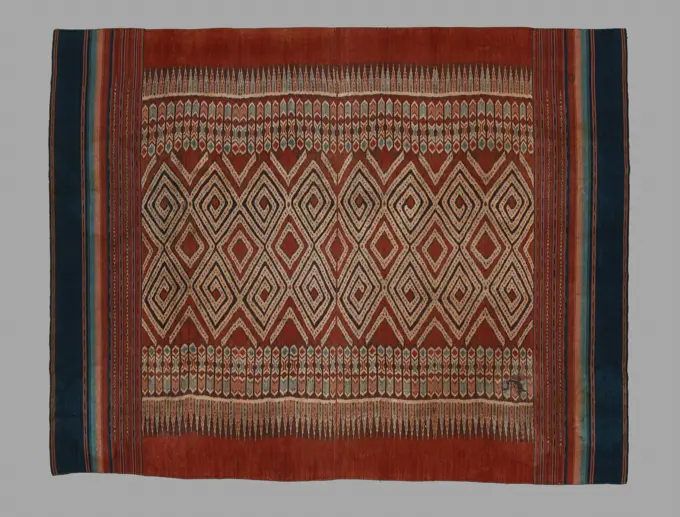
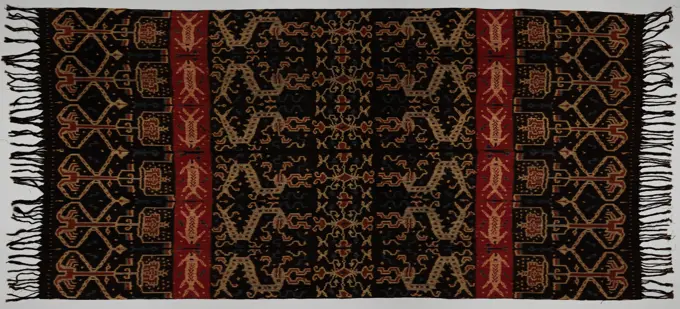
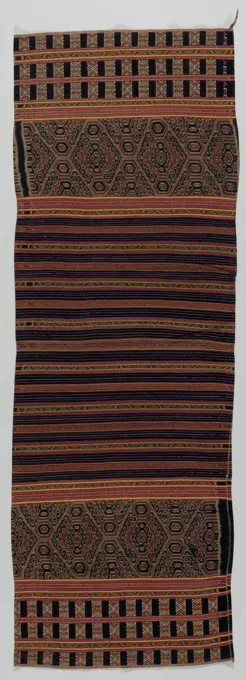
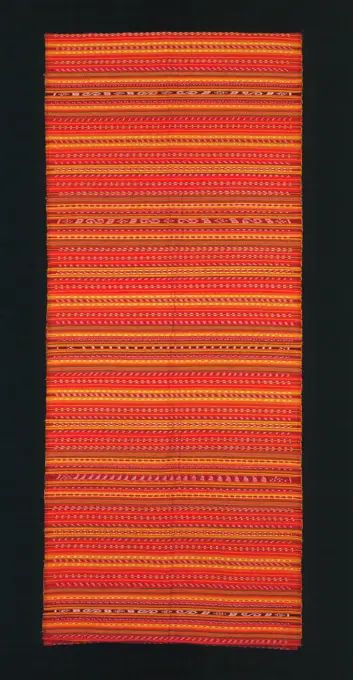
Hand_woven cotton Ikat from Rote and Savu, from the Regent Collection, Indonesia, Southeast Asia, Asia
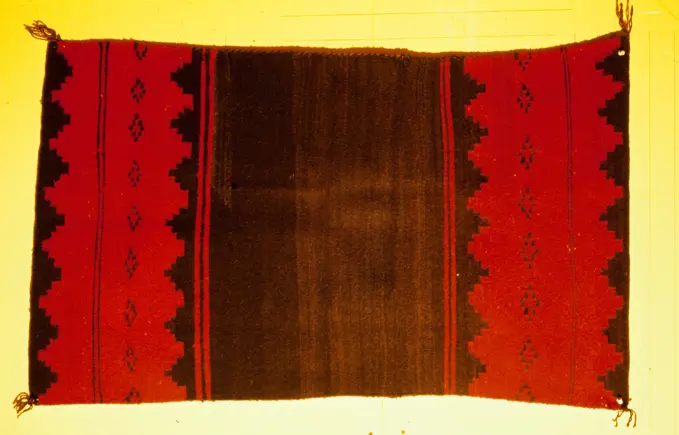
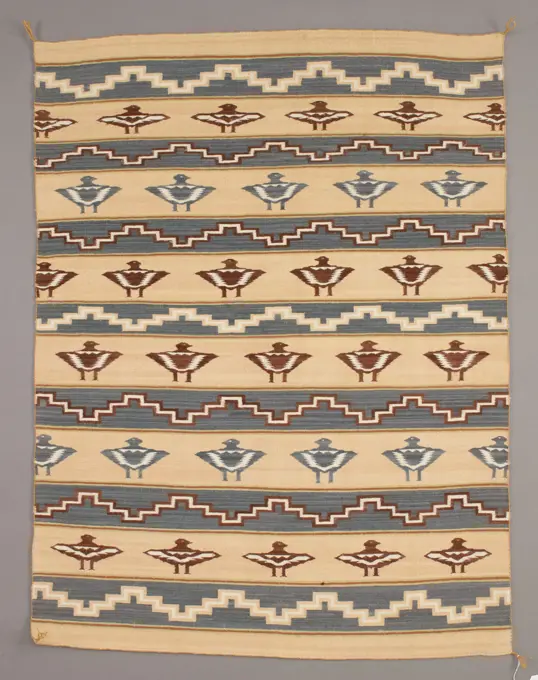
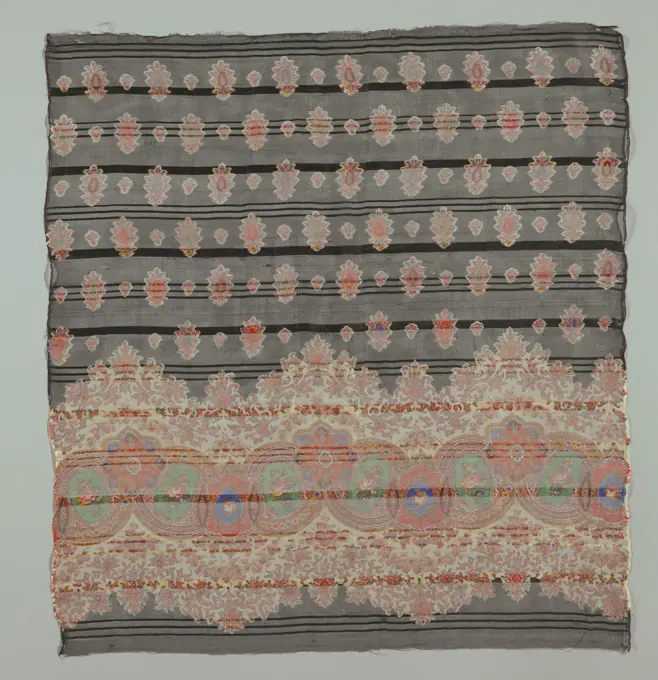
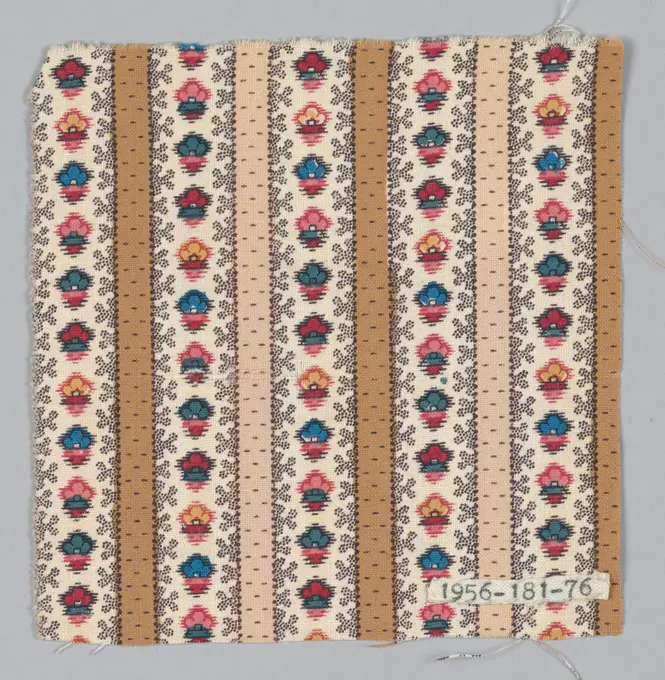
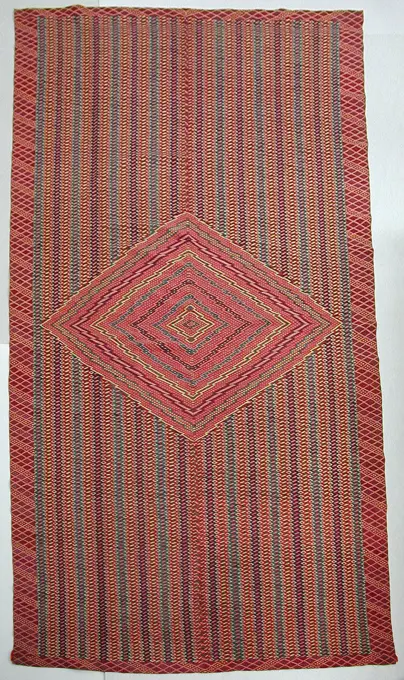
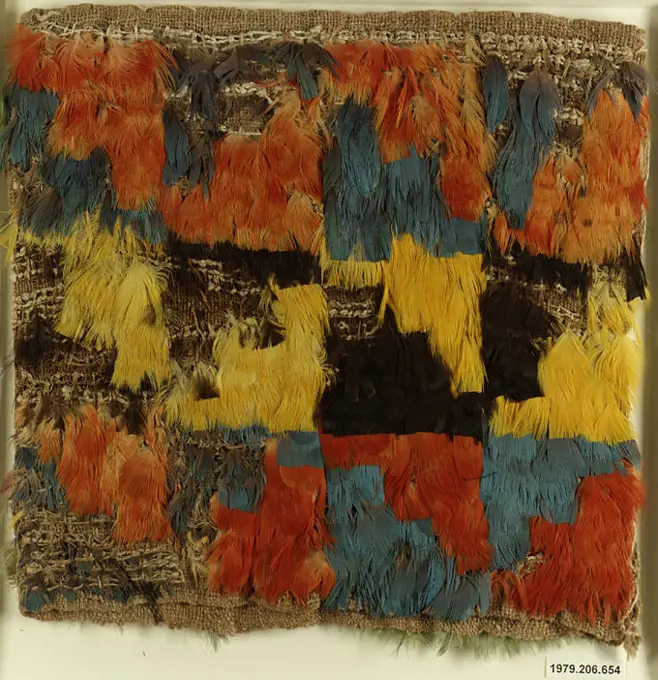
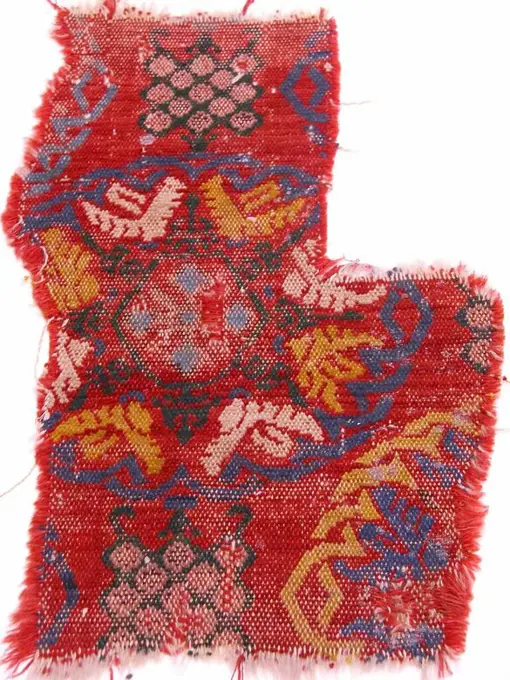
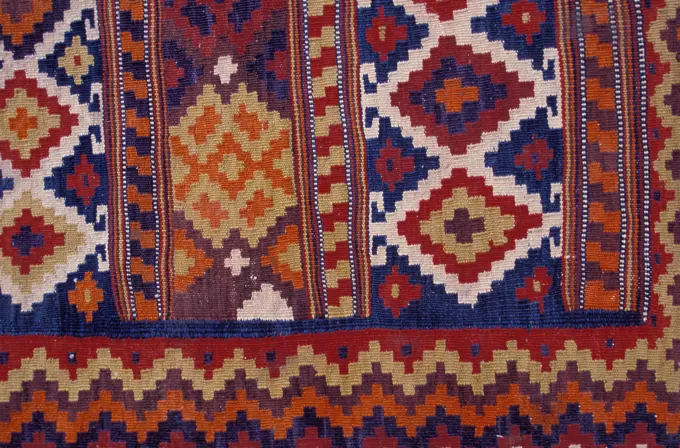
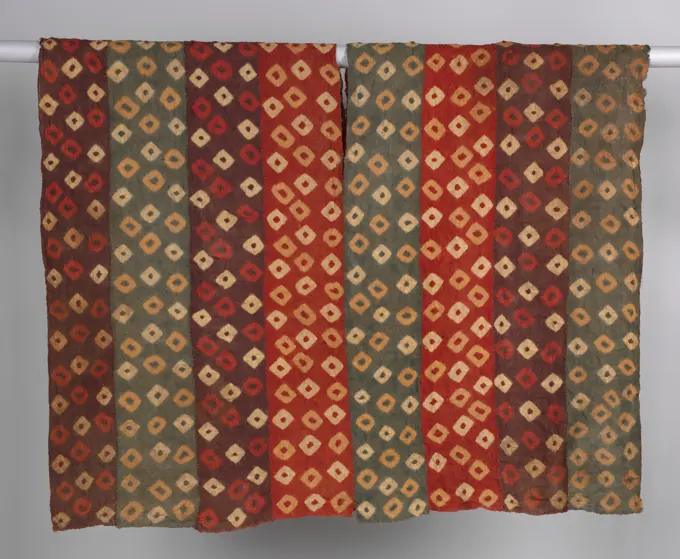
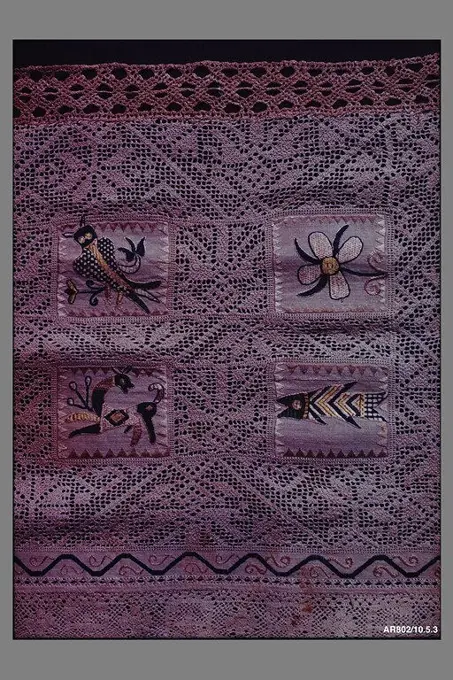
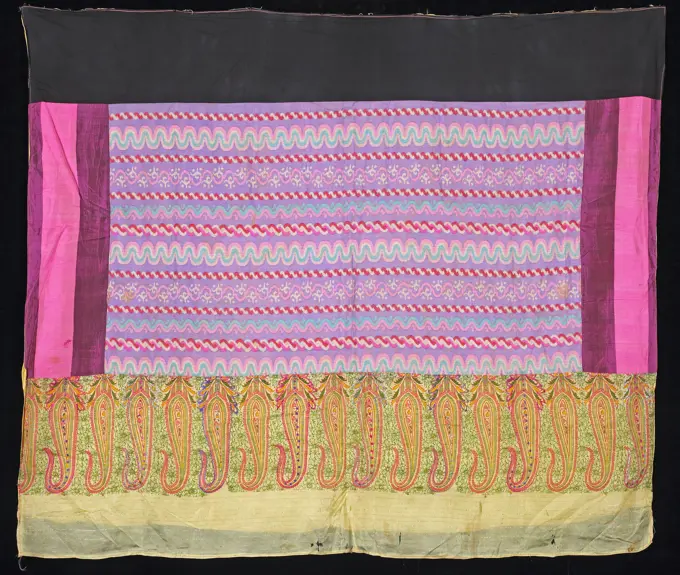
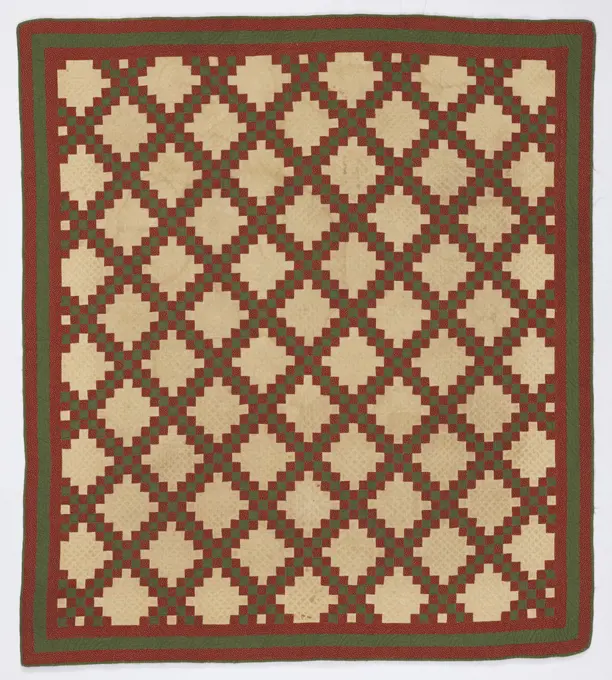
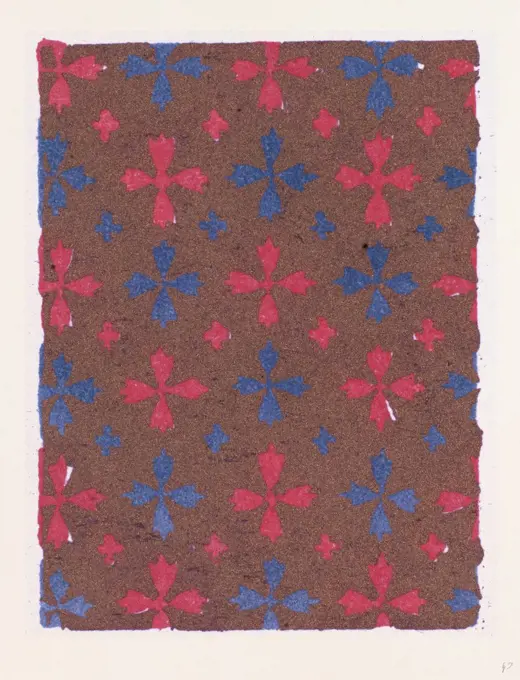
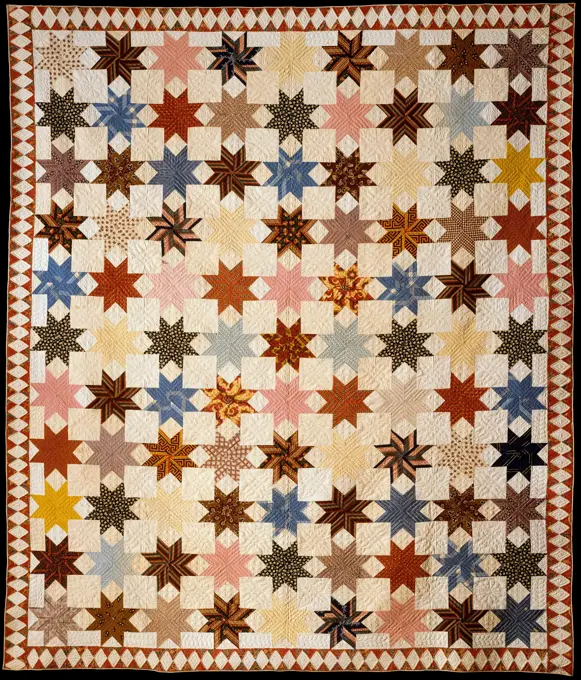
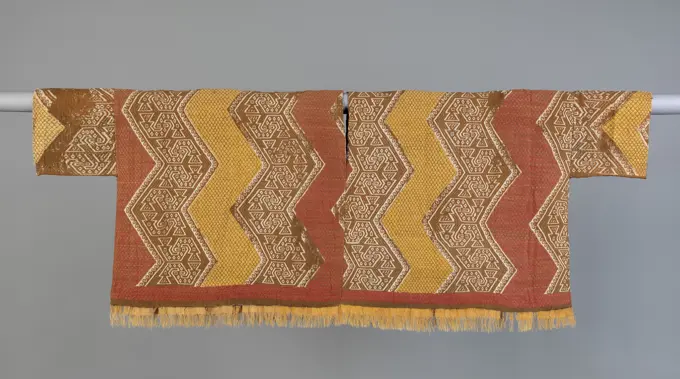
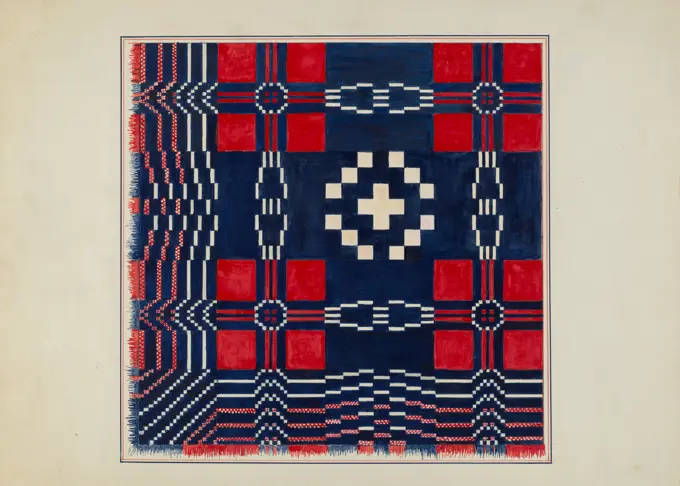
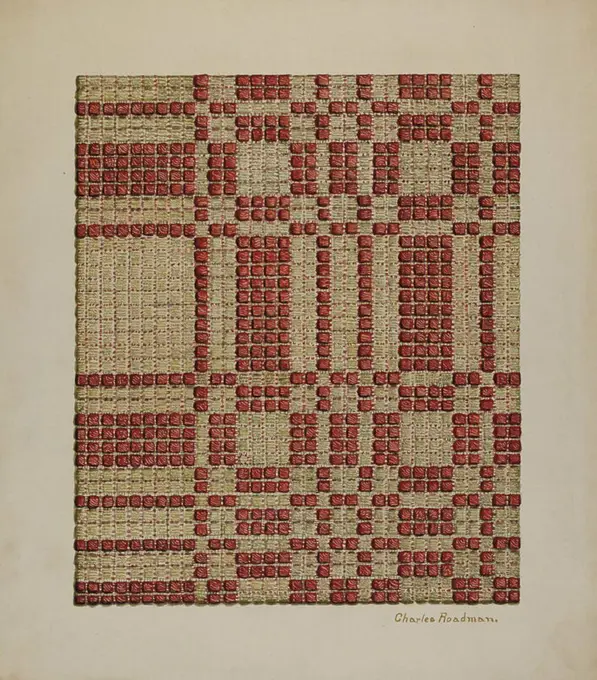
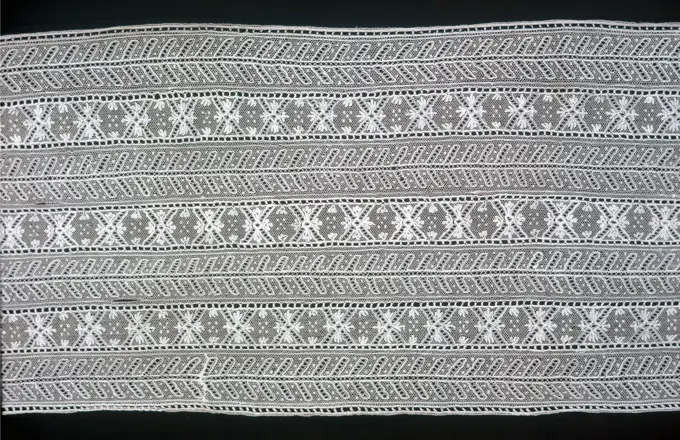
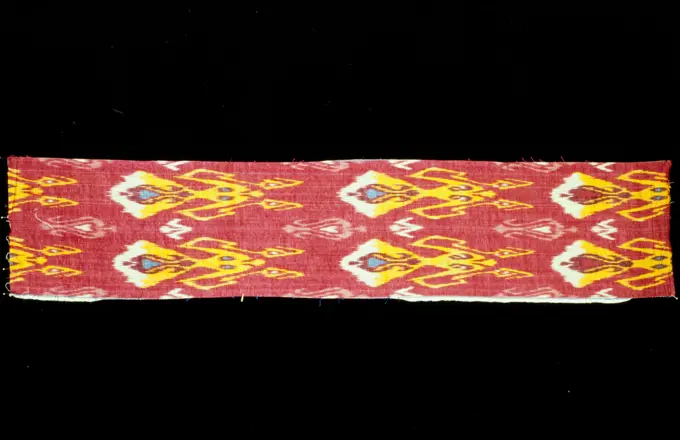
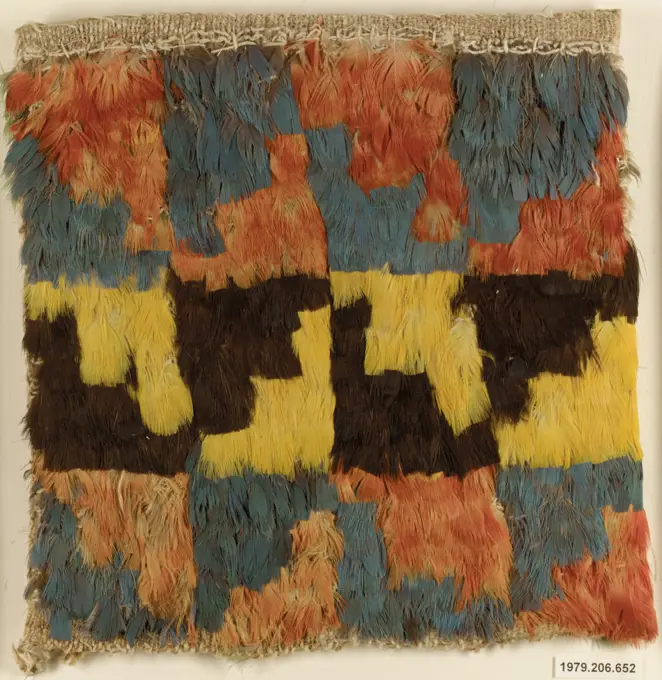
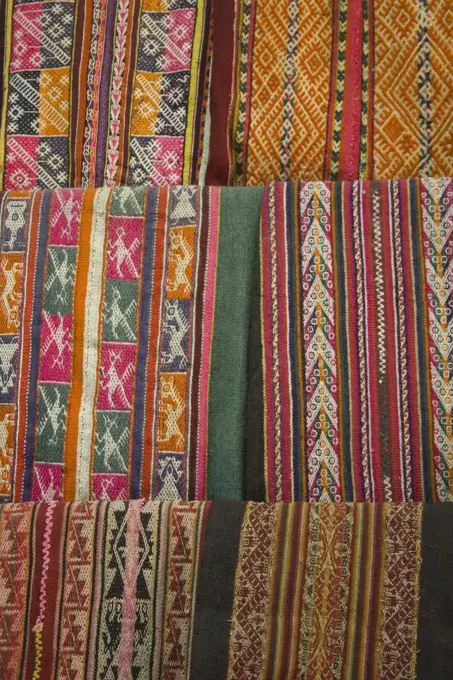
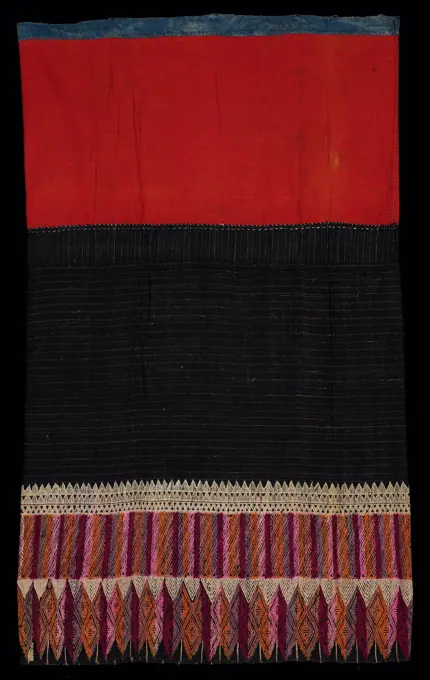
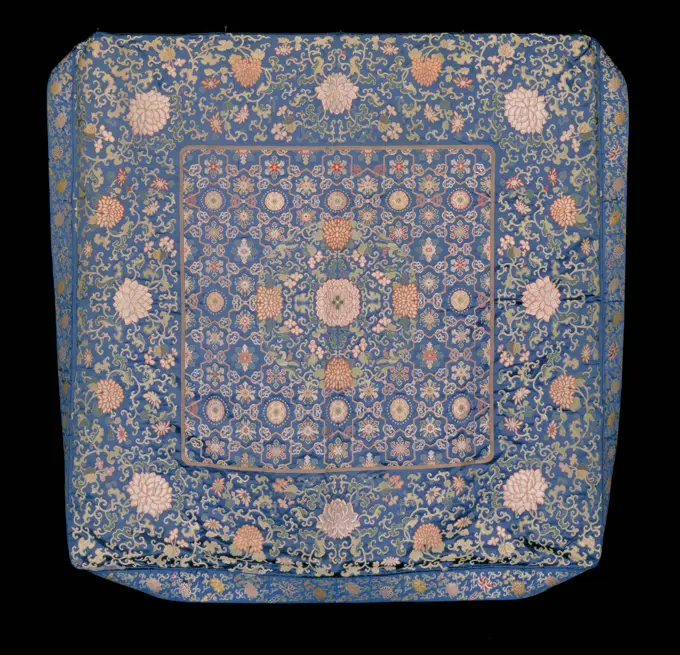
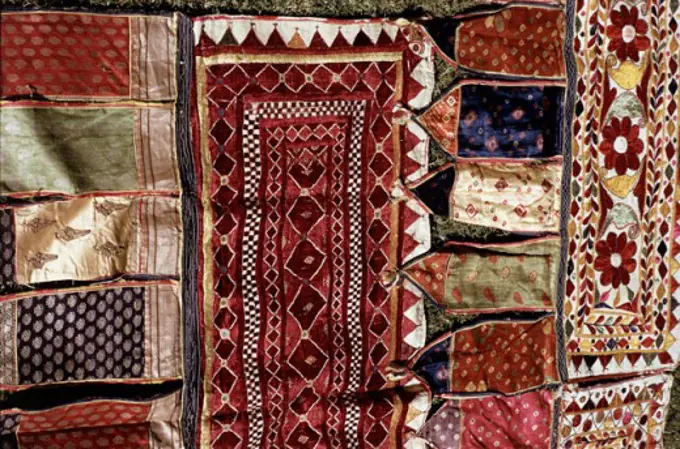
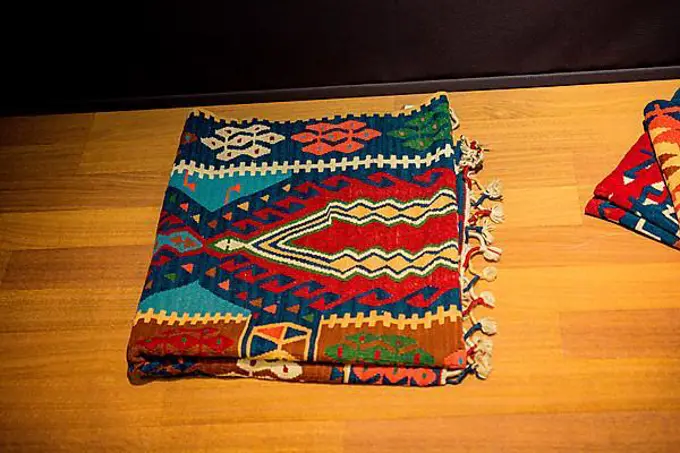
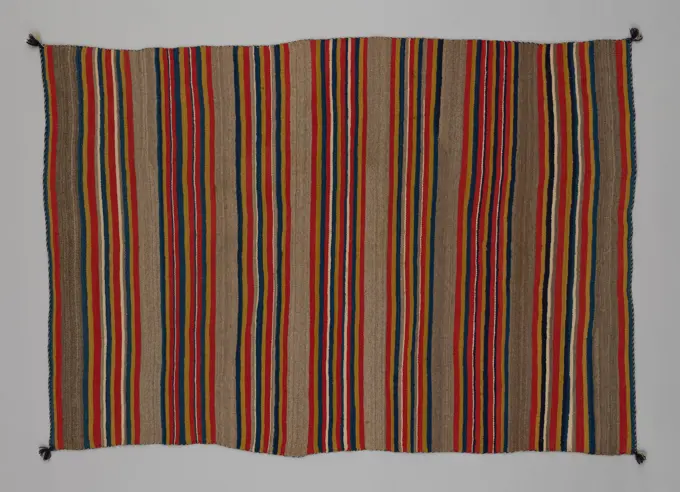
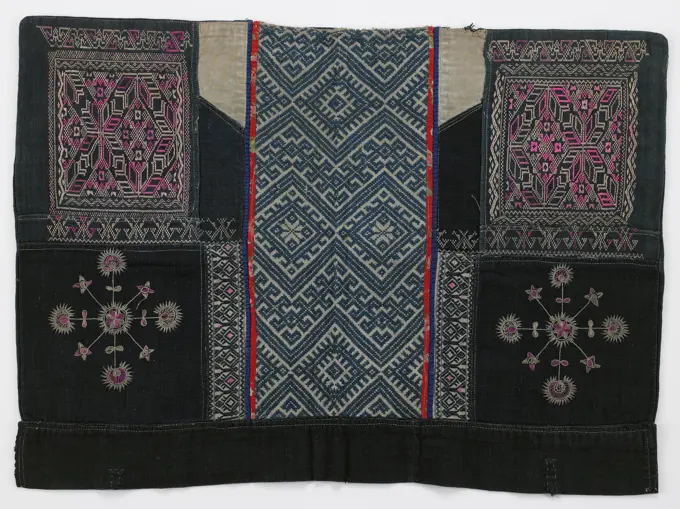
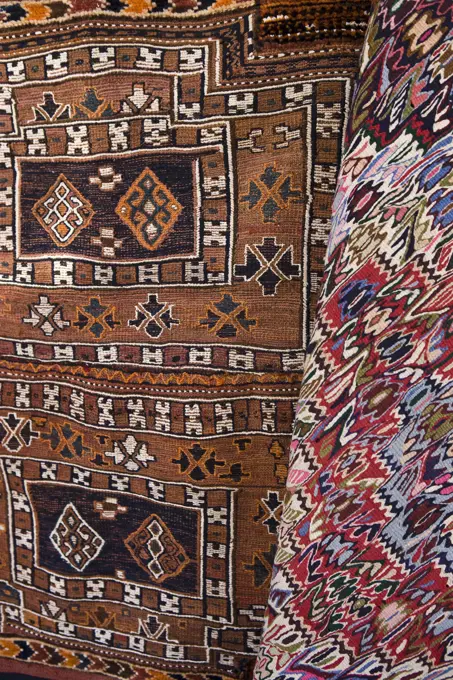
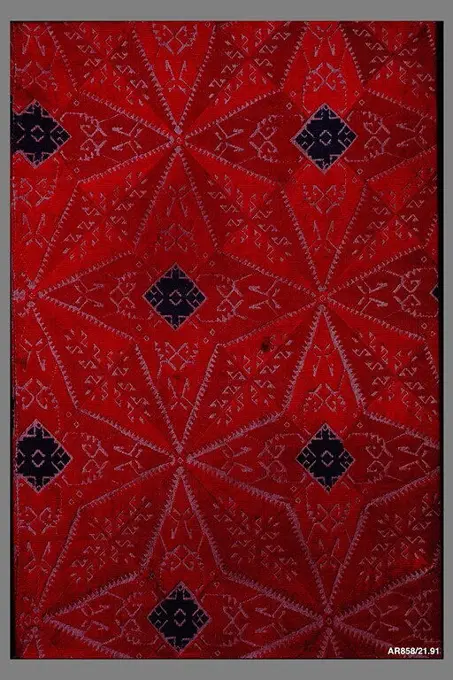
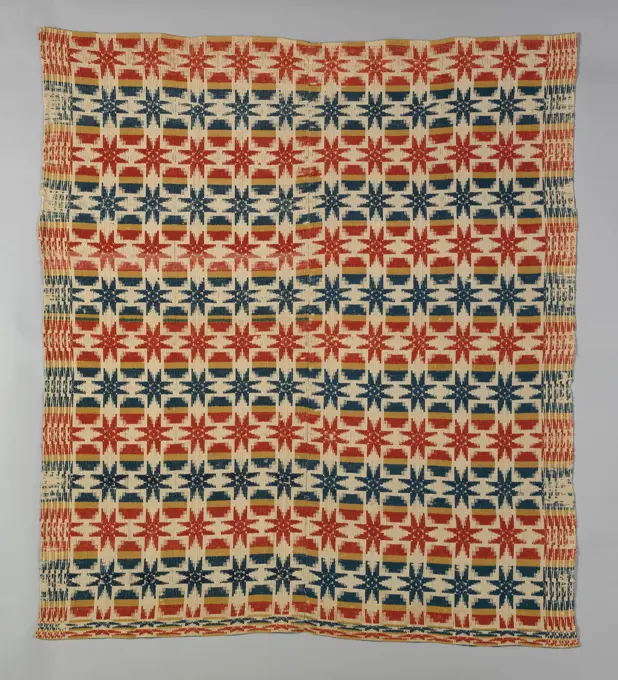
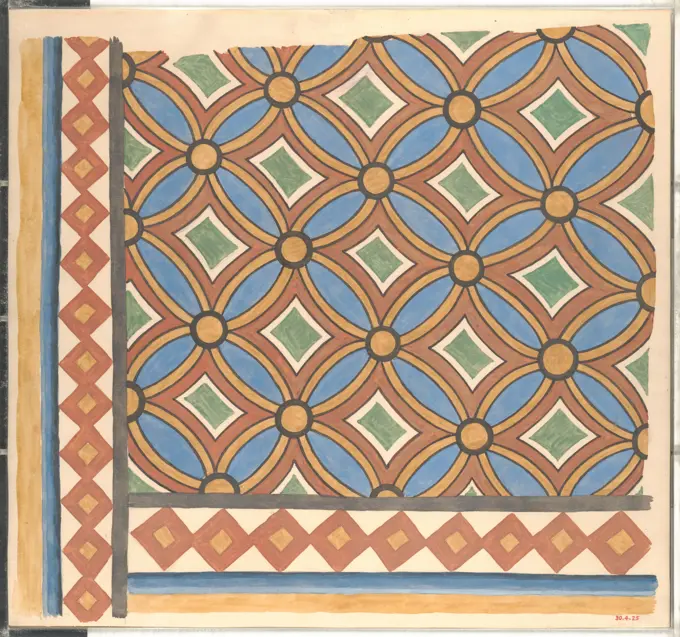
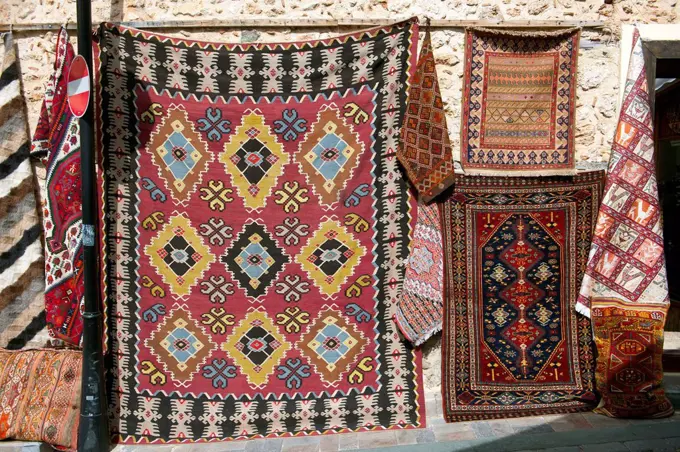
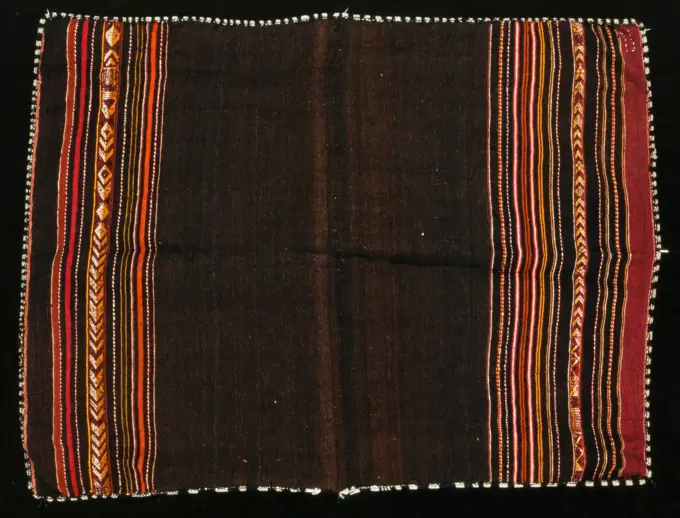
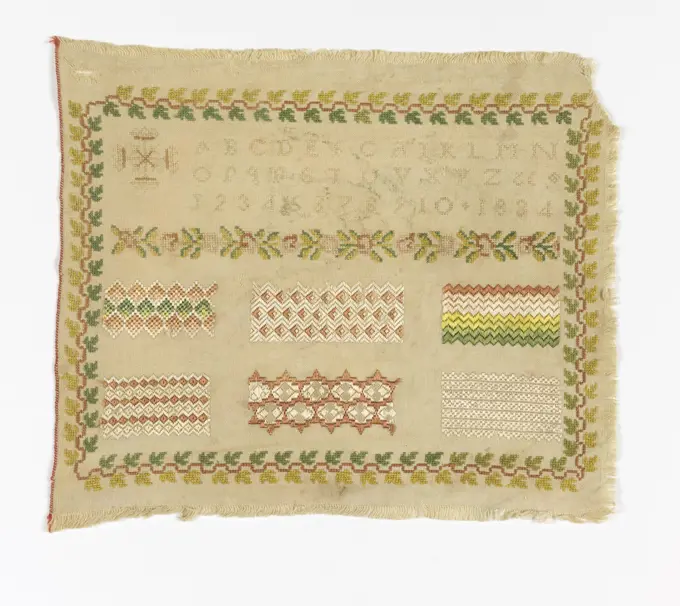
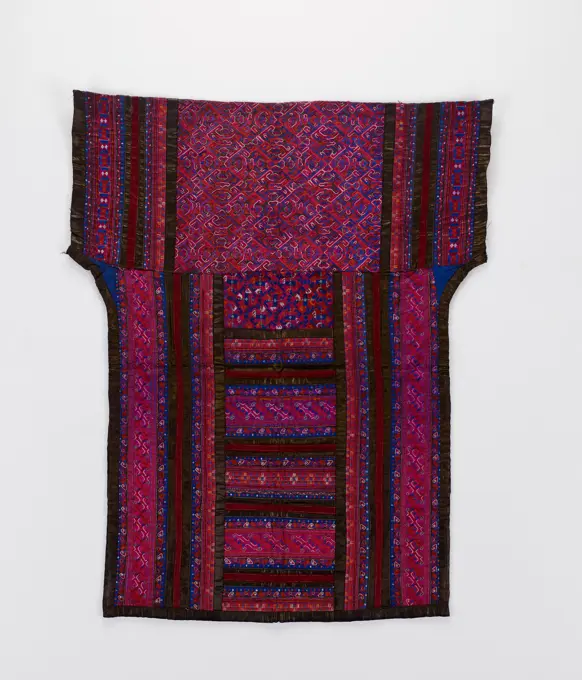
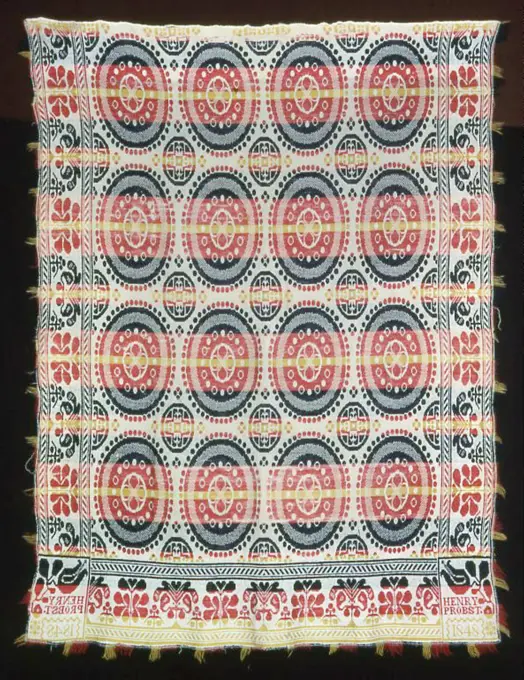
Coverlet Made 1848 Pennsylvania. Cotton and wool, plain weave with plain interlacings of secondary binding warps and patterning wefts (Beiderwand); woven on loom with Jacquard attachment; full loom width; seamless; fringed .Diamond Network Style Rug, c. 1890-1900. America, Native North American, Southwest, Navajo, Post-Contact, Transitional Period. Tapestry weave: wool (handspun); overall: 182.8 x 130.8 cm (71 15/16 x 51 1/2 in.).Ceremonial Weaving(Palu)Cover (India); woolCoverlet fragment, Medium: wool, cotton Technique: plain compound weave (overshot), Fragment showing traditional geometric design in brown wool and undyed cotton., USA, 18th-19th century, woven textiles, Coverlet fragmentHand_woven cotton Ikat from Rote and Savu, from the Regent Collection, Indonesia, Southeast Asia, AsiaKokerdoek, anonymous, 1900 - 1949 Tube cloth with dragon motifs. Save cotton (textile) Tube cloth with dragon motifs. Save cotton (textile)Awayo, 19th century, 46 1/4 x 39 1/2 in. (117.5 x 100.3 cm), Llama wool, Bolivia, 19th centuryDress (Biil), c. 1850-1880, 42 1/2 x 27 1/2 in. (108 x 69.8 cm), Wool, dye, United States, 19th centuryRug, 48 3/4 × 36 3/4 in. (123.83 × 93.35 cm), Wool, United StatesShawl, Anonymous, 1900 - 1949 Shawl with heraldic lions, snakes and patola motifs. Soemba cotton (textile) Shawl with heraldic lions, snakes and patola motifs. Soemba cotton (textile)Textile (France); silkFragment (USA)Byzantine ornamentFragment; medium:silkEgyptian OrnamentPoncho, 18th century, 84 3/4 × 63 7/8 in. (215.27 × 162.24 cm), Wool, Peru, 18th centuryApron unknownCoverlet Fragment (USA); wool, cottonSerape 1800-1850 Saltillo The Saltillo serapes of northern Mexico are among the most flamboyant textiles woven in North America during the eighteenth and nineteenth centuries. Long associated with use by horsemenwhich accounts for their considerable sizethey took on nationalist overtones after Mexico's independence from Spain in 1821. Horse culture and its accoutrements, from fine horse to fine serape, became distinctively and visibly Mexican, with Saltillo serapes being the epitome of the male fashion. Saltillos are named for the town in the Mexican state of Coahuila where many were made. Their consistent design, with its central diamond motif, appears to have been based on numerous sources as yet not fully defined.. Serape 318970Traditional Turkish hand made carpet and rugsMiniature Dress 12th-13th century Ica. Miniature Dress. Ica. 12th-13th century. Cotton, feathers. Peru, Ica Valley. Textiles-FeatherworkTextile 1840-70 Russian. Textile 173428Old hand made carpet and rugs of traditional typesTextile, Medium: cotton Technique: relief printed, colored ground, Part of a small valance in coarse cotton printed in red with a pattern in white of a trellis of leaves with a rosette center., England or France, early 19th century, printed, dyed & painted textiles, TextilePiece 16th-17th century Italian. Piece 223401Kokerdoek, anonymous, 1900 - 1949 Tube cloth with crochet motifs and woven text. Timor cotton (textile) Tube cloth with crochet motifs and woven text. Timor cotton (textile)Fragment. Dimensions: Rug: H. 18 in. (45.7 cm)W. 10 in. (25.4 cm). Date: 15th-16th century.The main decorative element of this wool fragment depicts a blue medallion, containing abstracted yellow and white birds flanking a plant or tree. Other areas of the fragment are ornamented with interlaceing pattern in a rainbow of colors. Similar woven textiles continued to be produced under Christian patronage after the fall of the Nasrid kingdom in 1492, testifying to their aesthetic appeal for Christians as well as Muslims. Museum: Metropolitan Museum of Art, New York, USA.Europe, Turkey, Mediterranean, Kas, detall of Turkish carpetMantle ca. 1860 European. Mantle 84631Coverlet, Medium: cotton, wool Technique: double cloth, Coverlet with a design of highly stylized plants forms and stars in red wool on a cream ground. Wide border with birds on either side of a tree. In two corners, marks that read: 'Made by T. Fehr in Lower Saucon for . 1842.', Bethlehem, Pennsylvania, USA, 1842, woven textiles, CoverletFurnishing Fabric, 19th century, 28 x 33 1/4 in. (71.12 x 84.5 cm), Wool, Sweden, 19th centuryTunic 7th-9th century Wari In the second half of the first millennium A.D., the Wari peoples of Peru exerted strong cultural and political influence over the southern coastal and highland regions from their capital city, also called Wari (a few miles northeast of present-day Ayacucho). They introduced a distinctive art style, found on fine polychrome ceramics, exquisite personal ornaments crafted of precious materials, expertly carved works in wood, shell, and stone, and especially on elaborate textiles. The vividly colored tie-dyed tunics featuring purely geometric motifs were also highly valued. The complex process of production involved tightly bunching the fabric (it is lighter than tapestry-woven cloth), tying a yarn around the bunch, and immersing the fabric in dye. The fabric underneath the binding did not absorb the dye; releasing the tie revealed a motif in the original, lighter color, typically a hollow diamond or a circle, as seen in this example.. Tunic 314353Shawl (Doshalla), 18th century, 57 1/2 x 120 1/2in. (146 x 306.1cm), Wool; needlework, India, 18th centuryFragment ca. 1845 British, Buckinghamshire. Fragment 212756Saint's Huipil, 1925-1930, 7 1/2 x 8 1/2 in. (19 x 21.6 cm), Cotton, silk; supplementary weft patterning, Guatemala, 20th centuryCover 18th century Spanish. Cover 218637Skirt, 20th century, 42 x 48 in. (106.68 x 121.92 cm), Silk, cotton, metallic thread, glitter powder, synthetic fibers, Myanmar (Burma), 20th centuryFragment of "Aleuj" Embroidery, early 20th century. Morocco, Fez, early 20th century. Embroidery: silk on cotton tabby ground; average: 35.6 x 44.5 cm (14 x 17 1/2 in.).Siapo (tapa cloth), circa 1917, Smoa, maker unknown. Gift of Thomas Trood, 1917.Double Irish Chain, Medium: cotton Technique: pieced and sewn patchwork of plain and roller-printed fabrics, quilted, Patchwork quilt with a stepped squared diamond pattern in ivory, red and green. The ivory fabric forming the stepped diamond is plain. The red and green fabrics forming the lattice and borders are patterned by tiny flowers. The back is red with green edge., South Carolina, USA, 1850-1870, embroidery & stitching, Quilt, QuiltRussian sash Earthly, Dani OMOROCCO, Fes: Fes El, Bali (Old Fes), Moroccan RugsCoverlet Made 1838 New York. Cotton and wool, plain weave double cloth; woven on loom with Jacquard attachment . Jacob Impson (Weaver)Medieval ornamentBeadwork panel, Medium: beads, linen Technique: beads strung according to pattern on linen cord one row at a time, then anchored with red silk around the cord and between each row, Three panels originally made as sides for a beadwork box. The box would have needed several other panels and would have had an irregular shape. Panel B is a rectangle with heart's ease (pansies) facing sideways., England, 1696, embroidery & stitching, Beadwork panelSample Book of Gauze Ribbon Swatches Made 1801-1900 France. Very fine silk gauze, plain weave with brocaded pattern; total of swatches 186 .Star of Lemoyne Quilt ca. 1846 Rebecca Davis This Star of Lemoyne quilt, along with a Honeycomb quilt and a Nine Patch quilt in the Museums collection, were all made by Rebecca Davis, grandmother of the quilts donor. Although this example is not signed, her Honeycomb quilt bears the inscription “Rebecca Davis/1846/ March”. The three quilts share some of the same English printed fabrics. The lavender cotton in this Star quilt has an English design registration mark that dates the fabric to 1844, further supporting that the quilt was made in the mid-1840s.. Star of Lemoyne Quilt 13906Tunic 12th-15th century Chimú. Tunic 312787Fragment, Medium: silk, metallic yarns Technique: damask weave with supplementary weft patterning (brocade), Fragment of brocaded silk damask. Pink and cream ground with details brocaded in metallic yarns and yellow, green and white silk, showing closely spaced florals and lace pattern., France, ca. 1730, woven textiles, FragmentPiece 18th century Japan. Piece 71166Coverlet Fragment (USA); wool, cottonSarong, Sea Weed; Indonesia; cottonMargaret Linsley, Woven Coverlet, c 1936 Woven CoverletFace veil, early 20th century, 8 1/2 x 19 3/16 in. (21.59 x 48.74 cm) (without metal trim), Metallic threads, cotton, silk, metal, beads; needlework, Yemen, 20th centurySkirt band 17th century () Greek Islands, Astypalaia or Karpathos. Skirt band 221748Coverlet. Dated: c. 1940. Dimensions: overall: 40.8 x 35.7 cm (16 1/16 x 14 1/16 in.) Original IAD Object: 90" wide; 100" long. Medium: watercolor, gouache, and graphite on paperboard. Museum: National Gallery of Art, Washington DC. Author: Charles Roadman.Flounce; linenPanel, 19th century, 54 x 12 in. (137.16 x 30.5 cm), Silk ikat, Uzbekistan, 19th centuryMiniature Dress 12th-13th century Ica Colorful bird feathers were highly prized in ancient Peru, and textiles covered with them are among the most spectacular works of the Precolumbian world. These two miniature dresses are part of a large group of similar garments reportedly found in an offering at Ullujaya, in the lower Ica Valley in southern Peru. Their manufacture follows the conventions used for full-sized male and female garments but at one-fourth to one-third the size. The womens dresses in the group have a checkerboard design on the front, as seen here. The horizontal openings for the head and arms along the top seam are sewn closed. The function of these miniature garments in ancient Andean cultures is unclear; they may have served as symbolic substitutions in votive contexts. The feathers were tied onto long strings, which in turn were sewn onto plain cotton cloth. Feather tips were often clipped to create sharp outlines, as on these examples. An unexpected patchwork of exotTraditional weavings on display, Cuzco, Peru.Tabaklau ilgich, late 19th century, 26 3/4 x 29 in. (67.95 x 73.66 cm), Silk, wool; chain stitch, Uzbekistan, 19th centuryMan's Trousers, Shirt and Sash, c. 1970s, a (trousers): 42 3/4 x 16 in. (108.6 x 40.6 cm) ; c (sash): 88-1/2 x 7-1/2 in., Cotton; discontinuous supplementary weft patterning, Guatemala, 20th centurySkirt, 20th century, 42 x 26 1/8 in. (106.68 x 66.36 cm), Cotton, silk; needlework, Laos, 20th centuryPiece 18th-19th century Japan. Piece. Japan. 18th-19th century. Silk. Textiles-WovenThrone Seat Cushion, early 18th century, L.48-1/2 x W.49-1/2 in., Silk, satin, China, 18th centuryBlanket/ Sarape, c. 1890-1900. America, Native North American, Southwest, Rio Grande Hispanic, Post-Contact, Transitional Period. Tapestry weave: cotton and wool; overall: 198 x 114.5 cm (77 15/16 x 45 1/16 in.).Delhi, IndiaPafos town, Gazibaf, ruined site of the ancient town, archaeological park, mosaic, Cyprus, EuropeFragment (from a Bedcover) Made 1875-1889 United States. Silk and cotton, plain, twill, and satin weaves; some with supplementary patterning warps or wefts, some self-patterned, some with supplementary pile warps (velvet), and some warp-resist dyed (chinÈ); pieced; backed with cotton and silk, plain weaves, some with self-patterning and satin weaves; stitched with cotton threads .Traditional Turkish hand made carpet and rugsShoulder cloth, late 19th century, 70 13/16 x 17 5/8 in. (179.86 x 44.77 cm) (without fringe), Cotton, silk, Laos, 19th centuryShoulder Blanket with Plain-Stripe Design 1860-1890 New Mexico. Wool, plain weave with lazy lines and dovetail tapestry weave; twined warp ends and selvages; knotted corner tassels . Navajo (Diné)Fragment (Near East); silk on cottonBaby Carrier, 17 1/2 x 24 1/2 in. (44.45 x 62.23 cm), Cotton; needlework, ChinaBelt -Traditional rugs for sale, Cavalry Bazaar, Istanbul, Turkey, EuropeSpain, Andalusia, Granada. Moroccan textiles for sale in Granada.Square 18th century Greek Islands, Cyclades, Naxos. Square 221332Coverlet 1820-1840 Pennsylvania. Cotton and wool, plain weave with plain interlacings of secondary binding warps and patterning wefts (star work, tied Beiderwand); two loom widths joined .Conciliate belt;  18th century (1791-00-00-1800-00-00);At torba ilgich, late 19th-early 20th century, 28 x 31 in. (71.12 x 78.74 cm), Silk, wool, cotton; slanted buttonhole stitch, chain stitch, Uzbekistan, 19th-20th centuryCamel Bag, 19th century, L.28 X W.15-1/2 in., wool; needlework, Turkey, 19th centuryCeiling Fragment A.D. 1914-1915; original ca. 1390-1352 B.C. Twentieth Century; original New Kingdom Hugh R. Hopgood. Ceiling Fragment 557756Fragment; silk, metallic yarnsTurkey, Antalya, Old Town, carpet business Uzun Carsi Caddesi / Mermerli SokakSkirt (Aksu), 1950-1960, 36 x 27 in. (91.4 x 68.6 cm), Wool, Bolivia, 20th centuryTextile Fragment. Dimensions: L: 9 in (22.9 cm) x W: 9 in (22.9 cm). Date: 18th century. Museum: Metropolitan Museum of Art, New York, USA.Bag, from a five-piece costume, 21st century, 15 1/2 x 16 3/16 in. (39.37 x 41.12 cm) (pouch only), Cotton, Myanmar (Burma), 21st centuryAnasazi style blanket on display at the Anasazi State Park Museum near Boulder, Utah, United States.Sampler, Medium: silk embroidery on cotton foundation Technique: cross, buttonhole, and counted satin stitches on plain weave, Alphabets, numerals, date and cross border of roses/leaves. Six samples of designs in counted satin surrounded by a leaf border., Italy, 1834, embroidery & stitching, SamplerTextile fragment, c. 900 A.D.. Pre-Columbian, 10th century. Camelid fiber; overall: 25.5 x 11.5 cm (10 1/16 x 4 1/2 in.).Head cover, 20th century, 163 x 17-1/8 in. (414 x 43.5 cm), Silk, sequins; complex twill weave; needlework, Morocco, 20th centuryEva Wilson, Linen Towel, c 1937 Linen TowelWoman's skirt (Corte), 20th century, Cotton; weft ikat (jaspe), Guatemala, 20th centuryFragment (France); silkBelt of Badaoshao, 20th century, 29 3/4 x 24 1/16 in. (75.6 x 61.1 cm), Cotton, China, 20th centuryApron, 20th century, 34 3/4 x 22 in. (88.3 x 55.9 cm), Cotton, feathers, China, 20th centuryFragment, 1800s. India, 19th century. Brocade; silk and metal; overall: 8.9 x 9.5 cm (3 1/2 x 3 3/4 in.).