Traditional Craft Artifacts

Historical decorative elements, including sword guards and ornamental bits, representing craftsmanship from different cultures and eras.

Mirror with stylized bird-dragon motifs, anonymous, c. -300 - c. -200 Three dragons with tail ending in Zigzagelessge. The patina is gray -green. China bronze (metal) Three dragons with tail ending in Zigzagelessge. The patina is gray -green. China bronze (metal)
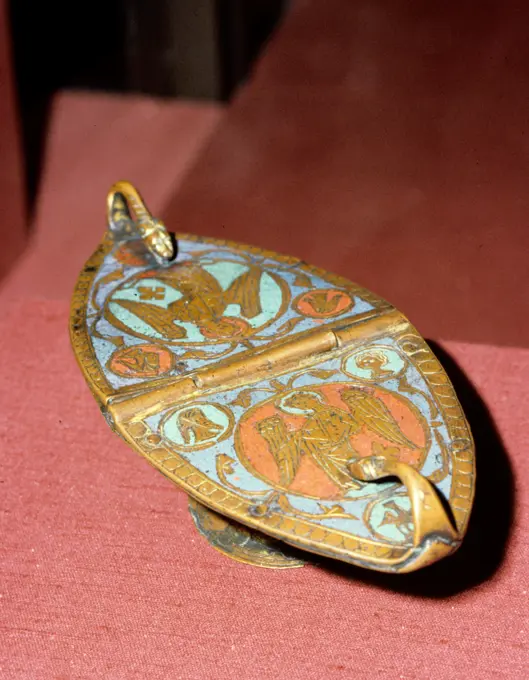
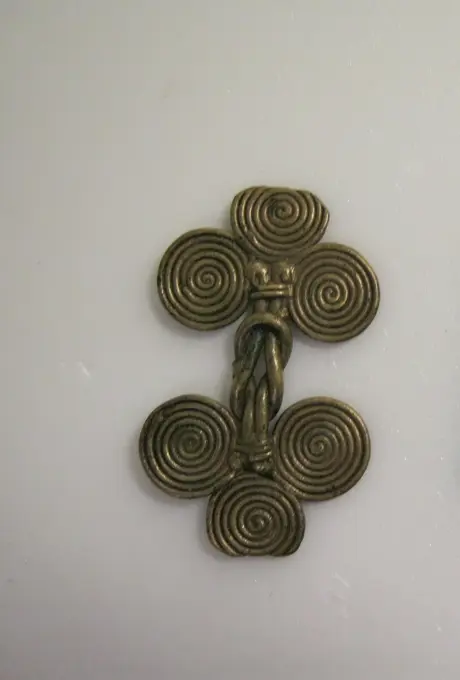
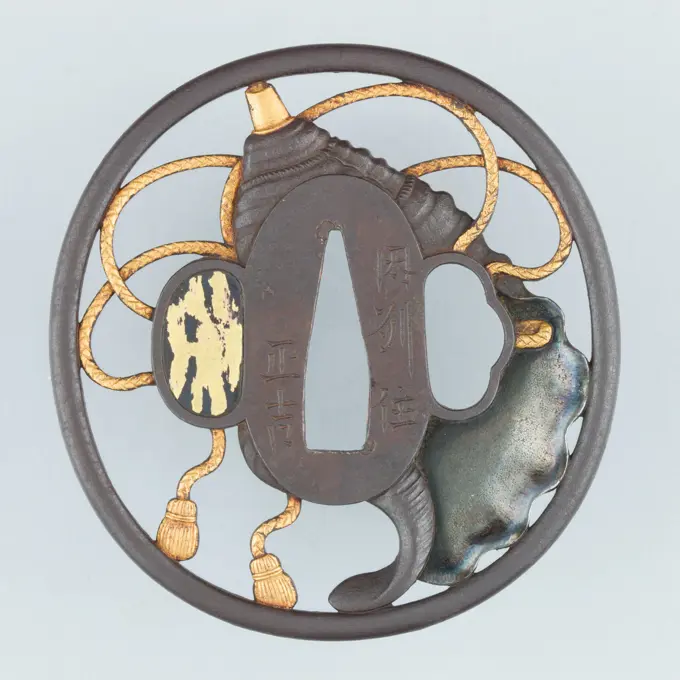
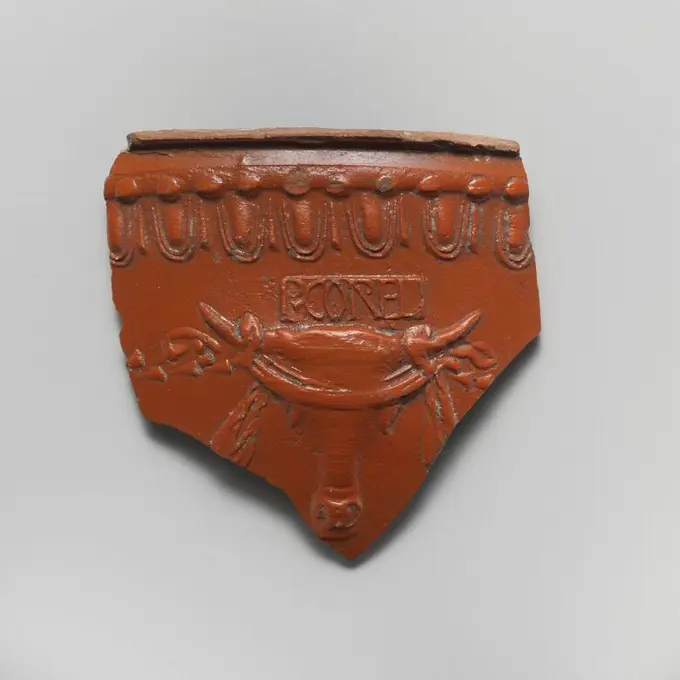
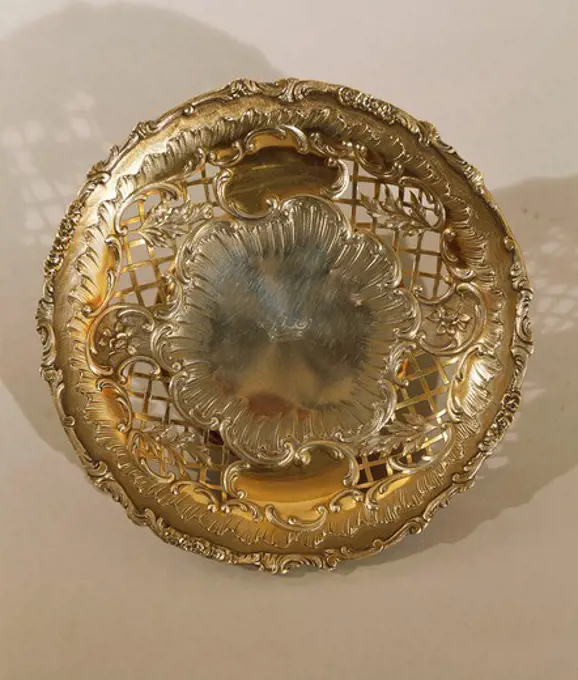
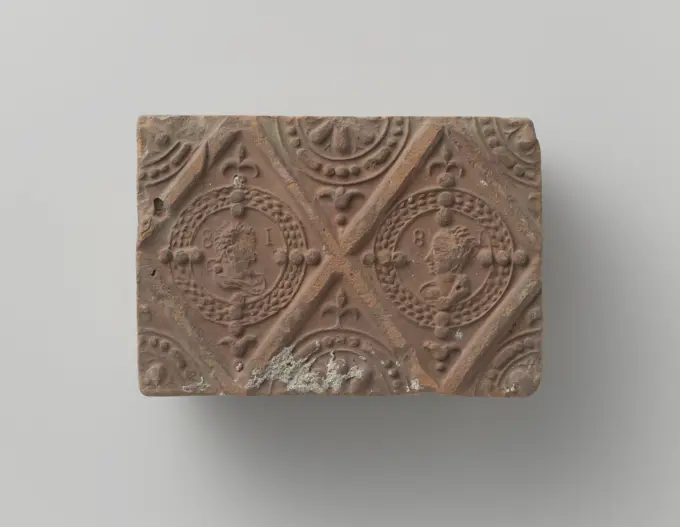
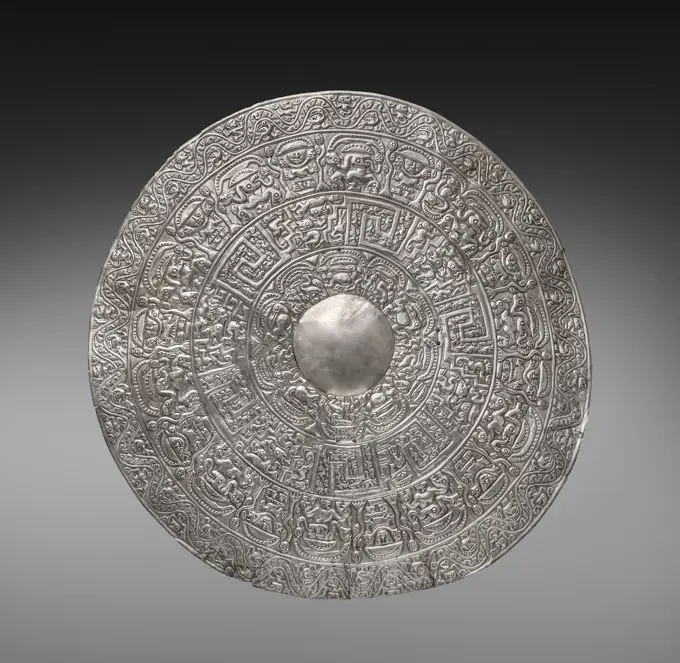
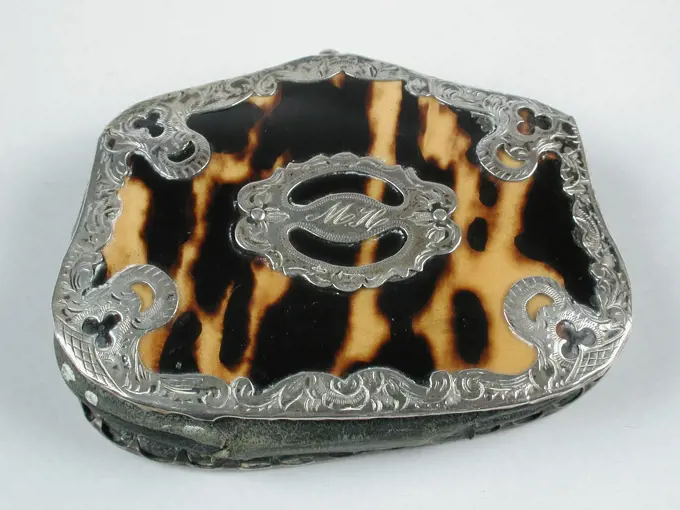
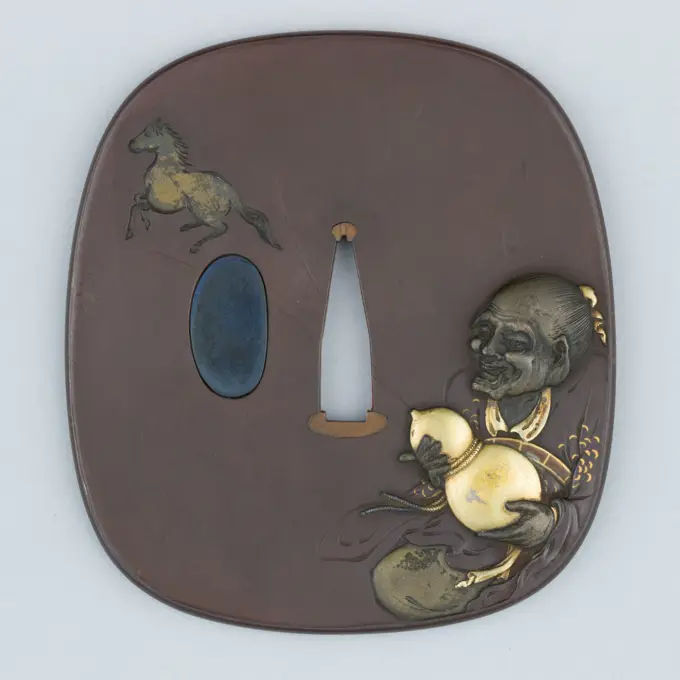
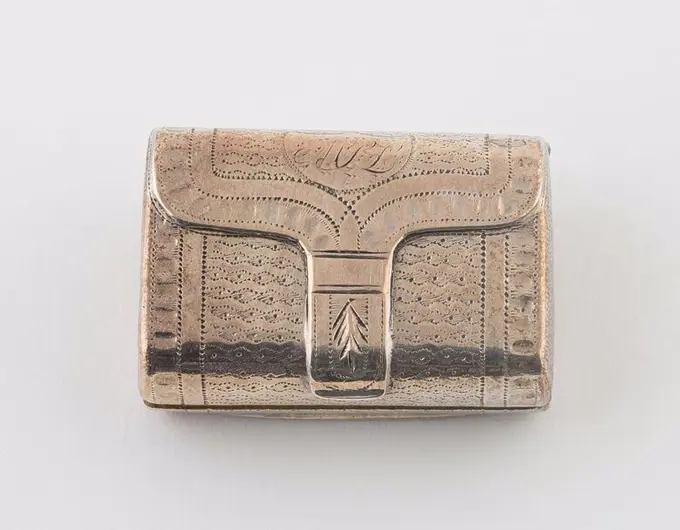
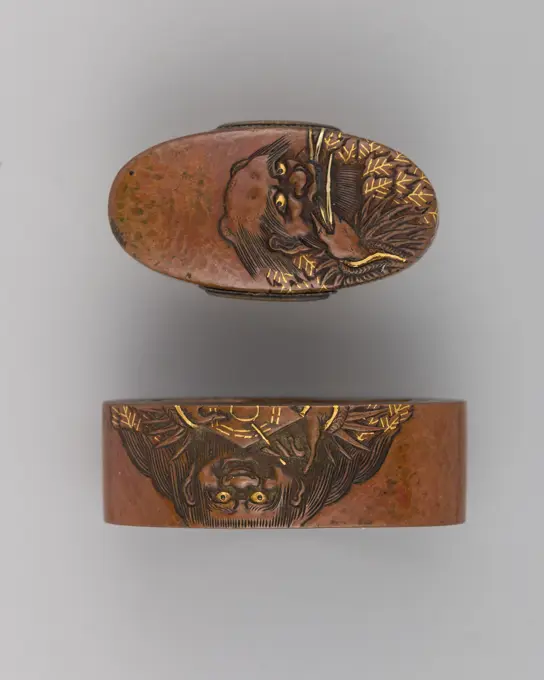
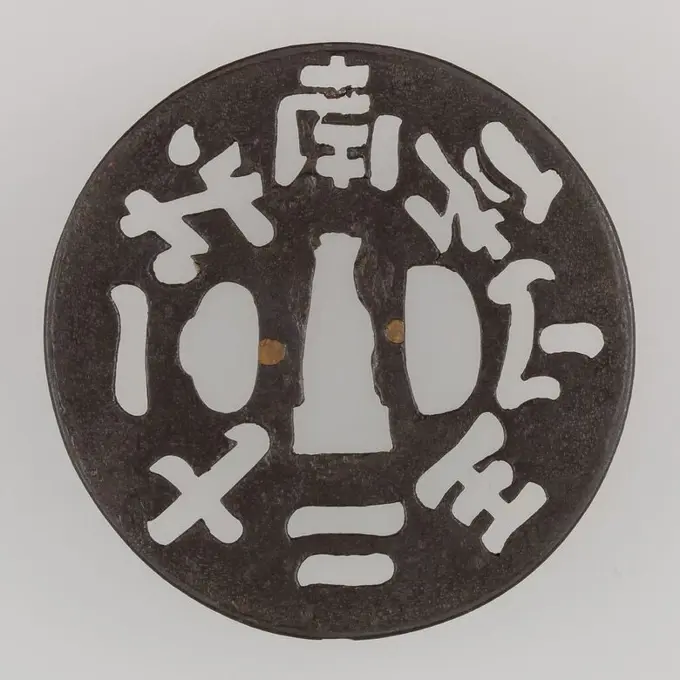
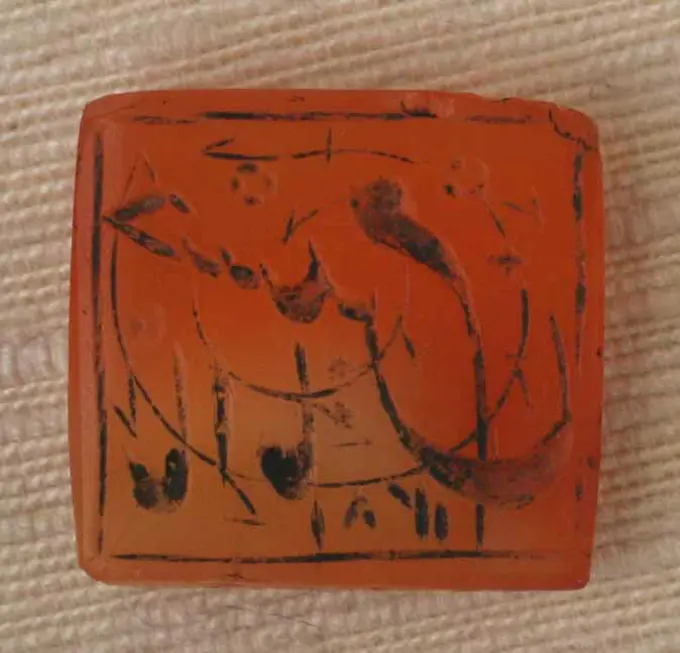
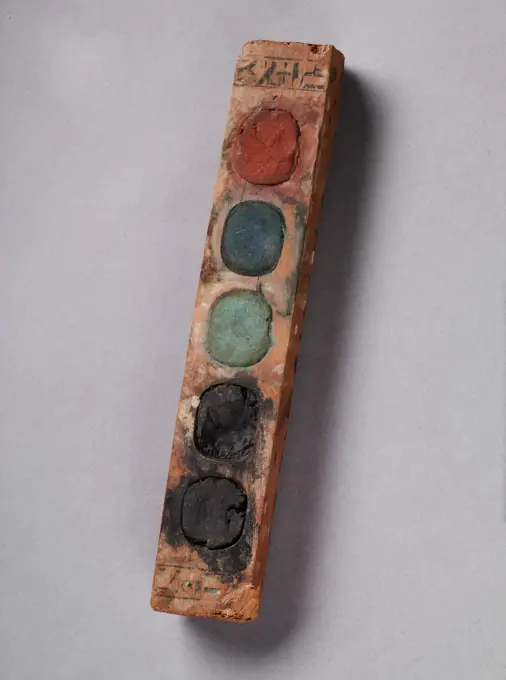
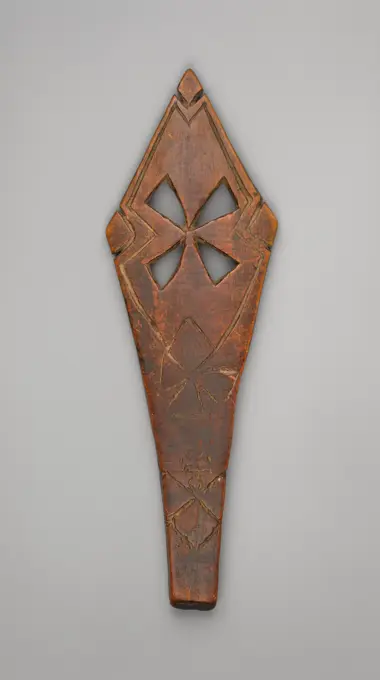
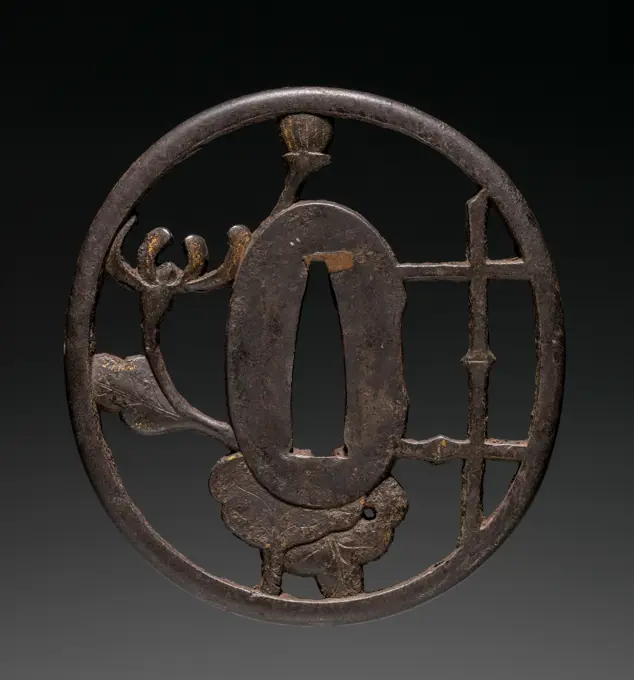
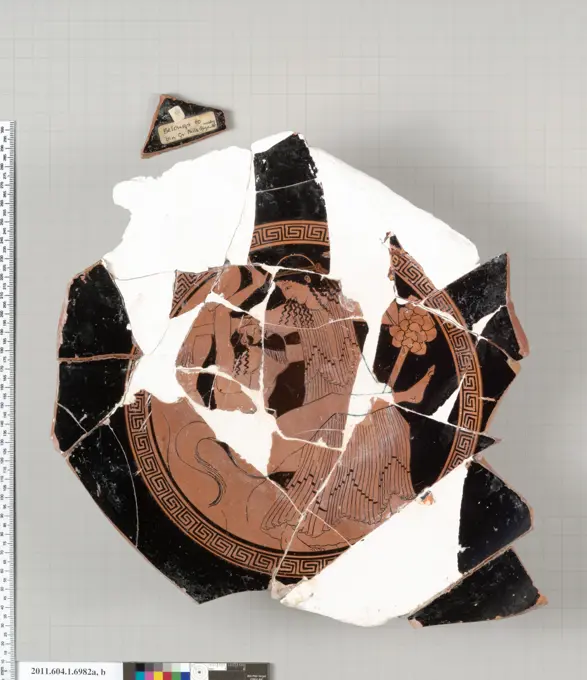
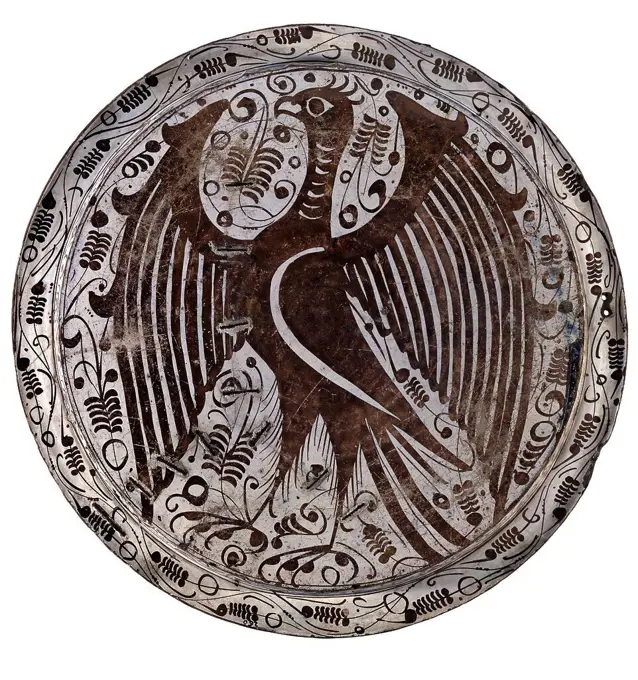
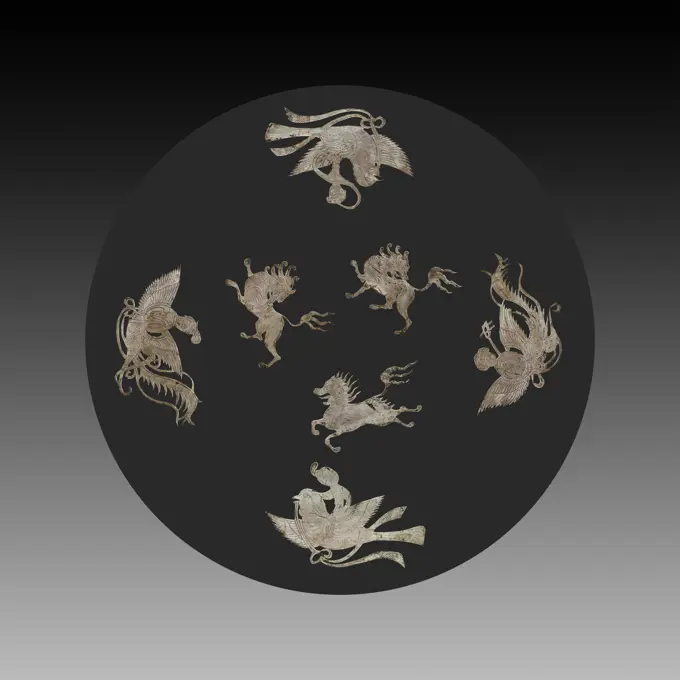
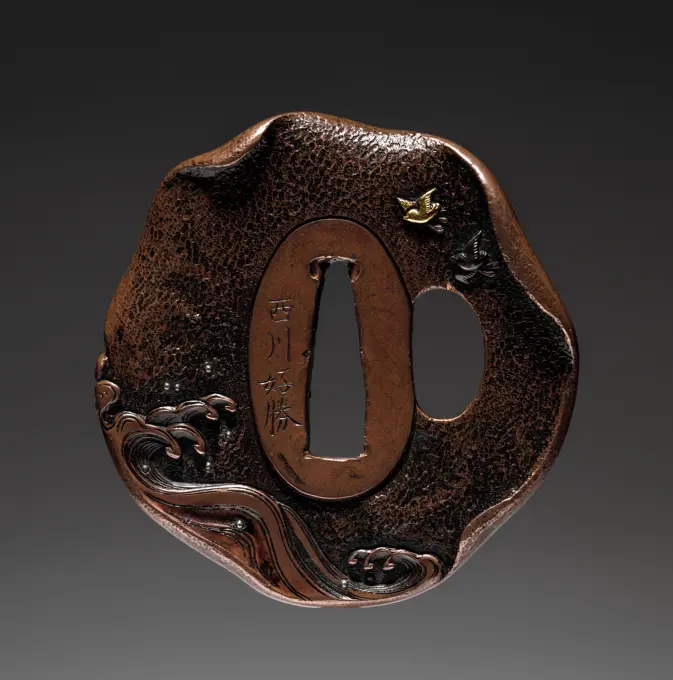
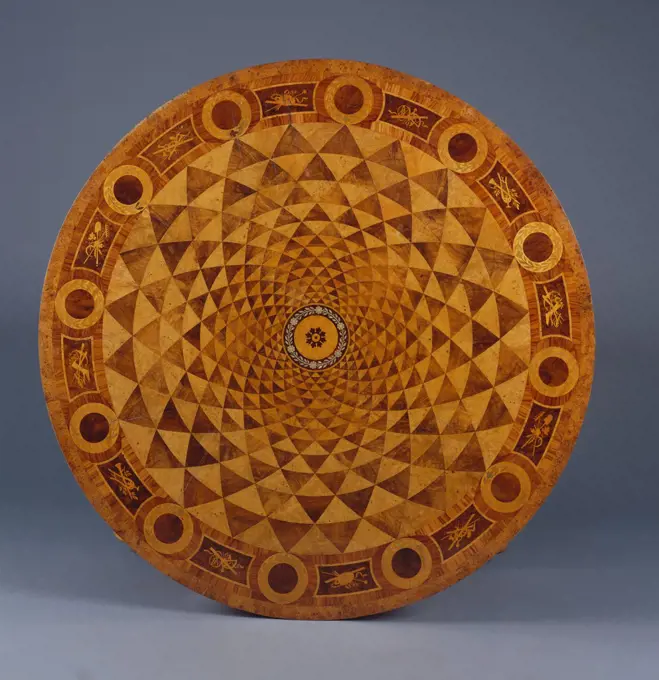
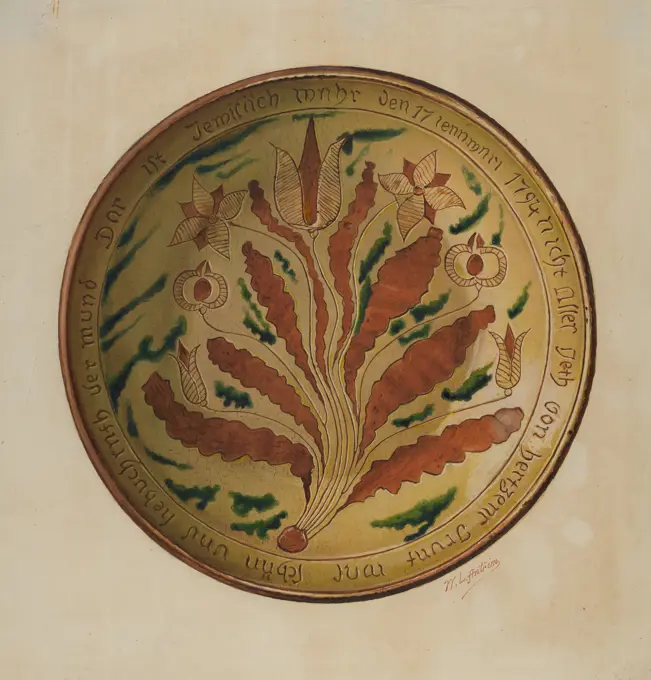
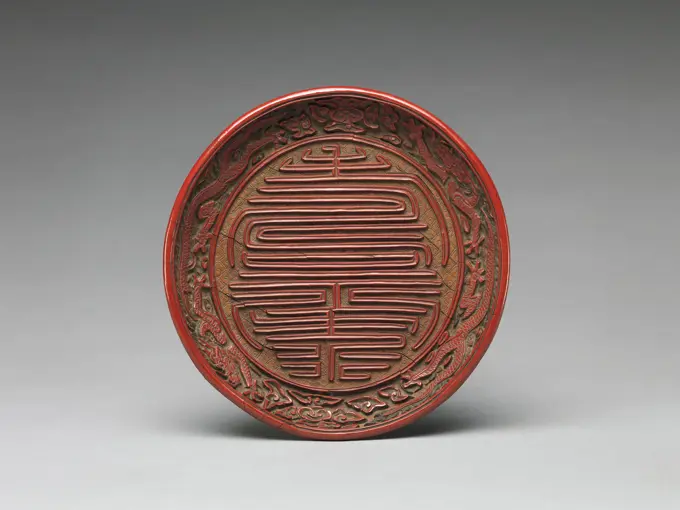
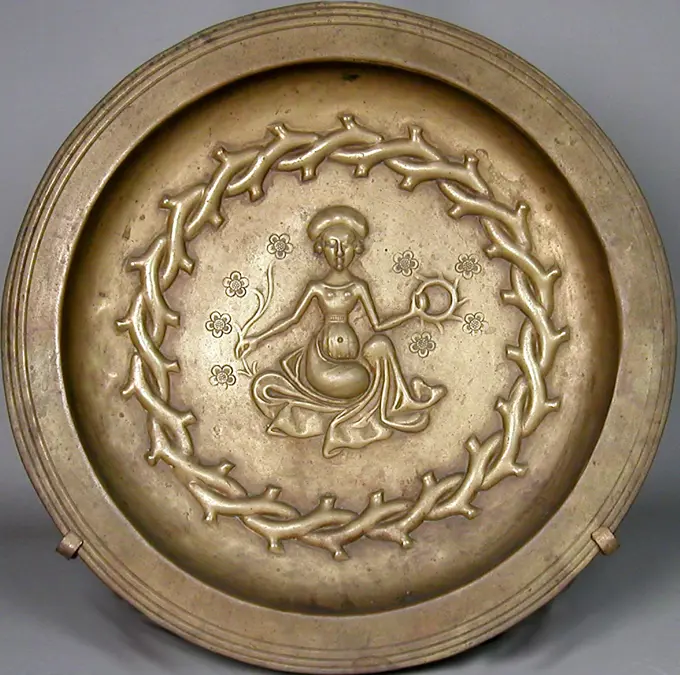
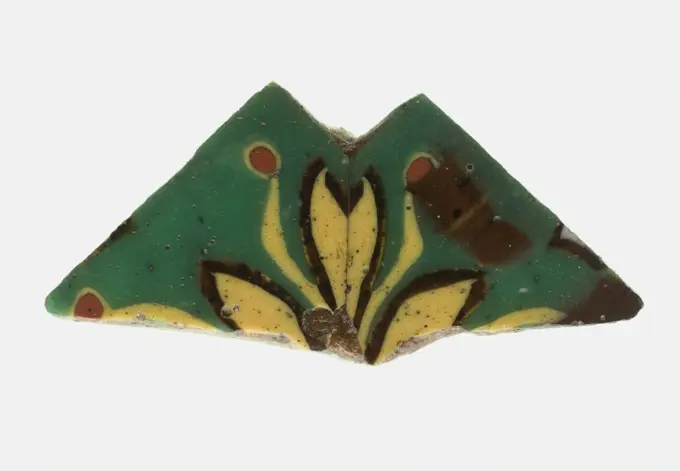
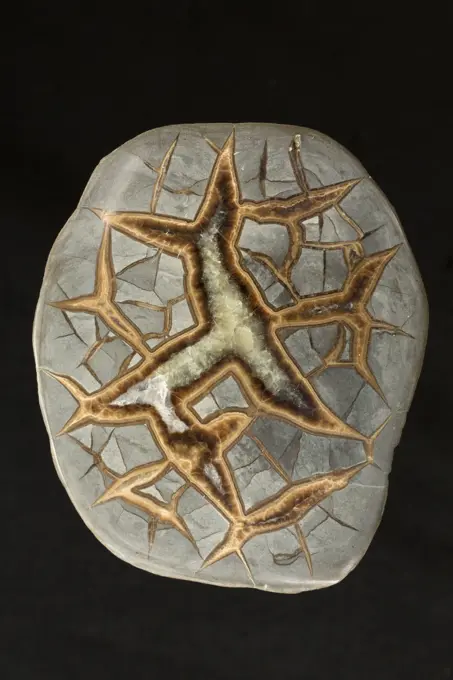
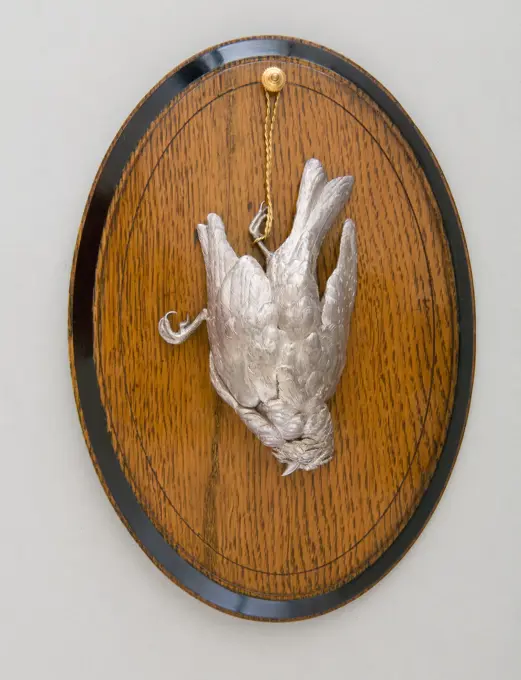
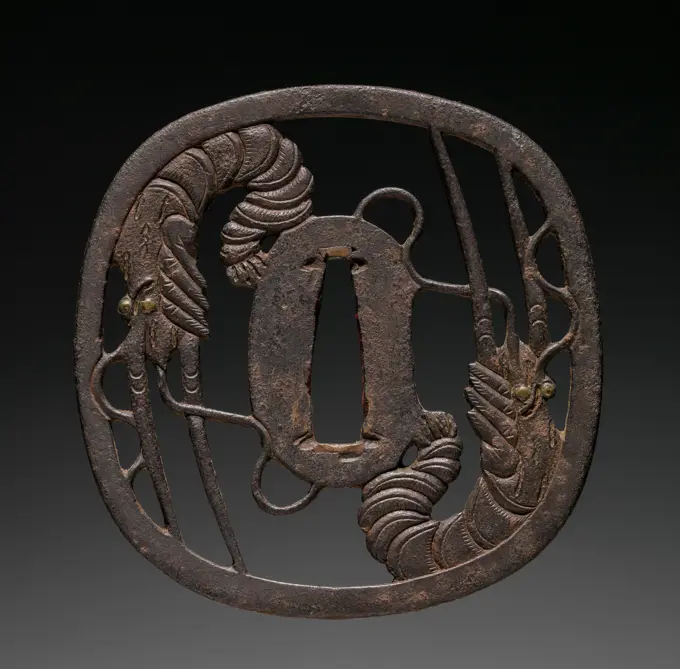
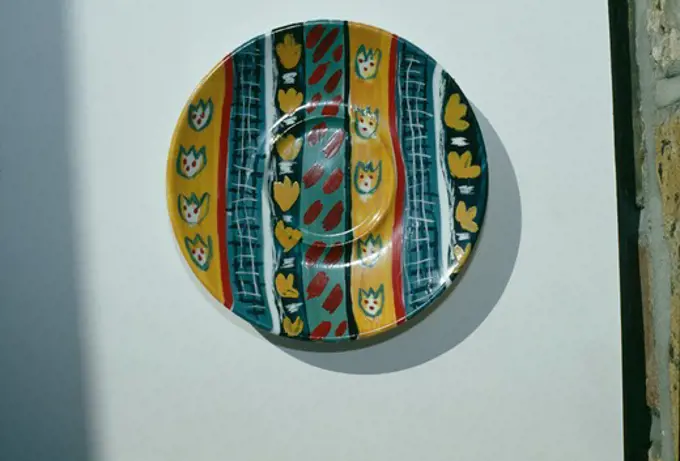
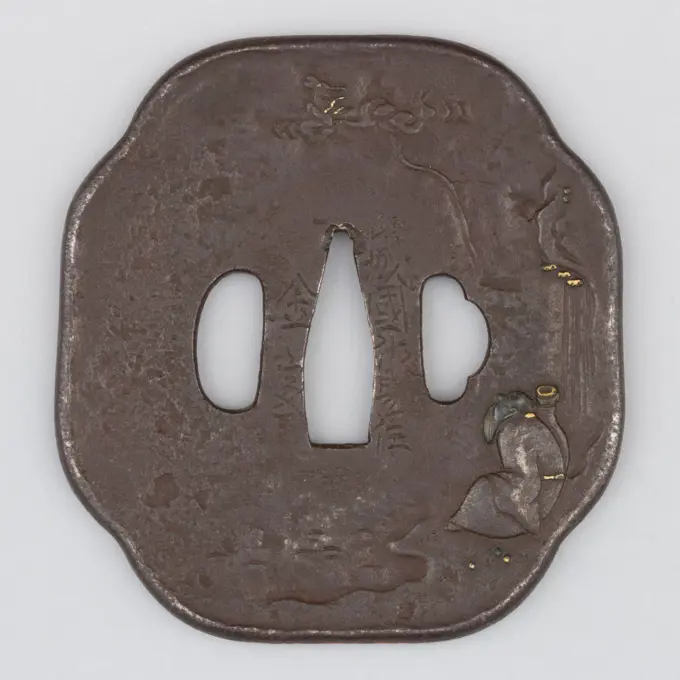
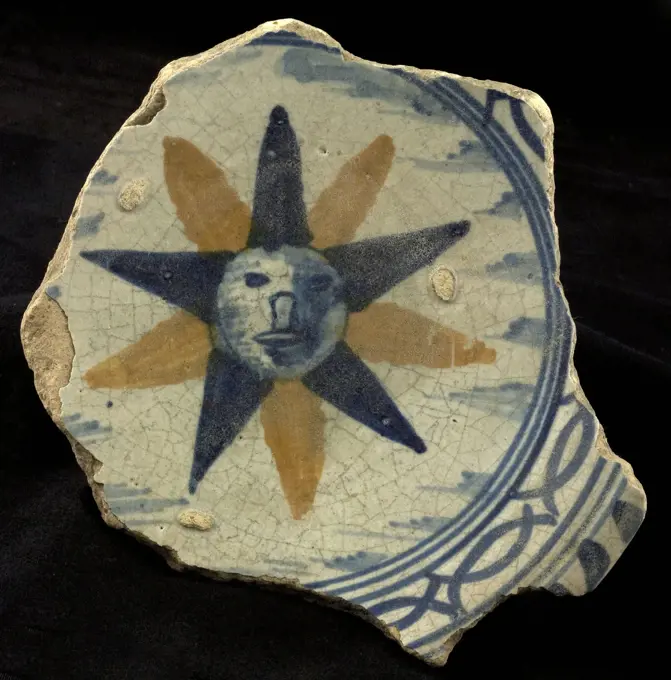
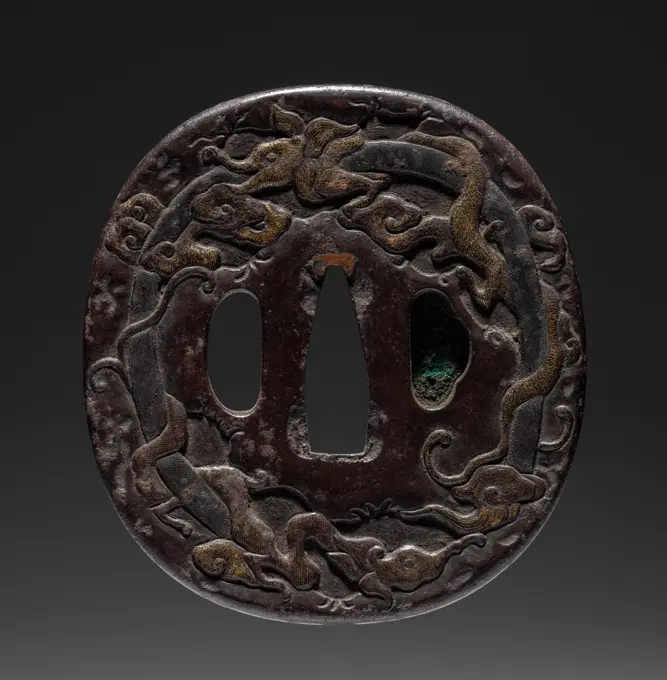
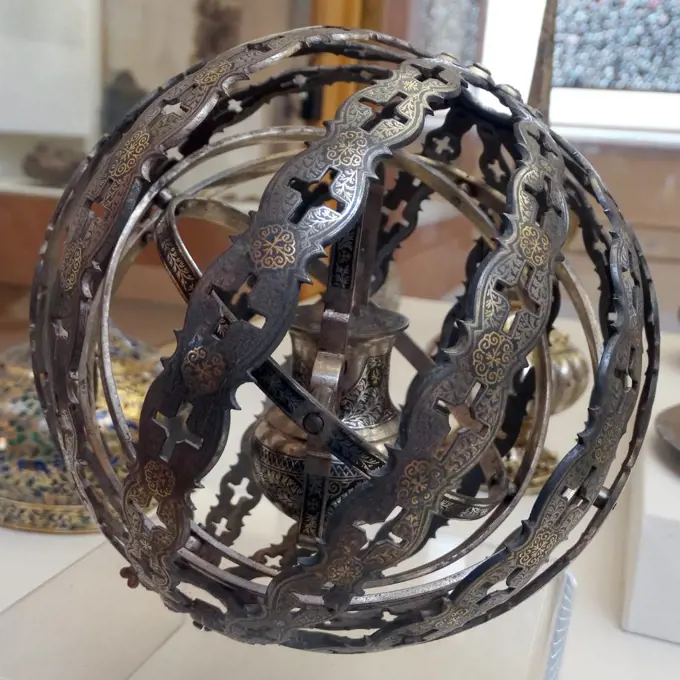
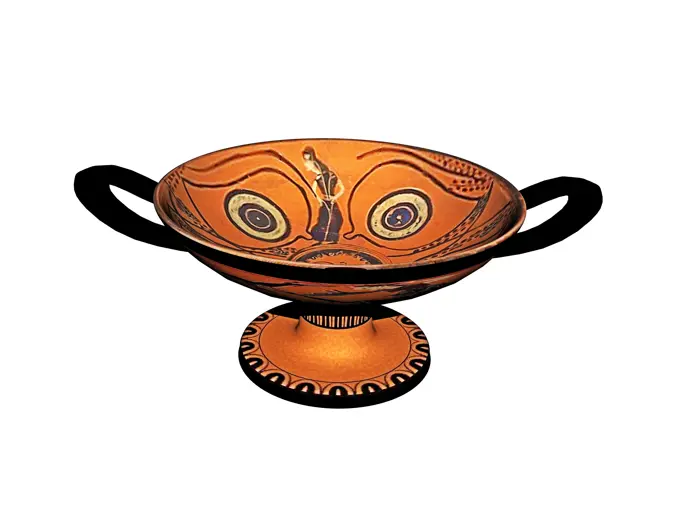
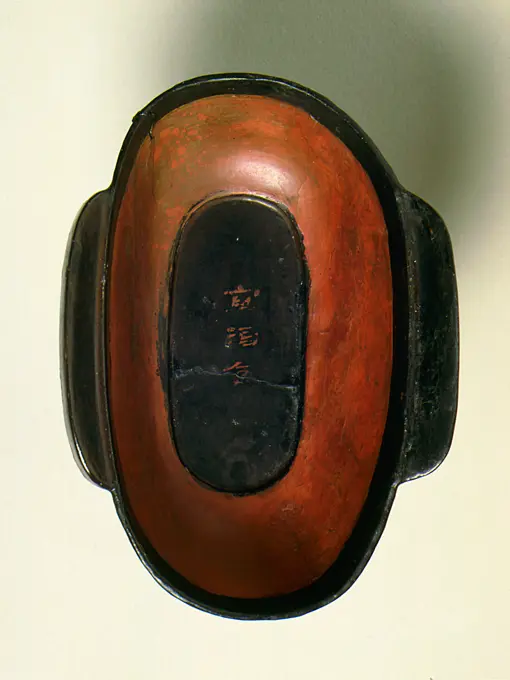
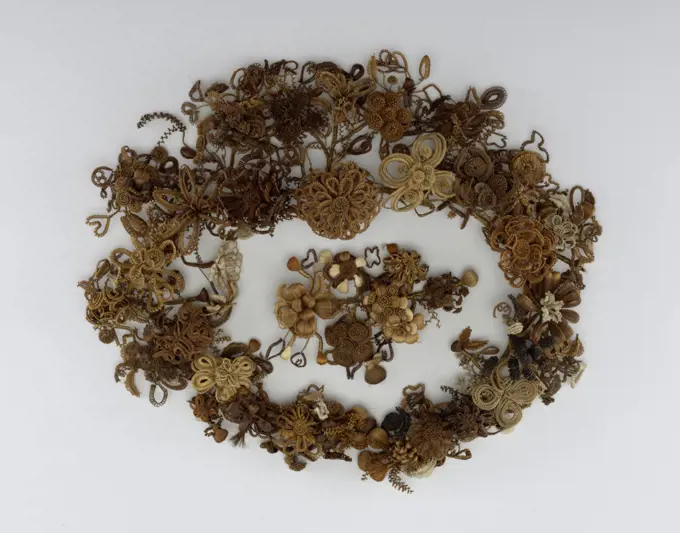
Plate of stained glazing work, anonymous, 1615 Round plate of lead glaze pottery. The flat is decorated in white sludge with a fish, a plant and the year 1615 and the edge with a geometric ornament between piping. Germany earthenware. lead glaze Round plate of lead glaze pottery. The flat is decorated in white sludge with a fish, a plant and the year 1615 and the edge with a geometric ornament between piping. Germany earthenware. lead glazeLimoges enamel, 13th cent. Incense boat, France.Goldweight Knot with Coils, 19th-20th century, 1 1/8 x 1 5/16 x 1/8 in. (2.86 x 3.33 x 0.32 cm), Brass, Ghana, 19th-20th centuryIncense Burner early 18th century Japan. Incense Burner 57719Tea Bowl, 10th-11th century, 2 7/16 x 6 9/16 in. (6.19 x 16.67 cm), Qizhou ware Stoneware with black glaze and slip-decorated prunus branch and moon motif, China, 10th-11th centuryTerracotta dish ca. 330-300 B.C. Greek, South Italian, Campanian, Teano Flat dish with ring base, decorated with ivy vine and stamped pattern.. Terracotta dish 248187Mirror 1870 Siena. Walnut, glass, and gilding . Carlo BartolozziBANDEJA S XVIII (IRIA FLAVIA). Location: MUSEO DE ARTE SACRO. Padrón. Coruña. SPAIN.Set of ten dishes. Culture: China. Dimensions: Each: H. 7/8 in. (2.2 cm); Diam. 7 in. (17.8 cm). Date: 1271-1644. Museum: Metropolitan Museum of Art, New York, USA.Phrygian cap, s. d. (Dummy title) Anonymous. Phrygian cap (obverse).Jupiter Thundering against the Giants reverse. Dated: 1547 or after. Dimensions: overall (diameter): 7.24 cm (2 7/8 in.) gross weight: 73.99 gr (0.163 lb.) axis: 7:00. Medium: bronze//Late cast. Museum: National Gallery of Art, Washington DC. Author: LEONE LEONI.Sword Guard (Tsuba) 18th century Japanese The individual elements of the hilt of a Japanese sword are unique in the history of edged weapons in that they are intended to be seen both as funtional parts of the sword and as independent works of art. The most prominent of these elements is the tsuba, the disklike guard that separates the base of the blade from the top of the grip. The decoration of tsuba encompasses a wide range of themes: naturalistic scenes, secular stories, and, as this tsuba demonstrates, religious symbolism.The decoration on this example features a conch shell entwined with tasseled cords, executed in pierced and chiseled iron with silvered and gilt highlights. The conch shell is one of the Eight Glorious Buddhist Emblems, or the Eight Auspicious Symbols, which represent the venration of the Buddha. They appear both in the context of religious rituals and as decoration for objects of everyday use. The conch shell signifies victory and represents the dissemination andSword Guard, 1615-1868. Japan, Edo period (1615-1868). Iron; diameter: 7.4 cm (2 15/16 in.).Terracotta vase fragment. Culture: Roman. Dimensions: width 2 15/16in. (7.4cm). Date: ca. 5 B.C.-A.D. 40.This fragment of a large vessel has a bucranion (ox skull) decked with garlands below the stamp of the potter, P. Cornel(ius). Museum: Metropolitan Museum of Art, New York, USA.Sword Guard (Tsuba). Culture: Japanese. Dimensions: H. 3 1/4 in. (8.3 cm); W. 2 3/4 in. (7 cm); thickness 3/16 in. (0.5 cm); Wt. 7 oz. (198.4 g). Date: ca. 1615-1868. Museum: Metropolitan Museum of Art, New York, USA.Badge or Harness Pendant 14th century Spanish Heraldry, or coat-of-arms, were vitally important in Europe throughout the Middle Ages and the Renaissance. Heraldic emblems were used to identify noble families, cities, regions, and even countries. In addition to being displayed on shields and flags, heraldry was incorporated into architectural decoration on the interior and the exterior of buildings, on furniture, works of art, clothing, and horse equipment. Harness pendants, like this example, would have been attached to a headstall, bridle, or other straps making up the tack of a horse ridden by a nobleman or noblewoman, or a member of their household. Many harness pendants also have decoration that is simply ornamental, or have symbols that are not specifically heraldic in nature.. Badge or Harness Pendant. Spanish. 14th century. Copper, gold. Miscellaneous-BadgesBowl 10th-12th century Mimbres. Bowl 310571Saucer of jasper; Flat the Jaspe Oriental. .Silversmith's Art, France 19th century. Gilded silver centerpiece. Paris, 1840-50.Hearing stone of baked earth with diamond -shaped distribution with two medallions of a man and female, Anonymous, 1581 Hearing stone of baked earth with diamond -shaped distribution. Two medallions of a man and woman, and the number "81", probably the year 1581. Southern Netherlands earthenware Hearing stone of baked earth with diamond -shaped distribution. Two medallions of a man and woman, and the number "81", probably the year 1581. Southern Netherlands earthenwareIvory disk with a rosette ca. 1600-1050 B.C. Cypriot Ivory was imported to Cyprus from the Near East or Egypt. The rosette was a popular decorative motif originally inspired by designs on Syrian and Phoenician minor arts and textiles.. Ivory disk with a rosette. Cypriot. ca. 1600-1050 B.C.. Ivory. Late Bronze AgeDisk, 850-1460. Central Andes, Lambayeque or Chimú people. Silver; diameter: 34.4 cm (13 9/16 in.). This disk belongs to a group of more than twenty similar disks pierced for attachment to a backing. The disks fall into four imagery-based groups. Here, each band features two alternating motifs: a human and a bird; a human and a zoomorphic creature; two geometric motifs, one filled with animals and the other with tiny birds; and two birds.Dish with White and Green Cameo, c. 1895. Taxile Maximin Doat (French, 1851-1939). Stoneware and porcelain; diameter: 14.6 cm (5 3/4 in.).Mirror. Culture: China. Dimensions: Diam. 11 in. (27.9 cm). Museum: Metropolitan Museum of Art, New York, USA.Small purse or wallet of turtle with carved silver fittings, interior dark green leather, on cap initials M H, three compartments, wallet wallet holder turtle leather silver, Turtle in silver frame leather inside; the silver frame with toothed frame around the leather; trapezium-shaped with slightly contoured upper edge; oval silver lying on the middle at the front; inside three compartments in harmonica-pleat inscription engraved on silver centerpiece: Save MHSword Guard (Tsuba) ca. 1615-1868 Japanese A tsuba is a sword guard and part of a sword mounting. It is mounted between the swords blade and grip to protect the users hands.. Sword Guard (Tsuba) 34461Purse-Shaped Vinaigrette. John Shaw; English, active first half of the 19th century; Birmingham, England. Date: 1818-1819. Dimensions: 3.8 × 2.5 cm (1 1/2 × 1 in.). Silver and silver gilt. Origin: Birmingham. Museum: The Chicago Art Institute, Chicago, USA.Sword-Hilt Collar and Pommel (Fuchigashira) 19th century Japanese A fuchigashira is a pair of matching sword fittings comprising the fuchi (collar at the base of the grip of the sword hilt) and kashira (pommel cap at the end of a sword hilt).. Sword-Hilt Collar and Pommel (Fuchigashira). Japanese. 19th century. Copper, gold. Sword Furniture-Fuchi-KashiraCeltic bronze disc. Anonymous. Museum: BRITISH MUSEUM, LONDRES, UK.Sword Guard (Tsuba). Culture: Japanese. Dimensions: H. 2 13/16 in. (7.1 cm); W. 2 13/16 in. (7.1 cm); thickness 1/4 in. (0.6 cm); Wt. 3.5 oz. (99.2 g). Date: ca. 1615-1868. Museum: Metropolitan Museum of Art, New York, USA.Sword Guard (Tsuba). Culture: Japanese. Dimensions: Diam. 3 3/8 in. (8.6 cm); thickness 3/16 in. (0.5 cm); Wt. 2.2 oz. (62.4 g). Date: possibly 17th century. Museum: Metropolitan Museum of Art, New York, USA.Braided Rug Made 1875-1900 United States. .Seal Stamp dated A.H. 1281/ A.D. 1864-65. Seal Stamp 452234Paint Box of Vizier Amenemope, c. 1427-1401 BC. Egypt, New Kingdom, Dynasty 18 (1540-1296 BC), reign of Amenhotep II. Boxwood with inscription inlaid in Egyptian blue; overall: 2.2 x 21 x 3.6 cm (7/8 x 8 1/4 x 1 7/16 in.).Cross River - a fragment;  20th century (1901-00-00-1978-00-00);Deposit of Wacław Korabiewicz, Ethiopian crosses, hand crossesSword Guard (Tsuba) with Fence and Flower, c. 1615-1868. Japan, possibly Edo period (1615-1868). Iron; diameter: 7 cm (2 3/4 in.). An inscription on one side of this sword guard states that the maker went by the first name of Masafusa, and worked in the historical province of Musashi. This area includes modern Tokyo.Mount; silver-plated brassShield. UnknownBox late 18th century Japan. Box 57798MountTerracotta fragments of a kylix (drinking cup) 480-470 B.C. Attributed to the Painter of the Paris Gigantomachy Interior, filleted satyr leaning against a rock with his arms raised and his legs wrapped around the draped maenad in front of him, who is looking over her right shoulder and is running away from him; the maenad has a thrysos; Exterior, three circumscribed palmettes; lower legs and drapery of a male to right; bent left arm, part of lower abdomen, genitals, and legs of a male with a stick and his himation draped around his left forearm and around his lower back; drapery, right buttock and leg and left calf and foot of a male to right; parts of two circumscribed palmettes; genitals, legs, and drapery of two males to right; a second smaller fragment depicts part of the upper torso, in three-quarter view, right hip, and genitals of a male with a himation draped behind his back; may belong with 2011.604.1.6983a, b. Terracotta fragments of a kylix (drinking cup). Greek, Attic. 480-BACIGRAN O BRASERO - MANISES - SIGLO XV - DECORADO CON BUITRE Y HELECHOS. Location: INSTITUTO VALENCIA DE DON JUAN-COLECCION. MADRID. SPAIN.Wooden dishes found during excavations in the street of Lutèce (island of the city). Large blackened and split plate, seen from below. Paris, Carnavalet museum. 71124-19 Bois stretch, underneath, ebre, medieval time, split, ark excavations, large plate, cite, blackened, container, rue lutece, dishesFood Storage Box, 1611. Pinto Collection - Purchased from Edward H Pinto, 1965.. Made in Friesland or Netherlands / Holland This octagonal box was used to store food or possibly salt. It is hollowed out of the solid and decorated with chip-carved geometric and floral designs. An interesting feature is the carved 'X' on either side of the tulip. This marks the only spot where the lid will fit accurately.. .Fragment of a dish, c. 1600 - c. 1699 Fragment of a dish on a low foot ring. Red shard covered with shaken blue and white sludge layers. Northern Netherlands earthenware. tin glaze. lead glaze majolica Fragment of a dish on a low foot ring. Red shard covered with shaken blue and white sludge layers. Northern Netherlands earthenware. tin glaze. lead glaze majolicaBirth of Christ, Anonymous (Rejected Attribution), c. 1850 - c. 1900 Six gilded wings and a fragment of a wing. The wings are 19th-century additions to the sculpture group BK-16985. They were removed during the last restoration in the 1970s.  wood (plant material) gilding Six gilded wings and a fragment of a wing. The wings are 19th-century additions to the sculpture group BK-16985. They were removed during the last restoration in the 1970s.  wood (plant material) gildingShri Yantra, Tibet - China, 19th century, limestone, Anthropology National Museum, Madrid, Spain.Torque. Culture: Bura peoples. Dimensions: Diameter 7-3/8 inches. Date: 3rd-11th century. Museum: Metropolitan Museum of Art, New York, USA.Ornament, 1683 - 1733    copper (metal) etchingCorinthian cup, Ceramic wheel, 6th century BC., Huelva Museum, Huelva, Andalusia, Spain.Inlays for a Mirror or Box, c. 900-1000. China, Tang dynasty (618-907) - Song dynasty (960-1279). Beaten silver with chased details; overall: 4.7 x 8.4 cm (1 7/8 x 3 5/16 in.); irregular: 5.3 x 8.4 cm (2 1/16 x 3 5/16 in.); part 1: 4.6 x 8.4 cm (1 13/16 x 3 5/16 in.); part 2: 5.2 x 7.8 cm (2 1/16 x 3 1/16 in.); part 3: 5.2 x 5.6 cm (2 1/16 x 2 3/16 in.); part 4: 4.2 x 6.1 cm (1 5/8 x 2 3/8 in.); part 5: 4.6 x 5.2 cm (1 13/16 x 2 1/16 in.). The p'ing-t'o technique of inlaying gold and silver foil on lacquer produced luxurious articles of elegance and fragility. These stray silver inlays were originally mounted on a mirror back or a cosmetic box whose lacquered surface has disintegrated. They combine auspicious symbols of Indian and Chinese origin--human-headed birds whose melodies filled the Buddhist paradise, and bird-riding deities who inhabited the skies of Taoist mythology. Like these imaginary beings, the lions were probably paired in a radial design; at least one has been lost.Sword Guard, early 1800s. Nishikawa Yoshikatsu (Japanese). Bronze; diameter: 6.4 cm (2 1/2 in.).sesterce; Antoninus Pius (86-161; Roman emperor 138-161); 140-144 (140-00-00-144-00-00);Star-Shaped Tile 13th century. Star-Shaped Tile 448197The Dirk Hartog dish, or plate, displayed in the Rijksmuseum, Amsterdam.  According to the museum: "Arrived here on 25 October 1616", is the message on this flattened pewter dish. En route to Java, VOA Louis XVIII ormolu-mounted burr-elm and marquetry centre table, the circular swivelling top inlaid with a central rosette framed by a mother-of-pearl laurel wreath and a radiating geometrically interlaced petals in maple and mahogany crossbanded with tulipwood. Louis-Francois-Laurent Puteaux (1780-1864). 141cm diam.; 78cm high.William L Antrim, Pa German Plate, c 1940 Pa. German PlateTROFEO DE JABALI - FINCA DE LOS NARROS (EL PARDO) - OCTUBRE - 1980. Location: PALACIO REAL-MUSEO DE CAZA. Riofrío. SEGOVIA. SPAIN.Dish with characters for longevity and health (shou kang) mid-16th century China Auspicious characters in stylized archaic script became extremely popular in sixteenth-century Ming decorative art. The two characters in the center, for longevity (shou) and health (kang), illustrate a blessing wish. The artist nearly merged them into a single character in an ornamental and playful way.. Dish with characters for longevity and health (shou kang) 40227Pofmouw, anonymous, c. 1720 - c. 1730 Pofemouw reinforced with ribs. Coromandelkust linen (material) Pofemouw reinforced with ribs. Coromandelkust linen (material)Plate with Seated Woman ca. 1450 South Netherlandish. Plate with Seated Woman. South Netherlandish. ca. 1450. Copper alloy. Made in Dinant. Metalwork-Copper alloyInr with Cranes and Pines 18th century Koma Kyhaku V Japanese. Inr with Cranes and Pines. Koma Kyhaku V (Japanese, died 1794). Japan. 18th century. Gold togidashi lacquer ground with gold and silver takamaki-e and hiramaki-e, and black and red lacquerNetsuke: hat and mask; lacquer on wood Ojime: jade bead. Edo period (1615-1868). InrFragment of a Floral Inlay 100 BCE-100 CE Egypt. In ancient Rome, there was a high demand for colorful glass that could dazzle banquet guests alongside the expensive silver and gold serving wares meant to impress. Fragments like this one would have once been a part of larger mosaic dishes. The mosaic pattern was made by sagging molten glass into bowl-shaped molds, a technique used on many of these fragments is similar to millefiori, ìthousand flowersî in Italian, a modern glass-making method in which tiny rods of colored glass are bundled together, wrapped in a sheet of glass, fused, and then thinly sliced to reveal swirls of a flower-like patterns. They were arranged side by side, sometimes together with bits of colored glass, and fused together with heat.. Glass, mosaic technique . Ancient EgyptianCross-Section Utah Septarian Nodule Utah, USA     Date: Plate made of glazed ceramic (1592). Classicism. Ceramics. SPAIN. CATALONIA. Barcelona. Barcelona Ceramics Museum. Proc: SPAIN. CATALONIA. TARRAGONA. Reus.Elaphe porphyracea nigrofasciata, Snake, ReptileConcentric designed pearl button,1770-1800. The design of the button consists of a ring of bosses surrounding a central blue glass disc. Edge decoration with 6 triangular groups of 3 small faceted mirror-glass stones.. Produced in Birmingham.Sword Guard (Tsuba). Culture: Japanese. Dimensions: H. 3 3/8 in. (8.6 cm); W. 3 1/8 in. (7.9 cm); thickness 5/16 in. (0.8 cm); Wt. 7.3 oz. (207 g). Date: ca. 1615-1868. Museum: Metropolitan Museum of Art, New York, USA.Benjamin Lindauer House, 3312 South Wabash, Chicago, Illinois Corner Piece from a Chimney Stringcourse Made 1885 Chicago. Unglazed Terra-cotta . Adler & Sullivan, Architects (Designer)Tsuba; Made by Iwamoto Konkwan (Japanese, 1755 - 1801); shakudo (alloy of copper and gold), nanako (surface texture of tiny knobs), takazogan (relief inlay). Star-shaped tile of pottery, painted in luster with a text in Persian or Arabic script and flower rinks.A cup of Turkish coffee in the traditional styleEine Nahaufnahme einer Keramiktasse mit schwarzem Kaffee mit vielen kleinen Bläschen, direkt über der Ansicht A closeup shot of a ceramic cup of black coffee with many small bubbles, Directly above view LicenseRF Copyright: xZoonar.com/RobertoxSorinx 23191098Plate ca. 1810 Possibly David Spinner. Plate 5960Medallion with a representation of a dead birdA plate Economic Huta Z BkowiceSword Guard (Tsuba) with Prawns, c. 1615-1868. Japan, possibly Edo period (1615-1868). Iron; overall: 8 x 8.4 cm (3 1/8 x 3 5/16 in.).Fragment sign from V.O.C. ship De 'Witte Leeuw', Anonymous, Before 1613 plate (dishes) Fragment board from V.O.C. ship De 'Witte Leeuw' with a flat edge and slightly wavy lip, decorated in under-glaze blue, 75 present. The decoration is made of sketchy. In the flat two deer in a landscape. On the wall and edge, separated by thin vertical lines, wide and narrow fields with flower branches and dot work. Jingdezhen porcelain. bone china (material)   Sint-HelenaClose-up of patterned pottery plate on wallSword Guard (Tsuba) with Insects and Flowers, c. 1615-1868. Japan, possibly Edo period (1615-1868). average: 6.4 x 6.7 cm (2 1/2 x 2 5/8 in.).Sword Guard (Tsuba) possibly 19th century Japanese A tsuba is a sword guard and part of a sword mounting. It is mounted between the swords blade and grip to protect the users hands.. Sword Guard (Tsuba) 33413Box 1850-80 Japan. Box 57799Dish for Ritual Offerings with Durga Defeating a Demon Nepal 17th-19th centurySword Guard (Tsuba) ca. 1615-1868 Japanese A tsuba is a sword guard and part of a sword mounting. It is mounted between the swords blade and grip to protect the users hands.. Sword Guard (Tsuba) 34405Bird Plaque, 2nd-3rd century, 5 1/2 x 8 15/16 in. (13.97 x 22.7 cm), Gilt bronze, China, 2nd-3rd centuryFragment 9th-10th century. Fragment. 9th-10th century. Earthenware; white slip, brown-black slip decoration, glazed. Excavated in Iran, Nishapur. CeramicsFragment majolica plate, polychrome, two-colored ten-pointed star with face, plate crockery holder soil find ceramic earthenware glaze, total, baked underside covered with green tinted lead glaze. Polychrome archeology adorn serving foodSword Guard (Tsuba) with Dragon and Sacred Jewel, c. 1615-1868. Japan, possibly Edo period (1615-1868). Iron; diameter: 7.7 cm (3 1/16 in.).Bertha Made 1895-1905 Belgium. Cotton, mixed lace of needle lace and bobbin part lace of a type known as Duchesse .Bowl, c. 1980-1988, 5 x 10 7/8 in. (12.7 x 27.62 cm), Ceramic, pigment, Papua New Guinea, 20th centuryRolling lamp from India. Made from steel, blued and overlaid with gold and silver. Dated 1880Bowl 9th century. Bowl. 9th century. Earthenware; white slip, incised under transparent green glaze. Excavated in Iran, Nishapur. Attributed to Iran, Nishapur. CeramicsGreek bowl with handles Greek bowl with handlesEagle Pendant 11th-16th century Veraguas. Eagle Pendant 313003Handled Cup (Erbei)Close-up of a silver plate, Milan, Lombardy, ItalyWreath in frame, hair (human), wood, glass, fabric, possibly USA, 19th century, ephemera, Decorative Arts, Wreath in frameBracelet fragments. Culture: Cypriot. Dimensions: Other (A): 1 7/8 x 1 1/16 x 1/4 in. (4.8 x 2.7 x 0.7 cm)Other (B): 3 3/16 x 1 1/16 x 1/4 in. (8.1 x 2.7 x 0.7 cm). Museum: Metropolitan Museum of Art, New York, USA.Bracelet 19th century. Bracelet 444653Polychrome ceramic plate with geometric decoration, Bolivia, Tiwanaku culture