Traditional Craft Artifacts

Historical decorative elements, including sword guards and ornamental bits, representing craftsmanship from different cultures and eras.

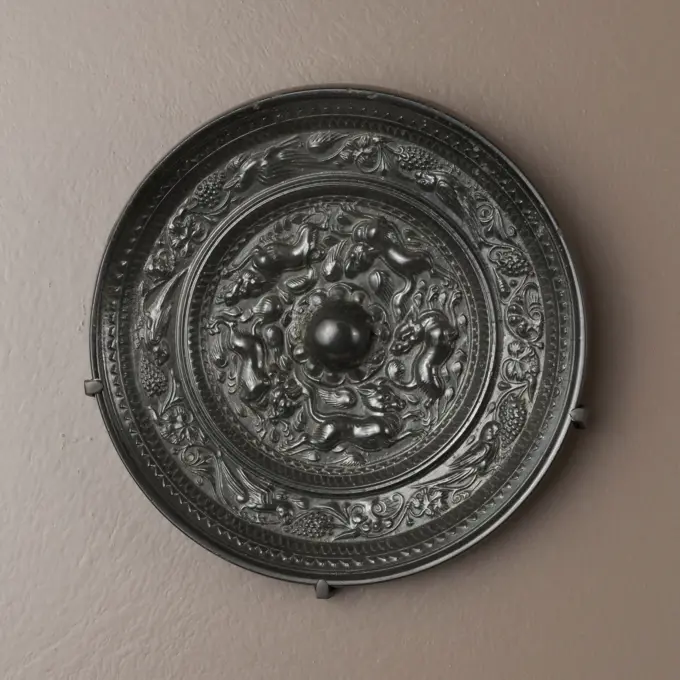
Mirror with stylized bird-dragon motifs, anonymous, c. -300 - c. -200 Three dragons with tail ending in Zigzagelessge. The patina is gray -green. China bronze (metal) Three dragons with tail ending in Zigzagelessge. The patina is gray -green. China bronze (metal)
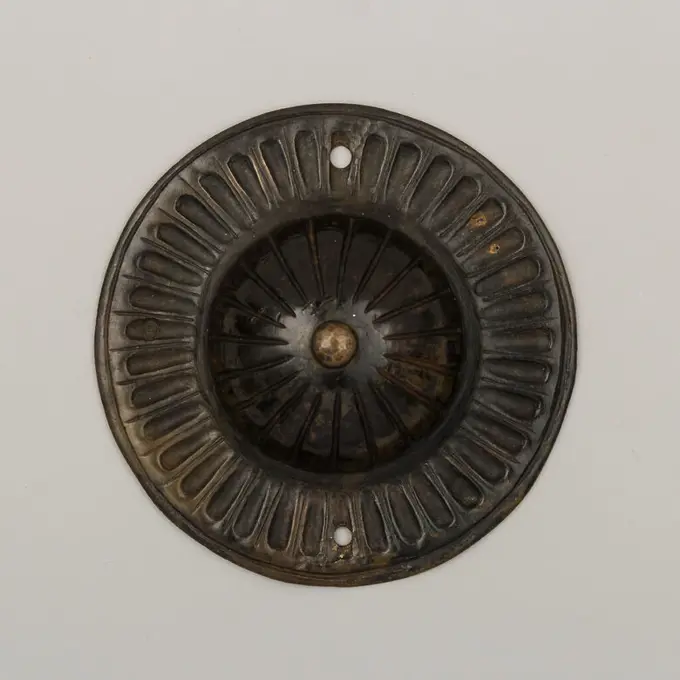
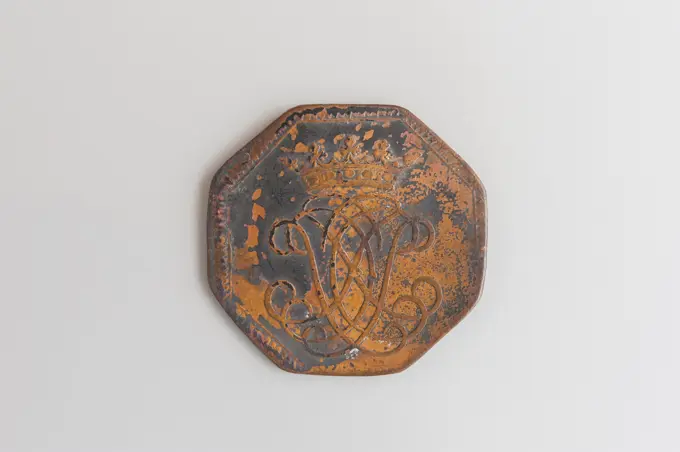
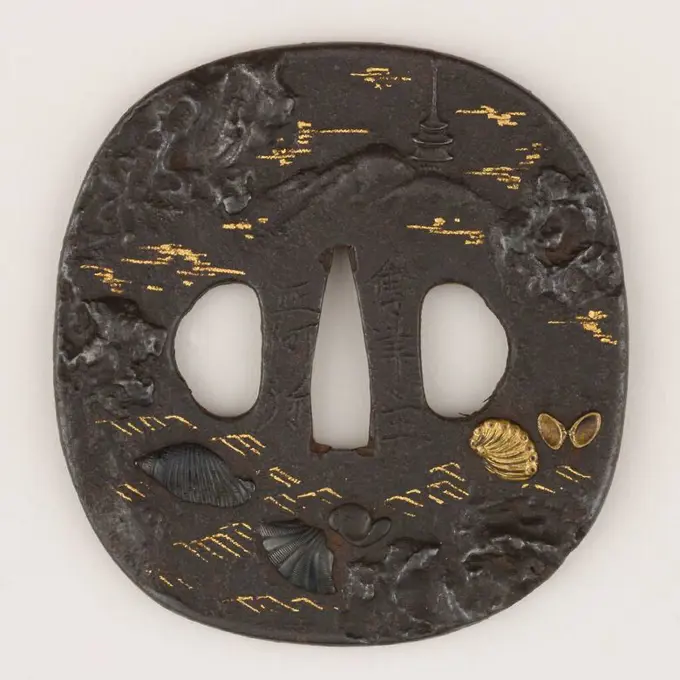
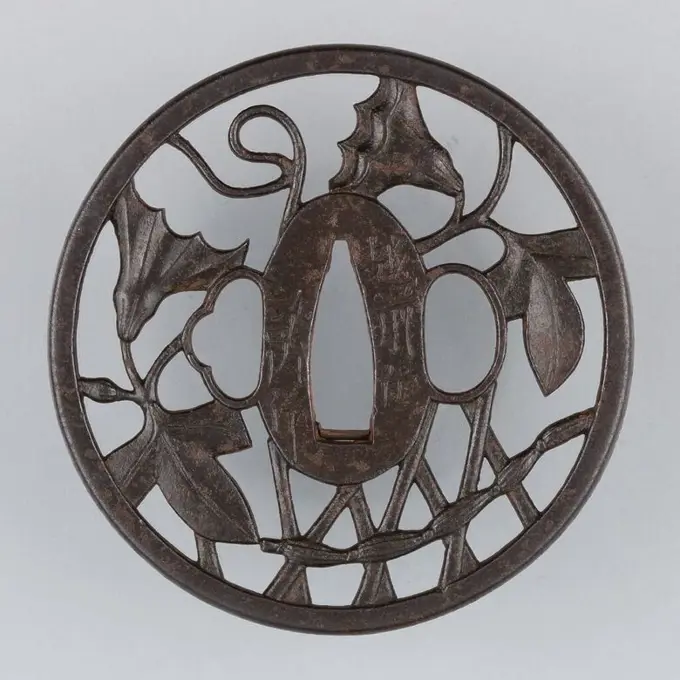
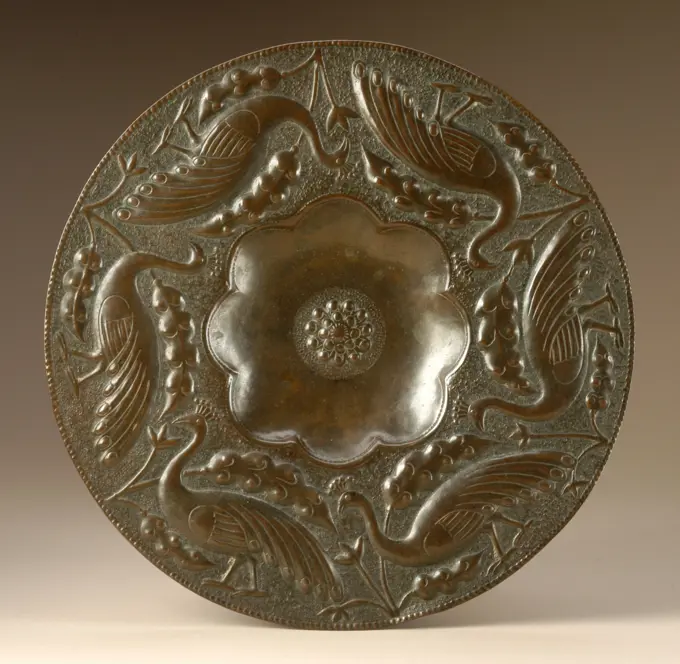
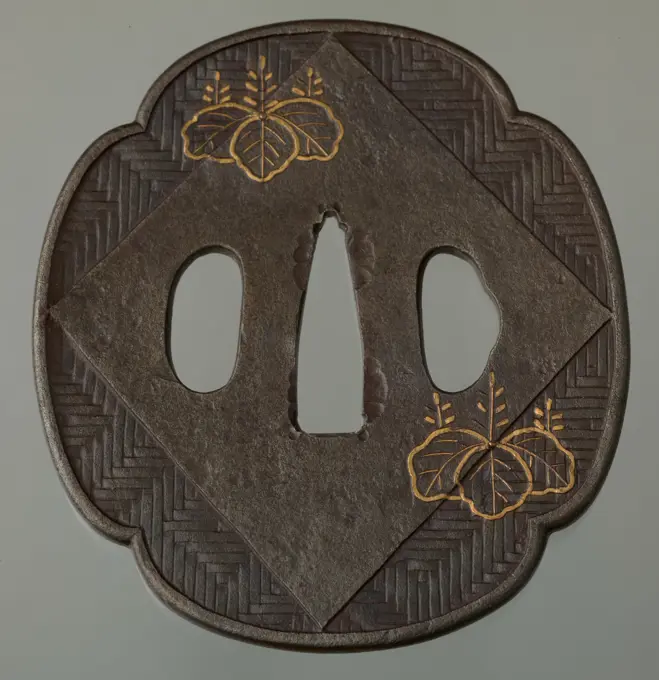
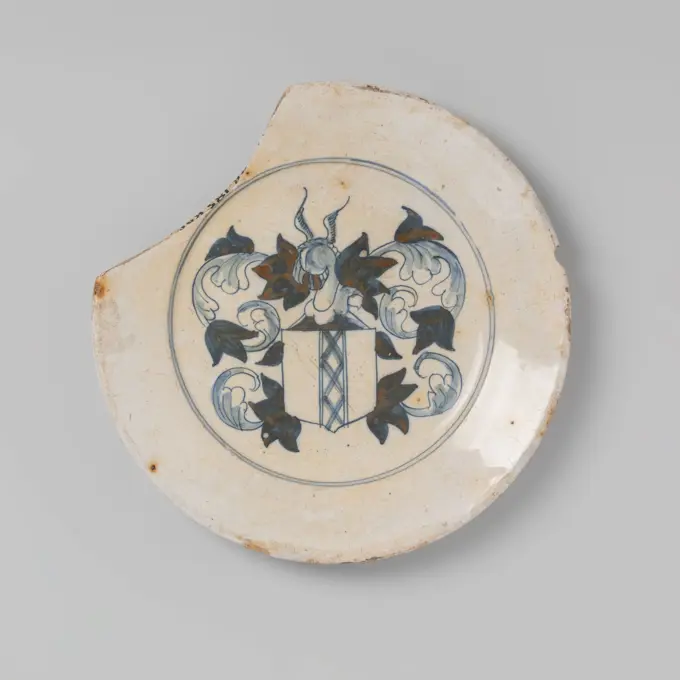
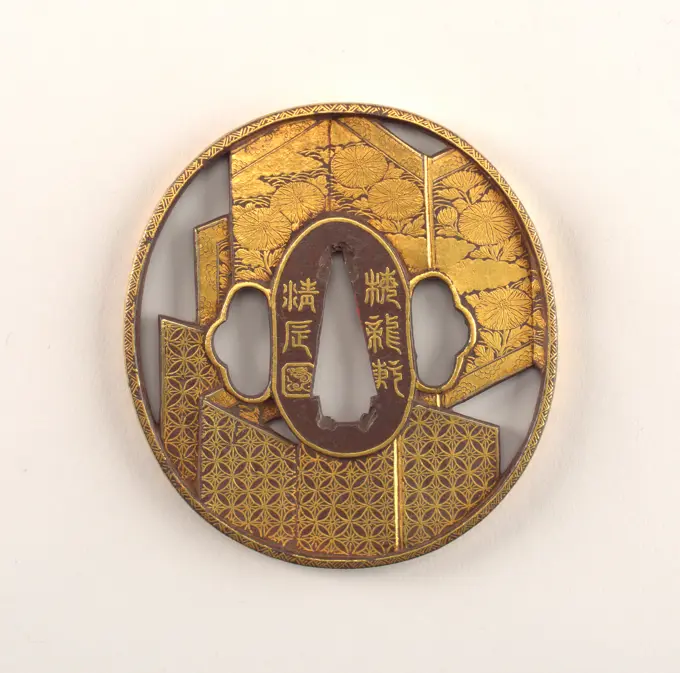
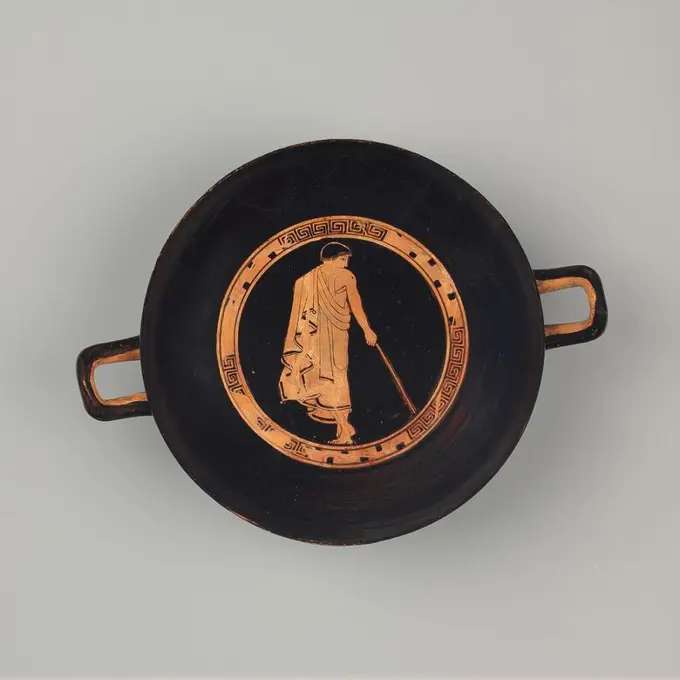
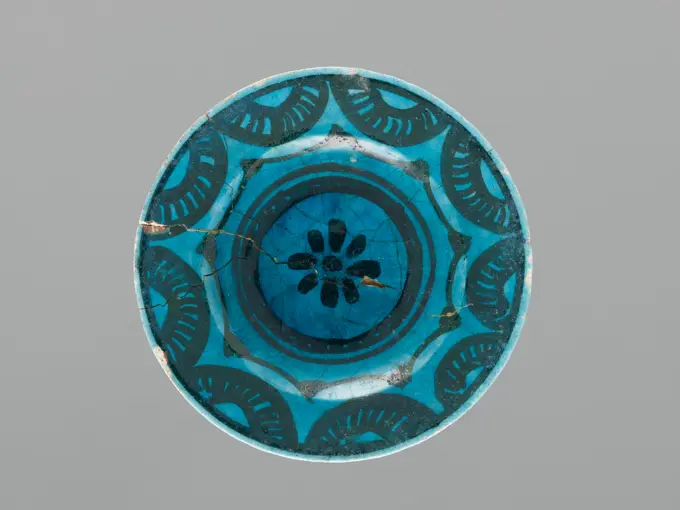
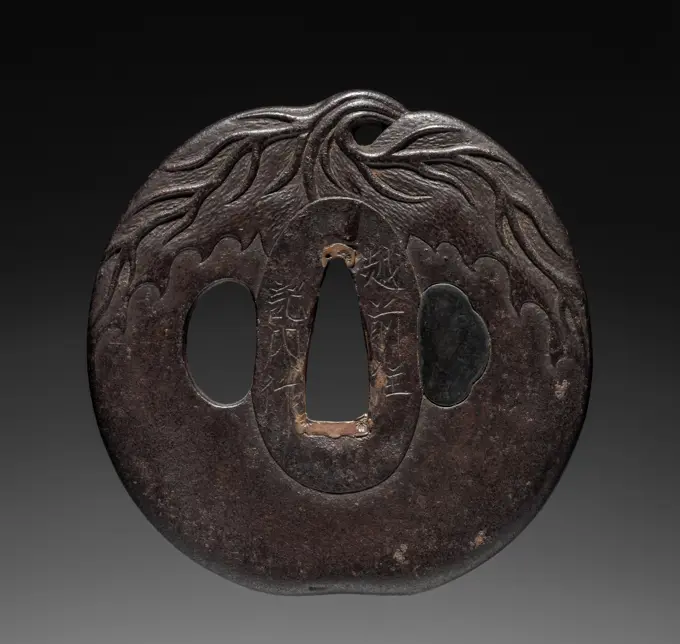
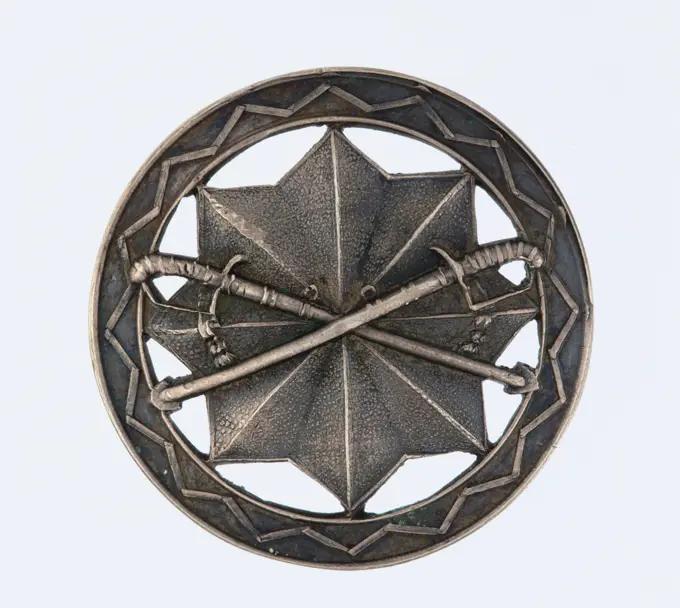
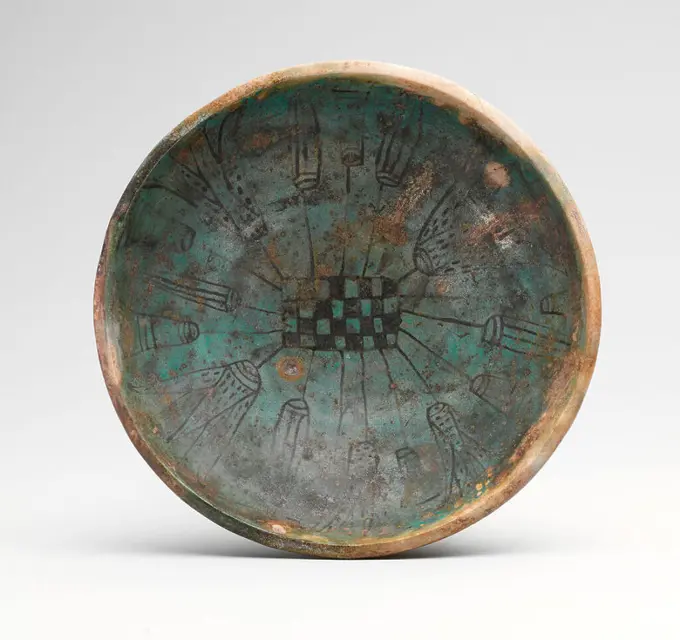
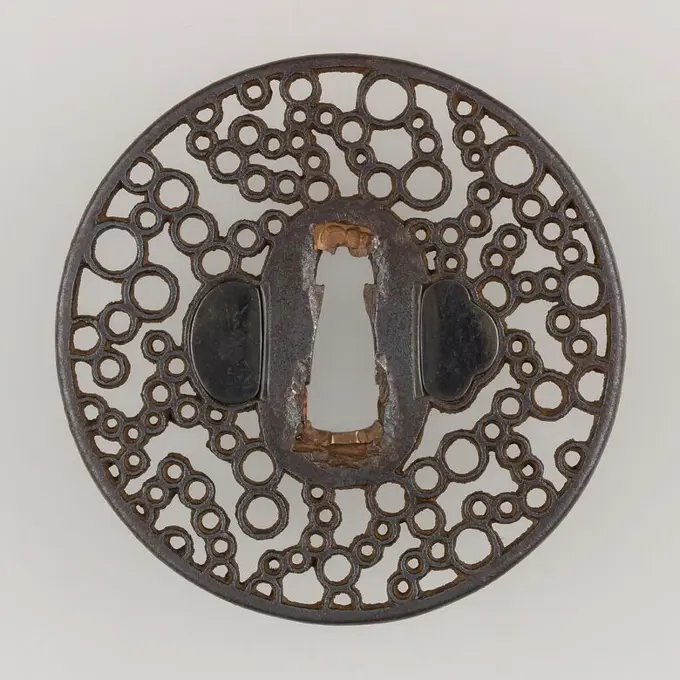
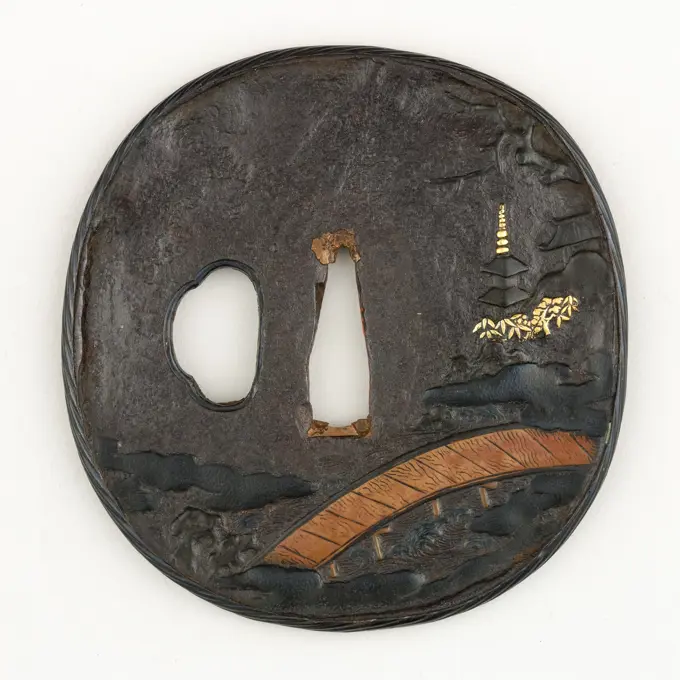
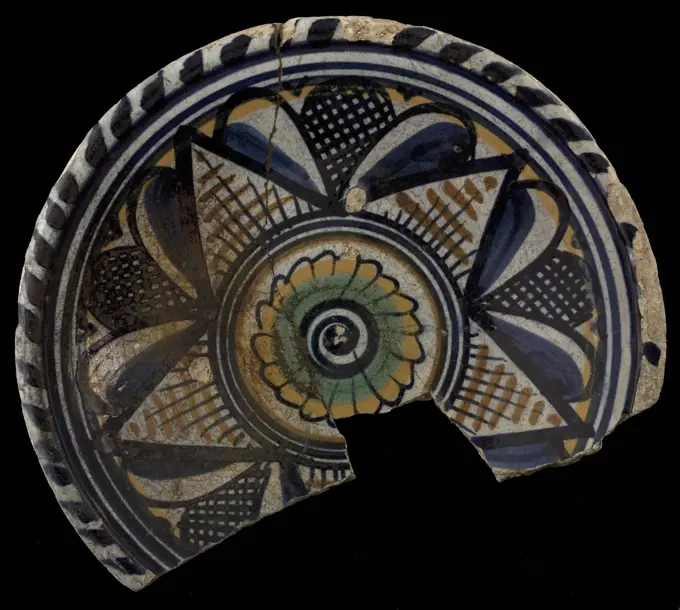
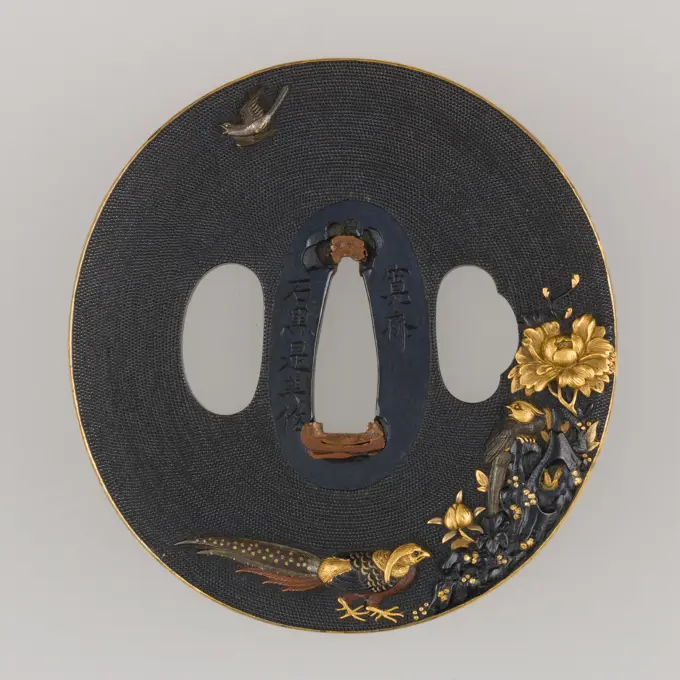
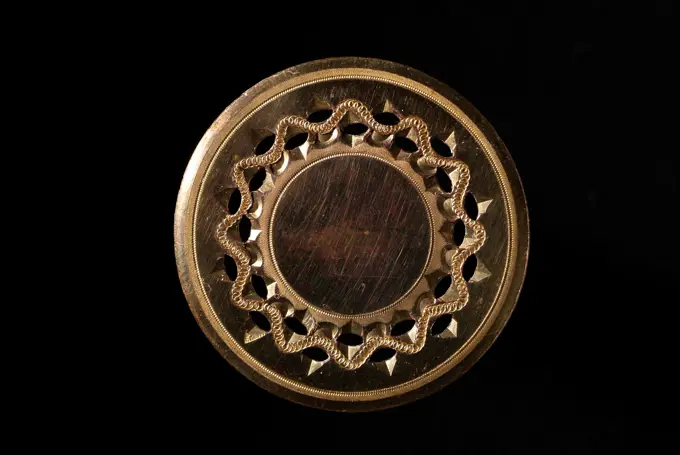
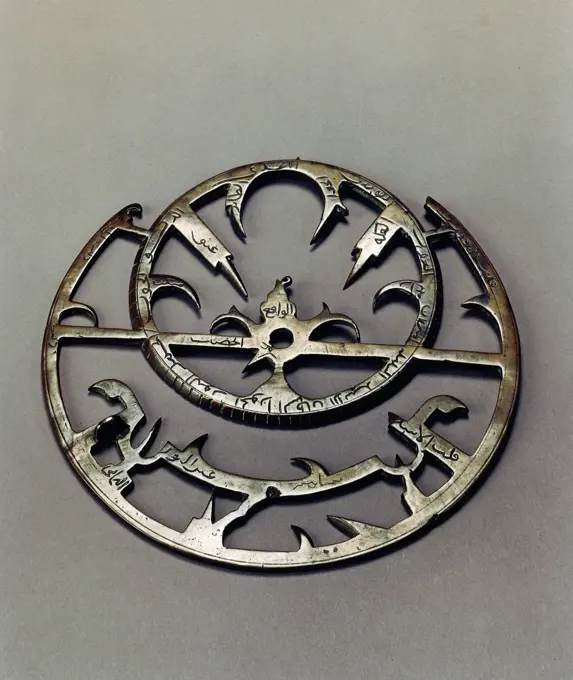
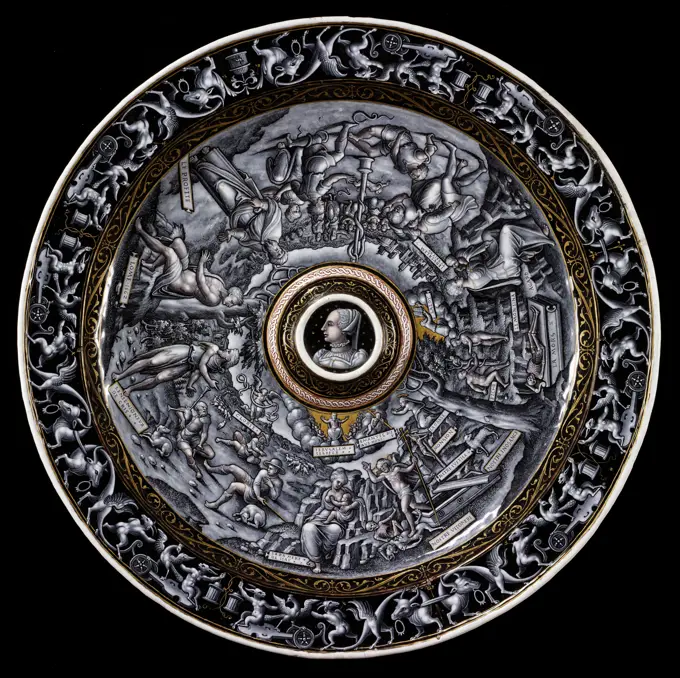
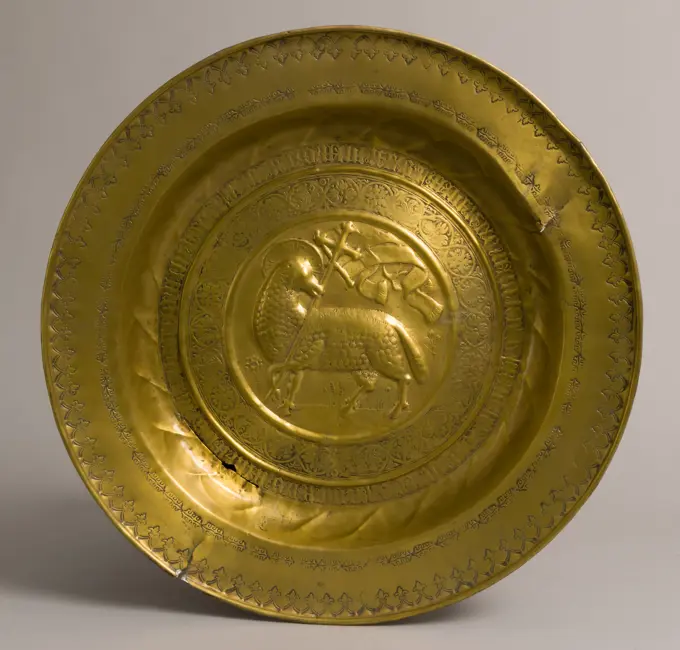
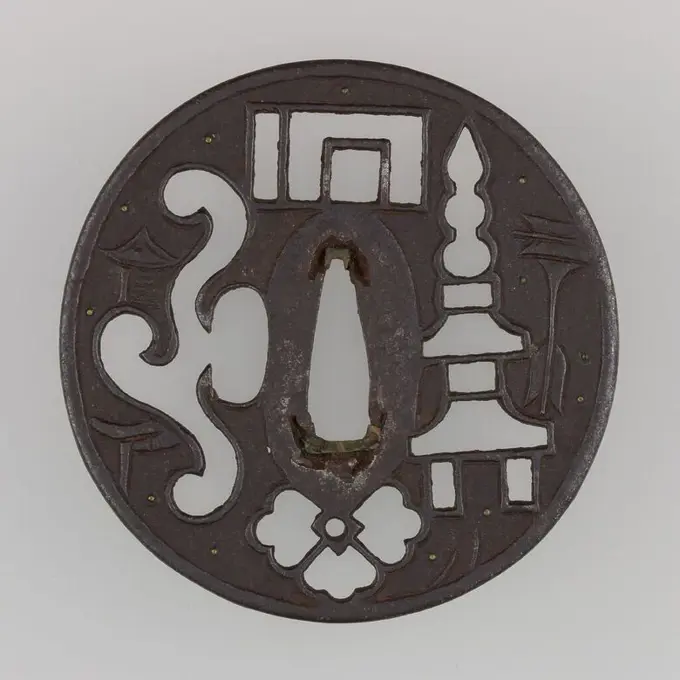
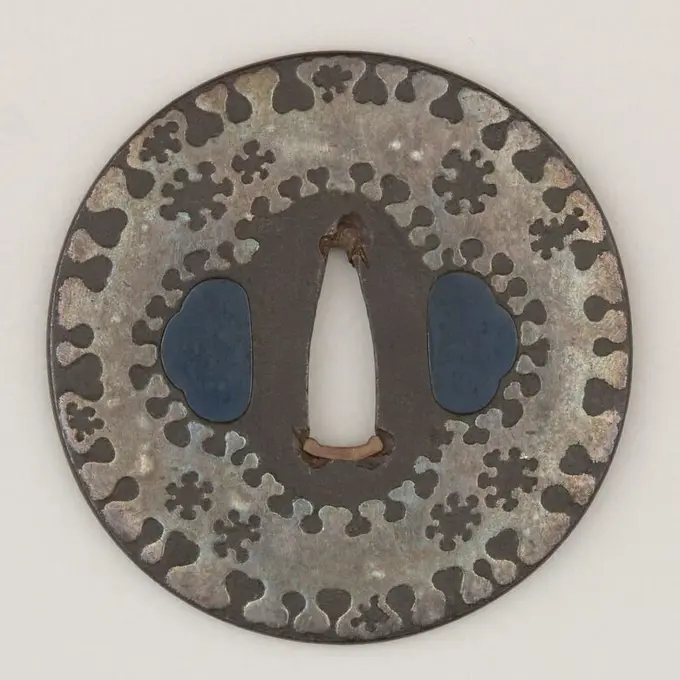
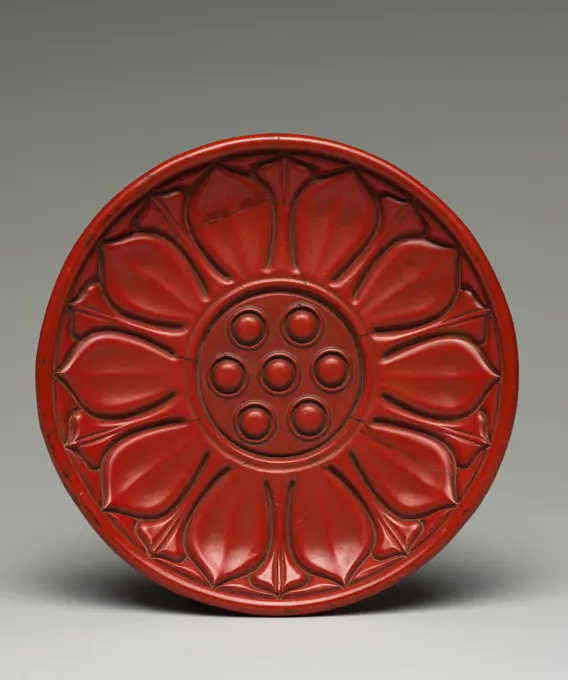
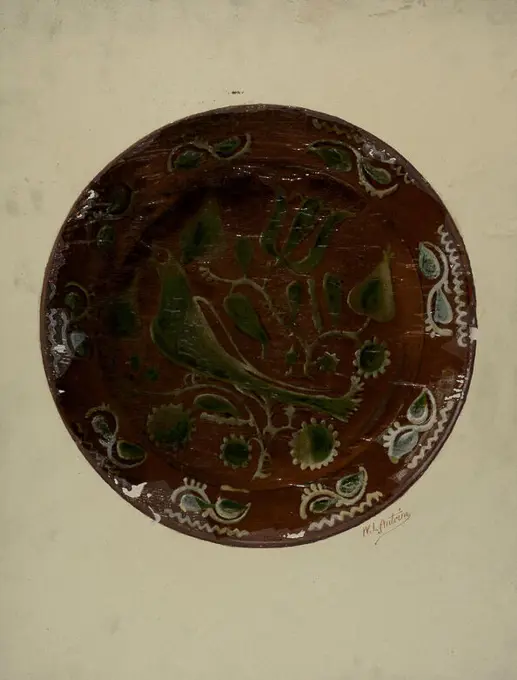
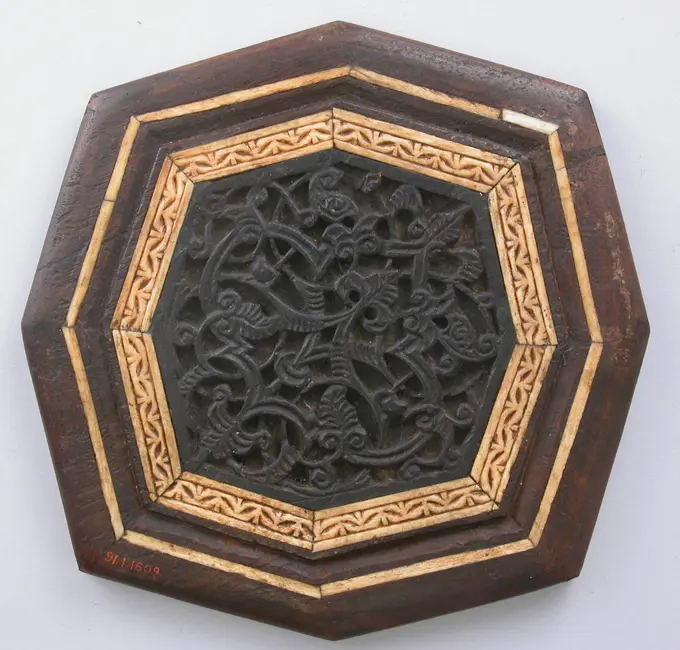
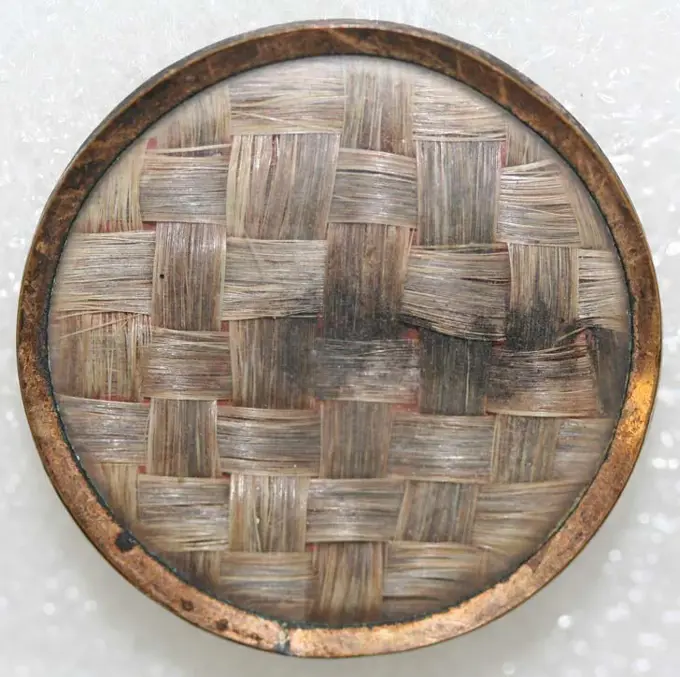
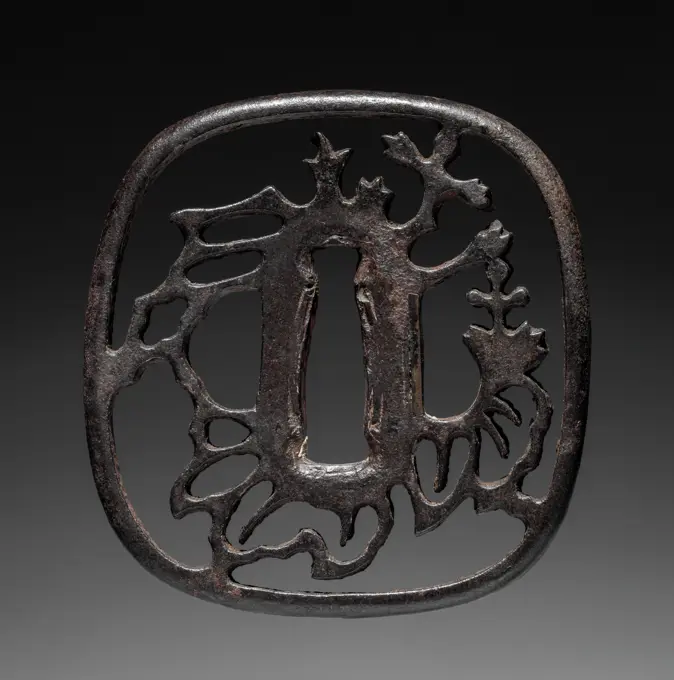
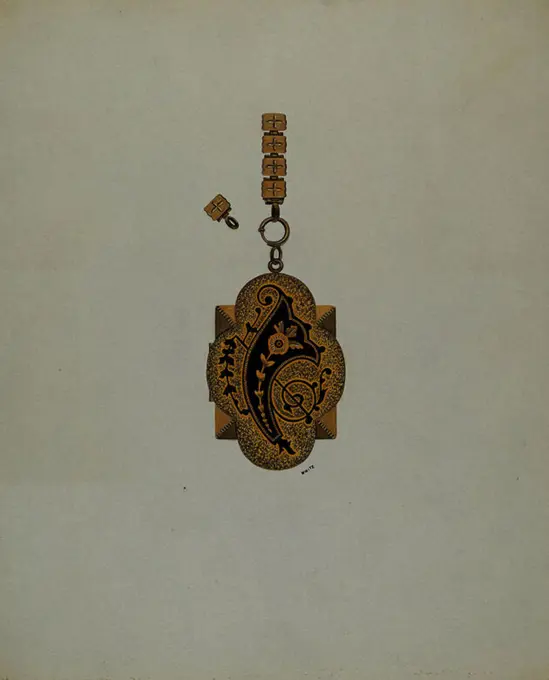
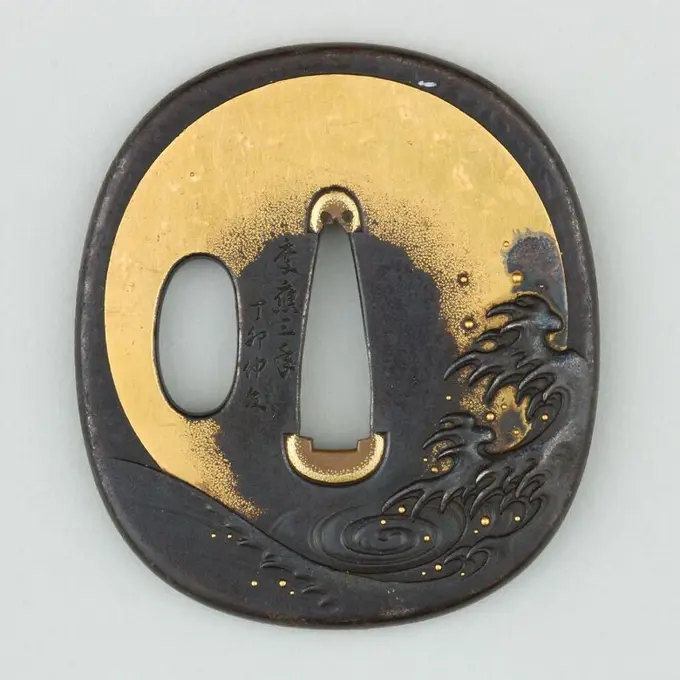
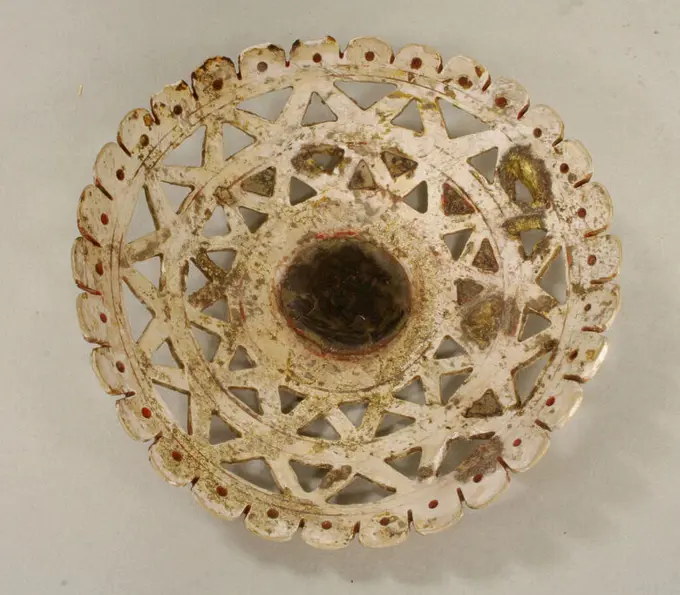
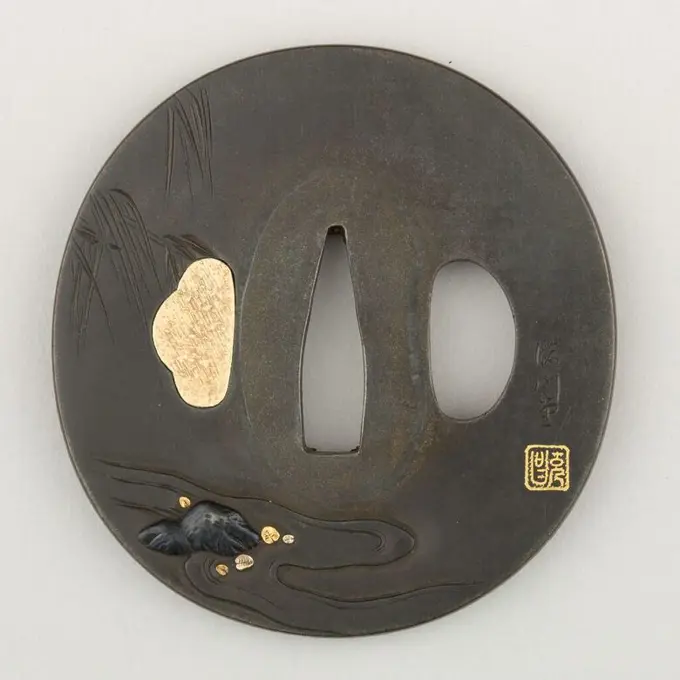
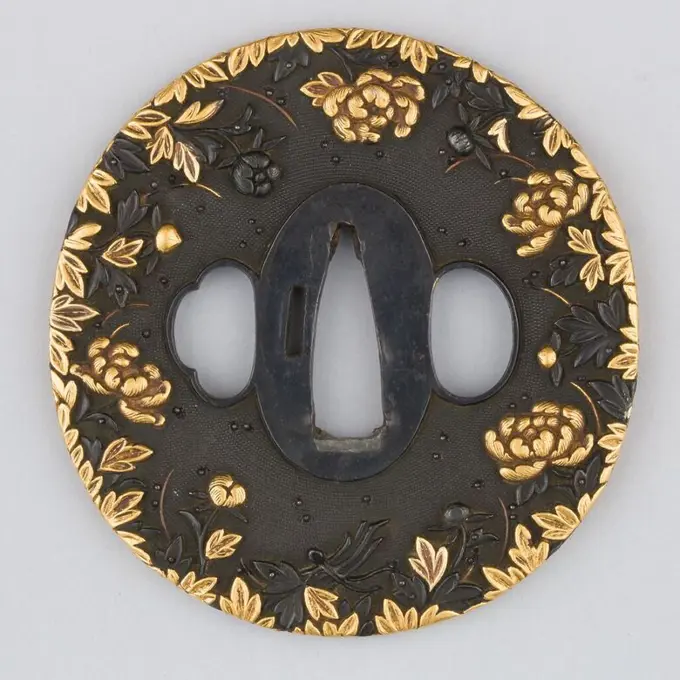
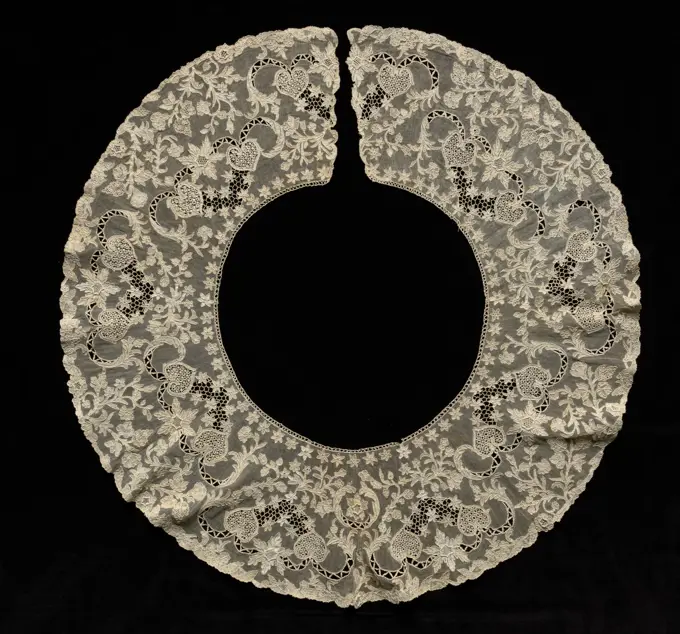
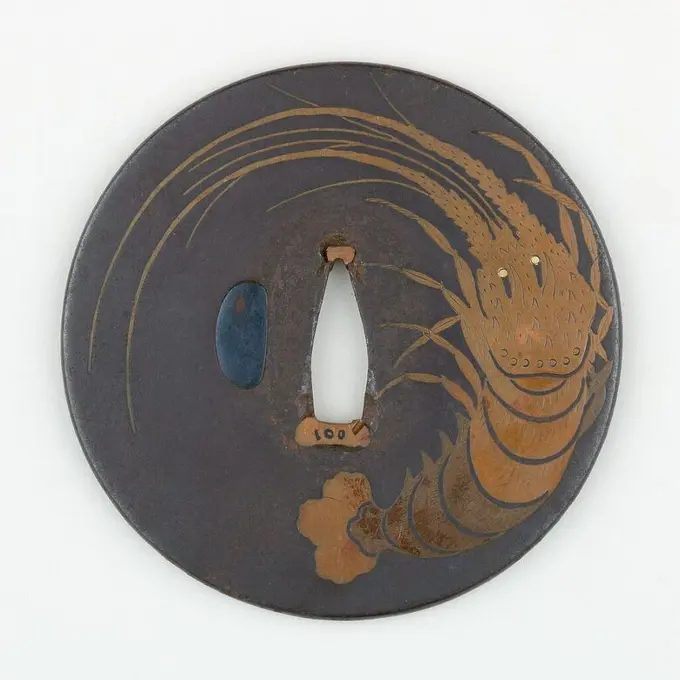
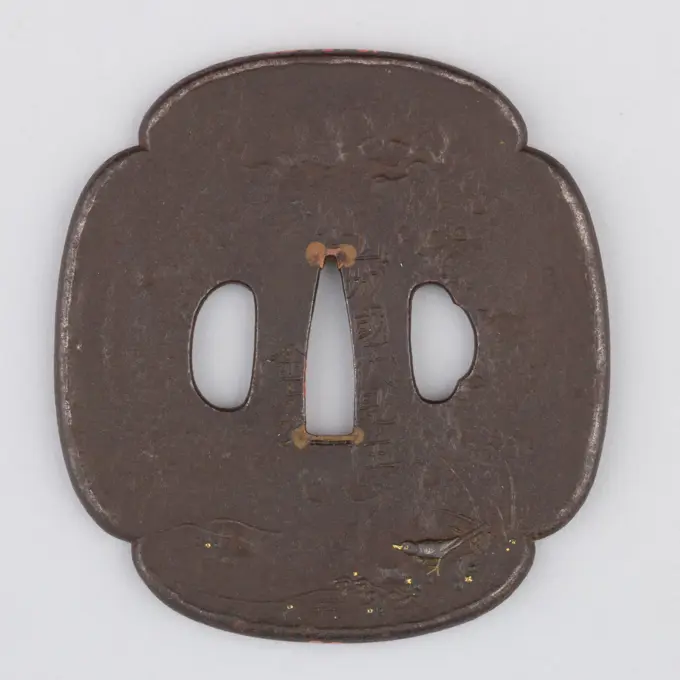
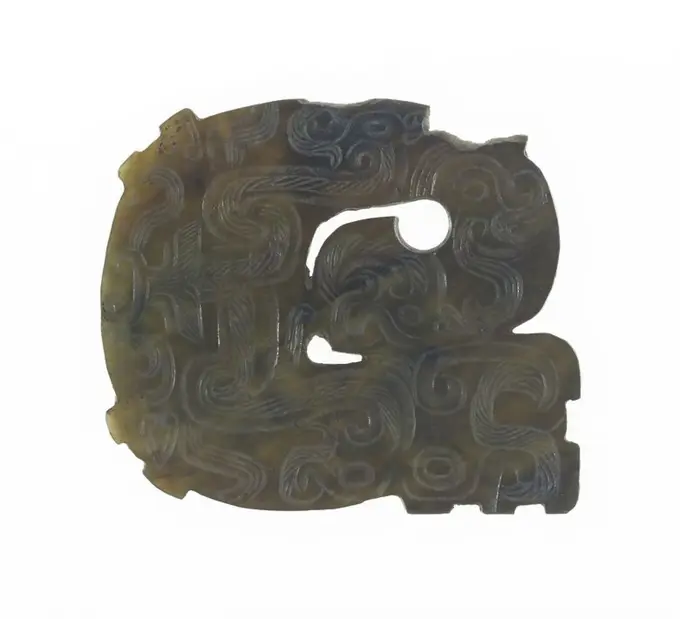
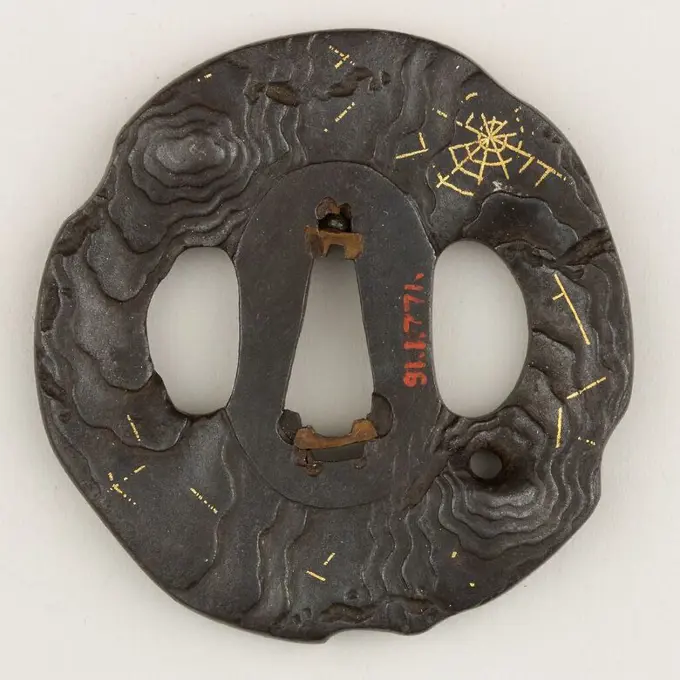
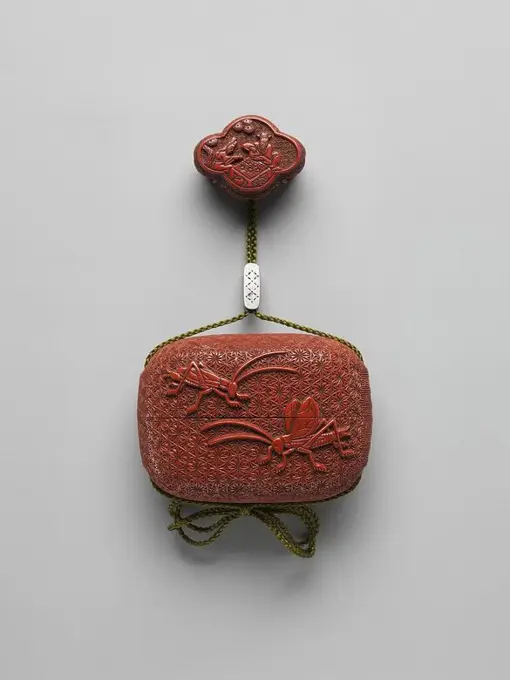
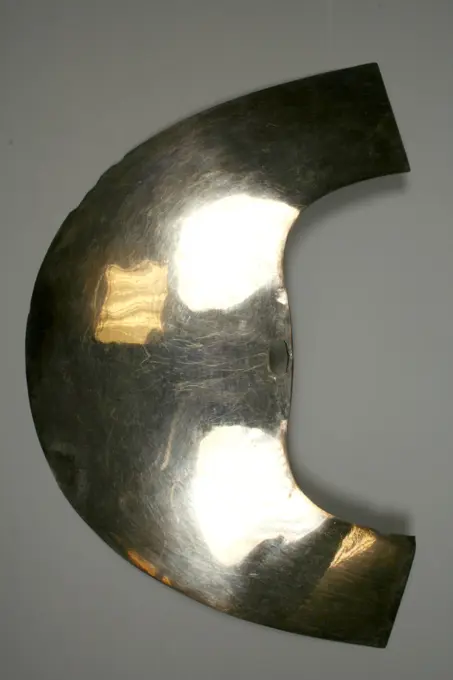
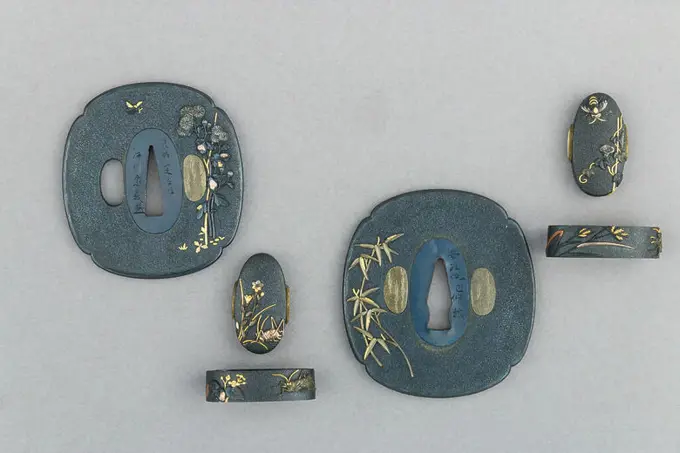
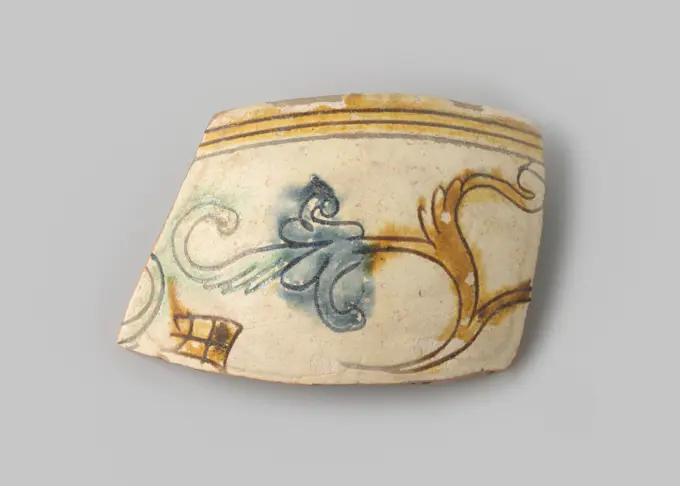
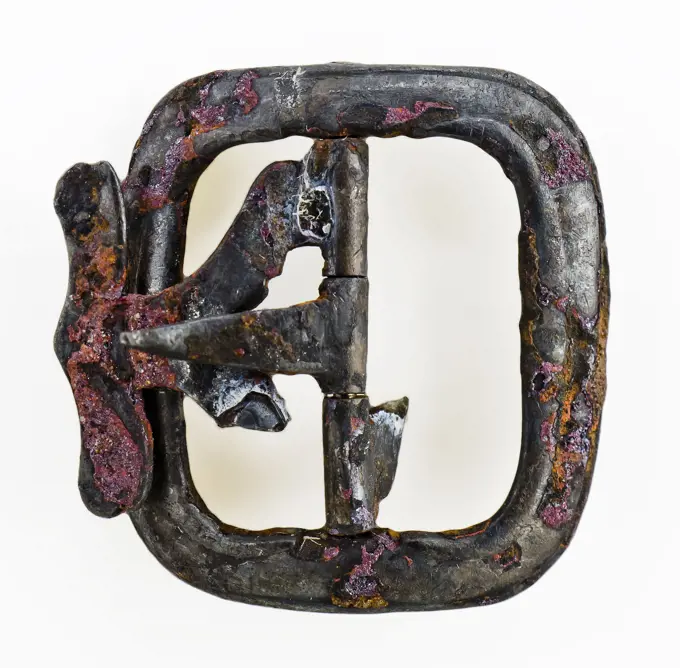
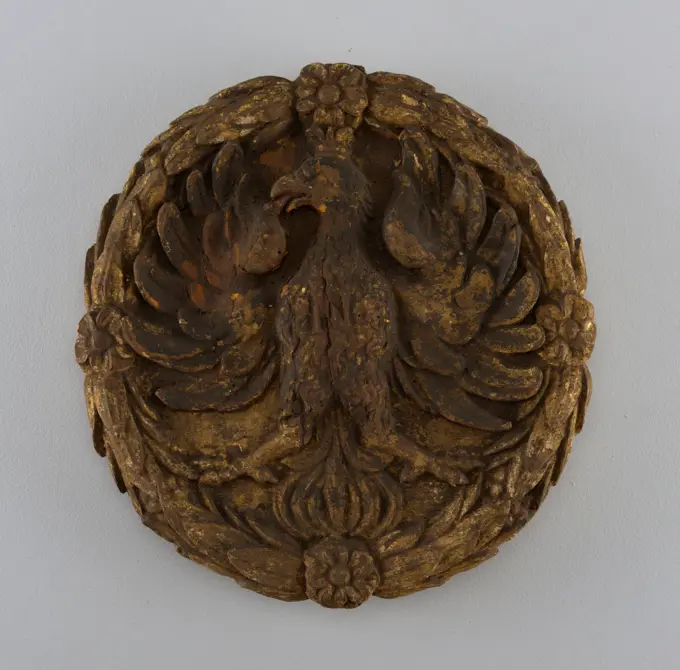
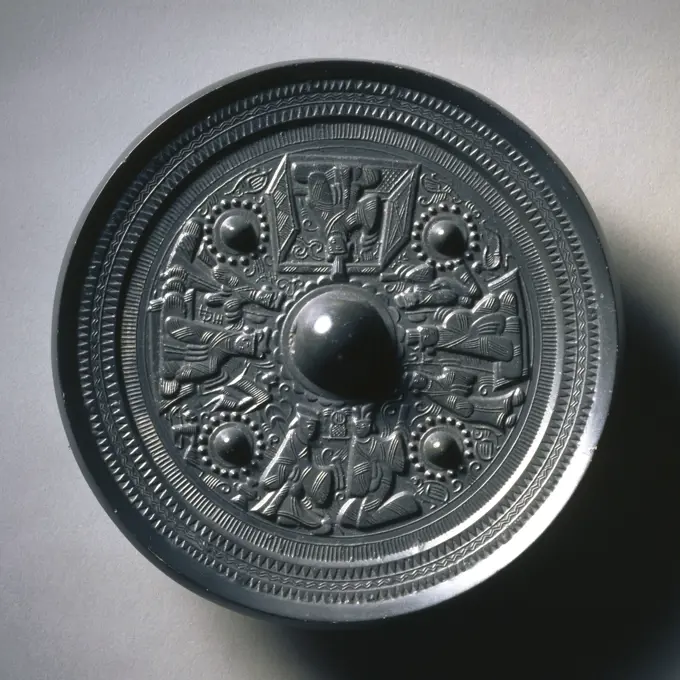
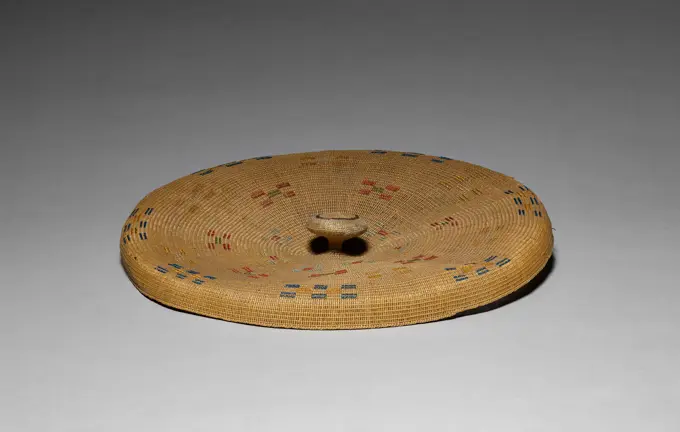
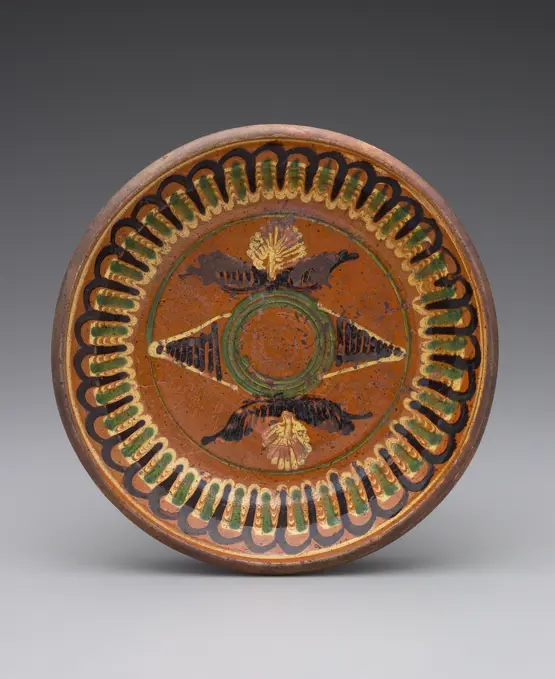
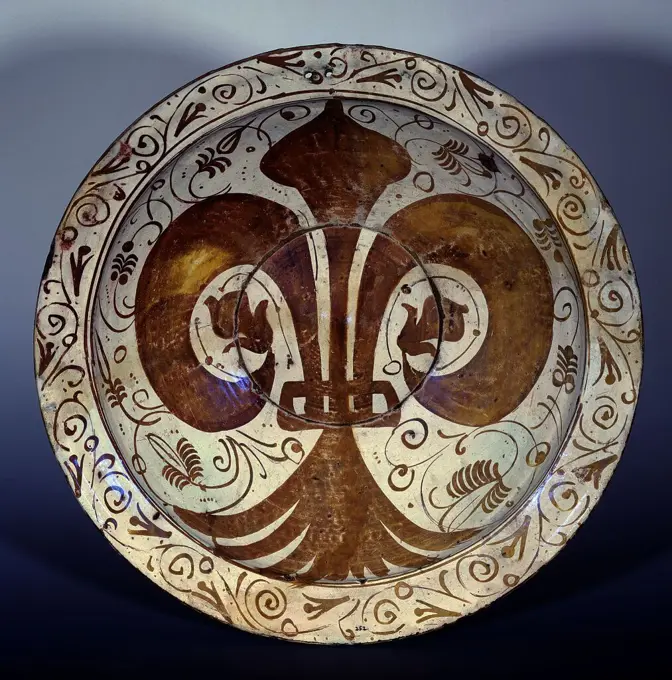
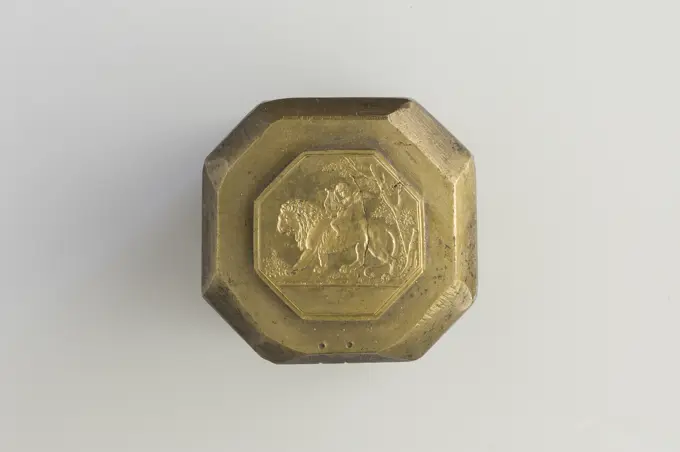
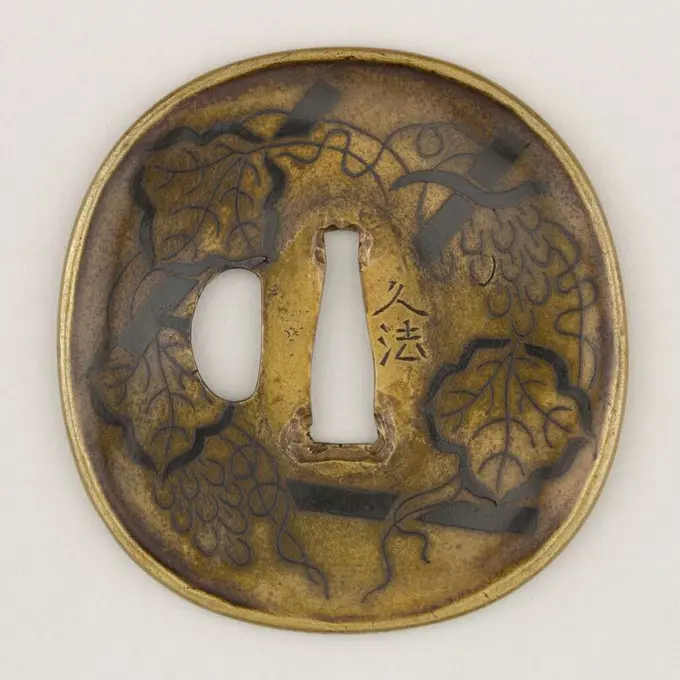
Sword Guard (Tsuba). Culture: Japanese. Dimensions: H. 3 1/4 in. (8.3 cm); W. 3 1/8 in. (7.9 cm); thickness 3/16 in. (0.5 cm); Wt. 4.4 oz. (124.7 g). Fittings maker: Inscribed by Hisanori (Japanese, active ca. 17th century). Date: possibly 17th century.This tsuba features a design of grapevines. Museum: Metropolitan Museum of Art, New York, USA.Sword Guard (Tsuba) ca. 1800 Japanese A tsuba is a sword guard and part of a sword mounting. It is mounted between the swords blade and grip to protect the users hands.. Sword Guard (Tsuba) 25649Bit Boss. Culture: Italian or French. Dimensions: Diam. 4 in. (10.2 cm); Wt. 4.4 oz. (124 g). Date: 16th - early 17th century.Bit bosses were ornamental elements decorating both sides of a horse bit. These hat-shape bit bosses, probably inspired by Ancient shield bosses excavated at the time, were very popular in Italy and France in the 16th and the early 17th century. Museum: Metropolitan Museum of Art, New York, USA.Mirror with stylized bird-dragon motifs, anonymous, c. -300 - c. -200 Three dragons with tail ending in Zigzagelessge. The patina is gray -green. China bronze (metal) Three dragons with tail ending in Zigzagelessge. The patina is gray -green. China bronze (metal)Carnavalet Museum, Medals CollectionBadge (probably from Horse Harness). Culture: Spanish. Dimensions: H. 2 11/16 in. (6.8 cm); W. 2 5/8 in. (6.7 cm); Wt. 1.5 oz. (42.5 g). Date: ca. 1400. Museum: Metropolitan Museum of Art, New York, USA.Sword Guard (Tsuba). Culture: Japanese. Dimensions: H. 3 7/16 in. (8.7 cm); W. 3 1/4 in. (8.3 cm); thickness 5/16 in. (0.8 cm); Wt. 6.6 oz. (187.1 g). Date: 18th century. Museum: Metropolitan Museum of Art, New York, USA.Tsuba; School of Heianjo-Zogan School; iron, engraved brass inlaySword Guard (Tsuba). Culture: Japanese. Dimensions: Diam. 3 3/16 in. (8.1 cm); thickness 3/16 in. (0.5 cm); Wt. 3.5 oz. (99.2 g). Date: 17th-18th century. Museum: Metropolitan Museum of Art, New York, USA.Charger. John Pearson (England, flourished 1890-1910)Guild of Handicraft (England, London 1888-1902). England, 1889. Furnishings; Serviceware. CopperSword Guard (Tsuba) ca. 1615-1868 Japanese A tsuba is a sword guard and part of a sword mounting. It is mounted between the swords blade and grip to protect the users hands.. Sword Guard (Tsuba) 34407Sword Guard (Tsuba) 17th-19th century Japanese A tsuba is a sword guard and part of a sword mounting. It is mounted between the swords blade and grip to protect the users hands.. Sword Guard (Tsuba) 34966CDK Unknown, Higo schoolDish with fish blowing, tide and flowers. In the flat of the dish, which in the middle has the center point, stamp forms are punched with the help of poultry, an edge of cracks, spanking with leaves and rosettes on shaded substrate (in four parts), as well as an ornament edge (Repeated the motif five times). Furthermore, a punched ornament has been applied on the edge of rosettes in the middle and from cross flowers along the edge. This edge is beaten around iron wire. A hanging ring was applied at the rear. The center point has become a small opening.Sword Guard (Tsuba) ca. 1615-1868 Japanese A tsuba is a sword guard and part of a sword mounting. It is mounted between the swords blade and grip to protect the users hands.. Sword Guard (Tsuba) 34368Pendant in the form of a Dragon, 475-221 BCE, 2 3/4 x 2 1/16 x 3/16 in. (6.99 x 5.24 x 0.48 cm), Translucent pale green jade with marbled black striations, China, 5th-3rd century BCEDish late 15th century German or South Netherlandish. Dish 468646Plate of earthenware, fully equipped with white tinglaze and decorated in blue with the weapon of Amsterdam, damaged, anonymous, 1500 - 1799   earthenware. lead glaze. tin glaze   earthenware. lead glaze. tin glazeHand Guard, Nukagawa Yasunori, 1725-1825 Oval tsuba with an elevated edge; At the front in Iroe-Taka-Zogan and deepens Reliëf Chokaro Sennin who lets his horse come out of his pocket; At the back a dead tree near a rock; Signed "nukagawa yasunori". Japan gold (metal). silver (metal). copper (metal). Oval tsuba with an elevated edge; At the front in Iroe-Taka-Zogan and deepens Reliëf Chokaro Sennin who lets his horse come out of his pocket; At the back a dead tree near a rock; Signed "nukagawa yasunori". Japan gold (metal). silver (metal). copper (metal).Tsuba (Japan); Made by Bairiuken Kiyonaga (Japanese); iron, gold inlay, gold leafTerracotta kylix (drinking cup). Culture: Greek, Attic. Dimensions: H. 3 3/4 in. (9.5 cm); diameter 9 3/8 in. (23.8 cm). Date: ca. 500-475 B.C..Interior, youthExterior, obverse and reverse, athletesThe better preserved side of the exterior shows two youths cleaning their bodies with a strigil. Suspended in the background are a strigil, sandals, and a sponge. Museum: Metropolitan Museum of Art, New York, USA.Door Handle Plate 16th century German. Door Handle Plate 468799Sword Guard (Tsuba) early 19th century Japanese A tsuba is a sword guard and part of a sword mounting. It is mounted between the swords blade and grip to protect the users hands.. Sword Guard (Tsuba) 34971A plate;  XVII century (1801-00-00-1900-00-00);Sword Guard, early 1800s. Japan, Edo period (1615-1868). Iron; diameter: 7 cm (2 3/4 in.).Sword Guard (Tsuba) 18th century Japanese A tsuba is a sword guard and part of a sword mounting. It is mounted between the swords blade and grip to protect the users hands.. Sword Guard (Tsuba) 26325Badge of graduation of the Officers' School of the Union of Active Combat, the so called Umbrella Miciński, W., Tetmajer, Włodzimierz (1861 1923)Marsh-Bowl of Rennefer. Dimensions: H. 5.9 cm (2 5/16 in.); Diam. of rim 20.7 cm (8 1/8 in.); Diam. of base 5.9 cm (2 5/16 in.); Th. of rim. 0.6 cm (1/4 in.). Dynasty: Dynasty 18, early. Reign: reign of Thutmose I-early sole Thutmose III. Date: ca. 1504-1447 B.C..This and a second bowl (35.3.78) were found with the burial of a woman named Rennofer in the tomb of her husband, Neferkhawt. Like many faience bowls of early Dynasty 18, this one is decorated on the inside with lotus blossoms and buds growing from a pond which is painted like a checker board. Museum: Metropolitan Museum of Art, New York, USA.. Oval tsuba inlaid on both sides with different types of stone that represent three aubergines; Signed "masatomo".Sword Guard (Tsuba). Culture: Japanese. Dimensions: Diam. 2 1/8 in. (5.4 cm); thickness 1/4 in. (0.6 cm); Wt. 3.8 oz. (107.7 g). Date: 16th century. Museum: Metropolitan Museum of Art, New York, USA.Floor tile. Floor tile decorated with a hare in a circle with dots. In the corners, flames.Sword Guard (Tsuba) 17th century Japanese A tsuba is a sword guard and part of a sword mounting. It is mounted between the swords blade and grip to protect the users hands.. Sword Guard (Tsuba) 26275Majolica dish polychrome, with rosette and star in the middle, cable edge, plate crockery holder soil find ceramic earthenware glaze, Cooked on the underside covered with bright lead glaze. Polychrome. Italian Dutch decor archeology food decorate serving ItalySword Guard (Tsuba) 1840-60 Ishiguro Koreyoshi Japanese A tsuba is a sword guard and part of a sword mounting. It is mounted between the swords blade and grip to protect the users hands.. Sword Guard (Tsuba) 26913Copper gilt button with concentric pierced and chased decoration, 1770-1800. Manufacturer unknown, made in BirminghamAstrolabe -Ewer stand, 1562, Pierre Reymond, French (Limoges), French (Limoges), 1513-1584, 2 x 16 in. (5.08 x 40.64 cm), Enamel on copper, France, 16th century, On this enameled ewer stand, religious scenes of sin and redemption are combined with classically inspired motifs such as mythological beasts and winged cupids, which reflect the revival of interest in ancient Greek and Roman art during the sixteenth century.Dish early 16th century German. Dish. German. early 16th century. Brass. Metalwork-BrassSword Guard (Tsuba). Culture: Japanese. Dimensions: Daim. 3 3/16 in. (8.1 cm); thickness 1/8 in. (0.3 cm); Wt. 2.8 oz. (79.4 g). Date: 17th century. Museum: Metropolitan Museum of Art, New York, USA.Sword Guard (Tsuba). Culture: Japanese. Dimensions: Diam. 3 in. (7.6 cm); thickness 3/16 in. (0.5 cm); Wt. 5.6 oz. (158.8 g). Date: late 17th century. Museum: Metropolitan Museum of Art, New York, USA.Clock with compass;  2. W. 18th century (1726-00-00-1750-00-00);acanthus (ornament), plant (ornament), fencing, geographical coordinatesLotus Dish, 1271-1368. China, Yuan dynasty (1271-1368). Carved cinnabar lacquer on wood; overall: 15.9 cm (6 1/4 in.).Pa. German Plate. Dated: c. 1938. Dimensions: overall: 50.9 x 38 cm (20 1/16 x 14 15/16 in.) Original IAD Object: 14 1/2" in diameter. Medium: oil paint on paperboard. Museum: National Gallery of Art, Washington DC. Author: William L. Antrim.Anonymous. "Encu tampon for the wet stamp of the Parisian Liberation Committee (CPL)". Drink. 1943-1946. General Leclerc Museum of Hauteclocque and the Liberation of Paris, Jean Moulin Museum. 158819-6Sword Guard (Tsuba) with Elephant in Pine, c. 1800. Japan, Edo period (1615-1868). Iron; overall: 9 x 9 cm (3 9/16 x 3 9/16 in.).Panels from Assorted Minbars 14th-15th century Part of a pair with object 91.1.1610, this octagonal wooden panel is typical of Mamluk woodwork. The carved pieces of inlay with the characteristic arabesque of split-leaf palmettes, and the sharp contrasts between the dark wood and the ivory are found in many such panels. A third object from the collection (07.236.58), a fragment of a six-pointed star, follows the same design as the octagonal panel. Possibly all three panels were part of a larger object, such as a minbar or a wooden door.. Panels from Assorted Minbars 444786Button ca. 1775 French. Button 114401Slot, c. 1400 - c. 1950   iron (metal)   iron (metal)Tile, Hamilton Tile Works Co., founded 1884, Glazed stoneware, Square molded tile made of white clay; back is stamped with two concentric circles, inner is inscribed: 'Hamilton Ohio' Tile face is decorated with a berry branch, glazed a deep brown., Hamilton, Ohio, USA, 19th century, tiles, Decorative Arts, TileSword Guard, 1615-1868. Japan, Edo period (1615-1868). Iron; diameter: 7 cm (2 3/4 in.).Locket. Dated: c. 1937. Dimensions: overall: 28 x 22.8 cm (11 x 9 in.). Medium: watercolor, pen and ink, and goauche on paperboard. Museum: National Gallery of Art, Washington DC. Author: Edward White.Sword Guard (Tsuba). Culture: Japanese. Dimensions: H. 2 3/4 in. (7 cm); W. 2 1/2 in. (6.4 cm); thickness 5/16 in. (0.8 cm); Wt. 4.9 oz. (138.9 g). Date: 1867. Museum: Metropolitan Museum of Art, New York, USA.Sword Guard (Tsuba) ca. 1615-1868 Japanese A tsuba is a sword guard and part of a sword mounting. It is mounted between the swords blade and grip to protect the users hands.. Sword Guard (Tsuba) 34388Sword Guard (Tsuba) ca. 1615-1868 Japanese A tsuba is a sword guard and part of a sword mounting. It is mounted between the swords blade and grip to protect the users hands.. Sword Guard (Tsuba) 34373Sword Guard (Tsuba). Culture: Japanese. Dimensions: H. 2 7/8 in. (7.3 cm); W. 2 3/4 in. (7 cm). Date: 18th century. Museum: Metropolitan Museum of Art, New York, USA.Earflare Frontal. Culture: Huastec. Dimensions: Diam. 1 in. (2.5 cm). Date: 10th-13th century. Museum: Metropolitan Museum of Art, New York, USA.Ornament, one of a pair, 221-206 BCE, 2 1/2 in. (6.35 cm) (diameter), Gold, China, 3rd century BCESword Guard (Tsuba) 18th century Japanese A tsuba is a sword guard and part of a sword mounting. It is mounted between the swords blade and grip to protect the users hands.. Sword Guard (Tsuba) 26321Fragment 14th-15th century. Fragment. 14th-15th century. Earthenware; slip-painted under transparent glaze. Attributed to Egypt. CeramicsBasket, early 20th century, 3 1/4 x 13 1/2 in. (8.26 x 34.29 cm), Plant fibers, United States, 20th centurySword Guard (Tsuba). Culture: Japanese. Dimensions: H. 2 3/4 in. (7 cm); W. 2 5/8 in. (6.7 cm); thickness 1/4 in. (0.6 cm); Wt. 4.5 oz. (127.6 g). Date: dated 1776. Museum: Metropolitan Museum of Art, New York, USA.Sword guard (Tsuba) Depicting Comical Character Hyottoko () 17th century Japanese The obverse of this tsuba shows the relief of a Hyottoko mask and a broken fan and the reverse a closed fan. Hyotokko is a clown-like Japanese stock character which is potrayed through the use of a mask. He is depicted on this tsuba in the traditional way, i.e. with asymmetrical eyes and wearing a scarf around his head.. Sword guard (Tsuba) Depicting Comical Character Hyottoko (). Japanese. 17th century. Iron, copper, gold. Sword Furniture-TsubaSword Guard (Tsuba). Culture: Japanese. Dimensions: H. 3 1/8 in. (7.9 cm); W. 3 in. (7.6 cm); thickness 1/4 in. (0.6 cm); Wt. 5.6 oz. (158.8 g). Date: 17th century. Museum: Metropolitan Museum of Art, New York, USA.Grahal-Manzara. Carnavalet 2013-2016 collection sites. Numismatics.Lamp, North Africa; 1st - 4th century; Terracotta; 2.4 x 7.7 x 11 cm (15,16 x 3 1,16 x 4 5,16 in.)Maiolica Dish, 1520-30. Tin glazed and painted earthenware.. Manufacturer unknown, ItalyBuckleNeedlepoint (Burano Point) Lace Bertha, 19th century. Italy, Burano, 19th century. Lace, needlepoint: linen; overall: 66 x 65 cm (26 x 25 9/16 in.).Sword Guard (Tsuba). Culture: Japanese. Dimensions: H. 3 9/16 in. (9 cm); W. 3 5/8 in. (9.2 cm); thickness 3/16 in. (0.5 cm); Wt. 8.4 oz. (238.1 g). Date: ca. 1615-1868. Museum: Metropolitan Museum of Art, New York, USA.Sword Guard (Tsuba) ca. 1615-1868 Japanese A tsuba is a sword guard and part of a sword mounting. It is mounted between the swords blade and grip to protect the users hands.. Sword Guard (Tsuba) 33460Dragon Plaque. China. Date: 700 BC-500 BC. Dimensions: 5.4 × 5.1 × 0.3 cm (2 1/8 × 2 × 1/8 in.). Jade. Origin: China. Museum: The Chicago Art Institute, Chicago, USA.Bowl with Three-part Antelope Design 950 CE-1150 New Mexico. This three-part design features repeated depictions of pronghorn antelopes whose rectangular bodies are filled with diamond-shaped stepped motifs. The interplay of positive and negative forms and spaces adds to the visual complexity, as does the relationship between the organic, animal shapes and the decorative geometric motifs.. Ceramic and pigment . MimbresPilgrim's Badge with Sun with human face 15th century French. Pilgrim's Badge with Sun with human face. French. 15th century. Lead. Made in Amiens, France. Metalwork-LeadPlate decorated with driven flower garlands and putti. Round, vaulted plate of silver, with decorations in gear. On the edge fine flower garlands and focal wagging putti, and a piered heart. In the middle a rosette of acanthus leaves surrounded by insects.Pierced wooden cover, anonymous, c. 1600 - c. 1649 Vaulted, open worked wooden lid. China Cover: Wood (Plant Material) Vaulted, open worked wooden lid. China Cover: Wood (Plant Material)Sword Guard (Tsuba). Culture: Japanese. Date: ca. 1615-1868. Museum: Metropolitan Museum of Art, New York, USA.Sword-Hilt Collar and Pommel (Fuchigashira) last half 18th century Japanese A fuchigashira is a pair of matching sword fittings comprising the fuchi (collar at the base of the grip of the sword hilt) and kashira (pommel cap at the end of a sword hilt).. Sword-Hilt Collar and Pommel (Fuchigashira). Japanese. last half 18th century. Copper-gold alloy (shakud), gold, copper. Sword Furniture-Fuchi-KashiraTerracotta oil lamp ca. A.D. 40-100 Roman Loeschcke Type 4. Mold-made. Discus: eagle, facing front, with wings outstretched, and proper left leg raised; a single small filling hole at bottom right; band of lines and grooves towards edge. Volutes flanking nozzle. Incised base ring, and flat base.Intact, but some surface chipping.. Terracotta oil lamp. Roman. ca. A.D. 40-100. Terracotta. Early Imperial. TerracottasShell China. Shell 61176Case (Inro) with Design of Crickets. Artist: Onko Takanaga (dates unknown). Culture: Japan. Dimensions: H. 2 3/16 in. (5.5 cm); W. 3 1/16 in. (7.7 cm); D. 1 5/16 in. (3.3 cm). Date: 19th century. Museum: Metropolitan Museum of Art, New York, USA.Nose ornament 6th-7th century Moche (Loma Negra). Nose ornament 310687. Almost round tsuba in the shape of a wheel; On the edge a decoration embossed from stylized tendrils and leaves.Set of Sword-Hilt Washers and Pommels (Fuchigashira) and Sword Guards (Tsuba) for a Pair of Swords (Daisho). Culture: Japanese. Dimensions: Sword-hilt washers (Fuchi) (a and d); L. 1 1/2 in. (3.8 cm); W. 15/16 in. (2.4 cm); pommels (Kashira) (b and e); L. 1 3/8 in. (3.5 cm); W. 11/16 in. (1.8 cm); sword guards (Tsuba) (c and f); H. 2 1/4 in. (5.7 cm). Date: 19th century. Museum: Metropolitan Museum of Art, New York, USA.Mirror ". Bronze. China, Tang dynasty. Paris, Cernuschi museum. 72687-33 Silver, Chinese art, belt loop, bronze, ceramic, chinese ceramic, spoon, court lady, song dynasty, tang dynasty, woman, figurine, polylobe mirror, porcelain, terracotta, funeral vaseDishwill of red-baking earthenware, on the inside and outside with leaf vines in Sgrafitto technology green, yellow and blue glaze on a white surface, anonymous, 1200- 1899  Italy earthenware  Italy earthenwareShoe buckle, rectangular bracket with middle post with angel and bounce, buckle fastener component soil find tin metal, Rectangular bracket (rounded corners) with middle post with sting and bump Possibly tinned archeology Rotterdam rail tunnel fastening shoe Soil discovery: trajectory rail tunnel Rotterdam.Jabot made of mixed side with predominantly symmetrical pattern with a pendulum from Margriets where strikingly long leaf branches hang and at the bottom five medallions and two large leaves between three large Margrites, Anonymous, c. 1880 - c. 1890 Jabot of natural -colored mixed side - Kloskant in combination with a very limited number of needle lace pier - Brussels Duchesse. Oval -shaped with a pentagonal part at the bottom. Mostly symmetrical pattern with a horseshoe-shaped pendulum from Margriets where rays long leaf branches underneath followed by a few C-Voluten. In the field between the pendulum with Margriets is an asylic flower branch with bunches of rosette flowers and daisies and large incised leaves. In the pentagonal part at the bottom is a flower branch with three rosette flowers and a row of five medallions below. The sculpes below are formed by the two leaves between the three large Margrites. The scrap edge with fine shells along the top and two long sides are formedBronze mirror ca. 350-325 B.C. Etruscan Bellerophon riding Pegasus and killing the chimaera. Bronze mirror 248152Jade pendant, Chou (or Zhou) dynastyRoundel (Northern Italy); wood, carved and gildedMirror with Deities and Kings, AD 100s. China, Eastern Han dynasty (25-220). Bronze; diameter: 19.5 cm (7 11/16 in.); overall: 1.9 cm (3/4 in.); rim: 1 cm (3/8 in.).Plate and Nail 15th-16th century European. Plate and Nail. European. 15th-16th century. Iron. Metalwork-IronCover for a Twined Cylindrical Basket, late 1800s-early 1900s. Arctic, Aleut (Attu), late 19th-early 20th century. Twined; overall: 26.5 x 31.5 cm (10 7/16 x 12 3/8 in.).Silhouette portrait of a woman with fepheries, François Joseph Weygand (attributed to), August Forberger (Rejected Attribution), August Forberger (Rejected Attribution), 1791 - 1801 miniature (painting) Silhouette portrait of a woman with a fephery hat. Bust to the right. Pendant of SK-A-4814. Part of the portrait miniatures collection.  glass. metal. wood (plant material)  historical persons not known by name - BB - womanWatch. Culture: French, Blois. Dimensions: Diameter: 1 3/8 in. (3.5 cm). Maker: Watchmaker: Nicolas Massy (ca. 1682, died 1698). Date: ca. 1660. Museum: Metropolitan Museum of Art, New York, USA.DeepDish. Maker, possibly by: Christian Adam, American, ca. 1796-ca. 1835Maker, formerly attributed to: Peter Schmidt, American, died 1838Sword Guard (Tsuba) ca. 1615-1868 Japanese A tsuba is a sword guard and part of a sword mounting. It is mounted between the swords blade and grip to protect the users hands.. Sword Guard (Tsuba). Japanese. ca. 1615-1868. Copper-gold alloy (shakud?), copper, gold, silver, copper-silver alloy (shibuichi). Sword Furniture-TsubaThirteen hexagonal floor tiles. Thirteen hexagonal floor tiles decorated with stylized petal motifs. The edges are deposited with wide piping. In the middle of a long side the coat of arms of the Montmorency family.REVERSO PERTENECIENTE A UN ANVERSO CON AURIQUES CARNOSOS - DECORADO CON FLOR DE LYS -MANISES - SIGLO XV. Location: INSTITUTO VALENCIA DE DON JUAN-COLECCION. MADRID. SPAIN.Grahal-Manzara. Carnavalet 2013-2016 collection sites. Numismatics. Right love with a lyre, riding a lion walking on the left, in a landscape.