Traditional Dishware and Plates

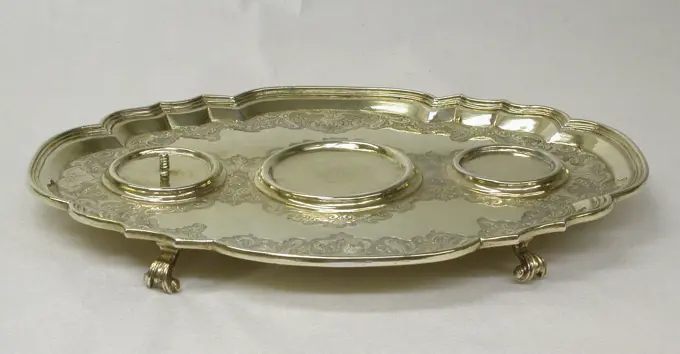
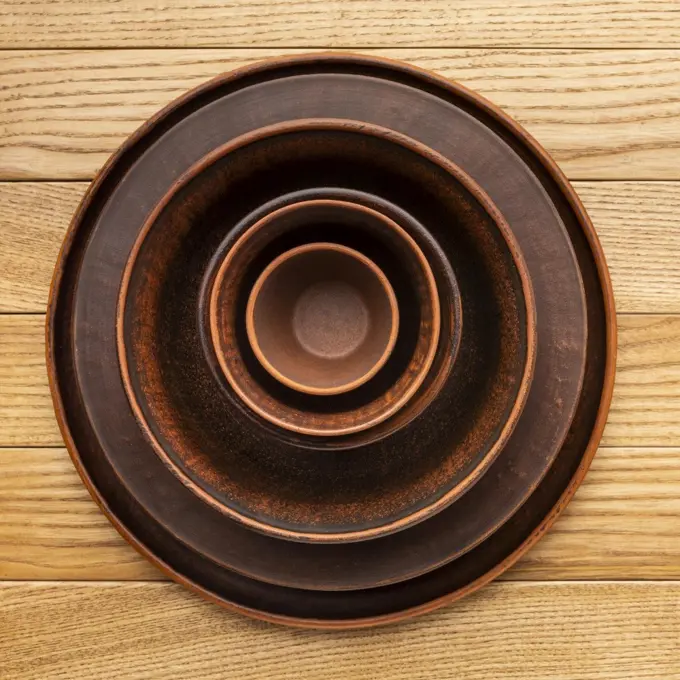
A selection of decorative dishware featuring various styles, materials, and eras, including porcelain and silver dishes with intricate designs.

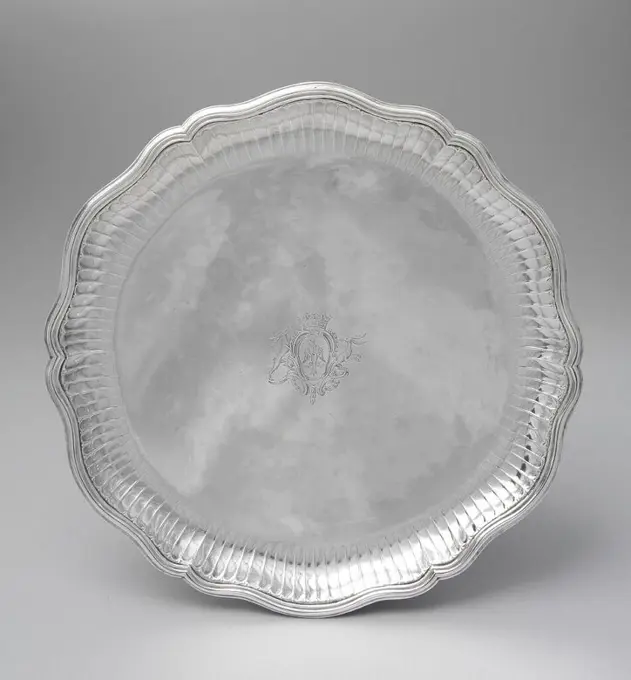
Hollow dish in Marli, set of stungs and lotus. Three feet made up of curves and counter-croubes. Paris, Cernuschi Museum, Asia Museum of Asia in the city of Paris. Basin, bronze
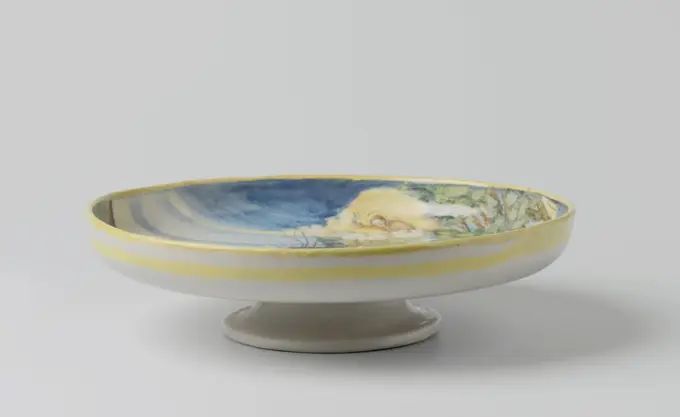
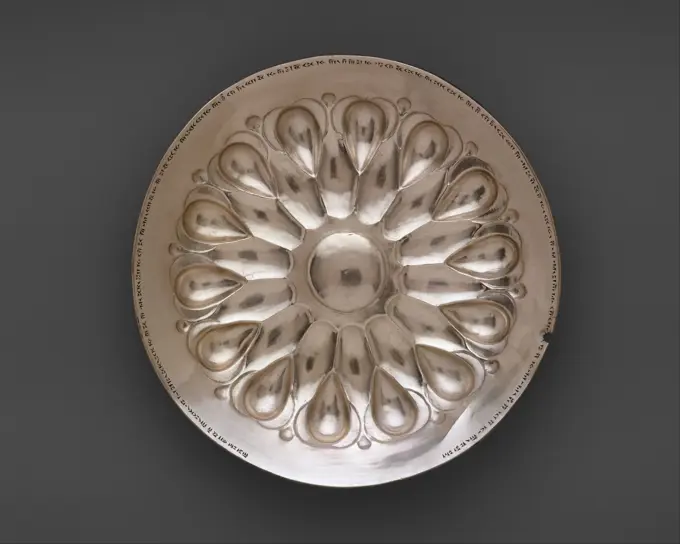
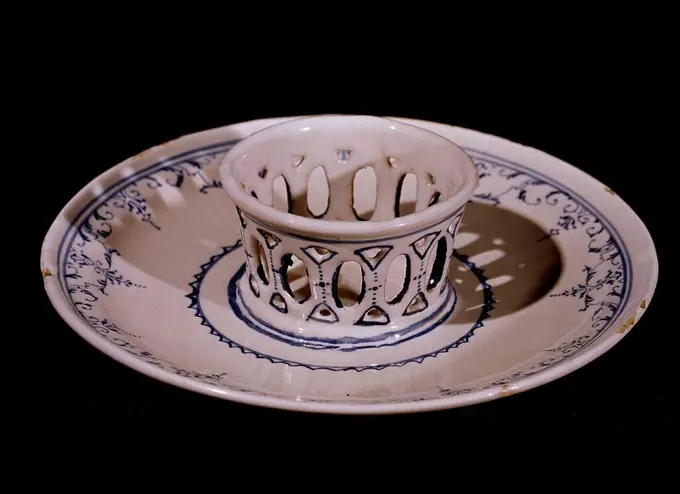
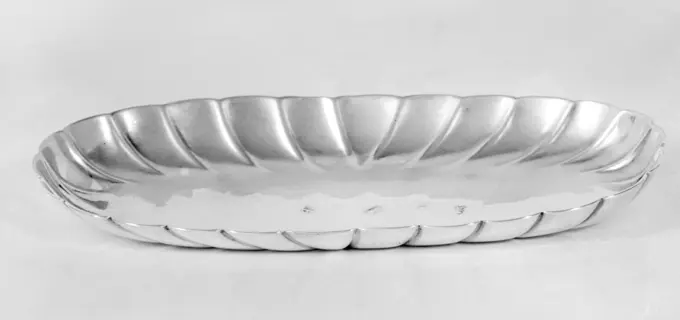
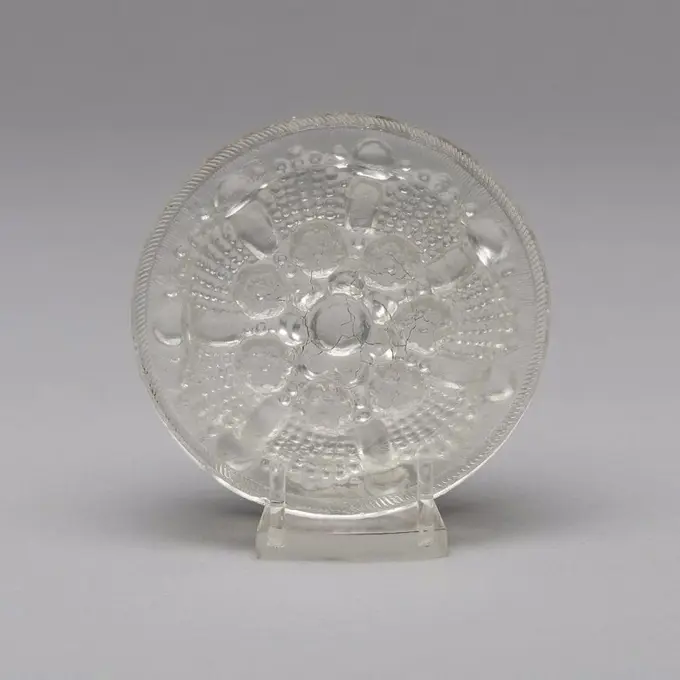
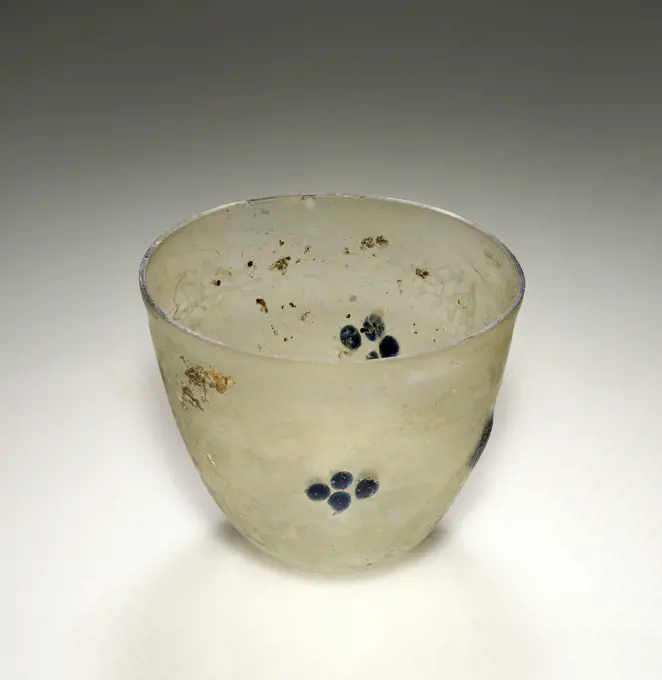
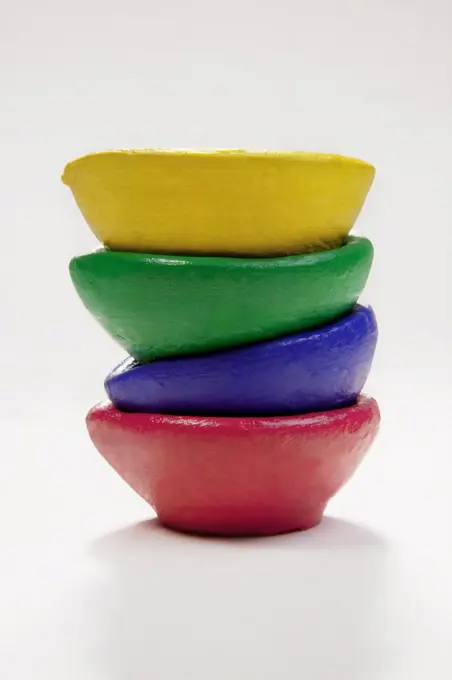
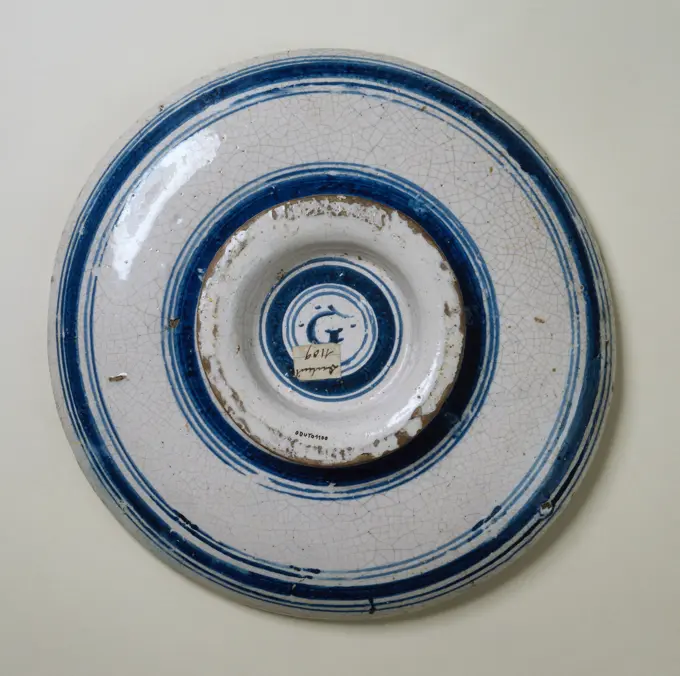
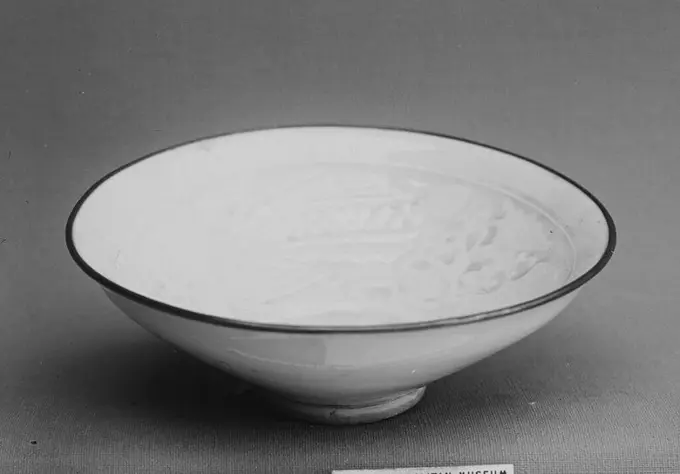
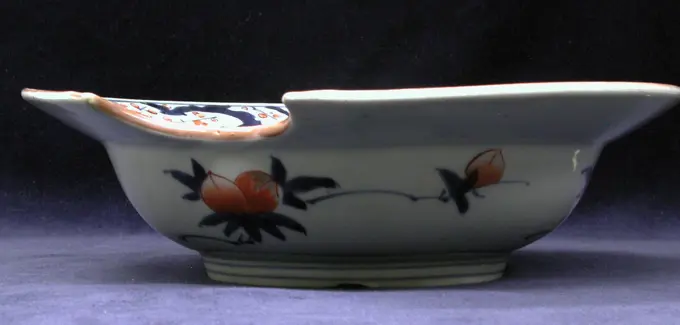
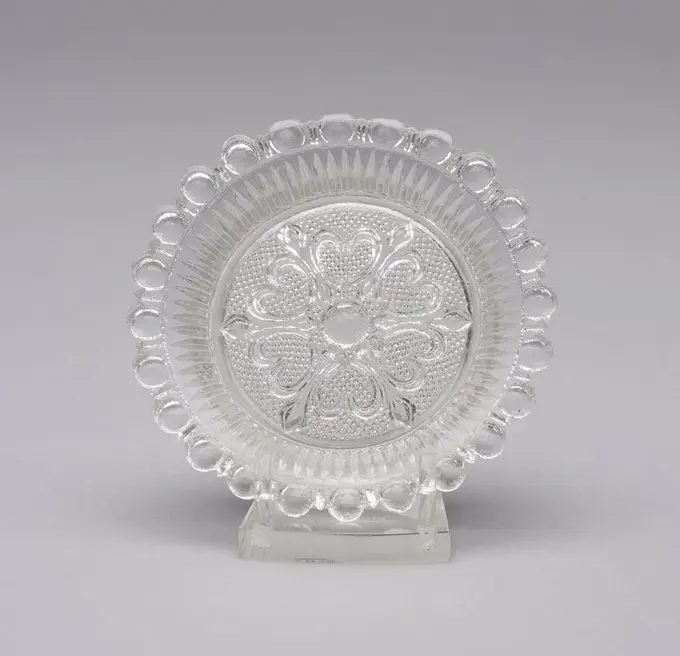
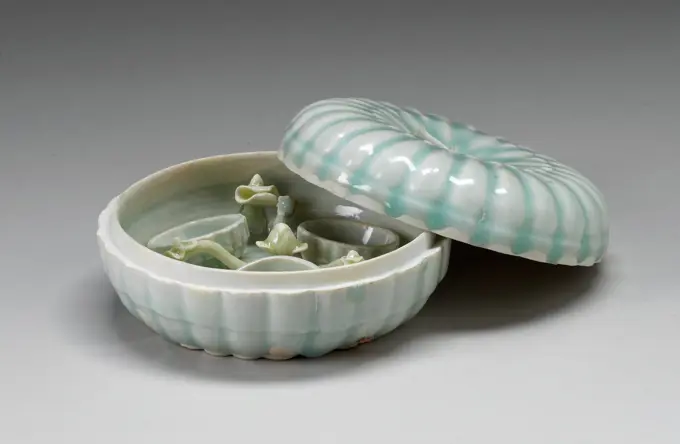
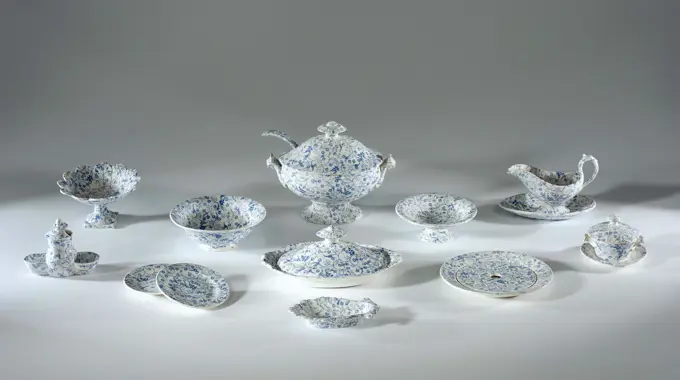
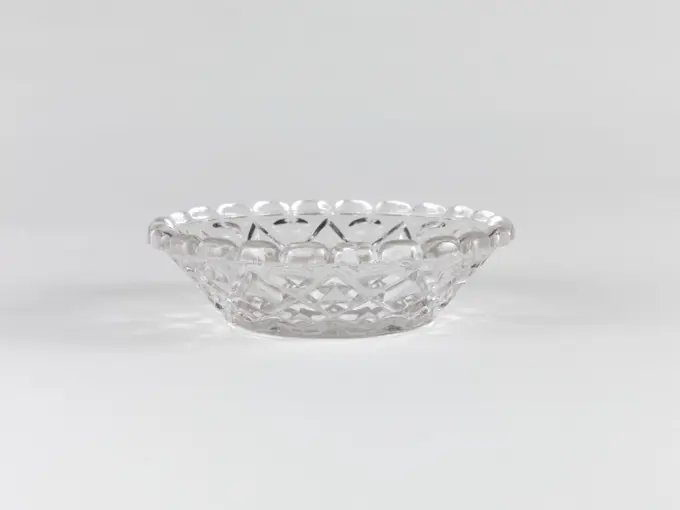
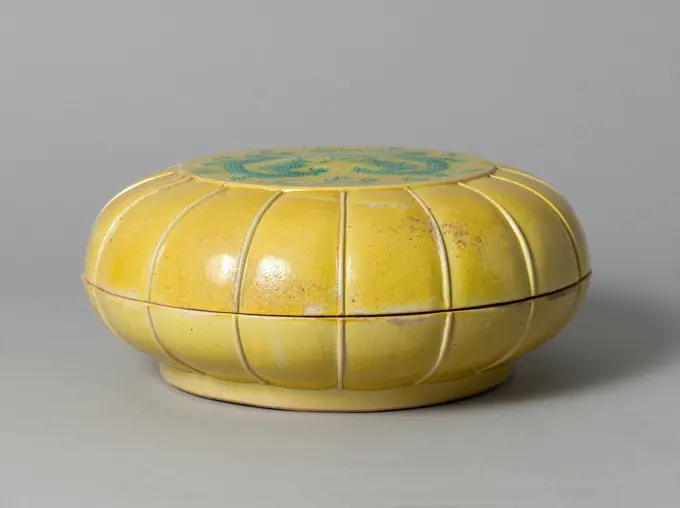
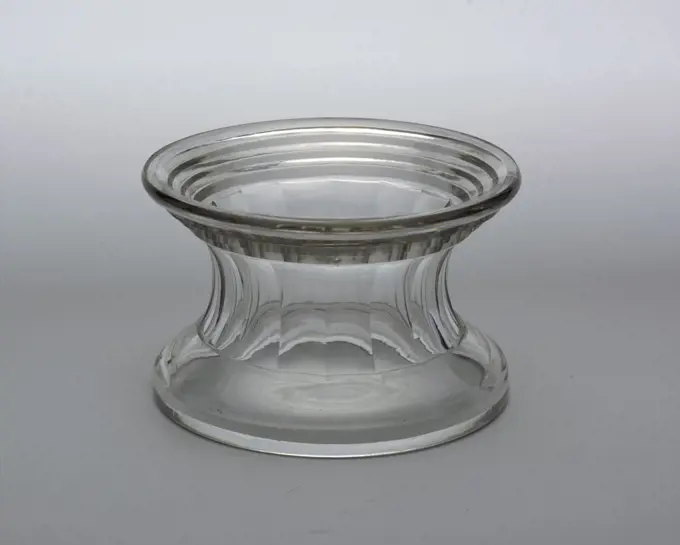
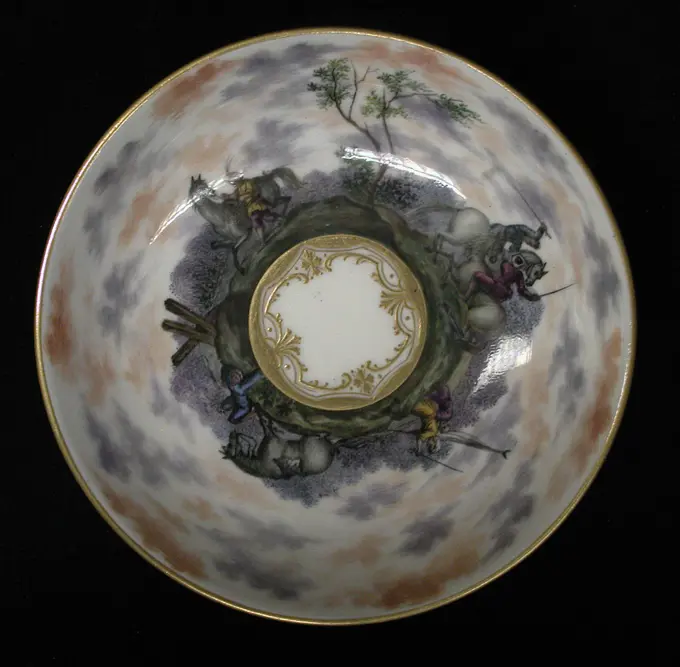
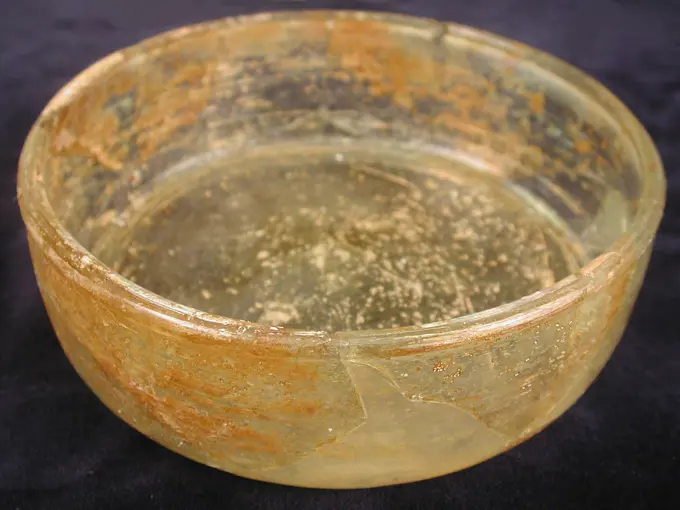
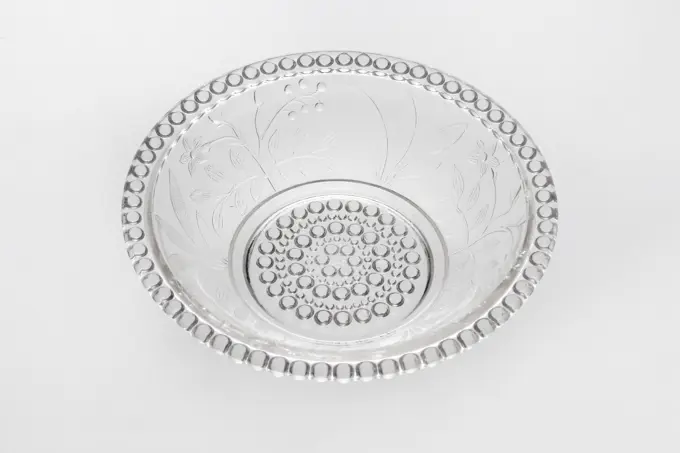
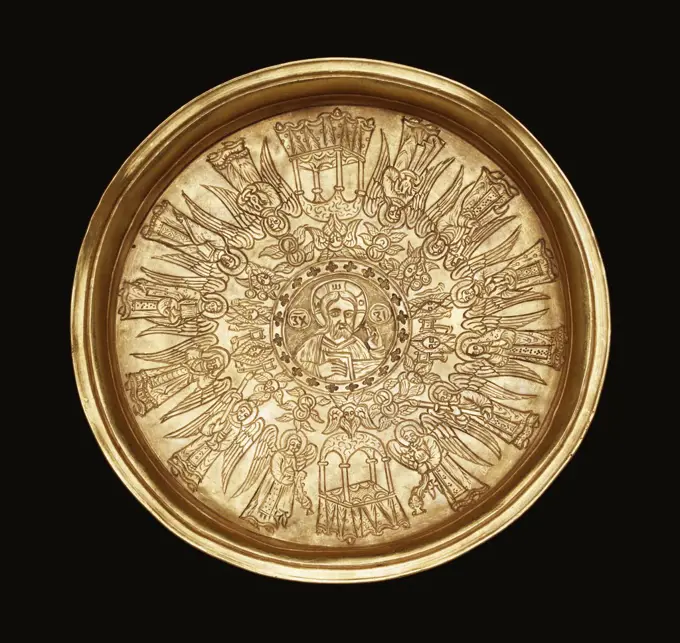
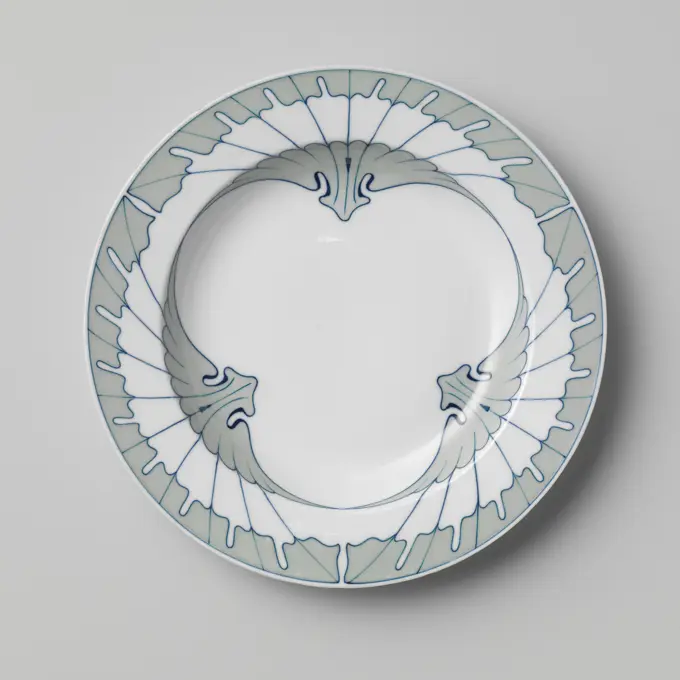
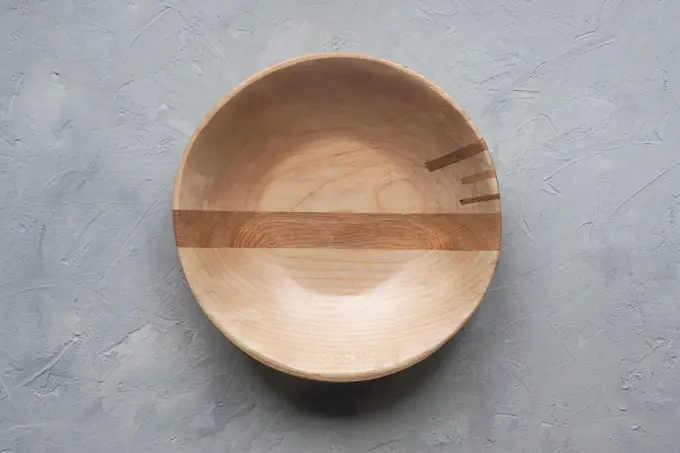
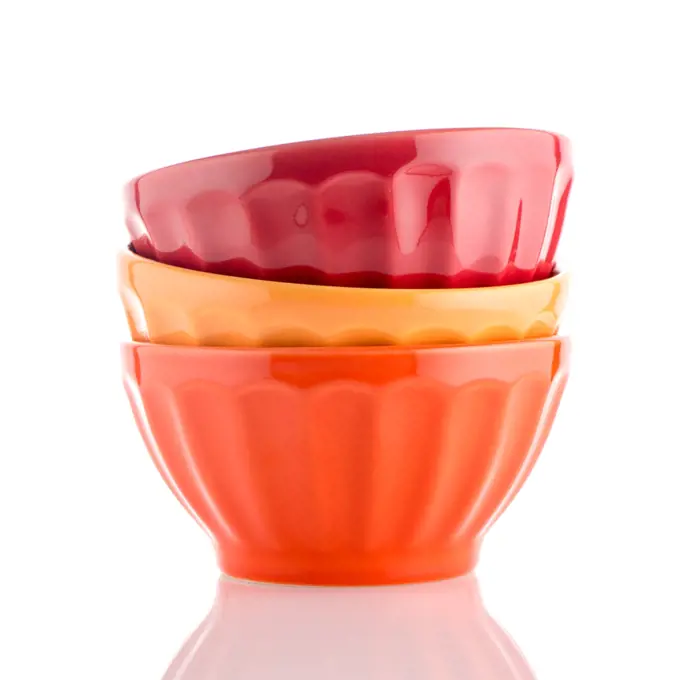
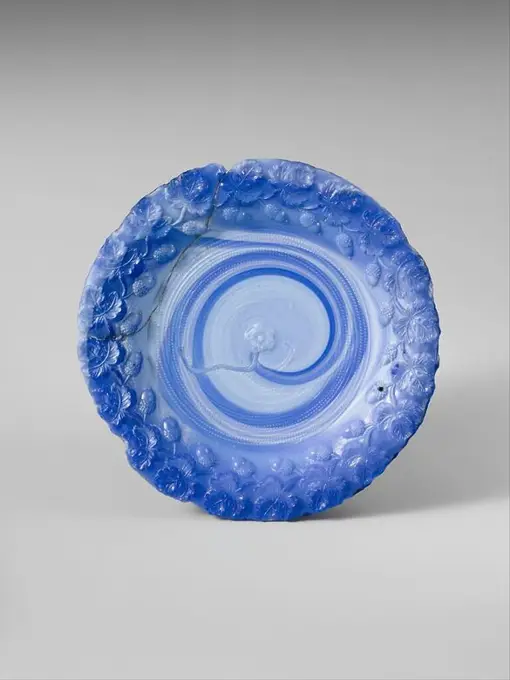
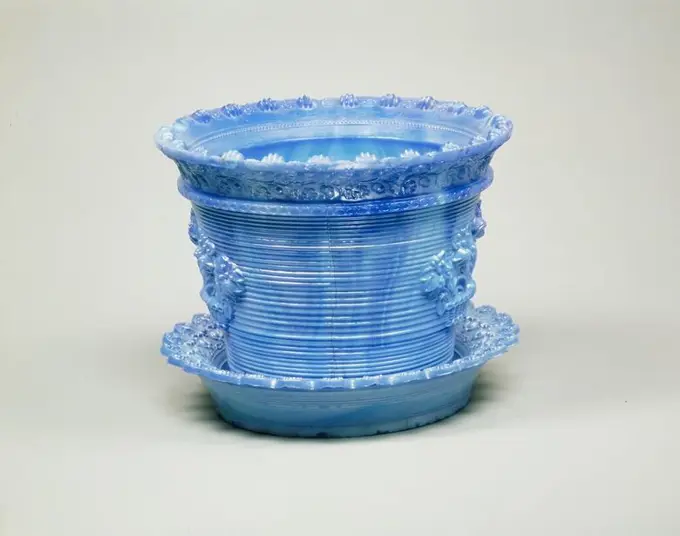
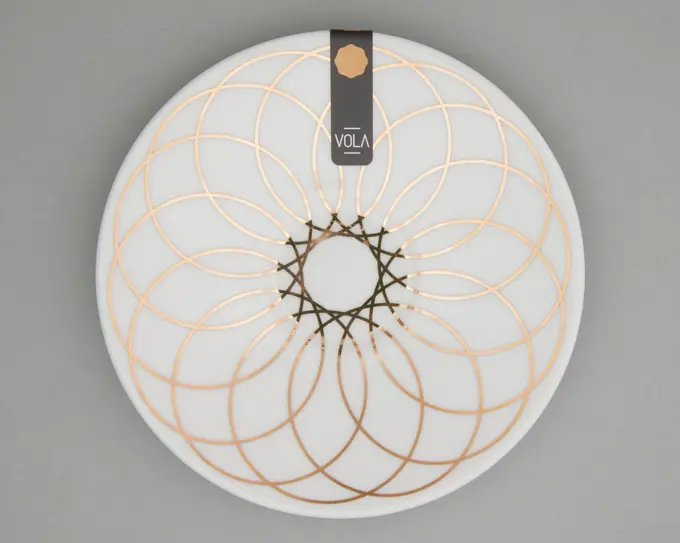
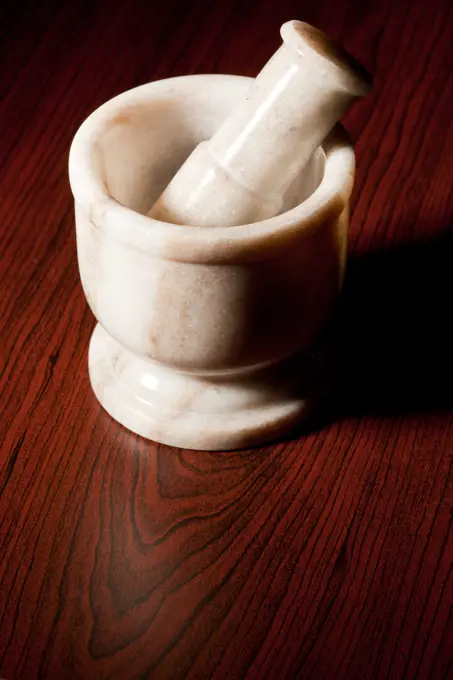
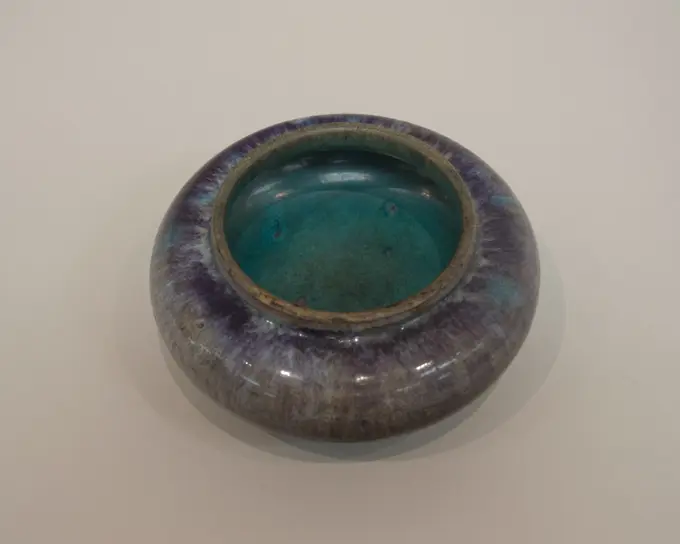
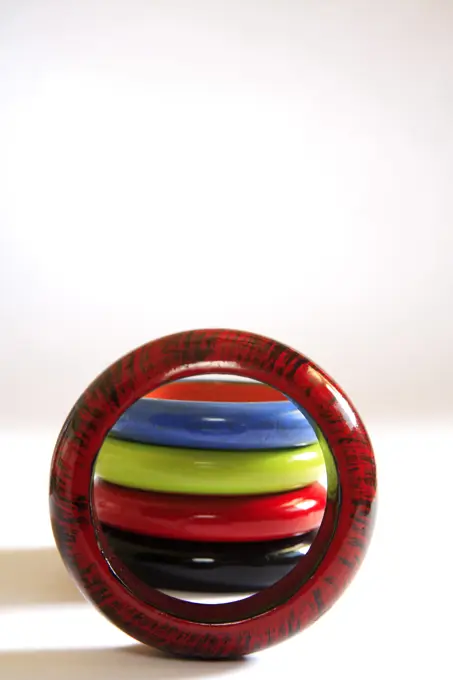
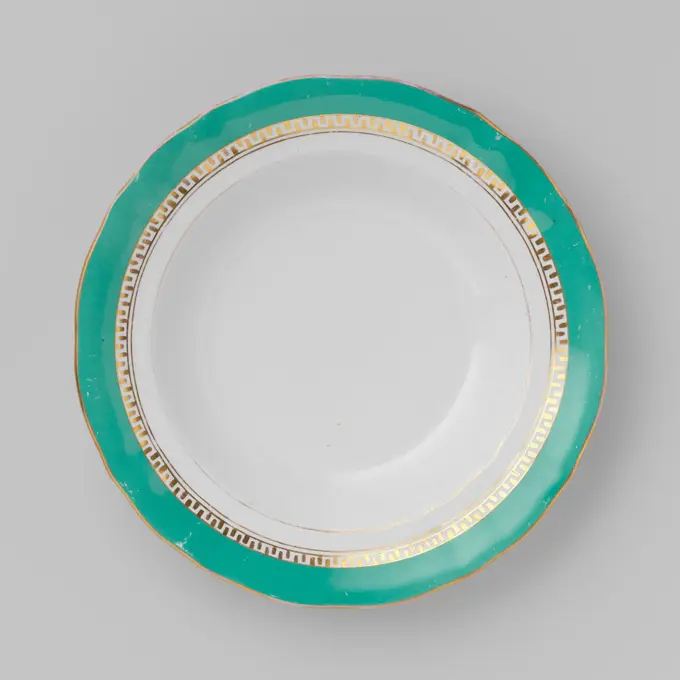
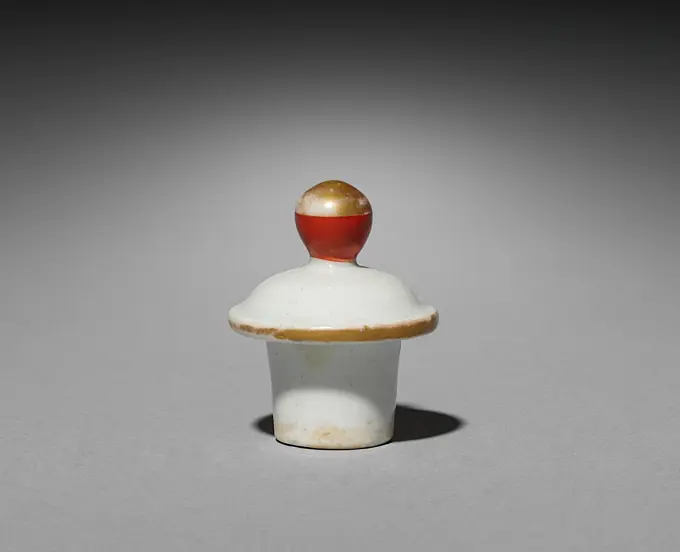
Dish. Culture: French, Draguignan (Aix Mint). Dimensions: Overall: 3/4 × 11 1/8 in., 0.6 kg (1.9 × 28.3 cm, 1.3 lb.). Maker: Antoine Bertrand (master 1759). Date: 1759. Museum: Metropolitan Museum of Art, New York, USA.Tobbe of Standring, made of stuffing with two and three hoops, anonymous, c. 1700 - c. 1799 Stand ring or bottomless Tobbe or drip tray, made from loose stuff of a tropical hardwood species (bolletrie) Werded by two and three hoops of rattan. Amsterdam (possibly) .. rattan Stand ring or bottomless Tobbe or drip tray, made from loose stuff of a tropical hardwood species (bolletrie) Werded by two and three hoops of rattan. Amsterdam (possibly) .. rattanempty plate on white  background, top viewSoup plate - L. Bernardaud & Company L. Bernardaud & CompanyDish with the conversion of Paulus, Anonymous, c. 1550 Round dish of multicolored painted majolica, on a foot. Paul's conversion is painted on the dish. In a mountain landscape there is a falling back in armor in armor. Behind the man are two prancing horses, a rider on horseback and three men. In the sky is a cloud on which God painted. A city is painted in the background and two men seen on the back. Urbino earthenware. tin glaze. lead glaze majolica Round dish of multicolored painted majolica, on a foot. Paul's conversion is painted on the dish. In a mountain landscape there is a falling back in armor in armor. Behind the man are two prancing horses, a rider on horseback and three men. In the sky is a cloud on which God painted. A city is painted in the background and two men seen on the back. Urbino earthenware. tin glaze. lead glaze majolicaDinner plate - St. Johns Stone Chinaware Company (founded 1873) St. Johns Stone Chinaware Company (founded 1873)Brush Washer. China. Date: 1662-1722. Dimensions: H. 3.4 cm (1 1/2 in.); diam. 11.7 cm (4 5/8 in.). Porcelain with coppper red (peachbloom) glaze. Origin: China. Museum: The Chicago Art Institute, Chicago, USA.Lobed bowl with a royal inscription ca. 465-424 B.C. Achaemenid This silver drinking vessel is conventionally called a phiale (plural phialai), an ancient Greek term for any wide, shallow bowl. It has a carinated, or ridged, shoulder and a turned-out rim. In the center of the bowl is a raised boss, usually referred to by the Greek term omphalos, surrounded by fourteen tongue-shaped depressions. Between the depressions are deep, rounded lobes, or gadroons, and between these gadroons are smaller rounded lobes. A cuneiform inscription in Old Persian that runs around the interior of the rim reads "Artaxerxes, the great king, king of kings, king of lands, son of Xerxes the king, Xerxes son of Darius the king, the Achaemenid: in his house this silver bowl was made." The vessel was made by raising and sinking a single sheet of metal, and then adding chased details, a method that was employed for most Achaemenid metalware.This bowl is part of a set of four, nearly identical vessels that all feCERAMICA POPULAR DE ALCORA S XVIII-MANCERINA ESTILO BERAIN.Simple oval cardboard box with shadow. Resolution and high quality beautiful photoCoffee mug on paws from filigraanglas. Cup of filigraanglas 'a reticello'. At the bottom rounded and to the top a little finish body. On three colorless legs in the form of bramnops.High angle view of empty brown wooden bowl. High angle view of empty brown wooden bowl isolated on white background with clipping path. Copyright: xZoonar.com/VeeravongxxKomalamenax 21140562Spoon tray 1716-17 John Goode Spoon trays were used only within the British Isles as an accompaniment to the service of tea.. Spoon tray 197704Bowl 9th-10th century. Bowl 449556Dish, Belleek Pottery, Irish, established 1857, porcelain, vitreous enamel, gold, Ireland, 19th century, ceramics, Decorative Arts, dish, dishplate at wooden shelf on white backgroundCup plate. American; Midwest. Date: 1826-1830. Dimensions: diam. 8.7 cm (3 7/16 in.). Pressed glass. Origin: Midwest. Museum: The Chicago Art Institute, Chicago, USA.Small Bowltable setting and eating concept - close up of blue ceramic plate, fork and knife served for dinner. close up of plate, fork and knife on tableBowl falling on Black BackgroundPlatePaul de Lamerie, Dish, 1738/39, silver.Conical Lamp; Eastern Mediterranean; 4th - 5th century; Glass; 7 x 10 cm (2 3,4 x 3 15,16 in.)Colourful diyasCup: Silène's walking, Italian majolica of Urbino, around 1530 (reverse). Museum of Fine Arts of the City of Paris, Petit Palais. 27011-10 Ceramic, cut, faience, Italy, Italian majolica, urbinoSacrificial Bowl. Artist: Eiraku Hozen (1795-1854). Culture: Japan. Dimensions: H. 1 3/8 in. (3.5 cm); Diam. of rim 3 7/8 in. (9.8 cm); Diam. of base 1 1/4 in. (3.2 cm). Date: 1830. Museum: Metropolitan Museum of Art, New York, USA.Barber's basin 1740-70 Japanese, for European market The gift of the Hans Syz Collection in 1995 endowed the Museum with nearly three hundred examples of European and Asian ceramics meticulously acquired by Swiss-born collector Dr. Syz (1894-1991) to chart the migration of models and patterns from East to West. Documenting a continuous process of influence and adaptation, these pieces provide a discriminating review of the nuances of stylistic change resulting from three centuries of trade.. Barber's basin 208278Luncheon plate - St. Johns Stone Chinaware Company (founded 1873) St. Johns Stone Chinaware Company (founded 1873)Porringer.   Maker: Bartholomew Schaats, American, 1670-1758Ice glass cup, anonymous, c. 1550 - c. 1650 Small cup of ice glass, with inserted soil. Ribbed stand ring of clear glass. Cylindrical body. Low Countries glass glassblowing Small cup of ice glass, with inserted soil. Ribbed stand ring of clear glass. Cylindrical body. Low Countries glass glassblowingDish with golden decoration. Dish of porcelain with mat and glossy golden trim.Cup plate. American; Midwest. Date: 1830-1840. Dimensions: diam. 8.1 cm (3 3/16 in.). Pressed glass. Origin: Midwest. Museum: The Chicago Art Institute, Chicago, USA.Anonymous. Plate. Earthenware. Paris, Carnavalet museum. 72088-2 Decoration, Faience, Revalleaireaire, French Revolution, PlateSpittoon -Ritual Wash Basin 1501-1600 Japan. Large lacquered footed basins such as this were used in aristocratic households or temples to hold water for personal cleansing during a monthly Buddhist ceremony. Here the interior and exterior walls of the vessel are covered with black lacquer, except for a decorative band of unpainted zelkova wood that encircles the outer body. This type of wood was prized for its distinctive flame-patterned grain.. Black lacquer and zelkova wood (keyaki) .Melon Form Cosmetic Box, 12th-13th century, Tuan Family Workshop, Chinese, 2 1/2 x 5 3/8 x 5 3/8 in. (6.35 x 13.65 x 13.65 cm) (overall), Qingbai ware Porcelain with pale blue glaze, China, 12th-13th century, Shaped in the form of a flattened melon, this lidded box is set on the interior with a large central flower bud from which issue three branches each with furled leaves and buds interspersed with three small rounded containers presumably for cosmetics. Boxes such as this, as well as seal-ink and multifunctional lidded boxes, were produced in great quantity at Yingqing kilns during Southern Song and Yuan periods. The most refined of these utilitarian wares would have appealed to the educated elite and aristocratic women of China, but a great quantity were made for burial as well as exported to Korea, Japan, and Southeast Asia.Nappy - Inconnu / UnknownPlate ca. 1885 British. Plate. British. ca. 1885. Blown satin green with white opaque glass. Made in West Midlands, EnglandRound wooden bamboo bowl for kitchen isolated on whiteDraufsicht auf eine leere gefleckte braune Keramikschale mit dunklem Rand Top view of empty spotted brown ceramic bowl with dark edge isolated on white background with clipping path. Copyright: xZoonar.com/VeeravongxxKomalamenax 22475054Sauceboat set - St. Johns Stone Chinaware Company (founded 1873) St. Johns Stone Chinaware Company (founded 1873). Children's set of earthenware with blue continuous floral decor, called Parsemé No. 3. Forty-eight sharing: a soup tartrine with lid and spoon, two oval cover shells, a sauce bowl, a trois records, a butter dish, a fruit bowl on foot, two dessert scales, dish with colander, a round scale, two oval scales, two bowls, two Round bowls on foot, six deep plates, twelve plates, six dessert boards.Spittoon -Passive heatsink for electronicsWater Jar 1678-88 China. Water Jar. China. 1678-88. Porcelain with peach-bloom glaze (Jingdezhen ware). Qing dynasty (1644-1911), Kangxi mark and period (1662-1722). CeramicsHoney dish 1850-60 American With the development of new formulas and techniques, glass-pressing technology had improved markedly by the late 1840s. By this time, pressed tablewares were being produced in large matching sets and innumerable forms. During the mid-1850s, colorless glass and simple geometric patterns dominated. Catering to the demand for moderately-priced dining wares, the glass industry in the United States expanded widely, and numerous factories supplied less expensive pressed glassware to the growing market. At the Exhibition of the Industry of All Nations at New Yorks Crystal Palace in 1853, for example, the New England Glass Company exhibited 130 pieces of one design, "consisting of bowls, tumblers, champagnes, wines, and jelly glasses." This object belongs to one such service. Although the glass manufactory is not known, the glassware is very typical of the large services that were very popular with Americas middle class in the nineteenth century.. Honey dish 4389Lenticular box ". Porcelain. Wanli's Reign (1572-1620). Paris, Cernuschi museum. 157046-26 Asian art, Chinese art, lenticular gearbox, decoration, porcelain, Wanli, animalBowl and stand, glass, Spool-shaped with vertical fluting around center, prismatic rings around bottom., Ireland, ca. 1770-1800, glasswares, Decorative Arts, Bowl and standPlate.   Maker: Frederick Bassett, American, 1740-1800Saucer (part of a service) 1743-59 Capodimonte Porcelain Manufactory The gift of the Hans Syz Collection in 1995 endowed the Museum with nearly three hundred examples of European and Asian ceramics meticulously acquired by Swiss-born collector Dr. Syz (1894-1991) to chart the migration of models and patterns from East to West. Documenting a continuous process of influence and adaptation, these pieces provide a discriminating review of the nuances of stylistic change resulting from three centuries of trade.. Saucer (part of a service) 208508Bowl with Arabic Inscription. Dimensions: H. 7 in. (17.8 cm)Diam. 18 in. (45.7 cm). Date: 10th century.The calligraphic decoration on this bowl reads "Planning before work protects you from regret; prosperity and peace," but the shortening, bending, and elongation of the letters has transformed the words into abstract motifs of tremendous power. With its monumental presence and the artful arrangement of its letters, in which vertical flourishes punctuate the horizontal flow of the words at rhythmic intervals, this bowl stands out among the many other inscribed ceramics of the same period. Museum: Metropolitan Museum of Art, New York, USA.Dish late 10th century. Dish 449823abstract minimal kitchen objects bowlsNappy - Starflower pattern Burlington Glass Works Burlington Glass WorksA gold engraved paten. The centre with a roundel containing the figure of Christ bordered by a narrow band of quatrofoils, surrounded by fourteen cherubim. Probably Greek Orthodox, late 17th/early 18th century, 10.2cm across.Soup board, painted with the Flügelmuster decor. Painted porcelain plate. The plate is painted in green and blue with the flügelmuster. The sign belongs to a tableware (BK-1976-65-1 to BK-1976-65-34) and has been marked.Tray for écritoire ca. 1743-45 Abraham Drentwett IV. Tray for écritoire 231586NinePlates.   Maker: Jacob Whitmore, American, 1736-1825Covered Box with Dragons (lid), 1573-1620. China, Jiangxi province, Jingdezhen kilns, Ming dynasty (1368-1644), Wanli reign (1572-1620). Porcelain with underglaze blue decoration; overall: 8.9 x 15.2 cm (3 1/2 x 6 in.).Roller End for Hanging Scroll, c. 1893-1914. Seifū Yohei III (Japanese, 1851-1914). One of a pair of hanging scroll roller ends; porcelain with celadon glaze; overall: 3 x 3 cm (1 3/16 x 1 3/16 in.).Plate (USA); Designed by Fanny Levine; Made by Saturday Evening Girls Club; glazed earthenwareflat lay wooden tableware collection 2Slop bowl (part of a service) ca. 1770 Worcester factory. Slop bowl (part of a service) 206116Papboat.   Maker: Benjamin Halsted, American, 1734-1817Leere Holzschale auf grauem Hintergrund. Ansicht von oben. Empty wooden bowl on a gray background. Top view. Copyright: xZoonar.com/StanislavxSablinx 22752333Plate with green edge and golden Greek band, Petrus Regout, c. 1865 Plate of earthenware, scalloped, with green edge and golden Greek band. Maastricht earthenware Plate of earthenware, scalloped, with green edge and golden Greek band. Maastricht earthenwareBowl 12th-15th century Chimú. Bowl 310642Sake cupThree colored bowls on white reflective backgroundbowl isolated on white background. bowlCup Plate. Culture: American. Dimensions: Diam. 3 5/8 in. (9.2 cm). Maker: Probably Boston & Sandwich Glass Company (American, 1825-1888, Sandwich, Massachusetts). Date: 19th century. Museum: Metropolitan Museum of Art, New York, USA.Flowerpot and stand. Culture: American. Dimensions: H. 3 11/16 in. (9.4 cm). Manufacturer: Probably Boston & Sandwich Glass Company (American, 1825-1888, Sandwich, Massachusetts). Date: 1830-35.The side of this rare opaque glass flowerpot is impressed with an image of a basket of flowers. Museum: Metropolitan Museum of Art, New York, USA.Lid container;  1940s (1840-00-00-1849-00-00);Realistic soap with water drops. 3D body care cleanser. Isolated brown cosmetic detergent. Top view of hands washing solid product. Antibacterial toiletry template. Vector hygienic skin cleaner bar. Realistic soap with water drops. 3D body care cleanser. Isolated cosmetic detergent. Top view of hands washing solid product. Antibacterial toiletry template. Vector hygienic skin cleanerSalt.   Maker: Challinor, Taylor and Company, American, 1866-1891Teabowl ca. 1710 Sonyu Japanese. Teabowl 63177Wafer on whiteClose-up of a decorative pottery bowl in unique patternSaucer from the First/Gold Młoczkowski, Marcin, Karibia Sp. z o.o.Modern black podium on white background. 3D renderingDinner service (julita)  deep plate Ruszczyński, Edmund (1920 Ca 1995), Wałbrzych, WawelModern black podium on white background. 3D renderingShowcase with objects of ceramics; Halls of crafts July 1962..Abbe Ch. Michel de l'Epee. One-sided medallion in brass ring rear glass to wear eye and carrying ring. Front: breastpiece man to the left inscription. Reverse: Label with inscription.District basket; Horodnica (faience and porcelain factory; 1807-2012); 1845 (1845-00-00-1845-00-00);Covered Wei Chi Box, one of a pair, 17th century, 3 1/4 x 4 7/8 in. (8.26 x 12.38 cm), Huang hua-li, China, 17th centuryMarble mortar and pestle on dark wood backgroundJar 19th century China. Jar 47657Empty round ceramic plate on a plain background, flatley with copy space Empty round ceramic plate on a plain background, flatley with copy space. Kitchen utensils in home kitchen Copyright: xZoonar.com/TetianaxChernykovax 21758024Side view of wooden plate on white background with clipping path. Closeup texture of wooden plate isolatedColourful wooden bangles on white background India Copyright: xNirmalaxMishra/DinodiaxPhotoxGardener puts Goud in bronzitdecor, J. en L. Lobmeyr, c. 1910 - C. 1911 Flat, oval soil, the body with gold and a brown source seat decor, consisting of geometric motifs and stylized leaf vines on a matte ingest surface. ViennaAdolfdesigner: Vienna glass. gilding (material). glassblowing / etching / gilding Flat, oval soil, the body with gold and a brown source seat decor, consisting of geometric motifs and stylized leaf vines on a matte ingest surface. ViennaAdolfdesigner: Vienna glass. gilding (material). glassblowing / etching / gildingEmpty wooden bowl . Empty wooden bowl on a white background.Plate ca. 1831-ca. 1835 Job & John Jackson. Plate. British (American market). ca. 1831-ca. 1835. Earthenware, transfer-printed. Made in Staffordshire, EnglandBilberries in small ornate bowl from above Bilberries in small ornate bowl on white background Copyright: xZoonar.com/DmitryxShabanovx 8938517Blackboard with green edge and golden Greek tie. Plate of pottery, scalloped, with green border and golden Greek tie.traditional central asian bowl on dark brown table top view of traditional central asian bowl on dark brown table Copyright: xZoonar.com/ValeryxVoennyyx 9787666Sake Bottle with Three Figures (lid), late 1700s. Japan, Edo period (1615-1868). Porcelain with overglaze enamel and gold decoration; diameter: 14.3 cm (5 5/8 in.); with cover: 27.2 cm (10 11/16 in.); without cover: 24.2 cm (9 1/2 in.). The bottle features three elegantly drawn figures: a beautiful woman, a young man, and a priest. The artist used a fine-haired brush to draw these figures in colored enamel onto the porcelain bottle, which had already been given a clear glaze. A final firing fused the enamel to the form. The name derives from the port of Imari from where Japanese porcelains were shipped to other cities in Japan, China, and Europe.Doll dessert plate - F. K. Martin Löchner F. K. Martin LöchnerDoll dinner plate - F. K. Martin Löchner F. K. Martin Löchner