Traditional Dishware and Plates

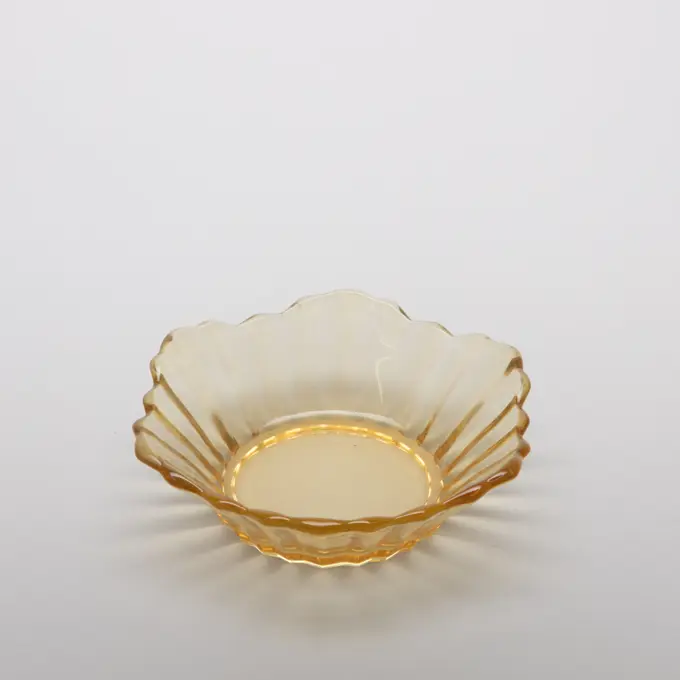
A selection of decorative dishware featuring various styles, materials, and eras, including porcelain and silver dishes with intricate designs.

Hollow dish in Marli, set of stungs and lotus. Three feet made up of curves and counter-croubes. Paris, Cernuschi Museum, Asia Museum of Asia in the city of Paris. Basin, bronze
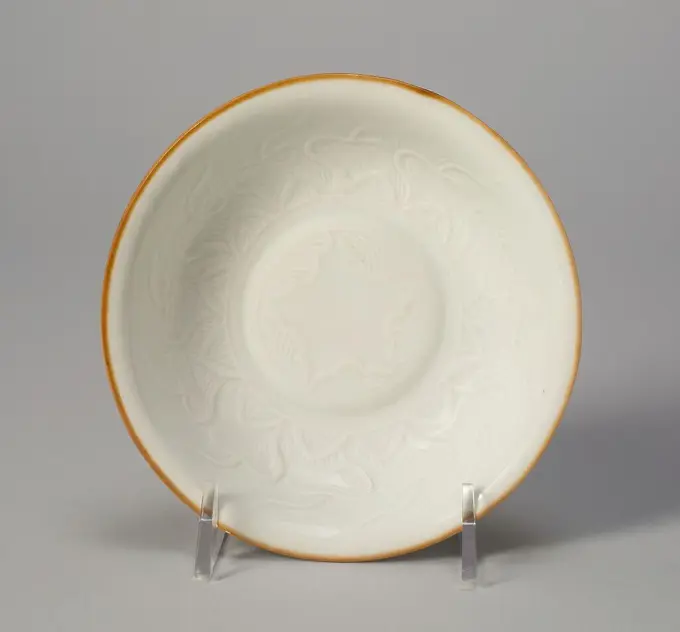
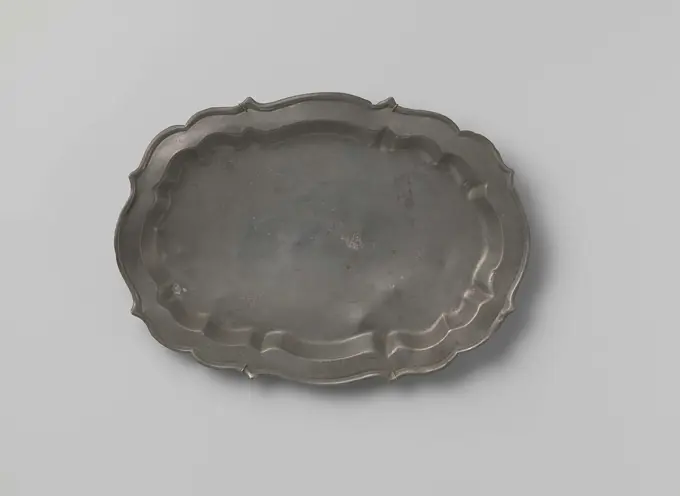
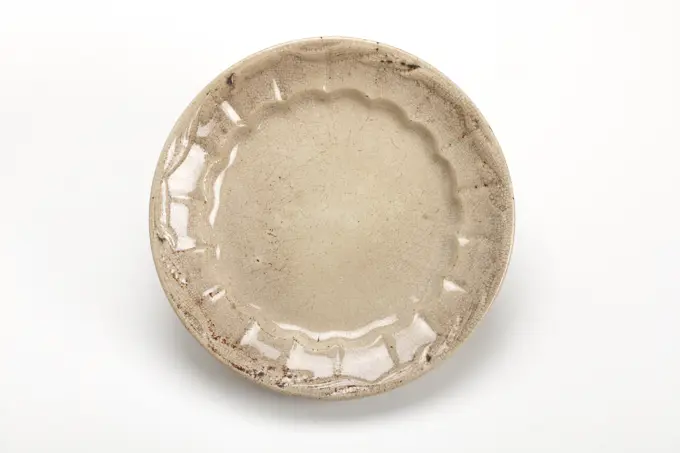
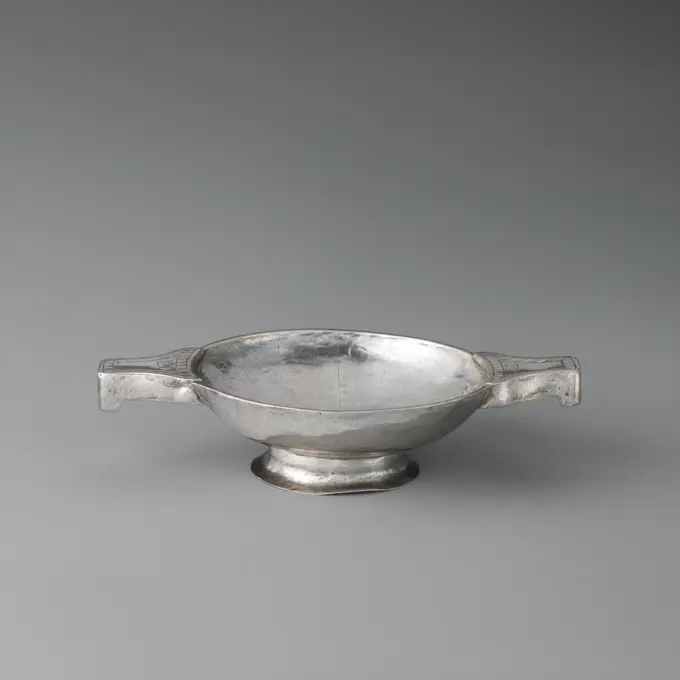
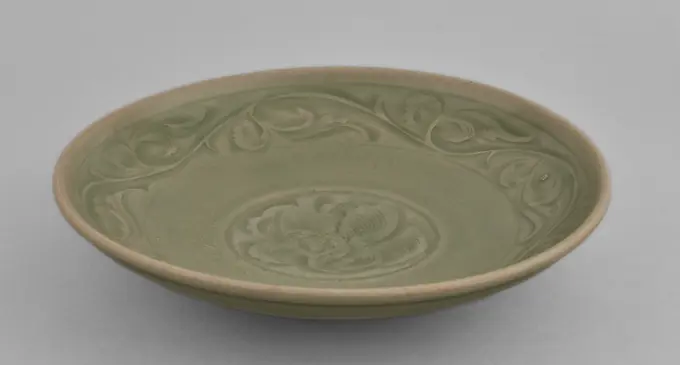
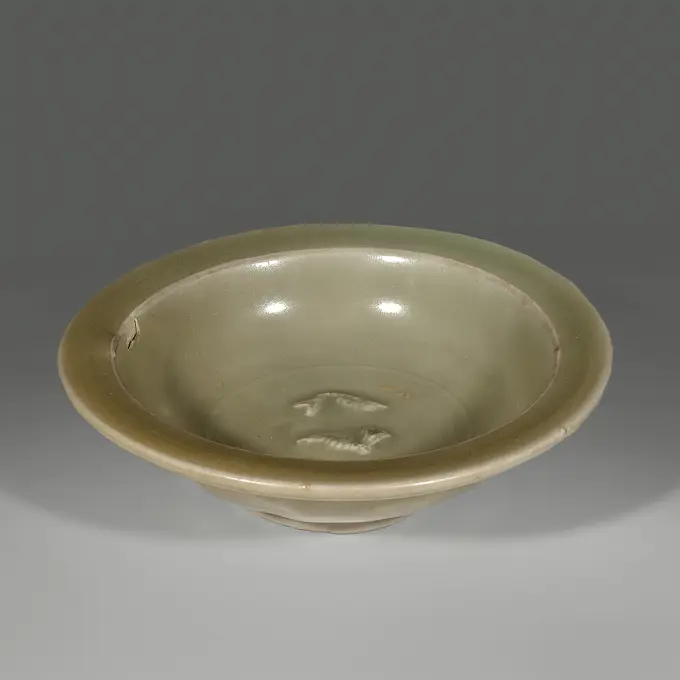
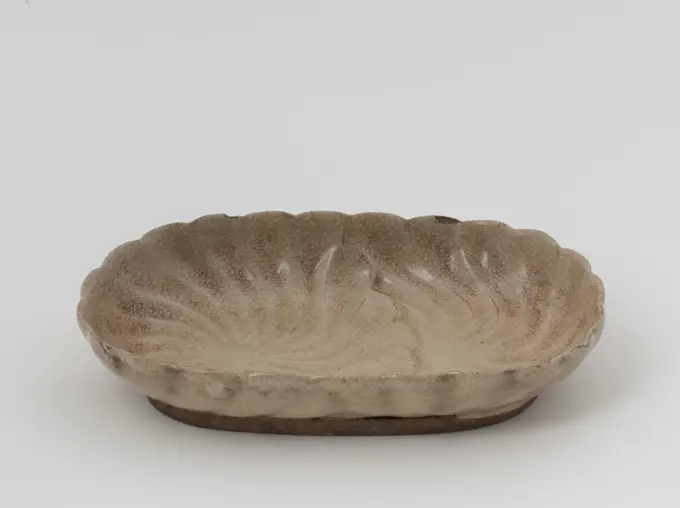
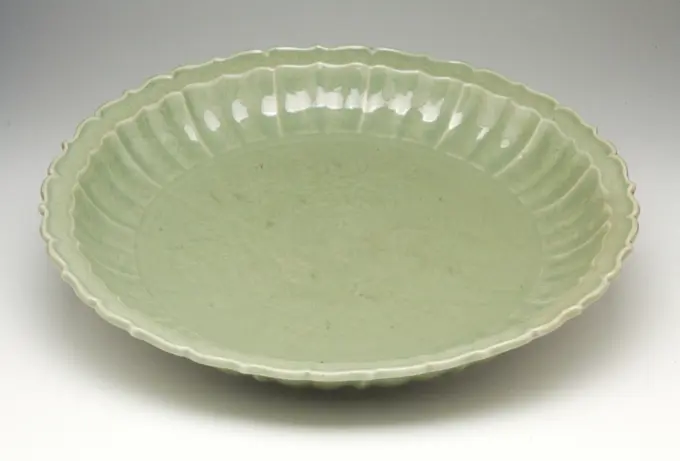
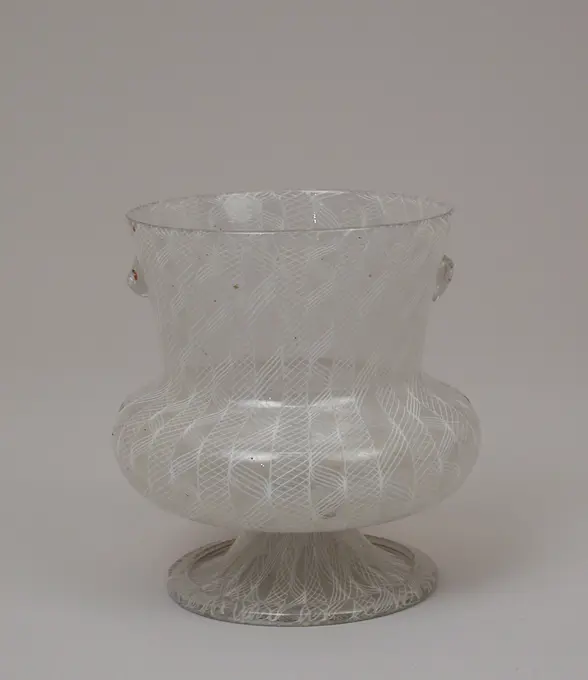
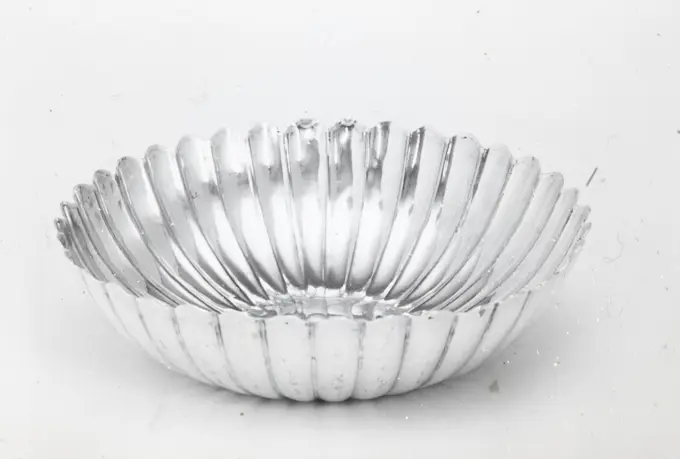
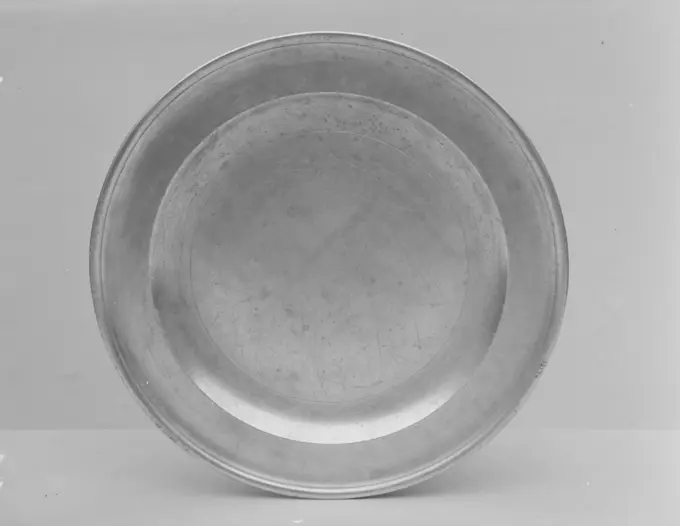
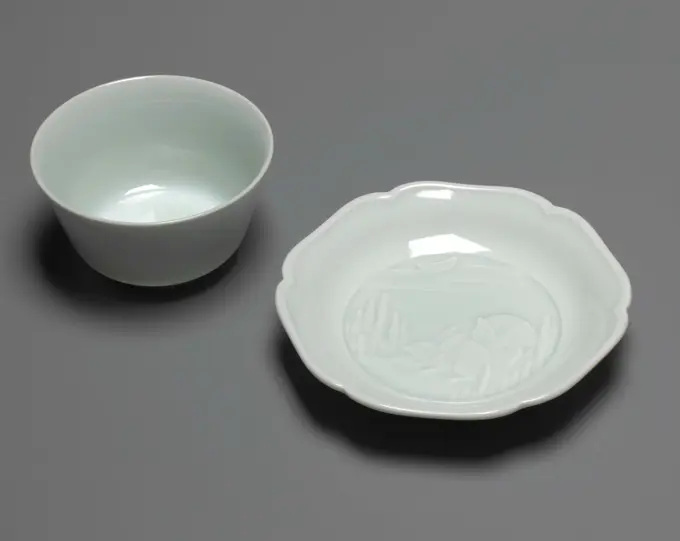
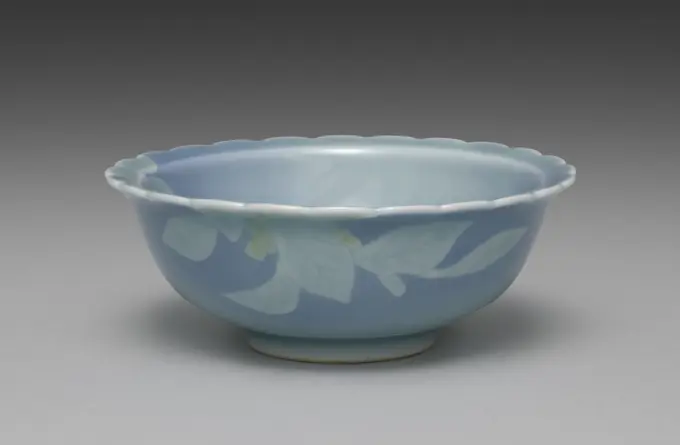
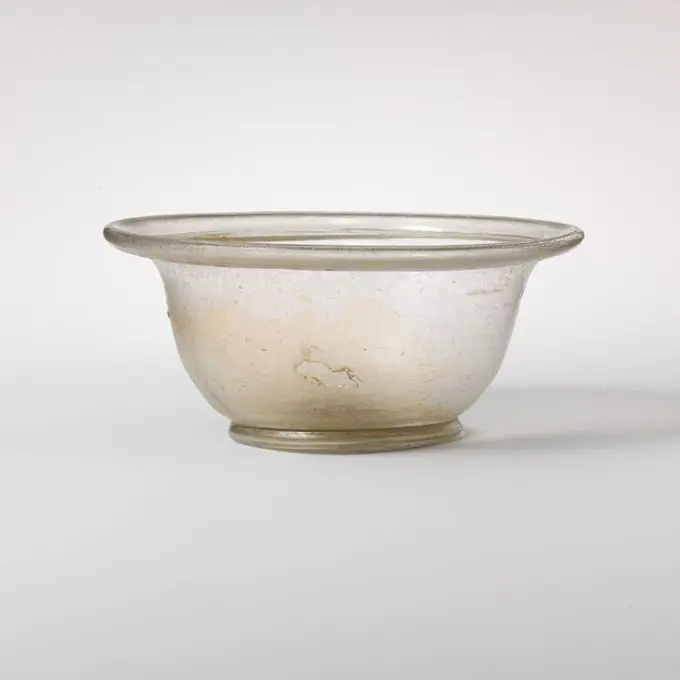
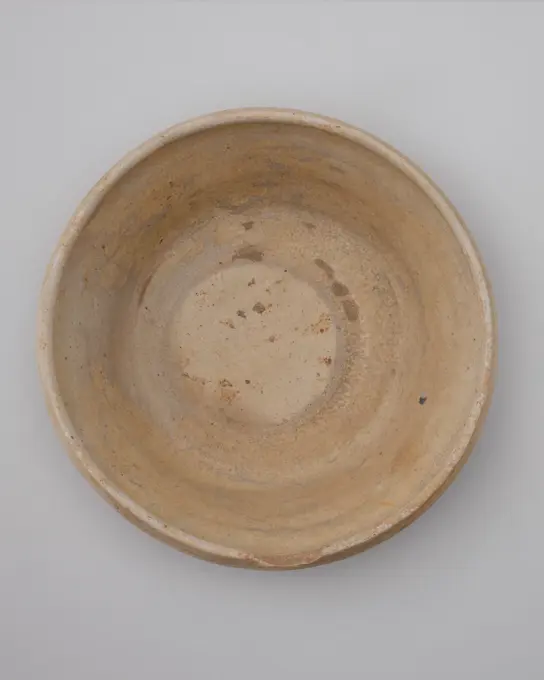
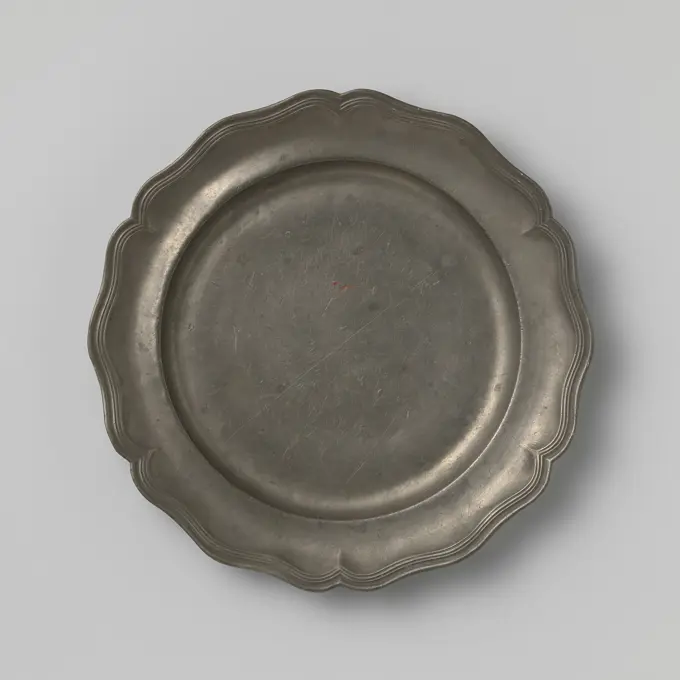
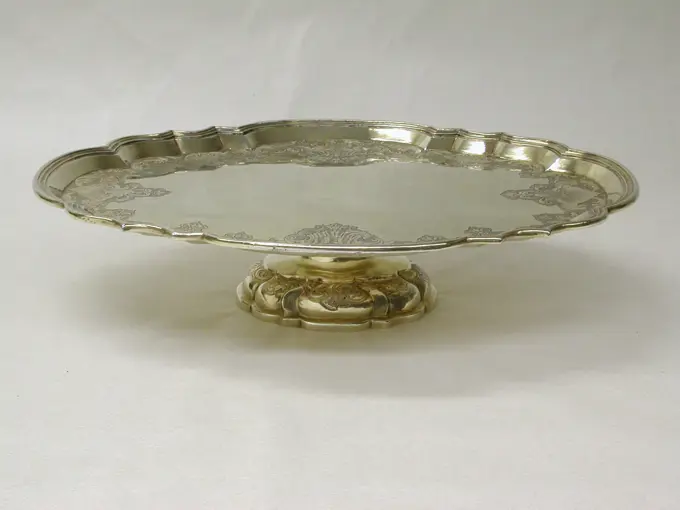
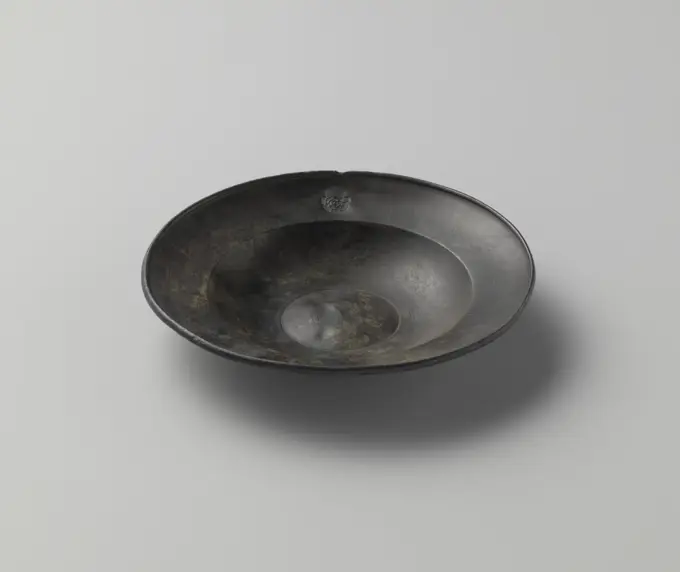
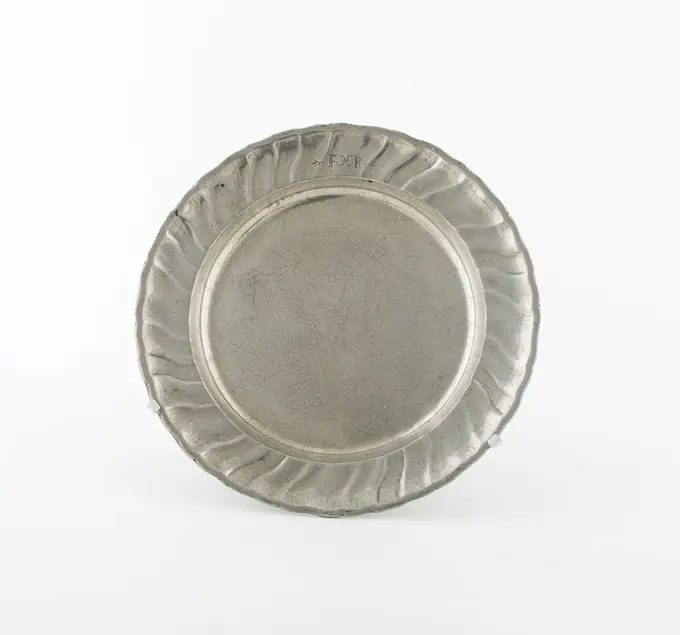
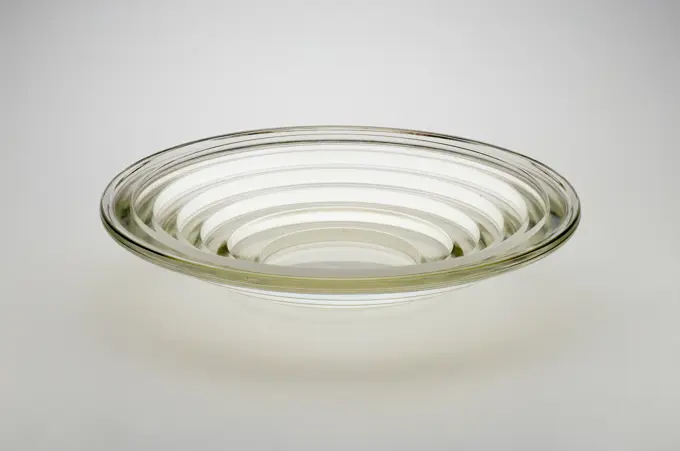
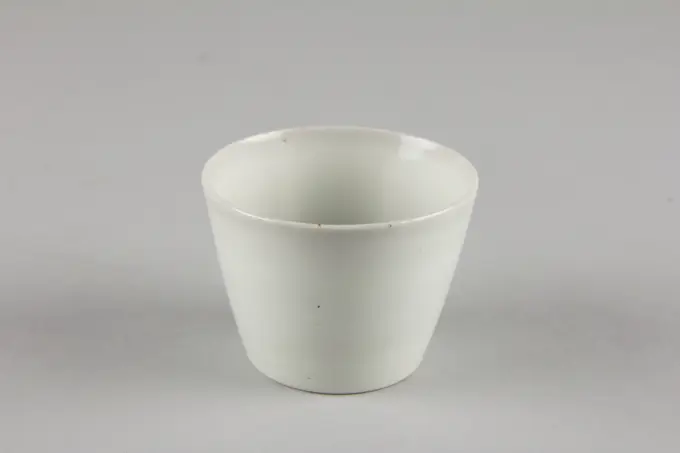
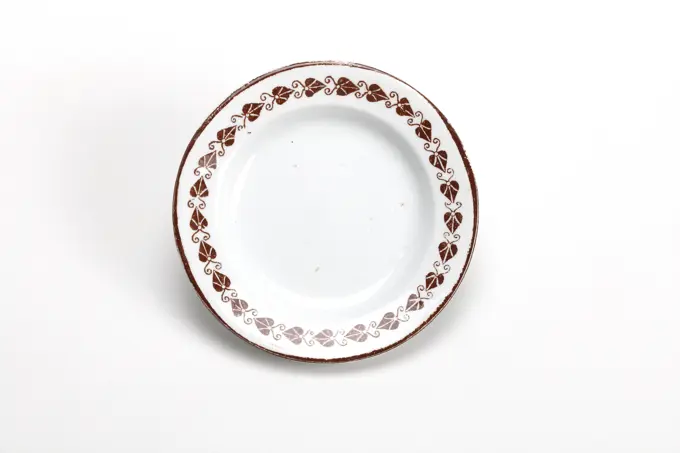
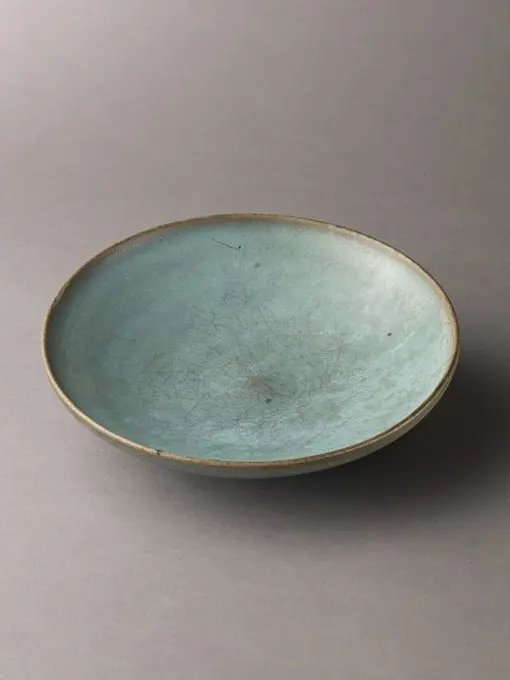
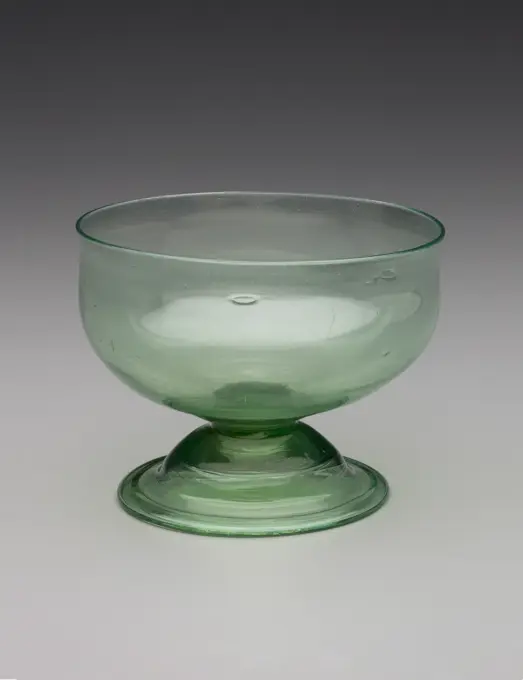
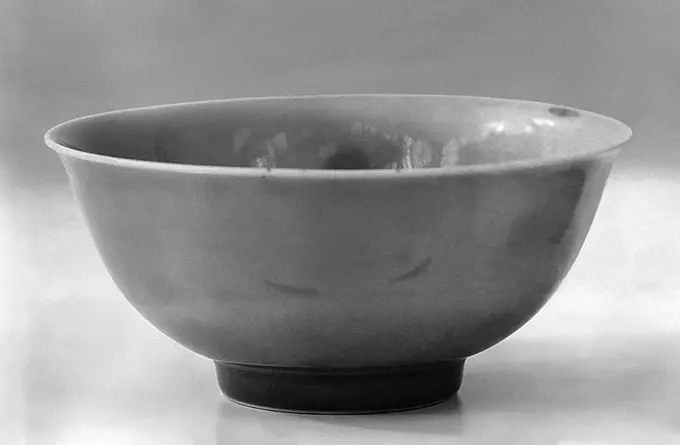
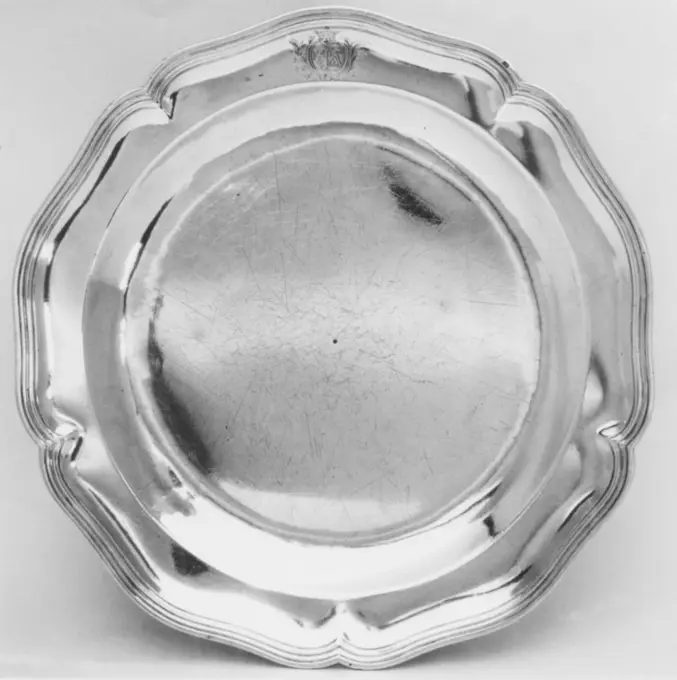
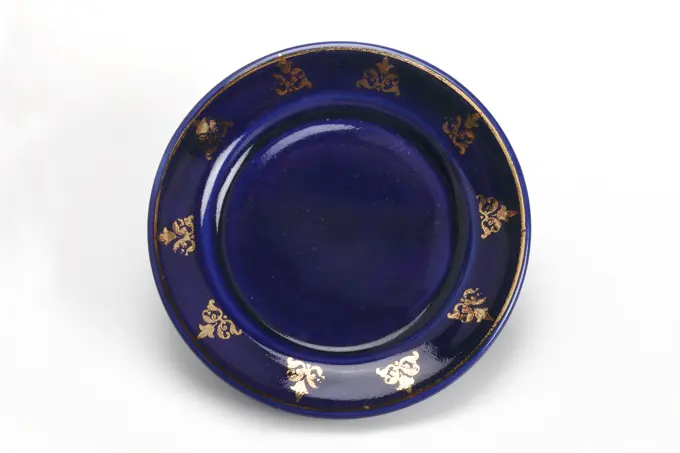
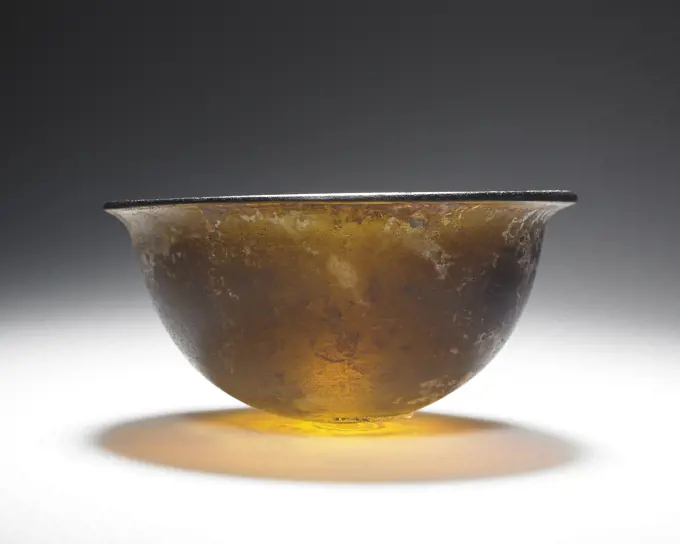
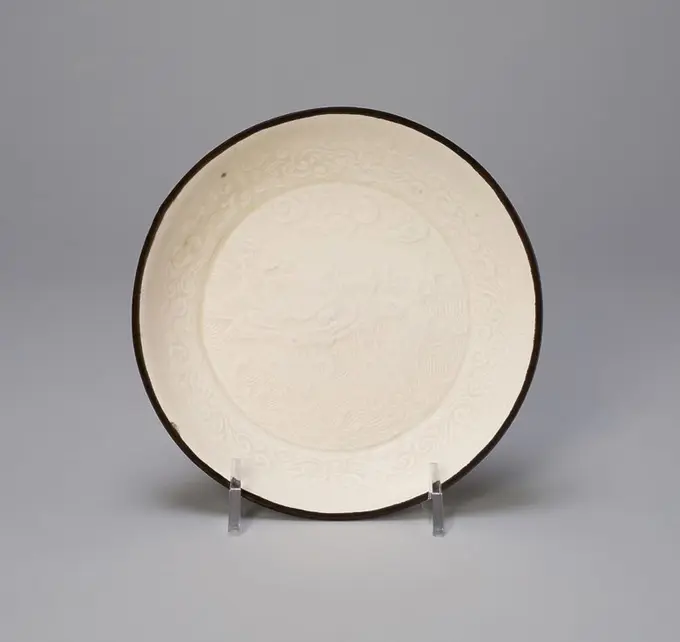
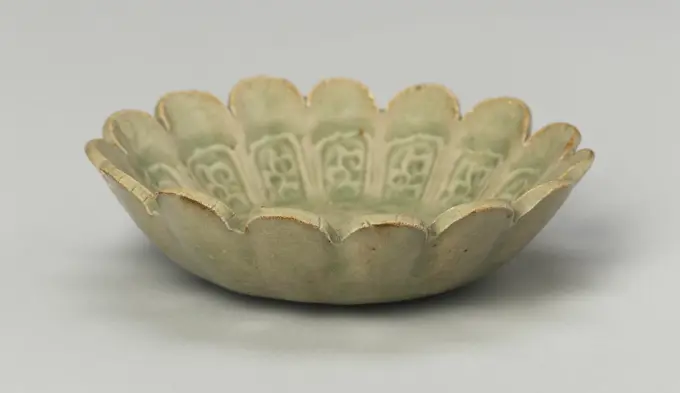
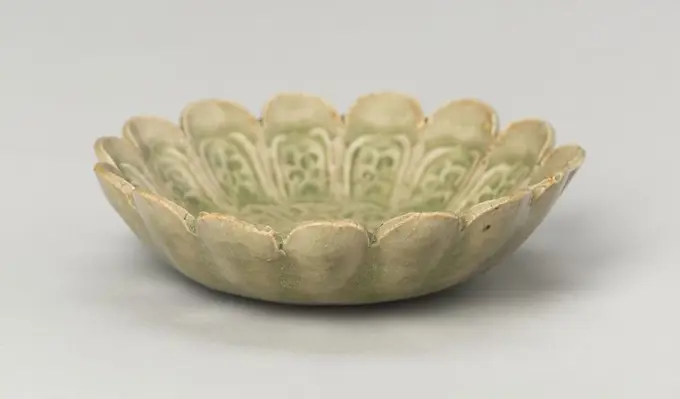
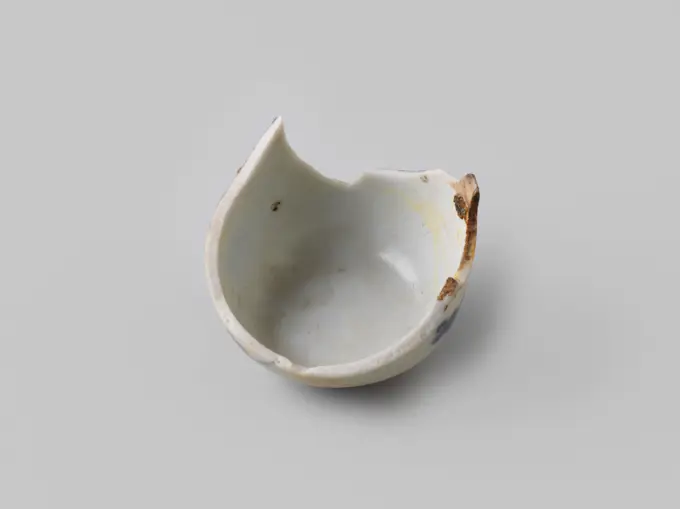
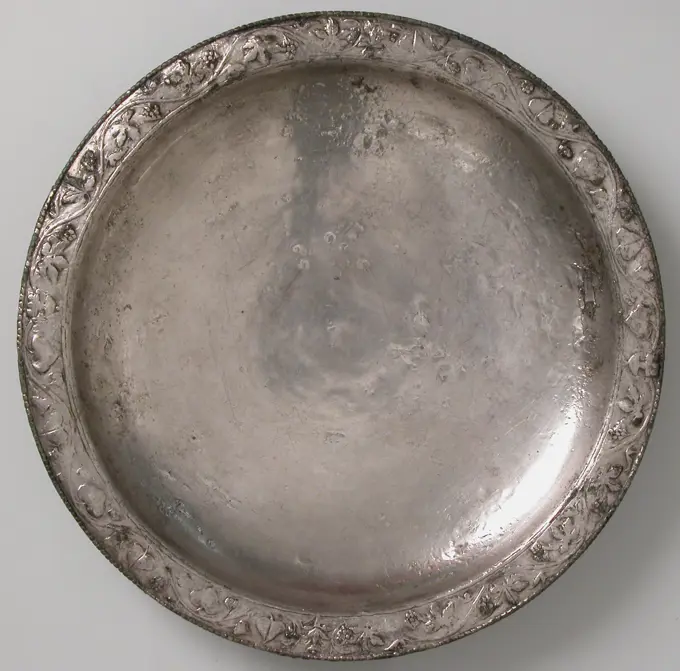
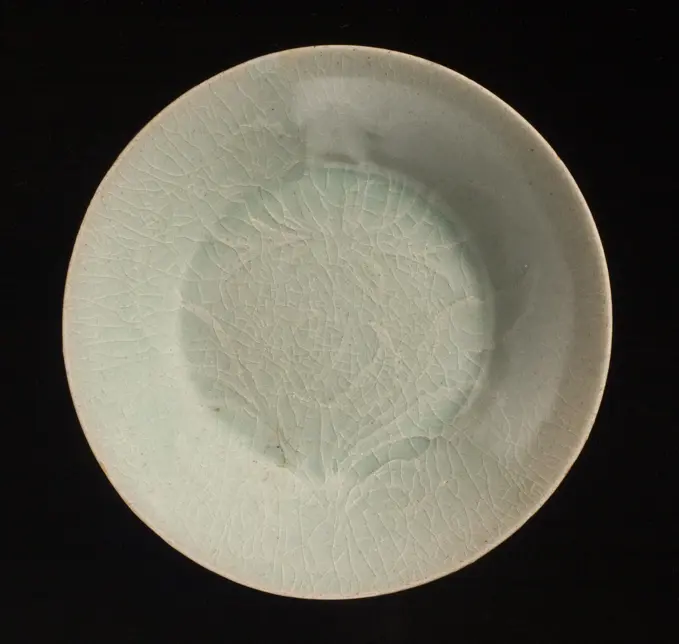
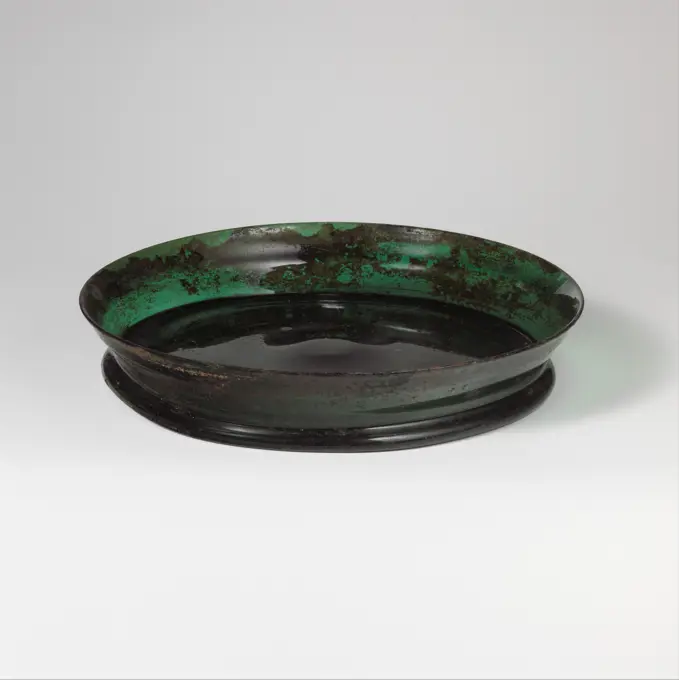
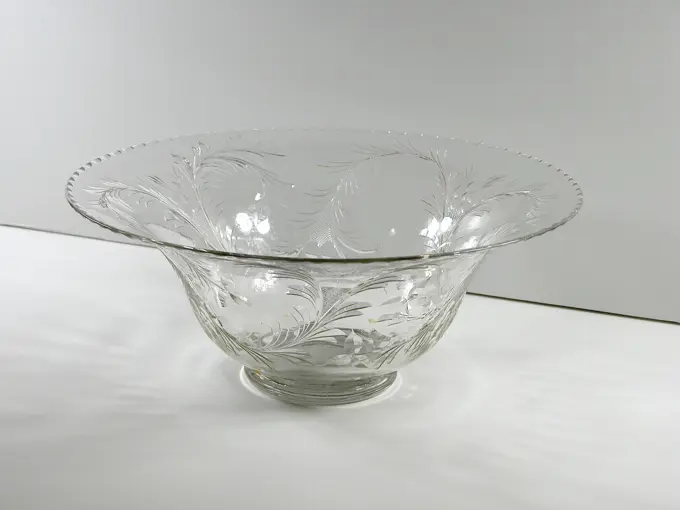
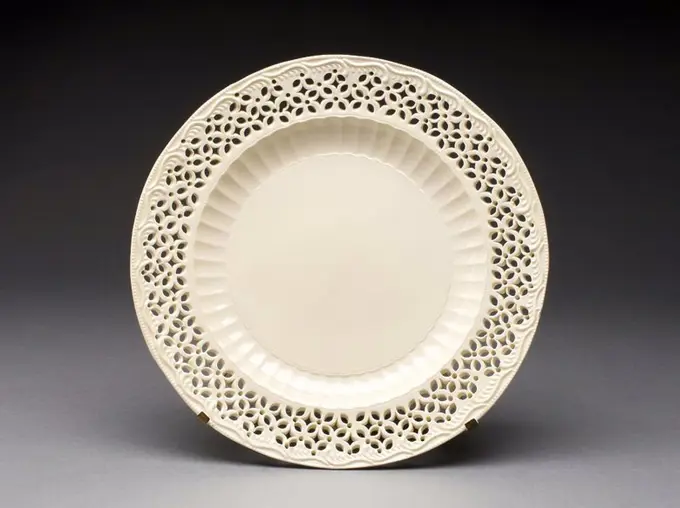
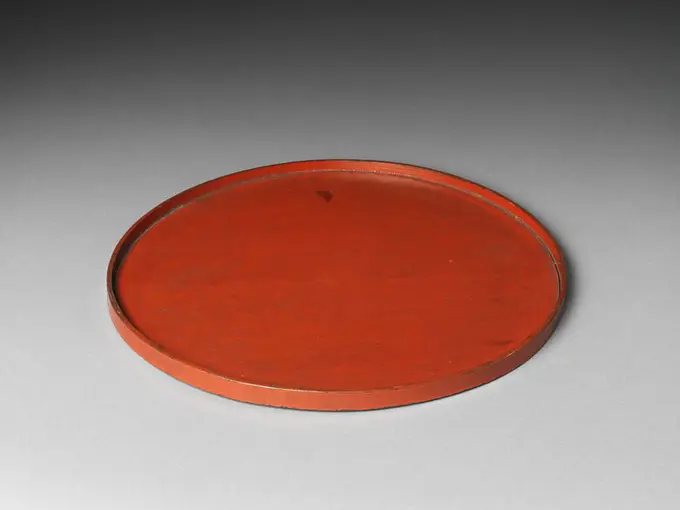
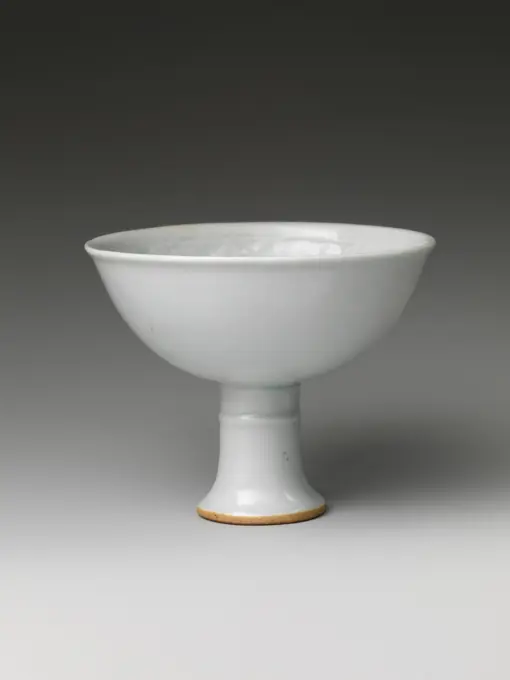
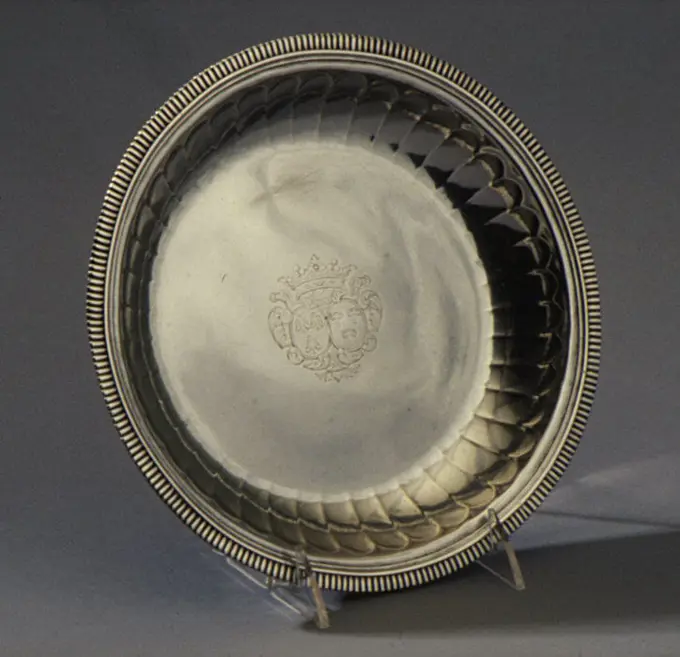
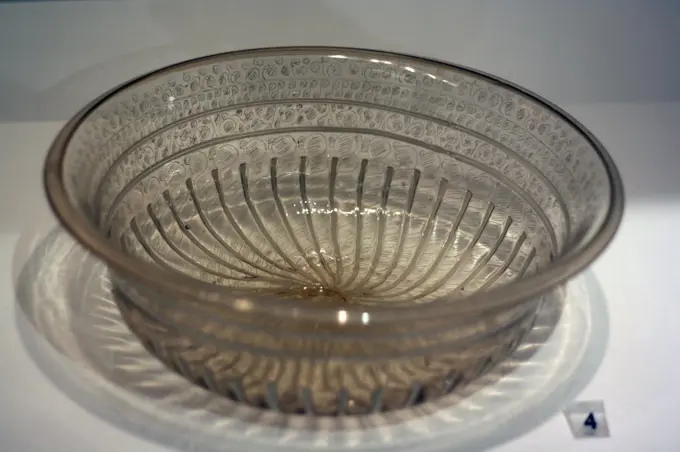
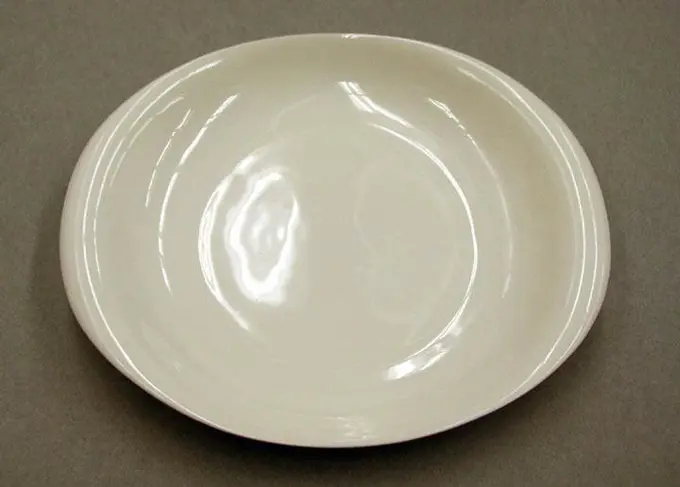
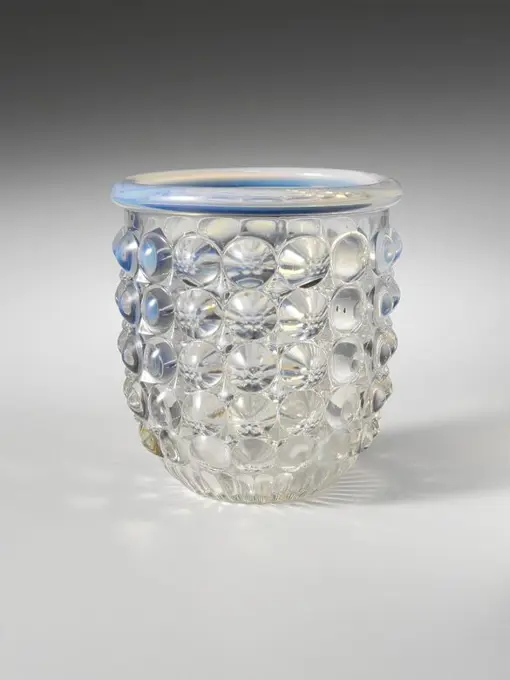
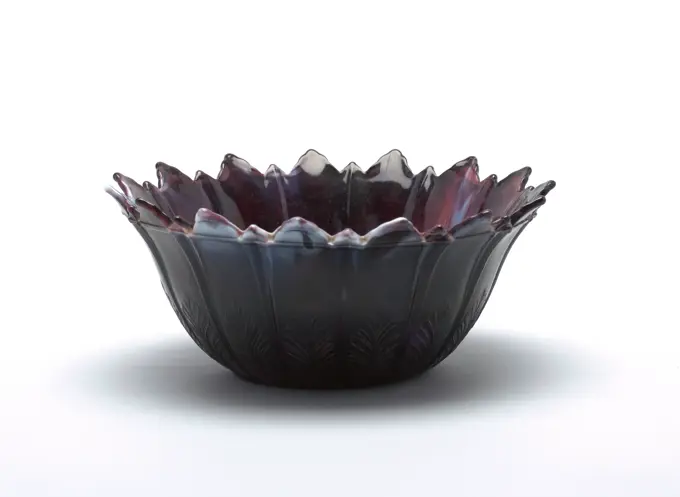
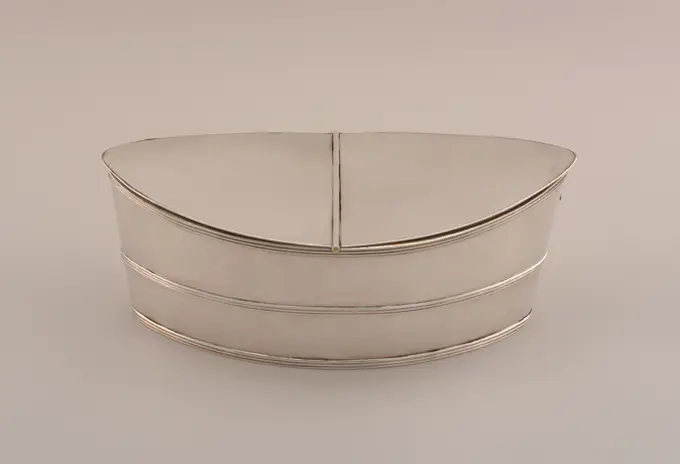
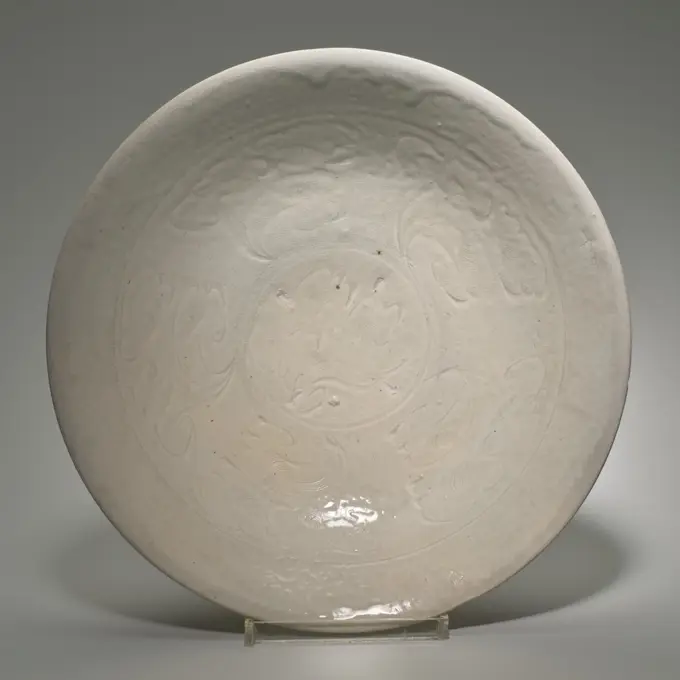
Come with incised peonies, anonymous, 1000 - 1199 Qingbai-Goe. China stoneware. earthenware. vitrification Qingbai-Goe. China stoneware. earthenware. vitrificationDish with Stylized Lotus Flowers. China. Date: 1279-1368. Dimensions: H. 3.5 cm (1 3/8 in.); diam. 12.0 cm (4 3/4 in.). Glazed porcelain with underglaze mold-impressed decoration. Origin: China. Museum: The Chicago Art Institute, USA.Plate (England); Made by John Sutton (English); silverOval dish with scalloped edge. Oval dish of tin. The edge is scalloped and has some excellent points.Plate - St. Johns Stone Chinaware Company (founded 1873) St. Johns Stone Chinaware Company (founded 1873)Dish with an incised flowering plant. Dish of stoneware with a narrow, flat edge, covered with a green glaze. On the flat an ingrangled flowering plant within a geometric band. Within the foot ring an unglazed band of the red-traying clay. In the center of the foot ring a sunken circle, which is glazed. Celadon.Hollow dish in Marli, set of stungs and lotus. Three feet made up of curves and counter-croubes. Paris, Cernuschi Museum, Asia Museum of Asia in the city of Paris. Basin, bronzeHot water plate ca. 1760 British, Staffordshire. Hot water plate. British, Staffordshire. ca. 1760. Salt-glazed stoneware. Ceramics-Potteryempty plate on white  background, top viewMiniature quaich late 17th century James Sympsone Scottish. Miniature quaich. Scottish, Edinburgh. late 17th century. Silver. Metalwork-Silver-MiniatureSaucer. Culture: China. Dimensions: Diam. 4 in. (10.2 cm). Date: 18th century. Museum: Metropolitan Museum of Art, New York, USA.Dish (usual name), 0960 ,. Cernuschi Museum, Asia Museum of Asia in the city of Paris.Czarka;  Song dynasty, 13th century (1127-00-00-1279-00-00);MINC, Bronisław (1913-2004), MINC, Bronisław and Elżbieta-collection, minc-kawenoki, Elżbieta (1910-2008), Ceramics, Chinese (culture), Dar (provenance), lotus, bowls, fish, seladony, Chinese artDish Van Tin, Anonymous, 1700 - 1800 Large, undecorated dish from Tin. The wide edge is double profiled. Great Britain tin (metal) hammering Large, undecorated dish from Tin. The wide edge is double profiled. Great Britain tin (metal) hammeringRavier. GRS, covered crme cracks. Paris, Muse Cernuschi. Japanese art, Japanese ceramic, gres, character, statuetteDish, early 15th century, H.4 x Dia.21-5/8 in., Porcelaneous stoneware with celadon glaze, China, 15th century, The Lung-ch'uan district in Chekiang province was an important center of celadon production from the Five Dynasties (907-960) through the Ming period (1368-1644). Celadon is merely a descriptive term applied to ceramic wares falling within a broad range of blue-green to gray-green colors. A chief glory of far eastern ceramics, celadon was eventually produced in Korea, Japan, Thailand and exported from China to India, Persia, Turkey, Egypt and Southeast Asia. Accordingly, a characteristic of many post-Sung Lung-ch'uan celadons is that they are large, heavily potted bowls and dishes such as this one, which could withstand the rigors of transit over great distances. This piece, exceptional in its scale and quality, typifies Ming taste in its opulent scrolled rim, incised floral decor and thick olive-green glaze.Sweets Bowl with Chrysanthemums, c. 1915-40. Seifū Yohei IV (Japanese, 1872-1951). Porcelain with in-glaze and underglaze color and molded design; height: 8.5 cm (3 3/8 in.); diameter: 18.5 cm (7 5/16 in.).Vase 18th-19th century Italian, Venice (Murano). Vase. Italian, Venice (Murano). 18th-19th century. Glass. GlassBowl, c. 1761, 2 3/8 x 9 1/4 in. (6 x 23.5 cm), Sheffield plate, England, 18th centuryCome with flower motifs, anonymous, 618 - 960  China stoneware. earthenware. vitrification  China stoneware. earthenware. vitrificationDish ca. 1762-73 Thomas Danforth, I. Dish. American. ca. 1762-73. Pewter. Made in Norwich, Connecticut, United StatesStem Bowl 1200-1368 China. Huozhou ware; glazed stoneware .. Bell-shaped head and a scalloped dish of porcelain, covered with a celator. On the flat of the dish embossed two hare in a landscape under the moon between clouds. On the bottom of the head only the moon between clouds. Marked on the bottom. Monochromes.Dish from Dishes with Flowers, 1914-46. Seifū Yohei IV (Japanese, 1872-1951). One from a set of five dishes; porcelain with underglaze yellow and blue glaze; overall: 4 x 10.2 cm (1 9/16 x 4 in.).Glass bowl. Culture: Roman. Dimensions: 1 15/16 × 4 1/4 in. (4.9 × 10.8 cm)Diam. of foot: 2 3/8 in. (6.1 cm). Date: 2nd-3rd century A.D..Colorless with pale yellow green tinge.Everted, tubular rim, folded out and down, forming collar with indent on inside of mouth; sides taper then curve in to integral, tubular base ring; deeply pushed-in bottom with thickened dome and kick at center.Intact; some pinprick and larger bubbles, with one black, gritty impurity in body; dulling and faint iridescence on exterior, with a patch of creamy white weathering on bottom.Colorless bowl with base. Museum: Metropolitan Museum of Art, New York, USA.Venus, Wedgwood, English, established 1759, Glazed earthenware, transfer-printed decoration, Plate with blue transfer print showing figures and swans in a fantasy landscape. Scrolling border with a striped ground., England, before 1900, ceramics, Decorative Arts, Plate, PlateCut. White proto-Grès with ivory covered. Cernuschi Museum, Asia Museum of Asia in the city of Paris.Dish with scalloped edge. Dish of tin. The edge is scalloped.Porringer ca. 1710 John Noyes. Porringer 6708Waste Bowl Bowl; Manufactured by Wedgwood (United Kingdom); England; stoneware (black basalt)Set: Salader Smaller Glassworks J. Stolle NiemenFor a long time; Rzodkiewicz, Zaborowski, Surzycki (Warsaw; Wytwórnia; 1879-1883); 19th century (1801-00-00-1900-00-00);Tazza ca. 1743-45 Johann Conrad Lotter German. Tazza 231577Two plates, lacquerer, c. 1925 - c. 1935 Around presentation magazine of Kansshitsu lacquer in imitation bronze, with a decoration on the edge of stylized clove motifs. In wooden box. Japan wood (plant material). lacquer (coating). gold (metal). silver (metal) Around presentation magazine of Kansshitsu lacquer in imitation bronze, with a decoration on the edge of stylized clove motifs. In wooden box. Japan wood (plant material). lacquer (coating). gold (metal). silver (metal)Tin dish with a hollow border, anonymous, 1550 - 1600 Deep, round dish from tin. It has a narrow, deep -fitting flat and a hollow border with raised profiling. Northern Netherlands tin (metal) Deep, round dish from tin. It has a narrow, deep -fitting flat and a hollow border with raised profiling. Northern Netherlands tin (metal)Plate. Joseph Heilingotter IV; Czech, c. 1777; Czechoslovakia. Date: 1772-1782. Dimensions: 4.5 × 21.7 cm (1 3/4 × 8 1/2 in.). Pewter. Origin: Czech Republic. Museum: The Chicago Art Institute, Chicago, USA.Kyoyaki Bowl with a Mon (Family Emblem) with Three Hollyhock Leaves, anonymous, anonymous, c. 1850 - c. 1899 Come from stoneware, painted on the glaze in green. On the outer wall three times a weapon (Mon, possibly tokugawa) with three stick rose leaves. Kyoyaki. Japan stoneware. glaze. painting / vitrification Come from stoneware, painted on the glaze in green. On the outer wall three times a weapon (Mon, possibly tokugawa) with three stick rose leaves. Kyoyaki. Japan stoneware. glaze. painting / vitrificationFinger Bowl 1880-88 Possibly Boston & Sandwich Glass Company. Finger Bowl 3620Lens” Bowl.  Designer Walter Dorwin Teague, American, 1883-1960Designer form: Charles F Houghton, American, 1846-1897 Manufacturer: Steuben Division, Corning Glass Works, American, 1918-1933One from a Set of Five Soba Cups with Chrysanthemum Design 1615-1868 Japan. One from a Set of Five Soba Cups with Chrysanthemum Design 63741Paten, 1627, André Schiller, German, active c. 1600, 16 x 11 1/2 x 1/2 in.(0.16 x 16.35 x 16.35 cm), Silver, gilt, Germany, 17th centuryToy dinner plate - W. T. Copeland & Sons, 1868-1931 W. T. Copeland & Sons, 1868-1931Shallow dish, Jun ware. Artist: Chinese , Northern Song Dynasty. Culture: Chinese. Dimensions: Diameter: 7 3/8 in. (18.7cm.). Date: 11th-12th century. Museum: Metropolitan Museum of Art, New York, USA.FootedBowlCup of white jade. Cup of white jade.Toy plate - Inconnu / UnknownBowl China. Bowl 48486Plate 1746-47 Charles Duchesne. Plate 200208Toy dessert plate - Inconnu / UnknownCup and stand. Culture: China. Dimensions: H. (incl. stand) 2 7/16 in. (6.2 cm)a. Diam. 4 1/8 in. (10.5 cm); b. Diam. 2 11/16 in. (6.8 cm). Date: 18th century. Museum: Metropolitan Museum of Art, New York, USA.Bowl; Eastern Mediterranean; 2nd - 1st century B.C; Glass; 4.8 x 10.2 cm (1 7,8 x 4 in.)Bowl, Copper lustre decoration, England, 18th-mid-19th century, ceramics, Decorative Arts, BowlService: plate Ludwig Moser & SonsTobias Stoutenburgh, Footed Salver, c. 1731, silver.Dish, part of a tea set, Petrus Regout & Co., 1934 Dish of earthenware, part of a tea set. Brown distance on the outside, with red buttons, spouts, ears and edges. Marked with sphinx stamp; Petrus Regout & Co Maastricht in a lying rectangle; Made in Holland; Dishes: Insented AR and waxing moon. Maastricht earthenware Dish of earthenware, part of a tea set. Brown distance on the outside, with red buttons, spouts, ears and edges. Marked with sphinx stamp; Petrus Regout & Co Maastricht in a lying rectangle; Made in Holland; Dishes: Insented AR and waxing moon. Maastricht earthenwareDeep scale of hard baked pottery, cream true., Anonymous, c. 1780 - c. 1820 Deep bowl of hard baked pottery, with an openwork edge. The scale is marked with a blind stamp: Jan Derks Delft 3. See also a dish with invnr. BK-NM-14153. England earthenware Deep bowl of hard baked pottery, with an openwork edge. The scale is marked with a blind stamp: Jan Derks Delft 3. See also a dish with invnr. BK-NM-14153. England earthenwareBowl 17th century India. Bowl. India. 17th century. Jade. Mughal period. JadeCovered Box: Yue Ware, 907-960. China, Shang-lin-hu kilns, Yu-yao District, Zhejiang province, Five dynasties (907-960). Glazed stoneware with incised decoration; diameter: 13 cm (5 1/8 in.); overall: 4.5 cm (1 3/4 in.).Dish with Mythical Bovine (Xiniu) amid Waves Viewing the Moon and Constellations. China. Date: 1100-1199. Dimensions: H. 2.3 cm (15/16 in.); diam. 13.8 cm (5 7/16 in.). Ding ware; porcelain with underglaze molded decoration; metal rim. Origin: China. Museum: The Chicago Art Institute, Chicago, USA.Silver phiale (libation bowl). Culture: East Greek. Dimensions: H. 6 3/4 in. (17.1 cm)diameter 6 3/4 in. (17.1 cm). Date: 6th century B.C..Offset lip, shallow omphalos, carination on shoulder and ninety-five chased tongues on the outside. Museum: Metropolitan Museum of Art, New York, USA.Oval dish with scalloped edge. Deep oval dish from tin. The flat is ribbed and the edge is scalloped.Scalloped Dish with Stylized Floral Sprays and Sickle-Leaf Scrolls 1199-1299 China. Yaozhou ware; glazed stoneware with underglaze molded scrolls .BowlScalloped Dish with Stylized Floral Sprays and Sickle-Leaf Scrolls. China. Date: 1100-1234. Dimensions: H. 2.5 cm (1 in.); diam. 9.3 cm (3 11/16 in.). Yaozhou ware; glazed stoneware with underglaze molded decoration. Origin: China. Museum: The Chicago Art Institute, Chicago, USA.Fragment Wijnkom from V.O.C. ship De 'Witte Leeuw', Before 1613  Fragment wijnkom. In the centre of this winecup a thin line and a small blotch are drawn. On the inside a scroll of stylized flowers and stems is drawn. Around the lip-rim is a single band and around the footring a double band.  porcelain   Sint-HelenaLeerer Keramikteller auf einem monochromen braunen Hintergrund Empty ceramic plate on a monochrome brown background. Empty plate with cutlery on a dining table LicenseRF Copyright: xZoonar.com/TetianaxChernykovax 23278938Dish 4th century Late Roman This oval-shaped dish with a handle at each end is a modest example of a type found throughout the Empire, but especially in the West. The simple volute pattern on the handles suggests an owner attracted to classical decorative motifs, an observation confirmed by the round platter found with it (47.100.31).. Dish 468194Dish with Peony Spray Design in Relief. Korea, Goryeo dynasty (918-1392), 12th century. Furnishings; Serviceware. Wheel-thrown stoneware with carved decoration and celadon glazeGlass dish 1st century A.D. Roman Translucent deep blue green.Outsplayed, rounded rim; body tapers downwards, with projecting horizontal ridge at mid-point of side; shallower on one side than the other; thick, tubular foot ring at junction with side, made by folding; flat bottom with central pontil scar and slight kick on interior.Intact; many bubbles; dulling, pitting, and brown, enamel-like, iridescent weathering on exterior, with many surface scratches, little weathering on interior.Green, shallow, colored blown glass.. Glass dish 245292Bowl.  Manufacturer: T.G. Hawkes and Company, American, 1880-1962Three-Sectional Altar Group: Koro (upper section of base), 1644-1911. China, Qing dynasty (1644-1911). Jade; overall: 16.5 cm (6 1/2 in.); with base: 19.4 cm (7 5/8 in.); upper base: 3 x 12.8 x 10 cm (1 3/16 x 5 1/16 x 3 15/16 in.).Petal-Lobed Dish 960 CE-1127 China. Qingbai ware; glazed porcelain .Bowl, early 20th century, 2 7/16 × 4 11/16 × 4 11/16 in. (6.19 × 11.91 × 11.91 cm), Glazed ceramic, China, 20th centuryPair of Platters 1809-1819 Paris. These platters for the dining table are part of a vast service made for Emperor Napoleon Bonaparteís sister Pauline on the occasion of her marriage to the Roman nobleman Camillo Borghese, Sixth Prince of Sulmona.. Silver gilt . Martin-Guillaume BiennaisPlate. England, Leeds. Date: 1780-1790. Dimensions: 22 x 2.5 cm (8 3/4 x 1 in.). Lead-glazed earthenware (creamware). Origin: Leeds. Museum: The Chicago Art Institute, Chicago, USA.Milk Pan, 18th-19th century, 4 1/2 x 8 5/8 x 8 5/8 in. (11.43 x 21.91 x 21.91 cm), Glass, United States, 18th-19th centuryWater pot. Artist: Chinese , Qing Dynasty. Culture: Chinese. Dimensions: Height: 3 9/16 in. (9 cm.). Date: 1662-1722. Museum: Metropolitan Museum of Art, New York, USA.Tray. Culture: Japan. Dimensions: H. 3/4 in. (1.9 cm); Diam. 16 1/4 in. (41.3 cm). Date: 16th century. Museum: Metropolitan Museum of Art, New York, USA.Stem Cup with Chrysanthemum Scroll 14th century China Briefly produced in the fourteenth century, small white porcelains such as this are often cited as an intermediary step between the Qingbai celadons and the fabled blue-and-white wares of Jingdezhen. Ceramics of this type are often catalogued as Shufu ware because the two Chinese characters shu and fu are found in the interiors. These translate as privy council” and indicate that such ceramics were intended for official use.. Stem Cup with Chrysanthemum Scroll. China. 14th century. Porcelain with molded decoration under transparent glaze (Jingdezhen Shufu ware). Yuan dynasty (1271-1368). CeramicsDish (one of a pair) ca. 1720-26 Jérôme Rebillé. Dish (one of a pair) 200315Mortar and pestle on white background. Copy spaceSoup plate - St. Johns Stone Chinaware Company (founded 1873) St. Johns Stone Chinaware Company (founded 1873)Glass Bowl 17th Century.Plate; Koenigliche Porzellan Manufaktur (KPM; Berlin; 1763-1918); 1837-44 (1823-00-00-1832-00-00);Dish with Ducks in Lotus Pond: Ding Ware, 12th Century. China, Hebei province, Chuyang xian, Jin dynasty (1115-1234). Glazed porcelain with molded decoration and copper band at lip; diameter: 14 cm (5 1/2 in.).Tableservice.  Designer Eva Zeisel, American, born Hungary, 1906-2011 Manufacturer: Lomonosov Porcelain Factory, Saint PetersburgPateen, anonymous, c. 1574 Pateen van Gilted silver, with engraved alliance weapon with year 1574. Cologne (possibly) silver (metal) gilding Pateen van Gilted silver, with engraved alliance weapon with year 1574. Cologne (possibly) silver (metal) gildingFruit bowl - Canadian Thistle pattern Jefferson Glass Company, Limited Jefferson Glass Company, LimitedVigil Light. Culture: American. Dimensions: H. 3 1/2 in. (8.9 cm); Diam. 3 in. (7.6 cm). Maker: Richards and Hartley Flint Glass Co. (ca. 1870-1890). Date: ca. 1888. Museum: Metropolitan Museum of Art, New York, USA.Quaich. Glasgow, Scotland. Date: 1665-1675. Dimensions: 6 x 22.9 x 15.6 cm (2 3/8 x 9 x 6 1/8 in.). Silver. Origin: Glasgow. Museum: The Chicago Art Institute, Chicago, USA. Author: R. B.Silversmith's Art, Italy 20th century. Crystal hors d'oeuvre dish on silver tray, 1920's.Nappy - Canadian pattern Burlington Glass Works Burlington Glass WorksGeorges Despret (1862-1952). Cutting on foot. Glass, glass paste. XIXth-XXth century. Museum of Fine Arts of the City of Paris, Petit Palais. 19th XIXth XIX 19th 19th 19th century, XXth XXth XX 20th 20th 20th centuryBowl; glassCaddy (England); sheffield plate (silver, copper); 8.5 x 22.7 x 11.6 cm (3 3/8 x 8 15/16 x 4 9/16 in.); Bequest of Walter Phelps Warren; 1986-61-27Leaf-Shaped Pillow with Lotus Flowers. China. Date: 1075-1127. Dimensions: 6 5/8 × 11 × 11 in. Cizhou ware; slip-coated stoneware with underglaze carved and stamped "fish-roe" ground. Origin: China. Museum: The Chicago Art Institute, Chicago, USA.William Pitts, Dishes (set of six), 1788/89, silver.Stem Cup with Buddhist Emblems: Shufu Ware, 1300s. China, Jiangxi province, Yuan dynasty (1271-1368). Porcelain with molded decoration and white glaze; overall: 10.2 x 15.3 cm (4 x 6 in.).Soup plate - Maple Thomas Furnival & Sons Thomas Furnival & SonsDish, 14th century, 2-1/8 x 11-1/8 x 11-1/8 in. (5.4 x 28.3 x 28.3 cm), High fired stoneware with incised decor under a light blue glaze, Vietnam, 14th century, A strong relationship exists between Vietnamese monochromes with carved, incised or molded decor and the Chinese tradition of ch'ing-pai, a porcelaneous stoneware featuring a thin, light blue, nearly white glaze. Large quantities of ch'ing pai were produced as far south as Kwangtung province which borders Vietnam. This shallow bowl and the saucer dish next to it featuring molded dragons in its cavetto, are very close in glaze, color, and thin potting to the Chinese prototypes.