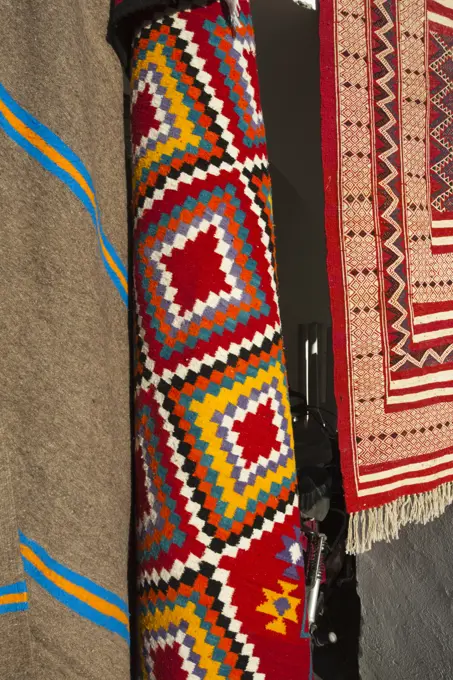
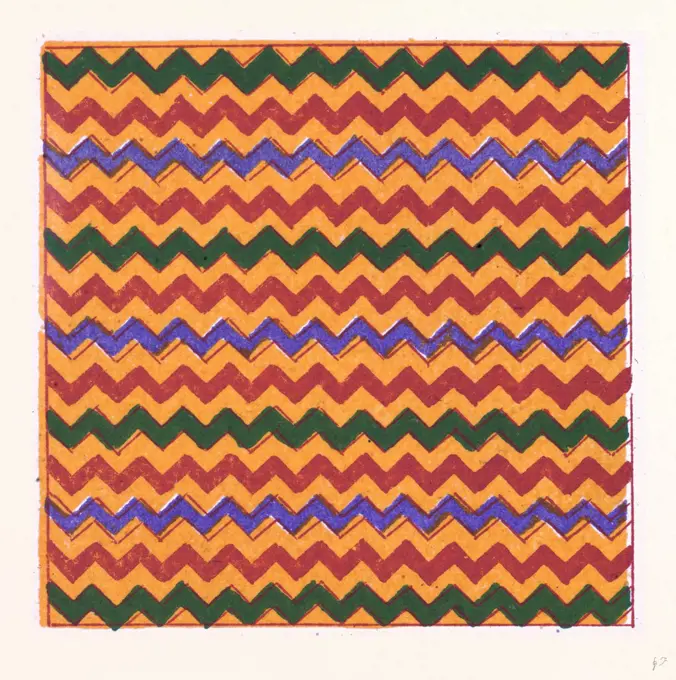
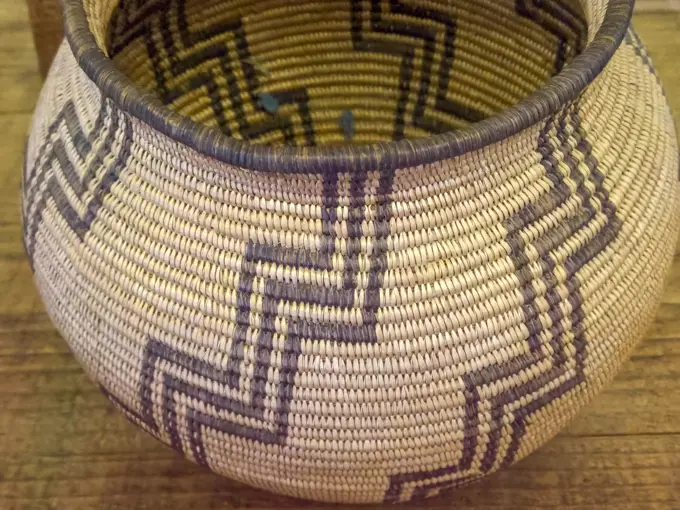
Traditional Fabric Panels

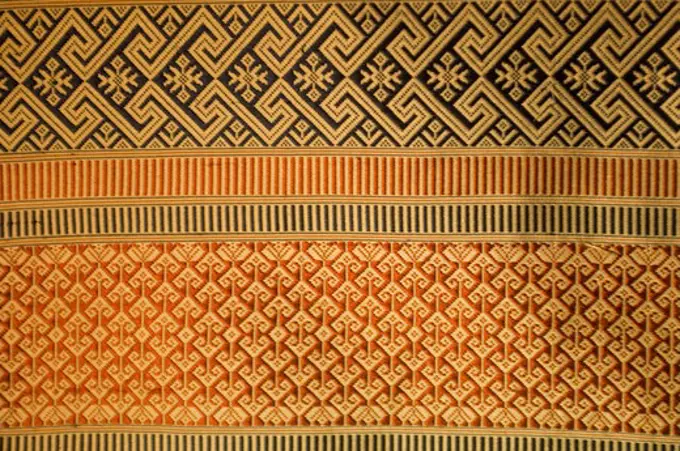
Historical fabric pieces showcasing intricate patterns and designs, representing various cultures and weaving techniques.
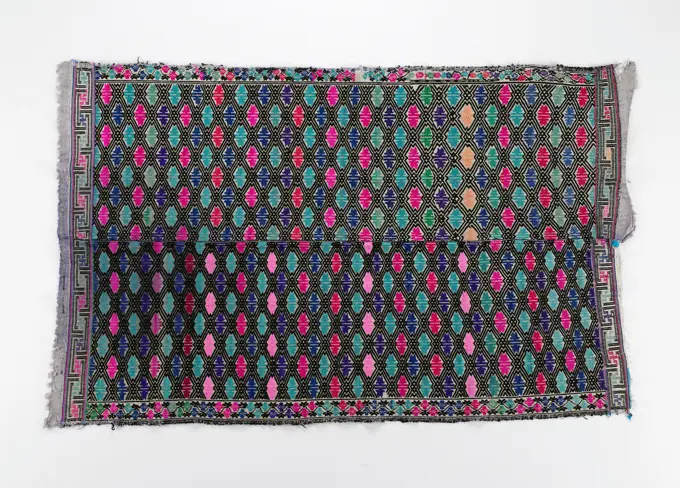
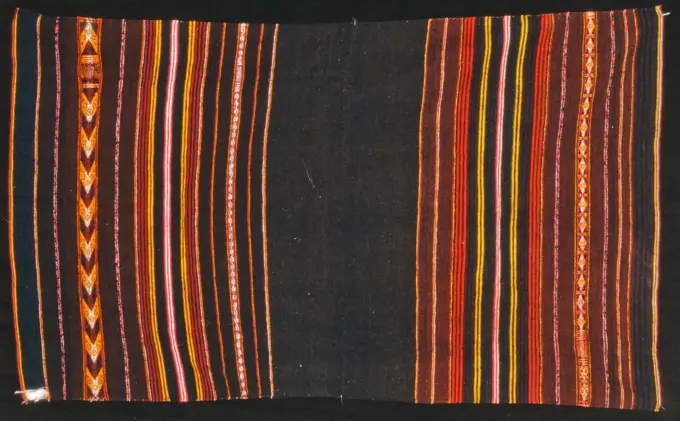
Blanket, 49 1/4 x 30 1/2 in. (125.1 x 77.47 cm), Cotton; needlework, China
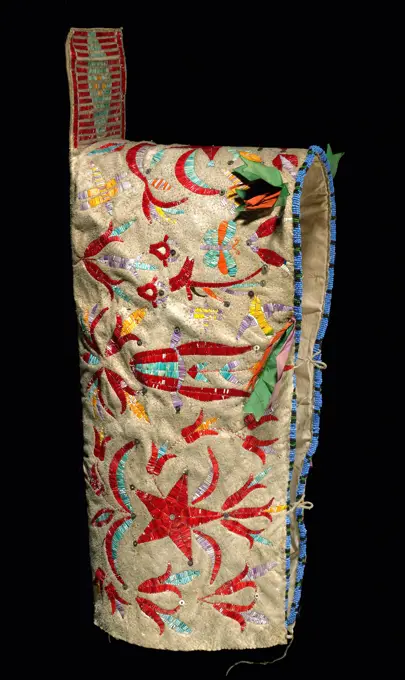
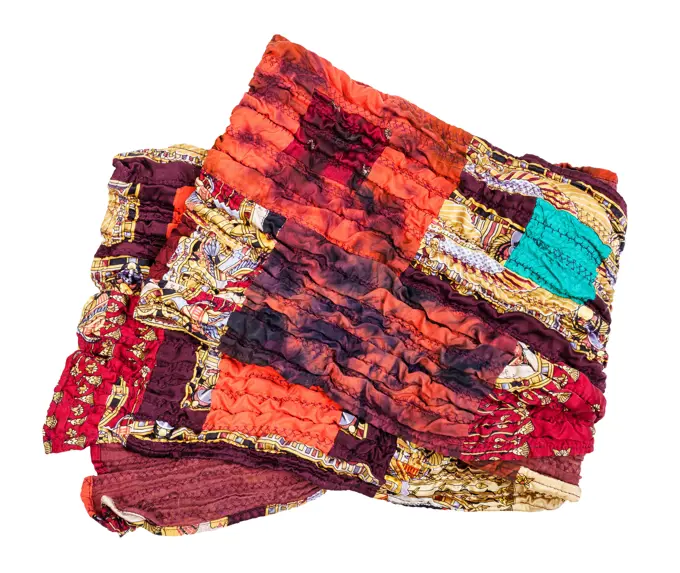
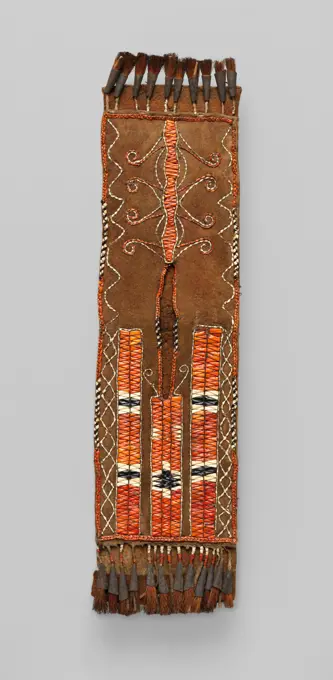
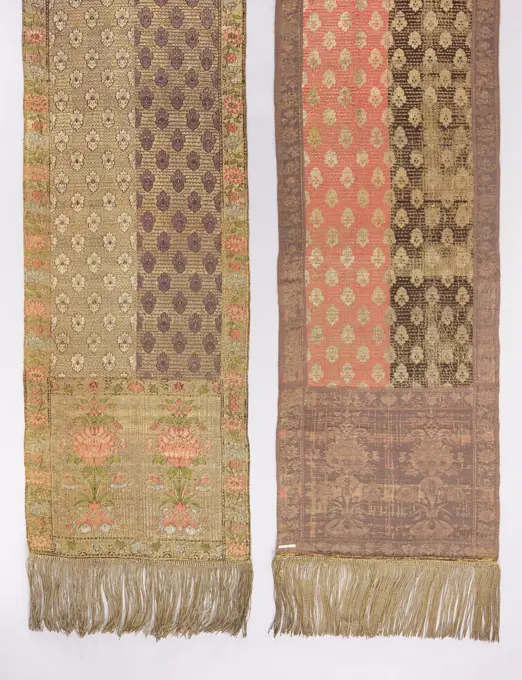
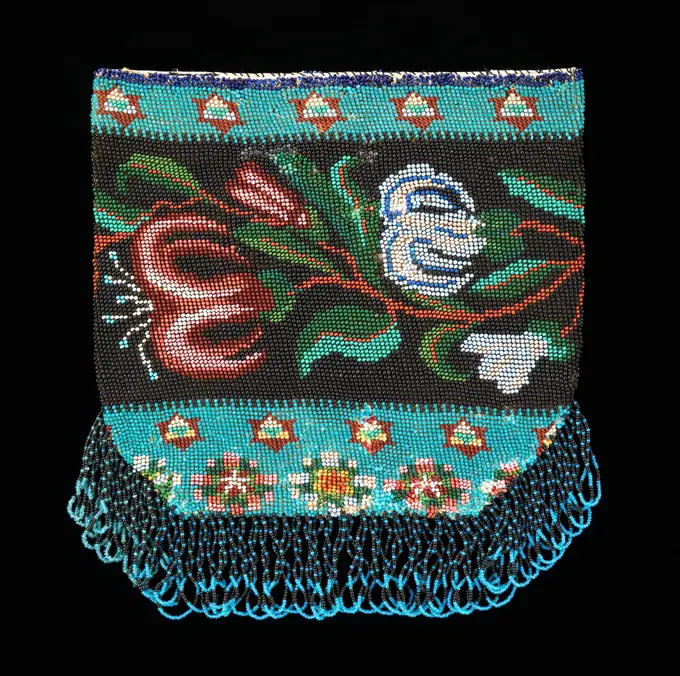
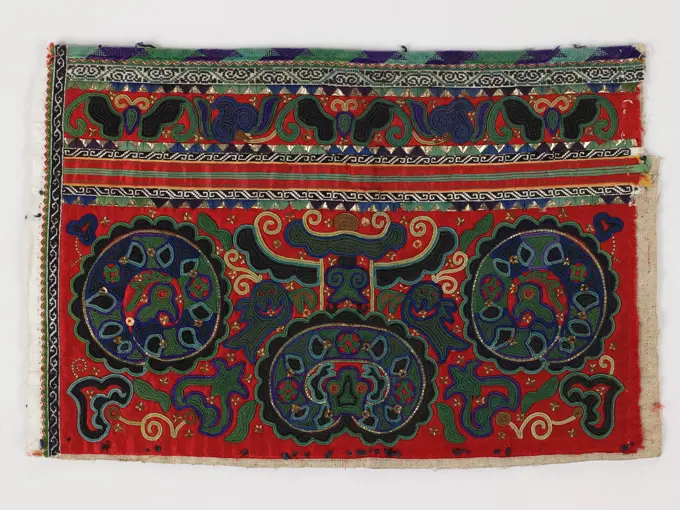
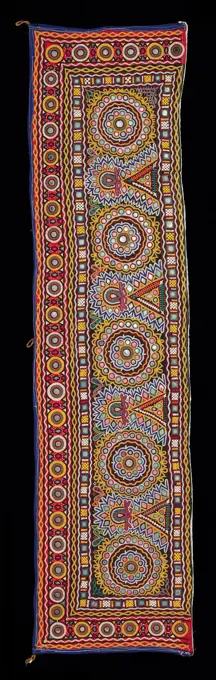
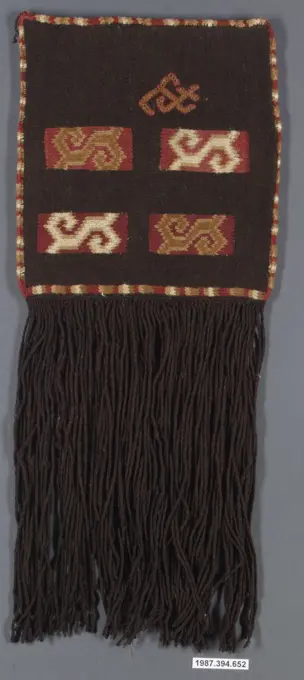
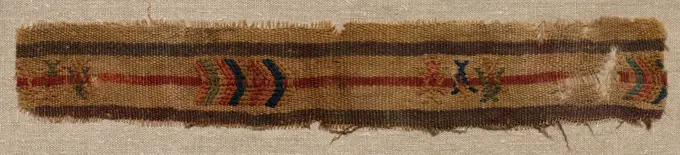
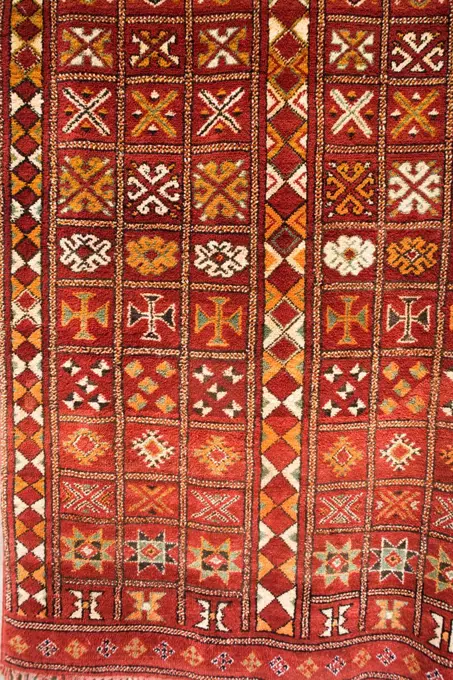
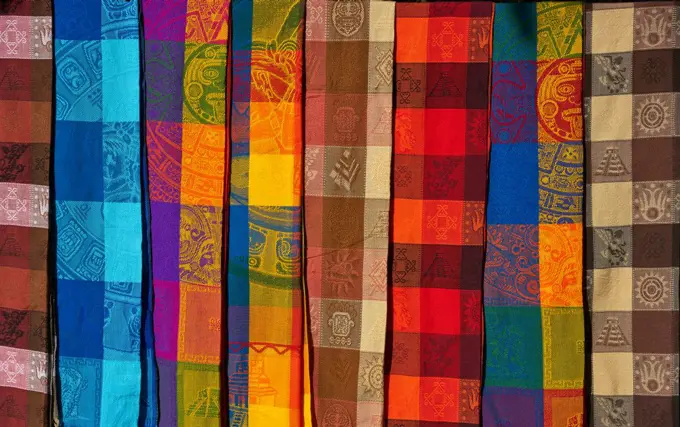
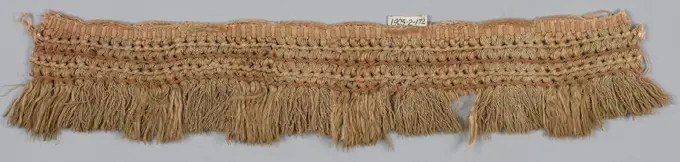
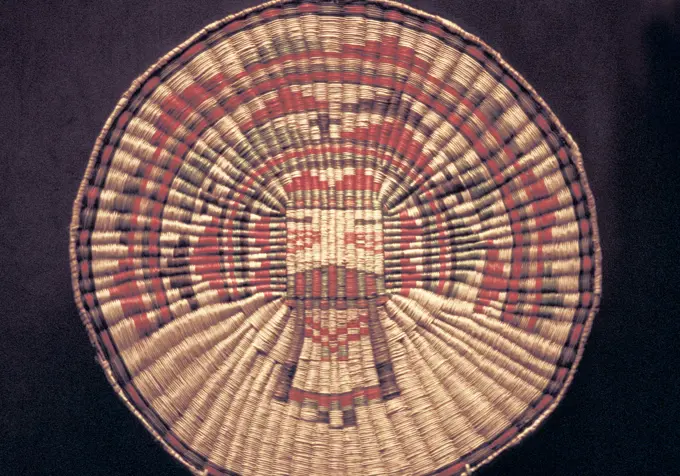
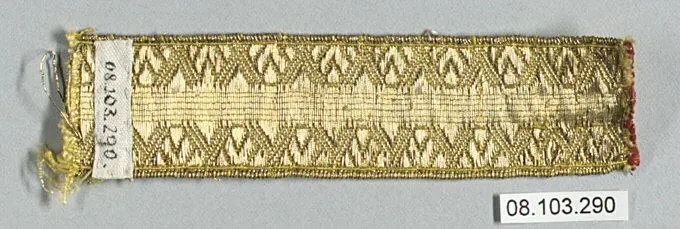
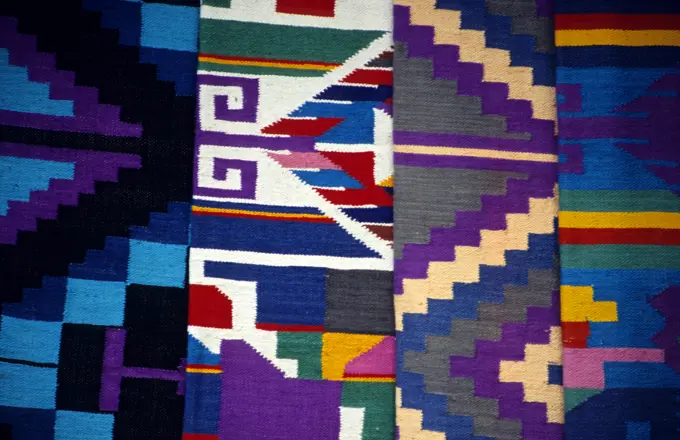
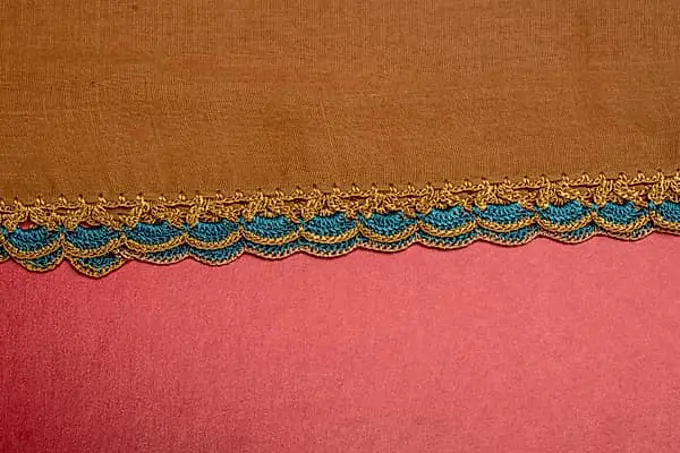
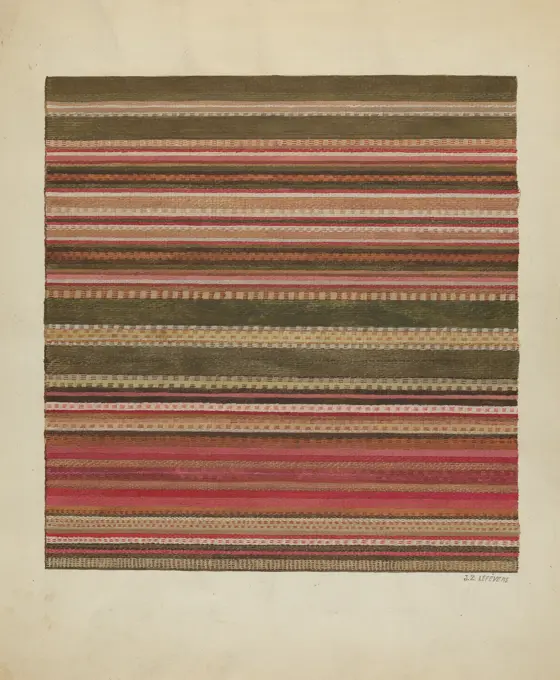
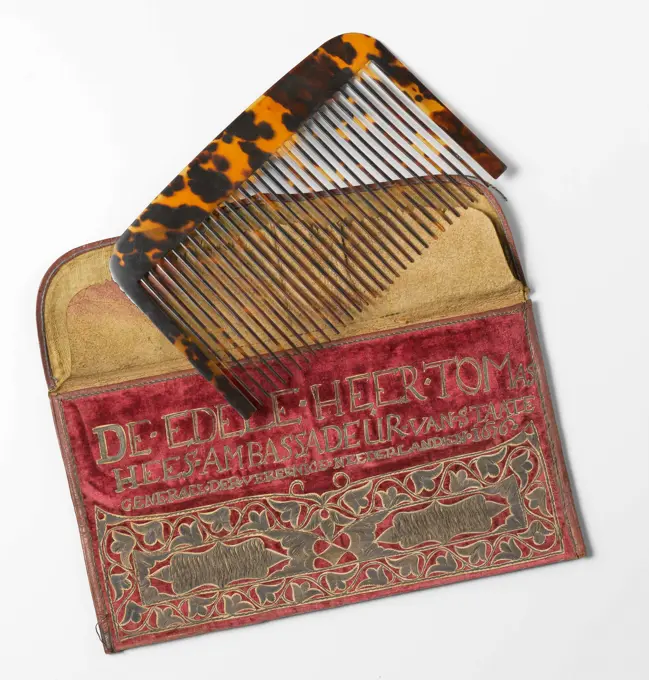
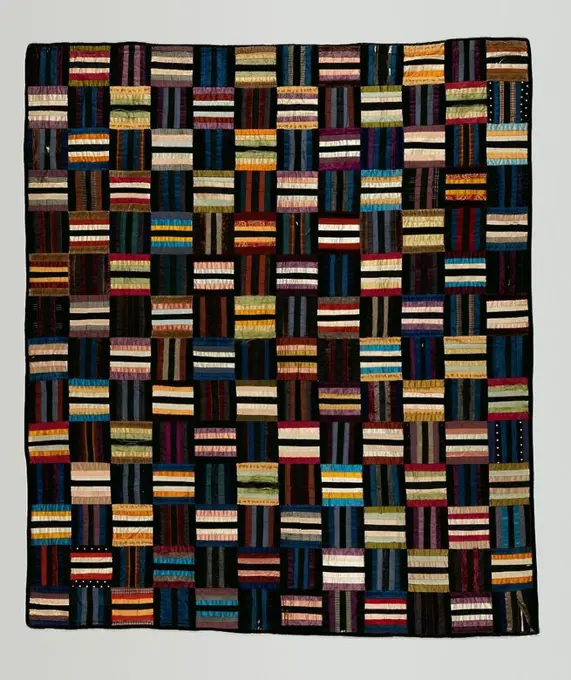
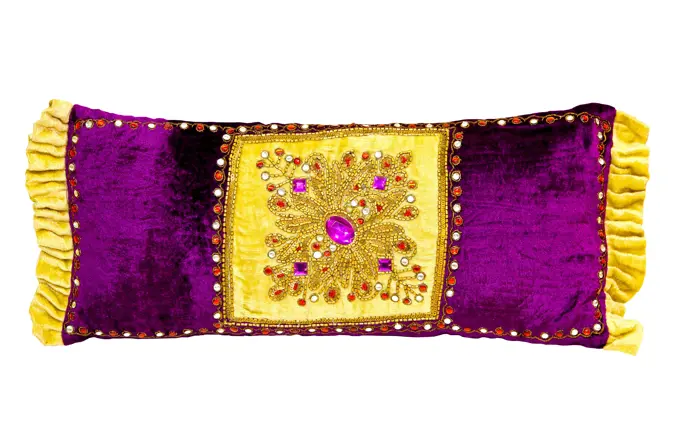
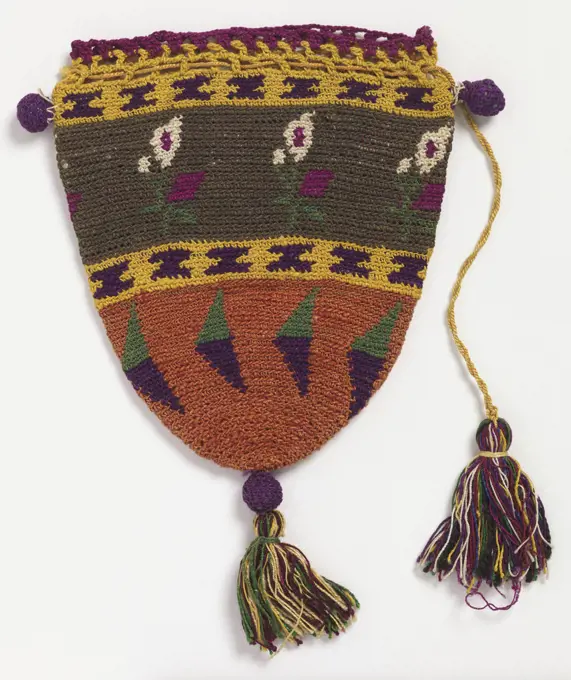
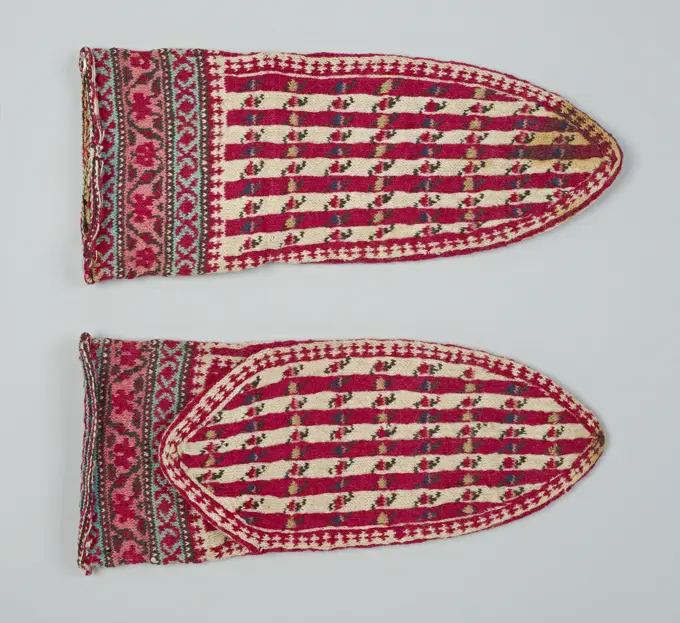
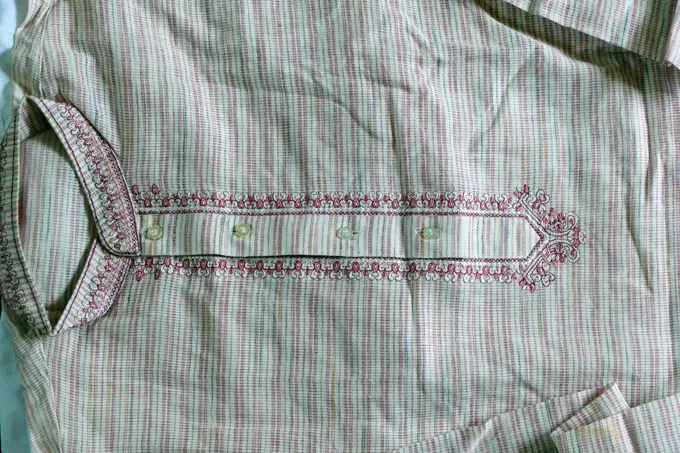
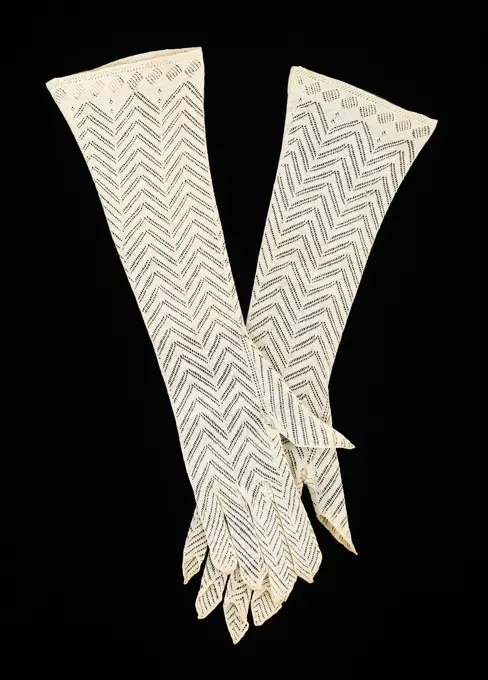
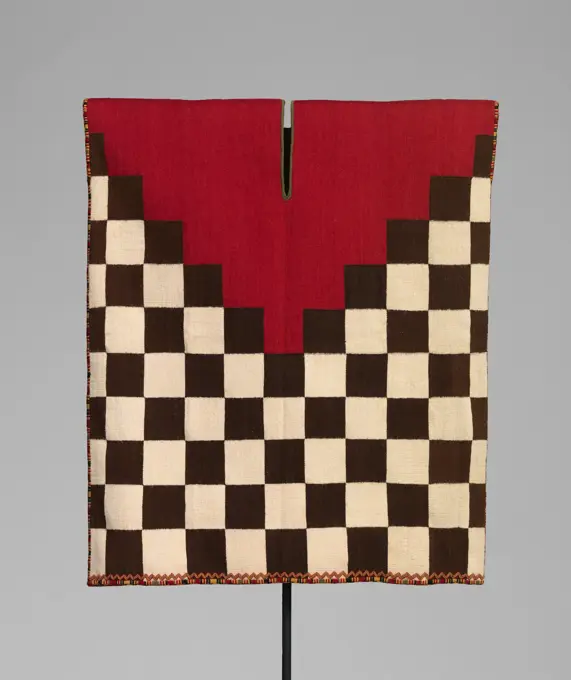
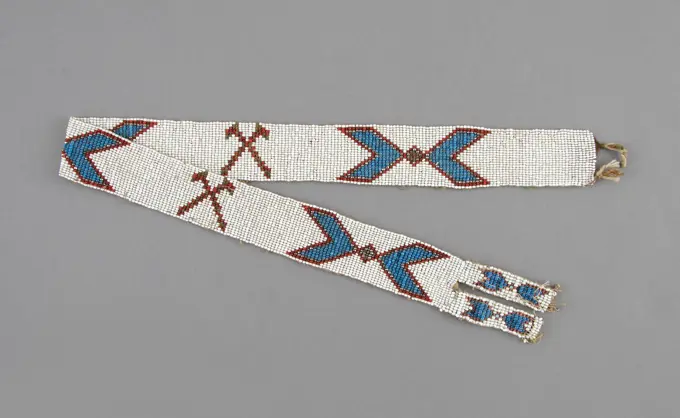
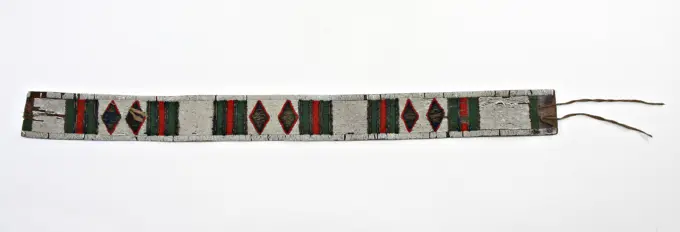
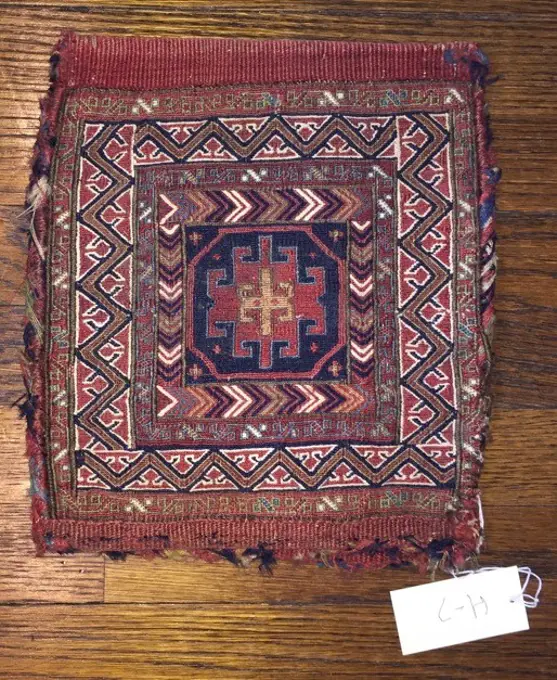
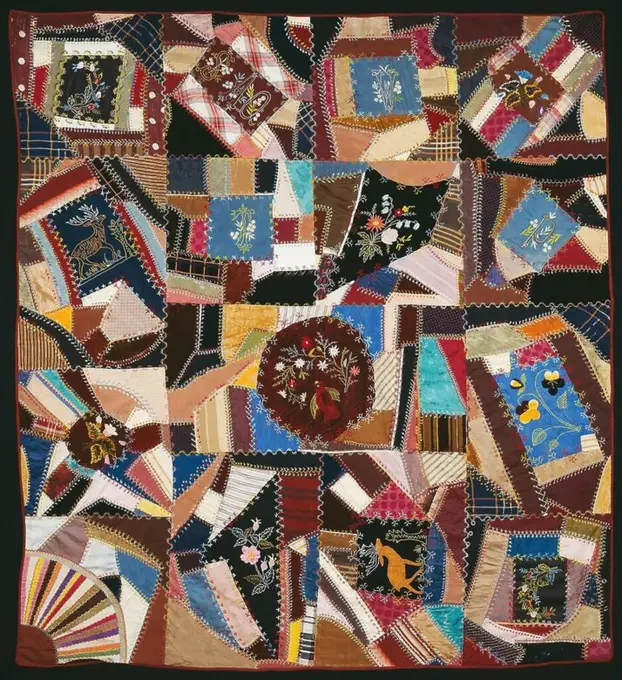
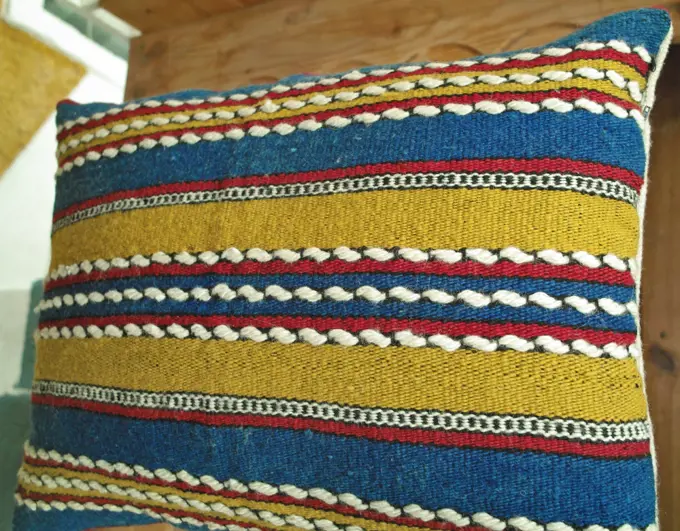
Back ornament (), ChinaFringe ca. 1650 Italian. Fringe 213375Textile Swatch Textile Swatch, 1950s to 1960s. Silk, 23 x 13 in. (58.4 x 33 cm).    1950s to 1960sTextile Fragment 6th-7th century. Textile Fragment 445863Fragment. Italy. Date: 1601-1700. Dimensions: 22.4 x 13.2 cm (8 7/8 x 5 1/4 in.). Silk and gold gilt strip wound around silk fiber core, warp-float faced satin weave with supplementary patterning wefts tied by supplementary binding warps in twill interlacing. Origin: Italy. Museum: The Chicago Art Institute, Chicago, USA.Belt, 96 1/2 x 4 7/8 in. (245.11 x 12.38 cm) (with tassels), Silk, cotton, rayon (), ChinaIndia. Jaipur. Traditional Indian Textile.Handmade woven wool rugTextile Fragment 11th century. Textile Fragment. 11th century. Linen, gold thread and silk. Attributed to Egypt, Fustat. Textiles-WovenAnkletCradle board cover, c. 1880, 9 3/8 x 24 3/4 x 8 3/4 in. (23.81 x 62.87 x 22.23 cm), Hide, quills, beads, ribbon, sequins, cloth, United States, 19th century, Cradle covers were usually made by the relatives of the child, and given to the mother to use when the baby arrives. Cradles play an important function because it nestles the child, and the cradle can be worn on the mother's back, or put on the side of a horse. Highly decorated ones are especially prized because it is symbolic of the pride and love of the child, and illustrates the skill of the artists.folded stitched red brown patchwork scarf isolated folded stitched red brown patchwork scarf isolated on white background ,property released Copyright: xZoonar.com/ValeryxVoennyyx 15362705 ,model released, Symbolfoto ,property releasedBelt pouch ca. 1800 Haudenosaunee/ Iroquois (), Native American Bags of this type were made by women for men to fold over their belts; a slit in the center serves as the opening. The shiny dyed porcupine quills provide a dramatic contrast to the softly textured dark brown leather, and a fringe of metal cones and red-dyed deer hair adds another dimension of texture and color. The bold palette of vivid red, black, and white is characteristic of northeastern Woodlands quillwork of the period.. Belt pouch. Haudenosaunee/ Iroquois (), Native American. ca. 1800. Tanned leather, porcupine quills, dye, metal cones, and deer hair. Possibly made in New York, United States; Possibly made in Ontario, CanadaMiami tribe traditionally finger woven fabric made from colorful yarn and made into a pillow cover.Textile Swatches Onondaga Silk Company, Inc. (1925-1981). , 1948-1959. Silk, 23 3/4 x 9 1/4 in. (60.3 x 23.5 cm).    1948-1959Two fragments silk lampas. Fragment Oriental textile. The fragment has golden flowers and leaves on a red soil.Belt (South Africa); beads, hideConciliate belt; Daniel Chmielewski's studio (Kraków; Pasów label; 1796-1825); 1796-1825 (1796-00-00-1825-00-00);Pouch fourth quarter 19th century American The coloration on this pouch bag, particularly the use of aqua blue, is especially fine. The color and form of the floral pattern is evocative of the work of William Morris.Margaret S. Bedell (1861-1932) donated, by gift or bequest, over 500 objects to the Brooklyn Museum, including furniture, quilts, samplers, costume and Native American beadwork. Her collection of American and European beaded bags includes examples from Philadelphia and the Catskill Mountain region of New York State, as well as Italy, Austria, Germany, and Holland.. Pouch 156447Woven, knotted and embroidered Glaoui carpet, detail, Marrakech, Morocco, AfricaBeaded Wrist Ornament 12th-14th century Chancay. Beaded Wrist Ornament. Chancay. 12th-14th century. Shell beads, cord. Peru. Beads-OrnamentsShawl Made 1840-1860 France. Silk warp and wool weft, compound weave; printed; knotted silk fringe .CoasterRibbon French 19th centuryPair of woman's leggings, 1925-1950, 7 1/8 x 5 7/8 in. (18.1 x 14.92 cm) (a)7 1/4 x 5 15/16 in. (18.42 x 15.08 cm) (b), Cotton; needlework, Afghanistan, 20th centuryFringe European 19th centuryTextile, Medium: silk, Red satin brocaded in small scale flower design arranged in horizontal rows, the blossom tilted in alternate direction in alternate rows. Colors yellow, outline din dark blue, green for leaves. Cord: worn. Received as trimming borders for table mats made from 1966-30-3 & 1966-30-8a, India, 18th century, woven textiles, TextileTurksih traditional woman scarf with some embroiderySleeve Panel, 20th century, 6 1/4 x 12 1/4 in. (15.88 x 31.1 cm), Silk, cotton, metal, China, 20th centuryTextile Fragments, Unascertainable or Headband, Fragments Nasca. , 200-600 C.E. Camelid fiber, 9/16 x 4 3/4 in. (1.5 x 12 cm).   Arts of the Americas 200-600 C.E.Hanging (toran panel), mid 20th century, 12 7/16 x 48 1/2 in. (31.59 x 123.19 cm) (without 'ties'), Cotton, mirrors; needlework, India, 20th centuryKontusz sash. Manufaktura Skarbu Radziwiłłowskiego (Słuck; wytwórnia pasów; 1790-1846), manufacture, Manufaktura Karola Stanisława Radziwiłła (Słuck ; wytwórnia pasów ; ca 1767-1790), manufacture, Madżarski Leon (ca 1740-1811), manufacturerLoincloth Fragment. Probably central coast, Peru. Date: 1000-1476. Dimensions: 28.7 x 7.2 cm (11 5/16 x 2 7/8 in.). Slit tapestry, applied fringe. Origin: Peru. Museum: The Chicago Art Institute, Chicago, USA.Towel (Italy); bast fiber, cottonSkirt (Aksu), 1965-1975, 48 x 28 1/2 in. (121.9 x 72.4 cm), Wool, Bolivia, 20th centuryReticle. 1830. GAL1956.26.1Fringed Bag 7th century Nasca. Fringed Bag. Nasca. 7th century. Camelid hair. Peru. Textiles-WovenWool Embroidery, 700s - 800s. Egypt, early Islamic period, 8th-9th century. Wool embroidery on wool tabby ground; overall: 4.8 x 26.9 cm (1 7/8 x 10 9/16 in.).Panel India. Silk, warp-float faced 7 1 satin weave; embroidered with silk in back, chain, open chain, four-sided, Holbein, Maltese cross, Roumanian, and raised Roumanian stitches; embellished with pieces of mirror; some selvages present .Bandolier Bag 1880s Winnebago(). Bandolier Bag 319100Skirt Cloth (KainKebat)Roller Printed Cotton Textile, 19th century. America, 19th century. Plain cloth, roller printed: cotton; average: 41.9 x 64.1 cm (16 1/2 x 25 1/4 in.).Haik, early 20th century, 65-1/8 x 208-7/16 in. (165.4 x 529.4 cm), Wool, silk; plain weave, Morocco, 20th centuryCarpet for sale in the Djemaa el Fna souq in Marrakech, MoroccoCornelius Christoffels, Coverlet, c 1940 CoverletChichen itza serape blanket in outdoor shop Mexico YucatanTirana, Albania. Geometric pattern in a brightly colored woven rug.Pair of Leg Wraps with Ties, Cotton, ChinaEgyptian OrnamentFringe (Greece); silkSmall Plaque, 20th century, 3 1/2 x 3 1/2 in. (8.89 x 8.89 cm), Natural plant fiber, United States, 20th centuryTraditionally woven Hopi wicker trays made using the butterfly kachina motif.Skirt, 19th century, L.32-3/4 in., silk, metal threads, China, 19th centuryFringe 17th century probably European. Fringe 213713Textile Fragment 6th century Coptic. Textile Fragment 475250Galloon 17th-18th century Unknown. Galloon 213787Central America, Guatemala, Antigua. Colorful woven textiles of Guatemala.MosaicWindow.  Manufacturer: Belcher Mosaic Glass Co., American, 1884-85-ca. 1897Headband 7th-10th century Wari. Headband 316934Turkish needle work embroidery Ornamental with lace patterns, details, flowersJules Lefevere, Handwoven Carpet, c 1936 Handwoven CarpetEastern sash unknownLetter case and comb. This letter case and comb belonged to Ambassador Thomas Hees when he was in Algiers. Under the flap of the case is an embroidered inscription: 'His Excellency Sir Thomas Hees Ambassador of the States General of the United Netherlands 1676'. Letter cases are comparable to contemporary portfolios. Hees kept his papers in it, as well as this large tortoiseshell comb. The case is lying on the table in the portrait of the ambassador.Quilt, 'Framed Medallion'Sampler; wool and silk embroidery on cotton foundationQuilt (or decorative throw), Roman Stripes pattern. Culture: American. Dimensions: 61 x 52 1/2 in. (154.9 x 133.4 cm). Maker: Julia Perry Brigham (1830-1871). Date: ca. 1865.The quilt top is pieced in narrow strips of patterned and plain silks and silk velvets in shades of purple, navy-blue, black, maroon, and brown. There are some lighter-colored silks in the horizontal strips. The back is of a faded pink cotton fabric, and the binding is of black velvet. The piece is unquilted; the layers are tied together at wide intervals with pink cotton thread. Museum: Metropolitan Museum of Art, New York, USA.Velvet pillow Purple pillow with gold and jewels ornaments Copyright: xZoonar.com/Baloncicix 7287168Closeup of a roll of fabric - Closeup of a roll of fabricFragment of a terracotta lebes gamikos (round-bottomed bowl with handles and stand used in weddings) ca. 440 B.C. Attributed to the Earlier Mannerists Head of a youth wearing a fur capThe figure's raised hand probably expresses his reaction to something that he is witnessing.. Fragment of a terracotta lebes gamikos (round-bottomed bowl with handles and stand used in weddings). Greek, Attic. ca. 440 B.C.. Terracotta; red-figure. Classical. VasesFringe mid-18th century French. Fringe 224911Bag, Medium: silk Technique: crochet, Bag of colored silks, crocheted in horizontal bands ornamented with geometric forms and floral sprays; drawstring closure and ornamented with tassels and balls., Italy, 19th century, costume & accessories, BagOld hand made carpet and rugs of traditional typesPair of wool socks unknownIndian cotton shirt with traditional woven pattern. 21st CenturyWarrior's body cloth, 20th century, 67 x 40 in. (170.18 x 101.6 cm), Cotton, shells, dog hair; Woven fabric with applied cowrie shells; needlework, India, 20th centuryLAOS, VIENTIANE, LAO TEXTILES BY CAROL CASSIDY, SILK WEAVINGSClose-up of a ball of fabricEvening gloves 1830-35 American Lisle, the knitted fabric used in these gloves, employs a highly refined cotton that has the look and softness of silk. This allows for the creation of an intricate pattern such as the zig zag example here. The open finger tips are an unusual feature that adds to their interest.. Evening gloves 156534Fragment (from a Bedcover) Made 1875-1900 United States. Silk, plain, twill, and satin weaves, some with supplementary patterning warps or wefts, some self-patterned, and some with cut solid velvet; pieced .Tunic. Culture: Nasca. Dimensions: H. 33 1/4 x W. 49 1/4in. (125.1 x 84.5cm). Date: 1st century B.C.-A.D. 2nd century. Museum: Metropolitan Museum of Art, New York, USA.Fragment from Bedcover (Crazy Quilt Block) Made 1874-1894 United States. Silk, tabby, satin, velvet & twill weaves. some have warp-face, extra pattern wefts, printing, or moirÈ pattern, cisele velvetEmbroidered in silk floss & 2 ply twist. (Backed with tabby cotton after piecing.) Embroidery thru 3 layersStitches Herrinbone, feather, buttonhole, cross, satin, fishbone knot, & variations with line stitch .Votive Checkerboard Tunic 1460-1626 Inca This small tapestry-woven tunic features a checkerboard pattern with a red V-shaped yoke. Although the design follows the conventions of full-sized garments thought to be associated with the Inca military, its scale suggests that it was destined to adorn a votive figure, a custom practiced in both Inca and colonial Spanish contexts. According to the Spanish chronicler Juan de Betanzos, the Inca dressed certain sacred statues, sometimes the size of a child, in finely woven garments. Miniature checkerboard tunics, smaller than the present example, have been found with small gold, silver, and shell figurines as part of capac hucha or ritual obligation” offerings, a type of ritual practice designed to extend and unite the vast landscape of the Inca Empire. Despite its smaller scale, this garment includes all of the fine detailing of its full-size counterparts. The checkerboard design is on front and back, inside and out, with meticulously embroiderStrip -Livery band, Medium: silk Technique: supplementary warp pile (velvet), Trimming for livery, divided in to three horizontal sections: the top section shows a castle in white on red ground; the center section a coat of arms in several colors; and the bottom section a rampant lion in yellow on a blue ground., Spain, early 19th century, trimmings, Livery bandFringe (Spain); silkBelt -Shahsevan Small Bag ca. 1870 While the term "carpet" evokes a heavy, large rectangular textile (either knotted pile or flat-woven tapestry, called kilim) that covers a floor, a vast array of rug genres and techniques can be found in the Islamic world, where they serve various functions in nomadic encampments, villages, cities, and palaces. Flat-woven and richly embroidered textiles, such as this one, belong to the kinds of smaller tribal weavings that were common in the Middle East from Anatolia to Iran; it was generously given to The Met by Inger G. and William B. Ginsberg of New York. Such textiles were woven by nomadic tribes as containers for everyday items. Some were designed specifically to transport or store bedding, flour, salt, and wooden spindles used to make the woolen yarns from which these works were woven. Others were of smaller size, comparable to cross-body women's handbags, or çanta, or also possibly used by children. Most notable is the ubiquitous double saddlebag, knEconomy Scarf. Dated: c. 1938. Dimensions: overall: 35 x 41.2 cm (13 3/4 x 16 1/4 in.). Medium: watercolor and graphite on paperboard. Museum: National Gallery of Art, Washington DC. Author: Ralph Atkinson.Bedcover (Crazy Quilt). United States. Date: 1885. Dimensions: 175.4 x 159.7 cm (69 x 62 7/8 in.). Silk and cotton, pieced plain, twill, satin and satin damask weaves; some with supplementary patterning warps or wefts; some self-patterned; some with supplementary pile warps forming cut solid velvet, cut voided velvet, and uncut voided velvet; some painted or warp painted (chiné); some "watered" (moiré); appliquéd with silk and cotton, plain weave with supplementary pile warps forming cut solid velvet; embroidered with silk and silk chenille yarns in buttonhole, detached chain, feather, double feather, herringbone, satin, stem and straight stitches; edged with silk, 2:1 twill weave; backed by cotton, 2:1 twill weave. Origin: United States. Museum: The Chicago Art Institute, Chicago, USA.Band Fragment 7th century Nasca. Band Fragment 307972Tobacco Bag 1860-70 Assiniboine. Tobacco Bag 319030Corn Husk Bag, c. 1910-1960, 12 1/8 × 10 3/4 × 5/8 in. (30.8 × 27.31 × 1.59 cm) (without handles), Hide, corn husk, cotton, wool, United StatesCradleboard wrapper -Breeches - Montreal Snow Shoe ClubVintage handwoven pillowcase with handmade embroideryTunisia, Sahara Desert, Douz, souq-market, Berber carpets for saleEgyptian OrnamentCarrying pouch strip -Tunis, Tunisia. A traditional black and white woven rug at the Tunis Souk.USA, Arizona, Wickenburg. Close-up of Chemehuevi basket.