Traditional Fabric Panels

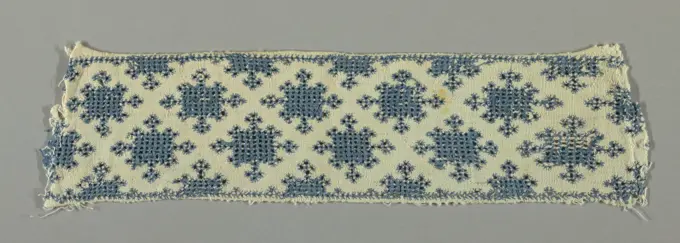
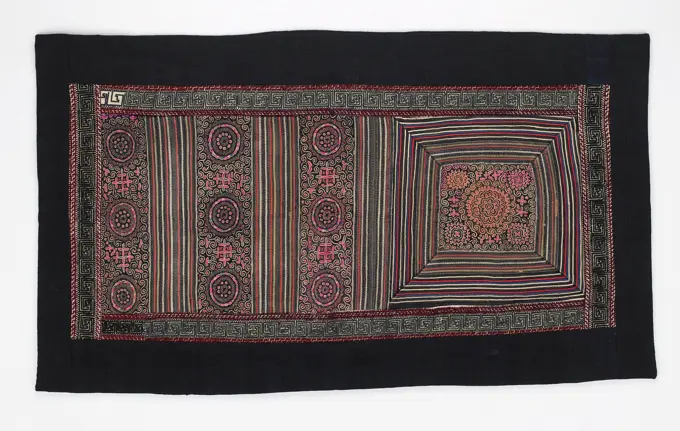
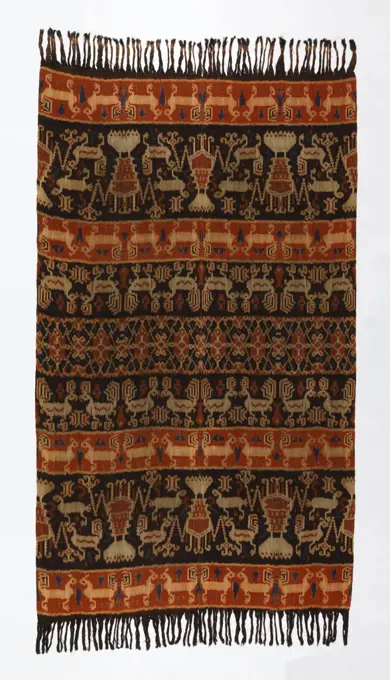
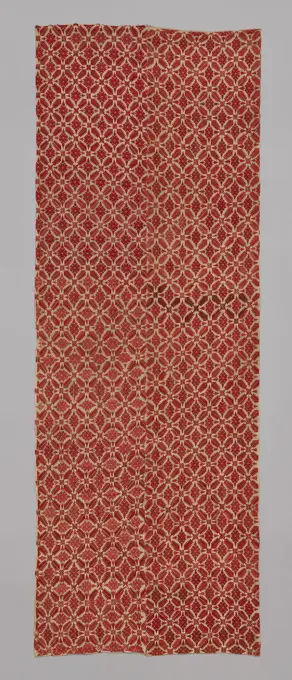
Historical fabric pieces showcasing intricate patterns and designs, representing various cultures and weaving techniques.
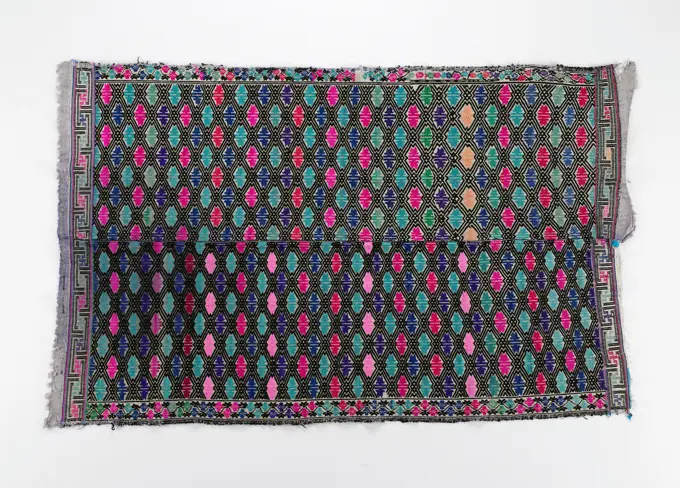
Blanket, 49 1/4 x 30 1/2 in. (125.1 x 77.47 cm), Cotton; needlework, China
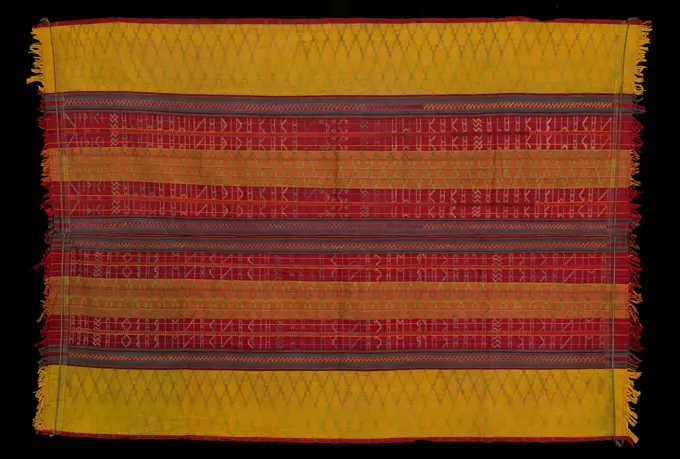
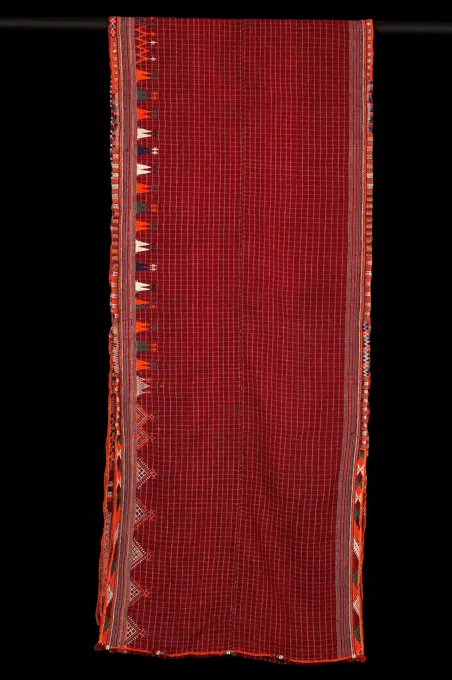
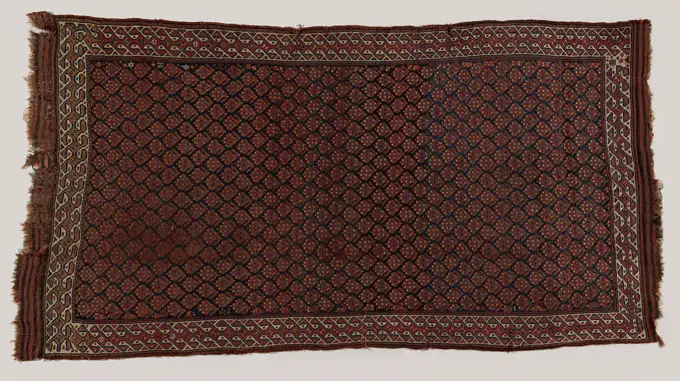
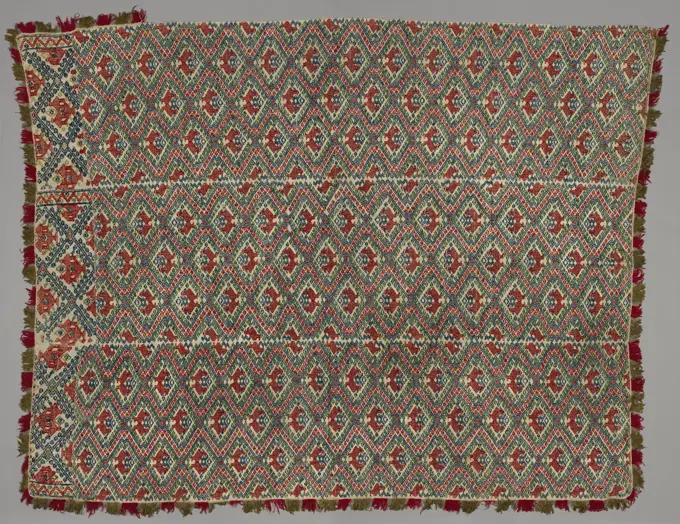
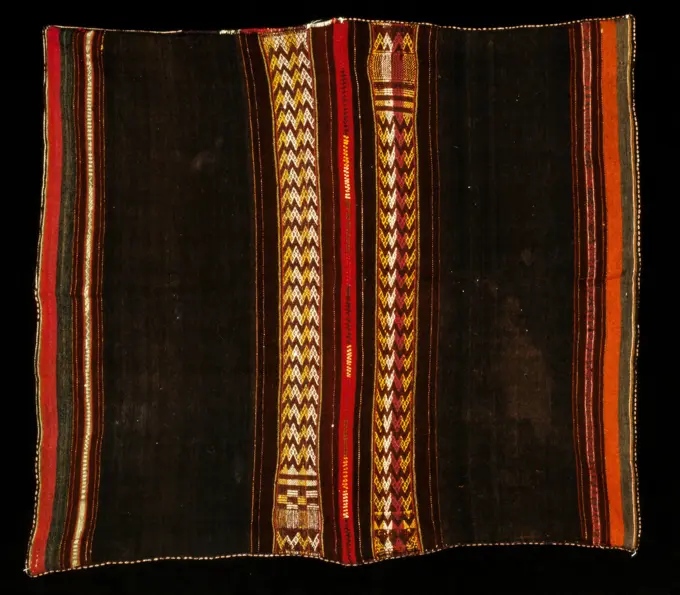
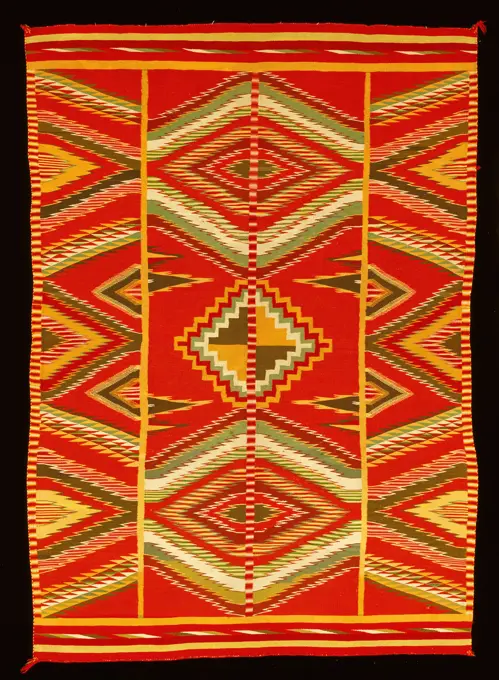
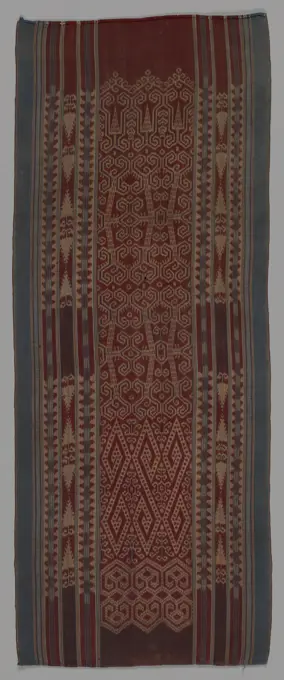
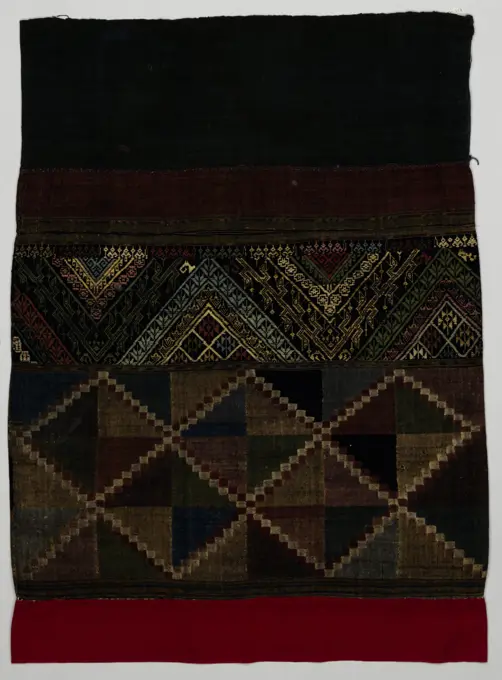
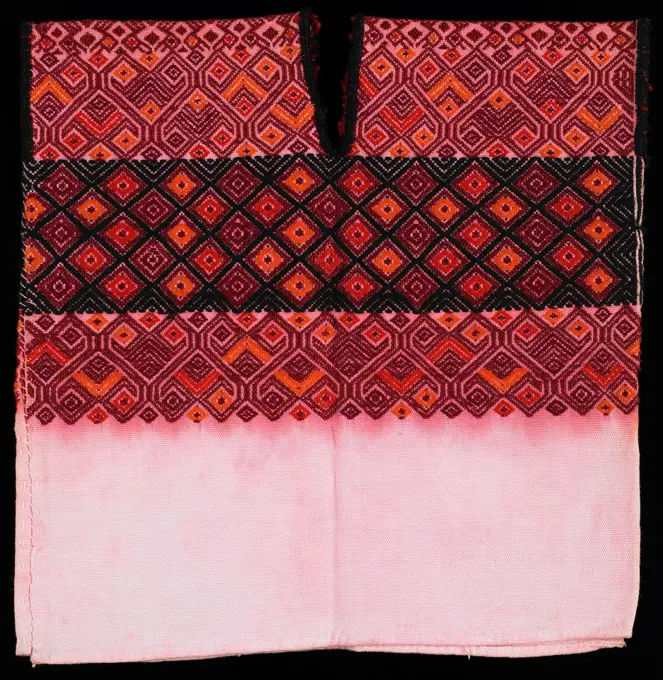
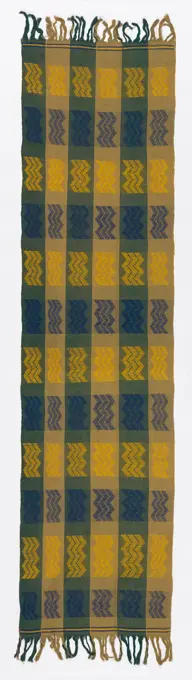
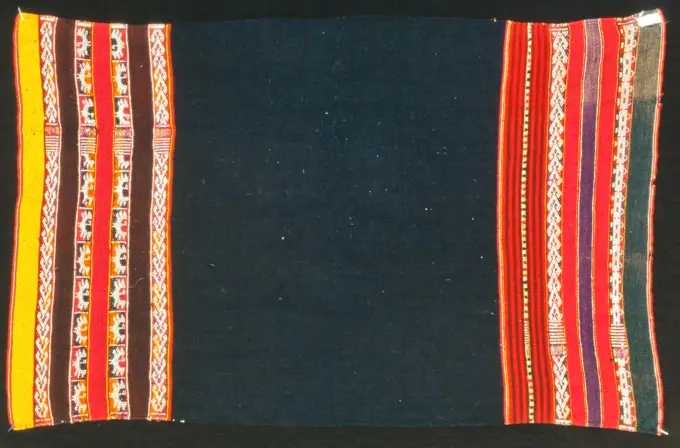
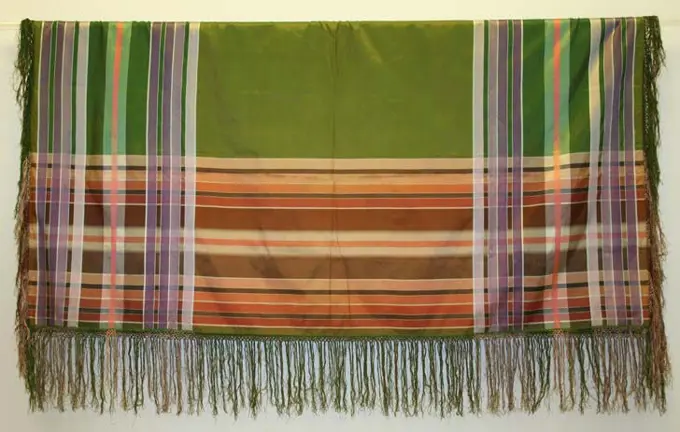
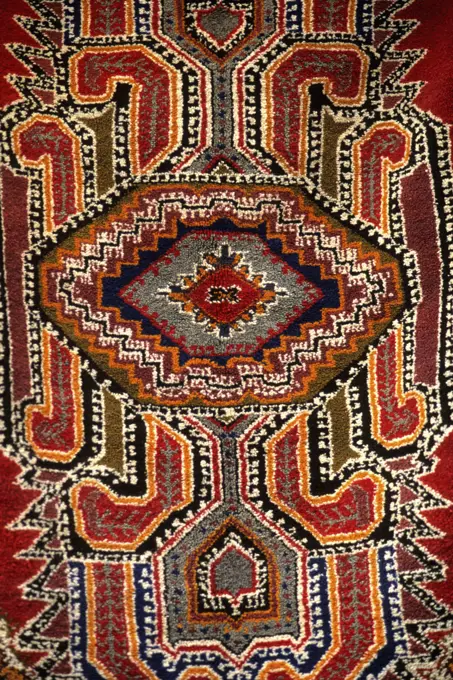
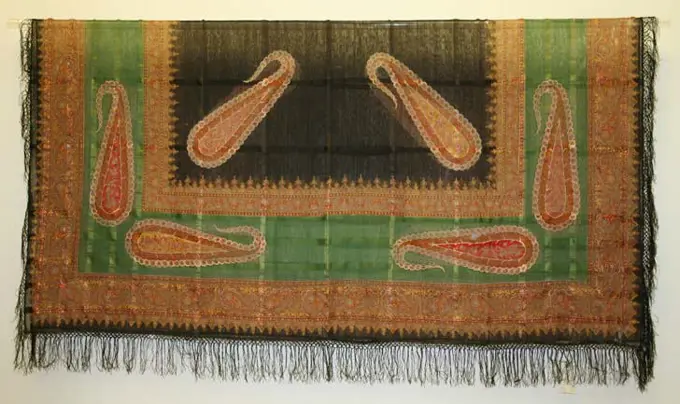
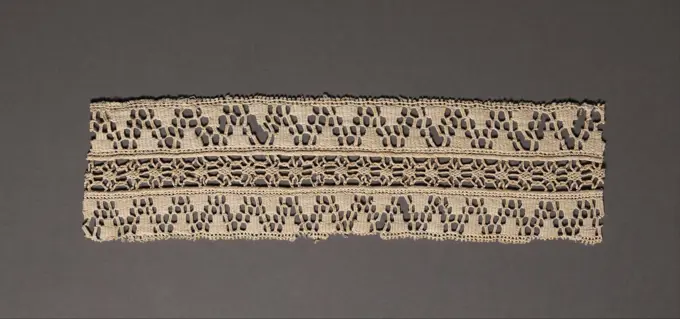
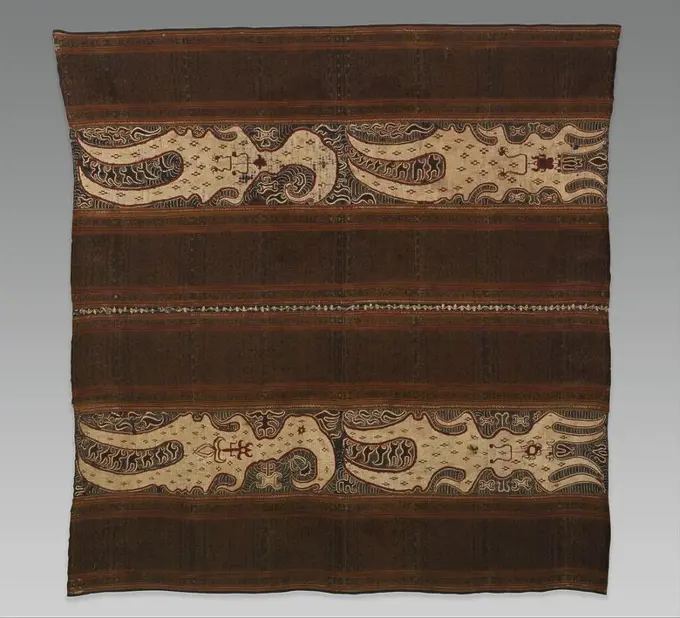
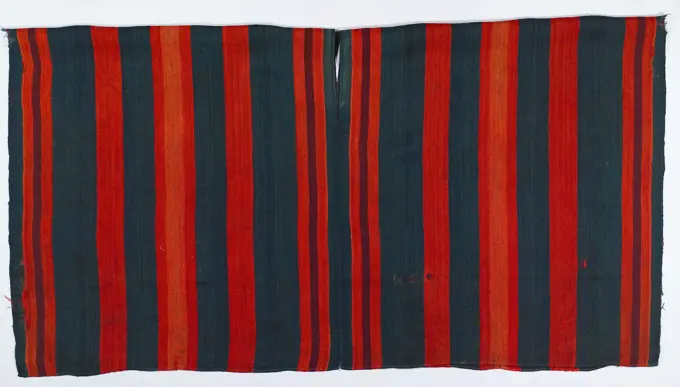
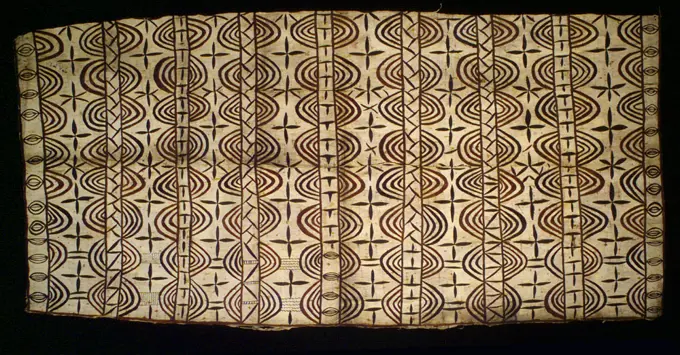
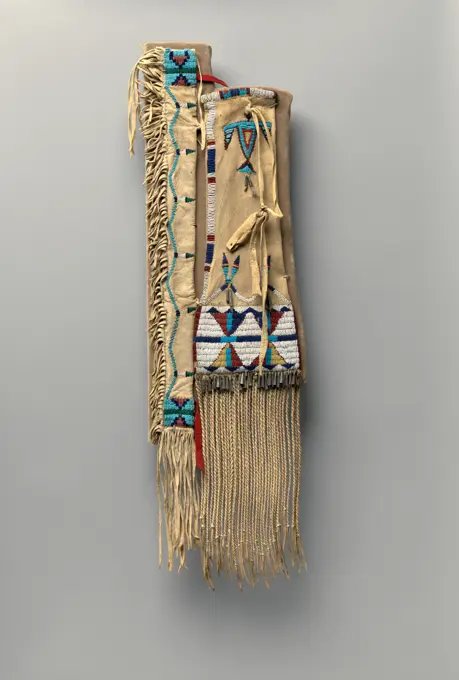
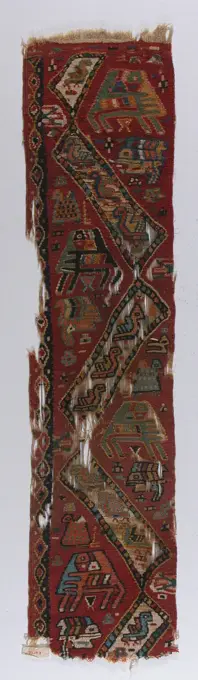
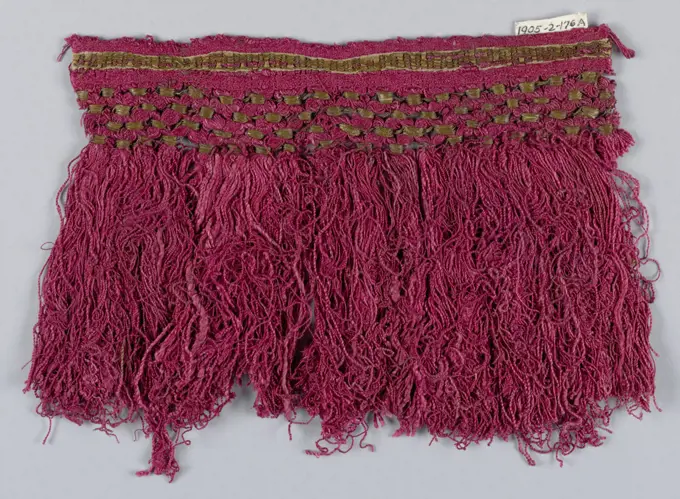
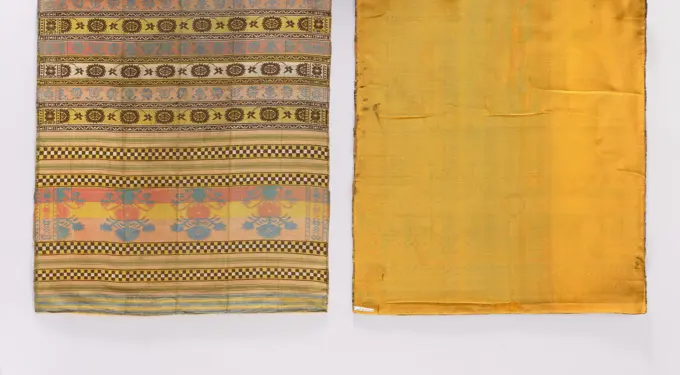
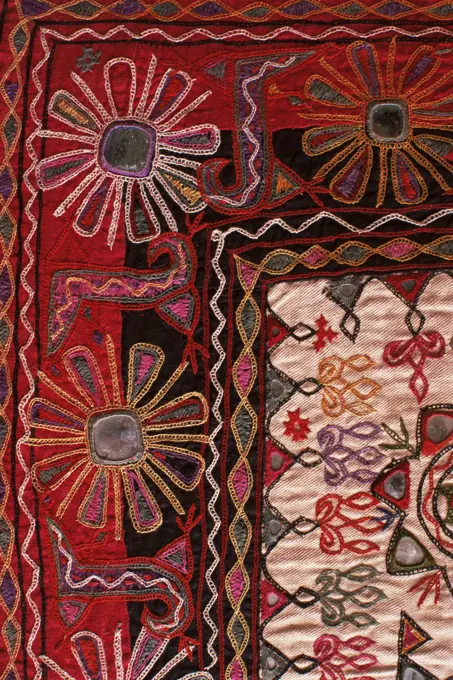
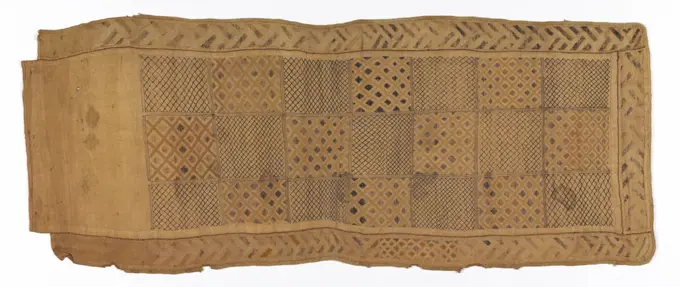
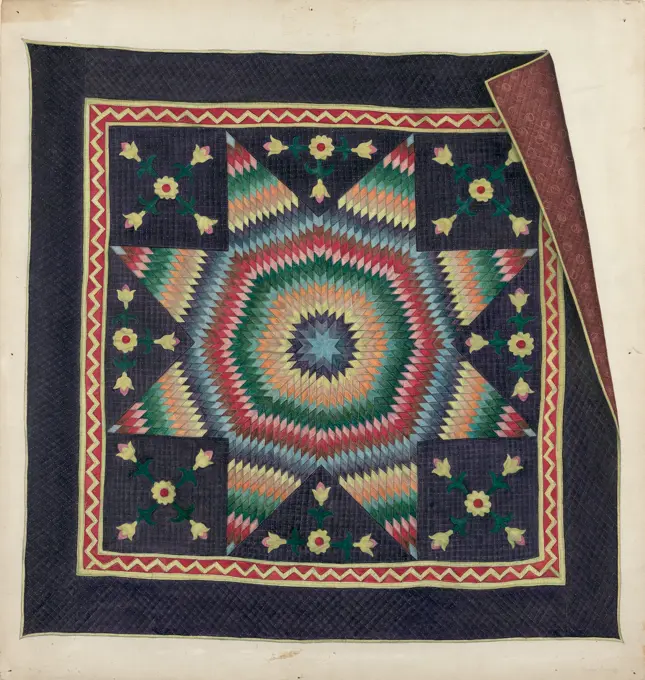
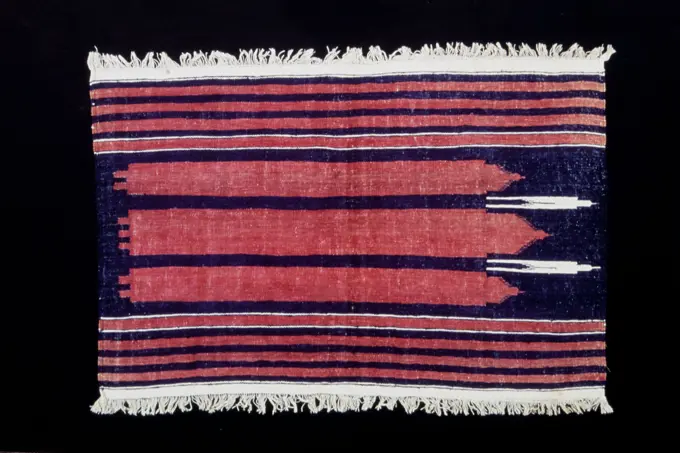
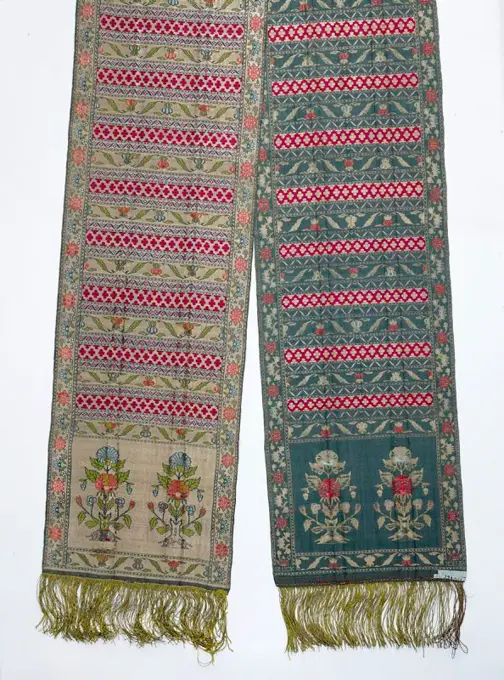
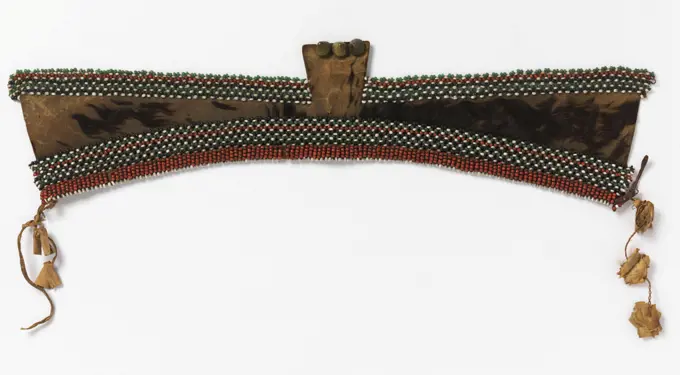
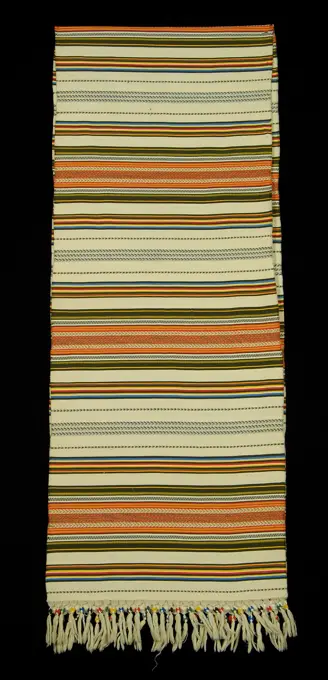
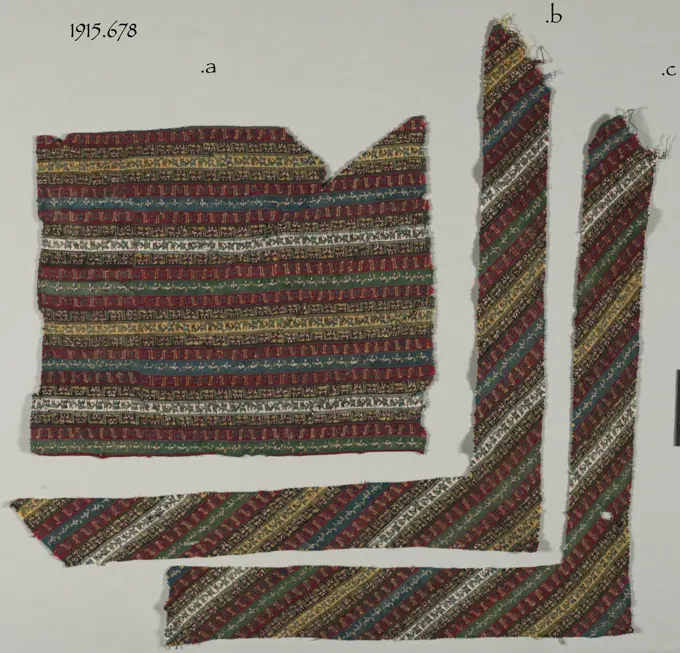
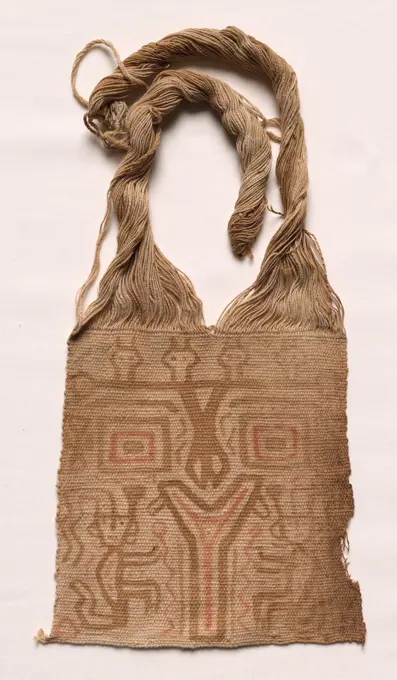
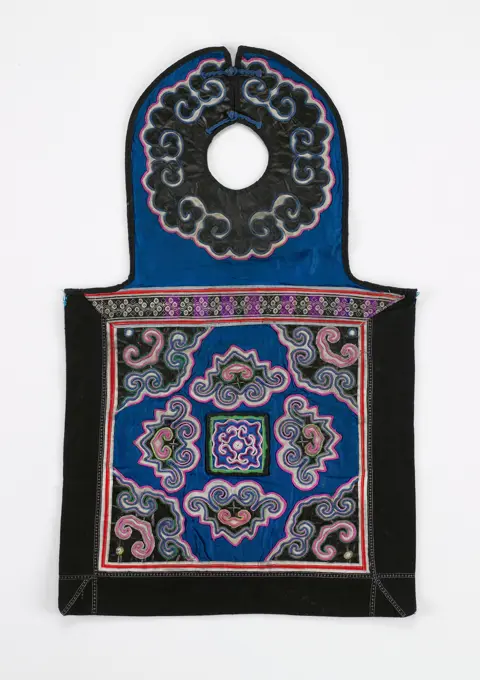
"Hopi Brocade" Style Dance Sash, c. 1874-1885. America, Native North American, Southwest, Pueblo (Hopi), Post-Contact, Late Classic Period. Plain weave with supplementary weft wrap; wool (handspun, Germantown, and bayeta); overall: 125 x 51.5 cm (49 3/16 x 20 1/4 in.).Panel; silk and wool on cottonDekkleed voor een kameel..Cover for a camel. Midfield is decorated with windows from which four flowers come. Edge decorated with cartouches and flowers on rectangles.Skirt, 20th century, 71 1/8 x 52 in. (180.66 x 132.08 cm) (excluding fringe), Cotton, Nigeria, 20th centuryBlanket. Blue children's blanket with red, purple, white and yellow cross stripes.Blanket, 49 1/4 x 30 1/2 in. (125.1 x 77.47 cm), Cotton; needlework, ChinaTextile, Medium: silk embroidery on cotton foundation Technique: embroidered on plain weave, Strip embroidered in two shades of red silk in conventionalized plant forms and a narrow border of triangles and crosses., Rhodes, Greece, 19th century, embroidery & stitching, TextileSkirt, c. 1950-1960, H.29-15/16 x W.132-1/16 in., Wool, beads; needlework, India, 20th centuryFragment (From a shawl) Made 1850-1899 Iran. Wool .Fragment (Trouser Band) Made 1875-1900 China. . Han-ChineseDanga and Laharya Phulkari, c. 1925, 88 x 48 in. (223.52 x 121.92 cm), Cotton, silk; embroidery, tie-dye, India, 20th centuryPanel, 20th century, 84 x 18 3/4 in. (213.36 x 47.63 cm), Silk; supplementary weft patterning, Laos, 20th centuryTextile Fragment 7th-8th century. Textile Fragment 443990Shawl ca. 1810-20. Shawl 446872Sample (USA); Manufactured by Duplan Silk Corporation; silk; Warp x Weft: 44.5 x 39 cm (17 1/2 x 15 3/8 in.)Floral rug with rows stagged mir-i-bota and triangular hooks in the edge. Oriental carpet, floral rug, knotted wool whose midfield is decorated with rows staggered to the left or to the right-handed mir-i-bota against a dark blue fond. An edge decorated with triangular hooks.Bedspread, 17th-18th century. Italy, Sicily, 17th-18th century. Linen ornamented with woolen brocading; overall: 223.5 x 175.2 cm (88 x 69 in.).Sleeve; silk; 1900-6-2Eastern carpet, Tekke Volk, 1850 - 1900 Eastern carpet that was probably used to close the tent entrance, Tekke Ensi. Turkmenie ketting: wool Eastern carpet that was probably used to close the tent entrance, Tekke Ensi. Turkmenie ketting: woolShawl (Llklla), 1950-1960, 42 x 37 in. (106.7 x 94.0 cm), Wool, Bolivia, 20th centuryEye-dazzler' Blanket, c. 1890-1895, 76 x 53 in. (193.0 x 134.6 cm), Wool; tapestry structure, United States, 19th-20th century, In the mid to late 1800s, brilliantly colored woolen yarns arrived in the Southwest from mills in the East, primarily Germantown, Pennsylvania. With this new color palette augmenting the natural dyes gathered from local sources, Navajo weavers created intricate and bold textile designs, pushing the boundaries of color and form while maintaining the distinctive Navajo aesthetic and concept of hózhó, which encompasses beauty, balance, grace, symmetry, and harmony.Fragment; silkCeltic ornamentStrip -Skirt Cloth (KainKebat)Saddle Blanket () 1860-70 Navajo. Saddle Blanket () 313229Fragment striped silk tissue. Fragment striped silk tissue.Fragment (Spain); silkDoek, Anonymous, 1900 - 1949 Cloth with geometric motifs. Laos cotton (textile). silk Cloth with geometric motifs. Laos cotton (textile). silkFringe mid-18th century Italian. Fringe 224931Saltillo Sarape, c. 1840-60. Mexico, Coahuila state, Saltillo Region. Wool, cotton; tapestry weave, macramé fringe; overall: 200.7 x 106.7 cm (79 x 42 in.). The sarape (wearing blanket) is a classic Mexican mens garment that became a symbol of national identity and pride after Mexico achieved independence from Spain in 1821. Examples woven between about 1750 and 1875 in Saltillo, a town in northern Mexico, are the sarapes most famous representatives, prized for their design, color, and technical refinement.Waist Wrapper (Sora Langi, Sarung)Fragment; linen; Bequest of Marian Hague; 1971-50-223Baby carrier panel, c. 1995, 36 7/8 x 21 11/16 in. (93.66 x 55.09 cm), Cotton; needlework, China, 20th centuryHinggi (ceremonial men's wrapper), Medium: cotton Technique: tied resist patterning in warp (ikat) on plain weave, Rectangular panel with fringe at both ends, patterned in warp ikat of red, dark brown, blue and off-white. Design of horizontal bands with rows of shrimps, lobsters, roosters, horses, and some small snake or 'naga' forms. Central band features patola-inspired design. Fringed at two ends., Sumba, Indonesia, 19th century, printed, dyed & painted textiles, Hinggi (ceremonial men's wrapper)Textile (Greece); silk embroidery on linen foundationClose-up of a carpet, Chhume Valley, Zungney, Bumthang District, BhutanFragment, 1800s. India, 19th century. Brocade; silk, gold and silver threads; overall: 8.3 x 19.7 cm (3 1/4 x 7 3/4 in.).Textile, Medium: silk, gold metallic thread Technique: compound weave, Two pieces stitched together possibly for use as a bag or pouch. Purple silk ground striped horizontally in purple, red and green. Gold metallic thread creates geometric figures in extra weft over these stripes., India, 19th century, woven textiles, TextileFringe European 19th centuryRug, 20th century, 73 1/2 x 47 3/4 in. (186.7 x 121.3 cm), United States, 20th centuryPanel (Bed Curtain) Made 1701-1800 Náxos. Linen, plain weave; embroidered with silk in running stitches (pattern darning); two loom widths joined .Girl's huipil, 20th century, 14 7/8 x 14 5/8 in. (37.78 x 37.15 cm), Cotton, synthetic; supplementary weft patterning, Guatemala, 20th centuryPanel, 20th century, 48 1/2 x 16 in. (123.19 x 40.64 cm), Silk; supplementary weft patterning, Laos, 20th centuryTraditional Turkish rug textile with patterns in bazaarCoverlet Fragment (USA); cotton, wool; 1953-218-61Wrapper, 20th century, 61 x 43 in. (154.9 x 109.2 cm)(w/o fringe), Cotton, rayon, Nigeria, 20th centuryFragment (Spain); wool on linenWomans Sarung (Sora Langi)Textile (India); cottonPriest's Robe (Shichij) Japan. Priest's Robe (Shichij). Japan. Silk, metallic thread. Momoyama period (1573-1615). Textiles-CostumesMan's Ceremonial Wrap (Selimut) Timor. Three panels joined outer panels stripes of cotton, plain weave and stripes of warp resist dyed (warp ikat), plain weave; inner panel cotton, warp resist dyed (warp ikat), plain weave; ends warp fringe .Moro Cloth, c 1900s. Philippines, early 20th century. Plain weave hemp, dyed; overall: 157.5 x 77.2 cm (62 x 30 3/8 in.).Panel, 20th century, 75 1/2 x 16 1/4 in. (191.77 x 41.28 cm), Silk, cotton; brocade, Laos, 20th centuryEmbroidered Strip, early 1900s. India, early 20th century. Embroidery; cotton, metal and silk thread, sequins; overall: 79.4 x 29.2 cm (31 1/4 x 11 1/2 in.).shawl, c. 1975, 154 1/2 x 45 1/2 in. (392.43 x 115.57 cm) (including fringe), Wool; tapestry weave, India, 20th centuryWoman's Head Wrap (Nigeria); cottonBreast band, 20th century, 29 3/4 x 14 5/8in. (75.6 x 37.1cm), Cotton, silk; supplementary weft patterning, Myanmar (Burma), 20th centurySkirt (Aksu), 1965-1975, 40 x 26 1/2 in. (101.6 x 67.3 cm), Wool, Bolivia, 20th centuryFragments; silkWoven Wool Textile, early 19th century. Sweden, Dalecarlia, early 19th century. Wool; average: 48.3 x 59.7 cm (19 x 23 1/2 in.).Shawl ca. 1840 probably British. Shawl 123119Colorful rugs artwork in Casablanca Morocco AfricaShawl 1810-15 probably French. Shawl 123214Shawl 19th century. Shawl 445958Fragment (For a Bed Curtain) Made 1601-1700 Cyclades. Linen, plain weave; embroidered with silk in satin stitches; edged with silk in needle lace with attached silk tassels .Rug, probably made for sale. 1890-1902. From Andrasfalva (Maneuti, Romania). Ethnographic Museum. Budapest. Hungary.Fringe European 19th centuryStrip 16th century Italian, Venice. Strip 220821Woman's Ceremonial Skirt (Tapis). Culture: Lampung. Dimensions: L. 52 x W. 52 in. (132.1 x 132.1 cm). Date: 18th century or earlier. Museum: Metropolitan Museum of Art, New York, USA.Band Fragment and Roundel with Botanical and Geometric Decoration Coptic. Band Fragment and Roundel with Botanical and Geometric Decoration, 5th-7th century C.E. Wool, 6 1/4 x 7 3/4 in. (15.9 x 19.7 cm).   Egyptian, Classical, Ancient Near Eastern Art 5th-7th century C.E.Poncho 17th century () Quechua. Poncho. Quechua. 17th century (). Wool. Peru. Textiles-WovenEdging 16th century Italian, Genoa. Edging 220873Coverlet Detail. Dated: c. 1936. Dimensions: overall: 35.6 x 27.9 cm (14 x 11 in.) Original IAD Object: 7 3/4" wide; 8 1/4" long. Medium: watercolor and gouache on paper. Museum: National Gallery of Art, Washington DC. Author: Ruth M. Barnes.Hiapo (tapa cloth), 1800s, Niue, maker unknown.Demolition or mattress of printed triangular patches made of cotton, anonymous, c. 1825 - c. 1850 Demolition or mattress of printed triangular patches made of cotton, in many fetish colors. Friesland cotton (textile) printing Demolition or mattress of printed triangular patches made of cotton, in many fetish colors. Friesland cotton (textile) printingTobacco bag with pipe-stem case ca. 1870 Northern Cheyenne, Native American The narrow sleeve on this tobacco bag held a pipes wood stem. A woman embellished it with stylized feathers and a wavy line of beadwork, perhaps to suggest the pipes role in transmitting sacred smoke and prayer. A single Thunderbird, a powerful spirt, is represented near the opening; hourglass motifs—common in Plains painting, quillwork, and bead-embroidered designs—are featured on the body; and a finely twisted, two-ply fringe hangs from the bottom.. Tobacco bag with pipe-stem case. Northern Cheyenne, Native American. ca. 1870. Tanned leather, glass beads, wool cloth, metal cones, and horsehair. Made in Wyoming, United StatesConciliate belt;  2nd half 18th century (1751-00-00-1800-00-00);National style of embroidery. National style of embroidery. Copyright: xZoonar.com/andriixsalivonx 1755457Textile Fragment 8th century. Textile Fragment 448909Fringe, Medium: silk, metallic thread (gold strips wound on a silk core) Technique: soumak weave, Red and gold metallic thread form a soumak heading. Band in a trellis design of gold metallic thread above skirt threads of twisted red threads., Greece, 17th century, trimmings, FringeBedcover ("Sawtooth" or "Jagged Square" Quilt). Pennsylvania Dutch; United States, Pennsylvania. Date: 1880-1900. Dimensions: 214.6 x 217.8 cm (84 ½ x 85 3/4 in.). Cotton, plain weaves; pieced; appliquéd; quilted; backed with cotton, plain weave; printed; edged with cotton plain weave. Origin: United States. Museum: The Chicago Art Institute, Chicago, USA.Kontusz sash/belt. unknown, authorTraditional Rabari tribal embroidered fabrics, Kutch, Gujarat state, India, AsiaMOROCCO, South of the High Atlas, OUARZAZATE: Moroccan Rugs / Ensemble ArtisanatTumpline -Linen Towel. Dated: c. 1937. Dimensions: overall: 37.2 x 27.8 cm (14 5/8 x 10 15/16 in.) Original IAD Object: 36" long; 12 1/2" wide. Medium: watercolor, graphite, and gouache on paper. Museum: National Gallery of Art, Washington DC. Author: Eva Wilson.Overskirt, Medium: raffia, hemp Technique: embroidered with buttonhole and pile stitches on plain weave, Center field of large squares of diamonds and trellis patterns in dark brown and natural pile embroidery. Wide border with interlacing pattern on three sides, edged with buttonhole embroidery in hemp cord., Kasai, Democratic Republic of the Congo, late 19th century, embroidery & stitching, OverskirtStrip -Kontusz sash/belt. unknown, authorSylvia De Zon and Mina Lowry, Star of Bethlehem Quilt, c 1940 Star of Bethlehem QuiltBedcover ( Flying Geese Quilt) 1801-1900 United States. Cotton, plain weaves; pieced; some printed; quilted; backed with cotton, plain weave; edged with cotton, plain weave .Mat, 19th century, L.42 x W.30 in., cotton, India, 19th centuryKontusz sash. Manufaktura Karola Stanisława Radziwiłła (Słuck ; wytwórnia pasów ; ca 1767-1790), manufacture, Madżarski, Jan (fl. ante 1757-ca 1800), manufacturerHeadpiece, Medium: beads, fur, leather, brass Technique: strung beads, stitched to fur, Rows of beads in red, green, white and black are attached to the top and bottom of a shaped band of fur. Three small brass knobs at the center top. Leather thongs attached at edges, for tying on to head., South Africa, Africa, 1870s, costume & accessories, HeadpieceSash third quarter 19th century Italian. Sash 168627Fragments of a Shawl, 19th century. India, Kashmir, 19th century. Twill weave, brocaded; wool; overall: 43.1 x 36 cm (16 15/16 x 14 3/16 in.).Mummy Bundle "Mask", 400-200 BC. Peru, South Coast, Ica Valley, Ocucaje site, Paracas style (700 BC-AD1). Plain warp-faced cloth, painted: cotton; overall: 48.9 x 19.6 cm (19 1/4 x 7 11/16 in.). The Paracas people of Peru's South Coast buried their dead in pear-shaped mummy bundles made of a seated human body carefully wrapped in garments and other textiles. Sometimes a painted cloth was placed at the top of the bundle, as though it served as the bundle's face, head, or "mask." The cloth was padded on the back so it curved outward like a face, and the tress-like yarns (unwoven warps) at the upper edge were arranged around a solid cotton disk that, in turn, was wrapped with a headband (see photo). Some cloths were painted with mask-like faces, and others with full figures, apparently mythical creatures.Baby Bib, 22 x 14 in. (55.88 x 35.56 cm), Cotton, silk, metallic thread, ChinaBelt, 20th century, 88 1/4 x 4 5/16 in. (224.2 x 11 cm), Cotton, silk, China, 20th century