Traditional Japanese Landscapes

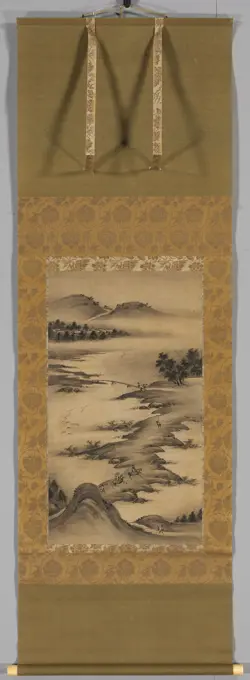
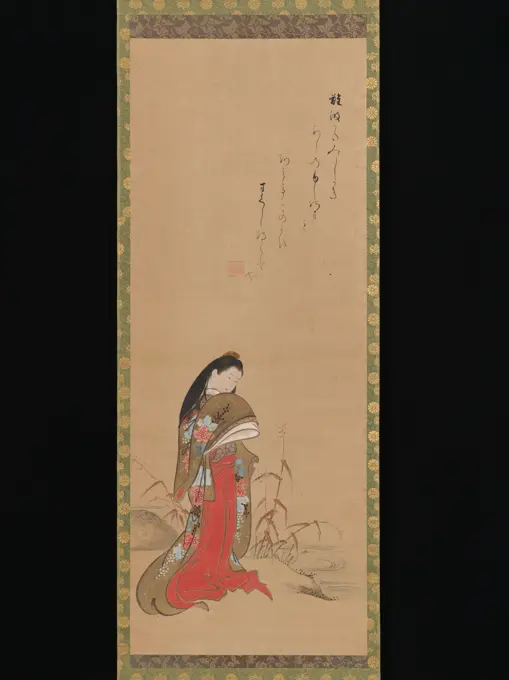
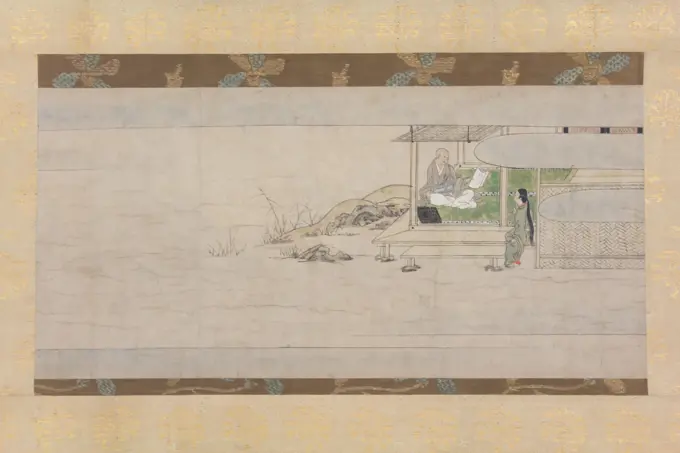
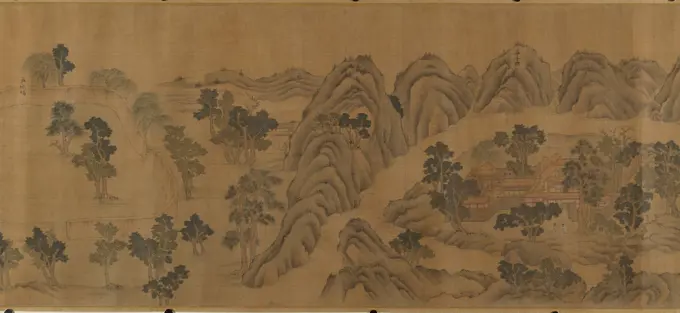
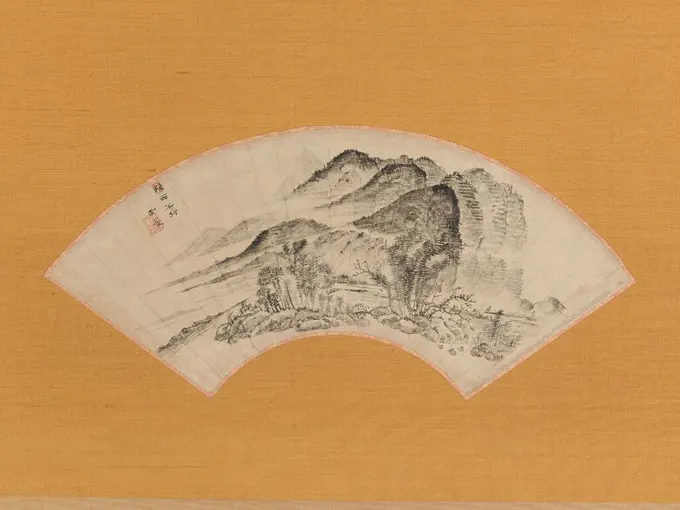
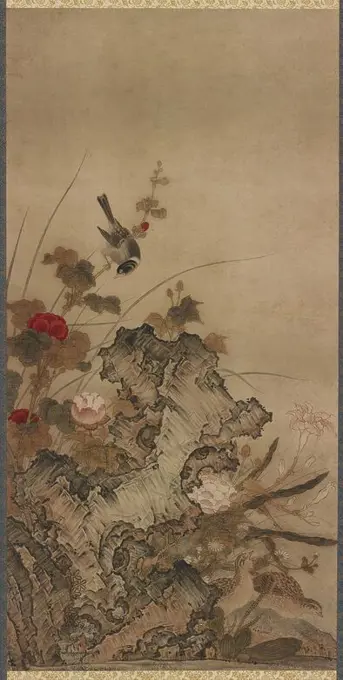
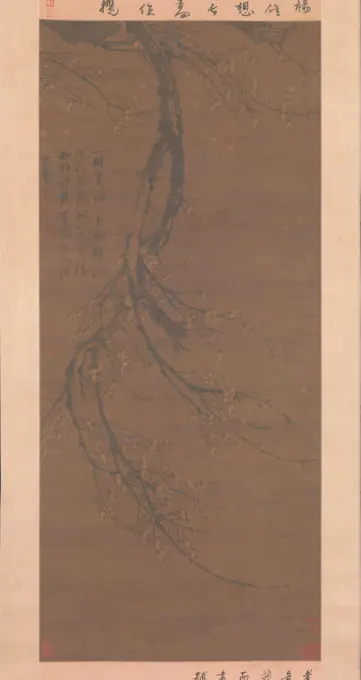
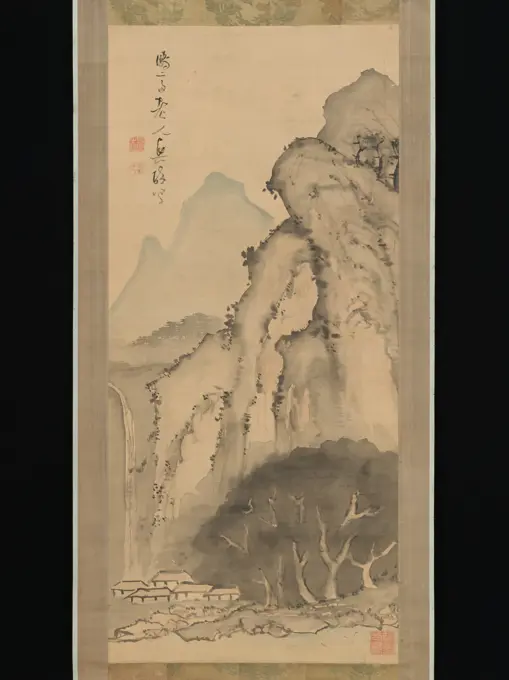
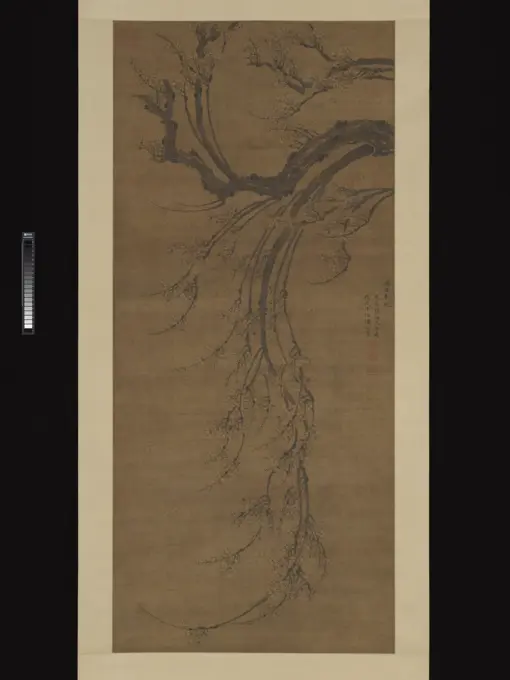
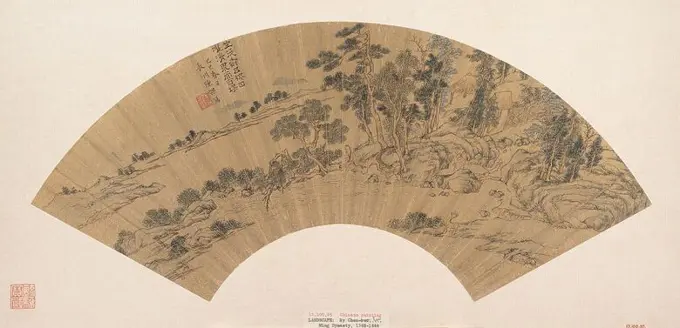
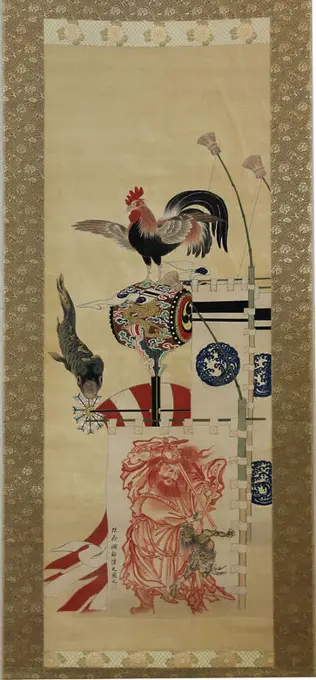
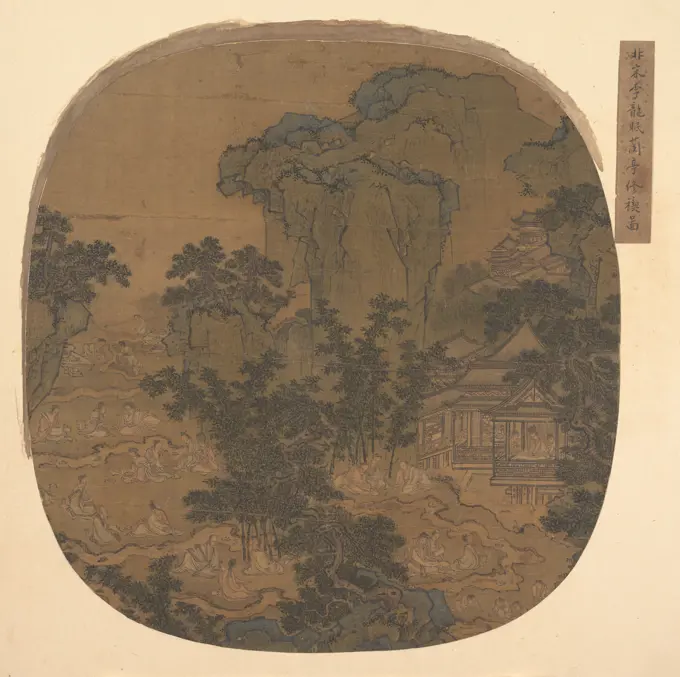
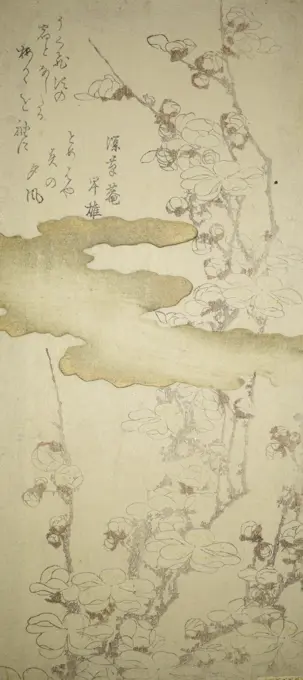
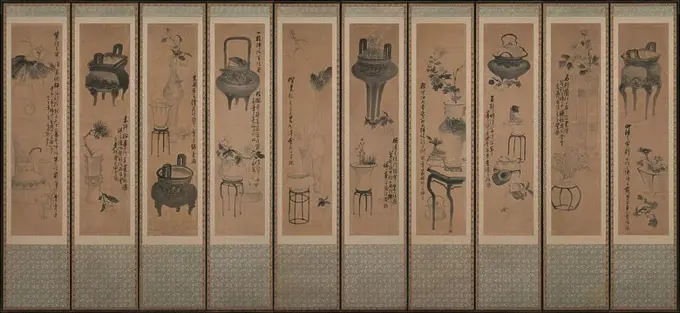
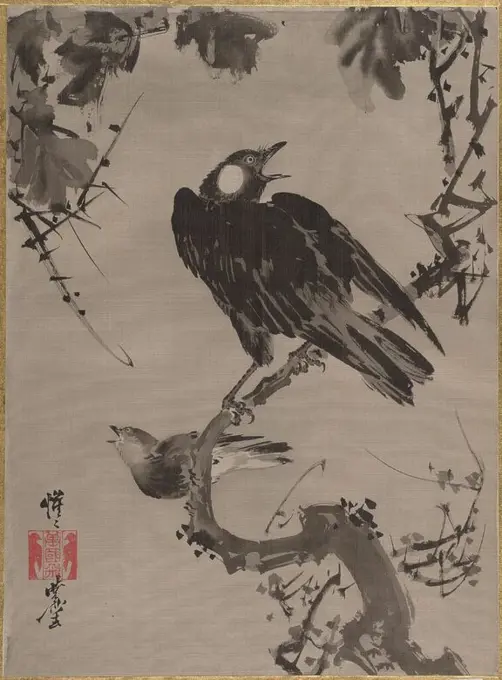
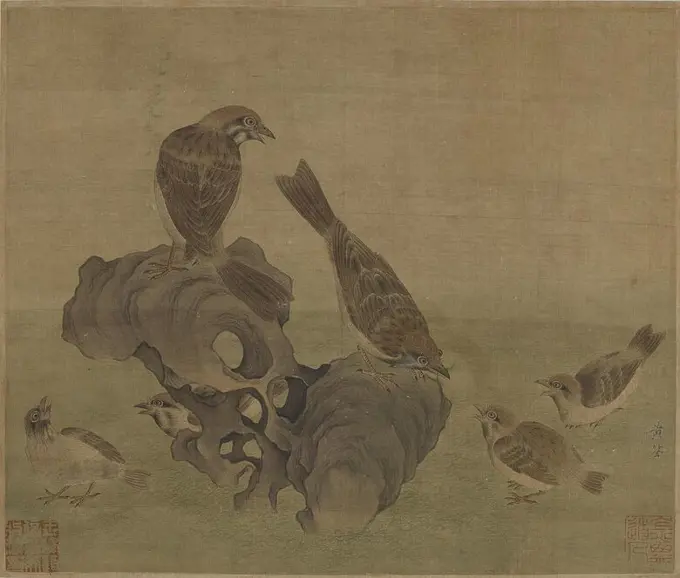
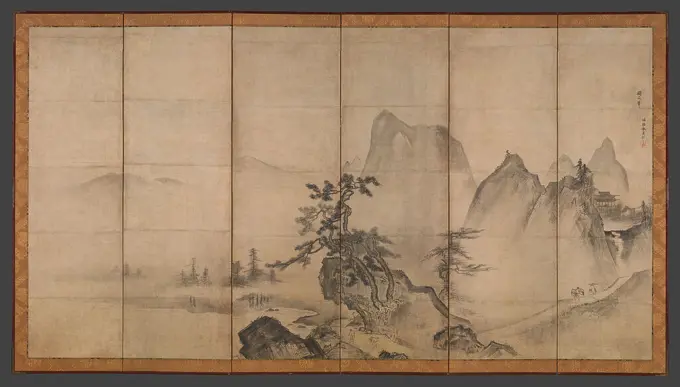
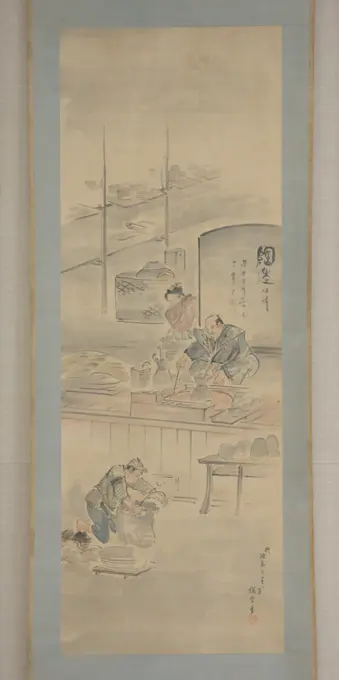
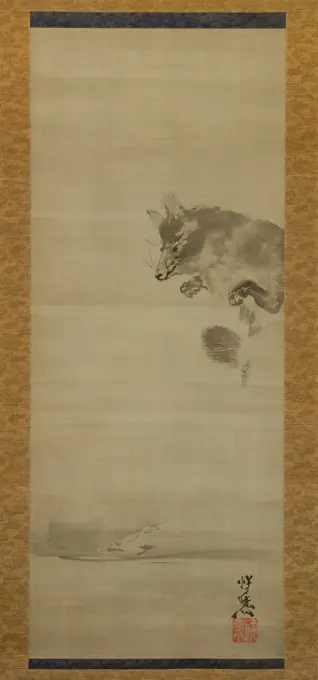
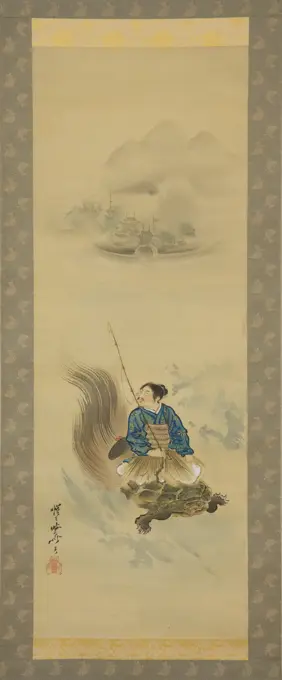
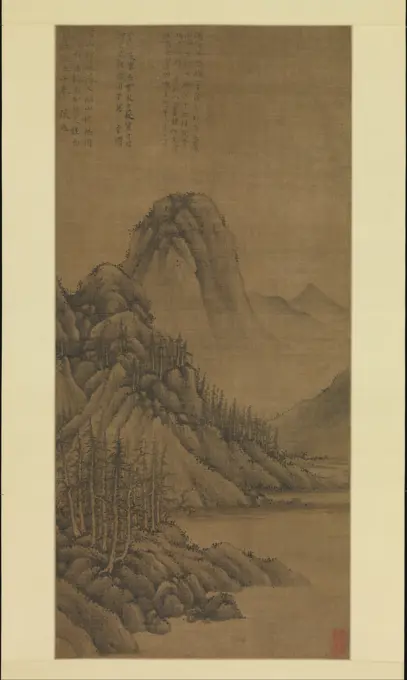
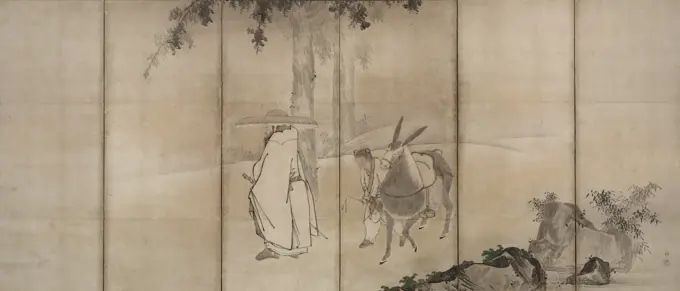
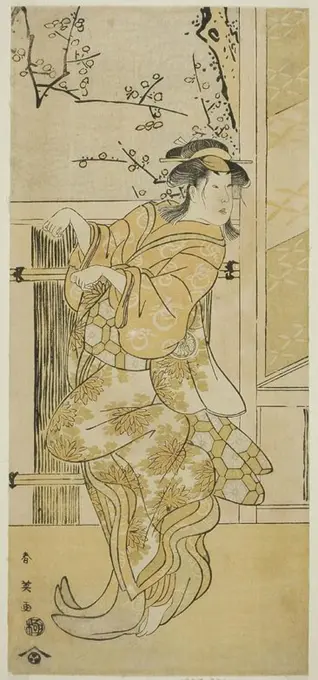
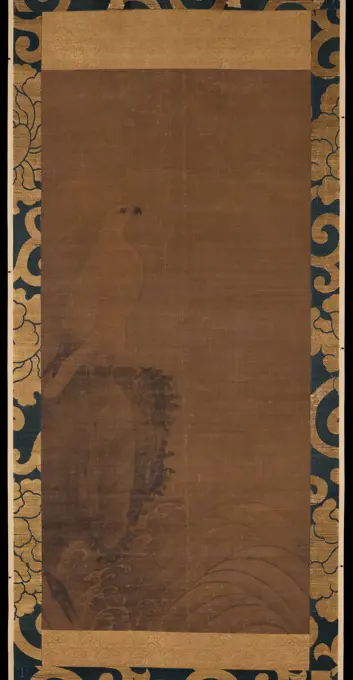
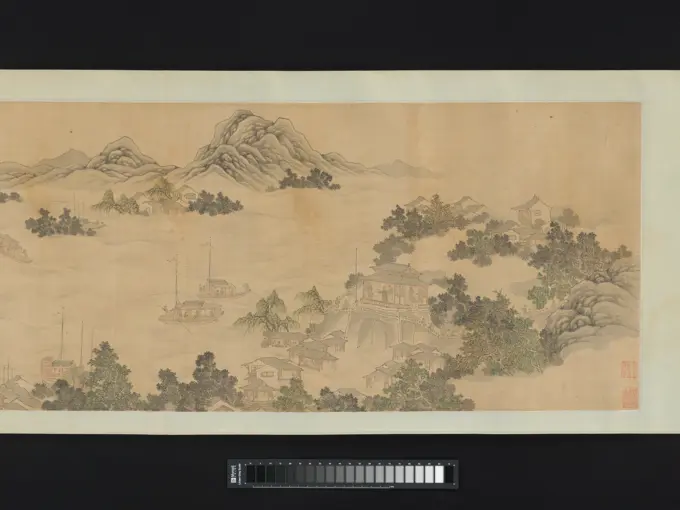
Hanging scrolls depicting serene landscapes with elements of nature and human interaction, illustrating the harmony of art and environment in Japanese culture.

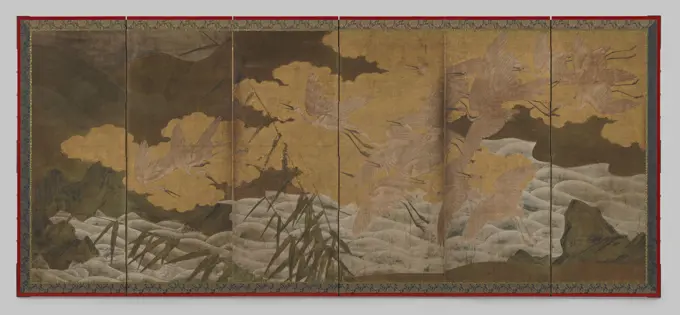
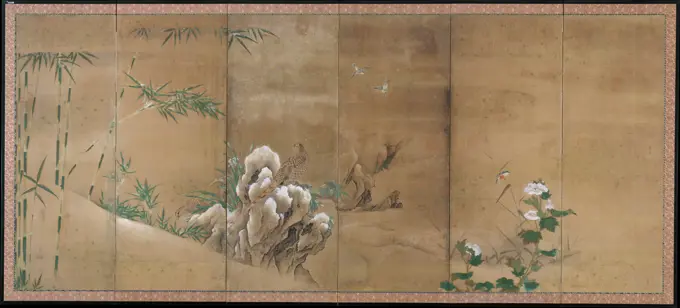
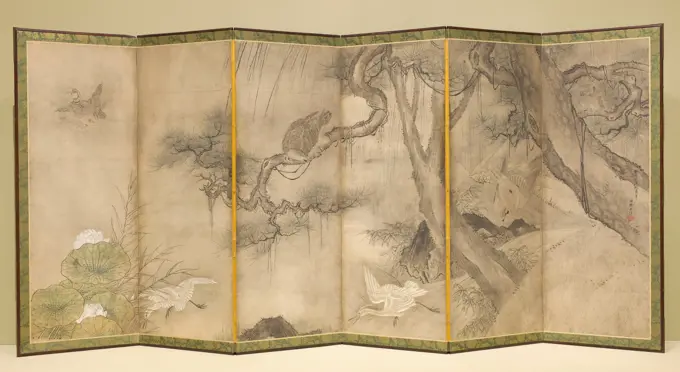
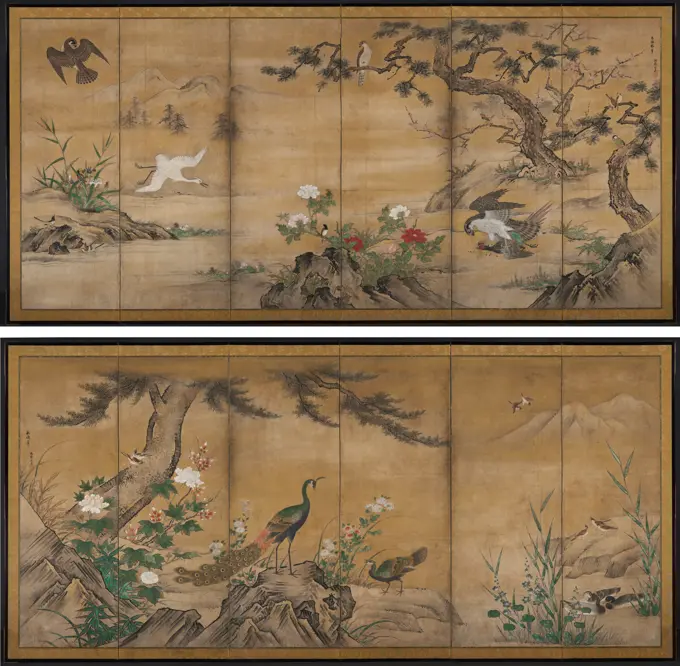
Hawks by a Stream right of a pair, mid 17th century, Soga Nichokuan, Japanese, active c. 1620 - 1660, 59 5/16 × 137 5/8 in. (150.65 × 349.57 cm) (image)63 × 145 × 5/8 in. (160.02 × 368.3 × 1.59 cm) (mount), Ink and color on paper, Japan, 17th century, Birds of prey became a favorite subject of members of Japans warrior class beginning in the 1400s and 1500s. When applied to large-scale paintings like folding screens, such images, which express notions such as military prowess, power, and valor, made for a particularly impressive backdrop for warriors receptions rooms. Soga Nichokuan, like his father, Soga Chokuan (Nichokuan literally means 'the second Chokuan'), specialized in images of birds, especially hawks and other birds of prey, whose textured feathers they described using a meticulous layering of various tones of ink wash. The hawks of Nichokuan and his father owe a great deal to older Chinese and Japanese paintings . But Nichokuan, particularly in late works like this one, pl