My Boards
View Pictures
  • My Boards
← Artworks

Traditional Japanese Scenes

Woodblock prints depicting elegant scenes from Japanese culture, focusing on festivals and private moments, rich in detail and color.
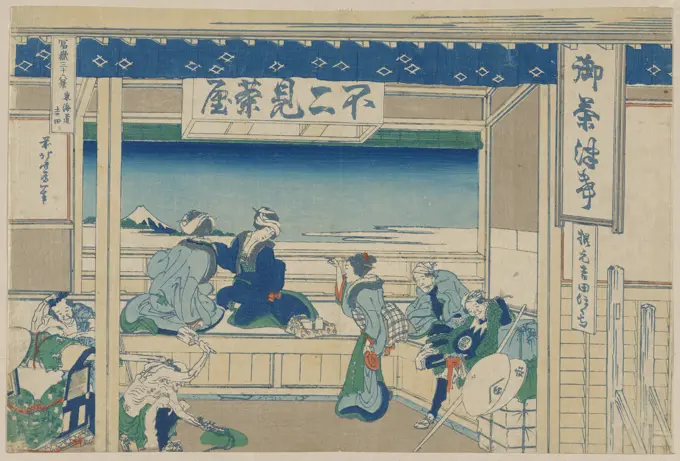
Yoshida on the Tōkaidō, 1830-1833, Katsushika Hokusai; Publisher: Nishimuraya Yohachi, Japanese, 1760 - 1849, 9 7/8 × 14 3/4 in. (25.08 × 37.47 cm) (image, sheet, horizontal ōban), Woodblock print (nishiki-e); ink and color on paper, Japan, 19th century
268 assets in this story
4409-17469843
Minute Men Valance. Dated: 1935/1942. Dimensions: overall: 57.2 x 70.8 cm (22 1/2 x 27 7/8 in.). Medium: watercolor and graphite on paper. Museum: National Gallery of Art, Washington DC. Author: Mina Greene.
4443-20306348
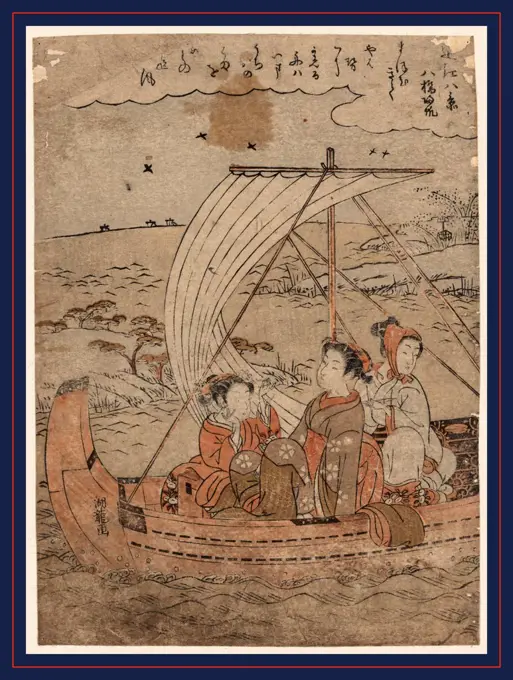
Yabase no kihan, Returning sails at Yabase., Isoda, Koryusai, active 1764-1788, artist, between 1770 and 1773, 1 print : woodcut, color ; 21 x 15.2 cm., Print shows three women in a small sailboat.
4069-488
Woodchopping, illustration from Odes of the State of Pin, Song dynasty, China
4409-17581113
'Slope Chanbanpo in Danyang County'. China, City of Yanlyutsin, late 19th - early 20th century. Dimensions: 106x60 cm. Museum: State Hermitage, St. Petersburg.
1899-19188195
Toyohara Chikanobu, better known to his contemporaries as Yoshu Chikanobu, was a prolific woodblock artist of Japan's Meiji period. His works capture the transition from the age of the samurai to Meiji modernity. In 1875 (Meiji 8), he decided to try to make a living as an artist. He travelled to Tokyo. He found work as an artist for the Kaishin Shimbun. In addition, he produced nishiki-e artworks. In his younger days, he had studied the Kano school of painting; but his interest was drawn to ukiyo-e. Like many ukiyo-e artists, Chikanobu turned his attention towards a great variety of subjects. His work ranged from Japanese mythology to depictions of the battlefields of his lifetime to women's fashions. As well as a number of the other artists of this period, he too portrayed kabuki actors in character, and is well-known for his impressions of the mie (formal pose) of kabuki productions. Chikanobu was known as a master of bijinga, images of beautiful women, and for illustrating changes i
4409-28962016
Color and gold. Paper six-fold screen. Origin: Japan. Date: 1568-1615. Period: Momoyama period. Ink, color and gold on paper. Museum: Freer Gallery of Art and Arthur M. Sackler Gallery.
6145-50636475
The collection of mulberry leaves, board 2 from the album: Various issues on sericulture /Kaiko yashinai gusa
4443-73181317
Kunisada, B, C, D, work, Four busts, 1861, color woodcut: color woodcut, graphics
4409-17550033
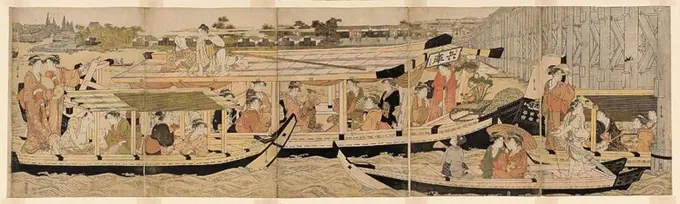
Pleasure Boats on the Sumida River. Chobunsai Eishi; Japanese, 1756-1827. Date: 1787-1797. Dimensions: 14 1/2 x 50 1/2 in. Color woodblock prints; oban pentaptych. Origin: Japan. Museum: The Chicago Art Institute, Chicago, USA. Author: Chobunsai Eishi.
6145-29136479
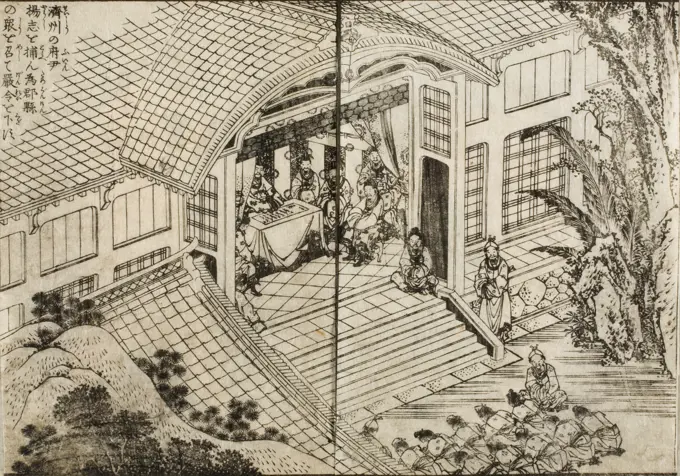
Pages from the New Illustrated Edition of 'Tales of the Water Margin'. Katsushika Hokusai (Japan, 1760-1849). 1805-1835. Books. Double-page book illustration; black and white woodblock print
4443-20306723
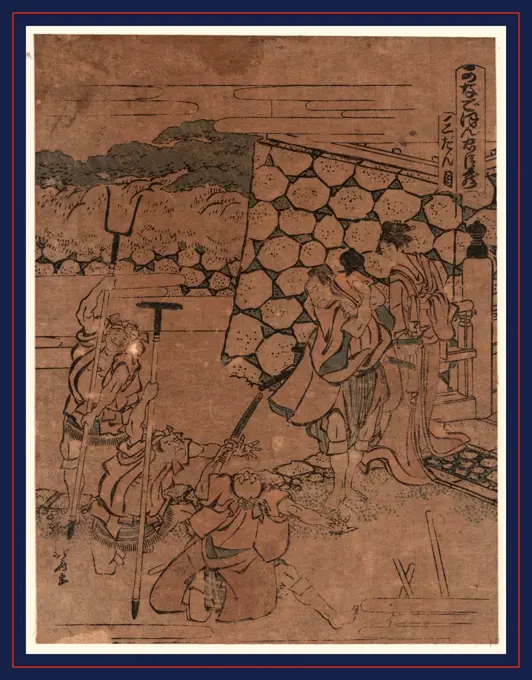
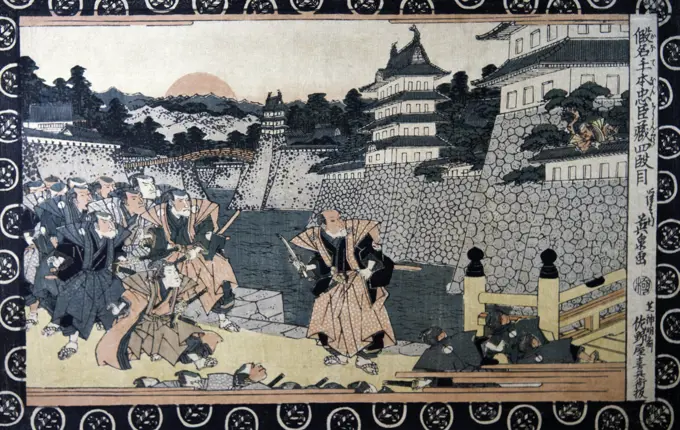
Sandanme, Act three of the Kanadehon Chushingura., Katsushika, Hokusai, 1760-1849, artist, between 1804 and 1812, 1 print : woodcut, color ; 22.4 x 17 cm., Print shows a confrontation at the rear gate outside the shogun's palace between Sagisaka Bannai and two other men, who are Morono's retainers, and Kampei, who is fleeing with his lover Okaru. Scene from act three of the play Chushingura or revenge of the 47 Ronin.
4443-28734653
Maple Viewing Party, first half 18th century, Miyagawa Chōshun, Japanese, 1682 - 1752, 43 3/4 x 113 in. (111.13 x 287.02 cm) (image)49 x 118 in. (124.46 x 299.72 cm), Six-panel folding screen; ink and color on gold leaf on paper, Japan, Nikuhitsu ukiyo-e, This colorful screen illustrates a favorite Japanese seasonal pastime, viewing crimson maple leaves in autumn. Within a curtained enclosure, two luxuriously clothed women, surrounded by their attendants, are enjoying music and refreshments laid out on elegant black and red lacquer serving dishes. On the far left, a group of women heat rice wine (sake) over a small fire fueled by dried maple leaves. A foot soldier announces the arrival of his superior, shown in a blue patterned kimono and plaid jacket on the far right. An elegant folding screen in the backgroundmuch like the one on which this scene is paintedillustrates how these objects were used both indoors and out for privacy and protection against the wind.
4443-20306693
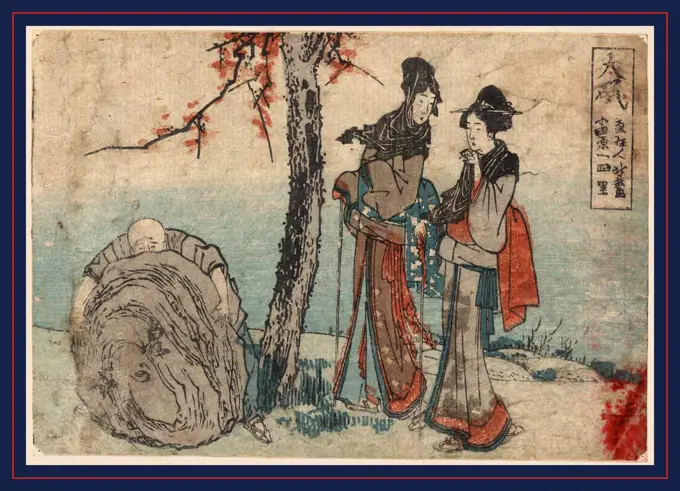
Oiso, Katsushika, Hokusai, 1760-1849, artist, 1804., 1 print : woodcut, color ; 11.4 x 16.5 cm., Print shows two women watching a man try to lift a large stone or bundle.
6145-29284089
Warriors in a night conference with sea and mountains behind. Colour woodcut by Yoshifuji, 1851.
4409-17558043
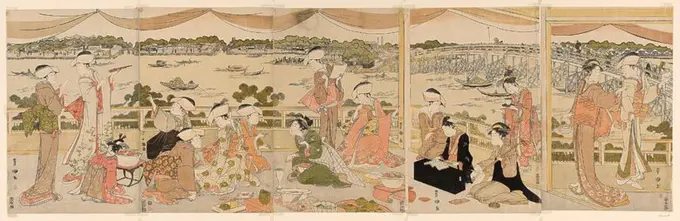
Recital on a verandah overlooking Sumida River. Utagawa Toyokuni I   ; Japanese, 1769-1825. Date: 1785-1800. Dimensions: each sheet approx. 38.7 x 25.4 cm (15 1/4 x 10 in.). Color woodblock print; oban pentaptych. Origin: Japan. Museum: The Chicago Art Institute, Chicago, USA.
4409-50080056
Madrid, 12/12/2015. Santoña Palace. Photo: Isabel Permuy Archdc.
6145-51817937
Illustration of the Deliberation to Invade Korea Illustration of the Deliberation to Invade Korea, 1868-1912. Color woodblock print on paper, 14 3/8 x 9 5/8 in. (36.5 x 24.4 cm).   Asian Art 1868-1912
6145-59513623
Tiger yacht, Adrianus Canter Visscher, c. 1750 - c. 1755 drawing Drawing from the manuscript of the VOC servant Adrianus Canter Visscher with twenty -eight Indian miniatures and two maps of places on the Coromandelkast. The text consists of two parts: a history of the Mogolrijk and the VOC locations on the Coromandelkast; This is followed by an advice to the lords XVII on the economic situation of the VOC in the Coromandel. Deccan paper writing (processes) / drawing riding on animal other than horse, ass, or mule. hunt ~ predatory animals (fox, lion) Coromandelkust
6145-59027779
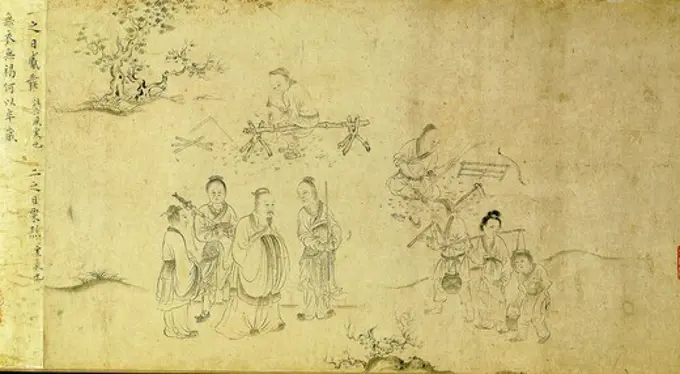
Of Jin (active at the end of 15th century). "Album". Ink and colors on paper. Paris, Cernuschi museum. Album, color on paper, color on paper, drawing, drawing, ink, child, man, ink, child, color, man
6145-30174100
Eguchi and Love's Fishing Boat (Koi no tsuribune Eguchi), no 4 from a series of 12 prints depicting parodies of plays 1711-1740 Japan. Woodblock print; oban, sumizuri-e . Okumura Masanobu
6145-29780032
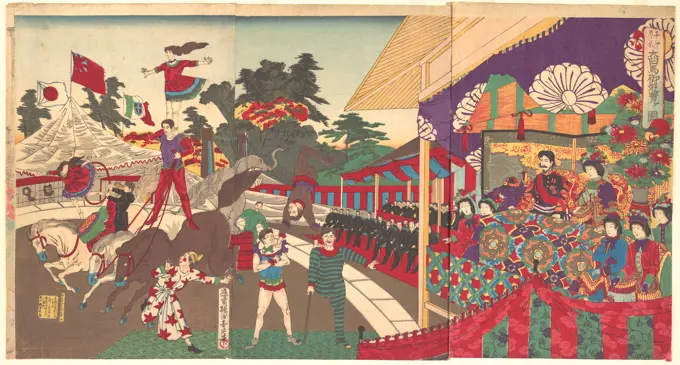
Illustration of the Imperial Excursion to see the Charini's Circus (Charine daikyokuba goyūran no zu) November, 1886 Yōshū (Hashimoto) Chikanobu Japanese. Illustration of the Imperial Excursion to see the Charini's Circus (Charine daikyokuba goyūran no zu) 55252
6145-59584017
TAIRA NO TADANORI Onder Een Kersenboom, Kobayashi KIYOCHIKA, 1884 print The famous poet Taira No Tadanori, sitting under a cherry blossom; Behind him his armor and arch, on the floor for him paper and writing utensils; at night. Because Tadamori could not find a place to sleep during his trip to the battle at Ichi No Tani, he decided to rest under a cherry tree, where he composed the poem in the cartouche at the top right.  paper color woodcut / polishing sitting figure. trees. night
849-11319
The Emperor, print, 19th century, Japanese art, USA, Pennsylvania, Philadelphia, David David Gallery
1788-41896
Playing cards, Japan. Japanese Civilisation, 17th century.
4409-17523085
Reading Room in Japan (Cabinet de lecture au Japon). Dimensions: 22.8 cm x 31.4 cm, 7 cm x 13.8 cm, 7 cm x 13.8 cm. Museum: Van Gogh Museum, Amsterdam. Author: Félix Hilaire Buhot.
6145-30185926
Dalliance 1680-1690 Japan. Hand-colored woodblock print; oban, sumizuri-e . Sugimura Jihei
6145-51818064
Spring Festival Spring Festival, ca. 1630. Pair of six-fold screens, ink, gold, and color on paper, each panel: 36 3/4 x 19 in. (93.3 x 48.3 cm).   Asian Art ca. 1630
1899-17834921
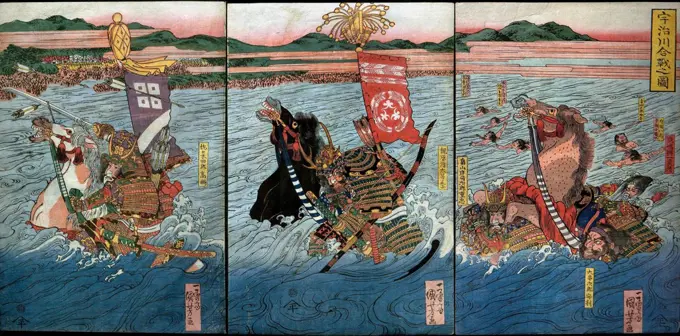
Utagawa Kuniyoshi 1798-1861. The Battle at Uji River (Ujigawa kassen no zu). about 1831-32. Oban vertical triptych.
6145-52504217
Daily life in Assyria Seeger, M.. still image. Illustrations. 1883 - 1886. The Miriam and Ira D. Wallach Division of Art, Prints and Photographs: Picture Collection. Assyrians, Carts & wagons, Clothing & dress , Assyria, Sphinxes , Assyria, Umbrellas , Assyria, Bodies of water , Assyria, Laborers , Assyria, Castles & palaces , Assyria, Furniture , Assyria, Horsemen , Assyria, Lancers , Assyria, Military personnel , Assyria, Archers , Assyria, Arms & armament , Assyria, Implements, utensils, etc , Assyria, Fans (Accessories), Assyrians , To 499, Grapevines, Barges, Beards, Hairstyles, Kings, Chariots
6145-29717385
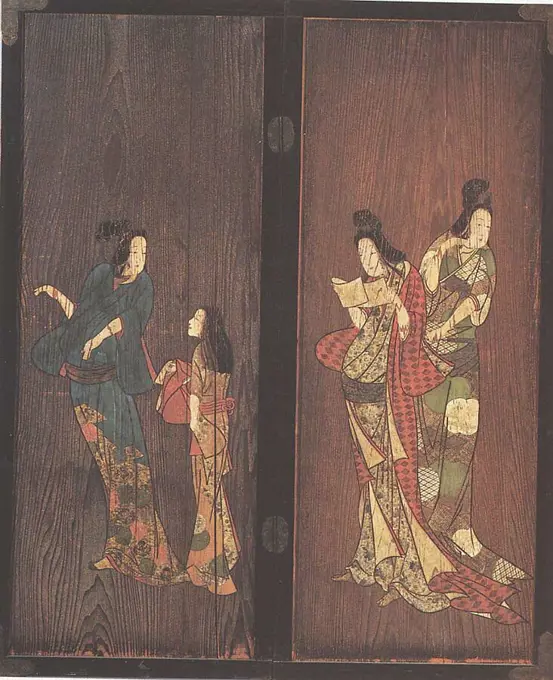
Courtesans Japan Japan's rich native culture was thrown back on its own resources when, from the early seventeenth century, the Tokugawa shogunate closed the country off to the outside world for more than two hundred years. But in the rare painted figures of the Kan'ei era there is an animation and a degree of realism in the representation of the female body that may reflect Western influences and that tells of a highly creative phase in the culture of a country now stable and prosperous. Figures were soon to become more static.The subjects of this screen are elite courtesans, and they are individualized both by their languorous body language and by their clothing. Their faces are only minimally decribed. One parades in her finery, waited on by an alert young attendant; while two others enjoy reading a scroll, perhaps a "morning after" letter from a lover. The splendidly described fabrics of the kosode, including the costly techniques, contributed to the aura surrounding the lives of t
4443-20307122
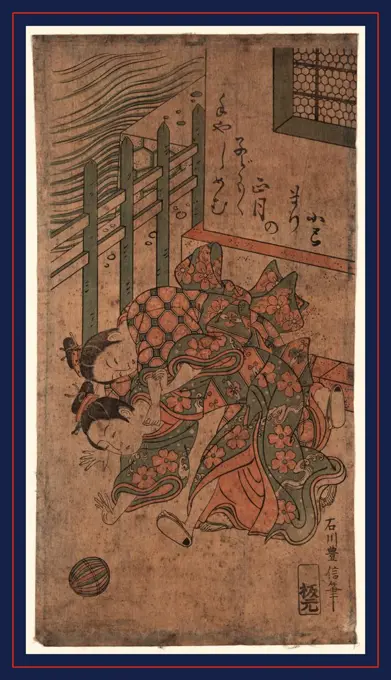
Mari arasoi, Battle for a ball., Ishikawa, Toyonobu, 1711-1785, artist, between 1751 and 1764, printed later, 1 print : woodcut, color ; 29.7 x 15.6 cm., Print shows two girls in a courtyard, chasing a ball.
4409-17584667
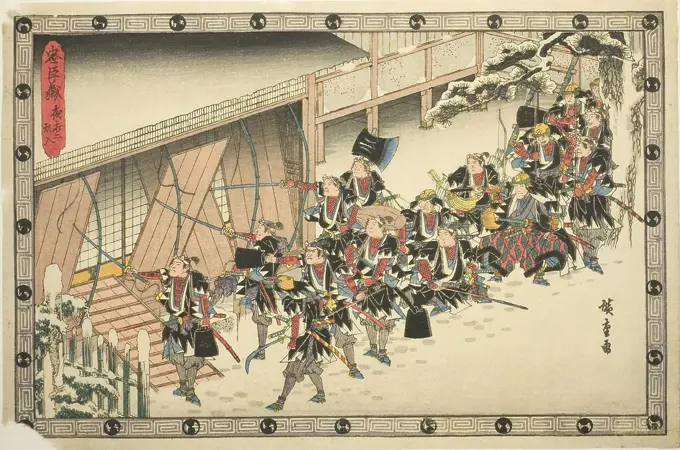
The Night Attack, Part 2: Breaking In (Youchi ni, rannyu), from the series "The Revenge of the Loyal Retainers (Chushingura)". Utagawa Hiroshige  ; Japanese, 1797-1858. Date: 1829-1844. Dimensions: 24.8 x 37.3 cm (9 3/4 x 14 11/16 in.). Color woodblock print; oban. Origin: Japan. Museum: The Chicago Art Institute, USA.
6145-59038012
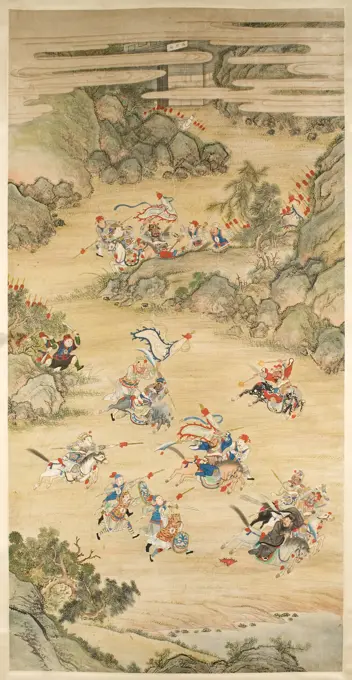
Episode of the Roman of the Three Kingdoms ". XIXth century. Ink and colors on paper. Paris, Cernuschi museum. Episode of the Roman of the Three Kingdoms Color on paper, ink, episode, novel, kingdom, three
6145-29278783
Women at their toilet (courtesans in a fashionable estate). Woodcut by Shungyōsai, 1813.
6145-29199563
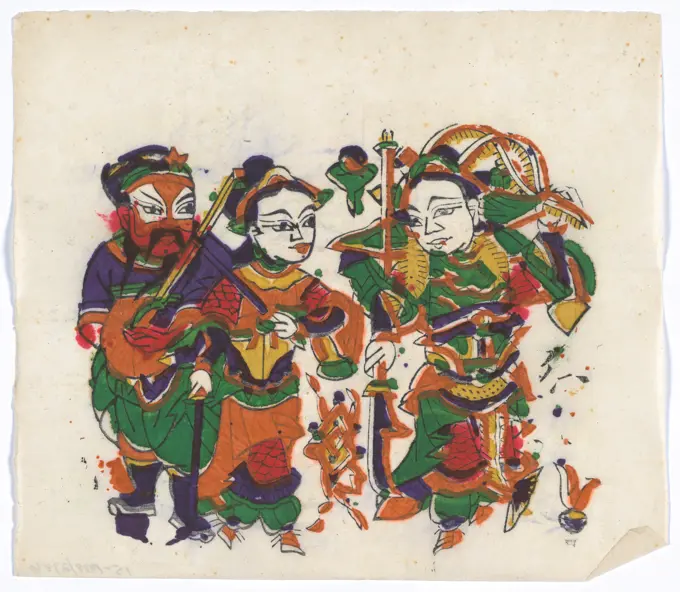
New Year Picture of Three Generations of a Family early 20th century Unidentified artist(s). New Year Picture of Three Generations of a Family. Unidentified artist(s) , early 20th century. China. early 20th century. Polychrome woodblock print; ink and color on paper. Republic period (191249). Prints
4409-17557779
The Bride Traveling in the Rain, from the series "The Foxes' Wedding". Tachibana Minko; Japanese, active c. 1764-72. Date: 1765. Dimensions: 27.9 x 9.7 cm (7 2/4 x 10 7/8 in.). Color woodblock print; chuban yoko-e. Origin: Japan. Museum: The Chicago Art Institute, Chicago, USA.
4409-17378614
A Long Tale for an Autumn Night (Aki no yo nagamonogatari). Artist: Unidentified Artist Japanese. Culture: Japan. Dimensions: Image: 12 3/16 in. × 41 ft. 6 1/8 in. (31 × 1265.2 cm)Overall with mounting: 12 1/2 in. × 43 ft. 2 1/8 in. (31.8 × 1316 cm). Date: ca. 1400.A Long Tale for an Autumn Night represents a genre of story that became popular in Japan in the late fourteenth and fifteenth centuries. It tells of an amorous affair between a Buddhist monk and a younger male acolyte (chigo). The usual outcome of these tragic tales is the monk's attainment of religious salvation after repenting his obsession with carnal pleasures.A Long Tale for an Autumn Night comprises three illustrated handscrolls (emaki), with the narrative progressing from right to left. Note the use of a device called iji dozu (literally, "different time, same illustration"), in which the same figures appear multiple times in a single pictorial segment so that several events can be depicted simultaneously.At an ea
6145-29249057
Three scenes from the history of legend: famous women depicted in each, including the empress leading troops in the top scene. Colour woodcut by Yokoyama Ryōhachi, 1883.
6145-59576926
Americans Handelshuis in yokohama, Utagawa Sadahide, 1861 print Middle leaf of triptych.  paper  harbour. locations for trading Yokohama
4409-17563232
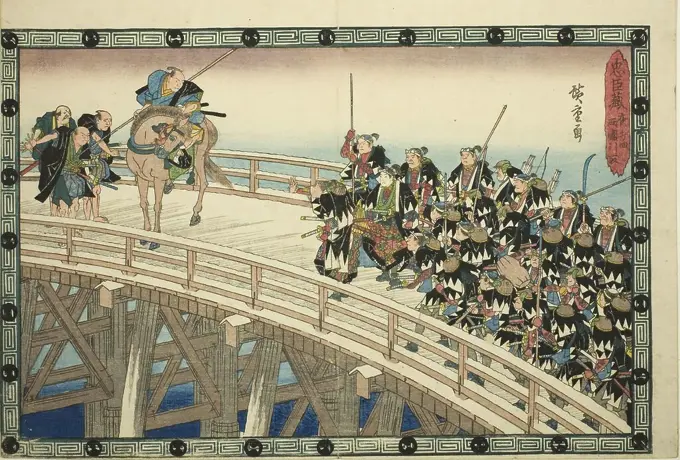
The Night Attack, Part 4 sic; actually 5: The Retreat across Ryogoku Bridge (Youchi yon, Ryogoku hikitori), from the series "The Revenge of the Loyal Retainers (Chushingura)". Utagawa Hiroshige  ; Japanese, 1797-1858. Date: 1829-1844. Dimensions: 25.5 x 36.6 cm (10 1/16 x 14 7/16 in.). Color woodblock print; oban. Origin: Japan. Museum: The Chicago Art Institute, USA.
6145-44307586
Saying: In Langen things you can only get caught, from the series: one hundred pictures of Kyōsai. .
4409-17354788
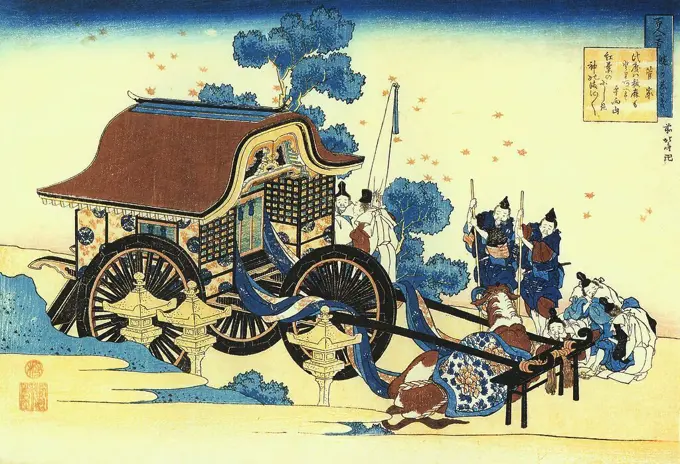
Poem by Kanke (Sugawara Michizane), from the series One Hundred Poems Explained by the Nurse (Hyakunin isshu uba ga etoki). Artist: Katsushika Hokusai (Japanese, Tokyo (Edo) 1760-1849 Tokyo (Edo)). Culture: Japan. Dimensions: 10 x 14 3/5 in. (25.4 x 37.1 cm). Date: ca. 1839. Museum: Metropolitan Museum of Art, New York, USA.
1899-18713766
Yamato-e is a style of Japanese painting inspired by Tang Dynasty paintings and developed in the late Heian period. It is considered the classical Japanese style. From the Muromachi period (15th century), the term Yamato-e has been used to distinguish work from contemporary Chinese style paintings (kara-e), which were inspired by Song and Yuan Dynasty Zen Buddhism paintings. The Yamato-e often tell narrative themes with text along with them, show the beauty of nature, e.g. famous places (meisho-e), and the four seasons (shiki-e). The pictures are non-symbolic and have the objective of depicting the beauty in nature. The pictures are often on scrolls that can be hung on a wall (kakemono) or handscrolls (emakimono) that could be read from right to left with the accompanying story or on a folding screen (byoubu) or panel (shouji). Although they received their name from the Yamato period (250-710 CE), Yamato-e pictures rather stand for a style and are not restricted to a particular period.
6145-29199677
New Year Picture of characters in the drama, Fanjiangguan early 20th century Unidentified. New Year Picture of characters in the drama, Fanjiangguan. Unidentified artist(s), Chinese, early 20th century. China. early 20th century. Polychrome woodblock print; ink and color on paper. Republic period (191249). Prints
1899-19188141
Utagawa Hirokage (active 1855-1865), also known as Ichiyusai Hirokage, was a Japanese woodblock printer living and working in the mid-19th century. He was a pupil of Utagawa Hiroshige I, and his main noteworthy work is the series Edo meisho doke zukushi (Joyful Events in Famous Places in Edo).
6145-45646032
Connected penis; The big tail. Humorous erotic print; Five naked men, one with connected penis and another with a genuine genitals.
6145-45452359
A scene from the fight YOSHITORA, UTAGAWA (FL. C.1850 1880)
6145-44319704
Silk harvesting: a guide. .
6145-29087640
Night Scene, Street of Theatres, late 1700s-early 1800s. Japan, Edo period (1615-1868). Color woodblock print; sheet: 24.8 x 37.2 cm (9 3/4 x 14 5/8 in.).
442-12516
Details of painting in a shrine, Kitano Tenmangu Shrine, Kyoto Prefecture, Kinki Region, Honshu, Japan
4266-1729
Village scene with women carrying buckets by Hishikawa Moronobu, woodcut, 1684-1688, 1618-1694, Russia, Moscow, State A. Pushkin Museum of Fine Arts
6145-45450059
People surrounded by the inhabitants of other lands Utagawa, kuniyoshi (1797 1861)
6145-52833084
Anonymous watercolor depicts workers maintaining rice bushes in seepage water, with a rocky landscape in the background.
6145-29135568
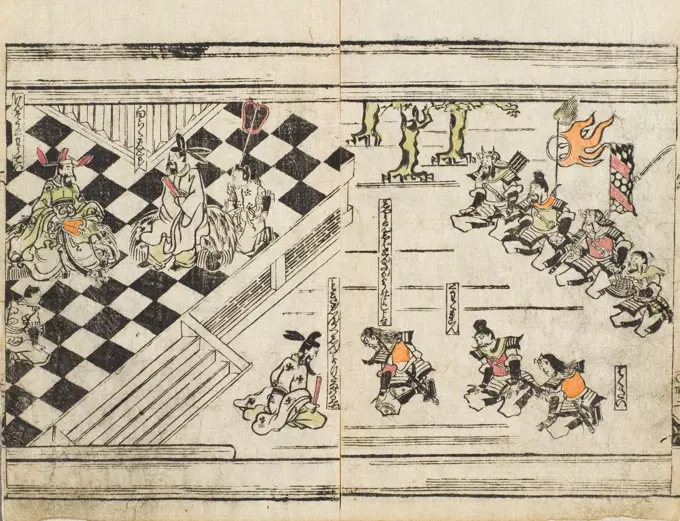
Scene in a Foreign Court. Japan, mid-17th century. Prints; woodblocks. Pair of hand-colored woodblock print pages from a book (tanrokubon)
6145-29203676
Children Playing 16th-17th century Unidentified. Children Playing. Unidentified , (active 16th-17th century). China. 16th-17th century. Hanging scroll; ink and color on silk. Ming dynasty (1368-1644). Paintings
4409-28959688
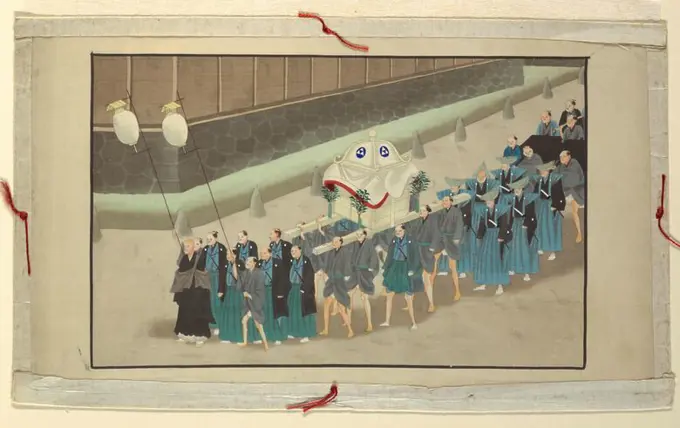
From a series of sixteen scenes of the death and burial of a man in Japan. Date: 19th century. Japan watercolor on silk or paper. Museum: Cooper Hewitt, Smithsonian Design Museum.
1746-19660635
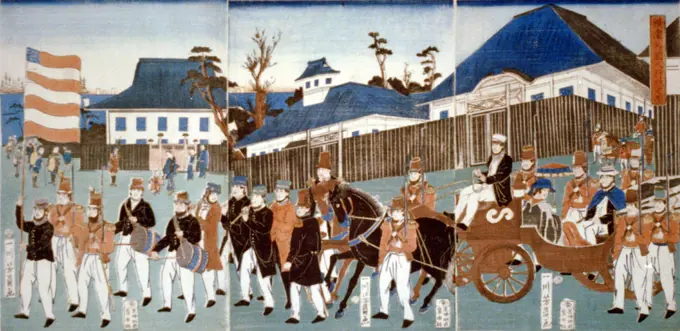
Triptych showing a parde of foreigners, Yokohama, in a horse-drawn open carriage and led by man carrying the stars-and-stripes, and a military band,1861. Utagawa Yoshigawa (actives 1850-1870) Japanese ukiyo-e artist.
6145-45437558
Returning Ronin in Front of the BuddHist Preast in Takanawa / ChūShingura: GISHI TAKANAWA HIKITORI NO ZU ZU ZU ZU Utagawa, kuniyoshi (1797 1861)
6145-59087379
Wu Sung approaching to the gate;  around 1920-1930 (1915-00-00-1925-00-00);
4409-17580347
'Initial Training - the Road to Fame'. China, late 19th - early 20th century. Dimensions: 58x35 cm. Museum: State Hermitage, St. Petersburg.
1899-19188981
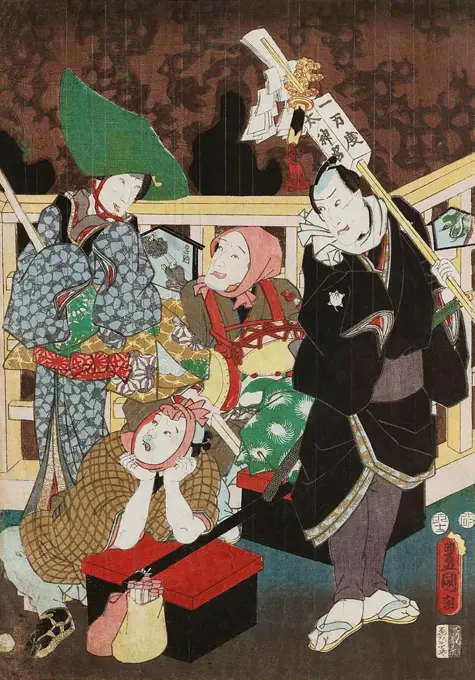
Japan: 'Shelter from the Rain, Encounters on the Road at New Year, No. 4: Actors Sawamura Tossho II, Nakamura Tsuruzo I, Kawarazaki Gonjuro I'. Part of triptych print by Utagawa Kunisada I (1786-1865), 1855. Utagawa Kunisada, also known as Utagawa Toyokuni III, was the most popular, prolific and financially successful designer of ukiyo-e woodblock prints in 19th-century Japan. In his own time, his reputation far exceeded that of his contemporaries, Hokusai, Hiroshige and Kuniyoshi. His favourite subjects were pleasure-houses and tea ceremonies.
6145-29250313
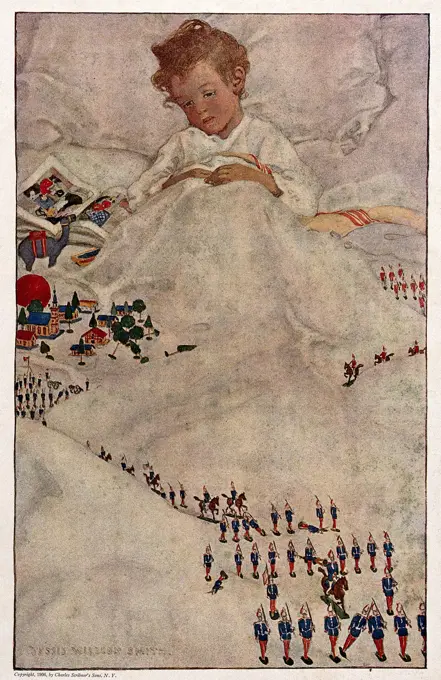
A boy lies in bed abou to fall asleep with an army of toy soldiers on the counterpane. Colour process print after Jessie Wilcox-Smith.
4069-4333
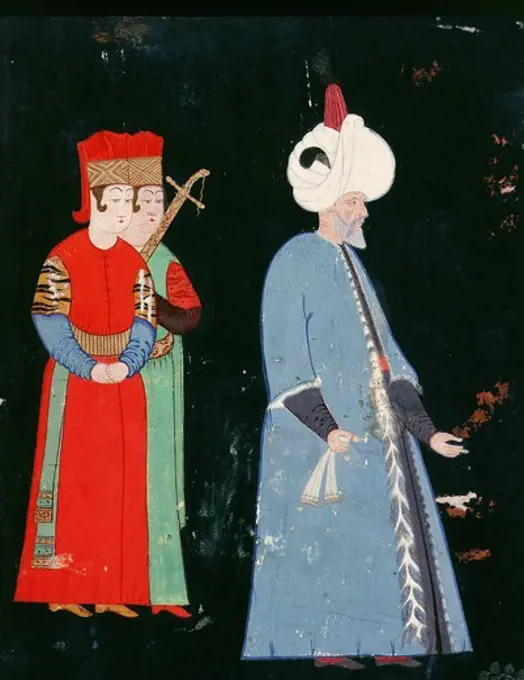
SULEIMAN the Magnificent, 1494-1566 Ottoman sultan, 1560
4266-26153
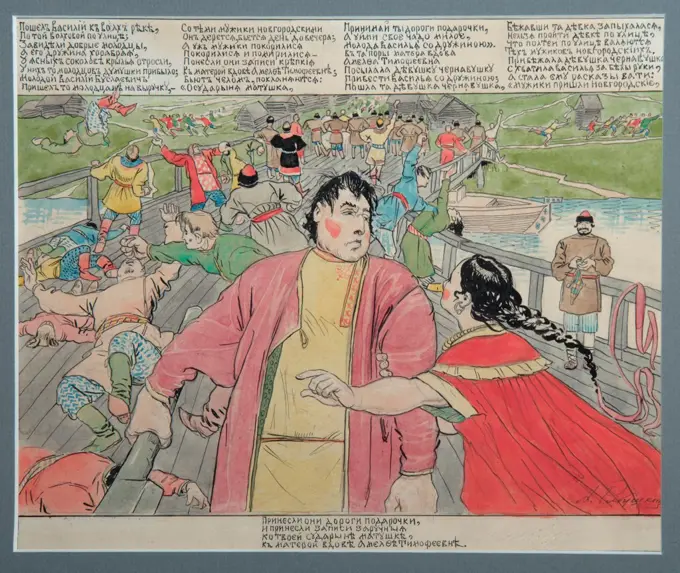
Illustration for the Folk Epic Vasili Buslaev by Ryabushkin, Andrei Petrovich (1861-1904)  Regional Art Gallery, Perm  1898  Russia  Watercolour on paper  Graphic arts  Mythology, Allegory and Literature
4443-28727659
A Meeting of Japan, China, and the West, late 18th - early 19th century, Shiba Kōkan, Japanese, 1747 - 1818, 40 × 19 1/2 in. (101.6 × 49.53 cm) (image)74 1/4 × 24 1/4 in. (188.6 × 61.6 cm) (without roller), Ink and color on silk, Japan, 18th-19th century, A European, a Japanese, and a Chinese man sit around a table. As the European has a book showing a skeleton, he is believed to be the German doctor Lorenz Heister (1683-1758), whose writings circulated in Japan in the mid-18th century. Kōkan is considered the father of Western-style painting in Japan, and this painting is attributed to him even though no other works by him have this style of signature and seals.
1746-21098842
Japanese hand coloured woodcut. The portrait shows four world leaders, they have gathered to dicuss future plans. They're are shown, both seated and standing. Dated c1879
4435-3895
Family scene. 19th c. Chinese art. Drawing. FRANCE. ëLE-DE-FRANCE. Paris. National Library.
6176-67055715
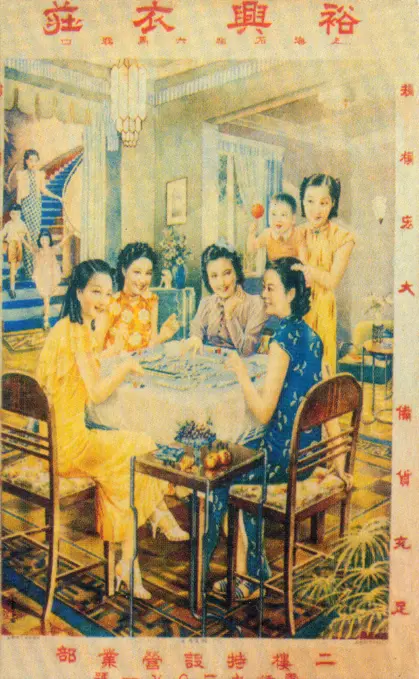
Shanghai advertising poster, c1930s. Artist: Unknown
PREVIOUS
of 3
NEXT
2401 S. Ervay, Suite 206
Dallas, Texas 75215
United States
Get Started
Free ResearchMy BoardsMy Cart
For Creators
How To License Your ContentContributor PortalFrame of Mind
Resources
API accessPricing
Contact
+1 866 236 0087help@viewpictures.co.uk Contact form
©2026 View Pictures. All Rights Reserved. -A
This site is protected by reCAPTCHA and Google Privacy Policy and Terms of Service apply.