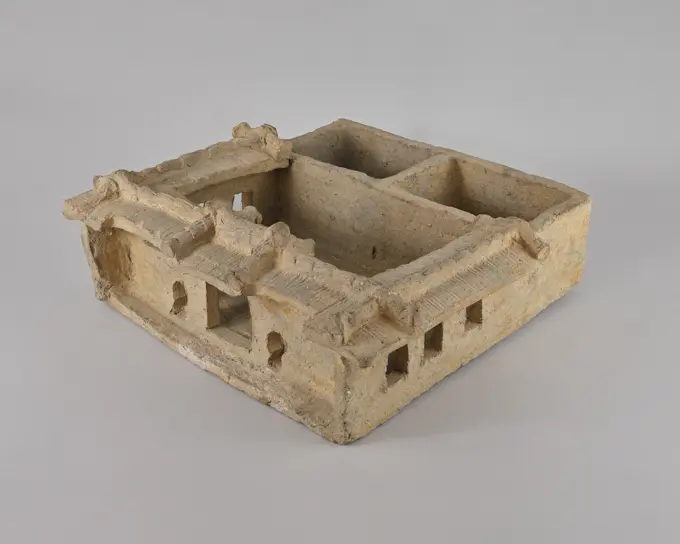
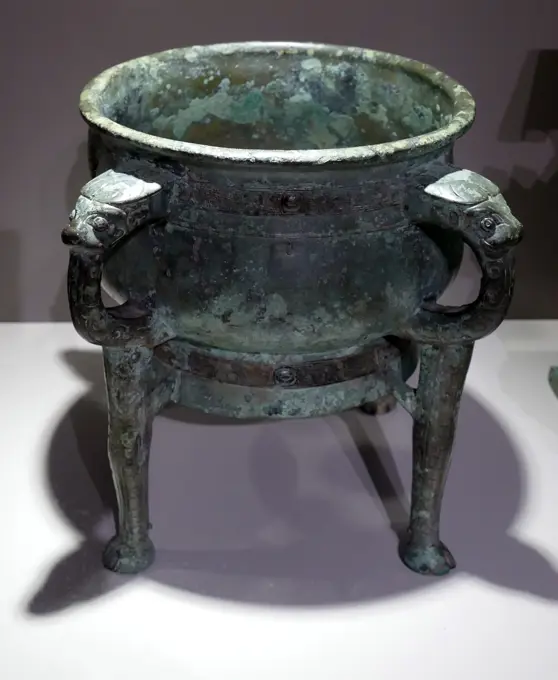
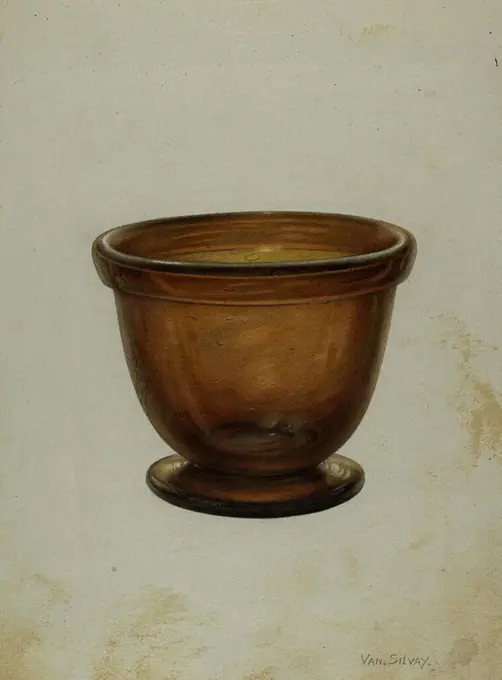
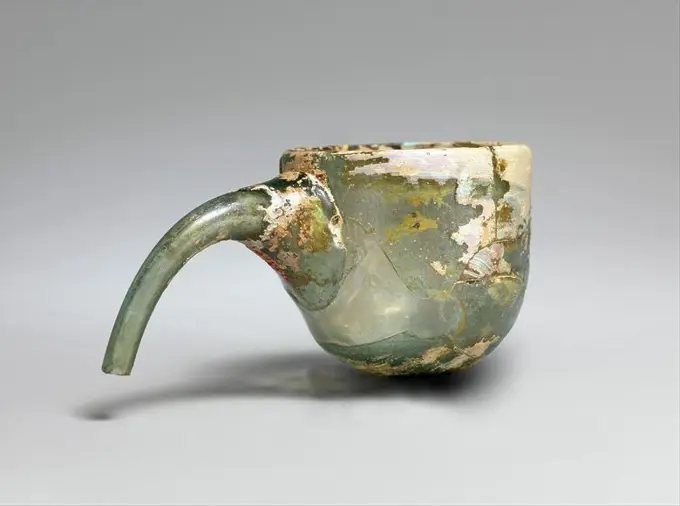
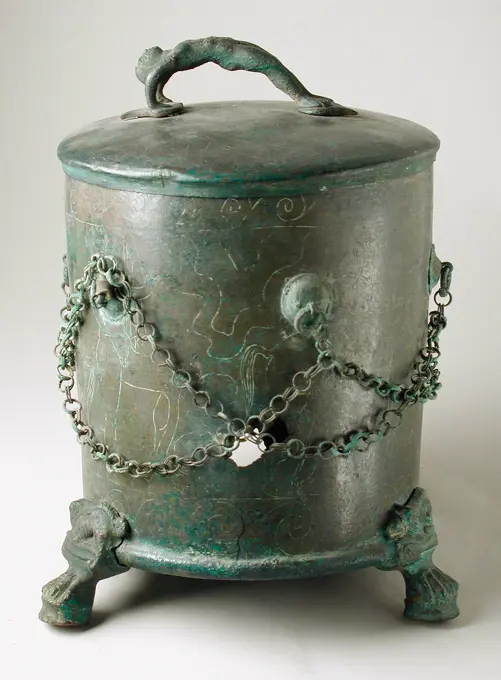
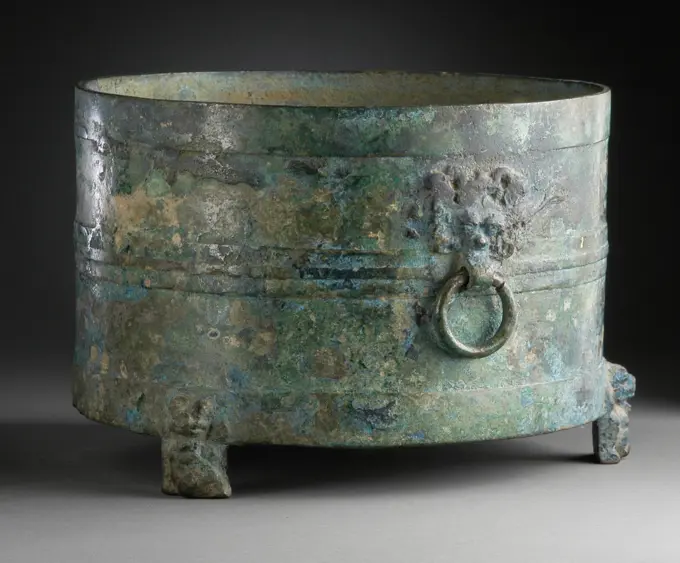
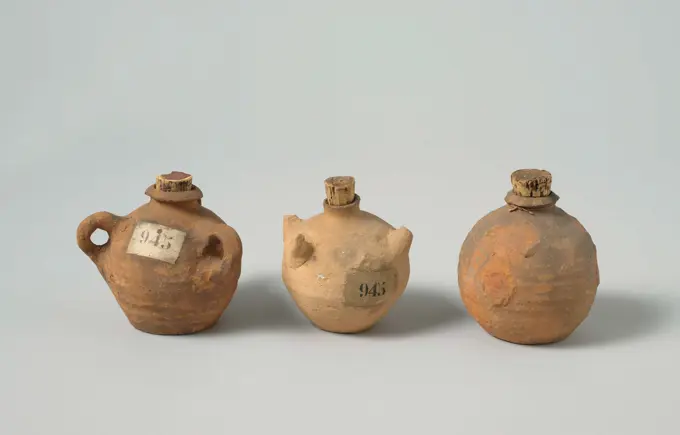
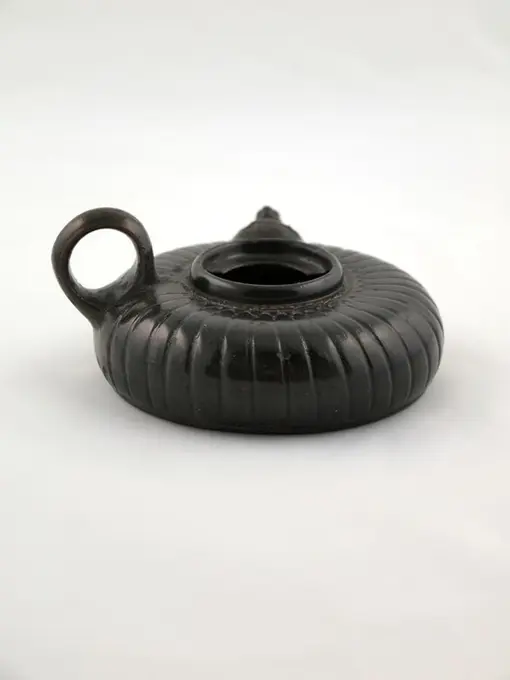
Traditional Pottery Pieces

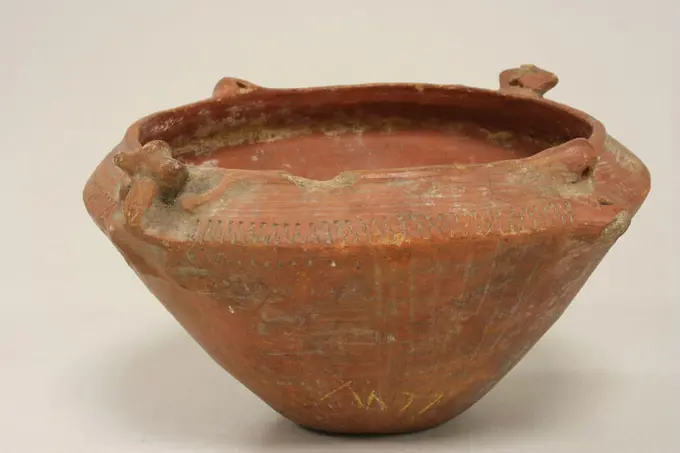
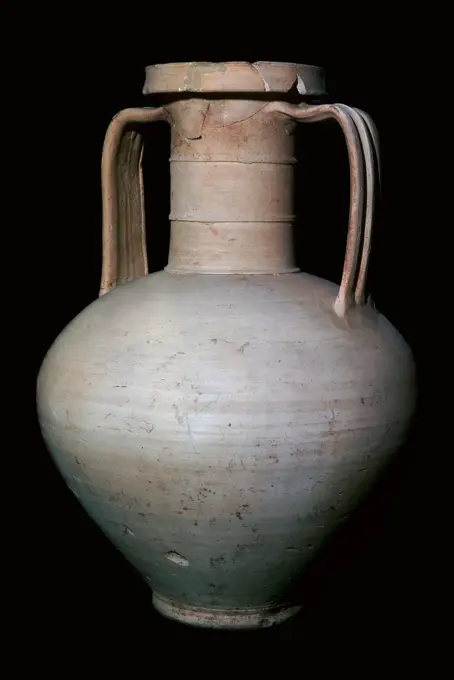
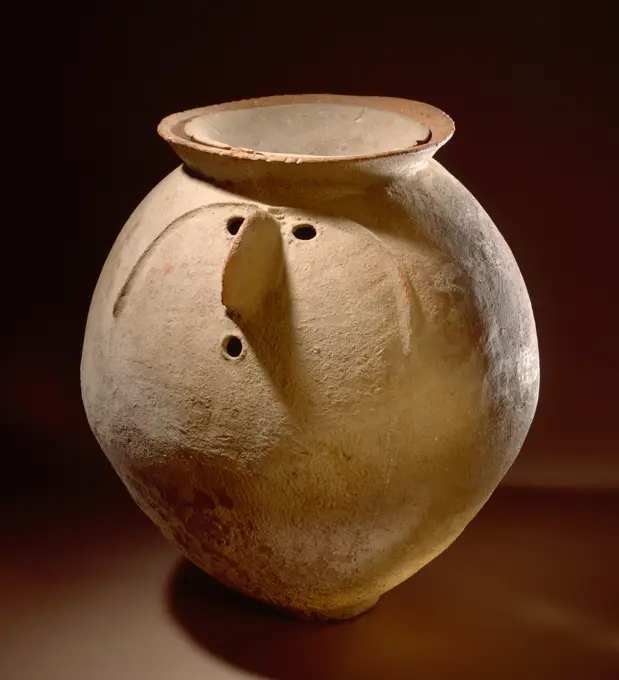
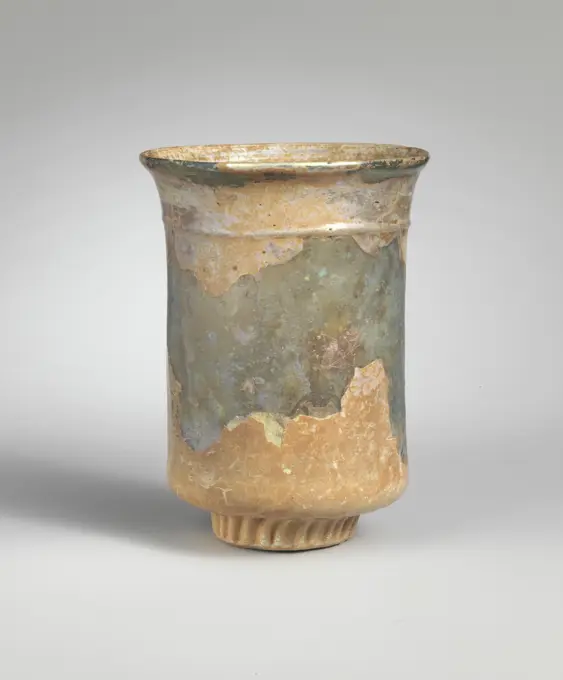
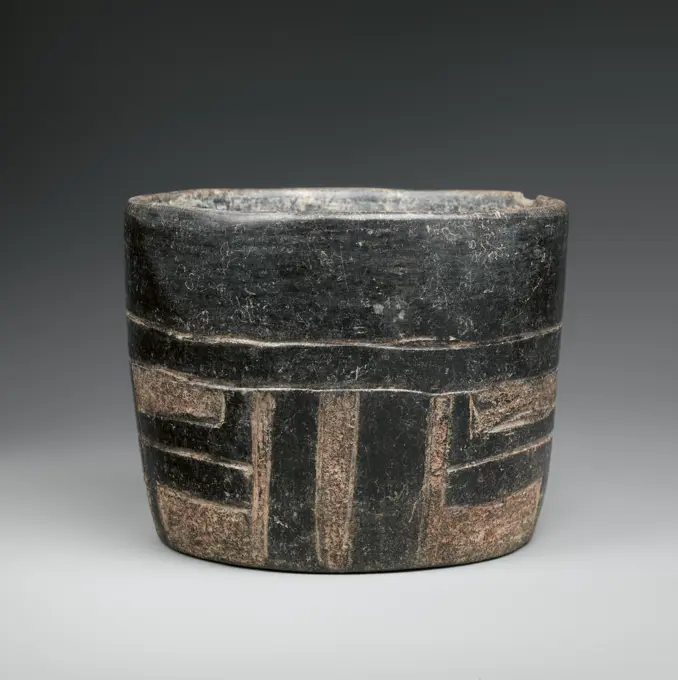
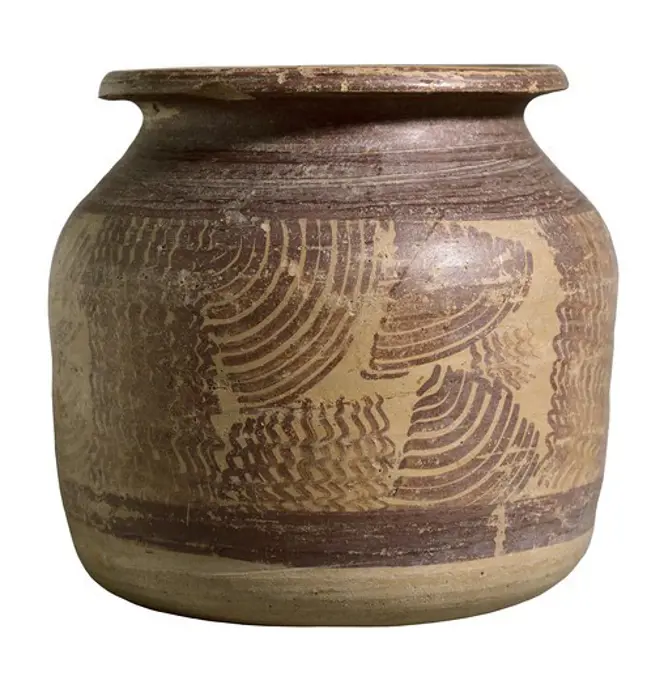
A variety of earthenware pots including cooking vessels and historical jars from different cultures, showcasing unique shapes and decorative details.
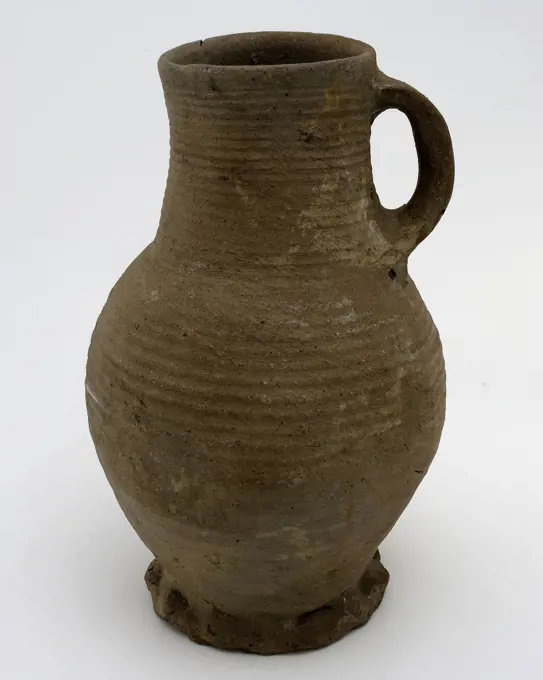
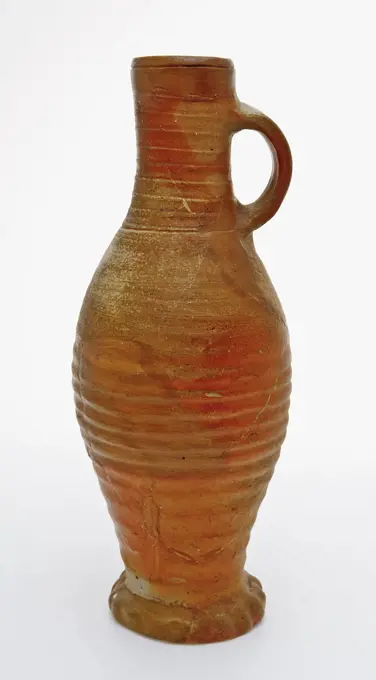
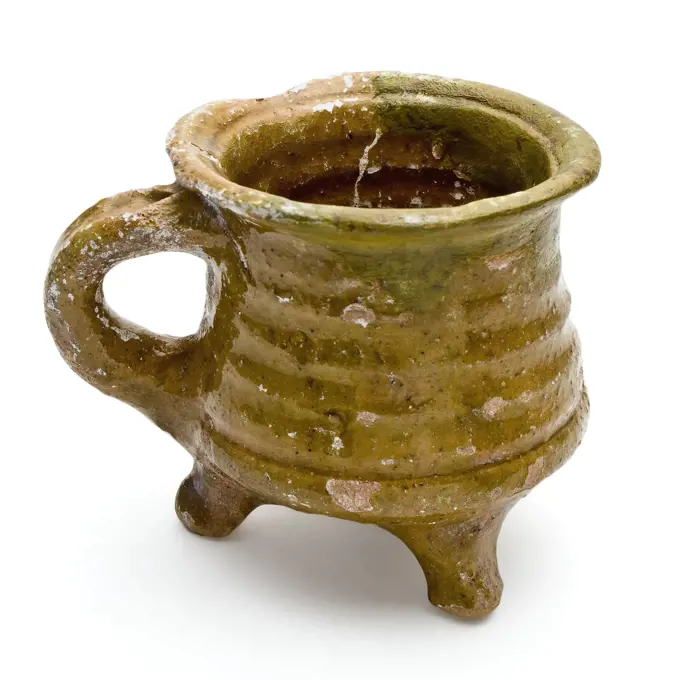
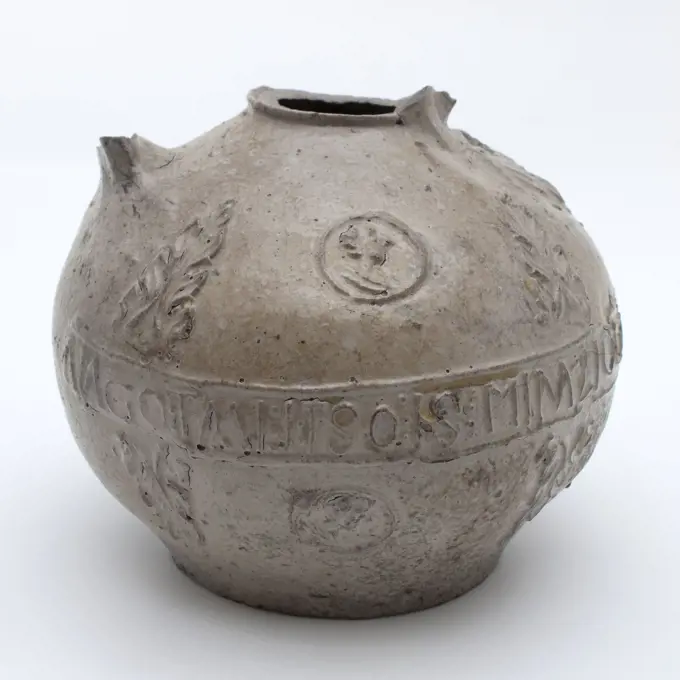
Gray stoneware jug be on pinched foot, rough-walled, jug crockery holder soil find ceramic stoneware, hand turned baked Gray stoneware jug be scraped earthenware cylindrical neck and bended body nipped foot Strongly outstanding unglazed archeology Poortugaal Albrandswaard indigenous pottery import drink serving serve serving Soil discovery: Poortugaal terp I found in tonput.
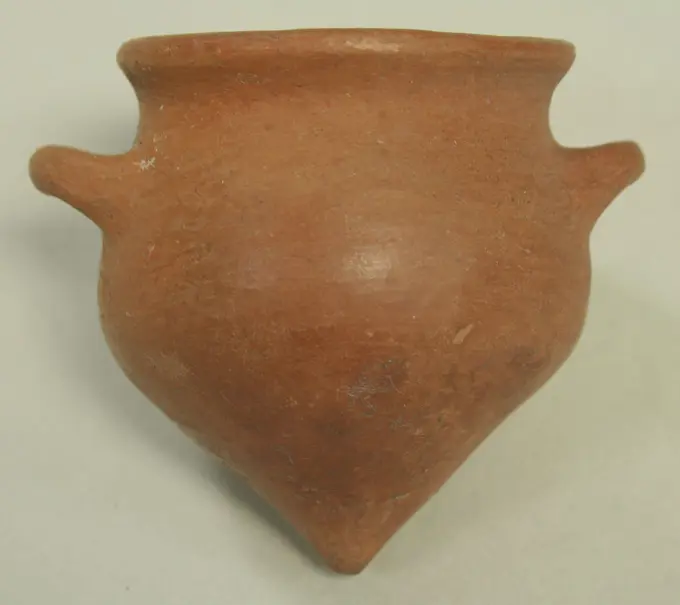
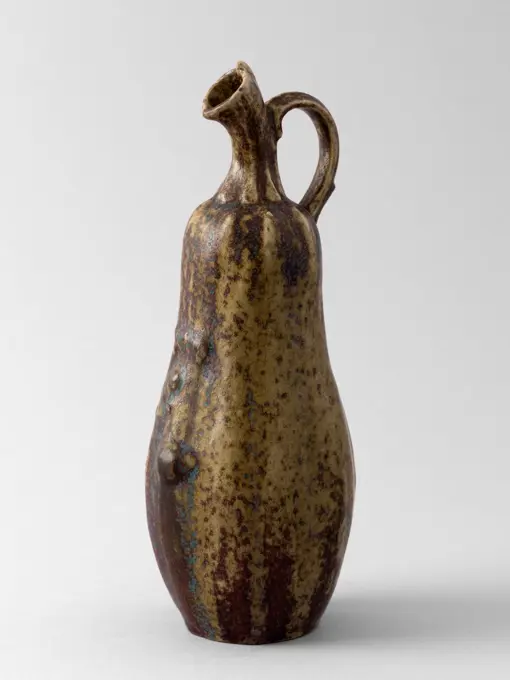
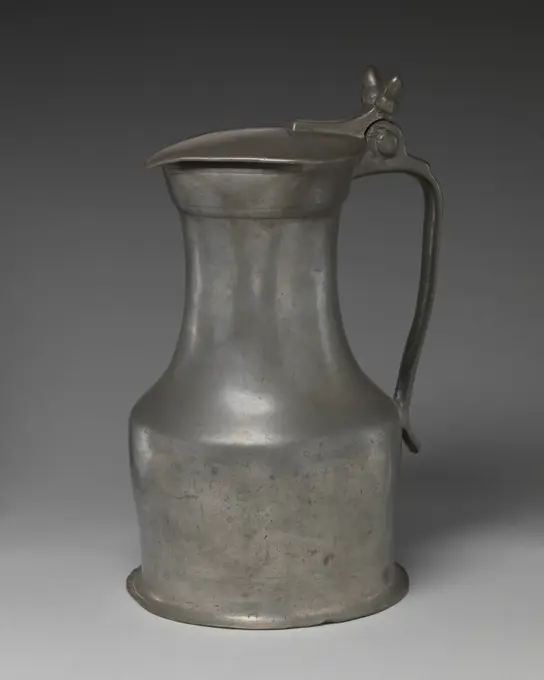
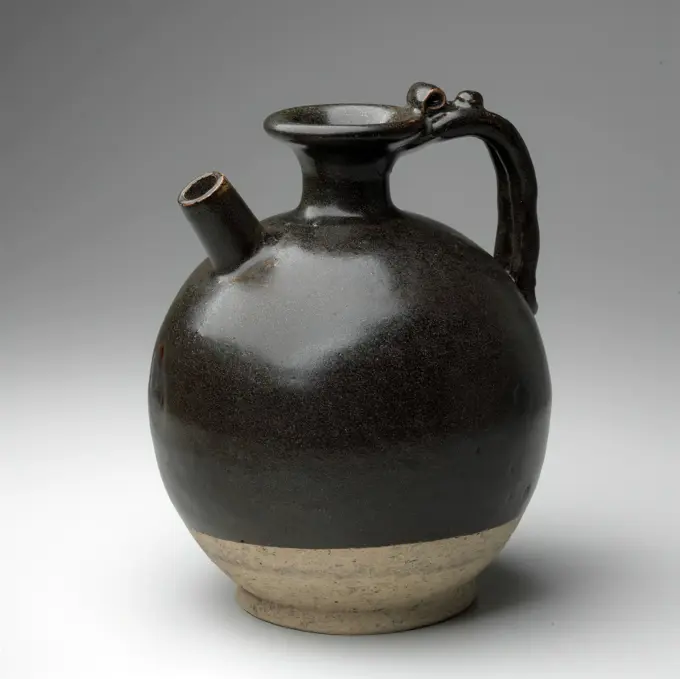
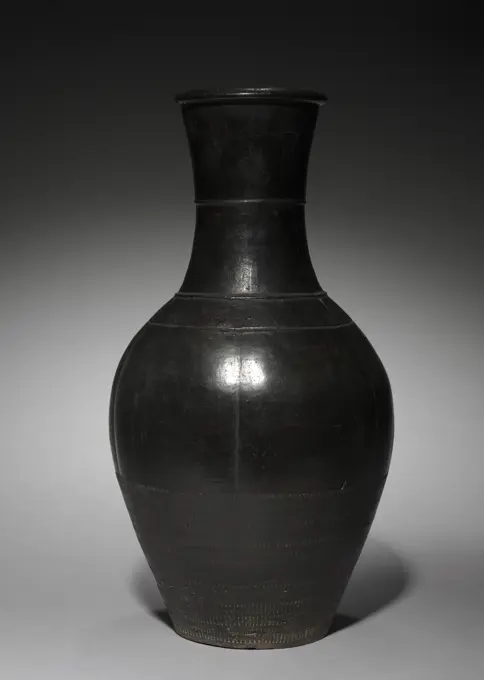
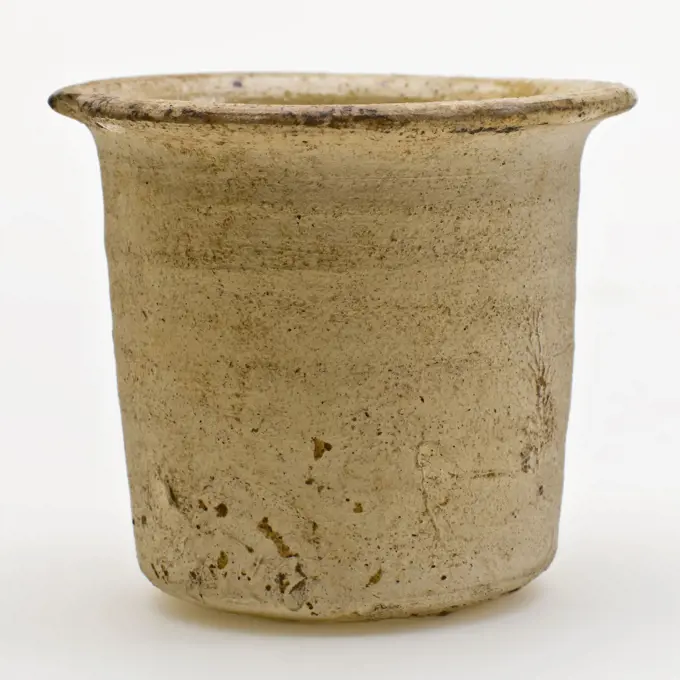
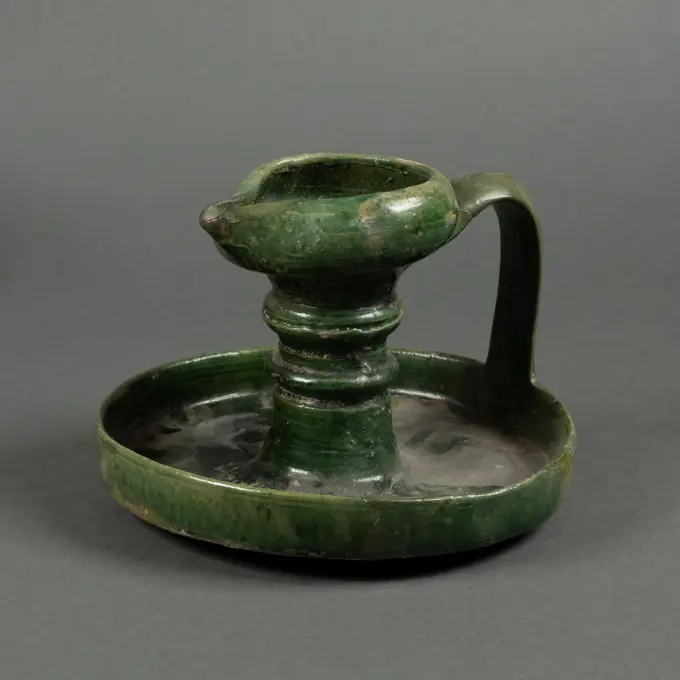
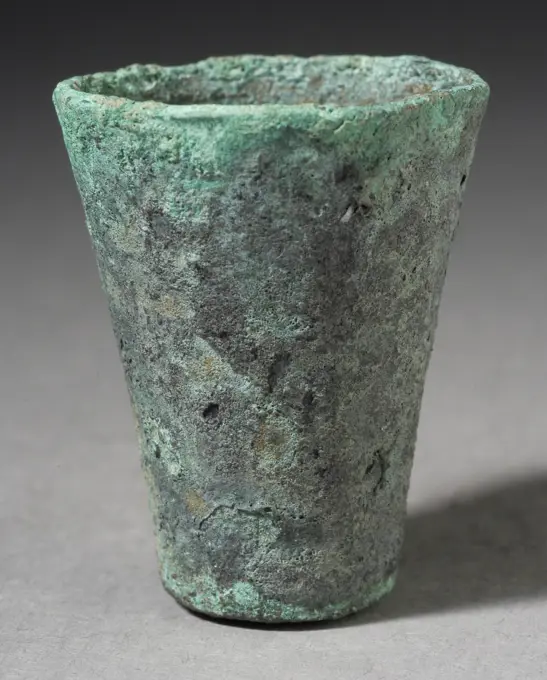
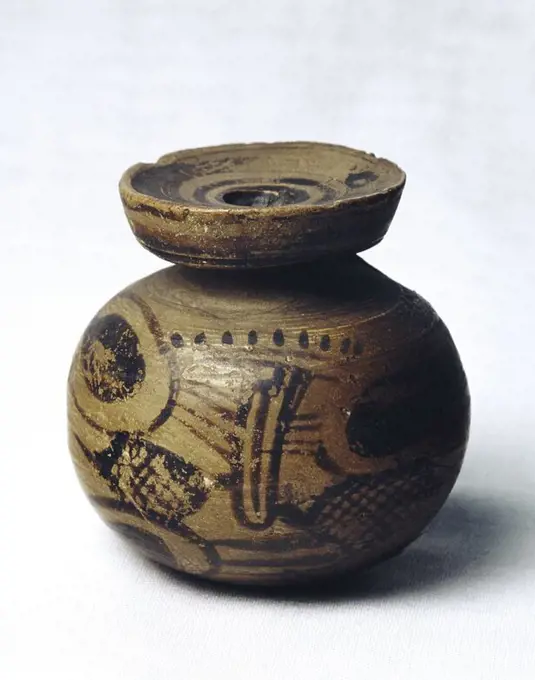
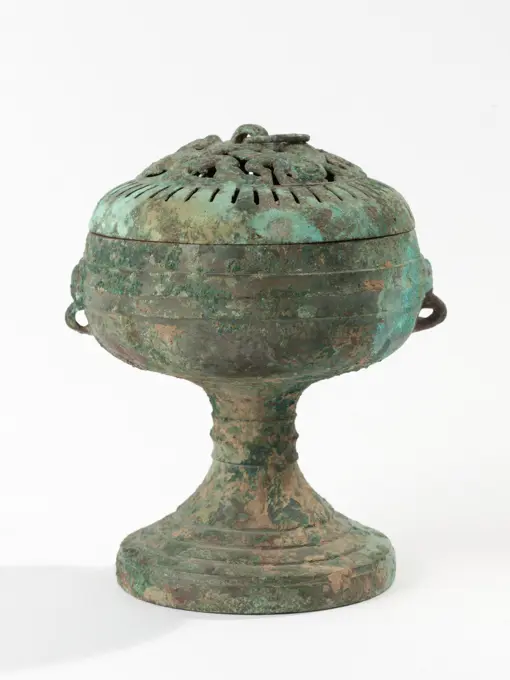
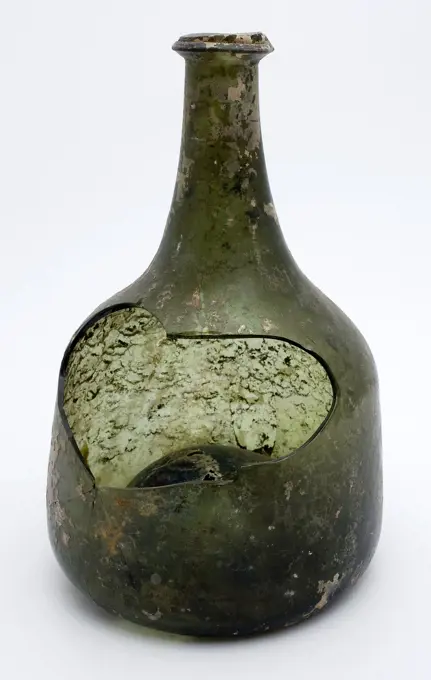
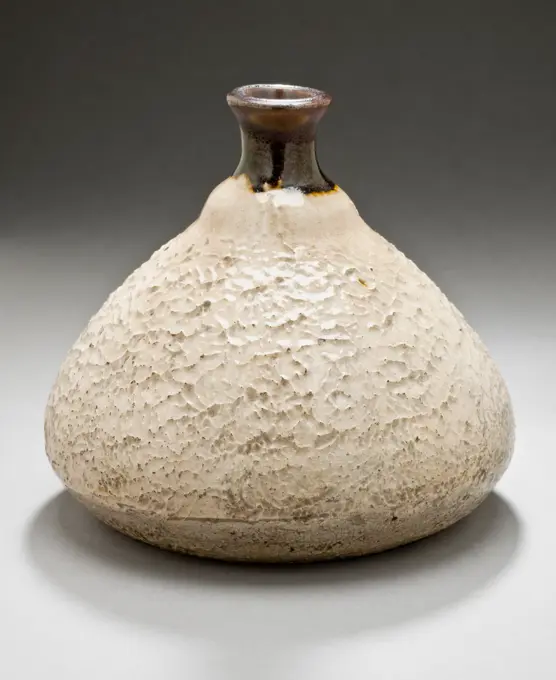
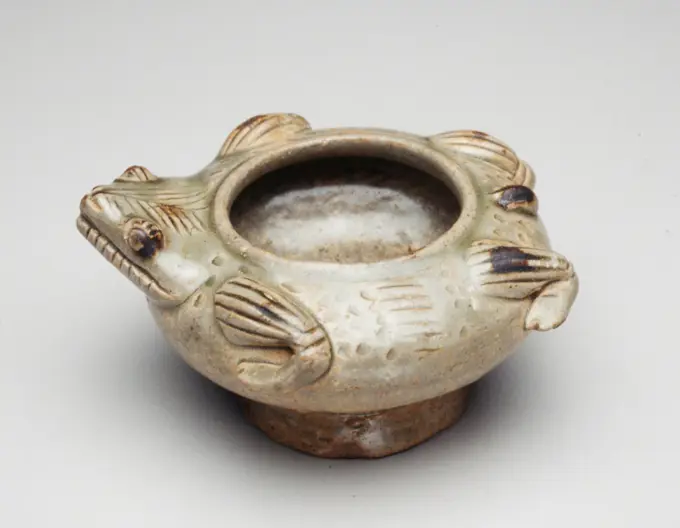
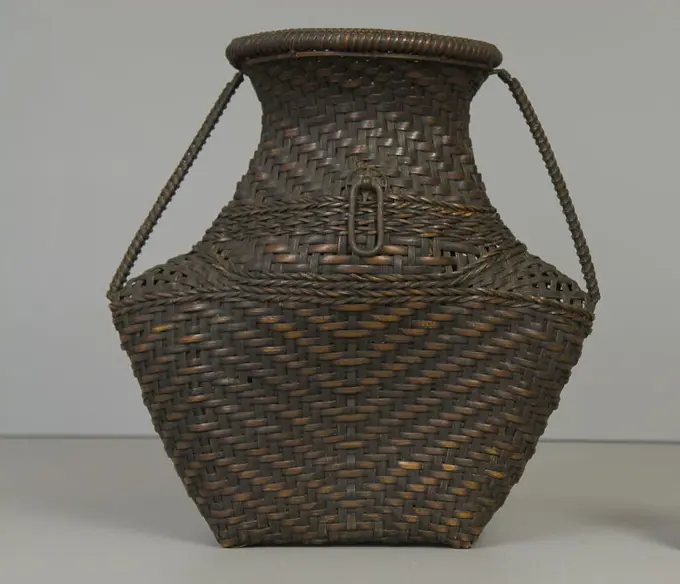
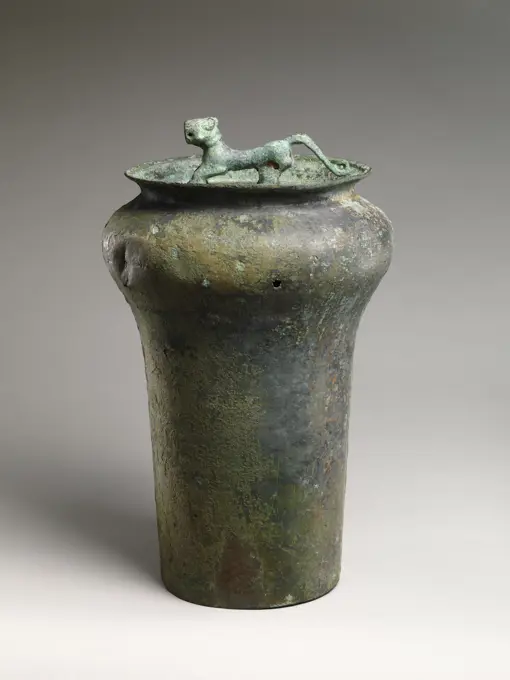
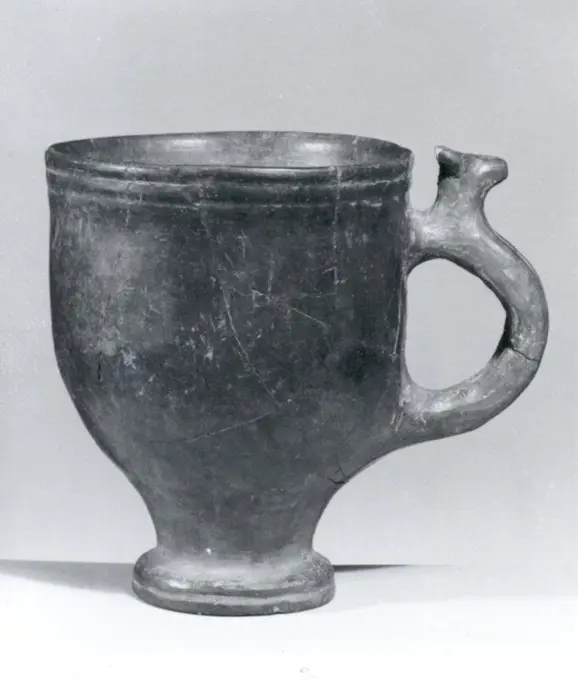
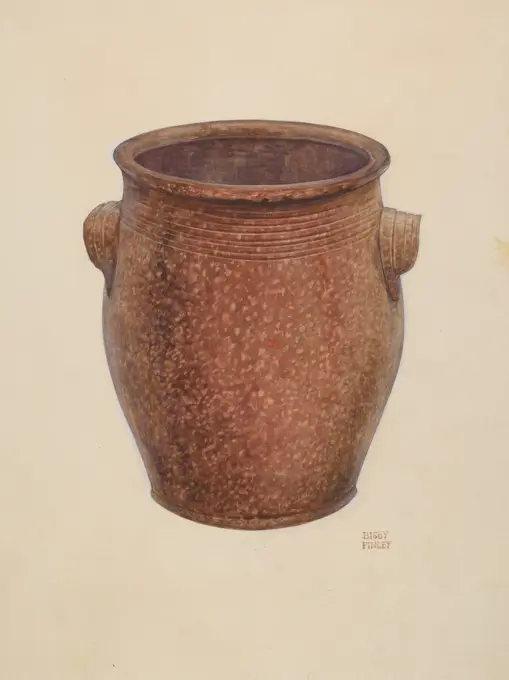
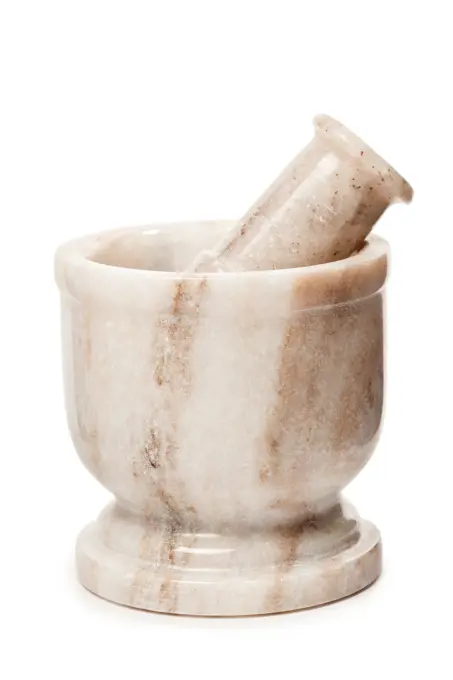
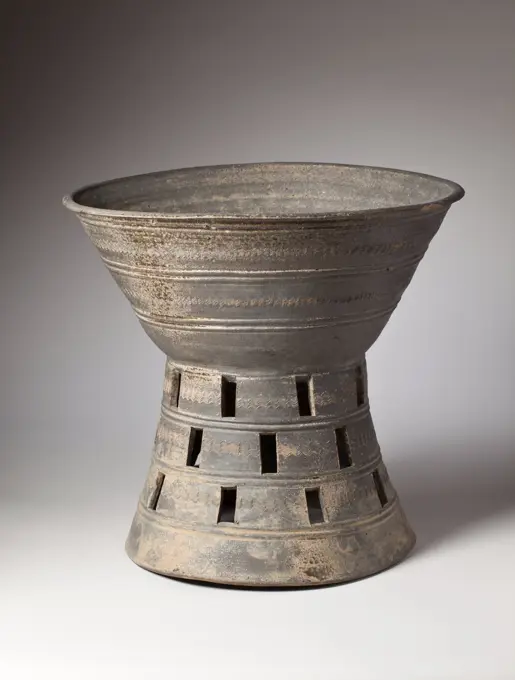
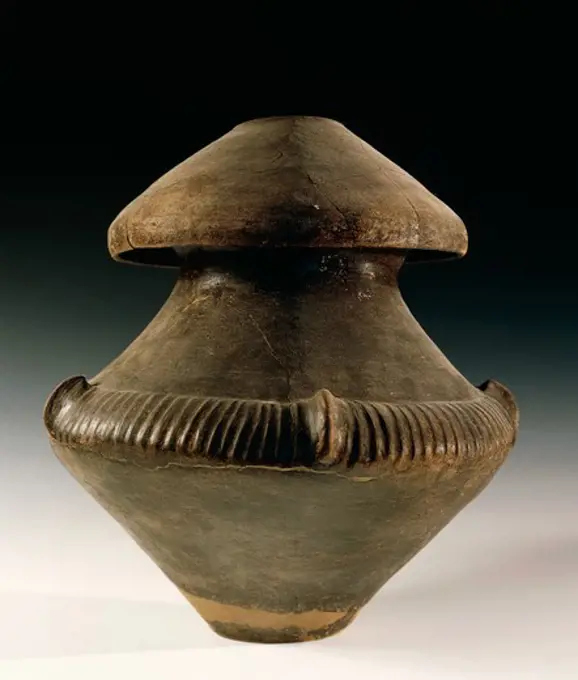
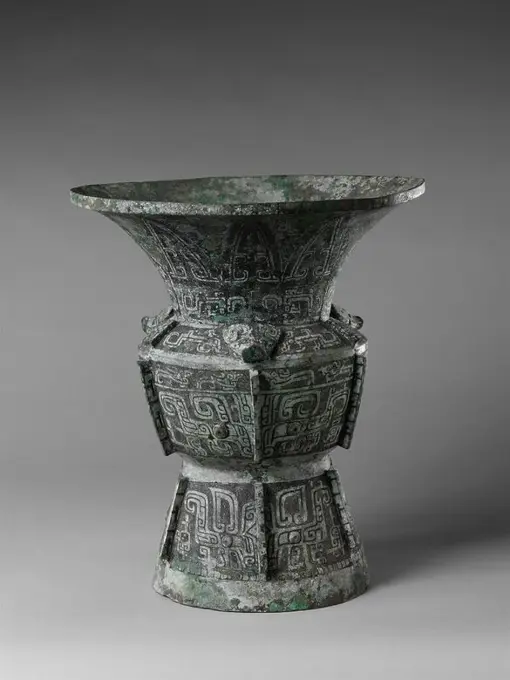
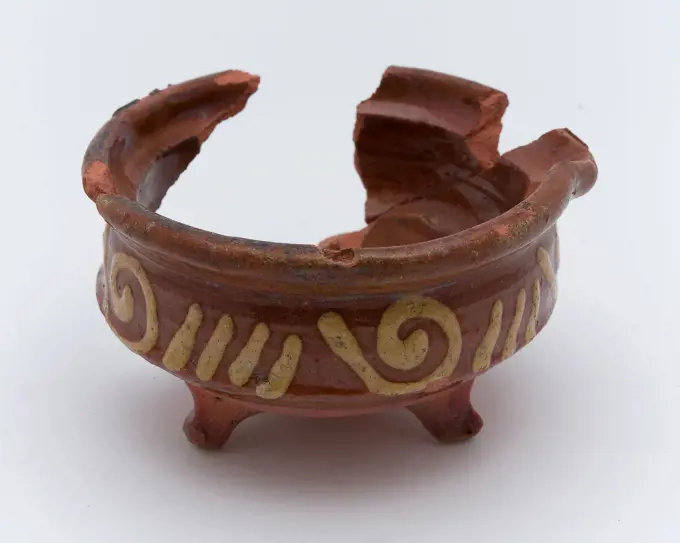
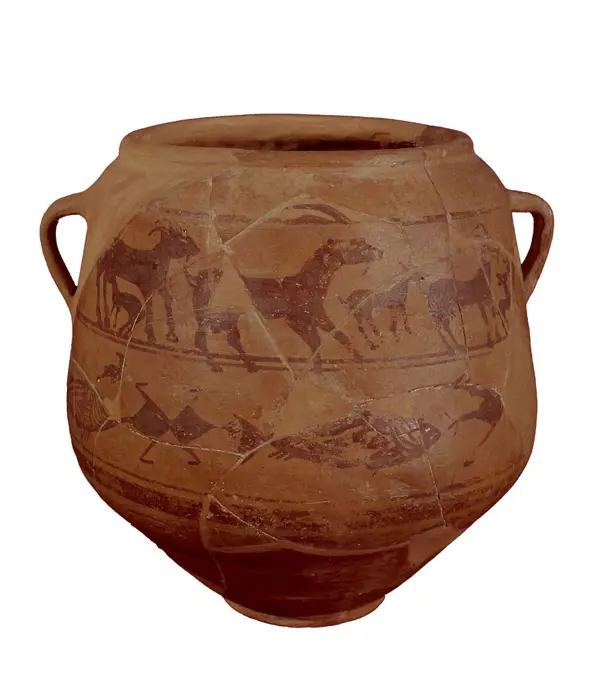
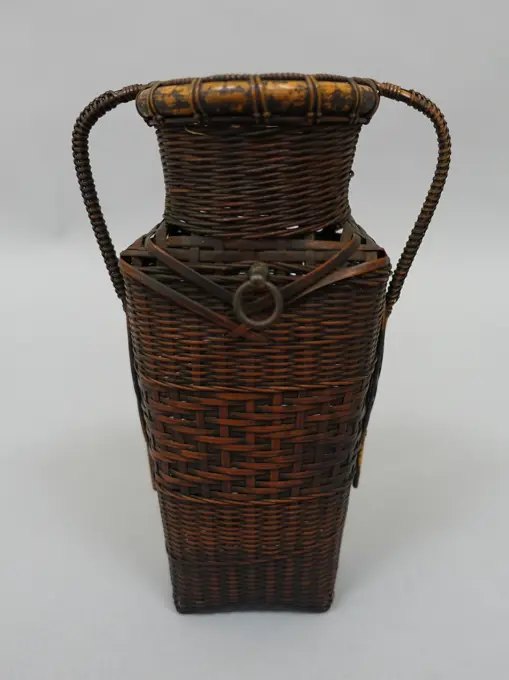
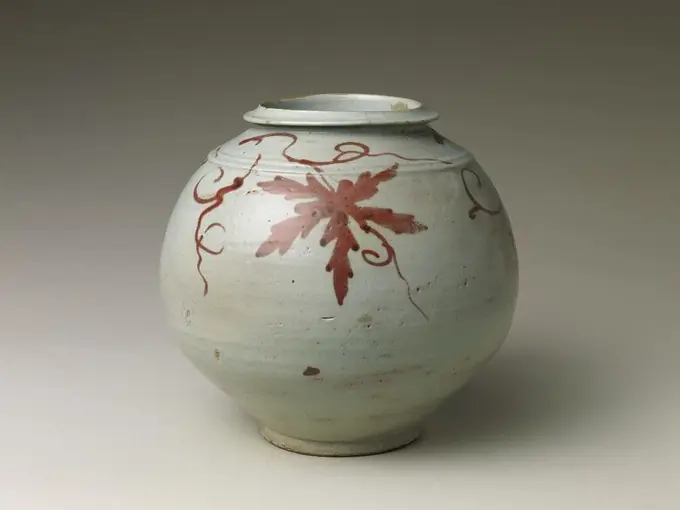
Squat, Round Jar With Ornamental Borders. Low, round pot (possible lamp) of stoneware, partially covered with a brown glaze. On the abdomen and shoulder different wide and narrow tires with different ingrangled patterns. The bottom of the pot is unglazed.Miniature Jar with Two Handles 15th-early 16th century Inca. Miniature Jar with Two Handles 309398Emile Decoeur (1876-1953). Pitcher. Enamelled sandstones. In the shape of a squash. Museum of Fine Arts of the City of Paris, Petit Palais. PITCHER Squash, in shape, gres emaille, pitcherMeasure 18th century French, Normandy. Measure. French, Normandy. 18th century. Pewter. Metalwork-PewterGreat Jug or jacobakan, Jug or jacobakan jug crockery holder ground find ceramic stoneware glaze loamy glaze, hand-turned baked Large Jug or jacobakan on pinched foot with rings on belly and neck Gray shard. Orange loam glaze archeology Capelle aan den IJssel House to serve Capelle castle Soil discovery: House in Capelle from the canal on the south side.Ewer, 8th-9th century, 9-1/4 x 7-1/2 x 7-1/2 in. (23.5 x 19.1 x 19.1 cm), Huangpu ware Stoneware with dark-brown glaze, China, 8th-9th century, This well-proportioned, globular shaped ewer stands on a solid foot. It has a short, straight spout and a handle of joined double strands that arcs between shoulder and lip. The overall effect is pleasing: a simple robust shape combined with a thick, dark uniform glaze. Such ewers made their debut in the Sui dynasty (586-618), supplanting the 'chicken-head ewers' and their descendants. Some of these vessels were used in the making of tea which, by the late Tang dynasty (618-906), had become a popular beverage. The ewers were used not for steeping tea, but as pitchers for dispersing hot water into individual tea bowls where it was whisked with dried powdered tea leaves.Bowl. Thailand, Sawankhalok, 14th-15th century. Furnishings; Serviceware. Stoneware with celadon glazeVase, 916-1125. Northeast China, Liao dynasty (916-1125). Burnished stoneware; overall: 43.2 cm (17 in.).Pottery ointment jar, conical model, white shard, internally glazed yellow, ointment jar holder soil found ceramic earthenware glaze lead glaze, hand turned glazed baked Pottery ointment conical model white shard internal yellow glazed Thin flat wide top edge. Narrowing of the boiler just above the stand Arch archeology stand Rotterdam Oude Plantage indigenous pottery store packaging medicine sell medicine craft Soil discovery: Oude Plantage 1959 Rotterdam.4 -handed ovode pot and central button cover ". White terracotta transparent glazing. Paris, Muse Cernuschi. Vietnamese art, Vietnamese collection, lid, transparent glacide, ovola pot, four handles, white terracotta, archeological vestigeLamp 9th-10th century This object was excavated at Nishapur.Nishapur was a vital city in the early and middle Islamic periods, located along one of the main trajectories that connected Iran and West Asia Islamic lands with Central Asia and China. These itineraries are often referred to by the term Silk routes but were in fact crucial to the movement of constellations of materials and objects, as well as people and ideas. The diverse population of Nishapur and its surroundings, from the better-researched elite groups of merchants, land-owning aristocracy, and literates, to the less-known artisans, farmers, miners, and servants, were instrumental in adapting global cultural trends to create their own distinctive visual languages. This is seen in the material remains of everyday life in medieval Nishapur - from pots and pans to lighting devices, inkwells, textiles and trimmings, jewelry, games and toys, talismanic devices, weapons, coins, and architectural fragments.Nishapur lost its poliCANTARO DE CUELLO ALTO Y ESTRECHO DECORACION INCISA - PROCEDE MOVEROS(ZAMORA). Location: MUSEO DEL PUEBLO ESPAÑOL. MADRID. SPAIN.Lekyt z przedstawieniem siedzącej kobiety i Charona. Malarz Tryglifu (ok. 430-420 p.n.e.), authorModel Cup. Egypt, 6th - 8th Dynasties (2374 - 2165 BCE). Furnishings; Serviceware. CopperAncient Greece. Aryballos decorated with geometric and vegetables motif. Used to contain perfume or oil. From Corintio. 4th century BC. Museum of Perfume. Barcelona. Spain.clay pot with a lid made of natural clay, isolated, close-upSocorro Jar, 12th century, 18 1/4 x 17 1/2 in. (46.36 x 44.45 cm), Ceramic, United States, 12th centuryVase and cover. Terracotta. Vietnam. Paris, Muse Cernuschi. Vase and lid Asian art, art of extreme orient, art of Vietnam, Vietnamese art, terracotta, dishesBrûle-parfum to Couvercle. "Bronze. Dynastie Zhanguo, IIIèmes. The jc. Paris, berryzes. 100438-12 Asian art, bronze, bruise-parfum, cover, zhanguo dynastyItalic civilizations, Piceni, 7th century b.C. Bronze amphora with handles ornamented with horse protomes.Bowl with Flared Sides. Culture: Quimbaya. Dimensions: Height 4-1/4 in.. Date: 9th-14th century. Museum: Metropolitan Museum of Art, New York, USA.Gallo-Belgic jug. Artist: UnknownCampania Caserta Capua Museo Campano030. Hutzel, Max 1960-1990 Medieval: Byzantine architectural fragments; parchment fragments with miniatures (12th century) from Montecassino; painted wooden crucifix (13th century); Carolingian crucifixes; Bishop's miter (11th century) of gold and silver damask; fresco (13th century). Post-medieval: Architecture (15th century). Formerly the Palazzo Antignano. Unusual Catalan/Moorish-style portal; Paintings on panel and canvas (15th-18th centuries); marble intarsia (16th century); marble sculpture: busts of Christ and Mary (17th century); sculpture of saints in marble and in wood (15th century); painted and gilded sculpture in wood; marble grave sculpture (16th century); sarcophagus with allegorical carvings; gold reliquary "Rosa d'Oro"; crucifix made of elephant tusk Specific Location: Pianterreno Antiquities: Italic sculpture (seated women holding babies); inscription. Photo campaign #1: 533 photos. Roman relief and sculpture; cinerary urns; Greek aPucharek. nieznany warsztat północno mezopotamski, workshopCremation Urn with Lid. Pakistan, Swat Valley, Gandhara Grave Culture, circa 1200 B.C.. Furnishings; Accessories. TerracottaBastet;  around 2055 1650 BC; Medium PADeposit of the University of Warsaw from 1937-1939, stone vessels, Polish-French excavations in Edfu (Egypt)Bowl 5th-6th century Maya. Bowl 317885Cylindrical bottle, clock model, bottle holder bottomfound glass, free blown and shaped glass application Cylindrical bottle bell model in clear green glass Pontil mark under slightly raised bottom Body with slightly bending ascending wall (large heart shaped chip 10 x 5.0 cm) to convex shoulders and long rejuvenated neck (h 9.0, cm) with imposed circumferential sharp glass thread (2x chip) and flattened lip lip archeology packagingSmall pottery cooking jug or cup on three legs, standing ear, cooking jug cup kitchenware toy relaxant soil find ceramic earthenware glaze lead glaze, hand-turned glazed fried Cooking jug or cup red pottery one ear - top pinched three legs internally and externally glazed yellow-brown color rings pouring spout probably children's toys . High model with sloping wall and slightly curved soil archeology Valckensteyn Poortugaal Albrandswaard indigenous pottery drink pouring cooking games child toys Soil discovery: canal at kitchen castle Valckensteyn at Poortugaal now Albrandswaard 1961.Tea caddy, anonymous, anonymous, c. 1600 - c. 1799 Cylindrical dust bar or Chare of stoneware with an ivory lid, partly covered with a cream -colored glaze. The bus has an orange -brown color with a cream -colored glaze on the shoulder and parts of the wall. Shigaraki. Japan stoneware. glaze. deksel: ivory vitrification Cylindrical dust bar or Chare of stoneware with an ivory lid, partly covered with a cream -colored glaze. The bus has an orange -brown color with a cream -colored glaze on the shoulder and parts of the wall. Shigaraki. Japan stoneware. glaze. deksel: ivory vitrificationLazio Viterbo Viterbo Museo Civico72. Hutzel, Max 1960-1990 Views of paintings (Middle Ages through 18th c.), frescoes, a tabernacle, coffin, sculpture reliefs, portal fragments, busts, sculpture, tapestry found in the Pinacoteca, Second floor gallery and Second floor cloister sequences. Antiquities: Many views of Etruscan and Roman fragments, sculpture, sarcophagi, pottery, masks, jewelry and other objects found in the Storeroom sequence (inventory numbers on back of prints), and the Cloister, Second floor Cloister, Valle Giulia, Sala Romana and Sala Etrusca sequences. General Notes: There are eight separate numerical sequences for this location. The cloister as an architectural structure, rather than museum site, is documented in the record and file for S. Maria della Verita, Cloister, all views of which are stored in Medieval core collection. Five views from the Museo Civico Second floor cloister sequence are stored in Medieval. German-born photographer and scholar Max Hutzel (1911-Prehistory, Italy, Iron Age. Painted terracotta pitcher from Picenum, 7th century b.C.Sake Bottle in the Form of a Pouch. Japan, Edo period, late 18th-early 19th century. Ceramics. Agano ware; stoneware with iron glaze and beaten-brush white slipFrog-shaped Container (Yu), late 3rd century, 1 13/16 x 3 1/2 x 3 1/8in. (4.6 x 8.9 x 7.9cm), Yue ware Porcelaneous stoneware with celadon glaze, China, 3rd century, Opinions differ as to the use of the yue ware frog decorated containers popular during the third and fourth centuries. Water droppers for the scholar's table seem the most reasonable explanation. Small water pots such as this also appeared with other types of animal-head décor including the hare, the ox, and the turtle. All seem to have been designed as water droppers for use by calligraphers and painters.Karamono-Style Basket. Culture: Japan or China. Dimensions: H. 8 7/8 in. (22.5 cm). Date: 19th century. Museum: Metropolitan Museum of Art, New York, USA.Censer unknownBell China. Bell 61319Goblet ca. 9th century B.C. Iran. Goblet 325618Bisby Finley, Pottery Jar, c 1939 Pottery JarTeabowl. Culture: Japan. Dimensions: H. 2 3/4 in. (7 cm); Diam. 5 1/8 in. (13 cm). Date: ca. 1700. Museum: Metropolitan Museum of Art, New York, USA.Terracotta guttus (flask with handle and spout) 4th century B.C. Greek, South Italian, Campanian In Greek art, a lion's head is the typical form of spout, whether for the waterspouts of a monumental building or the mouth of a small utensil.. Terracotta guttus (flask with handle and spout) 246562Glass perfume bottle. Culture: Roman. Dimensions: Overall: 6 1/16 in. (15.4 cm)Diam.: 3 7/8 x 1 5/8 in. (9.8 x 4.1 cm). Date: 2nd-3rd century A.D..Large candlestick unguentarium.Translucent pale blue green.Tubular rim folded out, over, and in; flaring mouth; tall cylindrical neck, expanding downwards; very narrow horizontal shoulder; squat bulbous body, expanding downwards; broad, concave bottom.Intact; many pinprick and a few larger bubbles; dulling and iridescence on exterior; soil encrustation and iridescent weathering on interior. Museum: Metropolitan Museum of Art, New York, USA.Bell on Base. Culture: China. Dimensions: H. 6 3/8 in. (16.2 cm); W. (base) 5 in. (12.7 cm); Diam. (base) 3 9/16 in. (9 cm). Museum: Metropolitan Museum of Art, New York, USA.CERAMICA CANTARO DE TOLEDO. Location: MUSEO DEL PUEBLO ESPAÑOL. MADRID. SPAIN.Flash;  III-IV century (201-00-00-400-00-00);MOLDE DE AZUCAR (DEPOSITO: MUSEO ARQUEOLOGICO NACIONAL).Marble mortar and pestle isolated on white backgroundTall stand with perforated base, first half 5th century, Unknown Korean, 13 1/4 × 14 7/16 × 14 1/4 in. (33.66 × 36.67 × 36.2 cm), Stoneware with incised design of wavy lines, Korea, 5th century, This type of stand was used to support vessels for containing liquid. Because they are often found in tombs, they are believed to have served a ritual purpose, although similar stands may have also been used in a domestic setting. The series of perforations found on around the base are consistent with other found in tombs dating to the Three Kingdoms period. Square perforations such as these are associated with stands produced in Silla.Vase, 20th century, 7 1/8 x 6 3/4 in. (18.1 x 17.15 cm), Earthenware, Democratic Republic of Congo, 20th centuryGlass beaker 4th century A.D. Roman Translucent pale blue-green; trail in same color.Everted rim with rounded lip; cylindrical body with vertical side, then curving in sharply to solid pad base; concave bottom with pontil mark.Single horizontal trail wound once round upper body; side decorated with faint wavy ribs, becoming twenty-seven prominent ribs on side of base.Intact; many bubbles; slight pitting, enamel-like creamy brown weathering, and brilliant iridescence.. Glass beaker 253461 Roman, Glass beaker, 4th century A.D., Glass, H.: 4 3/8 in. (11.1 cm). The Metropolitan Museum of Art, New York. Gift of Mrs. Elias Kempner, 1934 (34.132.35)Samuel Faigin, Molasses Jug, c 1942 Molasses JugOil Bottle with Swirl Design. Korea. Date: 1135-1165. Dimensions: H. 5.0 cm (2 in.); diam. 7.0 cm (2 3/4 in.). Celadon-glazed stoneware with overglaze swirls. Origin: Korea. Museum: The Chicago Art Institute, Chicago, USA.Blackware Bowl 12th-8th century B.C. Olmec The blackware bowl, reportedly from Las Bocas, Puebla, Mexico, has a flat bottom and almost straight wall which is decorated with cut-out curved and linear designs including a cross and inverted parallel L-shapes. The surface of the cut-out motifs is roughened while the raised areas are polished, creating an appealing contrast in texture.. Blackware Bowl. Olmec. 12th-8th century B.C.. Ceramic. Mexico, Mesoamerica. Ceramics-ContainersStanding cup. Culture: European. Dimensions: Overall: 4 1/2 × 2 3/8 in. (11.4 × 6 cm). Date: 17th-18th century. Museum: Metropolitan Museum of Art, New York, USA.Annie B Johnston, Stoneware Jar, c 1938 Stoneware JarFunerary Urn. 5th c. BC. Iberian art. Ceramics. SPAIN. ANDALUSIA. Cordoba. Archaeological Museum of Cordoba. Proc: SPAIN. ANDALUSIA. CORDOBA. Almedinilla. El Cerro de la Cruz.Dou ritual vessel, 4th century BCE, 5 1/4 × 4 7/8 × 4 3/8 in., 1.8 lb. (13.34 × 12.38 × 11.11 cm, 0.8 kg), Gilt bronze, China, 4th century BCEMortar and pestle second half 18th century British or American. Mortar and pestle. British or American. second half 18th century. Brass. Metalwork-BrassGray Bartmann jug, also called Bellarmine jug, round middle belly text band, portrait medallions and acanthus leaves, beardmug tableware holder soil find ceramic stoneware glaze salt glaze, hand-turned laid glazed baked Gray shard flat convex belly. Ear starter imposed on belly: archeology import pottery drink serve beer wine transport donate Rotterdam education Academy of Fine Arts and Technical Sciences Cool Coolvest Dijkzigt G.J. de Jonghweg City Triangle Blaak Academy of Fine Arts and Technical Sciences Rotterdam.recipientes de ceramica, Museo arqueologico Son Fornes, sala de época talayótica (1300-123 a. C.), Montuiri, Comarca de Es Pla, Mallorca, Spain.Model Jar from a Foundation Deposit ca. 1479-1458 B.C. New Kingdom. Model Jar from a Foundation Deposit. ca. 1479-1458 B.C.. Pottery. New Kingdom. From Egypt, Upper Egypt, Thebes, Valley of the Kings, Tomb of Hatshepsut (KV 20), foundation deposit, Davis/Carter excavations, 1903-04. Dynasty 18Lazio Viterbo Viterbo Museo Civico84. Hutzel, Max 1960-1990 Views of paintings (Middle Ages through 18th c.), frescoes, a tabernacle, coffin, sculpture reliefs, portal fragments, busts, sculpture, tapestry found in the Pinacoteca, Second floor gallery and Second floor cloister sequences. Antiquities: Many views of Etruscan and Roman fragments, sculpture, sarcophagi, pottery, masks, jewelry and other objects found in the Storeroom sequence (inventory numbers on back of prints), and the Cloister, Second floor Cloister, Valle Giulia, Sala Romana and Sala Etrusca sequences. General Notes: There are eight separate numerical sequences for this location. The cloister as an architectural structure, rather than museum site, is documented in the record and file for S. Maria della Verita, Cloister, all views of which are stored in Medieval core collection. Five views from the Museo Civico Second floor cloister sequence are stored in Medieval. German-born photographer and scholar Max Hutzel (1911-Italic civilizations, Paleo-Venetians, 8th century b.C. Biconical ossuary with vertical decorations. From Este, tomb 4 of the Casa Ricovero necropolis.Wine Vase (Zun). Culture: China. Dimensions: H. 15 3/4 in. (40 cm); Diam. of rim 13 7/8 in. (35.2 cm); Diam. of base 8 7/8 in. (22.5 cm). Date: 13th century B.C..A single character (clan sign) is cast on the interior of the vessel. Museum: Metropolitan Museum of Art, New York, USA.Vessel with a hieratic inscription;  around 2686- 2181 BC ; Old state (-2686-00-00--2181-00-00);Yolande Delasser, Crock, c 1937 CrockEarthenware cooking pot, decorated with yellow garlands and stripes in yellow, on three legs, cooking pot crockery holder kitchen utensils earthenware ceramics earthenware glaze lead glaze, hand-turned decorated glazed fried lemonade Round bowl with three legs edge and shovel. Red earthenware interior and partly exterior glazed archeology Rotterdam railway tunnel native earthenware child cooking food kitchen serving Soil discovery: railway tunnel Rotterdam.CANTARO DE CUATRO ASAS CON VIDRIADO PARCIAL- ARTE POPULAR- S XX. Location: ALFARERIA. Navarrete. LA RIOJA. SPAIN.Small Tripod Cauldron of Chang Zi (Chang Zi ding) Made 1046 BCE-771 BCE China. Bronze .Situla 19th century Byzantine. Situla 468770clay pot isolated on white backgroundLazio Viterbo Viterbo Museo Civico51. Hutzel, Max 1960-1990 Views of paintings (Middle Ages through 18th c.), frescoes, a tabernacle, coffin, sculpture reliefs, portal fragments, busts, sculpture, tapestry found in the Pinacoteca, Second floor gallery and Second floor cloister sequences. Antiquities: Many views of Etruscan and Roman fragments, sculpture, sarcophagi, pottery, masks, jewelry and other objects found in the Storeroom sequence (inventory numbers on back of prints), and the Cloister, Second floor Cloister, Valle Giulia, Sala Romana and Sala Etrusca sequences. General Notes: There are eight separate numerical sequences for this location. The cloister as an architectural structure, rather than museum site, is documented in the record and file for S. Maria della Verita, Cloister, all views of which are stored in Medieval core collection. Five views from the Museo Civico Second floor cloister sequence are stored in Medieval. German-born photographer and scholar Max Hutzel (1911-VASO DE LAS CABRAS - CERAMICA IBERICA - S III AC - PROCEDE DE LA NECROPOLIS DE CABECICO DEL TESORO-VERDOLAY (MURCIA). Location: MUSEO ARQUEOLOGICO-COLECCION. MURCIA. SPAIN.Hanging Basket 19th century Japan. Hanging Basket. Japan. 19th century. Rattan or bamboo. Edo (1615-1868) or Meiji period (1868-1912). BasketryLeerer brauner Tonkrug mit offenem Deckel isoliert Empty brown clay jug with open lid isolated on white Copyright: xZoonar.com/OksanaxKornienkox 22756136Jar with grapevine decoration. Culture: Korea. Dimensions: H. 10 1/16 in. (25.6 cm); Diam. 10 3/4 in. (27.3 cm). Date: mid-18th century.Like blossoms and bamboo, grapes and grapevines were popular subjects in Joseon ceramics and ink paintings. On this rotund jar, the vines and large leaves are painted in copper red--a pigment more difficult to manipulate than cobalt blue or iron brown. Vessels with similar shapes and copper-red designs were made during the eighteenth century at kilns not linked to the court porcelain manufacturing center (Bunwon). Museum: Metropolitan Museum of Art, New York, USA.Crock. Dated: c. 1937. Dimensions: overall: 35.7 x 27.8 cm (14 1/16 x 10 15/16 in.). Medium: watercolor, colored pencil, and graphite on paper. Museum: National Gallery of Art, Washington DC. Author: John Tarantino.Two-handled cup ca. 1750 British, Staffordshire. Two-handled cup. British, Staffordshire. ca. 1750. Glazed pottery, brown splash. Ceramics-PotteryLazio Frosinone Casamari Museo Archeologico5. Hutzel, Max 1960-1990 Post-medieval: paintings on canvas, paintings on wood, wooden church furnishings Governing Body: Abbazia di Casamari General Notes: This record is for the pinacoteca which is part of the Museo Archeologico, housed within the Abbey of Casamari. Hutzel assigned it a separate numbering sequence. German-born photographer and scholar Max Hutzel (1911-1988) photographed in Italy from the early 1960s until his death. The result of this project, referred to by Hutzel as Foto Arte Minore, is thorough documentation of art historical development in Italy up to the 18th century, including objects of the Etruscans and the Romans, as well as early Medieval, Romanesque, Gothic, Renaissance and Baroque monuments. Images are organized by geographic region in Italy, then by province, city, site complex and monument.Housing funeral model. Terracotta. Cernuschi Museum, Asia Museum of Asia in the city of Paris.Bronze ritual water vessel from the Shang Dynasty. Dated 11th Century BCBowl. Dated: 1935/1942. Dimensions: overall: 28.9 x 22.1 cm (11 3/8 x 8 11/16 in.). Medium: watercolor and graphite on paperboard. Museum: National Gallery of Art, Washington DC. Author: Van Silvay.Campania Napoli Naples S. Lorenzo Maggiore81. Hutzel, Max 1960-1990 Medieval: Sculpture, architecture, architectural sculpture (including Roman spolia) 13-14th century Chapter house; sarcophagi, gravestones; wall painting. Fragment of mosaic; sculptural fragments in the Sala Capitolare. Post-medieval: Architecture, architectural sculpture, ceiling painting fresco cycle; prints depicting Venice c. 1845 (4), sculpture; life-size creche figures dressed in original Neapolitan costume Church restored in 1882, 1926, 1944; excavations under the transept undertaken between 1958-1962, and in the cloister in 1976, have revealed remains of a Roman macellum (market), street, and the paleochristian basilica of the 6th c. AD. Antiquities: Pottery: black-glazed, archaic banded, domestic wares, bucchero; architectural terracottas, statuettes, lamps, sculpture fragments Object Notes: 3 color negatives with no prints at the end. General Notes: Most objects/paintings/frescoes unidentified. Three batches Physician's Cupping Glass or Alembic. Dimensions: H. 1 15/16 in. (5 cm)L. 3 7/8 in. (9.9 cm). Date: 9th-11th century.The suggested identifications for this object, of which numerous examples have been found at Nishapur and other excavation sites, include cupping glass, alembic, baby feeder, and breast reliever. The most recent proposal splits the objects into two types: those with straight spouts and those with curved spouts. The straight-spouted vessels may have served as alembics, which are used in distilling liquids; those with curved spouts may have served as cupping glasses, which were placed on the skin in medieval medical treatments. Only one thing is clear: after the twelfth century, the production of both types ceased. Museum: Metropolitan Museum of Art, New York, USA.Dish Italic, Villanovan. Dish 246606Wine Vessel (You). Culture: China. Dimensions: H. (to handle) 8 3/4 in. (22.2 cm); W. (betw. knobs) 9 in. (22.9 cm); W. of foot 6 in. (15.2 cm). Date: 10th century B.C.. Museum: Metropolitan Museum of Art, New York, USA.Alabastron (Container for Scented Oil) 664 BCE-343 BCE Egypt. Granite . Ancient EgyptianGlass jar. Culture: Roman, Eastern Mediterranean. Dimensions: 2 5/16 in. (5.8 cm)Other: 2 3/16 in. (5.6 cm)Diam. of rim: 1 1/2 in. (3.8 cm). Date: 3rd-4th century A.D..Colorless with light green tinge, with same color trail and ribs.Solid rim folded out, over, and in; short, concave neck; sides of body sloping out downward; pushed-in bottom with prominent pontil scar.Slender trial wound three times around neck; eleven vertical, slightly slanting ribs of varying length on body.Intact; some bubbles; little pitting and weathering. Museum: Metropolitan Museum of Art, New York, USA.Cista with CoverJARRA MORA CON DOS ASAS Y BOCA CON CUATRO VERTEDEROS. Location: ALFARERIA. ALBOX. Almería. SPAIN.Container (Lian) with Three Legs in the Form of Bears. China, Early Western Han dynasty, about 206-100 B.C.. Furnishings; Accessories. Cast bronzeFrank Fumagalli, Jug, c 1937 JugPhilip Smith, Two Handled Jar  Stoneware, c 1939 Two Handled Jar - StonewareThree Fire Pots. Round earthenware pots with a short neck and three vertically placed ears. One of these pots still contains remains of the original content.Lithuanian excavations; Kellerhoven, Franz (Ca 1814-1872), Lemercier, Rose Joseph (Paris 1858-1862 (1858-00-00-1862-00-00);Cylinder Vessel with Supernatural Musicians. Northern Guatemala or Southeastern Mexico, Maya, 500-700 CE. Ceramics. Slip-painted ceramic with post-fire stucco and pigmentFles, anonymous, c. 1675 - c. 1699 Bottle of pottery with light yellow shard and brown -bleached lead glaze. The bottle has a slim model with constricted belly, outstanding neckcand, and a stand ring. Netherlands earthenware. lead glaze Bottle of pottery with light yellow shard and brown -bleached lead glaze. The bottle has a slim model with constricted belly, outstanding neckcand, and a stand ring. Netherlands earthenware. lead glazeGuttus (Pouring Vessel). Greek; Athens. Date: 400 BC-375 BC. Dimensions: 4.7 × 10.8 × 10.5 cm (1 7/8 × 4 1/4 × 4 1/8 in.). Terra-cotta, black-glaze technique with stamping. Origin: Greece. Museum: The Chicago Art Institute, Chicago, USA. Author: ANCIENT GREEK.Andiron with cooking pots and a pair of fire tongs. Centrally located in the Safe House’ was a fireplace with a chimney above it. The food was cooked there and the men could warm themselves by the open hearth. When the Safe House’ was rediscovered at the end of the 19th century, the andiron and the cooking pots were still in place.A turkish coffeepot isolated on white background, ceramic pot for coffee.