Traditional Pottery Pieces

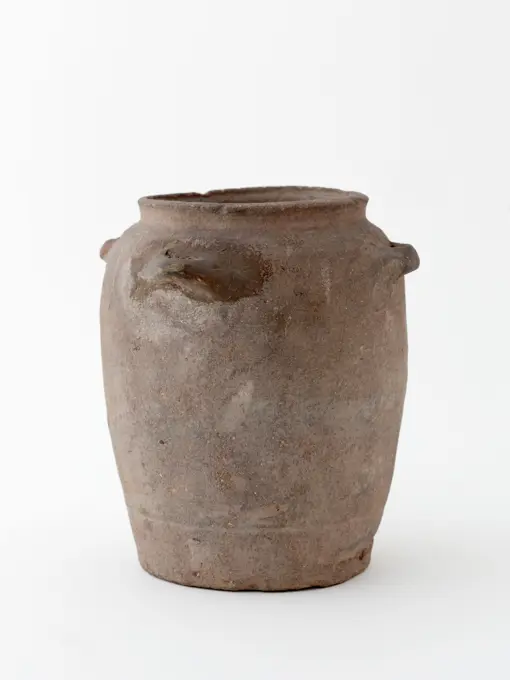
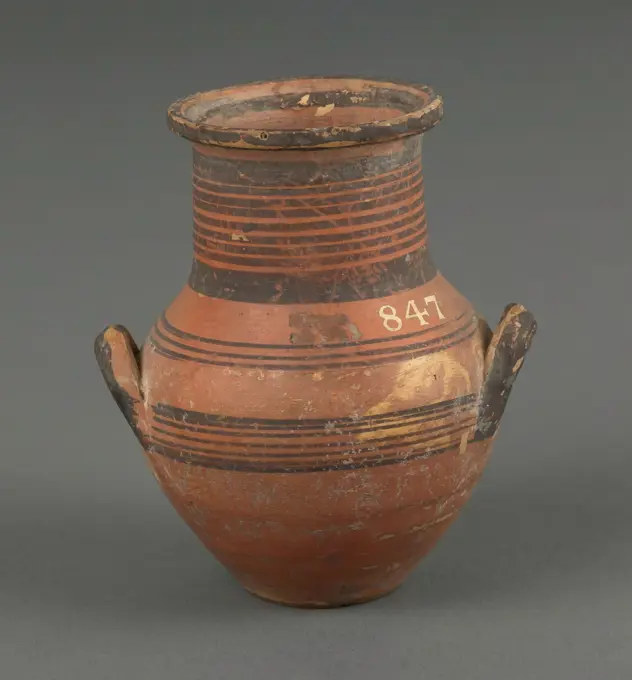
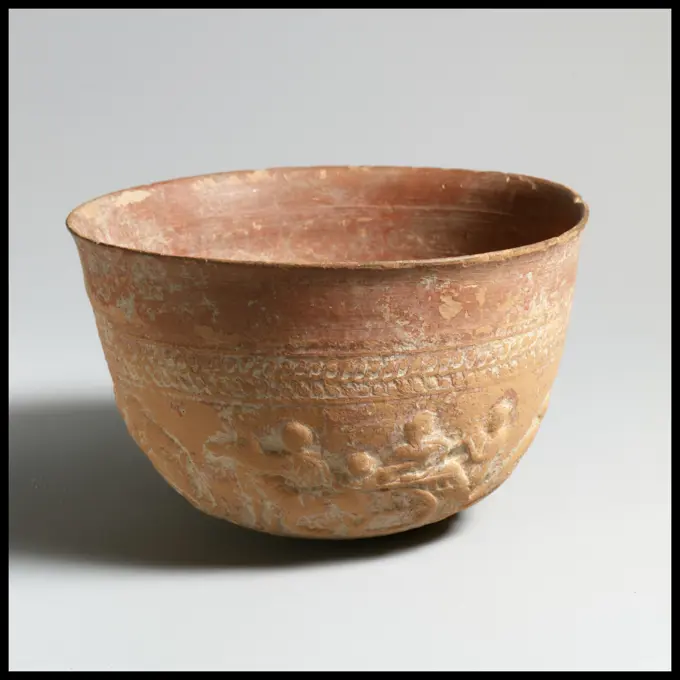
A variety of earthenware pots including cooking vessels and historical jars from different cultures, showcasing unique shapes and decorative details.
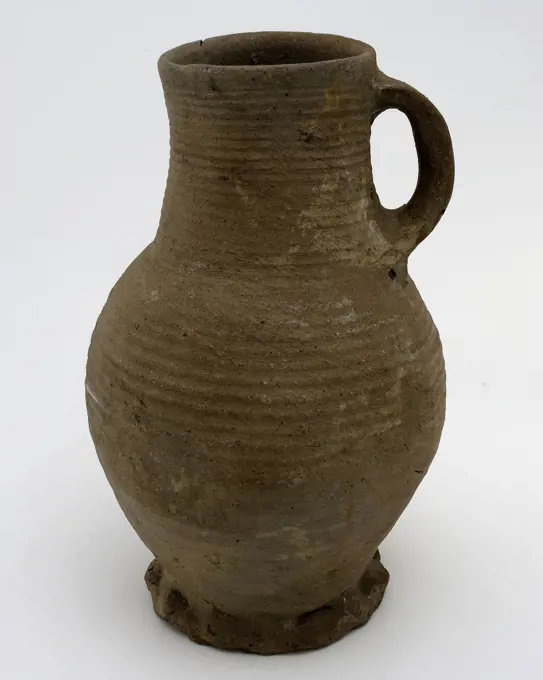
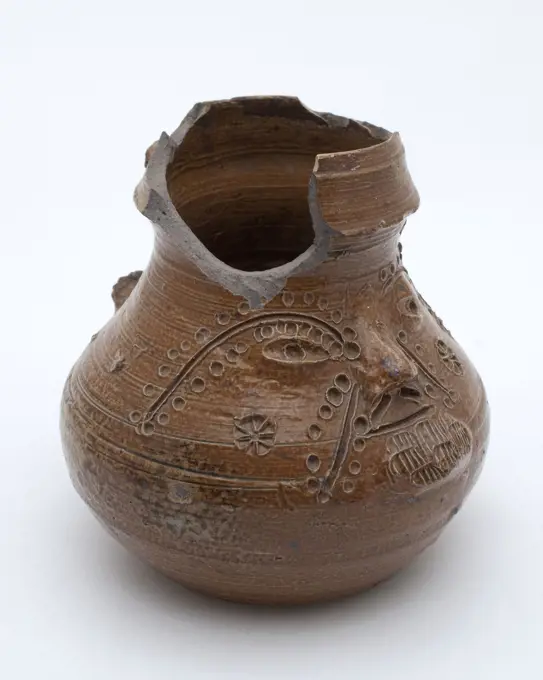
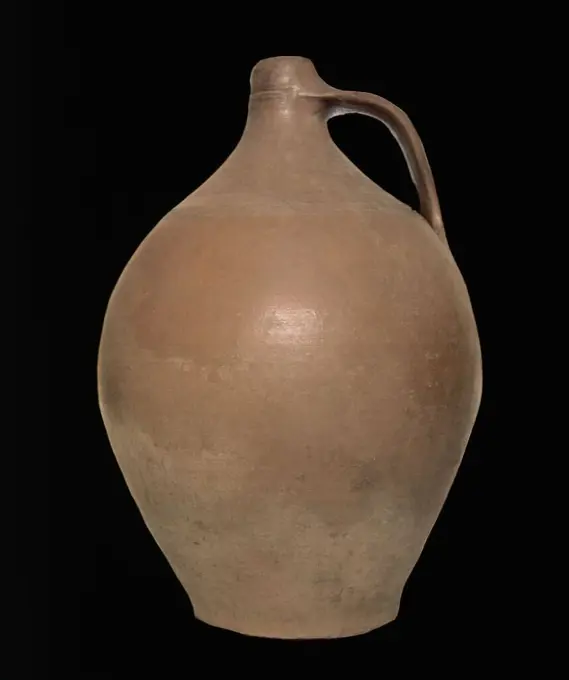
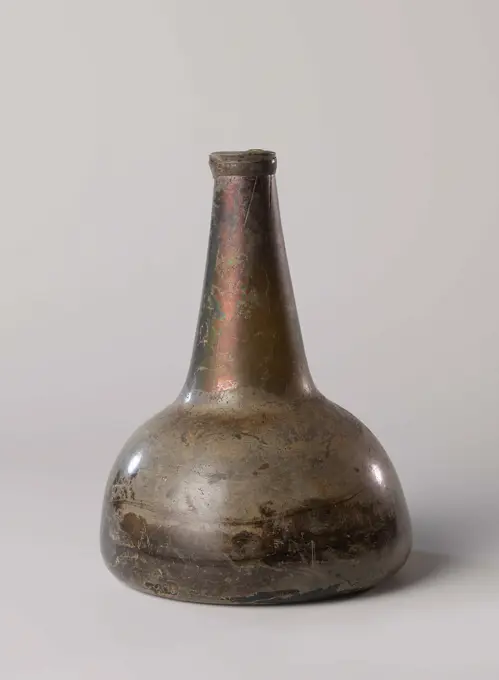
Gray stoneware jug be on pinched foot, rough-walled, jug crockery holder soil find ceramic stoneware, hand turned baked Gray stoneware jug be scraped earthenware cylindrical neck and bended body nipped foot Strongly outstanding unglazed archeology Poortugaal Albrandswaard indigenous pottery import drink serving serve serving Soil discovery: Poortugaal terp I found in tonput.
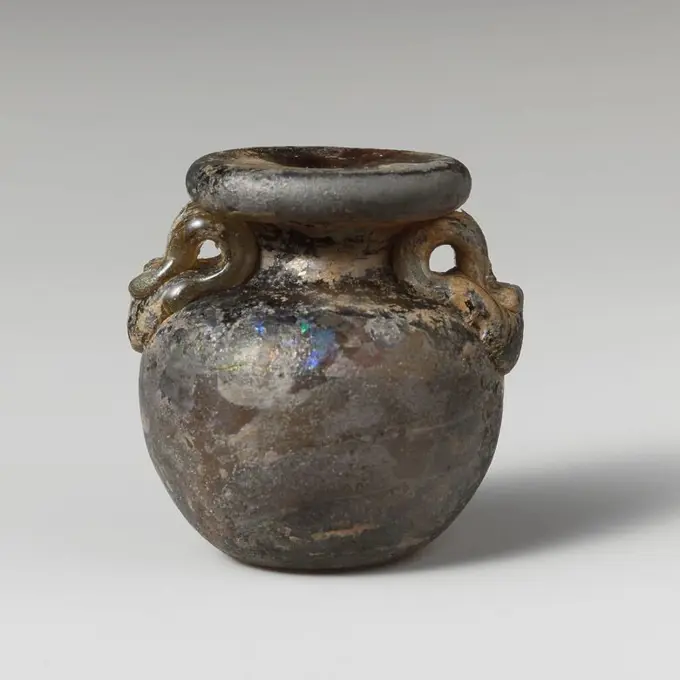
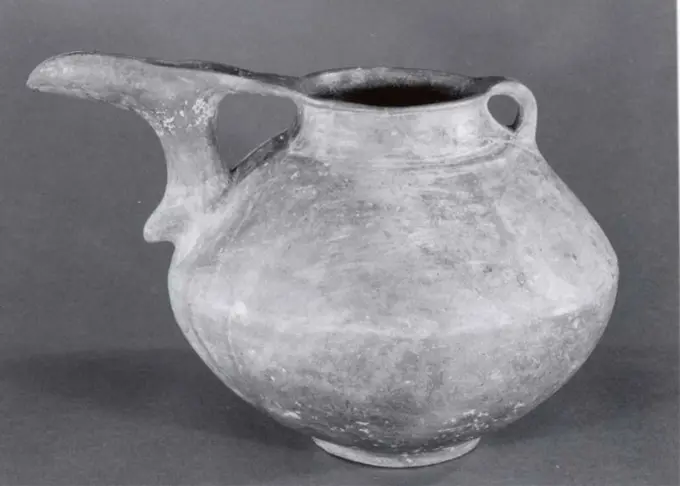
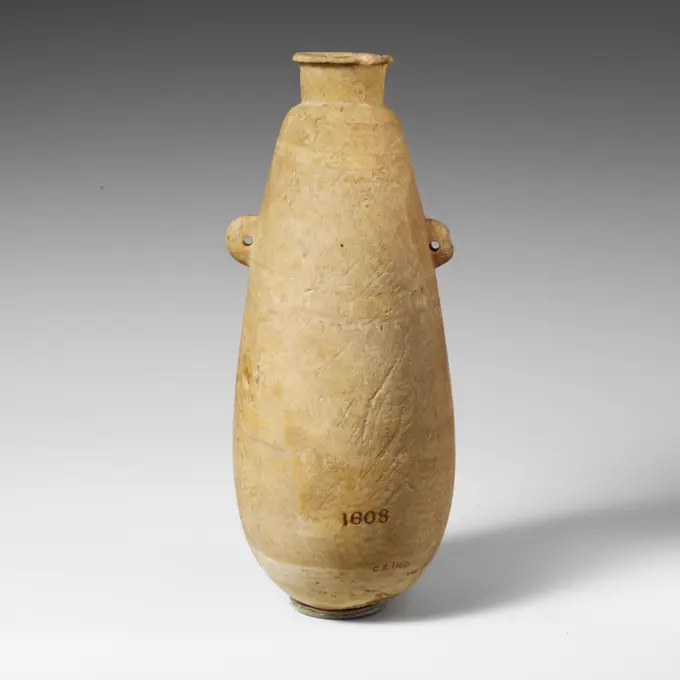
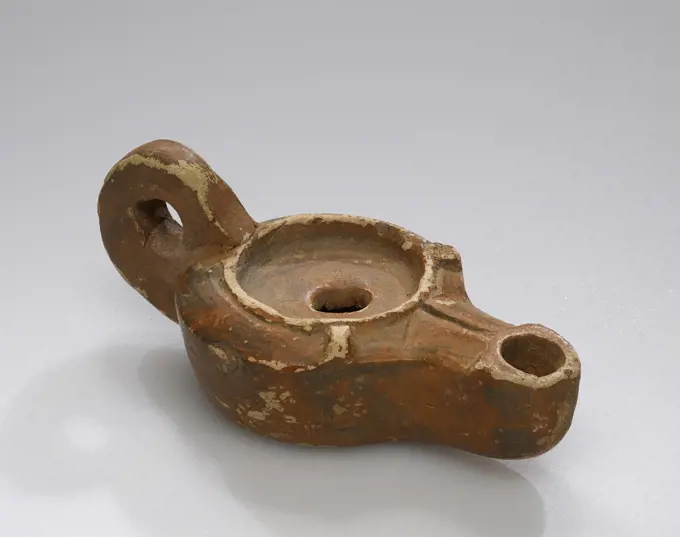
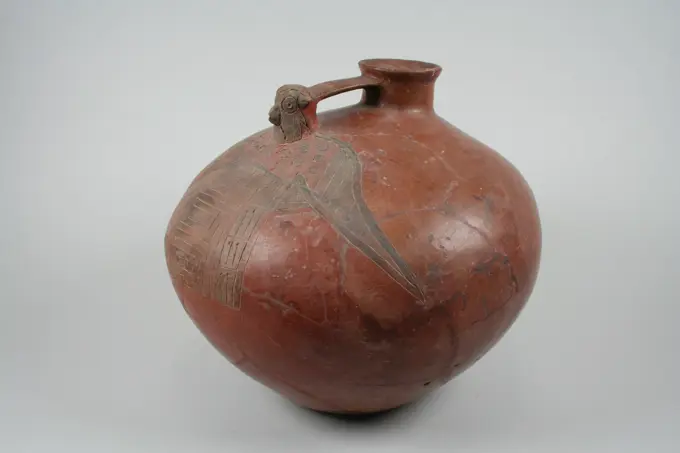
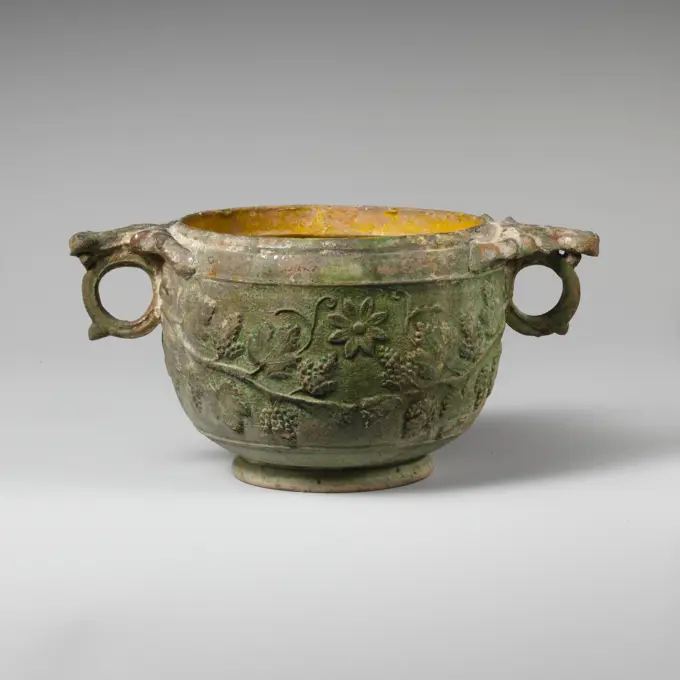
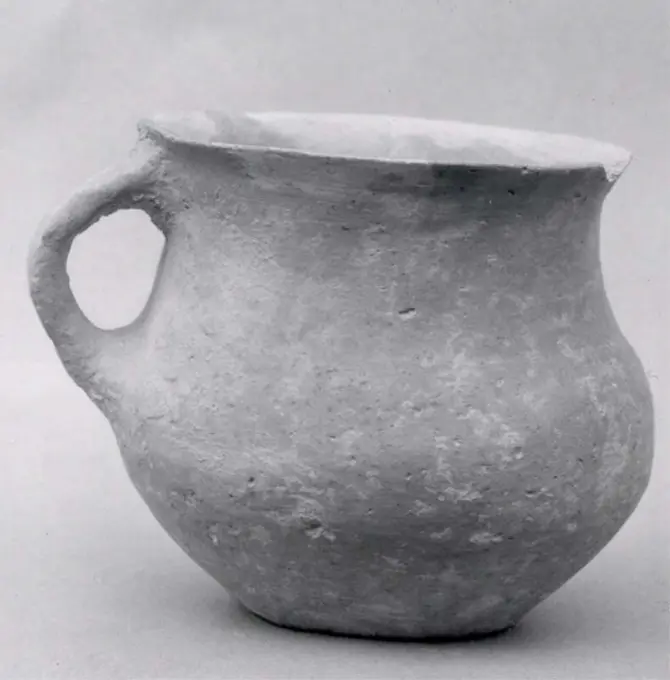
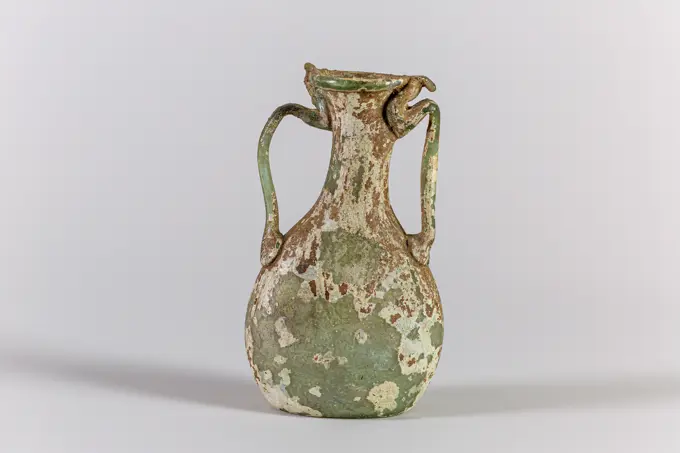
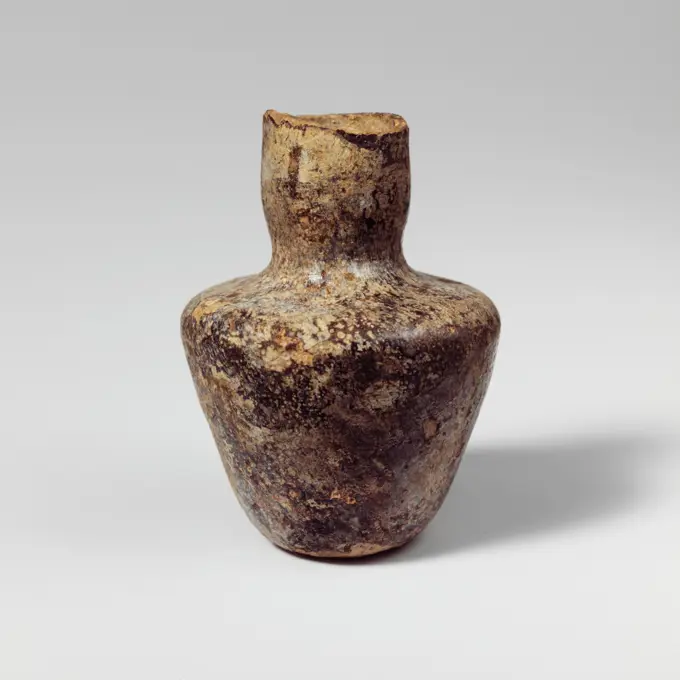
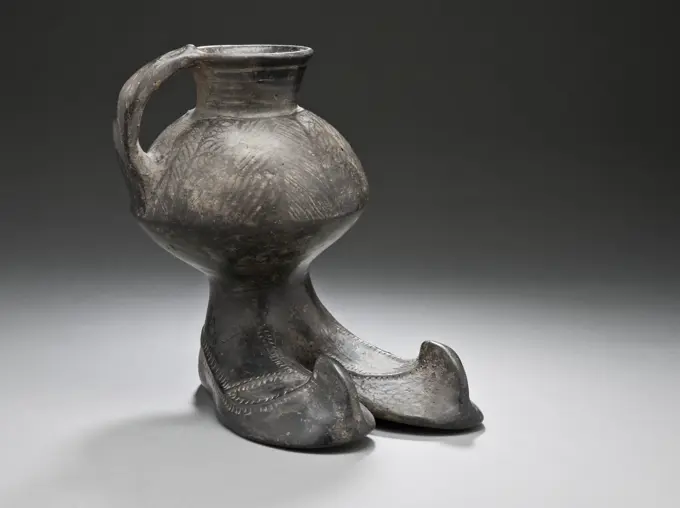
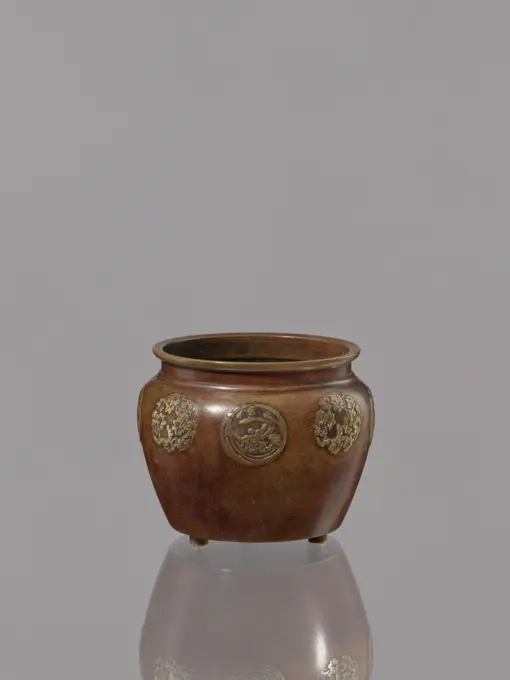
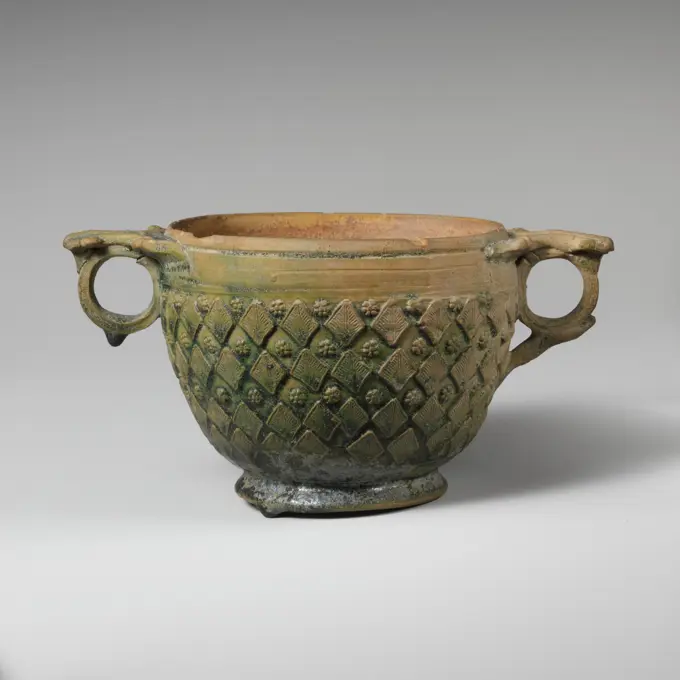
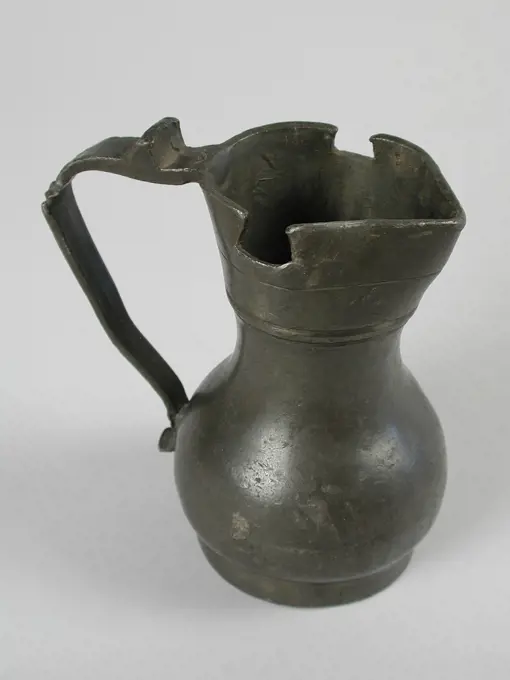
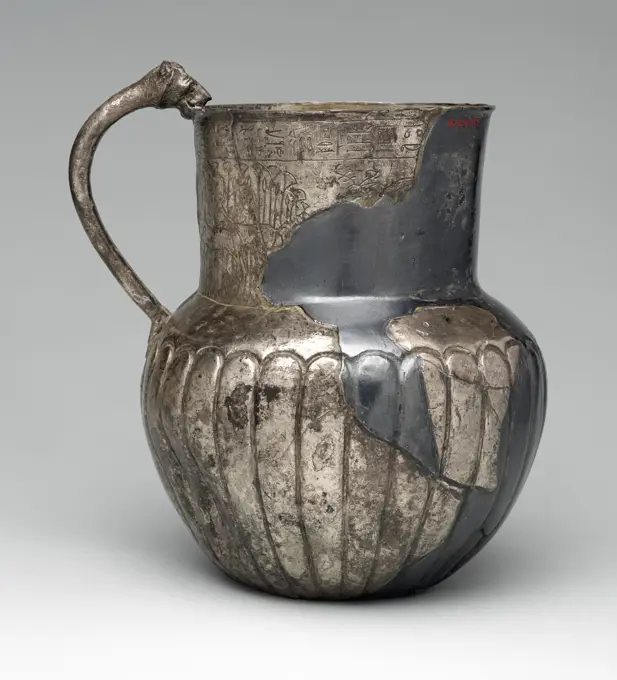
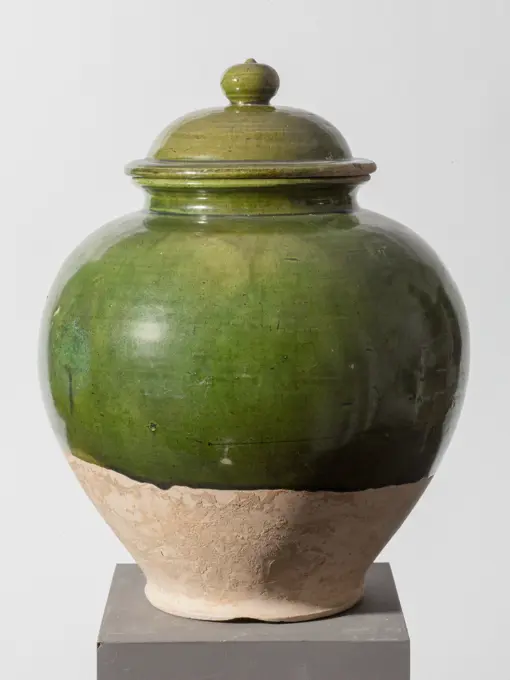
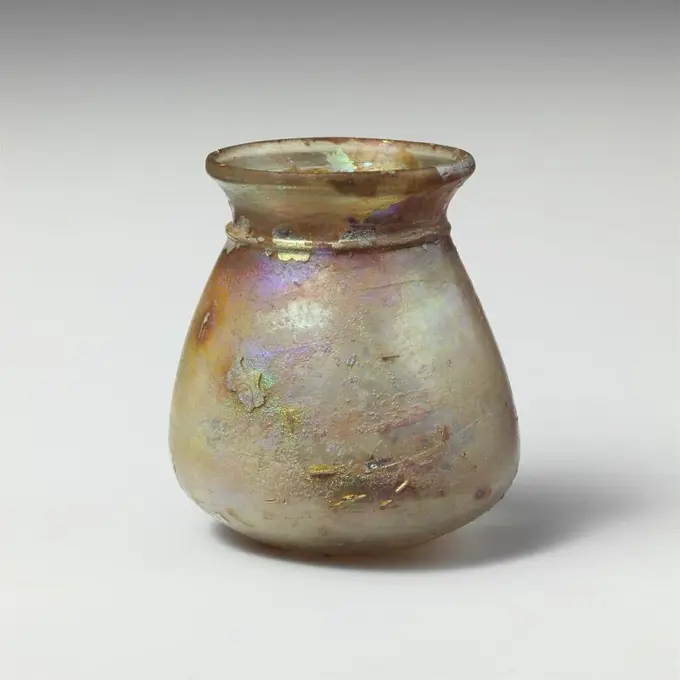
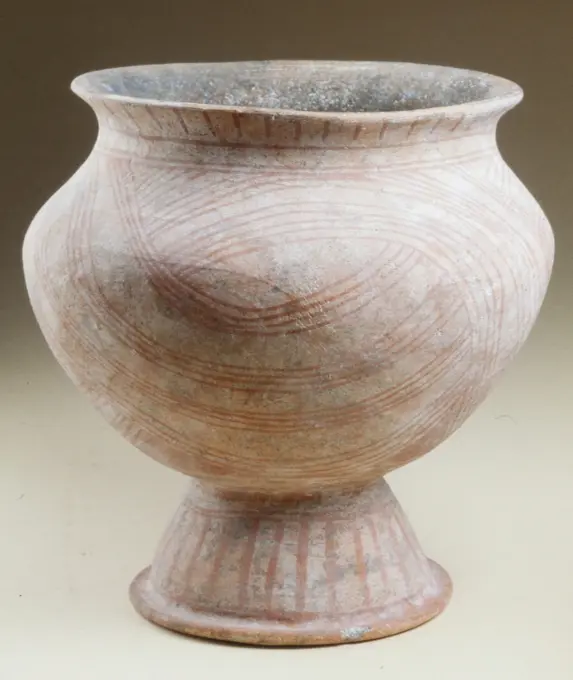
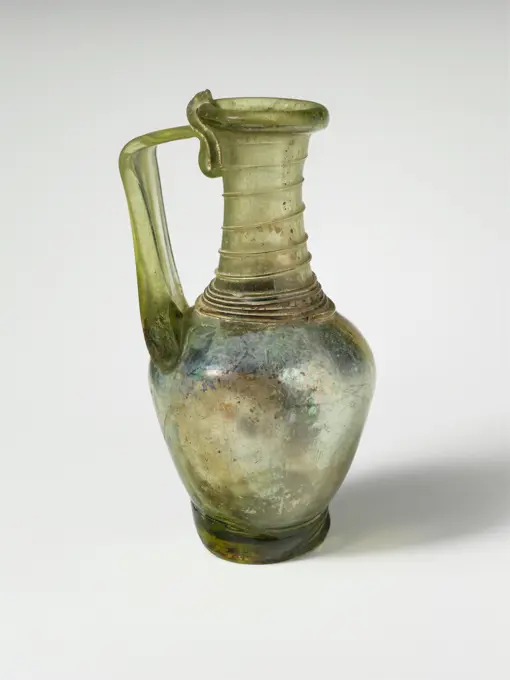
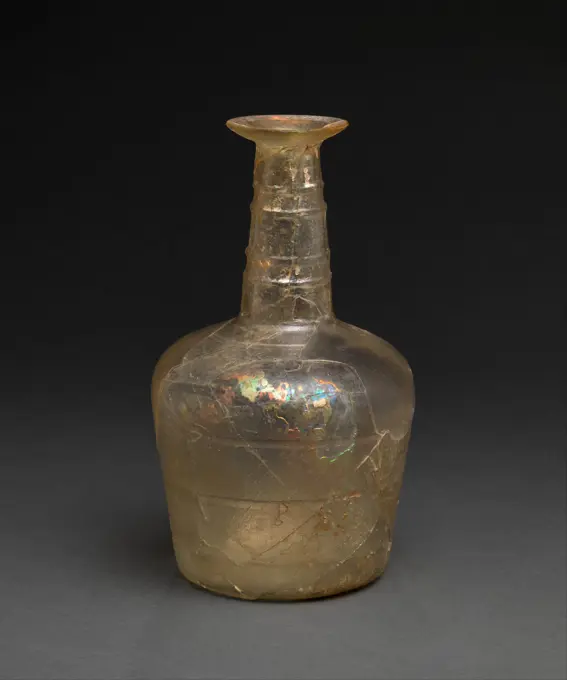
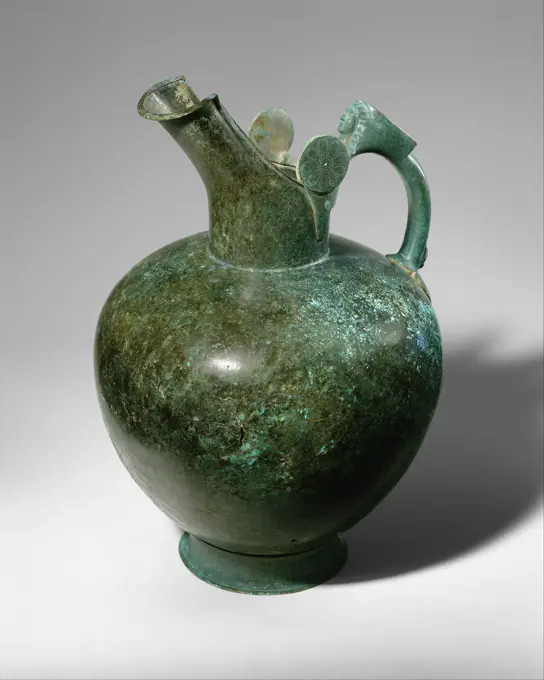
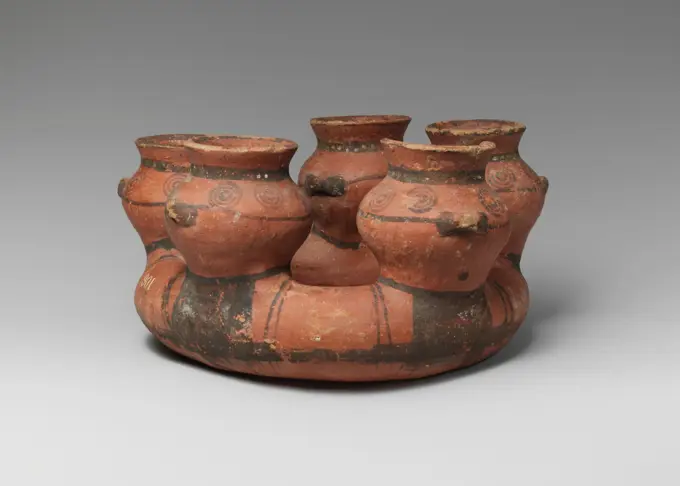
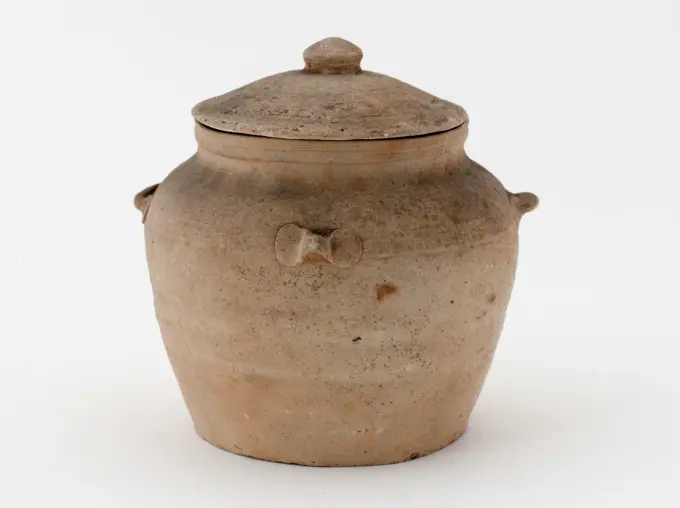
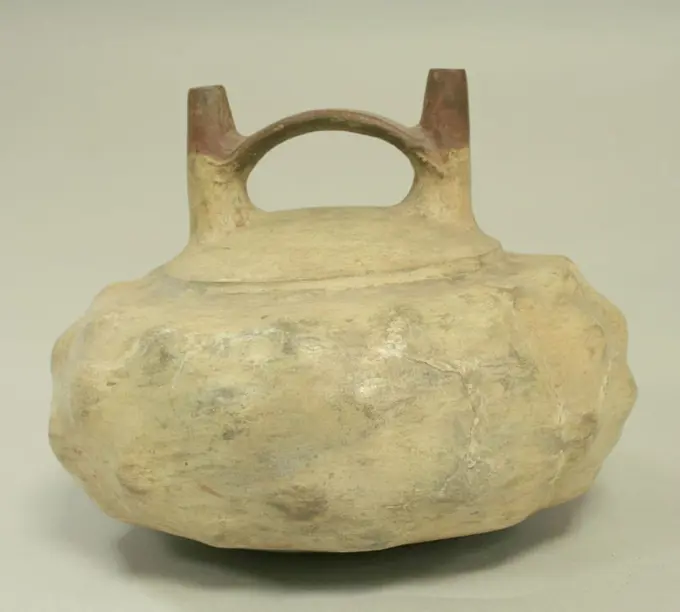
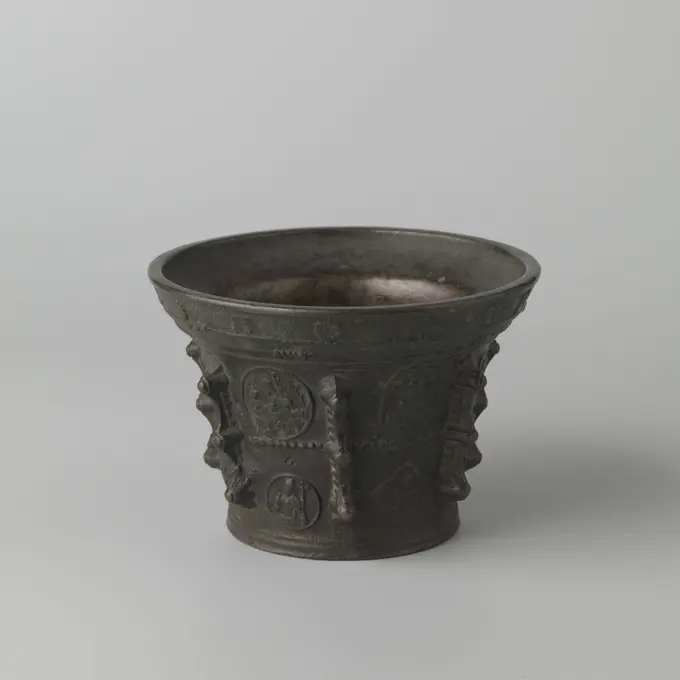
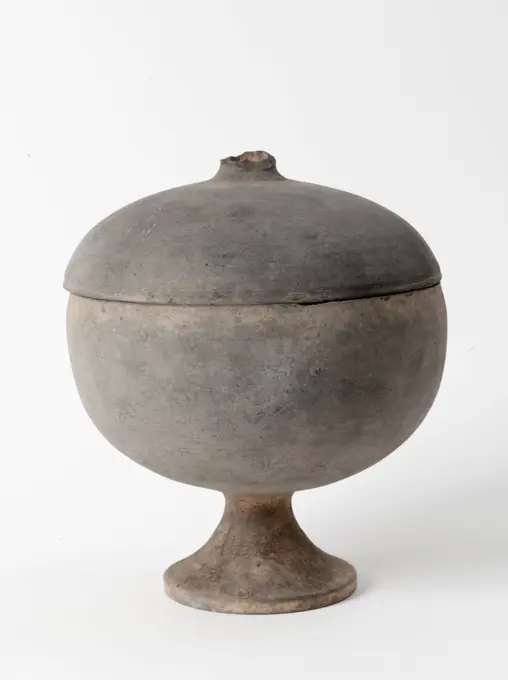
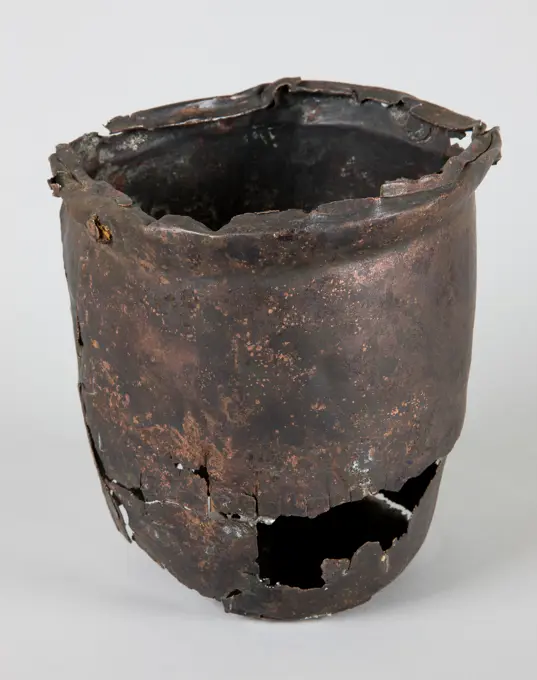
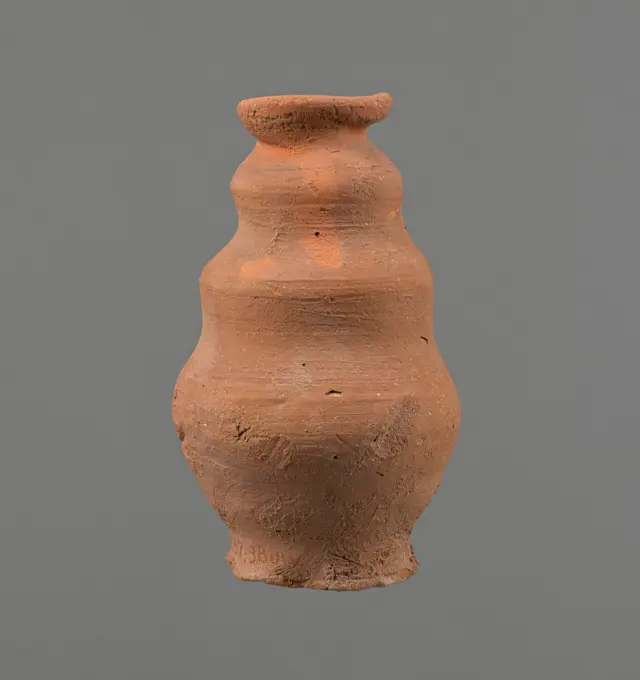
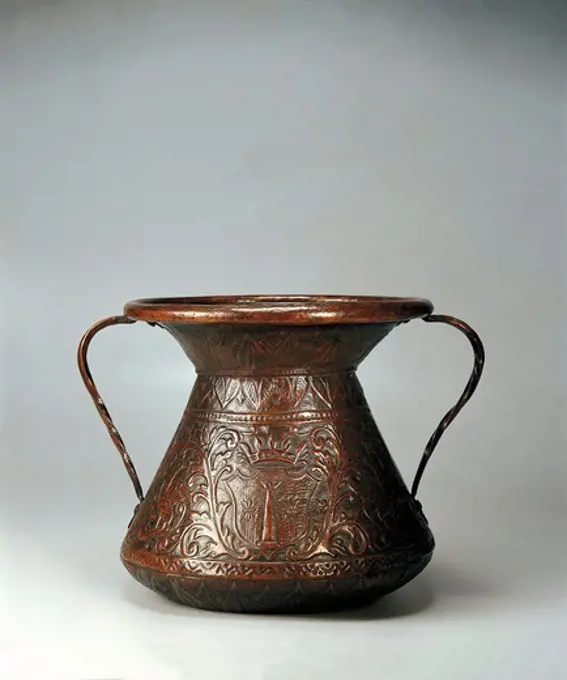
Rhyton 1st millennium B.C. Iran. Rhyton 326960POT ". GRASS. Vietnam-XE-Xive s. Paris, museum berried. 72361-35 GRES, Vietnamese object, potBowl Roman Black bowl with stamped zigzag around body; hand-made; unglazed.. Bowl. Roman. Terracotta. VasesGlass jug. Culture: Roman. Dimensions: 4 5/16 in. (11 cm)Other: 3 in. (7.6 cm)Diam. of rim: 1 5/16 in. (3.3 cm)Diam. of foot: 1 9/16 in. (3.9 cm). Date: 1st century A.D..Small one-handled jugTranslucent yellow green; handle in same color.Rim folded out, down, round, and up, with beveled outer edge above flaring mouth; slightly cone-shaped cylindrical neck, with tooling marks at base; squat, bulbous body, curving in to integral, high base ring; concave bottom; strap handle applied to shoulder in two broad claws at front and triangular pad at back spreading to base of neck with tooling mark across it, drawn up and out, turned in horizontally, with a vertical fold as thumb rest above rim, and then trailed on to top of neck and outer edge of rim.Intact; some bubbles; some dulling and weathering, with areas of brilliant iridescence. Museum: Metropolitan Museum of Art, New York, USA.Oinochoe Cypriot Twisted handle, no foot, and horizontal bands.. Oinochoe. Cypriot. Terracotta. Iron Age. VasesGlass aryballos (oil bottle). Culture: Roman. Dimensions: Overall: 1 1/2in. (3.8cm). Date: mid-1st-3rd century A.D..Small, thick-walled oil bottle.Colorless with green tinge and purple streaks; same color handles.Rim folded out, over, and in, forming small, central mouth; short, concave neck; squat, globular body; thick bottom with kick and large pontil scar; two handles applied in large pads to upper body, each drawn up side and neck, and folded out and down over itself.Intact; dulling, slight pitting, and most of surfaces covered with iridescent weathering. Museum: Metropolitan Museum of Art, New York, USA.Terracotta stirrup jar ca. 1400-1050 B.C. Cypriot Bands of brownish glaze.. Terracotta stirrup jar 244716VASO IBERICO PINTADO-PROCEDE DE JAEN. Location: MUSEO ARQUEOLOGICO NACIONAL-COLECCION. MADRID. SPAIN.Jar. Terracotta brown dough. Cernuschi Museum, Asia Museum of Asia in the city of Paris.Point nose, brown jug with beard, eyes and pointy nose, jug crockery holder soil find ceramic stoneware clay engobe glaze salt glaze, hand turned stamped glazed baked carved carved Gray shard. Small model pointed nose brown engobe and salt glaze. Rotary filaments archeology indigenous pottery import serve drink wine beer Rotterdam education Academy of Fine Arts and Technical Sciences Cool Coolvest Dijkzigt G.J. de Jonghweg City Triangle Blaak Academy of Fine Arts and Technical Sciences Rotterdam.Misa z dzbanem. unknown, authorChlorite miniature jar ca. 1600-1050 B.C. Cypriot Grooved body, wide mouth, and string holes.. Chlorite miniature jar 243930Spouted pitcher ca. 9th century B.C. Iran. Spouted pitcher 325008Alabaster alabastron (perfume vase) 6th-5th century B.C. Cypriot The alabastron has small pierced vertical lugs, a narrow neck, and a ring-shaped lip.. Alabaster alabastron (perfume vase) 243969Lamp, Cologne, Germany; 2nd century; Terracotta; 2 x 3.7 x 7.5 cm (13,16 x 1 7,16 x 2 15,16 in.)Bottle, Falcon Head 4th-3rd century B.C. Paracas. Bottle, Falcon Head. Paracas. 4th-3rd century B.C.. Ceramic, pigment. Peru. Ceramics-ContainersTerracotta scyphus (drinking cup) 1st century A.D. Roman Green-glazed cup with wreaths and wine-leaves in relief.. Terracotta scyphus (drinking cup). Roman. 1st century A.D.. Terracotta; lead-glazed ware. Early Imperial. VasesJug ca. 1000-750 B.C. Iran This jug has a globular body, a flat base, a wide everted rim and a loop handle at the shoulder. It is made of pinkish-buff clay, and may have been made by hand rather than on a potters wheel. It was excavated at Khatunban, a cemetery site in Luristan in the Zagros Mountains of western Iran. It is often thought that the inhabitants of Luristan in this period were pastoral nomads, who moved with their herds from the high valleys of the Zagros during the summer to lowland pastures in the winter. This theory arises from the dearth of evidence for settlements, and the occurrence of isolated cemetery sites, such as Khatunban. At the same time, the infrastructure necessary for bronze working, an important industry in Luristan, suggests that some sedentary settlements must have existed. In all likelihood these settlements were not located on mounds, but at lower elevations near water sources where agriculture could be practiced.. Jug 324001Tripode Ding ". Bronze. China, Shang Dynasty. Paris, Cernuschi Museum. 72360-14 Anse, Chinese art, bronze, tripod, three feet, ding vaseCovered Jar 1825-75 American. Covered Jar 2396Terracotta juglet with incised letters on base. Culture: Cypriot . Dimensions: H.: 3 1/4 x 2 7/8 in. (8.3 x 7.3 cm). Museum: Metropolitan Museum of Art, New York, USA.CupGlass two-handled bottle ca. 4th century A.D. Roman Translucent pale blue-green; handles in same color.Rim folded out, round, and in, and flattened in to side of flaring mouth; misshapen cylindrical neck; lentoid body with bulbous sides and slight tooling depressions on both faces; deep kick in bottom with circular pontil mark; two rod handles applied as pads to sides of upper body, drawn up (one straight, the other in a curve), turned in, and trailed onto top of neck, underside of mouth, and edge of rim, with rounded projecting ends.Intact; many pinprick bubbles; dulling, pitting, creamy brown weathering, and iridescence.. Glass two-handled bottle. Roman. ca. 4th century A.D.. Glass; blown and tooled. late Imperial. GlassGlass jar Roman or Islamic Small jar.Uncertain, appearing opaque.Broken-off, uneven vertical rim; cylindrical neck with horizontal indent around base; broad, sloping shoulder; body with side tapering downwards; slightly concave bottom.Possibly intact, with weathered edge to rim; deep pitting, dulling, and thick iridescent weathering covering entire surface, with some limy encrustation inside neck.. Glass jar 256726Fragments of cooking pot, internally glazed, bandors, on three legs, cooking pot tableware holder kitchenware soil find ceramic earthenware glaze lead glaze, hand-turned glazed fried Fragments of earthenware cooking pot Slightly tapered rotating feathers between the top edge and shoulder on the outside. Internal glazed Outstanding outwardly directed upper edge Two three-legged bands. Grating marks on the bottom deep scratches in glaze layer on the inside due to use and cleaning. Fragments are glued archeology Rotterdam City triangle Mariniersweg indigenous pottery food preparation kitchen cooking food Soil discovery: Mariniersweg Rotterdam.Common ceramic jug with flat base , spout , mouth lobed , globular body with signs showing the action of fire. Height 105 mm Width 127 mm mouth diameter 105 mm diameter base 84 mm (6 th- 7 th Ce ) - Visigoth period belonging of the " Burgo de Santiuste Museum" in Alcalá de Henares. (Madrid). SPAIN.Handled Jar with Boots. Northern Iran, circa 1350-800 B.C.. Furnishings; Serviceware. Black burnished wareBOTIJA PARA AGUA EN BARRO ROJO CON UNA ASA - ARTE POPULAR - SIGLO XX. Location: ALFARERIA. HIENDELAENCINA. Guadalajara. SPAIN.Bowl;  beginning of the 20th century (1868-00-00-1912-00-00);Jug, miniature ca. 1050-900 B.C. Cypriot. Jug, miniature. Cypriot. ca. 1050-900 B.C.. Terracotta. Iron Age. VasesCan. Can be made of stoneware, indulgent. The round belly is decorated with incised ornament. On the neck, under the spout a mascaron.Jar 2nd millennium B.C.. Jar 324311Urn. Thailand, Ban Chiang culture, 4th-3rd century B.C.. Furnishings; Accessories. EarthenwareTerracotta scyphus (drinking cup) 1st half of 1st century A.D. Roman Green-glazed with leaf decoration and rosettes.. Terracotta scyphus (drinking cup). Roman. 1st half of 1st century A.D.. Terracotta; lead-glazed ware. Early Imperial, Julio-Claudian. VasesJar ca. 6th century B.C. Babylonian or Achaemenid. Jar 324074Jar. Roman; Levant or Syria. Date: 101 AD-400 AD. Dimensions: H. 8.3 cm (3 1/4 in.); diam. 7.6 cm (3 in.). Glass, blown technique. Origin: Syria. Museum: The Chicago Art Institute, Chicago, USA. Author: ANCIENT ROMAN.Pewter measuring jug, Measuring jug be measuring instrument tin, molded Flat bottom horizontal soldered bevel inclined hollow plinth spherical body high neck with flared collar with pouring spout and two holes in top edge question marked ear with upright thumb rest calibration letters, on board VS and on ear SSZ measurementAmphoriskos 750-600 B.C. Cypriot. Amphoriskos. Cypriot. 750-600 B.C.. Terracotta. Cypro-Archaic I. VasesGlass jar 2nd-3rd century A.D. Roman Colorless with slight greenish tinge, with trail in same color.Everted, rounded rim; conical, straight sides; tubular integral base ring; pushed-in bottom with round pontil mark.Single horizontal trail around upper body, then spiral up to end below rim.Intact; pinprick and larger bubbles; patches of dulling and pitting, with creamy brown weathering and faint iridescence.. Glass jar 239821Terracotta Megarian bowl 2nd century B.C. Greek, Boeotian This vase belongs to a select group of bowls decorated in relief with scenes from epic poetry and from Classical Greek tragedy. Depicted here are five scenes from Euripides's play Iphigenia at Aulis, including inscriptions that identify the figures. Represented are: Agamemnon, who has weakened in his resolve to sacrifice his daughter to Artemis, biding his slave to take a letter to his wife, Clytemnestra, instructing her not to send her daughter to Aulis; Menelaos, Agamemnon's brother, taking the letter from the messenger by force; Menelaos, with the letter in hand, blaming Agamemnon for refusing to go through with the sacrifice; a messenger, bringing news to Agamemnon that Iphigenia has arrived; and the cart that has come from Argos, bearing Queen Clytemnestra and her children, Iphigenia and the little Orestes. The story continued on a second bowl, examples of which are preserved, again with five episodes, concluding with IphigDecorated Jug with Feline-Head Handle naming Atumemtaneb ca. 1279-1213 B.C. New Kingdom, Ramesside Wine services do not seem to have a long history in Egypt, but appear to have been introduced in the New Kingdom when wine-drinking became a feature of elite society in the Ramesside Period. Most if not all of the vessels in Tell Basta find belonged to just such a wine service associated presumably with a temple festival.This pitcher was likely used to pour wine in celebration of a divinity - an Asiatic goddess to judge from other vessels belonging with this one. It is dedicated to the royal butler Atumemtaneb, who was also a royal envoy to all foreign lands. The decoration below the lip of the jug shows marsh scenes with cattle, horses, and goats nibbling trees; the base is embraced by petals; and the handle has a lioness-head at the join to the neck.. Decorated Jug with Feline-Head Handle naming Atumemtaneb. ca. 1279-1213 B.C.. Silver. New Kingdom, Ramesside. From Egypt, Eastern Delta, Bowl 4th-7th century Coptic. Bowl 478422Jar with lid ". Terracotta with green glaze. China, Tang dynasty (618-907). Paris, Cernuschi museum. Chinese art, Chinese ceramic, container, lid, tang dynasty, green galcure, jar, container, terracottaCandlestick 1800-1830 American. Candlestick. American. 1800-1830. Earthenware. Probably made in Delaware, United StatesPrehistory, Italy, Bronze Age. Terramare culture. Cup with handle. From Emilia Romagna Region.Covered vessel hu, one of a pair, 5th-4th century BCE, 13 5/8 x 8 7/8 in. (34.6 x 22.54 cm), Bronze, China, 5th-4th century BCEGlass jar. Culture: Roman. Dimensions: Overall: 3 1/16in. (7.8cm)Diam.: 2 5/8 x 2 in. (6.7 x 5.1 cm). Date: 3rd century A.D..Colorless; trail in same glass.Thickened, rounded rim; flaring mouth; short, concave neck; bulbous body, turned in to small concave bottom.Thick trail applied around neck.Complete but cracked on body and bottom; pinprick and a few larger bubbles and blowing striations; pitting and brilliant iridescence, with some patches of creamy weathering; some soil encrustation on interior. Museum: Metropolitan Museum of Art, New York, USA.Ban Chieng Type Storage Jar, c. 500 BCE, 10 1/2 x 8 5/8 x 8 5/8 in. (26.67 x 21.91 x 21.91 cm), Earthenware, Thailand, 6th-5th century BCECovered jar 7th century China The dark blue glaze of this vessel is derived from cobalt, a mineral found in north China that began to be used in the coloring of glazes in the eighth century. By the ninth century cobalt glazes were also used in West Asian ceramics.. Covered jar 73219Tea caddy with a green brown glaze, anonymous, anonymous, c. 1700 - before 1799 Dust bar or Chare van Steengoed with an ivory lid, partially covered with a green brown glaze. The lower part of the bus is unglazed. Shunkei-yaki. Japan stoneware. glaze. deksel: ivory vitrification Dust bar or Chare van Steengoed with an ivory lid, partially covered with a green brown glaze. The lower part of the bus is unglazed. Shunkei-yaki. Japan stoneware. glaze. deksel: ivory vitrificationJug. Late Roman or Byzantine; Eastern Mediterranean. Date: 301 AD-400 AD. Dimensions: 9.6 × 4.6 × 4.4 cm (3 3/4 × 1 3/4 × 1 3/4 in.). Glass, blown technique. Origin: Syria. Museum: The Chicago Art Institute, Chicago, USA. Author: ANCIENT ROMAN.Terracotta miniature vase with rudimentary handles. Culture: Greek, Laconian. Dimensions: H. 1 1/16 in. (2.6 cm). Date: 7th-6th century B.C..Two rudimentary handles and traces of black paint. Museum: Metropolitan Museum of Art, New York, USA.Teabowl with a blackgreen glaze, anonymous, anonymous, c. 1700 - c. 1799 Teaom of stoneware, covered with a black -green glaze. Old label on the bottom with 'W711'. Raku. Japan earthenware. glaze vitrification Teaom of stoneware, covered with a black -green glaze. Old label on the bottom with 'W711'. Raku. Japan earthenware. glaze vitrificationBowl. Culture: Coptic. Dimensions: Overall: 5 3/8 x 9 1/16 in. (13.6 x 23 cm). Date: 4th-7th century. Museum: Metropolitan Museum of Art, New York, USA.Bowl c 1820-1860 United States. Maple . Artist unknownGlass jug 4th century A.D. Roman Small jug.Translucent yellow green; handle, foot ring, and trail in same color.Everted rim folded over and in; concave, cylindrical neck; sloping shoulder; piriform body, with side tapering downwards; thick foot ring, applied as a coil; convex bottom, with large jagged pontil scar; strap handle, with thick rib on one side, attached to shoulder, drawn up and out, then turned in at an angle, and folded onto upper neck, with trail ending on edge of rim.Trail applied to base of neck, wound round five times as a tight-packed band, then wound up in a spiral six times, ending under rim.Intact, but one internal crack in body; pinprick and some large, elongated bubbles; slight dulling and pitting, with some soil encrustation between trail threads and on handle on exterior, patches of black weathering and brilliant iridescence on interior.. Glass jug 245350Head Flask with FourFacesPitcher 1400-1600 European. Pitcher 463546Glass jug. Culture: Roman. Dimensions: 6 7/16 in. (16.4 cm)Other: 5 5/16 in. (13.5 cm)Diam. of rim: 3 1/8 in. (7.9 cm). Date: 3rd-4th century A.D..Colorless with pale green tinge; handle in same color.Solid rim with rounded lip and downward rib below; broad, flaring mouth; short, cylindrical neck; globular body; pushed-in bottom; broad strap handle, decorated on exterior with vertical combed ribs, attached to top of body, drawn up and slightly out, then folded in and down, and trailed on to underside of mouth and top of neck.Broken and repaired with crack running from base of neck, below handle, and around sides; some pinprick and one large bubble in body, many bubbles and a few gritty impurities in handle; some limy encrustation and faint iridescent weathering. Museum: Metropolitan Museum of Art, New York, USA.Wine bottle from the wreck of the East Indians' t Vliegend Hart, Anonymous, 1700 - 1735  Uivid glass wine bottle. Cork still in the neck. Fragment is missing. Netherlands cork (bark)Terracotta oinochoe (jug). Culture: Greek, Attic. Dimensions: 4 1/16in. (10.4cm). Date: 2nd half of 9th century B.C..From the Hymettos deposit (see 30.118.1). Museum: Metropolitan Museum of Art, New York, USA.Lamp; Attica, Greece; second half of 1st century; Terracotta; 2.7 × 8.7 × 9.3 cm (1 1,16 × 3 7,16 × 3 11,16 in.)Flask 9th century Several examples of this shape were excavated, including the body of a miniature carafe and a rare cobalt blue example, mold-blown with an all-over decoration of half-palmettes. This example, with its facet-cut neck and plain horizontal lines on the body, somehow recalls the approach to the decoration of Nishapur's wheel-thrown unglazed ewers.. Flask 449755Bronze oinochoe mid-6th century B.C. Greek The word "oinochoe" means "wine pourer", and the shape was a very common one throughout the Greek world. During the Archaic period, the oinochoe and the hydria (water jar) were often embellished with figural elements integrated into the handles. Here, the head of a woman appears at the top of the handle, a panther head and palmette at the bottom. This work is distinguished not only by its fine state of preservation but also by its exceptional vigor and simplicity.. Bronze oinochoe. Greek. mid-6th century B.C.. Bronze. Archaic. BronzesGlass skyphos (drinking cup). Culture: Greek. Dimensions: H.: 5 7/8 in. (14.9 cm); Diam. (rim): 8 3/8 in. (21.3 cm). Date: late 3rd-early 2nd century B.C..Colorless with pale greenish tinge.Slightly inverted rim, with top edge ground flat; convex curving side tapering downward; splayed base ring with rounded bottom edge; slightly undulating, flat bottom; two ring handles applied to sides of body, carved out from blanks surrounded by raised squared-off areas, with flat thumb-rests above rings and projecting wings above and below.Body broken and repaired, with one large chip in rim and several holes in body, but both handles intact; pinprick and larger bubbles; dulling, pitting, patches of iridescence and creamy weathering.Rotary grinding marks on interior, exterior, and bottom. Museum: Metropolitan Museum of Art, New York, USA.Jar. Culture: French. Dimensions: Overall: 5 1/16 x 5 1/4 in. (12.9 x 13.4 cm). Date: 13th-14th century. Museum: Metropolitan Museum of Art, New York, USA.Small stoneware jug be decorated with stamped decor around line over shoulder, ball-shaped model, jug crockery holder soil find ceramic stoneware glaze salt glaze, hand turned stamped glazed baked stoneware jug gray shard with salt glaze archeology import pottery serve serving preserving serveEarflare 500 BCE-1000 Oaxaca. Jadeite or serpentine .Mug Budzianowski, JanCup Ancestral Pueblo (Mesa Verde) 12th-14th century View more. Cup. Ancestral Pueblo (Mesa Verde). 12th-14th century. Ceramic, pigment. United States. Ceramics-ContainersTerracotta oil lamp. Culture: Greek. Dimensions: Overall: 1 1/2 x 3 1/4 in. (3.8 x 8.3 cm). Date: ca. 350-250 B.C..Wheel-made body, with applied nozzle. Large central filling hole, surrounded by an inward-sloping shoulder and a band of incised lines; convex-curving side to deep, carinated body and projections on either side. Raised base ring and concave base.Both projections broken, with most of the one on the left side missing; chip to fron and right side of nozzle. Heavy, thick base. Museum: Metropolitan Museum of Art, New York, USA.Terracotta kernos (vase for multiple offerings) 750-600 B.C. Cypriot Annular body on which are five miniature vases.. Terracotta kernos (vase for multiple offerings) 2402754 -handed ovode pot and central button cover ". White terracotta transparent glazing. Paris, Muse Cernuschi. Vietnamese art, Vietnamese collection, lid, transparent glacide, ovola pot, four handles, white terracotta, archeological vestigeDouble Spout Bottle 2nd century B.C.-A.D. 1st century Topará. Double Spout Bottle 318614Bottle with spherical body. Deeply inserted soul, half spherical body through rounded shoulders accompanying in a high, tired neck with a highly placed ring.Terracotta sauceboat ca. 2650-2150 B.C. Helladic Elongated bowl with a spout of the so-called sauceboat form.. Terracotta sauceboat. Helladic. ca. 2650-2150 B.C.. Terracotta. Early Helladic II. VasesEmile Decoeur (1876-1953). Vase. Porcelain. Green email imitating Chinese cracked celadons. Museum of Fine Arts of the City of Paris, Petit Palais. VASE Celadon cracks, Chinese, green email, imitation, imitate, porcelain, vasePot with Cartouche of Hotep-Sekhemwy. Egypt, early Dynastic Period (3050 - 2687 BCE). Furnishings; Cookware. StoneBottle 100 BCE-1 BCE Syria. Glass, blown technique . Ancient RomanClay pot Clay pot of manual work. It is possible to store milk or other liquid Copyright: xZoonar.com/ValeryxxSibrikovx 5408694Prehistory, Italy, Bronze Age. Castelluccio culture. Segesta style terracotta vase. From Sicily Region.Double-Chambered Bottle. Culture: Inca or Colonial. Dimensions: Height 5-1/2 in.. Date: early 17th century. Museum: Metropolitan Museum of Art, New York, USA.Vase with Cranes, Clouds, and Waves late 18th century China. Vase with Cranes, Clouds, and Waves 42243Terracotta jug 2nd half of the 1st century B.C. Roman Trefoil mouth and grotesque human figures in relief.. Terracotta jug. Roman. 2nd half of the 1st century B.C.. Terracotta; lead-glazed ware. Late Republic. VasesStoneware jug, sphere model, completely glazed, without decoration, jug soil find ceramic stoneware glaze salt glaze, hand-turned glazed baked Stoneware jug spherical whole glazed without decoration. Stand surface Light brown speckled glaze Vertical sausage ear archeology Rotterdam Kralingen-Crooswijk Struisenburg's Gravenweg Oostmaaslaan indigenous pottery import drink kitchen room Soil discovery: Oostmaaslaan and's Gravenweg Rotterdam.Pug decorated with saints in medallions. The molded round auger widens upwards and has a cut-out profiled edge. The wall is distributed by seven excellent ribs, decorated with three buttons, vertically. These are connected to each other through a pearl edge. In addition, seven reliefs, usually in medallion, are arranged: Maria with child and crown-wagende angels; Maria with child and a lily; Joris and the Dragon; the face of Christ; the head of John the Baptist; a bishop; Catharina; Christoffel; the proclamation; a women's figure; And an Amazon. The knowing edge is decorated with a string edge, a pearl edge, a flower and a bordered French lily, which motifs have been repeated seven times.Ewer 18th century. Ewer. 18th century. Cast iron. Made in India. MetalJug ca. 3rd-7th century A.D. Sasanian. Jug 322987Grain Serving Vessel (Dou) 5th century B.C. China. Grain Serving Vessel (Dou) 49495Terracotta oinochoe (jug). Culture: Greek, Attic. Dimensions: H. as preserved 4 3/4 in. (12 cm). Date: 7th century B.C..From the Hymettos deposit (30.118.1). Museum: Metropolitan Museum of Art, New York, USA.Pyriform vase, possibly an imitation of Song Guan ware. Artist: Chinese , Ming Dynasty (). Culture: Chinese. Dimensions: Height: 10 3/8 in. (26.3 cm.). Date: 16th-17th century. Museum: Metropolitan Museum of Art, New York, USA.Displacement display ". Terracotta. Han dynasty (206 BC-220 AD). Paris, Cernuschi museum. Chinese art, Chinese ceramic, lid, han dynasty, han time, round shape, foot, presentation, terracottaBottle;  IX-XII century (801-00-00-1200-00-00);gift (provenance)Bowl ca. 1800 Anishinaabe, probably Ottawa, Native American An artist carved this large feast bowl to hold consecrated food for religious ceremonies in the early nineteenth century. The abstract human head emerging from the rim represents a manitou, a powerful supernatural being. As a sculptural form, the bowl is distinguished by a finely proportioned, elongated shape; gently curving wall; delicate rim; tightly patterned wood grain; and rich, glowing color.. Bowl. Anishinaabe, probably Ottawa, Native American. ca. 1800. Maple. Possibly made in Michigan, United States; Possibly made in Wisconsin, United States; Possibly made in Ontario, CanadaCopper pot in the Floriańska 30 Street at Krakow; 15th centuryTerracotta lydion (perfume jar). Culture: Lydian. Dimensions: H. 3 7/16 in. (8.7 cm)diameter 2 15/16 in. (7.5 cm). Date: 6th century B.C..Concentric circles of dull red glaze. Museum: Metropolitan Museum of Art, New York, USA.Wavy profile dish;  around 2055 1650 BC ; Average state (-2055-00-00--1650-00-00);Pottery cooking jug, grape-model, red shard, glazed, shank, sausage ear, on three legs, cooking jug be found in the earthenware ceramic earthenware glaze lead glaze, hand-turned glazed baked Pottery cooking jug grape-model red shard with lead glaze with greenish patches schenklip at the top pinched sausage by three legs underside unglazed and blackened black archeology indigenous pottery food prepare cooking food cuisineAmphora with two handles in embossed copper with coat of arms of Abruzzo regionTripod Vessel Decorated with Headdress and Shield. Mexico, Basin of Mexico,Teotihuacan, Teotihuacan, 400-650 CE. Ceramics. Stuccoed ceramic with post-fire stucco and pigment