Traditional Textiles

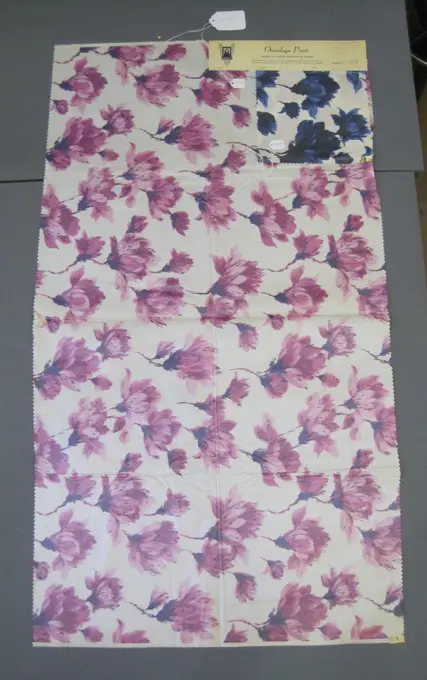
Beautiful fabric patterns including floral designs, silk fragments, and quilts showcasing intricate craftsmanship in muted and rich colors.
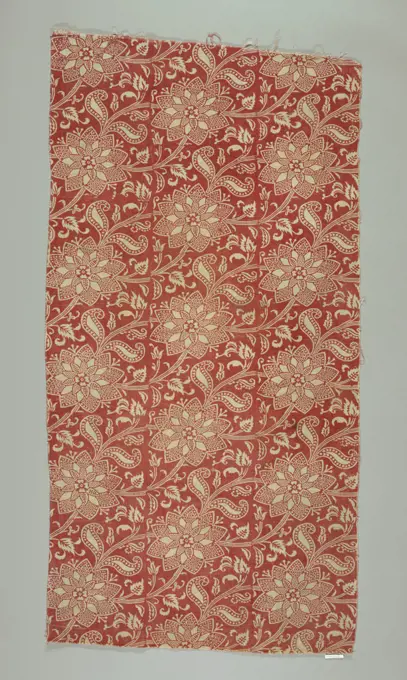
Textile, Medium: cotton Technique: block printed on plain weave, Large flowers and diagonally moving stems. Pattern reserved. Red on white., France, late 18th century, printed, dyed & painted textiles, Textile
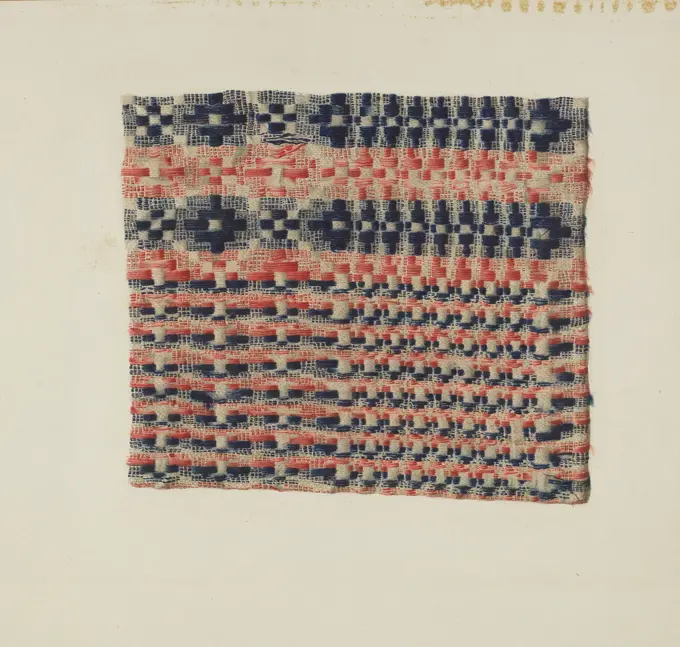
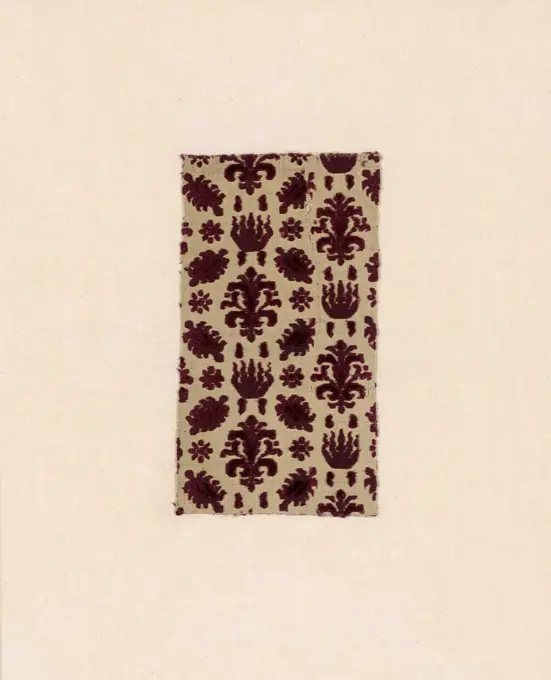
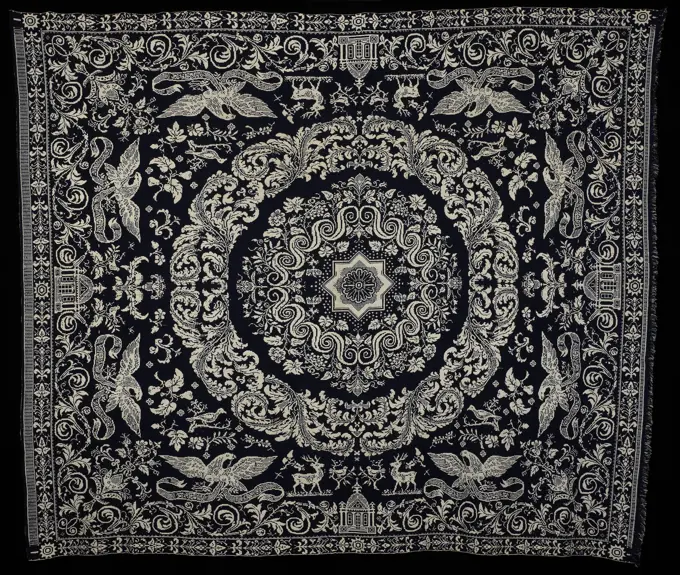
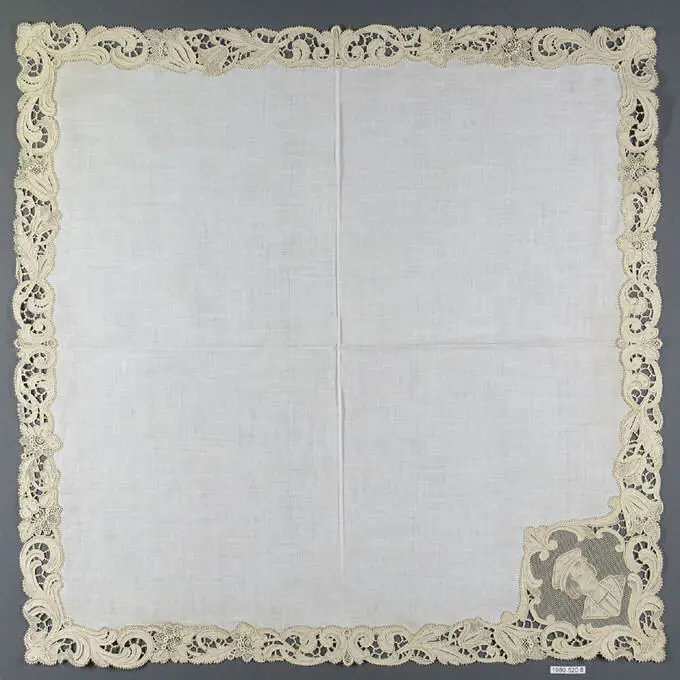
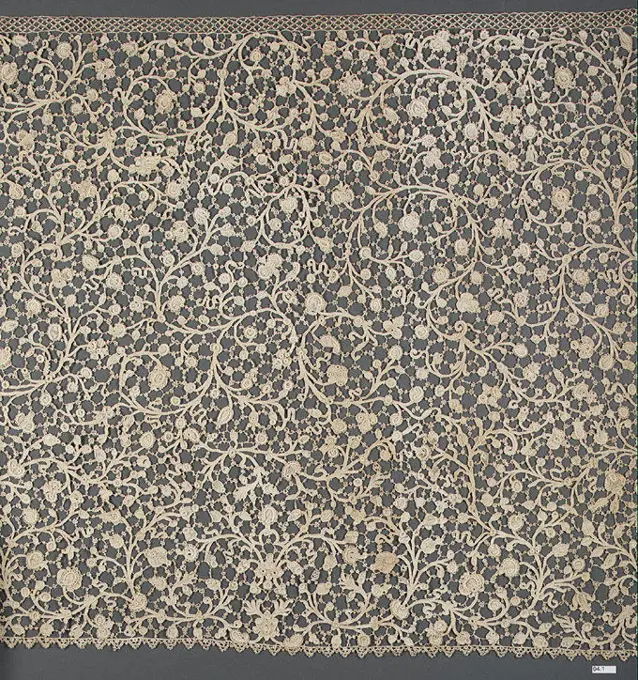
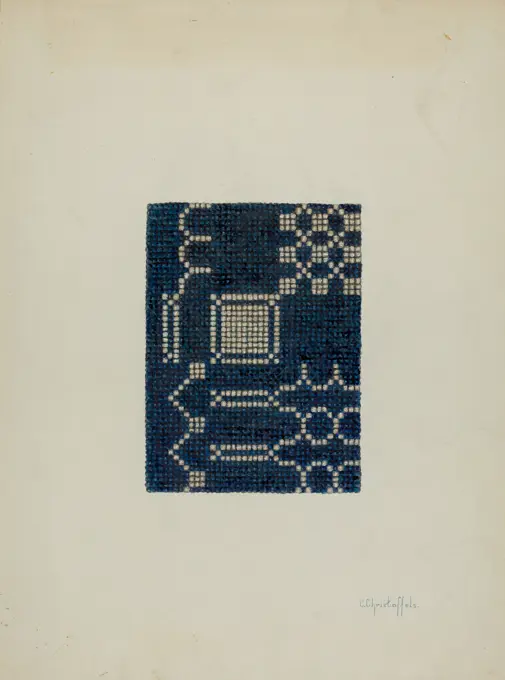
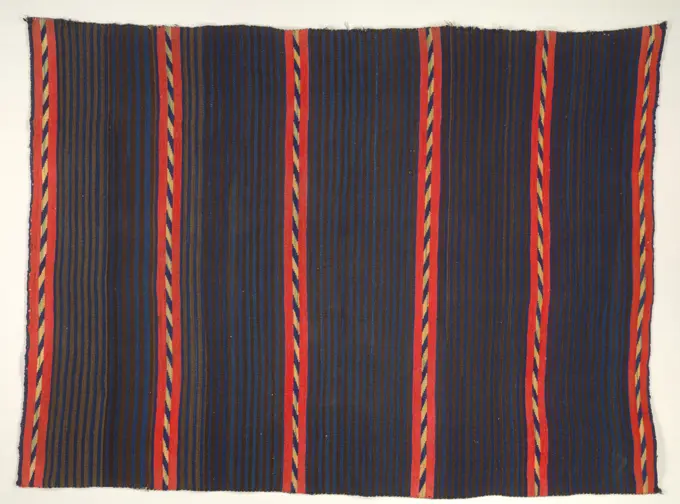
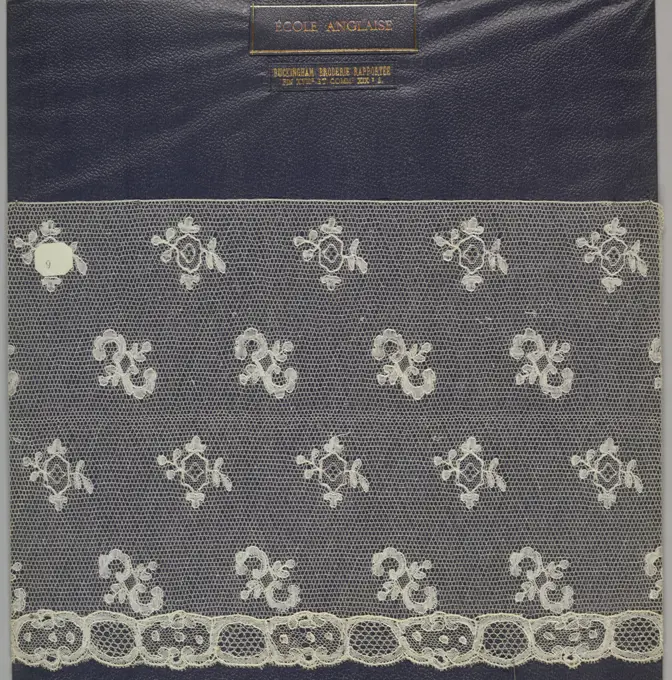
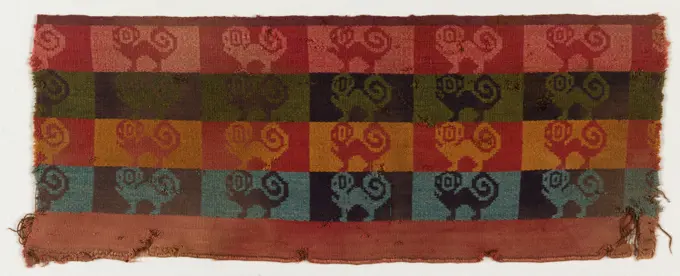
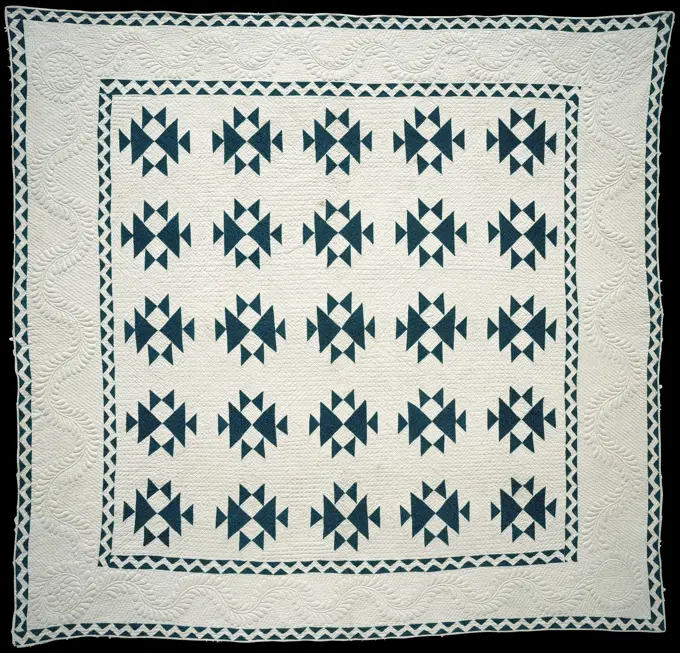
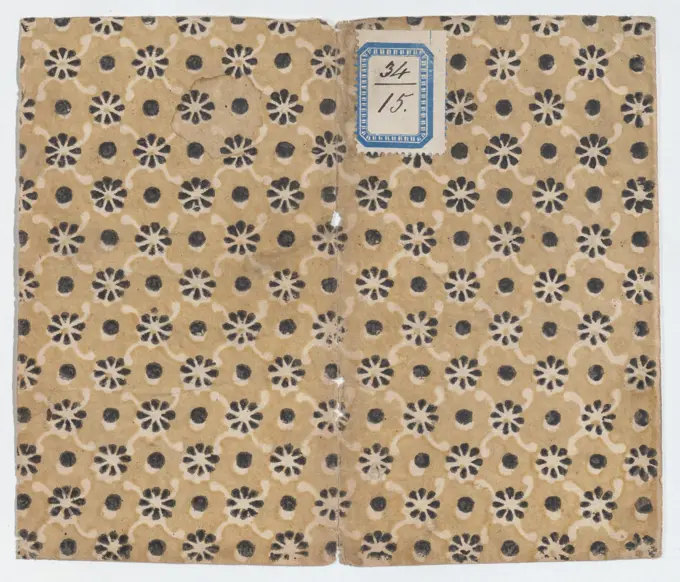
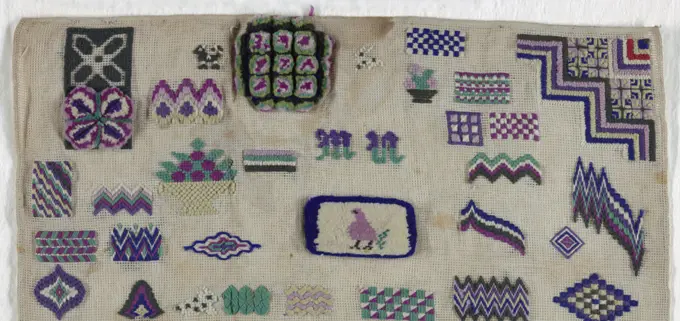
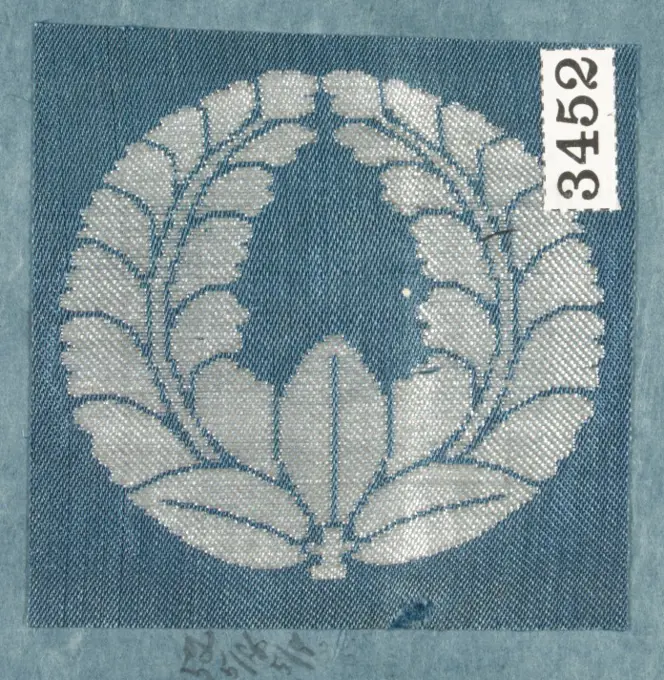
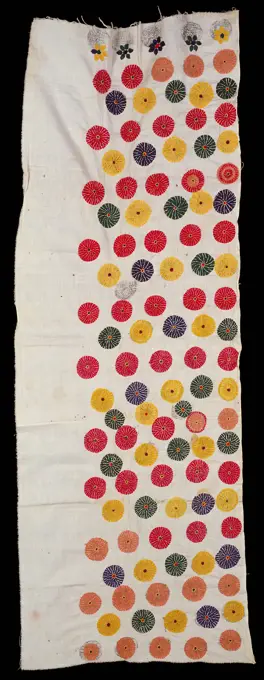
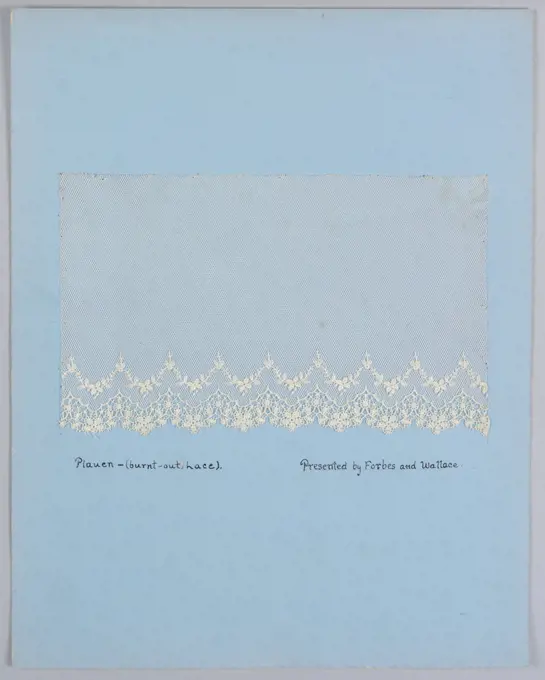
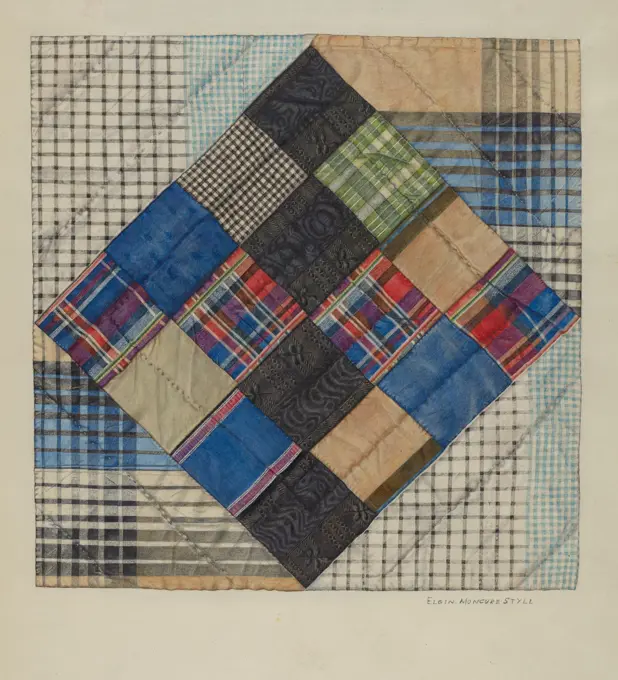
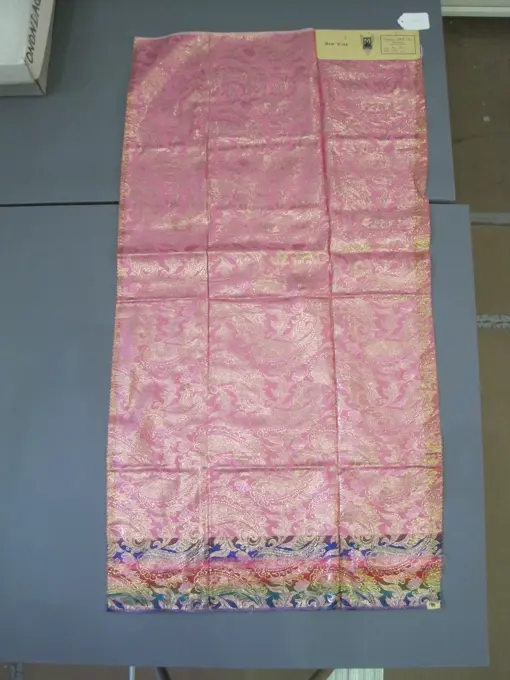
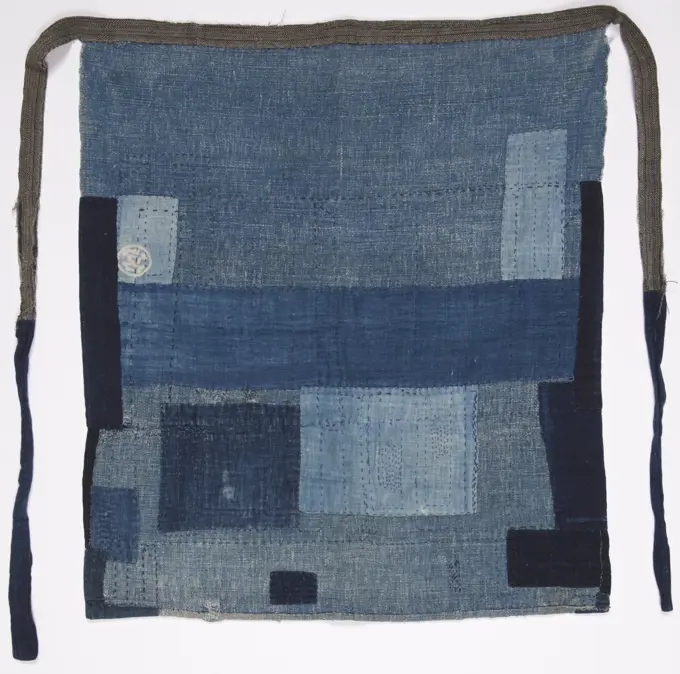
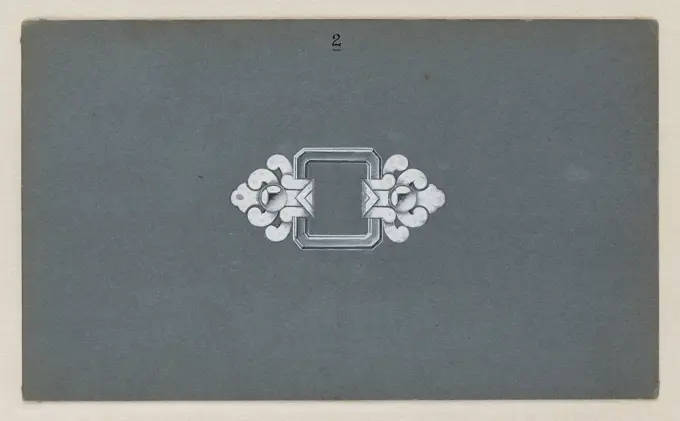
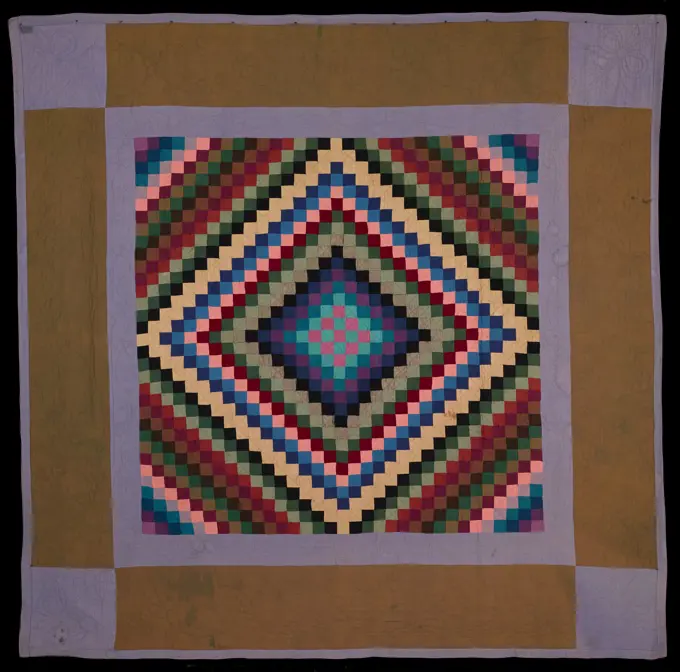
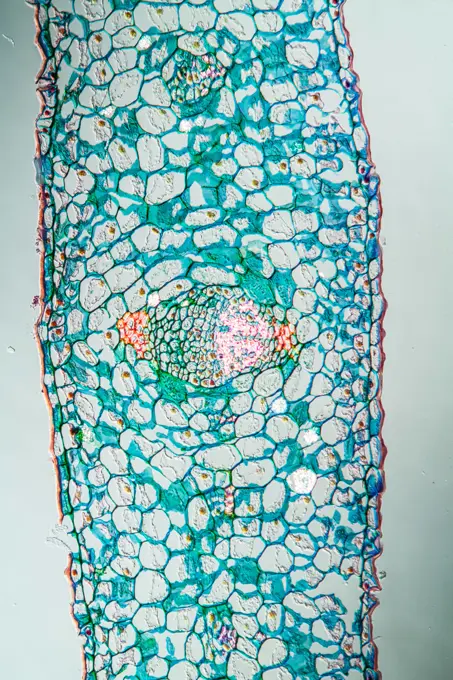
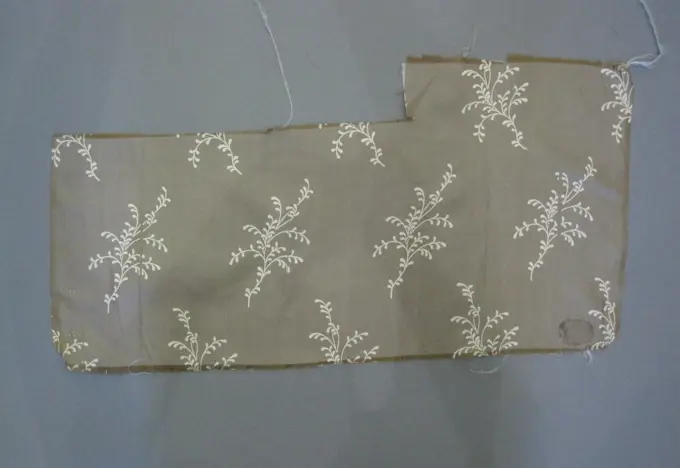
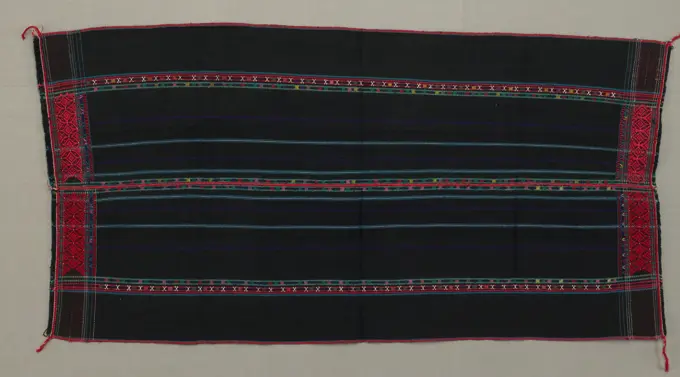
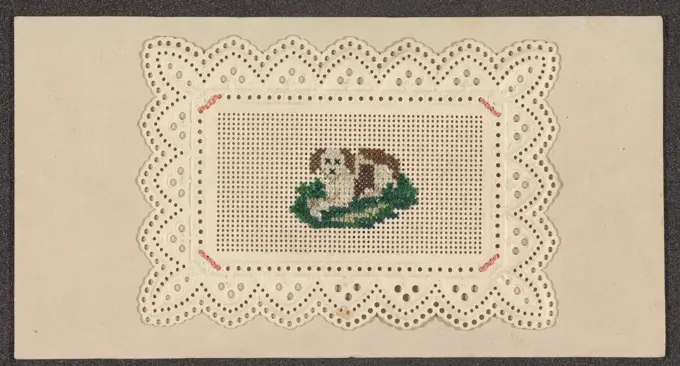
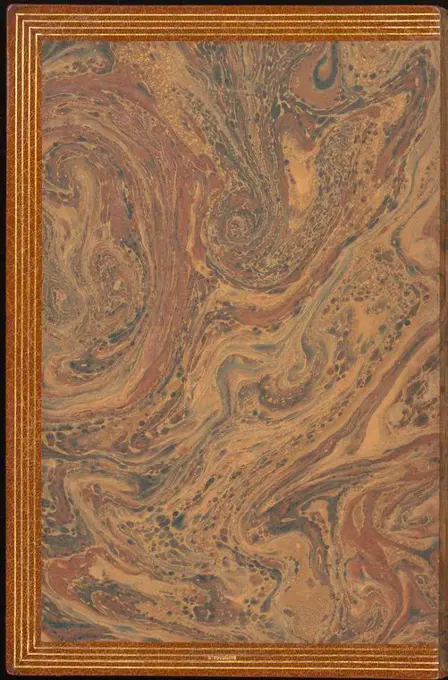
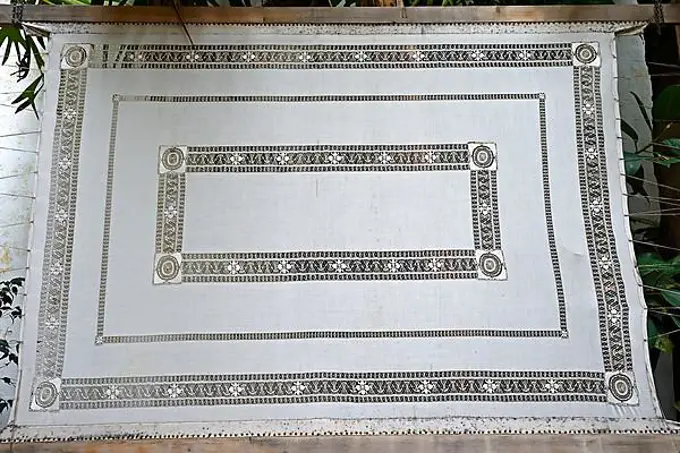
Camel Bag, 19th century, L.28 X W.15-1/2 in., wool; needlework, Turkey, 19th centuryPiece French 19th centuryCoverlet Made 1848 Ohio. Cotton and wool, plain weave with plain interlacings of secondary binding warps and patterning wefts (Beiderwand); woven on loom with Jacquard attachment; two loom widths joined . S. Blocher (Weaver)Women's skirt, 20th century, 56 x 26 in. (142.24 x 66.04 cm), Cotton; woven fabric, India, 20th centuryMiriam Y Solomon, Coverlet Detail, c 1941 Coverlet DetailChristopher Hobbs, Woven Wool Bedspread, c 1936 Woven Wool BedspreadPiece 18th century Japan. Piece 72050Handkerchief third quarter 19th century American. Handkerchief 169711Ornamental paper with Florentine Lis, Wijnand Otto Jan Nieuwenkamp, 1936 - 1938 print. decorated paper  Amsterdam paper  ornament derived from plant forms. flowers ~ ornamentPiece 18th-19th century Japan. Piece. Japan. 18th-19th century. Silk. Textiles-WovenLappet ca. 1880 French. Lappet 168853Textile Swatches Onondaga Silk Company, Inc. (1925-1981). , 1948-1959. Silk, 24 x 15 1/2 in. (61 x 39.4 cm).    1948-1959Textile, Feldlerche; Designed by Carl Otto Czeschka (Austrian, 1878 - 1960); Made for Wiener Werkstätte (Austria); silk; Height: 27.9 cm (11 in.) Width: 19.4 cm (7 5/8 in.)Fragment (Italy); silk; Bequest of Richard Cranch Greenleaf in memory of his mother, Adeline Emma Greenleaf; 1962-56-89Fragment; silkWorkpiece for diploma beautiful crafts, Geesje Smid, c. 1890 - c. 1900 Black felt with application in beige felt, green velvet and green and pink satin; symmetrical Netherlands velvet (fabric weave). satin. felt (textile) embroidering Black felt with application in beige felt, green velvet and green and pink satin; symmetrical Netherlands velvet (fabric weave). satin. felt (textile) embroideringKatherine Hastings, Materials from Quilt, c 1937 Materials from QuiltSamples (5) first half 19th century French. Samples (5) 219256Sample early 19th century French. Sample 224846Fragment. Italy. Date: 1650-1675. Dimensions: 15.6 x 23.2 cm (6 1/8 x 9 1/8 in.)Repeat: 8.8 x 7.6 cm (3 1/2 x 3 in.). Silk, plain weave with supplementary pile warps forming cut and uncut voided velvet. Origin: Italy. Museum: The Chicago Art Institute, Chicago, USA.Piece 16th-17th century Italian. Piece 224415Textile Swatches Onondaga Silk Company, Inc. (1925-1981). , 1948-1959. Silk, 23 1/2 x 16 in. (59.7 x 40.6 cm).    1948-1959Samples (2) mid-19th century French. Samples (2) 219165Woman's wrapper, 70 1/4 x 31 3/16 in. (178.44 x 79.22 cm), Cotton, NigeriaGeorge E Rhone, Eagle Coverlet, c 1938 Eagle CoverletFragment Made 1625-1650 Italy. Silk, plain weave with supplementary pile warps forming cut, uncut, and voided velvet .Coverlet, c. 1825-1835, Parthenia Loveland, American, 76 7/16 x 94 in. (194.15 x 238.76 cm), Cotton, United States, 19th centuryFragment of a tile wall. Fragment of a tile wall, consisting of 24 tiles; The top and bottom edge painted with an egg list in blue. In between a field with alternating rosettes in manganese and a whole tile filling four-leaf flowers in green and manganese around which small yellow leaves. This last motif also at the intersections of 4 tiles.Napkin (from a set of table linens) Belgian late 19th centuryFlounce ca. 1700 Italian, Venice. Flounce 212629Cornelius Christoffels, Coverlet (Section of), c 1940 Coverlet (Section of)Wearing Blanket with Moki (Moqui) Stripes, 1865-1875. America, Native North American, Southwest, Navajo or Pueblo (Zuni), Post-Contact, Late Classic Period. Tapestry weave: wool (handspun, Germantown, and bayeta); overall: 181 x 131.5 cm (71 1/4 x 51 3/4 in.).Band, Technique: bobbin lace, Edge of bobbin lace, floral bracket field, early 19th century, Buckinghamshire., early 19th century, lace, BandFragment (Peru); woolTextile, Troja; Designed by Reni Schaschl-Schuster (Austrian, 1895 - 1979); Made for Wiener Werkstätte (Austria); silkQuilt, Double X pattern American 1849 Soon after her marriage in the early 1890s, Rachel Moskovits moved from Cleveland to Lancaster, Ohio, a smaller city in the center of the state. According to her niece, the donor of this quilt, Mrs. Moskovits received it during the early days of her marriage as a gift from the wife of a local farmer. The family always supposed that it was given to her because her name matched the initials "R M" that appear on the quilt.This is a simple quilt, but in its simplicity, it is an object of great beauty. The front and backing are of plain white cotton, and the diamond-set blocks and narrow zigzag borders are pieced with a dark blue cotton printed with a tiny white dot. The quilting is very fine, with a particularly beautiful feather-vine border that terminates at each of the corners in a feather wreath. In the lower right corner, the feather wreath contains the quilted inscription: "R M/1849."The layout found in this quilt, with its blocks set as diamondsFingercap of linen with spiral motif, Chris Lebeau, 1888 - 1945 Finger cloth of linen with spiral motif Eindhoven linen (material) Finger cloth of linen with spiral motif Eindhoven linen (material)Sampler, Medium: cotton Technique: embroidered in withdrawn element work with needlemade fillings and deflected element work using overcasting on plain weave foundation, Bands of open work pattern, all in white., Germany, 19th century, embroidery & stitching, SamplerDamask napkin with Dessin Bokken, 1900 - 1935 Damboasts napkin with design goats, equipped with monogram 'vd' from the linen weaving mill of Dissel and in white embroidered monogram 'GW', owner's brand of the Gogh-Wibaut couple. Eindhoven linen (material) damask Damboasts napkin with design goats, equipped with monogram 'vd' from the linen weaving mill of Dissel and in white embroidered monogram 'GW', owner's brand of the Gogh-Wibaut couple. Eindhoven linen (material) damaskSkirt (Longyi), mid 20th century, 44 x 33 in. (111.76 x 83.82 cm), Synthetic, cotton, Myanmar (Burma), 20th centuryTextile 19th century Japan. Textile 68072Bookmark in blue with batikt pattern, including a tree motif in the pointed ends, Willem Karel Rees, in or before 1909 Bookmark in blue with batikt pattern of a dotted line along the long sides, between which of dots and circles and a tree motif in the pointed ends. Zooms are sewn to one side. Netherlands whole: Cotton (textile) Bookmark in blue with batikt pattern of a dotted line along the long sides, between which of dots and circles and a tree motif in the pointed ends. Zooms are sewn to one side. Netherlands whole: Cotton (textile)Book cover with overall floral and dot pattern 19th century Anonymous. Book cover with overall floral and dot pattern. Anonymous , 19th century. 19th century. Relief print (wood or metal). PrintsPaper for diploma Beautiful needlework. Black felt with application in beige felt, green velvet and green and pink satin; Symmetrical floral patternCeintuur ribbon of beige -colored silk decorated with a repeating motif in brochage work consisting of a flower under which two leaves and two pomegranates, anonymous, c. 1700 - c. 1750 Ceintuur ribbon of beige -colored silk decorated with colored leaves and flowers. On a ribbon of woven side, a repeating motif has been applied that consists of a flower under which two leaves and two pomegranates. Netherlands (possibly) whole: Silk. Decoration: Silver thread. brocade (textile) Ceintuur ribbon of beige -colored silk decorated with colored leaves and flowers. On a ribbon of woven side, a repeating motif has been applied that consists of a flower under which two leaves and two pomegranates. Netherlands (possibly) whole: Silk. Decoration: Silver thread. brocade (textile)Letter bag made of thick paper covered with petitpoint embroidery, in which the monogram of Admiraal Isaac Sweers, with engraved silver slot, anonymous, c. 1700 - c. 1715 Letter bag or portfolio of thick paper covered with petitpoint embroidery, in which the monogram of Admiraal Isaac Sweers, with engraved silver lock. Model: envelope with transhipment that closes in the middle by means of engraved silver lock. Two courses with partition. Lined with pink silk. The key to the lock is missing. Decoration: Covered with pattern on which a green stock is embroidered in Petitpoint, surrounded by winding edge of 'apples of Orange'. On the valve is the dual initials. Under the valve 'si ie vous perd/ ie suis perdu'. On the fold 'sur la paix'. A crowned weapon on the back. Set all around with a narrow passement of silver wire. Netherlands whole: Paper. Stramien: Linen (Material). Embroidery: Silk. Slot: Silver (Metal). Passement: Silver Leaf embroidering / engraving Letter bag or portfolio of tPatchwork of Woven Textiles 13th-14th century China. Patchwork of Woven Textiles 44583Sampler, Medium: wool embroidery on cotton foundation Technique: embroidered in cross, satin, long-armed cross wth knotted raised stitches on plain weave foundation, Initials in center, three raised areas of pattern., Germany, mid-19th century, embroidery & stitching, SamplerTextile Sample from Sample Book 19th century Japan. Textile Sample from Sample Book 68086Stencil 19th century Japan. Stencil 69307Length of Embroidered Fabric, 20th century, 68 5/16 x 24 5/16 in. (173.51 x 61.75 cm), Cotton; embroidered, India, 20th centuryTextile, 18th century, 61 1/4 × 51 3/4 in. (155.58 × 131.45 cm), Wool, pigments, 18th centuryTray with design of peony scrolls 17th century Japan (Ryūkyū Islands). Tray with design of peony scrolls. Japan (Ryūkyū Islands). 17th century. Green lacquer with gilt engraving. LacquerCofradia table cover, 1955, 32 1/8 x 32 1/4 in. (81.6 x 81.9 cm) (with fringe), Cotton; discontinuous supplementary weft patterning, Guatemala, 20th centuryTray with three rectangular plaques. unknown, craftsmanMachine-made openwork samples, Medium: cardboard, linen, silk, metallic Technique: linen embroidery with ground cloth dissolved Examples of embroidery on net produced by the Schiffli machine Metallic embroidery on net Machine-made openwork in imitation of hand-embroidered net Mostly floral and a few geometric patterns, some designs described as 'Spanish' Imitation hand-made filet Machine filet Imitation filet crochet Ploven (burnt-out lace) Fancy curtain lace made on the Levers machines Real filet (handmade) next to Machine-made filet Spotted curtain nets, made chiefly at Nottingham, England and Caudry, France., Samples of machine-made openwork and several examples of hand made lace mounted on boards. They imitate hand-embroidered net, crochet, or needlepoint. All are floral patterns plus a few of early 1920's geometric style., 'Embroidered net' produced by the Schiffli Machine., USA, ca. 1910, lace, Machine-made openwork samplesStrip of a climbing side with three painted zigzag lines. Strip natural colosside, blonde, where the pattern is painted with gold color, red, pink and green. The pattern starts on the lower half of the strip and consists of three zigzag lines placed over each other and differently designed. The top line consists of rose knobs that are connected to each other with a zigzag line. The middle line consists of a zigzag line of alternating a strong interpreted winding line and a line that is composed of circuits connected to each other. The lower line consists of a zigzag line that is made up with contour wires with a narrow strap in linen stroke below. On the tops of this zigzag line there are alternately a circle and a double rose button. The rose knobs are made in linen stroke with contour wires. The other motifs are made almost exclusively with contour lines and are interconnected by a Maas soil, a toel. As ornamental ground, a rose soil has been applied in both the small and large circlElgin Moncure Styll, Silk Bed Quilt, c 1941 Silk Bed QuiltOttoman art example of Mother of Pearl inlaysTextile Swatches Onondaga Silk Company, Inc. (1925-1981). , 1948-1959. 42 Nylon, 31 Rayon, 19 acetate, 8 metal, largest component (a): 36 x 18 in. (91.4 x 45.7 cm).    1948-1959Fragment, Medium: cotton, silk Technique: warp printed, Fragment with horizontal ribs has vertical stripes in royal blue that alternate with narrow vertical stripes of brown, red, black, yellow and light green that enclose a floral stripe in a chinè effect., USA, 1880, printed, dyed & painted textiles, FragmentPiece 1800-1830 American. Piece 13820Textile Swatches Onondaga Silk Company, Inc. (1925-1981). Textile Swatches, 1948-1959. 72 silk, 28 acetate, 47 1/2 x 25 1/4 in. (120.7 x 64.1 cm).    1948-1959Apron; indigo-dyed cottonSchool House Quilt. Date/Period: 1860 - 1880. Blankets (coverings). Pieced and quilted cotton. Height: 1,981.20 mm (78 in); Width: 1,930.40 mm (76 in).Cape 1850-99 American or European. Cape 122969Napkin of Linnendamast with a flower pattern and Rutgers and Block. Napkin of linendamast with flowers, leaves, fruits to branches, a stork, a squirrel and a butterfly. In the middle the DRMB monogram, in the upper corners the coat of rutgers and in the down corners the weapon of Block. The napkin belongs to five napkins (BK-1973-194-A to BK-1973-194-F) who are made for David Rutgers (1629-1707) and his wife Margaretha Block (1638-1702).Anonymous, brooch (main title), 1927. Graphite and gouache on gray carton B. Petit Palais, Museum of Fine Arts of the City of Paris.Valance ca. 1760-70 American. Valance 13654Textile Swatches Onondaga Silk Company, Inc. (1925-1981). , 1948-1959. 77 wool, 23 silk, 26 x 18 in. (66 x 45.7 cm).    1948-1959Rain tube with shade a wooden framework and a rain pipe throw shadows on a house wall.Textile Swatches Onondaga Silk Company, Inc. (1925-1981). , 1948-1959. 87 wool, 13 silk, 22 1/4 x 17 in. (56.5 x 43.2 cm).    1948-1959Sample Book (France); silk, paper, cardboardTextile Sample Book second half 19th century French, Roubaix. Textile Sample Book. French, Roubaix. second half 19th century. Textiles-Sample BooksFabric swatch Red fabric swatch cut with pinking shears zig zag scissors Copyright: xZoonar.com/ClaudioxDiviziax 6568116Sunshine and Shadow Quilt, c. 1920, Unknown Amish, 81 3/16 x 81 1/2 in. (206.22 x 207.01 cm), Cotton, wool, synthetic materials; pieced and quilted, United States, 20th century, Traces of wear and tear tell us this quilt functioned as a bedcover. To create it, an Amish woman gathered and stitched together a variety of fabric piecescottons, satins, fine dress woolens, and even synthetics. Strict codes governed Amish everyday life in the 1800s and early 1900s such that Amish women used mainly homespun fabrics in somber colors produced by natural dyes. Though they adopted the sewing machine when it was invented in the mid-1800s, they continue to use only treadle models, powered by foot. That the maker of this quilt incorporated purchased fabrics dyed with synthetic colors reflects the changing times in which she lived.Mistelblatt Mistelblatt Querschnitt 100x Copyright: xZoonar.com/Dr.xNorbertxLangex 13756929Tea towel ,, 1831 - 1850 Tea towel of linen, large blue window with red edges. Brand HW24. Netherlands linen (material) Tea towel of linen, large blue window with red edges. Brand HW24. Netherlands linen (material)Woman's tzute, c. 1960, 41 x 33 1/2 in. (104.14 x 85.09 cm), Cotton; woven fabric, Guatemala, 20th centuryTextile Swatch Textile Swatch, 1950s to 1960s. Silk, 21 1/4 x 11 in. (54 x 27.9 cm).    1950s to 1960sBreast cover, 20th century, 25 13/16 x 13 5/8 in. (65.56 x 34.61 cm) (approximate), Cotton, silk (); needlework, Myanmar (Burma), 20th centuryFabric Swatch Fab-Tex Inc.. , 1963-1966. Cotton, sheet: 8 1/4 x 10 1/2 in. (21 x 26.7 cm).    1963-1966Fabric Swatch Fab-Tex Inc.. , 1963-1966. Cotton, sheet: 8 1/4 x 10 1/2 in. (21 x 26.7 cm).    1963-1966Indian silk Pashmina, textile with traditional woven pattern. 21st CenturyLiggende hond.Lying dog. Contribution to an album Amicorum.Front doubleur. 1911 - 1908. Daudet, Léon (1867-1942). bindings (gathered matter components), Book covers. Spencer Collection. BookbindingTypical weaving, tablecloth at Casa de los Balcones, La Orotava, Tenerife, Canary Islands, Spain, EuropePiece. Culture: Italian. Dimensions: L. 28 1/2 x W. 7 1/4 inches (72.4 x 18.4 cm). Date: 16th-17th century. Museum: Metropolitan Museum of Art, New York, USA.Veil (pulchari), 19th century, 81 x 83 in. (205.74 x 210.8 cm), Silk; needlework, India, 19th centuryRalph Atkinson, Economy Scarf, c 1938 Economy ScarfLeadedWindowTextile Swatches Onondaga Silk Company, Inc. (1925-1981). , 1948-1959. Silk, a: 42 1/2 x 24 in. (108 x 61 cm).    1948-1959Sample early 19th century French. Sample 224837Blanket Made 1875-1900 Southwest. Wool, double faced complementary weft broken twill weave; warp fringe .Textile Swatches Onondaga Silk Company, Inc. (1925-1981). , 1948-1959. cotton; wool, largest component (a): 21 1/2 x 17 1/2 in. (54.6 x 44.5 cm).    1948-1959Salesman's sample card. Date/Period: Late 18th-early 19th century. Salesman's sample card. Medium: cotton, paper. Technique: (samples) printed by roller and by block using lapis (resist) technique on plain weave foundation. Author: UNKNOWN.Pieces of homemade chocolateSidewall (USA); Manufactured by Janeway & Co. Inc.; machine-printed paper, liquid mica; 93.5 x 49 cm (36 13/16 x 19 5/16 in.)Kreatives Layout leere Quadrate Kreatives Layout leere Quadrate LicenseRF Copyright: xZoonar.com/NATASHAxBREENx 23308912Textile (France); Designed by Adrien Karbowsky (1855 - 1945); silk