Traditional Textiles and Accessories

Historic textiles and ornamental accessories, including sleeves, headbands, and decorative bags, showcasing intricate designs and cultural significance.

Leg Wraps, 20th century, 39 5/8 x 14 in. (100.6 x 35.6 cm), Cotton, China, 20th century
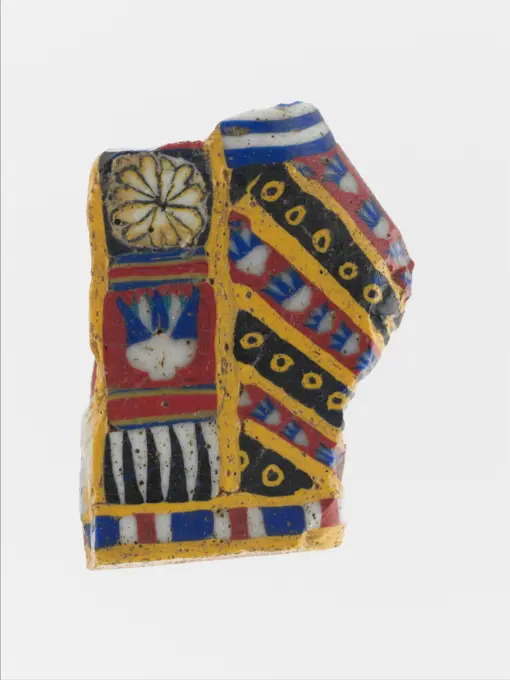
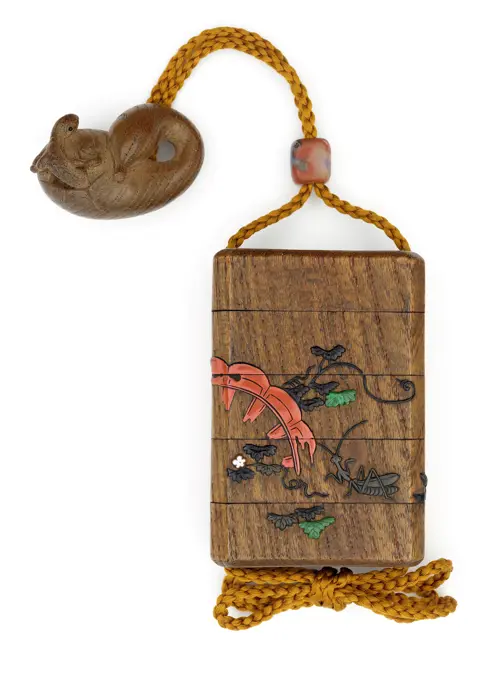
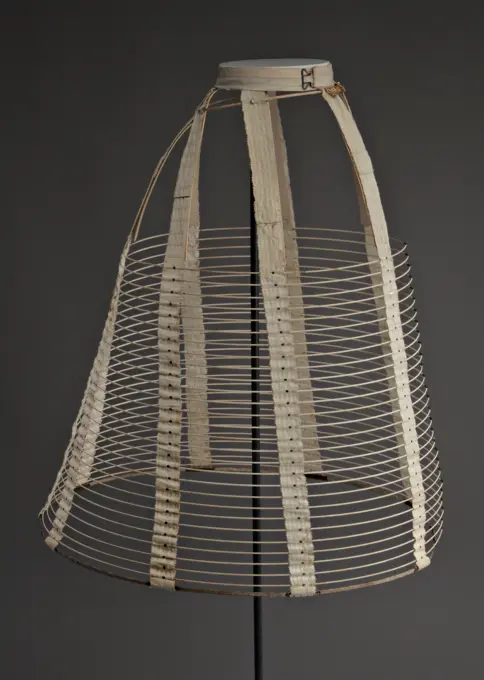
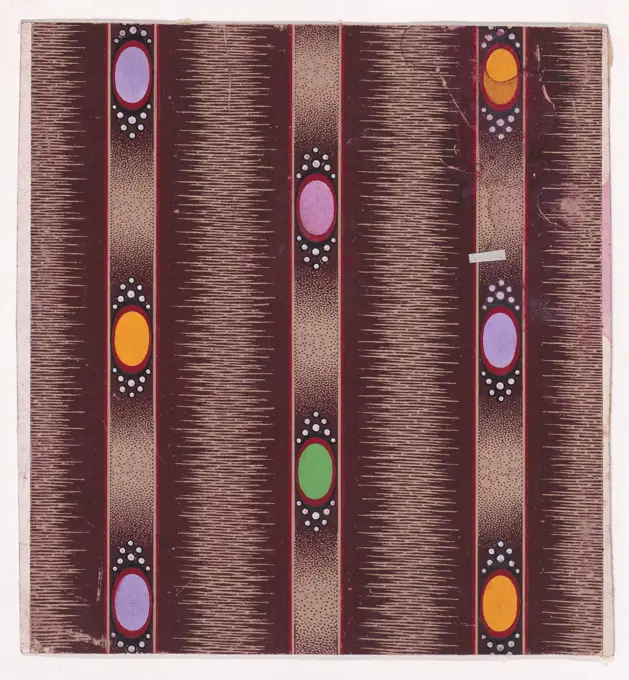
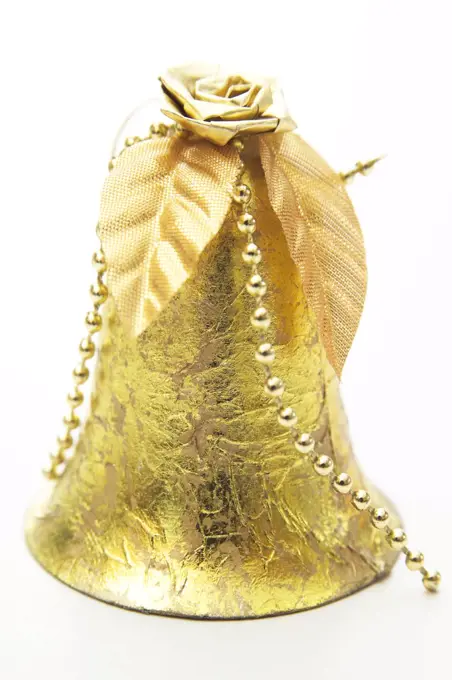
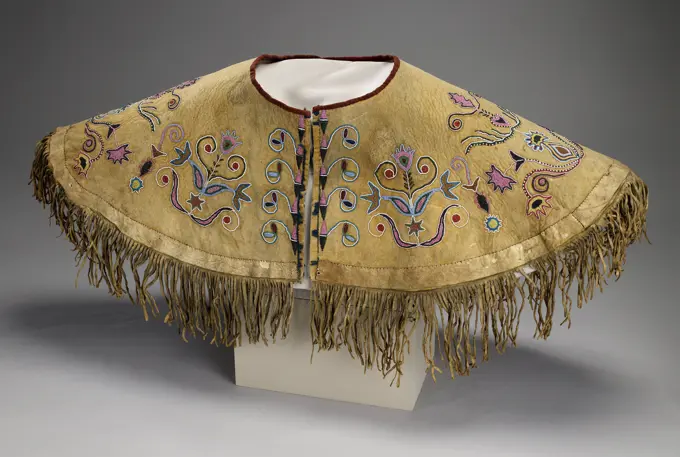
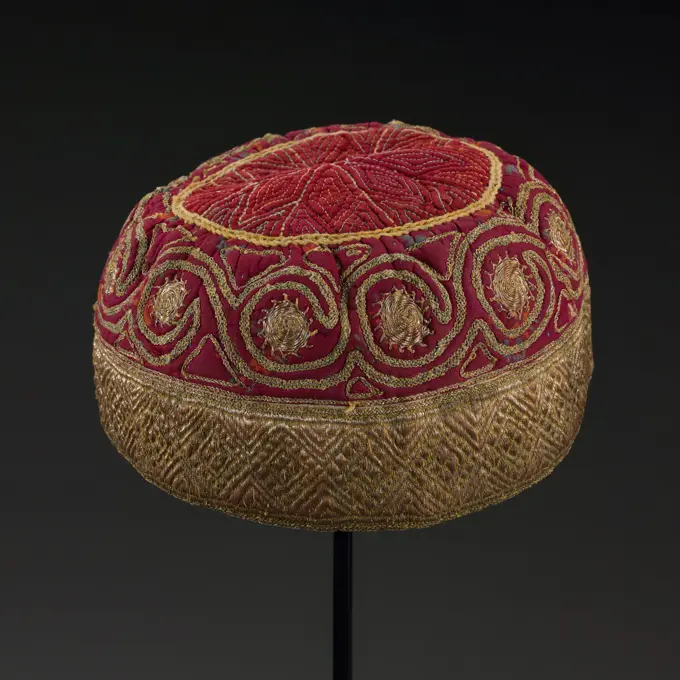
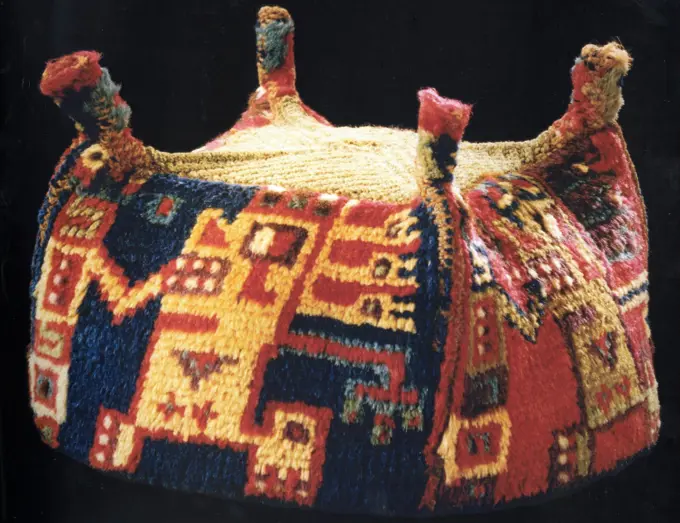
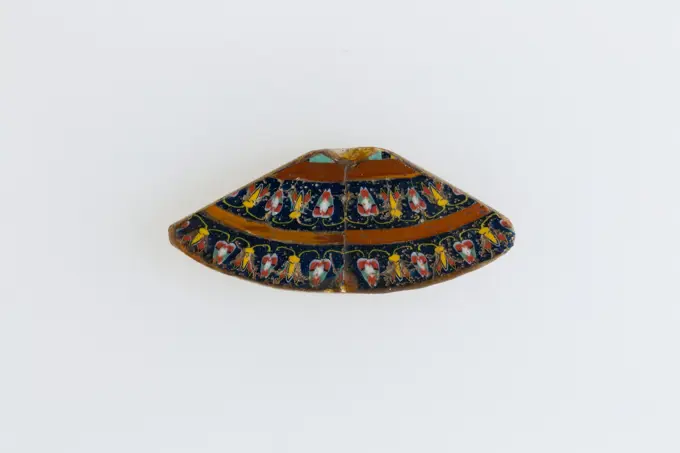
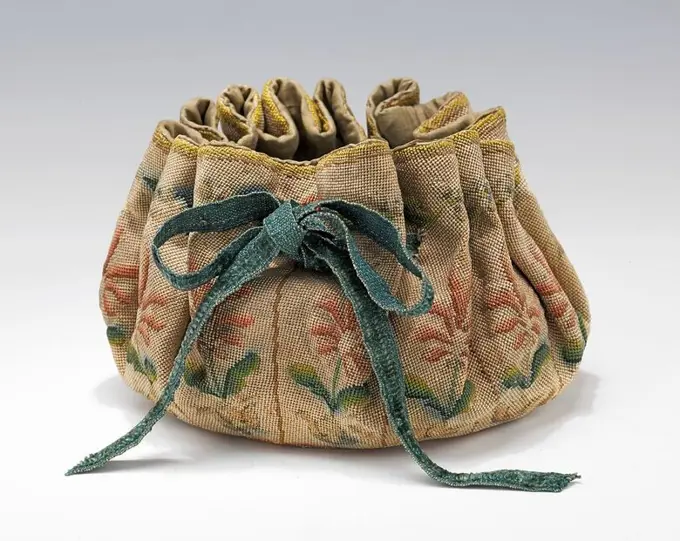
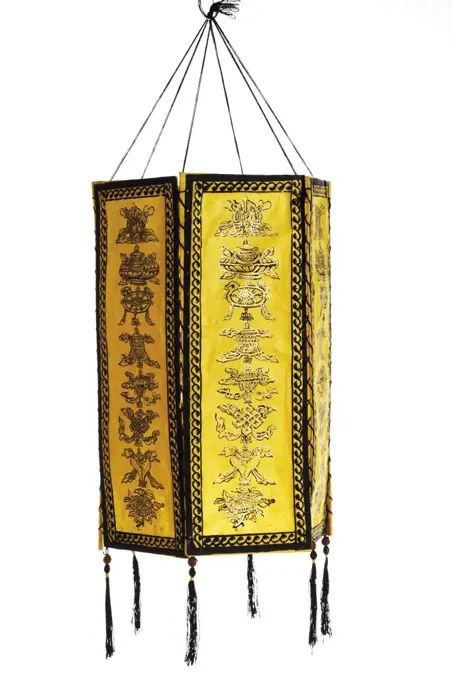
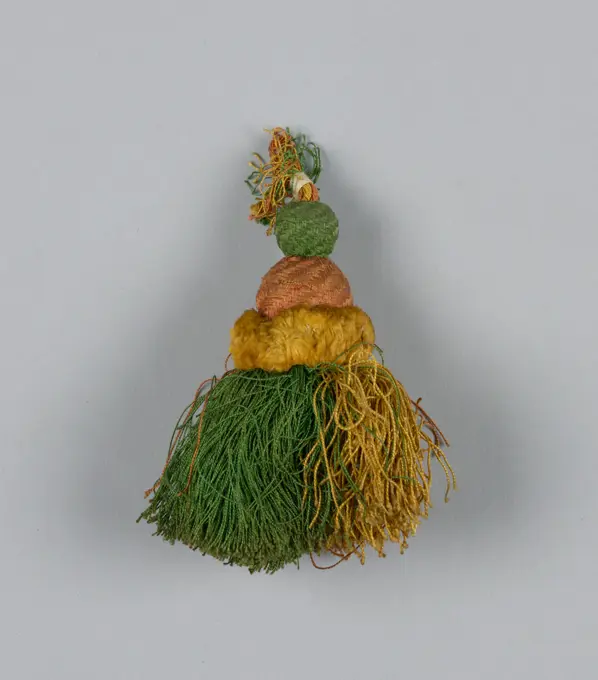
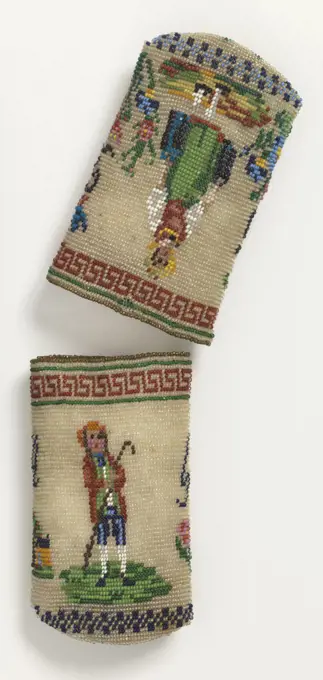
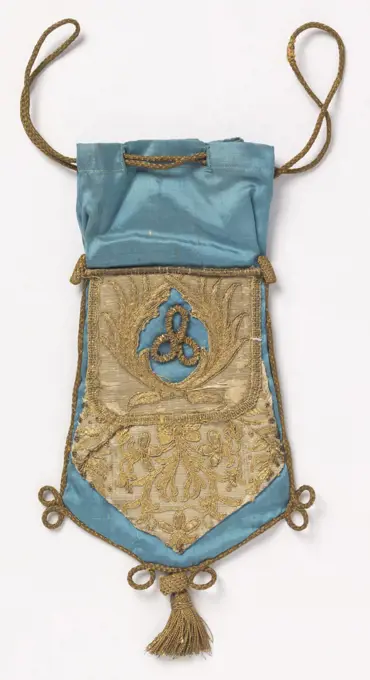
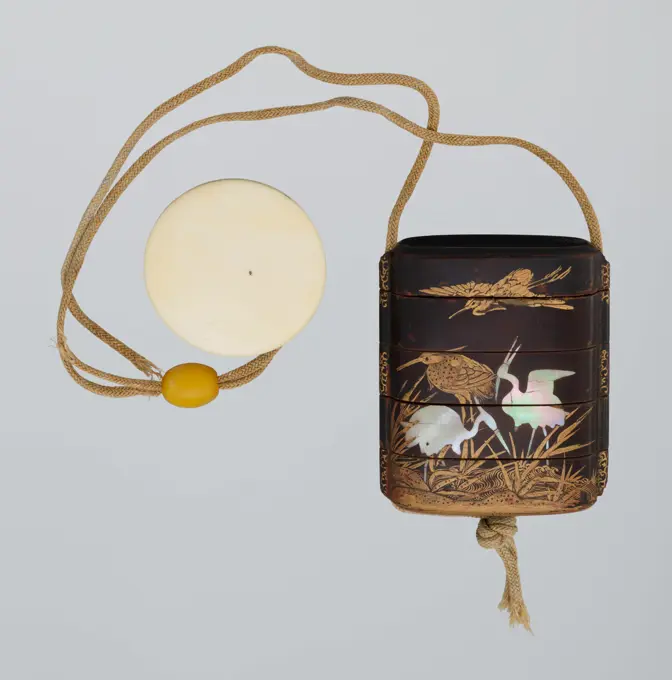
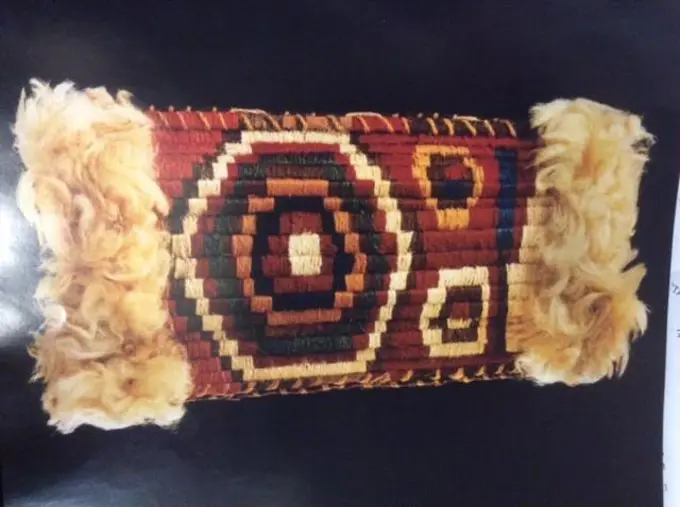
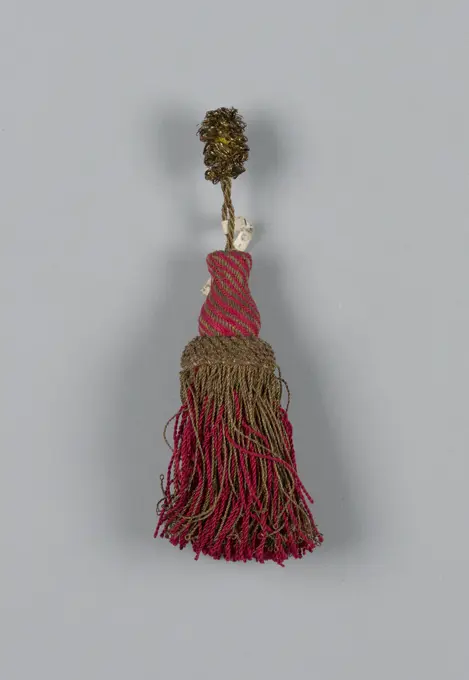
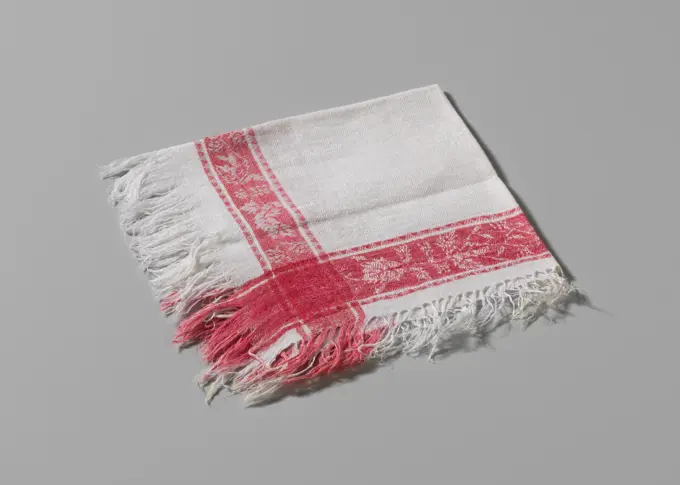
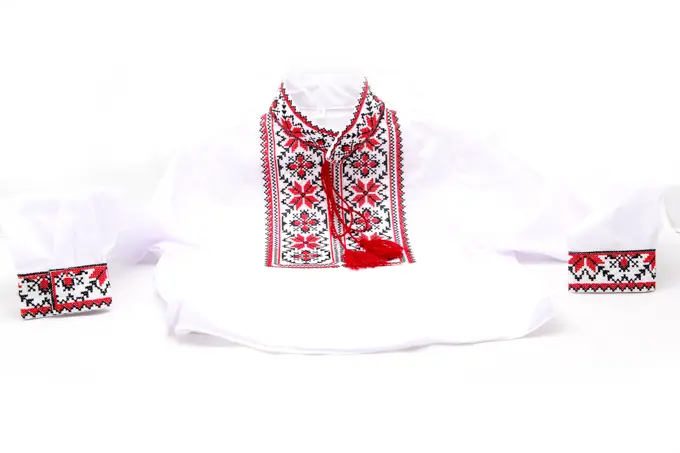
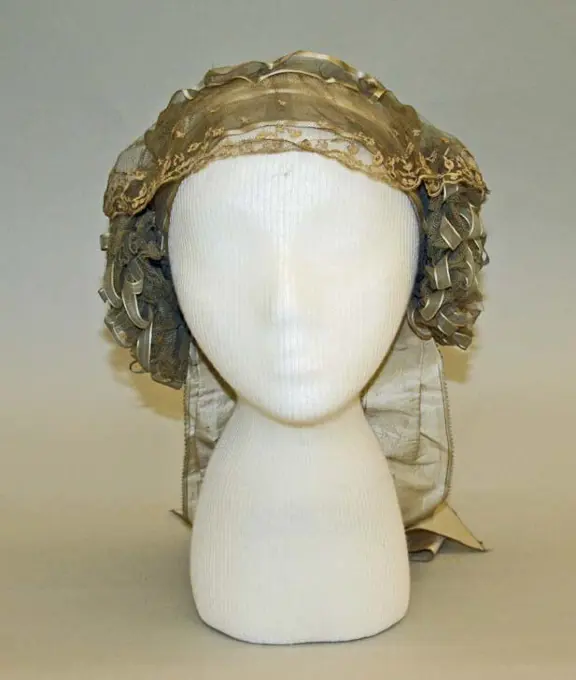
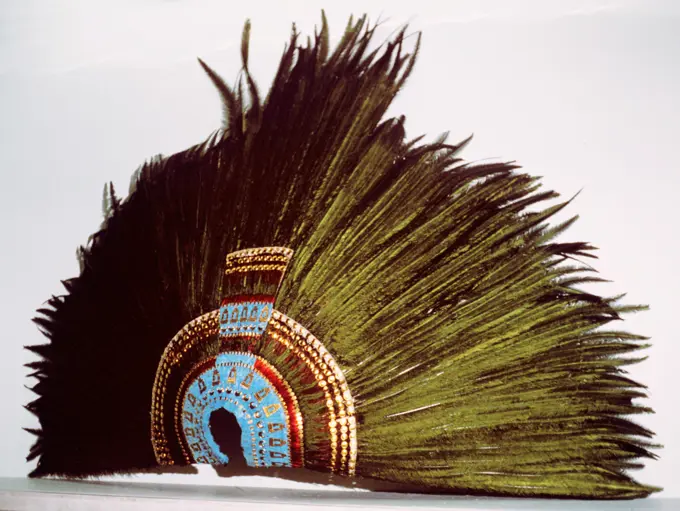
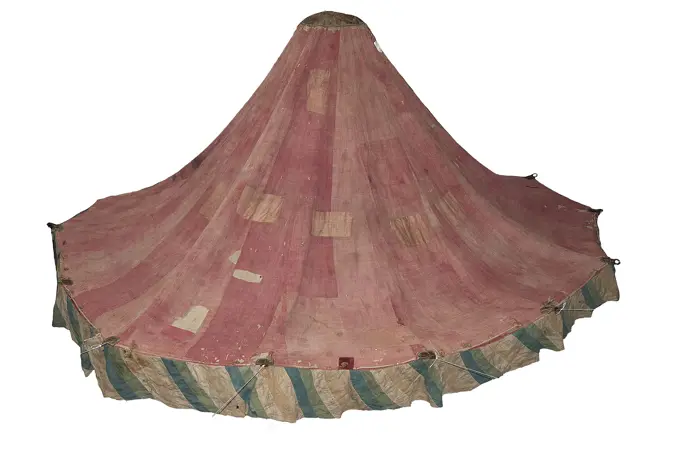
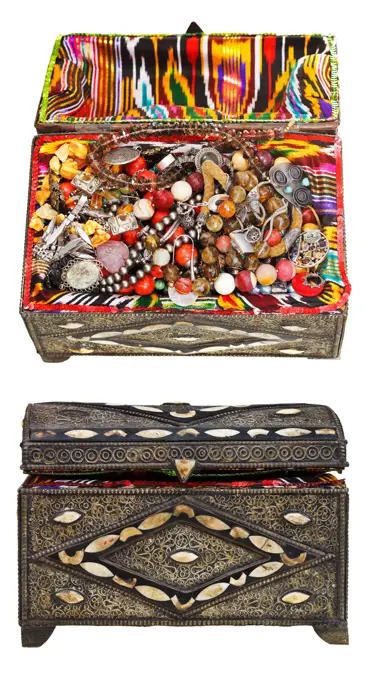
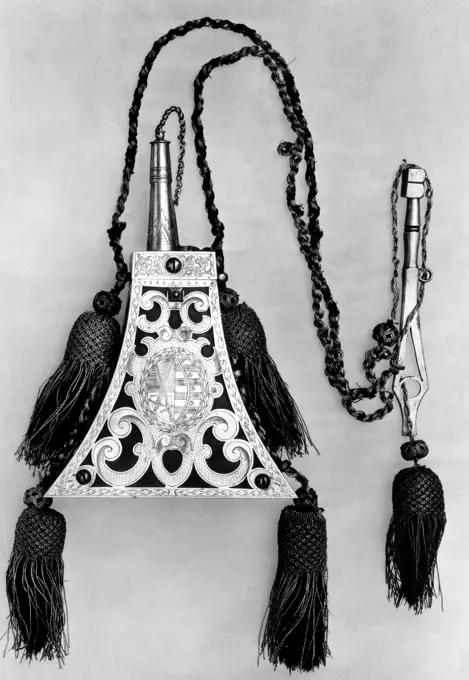
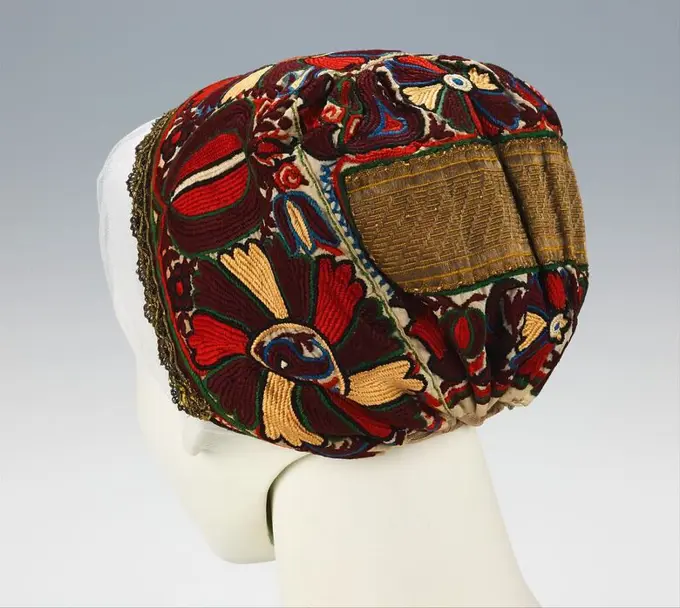
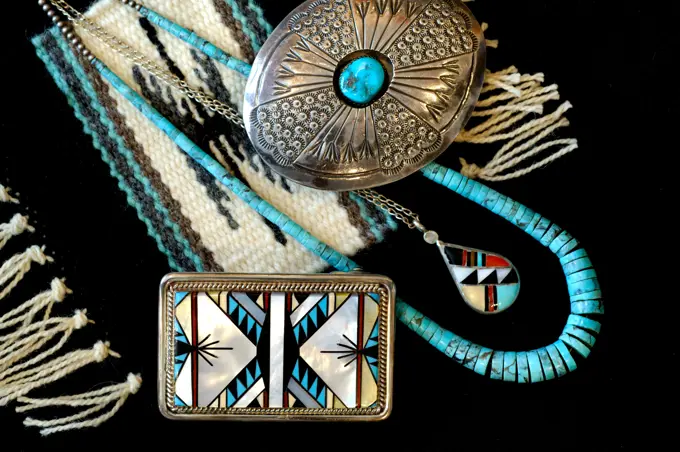
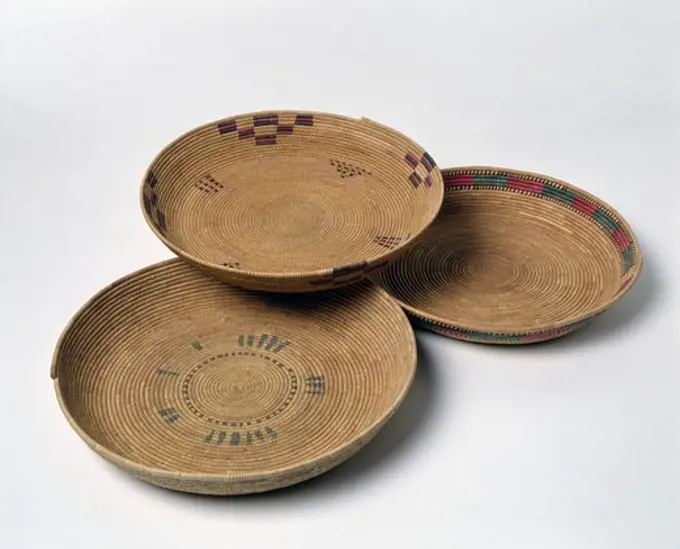
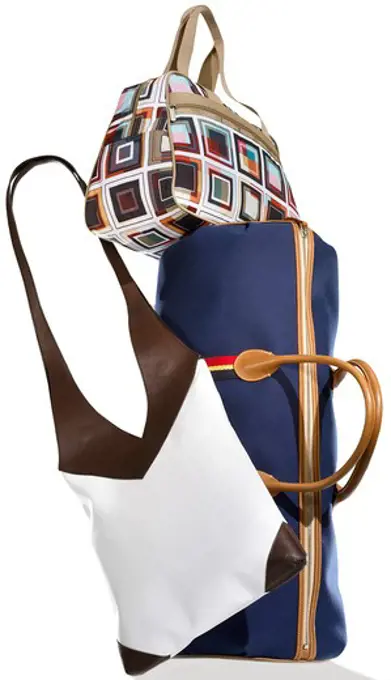
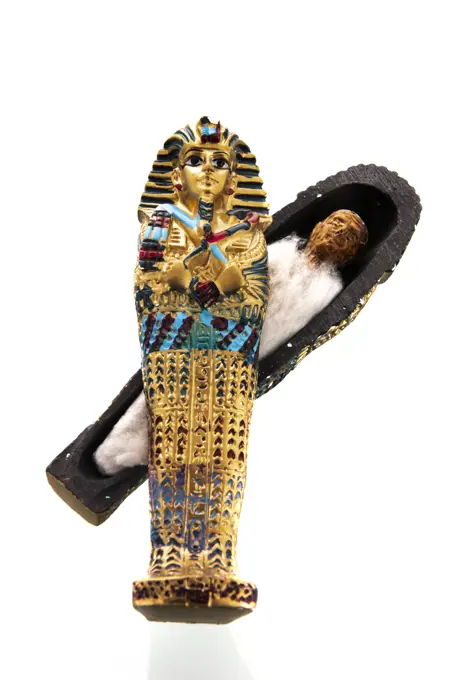
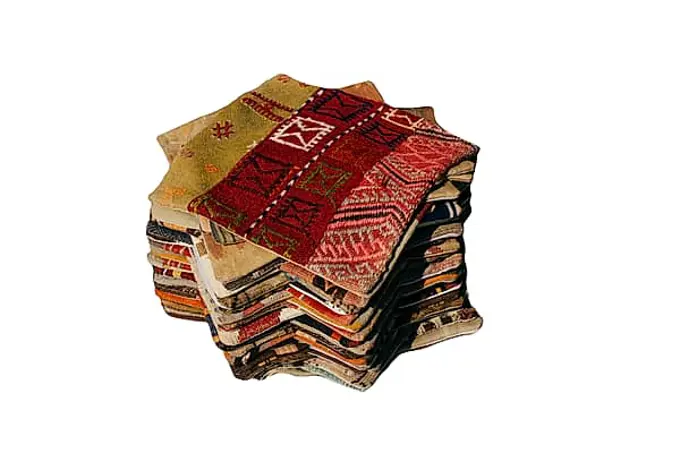
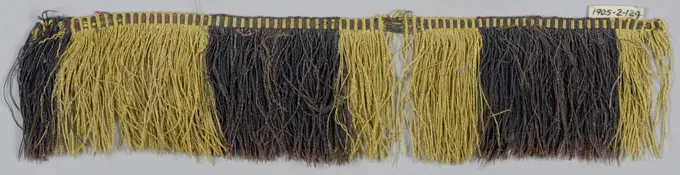
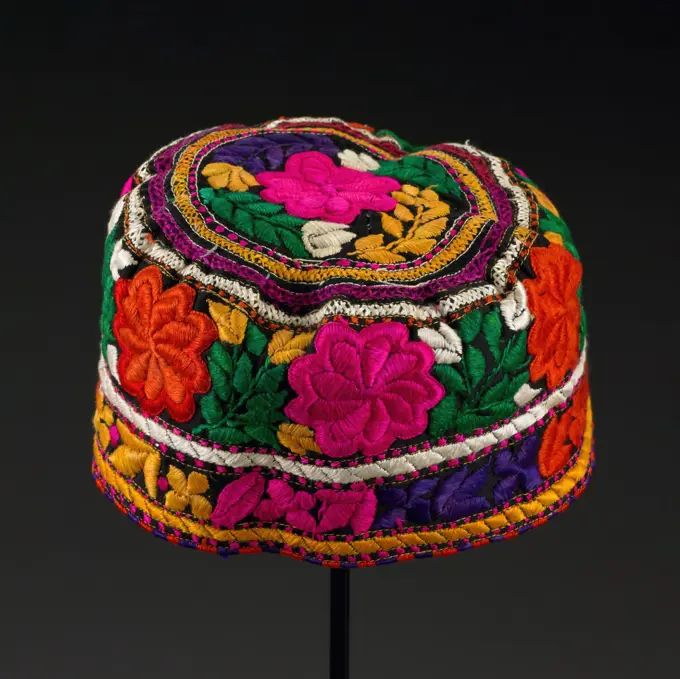
Hat, c. 1950, 3 3/4 x 8 7/8 x 8 7/8 in. (9.53 x 22.54 x 22.54 cm) (approximate), Cotton; needlework, Afghanistan, 20th centuryPurse 1790-1810 American. Purse 170531Raymond Manupelli, Purse, c 1938 PurseBeaded Necklace, Early 1900's. Africa, Early 20th century. Glass beads and cord; diameter: 0.3 cm (1/8 in.).Fragment (Peru)Hat, from a three-piece set, 5 1/2 x 8 1/4 x 8 1/4 in. (13.97 x 20.96 x 20.96 cm) (without top tassel), Cotton, silk, wool, beads, batting, ChinaCape -Belt, 20th century, 95 1/2 in. (242.57 cm) (waistband), Silk, wool, metal sequins; warp twining, braiding; passementerie, Morocco, 20th centuryGlass mosaic relief fragment late 4th to 3rd century B.C. Egyptian, Ptolemaic Opaque sealing wax red ground; decoration in opaque white, yellow, and red, and translucent blue, light blue and deep purple, appearing black.Thick block, with slightly convex side edge at bottom and another edge with rounded upper lip at top right.Decoration all set in yellow frames; narrow horizontal stripe along bottom in blue, white, and red; vertical panel comprising three squares divided by horizontal bands in blue, yellow, and red; at top, blue and white horizontal stripes; at right, radiating stripes in two alternating designs, one of hollow yellow circles on a purple ground, the other of lotus buds in white and blue.Broken edges at top, left, and lower right; slight pitting but very little weathering.This fragment can be identified from its similarity to other pieces as part of the ornate patterned dress of a figure, probably a god or a pharaoh.. Glass mosaic relief fragment. Egyptian, Ptolemaic. latInrō, Ojime, and Netsuke. Japan, 19th century. Costumes; Accessories. Inrō: Keyaki wood with lacquer, simulated inlays, and mother-of-pearl; Ojime: agate; Netsuke: paulownia woodCage crinoline -Textile Design with Vertical Stripes of Ribbon Decorated with Ovals Flanked by Pearls over a Glitched Background 1840 Anonymous, Alsatian, 19th century Rectangular sheet of paper with a textile design from a group, dated 1840, made in Mulhouse, Alsace, which was an important nineteenth-century center for textile production in the Haut-Rhin region of France. The design is made up of vertical stripes of ribbon of light tan color with dark reddish-brown stipples decorated with ovals flanked by two groups of eight pearls over a glitched background of light tan color over a dark reddish-brown base. The ovals are colored with orange, green and purple and outlined with red; the pearls are colored with white.. Textile Design with Vertical Stripes of Ribbon Decorated with Ovals Flanked by Pearls over a Glitched Background. Anonymous, Alsatian, 19th century. 1840. GouacheBasket, 20th century, 2 x 11 3/4 in. (5.08 x 29.85 cm), Plant fibers, United States, 20th centuryChristmas decoration, bellCapuchin 1725-50 probably French. Capuchin 90511William Kieckhofel, Beaded Bag, 1935 1942 Beaded BagNose Ornament (nelo), 19th century, 4 15/16 x 4 3/4 x 1/8 in. (12.54 x 12.07 x 0.32 cm) (including bead pendants), Shell, glass beads, fiber, Solomon Islands, 19th centuryCeremonial Adze, 1800s. Polynesia, Mangaia, Cook Islands, 19th century. Wood, stone, fiber; overall: 10.2 cm (4 in.); blade: 9.3 x 3.6 cm (3 11/16 x 1 7/16 in.).Conciliate belt;  18th century (1701-00-00-1800-00-00);Bag, 2000 - 2004, 8 7/8 x 11 3/8 x 1/4 in. (22.54 x 28.89 x 0.64 cm) (without straps), Beads, animal hide, cotton, United States, 21st centuryCape, c. 1840-1890, 27 x 34 in. (68.58 x 86.36 cm) (without fringe), Hide, beads, cotton, silk, United States, 19th century, This rare cape exemplifies the skillfully executed floral designs characteristic of Dakota beadwork. Using the smallest of glass beads, artists create symmetrical, balanced motifs inspired by the plants they see around them. Note the intricately worked stars sprinkled across the cape and the delicate tendrils along the clasp opening.Apron panel, from a three-piece set, 12 1/4 × 8 13/16 in. (31.12 × 22.38 cm) (including fringe), Beads, wool, cotton thread, United StatesFrontlet, c. 1850, 19 7/8 x 10 1/2 x 10 in. (50.48 x 26.67 x 25.4 cm) (without ties), Wood, pigments, abalone shell, copper, ermine pelts, cotton, plant fibers, wool, buttons, sea lion whiskers, Canada, 19th century, Frontlets were created by most tribal groups in the Northwest Coast region, and were usually decorated with figures. They were worn with an ensemble that included a robe and dance outfit, and were used for special events like greeting important visitors and potlatches. During such ceremonies, the abalone shells of the frontlet and the whiteness of the ermine fur would glow from the fire.Austria, vienna, Feather crownHat, 1900-1925, 4 x 7 x 7 in. (10.16 x 17.78 x 17.78 cm) (approximate), Cotton, metallic theads; needlework, Afghanistan, 20th centuryRibbon belonging to the wreath for victims of Japanese performance during the Second World War. Ribbon belonging to the wreath for victims of Japanese performance during the Second World War. Laid by the Japanese imperial couple on May 23 at the National Monument on Dam Square. Red and white ribbon with golden letters.Four-CorneredHat.  Artist: UnknownCollar-shaped inlay 100 BC-100 AD Ptolemaic Period-Roman Period A mosaic glass technique allowed multiples of an image to be created: a figural or design composition was made by bundling colored glass canes, which were then drawn out into a long bar. The bar was then sectioned at right angles, probably by striking the bar with appropriate tools, to produce small inlay tiles. The tile would then be smoothed and polished on the face intended to appear outwards.Such elements could also be used side by side to create repeating patterns.. Collar-shaped inlay. 100 BC-100 AD. Glass. Ptolemaic Period-Roman Period. From EgyptGaming purse. Culture: French. Date: 1690-1710.A new level of card game mania swept Europe during the 17th century and continued into the 18th century. Gambling with cards or "gaming" was a favored pastime for both men and women of all ages and classes. Gaming purses, round flat-bottomed pouches that closed by means of a drawsting were worked in various materials. This examples is worked in fine petit point needlework. Its repeat pattern of pink flowers is interrupted only once by a single yellow flower. This anamoly may have personalized the bag, relating it to a particular owner. Museum: Metropolitan Museum of Art, New York, USA.Textile bag "Chuspa". Date/Period: 900/1470. Width: 28 cm. Height: 29 cm. Author: UNKNOWN.Basket 19th century Japan. Basket 62179Hanging Japanese lantern, close-upTassel (Spain)Case, Medium: glass beads, horsehair Technique: beadwork, Case in two parts: one part made to slip over the other. Made of white and colored glass beads in design of human figures, flowers and initials., Germany, 19th century, costume & accessories, CaseFringe ca. 1880 probably European. Fringe. probably European. ca. 1880. Silk. Textiles-TrimmingsSash for supreme officers, ca. 1830, anonymous, c. 1830  Sash Van Fattst Oranje Cord side (Band van Egypt. Braid work) with brushes (without stars) with some damage. The sash is folded and stitched. On one of the sides hangs on a rope a hexagonal leather label with no. 11. An octagonal card is attached to a blue ribbon with the text General Maj. Baron de Perponcher. Both ends of the sash end in a flat brush, consisting of a wooden core, around which orange wire is wrapped. This has been woven and knotted cord. Three rows of ditto cord side have been installed on the underside of the brushes. There are thin ditto fringes. Each fringe has a knot on the bottom. Inside of the brushes consists of an oval piece of wood, which has been eroded, and is wrapped with orange silk thread. Franjes are also mounted in the hollow. Netherlands wool. wood (plant material) braiding  NetherlandsTrimming (Spain); white and colored silk in uncut voided velvet weave.; Overall: 18.5 x 3.6 cm (7 5/16 x 1 7/16 in.)Drum, 1855 musical instrument. percussion instrument. drum Trom of the militia. The brass kettle is equipped with a veal sheet on both sides, held by a hoop and tense by means of a tension with tractors and screws. Both hoops are decorated with a motif of triangles in the colors red, white and blue. With engraved numbers: 1855-35. Netherlands Kettle: Brass (Alloy). Hoop: Wood (Plant Material). Team resorts: RopeVolhynic handicrafts.Shadow Puppet Head, 20th century, 5 in. (12.7 cm), China, 20th centuryNecklace -Original rag necklacePurse, Medium: silk and metallic thread embroidery on silk foundation Technique: embroidered on satin foundation, Bag probably made from pieces of older textiles. Blue silk edged with silk cord and a tassel with appliquéd pieces of metallic cloth with embroidery., Italy, 19th century, costume & accessories, PursePrzeszo Przyszoci unknownApron (), ChinaFringe 18th century French. Fringe 224896Original award ribbon, handmadeFrench Polynesia, Austral Islands (aka The Tuha'a Pae), Tupua'i Islands, Island of Rurutu. Traditional high quality pandanus fiber woven hats, a specialty of the island.Ruth M Barnes, Coin Purse, c 1940 Coin PurseFour -day Inrô (medication box) with Ojime and Manju Netsuke;  19th century (1820-00-00-1860-00-00);ShinGuard.  Artist: UnknownUshaiger Heritage Village, Riyadh, Saudi Arabia. Colorful beaded bag. (Editorial Use Only)Indian silk Pashmina, textile with traditional woven pattern. 21st CenturyMan's moccasins Comanche, Native American ca. 1870 View more. Man's moccasins. Comanche, Native American. ca. 1870. Tanned leather, glass beads, and pigment. Possibly made in Texas, United States; Possibly made in Oklahoma, United StatesCarpet Bag. Dated: 1935/1942. Dimensions: overall: 25.2 x 35.7 cm (9 15/16 x 14 1/16 in.). Medium: watercolor, graphite, and gold ink on paper. Museum: National Gallery of Art, Washington DC. Author: Beulah Bradleigh.Feathered Ornament 11th-15th century () Central or south coast (). Feathered Ornament 310503Tassel; 1909-12-4-bBlown Glass jug blue. Barcelona. Spain 2013Cotton damask finger cloth with rose pattern and trimmed with a red border, c. 1900 Finger cloth of cotton damask with red edges, with roses and a neo-Louis XIV ornament. The canvas has a Franjerand. Ten finger cloths (BK-1973-200-A to BK-1973-200-K) and a tablecloth (BK-1973-199) belong to the canvas. Belgium (possibly) cotton (textile) damask Finger cloth of cotton damask with red edges, with roses and a neo-Louis XIV ornament. The canvas has a Franjerand. Ten finger cloths (BK-1973-200-A to BK-1973-200-K) and a tablecloth (BK-1973-199) belong to the canvas. Belgium (possibly) cotton (textile) damaskembroidery Ukrainian men s embroidery on a white background ,model released, Symbolfoto ,property released Copyright: xZoonar.com/OleksandrxPakhayx 6221094 ,model released, Symbolfoto ,property releasedCINCHAS. Location: MUSEO DE AMERICA-COLECCION. MADRID. SPANIEN.Purse (France); silk, steel beadsOpera cape ca. 1896 Beer French. Opera cape 106660Work bag. Second Empire. GAL1990.222.5Top view religious textile with braceletTapestry Bag with Fringes 8th-9th century Nasca. Tapestry Bag with Fringes. Nasca. 8th-9th century. Camelid hair. Peru, Rio Grande de Nasca. Textiles-WovenPair of gloves with tassels, c. 1860 Right glove of white calf leather decorated with blue silk stitching, copper eyes and blue silk cord ending in ditto brushes. Model: Long slender fingers. Closure on the inside wrist by means of Metal snap button. Decoration: Stitching on top of the blue side hand. Jeweling of eight copper rings through which blue silk cords are strung, ending in thick brushes. The calf leather is sculpted and serrated. England (possibly) calf (leather). copper (metal). silk cutting Right glove of white calf leather decorated with blue silk stitching, copper eyes and blue silk cord ending in ditto brushes. Model: Long slender fingers. Closure on the inside wrist by means of Metal snap button. Decoration: Stitching on top of the blue side hand. Jeweling of eight copper rings through which blue silk cords are strung, ending in thick brushes. The calf leather is sculpted and serrated. England (possibly) calf (leather). copper (metal). silk cuttingPhysicians's Saddle Bag. Dated: c. 1939. Dimensions: overall: 42.7 x 36.8 cm (16 13/16 x 14 1/2 in.). Medium: watercolor and graphite on paper. Museum: National Gallery of Art, Washington DC. Author: Ray Price.Ensemble 19th-early 20th century Greek (Attic). Ensemble 85868Man's sash, 20th century, 124 x 11 in. (314.96 x 27.94 cm) (including fringe), Cotton, acrylic; supplementary weft patterning, Guatemala, 20th centuryBonnet 1799-1815 European. Bonnet 116491Montezuma's headdress, Aztec work, Mexico.Royal Round Tent made for Muhammad Shah (Roof), 1834-48. Iran, Rasht, Qajar period (1779-1925). Rasht work; wool with silk embroidery (chain stitch), cotton, linen, rope, leather; overall: 360 x 400 x 400.1 cm (141 3/4 x 157 1/2 x 157 1/2 in.). Royal tents were potent symbols of authority, wealth, and power throughout the greater Middle East. Rulers owned thousands of tents. They were used for shelter, shade, and innumerable functions in tent compounds that were essential for imperial ceremonies, travel, and military campaigns. Distinguished by size with elaborately decorated interior walls and ceilings, tents could be as large as castles. Opulent tents were also presented as imperial gifts. Tents are only known through documents before 1600. For example, in Baghdad in 809, Caliph Harun al-Rashid owned 4,000 ceremonial tents and 150,000 camping tents that were stored in the imperial Abbasid treasury. An astonishing variety and quantity of tents were housed in the royal Fatimid tent stElisa Lauth. Tiare, around 1925. Paris, Galliera Museum. PEARL, PERLE, TIARA, TIAREComb 15th-16th century French (). Comb 466093set of ancient decorated treasure chests set of ancient decorated treasure chests with antique jewelry isolated on white background Copyright: xZoonar.com/ValeryxVoennyyx 5528798Powder Flask and Wheellock Spanner Made for the Bodyguard of the Prince-Elector of Saxony ca. 1600 German, Saxony This flask formed part of the equipment of the guard (Trabantenleibgarde) of the Elector of Saxony. The trapezoidal body is made of wood, mounted with gilded brass, pierced and engraved. It retains its original suspension cord and tassels, and attached whellock spanner. The central cartouche is engraved with the arms of Saxony and the Archmarshalship of the Holy Roman Empire.. Powder Flask and Wheellock Spanner Made for the Bodyguard of the Prince-Elector of Saxony 23047Reticule in trapezoidal parts, made of black, crochet silk, which is bordered with black ruffles of ponjé side. Retricula of black, crocheted silk. Bube model of two trapezoidal parts, finished with ruffles of black ponies side. Of these, the upper part with a slot, in which thick black cord is also stressed, five fixed buttons have been laid. On one side a pattern of a middle motif with butterfly against a fond of eyelets with coarse picots. Black ponjé side lining.Drinking horn -Cap. Culture: Slovak. Date: 1840-70.Similar to that of the wheat ear, the pomegranate motif is representative of fertility and growth due to the abundance of seeds produced from a single fruit. The vibrant embroidery of the Hron Valley region of Polokna, Slovakia is evident in this particularly lively cap.This object was collected by Stewart Culin (1858-1929) during a collection expedition in 1921. Culin was the Brooklyn Museum's first Curator of Ethnology, serving from 1903 to 1929. Possessing an insatiable curiosity and appetite for collecting objects of all kinds, Culin conducted over twenty worldwide collecting expeditions between 1901 and 1928. The trips covered American Indian territories, New England, Asia, India, Great Britain, and all of Eastern and Western Europe. The seven expeditions between 1917 and 1928 were specifically focused on collecting regional textiles and costumes from Eastern and Western Europe and, to a lesser extent, New England. Culin's goals for these tripSouthwest, American Indian art & handicrafts. Zuni inlay necklace & belt buckle (blanket pattern), Navajo silver & turquoise belt buckle, rolled turquoise necklace.Close-up of three African basketwork platesBliżej Kultury unknownDreamcatcher in front of blue sky, Lower Saxony, Germany, EuropeAssortment of Travel BagsSchuier van FaiSence decorated with a bird on a branch, Anonymous, 1700 - 1720 Schuier van Faience. Multicolored painted. The hairs are partially missing. Delft . Schuier van Faience. Multicolored painted. The hairs are partially missing. Delft .Bangles set on yellow background  India Copyright: xMohammedxSharif/DinodiaxPhotoxBorder, Block-printed on handmade paper, A single row of ogival shapes with twisted rope edges, side by side, in the foreground. Each shape contains a foliate sprig. Between, and appearing behind, each of these shapes is a circular motif with a band of laurel leaves. Printed in shades of light brown, teal, ocher and white against a black background., H#612, France, 1800-1820, Wallcoverings, BorderModel Basket from a Foundation Deposit for Hatshepsut's Temple ca. 1479-1458 B.C. New Kingdom. Model Basket from a Foundation Deposit for Hatshepsut's Temple. ca. 1479-1458 B.C.. Basketry (grass). New Kingdom. From Egypt, Upper Egypt, Thebes, Deir el-Bahri, Temple of Hatshepsut, Foundation Deposit 2b (B), MMA excavations, 1921-22. Dynasty 18Bridle -Winter hatDream catcher, isolated object over white backgroundBag with two brushes, anonymous, c. 1700 - c. 1800 bag Round bag with flat lid. Bag and lid are connected by a rope that runs through leather loops on either side. There are brushes at the two ends of the rope. The rope has a loop at the top through a knot in the rope. Rope has turned a red core (cotton) with spiral white leather around it. The brushes are from silk and are decorated with embroidery in cross shape (red, yellow, white). The bag with loops is not decorated. On top of the lid, a stylized weapon without a crown with copper has been smashed.  leather. copper (metal). silk. rope. cotton (textile) sewing / striking (metalworking)Bracelet probably 14th-15th century The earliest known examples of this type of seamless mosaic glass bracelet are from the late thirteenth century; it continued to be produced well into the nineteenth century at Hebron, in Palestine. This bracelet, together with thirty-three others in the collection, comes from UpperEgypt and was probably made during the Mamluk period.. Bracelet 446030Egypt mummy pharao Egypt mummy pharao isolated over white background Copyright: xZoonar.com/IvonnexWierinkx 17780172Colorful oriental pillows pile with decorative patternUtensil. unknown, craftsmanNative American Dreamcatcher PhotoFringe, Medium: silk Technique: woven, Fringe with a purple and yellow plain-woven heading. Skirts threads are arranged in stripes., Spain, 17th century, trimmings, FringePurse 1800-1810 European. Purse 116917