Traditional Textiles and Accessories

Historic textiles and ornamental accessories, including sleeves, headbands, and decorative bags, showcasing intricate designs and cultural significance.

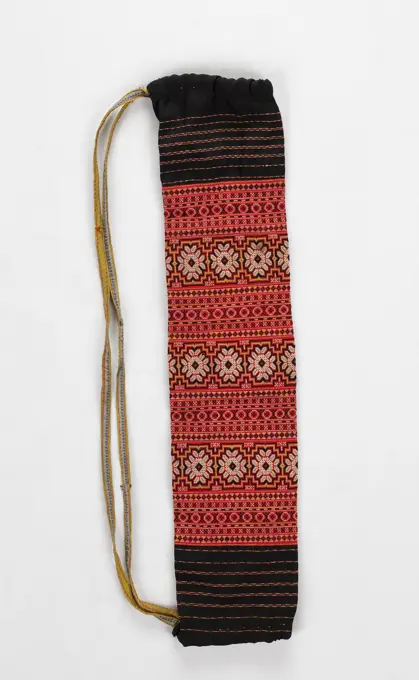
Leg Wraps, 20th century, 39 5/8 x 14 in. (100.6 x 35.6 cm), Cotton, China, 20th century
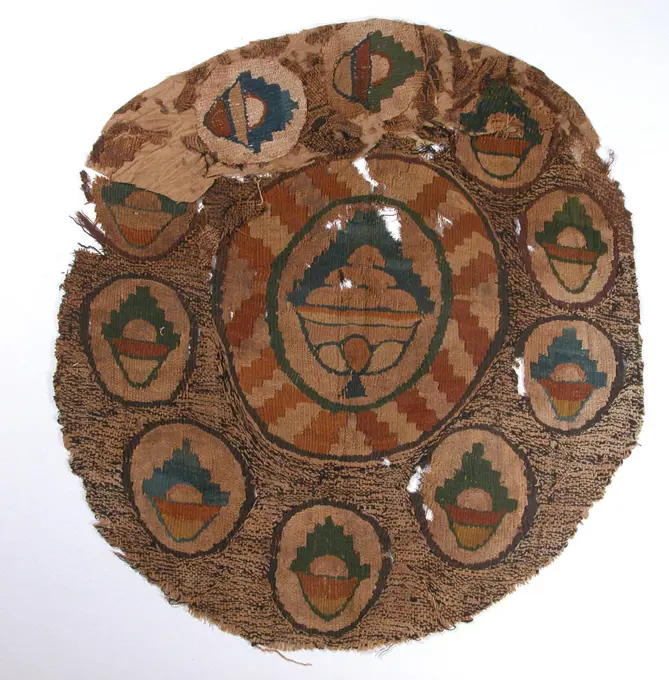
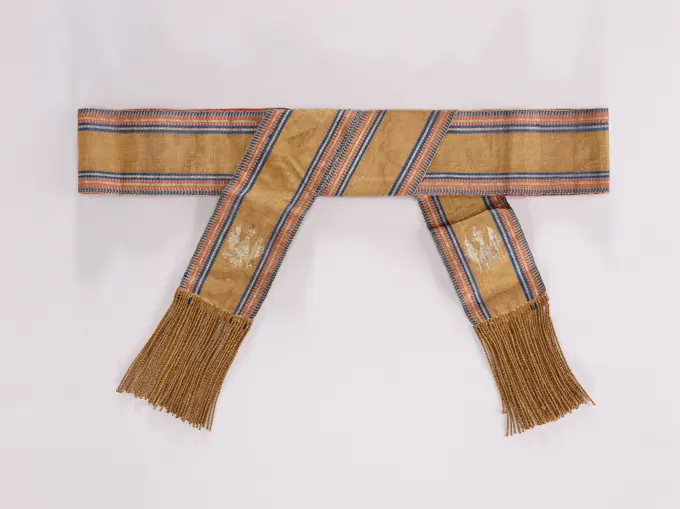
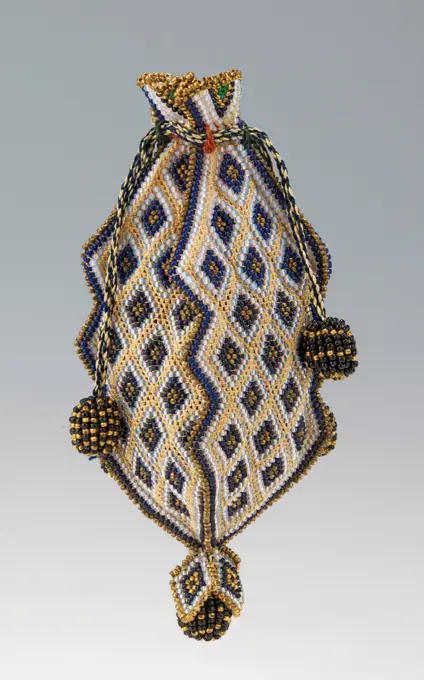
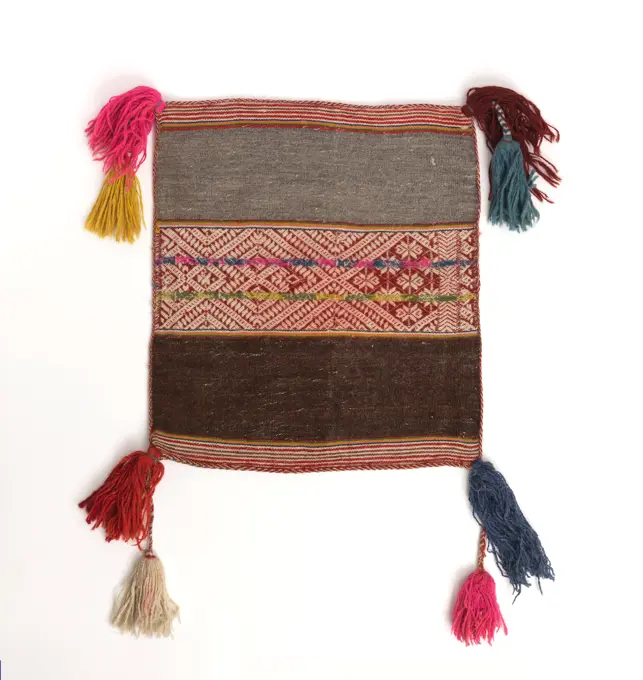
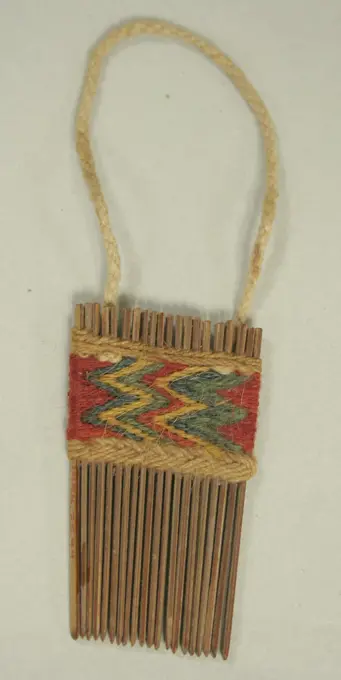
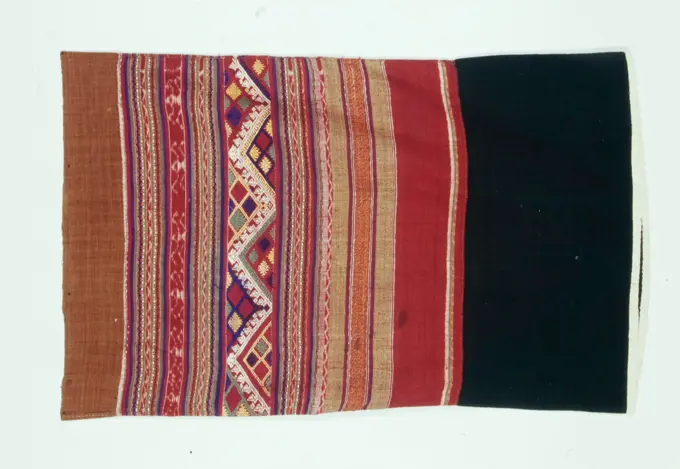
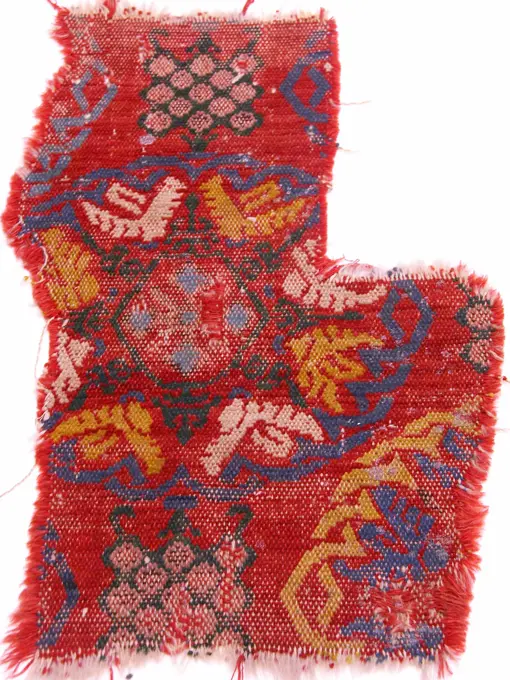
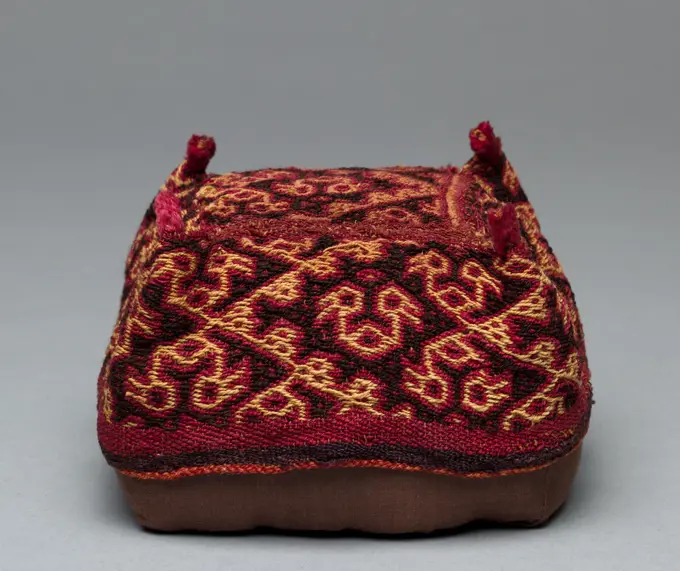
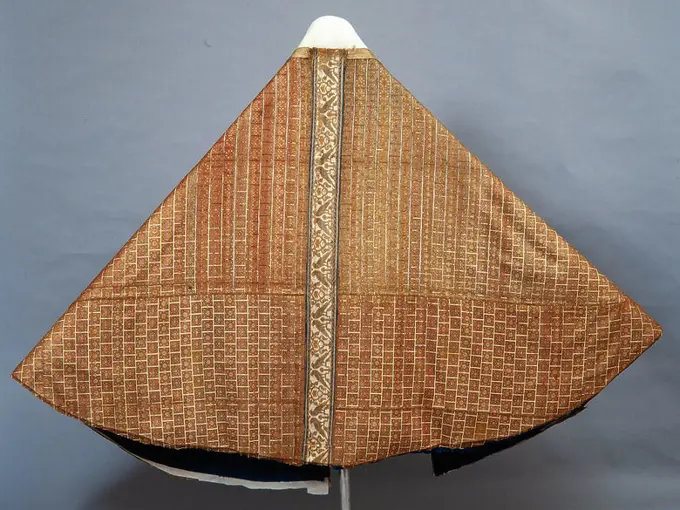
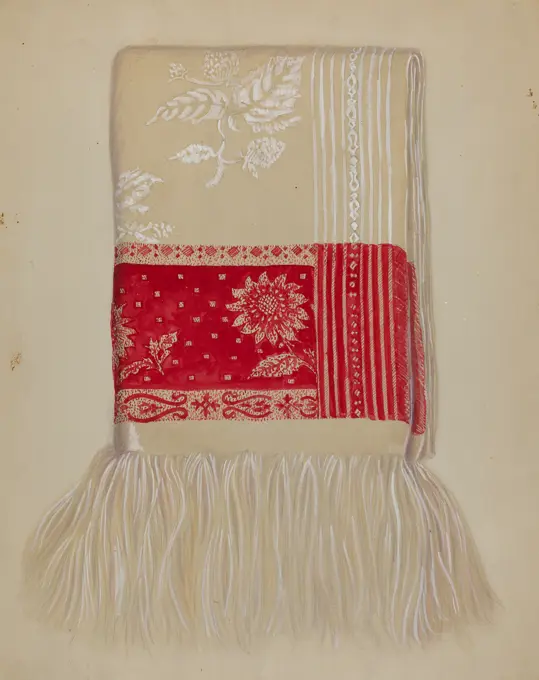
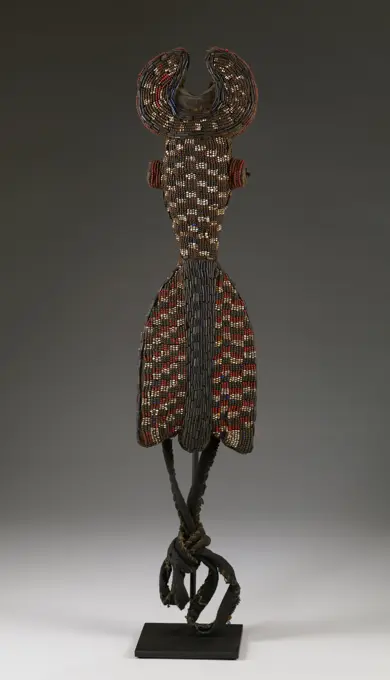
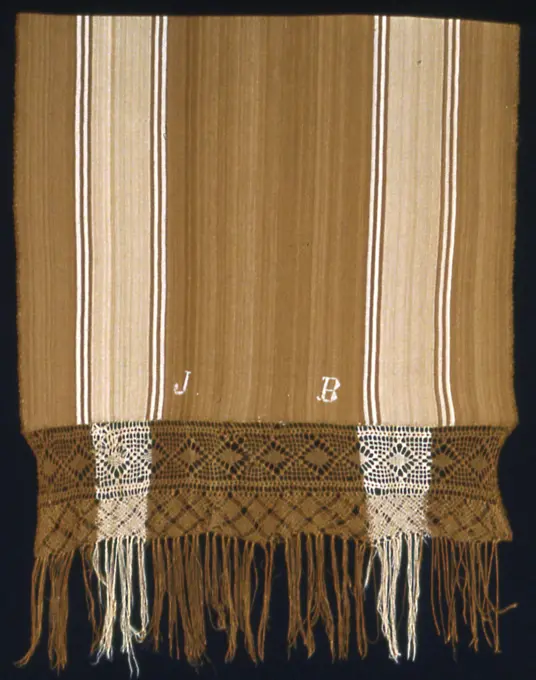
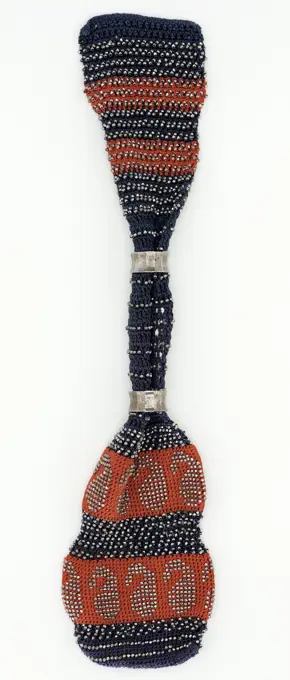
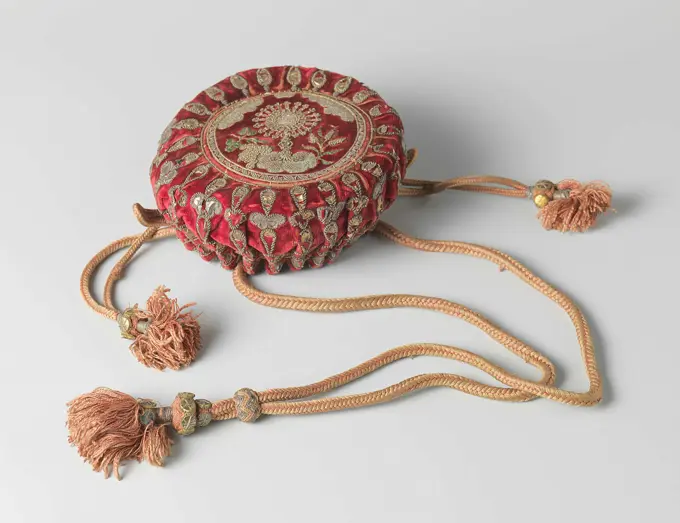
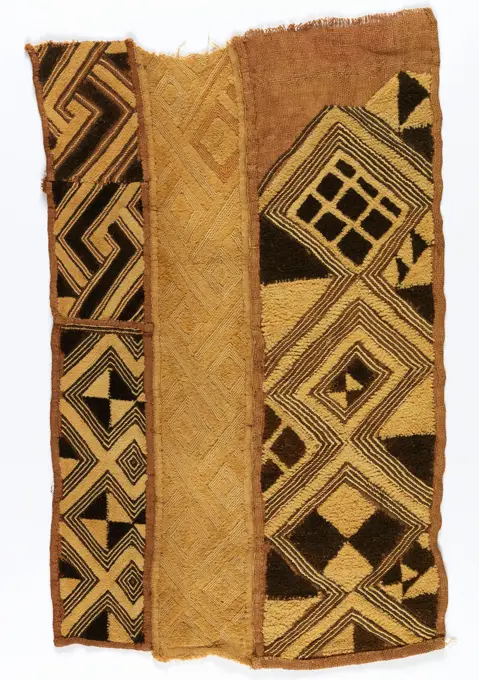
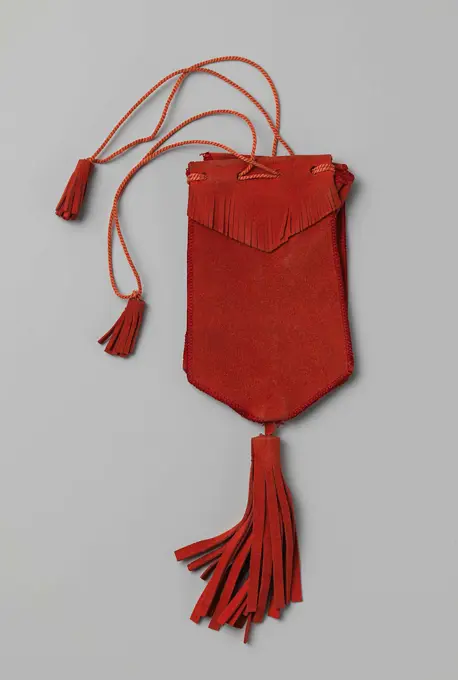
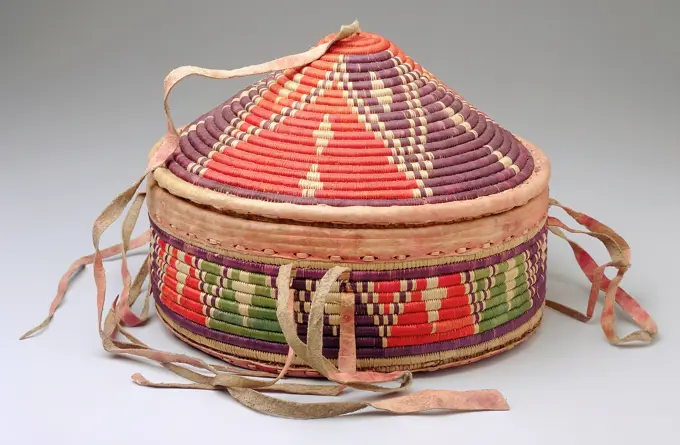
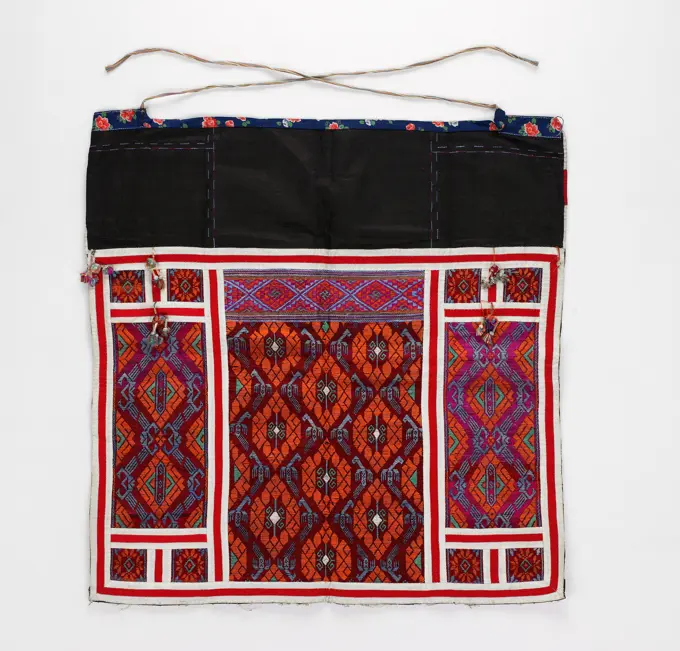
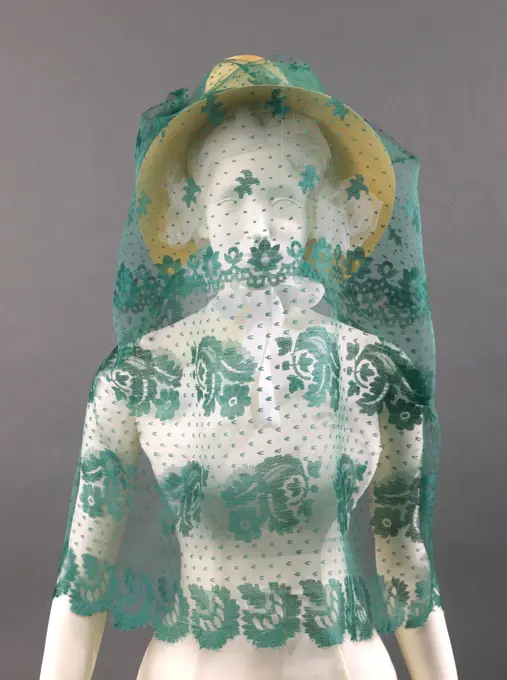
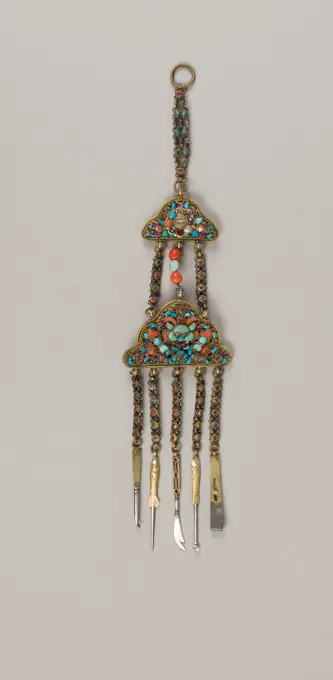
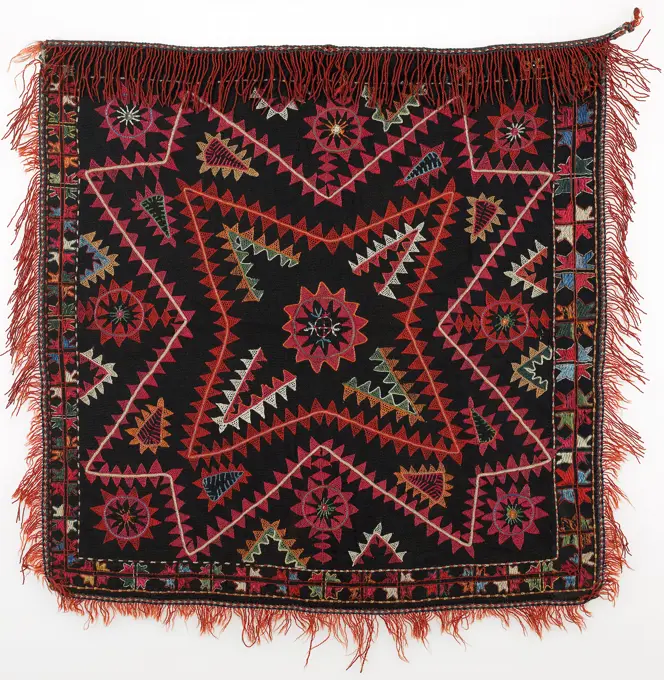
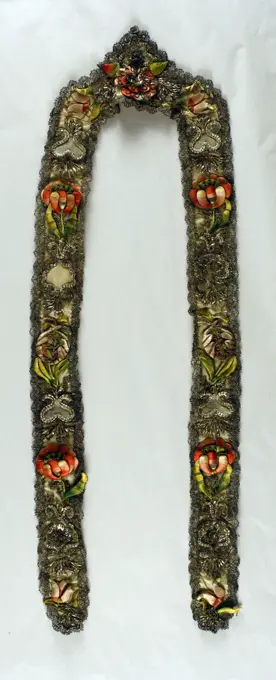
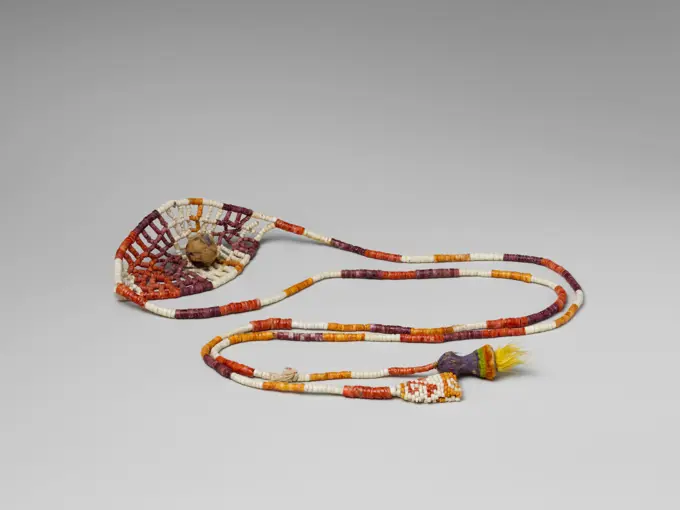
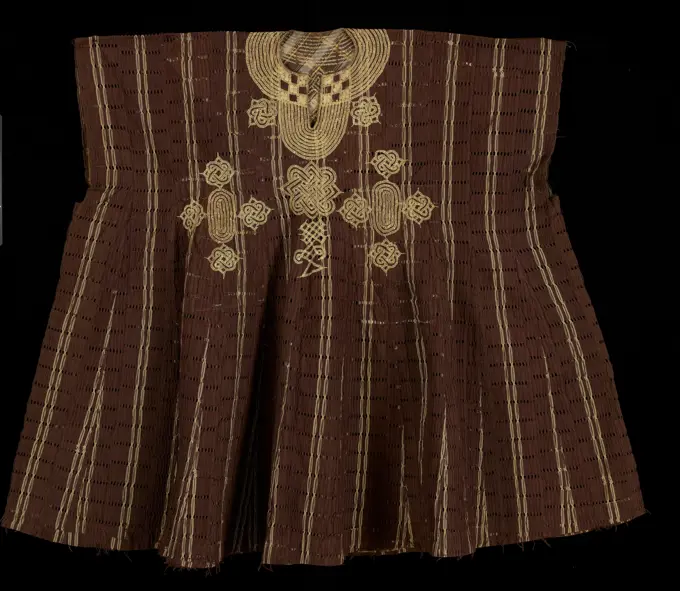
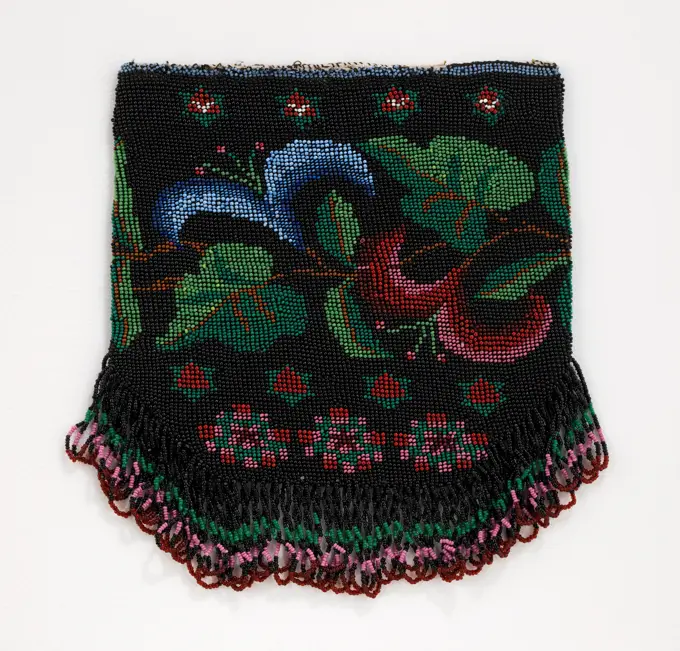
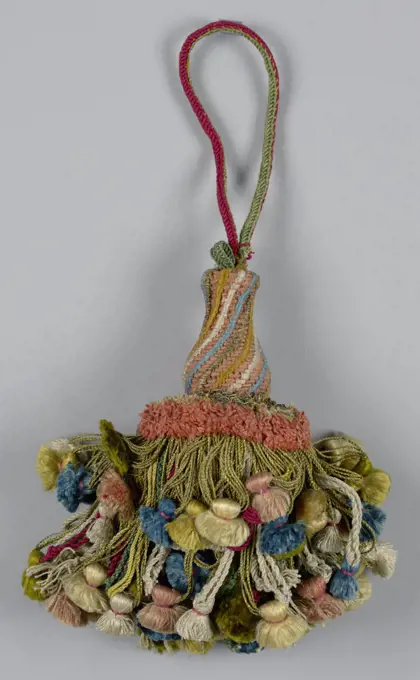
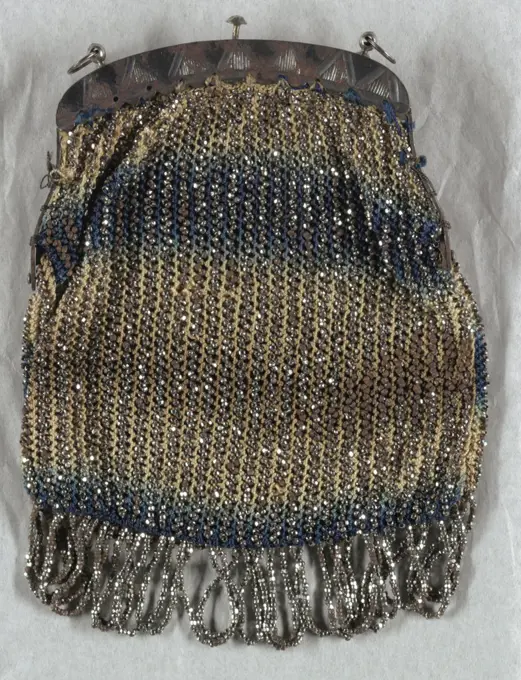
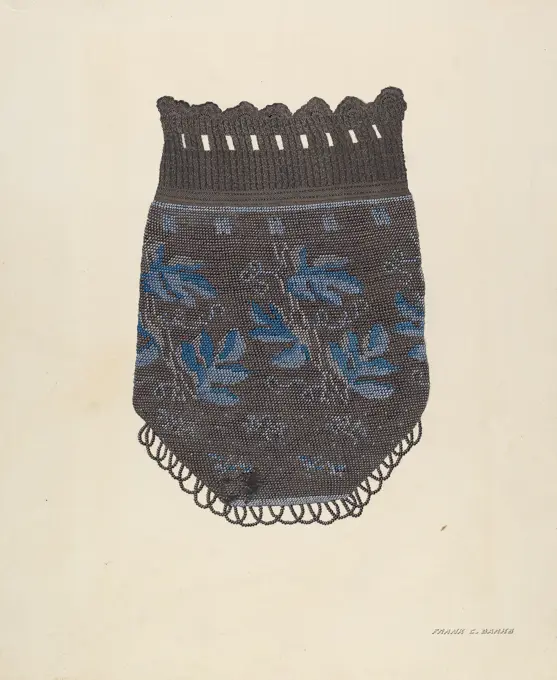
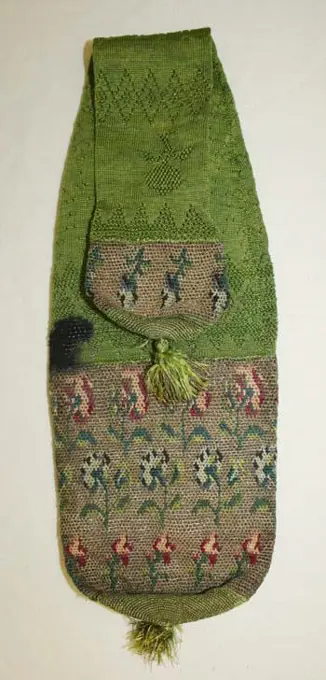
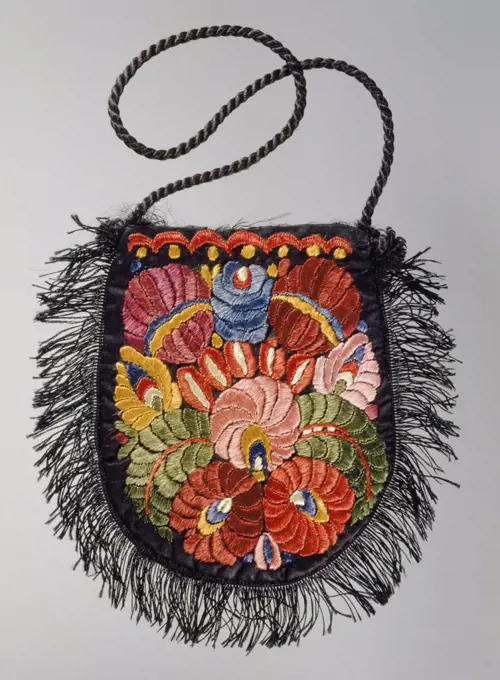
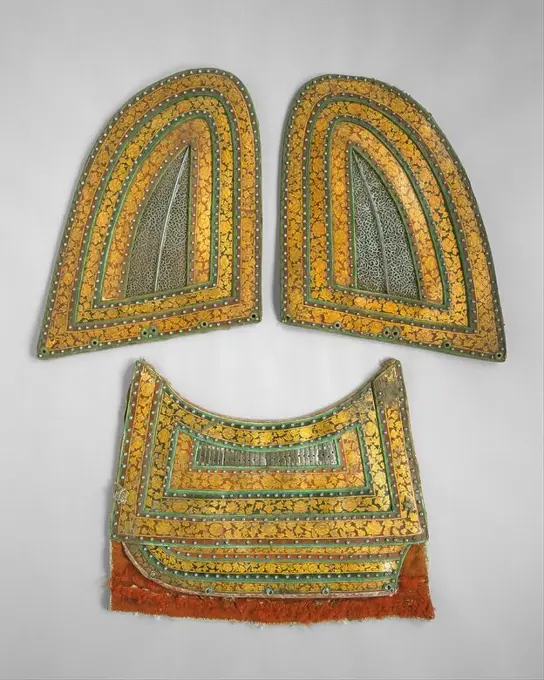
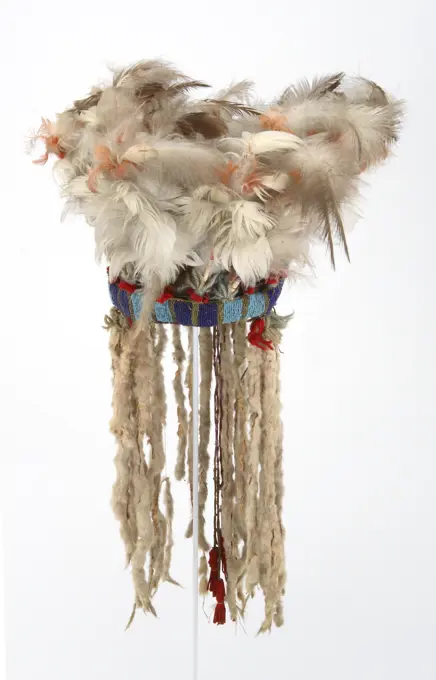
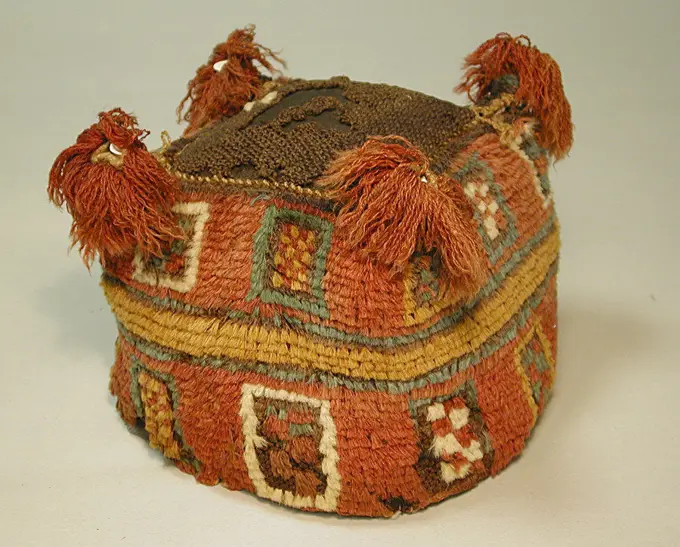
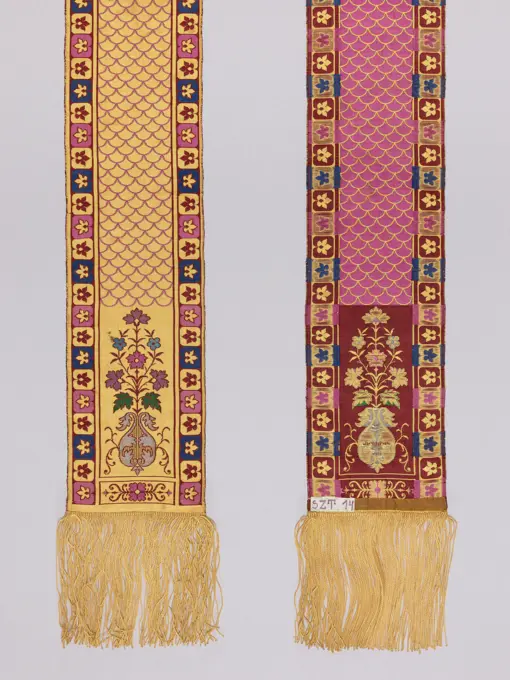
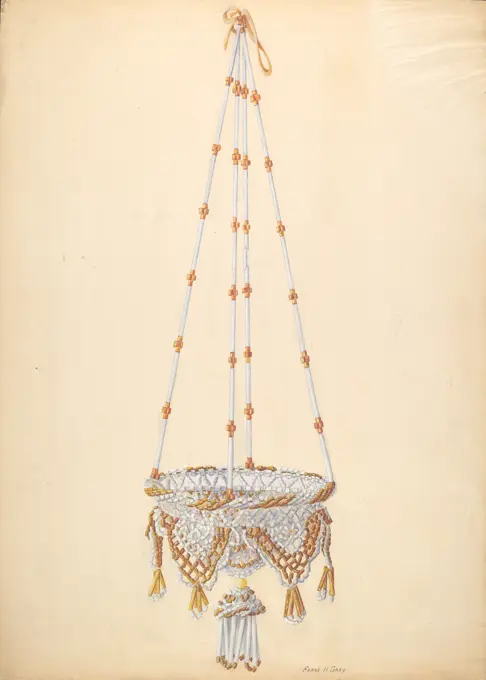
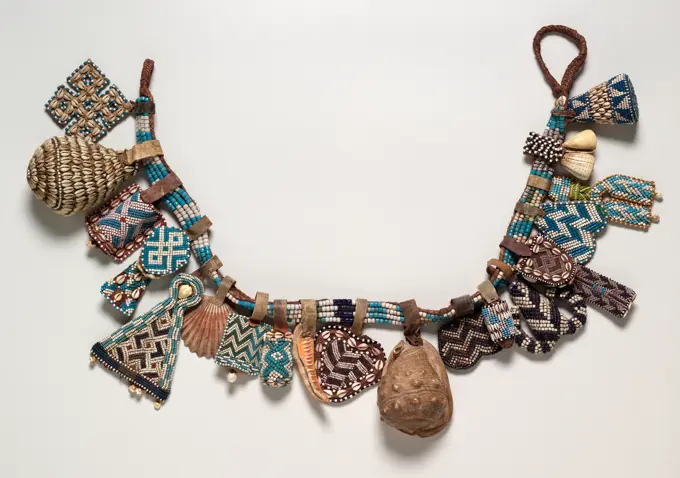
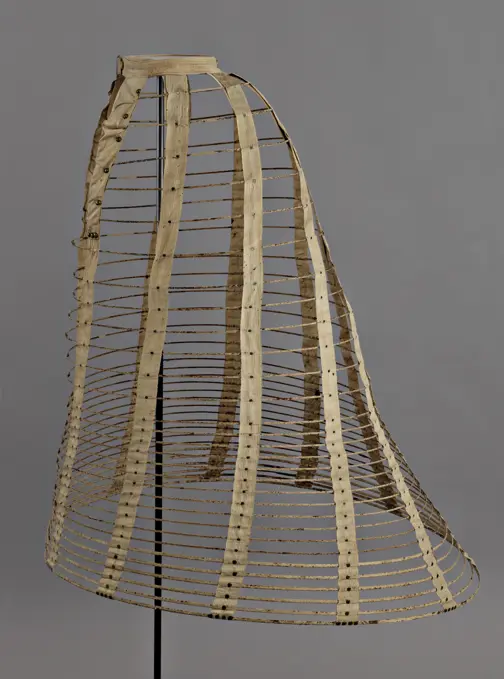
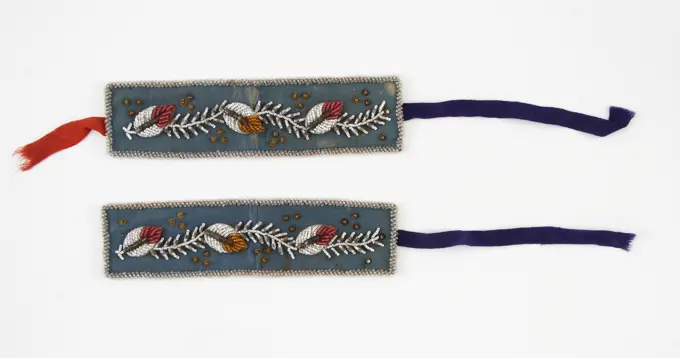
Sleeve or legging (), ChinaRoundel 5th-6th century. Roundel 446863Head Band, from a two-piece set, 26 1/4 x 5 in. (66.68 x 12.7 cm) (including fringe), Cotton, ChinaTextile belt;  19th century (1801-00-00-1900-00-00);Reticule 1818-30 Mexican The unusual shape of this early miniature reticule suggests that it served a decorative, rather than functional purpose. Probably hand knitted, it is part of the Mexican beadwork collection of over 600 pieces assembled by Elizabeth Morrow (1873-1955), mother of writer Anne Morrow Lindbergh, the wife of renowned aviator Charles Lindbergh. Morrow collected the objects between 1927 and 1930, when her husband, Dwight Morrow, Sr., served as U.S. ambassador to Mexico. She lent the collection to the Brooklyn Museum in 1938 and upon her death, her children donated it. A collection of 155 pieces of Mexican ceramics and other decorative arts were given to Amherst College, her husband's alma mater. Mrs. Morrow collected Mexican beadwork, along with other examples of colonial and native arts, to decorate their country home in Cuernavaca in order to promote a more peaceful image of that country through its works. The Morrows sought to overturn the perception of post-revolutSegusha, 1930-1940, 33 x 34 in. (83.82 x 86.36 cm), Silk, wool, cotton, metal; slanted buttonhole stitch, chain stitch, double chain stitch, Uzbekistan, 20th centuryHead covering, Medium: linen, wool Technique: embroidered, Head covering of natural colored heavy linen constructed in two pieces and trimmed at the bottom with a wide border of crochet. Top is embroidered with a geometric design in black, orange, blue and green. The bottom has a different geoemtric design in orange, black, blue, green and red., 19th century, embroidery & stitching, Head coveringBag Face For A Chuspa (Peru); wool, cottonBaby bonnet -Leg Wraps, 20th century, 39 5/8 x 14 in. (100.6 x 35.6 cm), Cotton, China, 20th centuryPouch 1870-79 French. Pouch 156752Chasuble unknownBag 7th century Nasca. Bag 308023Wooden Comb with Woolen Decoration 10th-16th century () Peruvian. Wooden Comb with Woolen Decoration 316869Skirt, 20th century, Unknown Thai, 38 1/2 x 24 1/2 in. (97.79 x 62.2 cm), Cotton, Laos, 20th centuryTextile Fragment 15th-16th century The main decorative element of this wool fragment depicts a blue medallion, containing abstracted yellow and white birds flanking a plant or tree. Other areas of the fragment are ornamented with interlaceing pattern in a rainbow of colors. Similar woven textiles continued to be produced under Christian patronage after the fall of the Nasrid kingdom in 1492, testifying to their aesthetic appeal for Christians as well as Muslims.. Textile Fragment 451456Head scarf, early 20th century, 44 x 46 1/8 in. (111.76 x 117.16 cm) (without tassels), Silk (), Turkey, 20th centuryCoca bag, Medium: wool Technique: warp-faced plain weave, Flat bag woven in stripes of red, green, yellow and brown. Hand sewn at sides to form bag. Red tassels at corners. warp selvage for bag opening, reinforced by overcasting, Peru, possibly 1200, woven textiles, Coca bagTextile Bag, c. 1100-1400. Peru, Central Coast, Chancay, Pachacamac, 12th-15th century. Tabby weave, warp patterned; wool; average: 24.2 x 38.8 cm (9 1/2 x 15 1/4 in.).Four-Cornered Hat, c. 1400-1532. Peru, South Coast, Ica Valley, Inca Culture, 15th-16th century. Camelid fiber; overall: 7.5 x 14 x 14 cm (2 15/16 x 5 1/2 x 5 1/2 in.).Capa pluvial de San Valero, siglo XII. Museu del Disseny de Barcelona.Eva Wilson, Linen  Red Border with Sunflower, c 1937 Linen - Red Border with SunflowerWhistle, 1940s, 20 x 10 3/8 x 2 in. (50.8 x 26.35 x 5.08 cm), Wood, leather, beads, Cameroon, 20th centuryCeremonial Scarf (bufando or ufanta) Made 1850-1900 Bolivia. Wool and cotton, warp-faced plain weave embroidered with cross stitches; attached crochet edging and borders terminating in knotted cut fringe . AymaraSkirt (sin muk), 1950s, 54 5/8 x 26 1/2 in. (138.75 x 67.31 cm), Cotton, silk, Vietnam, 20th centuryMan's Miser's Purse. France, circa 1830. Costumes; Accessories. Silk, metal, cut steel beadsHuipil, late 1800s or early 1900s. Guatemala, Quetzaltenango, late 19th or early 20th century. Woven wool and embroidered wool and silk on cotton; overall: 109.9 x 50.8 cm (43 1/4 x 20 in.).Bliżej Kultury unknownStorage Bag 19th century. Storage Bag. 19th century. Glass beads. Attributed to Iran. GlassSpeech fair of wine red velvet, embroidered in silver thread and green silk with gold and silver foil, with a monstrance between grape tray and corner. Speech fair of wine red velvet, embroidered in silver thread and green silk with gold and silver foil, with a monstrance between grape tray and corner. Model: Flat round bottom of which a wavy upright edge is provided with holes, leaving a cord of red braided silk - ending in a pair of width with silver thread and red silk with round silver slices and a brush. On both sides a loop of braided red silk to facilitate the covering. In addition to a drawstring, this game fair also has a handle consisting of the same braided red silk cord with a larger little bit with brush. Lined with red silk. Decoration: The 23 bulges or ribs are decorated with a stacked ornament consisting (from bottom up): a drop, a double heart, a drop, a double heart, a heart. These forms are made up of a border of rotated silver cannetille and silver and gold-plated sHat -Knife -surgeon s knot joining different ropes isolated surgeon s knot joining different ropes isolated on white background Copyright: xZoonar.com/ValeryxVoennyyx 13966589Sash -Necklace -Baby hues of linen batist with ramps and ajour work, and an edge of Rijsselse side, Anonymous, c. 1850 Baby covers of linen batist. The hat is decorated with jobs fils tirés and sewn -up strips. The hat is trimmed with a Rand Rijssel side. West-Europa Linen (Material). strip: Lille lace Baby covers of linen batist. The hat is decorated with jobs fils tirés and sewn -up strips. The hat is trimmed with a Rand Rijssel side. West-Europa Linen (Material). strip: Lille lacePurse ca. 1785 British. Purse 156991Status Cloth (Democratic Republic of the Congo); raffiaBag of stone red Peau de suede with a frills along the top edge and a brush down. Bag in an elongated shape whose bottom is in a point. The bag is entirely from a brick-red Peau de suede with a frills along the top edge and a brush at the bottom. The model has four pattern parts, waravan two form a soufflé, which are sewn together with a locker. At the bottom of a brush, formed by a rolled strip of suede carved in jobs. Through holes in the upper edge, two twisted red string are strung with two brushes at the ends. The bag is unlined.Headpiece, from a three-piece set, 20th century, 71 1/4 x 10 in. (180.98 x 25.4 cm) (without fringe), Cotton, beads, wool; needlework, Vietnam, 20th centurySkirt, ChinaCamel or Horse Trapping, c. 1920, 62 1/2 x 76 1/2in. (158.8 x 194.3cm), cotton, silk, hair, wool; needlework, Turkmenistan or Uzbekistan, 20th centuryPerfume sprinkler. Culture: British. Dimensions: L. 4 x W. 2 inches (10.2 x 5.1 cm). Date: third quarter 17th century. Museum: Metropolitan Museum of Art, New York, USA.Lunch Basket, 20th century, 8 1/2 x 11 3/16 in. (21.59 x 28.42 cm), Plant fibers, leather, Ethiopia, 20th centuryMasonic insigniaKontusz sash. Warsztat Jakuba Piotrowicza (Konstantynopol ; wytwórnia pasów ; ca 1700-1750), manufactureStrip open sewing with three windows. Strip natural-colored open sewing: work with pulled out wires. The pattern with three diamonds made by openings in the rectangular piece of textile. Four elongated openings in the center of the windows. Above and at the point where the windows also touch two elongated openings. The pattern with the windows is framed with several ornamental edges, including a zigzag edge, with small openings. The openings in this textile are created by pulling out wires. Stitches are embroidered around the remaining wires.Cap with Feathers 10th-14th century Arica. Cap with Feathers 316958Miniature Basket, 20th century, 1 3/8 x 4 1/8 x 2 3/8 in. (3.5 x 10.5 x 6.0 cm), Natural plant fibers, United States, 20th century, In the early 1900s, many Euro-American women traveling through the Southwest region of the United States became infatuated with miniature Native American baskets, and some became avid collectors. Native women basket makers responded to this demand by creating ever-smaller baskets, utilizing the same harvesting, processing, and coiling techniques as those for personal use. Creating tightly woven, tiny baskets in an expanding range of designs and styles for their new clientele required the same levels of expertise and knowledgebut perhaps even more dexterity and skill.Apron, ChinaUnder Apron, 28 3/4 x 21 in. (73.03 x 53.34 cm) (including ties), Cotton, ChinaUuk kap Ilgich, late 19th-early 20th century, 31 x 12 in. (78.74 x 30.48 cm), Silk, wool, cotton, metal; chain stitch, cross-stitch, fishbone stitch, slanted buttonhole stitch, Uzbekistan, 19th-20th centuryRalph Atkinson, Beaded Bag, 1938 Beaded BagPurse; Designed by Franz Xaver Unterseher (German, 1888-1954); Made by Emma & Sophie Maull; silk, glass beads, silverDoll accessory 18th century French. Doll accessory 98274Veil ca. 1835 probably British Hat veils like this were worn both to veil the face modestly and also around the hat, off the face, to decorate the hat and facilitate flirtatious glances. The color of this one is particularly attention-getting. The motifs and their linear configuration, standard on veils of this type and period, show influence of Indian textile patterns.. Veil 158251Womans Belt Hangings 18th-19th century Newari for Tibetan market Personal grooming tools were integrated into the elaborate ensemble of jewelry worn by women on important occasions. Dangling below this pair of belt hangings are nail clippers, an ear pick, a nail cleaner, a pin, and tweezers.. Womans Belt Hangings. Newari for Tibetan market. 18th-19th century. Gilt silver, rubies, emeralds, sapphires, coral, shell, lapis lazuli, and turquoise. JewelryChinese-Style Charcoal Basket (Sairō-sumitori) for Sencha Tea Ceremony mid-19th century Japan. Chinese-Style Charcoal Basket (Sairō-sumitori) for Sencha Tea Ceremony 62181Ilgich, 19th century, 28 x 30 in. (71.12 x 76.2 cm), Wool, silk; blanket, needle chain stitch, continuous-thread couching, spaced buttonhole-filling stitch, outline stitch, Uzbekistan, 19th centuryShawl 1850-59 American. Shawl 169097Bonnet ca. 1865 American. Bonnet 169915A weaving made from wool dyed with natural dyes at a weavers home in Teotitlan del Valle, a small town in the Valles Centrales Region near Oaxaca, southern Mexico.Trimming 1750-75 French. Trimming 107914Weitas with leather bag and belt ,, 1700 - 1800  Weitas with semicircular flat leather bag on a belt that is attached by means of a copper buckle and hook. Various courses in the bag. A linen bag is attached about the leather bag (now pale in color) covered with a rope button. Below the Weitas, this button work runs into a lane of rope fringes. The carrying strap is decorated with leather braid. Netherlands copper (metal). leather. ropeSling Shot with Shells 14th-15th century Chimú or Chancay. Sling Shot with Shells 315749Agbada, 45 x 94 in. (114.3 x 238.76 cm) (at hem), Cotton, NigeriaOpera cape ca. 1899 House of Worth French. Opera cape 101642Incense Stick Burner. Culture: Japan. Dimensions: H. 3 1/8 in. (7.9 cm); W. 1 3/4 in. (4.4 cm); D. 1 3/4 in. (4.4 cm). Date: 18th century. Museum: Metropolitan Museum of Art, New York, USA.Hat. Wari; Peru, Probably central or south coast. Date: 600 AD-900 AD. Dimensions: 12 x 15.2 cm (4 3/4 x 6 in.). Wool (camelid), square knotted ground with interworked yarns forming cut pile. Origin: Peru. Museum: The Chicago Art Institute, Chicago, USA.Ann Gene Buckley, Bag, 1935 1942 BagPouch fourth quarter 19th century American The well-executed design on this pouch bag includes a naturalistic depiction of lilies executed by varying the size and color of the beads. The twisted and colorful loop fringe is exceptional.Margaret S. Bedell (1861-1932) donated, by gift or bequest, over 500 objects to the Brooklyn Museum, including furniture, quilts, samplers, costume and Native American beadwork. Her collection of American and European beaded bags includes examples from Philadelphia and the Catskill Mountain region of New York State, as well as Italy, Austria, Germany, and Holland.. Pouch 156446Tassel, Medium: silk, metal thread, wooden core, Skirt of colored silks and metal threads with pink, white, blue, green and yellow tassels. Collar of fringed silk and looped metal threads. Head is vase-shaped with a covering of gilt, yellow, white and blue spiral stripes on a pink ground. Cord of red and green knotted silk threads., Spain, 18th century, trimmings, TasselPouch, ChinaPurse, Medium: silk, steel beads, steel frame Technique: crochet with beadwork, Ladies' purse worked in crochet in blue and tan silk with vertical stripes of steel beads and looped fringe at the bottom. Steel frame for opening., USA, mid-19th century, costume & accessories, PurseFrank C Barks, Bag, c 1938 BagMiser's purse early 18th century British. Miser's purse 117276Bag with polychrome silk embroidery on a satin base, and fringed contour, 1925-1930, fashion accessories, Italy, 20th century.Traditional Costume DetailPair of Neck Defenses (Crinet) and Breast Defense (Peytral) from a Horse Armor. Culture: Tibetan or Mongolian. Dimensions: Left neck panel (a): H. 19 1/2 (49.5 cm); W. 22 in. (55.9 cm); right neck panel (b); H. 19 3/4 in. (50.2 cm); W. 22 in. (55.9 cm); peytral (c): H. 19 in. (48.3 cm); W. 24 1/2 in. (62.2 cm). Date: 15th-17th century.These three pieces are remarkable for their excellent state of preservation, and rank among the most elaborately decorated examples of Tibetan leather horse armor known. The vivid decoration consists of repeating patterns of stylized lotus, peony, and other blossoms in gold, set against alternating reddish orange, black, and maroon grounds. The lacquerlike effect appears to consist of a base layer or layers of pigmented shellac, the gold floral designs in gold leaf, a layer of shellac over the gold leaf upon which the details were painted in fine black lines, and a final coat or coatings of a tung oil glaze. In addition to their elaborate decoration and Laos: Woven silk at Lao Textiles, Vientiane. Lao Textiles is a showroom and weaving studio based in Vientiane, Laos. The business was founded by American, Carol Cassidy in 1990, and produces a wide range of hand-woven, silk textiles including brocade, tapestry wall hangings and curtain fabrics.Headdress -Four-Cornered Hat 8th-10th century Wari Finely woven, brightly colored hats, customarily featuring a square crown, four sides, and four pointed tips, are most frequently associated with two ancient cultures of the Andes: the Wari and the Tiwanaku. The Wari Empire dominated the south-central highlands and the west coastal regions of what is now Peru from 500-1000 A.D. The Tiwanaku occupied the altiplano (high plain) directly south of Wari-populated areas around the same time, including territory now part of the modern country of Bolivia. The cultures not only developed and flourished as contemporaries, but also occupied adjacent lands for nearly four centuries. A Wari ceremonial center called Cerro Baúl was located a mere five miles from Tiwanaku-settled fields in the Moquegua Valley of Peru. The two cultures likely encountered each other at Cerro Baúl and elsewhere, but the nature of these interactions remains largely unknown. Four-cornered hats from both the Wari and the Tiwanaku wereNecklace: strings of beadsChief Blanket (Third Phase) Made 1855-1865 Southwest. Navajo (DinÈ) blankets made using fine churro wool and natural dyes are valued as works of special artistic and cultural significance. The design of this blanket, which features a steeped diamond in the center, quarter-diamonds ar each corner, and half-diamonds in the center of each side, was first introduced during the 1860s. The stripes of white, black-brown, and red reflect the continued use of pattern elements typical of earlier blankets. Although such textiles are known as ìchiefsí blankets,î prominent men from tribes as far away as the Northern Plains, Southwest, and Great Basin wore them draped over their shoulders as a sign of their wealth and status.The Navajo believe that the deity Spider woman taught women how to weave and continues to work through todayís artists by directing the growth and beauty of each textile they make. Finished blankets are thought to have life forces of their own, radiating a sense of vitality and Shingles;  1890-1910 (1890-00-00-1910-00-00);Close-up of ruched brown silk cushions on folded gold and rust-coloured Indian silk throwBreast cover, 20th century, 13 3/4 x 36 in. (34.93 x 91.44 cm), Cotton, metal; needlework, Vietnam, 20th centuryBelt -Frank Gray, Beadwork Hanging Basket, c 1937 Beadwork Hanging BasketAnonymous / "Pot", Towards 1500, Ceramics (Terracotta decorated to the dry rope), 33.5 x 10 cm.Royal Belt (yet), possibly early 1900s. Africa, Central Africa, Democratic Republic of Congo, Kuba Kingdom, Kuba maker. Plant fiber, rawhide or leather, glass beads, seashells, cowrie shells, cloth, and colorant; overall: 139.5 cm (54 15/16 in.).Cage crinoline - J. W. Bradley J. W. BradleyHat -colorful traditional asian skullcap cap on a dark background. traditional asian skullcapCradleboard ca. 1890 Ute, Native American Relatives made this cradleboard in yellow ocher for a baby girl; they would have used white clay paint for a boy. Its wooden backboard is covered in leather and ornamented with geometric and curvilinear designs in pigment and beadwork. A hood of thin wooden rods provided protection if the cradleboard tipped forward and also kept the sun from the babys eyes. A small beaded case used to hold a stitching awl for sewing heavy hides hangs from the side.. Cradleboard. Ute, Native American. ca. 1890. Wood, tanned leather, pigment, glass beads, wool cloth, metal cones, feathers, and bone. Possibly made in Colorado, United States; Possibly made in Utah, United StatesFringe, Medium: silk Technique: woven, Red and yellow fringe with a checkboard heading and a skirt of yellow loops forming a scalloped edge; each three loops supporting a red silk ball., Greece, 18th century, trimmings, FringeEnsemble 1889 American. Ensemble 105003Jabot of pleated champagne -colored and blue silk, anonymous, c. 1930 Jabot of pleated champagne colored and blue silk. Model: to two pieces of champagne -colored side - which differ in length - a bow in the same color is attached; A lane blue side is sewn around the knot of the bow. West-Europa whole: Silk Jabot of pleated champagne colored and blue silk. Model: to two pieces of champagne -colored side - which differ in length - a bow in the same color is attached; A lane blue side is sewn around the knot of the bow. West-Europa whole: SilkArmband -Headdress -