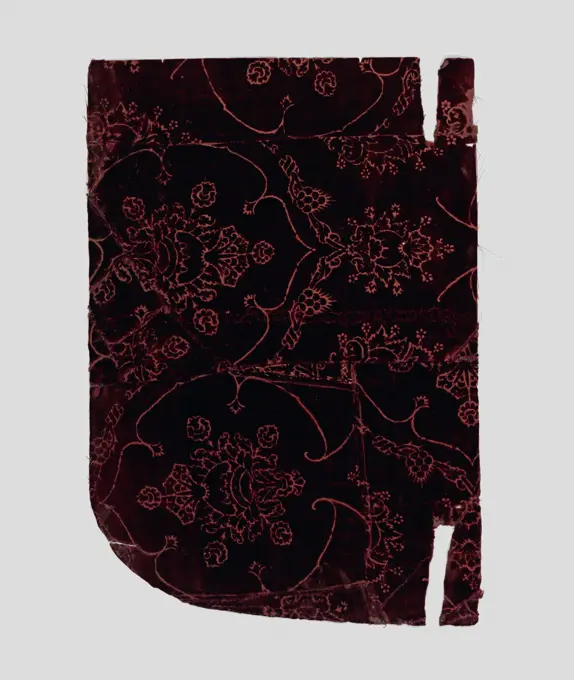
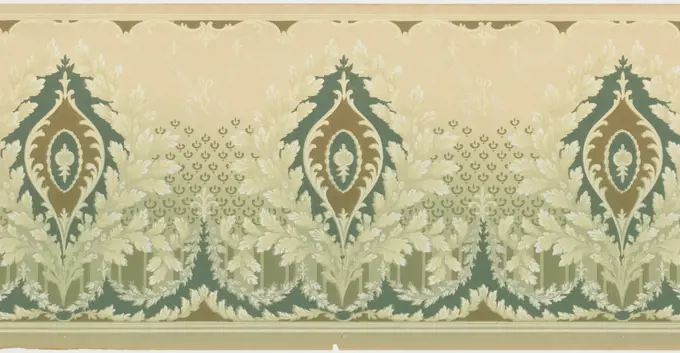
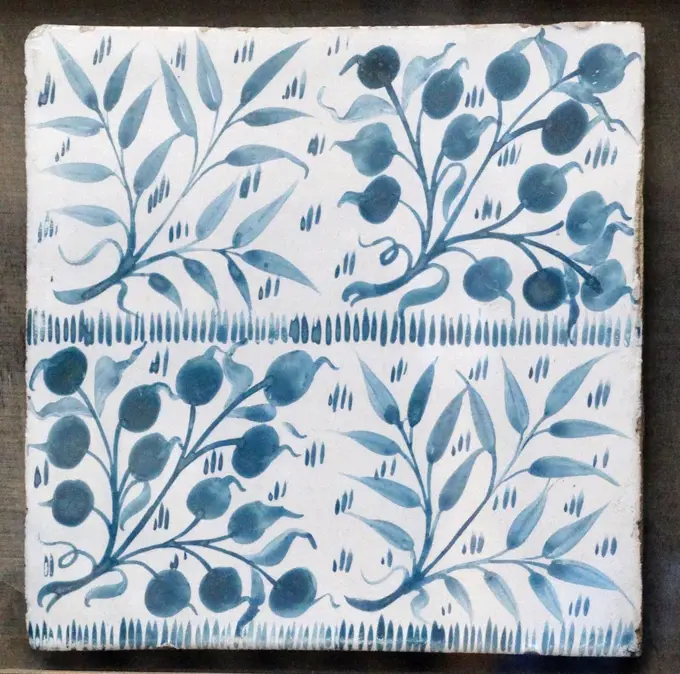
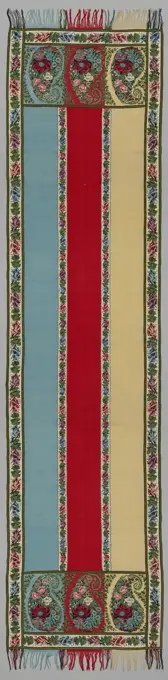
Traditional Textiles of Asia

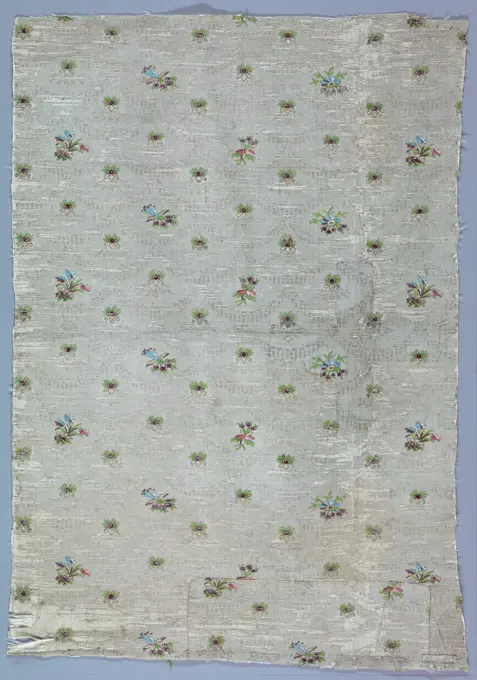
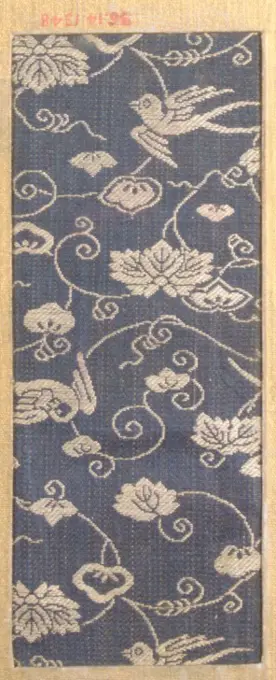
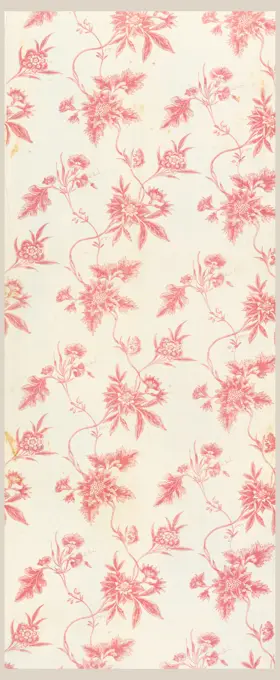
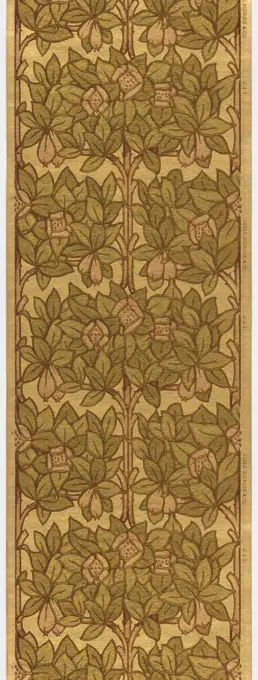
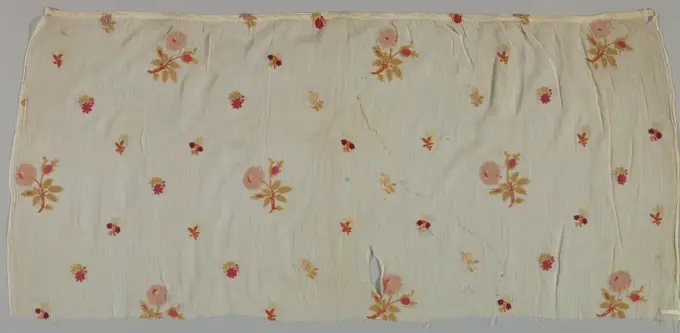
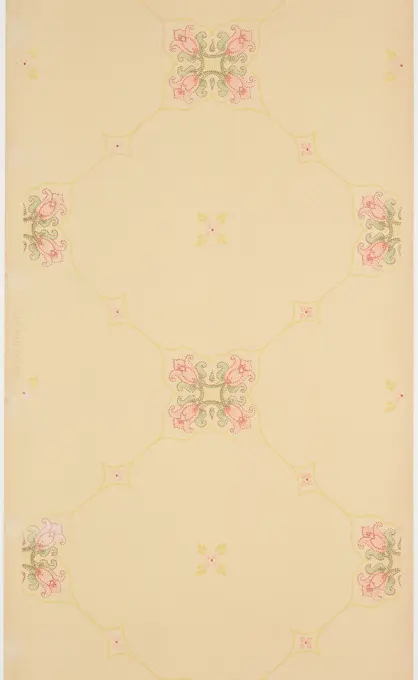
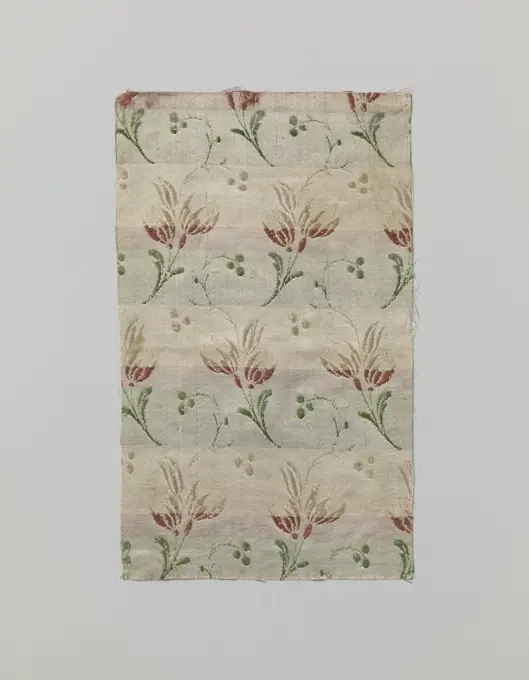
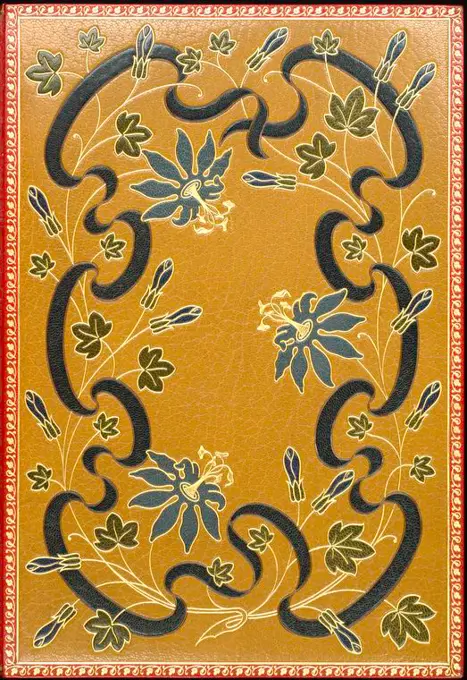
A collection of historic textiles featuring floral and geometric patterns, including stenciled resist and silk brocade designs in varied color palettes.

Textile, Medium: cotton Technique: stenciled resist on plain weave (katazome), Two columns of offset hexagons with flower centers. Surrounding hexagons are curling leaves and flowers forming cross shapes. Design is primarily comprised of white dots in reserve and red accents., Japan, 19th century, printed, dyed & painted textiles, Textile
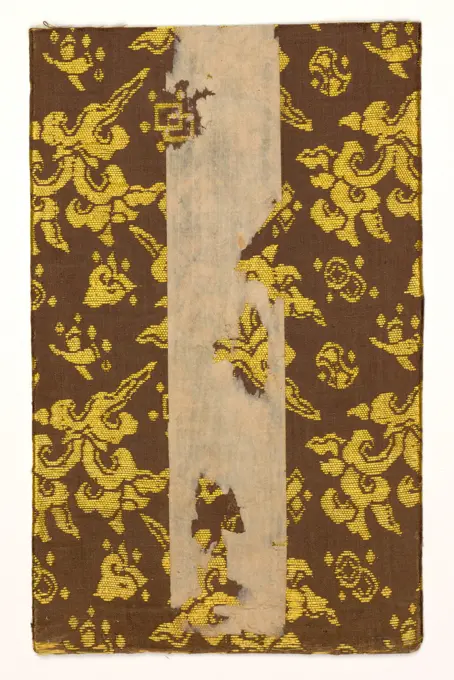
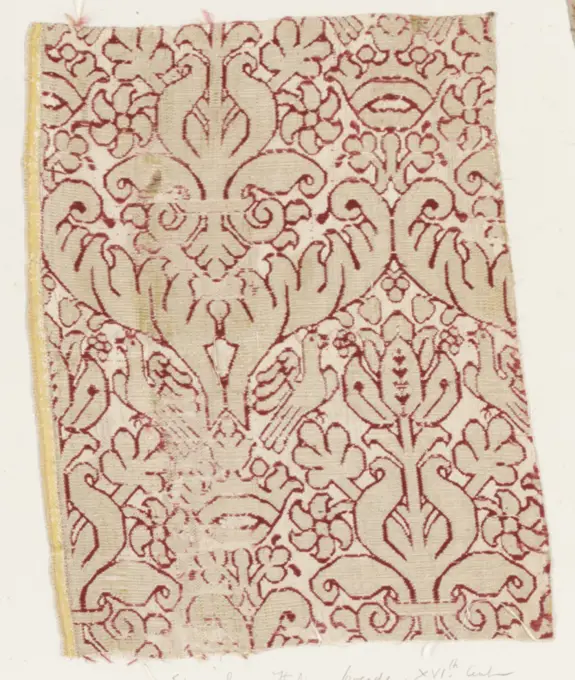
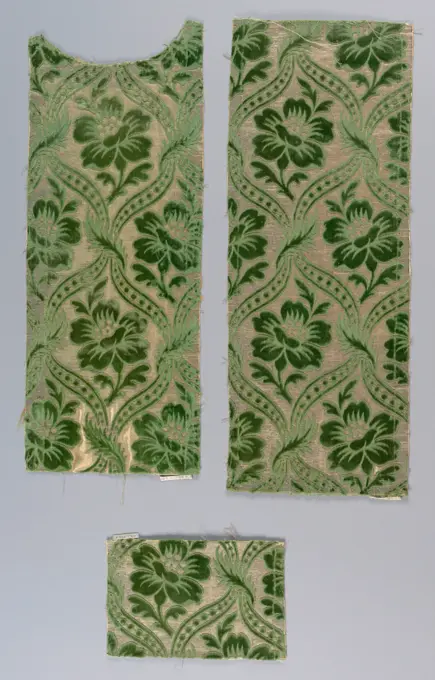
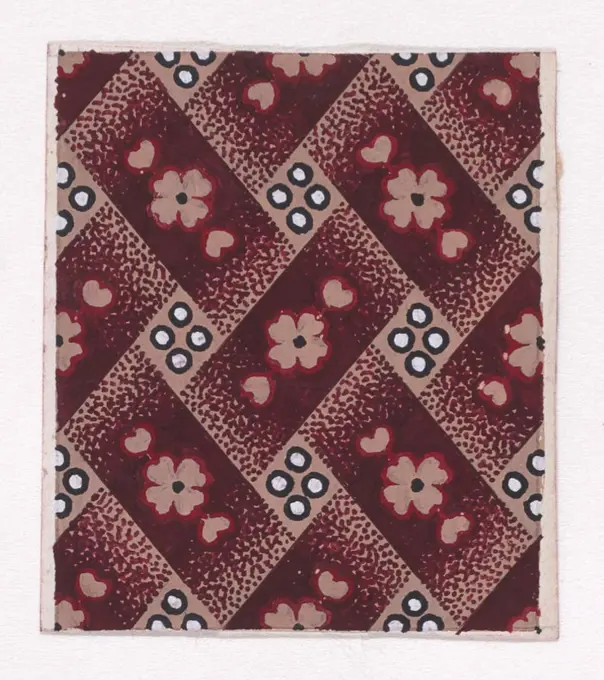
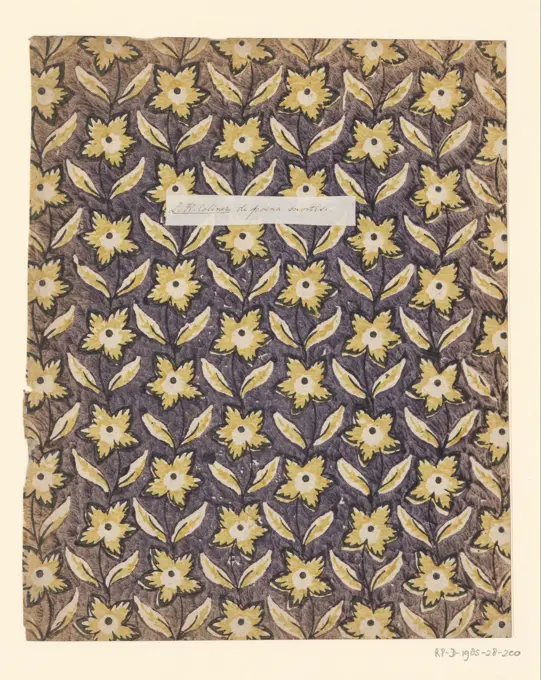
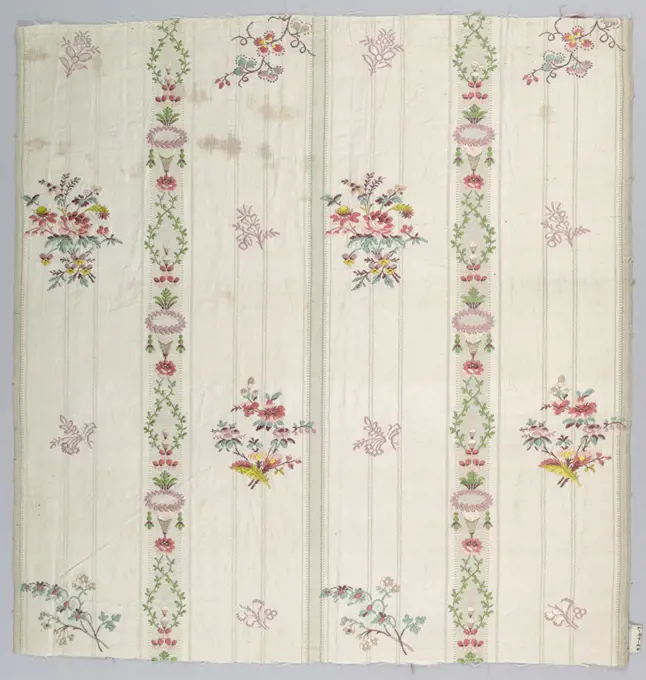
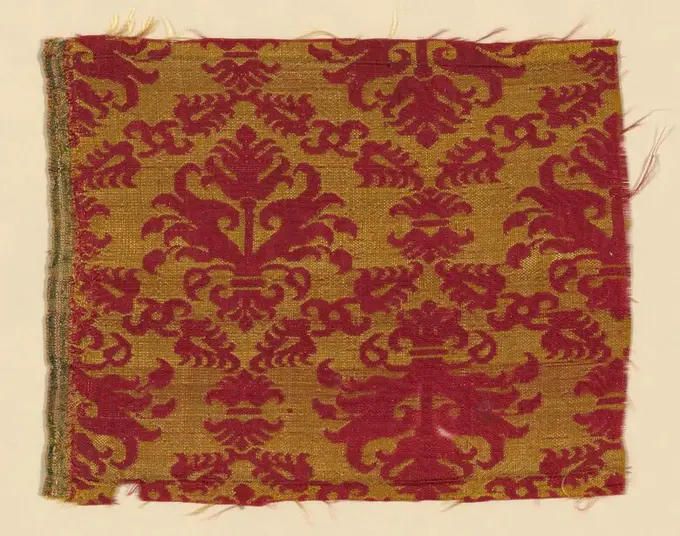
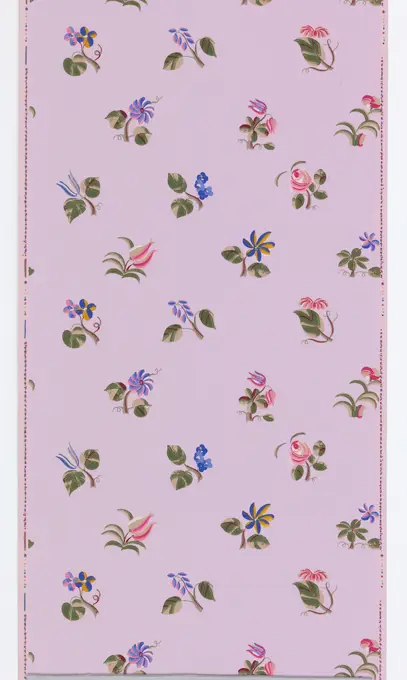
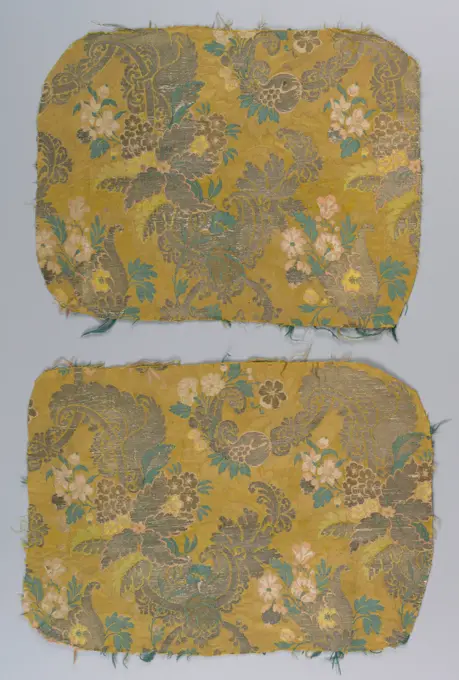
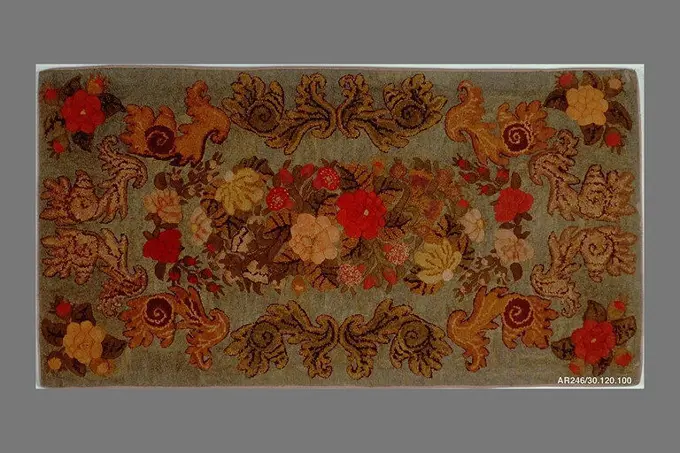
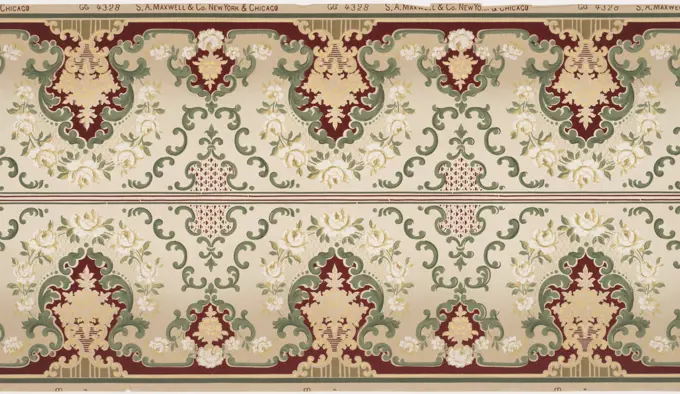
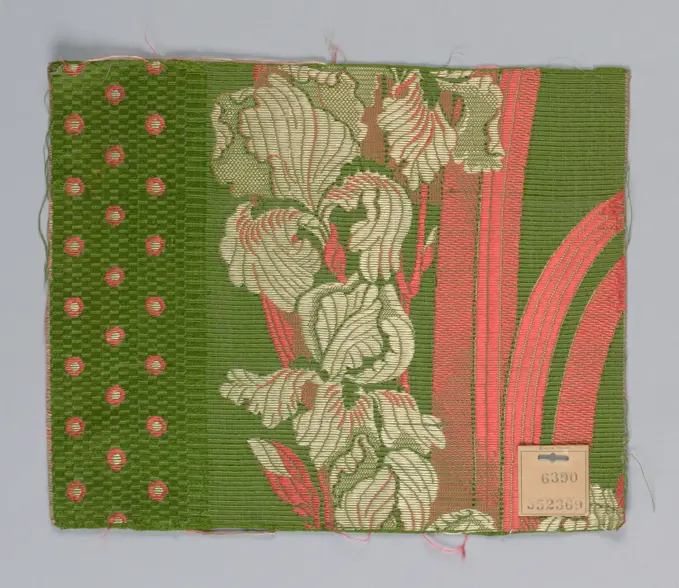
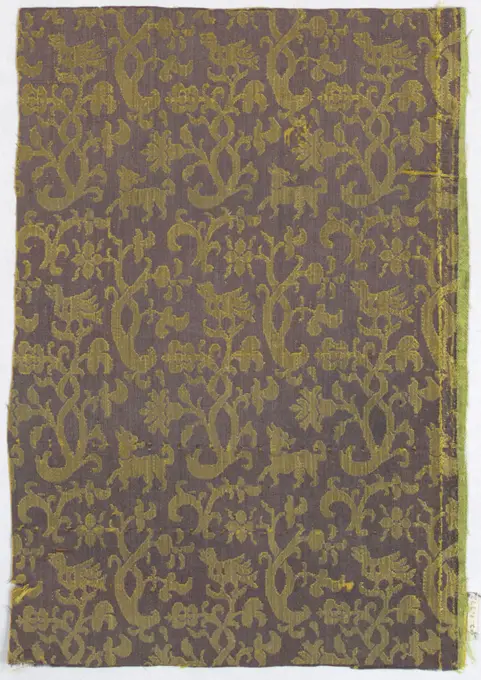
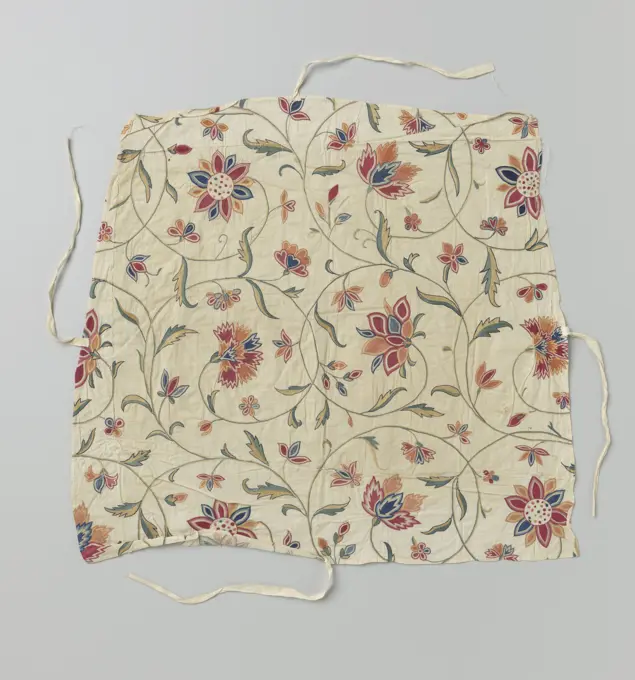
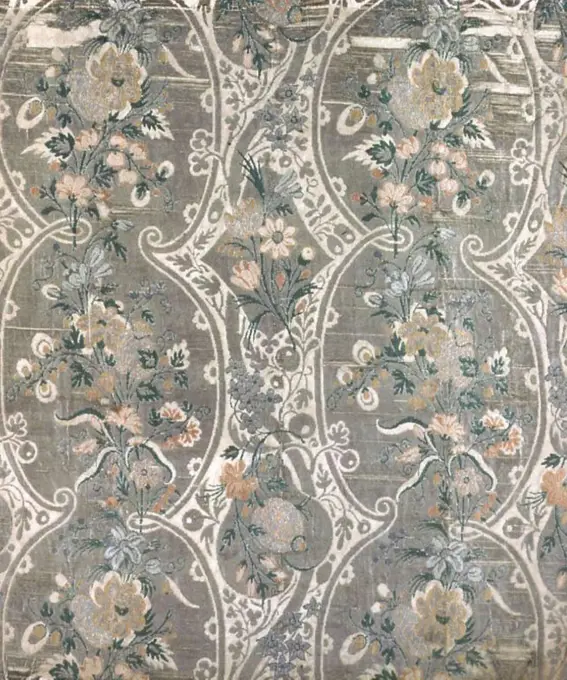
Textile, Medium: linen warp, cotton weft Technique: block printed on plain weave, Handblocked textile in an incomplete floral pattern in madder colors of red and brown of floral sprays. Elaborate picotage background in red, and in sepia, a picotage design of windmill and flowers., France, ca. 1760, printed, dyed & painted textiles, TextileRibbon Samples (France); silk, metallic threadSidewall (USA); machine-printed; 21 x 14.5 cm (8 1/4 x 5 11/16 in.); Purchased in memory of Mrs. John Innes Kane; 1945-60-16Textile Book Cover, 1800s. Japan, 19th century. Silk; overall: 21 x 12.7 cm (8 1/4 x 5 in.).Linnamast napkin with a edge pattern., Anonymous, c. 1750 - c. 1775 Linnamast napkin with a side pattern and an enclosed bouquet. The napkin includes a napkin with invnr. BK-1977-301-A. Flanders (Possible) linen (material) damask Linnamast napkin with a side pattern and an enclosed bouquet. The napkin includes a napkin with invnr. BK-1977-301-A. Flanders (Possible) linen (material) damaskFragment 16th century Spanish or Italian. Fragment 230470Textile (Russia); silk, cotton, metal stripsSidewall Sample; machine-printed on paper; 22.5 x 22.5 cm (8 7/8 x 8 7/8 in.)Fragments; silk, metallicGobelin chair cover;  1. PO. 20th century (1901-00-00-1950-00-00);Textile Design with Basketweave Pattern Background, Small Rosettes Flanked by Two Leaves and Pearls 1840 Anonymous, Alsatian, 19th century Rectangular sheet of paper with a textile design from a group, dated 1840, made in Mulhouse, Alsace, which was an important nineteenth-century center for textile production in the Haut-Rhin region of France. The design is made up of a basket weave pattern background of dark reddish-brown color with shades of stipples of light tan color. Small rosettes of light tan color with red outlines and a small black dot in the center, flanked by stylized leaves of the same color on the sides, lie over the ribbons that conform the basket weave. In the spaces between the ribbon are adorned with groups of four pearls of white color with black outlines aligned in the shape of lozenges.. Textile Design with Basketweave Pattern Background, Small Rosettes Flanked by Two Leaves and Pearls. Anonymous, Alsatian, 19th century. 1840. GouacheFragment; silk, metallicTextile, Medium: cotton Technique: resist printed on plain weave, Fragment in two shades of blue on a white ground. Design of undulating branches with large cup-shaped blossoms and curling leaves with pendant fruit. Much use of fine lines and dots to enhance design., USA, 1700-1750, printed, dyed & painted textiles, TextileRibbon French 19th centuryFragment of silk fabric unknownPiece Japan 18th-19th century View more. Piece. Japan. 18th-19th century. Silk. Textiles-WovenTextile (England); cottonTextile Length. Jean Revel (France, 1684-1751). France, circa 1740. Textiles; textile lengths. Silk plain weave with silk and metallic-thread supplementary-weft patterningSidewall - Sample (USA); machine-printed; 72 x 49 cm (28 3/8 x 19 5/16 in.)Fragment; silk, metallic yarnsSidewall (England or United States); machine-printed; 94 x 50 cm (37 x 19 11/16 in.)Sidewall, The Golden Tiffany; Manufactured by Sears, Roebuck and Co. (United States); USA; machine printed on embossed paperCeiling paper, Cresswell & Washburn Ltd, Philadelphia, Pennsylvania, 1880 - 1900, Machine-printed paper, liquid mica, Floral sprigs attached to foliate scrolls, alternating larger and smaller. Printed in green, white mica, and metallic gold on pale green ground., Philadelphia, Pennsylvania, USA, 1905-1915, Wallcoverings, Ceiling paperSidewall (England or United States); machine-printed on ingrain paper; 22 1/2 inches wide x full rollPiece 1760-70 French. Piece 223239Leaf with a job pattern of vertical tifles with flowers, anonymous, 1750 - 1900  Leaf with a job pattern of vertical tendrils with flowers. With label with inscription: 'L.H. Colinez, the Poena Mortis. ' Half of a cover.  paper. block printing (relief printing process) ornament derived from plant formsTextile, Medium: silk Technique: plain compound cloth, brocaded, Striped white taffeta with small-scale floral sprays brocaded in polychrome silks., France, 18th century, woven textiles, TextileFragment. Italy. Date: 1575-1600. Dimensions: 16.1 x 18.9 cm (6 5/16 x 7 7/16 in.). Plain compound cloth. Origin: Italy. Museum: The Chicago Art Institute, Chicago, USA.Piece 1745-50 French. Piece 224388Sidewall, Tausendblumen Thousand Flowers; Designed by Dagobert Peche (Austrian, 1887-1923, active Vienna, 1911-1923); possibly France; machine-printed paper; 92 x 56 cm (36 1/4 x 22 1/16 in.)Textile; silk, metallic threadNapkin with pattern of stars and rosettes and rococorand, anonymous, c. 1800 - c. 1900 Linnamast napkin with a geometric pattern of stars and rosettes (peel -like) on the field. A rococorand with flower vessels with large leaves and a flower fun in the corners runs around it. Brand: Originally Blue Cross Stitch GDW and 38. The napkin includes a napkin with invnr. BK-1979-53-B. Southern Netherlands (possibly) linen (material) damask Linnamast napkin with a geometric pattern of stars and rosettes (peel -like) on the field. A rococorand with flower vessels with large leaves and a flower fun in the corners runs around it. Brand: Originally Blue Cross Stitch GDW and 38. The napkin includes a napkin with invnr. BK-1979-53-B. Southern Netherlands (possibly) linen (material) damaskHooked Rug ca. 1878 Probably Edward Sands Frost. Hooked Rug. American. ca. 1878. Wool. Made in New England, United StatesFrieze, Maxwell & Co., S.A., Chicago, Illinois, USA, Machine-printed paper, liquid mica, Large and small alternating scrolled anthemions, c-scrolls, arcs of roses; treillage pattern. Printed in burgundy, gray-blue, white on light gray ground. Two borders printed across the width., USA, 1905-1915, Wallcoverings, FriezeLinnamast napkin with putti and flowers, anonymous, c. 1660 Linnamast napkin. The pattern has flowers and fruits between which putti that wear horns of abundance and putti that wear a flower basket. The running edge has a wavy line between which birds and flowers and a block edge. The napkin is general cargo, so it has no horizontal edges and corners. The napkin belongs to a tablecloth (BK-KOG-227-A).  linen (material) damask Linnamast napkin. The pattern has flowers and fruits between which putti that wear horns of abundance and putti that wear a flower basket. The running edge has a wavy line between which birds and flowers and a block edge. The napkin is general cargo, so it has no horizontal edges and corners. The napkin belongs to a tablecloth (BK-KOG-227-A).  linen (material) damaskValances (France); Made by Wetter Freres (France); cottonTextile length. Arthur Heygate Mackmurdo (England, 1851-1942, active London)The Century Guild (England, London, 1882-circa 1892)Simpson & Godlee (England, Manchester). England, circa 1882. Textiles; textile lengths. Cotton plain weave, printed.Textile (France); Company: Oberkampf & Cie. (France); linen warp, cotton weft; Warp x Weft (a): 53.3 x 45.7 cm (21 x 18 in.) Warp x Weft (b): 53.3 x 45.7 cm (21 x 18 in.) Warp x Weft (c): 53.3 x 45.7 cm (21 x 18 in.) Warp x Weft (d): 16.5 x 97.2 cm (6 1/2 x 38 1/4 in.); Purchase, Au Panier Fleuri Fund; 1986-84-2-a/dPieces of fabric. unknown, manufactureFragments; medium; silk, metallicTextile (Japan); cottonSample (USA); Manufactured by Orinoka Mills (United States); 1989-80-48Sidewall (USA); Made by M.H. Birge & Sons Co. (United States); machine-printed; 64.5 x 49 cm (25 3/8 x 19 5/16 in.)Fragment, Medium: silk Technique: 4&1 satin damask, Branch with dog and bird in plum and yellow., 17th century, woven textiles, FragmentSidewall, Block-printed paper, White foliate scrolls and flowers, roughly symmetrical in arrangement. Straight-across match., possibly France, 1840s, Wallcoverings, SidewallFragment, , c. 1690 - c. 1710 Fragment of a multi-colored tambourated Indo-Persian bedspread, decorated with volutes and flowers. Entertained into a trapezoidal chair cover. With a sewn linen strap in the middle of the four sides. India cotton (textile). silk embroidering Fragment of a multi-colored tambourated Indo-Persian bedspread, decorated with volutes and flowers. Entertained into a trapezoidal chair cover. With a sewn linen strap in the middle of the four sides. India cotton (textile). silk embroideringLeaf with spreading pattern of branches with leaves between parallel winding branches, anonymous, 1750 - 1900  Leaf with spreading pattern of branches with leaves between parallel winding branches. With label with inscription: 'C. Sanderson ... Venice de '. Half of a label.  paper. block printing (relief printing process) ornament derived from plant formsSamples, Orinoka Mills, (Philadelphia, Pennsylvania, USA), a. pink ground with flowers and ribbons, b. light blue ground with flowers and ribbons, c. green ground with flowers and ribbons, d. green ground with flowers and ribbons, USA, ca. 1910, woven textiles, SamplesTextile (France); silkSidewall, Carey Bros. W.P. Mfg. Co., Philadelphia, Pennsylvania, founded 1882, Machine-printed paper, Foliate medallion set within rectangular shape. Medallions are connected by swags. Printed in red, green and white on gray grid background., Philadelphia, Pennsylvania, USA, 1905-1915, Wallcoverings, SidewallTextile; cottonBorder; silk embroidery, cotton foundationPiece 17th century Japan. Piece 71723Panel Made 1709-1711 France. Silk, gilt-metal-strip-wrapped silk, plain weave with supplementary patterning and supplementary brocading wefts tied by supplementary binding warps in weft-float-faced 3 1 and 2 2 twill interlacings .Roller-Printed Cotton with Heron and Flower Design, 1800s. England, 19th century. Roller printed cotton; overall: 56.1 x 53.8 cm (22 1/16 x 21 3/16 in.).Textile, Medium: cotton Technique: block printed on plain weave Label: block printed on cotton plain weave, Fragment of block printed cotton in green, red, purple and black on light brown ground. Allover pattern of stylized floral bouquets., Jaipur, India, late 18th-early 19th century, printed, dyed & painted textiles, TextileShawl. unknown, authorCeiling Paper (USA); Manufactured by Maxwell & Co., S.A. (United States); machine-printed paper, ungrounded; 70.5 x 49.5 cm (27 3/4 x 19 1/2 in.)Sidewall (USA); Made by M.H. Birge & Sons Co. (United States); machine-printed; 88 x 50 cm (34 5/8 x 19 11/16 in.)Katherine Hastings, Quilt, c 1937 QuiltPiece 18th-19th century Japan. Piece 67132Orphrey from a Chasuble () first half 17th century Italian This panel of cut and uncut voided velvet and another in the Lehman Collection (1975.1.1769) were probably originally one long piece that was cut in two to make orphreys for the front and back of a chasuble (a liturgical garment worn during the celebration of the Mass). The polychrome design of a meandering garland of large blossoms and curling leaves is bordered by rows of smaller-scale foliage motifs edged with narrow bands of diagonal lines. The panels are finished with two different types of decorative tape. A polychrome velvet with a similar pattern of large flowers and leaves is in the Kunstgewerbemuseum der Stadt Köln.. Orphrey from a Chasuble () 461418Handkerchief; linenPiece 18th-19th century Japan. Piece 67211Sidewall (possibly USA); Manufactured by Fuller & Co.; embossed and gilded paper; 28.5 x 23.5 cm (11 1/4 x 9 1/4 in.)Textile (Greece); silk embroidery on linen foundationPiece 1851-72 Stinton Bros.. Piece. British. 1851-72. Cotton. Textiles-PrintedFragment brochure silk, anonymous, c. 1740 - c. 1760 Fragment of browned white silk with red and green silk flowers and leaves of gold and silver thread. Milkings Effenbinding. Netherlands silk. Fragment of browned white silk with red and green silk flowers and leaves of gold and silver thread. Milkings Effenbinding. Netherlands silk.Beautiful textileTextile (France); crewel wool on cottonCeiling Paper (USA); Manufactured by York Card & Paper Co.; machine-printed paper, liquid mica; 91 x 49 cm (35 13/16 x 19 5/16 in.)Fragment, Medium: silk Technique: woven, Pattern of bows and strings of pearls making lozenges containing urns or baskets of flowers., France, 1850-1900, woven textiles, FragmentSidewall (France); Manufactured by J. Zuber et Cie; machine-printed on continuous paper; 72 x 56 cm (28 3/8 x 22 1/16 in.)Fragment veelkleurig zijdesatijn.Fragment of a silk tissue; On green satin fond, in twill a pattern of two large curved flower branches, gathered with a wreath, alternately with a large floral owl white, yellow, green, pink and purple. Self-edge: sewn from each other with the seam 2 sewns; 0.5 cm, twisted twisted.Textile (USA); Designed by Sophia L. Crownfield (American, 1862-1929); silkFragment multicolored, striped seals ,, 1750 A fragment of white striped silk tissue with flowers of red and green. Germany silk A fragment of white striped silk tissue with flowers of red and green. Germany silkChair cushion made of cotton velvet wine red on Vaalgeel, Anonymous, 1500 - 1599 Chair cushion made of cotted velvet, wine red on valley yellow, belonging to armchair BK-16846. Pattern: in the middle a standing palmet made up of hanging small palmet rosette of curl motifs, acanthus leaves and crowned tulip. The whole surrounded by Wingerd and Arabeskblad. A small flying bird on either side. Furthermore, leaf vines. Shape: trapezoidal with four cavities for the armrest stars. Italy velvet (fabric weave) Chair cushion made of cotted velvet, wine red on valley yellow, belonging to armchair BK-16846. Pattern: in the middle a standing palmet made up of hanging small palmet rosette of curl motifs, acanthus leaves and crowned tulip. The whole surrounded by Wingerd and Arabeskblad. A small flying bird on either side. Furthermore, leaf vines. Shape: trapezoidal with four cavities for the armrest stars. Italy velvet (fabric weave)Back doublure.. 1899 - 1902. bindings (gathered matter components), Book covers. Spencer Collection. BookbindingFragment sits with flower branches and springy leaves, c. 1750 Fragment sits with a decor of flower branches and here and there springy leaves. Milket at the top. India cotton (textile). chintz printing / chintz Fragment sits with a decor of flower branches and here and there springy leaves. Milket at the top. India cotton (textile). chintz printing / chintzTextile 19th century Japan. Textile 68038Fragment of a Chasuble mid-15th century Italian This fragment of a chasuble (a liturgical garment used in the celebration of the Mass), together with another fragment in the Lehman Collection (1975.1.1878B) are of a dark red silk cut voided velvet, patterned in an allover straight vertical repeat of a five-lobed shape filled with a stylized plant with buds projecting into the lobes. Above the top lobe a smaller version of the plant grows from a branch with a curling cluster of berries and adouble knotting device. Additional stylized plants reminiscent of pomegranates fill the voids between the pattern repeats.. Fragment of a Chasuble. Italian. mid-15th century. Silk. Textiles-EcclesiasticalCoverlet fragment, Medium: wool, cotton Technique: jacquard woven, Coverlet fragment showing a pattern of medallions composed of flowers and leaves in alternating brown and dark blue horizontal stripes on undyed cotton. To the right, a border of stylized flowers. Fringe of the same material sewn to one plain selvedge., USA, mid- 19th century, woven textiles, Coverlet fragmentFrieze, Machine-printed paper, Ogival medallion within foliate wreath, foliate swags below. Upper background contains petite foliate wreaths tied with bow knot., USA, 1905-1915, Wallcoverings, FriezeIndian ornamentSidewall (USA); Manufactured by Robert Graves Co. (United States); machine-printed paper; 104 x 55.5 cm (40 15/16 x 21 7/8 in.)Handkerchief 1850-70 French. Handkerchief 168714Tin-glazed earthenware painted with overglazed blue. Designed by William Morris and made by Morris and Company. Dated 1880Sample early 19th century French. Sample. French. early 19th century. Silk and metal thread on silk. Textiles-EmbroideredSidewall (France); Manufactured by J. Zuber et Cie; block-printed and embossed; 42 x 50 cm (16 9/16 x 19 11/16 in.)Fabbriche Italiane di Seterie, Como, Serie C Vol. 1 DAL 1322 AL Couleur, Medium: silk, paper, leather Technique: jacquard woven samples, bound, Book of jacquard woven silks, separated by transparent paper sheets, bound in leather. Samples in various colors with floral and geometric designs; many monochrome, some in two colors., Italy, 1870-79, sample books, Sample book, Sample bookShawl early 19th century Nadezhda Merlina Manufactory Russian A study of paintings from Iran indicates that in the early sixteenth century the typical waist girdle was a leather strap with metal plaques, which then gave way to a narrow textile band with gold fasteners.¹ By the seventeenth century, a long and wide sash wrapped and knotted around the waist was customary.² These sashes had a central field of narrow stripes with decorative panels of flowering plants at either end; they were tied so that these floral panels were visible. The sash was an indispensable accessory and a tool for projecting the status of the wearer. Thomas Herbert, part of an English embassy to Iran in the late 1620s, remarked on both the length of these sashes and the meaningful variation in their materials: "Their waists are girt with fine towels a plain fabric band worn under the sash of silk and gold about 8 yards long; those and the sashes distinguish the quality of those that wear them; dukes and other oSampler. Culture: German. Dimensions: H. 43 1/2 x W. 12 3/4 inches (110.5 x 32.4 cm). Date: 1753. Museum: Metropolitan Museum of Art, New York, USA.Palempore with flower ranks and pre-bizarre motifs, anonymous, c. 1720 Cotton bedspread, multicolored sits with gold heighted, lined with glossy cotton, decorated with flower vines and pre-bizarre motifs. India cotton (textile) chintz Cotton bedspread, multicolored sits with gold heighted, lined with glossy cotton, decorated with flower vines and pre-bizarre motifs. India cotton (textile) chintzPiece. Culture: French, Lyons. Dimensions: L. 42 1/2 x W. 21 1/2 inches (108.0 x 54.6 cm). Manufactory: Séguin et Cie. Date: ca. 1805-15. Museum: Metropolitan Museum of Art, New York, USA.Sewing case, Medium: cotton Technique: sewn from block-printed plain weave, Rectangular piece with a pocket at one end and a pouch at the other, made from many small pieces of at least four different 18th century block-printed floral cottons on brown grounds., USA, late 18th century, costume & accessories, Sewing caseChair covers in relief velvet. A chair back, ceriseroid, with a large pattern of a flower and a malt stem. The self-side in mat binding or mats tissue.Square. Italy. Date: 1601-1700. Dimensions: 43.2 x 46.6 cm (17 x 18 3/8 in.). Silk and tinsel embroidered on satin ground. Origin: Italy. Museum: The Chicago Art Institute, Chicago, USA.Tile Wall Facing (Holland); tin-glazed earthenware, underglazeTrimming (Italy); silkFragment (France); silk