Traditional Vessels

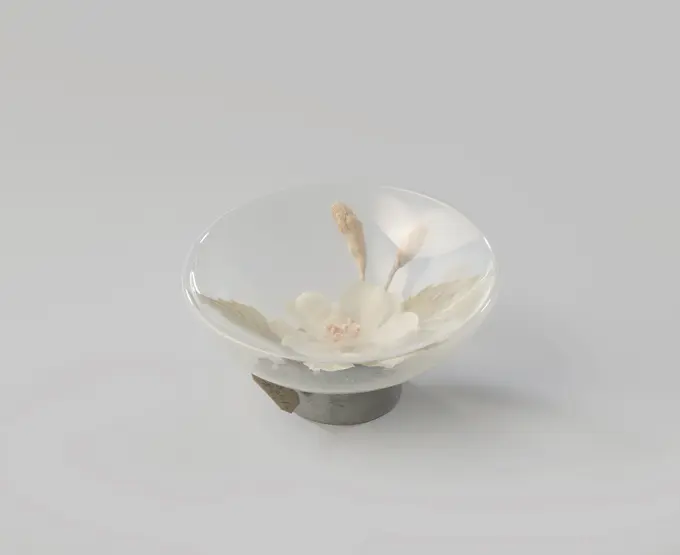
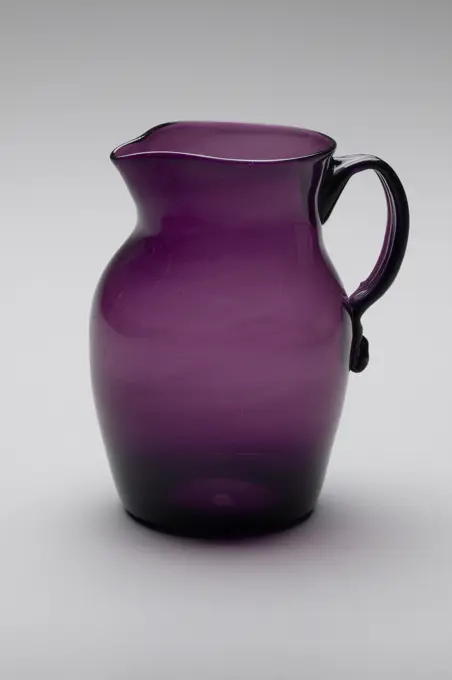
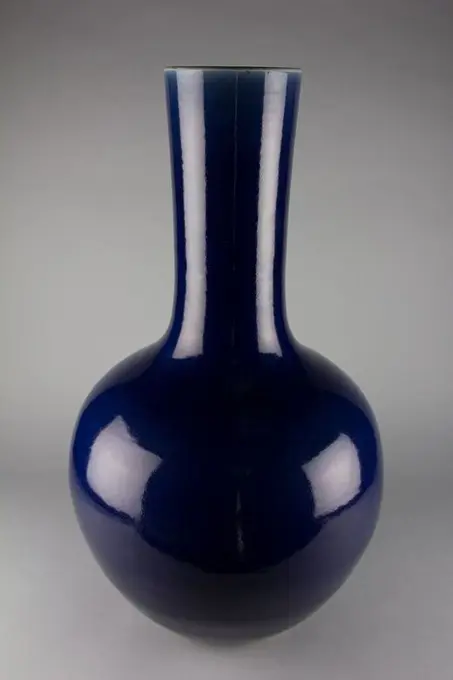
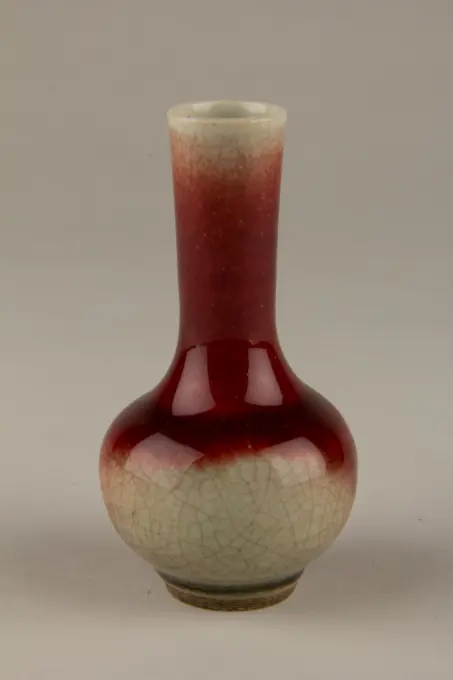
Antique vessels including water drippers and jars, made from glass and porcelain, exhibiting distinct shapes and historical significance from various cultures.
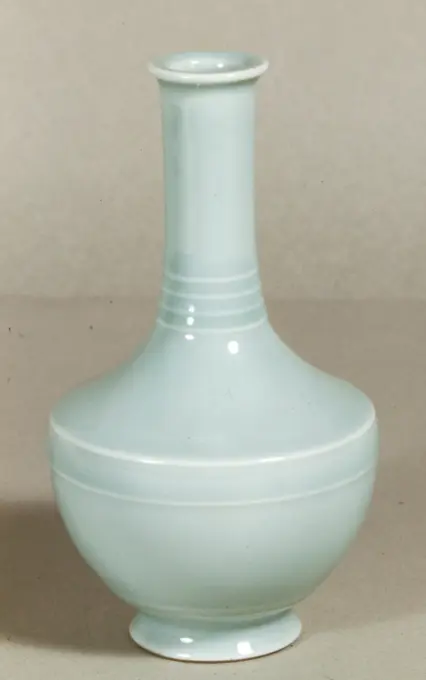
Vase, 1736-1795, 6 3/8 in. (16.19 cm), Porcelain with celadon glaze, China, 18th century
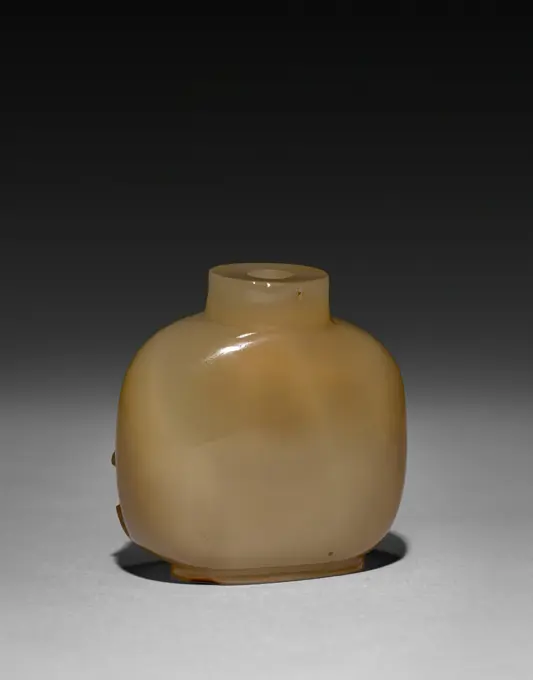
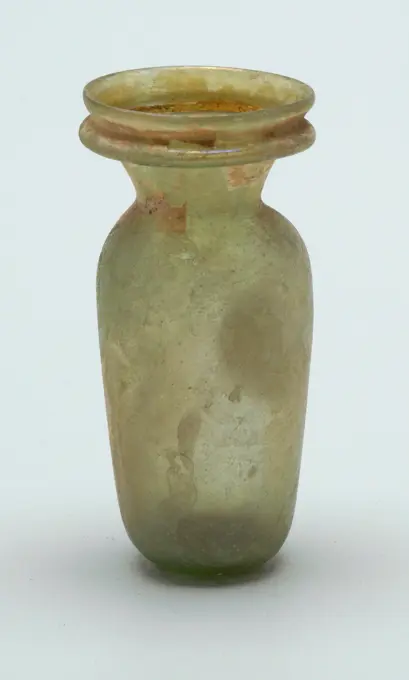
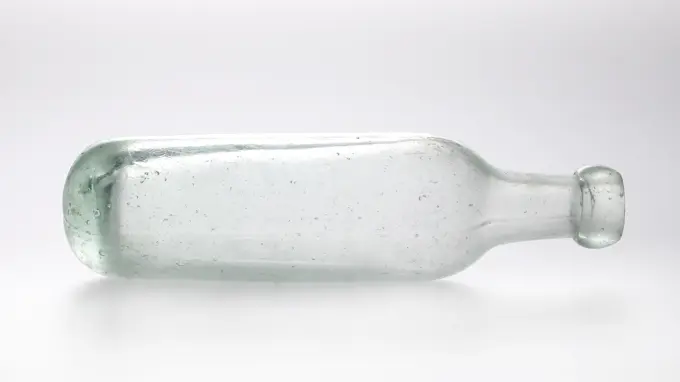
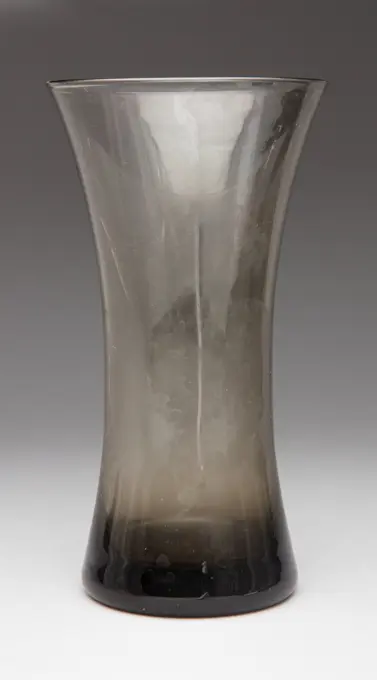
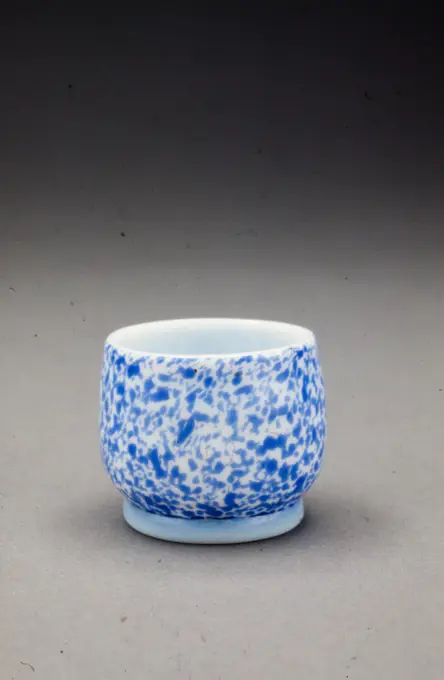
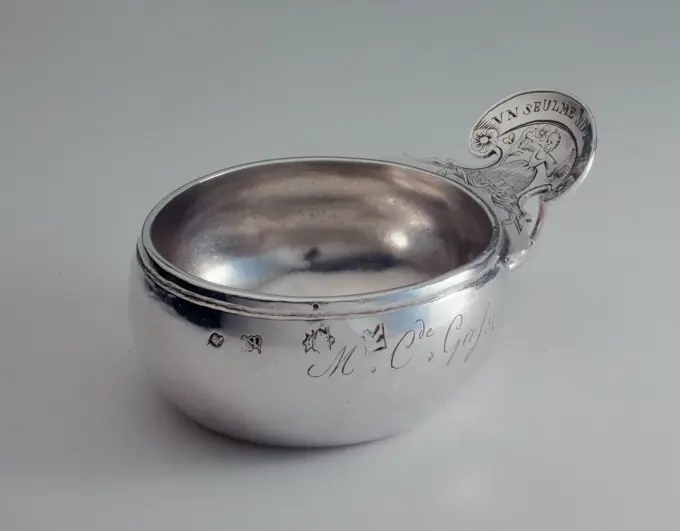
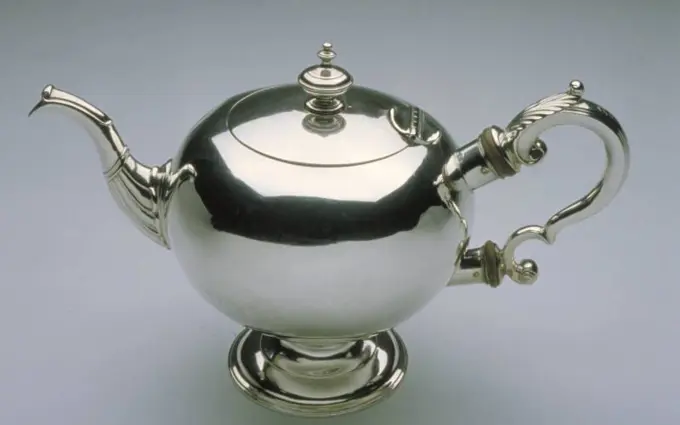
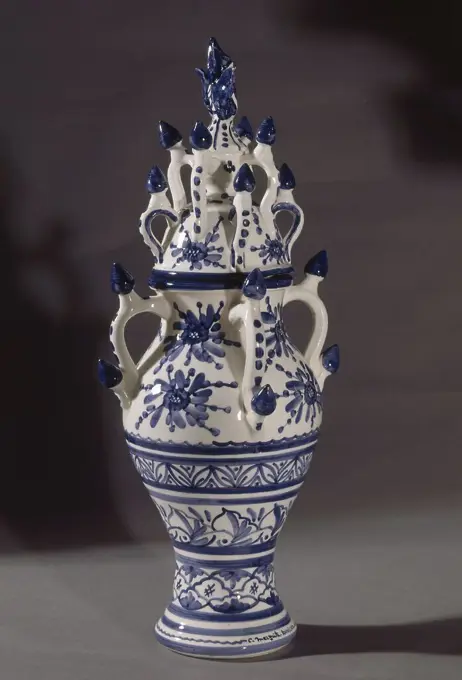
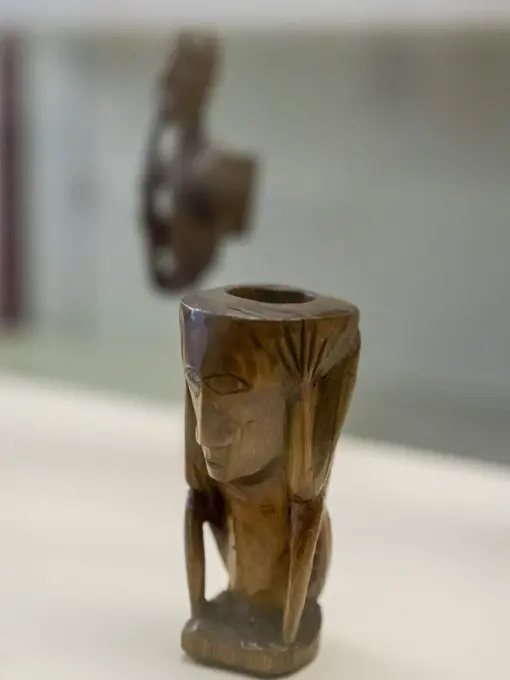
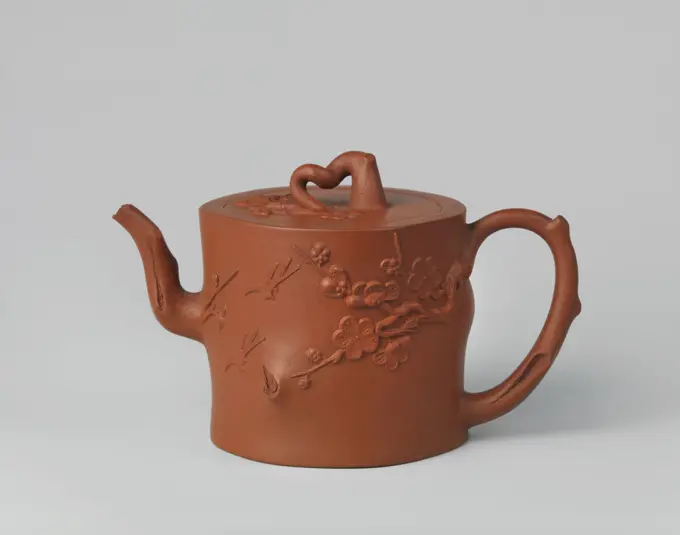
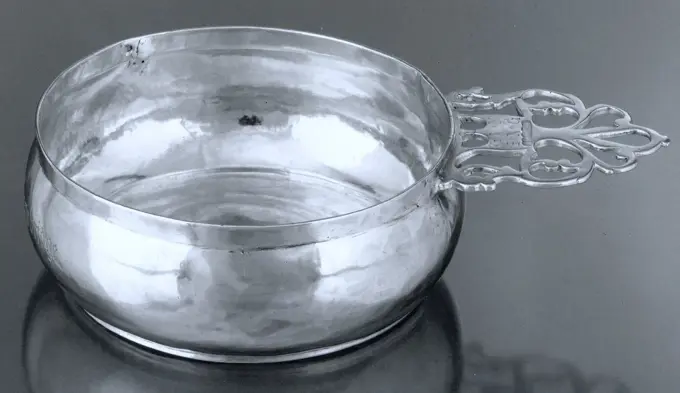
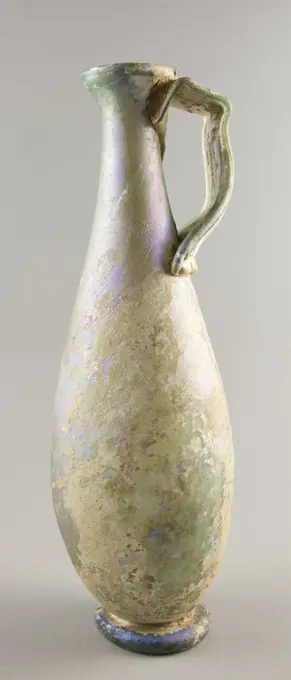
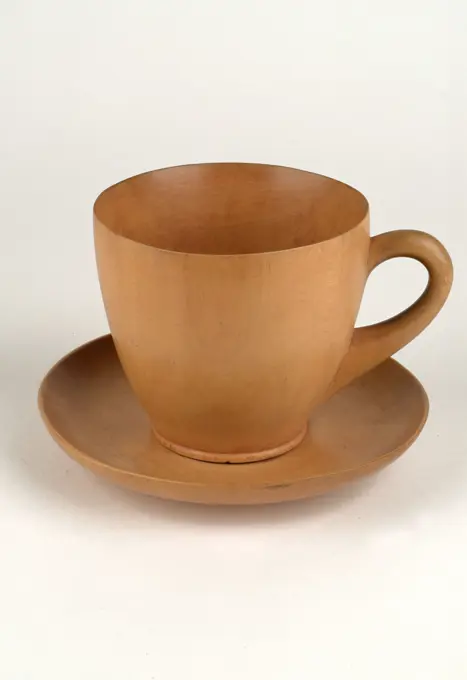
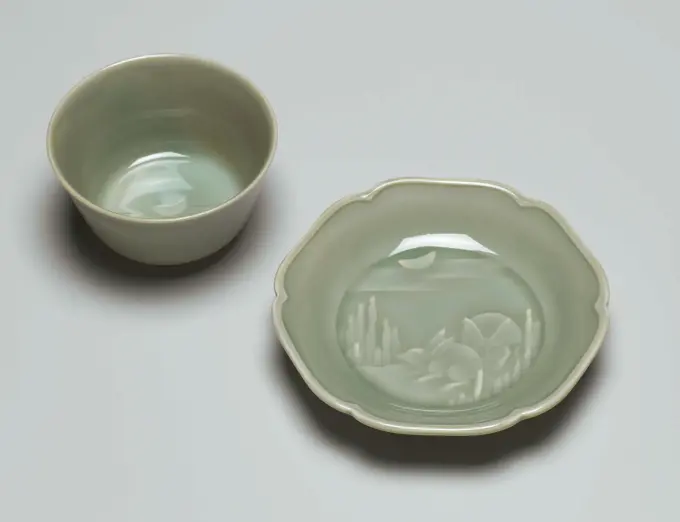
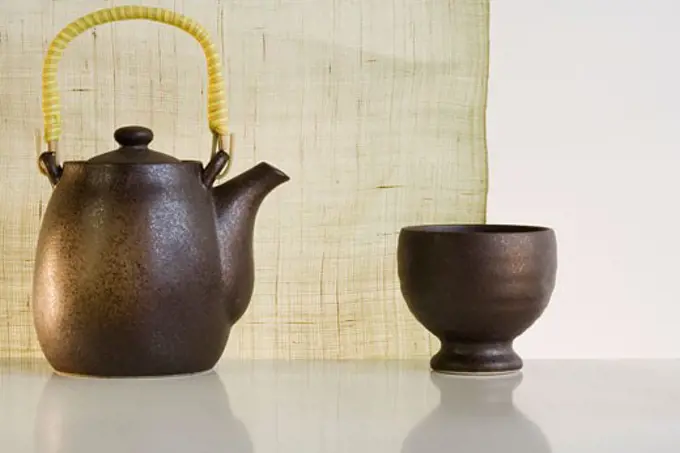
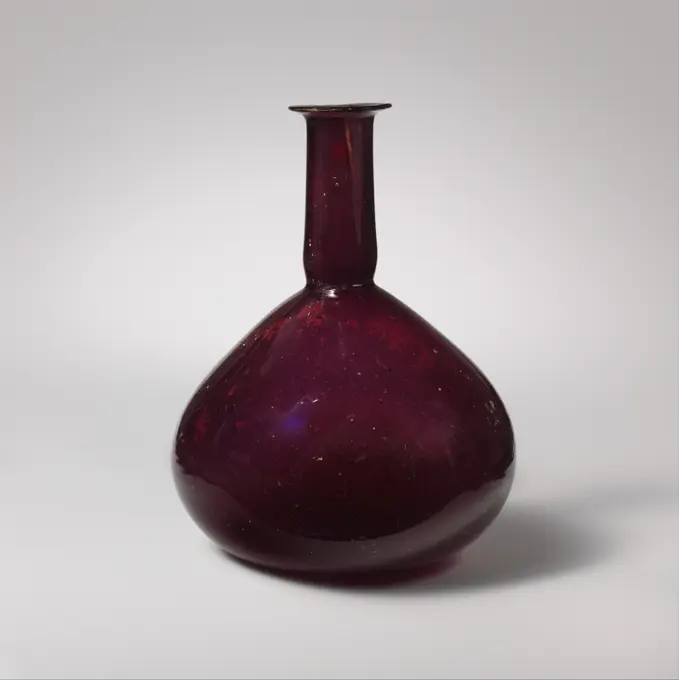
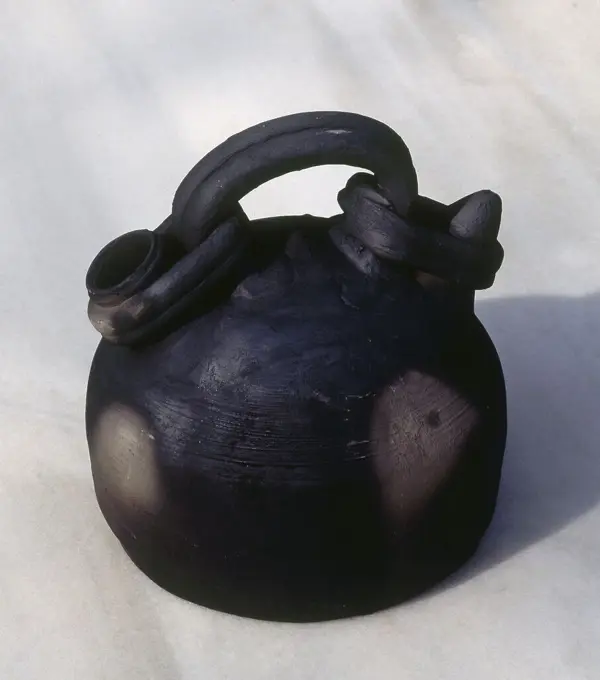
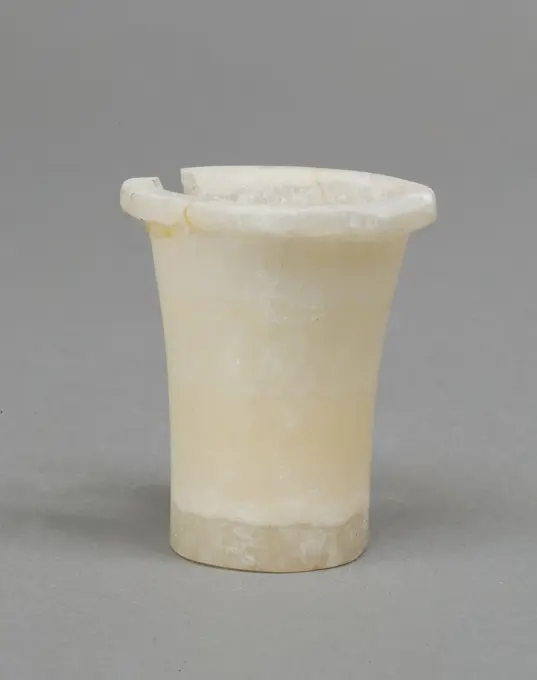
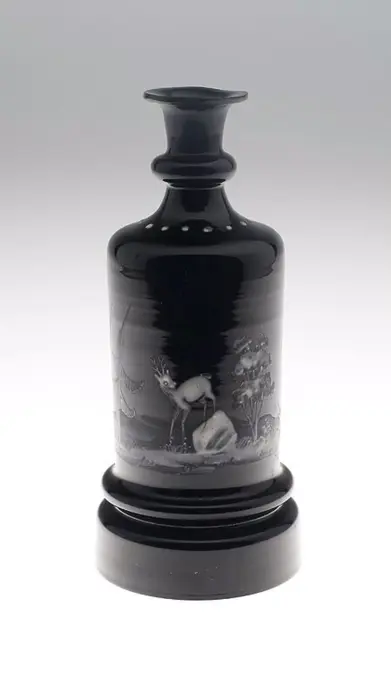
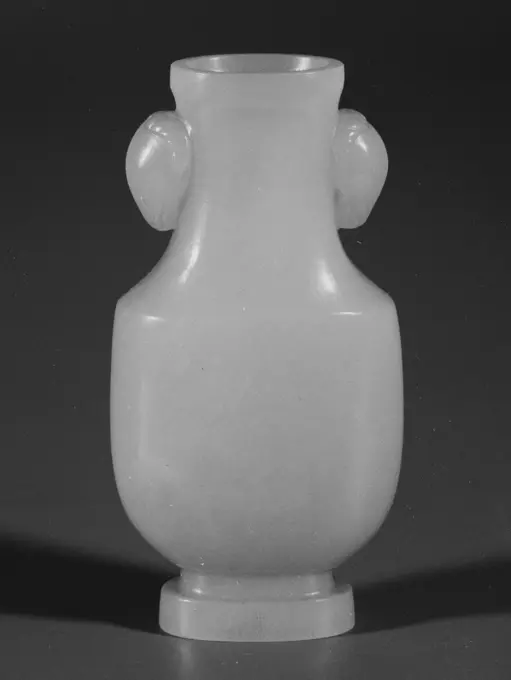
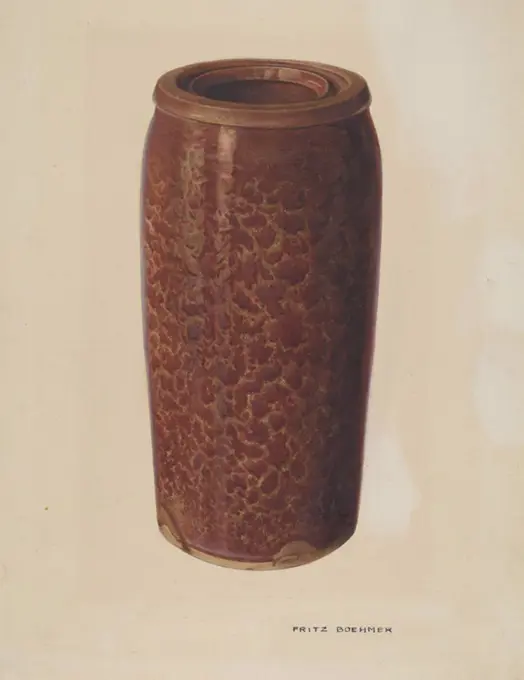
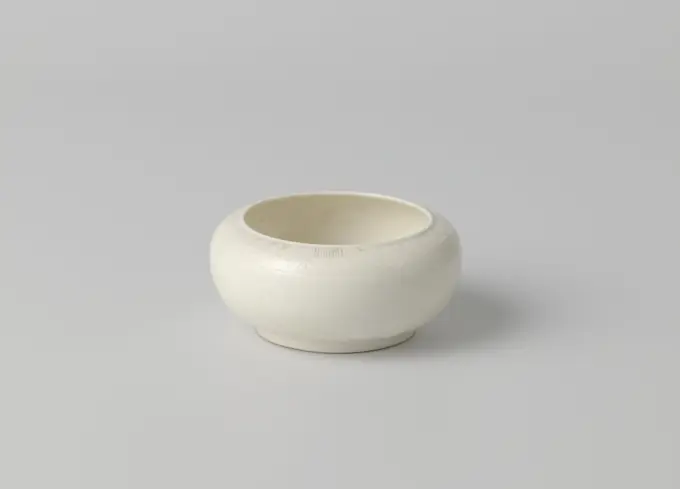
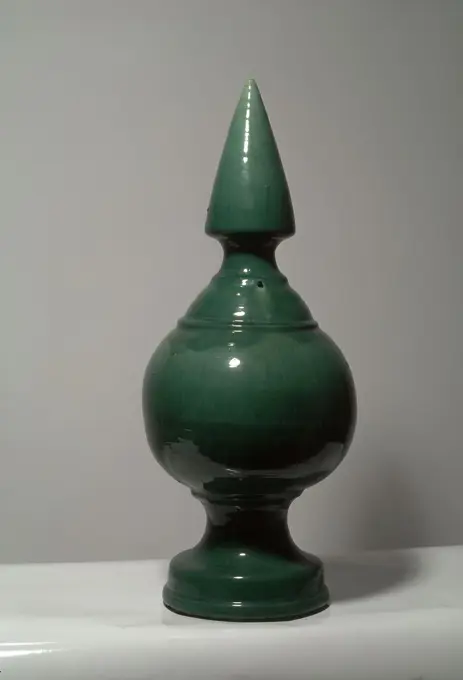
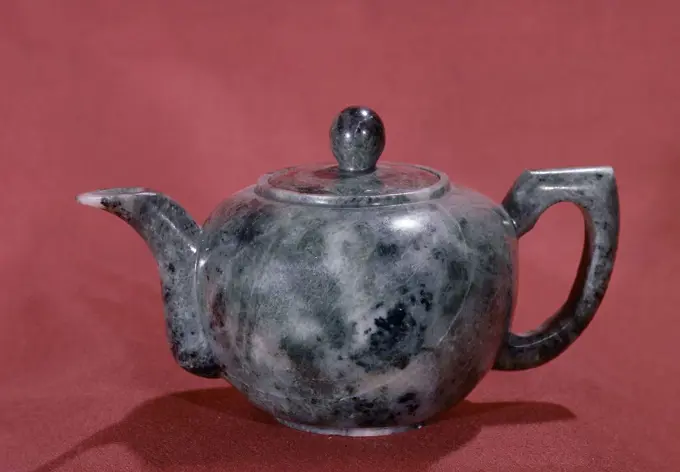
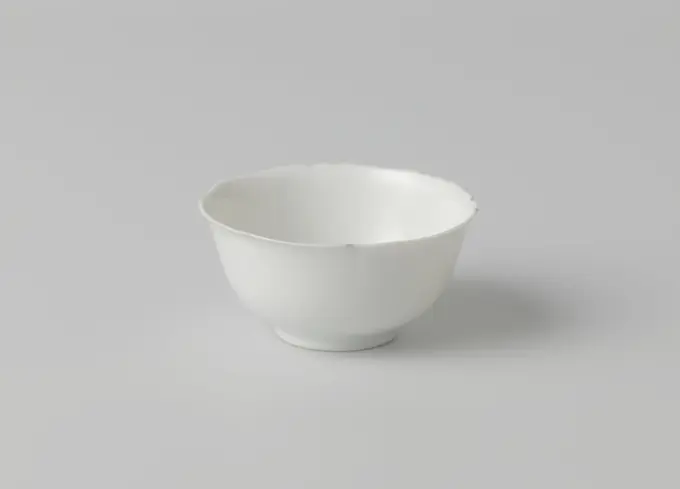
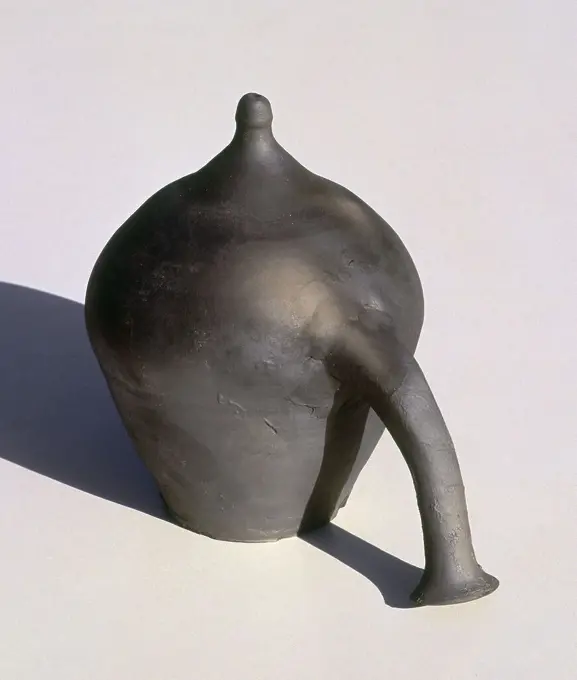
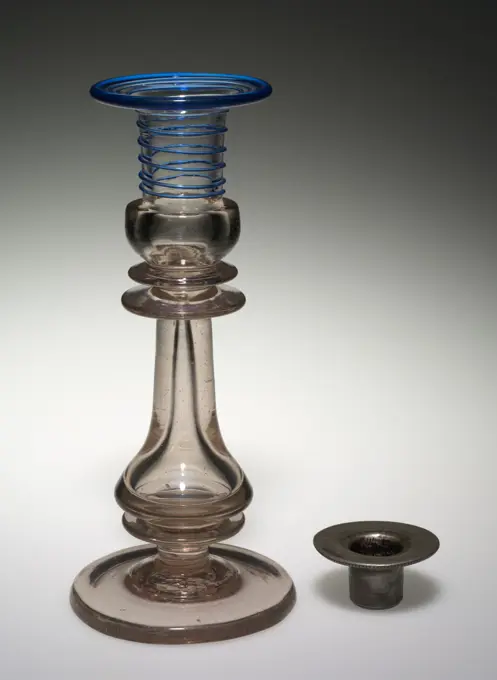
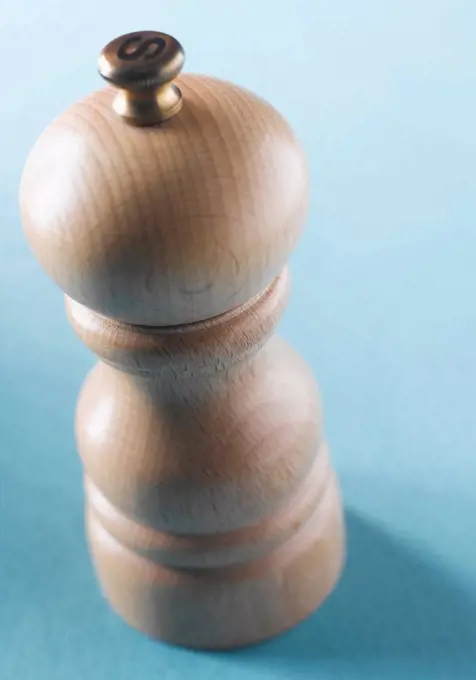
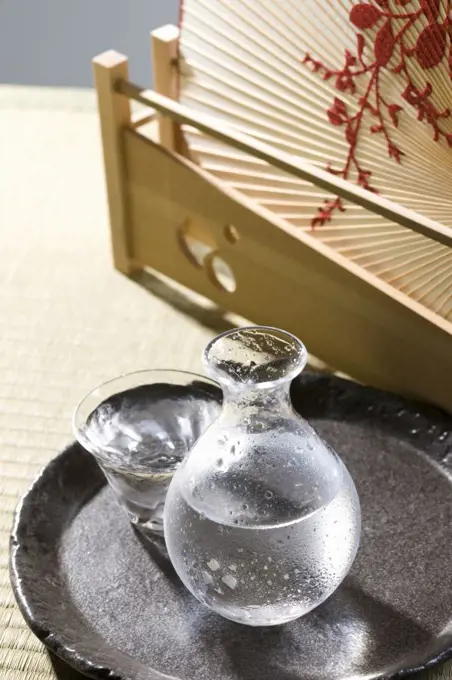
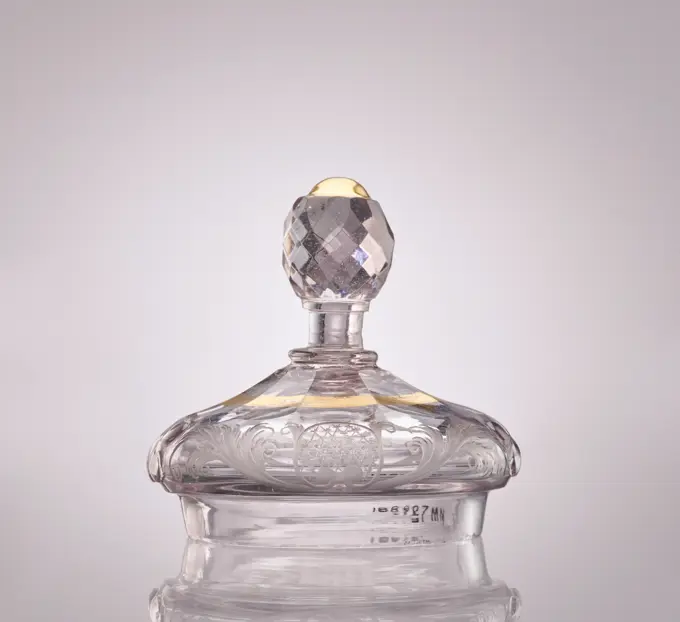
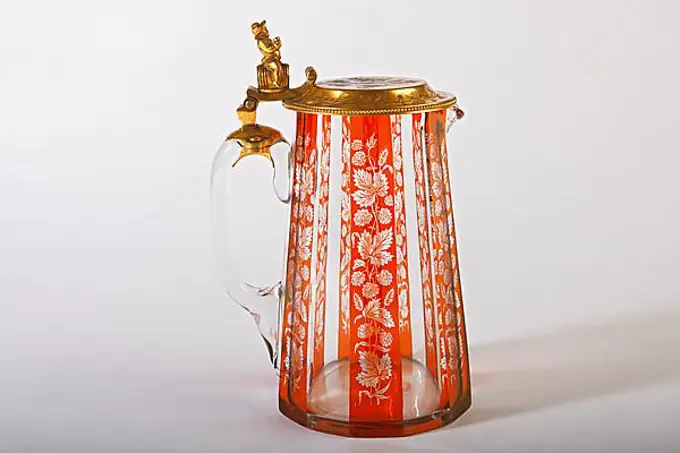
Round water dripper. unknown, craftsmanSnuff Bottle, 1644-1911. China, Qing dynasty (1644-1911). Glass and jade; overall: 7.7 cm (3 1/16 in.).Rosewater Sprinkler (gulabpash). India, Gujarat, Kapadwanj, circa 1750-1800. Tools and Equipment; sprinklers. Blue glassApothecary Jar ca. 1840 Mexican. Apothecary Jar 3468Vase, 1736-1795, 6 3/8 in. (16.19 cm), Porcelain with celadon glaze, China, 18th centuryVase; glassCup China 18th centurySnuff Bottle, 17th-20th century, 3 1/8 x 1 1/2in. (7.9 x 3.8cm), Jade, China, 17th-20th centuryJar -Vase early 18th century China. Vase. China. early 18th century. Porcelain with light blue glaze. Qing dynasty (1644-1911), Yongzheng mark and period (1723-35). CeramicsOne from a Set of Five Soba Cups with Chrysanthemum Design Japan 1615-1868Beaker. Culture: Chimú. Dimensions: H. 9 1/4 x Diam. 5 1/8 in. (23.5 x 13 cm). Date: 14th-15th century. Museum: Metropolitan Museum of Art, New York, USA.Vase in Meiping Shape late 18th-early 19th century China. Vase in Meiping Shape. China. late 18th-early 19th century. Porcelain with coral-red glaze (Jingdezhen ware). Qing dynasty (1644-1911). CeramicsSoda bottle -Vase, Glazed porcelain, Broad pear-shape, with trumpet lip. Coated from white rim to low foot with monochrome glaze having pear skin texture., China, mid-late 18th century, ceramics, Decorative Arts, VaseVase Huta Huta HydrangeaBowl 17th century Italian, Venice (Murano). Bowl. Italian, Venice (Murano). 17th century. Glass. GlassClarinet Mouthpiece Cover. Clarinet mouthpiece cap to protect wicker. Horse with five cover pieces (BK-NM-11430-124-A T / M BK-NM-11430-124-F).VaseDouble walls, between which a flower, anonymous, 1800 - in or before 1885 Dish with double walls, between which a flower. Pewter foot.  dish:. Foot: tin (metal). Flower: Textile Materials Dish with double walls, between which a flower. Pewter foot.  dish:. Foot: tin (metal). Flower: Textile MaterialsPitcherVase in the shape of a bottle. Culture: China. Dimensions: H. 28 in. (71.1 cm). Date: first half of the 19th century. Museum: Metropolitan Museum of Art, New York, USA.Vat van twisted, solid wood, anonymous, c. 1700 - c. 1799 A barrel of solid maple wood. Amsterdam (possibly) maple (wood) A barrel of solid maple wood. Amsterdam (possibly) maple (wood)Vase decorated with five poppies, Rörstrand, c. 1890 - c. 1910 Vase of porcelain, decorated in relief in Pâte-sur-Pâte technology with five poppies in pink and blue-gray on green stems and with twelve green fruit buttons along the mouth edge on stems of the same flower. Rörstrand porcelain Vase of porcelain, decorated in relief in Pâte-sur-Pâte technology with five poppies in pink and blue-gray on green stems and with twelve green fruit buttons along the mouth edge on stems of the same flower. Rörstrand porcelainGoblet with cover ca. 1860 Bohemian. Goblet with cover 196093Bottle China. Bottle 46566Miniature Vases on Stand 1300-1399 China. Qingbai ware; porcelain with underglaze carved, molded, and applied decoration .Jar with tinplated lid. Bolesławiec (ośrodek ceramiczny ; ca 1400- ), potter's workshopCoffee jug. Picard, F. (fl. ca 1798-ca 1809), creatorCANTARO DE CUATRO ASAS CON VIDRIADO PARCIAL- ARTE POPULAR- S XX. Location: ALFARERIA. Navarrete. LA RIOJA. SPAIN.Tomorrow’s Classic” pattern ceramics. Designer Eva Zeisel, American, born Hungary, 1906-2011 Manufacturer: Hall China Company, American, established 1903Pot With Cover; Manufactured by Rozenburg Pottery and Porcelain Factory (Netherlands); glazed stonewareSalt Cellar, 18th century, 1 3/8 x 1 3/4 x 1 3/4 in. (3.5 x 4.45 x 4.45 cm), Glass, Switzerland, 18th centuryPomade Jar 1850-60 American. Pomade Jar. American. 1850-60. Pressed glass, diamond point. Made in New England, United StatesPair Of Bowls (USA); sterling silverDecanter And Stopper (Ireland); glassMilk jug 1750-1800 British, Bristol. Milk jug. British, Bristol. 1750-1800. Glass. GlassMathieu Lamoureux. "Taste-vin". Money. 1769. Museum of Fine Arts of the City of Paris, Petit Palais. 74384-4 Silver, silverware, bottleneck, TastevinTeapot,  1708 - 1727Lamp, Blown and pressed glass, tin, cork, Wells of blown glass on stepped (pressed) bases shaped in four lobes; fitted with two tubes in tin plates (marked 'PATENT') with original cork packing., probably Massachusetts, USA, ca. 1835, glasswares, Decorative Arts, LampTin sconce. Round sconce from tin. The deep fat catcher has a candle holder in the middle, which remains just below the edge of the fat catcher. A handle is turned on, which means slightly down in the middle.JARRA ACCITANA VIDRIADA Y PINTADA EN BLANCO Y AZUL - ARTE POPULAR - SIGLO XX. Location: ALFARERIA. JAEN. SPAIN.BOTIJO TONEL-CERAMICA POPULAR S XX. Location: ALFARERIA. Agost. Alicante. SPAIN.Pitcher, c. 1880. Baccarat glasshouse (French). Glass with metal mounts; overall: 24.5 x 16.8 cm (9 5/8 x 6 5/8 in.).anthropomorphic pipe, Luzon mountain range, 19th century, Anthropology National Museum, Madrid, Spain.Teapot with prunus sprays, birds and a butterfly, anonymous, c. 1700 - c. 1799 Teapot of red stoneware with a cylindrical body, modeled in the form of a slice of a thick piece of bamboo, curved spout and C-shaped ear. Prunus branches, birds and a butterfly on the wall. Tuit, ear and lid button in the shape of knotty branches. Yixing. China stoneware Teapot of red stoneware with a cylindrical body, modeled in the form of a slice of a thick piece of bamboo, curved spout and C-shaped ear. Prunus branches, birds and a butterfly on the wall. Tuit, ear and lid button in the shape of knotty branches. Yixing. China stonewarePorringer.   Maker: John Potwine, American, 1699-1792Vase probably 18th-19th century. Vase 444745Pitcher 1 CE-500 CE Syria. Glass, blown technique . Ancient RomanTurned, Wooden Tea Cup and Saucer, 1800-1900. Wooden cups and saucers are unusual objects and it is rare to find such a finely turned piece as this pear wood example. It was probably made in England during the 19th century. It would have been made as a virtuoso piece, to show off the considerable skill of the turner, rather than as a functional item... Pinto Collection - Purchased from Edward H Pinto, 1965.Basin 1857-90 British (American market). Basin. British (American market). 1857-90. Earthenware. Made in Staffordshire, EnglandBOTIJO DE BODAS EN TIERRA BLANCA-ARTE POPULAR S XX. Author: ANDRES DEL VAL (ALFARERO). Location: ALFARERIA. Ocaña. Toledo. SPAIN.Vase Amèdèe de Caranza, Henri Copillet et cieAnonymous. "Cup". Money. 1776-1778. Museum of Fine Arts of the City of Paris, Petit Palais. 74381-17 Money, silverware, gobletBeaker. Niemcy, creator, Czechy, creatorEmpty jug. Bell-shaped head and a scalloped dish of porcelain, covered with a transparent glaze with a light blue hue. On the flat of the dish embossed two hare in a landscape under the moon between clouds. On the bottom of the head only the moon between clouds. Marked on the bottom. Qingbai-colored glaze. Monochromes.Close-up of teapot and cupEmpty glass tea cup on table woodCover for a Vase, c. 1850. Josiah Wedgwood and Sons (British, Staffordshire, est. 1759). Jasper ware with relief decoration; overall: 29.9 cm (11 3/4 in.). Wedgwood's tricolor jasperware first became popular in the 1770s during a period of fascination with neoclassical decoration. This vase was probably made around 1850 during the period when this type of decoration was revived. The relief medallions depict two versions of the Greek god Apollo, the god of music, next to his harp or lyre.Tea urn and stand, Charles Nicolas Odiot, c. 1838 - c. 1845 Tea fountain on Komfoor whose legs, the tap and the handle are designed as knots leaf branches and the lid button as a flower branch. Paris silver (metal). ivory Tea fountain on Komfoor whose legs, the tap and the handle are designed as knots leaf branches and the lid button as a flower branch. Paris silver (metal). ivoryVase painted with flowers in light and dark green, N.V. Plateelbakkerij Zuid-Holland, 1900- 1925 Vase of earthenware, with ribbed abdomen and neck, polychrome painted with flowers in light and dark green, light and dark yellow and red on a dark blue stock. The mouth edge and inside green. Gouda earthenware Vase of earthenware, with ribbed abdomen and neck, polychrome painted with flowers in light and dark green, light and dark yellow and red on a dark blue stock. The mouth edge and inside green. Gouda earthenwareSnuff Bottle China. Snuff Bottle 41603Glass perfume bottle 1st century A.D. Roman Translucent purple.Everted, rounded rim; cylindrical neck, with horizontal tooled indent around base; broad, conical body, curving in sharply at base; slightly concave bottom.Intact; many bubbles; little weathering on exterior, soil encrustation, weathering, and iridescence on interior.. Glass perfume bottle 249407"BARRALINA"O BOTIJO SIN VIDRIAR EN CERAMICA NEGRA-ARTE POPULAR S XX. Location: ALFARERIA. QUART. GERONA. SPAIN.Senwosret (), Oil jar ca. 1950-1850 B.C. Middle Kingdom. Senwosret (), Oil jar. ca. 1950-1850 B.C.. Travertine (Egyptian alabaster). Middle Kingdom. From Egypt, Memphite Region, Lisht South, tomb west of the tomb of Senwosretankh, Pit 3, Burial chamber of owner, MMA excavations, 1933-34. Dynasty 12, early - midBell-Shaped Cup with a Dark Brown Glaze. Bell-shaped head of porcelain, covered with a monochrome dark brown glaze. Monochromes.Bottle. Bohemia, Czech Republic. Date: 1820-1845. Dimensions: H. 19.1 cm (7 1/2 in.). Glass; black, blown, cut and enamelled with white. Origin: Bohemia. Museum: The Chicago Art Institute, Chicago, USA.Vase 18th century China. Vase. China. 18th century. Jade. JadePickle Jar. Dated: c. 1939. Dimensions: overall: 38.3 x 28.1 cm (15 1/16 x 11 1/16 in.). Medium: watercolor, graphite, gouache, pen and ink, and colored pencil on paperboard. Museum: National Gallery of Art, Washington DC. Author: Fritz Boehmer.Bowl with rounded sides and a band of scroll work, anonymous, c. 1700 - c. 1899 Come from Soft-Paste Porcelain (Pâte Tendre), covered with a cream-colored glaze. Around the border two bordered decorative tires, one with architecture and one with curl. Glaze is lightly crawling. Monochrome. China porcelain. soft-paste porcelain. glaze vitrification Come from Soft-Paste Porcelain (Pâte Tendre), covered with a cream-colored glaze. Around the border two bordered decorative tires, one with architecture and one with curl. Glaze is lightly crawling. Monochrome. China porcelain. soft-paste porcelain. glaze vitrificationREMATE ARQUITECTONICO VIDRIADO EN VERDE (OXIDO DE COBRE)-S XX. Location: BARRIO TRIANA. Sevilla. Seville. SPAIN.Ice Cream Cup (Tasse à Glace), Sèvres Porcelain Manufactory, French, established 1756 to the present, hard paste porcelain, vitreous enamel, gold, France, ca. 1824, ceramics, Decorative Arts, cup, cupTETERA DE PIEDRA. Location: PRIVATE COLLECTION. MADRID. SPAIN.Coffee pot; Picard, F. (Fl. CA 1798-Ca 1809); 1798-1809 (1798-00-00-1809-00-00);Bell-shaped cup with lightly moulded flower petals, anonymous, c. 1720 - c. 1760 Bell -shaped head of porcelain, covered with a transparent white glaze. The wall slightly modeled in two rows of petals, the edge lobed; The leaves decorated with slightly grifbed lines. A few chips and cracks in the edge. China porcelain. glaze vitrification Bell -shaped head of porcelain, covered with a transparent white glaze. The wall slightly modeled in two rows of petals, the edge lobed; The leaves decorated with slightly grifbed lines. A few chips and cracks in the edge. China porcelain. glaze vitrificationBOTIJA DE FORMA CAPRICHOSA EN BARRO NEGRO - ARTE POPULAR S XX. Location: ALFARERIA. VERDU. Lerida. SPAIN.Candlestick and Bobeche, mid-1800s. America, Pennsylvania, Pittsburgh , mid-19th century. Glass and detachable pewter bobeche; overall: 23.1 x 10.2 cm (9 1/8 x 4 in.).Jeronimus Alstyne, Sugar Bowl and Cover, c. 1790, silver.Salt mill, close_upClose-up of blue glass plate and bowl with red glass globe-shaped vaseSake,Japanese sakeDinner plate - St. Johns Stone Chinaware Company (founded 1873) St. Johns Stone Chinaware Company (founded 1873)Cup with a Pearl Chasing Dragon. Cup of porcelain with slightly spreading wall, painted in underglaze blue. On the inside and outside a continuous four-skylight dragon a pearl, the tail on the outside and the head on the inside; The dragon is surrounded by cloud motifs. Marked on the underside with a seal mark in a double circle. Blue White.Covers; Weissbach (glassworks; 1617-1754), Weiberge (glassworks; post 1702-1754), Karlsthal (glassworks; 1754-Post 1874), Jeleniogórska Valley (engraving center; Ca 1600-); 3. Exercise of the 18th century (1750-00-00-1775-00-00);Silesia (Prussia - 1740-1918)Covered vase. Culture: China. Dimensions: H. (with cover) 13 1/2 in. (34.2 cm); W. 6 15/16 in. (17.6 cm). Date: 18th century. Museum: Metropolitan Museum of Art, New York, USA.Stone bowlFlask. Roman. Date: 101 AD-200 AD. Dimensions: 11 × 4.9 × 4.9 cm (4 3/8 × 1 7/8 × 1 7/8 in.). Glass. Origin: Syria. Museum: The Chicago Art Institute, USA. Author: ANCIENT ROMAN.Close-up of a decorative pitcherOld-Fashioned Oil LampToy coffeepot - Shelley, 1925-1929 Shelley, 1925-1929ALCUZA SEMIVIDRIADA-ARTE POPULAR S XX. Location: MUSEO PROVINCIAL. Pontevedra. SPAIN.Creamer 1825-40 Probably Boston & Sandwich Glass Company. Creamer. American. 1825-40. Blown molded blue glass. Probably made in Sandwich, Massachusetts, United StatesKettle and stand, Christopher Dresser, Scottish, 1834 - 1904, Benham & Froud, Ltd., British, c. 1855-1924, copper, brass, ebony (kettle), wrought iron (stand), Wrought iron stand (d) on three legs, with tendril curls of iron to create struts between legs, and to form overhanging curved handle. Globular copper kettle (a) with flared neck, angled spout, and three legs, with inset lid (b) with turned ebony finial. Pot with brass handles and cylindrical ebony handle, which hangs from overhanging iron stand above a copper burner (c)., London, England, ca. 1885, metalwork, Decorative Arts, Kettle and standCanopic jar made from alabaster, 1st century BC, Egyptian. Depicts Horusplate and bowl on black backgroundCup. Culture: American. Dimensions: H. 2 in. (5.1 cm); Diam. 2 1/2 in. (6.4 cm). Maker: Challinor, Taylor and Company (1866-1891). Date: 1870-90. Museum: Metropolitan Museum of Art, New York, USA.Decorative old beer stein made of crystal glass with hop ornaments and brass lid with beer drinking figure sitting on beer barrel, Germany, EuropeBottle with a Globular Body 19th century Like most Qajar-period glass vessels, this greenish-glass ewer is monochromatic with an elegant profile and minimal surface ornamentation. Applied trails spiral down the narrow cylindrical neck, and lead to a bulbous base. This particular shape can be found in much older pieces from the early Islamic period in Egypt and Syria, and its classic silhouette serves as an example of the timeless forms that unite Islamic art. The deep inversion at base of the bottle has been left by the pontil, or rod that was used to facilitate handling during production and the application of decorative techniques.. Bottle with a Globular Body 444729Lobed bowl, 17th century, Unknown Japanese, 2 7/8 × 8 1/4 × 8 3/8 in. (7.3 × 20.96 × 21.27 cm), Negoro ware; red and black lacquer, Japan, 17th century