Traditional Weapons

An assortment of historical weaponry including harpoons, swords, and bows, crafted with various materials and designs from different cultures.
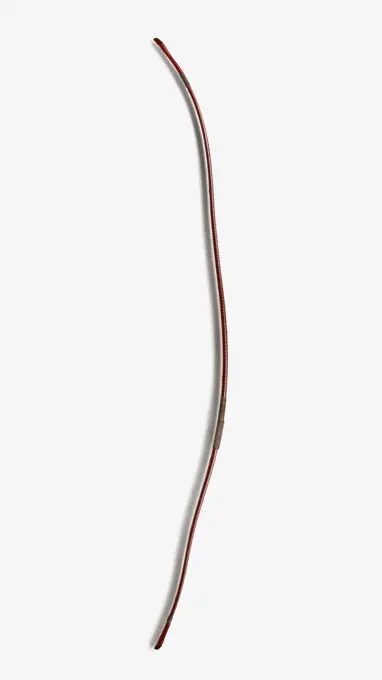
Longbow, 19th century, Unknown Japanese, 84 1/2 × 1 × 10 in. (214.63 × 2.54 × 25.4 cm), Laminated lacquered bamboo, Japan, 19th century, Although the sword is the iconic weapon of the samurai, mastery of the longbow was also a highly regarded skill, and expert archers were the stuff of legends. Longbows were the main weapon during the Heian (784-1185) and Kamakura (1185-1333) periods and became formally accepted as a military weapon in 1252. During battle, samurai first shot arrows from horseback before they resorted to sword fighting. In the 1300s, long swords and spears became the weapons of choice for the main offensive, and guns were subsequently introduced in the early 1500s. Archery eventually evolved into a more formal and ceremonial tradition.
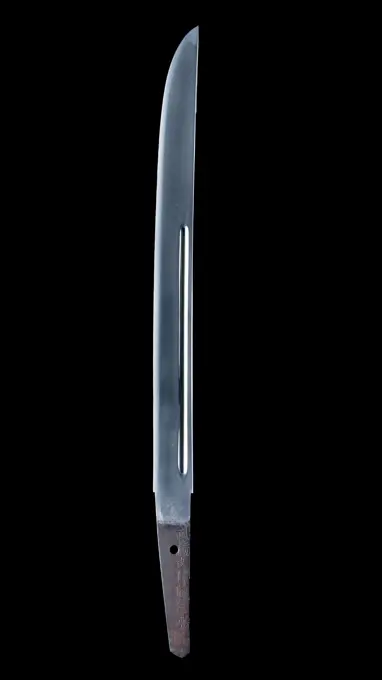
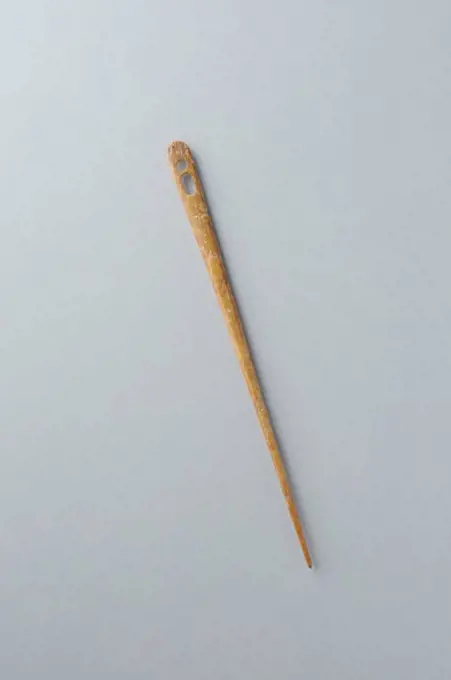
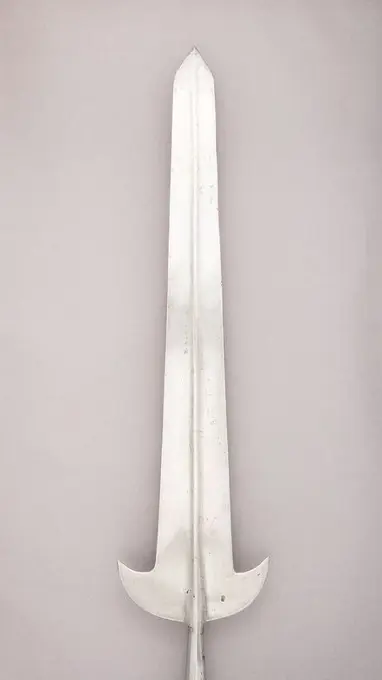
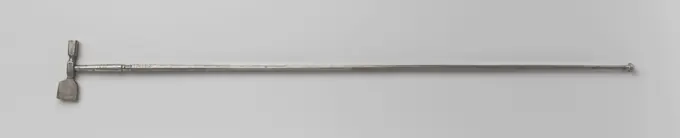
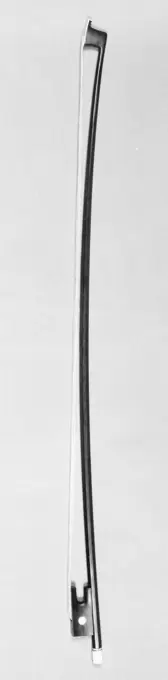
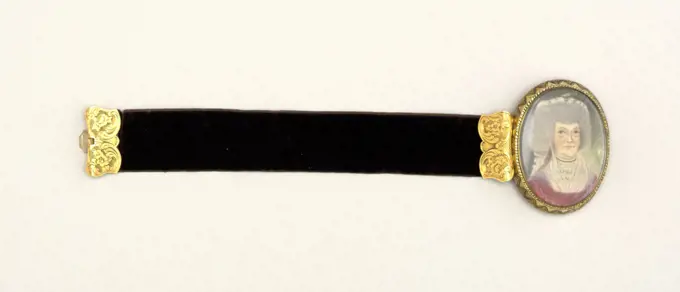
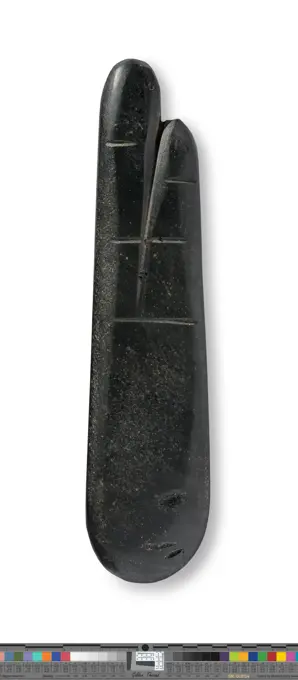
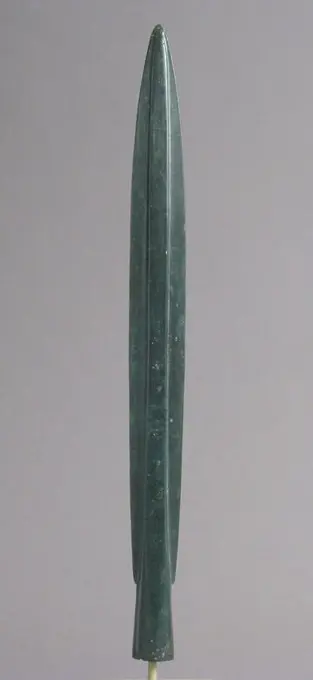
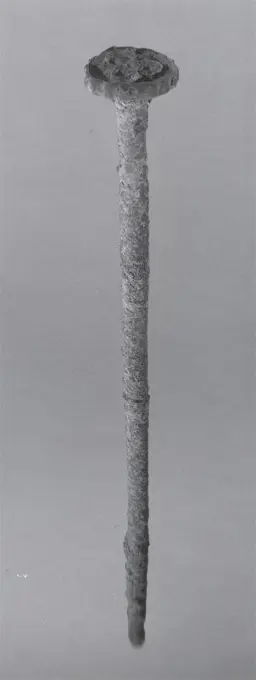
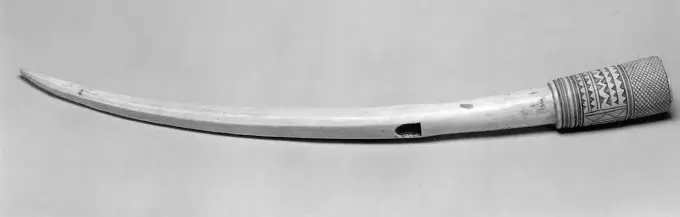
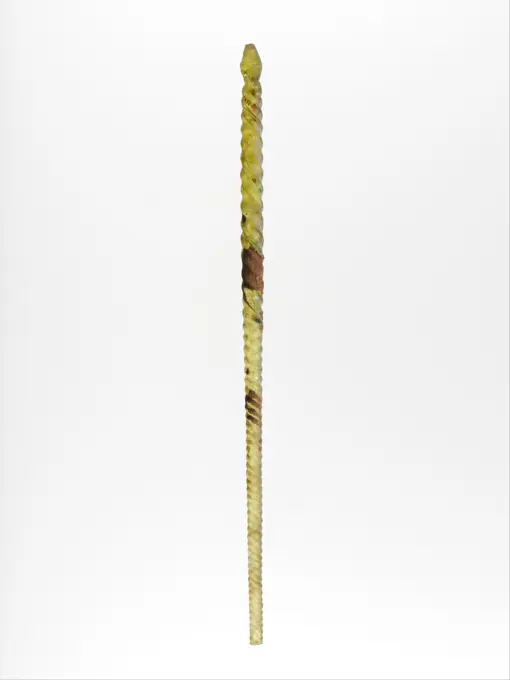
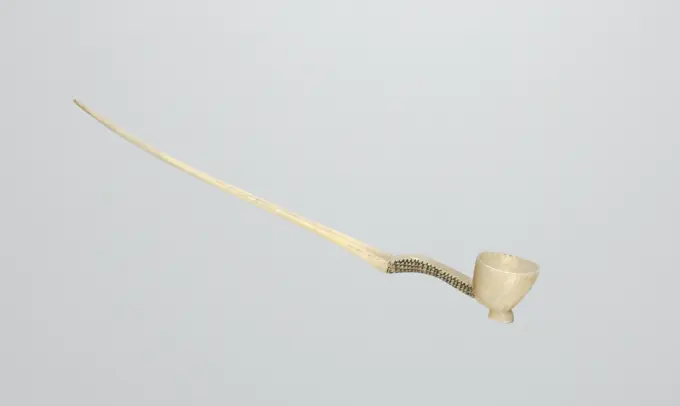
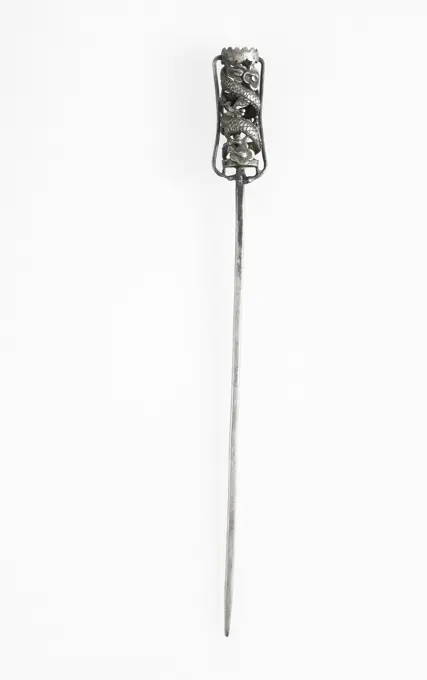
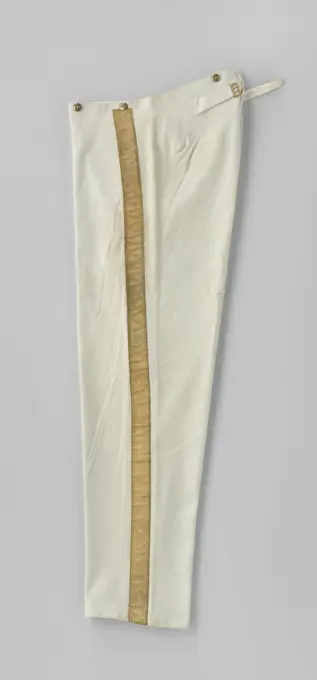
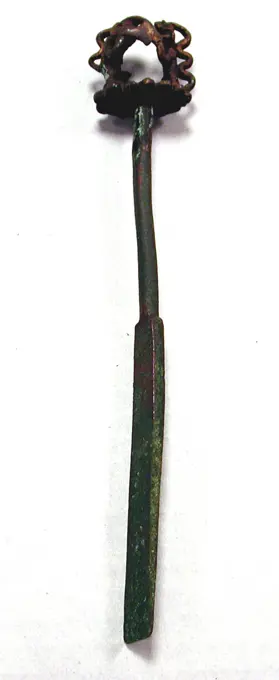
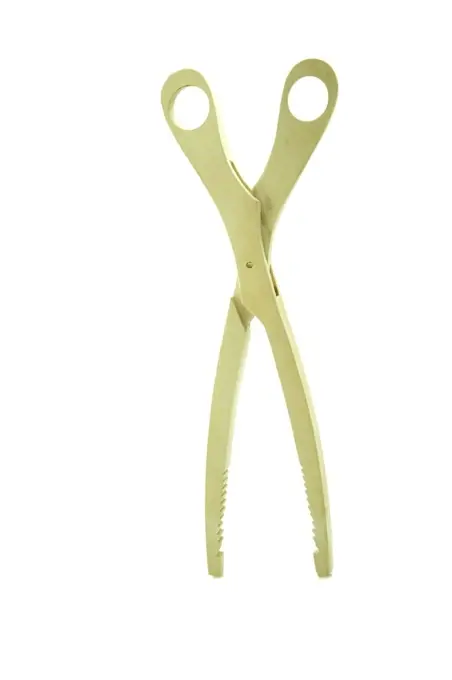
Harpoen captured at Lombok, Anonymous, c. 1850 - Before 1894 harpoon Harpoen with round iron point with barb, a broken weather at the end. The harpoon is attached to a round -slammed shaft to which a yellow -held ring is attached. The shaft is made of wood and is originally painted black. The underside of the shaft has been partially demolished. Indonesia kling: iron (metal). schacht: wood (plant material). kop: copper (metal)   LombokDEVEN belonging to the Consul General Daniël Jan Steyn Parvé, Anonymous, 1906 - 1933 sword Degen with white sheath, belonging to the civil servant of consul-general Daniël Jan Steyn Parvé. NetherlandsRoemeniëHongarijeUnited States of America Kling: Steel (Alloy). High, mouth, bus: Silver (Metal). Handle: Mother of Pearl. Parear heart: Gilding (Material). Schede: Leather. Felt (Textile) engraving / gilding  London. Singapore. New York (city). SmyrnaHalberd, anonymous, c. 1600 - c. 1699 Halberd Hellaard with long point and smooth wings. Below that a spherical, twisted ornament. Ax with two square recesses in which diagonal ship anchors are incorporated. Triangular recesses in the corners. Serrated edges. Conically shaped, twisted shaft. Far continuous lips. At the end of the stick a tissue, twisted point (13.5 cm). Low Countries (possibly) iron (metal). wood (plant material) forging / polishing / cuttingLanglet shaft spring from lance point, lance pile weapon weapon foundations iron metal, forged Rotterdam railway tunnel Railway tunnel route Willemsspoort tunnel tunnel shore connection archeology excavation militaria archaeological find in the soil Rail Tunnel.Longbow, 19th century, Unknown Japanese, 84 1/2 × 1 × 10 in. (214.63 × 2.54 × 25.4 cm), Laminated lacquered bamboo, Japan, 19th century, Although the sword is the iconic weapon of the samurai, mastery of the longbow was also a highly regarded skill, and expert archers were the stuff of legends. Longbows were the main weapon during the Heian (784-1185) and Kamakura (1185-1333) periods and became formally accepted as a military weapon in 1252. During battle, samurai first shot arrows from horseback before they resorted to sword fighting. In the 1300s, long swords and spears became the weapons of choice for the main offensive, and guns were subsequently introduced in the early 1500s. Archery eventually evolved into a more formal and ceremonial tradition.Arab in tug of war concept on white. The arab in tug of war concept on whiteA bird feather isolated over white backgroundHarpoon point ca. 1295-1070 B.C. New Kingdom, Ramesside. Harpoon point. ca. 1295-1070 B.C.. Bronze. New Kingdom, Ramesside. From Egypt, Memphite Region, Lisht North, Cemetery, MMA excavations, 1913-14. Dynasty 19-20Pitchropes with knot isolated on white backgroundRusted machete isolated on a white backgroundSheath of LANs belonging to arms race from Cornelis Tromp.Black Lacquered Wooden Sheath of Lans, with selector battered.Erxian () 19th century Chinese. Erxian (). Chinese. 19th century. Wood, snakeskin, bone, gut, fabric.. China. Chordophone-Lute-bowed-unfrettedBlade and Mounting for a Short Sword (Wakizashi) blade, early 17th century; mounting, 1858 Japanese A wakizashi is a short sword with a blade between 30 and 60 cm long, usually worn in tandem with a full-length sword (katana). Wakizashi were fashionable in the Muromachi period (1392-1573) and later.. Blade and Mounting for a Short Sword (Wakizashi). Japanese. blade, early 17th century; mounting, 1858. Steel, wood, lacquer, rayskin (samé), paper, silver, copper-gold alloy (shakud), copper, gold. SwordsRod from copper from v.O.c.-ship the 'white lion'. Rod from copper from v.O.c.-ship the 'white lion'. Hemisphere with a hole on one side.metal fork - cutlery isolated on white metal fork - cutlery isolated on white background Copyright: xZoonar.com/ValeryxVoennyyx 6790740Wallonian swordSewing needle (Acus Anis) with two holes of bone. Length 109 mm Width of head 6 mm Thick 1 to 2 mm ( 2nd - 3 rd CE ) Roman period, from the " Miracle Wall " ( Martyrdom of Saints Children ; Justo y Pastor ) - Archaeological site of Complutum in Alcala de Henares ( Madrid ). SPAIN.Partisan. Culture: Italian. Dimensions: L. 8 ft. 9 1/8 in. (267.1 cm); L. of head 38 1/4 in. (97.2 cm); W. 8 3/4 in. (22.2 cm); Wt. 8 lbs. (3628.7 g). Date: ca. 1540. Museum: Metropolitan Museum of Art, New York, USA.Chisel on whiteSilver Products Factory K.F. Malcza (Warsaw; Sreber label; 1828-1864), Malcz, Karol (1797-1867); 1887 (1887-00-00-1887-00-00);Hair pin ca. 1850-1700 B.C. Middle Kingdom. Hair pin. ca. 1850-1700 B.C.. Ivory. Middle Kingdom. From Egypt, Memphite Region, Lisht North, south of Tomb of Nakht (493), south cemetery, Pit 453, MMA excavations, 1913-14. Dynasty 12, late-13 to 1700 B.C.Whistle late 19th century Malagasy. Whistle 501142Silver Products Factory K.F. Malcza (Warsaw; Sreber label; 1828-1864), Malcz, Karol (1797-1867); 1887 (1887-00-00-1887-00-00);ropes with knot isolated on white backgroundSugar Tongs. William Moulton (United States, New Hampshire, 1617-1664). United States, Massachusetts, Newburyport, first half of 19th century. Tools and Equipment; tongs. Silverempty brown wooden straight nib holder isolated empty brown wooden straight nib holder isolated on white background Copyright: xZoonar.com/ValeryxVoennyyx 13807996Plastic shoehorn isolated on white backgroundJachtharmer, 1700 - 1800 An iron hunting hammer. The hexagonal handle is connected to the conical upper part by a baluster that carries the head. This is decorated with engraving work as well as the upper part of the handle. On the claw of the head a frame of leaf work, in which on one side, a deer. On the steel spirals geometric and leaf ornaments.  iron (metal) engraving An iron hunting hammer. The hexagonal handle is connected to the conical upper part by a baluster that carries the head. This is decorated with engraving work as well as the upper part of the handle. On the claw of the head a frame of leaf work, in which on one side, a deer. On the steel spirals geometric and leaf ornaments.  iron (metal) engravingPencil isolated on whiteCane -Sword or dagger ca. 2300-2000 B.C. Hattian. Sword or dagger 324459Handle of an ax ca. 1981-1550 B.C. Middle Kingdom-Early New Kingdom. Handle of an ax. ca. 1981-1550 B.C.. Wood. Middle Kingdom-Early New Kingdom. From Egypt; Said to be from Middle Egypt, Tuna el-Gebel. Dynasty 12-18Vintage golden key. vectorPen 30 B.C.-A.D. 364 Roman Period. Pen 568209Wedding bow tie 1870 American. Wedding bow tie 175779Fork with two teeth. A fork with two teeth.view from below of cotton rope isolated view from below of cotton rope isolated on white background Copyright: xZoonar.com/ValeryxVoennyyx 6248867Candlestick 1700-1730 American. Candlestick. American. 1700-1730. Iron. Made in Pennsylvania, United StatesVioloncello Bow ca. 1800-1825 Dodd workshop Octagonal ironweed stick, French tip with trapezoidal mortise, ivory headplate, no liner, ebony frog with prismatic guide, no underside, mother-of-pearl eyes, roughly filed octagonal bone button with turned ornamental groove.. Violoncello Bow. British. ca. 1800-1825. Wood, other materials. London, England, United Kingdom. Chordophone-Accessories-bowErdnusskeule aus Unyamwesi. Afrikanische Kultur und Altertümer. Veröffentlichung der Meyers Enzyklopädie. Erdnusskeule aus Unyamwesi. Afrikanische Kultur und Altertümer. Veröffentlichung der Meyers Enzyklopädie. LicenseRF Copyright: xZoonar.com/SergeyxKohlx 23206120Leaf, plantBow, 20th century. America, North American Indian. overall: 54.1 cm (21 5/16 in.).needle with red thread needle with red thread Copyright: xZoonar.com/VVxVoennyyx 5026423Communications Cell phone Tower isolated on white backgroundPortrait miniature set on a bracelet, Ebenezer Mack, American, watercolor on ivory, chased gold, silk velvet, cut glass, Oval portrait miniature of a woman wearing red dress, ca. 1790, behind glass and encased in gold frame; set into a black velvet bracelet with chased gold clasps, ca. 1830., USA, ca. 1790 (portrait miniature); ca. 1830 (bracelet), jewelry, Decorative Arts, portrait miniature on bracelet, portrait miniature on braceleta hundred;  19th century (1800-00-00-1810-00-00);Two Fingers Amulet. Egypt, circa 1550-30 BCE. Jewelry and Adornments; amulets. Stoneside view of ceramic spoon with Himalayan Salt side view of ceramic spoon with pink Himalayan Salt isolated on white background Copyright: xZoonar.com/ValeryxVoennyyx 13600091Realistic tube mockup toothpaste and toothbrush. Template for medicine or cosmetics. Vector illustration.Black street lamp isolated on white backgroundSword Cane Probably made for Don Juan José of Austria (1629-1679) ca. 1650 German, Munich; blade, Spanish. Sword Cane Probably made for Don Juan José of Austria (1629-1679). German, Munich; blade, Spanish. ca. 1650. Steel, wood, gold. Munich. SwordsHair Pin 6th century or later. Hair Pin 445350Fork;  19th century (1800-00-00-1810-00-00);Furket.The musket fork or Furket is a support to have a musket rest. The shaft is made of oak. The head is made of iron and includes the fork in the form of a U-turn with the curly ends. The shoe is also made of iron.Pencil vector icon. Pencil with Red Rubber, isolated on White background. Wooden Pencil with rubber eraser in modern simple flat design. Panorama view. Vector illustrationAttic Red-Figure Kylix Fragment (comprised of 4 joined fragments).Handle Attachment. UnknownCandelabra 16th century Spanish. Candelabra 468221blur in south africa close up of the castle sign like    texture backgroundPickaxeSTOP fork; Gumpert, Georg Heinrich (Fl. 1850-1893); 2. PO. 19th century (1800-00-00-1848-00-00);Spearhead. Culture: Bronze Age. Dimensions: Overall: 14 1/4 x 1 1/4 x 15/16 in. (36.2 x 3.2 x 2.4 cm). Date: ca. 1200-900 B.C.. Museum: Metropolitan Museum of Art, New York, USA.Pin ca. late 3rd-early 2nd millennium B.C. Bactria-Margiana Archaeological Complex. Pin 326779Boar Spear 16th century German. Boar Spear 26727Rapier with scabbard according to tradition belonged to Martin LutherSickle Blade, 1980-1801 BC. Egypt, Middle Kingdom, Dynasty 12. Flint; overall: 5 cm (1 15/16 in.).Horn late 19th century Probably Igbo people Most Sub-Saharan horns and trumpets are blown from the side rather than from the tip where they may be pierced to allow the player to sound different notes by opening and closing the end hole. Depending on regional tradition, blowholes may have a distinctive shape and appear on the concave or convex curve of the tube. Despite diminished importance as military signal instruments, side-blown horns remain a symbol of power and retain an important position in royal regalia. They are played singly or more often, in a large ensemble.. Horn 501082vintage english style carpenter screwdriver over white, clipping pathCravat ca. 1900 American. Cravat. American. ca. 1900. SilkGolden arrow 3d.Ice strainer -George C. Erickson, Twelve Iced Beverage Spoons, 1908-36, Hand-cast silver.Popsicle stick, wooden element for holding ice cream, tongue depressor for throat medical examination. Isolated realistic vector Illustration on white background.. Popsicle stick, wooden element for holding ice cream, tongue depressor for throat medical examination. Isolated realistic vector Illustration on white backgroundWooden skewer with pointed tip. Disposable bamboo thin long skewer. Chopstick. Chinese food stick. Wooden toothpick. Isolated realistic vector illustration on white background.. Wooden skewer with pointed tip. Disposable bamboo thin long skewer. Chopstick. Chinese food stick. Wooden toothpick. Isolated realistic vector illustration on white backgroundGlass rod ca. 1st century A.D. Roman Translucent yellowish green.Long rod, spirally twisted, tapering towards one end, and tooled into a biconical knob at the other.Broken at both ends, but otherwise complete; dulling, pitting, iridescence, and some patches of thick brown encrustation and weathering.The rod is unusually large and heavy, but it may be compared with the intact stirring rods also displayed in Gallery 171, Case 17.. Glass rod 249591Two burnt out matchesSnuff Spoon (intshengula or izintshengula), late 1800s. Africa, Southern Africa, South Africa, Zulu-style maker. Bone; overall: 17.8 cm (7 in.).Beard from the sarcophagus mask;  around 1550-332 BC ; New PACH PACH-NY (-1550-00-00--332-00-00);beards, fragments of sarcophagus, masksDamselfly (Ischnura sp) covered in Dew, Victoria, Australia, August. meetyourneighbours.net projectEmpty perfume bottleRed Corn Snake 'Motley' on white backgroundobject on blue - macaroni close upPin ca. 9th century B.C. Iran. Pin 325178Vector Ancient battle axe on white backgroundPencil on white background. Pencil isolated on white clipping path. Copyright: xZoonar.com/BorysxShevchukx 3392660Hair Pin, 6 5/16 x 3/4 x 1/2 in. (16.03 x 1.91 x 1.27 cm), Silver, ChinaKnochen oder Hundeknochen Spielzeug. 3D-Rendering Knochen oder Hundeknochen Spielzeug. 3D-Rendering LicenseRF Copyright: xZoonar.com/natatravelx 23322266Cosmetic Applicator or Pin. Afghanistan, 3rd century. Jewelry and Adornments; pins. IvoryLong pants made of white sheet with copper knots, waist with V-shaped split and straps with gold buckle; Along the pipes trimmed with gold galon with leaf garland., Anonymous, 1800 - 1900 Long pants from white sheet. On both sides along the pipes trimmed with gold galon. Copper knots.  cloth. copper (metal) Long pants from white sheet. On both sides along the pipes trimmed with gold galon. Copper knots.  cloth. copper (metal)Ceremonial Knife (Tumi) 2nd-7th century Moche. Ceremonial Knife (Tumi). Moche. 2nd-7th century. Copper (cast). Peru. Metal-Implementspliers made of wood for serving saladJapanese traditional scroll paper vector illustration / blueCosmetic Applicator 301 CE-600 CE Mediterranean Region. Initially affordable only among the wealthy, glass was used in ancient Rome to create tableware and containers for oils and perfume. This delicate applicator would have been just one object among the array of mirrors, combs, and palettes for mixing cosmetics, as well as bottles and other containers for products used to beautify prosperous Romans.. Glass . Ancient MediterraneanBelt -Weaving Implement 6th-9th century Wari. Weaving Implement 316266Pen 30 B.C.-A.D. 364 Roman Period. Pen 568213