Unique Figurines and Artifacts

A collection of historical figurines and decorative items from various cultures, showcasing intricate designs and cultural significance.

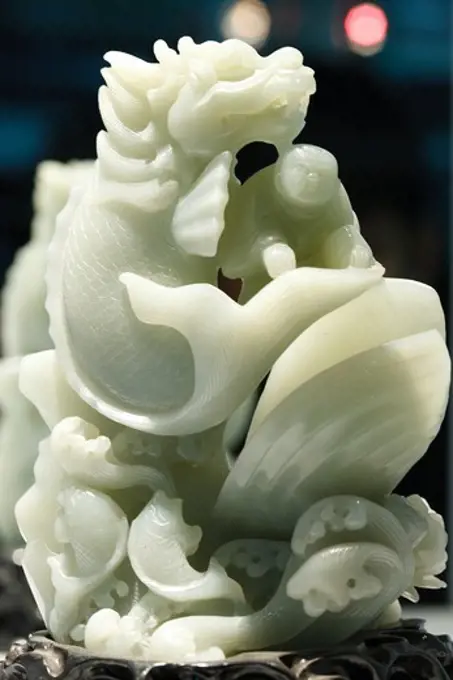
Roof ornament in the shape of a phoenix. Terracotta. Cernuschi Museum, Asia Museum of Asia in the city of Paris.
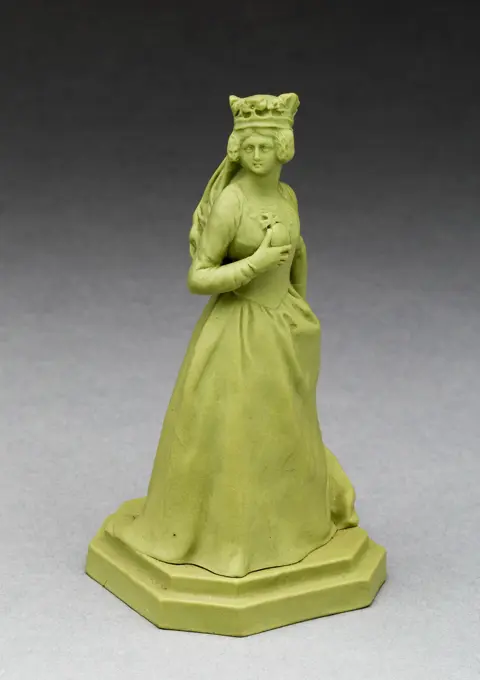
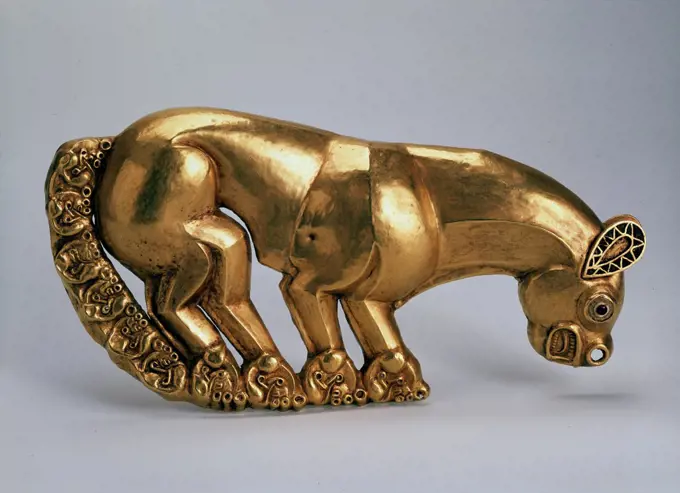
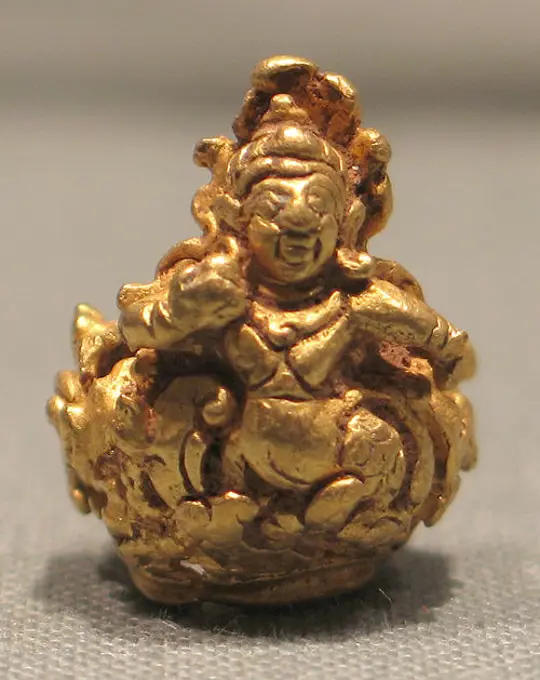
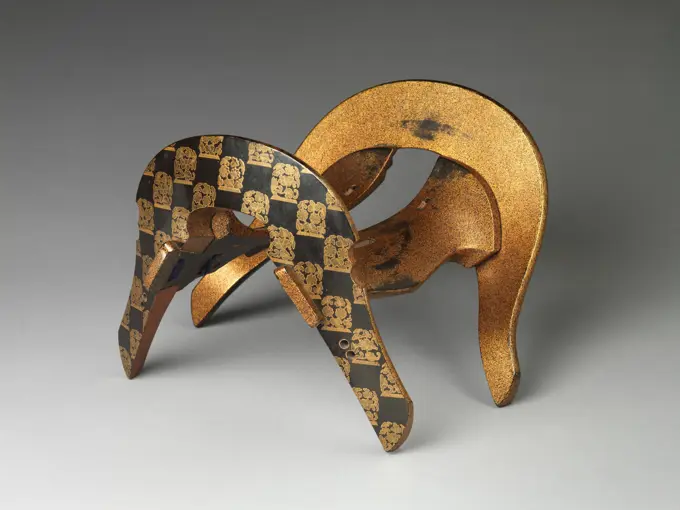
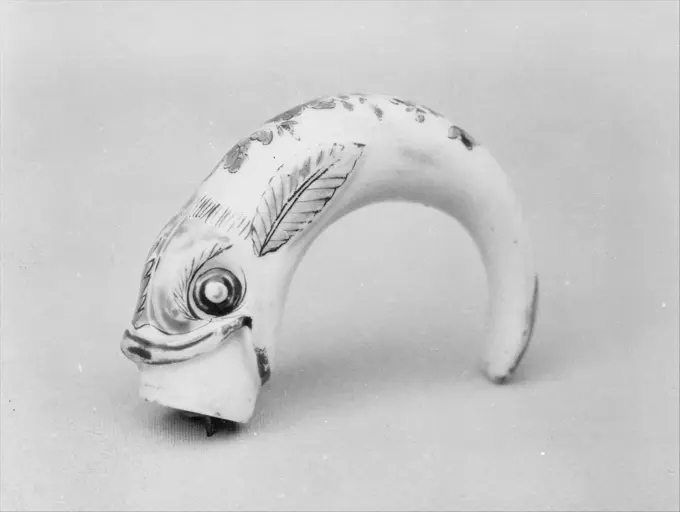
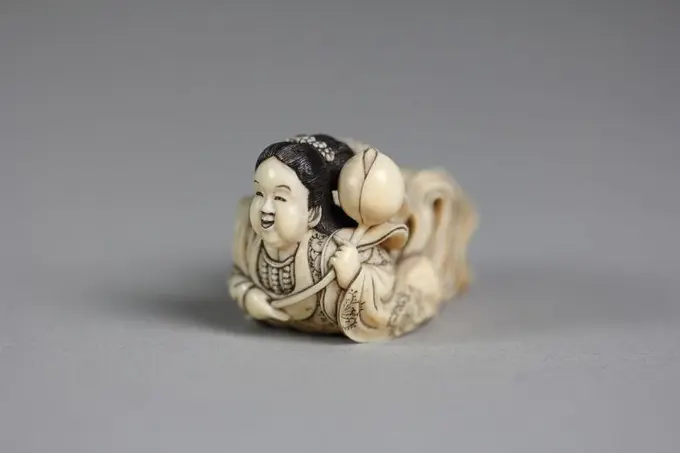
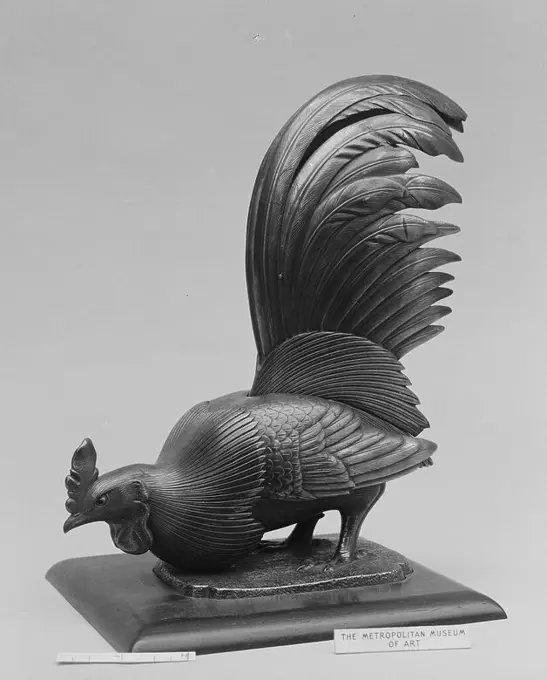
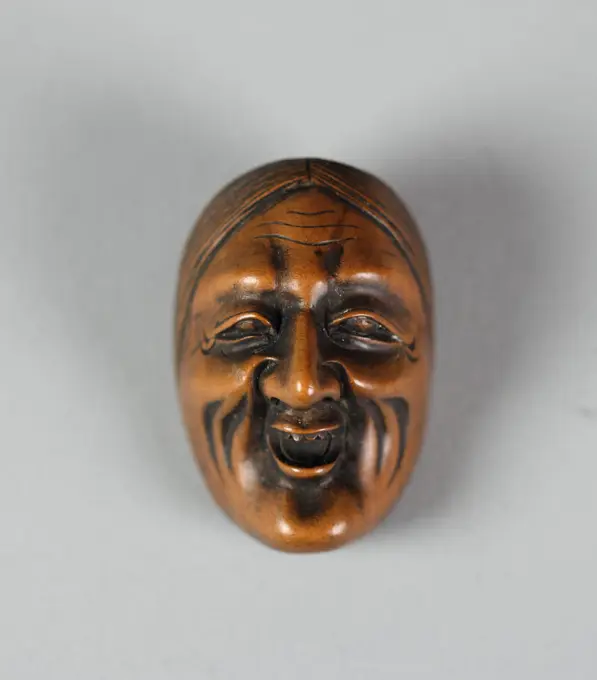
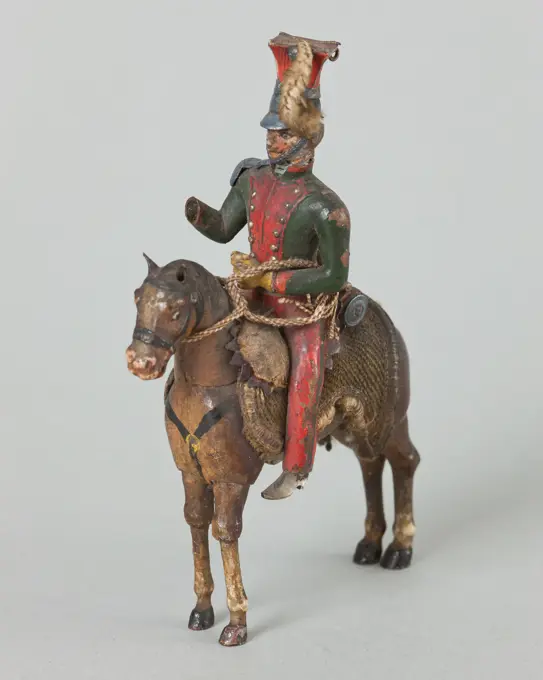
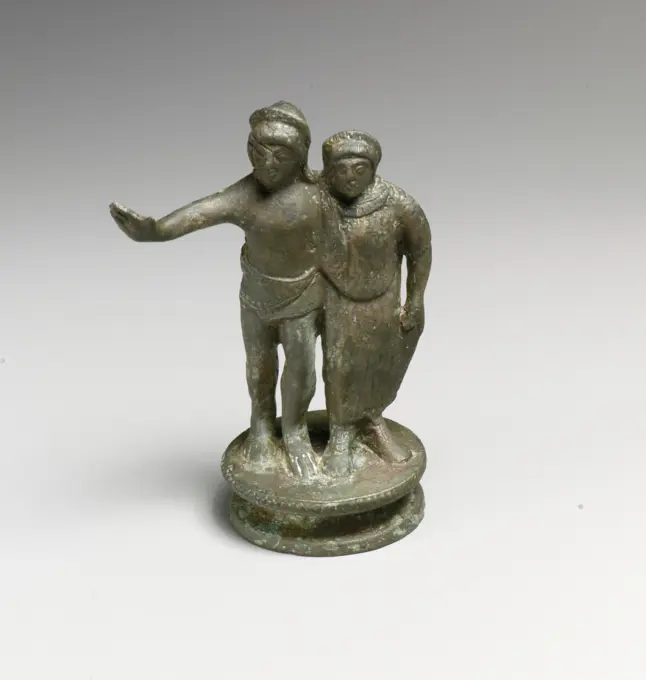
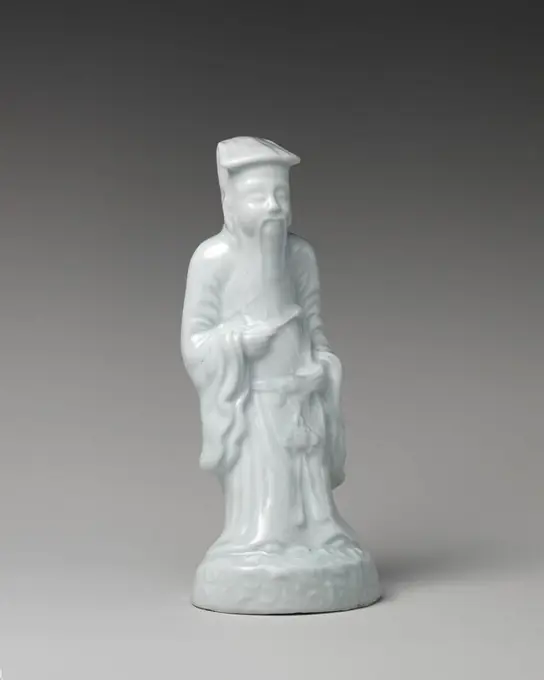
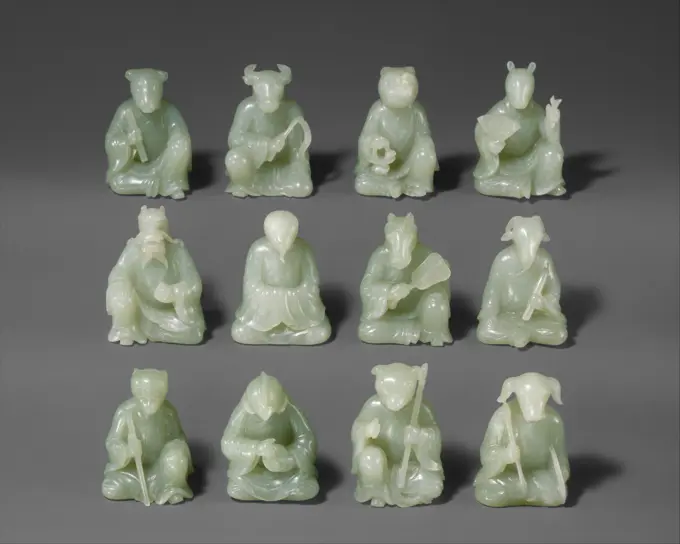
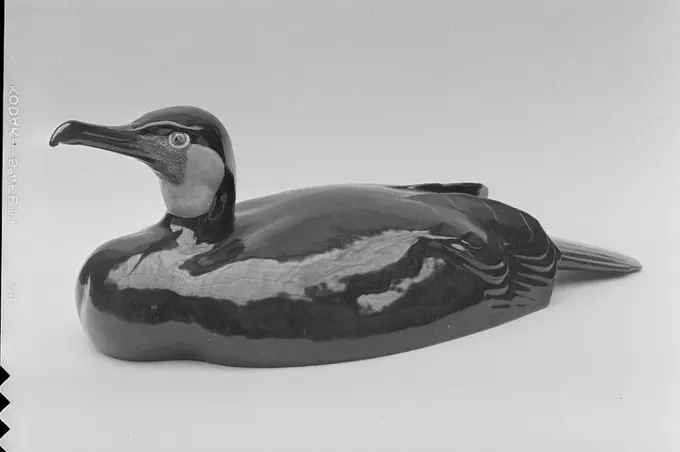
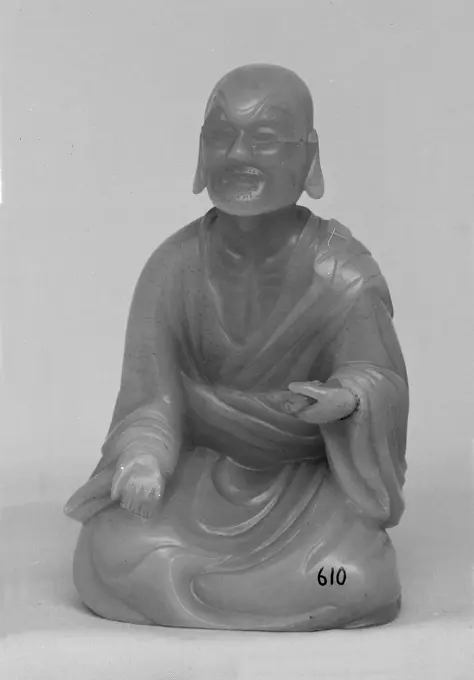
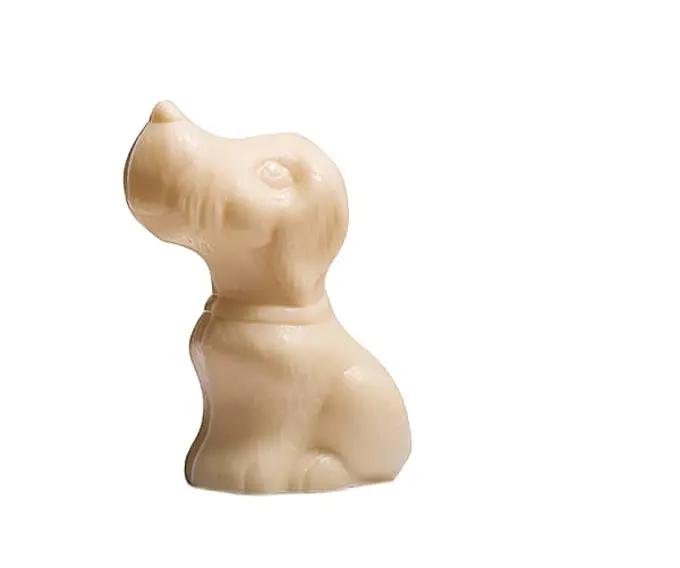
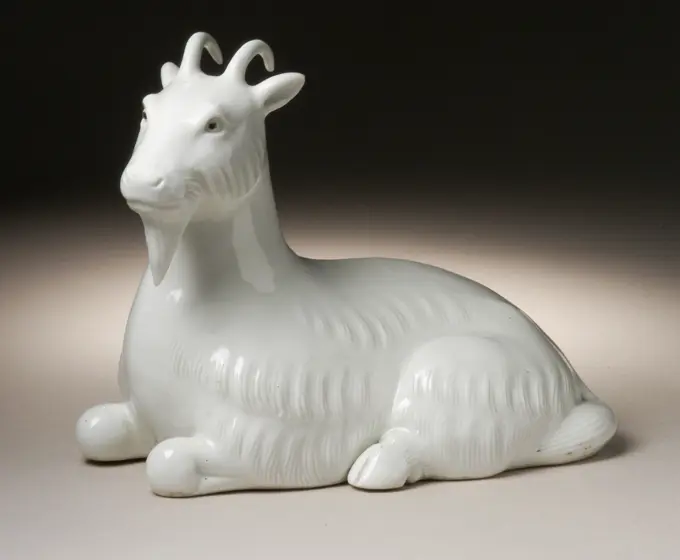
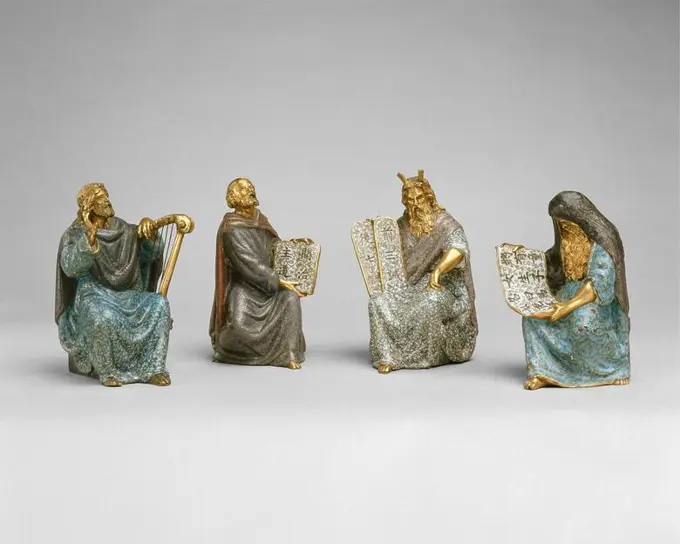
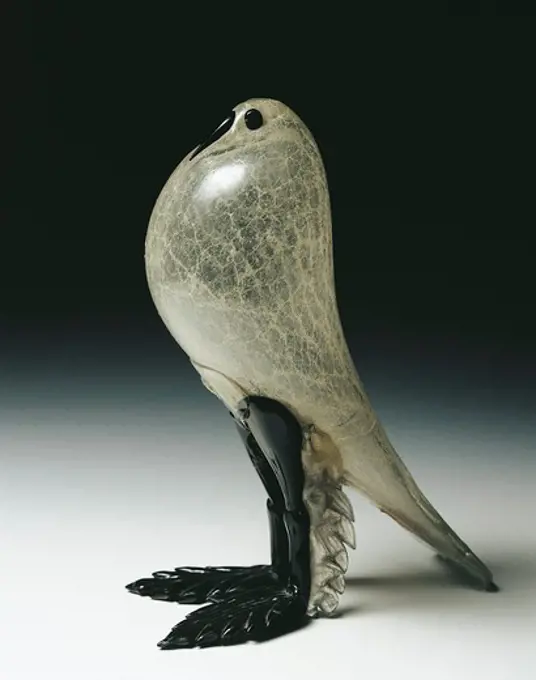
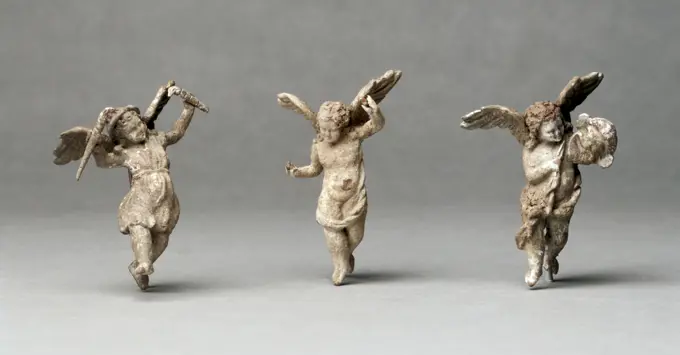
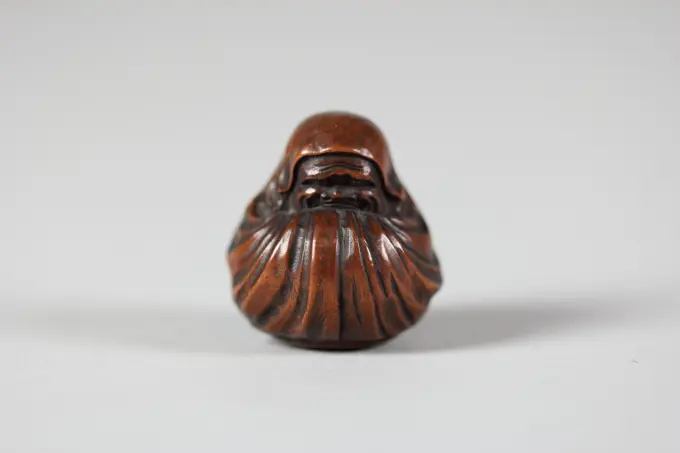
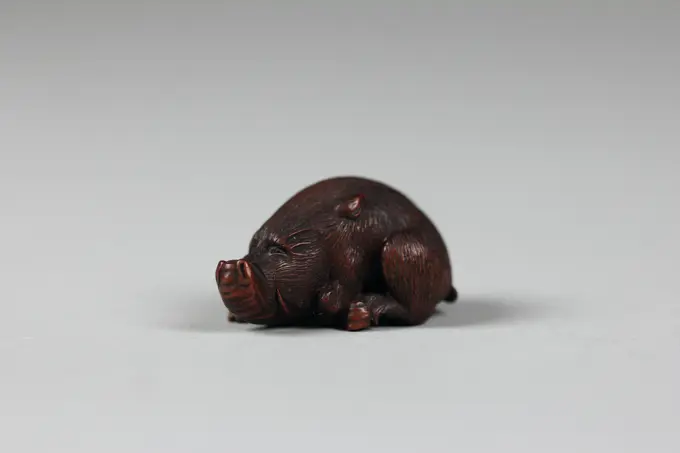
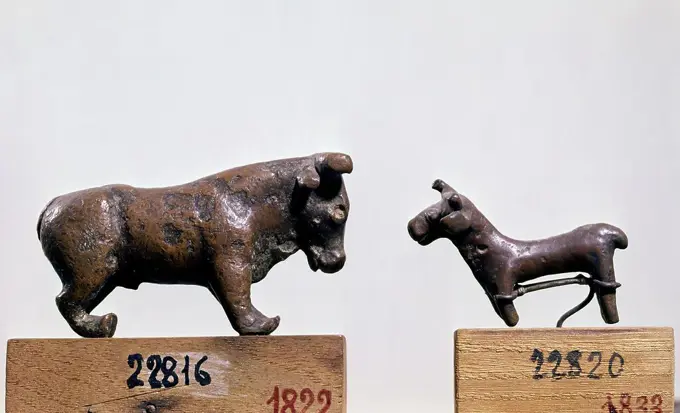
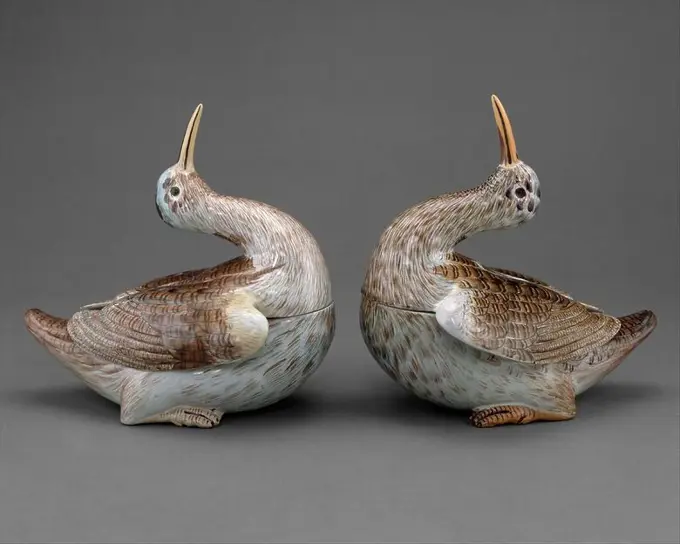
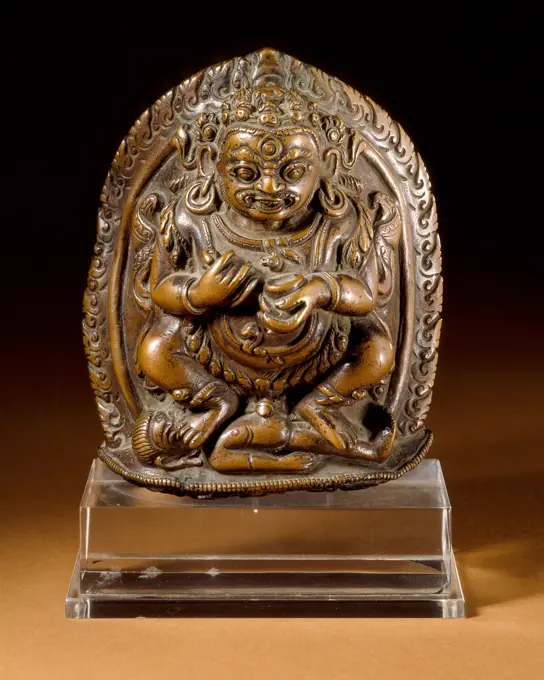
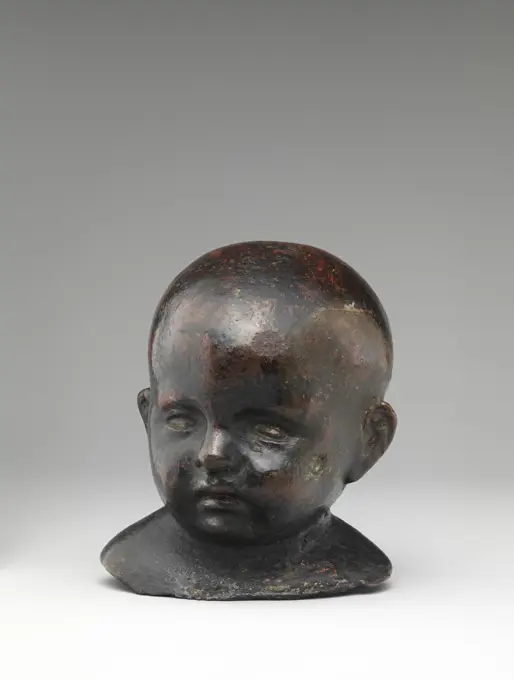
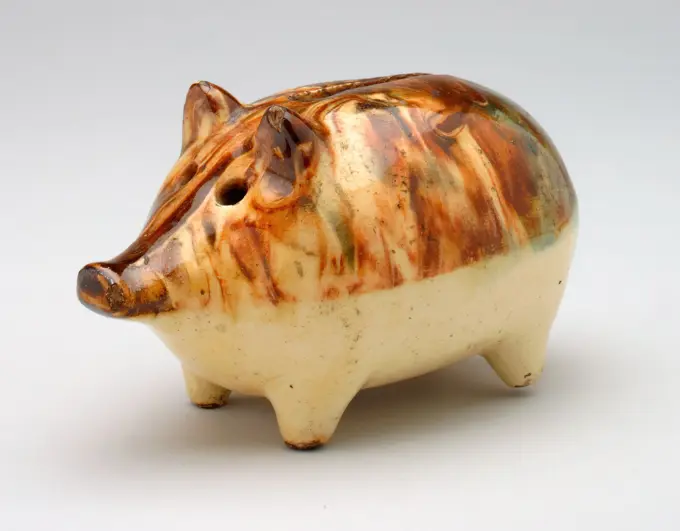
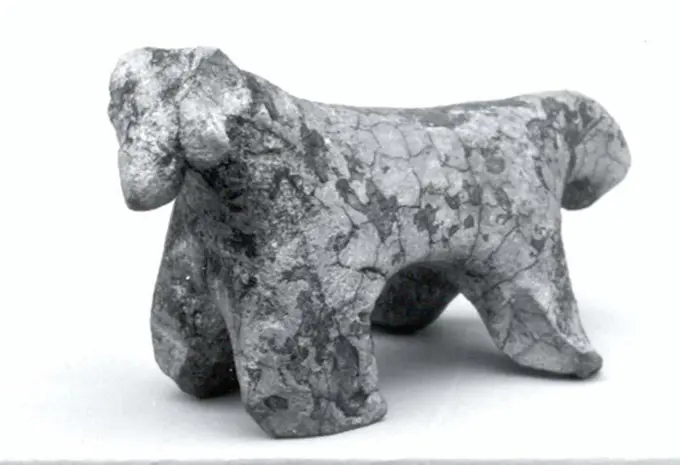
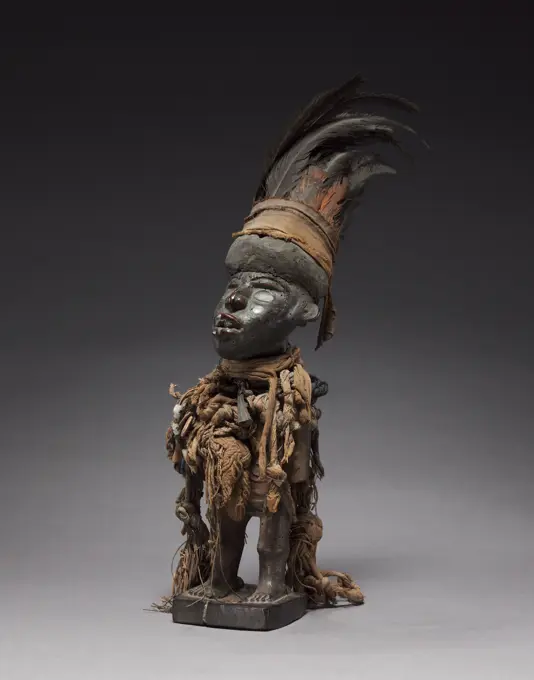
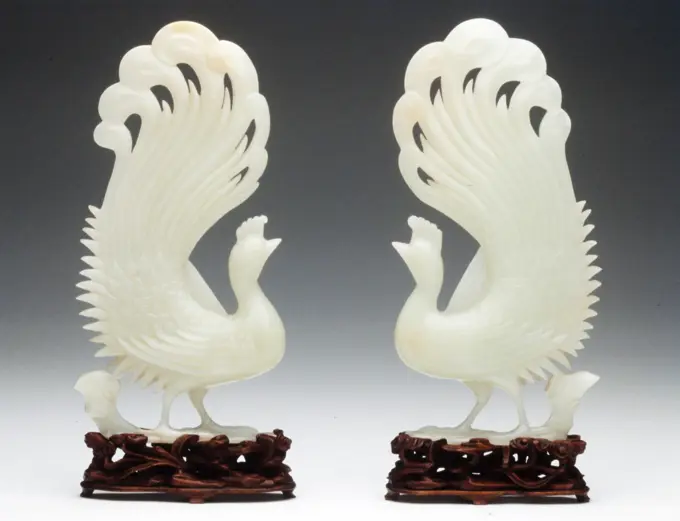
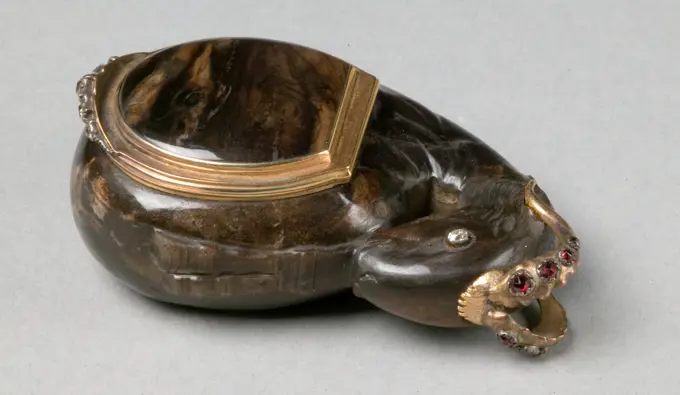
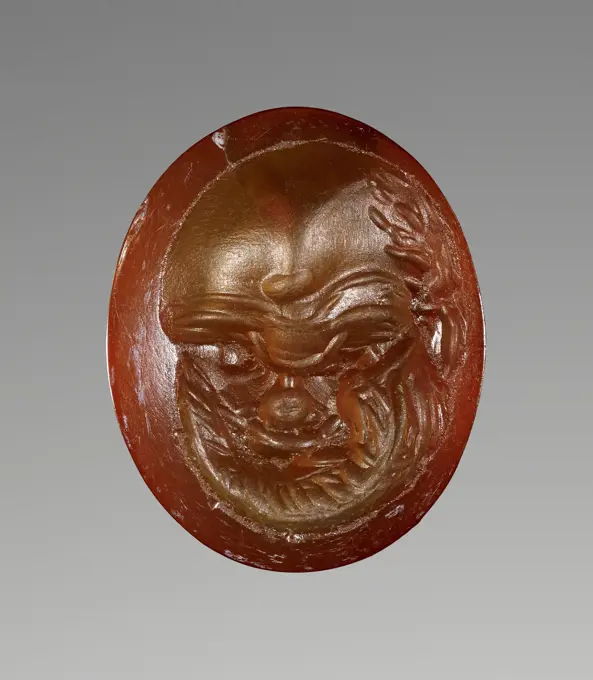
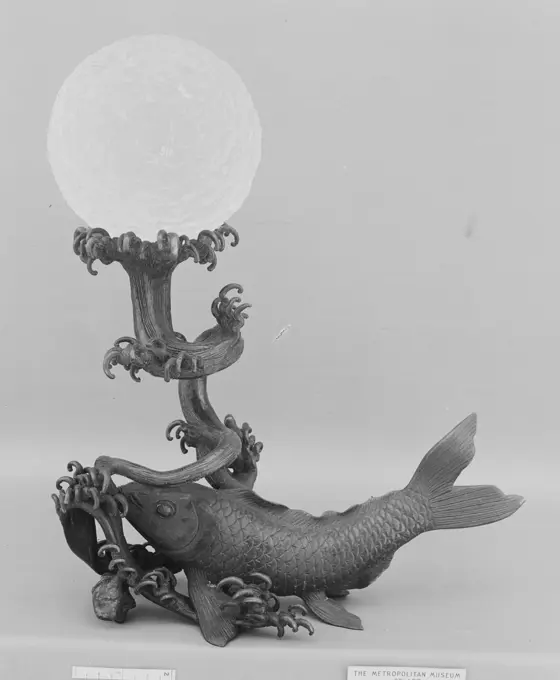
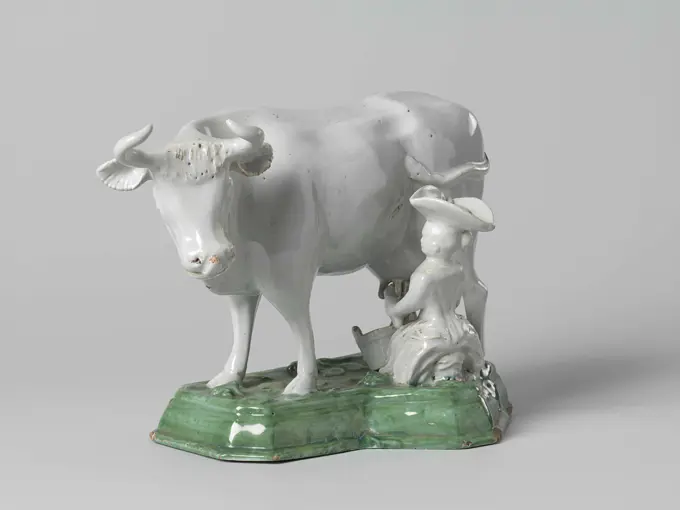
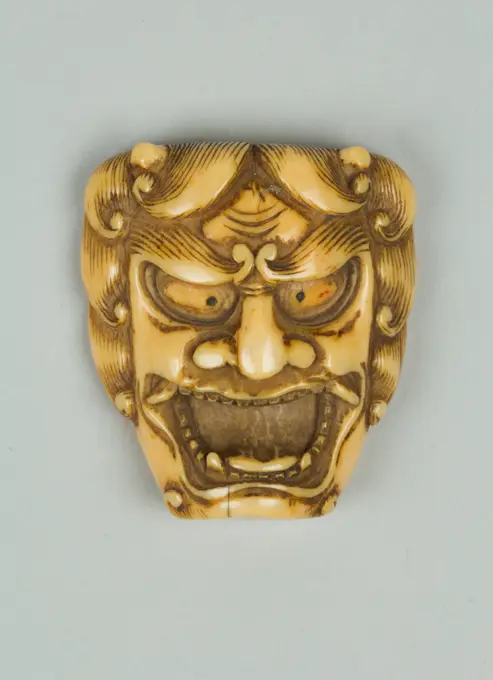
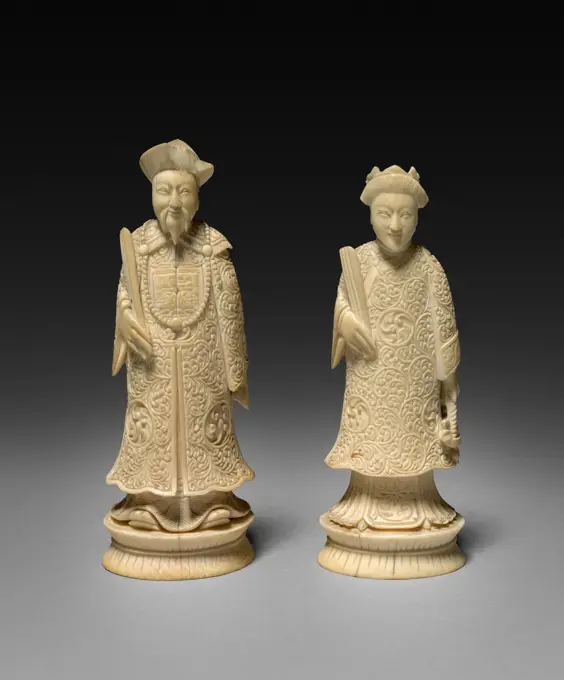
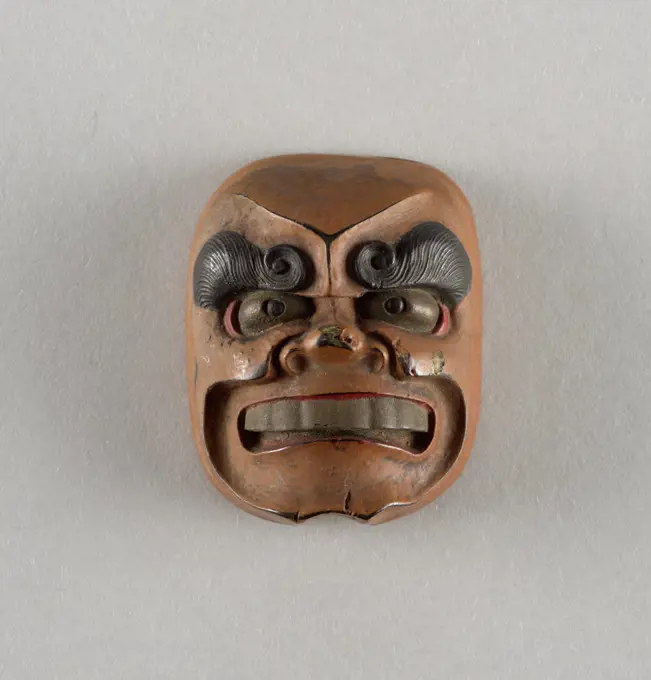
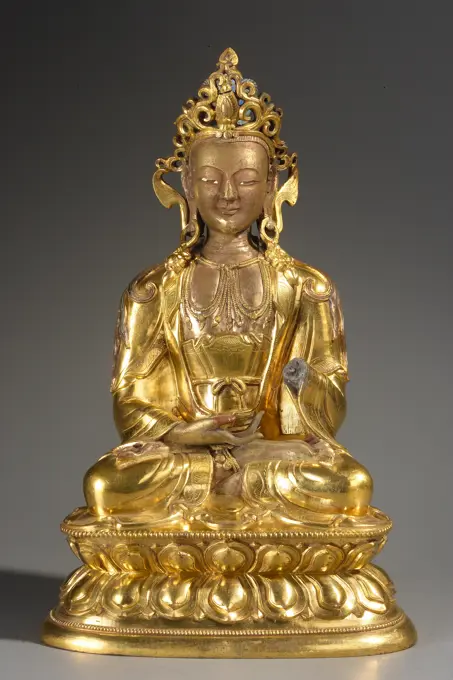
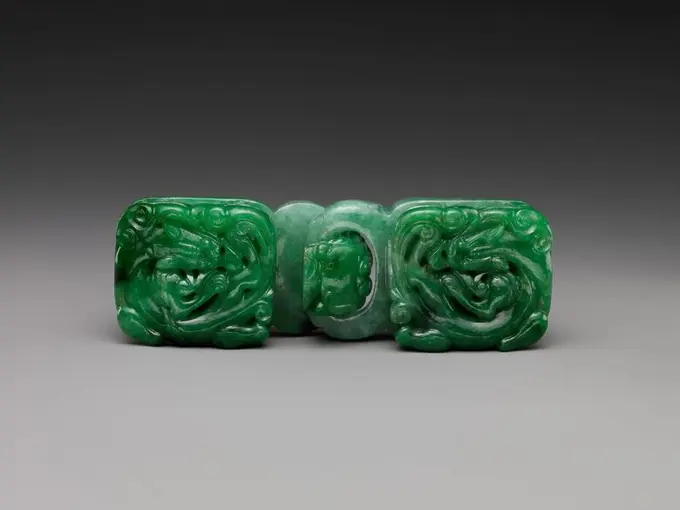
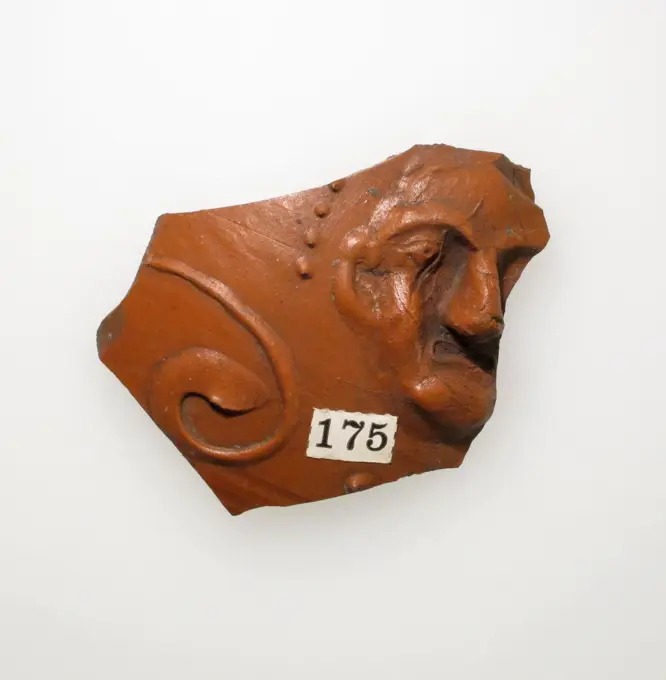
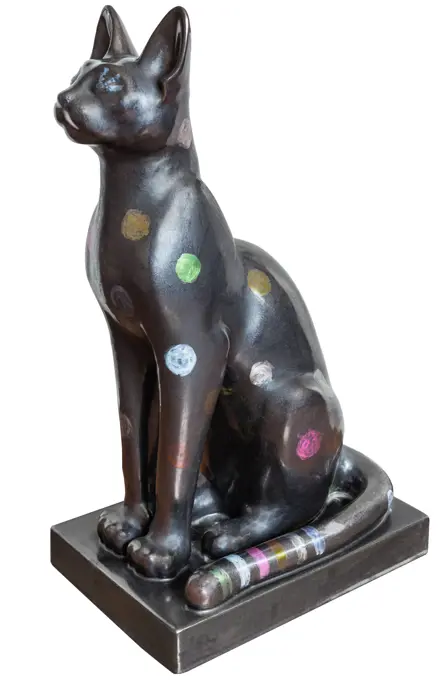
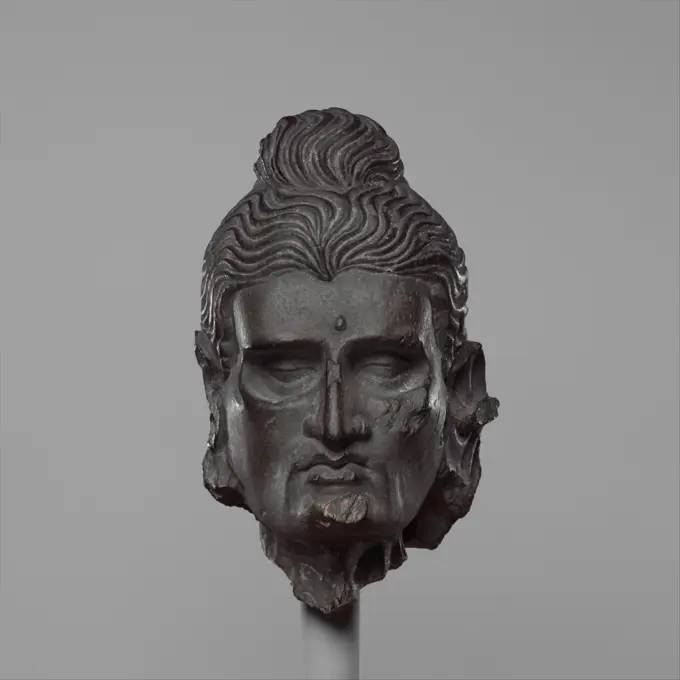
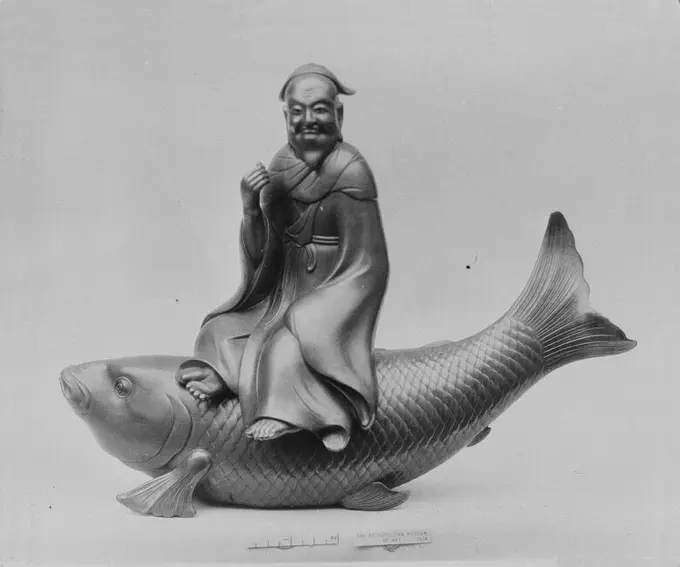
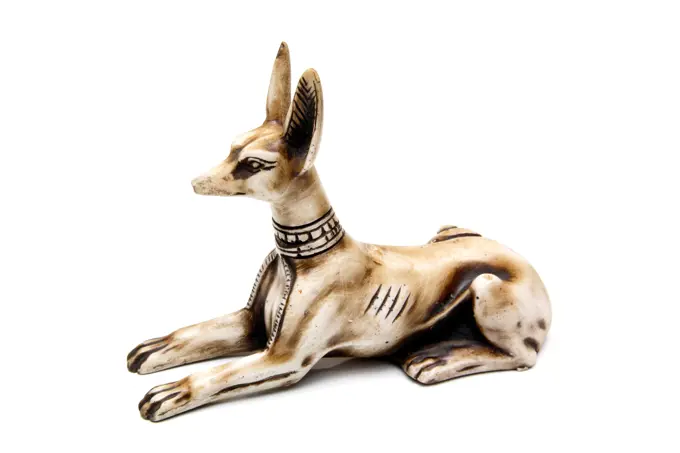
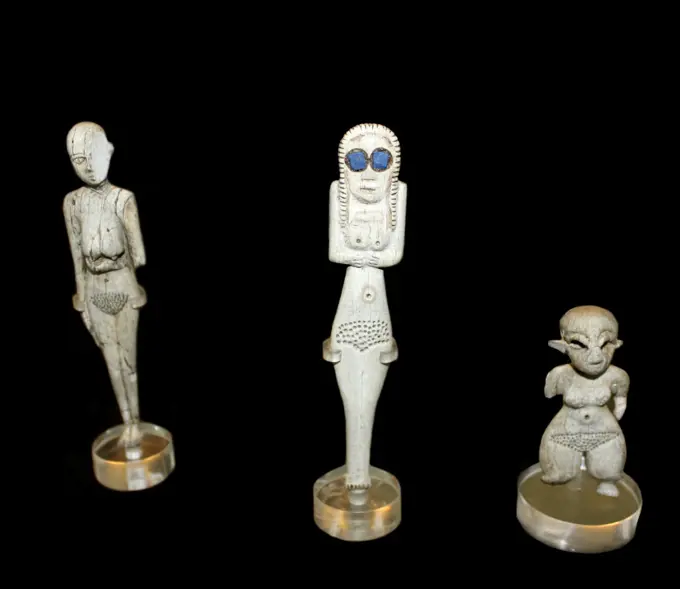
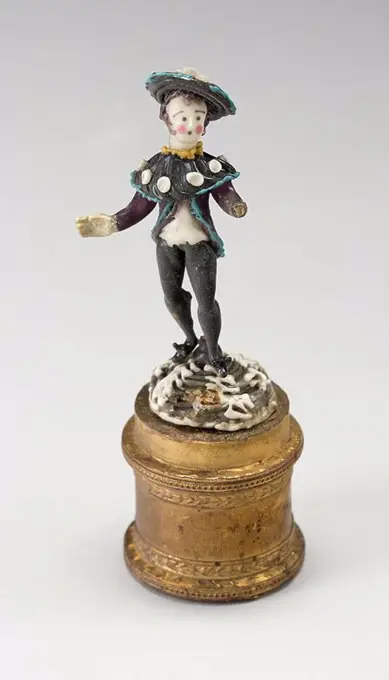
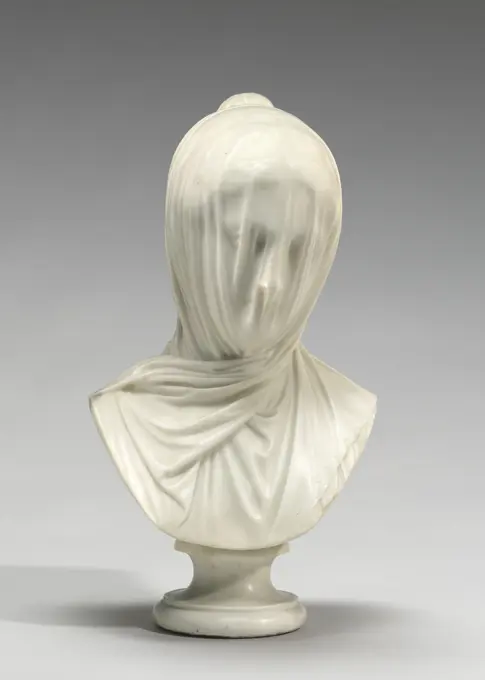
Italian 19th Century, possibly after a model by Giuseppe Croff, Veiled Bust (The Veiled Nun), c 1863 Veiled Bust (The Veiled Nun)Chess Piece Queen 1775-1799 Burslem. Stoneware green jasperware . Wedgwood Manufactory (Manufacturer)Pendant seal bronze double lions decorating opposite on each side and framed within a circle. Height 3 cm Width 2 cm, length 2, 2 cm ( 18 th ) Neoclassical era from the Theatre Cervantes in Alcalá de Henares ( Madrid ) SPAIN.Figure of Gentleman on Horseback China. Figure of Gentleman on Horseback 47919Horse and oxcart. In ancient China, oxcarts were vehicles used by wealthy people. Model carts found in tombs formed part of therepresentation of the deceaseds daily life. The horse is several centuries older and has a small, finely modelled head characteristic of the period. The blanket over the saddle shows that at the time the animal was represented, it did not have a rider.Man with Dice, 1800s. Japan, Edo period (1615-1868) to Meiji period (1868-1912). Ivory; overall: 5.2 cm (2 1/16 in.).Scythian Art, gold, enamel , circa 600 BC, Russia, St. Petersburg, State Hermitage, 16, 2x32, 6Automaton Clock in the Shape of a Lion 1625-1635 Germany. Gilt bronze, ebony, and metal .Rod Finial Clip with Vishnu on Garuda 8th-early 10th century Indonesia (Java). Rod Finial Clip with Vishnu on Garuda 49738Saddle with Stylized Flowers inscribed 1491; relacquered, 17th century Japan During the peaceful Edo period, sets of saddles and stirrups were often richly decorated with matching maki-e (sprinkled picture) designs and mother-of-pearl inlays. This light, carefully crafted saddle, however, is dated on its reverse to 1491 (Entoku 3), which suggests that it might have seen use during the turbulent samurai warfare of the Muromachi period. Saddles such as this one were treasured by samurai families and were not only carefully preserved but also relacquered and redecorated in the Edo period to reflect the tastes of the time. The flower decoration on this saddles pommel is inspired by Chinese brocades.. Saddle with Stylized Flowers. Japan. inscribed 1491; relacquered, 17th century. Saddle: Gold maki-e with black lacquer decoration:Pommel: lacquered wood with gold and silver takamaki-e and hiramaki-e on black ground; seat: nashiji (“pear-skin” ground). Muromachi (1392-1573)-Edo period (1615-1Cabriolet with Driver. Culture: probably French, possibly British. Dimensions: 7.6 x 18.7 x 12.4 cm. Date: mid-19th century. Museum: Metropolitan Museum of Art, New York, USA.Snuff Bottle. Culture: China. Dimensions: H. 3 1/4 in. (8.3 cm). Museum: Metropolitan Museum of Art, New York, USA.Cane handle ca. 1735-45 Saint-Cloud factory. Cane handle 195207Netsuke of Flying Buddhistic Angel. Culture: Japan. Dimensions: H. 1 in. (2.5 cm); W. 3/4 in. (1.9 cm); D. 1 1/2 in. (3.8 cm). Date: 19th century. Museum: Metropolitan Museum of Art, New York, USA.Censer. Culture: Japan. Dimensions: H. 9 1/4 in. (23.5 cm). Date: 1680. Museum: Metropolitan Museum of Art, New York, USA.Nessus chess Deianeira on pedestal, Caspar Gras, c. 1500 - c. 1800  Innsbruck bronze (metal). sokkel: slate (rock). sokkel: marble (rock) polishing  Innsbruck bronze (metal). sokkel: slate (rock). sokkel: marble (rock) polishingNetsuke of Noh Mask; Uba 18th century Japan. Netsuke of Noh Mask; Uba. Japan. 18th century. Wood. Edo period (1615-1868). NetsukeLabrador Retriever Black. Ceramic figurine, dog breed isolated on whiteSilver miniature horse, Doll toy miniature toy model silver, cast Horse standing on flat surface left front leg and right hind leg raised saddle and bridle. reinspection sign: play bee decorate home interiorChelsea Porcelain Manufactory / 'Bonbonnière (Snuffbox)'. Ca. 1760. Hard-paste. Museum: Museo del Prado, Madrid, España. Author: FÁBRICA DE PORCELANA DE CHELSEA.Tara. Culture: Pakistan (Swat Valley region). Dimensions: H. 4 5/8 in. (11.8 cm). Date: 7th century.This goddess sits with crossed legs on a double lotus throne and holds her hands a gesture of adoration anjali mudra) but twisted; as this unique hand posture is clear and well executed, we must assume that it has a specific meaning, now lost. She wears her hair in a fanlike coiffure and has large ear ornaments, a Gupta-style legacy perpetuated in the northwest.. Museum: Metropolitan Museum of Art, New York, USA."Inkstone" and Cover in the Shape of a Turtle. Culture: China. Dimensions: H. 3 1/2 in. (8.9 cm); W. 9 1/4 in. (23.5 cm); L. 11 5/8 in. (29.5 cm). Date: ca. 6th-7th century.Turtles and tortoises, symbols of longevity and endurance, have long been associated with divination in ancient China. Here, the shell is engraved with the eight trigrams (bagua) used in Daoist cosmology, which became increasingly important during the Sui and Tang dynasties. Museum: Metropolitan Museum of Art, New York, USA.Figurine launched on a horseSpring; Summer; Autumn; Winter, c. 1760. England, Derby, 18th century. Soft-paste porcelain; part 1: 16.4 x 10.5 x 8.8 cm (6 7/16 x 4 1/8 x 3 7/16 in.); part 2: 15.6 x 11.3 x 10 cm (6 1/8 x 4 7/16 x 3 15/16 in.); part 3: 15.8 x 8.9 x 9.9 cm (6 1/4 x 3 1/2 x 3 7/8 in.); part 4: 15.5 x 8.9 x 8.3 cm (6 1/8 x 3 1/2 x 3 1/4 in.).Statuette of a man and woman 5th century B.C. Etruscan. Statuette of a man and woman 250961 Etruscan, Statuette of a man and woman, 5th century B.C., Bronze, H.: 4 1/8 x 3 x 1 7/8 in. (10.5 x 7.6 x 4.8 cm). The Metropolitan Museum of Art, New York. Rogers Fund, 1920 (20.208)Lu Tung Pin. Culture: British, Bristol. Dimensions: Height: 6 1/2 in. (16.5 cm). Factory: Bristol (British). Factory director: Benjamin Lund (active 1748-52). Date: 1750. Museum: Metropolitan Museum of Art, New York, USA.Twelve Animals of the Chinese Zodiac 18th-19th century China The twelve animals of the Chinese zodiacrat, ox, tiger, rabbit, dragon, snake, horse, ram, monkey, rooster, dog, and pighave been popular decorative motifs in various media. This set of carvings, made of flawless pale green jade, must have been particularly prized during the Qing dynasty: another identical set from the imperial collection is known (now in the Palace Museum, Beijing). With extraordinary talent and skill, master carvers created a lively group of individual characters in varied postures and holding different accessories.This set is from the renowned collection of Heber R. Bishop, a selection of which is now on view in Gallery 220 (on Floor 3, accessed through the galleries for Chinese Painting and Calligraphy). Listen to experts illuminate this artwork's story Listen Play or pause #7331. Twelve Animals of the Chinese Zodiac Supported by Bloomberg Philanthropies We're sorry, the transcript for this audio track Figure of Cormorant. Artist: Tennozan Kawashima. Culture: Japan. Dimensions: H. 5 5/8 in. (14.3 cm); W. 5 7/8 in. (14.9 cm); L. 16 1/4 in. (41.3 cm). Date: 20th century. Museum: Metropolitan Museum of Art, New York, USA.Luohan (Arhat) 18th century China. Luohan (Arhat). China. 18th century. Jade (nephrite). Qing dynasty (1644-1911). JadeFunny dog made of white chocolate, isolated on whiteFigurine of a Reclining Goat. Japan, latter half 19th century. Ceramics. Hirado Mikawachi ware; porcelain with light green-tinged and black glazesKnow with a child, a basket of fruit and a hoe; Okimono; Kozan (fl. Ca 1870-1920); 19th/20th century (1891-00-00-1910-00-00);Glezmer, Stanisław (1853-1916) - collection, gift (provenance), figurines, Japanese (culture), okimono, Japanese artCow. Staffordshire, England. Date: 1760-1770. Dimensions: 12.7 x 19.7 x 8.3 cm (5 x 7 3/4 x 3 1/4 in.). Lead-glazed earthenware (creamware). Origin: Staffordshire. Museum: The Chicago Art Institute, Chicago, USA.Happy laughing Buddha brass figurine on white background.Close-up of jade sculptureCow with milk star, on green pedestal, anonymous, c. 1750 - c. 1780 Image of Faience. There is an undecorated cow on a green pedestal. On the left side of the cow is a woman who milks the cow. Delft Earthenware. Tin Glaze. pedestal: Image of Faience. There is an undecorated cow on a green pedestal. On the left side of the cow is a woman who milks the cow. Delft Earthenware. Tin Glaze. pedestal:Old Testament Figures. Culture: China. Dimensions: Overall (a David): H. 4 7/8 in. (12.4 cm); W. 3 5/16 in. (8.5 cm); D. 3 1/4 in. (8.3 cm)Overall (b Moses): H. 5 5/16 in. (13.5 cm); W. 3 5/16 in. (8.5 cm); D. 3 5/16 in. (8.5 cm)Overall (c young Isaiah): H. 4 3/4 in. (12.1 cm); W. 2 11/16 in. (6.8 cm); D. 3 1/4 in. (8.3 cm)Overall (d old Isaiah): H. 4 3/4 in. (12.1 cm); W. 3 1/4 in. (8.3 cm); D. 3 1/4 in. (8.3 cm). Date: 18th century.Clothing and other attributes suggest that these rare figures are Old Testament personages: the tablets held by one, which have inscriptions alluding to the Ten Commandments, imply that he is Moses; the crown and harp of another may identify him as David; and the remaining two are most likely prophets. Flat crossbars with holes on the bases of the figures indicate that they may once have been part of a larger ensemble that was secured onto a platform. Museum: Metropolitan Museum of Art, New York, USA.Frog Ornament 2nd-6th century Moche. Frog Ornament 317750Pigeon sculpture by Ercole Barovier (1889-1974)Silver figure of literary character Sancho PanzaFigurine, late 4th-3rd Century BC. Greece, Myrina, Hellenistic period. Terracotta; overall: 11.2 cm (4 7/16 in.).Decoy -Seal Made 1750-1770 Chelsea. Soft-paste porcelain, polychrome enamels and gilding; hardstone and metal mount . Chelsea Porcelain FactoryNetsuke of Daruma 19th century Japan. Netsuke of Daruma 59205Sand container 18th century German, Westerwald For another figure from the same mold, see 34.165.5.. Sand container 197487Figure of Red Riding Hood with Basket 1852-58 United States Pottery Company. Figure of Red Riding Hood with Basket 6850Netsuke of Boar 19th century Japan. Netsuke of Boar 59746Emilia-Romagna Ferrara Ferrara Museo Civico di Schifanoia08. Hutzel, Max 1960-1990 General Notes: INCOMPLETE RECORD--NEGATIVES PROCESSED, PRINTS FILED German-born photographer and scholar Max Hutzel (1911-1988) photographed in Italy from the early 1960s until his death. The result of this project, referred to by Hutzel as Foto Arte Minore, is thorough documentation of art historical development in Italy up to the 18th century, including objects of the Etruscans and the Romans, as well as early Medieval, Romanesque, Gothic, Renaissance and Baroque monuments. Images are organized by geographic region in Italy, then by province, city, site complex and monument.Tomb retinue horse, early 8th century, 20 1/2 x 23 1/2 in. (52.07 x 59.69 cm), Earthenware with polychrome glaze, China, 8th centuryTOROS CELTIBERICOS. Location: MUSEO ARQUEOLOGICO NACIONAL-COLECCION. MADRID. SPANIEN.Figure of Cormorant 20th century Tennozan Kawashima Japanese. Figure of Cormorant. Tennozan Kawashima. Japan. 20th century. Pottery; natural-colored body with black glaze overall; throat buff, speckled towards beak; beak, brown; eyes, yellow-gray; underside natural color with clear glaze. CeramicsTwo tureens in the form of woodcocks. Culture: German, Höchst. Dimensions: each: 10 × 10 in. (25.4 × 25.4 cm). Date: ca. 1750. Museum: Metropolitan Museum of Art, New York, USA.Pair of Sword-Grip Ornaments (Menuki) 1743-1801 Japanese Menuki are a pair of ornamental sword fittings attached to either side of a sword hilt.. Pair of Sword-Grip Ornaments (Menuki). Japanese. 1743-1801. Copper-silver alloy (shibuichi), gold, copper. Sword Furniture-MenukiMahakala. Central Tibet, 17th-18th century. Sculpture. Repoussé copper alloyHead of an Infant 19th century Northern Italian. Head of an Infant. Northern Italian. 19th century. Bronze, eyes polished, on a later marble base. Sculpture-BronzePig still bank, mid 20th century, 2 1/4 x 3 7/8 x 2 in. (5.72 x 9.84 x 5.08 cm), Ceramic, United States, 20th centuryCDK unknownIsolated Bronze sculpture of an angel Isolated Bronze sculpture of an angel on a white background Copyright: xZoonar.com/JuergenxSchonnopx 2369622Animal figurine ca. 3rd-7th century A.D. Sasanian. Animal figurine 322423Ancient Tibet: Decorated goat's skull, Bon religion, protective. Skull covered in Tibetan silver, including 56 small skuls.Male Figure (nkisi), late 1800s-early 1900s. Africa, Central Africa, Democratic Republic of Congo, Cabinda, or Republic of the Congo, probably Vili-style maker. Wood, cloth, resin, organic material, feathers, natural fibers, antelope horn, seashells (including cowrie shells), glass beads, metalized glass, and plant fiber; overall: 42 x 11.8 x 23 cm (16 9/16 x 4 5/8 x 9 1/16 in.).Decapitated Woman's Head. Japan, 19th century. Costumes; Accessories. Boxwood with inlayPeacock, One of a Pair, 1644-1912, 7 1/2in. (19cm), Mutton fat jade, China, 17th-20th centuryCast Iron Dog. Dated: c. 1938. Dimensions: overall: 26.8 x 21 cm (10 9/16 x 8 1/4 in.) Original IAD Object: 28" high; 36" long. Medium: watercolor, graphite, and gouache on paper. Museum: National Gallery of Art, Washington DC. Author: Samuel Fineman.Snuff Box, c. 1730-60. Germany, Berlin. Dark brown stone, gold; overall: 2.9 x 7.6 cm (1 1/8 x 3 in.).Figurine of fo lion with rider on its back. unknown, craftsmanEngraved Gem with a Bearded Comic Mask; 1st century; Sard; 1.2 × 1 × 0.4 cm (7,16 × 3,8 × 1,8 in.)Female Equestrian with Brimmed Hat, 618-906, Dia.11-3/4 in., Glazed and painted stoneware, China, 7th-10th centuryBalinese dragon head made from palm wood, traditional Balinese wood carving, Bali, Indonesia, Southeast Asia, AsiaCrystal Ball on a Bronze Stand in the Shape of a Fish 18th century China. Crystal Ball on a Bronze Stand in the Shape of a Fish. China. 18th century. a) Rock crystal; b) Bronze. HardstoneCow with milk star, on green pedestal. Image of faience. On a green painted pedestal is an unforded cow. On the left side of the cow is a woman who milks the cow.Netsuke of Mask of a Man with Open Mouth and Curly Hair 19th century Japan. Netsuke of Mask of a Man with Open Mouth and Curly Hair. Japan. 19th century. Ivory. Edo (1615-1868) or Meiji period (1868-1912). NetsukeChess Pieces: King and Queen, early 1900s. Japan, Meiji period (1868-1912). Ivory; overall: 10.5 x 3.9 cm (4 1/8 x 1 9/16 in.).Figure Dish 1880-90 McKee and Brothers. Figure Dish. American. 1880-90. Pressed opaque white glass. Made in Pittsburgh, Pennsylvania, United StatesNetsuke, lacquered papier-mache, Mask with heavy eyebrows spiraled at inner corners and wide grinning mouth. Inside of mouth and corners of eyes are lacquered red, the eyebrows and pupils black, and the eyeballs and teeth gold. The inside of the mask is lacquered brown., Japan, 18th century, Decorative Arts, Miniature mask, Miniature maskHorse Balking (Horse Clearing an Obstacle). Dated: late 1880s. Dimensions: overall without base: 30.5 x 20.2 x 41 cm (12 x 7 15/16 x 16 1/8 in.). Medium: pigmented beeswax, metal armature, cork, on wooden base. Museum: National Gallery of Art, Washington DC. Author: EDGAR DEGAS.Derby porcelain factory, founded 1756, British, Dr. Syntax: Seated on a Bucket Sketching a Landscape, undated. Derby (Stevens & Hancock) fiture.Decoy -Fryderyk Schiller figurine;  XIX W (1801-00-00-1900-00-00);Lao Tzu riding on his ox. statuette. CHINA.Bodhisattwa;  18th century (1701-00-00-1800-00-00);Bodhisattwa, Dygas - collection, figurines, lotus throne, messagesBelt buckle. Culture: China. Dimensions: W. 7/8 in. (2.2 cm); D. 1 5/16 in. (3.3 cm); L.. 4 in. (10.2 cm). Date: 18th-19th century. Museum: Metropolitan Museum of Art, New York, USA.CERAMCA DE SARGADELOS. Location: MUSEUM OF FINE ARTS. LA CORUNA. A CORUÑA. SPAIN.Itsukushima Shrine Inside an Oyster Shell. Kaigyokusai Masatsugu (Japan, 1813-1892). Japan, mid- to late 19th century. Costumes; Accessories. IvoryTenjin. Kimura Ryūmin (Japan, active mid- to late 19th century). Japan, mid- to late 19th century. Costumes; Accessories. WoodYase-Otoko. Kimura Ryūmin (Japan, active mid- to late 19th century). Japan, mid- to late 19th century. Costumes; Accessories. WoodVase fragment Roman, Gaul Grotesque face and tendrils.. Vase fragment 250338Inkpot with lid, fa. Ash. Bonebakker and Son, 1862 Cylindrical jar of colorless, sharpened glass, the rejuvenating neck of which has a silver frame. The ink pot has a round opening at the top. The silver, flattened spherical lid is decorated at the top with C-volutes, rocailles, foam edges and flowers and crowned by a pigeon socketed on a vineyard with a ganzever pen in the mouth. Amsterdam silver (metal). glass grinding Cylindrical jar of colorless, sharpened glass, the rejuvenating neck of which has a silver frame. The ink pot has a round opening at the top. The silver, flattened spherical lid is decorated at the top with C-volutes, rocailles, foam edges and flowers and crowned by a pigeon socketed on a vineyard with a ganzever pen in the mouth. Amsterdam silver (metal). glass grindingDwarf riding a lion sleeping cap sitting on a lion and waving hello. Small bronze figures of gnomes on the streets of Wroclaw. Europe Miniature bronze figure of a gnome. Symbol of Wroclaw. Tourist attractionsmall gods - statuettes of different gods on grey background cat sculpture from Ancient Egypt isolated modern hand made ceramic replica of cat sculpture from Ancient Egypt isolated on white background ,property released Copyright: xZoonar.com/ValeryxVoennyyx 8554513 ,model released, Symbolfoto ,property releasedHead of the Fasting Siddhartha ca. 3rd-5th century Pakistan (ancient region of Gandhara). Head of the Fasting Siddhartha 38206Censer in form of Kinko Sitting on a Carp. Culture: Japan. Dimensions: H. 9 3/4 in. (24.8 cm). Date: 1700. Museum: Metropolitan Museum of Art, New York, USA.The May Dance 1800-1825 France. Glass; lampwork (verre de Nevers), metal armature .Egypt. Egyptian Small Statue. Close-Up On A Statue In Wood Representing The God AnubisOrnament. Culture: Japan. Dimensions: H. 8 3/4 in. (22.2 cm); W. 7 in. (17.8 cm). Date: 1750. Museum: Metropolitan Museum of Art, New York, USA.Figurines of bone and ivory. Predynastic, Naqada I. 4000-3600 BC. Ivory and bone figures of this type first appeared in the Naqada I period and continued into Naqada II. The inlaid eyes in one example are of lapis-lazuli may be a later addition.The Boating Party 1800-1850 France. Glass; lampwork (verre de Nevers), metal armature .Chess Piece Bishop 1800-1899 Burslem. Stoneware (jasperware) . Wedgwood Manufactory (Manufacturer)Boy. Nevers, France. Date: 1700-1750. Dimensions: H. 8.9 cm (3 1/2 in.). Glass; lampwork (verre de Nevers), metal armature. Origin: France. Museum: The Chicago Art Institute, Chicago, USA.