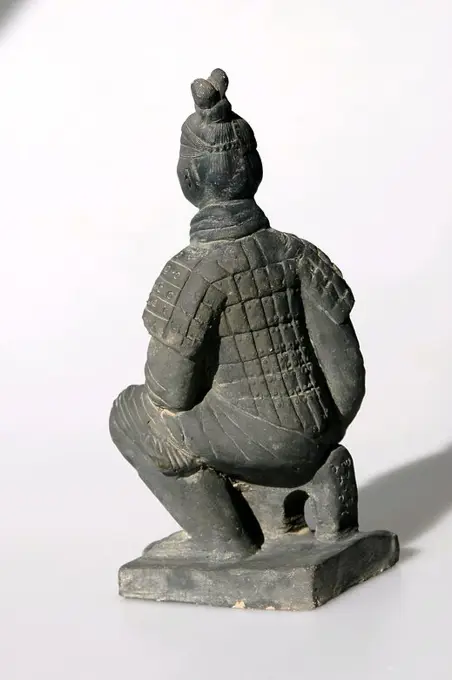
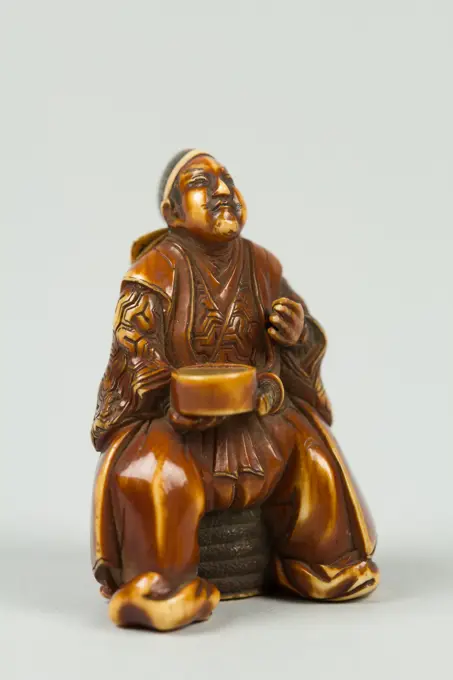
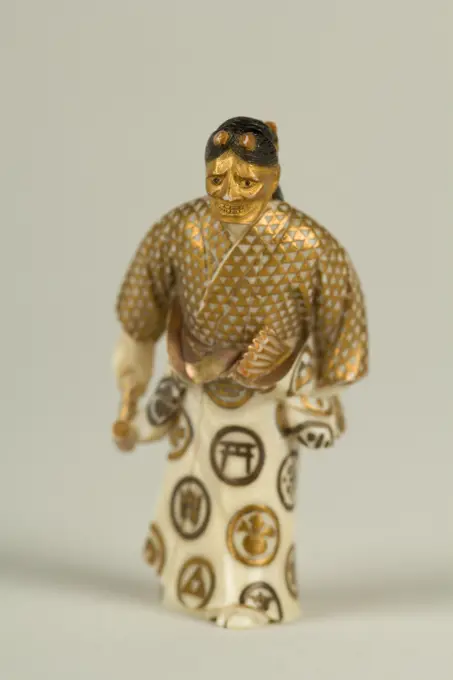
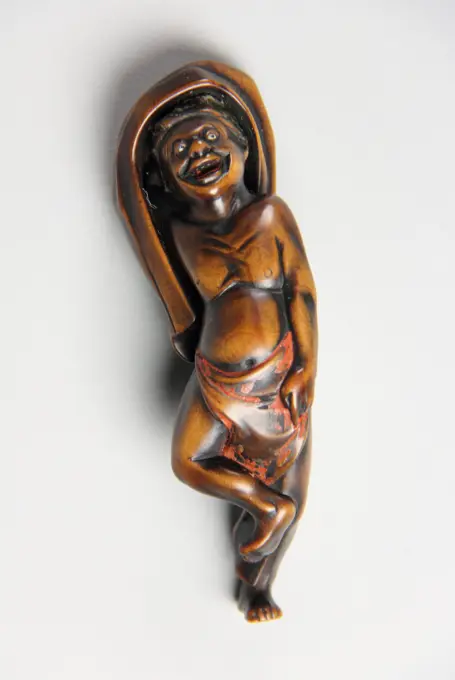
Unique Figurines and Artifacts

A collection of historical figurines and decorative items from various cultures, showcasing intricate designs and cultural significance.

Roof ornament in the shape of a phoenix. Terracotta. Cernuschi Museum, Asia Museum of Asia in the city of Paris.
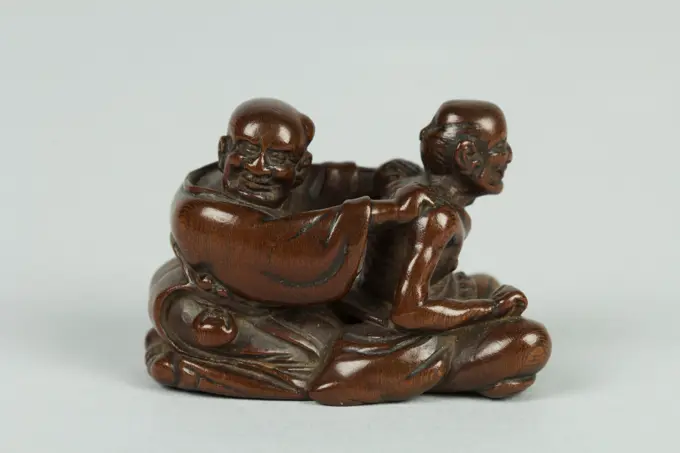
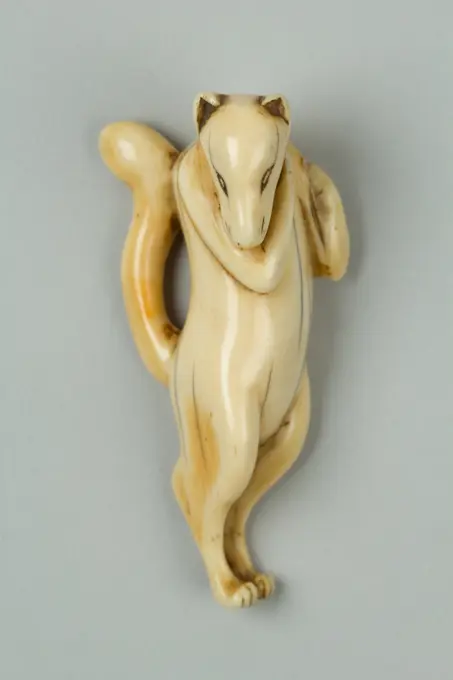
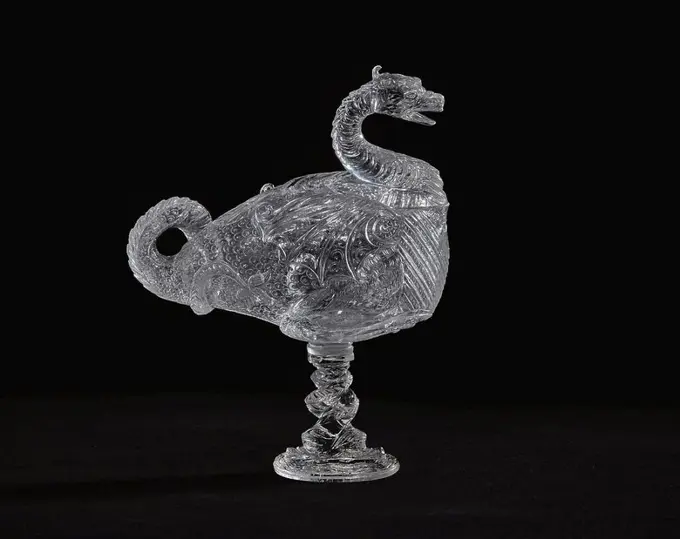
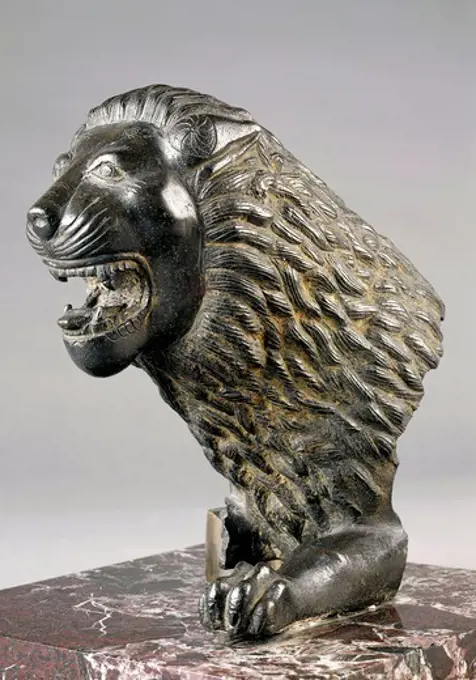
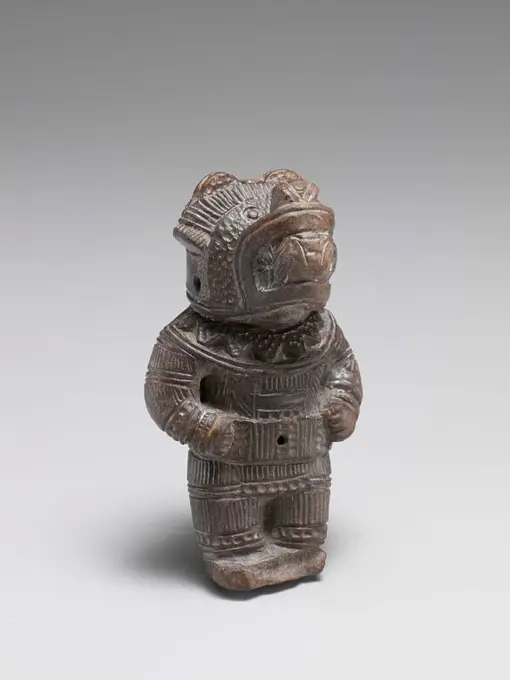
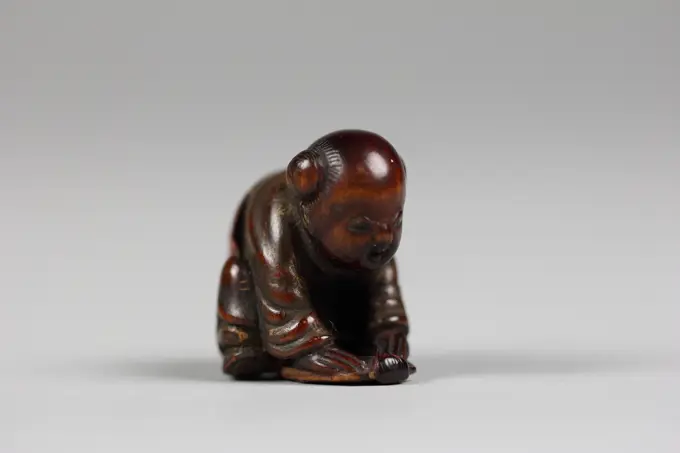
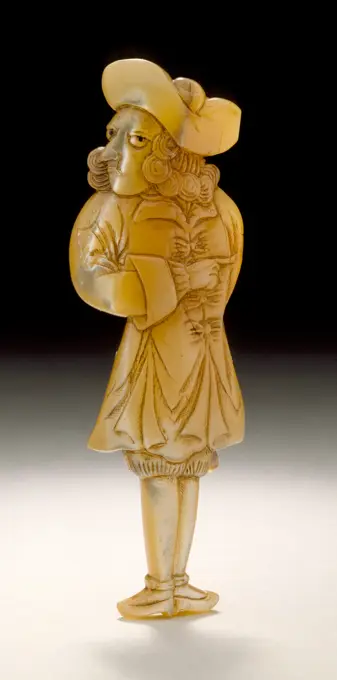
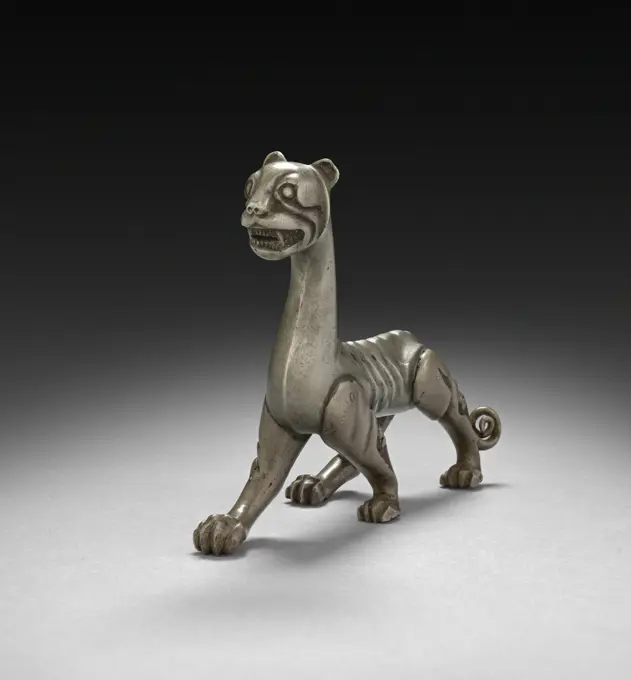
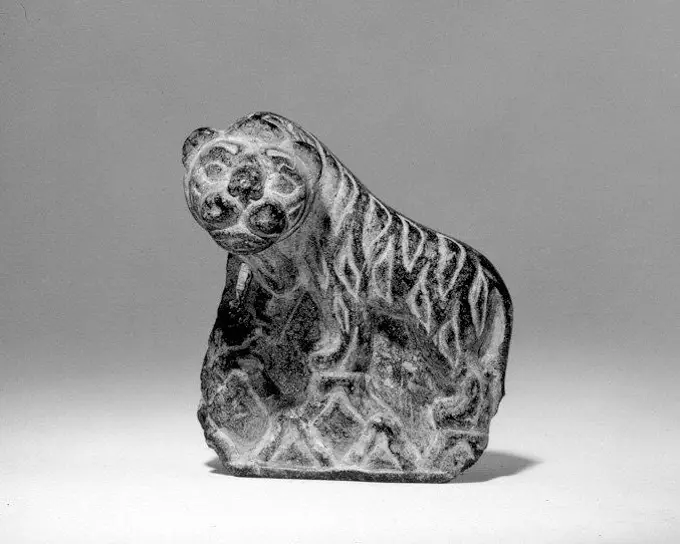
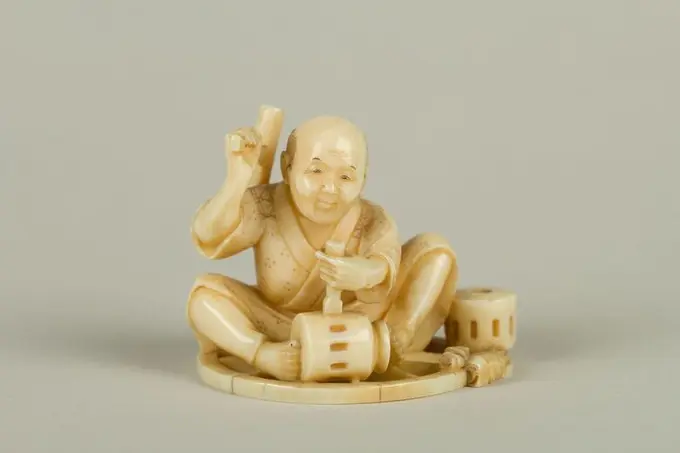
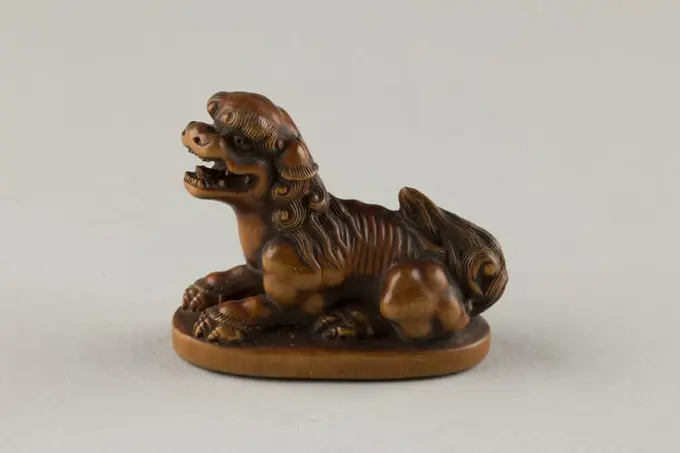
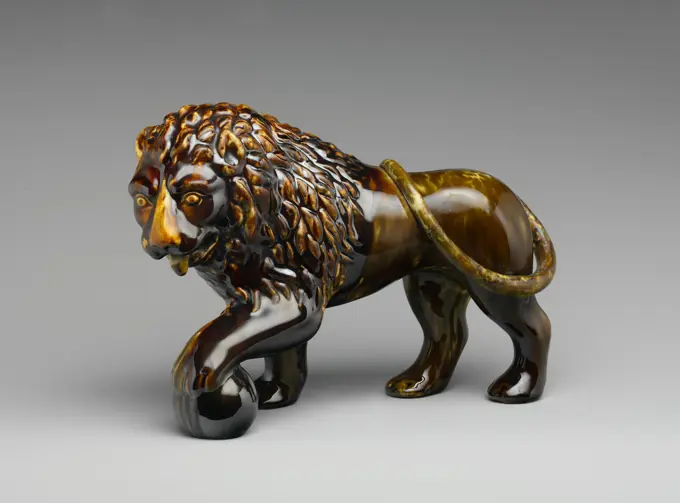
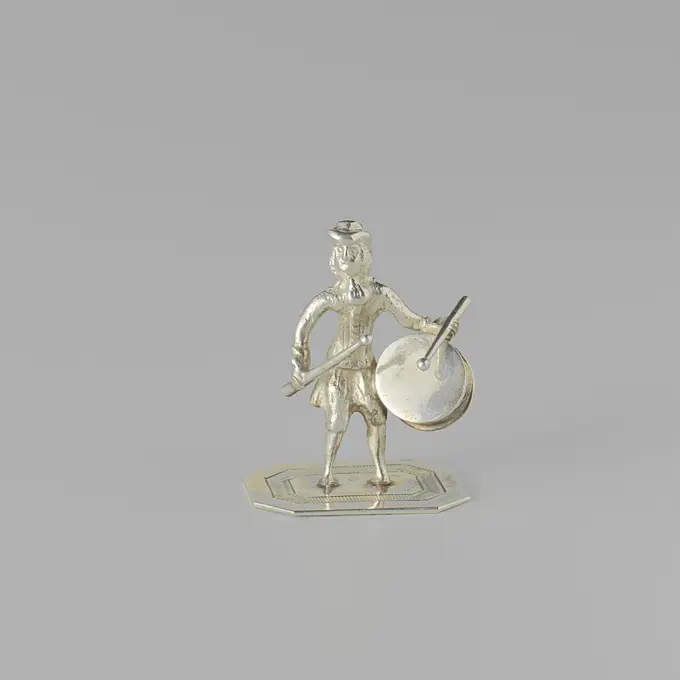
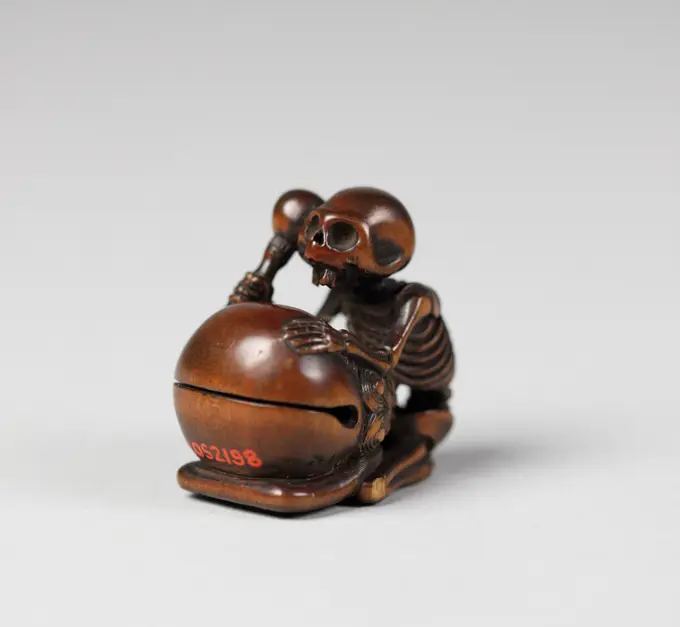
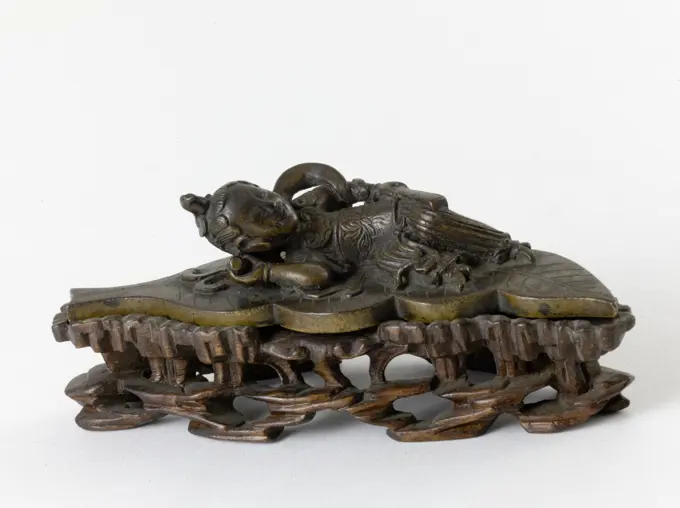
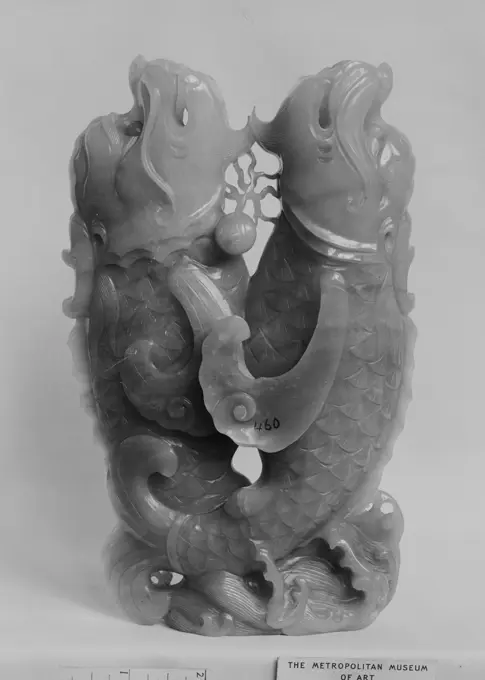
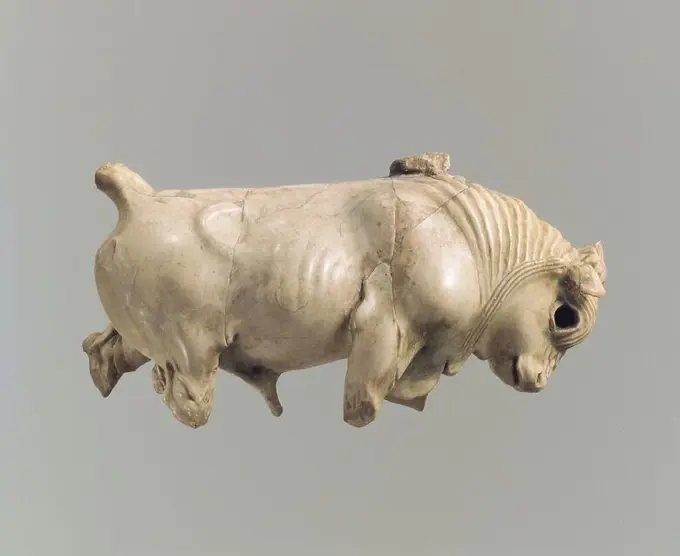
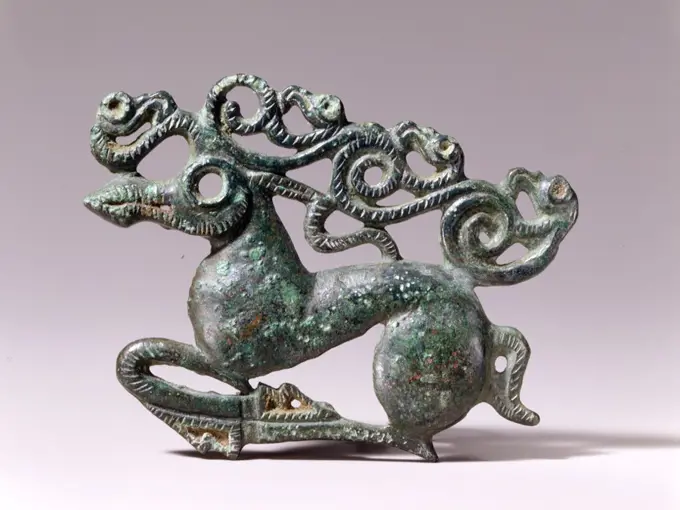
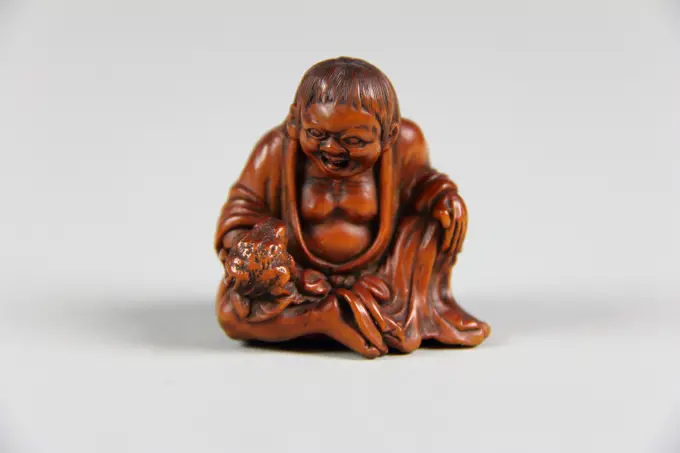
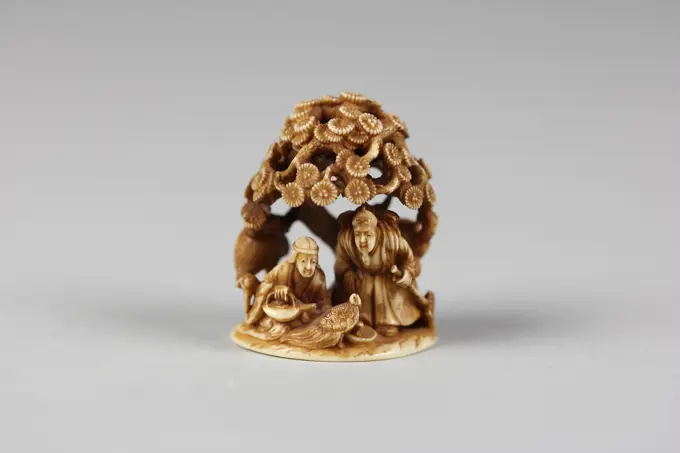
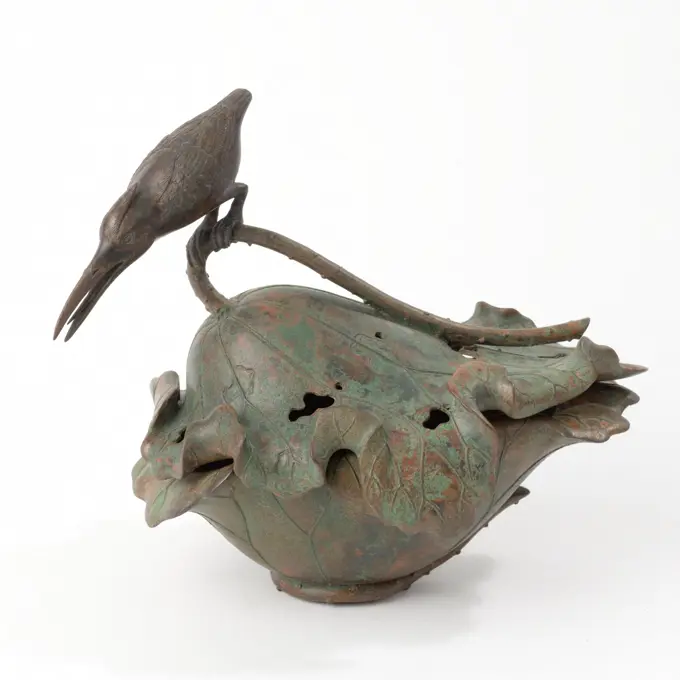
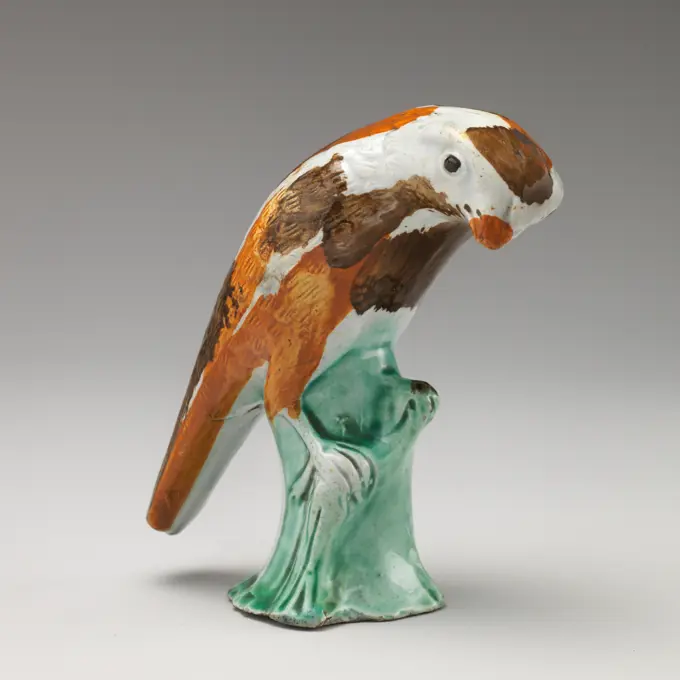
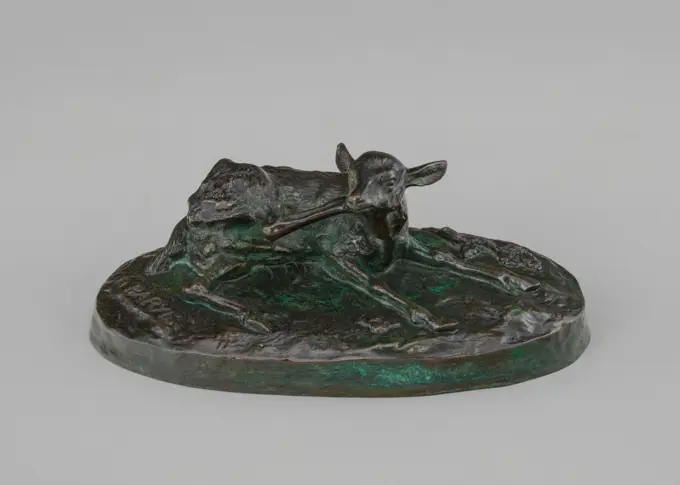
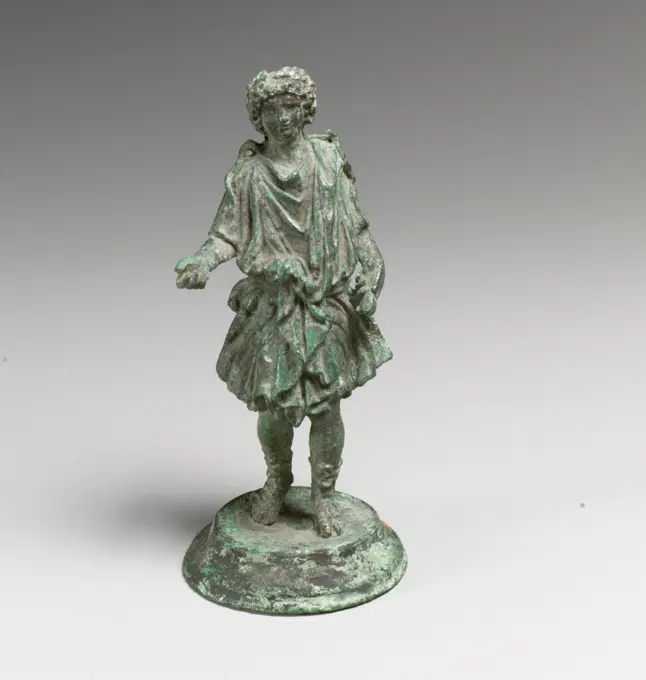
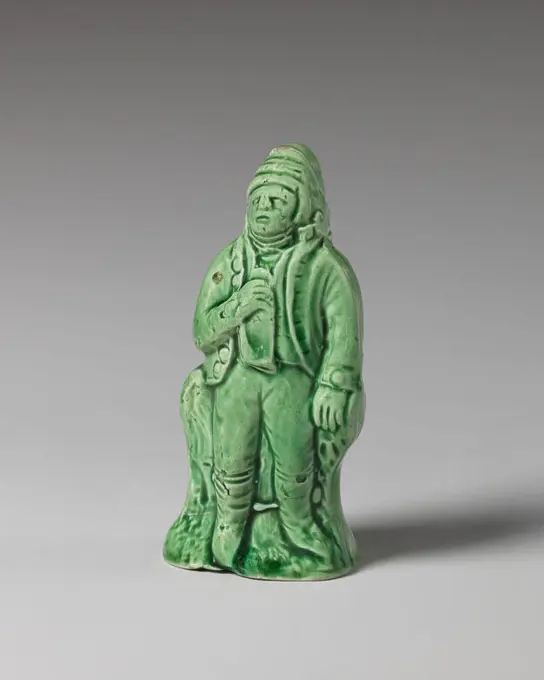
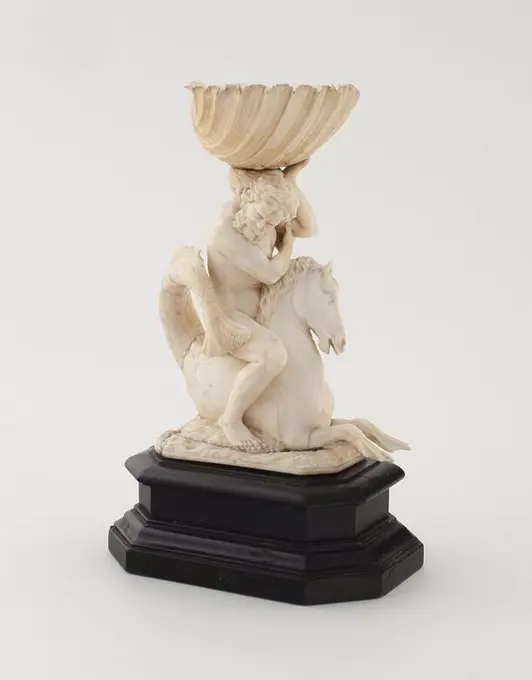
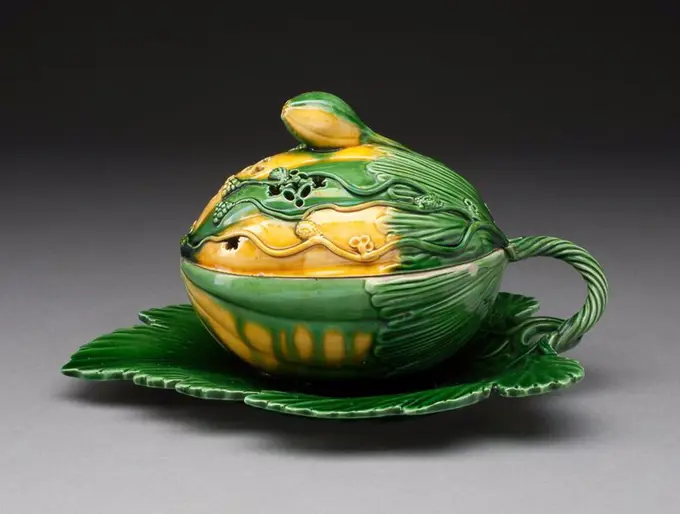
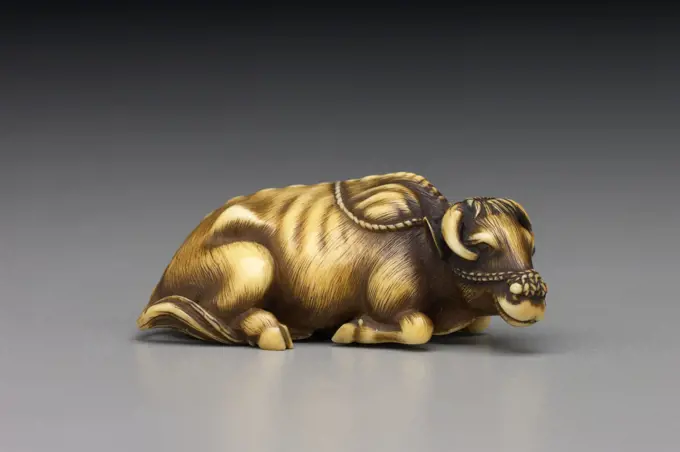
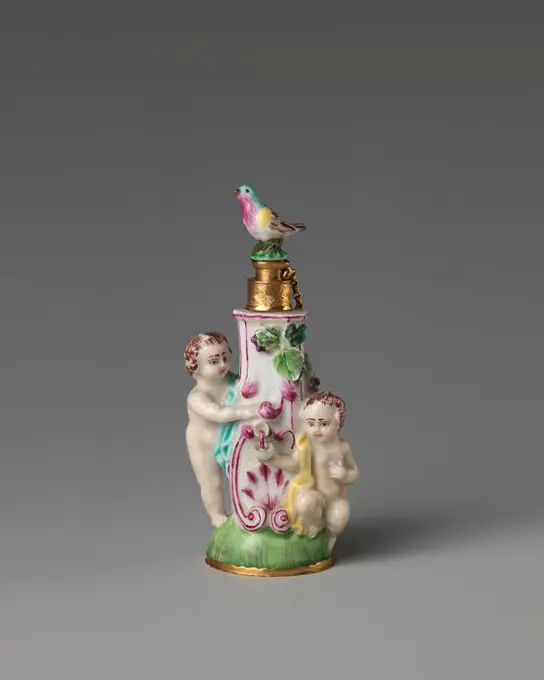
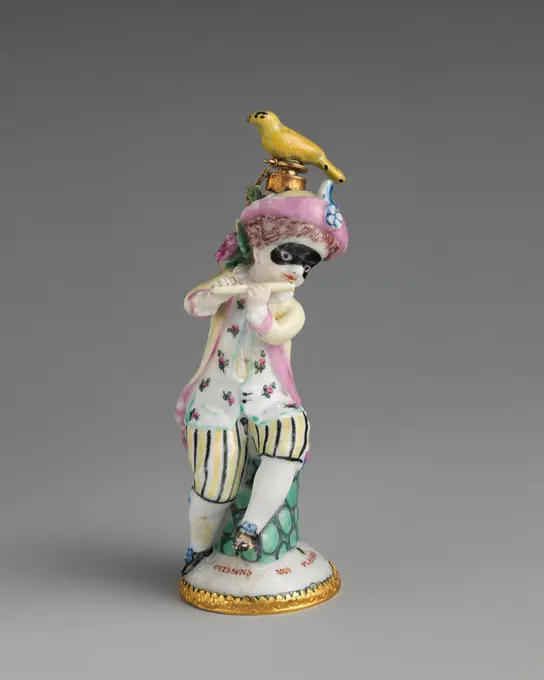
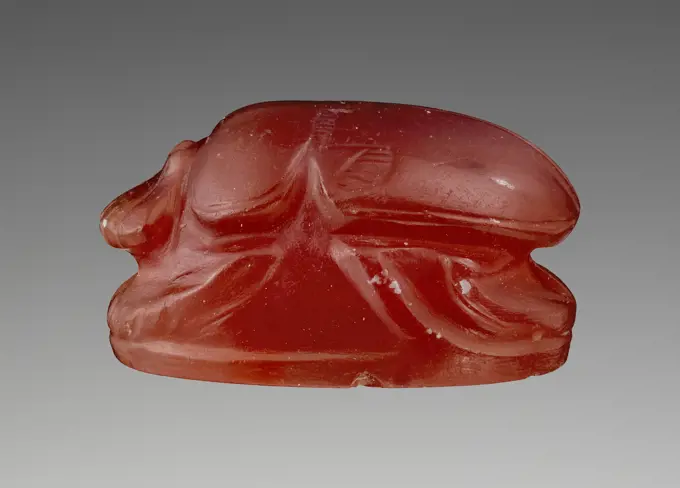
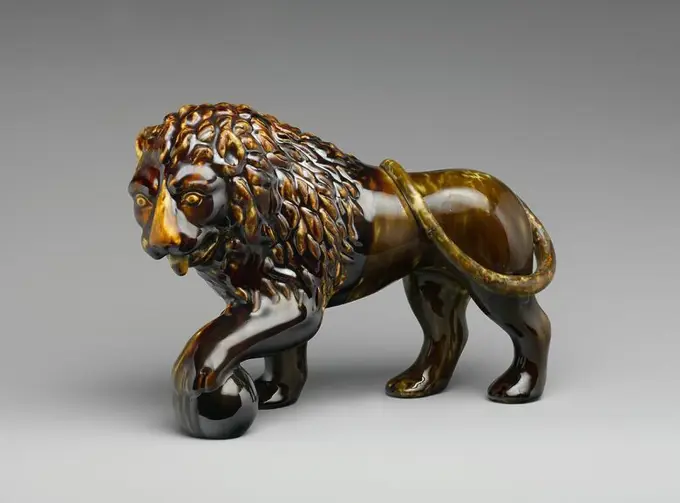
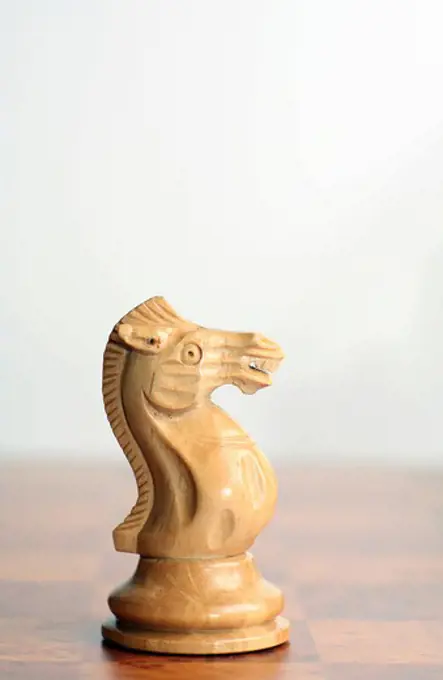
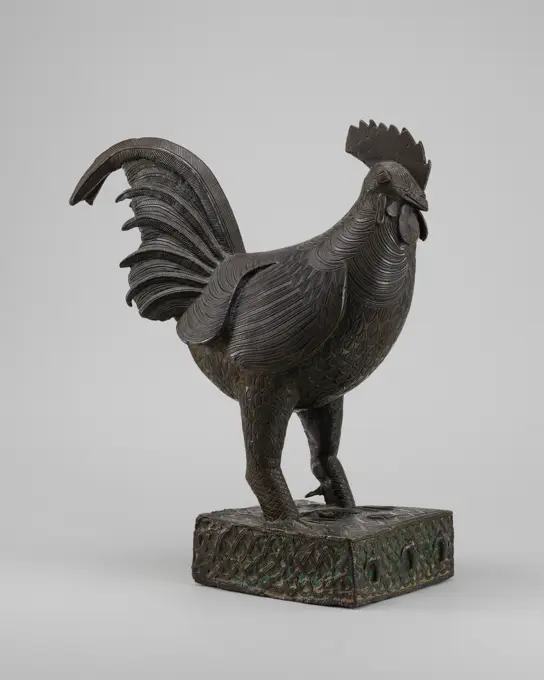
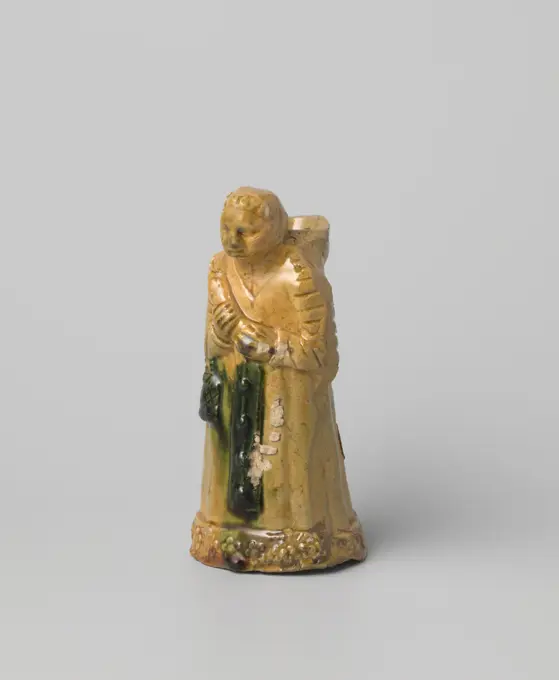
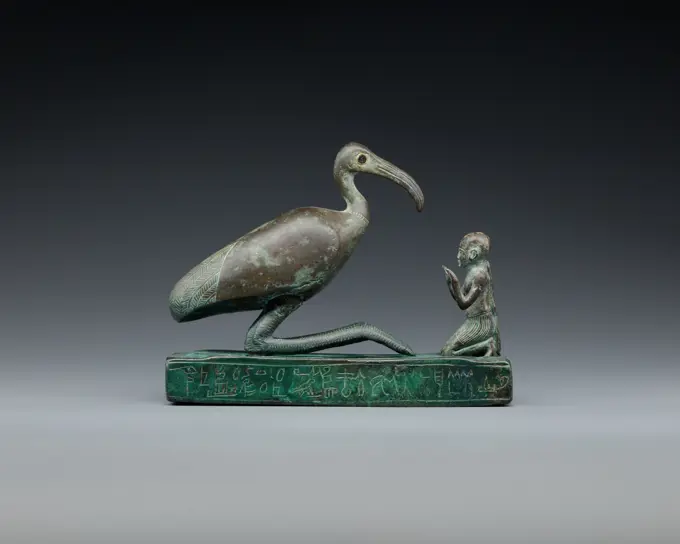
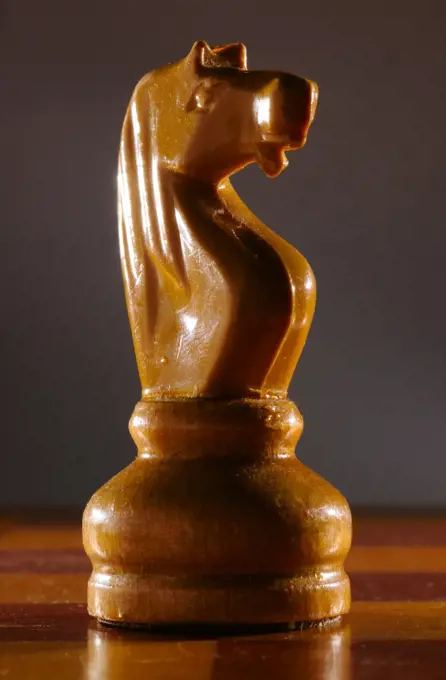
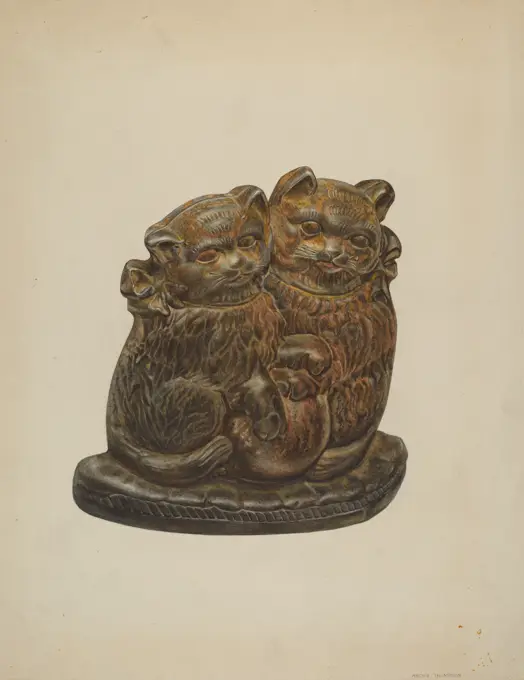
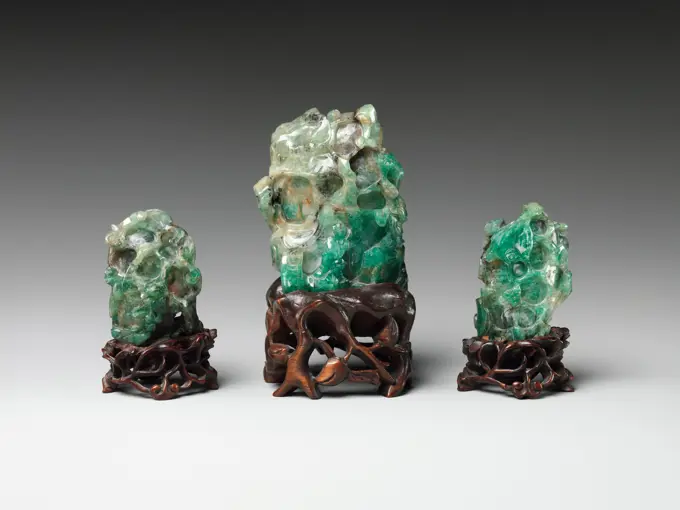
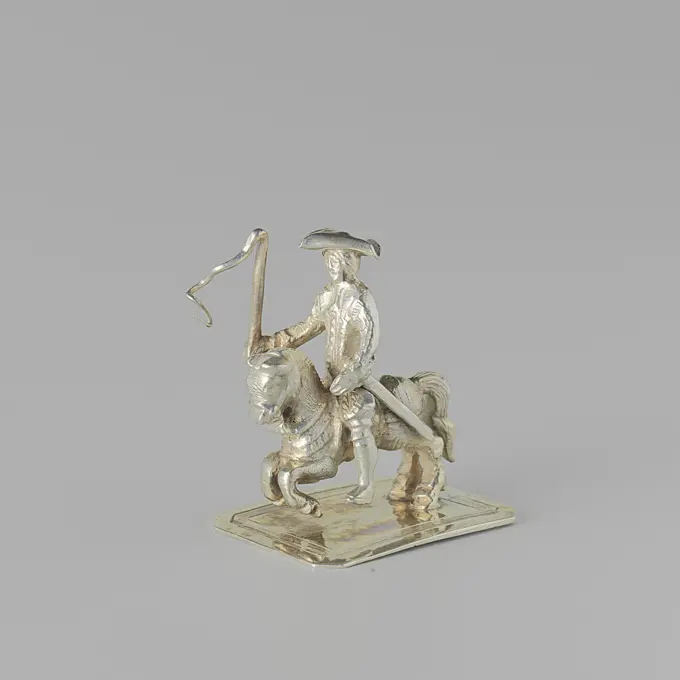
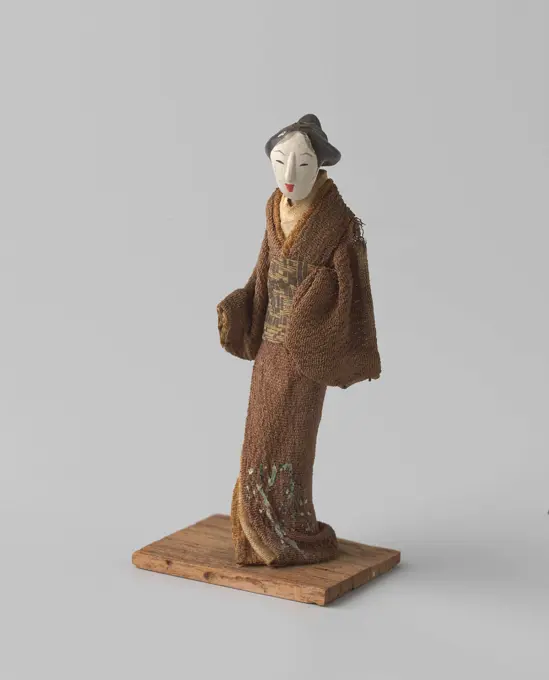
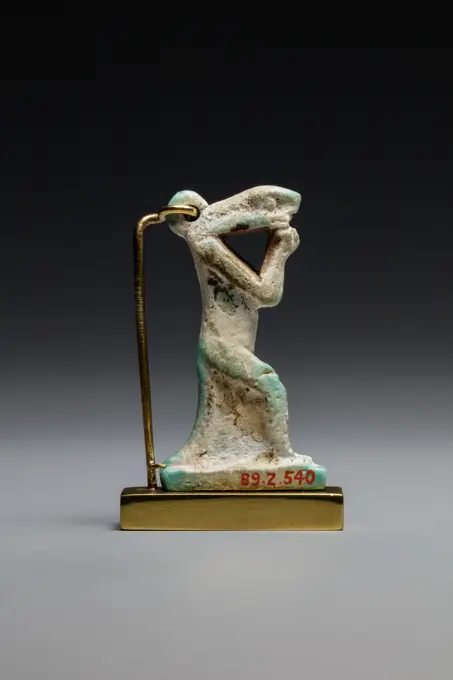
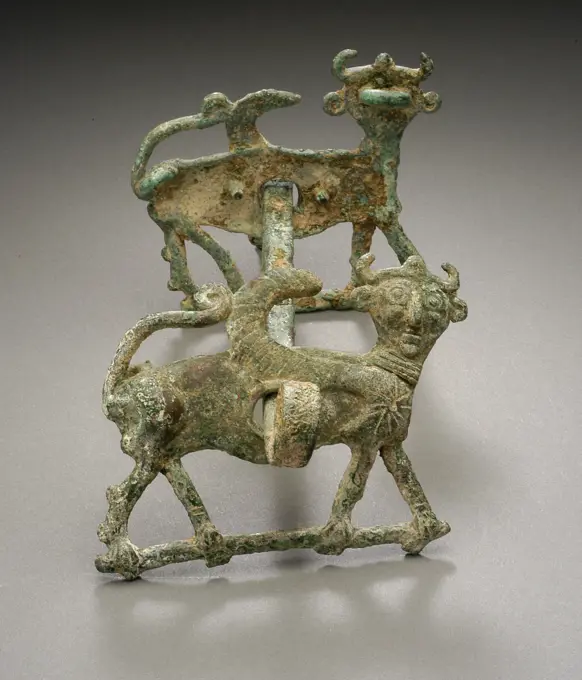
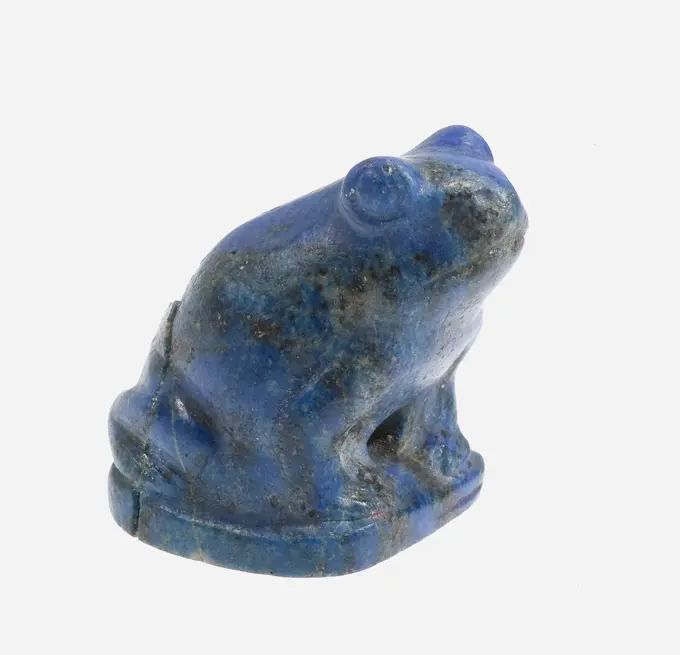
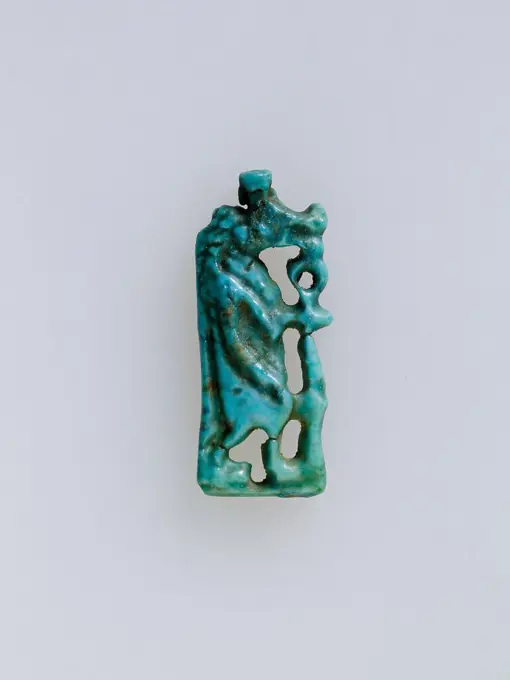
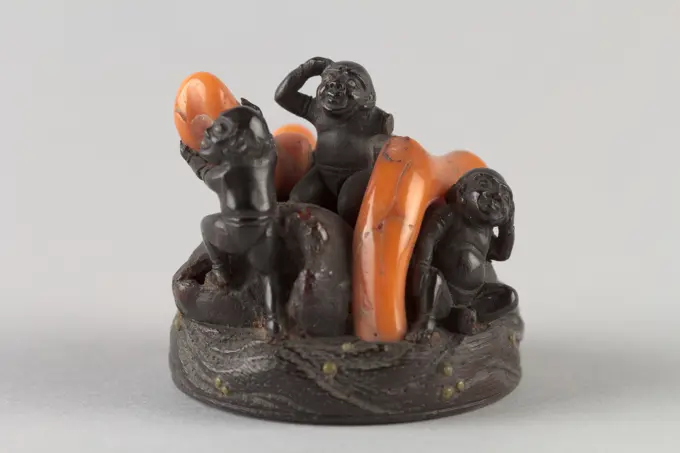
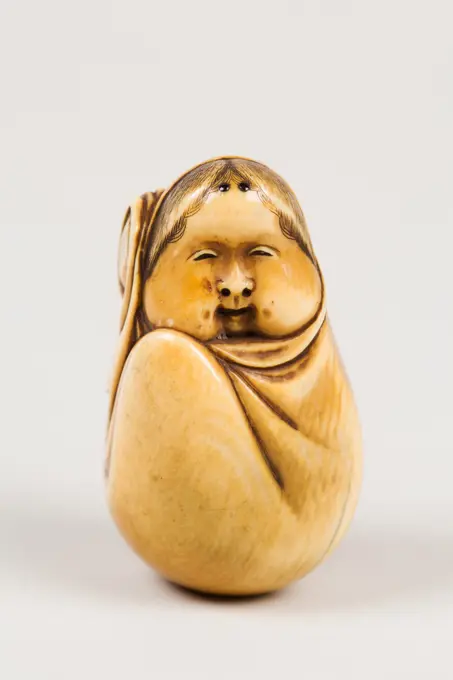
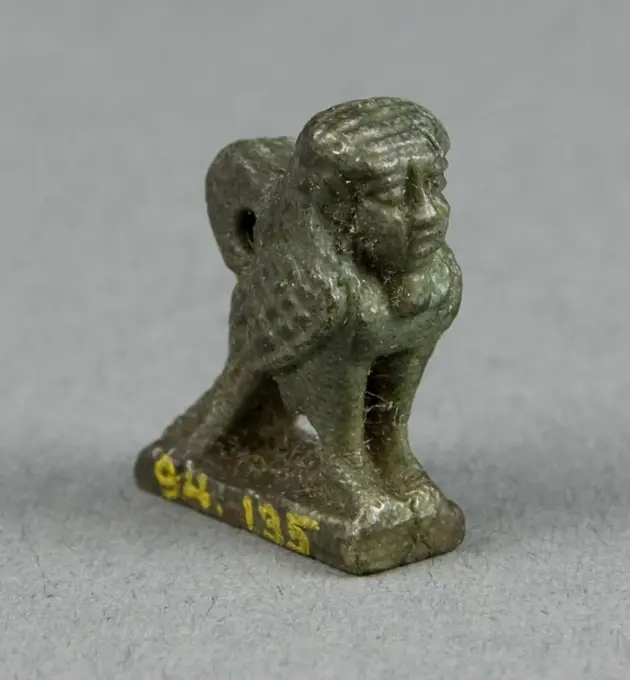
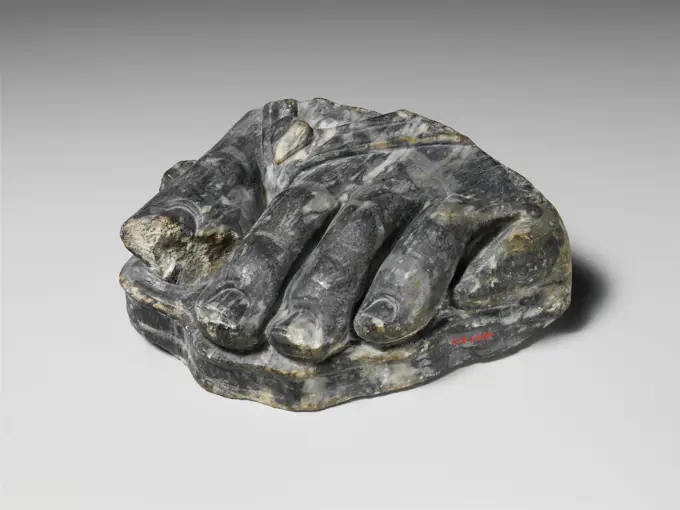
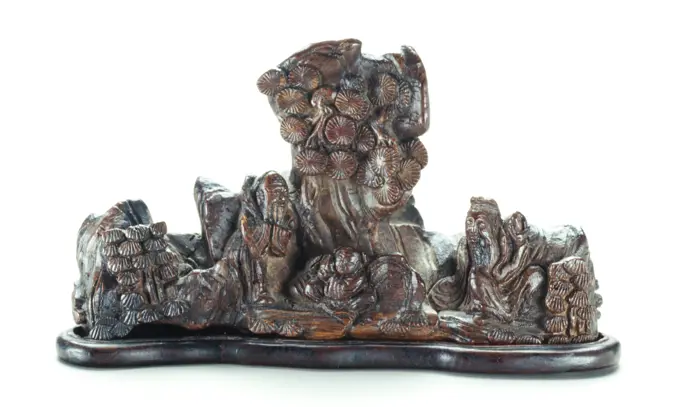
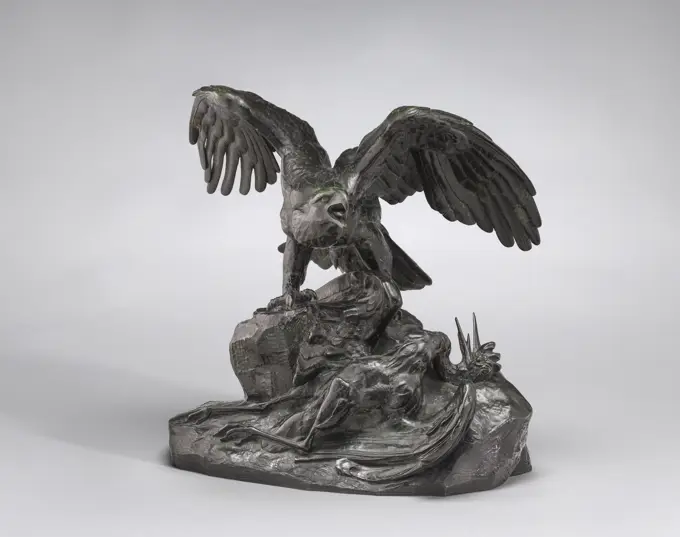
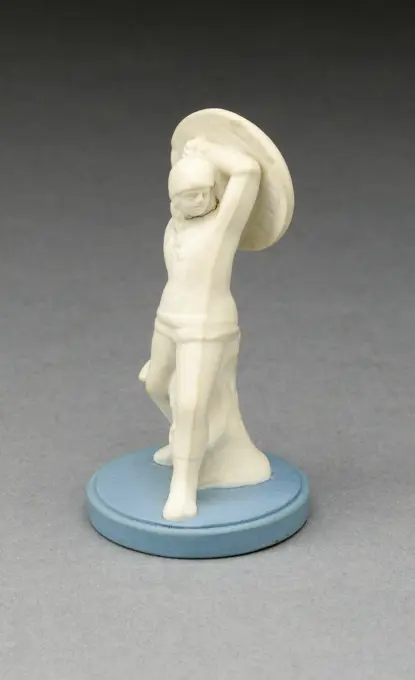
Chess Piece Pawn 1800-1899 Burslem. Stoneware (jasperware) . Wedgwood Manufactory (Manufacturer)Amulet of the God Anubis 1070 BCE-656 BCE Egypt. Faience . Ancient EgyptianNetsuke of Two Figures 18th century Japan. Netsuke of Two Figures. Japan. 18th century. Wood. Edo period (1615-1868). NetsukeBull's head ca. 9th century B.C. Iran. Bull's head 325045Netsuke of Fox 19th century Japan. Netsuke of Fox. Japan. 19th century. Ivory. Edo period (1615-1868). NetsukeLion Mosan or German 12th centuryWorkshop of the Miseroni ( Miseroni, Gasparo) / 'Vase in the shape of a dragon or caquesseitío'. 1550 - 1600. Rock crystal / Hyaline quartz. Museum: Museo del Prado, Madrid, España. Author: TALLER DE LOS MISERONI.Ornament, 1-200. Parthian, 1st-2nd Century. Bronze; overall: 5.4 cm (2 1/8 in.).Fragment of statue representing a lion head, bronzeNetsuke of Obaga Saké late 18th century Japan. Netsuke of Obaga Saké. Japan. late 18th century. Ivory. Edo period (1615-1868). NetsukeFlute. Culture: Tairona People; Gayraca style. Dimensions: L.: app. 6.3 cm (2-7/16 in.); W.: app. 4 cm (1-9/16 in.). Date: 1300-1500. Museum: Metropolitan Museum of Art, New York, USA.Statuette of Isis with Horus on her Laps, Ancient Egypt  Netsuke 19th century Japan. Netsuke 60438Dutchman. Japan, late 18th-early 19th century. Costumes; Accessories. Mother-of-pearl with sumiWalking Tiger, 206 BC - AD 220. China, Han dynasty (202 BC-AD 220) - Six Dynasties (265-587). Silver;Plaque with tiger ca. late 3rd-early 2nd millennium B.C. Bactria-Margiana Archaeological Complex. Plaque with tiger 327430Seal China. Seal 40995Benu-bird, 1000-500 BC. Egypt, Third Intermediate Period, late Dynasty 21 (1069-945 BC) or early Dynasty 22 (945-715 BC). Honey-colored wax with dark amber varnish; overall: 3.2 cm (1 1/4 in.).Netsuke. Culture: Japan. Dimensions: H. 1 3/8 in. (3.5 cm); W. 1 1/2 in. (3.8 cm); D. 1 3/8 in. (3.5 cm). Date: 19th century. Museum: Metropolitan Museum of Art, New York, USA.Netsuke of Qilin. Culture: Japan. Dimensions: H. 1 1/2 in. (3.8 cm); W. 1 3/4 in. (4.4 cm). Date: 19th century. Museum: Metropolitan Museum of Art, New York, USA.Lioness Figure ca. 1853-58 Probably designed by Daniel Greatbatch British. Lioness Figure 4797Busts. Culture: French. Dimensions: Overall (each): 7 × 4 1/4 in. (17.8 × 10.8 cm). Date: ca. 1780. Museum: Metropolitan Museum of Art, New York, USA.Trommelslager, Arnoldus van Geffen, 1751 On an elongated plate is a tamboo with the drum on his left hip and a stick in both hands. The tamboer wears a round hat. A ZIG-Zag line is engraved in the edge of the plate. The image is marked: stk. = Amsterdam, Jrl. = R (1751), Mt. = Arnoldus van Geffen and a crowned V in a shield. Amsterdam silver (metal) On an elongated plate is a tamboo with the drum on his left hip and a stick in both hands. The tamboer wears a round hat. A ZIG-Zag line is engraved in the edge of the plate. The image is marked: stk. = Amsterdam, Jrl. = R (1751), Mt. = Arnoldus van Geffen and a crowned V in a shield. Amsterdam silver (metal)Netsuke of Skeleton with a Drum 19th century Japan. Netsuke of Skeleton with a Drum. Japan. 19th century. Wood. Edo (1615-1868) or Meiji period (1868-1912). NetsukeDonkey with saddle. Culture: Italian. Dimensions: Overall (.18a figure): 8 1/2 × 4 × 9 in. (21.6 × 10.2 × 22.9 cm); Overall (.18b head): 2 × 1 1/2 × 3 1/4 in. (5.1 × 3.8 × 8.3 cm); Overall (.18c PL rear leg): 3 3/4 × 7 × 3 in. (9.5 × 17.8 × 7.6 cm); Overall (.18d PL rear hoof): 1 × 3/4 × 7/8 in. (2.5 × 1.9 × 2.2 cm). Date: second half 18th-mid-19th century.The practice of using crèche figures to restage religious events reached the height of its complexity and artistic excellence in eighteenth-century Naples, and the Metropolitan Museum of Art's group of Neapolitan crèche is one of the finest and most complete survivals of the art form. The ensemble consists of characters traditional to eighteenth-century Italian Christmas holiday customs. The Nativity, featuring the holy family, shepherds and their flocks, and a host of angels and cherubs is joined by the procession of the three Magi and colorful peasants, townspeople, and animals. The figures have articulated bodies of tow and wire Status. Bronze. Par musée musée malée. Asian antique, Japanese antiquity, metalStatuette of an Ape. UnknownVase China. Vase. China. Nephrite, dark gray grading down to lighter shades. Qing dynasty (1644-1911), Kangxi period (1662-1722). JadeFurniture or cosmetic box plaque carved in the round with striding bull. Culture: Assyrian. Dimensions: 2.89 x 1.46 x 0.94 in. (7.34 x 3.71 x 2.39 cm). Date: ca. 8th-7th century B.C..This striding bull was found with four similar examples in a private house abutting the town wall at Nimrud, where it was probably taken as salvage from a palace complex when they were sacked during final defeat of Assyria at the end of the seventh century B.C. Carved in the round, this piece would have originally been attached to a circular base, perhaps in line with other striding bulls, and secured to an upper, circular frame by the tenon preserved on the bull's upper back. The complete element would have decorated a pyxis, a small, circular box for cosmetics, or the legs of a table or bed. The nose is detailed with cross-hatching, the eyebrows and mane are accentuated with incision, and the dewlaps and ribs are softly modeled. The horns, lower legs, and most of the tail do not survive. This plaque exhGarment Plaque in the Shape of a Stag 6th-5th century B.C. Kazakhstan. Garment Plaque in the Shape of a Stag 59561Netsuke of Old Woman with a Toad in her Hand (Gama Sennin) 19th century Japan. Netsuke of Old Woman with a Toad in her Hand (Gama Sennin) 59748Netsuke 19th century Japan. Netsuke 59905Incense burner. Bronze. Japan. XVIII-XIXth century. Paris, Cernuschi museum. Animalier, Japanese art, branch, bronze, burn, leaf, Japanese object, bird, 19th XIXth 19th 19th 19th 19th 19th century, 18th 18th 18th 18th 18th 18th 18th century, animalParrot ca. 1780 British, Staffordshire. Parrot. British, Staffordshire. ca. 1780. Lead-glazed earthenware. Ceramics-PotteryBull figurine;  Roman period (0-00-00-0-00-00);Polish excavations in Tell ATRIB (Egypt)Antoine Louis Barye, Fawn Scratching, model before 1847 Fawn ScratchingBronze statuette of a Lar ca. 1st-2nd century A.D. Roman Statuette of a Lar dancing.. Bronze statuette of a Lar 250684 Roman, Bronze statuette of a Lar, ca. 1st2nd century A.D., Bronze, H. 4 1/16 in. (10.3 cm); H. with pedestal 4 7/16 in. (11.3 cm). The Metropolitan Museum of Art, New York. Rogers Fund, 1918 (18.145.19)Figure of a standing man. Culture: British, Burslem, Staffordshire. Dimensions: Height: 3 1/2 in. (8.9 cm). Maker: Ralph Wood the Younger (British, Burslem 1748-1795 Burslem). Date: ca. 1780-90. Museum: Metropolitan Museum of Art, New York, USA.Salt Cellar. Belgium. Date: 1625-1675. Dimensions: 10.5 × 8.6 × 3.2 cm (4 1/8 × 3 3/8 × 1 1/4 in.). Ivory. Origin: Belgium. Museum: The Chicago Art Institute, Chicago, USA.A Family of Foxes. Dated: model 1847. Dimensions: overall: 17.1 × 30.5 × 16.5 cm (6 3/4 × 12 × 6 1/2 in.). Medium: bronze. Museum: National Gallery of Art, Washington DC. Author: PIERRE-JULES MENE.Melon Tureen. England, Staffordshire. Date: 1760-1770. Dimensions: 21.4 x 17.5 x 12.1 cm (8 7/16 x 6 7/8 x 4 3/4 in.). Lead-glazed earthenware (creamware). Origin: Staffordshire. Museum: The Chicago Art Institute, Chicago, USA.Artist: Nagai Rantei, active first half 19th century, StarvingOx, 19thcentury, Netsuke: stained ivory with glass inlay, 2 in. (5.08cm), Japan, Japanese, Edo period(1615-1868), SculptureBoys at a fountain. Culture: British, London. Dimensions: 3 5/8 × 1 1/2 in. (9.2 × 3.8 cm). Maker: Saint James's Factory (British, ca. 1748/49-1760). Date: ca. 1750-55. Museum: Metropolitan Museum of Art, New York, USA.Boy flautist. Culture: British, London. Dimensions: 3 1/2 × 1 1/2 in. (8.9 × 3.8 cm). Maker: Saint James's Factory (British, ca. 1748/49-1760). Date: ca. 1750-55. Museum: Metropolitan Museum of Art, New York, USA.Scarab with Dancing Satyr; Etruria; about 500 B.C; Carnelian; 0.7 × 1.2 × 1 cm (1,4 × 1,2 × 3,8 in.)Lioness Figure. Culture: American. Designer: Probably designed by Daniel Greatbatch (active 1838-ca. 1861). Dimensions: 7 x 9 1/2 in. (17.8 x 24.1 cm). Manufacturer: Manufactured by United States Pottery Company (1852-58). Date: ca. 1853-58. Museum: Metropolitan Museum of Art, New York, USA.Vase fragment 1st century B.C.-1st century A.D. Roman Winged figure holding floral swag.. Vase fragment 250392Figure of a Shepherd, Anonymous, 1500 - 1950 Sculpture, figure of a shepherd, of white unglazed porcelain, so -called biscuit.  earthenware Sculpture, figure of a shepherd, of white unglazed porcelain, so -called biscuit.  earthenwareTiger 19th century Mary Atwood. Tiger 204418One of a set of images of wooden chess pieces, all shot with the same lighting, DoF, scale and perspective. Each of the white and black pieces is represented in the set.Base; jade with hardstone basePost Women's (goddess Lakszmi);  20th century (1901-00-00-1940-00-00);Celestial Attendant ca. late 10th century India. Celestial Attendant. India. ca. late 10th century. Bronze. Pala period. SculptureNigerian, Court of Benin, Fowl, mid 18th century Nigerian, Court of Benin, Fowl, mid 18th century, overall with base: 52.3 x 18 x 46.9 cm (20 9/16 x 7 1/16 x 18 7/16 in.), Gift of Mr. and Mrs. Winston F. C. Guest, 1955.10.1Copper Belt Fragment 1st-5th century Moche. Copper Belt Fragment 308726Monnikbeker, anonymous, c. 1600 - c. 1610 Cup of lead glaze pottery, in the form of a monk. The cup is covered with green and yellow lead glaze. The hood on the back forms the cup. A green bag hangs on the right arm. Rosettes have been installed along the bottom edge of the rug. Netherlands earthenware. lead glaze Cup of lead glaze pottery, in the form of a monk. The cup is covered with green and yellow lead glaze. The hood on the back forms the cup. A green bag hangs on the right arm. Rosettes have been installed along the bottom edge of the rug. Netherlands earthenware. lead glazeTurkey, Alaca Hoyuk, Standard representing a bull figureInkwell mid-16th century Italian, Venice or Padua. Inkwell. Italian, Venice or Padua. mid-16th century. Bronze, dark lacquer patina. Sculpture-BronzeGroup statue of Thoth-ibis and devotee on a base inscribed for Padihorsiese ca. 700-500 B.C. Late Period The elements of this group all appear to be ancient, and the arrangement is found in other statuettes, but it seems that this group itself was constituted secondarily in ancient or in modern times. Traces on the upper side of the base show it originally supported a striding ibis.The offering formula on the base indicates that the original donation recorded on the base was made for the benefit of Padihorsiese through the agency of a servant of the ibis cult, a donation procedure only recorded in the 7th and 6th centuries B.C.. Group statue of Thoth-ibis and devotee on a base inscribed for Padihorsiese. ca. 700-500 B.C.. copper alloy. Late Period. From Egypt. Dynasty 26Oil lamp or bottle probably German 17th-18th century View more. Oil lamp or bottle. probably German. 17th-18th century. Glass. GlassFIGURILLA DE UN SOLDADO DEL EJERCITO DE LA DINASTIA QUING - GUERRERO DE XIAN. Location: MUSEO DEL EJERCITO DE QIN SHIHUANG. China.Netsuke 19th century Japan. Netsuke. Japan. 19th century. Ivory stained brown. Edo (1615-1868) or Meiji period (1868-1912). NetsukeNetsuke of an Actor 19th century Japan. Netsuke of an Actor 59988Noah's Ark. Carl Milles; American, born Sweden, 1875-1955. Date: 1943. Dimensions: 33 × 29.9 × 14.3 cm (13 × 11 3/4 × 5 5/8 in.). Bronze. Origin: Sweden. Museum: The Chicago Art Institute, Chicago, USA.Netsuke 19th century Japan. Netsuke. Japan. 19th century. Wood inlaid and polychromed. Edo (1615-1868) or Meiji period (1868-1912). Netsukelow key  aged chess knightArchie Thompson, Door Stop, c 1937 Door StopMiniature mountains representing the mythical realm Penglai 18th century China Thought to be somewhere in the Eastern Sea, Penglai is the realm of immortals where jewels grow on trees and rice bowls and wine glasses are never empty.. Miniature mountains representing the mythical realm Penglai. China. 18th century. Emerald. Qing dynasty (1644-1911). HardstoneRider to Paard, Johannes of Summer Wil (i) (attributed to), 1757 On an elongated plate is a rider with a sword on his left side and a whip in his right hand. The rider is wearing a stitch. A ZIG-Zag line is engraved along the edge of the plate. The image is marked: stk. = Amsterdam, Jrl. = X (1757), Mt. = Foot 443 and an ax. Amsterdam silver (metal) On an elongated plate is a rider with a sword on his left side and a whip in his right hand. The rider is wearing a stitch. A ZIG-Zag line is engraved along the edge of the plate. The image is marked: stk. = Amsterdam, Jrl. = X (1757), Mt. = Foot 443 and an ax. Amsterdam silver (metal)Turtle Pendant. Culture: Veraguas. Dimensions: H. 2 5/16 in. (5.9 cm). Date: 11th-16th century. Museum: Metropolitan Museum of Art, New York, USA.Earring 11th century. Earring 452940Sword Pommel. European. Date: 1570-1600. Dimensions: Overall. Iron and silver. Origin: Europe. Museum: The Chicago Art Institute, Chicago, USA.Dragon 7th century China. Dragon. China. 7th century. Gilt bronze. Tang dynasty (618-907). SculptureTurk with a pipe. Culture: British, Chelsea. Dimensions: 3 × 1 1/2 in. (7.6 × 3.8 cm). Factory: Chelsea Porcelain Manufactory (British, 1745-1784, Gold Anchor Period, 1759-69). Date: ca. 1765. Museum: Metropolitan Museum of Art, New York, USA.Pop of wood in Japanese clothing. Puppet made of wood in Japanese clothing on a wooden board.Nehebkau (snake deity) 664-332 B.C. Late Period. Nehebkau (snake deity). 664-332 B.C.. Light blue faience. Late Period. From Egypt. Dynasty 26-29Mirror or lid with handle in the form of a lion ca. 6th-7th century A.D. Sasanian. Mirror or lid with handle in the form of a lion 323202Brush Rest China. Brush Rest 52768Horse Bit with Animals. Luristan, about 1250-800 B.C.. Tools and Equipment; horse trappings. Cast bronzeFrog Amulet 664-332 B.C. Late Period. Frog Amulet. 664-332 B.C.. Lapis lazuli. Late Period. From Egypt. Dynasty 26-30Image of a Lion, Anonymous, 500 - 1100 Fantasy of sitting lion. Dvaravatist style. Thailand terracotta (clay material) Fantasy of sitting lion. Dvaravatist style. Thailand terracotta (clay material)Dogū. Anonymous. Japan, circa 1000-250 B.C.. Sculpture. EarthenwareConsole with lion head, sides decorated in abstract, console construction element sandstone stone, sculpted Console lion head with open beak. On the sides abstract decorations.Taweret Amulet. Dimensions: H. 3 cm (1 3/16 in.); W. 3cm (1 3/16 in.); D. 0.4 cm (3/16 in.). Dynasty: Dynasty 18. Date: ca. 1550-1295 B.C.. Museum: Metropolitan Museum of Art, New York, USA.Netsuke, japanese miniature sculpture. Museum: COLECCION PRIVADA.Netsuke 19th century Japan. Netsuke. Japan. 19th century. Wood and coral. Edo (1615-1868) or Meiji period (1868-1912). NetsukeEquestrian Figure, 2nd century BCE, 23 1/4 x 7 1/4 x 19 1/2 in. (59.06 x 18.42 x 49.53 cm)23 1/4 x 7 1/4 in. (59.06 x 18.42 cm) (object part, a:horse)5 3/8 x 1 3/8 in. (13.65 x 3.49 cm) (object part, b:tail)9 3/4 x 7 1/4 in. (24.77 x 18.42 cm) (object part, c:rider), Earthenware with traces of pigment, China, 2nd century BCE, The military strength of the Han dynasty lay in its bureaucratic structure, advanced weaponry and the speed and endurance of a new breed of horse imported from the Western reaches of the Silk Road. Tombs belonging to Han military officers often contained replica cavalry and footsoldiers fashioned from clay. As many as six hundred mounted cavalry soldiers similar to this example were excavated from the tomb of the famous Han general Chou Po in 1956 near Hsien-Yang in Shansi province.Netsuke 19th century Japan. Netsuke 60174Man Holding a Garland 1750-1799 France. Glass; lampwork (verre de Nevers), metal armature .Stirrup Spout Bottle with Figure and Demon 1st-4th century Moche. Stirrup Spout Bottle with Figure and Demon 312632Hintha duck weight, 20 Tical. unknown, craftsmanAmulet of a Human-headed Ba Bird. Egyptian. Date: 1100 BC-100 BC. Dimensions: 1.9 x 1.3 x 0.6 cm (3/4 x 1/2 x 1/4 in.). Faience. Origin: Egypt. Museum: The Chicago Art Institute, USA. Author: Ancient Egyptian.Figurine of Shoulao. unknown, craftsmanold chess knight cut out from white backgroundMarble forepart of a left sandaled foot 1st or 2nd century A.D. Cypriot Preserved are the toes and the sole of the sandal, the contour of which follows the outline of the foot.. Marble forepart of a left sandaled foot 242429Ladybird Beetle Pillbox, 1896-1903. House of Fabergé (Russian, 1842-1918), Mikhail Evlampievich Perkhin (Russian, 1860-1903). Gold, enamel, diamonds; overall: 2.1 x 5 x 3.5 cm (13/16 x 1 15/16 x 1 3/8 in.).King 1700-1799 France. Glass; lampwork (verre de Nevers), metal armature .Brush Rest, late 18th century, 2 5/8 x 4 1/2 x 1 1/8 in. (6.67 x 11.43 x 2.86 cm), Carved aloe wood, China, 18th centuryAntoine Louis Barye, Eagle Holding a Heron, model nd, cast c 1857 1873 Eagle Holding a HeronFigurine  Seated zuishin  the guardian shintoistic deity unknown