Unique Glass and Gemstone Objects

A range of decorative items including paperweights, mosaic glass fragments, and gemstones, showcasing rich colors and intricate designs.
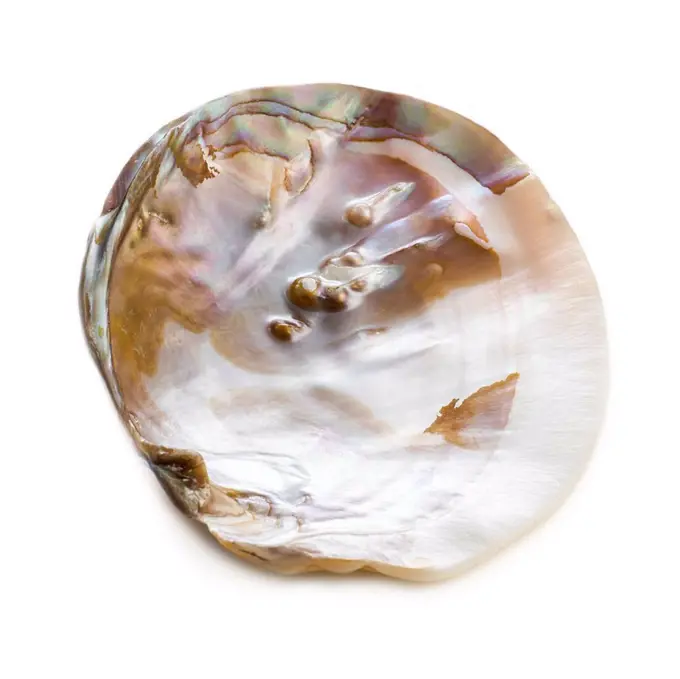
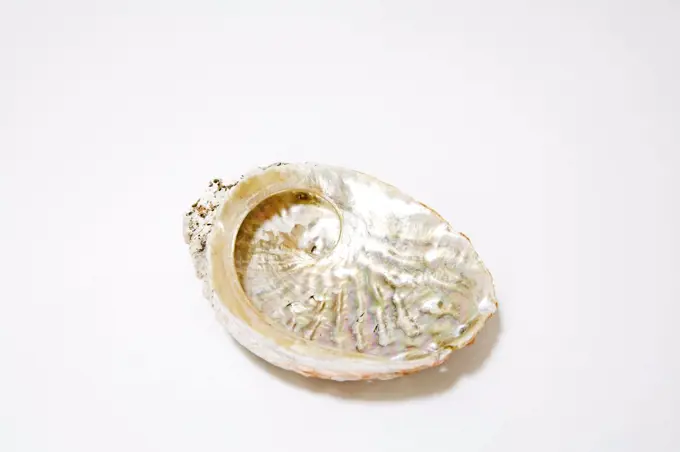
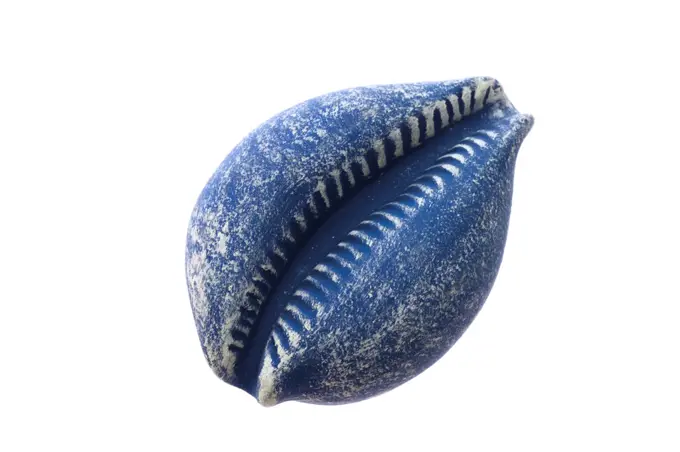
Freshwater pearl oyster shell
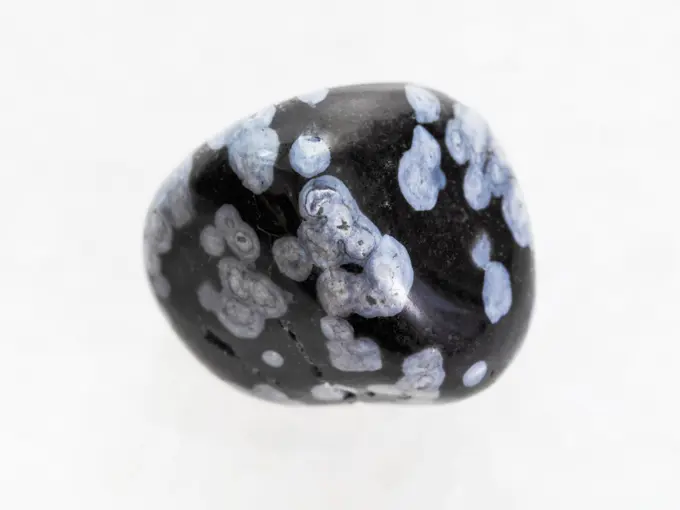
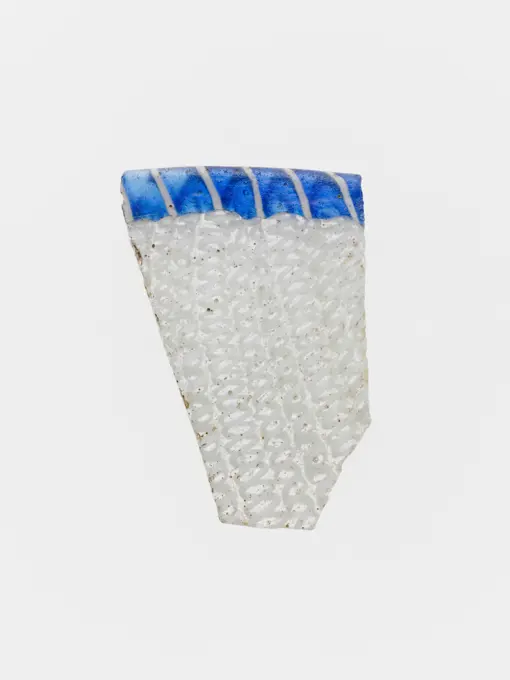
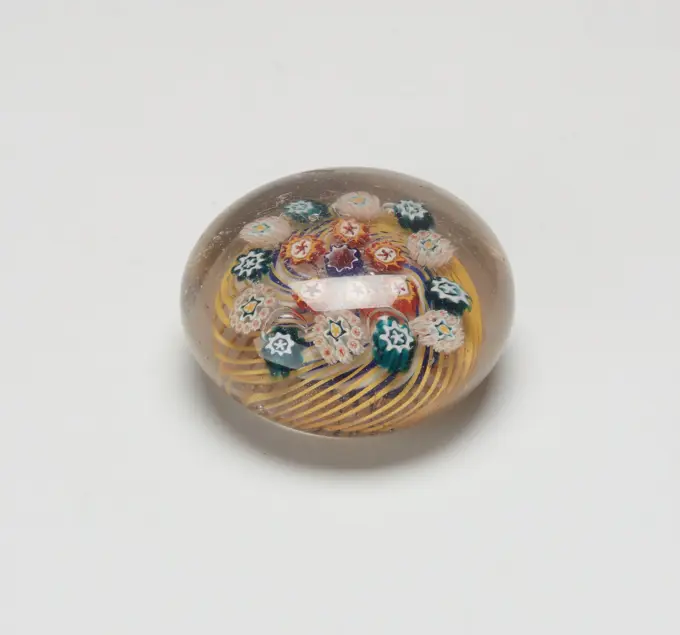
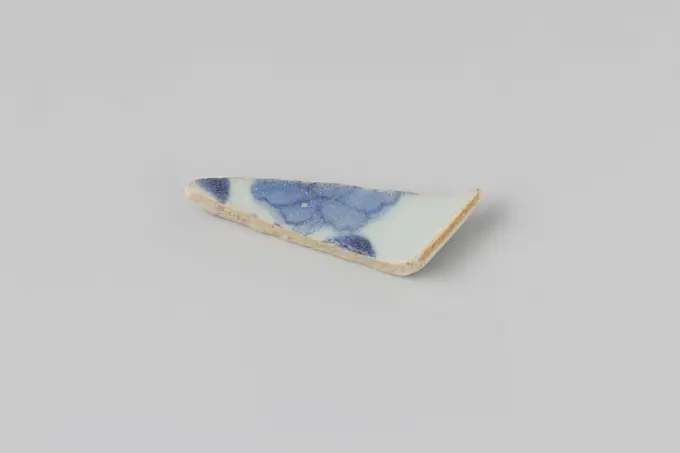
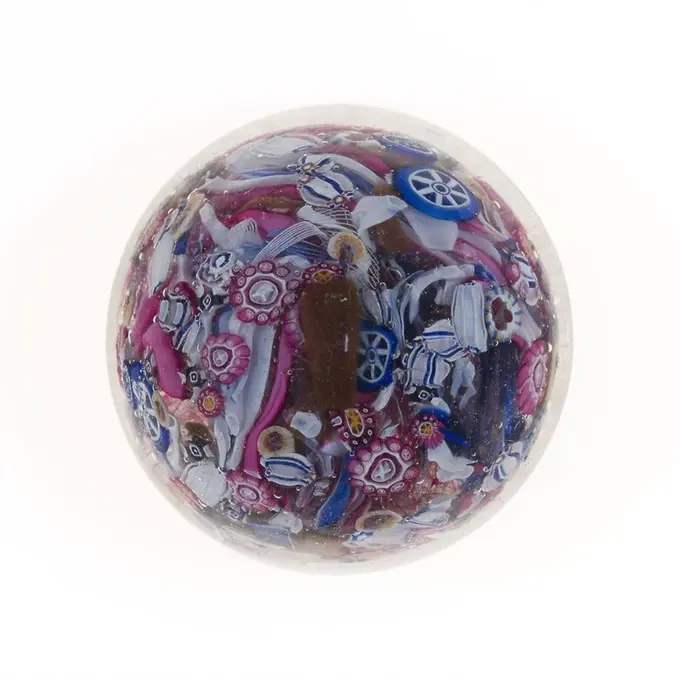
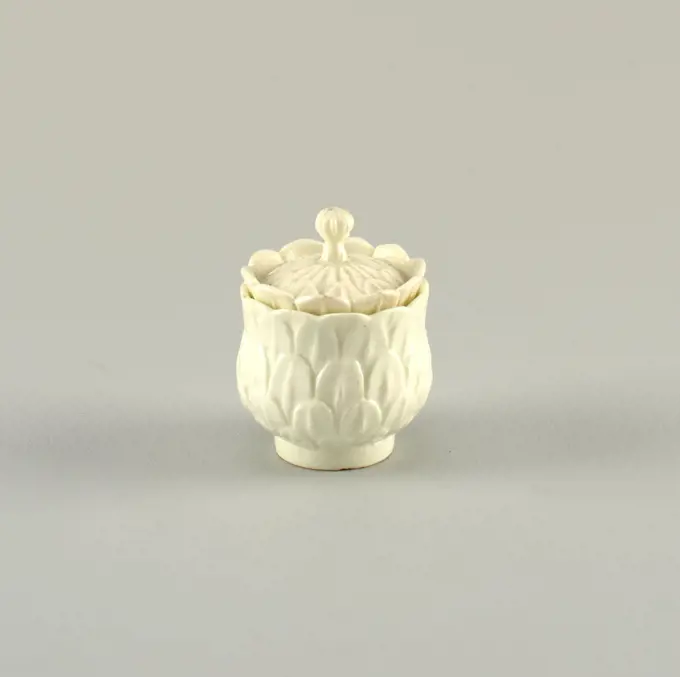
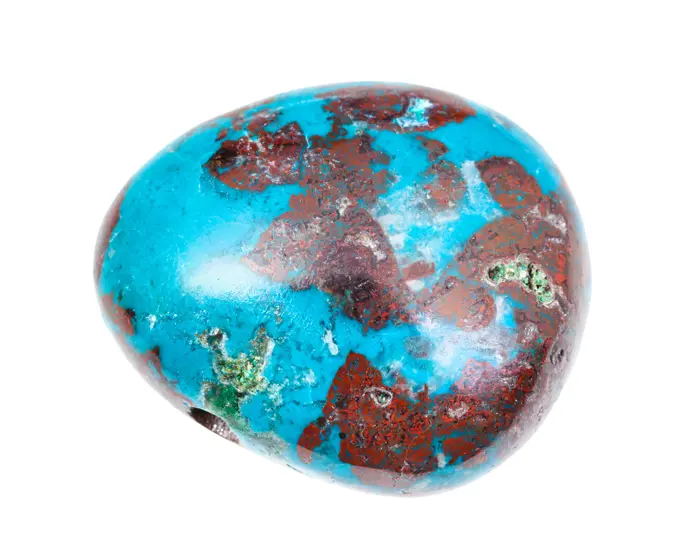
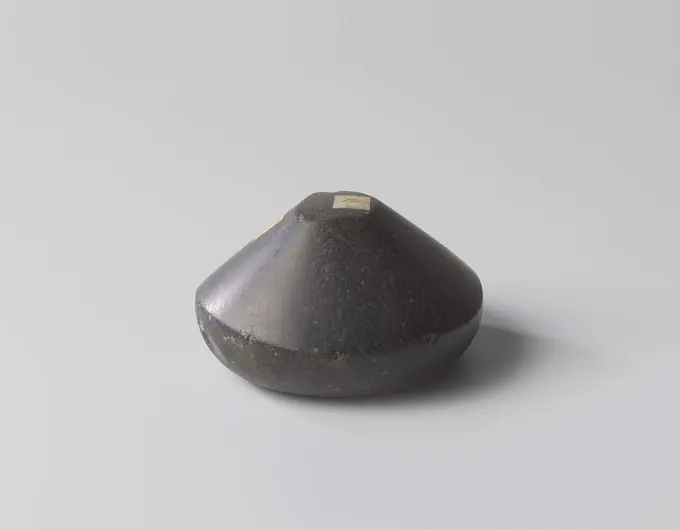
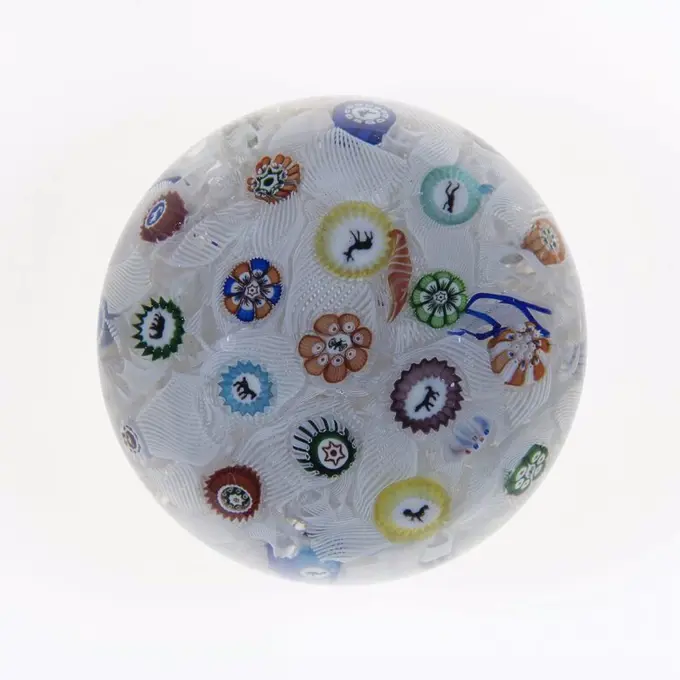
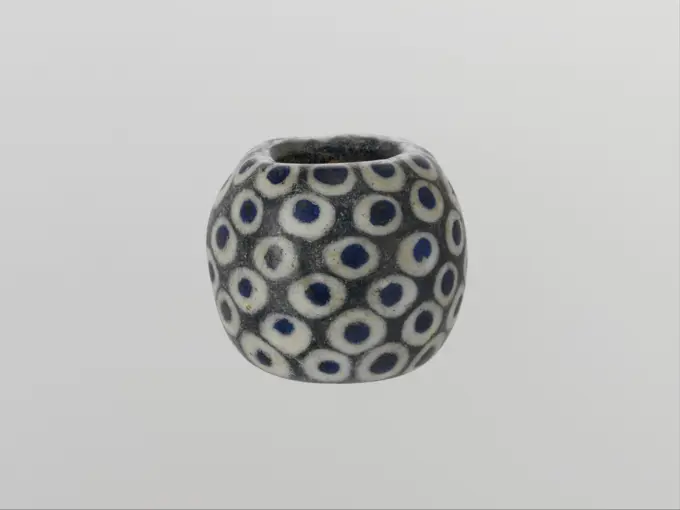
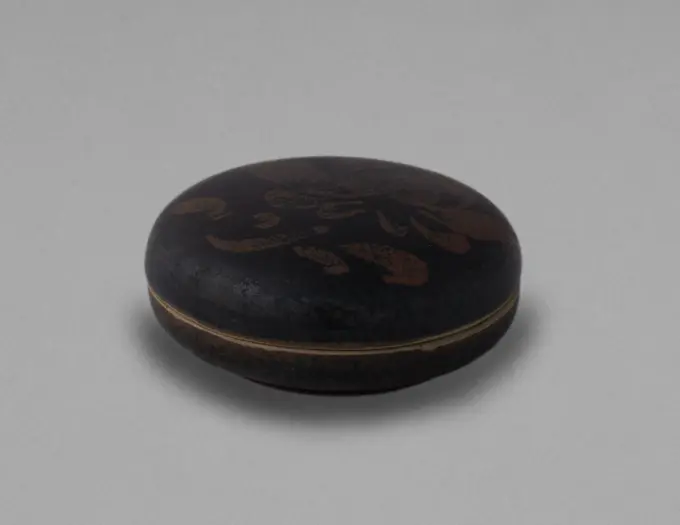
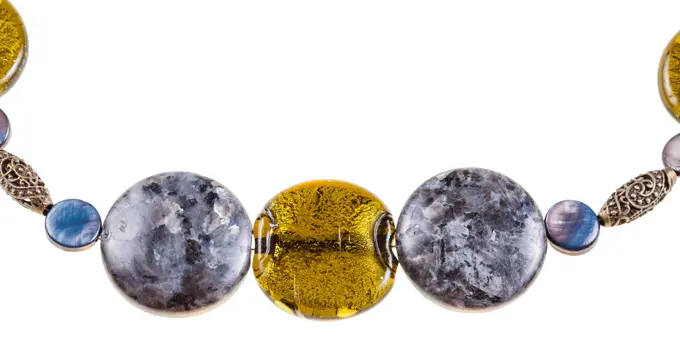
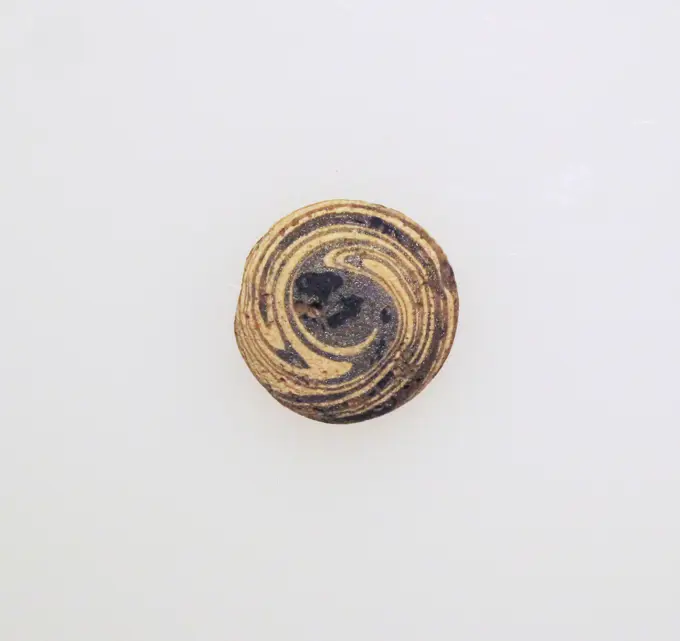
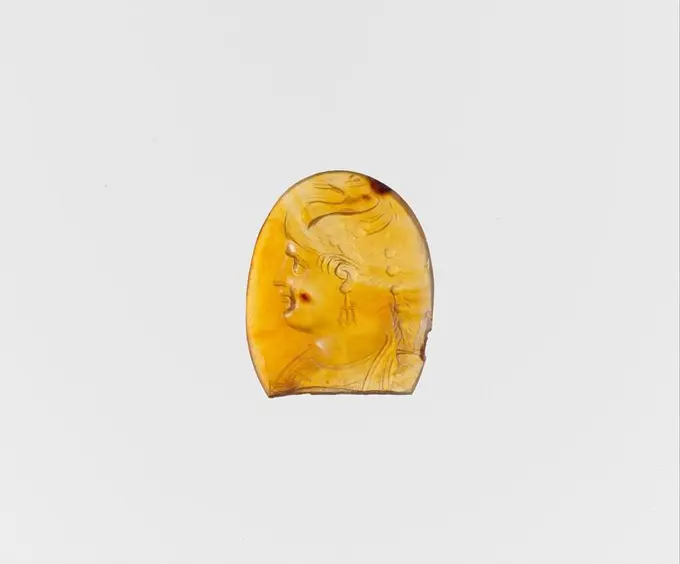
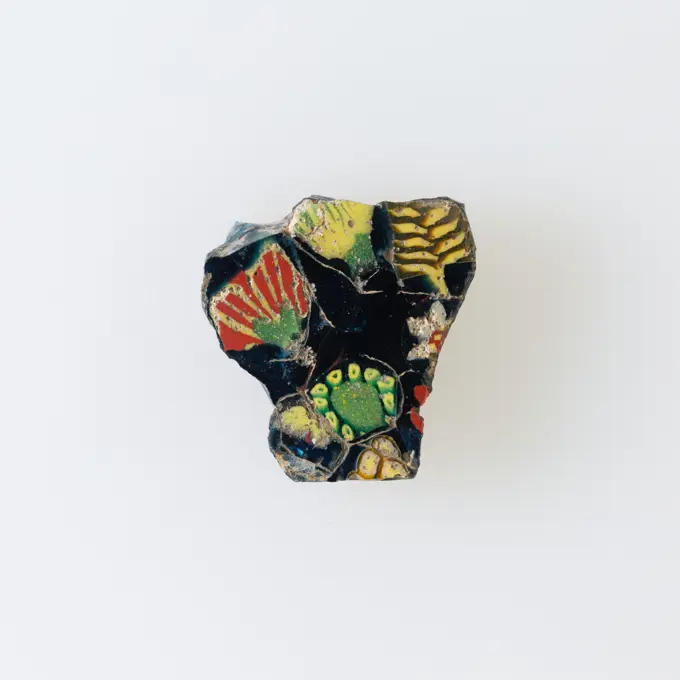
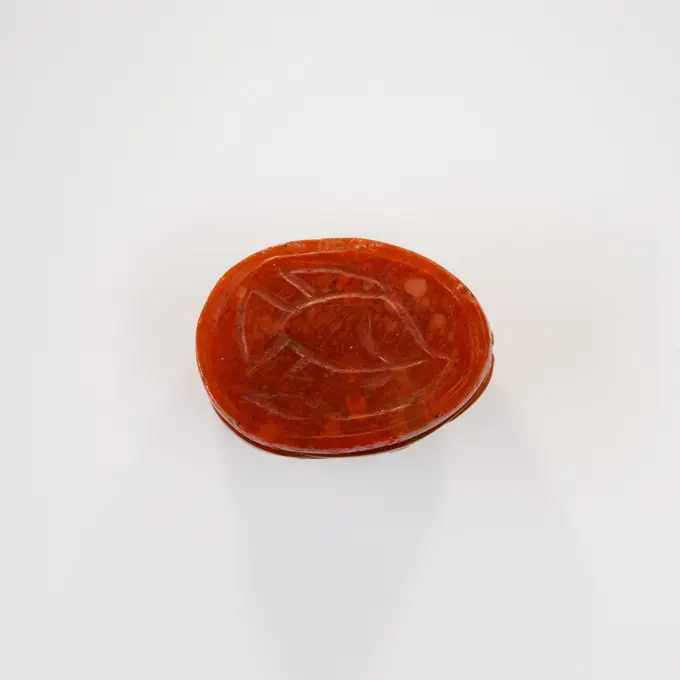
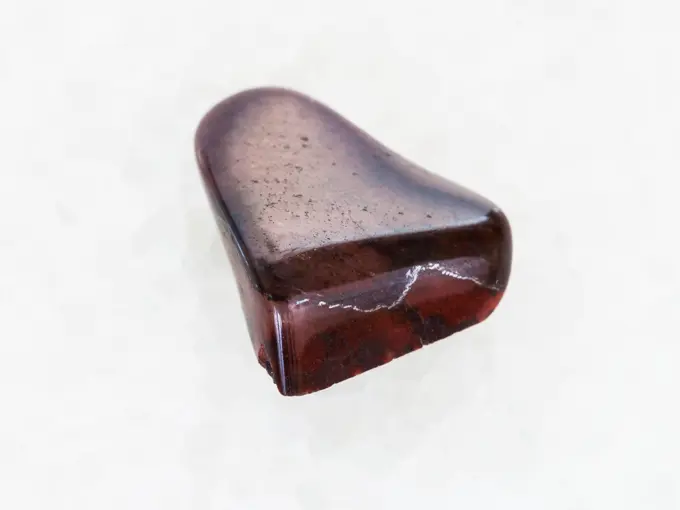
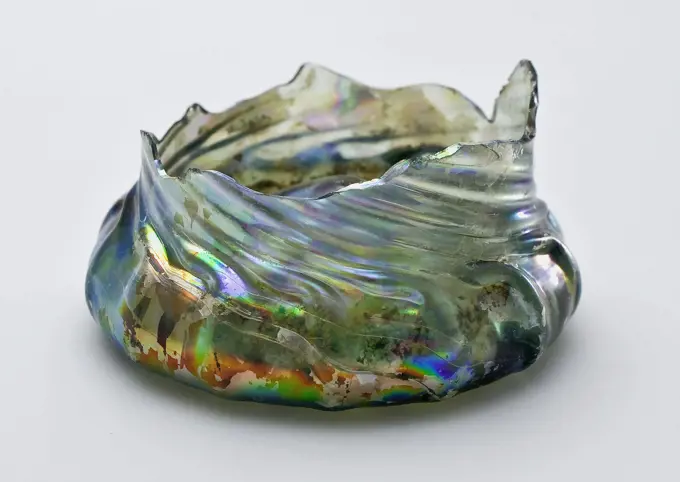
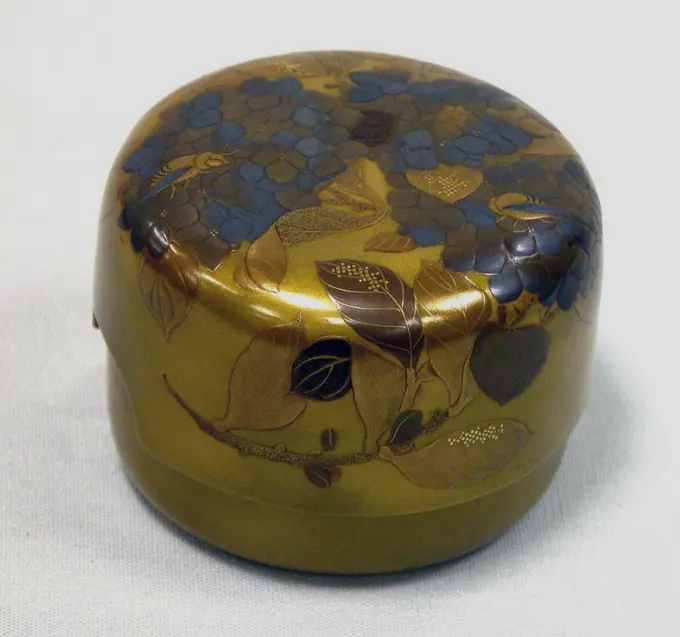
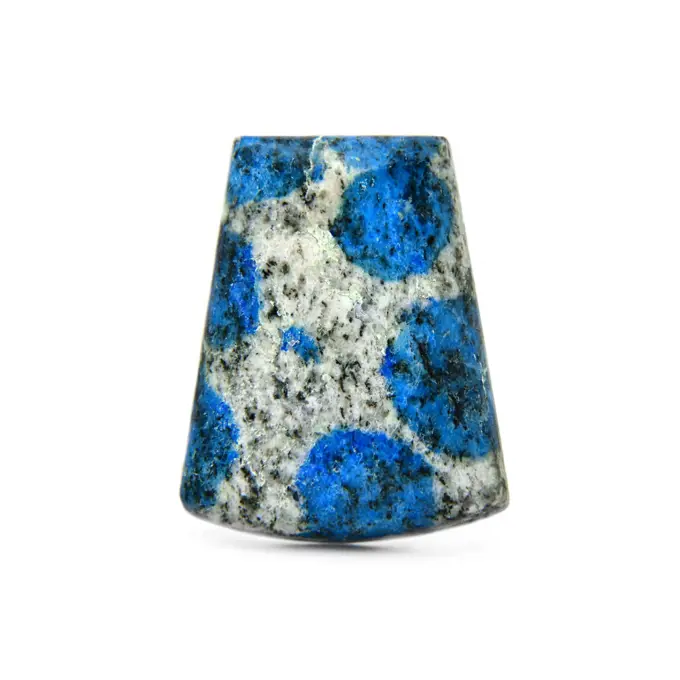
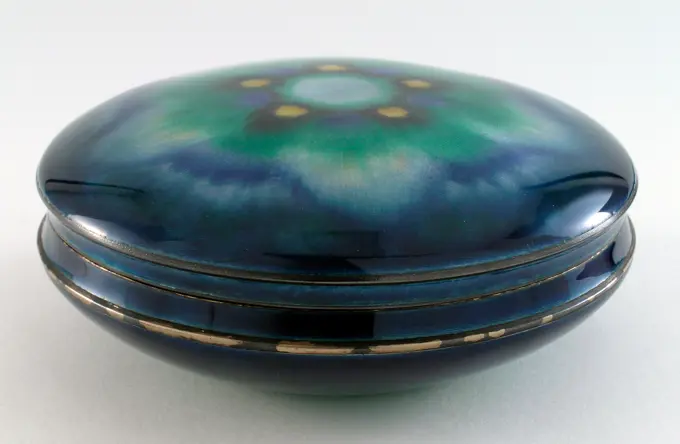
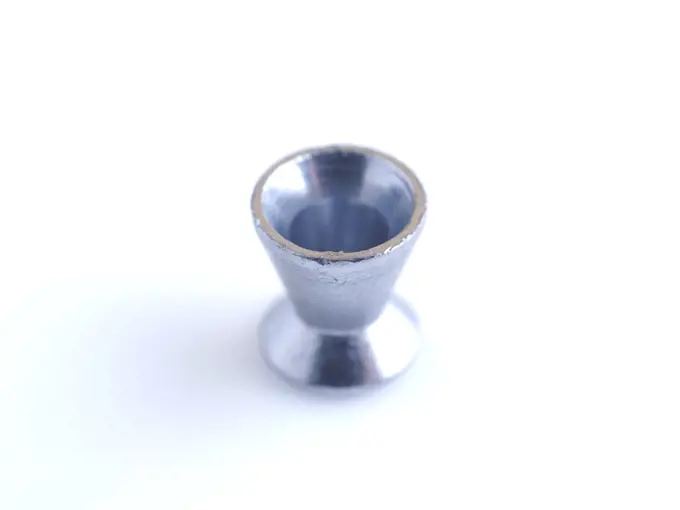
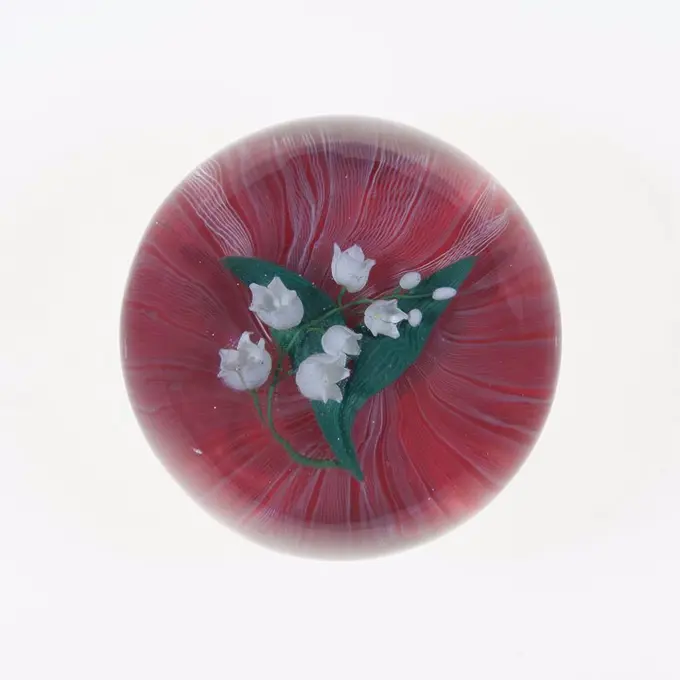
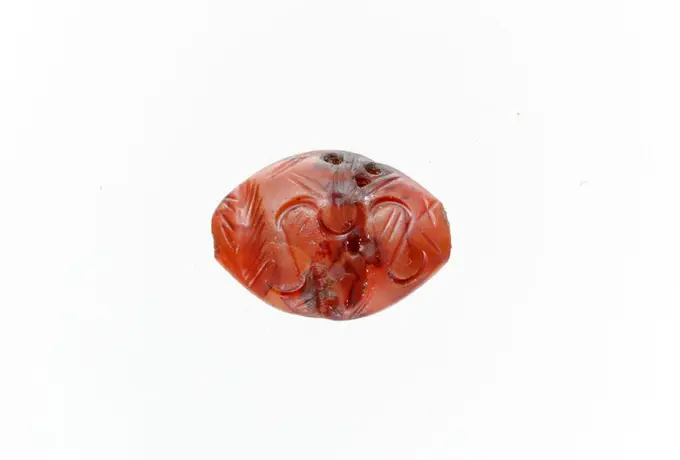
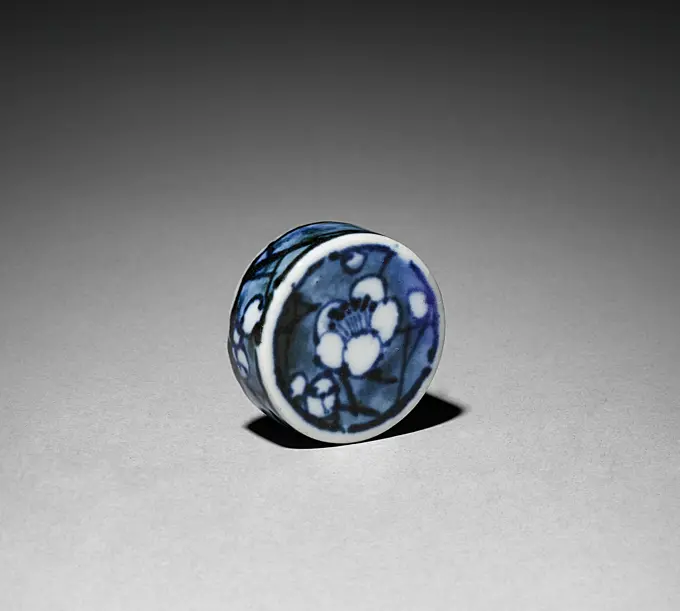
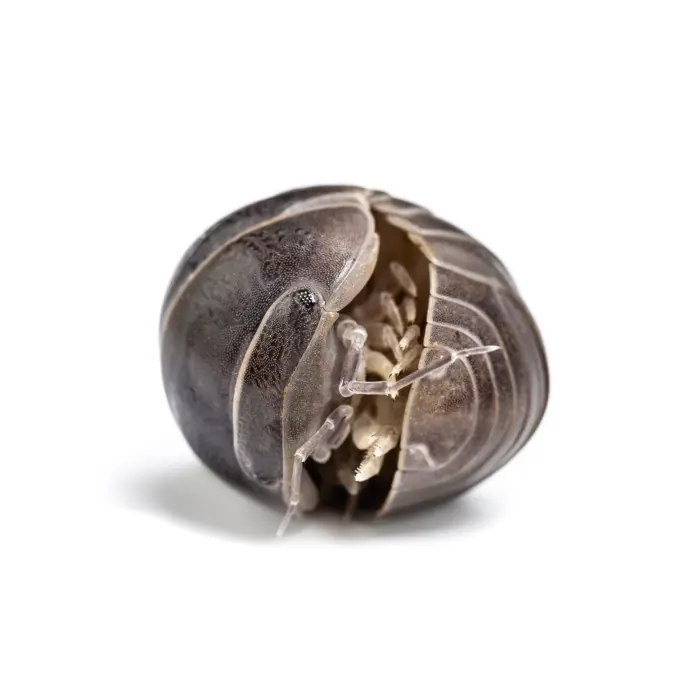
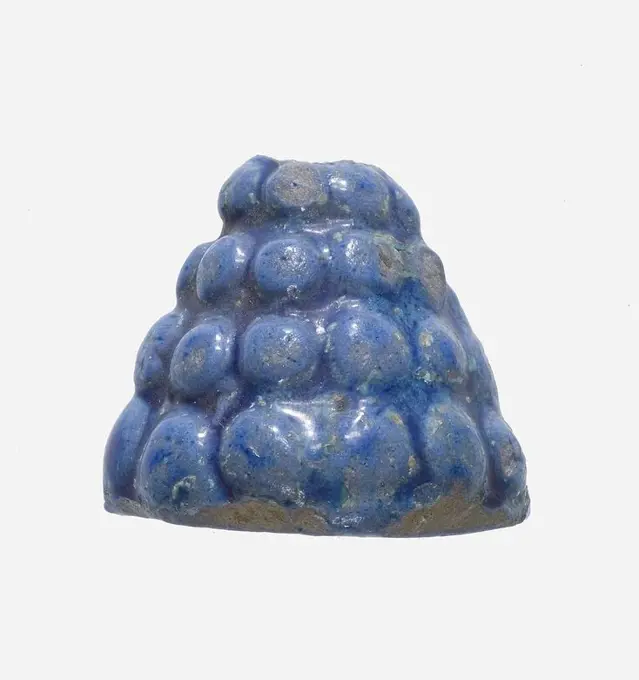
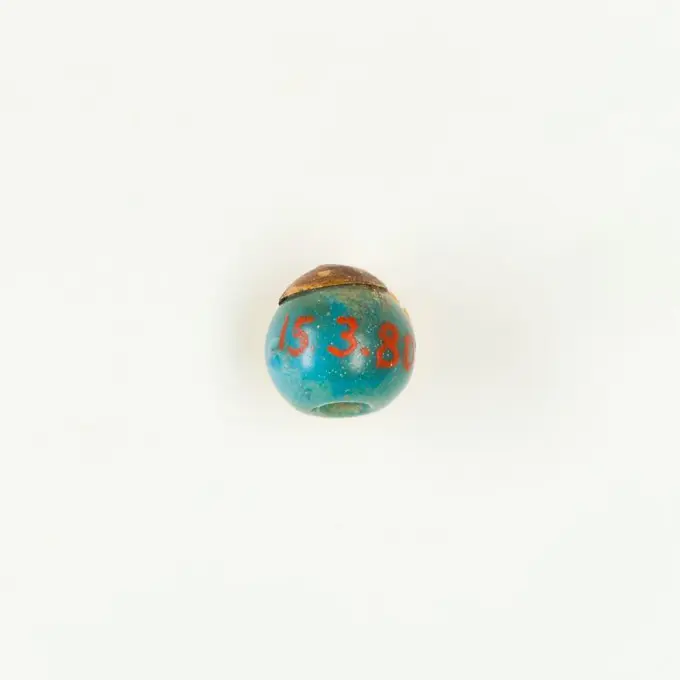
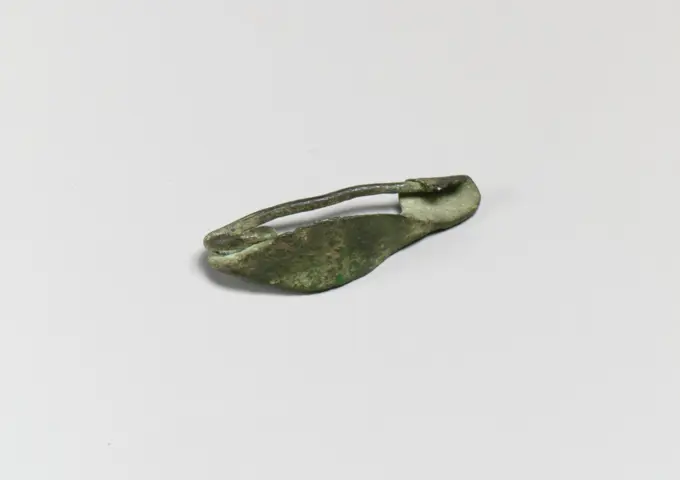
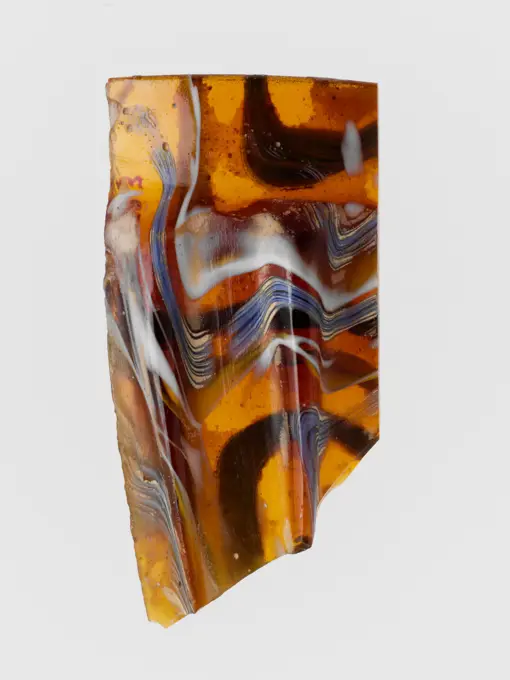
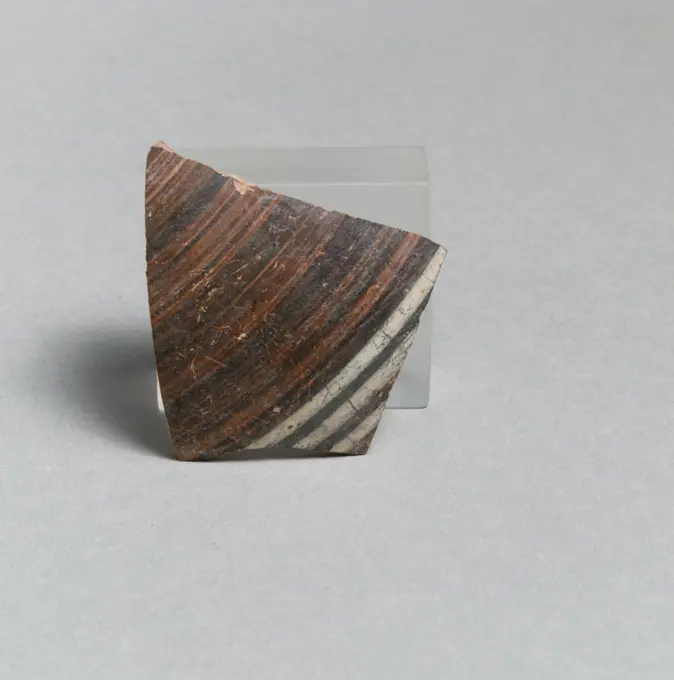
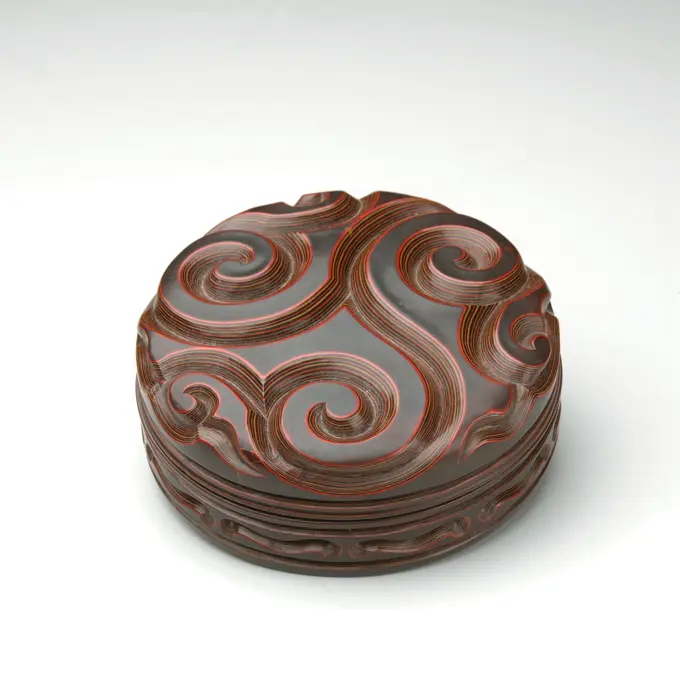
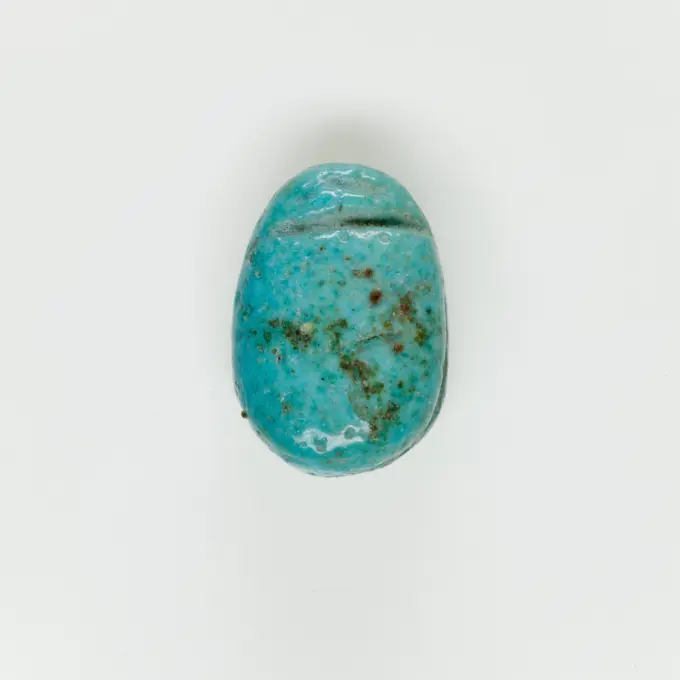
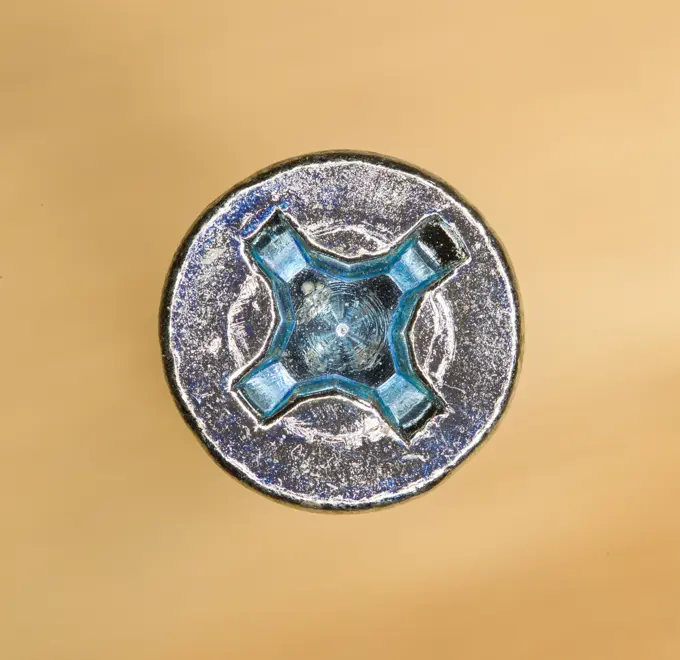
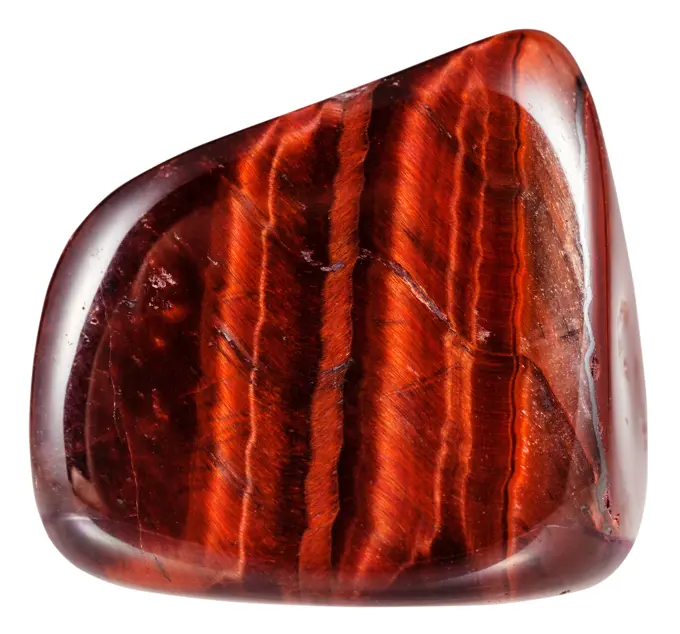
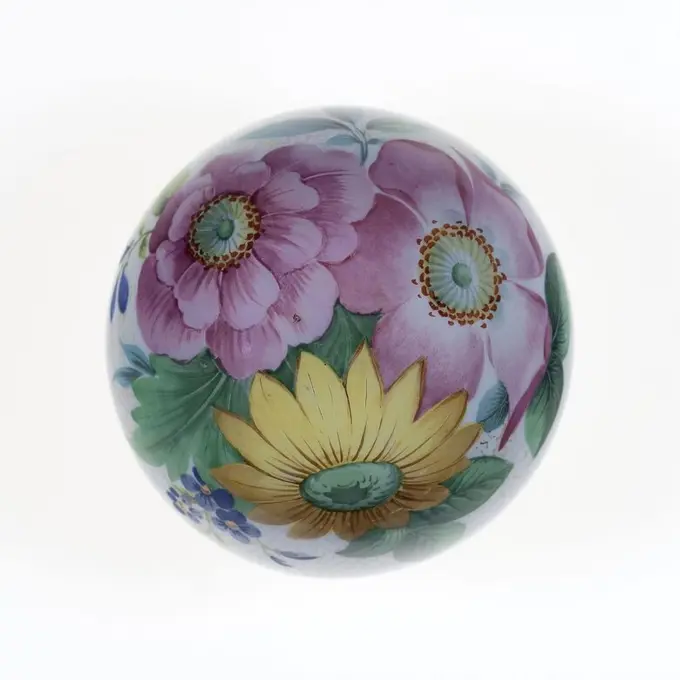
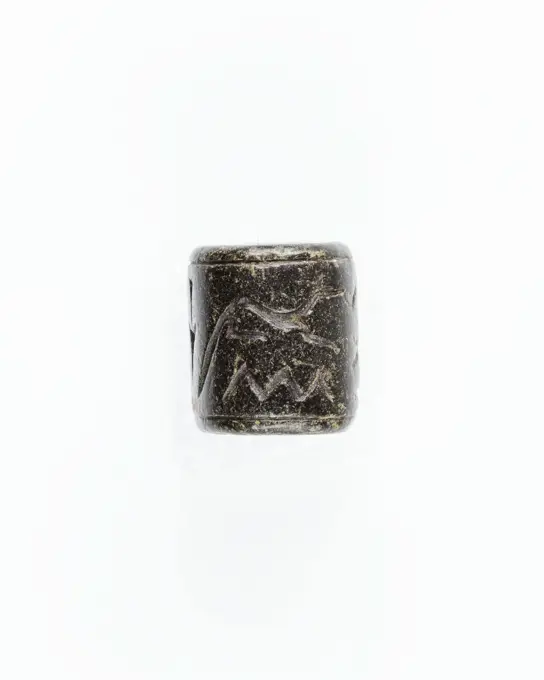
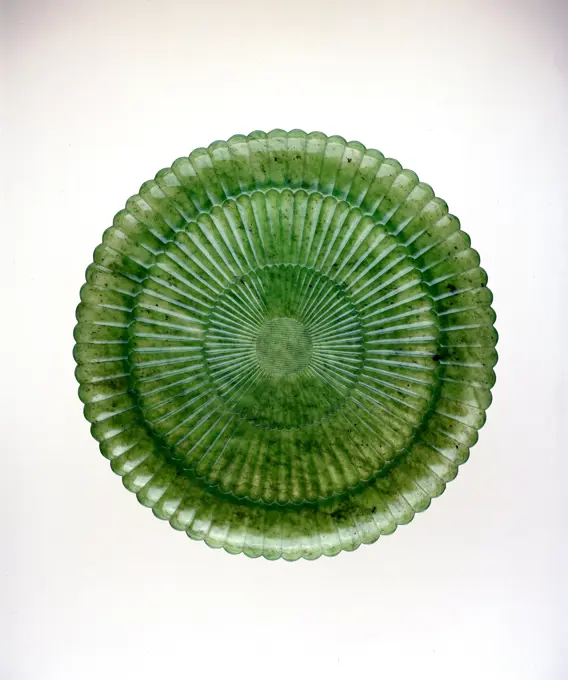
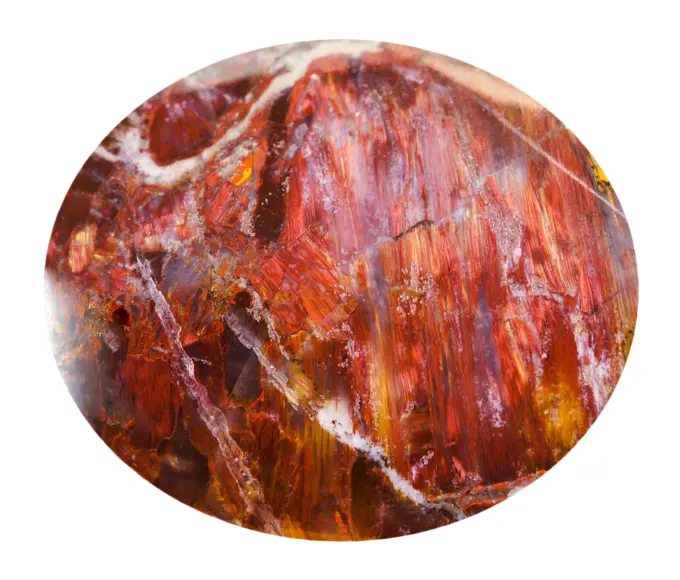
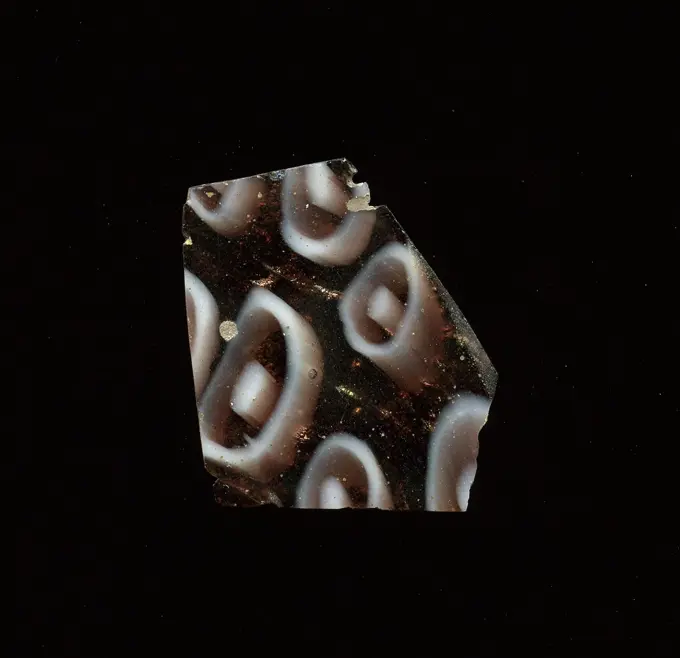
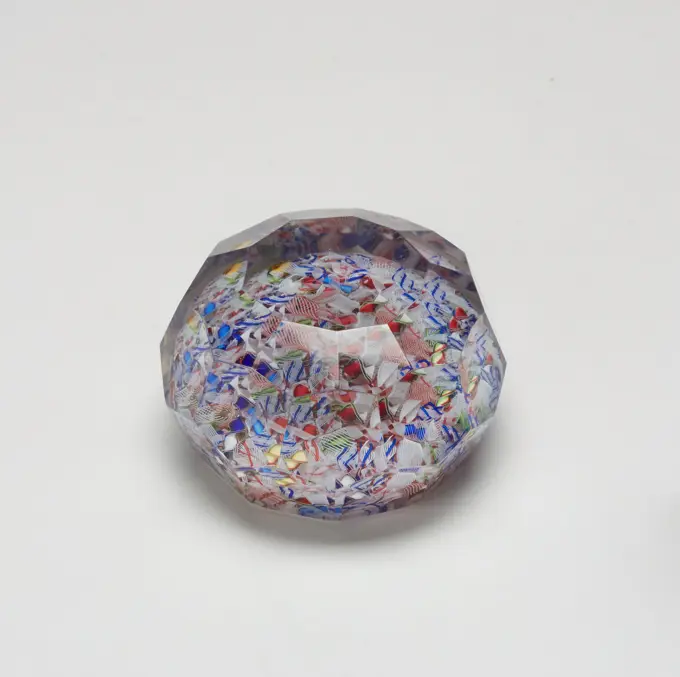
Paperweight, 1850, Baccarat Glass Works, 1 7/8 x 3 1/4 x 3 1/4 in. (4.76 x 8.26 x 8.26 cm), Glass, France, 19th centurypolished snowflake obsidian gemstone on white macro shooting of natural mineral rock specimen - polished snowflake obsidian gemstone on white marble background Copyright: xZoonar.com/ValeryxVoennyyx 11947684Network mosaic glass fragment late 1st century B.C.-early 1st century A.D. Roman Part of the rim of a bowl.. Network mosaic glass fragment. Roman. late 1st century B.C.-early 1st century A.D.. Glass; cast. Early Imperial. GlassPaperweight, 20th century, 1 1/4 x 2 5/8 x 2 5/8 in. (3.18 x 6.67 x 6.67 cm), Glass, China (), 20th centuryspecimen of Ocean Orbicular jasper gemstone natural mineral gem stone - specimen of Ocean Orbicular jasper gemstone isolated on white background close up Copyright: xZoonar.com/ValeryxVoennyyx 8555219Shard of a plate from the wreck of the East India Hollandia.Porcelain, Plate, Type 4; Fragm or Rim, SIM. Or 1980-27H2624k.Paperweight. Pietro Bigaglia (Italian, 1786-1878). Date: 1846. Dimensions: 8.1 cm (3 3/16 in.). Glass. Origin: . Museum: The Chicago Art Institute, Chicago, USA.Sea shell, close-upFreshwater pearl oyster shellTea box and cover, lacquered wood, Cylindrical box, rounded at bottom and slightly flaring. Cover flat, with rounded edge. Brown lacquer with grass straws in gold and relief dots in gold and silver. Relief mark on bottom., Japan, 19th century, containers, Decorative Arts, Tea box and covertumbled snowflake obsidian gemstone on white macro shooting of natural mineral rock specimen - tumbled snowflake obsidian gemstone on white marble background Copyright: xZoonar.com/ValeryxVoennyyx 11947470Jar, Saint-Cloud Porcelain Manufactory, French, active by 1693 - 1766, soft paste porcelain, On plain foot, an inverted bell-shaped cup; the outside covered with relief-cut artichoke leaves, forming scalloped edge above inner rim. Cover with slight dome, covered with relief-cut artichoke leaves, and a row of standing leaves around edge. Four-leaf knob finial. Undecorated., France, ca. 1725-1750, ceramics, Decorative Arts, jar, jarAmulet, Taweret ca. 2649-1640 B.C. Old Kingdom-Middle Kingdom. Amulet, Taweret 570910closeup of sample of natural mineral from geological collection - polished Chrysocolla gemstone isolated on white background. polished Chrysocolla gemstone isolated on whitePaperweight 1843-1860 Saint-Louis. Technological improvements to optical scientific instruments in the mid-nineteenth century spurred a veritable obsession across Europe with identifying and classifying the natural world. Amateur botanists were eager to collect and preserve floral specimens, which they intently researched and catalogued. In response to this broad appeal, French glassmakers made paperweights that portrayed the very botanical subjects that were so enthusiastically sought. Many weights represented specimens with horticultural correctness, but others were entirely fanciful creations. Paperweights like this example speak to the periodís fascination with taxonomic systems.From the late 1840s to early 1860s, French manufacturers of fine glass and crystalósuch as Baccarat (Alsace), Clichy (Paris), and Saint-Louis (Lorraine)ócatered to the vast public enthusiasm for beautiful yet functional desk accessories. Paperweights, which were designed to secure loose papers against draftGloben. Shine stone whose bottom of the body flatten is bleed and inserted; The top flatted cone-shaped.Glass short strip mosaic bowl fragment. Culture: Roman. Dimensions: 1 × 1 × 1/16 in. (2.5 × 2.6 × 0.2 cm)Estimated diameter 4 3/4 in. (12 cm). Date: late 1st century B.C.-early 1st century A.D..Translucent purple, blue, turquoise blue appearing green, and honey yellow appearing red, opaque yellow and white, colorless.Vertical rim, with rounded inner edge; concave curving side, turned inward at bottom.Short strip or similar mosaic pattern formed from short rectangular lengths of several composite and network canes set randomly or at right angles to one another: one cane comprises parallel strips of white, purple, and blue with white network thread; another of strips of turquoise blue flanking narrow strips in white, honey yellow, and blue; other colorless canes with distorted network patterns in yellow and white threads, with one appearing as part of the rim.Polished exterior; pitting of surface bubbles on exterior; dulling, slight pitting, and faint iridescence on interior; weathePaperweight. Baccarat; France, founded 1764. Date: 1848. Dimensions: Diam. 9.9 cm (3 7/8 in.). Glass. Origin: Baccarat. Museum: The Chicago Art Institute, Chicago, USA. Author: Baccarat Glassworks.Scarab Middle Kingdom ca. 2030-1640 B.C. View more. Scarab. ca. 2030-1640 B.C.. Blue glazed steatite. Middle Kingdom. From Egypt, Upper Egypt, Thebes, Asasif, Tomb CC 64, Burial 10, Carnarvon excavations, 1913Glass eye bead ca. 4th century B.C. Greek, Eastern Mediterranean Gray opaque bead covered with white and blue eyes.. Glass eye bead 250030Box (common name). Porcelain sandstone with a decor painted in brown-red on the background of covered with a dark brown. Cernuschi Museum, Asia Museum of Asia in the city of Paris.Cylindrical sealExcerpt deep plate from v.o.c.-ship De 'Witte Leeuw', Anonymous, Before 1613 plate (dishes) Fragment deep plate from v.o.c. ship De 'Witte Leeuw', 20 present. Jingdezhen bone china (material)   Sint-HelenaPaperweight 1840-1865 France. This paperweight uses a traditional glass-making technique called millefiori to great effect. Italian for ìone thousand flowers,î millefiori was first developed in fifteenth-century Venice. In the nineteenth century, French glassmakers revived the technique with a cultural twist. Arranged to evoke traditional French gardens such as the Tuileries in Paris, paperweights like this example brought a little of this landscaping magic indoors.From the late 1840s to early 1860s, French manufacturers of fine glass and crystalósuch as Baccarat (Alsace), Clichy (Paris), and Saint-Louis (Lorraine)ócatered to the vast public enthusiasm for beautiful yet functional desk accessories. Paperweights, which were designed to secure loose papers against drafts, were among their most popular products.. Glass . Clichy Glasshouselabradorite gemstone and colored glass beads labradorite gemstone and colored glass beads in necklace close up isolated on white background Copyright: xZoonar.com/ValeryxVoennyyx 9082275Detailed and colorful image of  tiger’s eye mineralPinhead. Pinhead. Glass. GlassSard ring stone. Culture: Roman. Dimensions: Length: 1/2 in. (1.2 cm). Date: 1st century B.C.-3rd century A.D..Female bust with a headdress in the form of a peacockSince the peacock was a symbol of the starry heavens and was sacred to Hera, the goddess Hera or a Ptolemaic princess in the guise of Hera may be represented here. Museum: Metropolitan Museum of Art, New York, USA.Fresh juicy blueberries isolated on white backgroundGlass mosaic carinated bowl fragment late 1st century B.C.-early 1st century A.D. Roman Translucent deep purple, greyish blue, opaque white, red, yellow, and light turquoise green, with colorless streaks.Flat bottom (), then narrow convex curve, and outturned edge above.Mosaic pattern formed from polygonal sections of three canes outlined in white: one in a purple ground enclosing a solid circle in turquoise green with a pattern of yellow rods outlined with a purple circle around a central dot; another in a purple ground with white rods around a central red rod, and a third in a purple ground with a circle of white dots around a white circle and central blue rod.Polished exterior; pitting and slight weathering of surface bubbles on exterior; dulling and thick creamy weathering on interior and jagged edges.. Glass mosaic carinated bowl fragment 257330round bead from Grossular green garnet gem polished round bead from Grossular green garnet gem isolated on white background Copyright: xZoonar.com/ValeryxVoennyyx 15120659Spittoon -Floral plaque 100 BC-100 AD Ptolemaic Period-Roman Period A mosaic glass technique allowed multiples of an image to be created: a figural or design composition was made by bundling colored glass canes, which were then drawn out into a long bar. The bar was then sectioned at right angles, probably by striking the bar with appropriate tools, to produce small inlay tiles. The tile would then be smoothed and polished on the face intended to appear outwards. Such elements could also be used side by side to create repeating patterns. Or if the rod presented one half of an element that was symmetrical, such as a face, a tile and a reversed tile from the same rod could be put together to form a complete whole.. Floral plaque. 100 BC-100 AD. Glass. Ptolemaic Period-Roman Period. From Egyptwhite seashell white natural decor ocean empty single spiral seashell Copyright: xZoonar.com/FelixxFurox 6208613Scarab with Tilapia Fish ca. 1479-1458 B.C. New Kingdom Both the Bolti fish and the lotus inscribed on the base of this scarab were symbols of rebirth.. Scarab with Tilapia Fish 547596Glass eye bead ca. 4th century B.C. Greek, Eastern Mediterranean Dark blue, with additions in opaque white and cobalt blue.Spherical shape with large vertical hole.Twenty-four eyes in six diagonal rows of four.Intact; dulling, pitting, weathering, and slight iridescence.. Glass eye bead. Greek, Eastern Mediterranean. ca. 4th century B.C.. Glass; rod-formed. Classical or Hellenistic. Glasspolished jaspilite jasper gemstone on white marble macro shooting of natural mineral rock specimen - polished jaspilite jasper gemstone on white marble background Copyright: xZoonar.com/ValeryxVoennyyx 11947334Fragment of foot, bottom and part wall of corrugated cup, drinking glass drinking utensils tableware holder soil find glass forest glass, free blown and formed imposed and twisted glass wires Fragment of foot bottom and part wall of Goblet in clear light green glass (forest glass) is On the foot edge are vertical 15 glass threads attached that turn sharply to the left at the transition from foot to wall and run diagonally upwards over the calyx. pontil mark under the slightly raised bottom (1.6 cm). Foot wall greatly rejuvenated. pedestal (4 cm versus 5.1 cm) archeology Rotterdam rail tunnel drink Soil discovery: rail tunnel Rotterdam.Incense box with hydrangea and bee second half of 19th century Japan. Incense box with hydrangea and bee. Japan. second half of 19th century. Gold, silver hiramaki-e, takamaki-e, cut-out gold foil application on gold ground. Meiji period (1868-1912). LacquerGorgeous gemstone from northern Pakistan. K2 Azurite in Granite.Paperweight 1841-1860 Baccarat. This paperweight uses a traditional glass-making technique called millefiori to great effect. Italian for ìone thousand flowers,î millefiori was first developed in fifteenth-century Venice. In the nineteenth century, French glassmakers revived the technique with a cultural twist. Arranged to evoke traditional French gardens such as the Tuileries in Paris, paperweights like this example brought a little of this landscaping magic indoors.From the late 1840s to early 1860s, French manufacturers of fine glass and crystalósuch as Baccarat (Alsace), Clichy (Paris), and Saint-Louis (Lorraine)ócatered to the vast public enthusiasm for beautiful yet functional desk accessories. Paperweights, which were designed to secure loose papers against drafts, were among their most popular products.. Glass . Baccarat GlassworksBox with Cover. France, late 19th century. Furnishings; Accessories. Silver giltBeads, 3 Roman. Beads, 3. Roman. Glass. GlassPaperweight 1840-1865 France. This paperweight uses a traditional glass-making technique called millefiori to great effect. Italian for ìone thousand flowers,î millefiori was first developed in fifteenth-century Venice. In the nineteenth century, French glassmakers revived the technique with a cultural twist. Arranged to evoke traditional French gardens such as the Tuileries in Paris, paperweights like this example brought a little of this landscaping magic indoors.From the late 1840s to early 1860s, French manufacturers of fine glass and crystalósuch as Baccarat (Alsace), Clichy (Paris), and Saint-Louis (Lorraine)ócatered to the vast public enthusiasm for beautiful yet functional desk accessories. Paperweights, which were designed to secure loose papers against drafts, were among their most popular products.. Glass . Compagnie de Saint Louisairgun bullets on a white backgroundPaperweight. France or Czech Republic. Date: 1865-1875. Dimensions: diam. 8.6 cm (3 3/8 in.). Glass. Origin: France. Museum: The Chicago Art Institute, Chicago, USA.Paperweight 1843-1860 Saint-Louis. Glass . Compagnie de Saint LouisHair ring Third Intermediate Period-Late Period ca. 1070-343 B.C. View more. Hair ring. ca. 1070-343 B.C.. Red Faience. Third Intermediate Period-Late Period. From Egypt, Upper Egypt, Thebes, Khokha, Tomb MMA 830, MMA excavations. Dynasty 21-30Brooch -Seal. Culture: Minoan, Crete. Dimensions: Other: 5/8 x 13/16 x 3/8 in. (1.5 x 2 x 0.9 cm). Museum: Metropolitan Museum of Art, New York, USA.Paperweight 1865-1875 France. Glass paperweights became popular in the mid-19th century when the establishment of a dependable mail service led to an increase in letter writing and a demand for writing products. Lily of the Valley is one of over 1,400 paperweights in the Art Instituteís famous Arthur Rubloff Collection, which documents all periods, designs, and techniques. In this delightful example, glass flowers have been centered under the magnifying dome of lead glass not only to reveal the technical skill with which they were made but also to achieve an illusion of depth.. Glass .Christmas, Christmas decoration, Christmas, Christmas, X-Mas, XMAS, Christmas jewelry, Christmas decorations, Christmas decorations ** Christmas, Christmas Decoration, Merry Christmas, X-Mas, Xmas, Christmas Decorations LY0-MXMZen Stone Pile Watercolor. Vector illustration design.several fresh clams for a Mediterranean diettumbled tiger-eye gemstone isolated on white macro shooting of natural mineral stone - tumbled tiger-eye gemstone isolated on white background Copyright: xZoonar.com/ValeryxVoennyyx 9078317Tea caddy late 18th century Japan. Tea caddy 58302Decoration mushrooms isolated over white Row decoration mushrooms isolated over white background Copyright: xZoonar.com/IvonnexWierinkx 19441998Tea Container (lid) with Plum Blossoms, early 1800s. Aoki Mokubei (Japanese, 1767-1833). Porcelain with underglaze blue; overall: 7.7 x 4.8 cm (3 1/16 x 1 7/8 in.). Aoki Mokubei, born into a family of restaurateurs, was a potter, calligrapher, painter, and scholar, and is considered one of the three masters of later Edo period Kyoto ceramics. He specialized in porcelains fashioned after Chinese prototypes, and created works for steeped tea (sencha) such as these matching tea caddies decorated in an underglaze blue called sometsukeliterally “with applied dye.” He signed them on their bottoms. They also have intricately patterned silk sleeves to both beautify and protect them. On the exterior of the lid of the outer wooden box that contains them, it is written that Mokubei inscribed and painted an image on the box. On the interior of the lid, the signature and seals of a former owner are written. Mokubei has signed the lid of the inner box, and a charming ink and light color compositioMediterranean pill woodlouse (Armadillo officinalis) curled up in a defensive position, Akamas, Cyprus. Controlled conditions.Architectural Ornament: Bunch of Grapes. Dimensions: H. 3.7 cm (1 7/16 in), w. 3.7 cm (1 7/16 in). Dynasty: Dynasty 18. Reign: reign of Amenhotep III. Date: ca. 1390-1353 B.C.. Museum: Metropolitan Museum of Art, New York, USA.Bead. Dimensions: l. 0.5 cm (3/16 in). Dynasty: Dynasty 13-15. Date: ca. 1640-1600 B.C.. Museum: Metropolitan Museum of Art, New York, USA.Fibula 9th-6th century B.C. Italic Of Fiddle-bow type.. Fibula 246314Ornamental shell, elevated view, close-upScourer on a white bgTile ca. 1882-84 J. and J. G. Low Art Tile Works. Tile 8533Glass mosaic ribbed bowl fragment late 1st century B.C.-early 1st century A.D. Roman Rim fragment.Translucent honey brown, cobalt blue, and opaque white.Slightly everted rim with rounded inner lip; at top, side tapering downward, then bulging outward with convex curving profile.Ribbon mosaic pattern formed from lengths of one or more canes in a brown ground with wavy white and blue threads in parallel lines; on exterior, two vertical slender ribs, with flattened tops and rounded outer edges, tapering downward.Polished exterior; pitting of surface bubbles on exterior; dulling and creamy iridescent weathering on interior, rim, and jagged edges; one edge ground flat.Part of the rim and side of a deep ribbed bowl.. Glass mosaic ribbed bowl fragment. Roman. late 1st century B.C.-early 1st century A.D.. Glass; cast and tooled. Early Imperial. GlassEaster eggs isolated on white Easter eggs isolated on white Copyright: xZoonar.com/VladimirxNenovx 9120619Pigeon Whistle, one of a pair, 19th century, 2 1/4 x 2 3/4 x 2 in. (5.72 x 6.99 x 5.08 cm), Bamboo and ivory, China, 19th centuryDie Textur eines 24-karätigen Goldgels oder Serums mit Hyaluronsäure für das Gesicht. Kosmetische transparente flüssige Creme mit Goldpartikeln. Wellness- und Schönheitskonzept. Kosmetischer Abstrich The texture of a 24k gold gel or serum with hyaluronic acid for the face. Cosmetic transparent liquid cream with golden particles. Wellness and beauty concept. Cosmetic smear. Copyright: xZoonar.com/IrinaxKvyatkovskayax 22736614Roundel, boss. Roundel, boss 243098Glass rings and bracelets. Culture: Greek and Roman. Date: 3rd century B.C. -4th century A.D..In prehistoric times, naturally occurring glass, called obsidian, was used not only for weapons and tools but also for objects of personal adornment. After the invention of glassmaking, similar objects were fashioned in man-made glass, or a combination of glass and other precious materials. Hellenistic jewelry is characterized by intricate gold patterns augmented by bits of semi-precious stone and colorful inlay elements. Etruscan jewelry is also renowned for its masterfully crafted goldwork. Roman jewelry has been described as an amalgamation of Eastern and Etruscan jewelry styles, combining the use of colored stones favored in the East with manipulated goldwork typical of Etruscan jewelry. The Romans greatly favored the use of stone and glass in their jewelry, and expanded the Hellenistic tradition by focusing on the visual effects multicolored bits of stone and glass could achieve in theirOrganic cosmetics from sea minerals . Bath salt isolated on white background. Free space for text.Paperweight, 19th century, Baccarat Glass Works, 2 x 3 1/4 x 3 1/4 in. (5.08 x 8.26 x 8.26 cm), Glass, France, 19th centuryBliżej KulturyVase fragment East Greek/Sardis, Lydian. Vase fragment 252749 East Greek/Sardis, Lydian, Vase fragment, Terracotta, Overall: 1 3/4 x 1 15/16in. (4.4 x 5cm). The Metropolitan Museum of Art, New York. Gift of The American Society for the Excavation of Sardis, 1926 (26.199.182)Small Circular Box, 14th century, 1 1/2 x 4 3/8 x 4 3/8 in. (3.8 x 11.1 x 11.1 cm), Carved black lacquer with red and yellow layers (tixi), China, 14th century, The boldly carved, triple-pommel scroll forming the lid of this vessel and its dramatically layered polychrome create a striking effect in a relatively small object. The style of cutting is in keeping with early tixi lacquer, evidenced by deep, wide-angle v-shaped grooves, alternating layers of black, red, and yellow, and a high polish. Lacquer of this type is rare and mostly confined to small objects datable between late Sung and early Ming.umbled Shattuckite gemstone isolated on white closeup of sample of natural mineral from geological collection - tumbled Shattuckite gemstone isolated on white background Copyright: xZoonar.com/ValeryxVoennyyx 14990519Votive Fragment, Pendant fragment ca. 1479-1458 B.C. New Kingdom. Votive Fragment, Pendant fragment. ca. 1479-1458 B.C.. Blue faience. New Kingdom. From Egypt, Upper Egypt, Thebes, Deir el-Bahri, Temple of Hatshepsut, Hathor Chapel, Egypt Exploration Fund excavations. Dynasty 18Uninscribed Scarab Bead ca. 1504-1447 B.C. New Kingdom This uninscribed scarab bead was found near the remains of a small basket inside the coffin of a man named Amenemhat. The basket had been placed near the head of Amenemhat's mummy and seems to have contained more some 400 mostly uninscribed scarabs and a variety of other beads.. Uninscribed Scarab Bead. ca. 1504-1447 B.C.. Faience. New Kingdom. From Egypt, Upper Egypt, Thebes, Asasif, Tomb of Neferkhawet (MMA 729), east chamber, Burial of Amenemhat (V), inside coffin, basket, MMA excavations. Dynasty 18, earlyPaperweight 1841-1860 Lunéville. Glass . Baccarat Glassworksset with delicacy dogs white surfaceRound-bodied Box with Continuous Flower Motif in Relief. Lid of spherical bowl of porcelain, covered with a gray glaze. Covered with a continuous floral pattern in relief. Two cracks in the lid. Two old labels in the box with 'Van Lier'. Ming porcelain.Macro image of star head of a nickel screw Top view of head of a silver steel screw screwed on a piece of timber in macro Copyright: xZoonar.com/StevenxHeapx 3682569Pebble beaches of the Atlantic in Anglet Francepebble of red bulls-eye gemstone isolated macro shooting of natural mineral stone - polished pebble of red bulls-eye gemstone isolated on white background Copyright: xZoonar.com/ValeryxVoennyyx 9082221Doll coffee bowl - Inconnu / UnknownPaperweight. Possibly Bohemian. Date: 1843-1847. Dimensions: Diam. 6.4 cm (2 1/2 in.). Glass. Origin: Czech Republic. Museum: The Chicago Art Institute, Chicago, USA.Cylinder seal ca. 2960-2649 B.C. Early Dynastic Period. Cylinder seal. ca. 2960-2649 B.C.. Stone. Early Dynastic Period. From Egypt. Dynasty 1Pittacus of Mytilene Portrait Medallion; Manufactured by Wedgwood (United Kingdom); unglazed stoneware ("black basalt")Paperweight 1840-1865 Clichy. Glass . Clichy GlasshousePlate, 18th-19th century, 7/8 x 12 1/4 x 12 1/4 in. (2.22 x 31.12 x 31.12 cm), Jadeite, China, 18th-19th century, Centrifigal tiers of fluted petals form a chrysanthemum design on both sides of this thin, Indian-style plate, the petals of the flower curling under at the rim. As is typical of much Mughal style jade carving, the quality of the stone is superb and the standard of craftmanship exceptional.cabochon from red sunstone natural mineral gem cabochon from red sunstone natural mineral gem stone isolated on white background Copyright: xZoonar.com/ValeryxVoennyyx 8635928Mosaic glass fragment. The small glass fragment shows on purple background white dots, which are each framed by a white circle. In Roman times, it used colored, ornamented glass for vessels, mosaics, wall decorations and furniture ornaments. For the production, different colored glasses were molded into tubes and rods. These were compressed and heated, causing a long bar. The glass sliced now had a wide variety of amorphous or floral patterns.polished amazonite mineral gemstone macro shooting of natural gemstone - polished amazonite Amazon stone mineral gem stone isolated on white background Copyright: xZoonar.com/ValeryxVoennyyx 8877043Mourning Pin 1862 American. Mourning Pin. American. 1862. Gold, pearls, jet. Possibly made in New York, New York, United StatesSea cockleshell on a white backgroundStand; stone, nephite, rosewoodLong-stemmed goblet, c. 1900, Friedrich Zitzmann, German (Berlin), German (Berlin), 1840-1906, 12 1/8 x 3 1/4 in. (30.8 x 8.26 cm), Hand-blown glass, Germany, 19th-20th century, Zitzmann's literal interpretation of a tulip in glass is part of an international period of glass experimentation that was part of the Art Nouveau movement, and that resulted in the widespread interpretation of floral and foliate forms. This purely decorative goblet is very much in the spirit of Louis Comfort Tiffany's floriform vases.Seal stamp of blue stoneware with Intaglios representing hung birds, Wedgwood & Bentley, c. 1775 - c. 1780 Seal stamp of Blauw Steengoed with Intaglios representing hung birds. Signed: Wedgwood & Bentley. 'Jasper' from the Factory of Wedgwood & Bentley. Stoke-on-Trent stoneware Seal stamp of Blauw Steengoed with Intaglios representing hung birds. Signed: Wedgwood & Bentley. 'Jasper' from the Factory of Wedgwood & Bentley. Stoke-on-Trent stonewareMinus stone made on black background in frame.