Unique Historical Pottery

Distinct pottery artifacts including animal-shaped vases and terracotta items, showcasing ancient artistic expressions from different cultures.
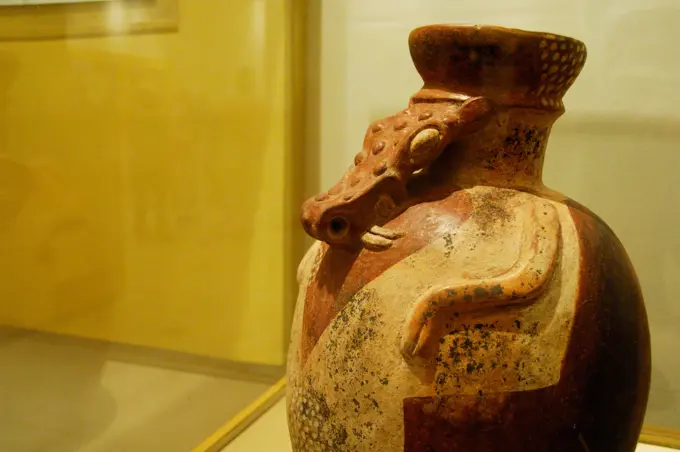
Central America, El Salvador, San Salvador, Joya de Ceren (Jewel of Ceren) Museum. Pottery alligator vase artifact. UNESCO World Heritage Site.
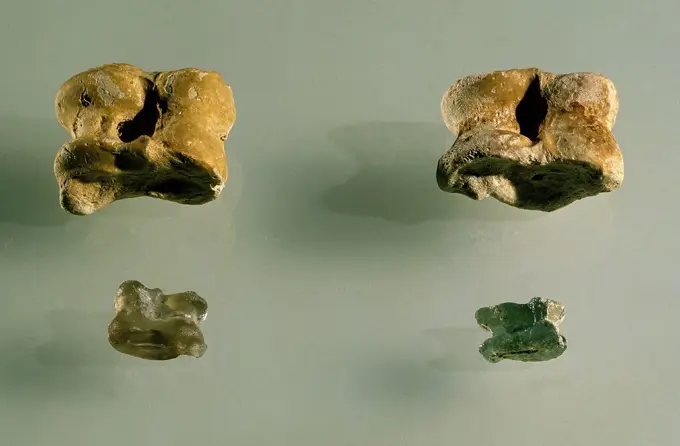
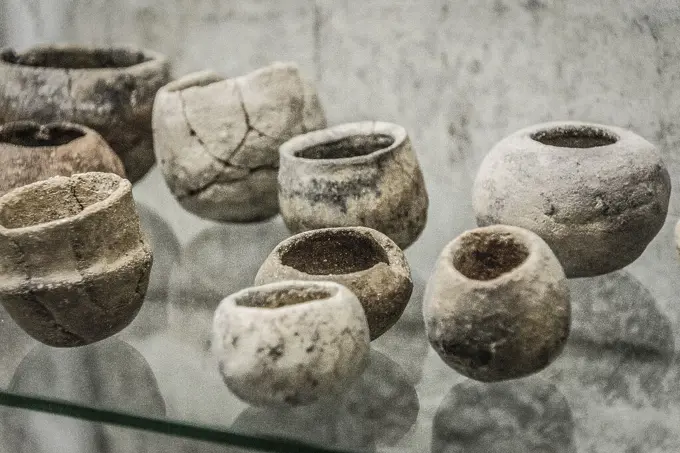
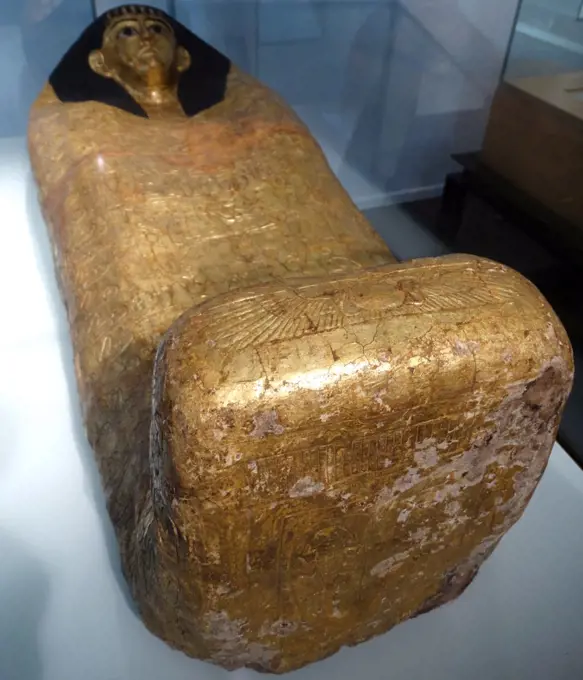
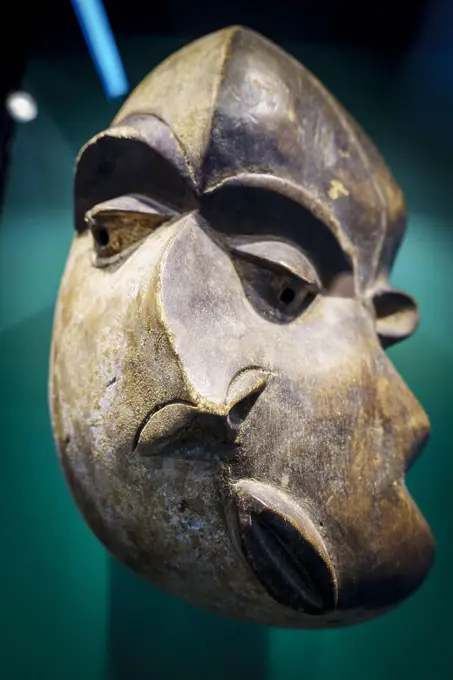
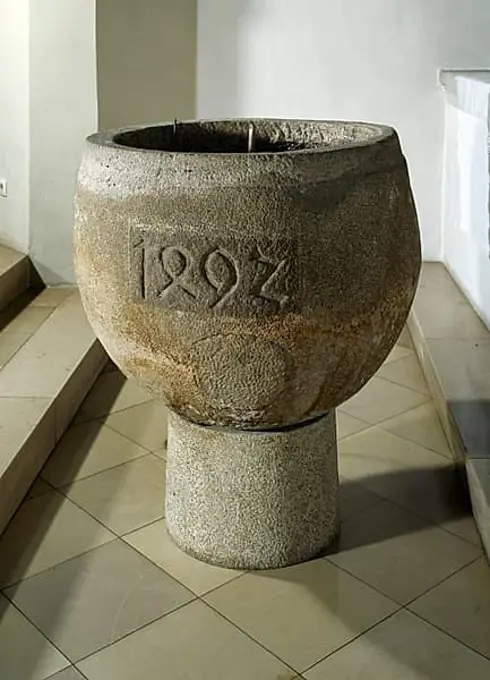
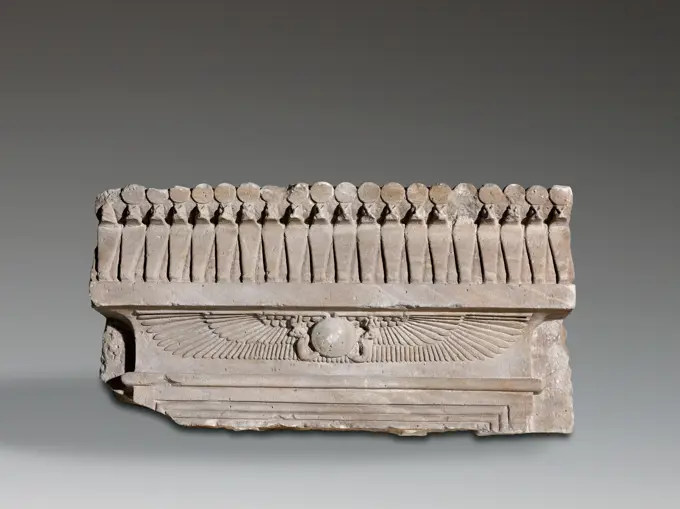
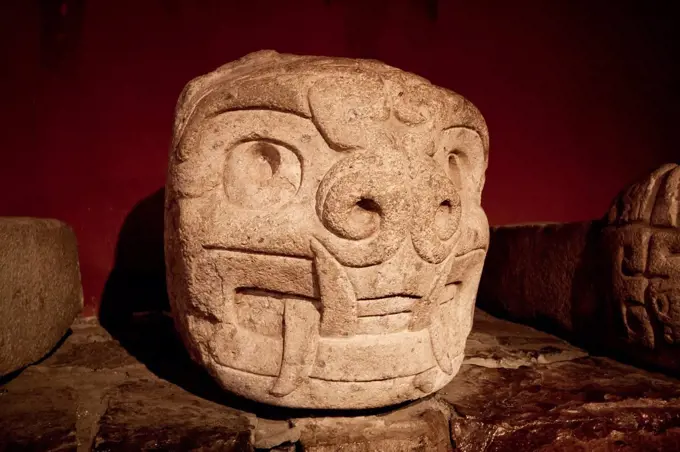
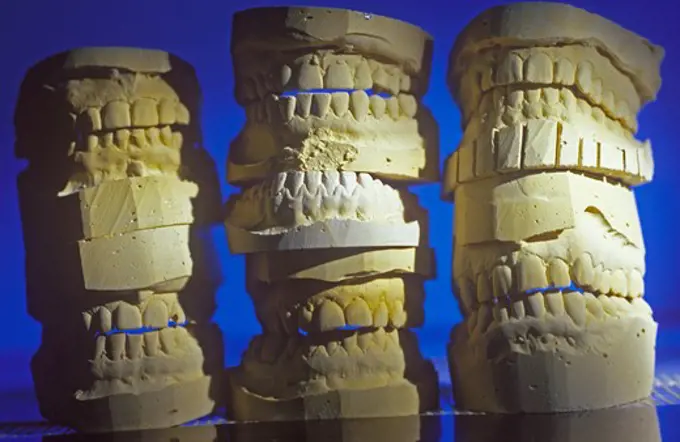
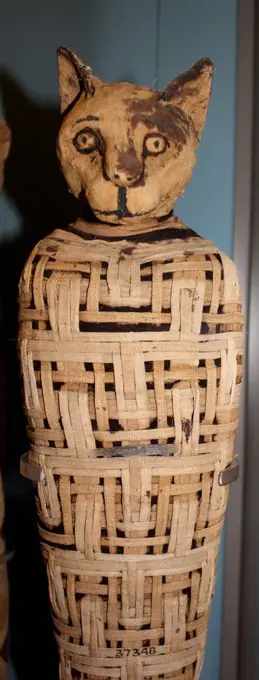
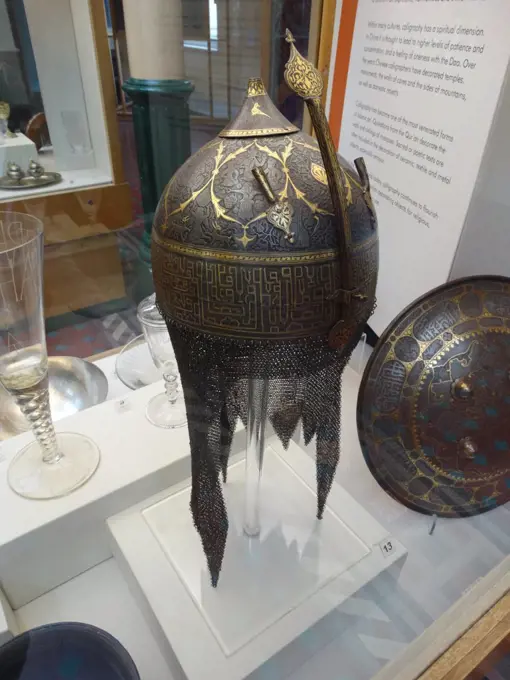
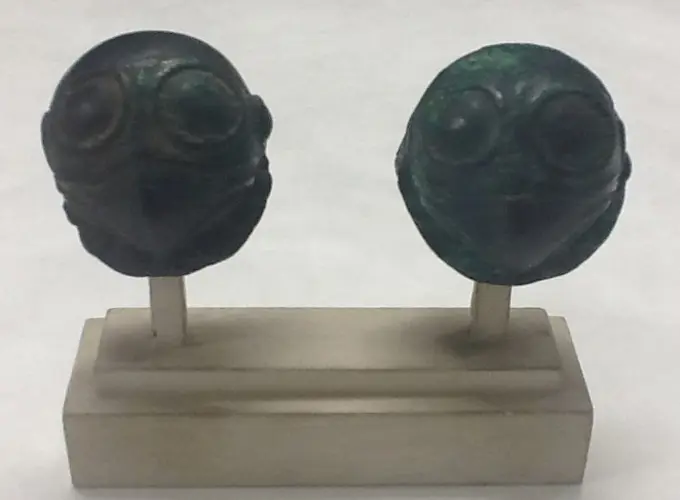
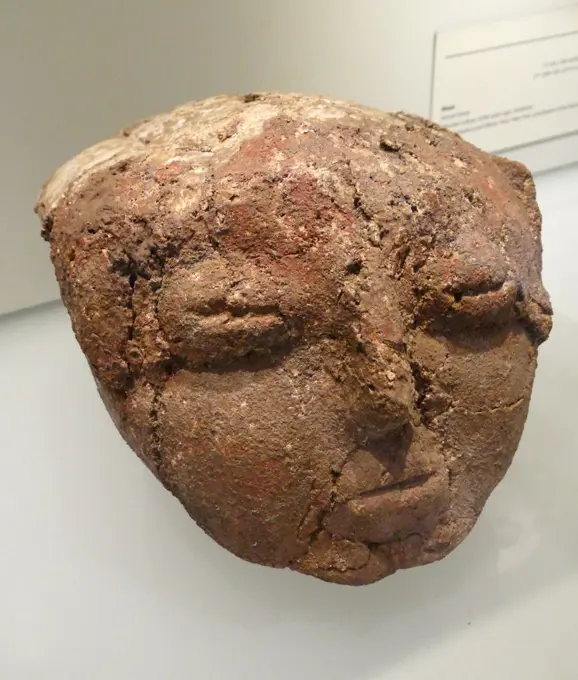
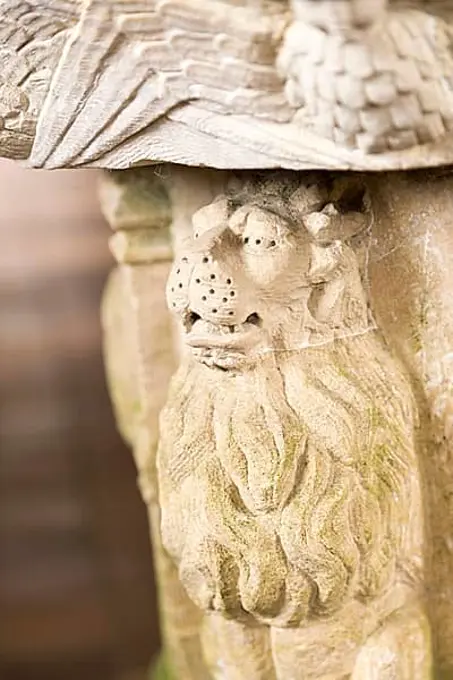
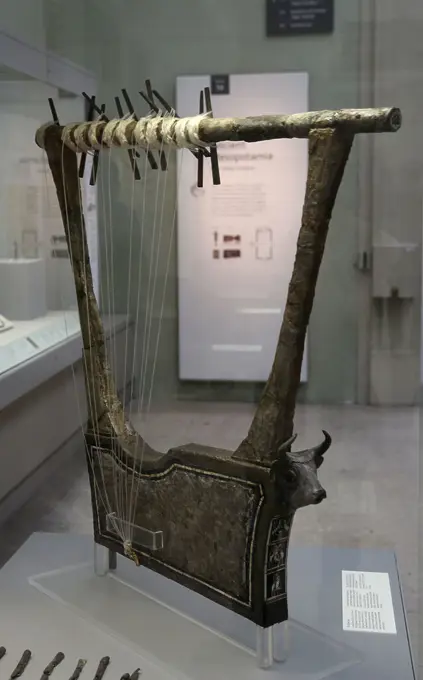
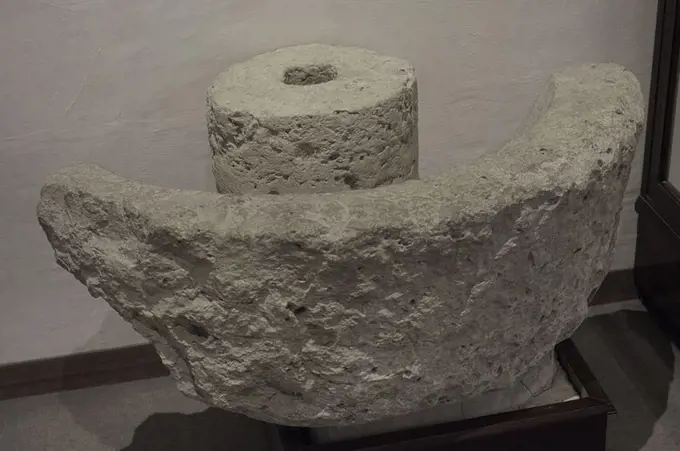
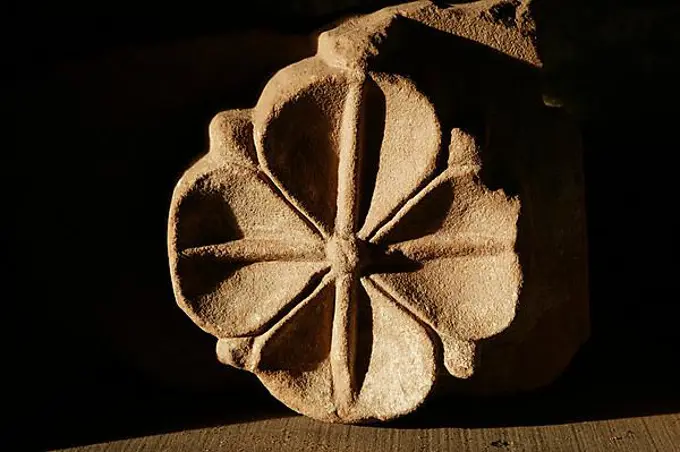
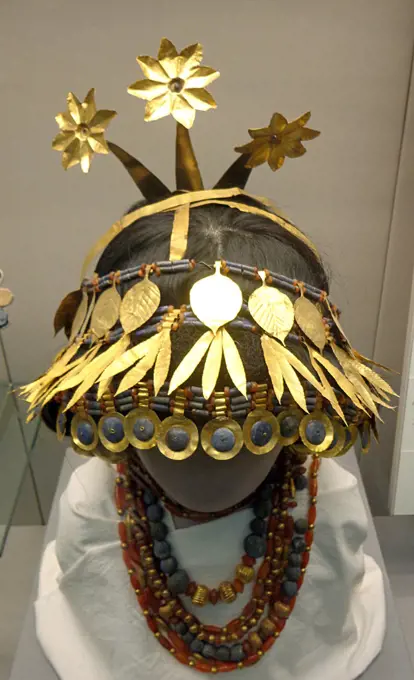
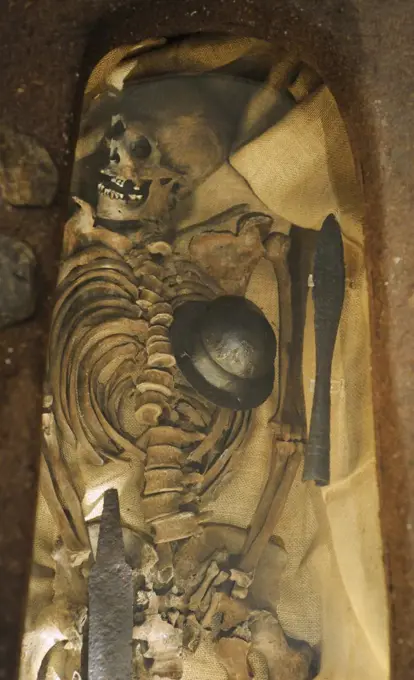
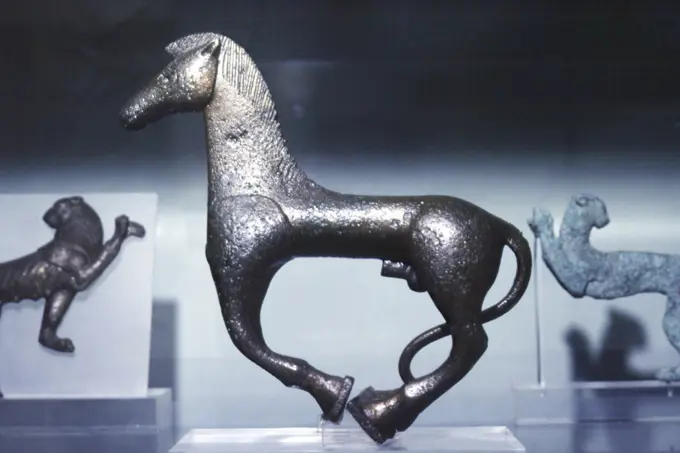
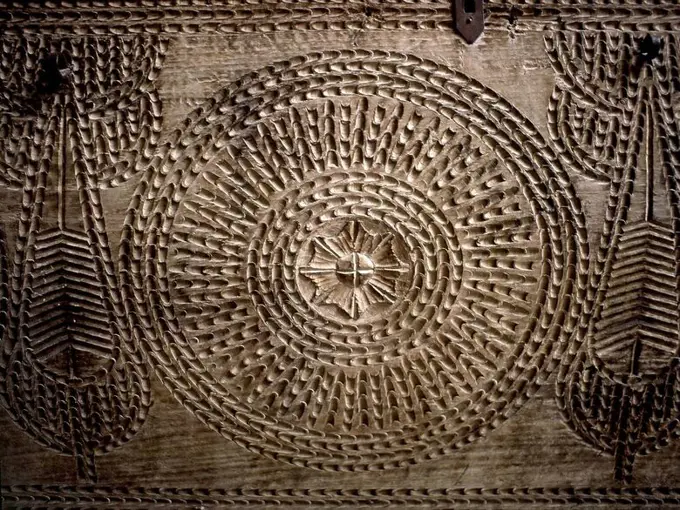
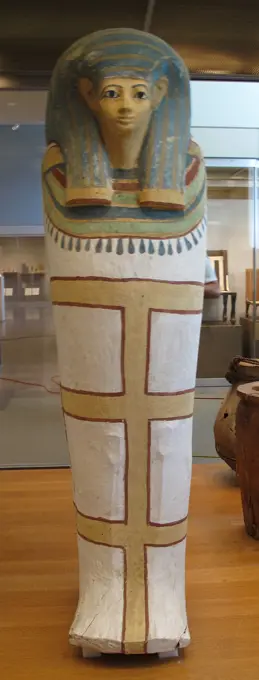
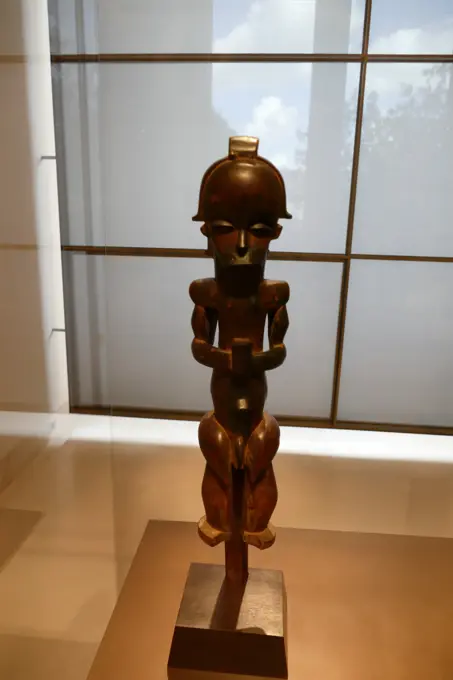
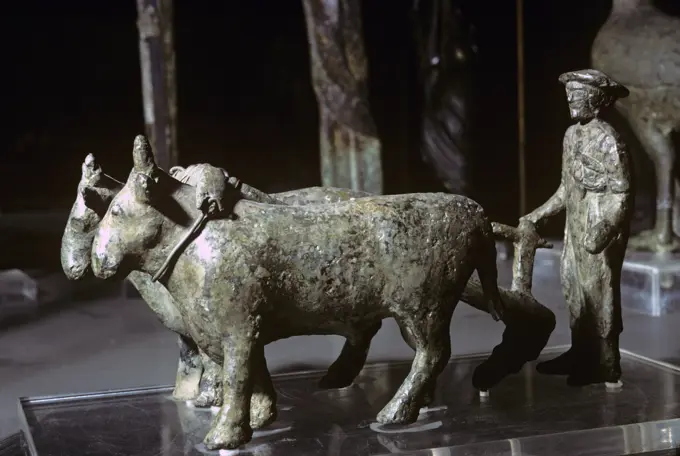
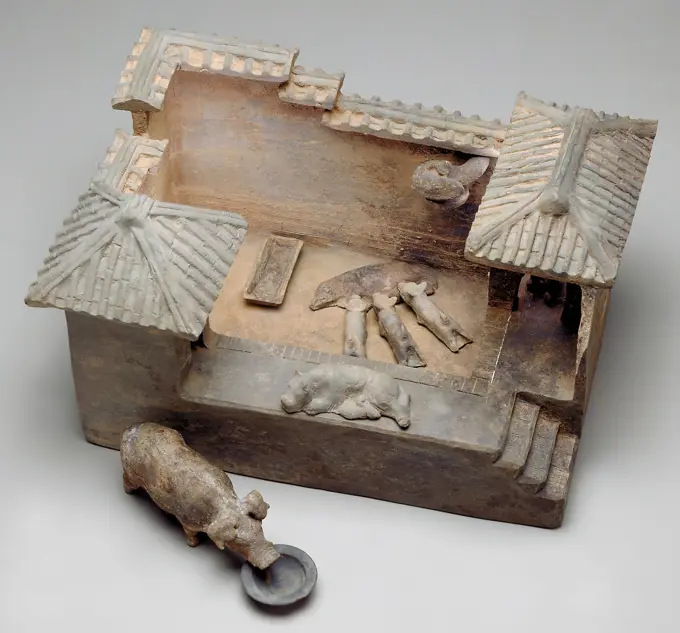
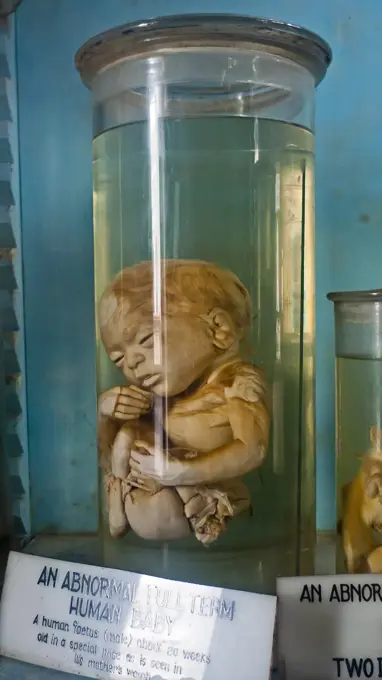
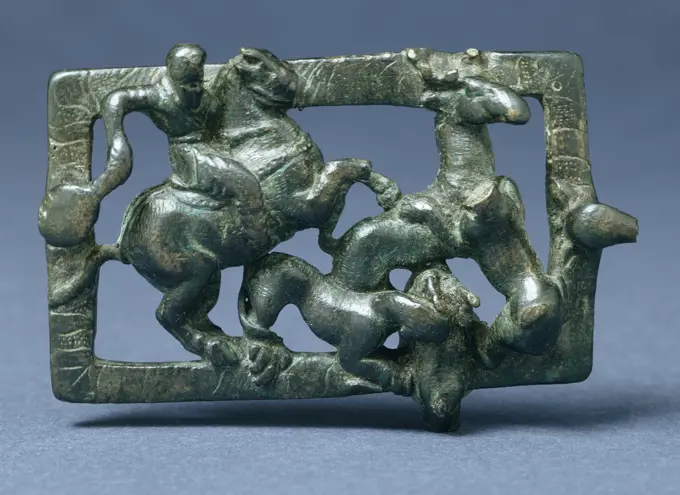
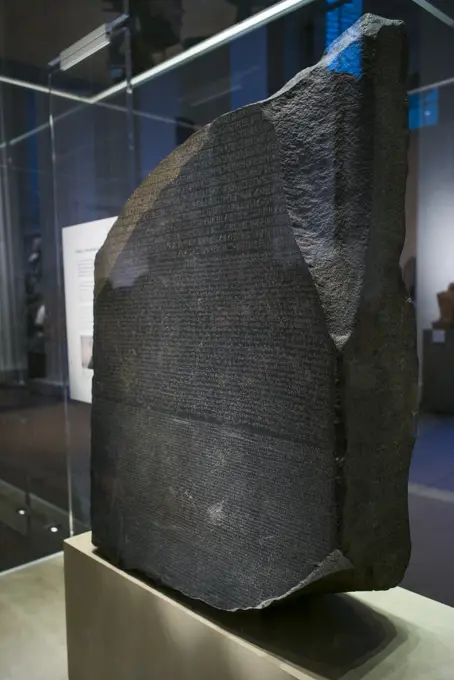
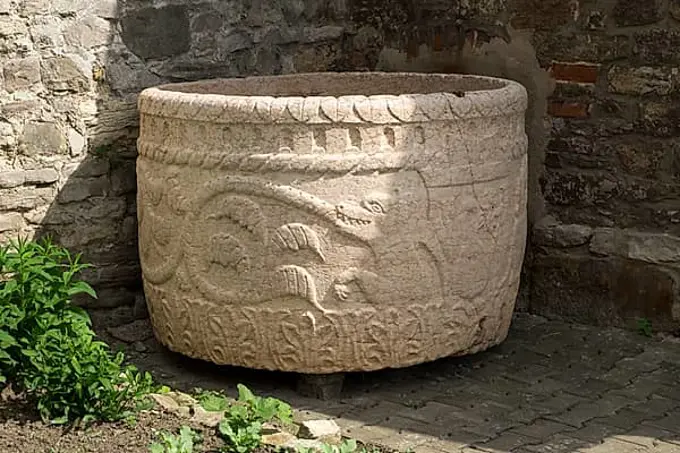
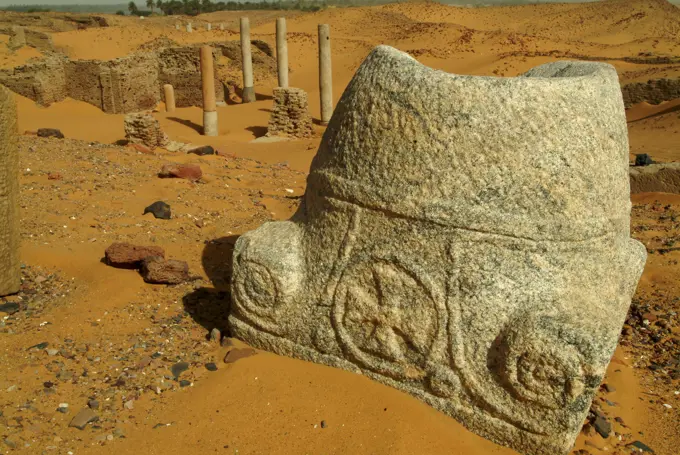
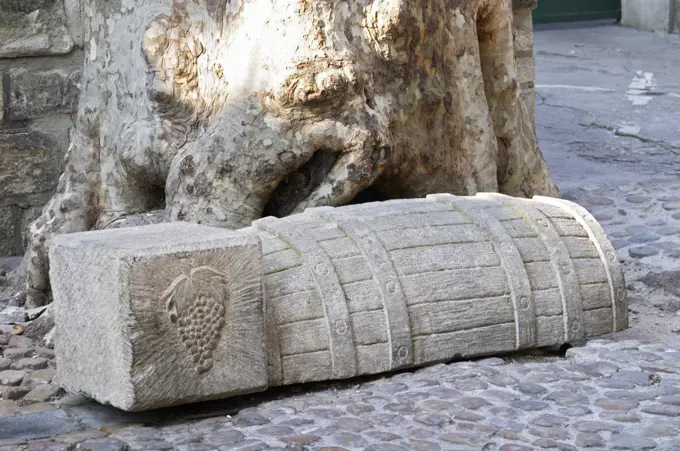
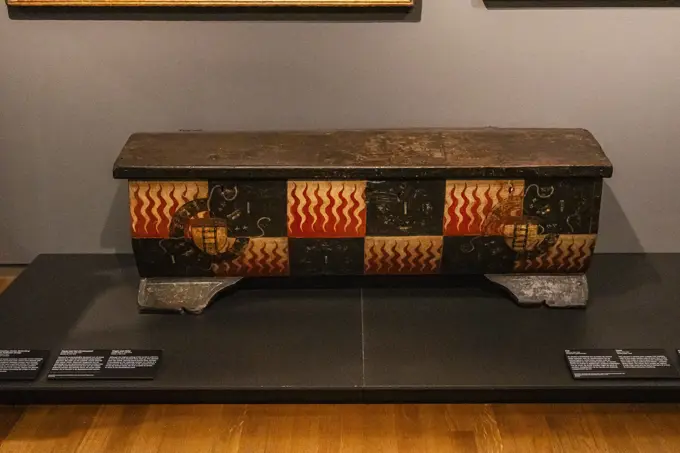
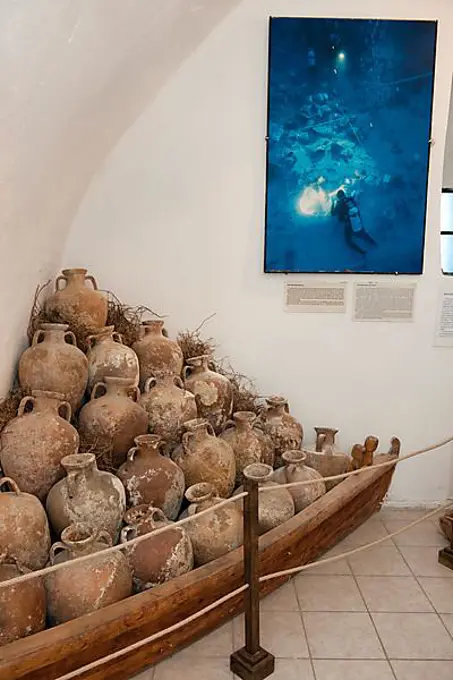
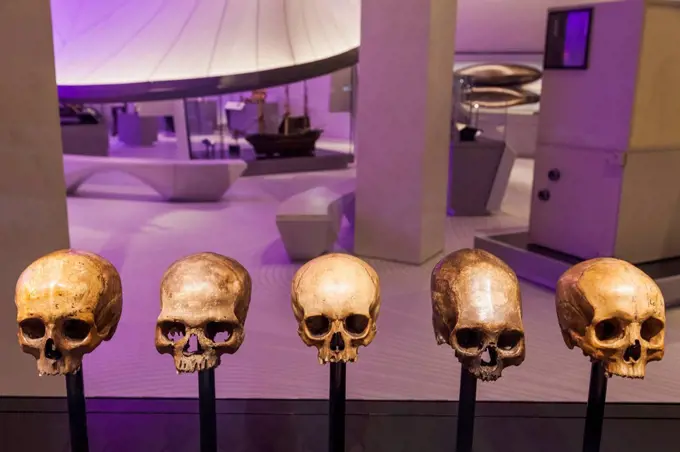
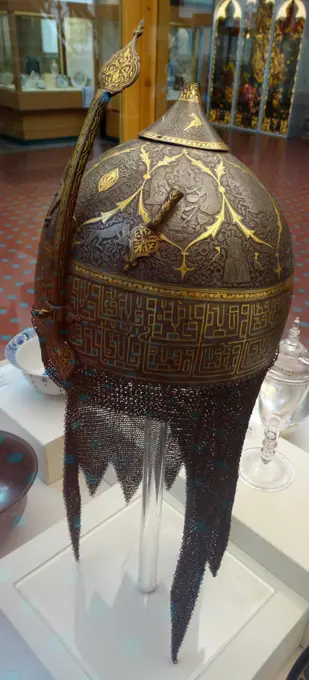
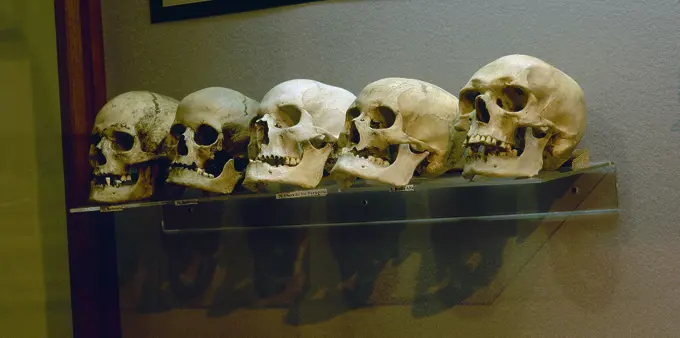
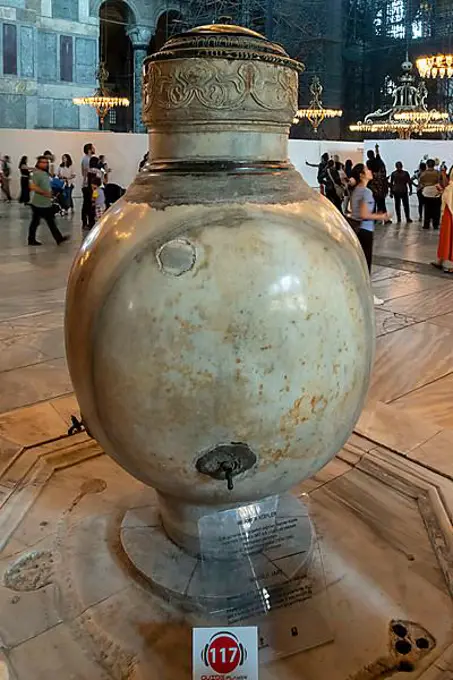
USA, Arizona, Scottsdale. Decorated Native-American pottery jug.Golden Artifact From Tradicion Zenu Tribe In The Gold Museum In La Candelaria, The Old Town Of Bogota, ColombiaTABAS DE HUESO Y VIDRIO. Location: MUSEO ARQUEOLOGICO NACIONAL-COLECCION. MADRID. SPAIN.bovine zoomorphe Figur bovine zoomorphe Figur Copyright: xZoonar.com/TOLOxBALAGUERx 22682426vessels, late neolithic, 4000-3000 BC, Evora museum, Evora, Alentejo, Portugal, Europe.Egyptian mummy case (Coffin) designed to contain the entire contour of the body of its deceased owner. dated to the Roman Period (1s-2nd centuries ADAfrican sick mask, Pende del Zaire ethnicity, 19th century, polychrome wood, Sa Bassa Blanca Museum (msbb). Yannick Vu and Ben Jakober , Alcudia, Majorca, Spain.Dublin - Chancery Office Building, United States photographs Related to Embassies, Consulates, and Other Overseas BuildingsESCULTURA. Author: JULIO LOPEZ HERNANDEZ (1930-2018). Location: PRIVATE COLLECTION. MADRID. SPAIN.Ax head with two bulls ca. 1981-1550 B.C. Middle Kingdom-Early New Kingdom. Ax head with two bulls 544818Spout in the shape of head. Bronze. Lower Saxony. 1270. German Historical Museum. Berlin. Germany.Life mask of Henry Welcome. Made in the early 1900s, the impression from the straw used to enable him to breathe is still visible.Ancient column pillar replica on a blue gradation backgroundBox decorated with antelopes and fish. Dated 340 BCBaptismal font from 1492, heavily reworkedGzyms nadokienny. unknown, authorWooden African statuettes in the AfricaMuseum, Royal Museum for Central Africa, ethnography and natural history museum at Tervuren, Belgium, EuropeCAPITEL CON DECORACION GEOMETRICA PROCEDENTE DEL CORTIJO DEL AHORCADO - BAEZA (JAEN) - SIGLOS IV/II AC. Location: MUSEO ARQUEOLOGICO NACIONAL-COLECCION. MADRID. SPAIN.Feline Stone Head On Display In The Site Museum Of Chavin De Huantar, Ancash, PeruMolds for dentures stacked one on top of another.SPAIN - Castille and Leon - BURGOS. castillo en el cerro de San Miguel; museo con restos encontrados en lo que fué la parte + antigua de la ciudadBronze powder chambers from early breech-loading guns. 16th century. Their rear locking lug removed to being set up in a vertical position. This indicates that later, these chambers were adapted to be used as mortars or signals guns. Armoury. Grandmaster Palace. Valletta. Malta.Right Shoulder Defense (Pauldron). Culture: Italian. Dimensions: H. 9 1/2 in. (24.1 cm); W. 11 in. (27.9 cm). Date: ca. 1570. Museum: Metropolitan Museum of Art, New York, USA.Painted wooden coffin for the mummy of a cat. Roman period, after 30BC. From BubastisMoki (Hopi) Pottery, from the collection of A.C. Vroman. A.C. Vroman (American, 1856 - 1916)Helmet; Iran; 1750; Damascened: iron chiselled and inlaid with gold wire. The border of Arabic text on this helmet may be a quotation from the Qur'an to give strength to the soldier wearing the helmet.One of a pair of Bird-Head Ornaments 3rd-1st century B.C. China. One of a pair of Bird-Head Ornaments. China. 3rd-1st century B.C.. Bronze. MetalworkPlastered skull, Kefar Hahoresh and Beisamun. From the Tahunian culture 9,000 years ago, made from skulls, plaster and pigment. It is believed that they thought that this practice may have given special treatment after death.Stone carved lion animal figure support on baptismal font in village parish church, Saint John the Baptist, Butley, Suffolk, England, UKSilver lyre. Early Dynastic III. 2600 BC. Iraq, Royal Cementery, Ur. Iraq.Scandinavia. Pre-Viking times. Bracteates. 5th century. Relief brooches. 6th century. Norway. Norway. Historical Museum. Oslo. Norway.Part of a Roman stone olive press known as "Trapetum" (olive press). The device consisted of a large stone bowl (mortarium) into which the olives were poured and then crushed unter two concave stonees. Found incorporated in a rubble wall in Tas-Salvatur Road, at Tas-Salvatur, limits of Xewkija, Malta. Gozo Museum of Archaeology. Cittadella de Victoria. Gozo, Malta.Ruins of a former Jesuit convent, carved blossom of a wild rose, Parana, Paraguay, South AmericaHeaddress of Princess Puabi. Sumerian, 2600 BC. Silver head ornament with gold, lapis lazuli, shell and red limestone inlay. Held at the British Museum, London.Torc from the Berzocana Hoard. Gold. Late Bronze Age. -1000. Berzocana, Caceres, Spain. National Archaeological Museum, Madrid. Spain.Bini facemask from Nigeria.Painted Wooden Mummy-Mask of an Unidentified Woman 1350 B.C. The outer rows of the collar are composed of lotus petals and fruits or berries. South America, Brazil, Belem. Igacabas (traditional Marajoara funerary urns) at the Museu do Forte do Presepio.SPAIN - Vinalopó (district) - Valencia autonomous region - Alicante. Petrer; Museo ArqueológicoScandinavia. Male grave find from the 8th century. Skeleton and grave goods (sword, shield boss, spear and axe). Norway. Historical Museum. Oslo. Norway.Horse. Bronze votive figurine from Olympia, 6th cent. BC. GREECE.Sederteller Sederteller Copyright: xZoonar.com/HGVorndranx 21893891ARCON DE MADERA- DETALLE DE DECORACION GEOMETRICA -. Location: PALACIO NASARA. DAMASKUS.Anthropoid Coffin of a Woman ca. 1479-1458 B.C. New Kingdom This coffin belonged to an anonymous elderly woman who was interred on the hillside of Sheikh Abd el Qurna in a chamber constructed of rough rock slabs. Both box and lid are crudely hollowed out of two sections of a sycomore log, and the painted decoration, consisting of a blue and yellow wig cover, a broad collar, and uninscribed body bands, is rather clumsy.. Anthropoid Coffin of a Woman. ca. 1479-1458 B.C.. Wood, gesso, paint. New Kingdom. From Egypt, Upper Egypt, Thebes, Sheikh Abd el-Qurna, below the Tomb of Senenmut (TT 71), burial 2, MMA excavations, 1935-36. Dynasty 1819th century copy of a Greek bust of ZeusCapital ca. 1130-40 Catalan. Capital 470731Wagon drawn by bulls. Copper. Anatolia. Early Bronze II-III, 2400-2000 BC. Metropolitan Museum of Art. Ny. USA.Wooden sculpture of the reliquary guardian figure eyima byeriCanada, Quebec, Montreal, Pointe-a-Calliere Archeological Museum. Underground museum, historic artifact display.Europe, Italy. Etruscan bronze statuette. Romulus ploughing. Oxen.CONJUNTO DE SERVIDORES DE MADERA POLICROMADA. EGIPCIO. (DEPOSITO: MUSEO ARQUEOLOGICO NACIONAL).Scheepskanon from V.O.C. ship De Witte Leeuw, Henricus Meurs, 1604 cannon Ship cannon from V.O.C. ship De Witte Leeuw. This cannon, with which bullets of 24 pounds can be fired, was on board the VOC ship De Witte Leeuw. The ship sank with Sint Helena in a fight with Portuguese ships. The cannon has a small armillary atmosphere as a grain on the Tromp, a typical Portuguese symbol. Utrecht bronze (metal) casting  Sint-Helena. AmsterdamRepousseFinialItalic Lamp Fragment. UnknownFunerary Model of a Pig Sty, 2nd century BCE, 9 x 15 1/2 x 11 in. (22.86 x 39.37 x 27.94 cm), Earthenware, China, 2nd century BCE, The Han gentry lived in relative luxury and hoped to live equally well in the afterlife. They commissioned clay models of their mansions, granaries, mills and, in this case, even a pig sty. Housing a sow, suckling pigs, boar, roosting chickens and dog, the pen is connected to two latrines. Tiles line the tops of the walls and cover the hip roofs. Combination pig sty-latrines similar to this replica can be seen in many parts of rural China today.Exhibits in the Indian Museum, Calcutta, India.Belt Buckle (Horseman). Iran, circa 150 B.C. - A.D. 225. Costumes; Accessories. BronzeEngland, London, Bloomsbury, British Museum, Egyptian Room, Rosetta Stone, its discovery allowed the deciphering of the ancient Egyptian alphabetAncient Roman terracotta water- spout. Dated 1st CenturyCloister, baptismal font from Alsleben in the middle of the 12th centurySudan, North (Nubia), Copt capitalCOLLAR Y CUENTAS DE ADORNOS DE LAS MUJERES VIKINGAS. Location: MUSEO DE BARCOS VIKINGOS. OSLO.Ziegeleimuseum-Ziersteine. Brickworks Museum Glindow - Detail of brick wallPiedra del Sol, Stone of the Fifth Sun, Museo Nacional de Antropologia, National Museum of Anthropology, Mexico City, Mexico, North America, Central AmericaA stone sculpture on an old cobble stone street depicting a wine barrel and a grape bunch in Avignon, Vaucluse, Rhone, Provence, FranceA dragee machine used as a chocolate coating sphere which coats confectionary. Dated 21st CenturyChest Chest, Italy, 15th century,, painted poplar wood, Amsterdam, Netherlands Copyright: xZoonar.com/TOLOxBALAGUERx 21697130Wood carved figurePuebloan pottery vessel, Human History Museum, Zion National Park, Utah, USA.Salvaged Amphorae, Museum of Underwater Archaeology, St. Peter's Fort, Castle of the Knights of St. John, Bodrum Fortress, Mugla, Underwater Archaeology Museum, Underwater MuseumArizona USASEP 26, 2013 Neuchatel, Switzerland - Old Middle-Ages ancient human skulls of local people near lake Neuchatel exhibits in Latenium Archaeological Museum topics from Neanderthal man to the Middle Ages.Set of human skulls on brown sack background A work horse sculpture created entirely from old farm machine parts near the Stephen Avenue pedestrian mall in downtown CalgaryProtestant Church of the Holy Spirit, baptismal font from 1647, St., Sankt, SaintEngland, London, South Kensington, Science Museum, The Winton Gallery, Display of 19th century Human Skulls with Phrenological MarkingsHelmet; Iran; 1750; Damascened: iron chiselled and inlaid with gold wire. The border of Arabic text on this helmet may be a quotation from the Qur'an to give strength to the soldier wearing the helmet.Stone implements, fragments of pillars, Capernaum excavations, biblical village, Sea of Galilee, Israel, AsiaCRANEOS DE BARLOVENTO - HOMBRE DE CROMAÑON(1º Y 2º IZQ)CR PUNTA GORDA (CENT)CR DE CUEVA SOL (2º DHA) CR BREÑA ALTA(1ºDCHA. Location: MUSEO INSULAR. SANTA CRUZ DE LA PALMA. LA PALMA. SPAIN.BALSA TIPICA PERUANA DEL TITICACA (CONTIQUI). Location: EXPO-92. Sevilla. Seville. SPAIN.Istanbul, Turkey, June 06, 2018: Marble jars and visitors in the Hagia Sophia Museum, Turkey on June 06, 2018, Asia