Unique Jewelry Pieces

Images of distinctive jewelry items such as diadems, bracelets, and rings from different eras, showcasing unique designs and materials.

Plastic diadem with turtle motif, three -quarters of the circular with bulbs on the wavy edge, anonymous, c. 1890 - c. 1914 Diadem of plastic with turtle motif, three -quarters of the circular with eleven bulbs on the wavy edge. Netherlands (possibly) whole: gluing Diadem of plastic with turtle motif, three -quarters of the circular with eleven bulbs on the wavy edge. Netherlands (possibly) whole: gluing
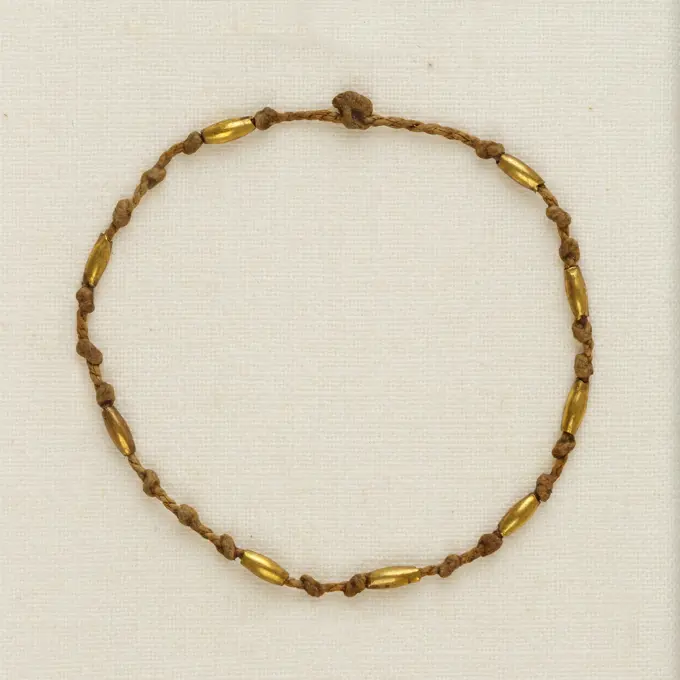
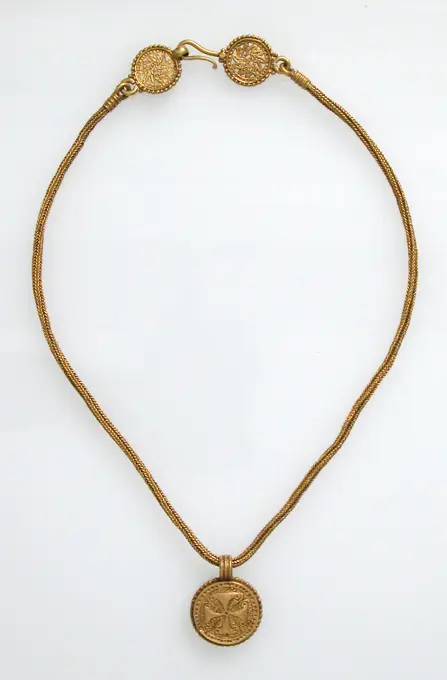
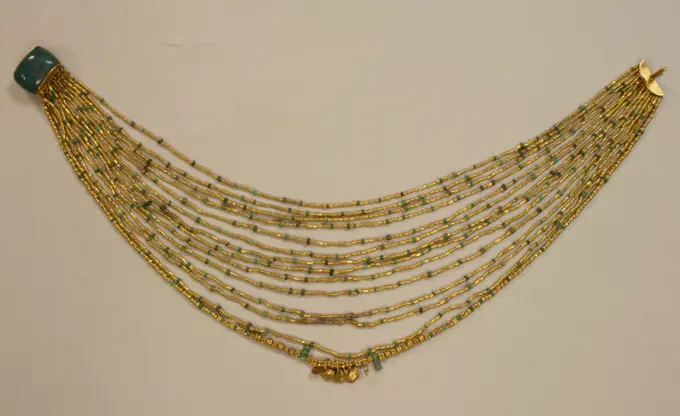
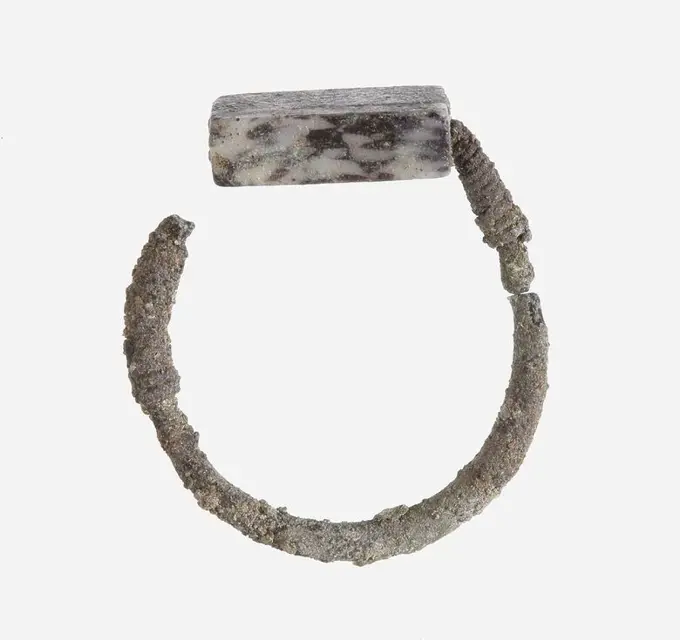
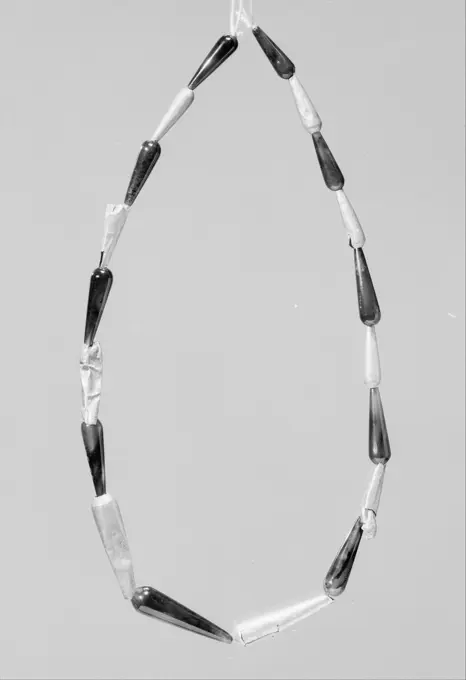
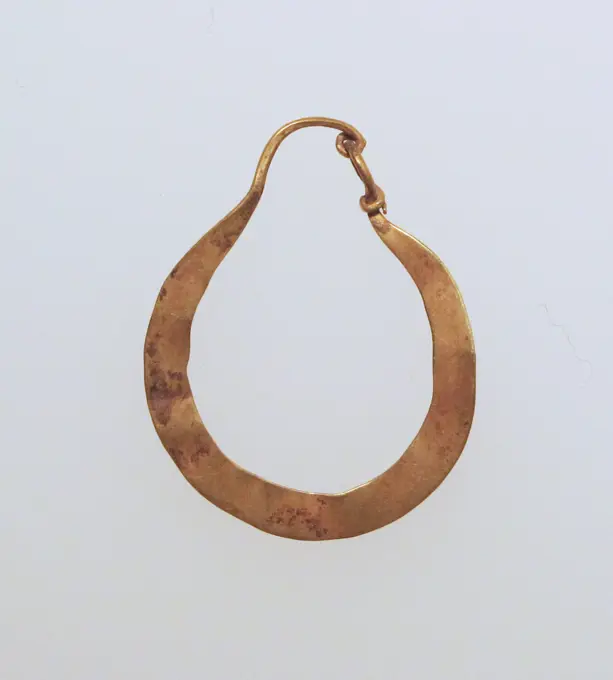
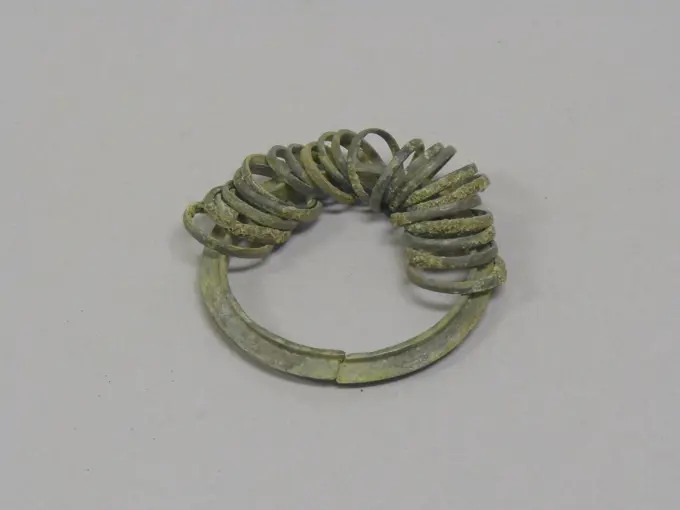
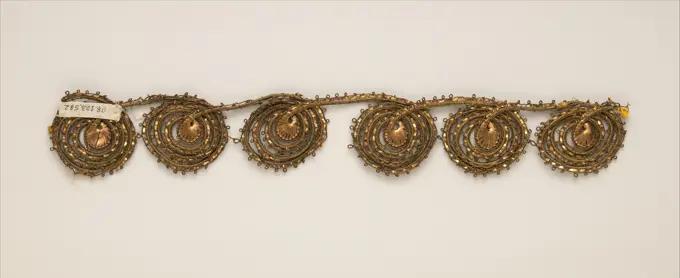
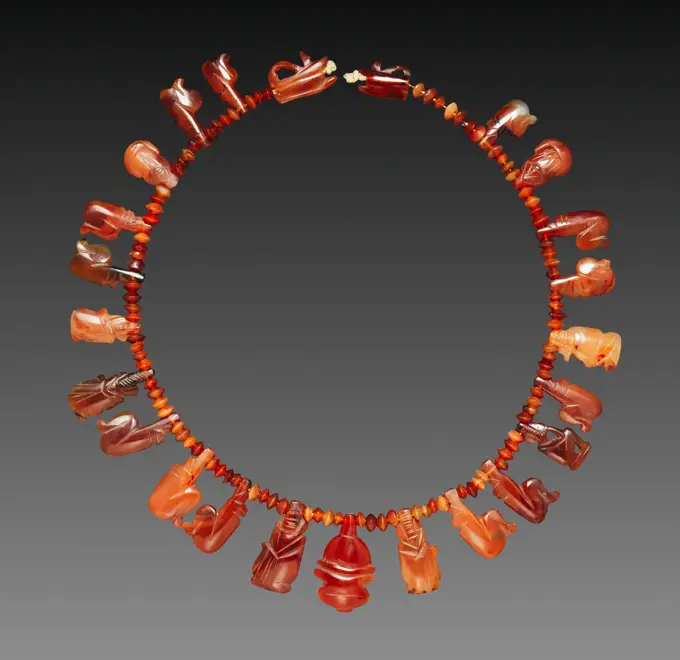
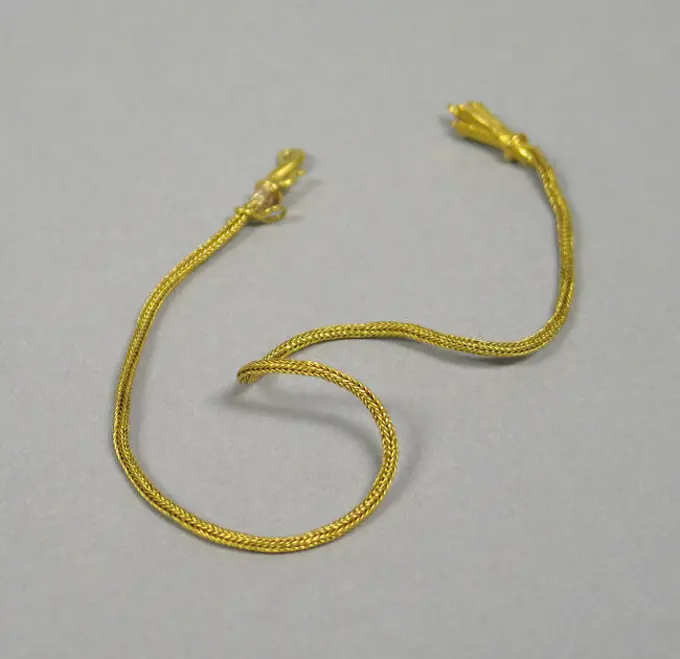
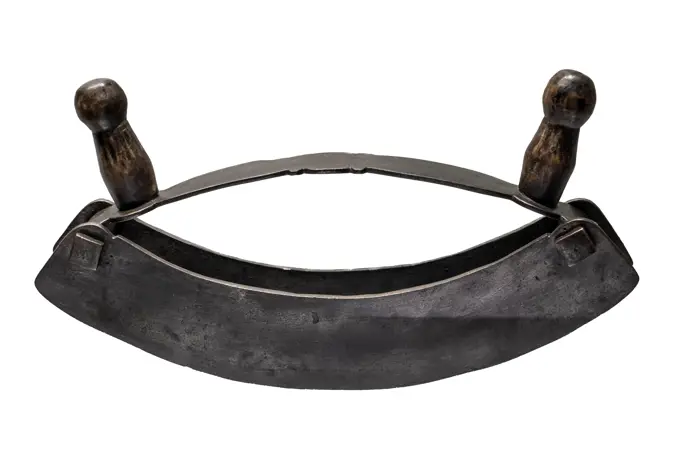
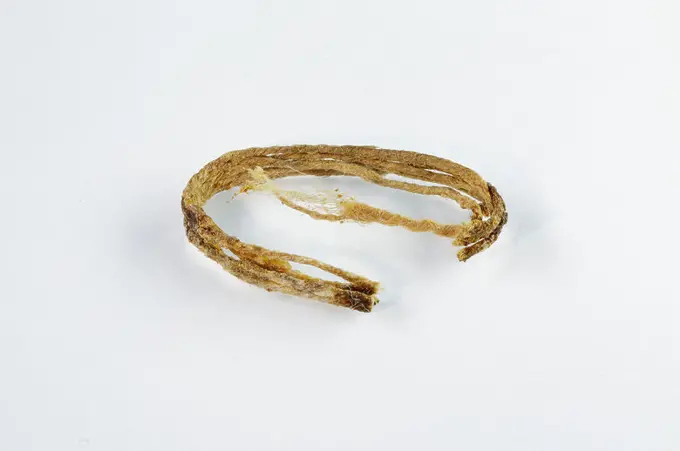
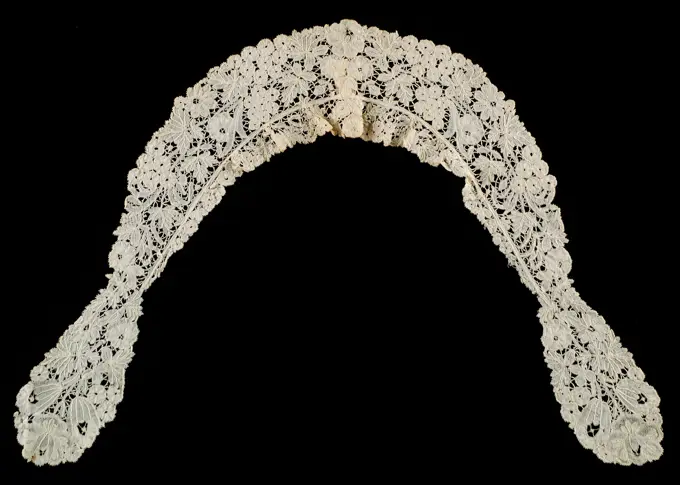
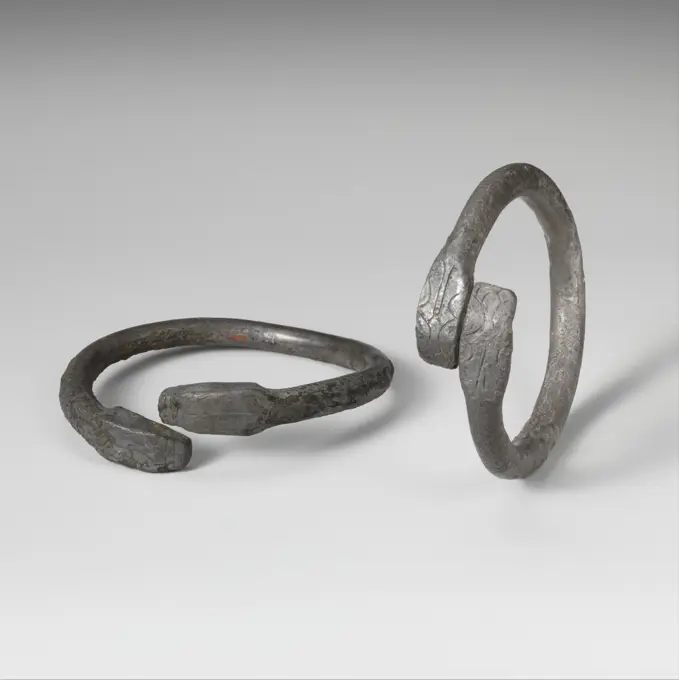
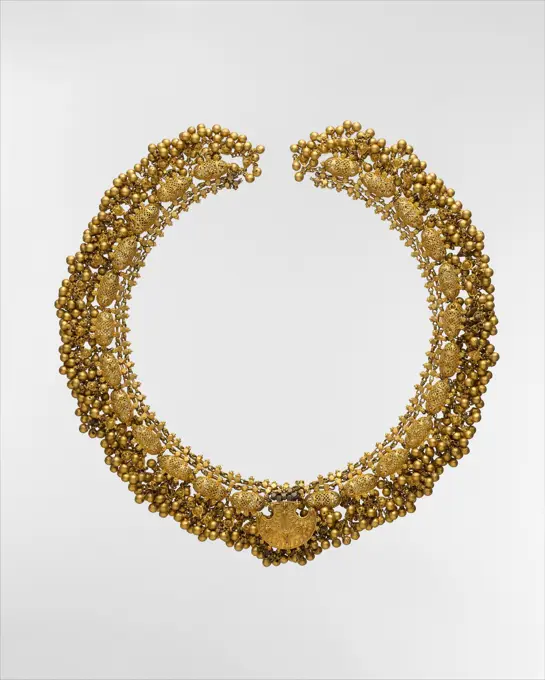
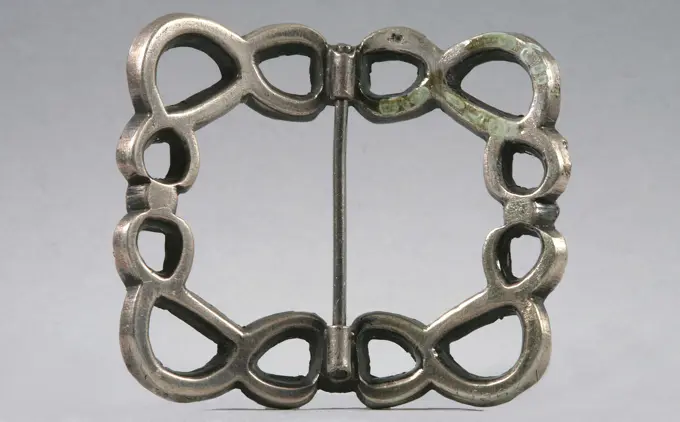
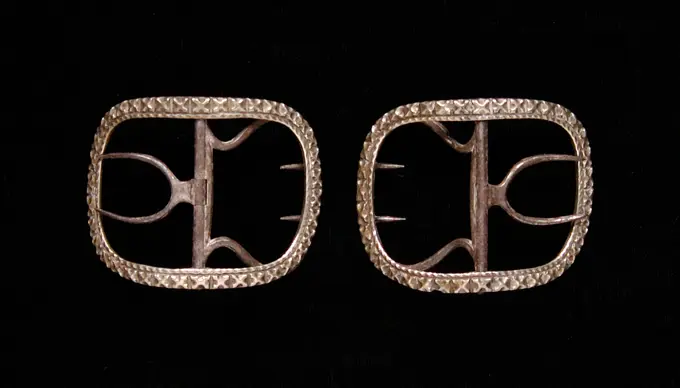
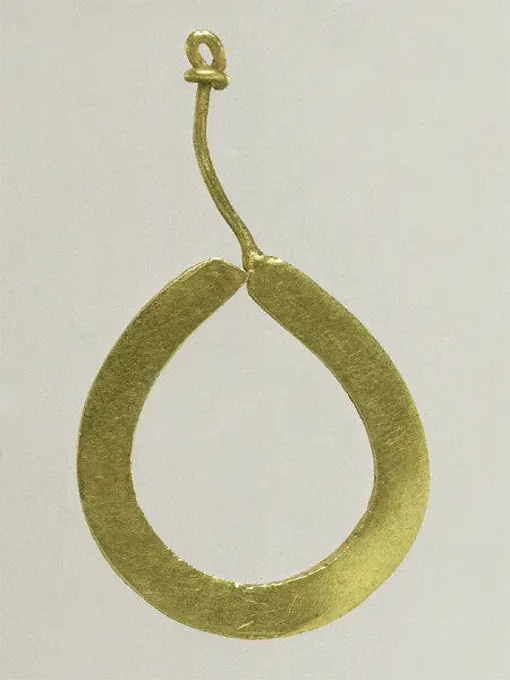
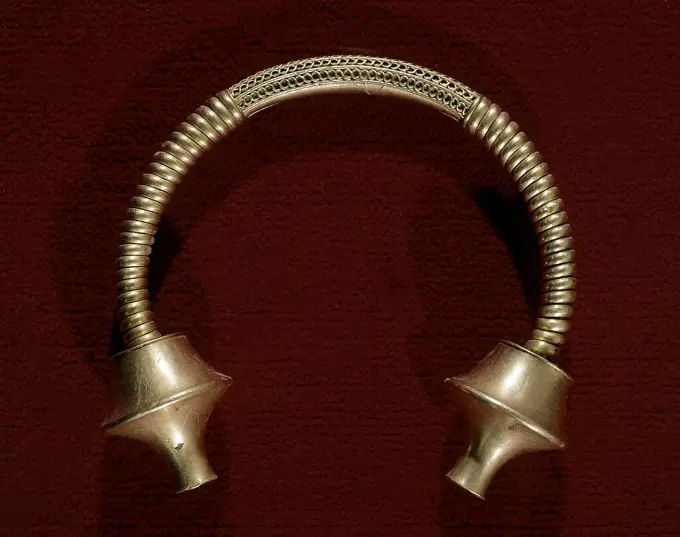
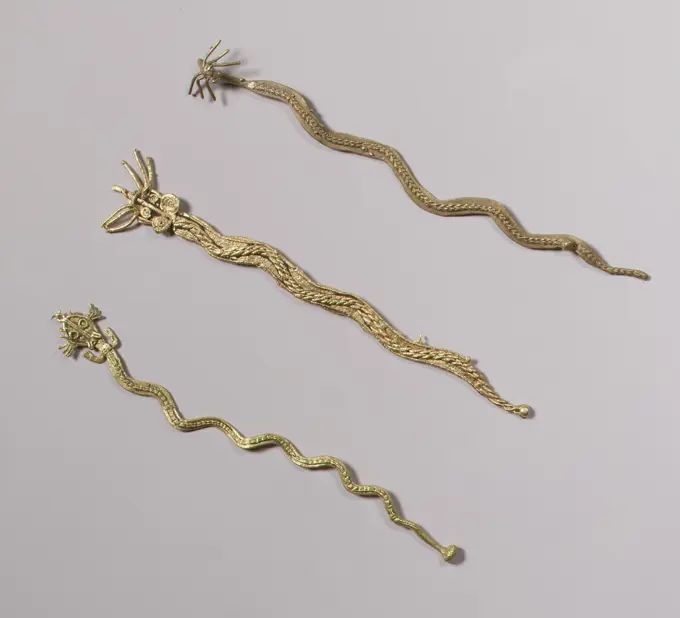
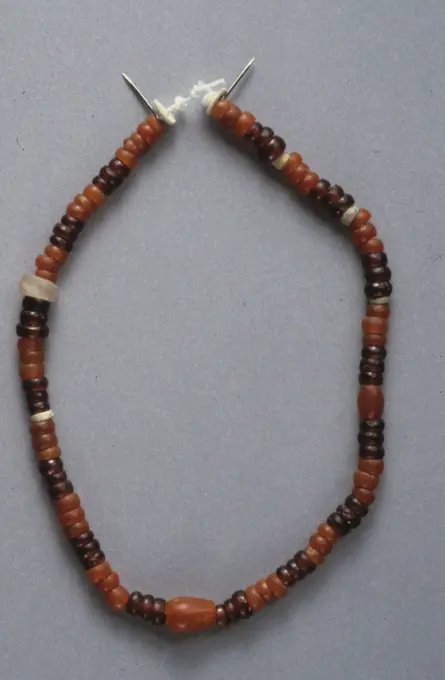
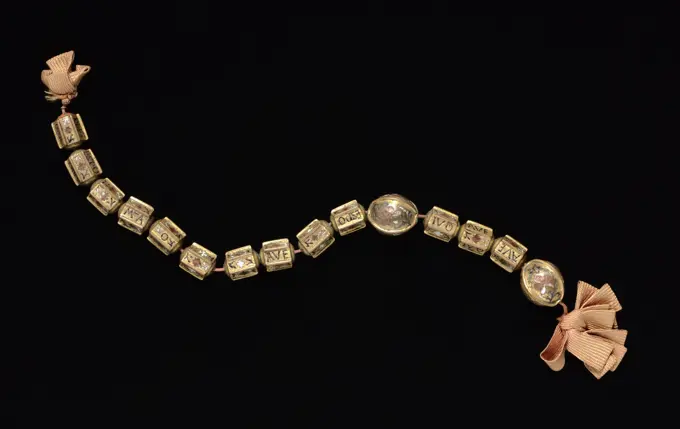
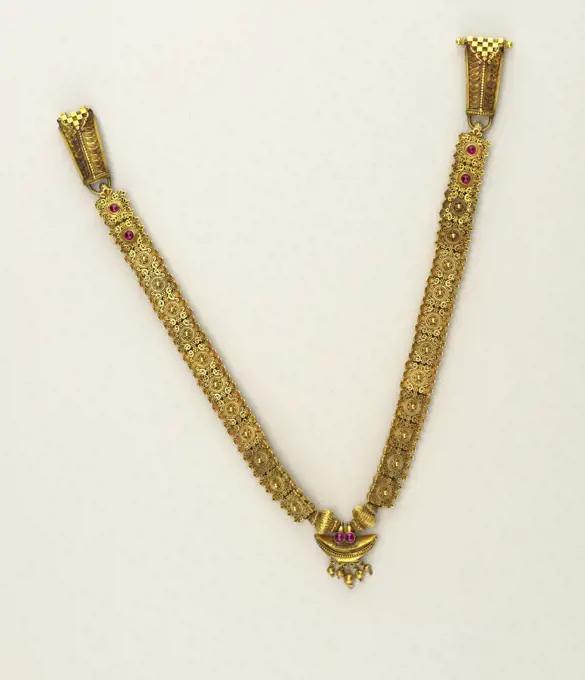
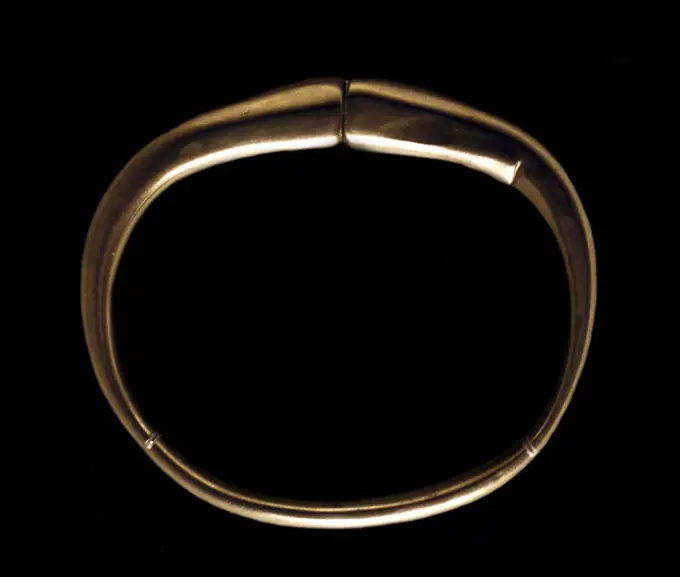
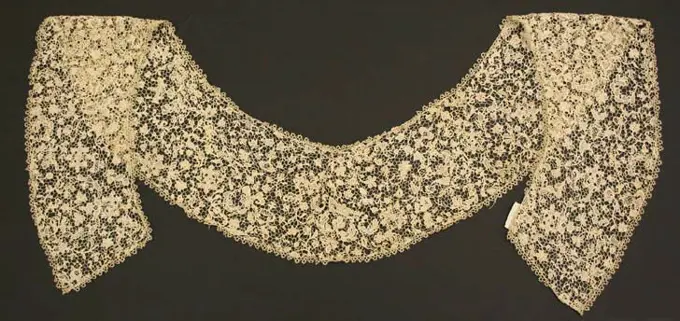
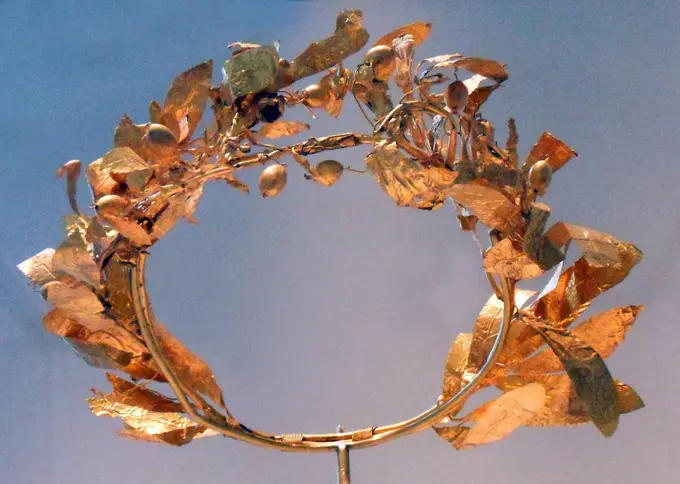
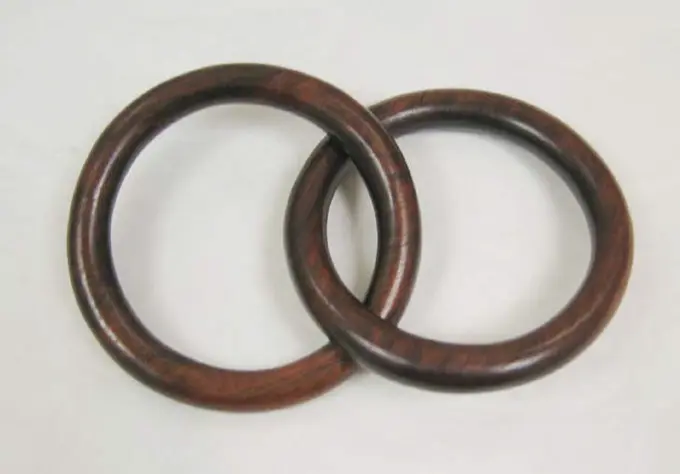
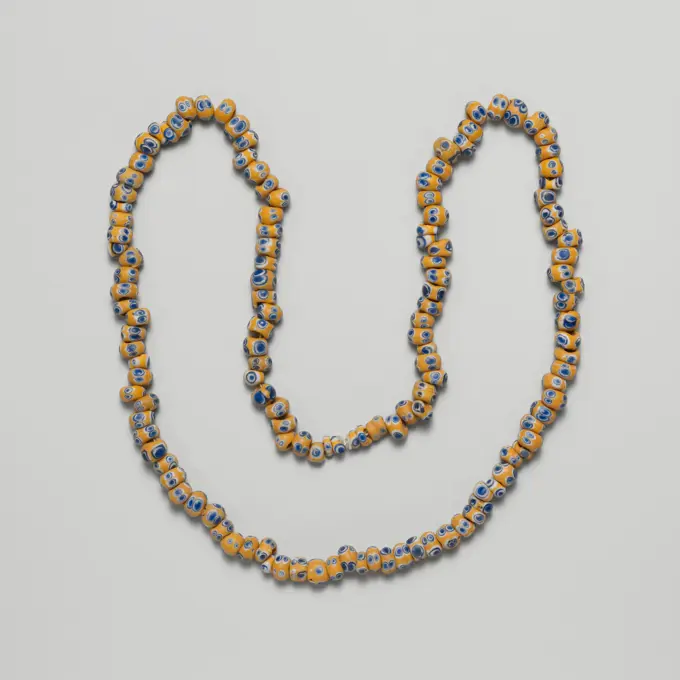
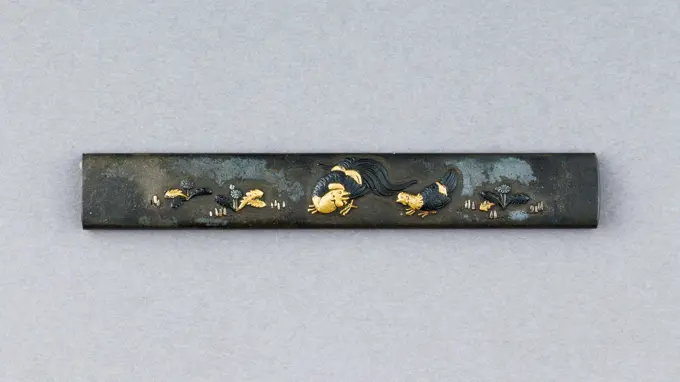
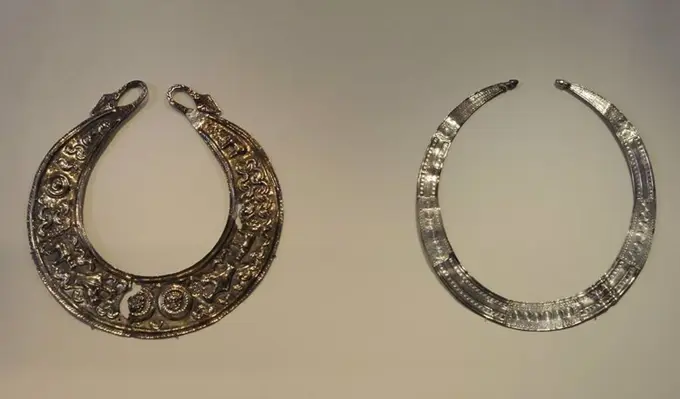
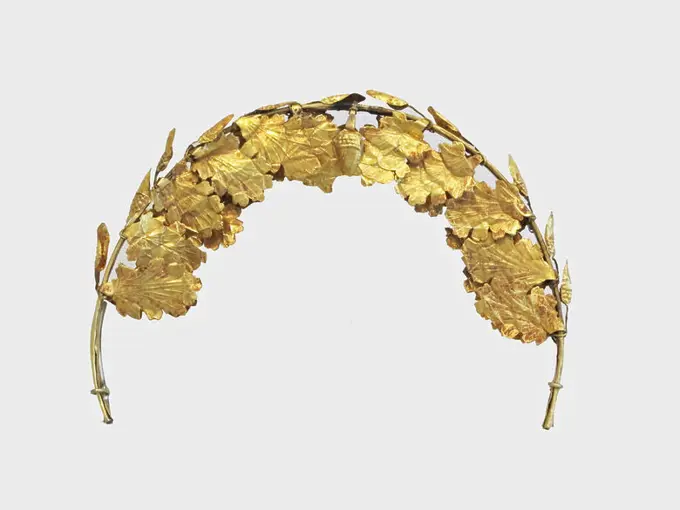
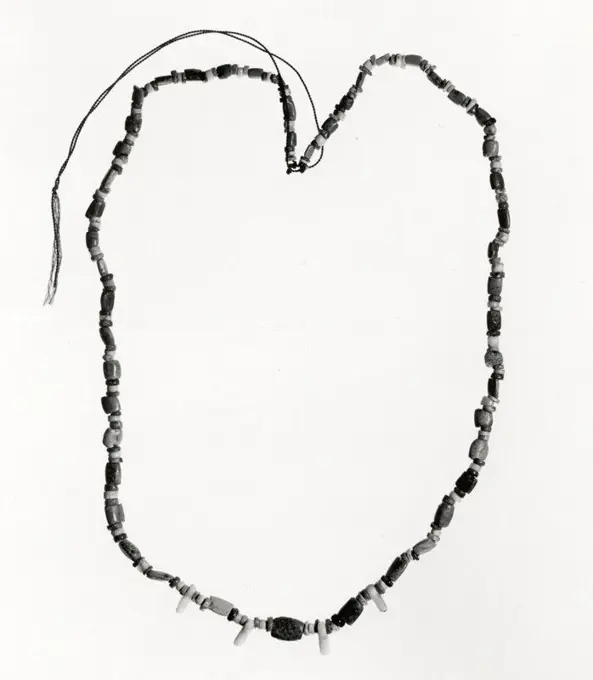
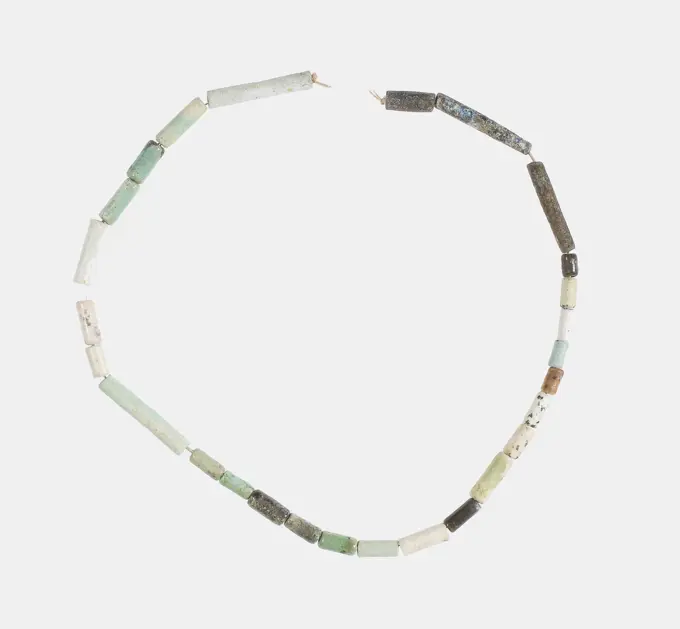
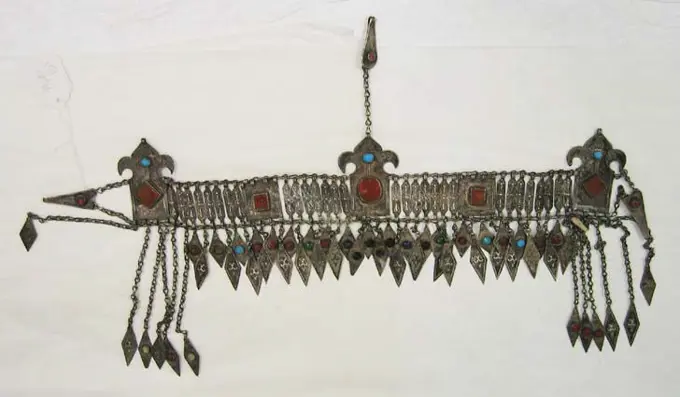
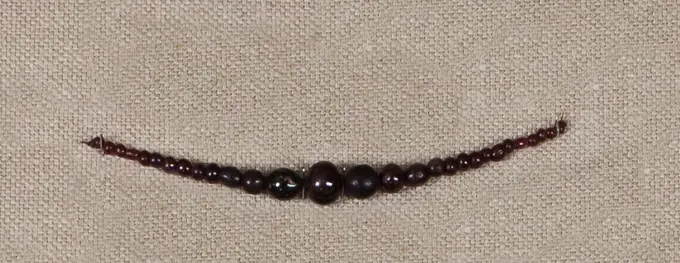
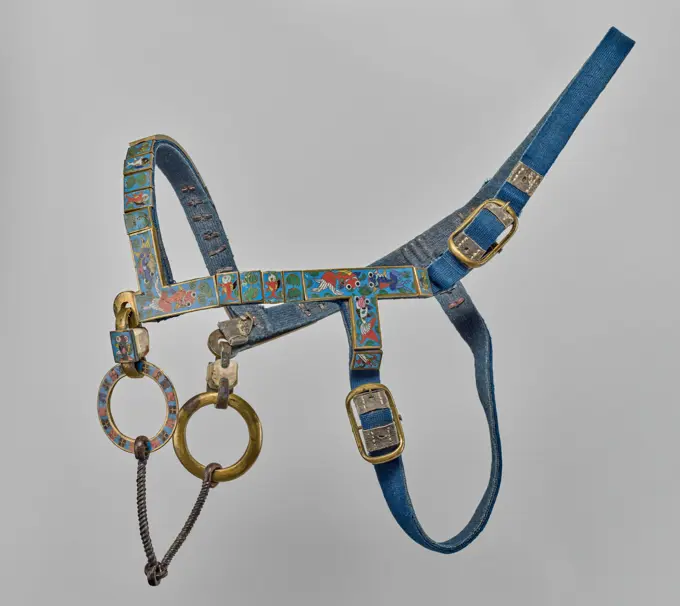
Plastic diadem with turtle motif, three -quarters of the circular with bulbs on the wavy edge, anonymous, c. 1890 - c. 1914 Diadem of plastic with turtle motif, three -quarters of the circular with eleven bulbs on the wavy edge. Netherlands (possibly) whole: gluing Diadem of plastic with turtle motif, three -quarters of the circular with eleven bulbs on the wavy edge. Netherlands (possibly) whole: gluingBracelet. Thailand, Sukhothai, 14th-15th century. Jewelry and Adornments; bracelets. Copper alloyBracelet with knots and barrel beads ca. 1000-945 B.C. Third Intermediate Period Nine gold barrel beads, separated by groups of two or three knots, have been strung at intervals along this bracelet of two-ply linen cord. It was found, along with four others, around Henettawys right wrist.. Bracelet with knots and barrel beads 548268Ring Roman. Ring 245927Ring -shaped fragment from the wreck of the East Indians Hollandia, Anonymous, 1700 - in Or Before 1743 fragment Varied parts or fragments, rings or ring-shaped fragments; eroded, id. 80H946. Netherlands copper (metal)   SecondBracelet with knots and barrel beads. Dimensions: Diam. ca. 4 cm (1 9/16 in.). Dynasty: late Dynasty 21. Date: ca. 1000-945 B.C..Nine gold barrel beads, separated by groups of two or three knots, have been strung at intervals along this bracelet of two-ply linen cord. It was found, along with four others, around Henettawy's right wrist. Museum: Metropolitan Museum of Art, New York, USA.Beads ca. 9th century B.C. Iran. Beads 325330Gold Necklace with Pendant Cross 6th-7th century Byzantine The equal-armed cross chased on the medallion is called a Greek cross.As Christianity became the dominant religion in Byzantine society, Christian imagery was increasingly found on jewelry. Crosses appear by the fifth century; the Virgin Mary, saints, angels, and other holy figures became popular in the sixth century. The images were thought to protect the wearer, aid in prayers, and even perform miracles.. Gold Necklace with Pendant Cross 464064Open Solid Bangle 300 B.C.-A.D. 400 Thailand. Open Solid Bangle 53296Multi-strand Necklace 1st-7th century Calima (Yotoco). Multi-strand Necklace. Calima (Yotoco). 1st-7th century. Gold, greenstone. Colombia. Beads-OrnamentsNecklace Elements 11th-13th century. Necklace Elements 452924Hoop Earring ca. 1648-1540 B.C. Second Intermediate Period. Hoop Earring 546168Ring. Dimensions: Diam. 2.2 cm (7/8 in). Dynasty: Dynasty 18. Reign: reign of Amenhotep III. Date: ca. 1390-1353 B.C.. Museum: Metropolitan Museum of Art, New York, USA.Nineteen Drop Beads here Strung as a Necklace ca. 1648-1540 B.C. Second Intermediate Period. Nineteen Drop Beads here Strung as a Necklace 546030Earring, crescent-shaped. Earring, crescent-shaped 243292Earring, boat-shaped Cypriot. Earring, boat-shaped 242674Bracelet 3rd-12th century. Bracelet 444943BraceletTorc 4th-3rd century B.C. Celtic. Torc 464904 Celtic, Torc, 4th3rd century B.C., Copper alloy, Overall: 5 9/16 x 5 9/16 x 7/16 in. (14.2 x 14.1 x 1.1 cm). The Metropolitan Museum of Art, New York. Gift of J. Pierpont Morgan, 1917 (17.191.204)Modern reconstruction of ancient beads and monkey pendant primarily 7th century B.C. Etruscan Amber pendants and beads reconstructed. The isolated monkey pendant may have been part of a necklace or worn as a amulet.. Modern reconstruction of ancient beads and monkey pendant 256063Bracelet. UnknownRing with scarab 6th-5th century B.C. Phoenician Typically Phoenician, such rings in gold, silver, and bronze are found throughout the Mediteranean world from Spain to the Levant, with a particular concentration on Cyprus. They were worn as pendants.. Ring with scarab. Phoenician. 6th-5th century B.C.. Bronze, sard. Archaic. BronzesCORONA DE BEJUCO DE FILIPINAS. Location: MUSEO ETNOLOGICO. MADRID. SPANIEN.Bangle with Rings 300 B.C.-A.D. 400 Thailand. Bangle with Rings 53385Black and white Leaf micrograph Light photomicrograph of Leaf transversal section seen through microscope in black and white Copyright: xZoonar.com/ClaudioxDiviziax 7843659Necklace -Armlet ca. 400 B.C. Celtic. Armlet 466066Necklace, 12 1/4 x 1/4 x 7/8 in. (31.12 x 0.64 x 2.2 cm), Faience, EgyptGalloon 17th-18th century Italian or French. Galloon 214079Necklace with Amulets, early 1900s. Egypt, Style of late Dynasty 18 but essentially modern. Carnelian; overall: 3 cm (1 3/16 in.).Braided Wire Chain with Clasp Second half of the 8th-second half of the 10th century Indonesia (Java). Braided Wire Chain with Clasp 50057Annular buckle with twisted edge and small rosette, ornamental buckle, buckle fastener component soil find tin silver metal h 0,2, cast ornamental buckle. Around one half twisted decoration on other flat half imposed rosette archeology Rotterdam Kralingen-Crooswijk Kralingen East Honingerdijk confirm Soil discovery: Honingerdijk 1982-04-25.safety pinBronze decorative bracelet; Fang tribe; Equatorial Guinea, West Africa. 1900Das alte Metzger-Gesteinsmesser - wegen Doppelhäcksler für Fleisch, isoliert auf weißem Hintergrund. Antike doppelte Klinge Carving Knife. The old butcher rocking knife - due double chopper for mushing meat, isolated on white background. Ancient Double Blade Carving Knife. LicenseRF Copyright: xZoonar.com/MilanxVasicekx 12867064String from papyrus charm. Dimensions: W. 2.3 cm (7/8 in.). Dynasty: Dynasty 19-20. Date: 1295-1070 B.C..This string was found around a papyrus inscribed with an incantation for protection, invoking the eight deities of the Ogdoad in order to protect the individual named in the final line (26.225a-b). At the bottom center, a drawing once featured two symmetrically arranged crocodiles facing and attacking a figure positioned between them. The papyrus would have been folded into a small package and worn on a string around the neck. Museum: Metropolitan Museum of Art, New York, USA.Brazalete romano de bronce procedente del yacimiento arqueológico de La Riera, siglo I. Can Serra Museu de Mataró.Necklace (Galaband) 18th-19th century. Necklace (Galaband). 18th-19th century. Gold. Attributed to India. JewelryEarring 6th-7th century Frankish. Earring 465134 Frankish, Earring, 6th7th century, Silver, garnet or glass paste, Overall: 1 9/16 x 1 7/16 x 1/2 in. (4 x 3.6 x 1.2 cm) bead: 1/2 x 1/2 in. (1.2 x 1.3 cm). The Metropolitan Museum of Art, New York. Gift of J. Pierpont Morgan, 1917 (17.191.83)Pair of bracelets (churi). .Collar ca. 1850 Belgian. Collar 169148Multi-strand Necklace 6th-10th century Wari (). Multi-strand Necklace. Wari (). 6th-10th century. Shell beads, cotton. Peru. Beads-OrnamentsDoubled strip of bobbin with daisies, anonymous, c. 1900 - c. 1924 A coarse mesh stock (square Maas) with daisies above scoops of pearls. In 1966 a wrinkled strip of lane with a tulip pattern was sewn at the top. Valenciennes side. Sluis (Possible)  Bobbi Lace / Valenciennes Lace A coarse mesh stock (square Maas) with daisies above scoops of pearls. In 1966 a wrinkled strip of lane with a tulip pattern was sewn at the top. Valenciennes side. Sluis (Possible)  Bobbi Lace / Valenciennes LaceGold and carnelian boat-shaped earring 5th-4th century B.C. Greek Boat-shaped earring with carnelian setting.. Gold and carnelian boat-shaped earring 242679Bracelet 1st millennium B.C. Iran. Bracelet 324160Silver bracelet 5th century B.C. Cypriot Pair with 74.51.3572. The flattened ends are incised with lines representing stylized snakes' heads.. Silver bracelet 243005Ribbed Penannular Earring. Dimensions: Diam. 2.5 cm (1 in). Dynasty: Dynasty 17-Early Dynasty 18. Date: ca. 1550-1425 B.C.. Museum: Metropolitan Museum of Art, New York, USA.Nose Ring, 20th Century. India. Silver; overall: 6.4 cm (2 1/2 in.).Gold chain with Chettinad Mangalya, thali worn on neck on white background Studio shot, Tamil Nadu, South India, India, AsiaNecklace with Filigree and Beads late 18th-early 19th century The large fan-shaped pendant at the center of this necklace is decorated with flowers and scrolling motifs in gold. It is bordered by twelve finely filigreed amulets on either side, with clusters of small gold beads hanging below each. Together, these components form a substantial yet delicate piece of jewelry that would have been worn by a wealthy patron.. Necklace with Filigree and Beads 446755Belt, from a set of three, 21 1/2 x 1 3/8 in. (54.61 x 3.49 cm) (without ties), Cotton, ChinaLoop .Silver bracelet with gold terminals 6th-5th century B.C. Greek, Cypriot Silver bracelet with gold terminals.. Silver bracelet with gold terminals. Greek, Cypriot. 6th-5th century B.C.. Gold, silver. Gold and SilverHammered Copper Band A.D. 1450-1530 Peruvian. Hammered Copper Band 309093Shoe buckles 1770-90 probably British. Shoe buckles 169030Gold and pearl earring (one of a pair) 3rd century A.D. Roman, Cypriot These items, all found on Cyprus, are very representative of Roman decorative jewelry, in which various designs are combined and highlighted with colored gems in order to make them look as rich and impressive as possible. Similar jewelry is found throughout the Roman Empire.. Gold and pearl earring (one of a pair) 243272Pewter ring with piece of mirror glass in the setting, ring ornament clothing accessory clothing soil find tin glass metal, d 0.2 cast Pewter ring with piece of mirror glass in the setting. Somewhat irregular in decoration and shape. Setting consists of wreath of six lips. Vertical casting seams archeology Rotterdam carrying rail tunnel adorn prosperity status Soil discovery: Railway tunnel 1988-1993.Silver bracelet. Culture: Cypriot. Dimensions: Diam.: 4 in. (10.2 cm). Date: 5th century B.C..Pair with 74.51.3572. The flattened ends are incised with lines representing stylized snakes' heads. Museum: Metropolitan Museum of Art, New York, USA.TORQUES CELTA DE ORO-PROCEDE DE BURELA (LUGO) S V-II AC. Location: MUSEO PROVINCIAL. LUGO. SPAIN.Serpent (Tunjo) 10th-16th century Muisca Depictions of snakes are frequent among the many animal tunjos the Muisca people made as offerings. They are often shown with whiskered heads, as on these examples. Lakes were believed to be inhabited by mythical ancestors in the form of snakes that required offerings. One well-known ritual during which tunjos were offered to Lake Guatavita, north of Santa Fé de Bogotá, gave rise to the famous legend of "El Dorado" (The Gilded Man). Sixteenth-century Spaniards recount that, before taking office, each Muisca ruler was covered from head to toe in gold dust and conveyed on a raft to the middle of the lake. There, he threw quantities of gold objects into the water as offerings to the gods. In the centuries since the conquest in the 1530s, countless lives and great fortunes have been lost in attempts to recover the treasures from Lake Guatavita. One, undertaken at the end of the sixteenth century, cut a great notch into the mountain on one side of thString of beads ca. 3300-3100 B.C. Predynastic, Naqada III. String of beads 547303Beads from a Rosary, early 1500s. Italy, early 16th century. Gilt copper with champlevé enamel ; average: 24.5 cm (9 5/8 in.). Rosaries were devices for counting a sequence of prayers and were the proud possessions of the elite, along with their books of hours. In paintings and miniatures they are often shown looped through the belts of their owners.Necklace, Gold beads and filigree, cabochon rubies, Gold beads, delicate patterns of filigree on upper surface, six mounted with cabochon rubies, and under surface of each bead consisting of angular gold elements, polygonal., India, before 1799, jewelry, Decorative Arts, NecklaceTassel early 19th century French. Tassel 213532Pair of bracelets (churi), anonymous, c. 1750 Bracelet with hinge and lock (churi jhabbed), silver with gold covered. Decorated with battles made up of six small balls each; One bilt serves as a lock. Two pearl edges. Note: see inv. No. BK-NM-7051-B. Surat gold (metal). silver (metal) forging Bracelet with hinge and lock (churi jhabbed), silver with gold covered. Decorated with battles made up of six small balls each; One bilt serves as a lock. Two pearl edges. Note: see inv. No. BK-NM-7051-B. Surat gold (metal). silver (metal) forgingEarly Celtic cultures. Art, ornament and clothing accessories from Ireland, Scotland, Wales and Cornwall and different from anything else in Europe. Distinctive curvilinear patterns and red enamelling were popular. But the early Celts were not IsolatedBertha 17th century Italian. Bertha 98420Gold Leaf Wreath 330 B.C. GreekGold diadem 4th century B.C. Cypriot The diadem was made for funerary use.. Gold diadem. Cypriot. 4th century B.C.. Gold. Classical. Gold and SilverHorseshoeBracelet probably 19th century Chinese This collection of largely ethnographic jewelry includes examples from cultures in South America, North America, Europe, Asia, and Africa and dates from the Pre-Columbian period to the twentieth century. Owned by renowned art collector and fashion enthusiast Muriel Kallis Newman, the collection represents her knowledge and appreciation of a wide range of jewelry design and making traditions. Numerous items in her collection are composite artifacts made from various cultures and time periods reappropriated as modern jewelry creations by or for Muriel. It is important to note that Newman wore many of the pieces in the collection, interpreting them to suit and express her own singular, often avant-garde style.. Bracelet 141708Glass eye beads ca. 330-70 B.C. Phoenician The beads formed a necklace that probably had an apotropaic as well as a decorative purpose.. Glass eye beads. Phoenician. ca. 330-70 B.C.. Glass. Hellenistic. GlassRing -shaped fragments from the wreck of the East Indians Hollandia, Anonymous, 1700 - in Or Before 1743 fragment Varied parts or fragments, rings or ring-shaped fragments; id. 80H946. Netherlands copper (metal)   SecondBOCADO DE CABALLO. EDAD DEL HIERRO CULTURA CELTICA. (DEPOSITO: MUSEO ARQUEOLOGICO NACIONAL).Necklace. Dimensions: Overall: 1 7/8 x 8 7/8 in. (4.8 x 22.5 cm). Date: 14th-15th century. Museum: Metropolitan Museum of Art, New York, USA.Fringes of a cushion cover, anonymous, c. 1680 - c. 1700 Frank from a magistrate cushion with the crowned Dutch weapon with the climbing lion in the Dutch garden. Northern Netherlands wool Frank from a magistrate cushion with the crowned Dutch weapon with the climbing lion in the Dutch garden. Northern Netherlands woolSaber Presented to Captain H. J. Hartstene by Queen Victoria in 1856 ca. 1856 British, London. Saber Presented to Captain H. J. Hartstene by Queen Victoria in 1856 25038Wreath from Józef Ignacy Kraszewskis FuneralKnife Handle (Kozuka) ca. 1615-1868 Japanese A kozuka is a handle of a by-knife that is part of a sword mounting. It is kept in a slot on the reverse of a katana scabbard, often with a matching kōgai (hairdressing tool).. Knife Handle (Kozuka) 34599Treasure of Chao de Lamas. Gorget. Silver. Iron Age II. 300-101 BC (Concealment early 1st century BC). Lusitanian style. Chao de Lamas, Miranda do Corvo (Coimbra, Portugal). National Archaeological Museum. Madrid. Spain.Gold funerary wreath. Culture: Roman. Dimensions: Other: 12 1/2 in. (31.8 cm). Date: 1st-2nd century A.D..The wreath comprises oak leaves and acorns. Egyptian mummy portraits of the Roman period often show the deceased wearing such wreaths. This is true for both men and women, but the latter also wear elaborate jewelry--earrings, necklaces, and hairpins--similar to some of the examples displayed here. Museum: Metropolitan Museum of Art, New York, USA.Ring -shaped fragments from the wreck of the East Indians Hollandia, Anonymous, 1700 - in Or Before 1743 fragment Varied parts or fragments, rings or ring-shaped fragments; id. 80H704; id. 80H946. Netherlands copper (metal)   SecondBracelet mid-4th century Late Roman. Bracelet 466259Necklace ca. late 3rd-early 2nd millennium B.C. Bactria-Margiana Archaeological Complex. Necklace 326755String of beads ca. 1981-1640 B.C. Middle Kingdom. String of beads. ca. 1981-1640 B.C.. Faience. Middle Kingdom. From Egypt, Memphite Region, Lisht North, Tomb 954, Burial 954C, MMA excavations, 1920-22. Dynasty 12-13FIBULA DOBLE RESORTE DEL AJUAR DE LA TUMBA 21. TARTESICO EDAD DEL HIERRO. (DEPOSITO: MUSEO ARQUEOLOGICO NACIONAL).Court necklace 18th-19th century China. Court necklace. China. 18th-19th century. Glass, berries, silk. JewelryGold ring 8th-7th century B.C. Greek. Gold ring 243548Ornament late 19th century Turkmen This collection of largely ethnographic jewelry includes examples from cultures in South America, North America, Europe, Asia, and Africa and dates from the Pre-Columbian period to the twentieth century. Owned by renowned art collector and fashion enthusiast Muriel Kallis Newman, the collection represents her knowledge and appreciation of a wide range of jewelry design and making traditions. Numerous items in her collection are composite artifacts made from various cultures and time periods reappropriated as modern jewelry creations by or for Muriel. It is important to note that Newman wore many of the pieces in the collection, interpreting them to suit and express her own singular, often avant-garde style.. Ornament 141595TORQUES CELTA DE ORO. Location: MUSEO PROVINCIAL. LUGO. SPAIN.Pewter ring, showing two hands, friendship ring, ring jewel clothing accessory clothing soil find tin metal, d 0.3 cast Small pewter ring. Children's ring friendship ring Decorated with diagonal stripes between series of dots at the front with two hands in one Possible but one casting seam archeology Rotterdam rail tunnel wear adornment prosperity status friendship child Soil discovery: Railway tunnel 1988-1993.Tiger Claw Necklace onTorqueFragment ca. 1550-1600 Italian. Fragment. Italian. ca. 1550-1600. Bobbin lace. Textiles-LacesString of Ball Beads ca. 1981-1295 B.C. Middle Kingdom-Early New Kingdom. String of Ball Beads. ca. 1981-1295 B.C.. Garnet. Middle Kingdom-Early New Kingdom. From Egypt, Memphite Region, Lisht North, Cemetery, debris, MMA excavations. Dynasty 12-18String of amulets Second Intermediate Period-Early New Kingdom ca. 1580-1479 B.C. View more. String of amulets. ca. 1580-1479 B.C.. Faience, alabaster, linen string. Second Intermediate Period-Early New Kingdom. From Egypt, Upper Egypt, Thebes, Asasif, Burial B44, East of Pabasa, neck of mummy, MMA excavations, 1918-19. Dynasty 17-18Prehistory: Romania - Iron Age - Getae-Dacian civilization. Bronze hair clip coming from Rafaila (Moldavia region)Tangled nautical ropes frame. Tangled nautical ropes frame over blue background. Vector illustrationZagda, in the Dzid O, Nachrapnik;  18th century (1701-00-00-1800-00-00);Ring Cast, Incised, and Notched 8th-12th century Indonesia (Central Java). Ring Cast, Incised, and Notched 64425oval gold frame. Circular light frame border. Magic circle. Vector illustration. EPS 10.. oval gold frame. Circular light frame border. Magic circle. Vector illustration.