Vases And Sculptural Art

A collection of artistic vases and cups, featuring intricate designs and materials, reflecting various historical and cultural influences.

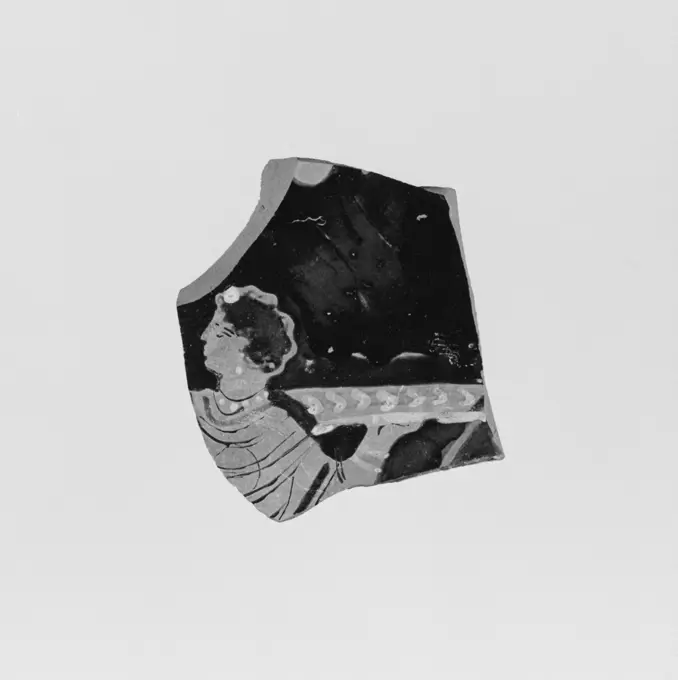
Lazio Roma Rome SS. Giovanni e Paolo, Museum41. Hutzel, Max 1960-1990 Medieval: Ceramic fragments, sculptural fragments, fresco fragments, inscribed tomb markers. Houses one of the best collections of Malagan medieval ceramics for casting wall monuments, copies of which are housed in campanile. Specific Location: Museum Antiquities: Ceramic fragments, sculptural fragments, architectural fragments Object Notes: Basilica has separate record and is filed separately. German-born photographer and scholar Max Hutzel (1911-1988) photographed in Italy from the early 1960s until his death. The result of this project, referred to by Hutzel as Foto Arte Minore, is thorough documentation of art historical development in Italy up to the 18th century, including objects of the Etruscans and the Romans, as well as early Medieval, Romanesque, Gothic, Renaissance and Baroque monuments. Images are organized by geographic region in Italy, then by province, city, site complex and monument.
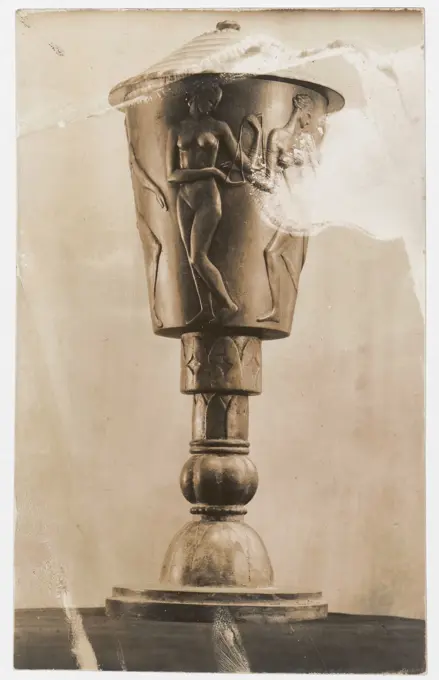
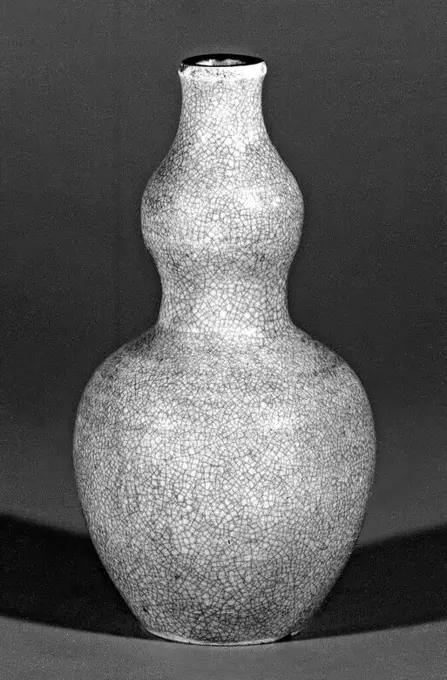
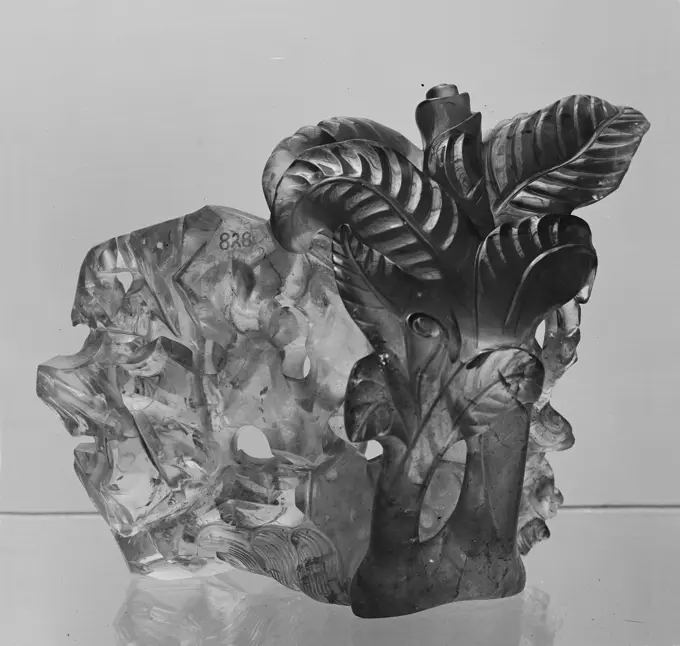
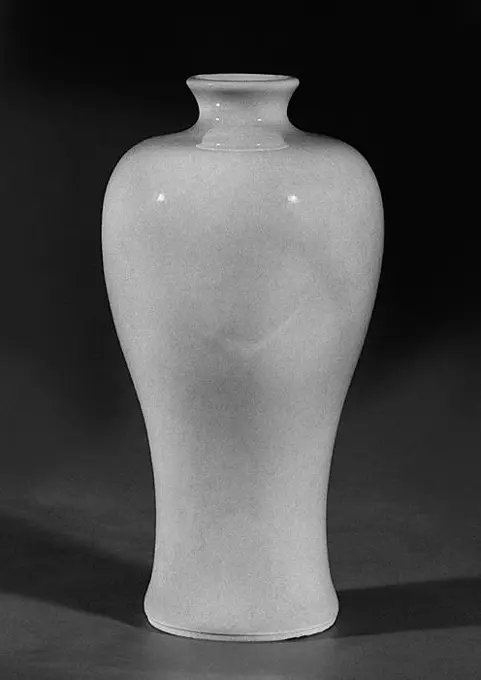
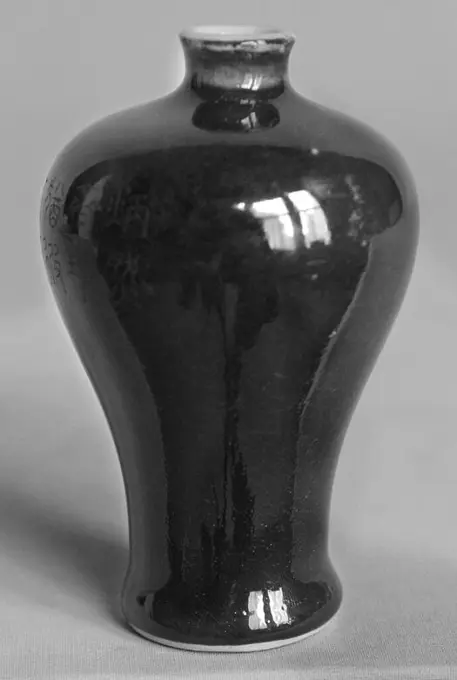
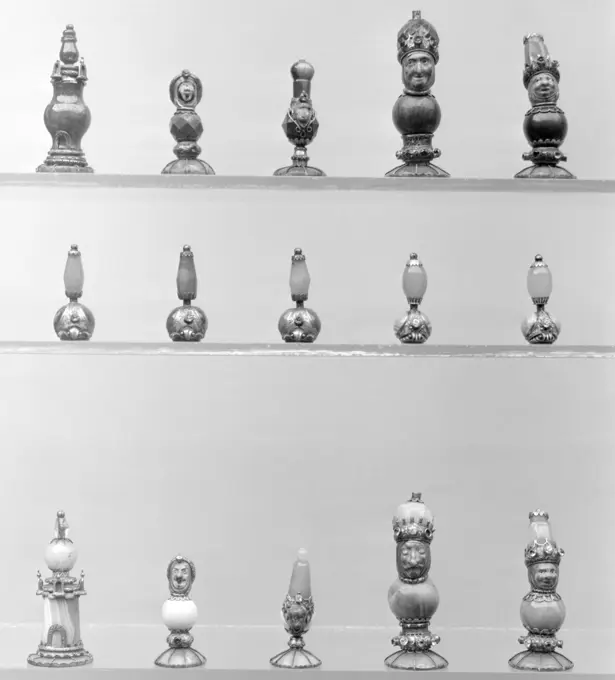
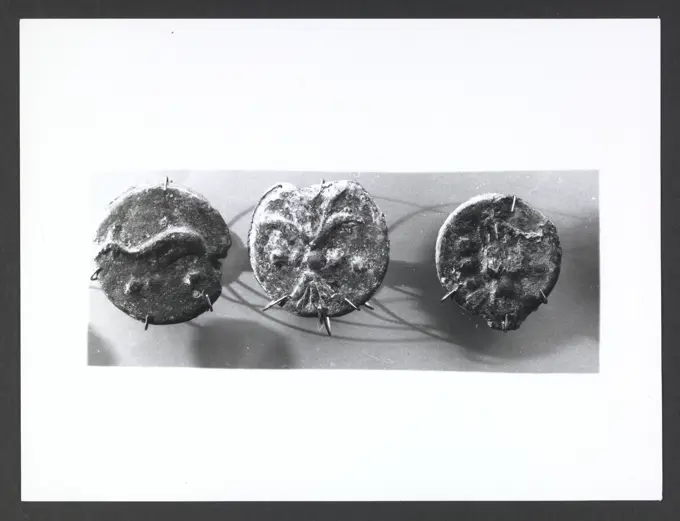
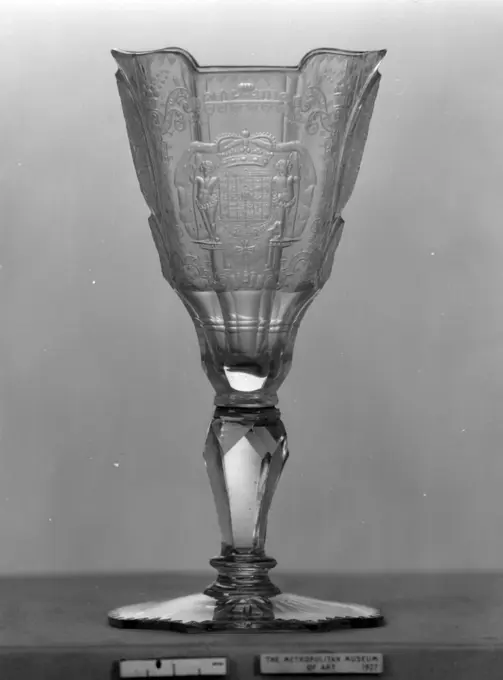
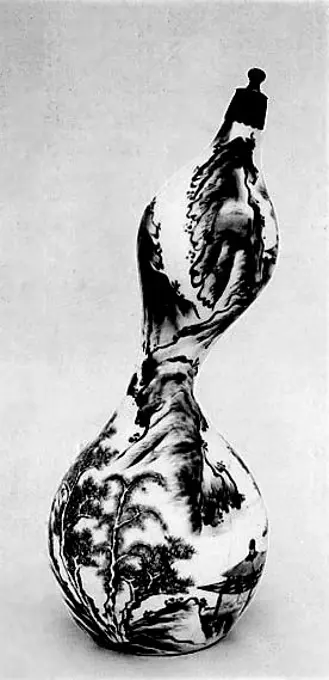
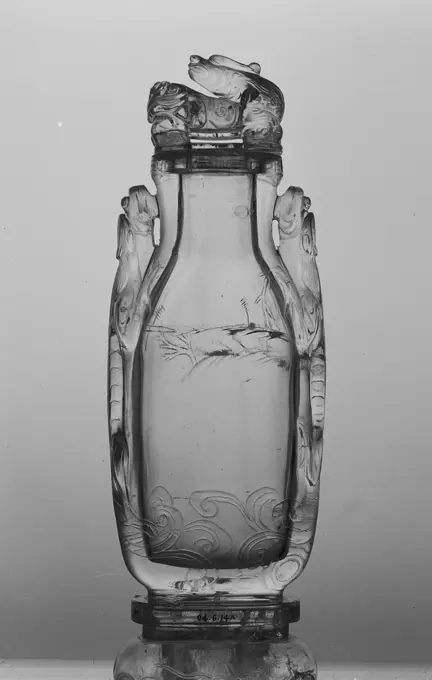
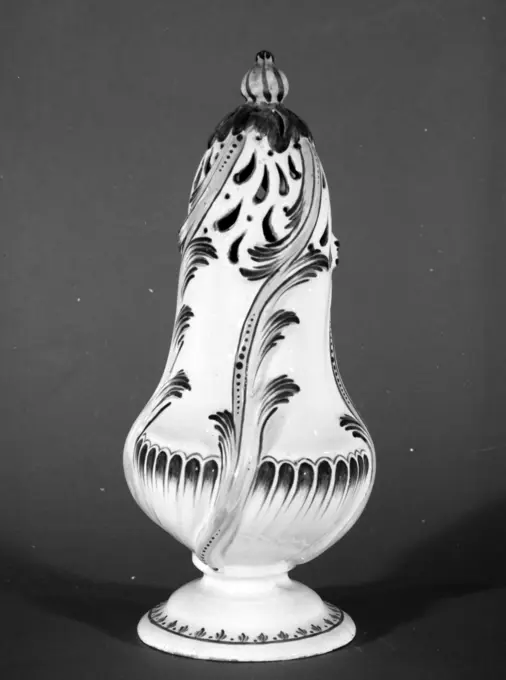
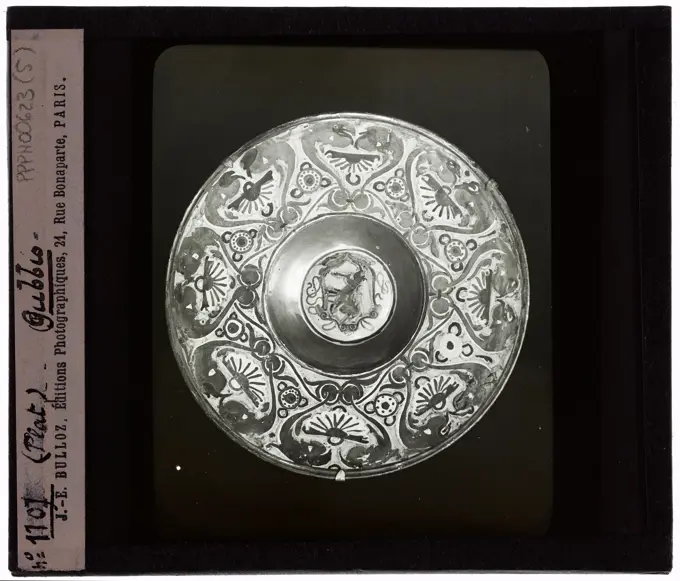
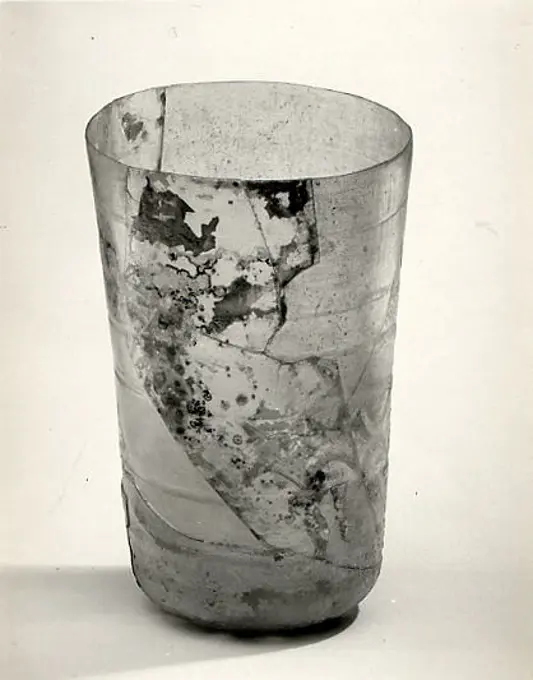
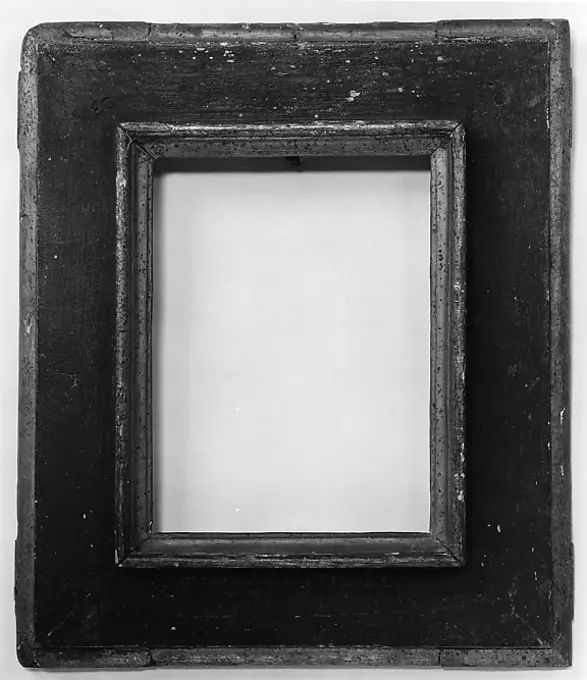
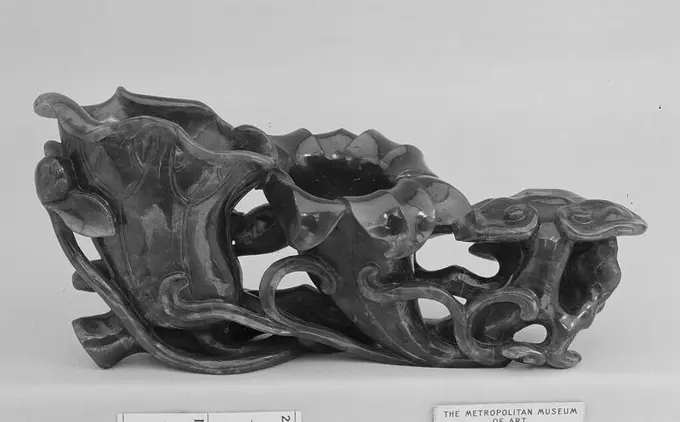
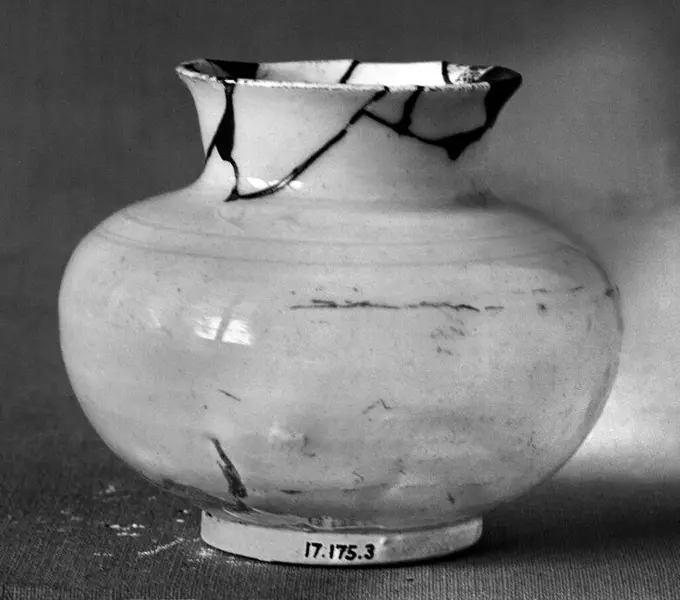
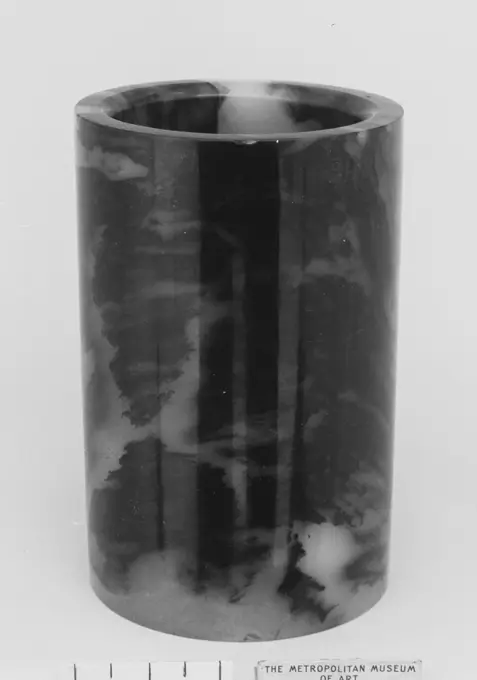
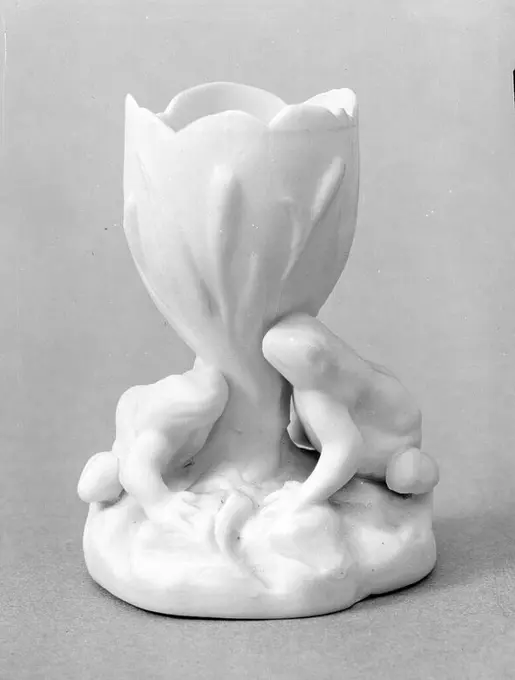
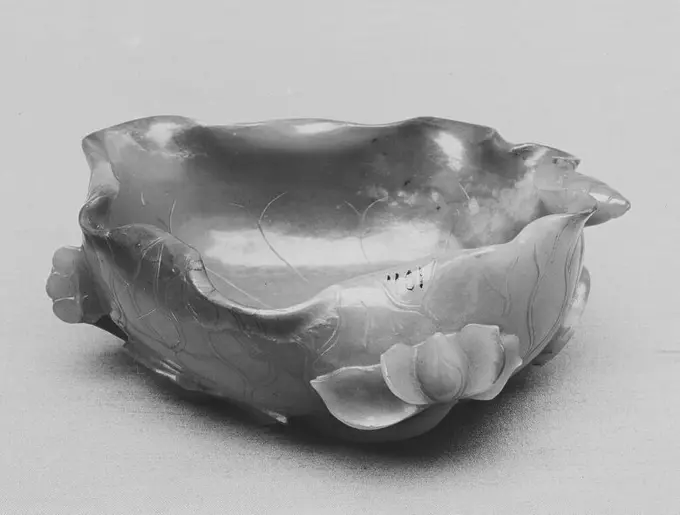
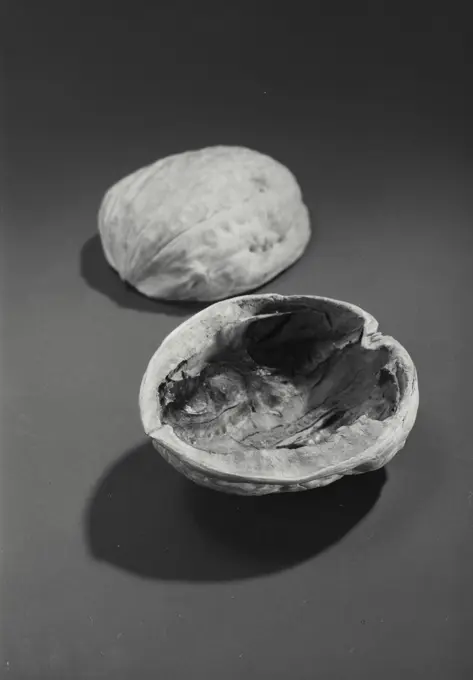
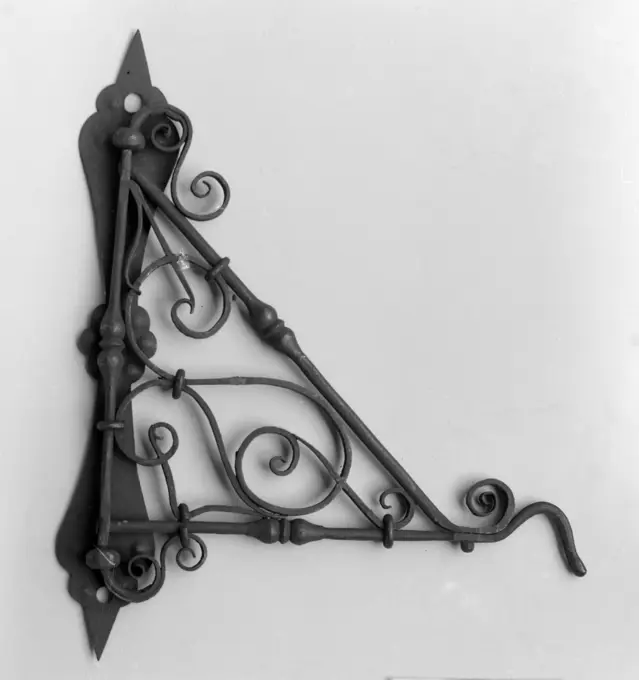
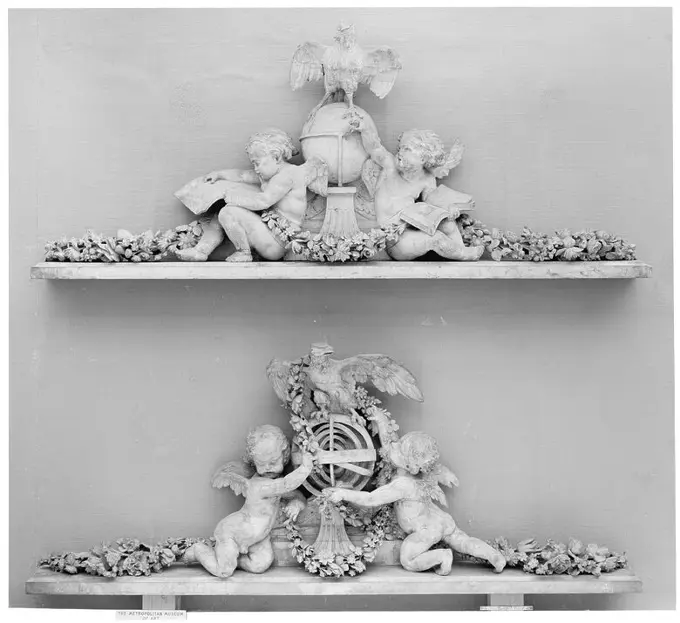
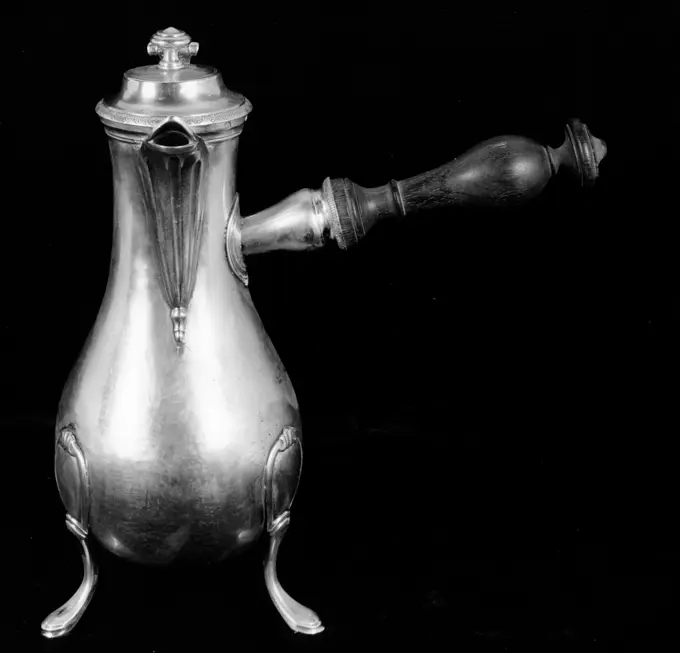
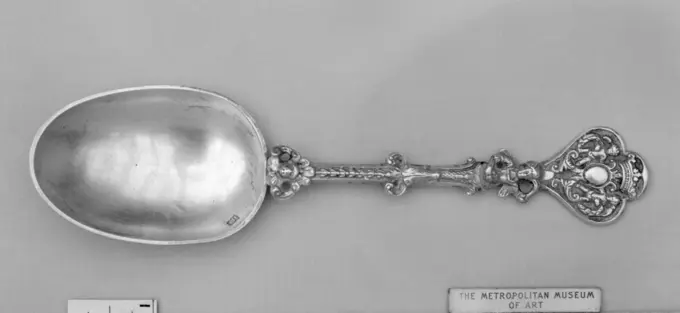
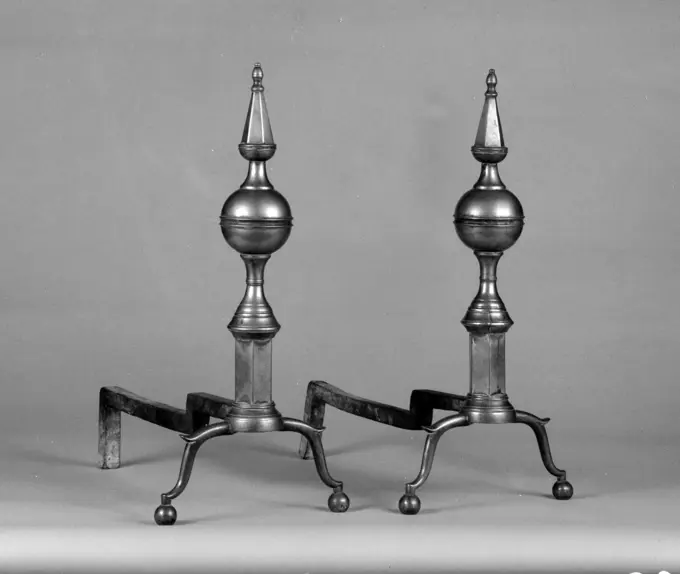
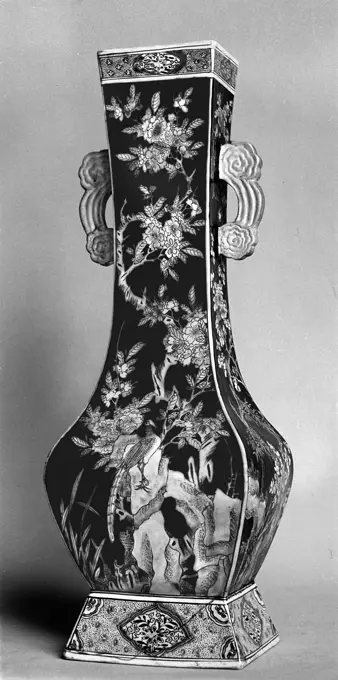
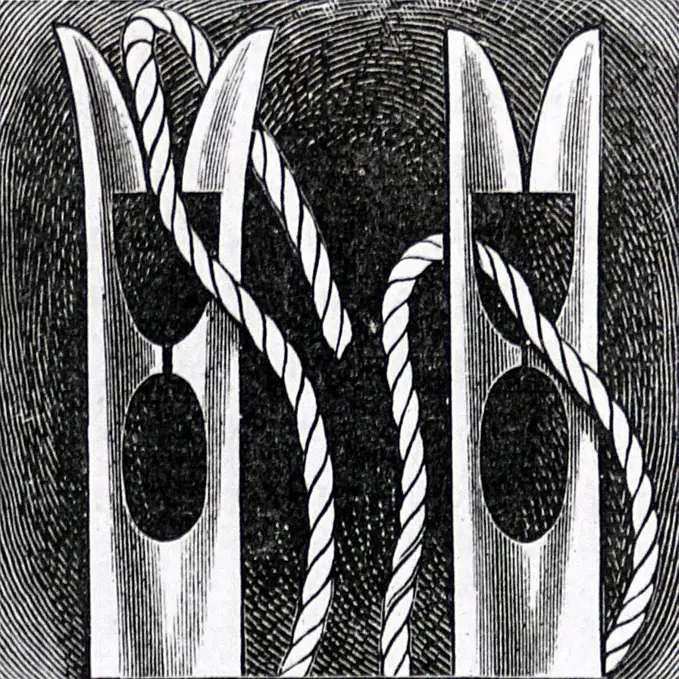
Lazio Roma Rome SS. Giovanni e Paolo, Museum41. Hutzel, Max 1960-1990 Medieval: Ceramic fragments, sculptural fragments, fresco fragments, inscribed tomb markers. Houses one of the best collections of Malagan medieval ceramics for casting wall monuments, copies of which are housed in campanile. Specific Location: Museum Antiquities: Ceramic fragments, sculptural fragments, architectural fragments Object Notes: Basilica has separate record and is filed separately. German-born photographer and scholar Max Hutzel (1911-1988) photographed in Italy from the early 1960s until his death. The result of this project, referred to by Hutzel as Foto Arte Minore, is thorough documentation of art historical development in Italy up to the 18th century, including objects of the Etruscans and the Romans, as well as early Medieval, Romanesque, Gothic, Renaissance and Baroque monuments. Images are organized by geographic region in Italy, then by province, city, site complex and monument.Vase 1893-96 Louis Comfort Tiffany American. Vase 9411Award cup designed by Olga Niewska (1929), cast at the workshop of the Łopieński Brothers in Warsaw - award of the President of the Republic of Poland for the year 1930. Brzozowski, Stanisław (1883-1968), photographerVase 17th or 19th century Possibly by Miotti Family Workshop. Vase. Italian, Venice (Murano). 17th or 19th century. Glass. GlassVase. Culture: China. Dimensions: H. 2 15/16 in. (7.5 cm); Diam. 1 1/2 in. (3.8 cm). Museum: Metropolitan Museum of Art, New York, USA.Buckle. Culture: American. Dimensions: 5/16 x 1 1/4 x 1 1/8 in. (0.8 x 3.2 x 2.9 cm); 13 dwt. (20.8 g). Maker: Probably Theodore B. Starr (American, New Rochelle, New York 1837-1907 Ridgefield, Connecticut). Date: 1900-1924.This gold buckle is one half of a pair made by New York City jewelry firm T.B. Starr & Co. These buckles depict stylized dolphins and acanthus leaves, and they are delicately chased to create a textured finish. Theodore B. Starr was among the most prominent and influential jewelry and silversmithing firms in New York City during the late nineteenth and early twentieth centuries. Originally in partnership with jeweler and silversmith Herman Marcus under the name of Starr & Marcus, Theodore B. Starr established his own eponymous firm in 1877. Starr's work was regularly and enthusiastically heralded in the press. On March 18th, 1880 "The Independent" published an article in which "The House of Theodore B. Starr" is described as an establishment that develops "an eduPhoenix Ornament China. Phoenix Ornament 60836Sundsvall (depicted name).Sundsvall (depicted name)Attic Cup Fragment. UnknownRush light holder , Lamps. The Massachusetts WPA Federal Art Project Photograph CollectionVase 19th century Japan. Vase 59848Double vase 18th century China. Double vase. China. 18th century. Rock crystal. HardstonePoll photo collection. Advertising for Wade & Butcher. Beated handle of a fork or a spoon of stainless steel. 1936Vase 18th century China. Vase. China. 18th century. Porcelain with turqoise glaze. Qing dynasty (1644-1911). CeramicsMeiping vase 19th century China. Meiping vase 46979Skewer Holder 1700-1800. Skewer Holder. 1700-1800. IronCaddy spoon early 19th century probably French. Caddy spoon 188059 probably French, Caddy spoon, early 19th century, Silver, 4 1/4 in. (10.8 cm). The Metropolitan Museum of Art, New York. Gift of Mrs. Samuel P. Avery, 1897 (97.2.23)Hinge 1700-1800. Hinge 4310Vase. Culture: China. Dimensions: H. 4 1/2 in. (10.5 cm); Diam. of rim 7/8 in. (2.2 cm); Diam. 2 3/4 in. (7 cm); Diam. of base 1 1/8 in. (2.9 cm). Museum: Metropolitan Museum of Art, New York, USA.Vase in the shape of an ancient ritual vessel (gu) 18th-19th century China. Vase in the shape of an ancient ritual vessel (gu). China. 18th-19th century. Jade (nephrite). Qing dynasty (1644-1911). JadeVase. Culture: China. Dimensions: H. 9 1/2 in. (24.1 cm). Museum: Metropolitan Museum of Art, New York, USA.Bell ca. 9th century B.C. Iran. Bell 326202Chessmen 18th century Spanish. Chessmen 199990Vase China. Vase. China. Porcelain with ox-blood glaze. Qing dynasty (1644-1911), Kangxi period (1662-1722). CeramicsFragment of the lace;  2. PO. 18th century (1751-00-00-1800-00-00);Krzeszowice, collection, laceGoge late 19th century Egyptian. Goge 501032Wood Screw, Inclined PlaneMarblehead, Lee Mansion, back rest , Seating furniture. Samuel Chamberlain Photograph Negatives CollectionLooking Glass 1810-20 American or British. Looking Glass 3981Abruzzo Chieti Chieti Museo Nazionale di Antichita04. Hutzel, Max 1960-1990 Exterior views of part of the former Villa Frigeri, which along with a neighboring palazzo, houses the Museo Nazionale di Antichita. Views also of the gardens, fountain (17th century) and the restored interior. The so-called "Capestrano Warrior" (5th century B.C.) is found in the Antiquities core collection under Men, Youths, Warriors--Stone--Etruscan, Italic. Hutzel views include statues, funerary monuments, portrait busts and mosaics, many of which were excavated from Alba Fucens. Hutzel paid particular attention to the colossal statue of Hercules (late Hellenistic); the funerary temple reliefs of Lucius Storax; various nudes, torsos and heads, including the portrait bust of Agrippina Minore and the sepulchral portrait relief of Lucius Poditius (1st century A.D.); gravestones with inscriptions and bas-reliefs; Roman coins; bronze figurines (mainly warriors); and bronze vessels, utensils, helmets and ornamentsStand. Culture: China. Dimensions: H. 1 7/8 in. (4.8 cm); W. 5 1/4 in. (13.3 cm). Museum: Metropolitan Museum of Art, New York, USA.Dew Claw Rattle 19th century Native American (Osage). Dew Claw Rattle 501187Wineglass ca. 1740 German, Silesia. Wineglass. German, Silesia. ca. 1740. Glass. GlassZukra 19th century Turkish. Zukra 500969Milk Bowl. Culture: American. Dimensions: Dimensions unavailable. Date: ca. 1810 (). Museum: Metropolitan Museum of Art, New York, USA.Bottle 18th century Japan The decoration on this bottle reflects the collaboration between local Nanga literati painters, such as Chikuden and the Kameyama potters.. Bottle 62527Pendant. Culture: China. Dimensions: H. 2 1/16 in. (5.2 cm); W. 1 3/8 in. (3.5 cm). Date: 20th century. Museum: Metropolitan Museum of Art, New York, USA.Flask 19th century China. Flask. China. 19th century. Rock crystal. Qing dynasty (1644-1911). HardstoneCandelabrum ca. 1790 British. Candelabrum. British. ca. 1790. Blown glass, brass. Made in EnglandStatuette of a Dancer (Attis). UnknownMuffineer early 19th century probably French, Salvages Faience, or tin-glazed and enameled earthenware, first emerged in France during the sixteenth century, reaching widespread usage among elite patrons during the seventeenth and early eighteenth centuries, prior to the establishment of soft-paste porcelain factories. Although characterized as more provincial in style than porcelain, French faience was used at the court of Louis XIV as part of elaborate meals and displays, with large-scale vessels incorporated into the Baroque garden designs of Versailles. Earlier examples of French faience attest to the strong influence of maiolica artists from Italy. Later works demonstrate the ways in which cities such as Nevers, Rouen, Lyon, Moustiers, and Marseille developed innovative vessel shapes and decorative motifs prized among collectors throughout Europe. While faience can be created from a wide mixture of clays, it is foremost distinguished by the milky opaque white color achieved by theItalian faience. Dish Italian faience. Dish. Black and white projection plate. 1900-1930. Photograph of Jacques-Ernest Bulloz (1858-1942).Fragment of a Beaker probably 10th century This object was excavated at Nishapur.Nishapur was a vital city in the early and middle Islamic periods, located along one of the main trajectories that connected Iran and West Asia Islamic lands with Central Asia and China. These itineraries are often referred to by the term Silk routes’ but were in fact crucial to the movement of constellations of materials and objects, as well as people and ideas. The diverse population of Nishapur and its surroundings, from the better-researched elite groups of merchants, land-owning aristocracy, and literates, to the less-known artisans, farmers, miners, and servants, were instrumental in adapting global cultural trends to create their own distinctive visual languages. This is seen in the material remains of everyday life in medieval Nishapur - from pots and pans to lighting devices, inkwells, textiles and trimmings, jewelry, games and toys, talismanic devices, weapons, coins, and architectural fragmentsFrame ca. 1640 Unknown. Frame 460793Flower vase. Culture: China. Dimensions: H. 8 1/2 in. (21.6 cm); W. 18 3/16 in. (46.2 cm); L. 5 9/16 in. (14.2 cm). Museum: Metropolitan Museum of Art, New York, USA.Chair. Culture: Northern Italian. Dimensions: Overall: 37 1/4 × 16 1/2 × 19 in. (94.6 × 41.9 × 48.3 cm). Date: 17th century. Museum: Metropolitan Museum of Art, New York, USA.String of amulets 30 B.C.-A.D. 364 Roman Period. String of amulets. 30 B.C.-A.D. 364. Faience, carnelian. Roman Period. From Egypt, Memphite Region, Lisht South, Roman Burian 19, west of tomb B., MMA excavationsToy figures, rabbit, rooster, squirrel and birdPot. Culture: Korea. Dimensions: H. 2 3/8 in. (6 cm); Diam. 2 1/2 in. (6.4 cm). Museum: Metropolitan Museum of Art, New York, USA.PLATO ARGENTEO - ABENGIBRE (ALBACETE).Creamer.   Maker: Timothy, Jr., and William Keith, active ca. 1825-1829Produktbild.Belt Buckle China. Belt Buckle 44395Maker's Mark indistinct, Caddy Spoon, c. 1793-96, silver.Brush pot China. Brush pot. China. Nephrite. Song dynasty (960-1279). JadeBeads ca. 9th century B.C. Iran. Beads 325328Common bear rebate (arctostaphylos uva-ursi), blossom after waste of the flowers, buds and floweringCommon bear rebate (arctostaphylos uva-ursi), blossom after waste of the flowers, buds and floweringVase. Culture: American. Dimensions: 3 1/4 x 2 1/2 x 2 1/8 in. (8.3 x 6.4 x 5.4 cm). Date: 1830-70. Museum: Metropolitan Museum of Art, New York, USA.Sweden, Blekinge, Blekinge, Karlskrona, Karlskrona, external marina (depicted, town).Sweden, Blekinge, Blekinge, Karlskrona, Karlskrona, External War Gogs (depicted, City)Pair of candelabra ca. 1780 French. Pair of candelabra 209016bow sword hilt, 16th century Spanish, Álava Armory Museum, Vitoria, Basque Country, Spain.Close Helmet. Armorer: Attributed to Wolfgang Grosschedel (German, Landshut, active ca. 1517-62). Culture: German, Landshut. Dimensions: H. 14 3/4 in. (37.5 cm); W. 9 1/8 in. (23.2 cm); D. 13 1/4 in. (33.7 cm); Wt. 11 lb. 3.1 oz. (5077.4 g). Date: ca. 1560.Grosschedel, Landshut's most renowned armorer of the mid-sixteenth century, fulfilled many commissions for both the German and the Spanish branches of the Hapsburg family. The decoration of this helmet is very similar to that of a large garniture made by Grosschedel for King Philip II of Spain (1513-1579) about 1560. It also resembles the decoration on a large series of armors that Grosschedel and others made for Emperor Ferdinand I (1503-1564) and his son, Maximilian II (1527-1576, Emperor from 1564) for use in a large tournament held in Vienna in 1560. It is not known to which commission the helmet originally belonged. Museum: Metropolitan Museum of Art, New York, USA.Work table mid-18th century French. Work table 200546Wine cup. Culture: China. Dimensions: H. 1 13/16 in. (4.6 cm); W. 4 1/8 in. (10.5 cm); L. 3 7/8 in. (9.9 cm). Museum: Metropolitan Museum of Art, New York, USA.Campania Caserta Capua Museo Campano45. Hutzel, Max 1960-1990 Medieval: Byzantine architectural fragments; parchment fragments with miniatures (12th century) from Montecassino; painted wooden crucifix (13th century); Carolingian crucifixes; Bishop's miter (11th century) of gold and silver damask; fresco (13th century). Post-medieval: Architecture (15th century). Formerly the Palazzo Antignano. Unusual Catalan/Moorish-style portal; Paintings on panel and canvas (15th-18th centuries); marble intarsia (16th century); marble sculpture: busts of Christ and Mary (17th century); sculpture of saints in marble and in wood (15th century); painted and gilded sculpture in wood; marble grave sculpture (16th century); sarcophagus with allegorical carvings; gold reliquary "Rosa d'Oro"; crucifix made of elephant tusk Specific Location: Pianterreno Antiquities: Italic sculpture (seated women holding babies); inscription. Photo campaign #1: 533 photos. Roman relief and sculpture; cinerary urns; Greek anVintage Photograph. Closeup of Walnut shell  cracked open lying on surface with top half in background, Frame 2Bonnet 1824 American or European. Bonnet 81969Cast bullets belonging to the casting tongs for musket bullets from the wreck of the East Indies Hollandia, Anonymous, 1700 - in Or Before 1743 bullet (ammunition)  Netherlands copper (metal)   SecondWatch ca. 1815-30 Watchmaker: Firm of Bordier Frères. Watch. Swiss, Geneva. ca. 1815-30. Case of gold, turquoises, and sapphires; jeweled movement. HorologyDrill head. >>Wall bracket 17th century Swiss. Wall bracket 188514 Swiss, Wall bracket, 17th century, Iron, 11 5/8 x 9 7/8 in. (29.5 x 25.1 cm). The Metropolitan Museum of Art, New York. Gift of Henry Victor Burgy, 1901 (01.23.101)Fragments of a Dish probably 9th century. Fragments of a Dish 450917Lazio Roma Rome SS. Giovanni e Paolo, Museum13. Hutzel, Max 1960-1990 Medieval: Ceramic fragments, sculptural fragments, fresco fragments, inscribed tomb markers. Houses one of the best collections of Malagan medieval ceramics for casting wall monuments, copies of which are housed in campanile. Specific Location: Museum Antiquities: Ceramic fragments, sculptural fragments, architectural fragments Object Notes: Basilica has separate record and is filed separately. German-born photographer and scholar Max Hutzel (1911-1988) photographed in Italy from the early 1960s until his death. The result of this project, referred to by Hutzel as Foto Arte Minore, is thorough documentation of art historical development in Italy up to the 18th century, including objects of the Etruscans and the Romans, as well as early Medieval, Romanesque, Gothic, Renaissance and Baroque monuments. Images are organized by geographic region in Italy, then by province, city, site complex and monument.Figure groups symbolic of Astronomy and Geography. Culture: French. Dimensions: Overall (each): 37 1/4 × 74 1/2 × 7 7/8 in. (94.6 × 189.2 × 20 cm). Date: ca. 1775.Pair of figure groups that may originally have been crests for bookcases. One group is surmounted by a cock (an allusion to France), the other by and eagle (the emblem of Austria). This imagery probably refers to the union of Louis XVI and his Austrian wife, Marie-Antoinette. Museum: Metropolitan Museum of Art, New York, USA.Jean-Nicolas Boulanger, Coffeepot, 1798-1809, silver.Dish (one of a graduated set of seven) 1741-42 Paul de Lamerie British. Dish (one of a graduated set of seven) 202065Lazio Roma Rome SS. Giovanni e Paolo, Museum30. Hutzel, Max 1960-1990 Medieval: Ceramic fragments, sculptural fragments, fresco fragments, inscribed tomb markers. Houses one of the best collections of Malagan medieval ceramics for casting wall monuments, copies of which are housed in campanile. Specific Location: Museum Antiquities: Ceramic fragments, sculptural fragments, architectural fragments Object Notes: Basilica has separate record and is filed separately. German-born photographer and scholar Max Hutzel (1911-1988) photographed in Italy from the early 1960s until his death. The result of this project, referred to by Hutzel as Foto Arte Minore, is thorough documentation of art historical development in Italy up to the 18th century, including objects of the Etruscans and the Romans, as well as early Medieval, Romanesque, Gothic, Renaissance and Baroque monuments. Images are organized by geographic region in Italy, then by province, city, site complex and monument.Fan mid-19th century probably Spanish. Fan. probably Spanish. mid-19th century. Horn, sequins. Fanstop view grey paint wallpaperÅsögatan 175. >>Bowl 1820 Japan. Bowl 52356Antique glass 1898, Middle EastLazio Roma Rome SS. Giovanni e Paolo, Museum29. Hutzel, Max 1960-1990 Medieval: Ceramic fragments, sculptural fragments, fresco fragments, inscribed tomb markers. Houses one of the best collections of Malagan medieval ceramics for casting wall monuments, copies of which are housed in campanile. Specific Location: Museum Antiquities: Ceramic fragments, sculptural fragments, architectural fragments Object Notes: Basilica has separate record and is filed separately. German-born photographer and scholar Max Hutzel (1911-1988) photographed in Italy from the early 1960s until his death. The result of this project, referred to by Hutzel as Foto Arte Minore, is thorough documentation of art historical development in Italy up to the 18th century, including objects of the Etruscans and the Romans, as well as early Medieval, Romanesque, Gothic, Renaissance and Baroque monuments. Images are organized by geographic region in Italy, then by province, city, site complex and monument.Lazio Roma Rome SS. Giovanni e Paolo, Museum23. Hutzel, Max 1960-1990 Medieval: Ceramic fragments, sculptural fragments, fresco fragments, inscribed tomb markers. Houses one of the best collections of Malagan medieval ceramics for casting wall monuments, copies of which are housed in campanile. Specific Location: Museum Antiquities: Ceramic fragments, sculptural fragments, architectural fragments Object Notes: Basilica has separate record and is filed separately. German-born photographer and scholar Max Hutzel (1911-1988) photographed in Italy from the early 1960s until his death. The result of this project, referred to by Hutzel as Foto Arte Minore, is thorough documentation of art historical development in Italy up to the 18th century, including objects of the Etruscans and the Romans, as well as early Medieval, Romanesque, Gothic, Renaissance and Baroque monuments. Images are organized by geographic region in Italy, then by province, city, site complex and monument.Anefo photo collection. Figurine of baayens, assignment. September 20, 1977Paris (VIIE arr.), France The exhibition of decorative arts, national manufacture of Sèvres, vase and porcelain applies , 1925 - International Exhibition of Modern Decorative and Industrial Arts Paris (French - Paris ( VIIe arr. ) , France L' Exposition des arts décoratifs , Manufacture Nationale de Sèvres , vase et applique en porcelaine). Inner view, sculpture, painted decor, vase, decorative arts, ceramics, lamp, exhibition, exhibition of decorative arts, carved decor, ephemeral architecture, Habitat , Architecture , Art, A.D. Manual Natle de Sevres - Vase with translucent porcelain wall lamp France, Paris, Exhibition of decorative arts, Manufre Natle de Sèvres. Vase with translucent porcelain wall lampSweden, Blekinge, Blekinge, Karlskrona, Karlskrona, external marina (depicted, town).Sweden, Blekinge, Blekinge, Karlskrona, Karlskrona, External War Gogs (depicted, City)Spoon mid-18th century Jacobus Niebuur. Spoon 188084 Maker: Jacobus Niebuur, 17131802, master 1735, Spoon, mid-18th century, Silver, 7 x 1 13/16 in. (17.8 x 4.6 cm). The Metropolitan Museum of Art, New York. Gift of Mrs. Samuel P. Avery, 1897 (97.2.49)Teller with a plastic frog king made of ceramicSaltcellar 1830-40 American. Saltcellar. American. 1830-40. Lacy pressed opaque blue glass. Made in New England, United StatesSwift ca. 1850. Swift 8033Face amulet ca. 2110-2030 B.C. Old Kingdom-First Intermediate Period. Face amulet. ca. 2110-2030 B.C.. Ivory. Old Kingdom-First Intermediate Period. From Egypt. Dynasty 8-11Tides. Robert Rauschenberg (American, 1925-2008); published by Universal Limited Art Editions (American, founded 1955). Date: 1969. Dimensions: 608 x 365 mm (image); 714 x 505 mm (sheet). Photolithograph in black from one stone on white wove paper. Origin: United States. Museum: The Chicago Art Institute, Chicago, USA.Pair of wall brackets 17th-18th century Italian. Pair of wall brackets. Italian. 17th-18th century. Iron. Metalwork-IronFragment of a Statuette of a Kore. UnknownAndiron ca. 1800 Richard Wittingham. Andiron. American. ca. 1800. Brass. Made in New York, New York, United StatesVase with birds and flowers 19th century China. Vase with birds and flowers. China. 19th century. Porcelain painted in polychrome enamels over black ground (Jingdezhen ware, famille noire). Qing dynasty (1644-1911). CeramicsApulian Red-Figure Oinochoe Fragment. UnknownEasily threaded needle. Once pulled down the thread did not slip out easily as the slit sprang close. From Cassell's Magazine London, 1888.Vintage Photograph. Mans hand with five fingers extended.