Victorian Clothing Collection

A vintage assortment of clothing items including evening capes, chemisettes, stocks, and gloves from the 18th to 19th centuries, highlighting historical fashion trends.

Glove of liver -colored chamois leather with three cunning fabric buttons, c. 1900 - c. 1915 Right glove of liver -colored chamois leather, at the wrist a split with three art fabric purple mother -of -pearl knots, on the back three radiating cords. Netherlands whole: Chamois (Animal Material). Buttons: Right glove of liver -colored chamois leather, at the wrist a split with three art fabric purple mother -of -pearl knots, on the back three radiating cords. Netherlands whole: Chamois (Animal Material). Buttons:
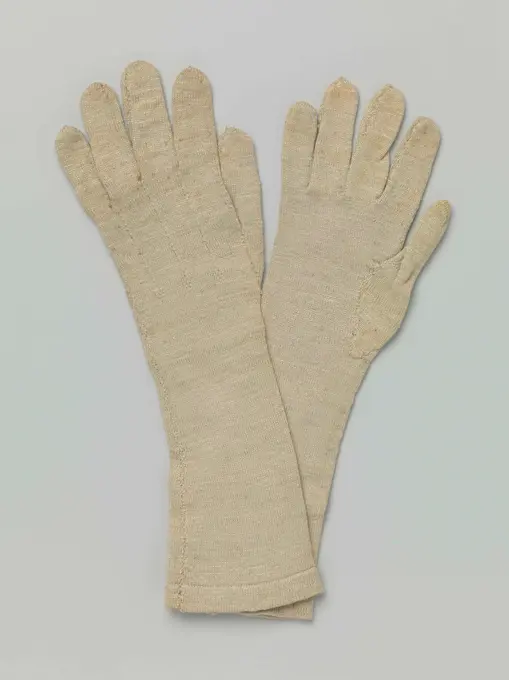
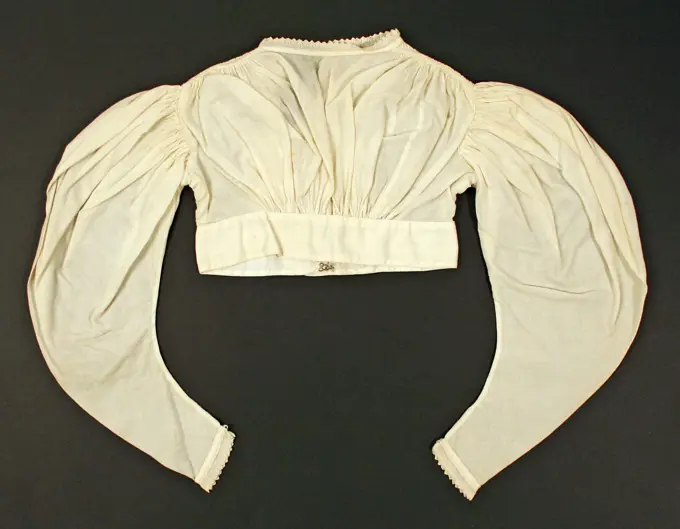
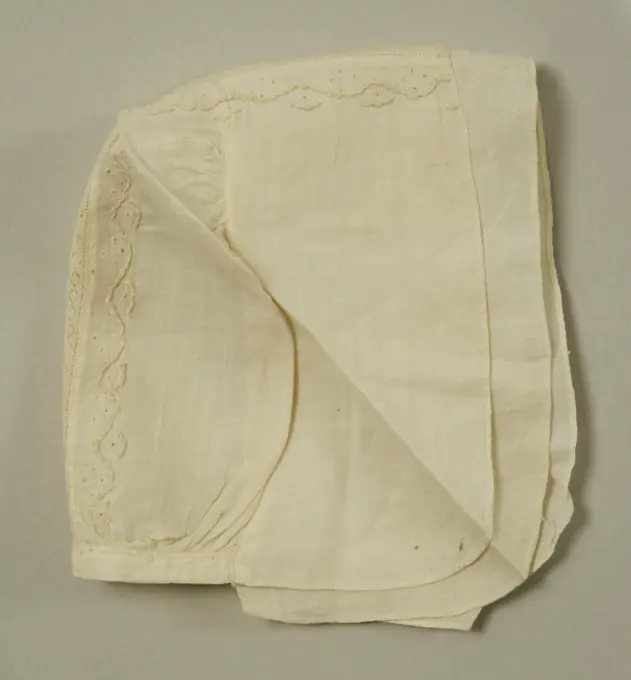
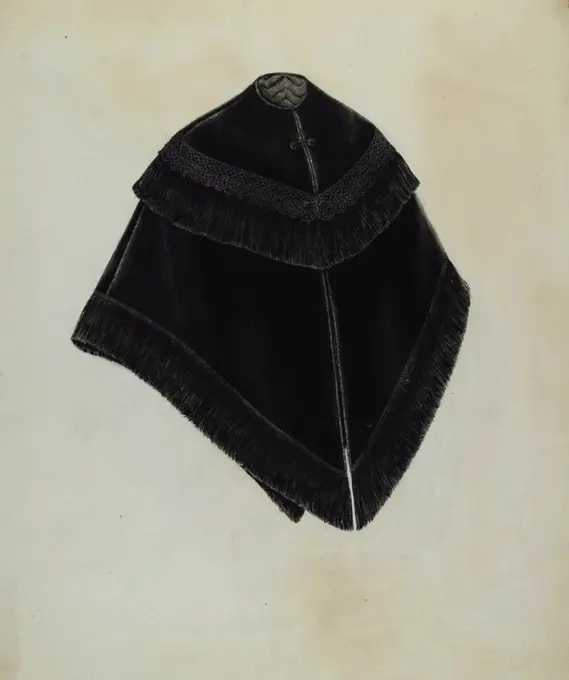
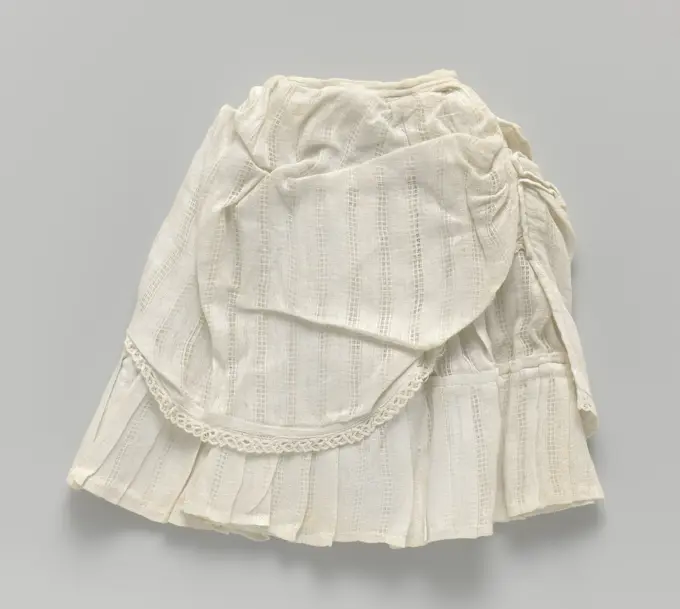
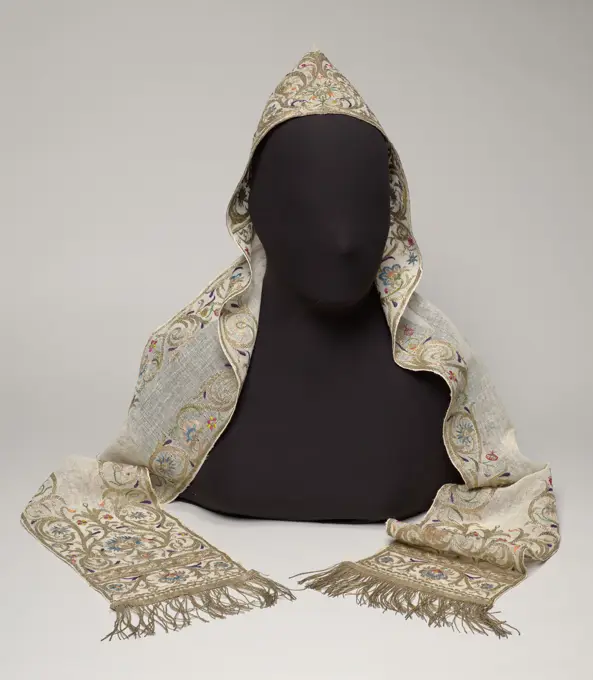
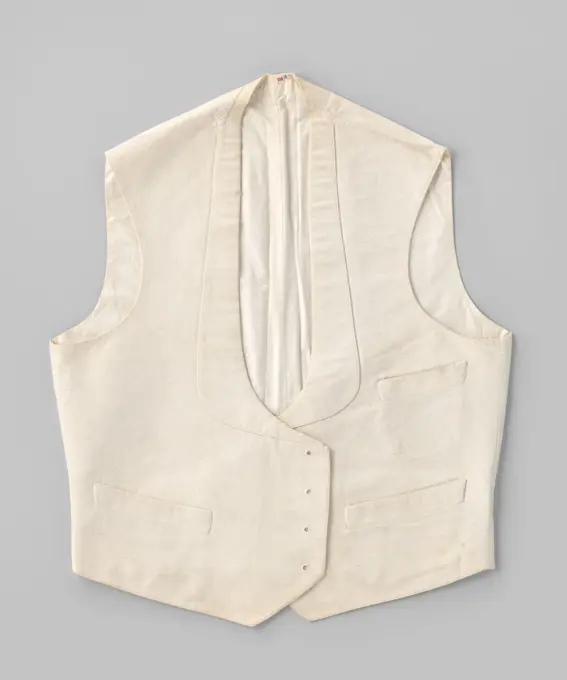
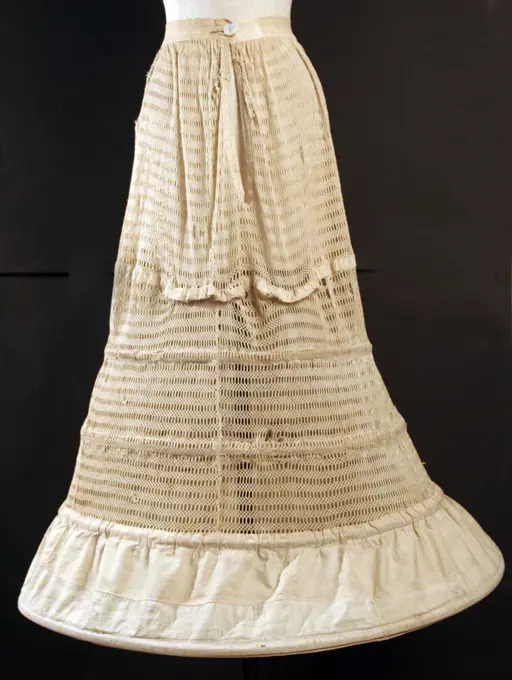
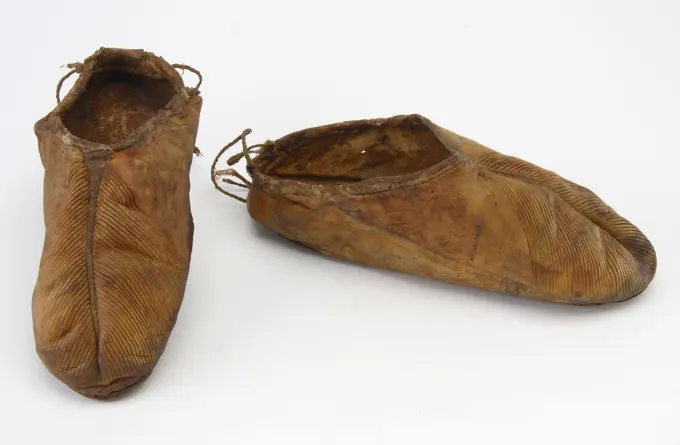
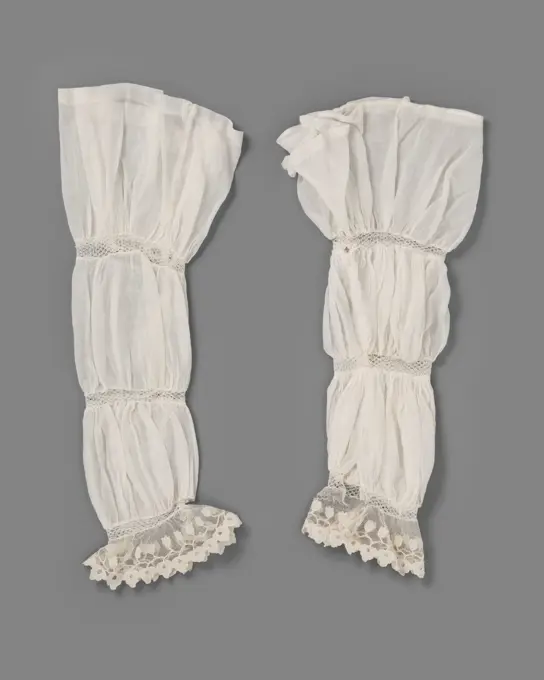
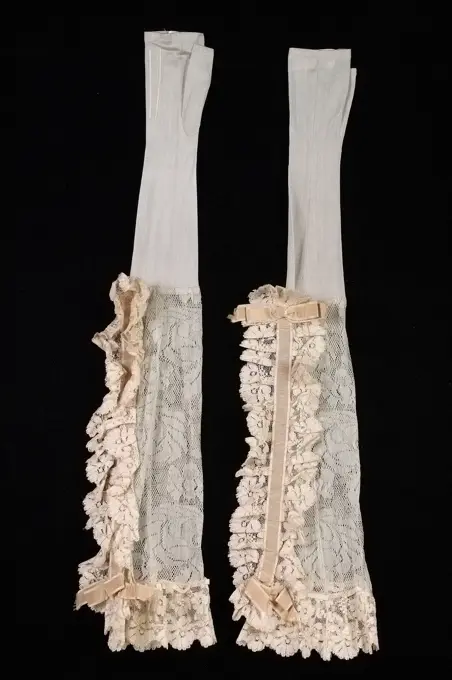
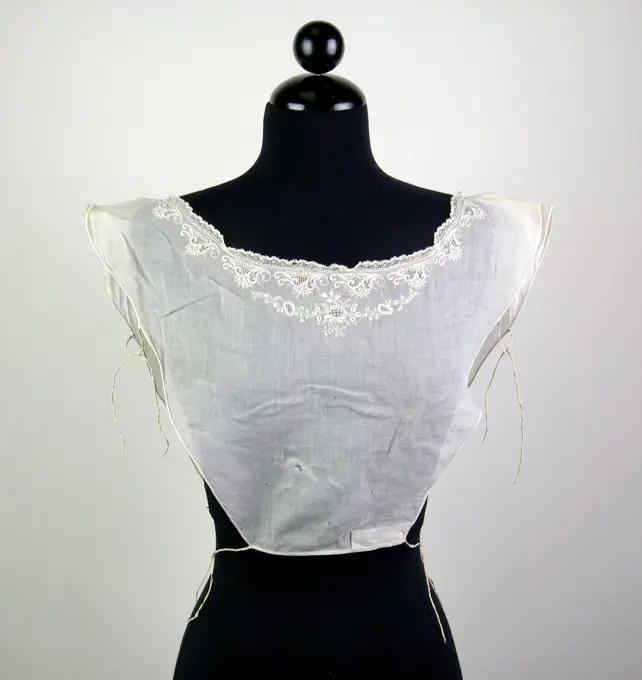
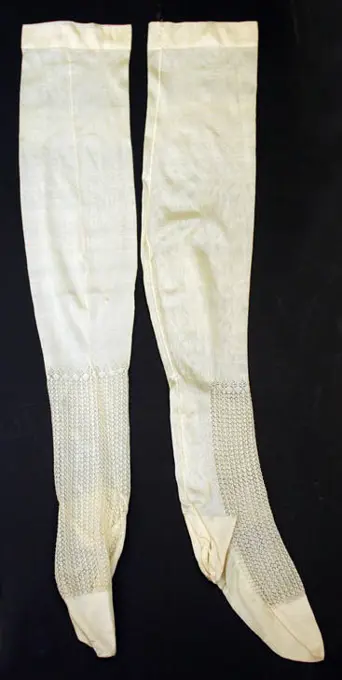
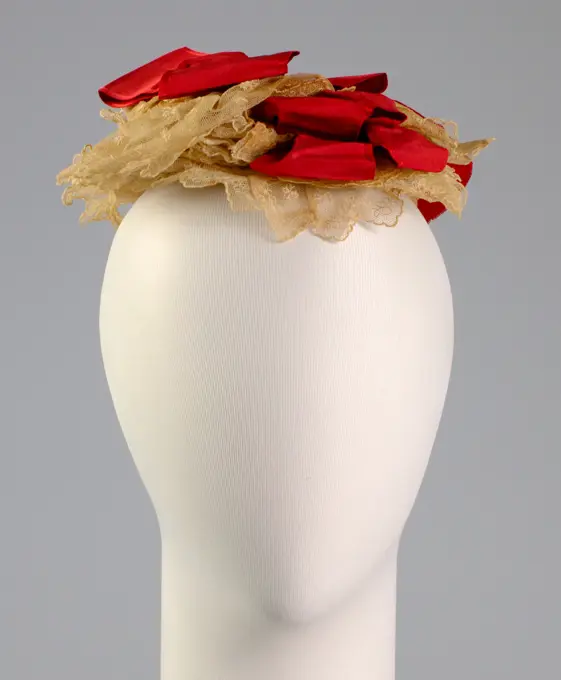
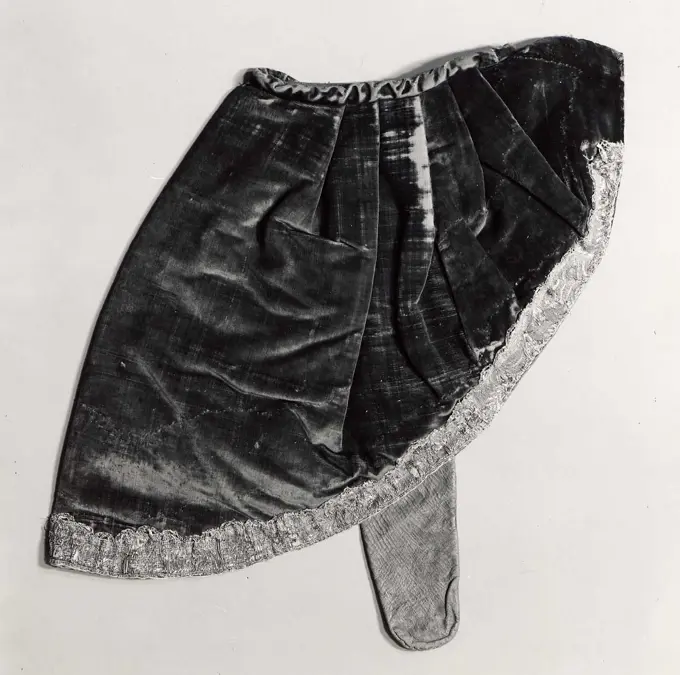
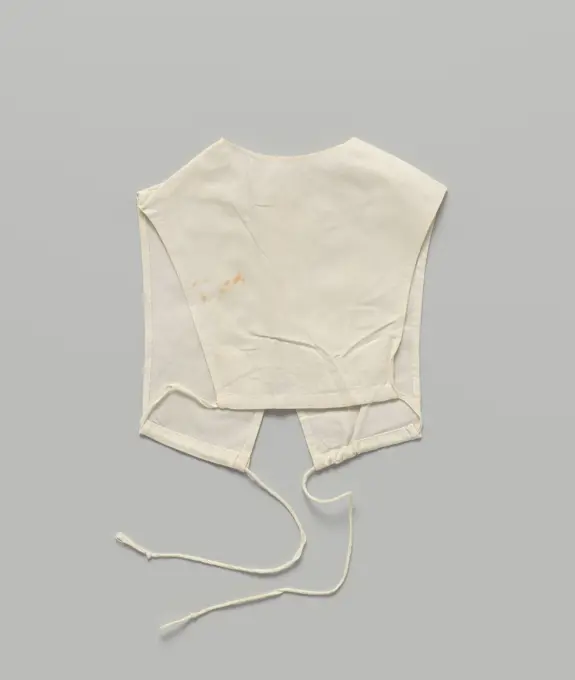
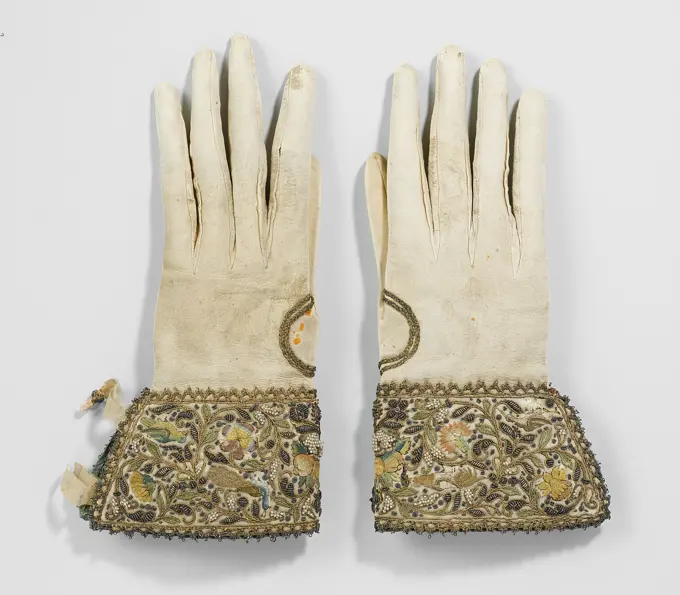
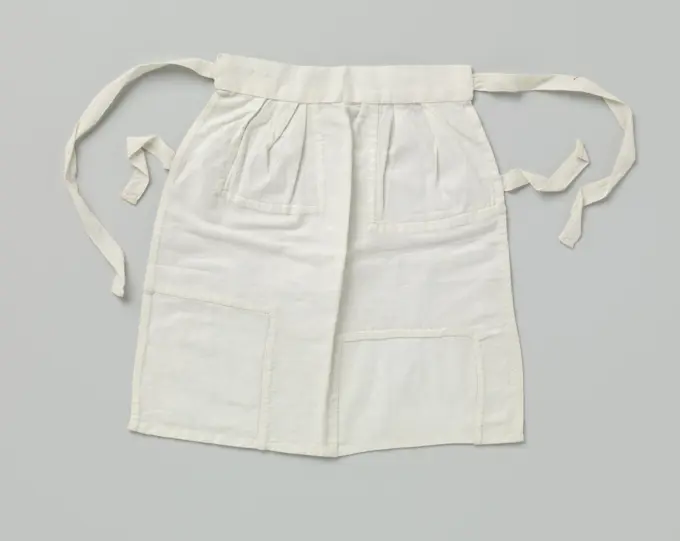
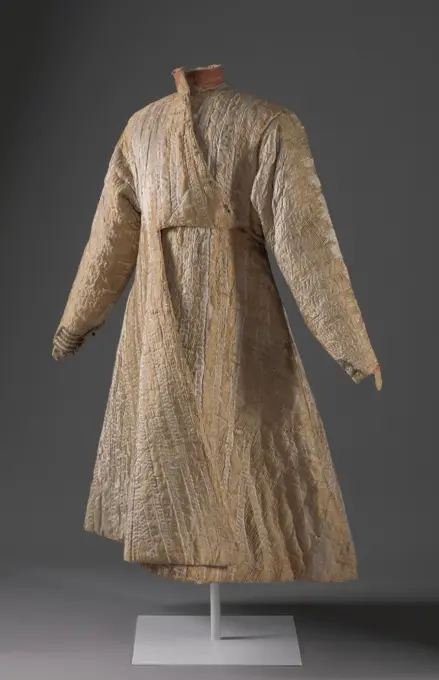
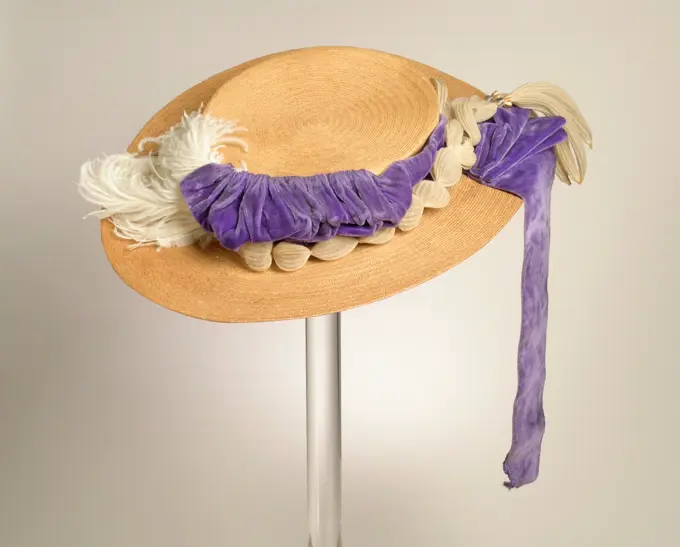
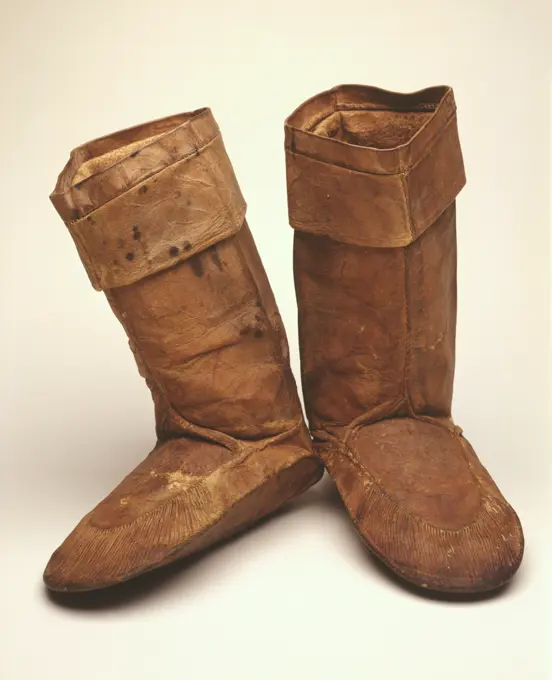
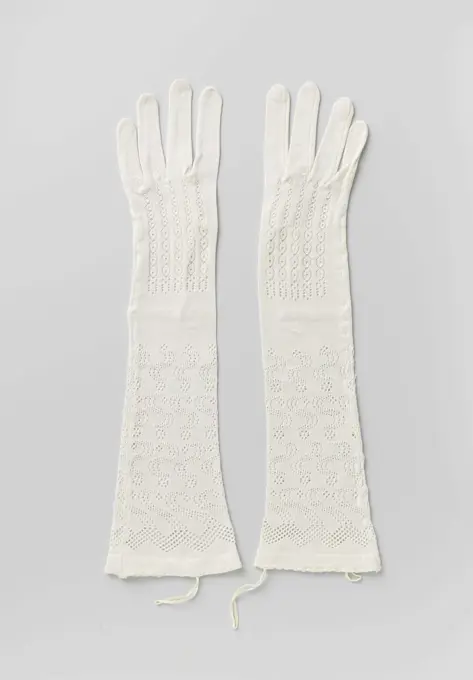
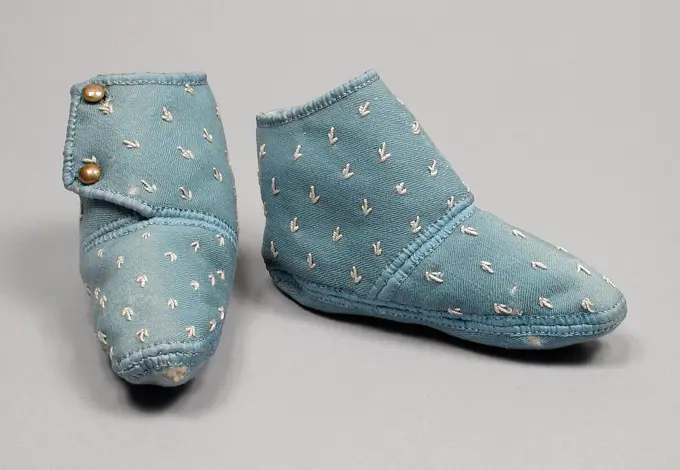
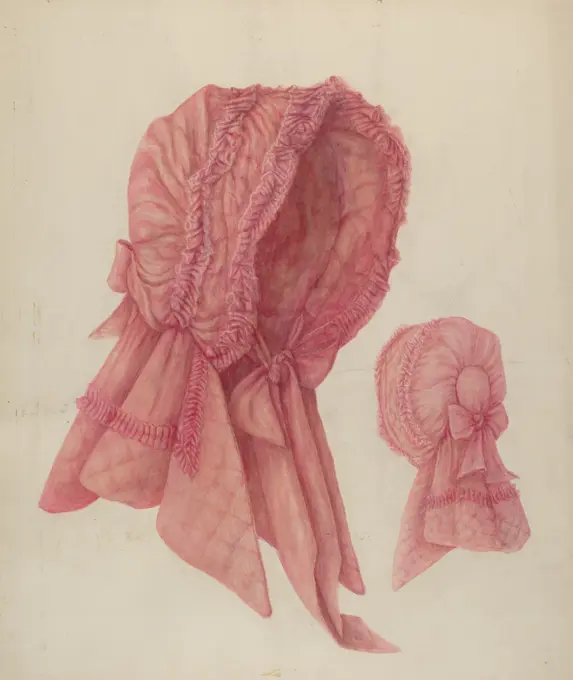
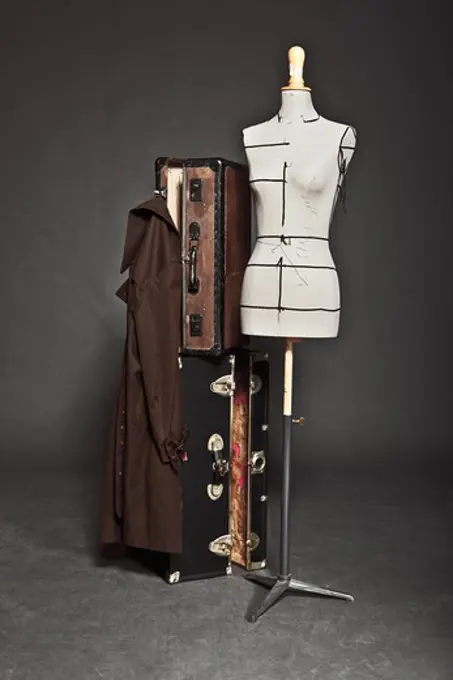
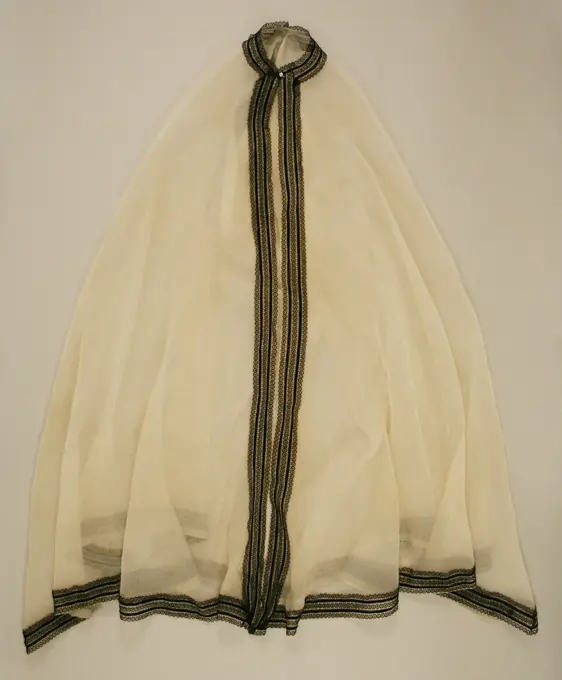
Evening cape ca. 1865 French. Evening cape 107619Chemisette ca. 1835 American. Chemisette 104174Wedding stock. Culture: American. Date: 1835.This is an elegant example of a stock, the standard neckwear for men in the early 19th century, to be worn over the high stand collar of the shirt. The styles of the 1830s were prescribed by fashionable dandies, such as Alfred Guillaume Gabriel, Count D'Orsay (1801-1852), a French emigrant who had relocated to England in 1829, and influenced artists and writers in wit and dress. The crisp and complete stock with a tailored bow was essential in fashionable formal dress. Museum: Metropolitan Museum of Art, New York, USA.Biggin 18th century British. Biggin 98183Glove of liver -colored chamois leather with three cunning fabric buttons, c. 1900 - c. 1915 Right glove of liver -colored chamois leather, at the wrist a split with three art fabric purple mother -of -pearl knots, on the back three radiating cords. Netherlands whole: Chamois (Animal Material). Buttons: Right glove of liver -colored chamois leather, at the wrist a split with three art fabric purple mother -of -pearl knots, on the back three radiating cords. Netherlands whole: Chamois (Animal Material). Buttons:Cape. Dated: 1935/1942. Dimensions: overall: 44 x 37.5 cm (17 5/16 x 14 3/4 in.) Original IAD Object: 30" long; 50" wide. Medium: watercolor, pen and ink, and graphite on paper. Museum: National Gallery of Art, Washington DC. Author: Melita Hofmann.Evening cape 1850-59 American. Evening cape 173969Negligée 1870s American or European. Negligée 109152Wit Netteldoek skirt, Anonymous, 1850 - 1910 Skirt consisting of several layers. Part of Wit Neteldoek dress. Netherlands Buckram. brackets: Metal Skirt consisting of several layers. Part of Wit Neteldoek dress. Netherlands Buckram. brackets: MetalVestee 1850s European. Vestee 119090Native American Indian high-heeled moccasins, Inunaina (Arapaho) culture, Great Plains of the United States, 1850-1920, leather, glass beads, metal, sinew thread and pigments.Shawl ca. 1857 American. Shawl 120900Black skirt with two rows of hanging balls, anonymous, c. 1850 - c. 1920 Black skirt with two rows of hanging balls along the bottom edge; In the middle of it two more rows. The skirt closes with a hook and an eye of metal. Netherlands textile materials. metal Black skirt with two rows of hanging balls along the bottom edge; In the middle of it two more rows. The skirt closes with a hook and an eye of metal. Netherlands textile materials. metalChildren's shirt of white linen, with flat straight collar, risen stricks, long sleeves and lace edge along the neck; marked in Red Cross stitch: NG12, Anonymous A children's shirt. Marked: N. G. 12.  linen (material). A children's shirt. Marked: N. G. 12.  linen (material).Chasuble;  half. 18th century (1740-00-00-1760-00-00);Visiting dress. Culture: probably French. Date: 1886. Museum: Metropolitan Museum of Art, New York, USA.Kabaja of cotton with rose, red and white fantasy motif, anonymous, c. 1904 - c. 1908 Kabaja of cotton with roses, red and white fantasy motive. India, Malang, Ca. 1906. Malang cotton (textile) Kabaja of cotton with roses, red and white fantasy motive. India, Malang, Ca. 1906. Malang cotton (textile)Headdress (beniqa), 1800s. Africa, North Africa, Algeria, Algerian embroiderer. Linen, silk, and metal; overall: 210.8 x 17.1 cm (83 x 6 3/4 in.). Beniqa were stylish headdresses that women wore when visiting the hammam (steam bath). The linen fabric absorbed the damp from their wet hair. With its gold and silver metal thread, shimmering spangles, and brightly colored threads forming flowers and vines, this beniqa was a ceremonial garment worn for the ritual bath before a Jewish womans wedding; it was also part of her dowry. After toweling off her hair, a woman made two braids, which she would then twist into the caps fabric and tie on her head, with the gold-fringed ends trailing down.Mitts late 17th century Spanish. Mitts. Spanish. late 17th century. Leather, silkRokvest from white piqué, anonymous Rokvest of white piqué.  pique Rokvest of white piqué.  piqueSpencer. Culture: probably British. Date: 1805-15. Museum: Metropolitan Museum of Art, New York, USA.Cage crinoline 1850-55 American or European. Cage crinoline. American or European. 1850-55. no medium availableBodice ca. 1760 Spanish. Bodice 107974Overshoe -Linnenbatist cuff, fell off with a strip of wrinkled batist with scallops, c. 1875 - c. 1925 Cuff of linen batist, trimmed with a wrinkled strip of batist. The cuff closes with a knot. Marked in the top left corner: 'ht/ 6'. Possibly women's clothing. West-Europa linen (material) embroidering Cuff of linen batist, trimmed with a wrinkled strip of batist. The cuff closes with a knot. Marked in the top left corner: 'ht/ 6'. Possibly women's clothing. West-Europa linen (material) embroideringEnsemble -Vest 1901 American. Vest 100058Mammelukes sleeve made of fine cotton with three sides intermediate sinks and a cuff made of appropriate tulle, anonymous, c. 1805 - c. 1810 Balloon sleeve, so -called mamelukes sleeve made of fine cotton with three sides intermediate sinks and a cuff made of applied tulle. The model is three -quarters long with three balloons and perpendicularly placed intermediate sinks. At the top a hem with input band. The intermediate sinks are double, woven and composed of five-hole-Mazen side. At the bottom a hanging wrinkled edge strip of application side on Tulle, Carrickmacross, with a running slender with lilies and leaves that form the points. Netherlands cotton (textile). buckram. Balloon sleeve, so -called mamelukes sleeve made of fine cotton with three sides intermediate sinks and a cuff made of applied tulle. The model is three -quarters long with three balloons and perpendicularly placed intermediate sinks. At the top a hem with input band. The intermediate sinks are double, woven and Evening mitts ca. 1880 American. Evening mitts 169920Chemisette ca. 1845 Scottish. Chemisette 169972Kernel unknownShawl;  End of the 19th century (1891-00-00-1900-00-00);Stockings 1890s American. Stockings 121545Stockings. Culture: American. Date: third quarter 19th century. Museum: Metropolitan Museum of Art, New York, USA.Gauntlets of Mail Hungarian 17th century From about the third century B.C. through the early fourteenth century A.D., mail, also called chain mail, was the predominant and most effective type of body armor known in Europe. From about the mid-fifteenth century onward, mail was used in conjunction with full plate armor to fill the gaps between plates. Separate mail sleeves were made to be worn with a cuirass (breastplate and backplate); shaped panels of mail called gussets, covered the armpits or the crooks of the elbows and were attached to arming jackets, garments specially tailored to be worn under armor; and mail breeches, called brayettes or pairs of paunces, could be worn by men fighting on foot. View more. Gauntlets of Mail. Hungarian. 17th century. Steel, gilding. MailCap ca. 1880 Coleman. Cap 169570Collar 1700-1941 American. Collar 119189Gloves of gray-blue knitted half wool, half side. Left glove made of gray-blue half wool, half side. Three cords on the back walking from the fingers, separately designed thumb. Inside rough and inside in the upstairs zoom a red board.Coat. Culture: European. Date: 16th century. Museum: Metropolitan Museum of Art, New York, USA.Scarf-malery;  1. PO. 19th century (1801-00-00-1850-00-00);Holster 17th-18th century Italian or Spanish. Holster 460288Body of plain white textile, anonymous, c. 1850 - c. 1920  Netherlands textile materials  Netherlands textile materialsChasuble. unknown, authorUndersleeves ca. 1860 American. Undersleeves 169504Glove of goat leather with caps of cream -colored satin embroidered with multicolored silk, gilded silver thread, lovers and freshwater pearls, trimmed with gold side, anonymous, c. 1600 - c. 1625 Left glove of white goat leather, crèm -colored satin hoods embroidered with multicolored silk, gilded silver thread, lovers and freshwater pearls, trimmed with gold side and lined with green silk. The hoods are embroidered in relief with flowers and birds. Northern Netherlands whole: Goatskin. Cut: Silk. Decoration: Freshwater Pearl. Decoration: Silver thread. embroidery:. Gold side:. Bolletje: Wood (Plant Material) cutting / embroidering Left glove of white goat leather, crèm -colored satin hoods embroidered with multicolored silk, gilded silver thread, lovers and freshwater pearls, trimmed with gold side and lined with green silk. The hoods are embroidered in relief with flowers and birds. Northern Netherlands whole: Goatskin. Cut: Silk. Decoration: Freshwater Pearl. Decoration: Silver thrShirt. Culture: British. Dimensions: L. 41 inches (104.1 cm). Date: early 19th century. Museum: Metropolitan Museum of Art, New York, USA.Sun hat made of stealed batist with a wide solar country with English embroidery, anonymous, c. 1890 - c. 1900 Children's sonsehoed of stealed batist with a wide solar country with English embroidery and decorated with babies bows. Round ball with a straight lane batist with one ruffle. Under the Ruche is an edge of wrinkled batist. Two kinner tires of slanted batist. English embroidery with a scalloped edge, above a wide edge of open mulls with star stitches, between which have been saved in two rows of daisies. Brussels (possibly) whole: Batiste Children's sonsehoed of stealed batist with a wide solar country with English embroidery and decorated with babies bows. Round ball with a straight lane batist with one ruffle. Under the Ruche is an edge of wrinkled batist. Two kinner tires of slanted batist. English embroidery with a scalloped edge, above a wide edge of open mulls with star stitches, between which have been saved in two rows of daisies. Brussels (possibly) whole: BatisteMorning cap. Culture: American. Date: 1835.This elegant and detailed morning cap with refined details would have been worn primarily at home in the early part of the day as an informal head covering, prior to donning the more formal structured bonnets required for the afternoon or evening. It follows the same silhouette as the period's fashionable hats and bonnets constructed of more rigid materials such as straw. Museum: Metropolitan Museum of Art, New York, USA.Shirt early 19th century American. Shirt 103771Glove of liver -colored chamois leather and three plastic knots, c. 1900 - c. 1915 Left glove of liver -colored chamois leather, at the wrist a split with three plastic white mother -of -pearl knots, three -radiating cords on the back. West-Europa whole: Chamois (Animal Material). Buttons: Left glove of liver -colored chamois leather, at the wrist a split with three plastic white mother -of -pearl knots, three -radiating cords on the back. West-Europa whole: Chamois (Animal Material). Buttons:Body of brown wool with checkered piping and gitten, anonymous, c. 1850 - c. 1920 The body with long sleeves closes at the front with six buttons from Facet sharpened gitten. Europe wool. jet (coal) The body with long sleeves closes at the front with six buttons from Facet sharpened gitten. Europe wool. jet (coal)Woman's Boots. probably England, 1850-1855. Costumes; Accessories. Leather with silk embroideryBreastplate 1595-1605 Italy. Steel .. Right glove of leather with two mother-of-pearl press buttons and on the back three radiating cords.Glove of wax leather with loose blades of blue/gray satin decorated with embroidery in multicolored silk, silver thread, freshwater pearls, rubies () And silver lovers, anonymous, c. 1600 - c. 1625 Left glove made of white wax leather with blue silk cutters. On the hoods embroidery with gold and silver wire, red, white and blue silk and pearls and rubies (). The closure along the hoods is with three gold cords with a button. Northern Netherlands hand:. support tissue: Linen (Material). Hood: Silk. side:. Decoration for the Dui:. Embroidery: Silk. Decoration hood: Freshwater Pearl. Decoration hood: Ruby (Mineral). Lovers: Silver Leaf bobbin lace / braiding / embroidering Left glove made of white wax leather with blue silk cutters. On the hoods embroidery with gold and silver wire, red, white and blue silk and pearls and rubies (). The closure along the hoods is with three gold cords with a button. Northern Netherlands hand:. support tissue: Linen (Material). Hood: Silk. side:. DecoratioMiniature apron with four pieces used., Anonymous, c. 1900 - c. 1925  Miniature apron with four pieces and four linen tires set. Amsterdam linen (material). cotton (textile) embroidering / crochetingEnsemble 1898-1900 (a, b) House of Worth French. Ensemble 107017Przeszo Przyszoci unknownWoman's Seaside Hat. Probably England, circa 1870. Costumes; Accessories. Straw with ostrich feathers, crimped cotton plain weave, glass beads, and silk-velvet ribbonSlippers. Dated: c. 1940. Dimensions: overall: 35.5 x 26.6 cm (14 x 10 1/2 in.). Medium: watercolor and graphite on paper. Museum: National Gallery of Art, Washington DC. Author: Frank S. Browne.ToqueGlove from brown suede. Right glove from brown suede. On the hand three erratic shaped thickened cords up to the hood.Boot -Glove from white leather. Right glove from white leather.Pair of Shoes. UnknownOstrich, eggplant of color, anonymous, c. 1895 - c. 1915 Ostrich, eggplant of color. West-Europa metal painting Ostrich, eggplant of color. West-Europa metal paintingMiser's purse, Medium: silk, metal Technique: crocheted, Violet-red crocheted silk ornamented with gold beads in pattern of sprigs and diamond-shaped bars. Side opening controlled with two gold rings with rose pattern in relief. Gold filigree work at each end., France, early 19th century, costume & accessories, Miser's purseWoman's Bonnet. Sweden, Stockholm, 1840-1875. Costumes; Accessories. Straw, horsehair braid, linen lace, silk ribbonDolls sky bed with flowers on white stock. Wallpaper with checkered curtains. With content., Anonymous, 1785 - 1800 Dolls sky bed made of oak, on a white stock painted with flower garlands and green piping, walled with yellow checkered curtains. The baluster legs wear houses and sections. The headboard is accolade -shaped. The rules are paneled with green-white striped single tires. The sky rests on four round corner styles ("Fourpower"). Textilia: a large and a small pillow, three demolition (white, red checked, blue and white striped) and a blanket (at the top with a blue/pink/white striped flower motif). Northern Netherlands (possibly)Netherlands (possibly) wood (plant material). oak (wood). linen (material). silk. ticking. napping Dolls sky bed made of oak, on a white stock painted with flower garlands and green piping, walled with yellow checkered curtains. The baluster legs wear houses and sections. The headboard is accolade -shaped. The rules are paneled with green-white stripedCape unknownLeft glove of green spotted suede, anonymous, c. 1910 - c. 1925 Left glove of green spotted suede. On the back three radiating cords of black and green silk. At the split two mother -of -pearl snaps, trimmed with a beige leather trim. Netherlands whole: Leather. Buttons: Mother of Pearl. Cords: Silk Left glove of green spotted suede. On the back three radiating cords of black and green silk. At the split two mother -of -pearl snaps, trimmed with a beige leather trim. Netherlands whole: Leather. Buttons: Mother of Pearl. Cords: SilkDoll's Jacket. Dated: c. 1936. Dimensions: overall: 38.2 x 50.8 cm (15 1/16 x 20 in.) Original IAD Object: 9" long. Medium: watercolor, graphite, and gouache on paperboard. Museum: National Gallery of Art, Washington DC. Author: Chris Makrenos.Shirt 1775-90 American. Shirt. American. 1775-90. linen, cottonShoes 1860-79 Italian. Shoes 98402Sunbonnet ca. 1835 American. Sunbonnet 157710Glove of White Glacéleer, Anonymous, c. 1930 - c. 1940 Left glove of white glacé leather. Model: Until over the wrist, without tendon seams. With the hem three fanning seams with rows of buttons in between. Brand in right glove: Real Kid and Washable (). England, United States. Ca. 1930-1940. England (possibly) whole: Left glove of white glacé leather. Model: Until over the wrist, without tendon seams. With the hem three fanning seams with rows of buttons in between. Brand in right glove: Real Kid and Washable (). England, United States. Ca. 1930-1940. England (possibly) whole:Hood ca. 1640 British. Hood 116177Shoes 1881 American. Shoes 104085. Left glove from white cotton with ajour machine-knit; ZGN. "Kulier" tissue.Knee sous, light brown, the board consists of two small strips knitted in the opposite stitch, without decorative seam, anonymous, c. 1650 - c. 1700  Kniekous, light brown, the board consists of two small strips knitted in the opposite stitch. No decorative seam. Middle line handle around in Tricot stitch. Here too, an attempt was made to stop the holes and they have proceeded to attach repair pieces, three in number. All three in solid/flat binding woven. Two pieces are red -brown and one blue in color. Given the differences, no few with NG-2006-110-18-A forms.  wool knitting  Spitsbergen. Svalbard. Zeeuwsche UytkyckLeft Gauntlet, 1801-1900. Germany, 19th century. Steel with black paint; overall: 27.3 x 33 cm (10 3/4 x 13 in.).Shaker Man's Sock. Dated: c. 1936. Dimensions: overall: 35.9 x 24.9 cm (14 1/8 x 9 13/16 in.). Medium: watercolor and graphite on paper. Museum: National Gallery of Art, Washington DC. Author: Alice Stearns.Cap 1880s European. Cap 123402Pair of Boots, early 20th century, 31 x 4-11/16 x 12-15/16 in. (78.7 x 11.9 x 32.9 cm), leather, silk, ox hide, Tibet, 20th centuryEvening boots 1760-80 American. Evening boots 170490Infant's Shoes. United States, 1850. Costumes; Accessories. Wool twill with silk embroidery, with silk plain weave trim, and brass buttonsRochet. Culture: Belgian, Brussels. Dimensions: Width (total): 62 1/4 in. (158.1 cm);Width (lace at end of cuffs): 1 in. (2.5 cm);silk cuffs: 5 3/4 × 5 13/16 in. (14.6 × 14.7 cm);Greatest length: 15 1/2 in. (39.4 cm);Width (between shoulders): 19 1/4 in. (48.9 cm);Length (at shoulders): 12 3/4 in. (32.4 cm). Date: 1824. Museum: Metropolitan Museum of Art, New York, USA.Wedding slippers 1851 American. Wedding slippers 169913Bonnet ca. 1845 American. Bonnet 169129Stella Mosher, Bonnet, c 1942 BonnetShoes 1850s American or European. Shoes 112779Pair of Woman's Shoes. Probably France, circa 1775. Costumes; Accessories. Silk plain weave with supplementary warp- and weft-float patterning and leatherFemale Attendant, one of five, 7th century, 12-3/16 x 3 x 2-7/8 in. (31.0 x 7.6 x 7.3 cm), Earthenware with straw-colored glaze and painted pigments, China, 7th century, Shown standing in a quiet and respectful attitude holding small, pear-shaped covered vases, these figures of young women represent court attendants. Dressed in similar attire, with aquamarine blue scarves, red-striped skirts, and high-waisted dresses, they all have the full, round faces, slender figures, and double topknots that were fashionable during the early Tang dynasty (618-906).Mannequin and vintage trunksBonnet ca. 1845 American. Bonnet 113077Tricorne 1750-75 probably French. Tricorne 108649Hat of tulle and white satin, decorated with tulle transition and ribbon; Model with round ball, anonymous, c. 1905 - c. 1920 Hat of tulle, white satin, tulle transition and ribbon. Round ball of tulle with two sickle -shaped incustations of satin with piping filled with cord. The sphere is decorated with strips of silk tulle that have been stuffed with white Vloszijde. The embroidery has a pattern of bell flowers that hang in semi -circular scallops. The hat is also decorated with ribbons of white rips side that shows a damask pattern of sloping track blocks and a double pendulum. With two kinner tires. France (possibly) whole: Silk. whole:. ribbon:. hat: Satin. Hat of tulle, white satin, tulle transition and ribbon. Round ball of tulle with two sickle -shaped incustations of satin with piping filled with cord. The sphere is decorated with strips of silk tulle that have been stuffed with white Vloszijde. The embroidery has a pattern of bell flowers that hang in semi -circular scallopsPAIR OF GLOVES, HOST HOUSE, c. 1920 - C. 1925 Left glove of liver -colored chamois leather. Netherlands whole: Chamois (Animal Material) Left glove of liver -colored chamois leather. Netherlands whole: Chamois (Animal Material)Morning cap mid-19th century French. Morning cap 102548Shoes 1840-59 American. Shoes 169124