My Boards
View Pictures
  • My Boards

Views From Space

A collection of images showcasing various celestial and planetary views, including the Sun's surface, Earth from afar, and the Moon, highlighting the beauty of space.
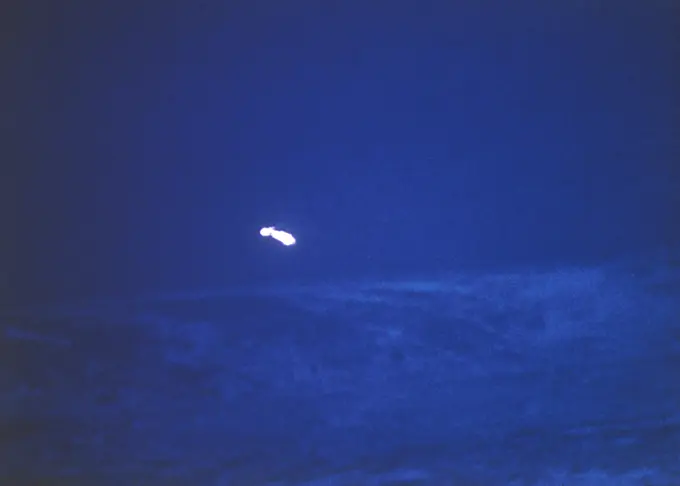
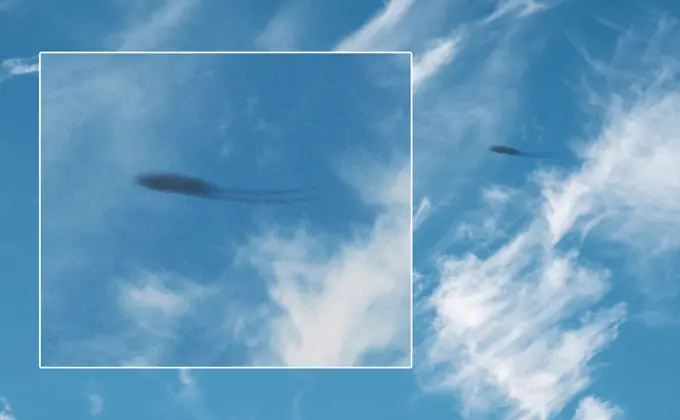
One of the mysterious lights is photographed over the fjell, whose ridge is just visible in the late hours of twilight.   Mysterious lights appear regularly over Hessdalen, Norway, and have never been explained.      Date: 1983
One of the mysterious lights is photographed over the fjell, whose ridge is just visible in the late hours of twilight. Mysterious lights appear regularly over Hessdalen, Norway, and have never been explained. Date: 1983
174 assets in this story
6145-44803210
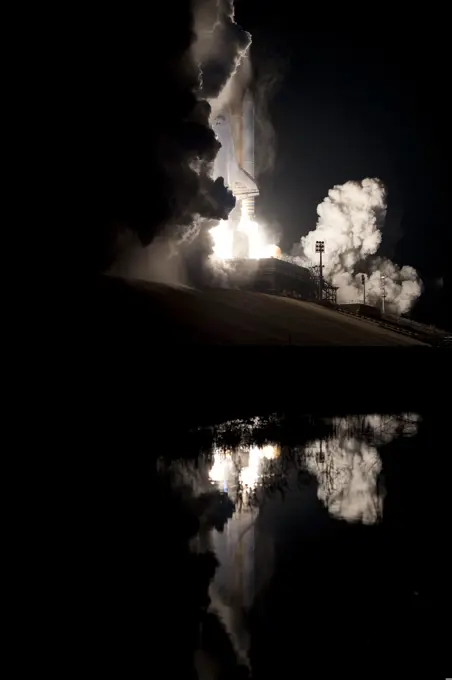
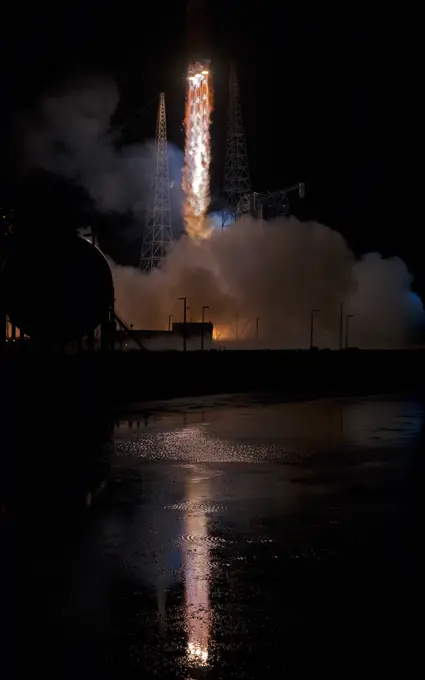
CAPE CANAVERAL, Fla. - Space shuttle Endeavour is partially obscured by its exhaust plume as it begins its climb to orbit from Launch Pad 39A at NASA's Kennedy Space Center in Florida. Launch of the STS-130 mission to the International Space Station was at 4:14 a.m. EST. This was the second launch attempt for space shuttle Endeavour's STS-130 crew and the final scheduled space shuttle night launch. The first attempt on Feb. 7 was scrubbed due to unfavorable weather. The primary payload for the STS-130 mission to the International Space Station is the Tranquility node, a pressurized module that will provide additional room for crew members and many of the station's life support and environmental control systems. Attached to one end of Tranquility is a cupola, a unique work area with six windows on its sides and one on top. The cupola resembles a circular bay window and will provide a vastly improved view of the station's exterior. The multi-directional view will allow the crew to monito
6145-58961148
VANDENBERG AIR FORCE BASE, CALIF. - At Vandenberg Air Force Base in California, a light beam is emitted during LIDAR (LIght Detection And Ranging) laser testing on the CALIPSO spacecraft. CALIPSO stands for Cloud-Aerosol LIDAR and Infrared Pathfinder Satellite Observation. LIDAR measures distance, speed, rotation, chemical composition and concentration. CALIPSO and CloudSat will fly in formation with three other satellites in the A-train constellation to enhance understanding of our climate system. They are highly complementary satellites and together they will provide never-before-seen 3-D perspectives of how clouds and aerosols form, evolve, and affect weather and climate. Launch of CALIPSO_CloudSat aboard a Boeing Delta II rocket is scheduled for 3 01 a.m. PDT Sept. 29.
6145-44914318
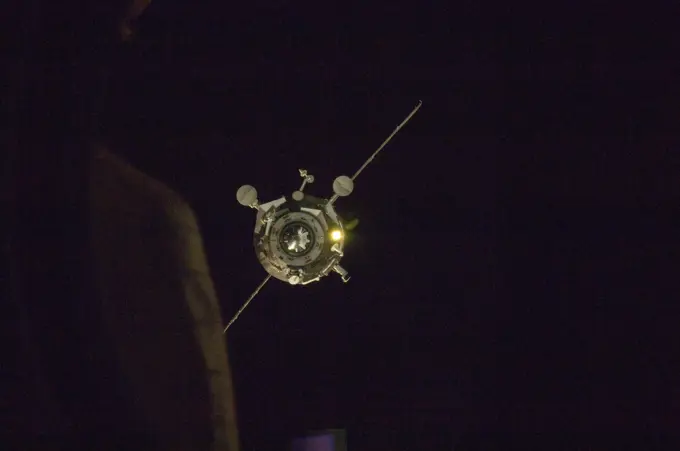
ISS033-E-016956 (31 Oct. 2012) --- An unpiloted ISS Progress resupply vehicle approaches the International Space Station, carrying 2,050 pounds of space station propellant, 62 pounds of oxygen, 42 pounds of air, 926 pounds of water and 2,738 pounds of spare parts, crew supplies and equipment for the Expedition 33 crew members. Progress 49 docked to the stations Zvezda Service Module aft port at 9:33 a.m. (EDT) on Oct. 31, 2012.
6145-44810486
089 nature moon 237
6145-44489261
Expedition 68 Launch. The Soyuz MS-22 rocket is launched to the International Space Station with Expedition 68 astronaut Frank Rubio of NASA, and cosmonauts Sergey Prokopyev and Dmitri Petelin of Roscosmos onboard, Wednesday, Sept. 21, 2022, from the Baikonur Cosmodrome in Kazakhstan. Rubio, Prokopyev, and Petelin will spend approximately six months on the orbital complex, returning to Earth in March 2023.
6145-45184080
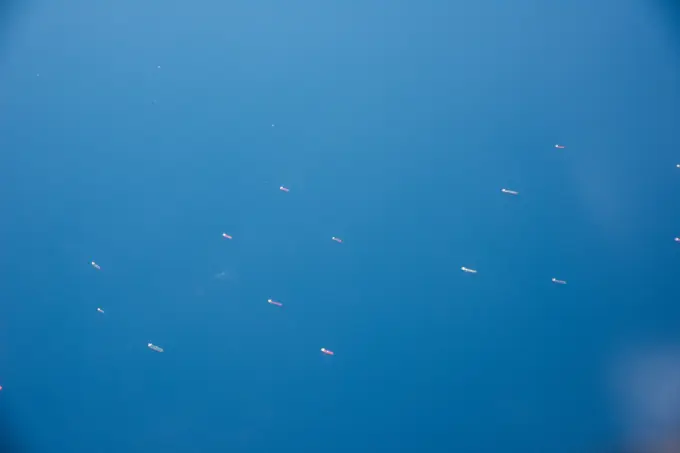
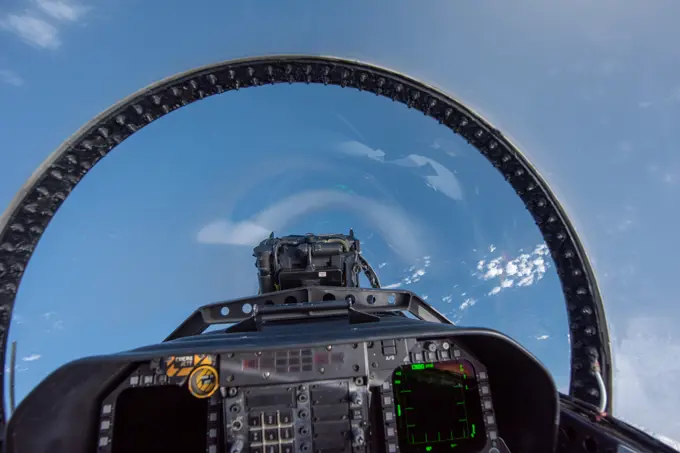
The Gulf of Mexico as seen from NASA photographer Carla Thomas at high altitude in the F/A-18 research aircraft during a flight in support of the Quiet Supersonic Flights 2018 series, or QSF18. The high altitude is necessary as part of the quiet supersonic dive maneuver, climbing to around 50,000 feet, followed by a supersonic, inverted dive. This creates sonic boom shockwaves in a way that they are quieter in a specific area.
1760-25684
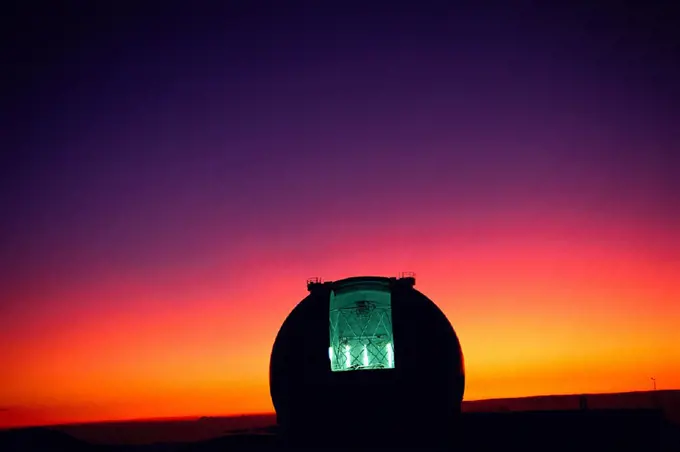
BigIsle, Mauna Kea, Keck Observatory, purple/orange sky sunset, open dome C1604
4128-V58563122
6145-45147666
iss053e470644 (11/20/2017) --- A view of the Asteria Satellite moments after deployment from the International Space Station (ISS). The Arcsecond Space Telescope Enabling Research in Astrophysics (ASTERIA) is a six-unit (6U) CubeSat deployed from the ISS that tests new technologies for astronomical observation, such as the detection of planets outside our solar system (a.k.a., exoplanets).
4239R-20480354
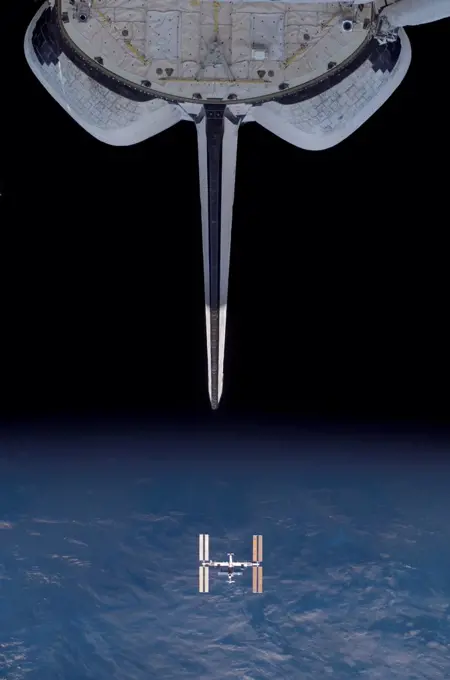
August 19, 2007 - Backdropped by Earth's horizon and the blackness of space, the International Space Station appears to be very small as the Space Shuttle Endeavour departs from the station. Endeavour's vertical stabilizer and orbital maneuvering system (OMS) pods are seen in this image photographed by an STS-118 crewmember onboard the shuttle. Earlier the STS-118 and Expedition 15 crews concluded nearly nine days of cooperative work onboard the shuttle and station. Undocking of the two spacecra
6145-44690944
This artist's concept takes us on a journey to 55 Cancri, a star with a family of five known planets - the most planets discovered so far around a star besides our own.
6145-44484174
NASA's Ingenuity Mars Helicopter acquired this image in the northwest portion of a region of Mars known as Séítah using its high-resolution color camera during its 20th flight on Feb. 25, 2022.
6177-V53809781
6177-V54993031
6145-45070636
Earth Observation taken during a night pass by the Expedition 40 crew aboard the International Space Station (ISS). Folder lists this as Aurora. Part of Space Station Remote Manipulator System (SSRMS) arm is visible.
6145-45175560
At Cape Canaveral Air Force Stations Space Launch Complex 37, the United Launch Alliance Delta IV Heavy rocket with NASA's Parker Solar Probe, lifts off at 3:31 a.m. EDT on Sunday, Aug. 12, 2018. The spacecraft was built by Applied Physics Laboratory of Johns Hopkins University in Laurel, Maryland. The mission will perform the closest-ever observations of a star when it travels through the Sun's atmosphere, called the corona. The probe will rely on measurements and imaging to revolutionize our understanding of the corona and the Sun-Earth connection.
1848-64915858
Observing the Sun with telescope. Solar eclipse telescope solar filter
6177-V54005106
4128R-15515987
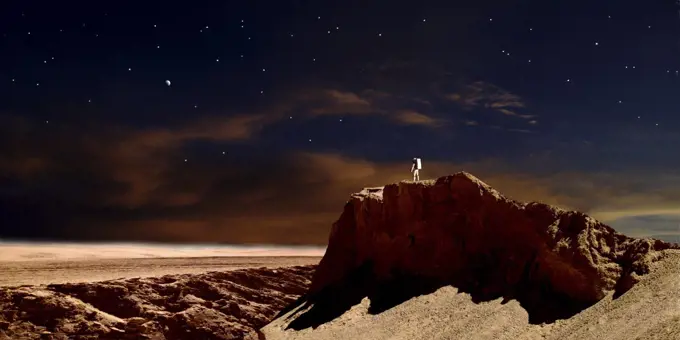
Illustration of an astronaut in front of Mars
6177-V54000054
6145-44820788
ISS023-E-051291 (23 May 2010) --- Space shuttle Atlantis is featured in this image photographed by an Expedition 23 crew member on the International Space Station soon after the shuttle and station began their post-undocking relative separation. Undocking of the two spacecraft occurred at 10:22 a.m. (CDT) on May 23, 2010, ending a seven-day stay that saw the addition of a new station module, replacement of batteries and resupply of the orbiting outpost. A blue and white part of Earth provides the backdrop for the scene.
6177-V54992962
1570-V111111118
6177-V66000813
4413-146551
Rise of the International Space Station toward the zenith
6177-V53827660
1899-18493906
Conceptual look at the planet mars from space with camera cross hairs over the planet as if from a probe, with strong shadow areas covering the surface panoramic
6145-45065163
ISS040-E-069066 (16 July 2014) --- Surrounded by the blackness of space, the Orbital Sciences Cygnus cargo craft is photographed by an Expedition 40 crew member onboard the International Space Station during rendezvous and capture operations. The two spacecraft converged at 6:36 a.m. (EDT) on July 16, 2014.
4239R-272
The artist's depiction of a lone astronaut on another planet depicts the huge vastness of space, the loneliness of exploration, the potential danger of being in a strange, unknown land and utterly alone in both time and distance from other human assistance, and that single astronaut just has to be concerned about every decision he will be called upon to make
6145-44711044
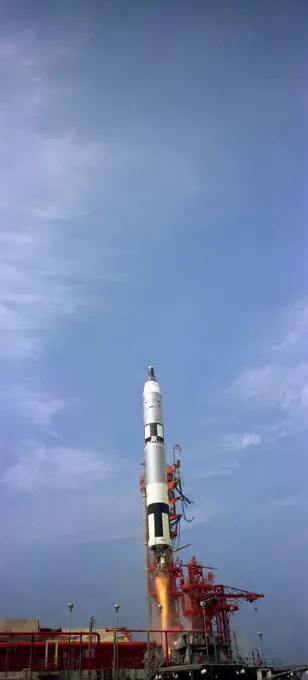
S66-24465 (16 March 1966) --- The Gemini-Titan 8 (GT-8), carrying astronauts Neil A. Armstrong, command pilot, and David R. Scott, pilot, was successfully launched by the National Aeronautics and Space Administration's
6145-44527628
This image, acquired by NASA's Terra satellite on July 29, 2001 shows advancing lava flows on the southern flank of Mt. Etna above the town of Nicolosi.
1899-50027
Air discharge lightning on right illustrates lightning channel tortuosity, with cloud-to-ground discharges on left.  Tucson, Arizona, USA.
4197-66705387
Spacecraft, ufo in sky and alien on camera screen outdoor, science fiction fantasy or conspiracy theory. Evidence of extraterrestrial spaceship blur, surreal saucer fly in clouds and camcorder record
6145-50608908
A840997 U4AC EG&G RADIS EXPERIMENT BOB KITCHEN (Project Engineer) AUG 27 84EG&G/NTS PHOTO LAB Publication Date: 8/27/1984  AC-TUNNEL; EDGERTON, GERMESHAUSEN & GRIER; EG&G; EG&G RADIS EXPERIMENT; EQUIPMENT; EQUIPMENT & INSTRUMENTS; EQUIPMENT (SNL); EXPERIMENTS; INSTRUMENTS & EQUIPMENT; INSTRUMENTS AND EQUIPMENT; NEVADA; NEVADA TEST SITE; NTS; NUCLEAR ENERGY TECHNOLOGY; NUCLEAR TESTING; RADIS; RADIS EXPERIMENT; SENSORS; TEST SITES; UGT; UNDERGROUND TESTING  historical images. 1972 - 2012. Department of Energy. National Nuclear Security Administration. Photographs Related to Nuclear Weapons Testing at the Nevada Test Site.
6177-V70818768
6145-58962540
VANDENBERG AIR FORCE BASE, CALIF. - At Vandenberg Air Force Base in California, light beams are emitted during LIDAR (LIght Detection And Ranging) laser testing on the CALIPSO spacecraft. CALIPSO stands for Cloud-Aerosol LIDAR and Infrared Pathfinder Satellite Observation. LIDAR measures distance, speed, rotation, chemical composition and concentration. CALIPSO and CloudSat will fly in formation with three other satellites in the A-train constellation to enhance understanding of our climate system. They are highly complementary satellites and together they will provide never-before-seen 3-D perspectives of how clouds and aerosols form, evolve, and affect weather and climate. Launch of CALIPSO_CloudSat aboard a Boeing Delta II rocket is scheduled for 3 01 a.m. PDT Sept. 29.
6177-V53472056
4220-21836700
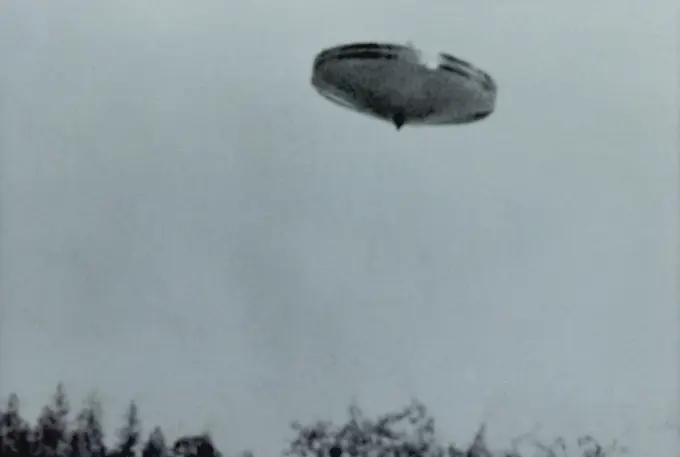
Contactee Daniel Fry, thanks to his extraterrestrial  friends, was able to film this spinning UFO over Merlin, Oregon.     Date: May 1964
6145-45008767
Caption: A NASA-funded sounding rocket launches into an aurora in the early morning of March 3, 2014, over Venetie, Alaska. The GREECE mission studies how certain structures - classic curls like swirls of cream in coffee -- form in the aurora.
1815-18396627
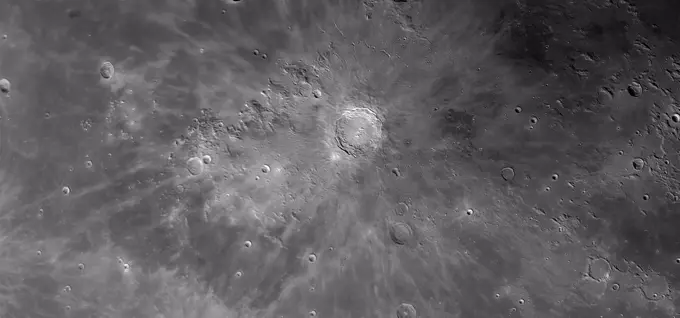
Astrophotography of Copernicus Crater
6145-44486667
The city of Asahikawa, on Japan's northern island of Hokkaido, is pictured during an orbital night pass from the International Space Station at an altitude of 264 miles above the Sea of Japan.
6145-58966062
STS134-S-060 (16 May 2011) --- Photographed from a shuttle training aircraft, space shuttle Endeavour and its six-member STS-134 crew head toward Earth orbit and rendezvous with the International Space Station. Liftoff was at 8:56 a.m. (EDT) on May 16, 2011, from Launch Pad 39A at NASA's Kennedy Space Center. Onboard are NASA astronauts Mark Kelly, commander; Greg H. Johnson, pilot; Michael Fincke, Andrew Feustel, Greg Chamitoff and European Space Agency astronaut Roberto Vittori, all mission specialists. STS-134 will deliver the Alpha Magnetic Spectrometer-2 (AMS), Express Logistics Carrier-3, a high-pressure gas tank and additional spare parts for the Dextre robotic helper to the International Space Station. STS-134 is the final spaceflight for Endeavour.
1815-76040082
3d cartoon astronaut exploring space standing on moon with distant planet
6177-V53617160
6145-45274590
iss063e010584 (5/11/2020) --- The Northrop Grumman (NG)-13 Cygnus vehicle (S.S. Robert Henry Lawrence Jr.) cargo craft is pictured in the grips of the Canadarm2 robotic arm shortly before its departure from the International Space Station (ISS) for a destructive re-entry over the South Pacific Ocean. Seen in the view is the High Definition Earth Viewing (HDEV) payload attached to the Cygnus. The HDEV experiment, deployed and activated in April 2014, placed four commercially available HD cameras on the exterior of the space station and used them to stream live video of Earth for viewing online. Almost 350 million viewers visited the site over HDEVs life span.
4197-65961638
UFO, alien and viewfinder on a camera screen to record a flying saucer in the sky over area 51. Camcorder, sighting and conspiracy with a spaceship on a recording device display outdoor in nature
4220-21896706
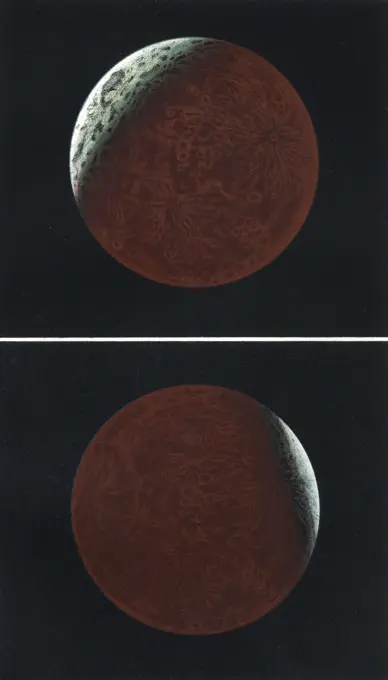
 Total and partial eclipses  of the Moon.        Date: 1877
6177-V53614354
6145-54494676
At 7:59 am PDT the second of two unarmed Minuteman III Intercontinental Ballistic Missiles is successfully launched. At 7:59 am PDT the second of two unarmed Minuteman III Intercontinental Ballistic Missiles is successfully launched.
6145-44932158
Earth Observations taken by Expedition 34 crewmember.
4186-73267863
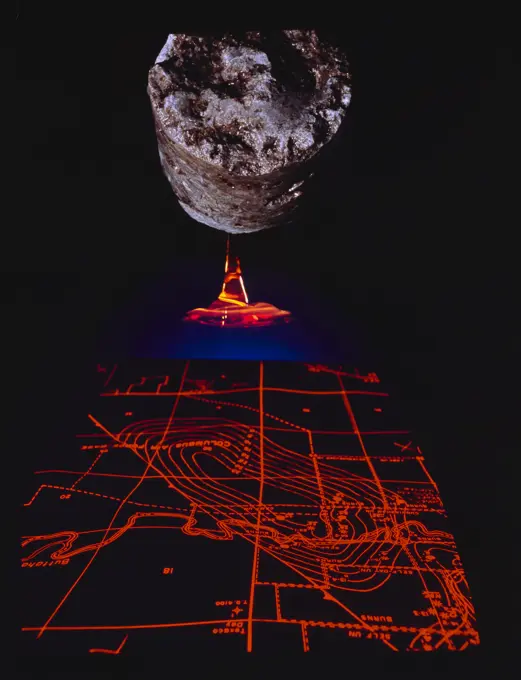
Vintage Photograph. Geological mapping and analysis with core sample visualization.
6145-44835256
The Soyuz TMA-01M rocket launches from the Baikonur Cosmodrome in Kazakhstan on Friday, October 8, 2010 carrying Expedition 25 Soyuz Commander Alexander Kaleri of Russia, NASA Flight Engineer Scott J. Kelly and Russian Flight Engineer Oleg Skripochka to the International Space Station. Their Soyuz TMA-01M rocket launched at 5:10 a.m Kazakhstan time.  (
6177-V53621479
4389-1528
Chasma Boreale by Mars Odyssey
6145-45240186
AS15-88-11894 (31 July-2 Aug. 1971) --- A close-up view of a commemorative plaque left on the moon at the Hadley-Apennine landing site in memory of 14 NASA astronauts and USSR cosmonauts, now deceased. Their names are inscribed in alphabetical order on the plaque. The plaque was stuck in the lunar soil by astronauts David R. Scott, commander, and James B. Irwin, lunar module pilot, during their Apollo 15 lunar surface extravehicular activity (EVA). The names on the plaque are Charles A. Bassett II, Pavel I. Belyayev, Roger B. Chaffee, Georgi Dobrovolsky, Theodore C. Freeman, Yuri A. Gagarin, Edward G. Givens Jr., Virgil I. Grissom, Vladimir Komarov, Viktor Patsayev, Elliot M. See Jr., Vladislav Volkov, Edward H. White II, and Clifton C. Williams Jr. The tiny, man-like object represents the figure of a fallen astronaut/cosmonaut. While astronauts Scott and Irwin descended in the Lunar Module (LM) Falcon to explore the Hadley-Apennine area of the moon, astronaut Alfred M. Worden, command
6145-44515034
KENNEDY SPACE CENTER, Fla. -- Endeavours drag chute is deployed to slow its speed for landing on Runway 15 at the Shuttle Landing Facility at 6:03 p.m. EST. At the controls is Commander Brent Jett, completing the successful 10-day, 19-hour and 58-minute-long STS-97 mission. Other crew members on board are Pilot Michael Bloomfield and Mission Specialists Joseph Tanner, Carlos Noriega and Marc Garneau, with the Canadian Space Agency. On the 4.4-million-mile mission, Endeavour carried the P6 Integrated Truss Structure with solar arrays to power the International Space Station. The arrays and other equipment were installed during three EVAs that totaled 19 hours, 20 minutes. Endeavour was docked with the Space Station for 6 days, 23 hours, 13 minutes. This is the 16th nighttime landing for a Space Shuttle and the 53rd at Kennedy Space Center
4413-129156
French-Italian station Concordia Polar Night Antarctic
6145-45184299
NASA test pilots perform the quiet supersonic dive maneuver off the coast of Galveston, Texas to create a quieter version of the sonic boom, in order to obtain recruited community survey feedback data. The test pilot climbs to around 50,000 feet, followed by a supersonic, inverted dive. This creates sonic boom shockwaves in a way that they are quieter in a specific area. Meanwhile, NASA researchers match community feedback to the sound levels of the flights, using an electronic survey and microphone monitor stations on the ground. This is preparing NASA for community response models for the future X-59 QueSST.
6145-58968028
JSC2012-E-063490 (5 June 2012) --- The June 5, 2012 transit of Venus, the small dot to the right of center, was captured by a Johnson Space Center photographer in Rocket Park. A Mercury-Redstone vehicle on display in the park is seen at left.
6145-44897094
The tail end of the flame from the Soyuz TMA-05M rocket is seen after it launched from the Baikonur Cosmodrome in Kazakhstan on Sunday, July 15, 2012 carrying Expedition 32 Soyuz Commander Yuri Malenchenko, NASA Flight Engineer Sunita Williams and JAXA (Japan Aerospace Exploration Agency) Flight Engineer Akihiko Hoshide to the International Space Station.
6145-44492763
Artemis I Launch. Guests at the Banana Creek viewing site watch the launch of NASAs Space Launch System rocket carrying the Orion spacecraft on the Artemis I flight test, Wednesday, Nov. 16, 2022, at NASAs Kennedy Space Center in Florida. NASAs Artemis I flight test is the first integrated flight test of the agencys deep space exploration systems: the Orion spacecraft, Space Launch System (SLS) rocket, and ground systems. SLS and Orion launched at 1:47 a.m. EST, from Launch Pad 39B at the Kennedy Space Center.
6145-45175340
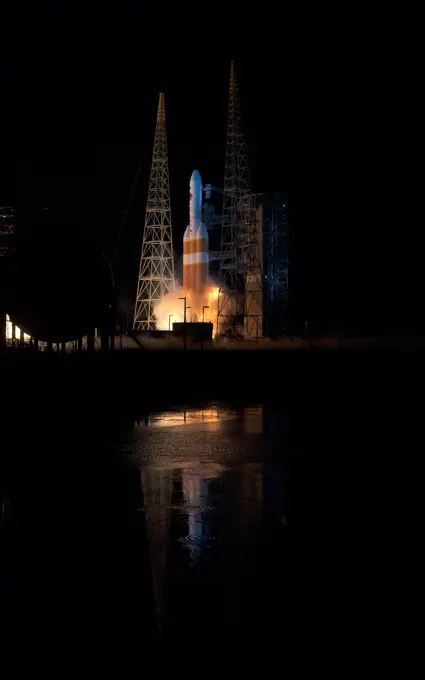
At Cape Canaveral Air Force Stations Space Launch Complex 37, the United Launch Alliance Delta IV Heavy rocket with NASA's Parker Solar Probe, lifts off at 3:31 a.m. EDT on Sunday, Aug. 12, 2018. The spacecraft was built by Applied Physics Laboratory of Johns Hopkins University in Laurel, Maryland. The mission will perform the closest-ever observations of a star when it travels through the Sun's atmosphere, called the corona. The probe will rely on measurements and imaging to revolutionize our understanding of the corona and the Sun-Earth connection.
6145-44496966
99-E-10027 (23 July 1999) --- The Chandra X-Ray observatory and its upper stage were captured during separation from the Space Shuttle Columbia with the STS-93 HDTV Camcorder inside the crew cabin.
1899-50017
View of separated lightning strokes in a cloud-to-ground lightning strike over city at night.  This picture of scientific interest was made possible by zooming a photographic lens during the full interval of the lightning flash, thereby separating and recording on film each electrical stroke contained within the strike.  And the effect of zooming records the city lights as streaks across the film. Tucson, Arizona, USA.
7172-70186611
USA, Arizona, Buckeye. Comet Neowise spews trail over White Tank Mountains and desert.
6145-45254135
STS117-S-013 (8 June 2007) --- The drifting smoke plumes from the launch of Space Shuttle Atlantis (out of frame) swirl above the Vehicle Assembly Building near sunset. Atlantis and its seven-member STS-117 crew head toward Earth-orbit and a scheduled link-up with the International Space Station. Liftoff from Kennedy Space Center's launch pad 39A occurred at 7:38 p.m. (EDT) on June 8, 2007. Onboard are astronauts Rick Sturckow, commander; Lee Archambault, pilot; Jim Reilly, Patrick Forrester, John "Danny" Olivas, Steven Swanson and Clayton Anderson, all mission specialists. Anderson will join Expedition 15 in progress to serve as a flight engineer aboard the station. Atlantis will dock with the orbital outpost on Sunday, June 10, to begin a joint mission that will increase the complex's power generation capability. Using the shuttle and station robotic arms and conducting three scheduled spacewalks, the astronauts will install another set of giant solar array wings on the station and r
6145-44719361
S73-27096 (25 May 1973) --- The Skylab 2 crew, consisting of astronauts Charles Conrad Jr., Joseph P. Kerwin and Paul J. Weitz, inside the command module atop a Saturn IB launch vehicle, heads toward the Skylab space station in Earth orbit. The command module was inserted into Earth orbit approximately 10 minutes after liftoff. The three represent the first of three crews who will spend record-setting durations for human beings in space, while performing a variety of experiments.
6145-45063622
Members of the media are unable to see the launch of the United Launch Alliance Delta II rocket with the Orbiting Carbon Observatory-2 (OCO-2) satellite onboard due to heavy fog at Vandenberg Air Force Base, Calif. on Wednesday, July 2, 2014. OCO-2 launched at 2:56 a.m. PDT. OCO-2 will measure the global distribution of carbon dioxide, the leading human-produced greenhouse gas driving changes in Earths climate.
6162-49115628
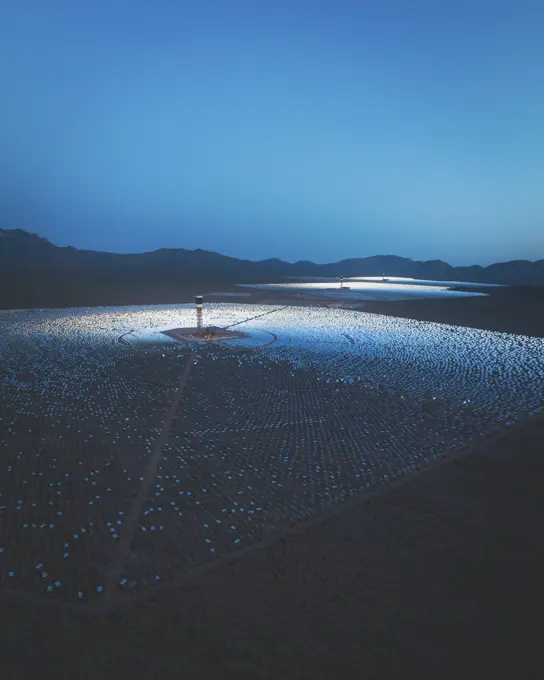
Aerial view of a concentrated solar thermal plant, Mojave Desert, California, near Las Vegas, United States.
6145-44640929
KENNEDY SPACE CENTER, FLA.    Spectators and photographers enjoy the view as the NASA New Horizons spacecraft clears the horizon six seconds into the launch (as seen on the countdown clock at left). The spacecraft lifted off on time at 2 p.m. EST aboard an Atlas V rocket from Complex 41 on Cape Canaveral Air Force Station in Florida.  This was the third launch attempt in as many days after scrubs due to weather concerns.   The compact, 1,050-pound piano-sized probe will get a boost from a kick-stage solid propellant motor for its journey to Pluto. New Horizons will be the fastest spacecraft ever launched, reaching lunar orbit distance in just nine hours and passing Jupiter 13 months later. The New Horizons science payload, developed under direction of Southwest Research Institute, includes imaging infrared and ultraviolet spectrometers, a multi-color camera, a long-range telescopic camera, two particle spectrometers, a space-dust detector and a radio science experiment. The dust count
6145-44482383
A lightning strike was recorded at Launch Complex 39B at NASAs Kennedy Space Center in Florida on Sept. 12, 2022. NASAs Space Launch System (SLS) and Orion spacecraft atop the mobile launcher are on the launch pad in preparation for the Artemis I mission. The lightning strike was recorded by cameras stationed at the pad and mobile launcher using a special filter called a “clear day frame,” which provides an overlay of the raw frame on a reference image. Artemis I will be the first integrated test of the SLS and Orion spacecraft. In later missions, NASA will land the first woman and the first woman of color on the surface of the Moon, paving the way for a long-term lunar presence and serving as a steppingstone on the way to Mars.
6145-45080074
A plaque affixed to the side of a Magnetospheric Multiscale, or MMS, observatory dedicates the mission to George S. Moore, now deceased, an engineer who was a beloved colleague and friend to the MMS team. MMS, led by a team from NASA's Goddard Space Flight Center, is a Solar Terrestrial Probes mission consisting of four identically instrumented spacecraft that will use Earths magnetosphere as a laboratory to study the microphysics of three fundamental plasma processes: magnetic reconnection, energetic particle acceleration and turbulence. Launch aboard a United Launch Alliance Atlas V rocket from Space Launch Complex 41 on Cape Canaveral Air Force Station is targeted for March 12, 2015.
6145-52930680
. PHOTO DATE: 10-09-22LOCATION: Flagstaff, ArizonaSUBJECT: Photographic coverage of JETTS3 engineering night run 4. Joint EVA Test Team (JETT) Field Testing - JETT 3 fully integrated mission scale test to ensure successful surface operations and technology development for Artemis III.PHOTOGRAPHER: BILL STAFFORD
4197-65961642
News, nature and broadcast of a ufo on television for science fiction or information on earth. Sky, universe and a spaceship or futuristic alien glow for fantasy or knowledge of the galaxy on tv
PREVIOUS
of 2
NEXT
2401 S. Ervay, Suite 206
Dallas, Texas 75215
United States
Get Started
Free ResearchMy BoardsMy Cart
For Creators
How To License Your ContentContributor PortalFrame of Mind
Resources
API accessPricing
Contact
+1 866 236 0087help@viewpictures.co.uk Contact form
©2026 View Pictures. All Rights Reserved. -A
This site is protected by reCAPTCHA and Google Privacy Policy and Terms of Service apply.