Vintage Asian Vases and Bottles

A collection of decorative vases and bottles showcasing various styles and glazes from different Asian dynasties, featuring intricate patterns and historic craftsmanship.

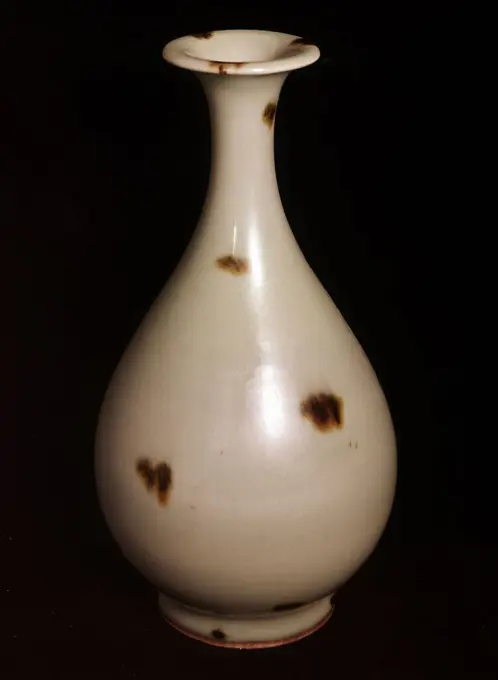
Vase (usual name). Sandstone, celadon, incised decor. Cernuschi Museum, Asia Museum of Asia in the city of Paris.
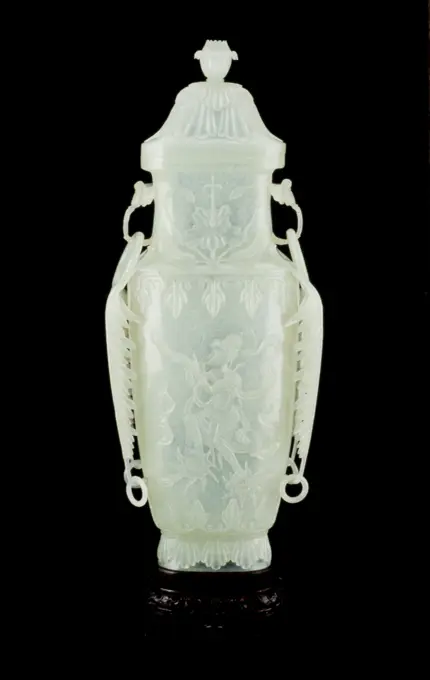
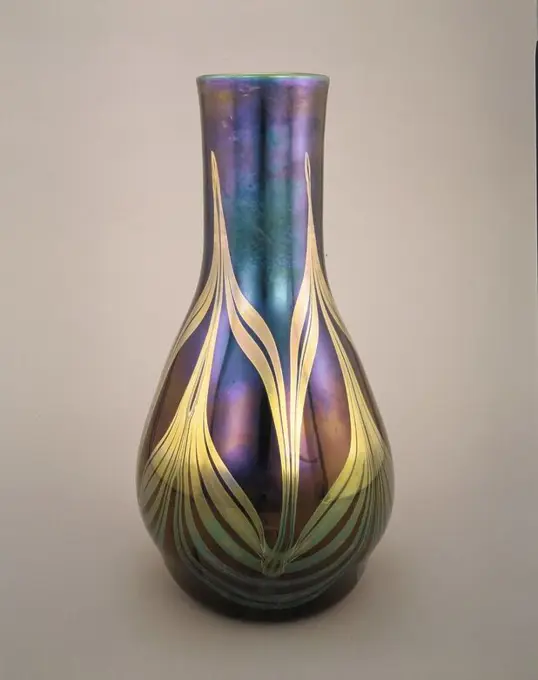
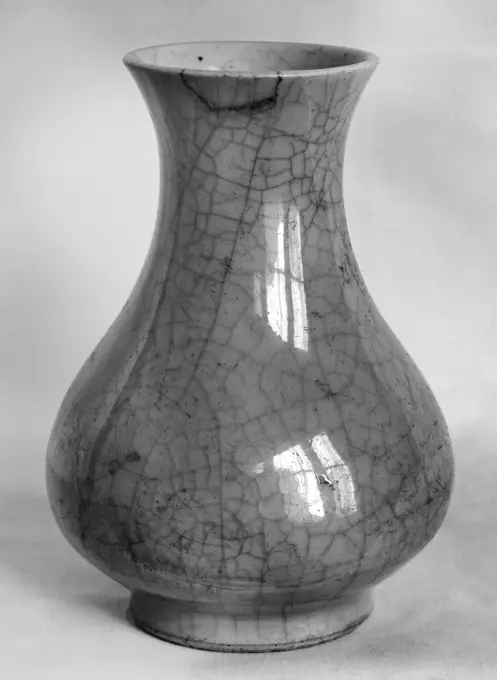
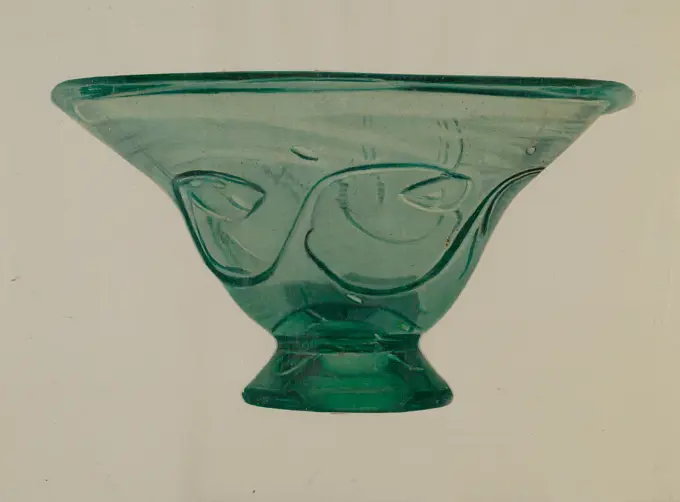
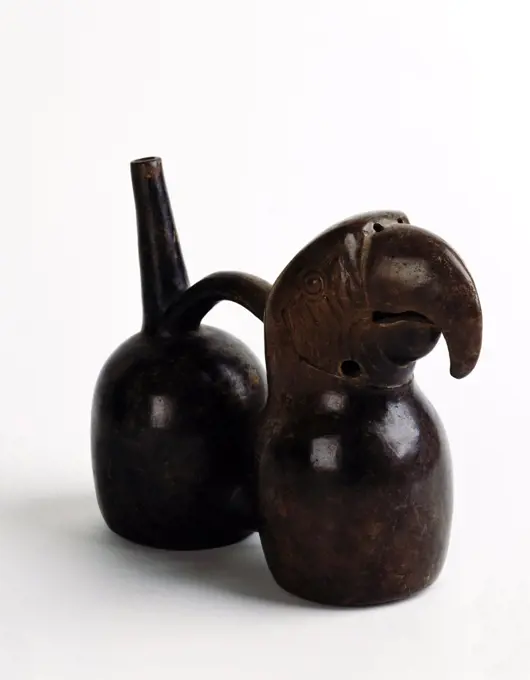
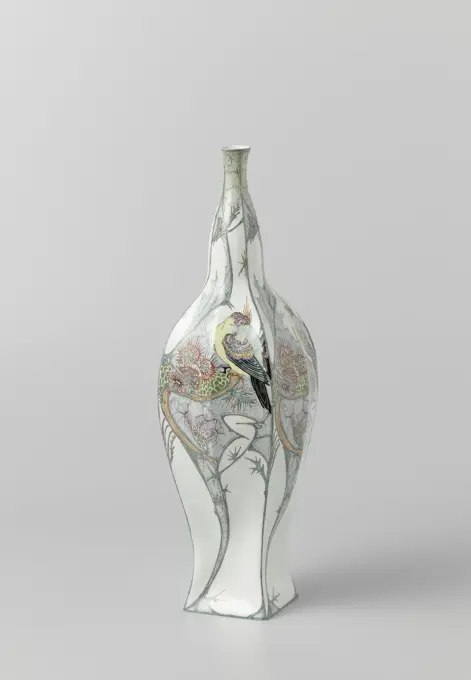
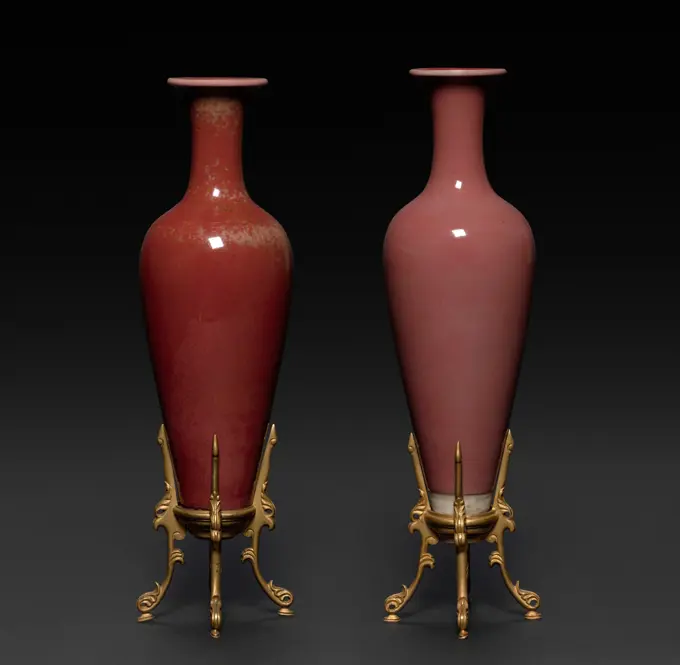
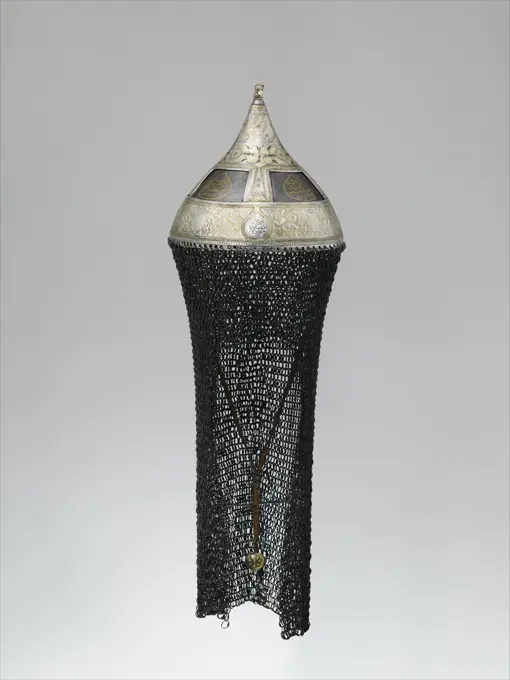
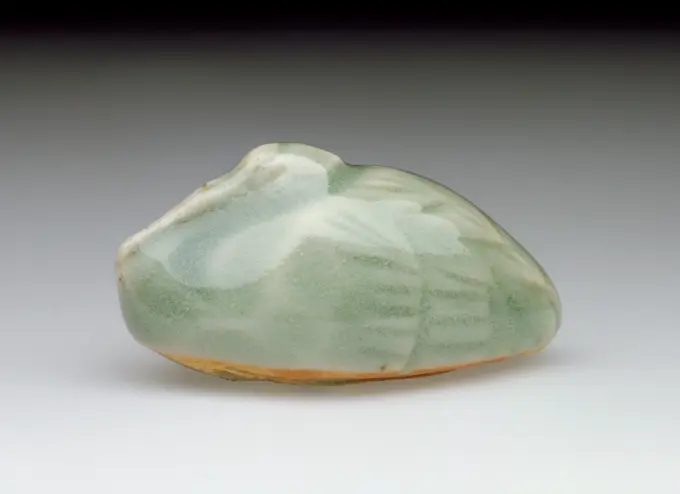
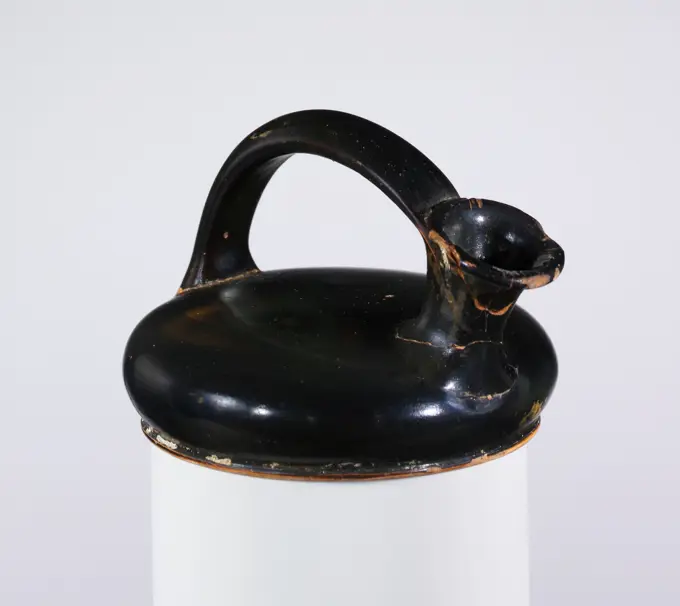
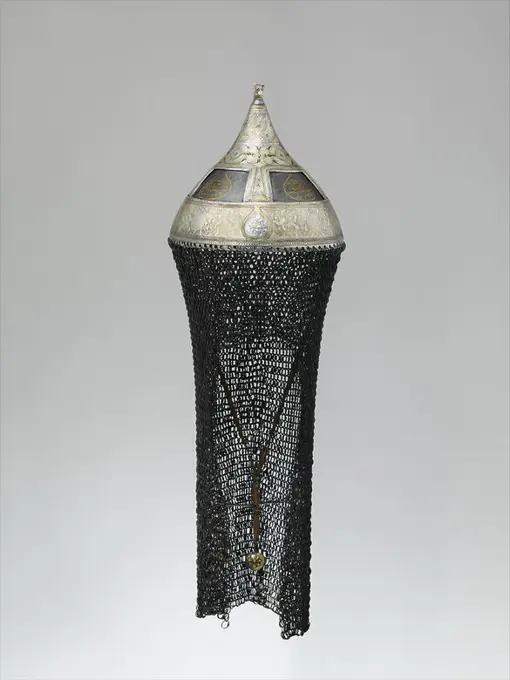
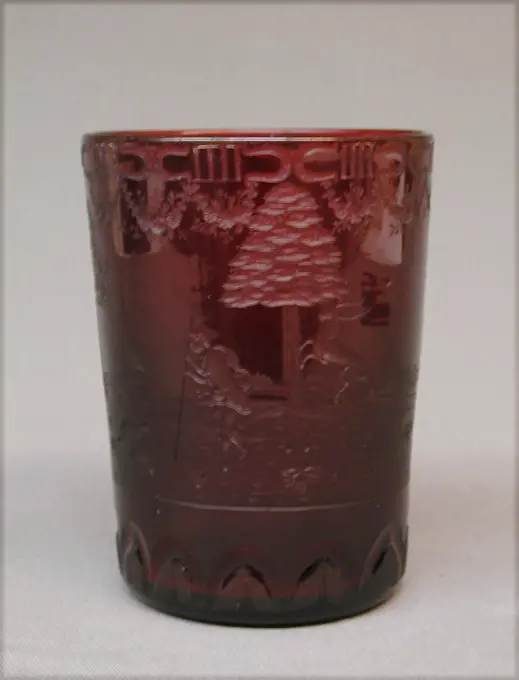
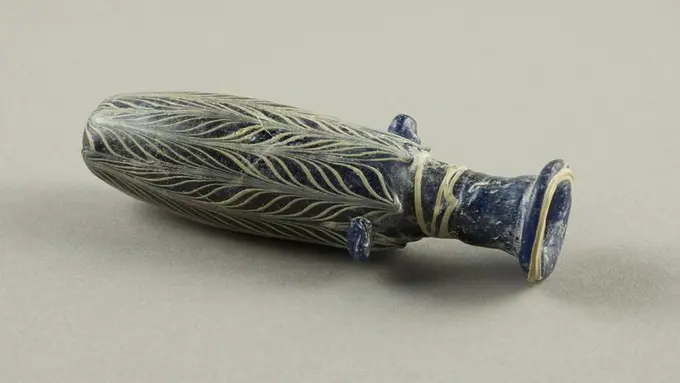
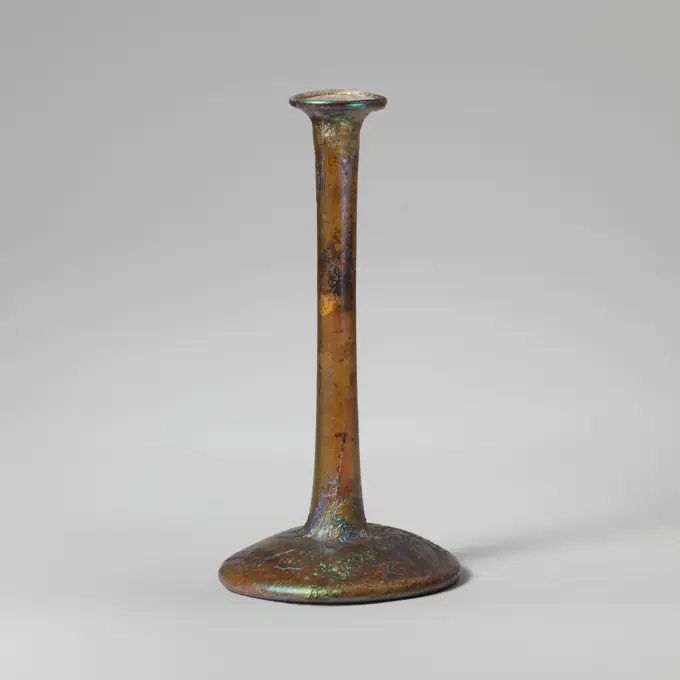
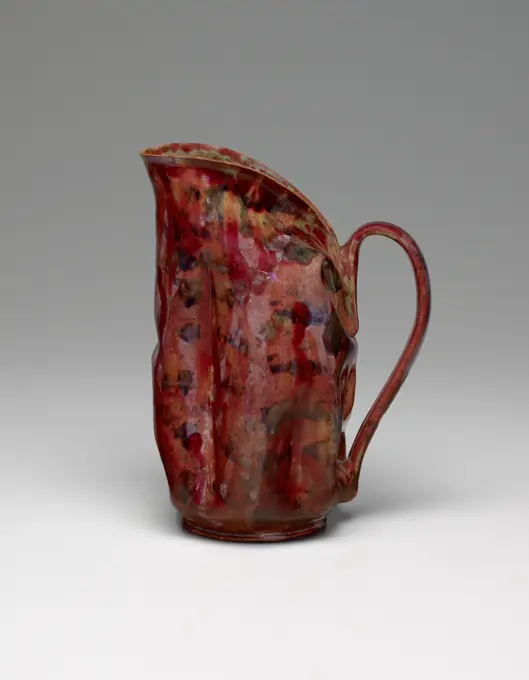
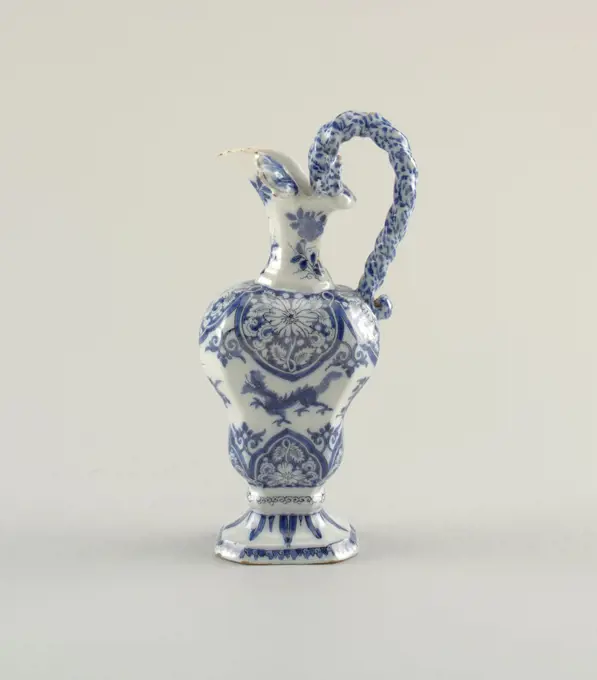
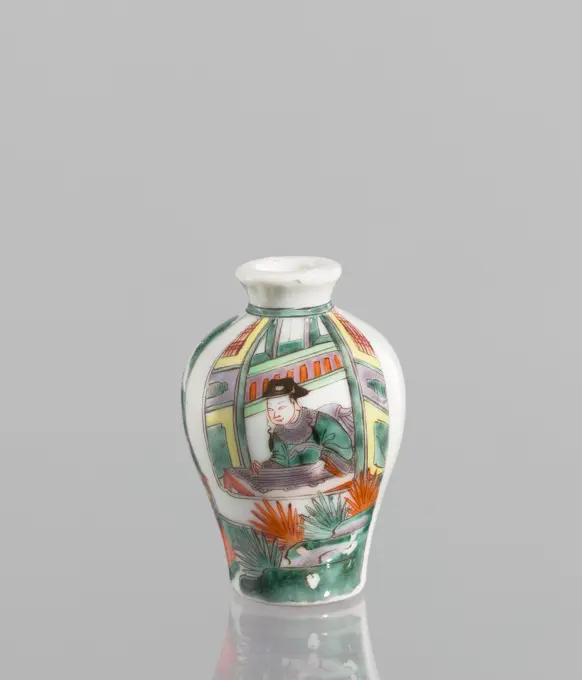
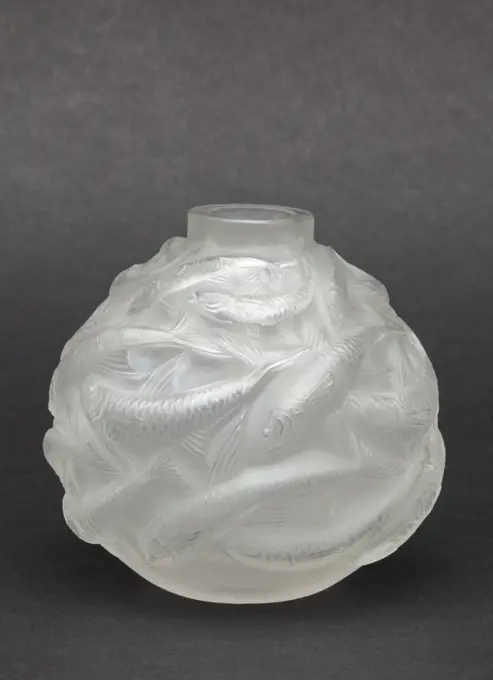
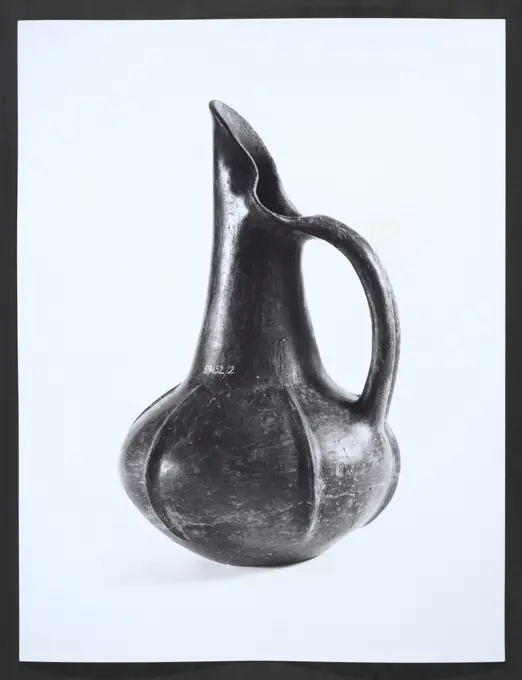
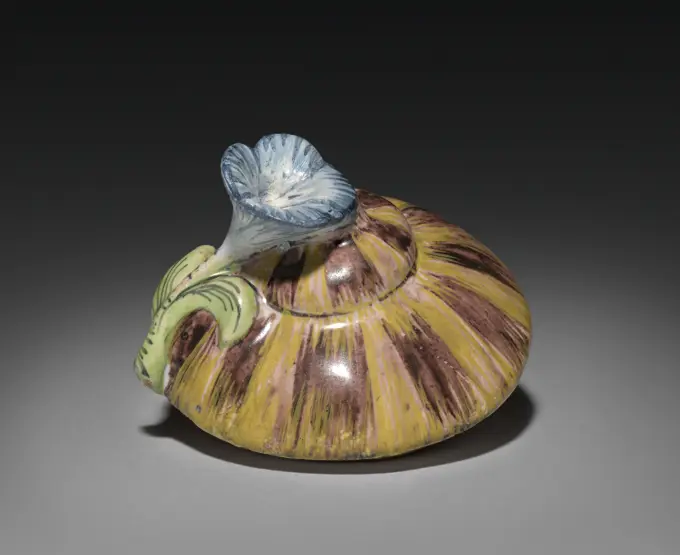
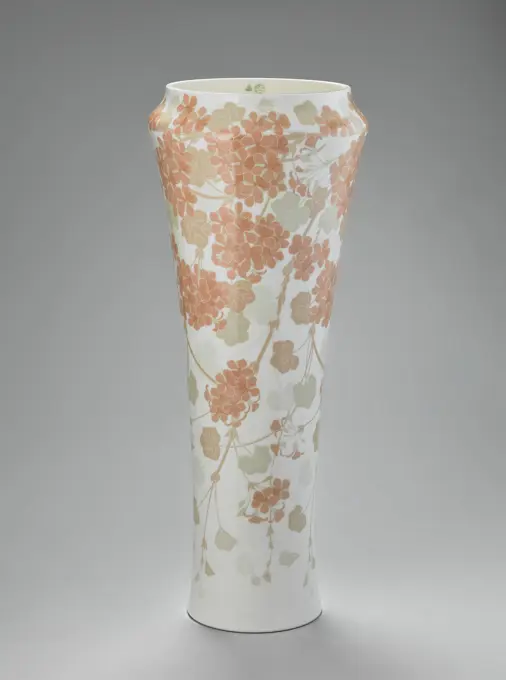
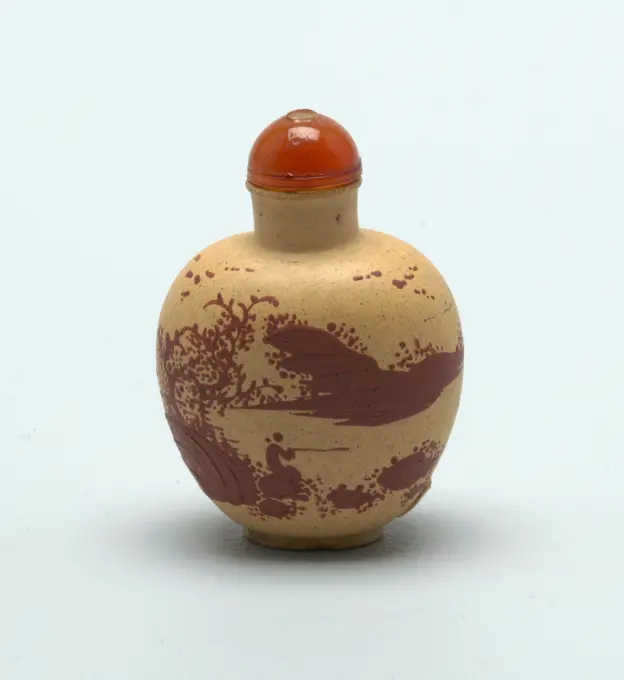
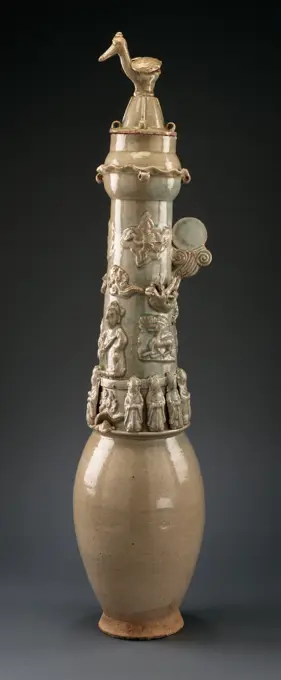
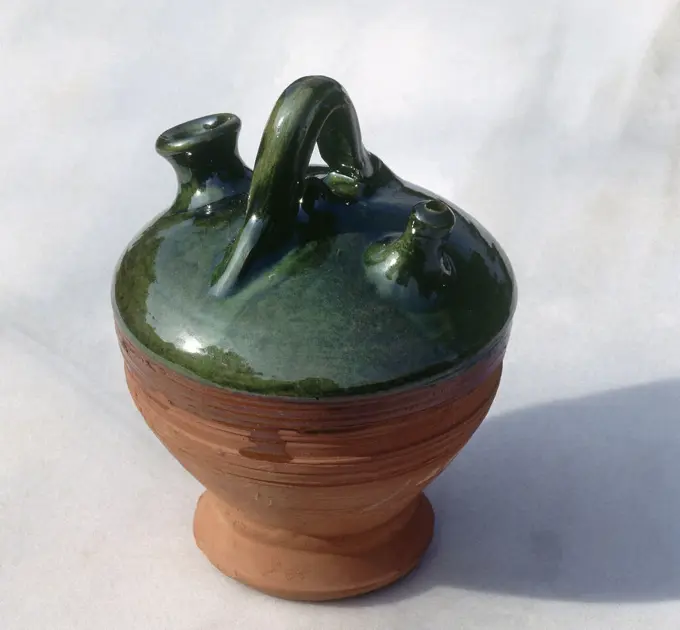
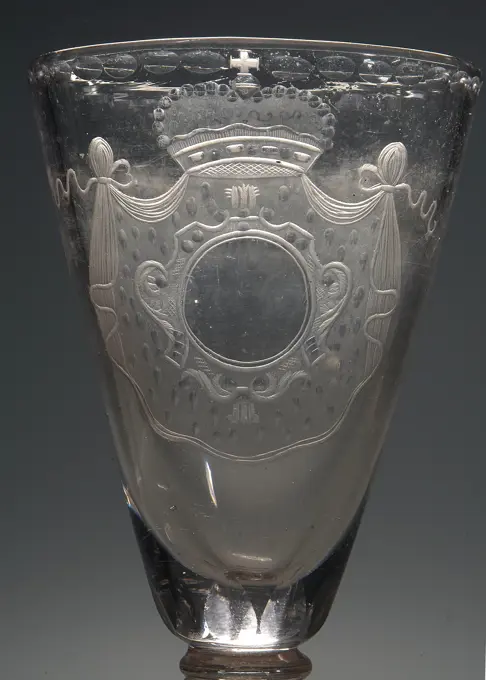
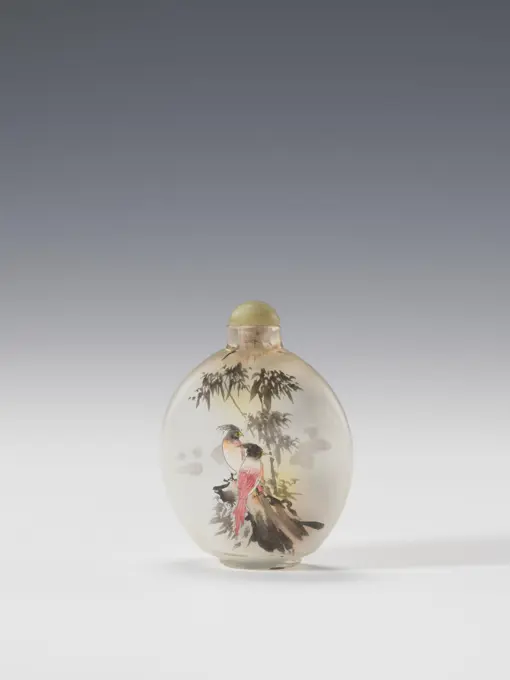
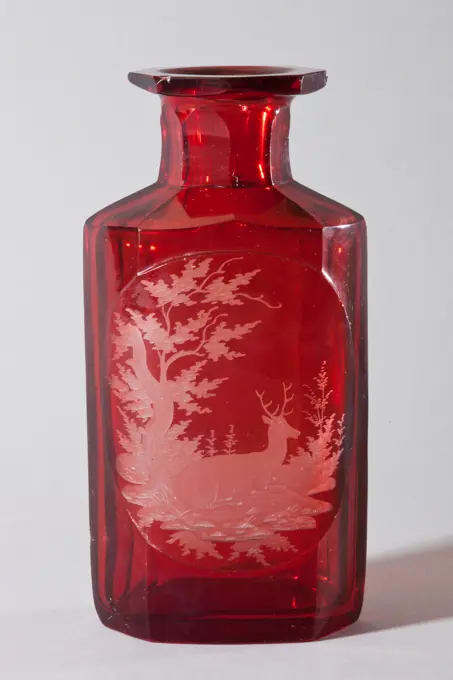
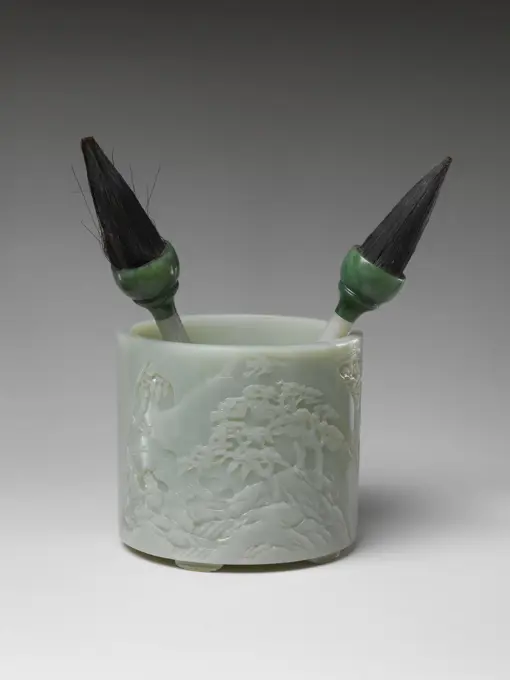
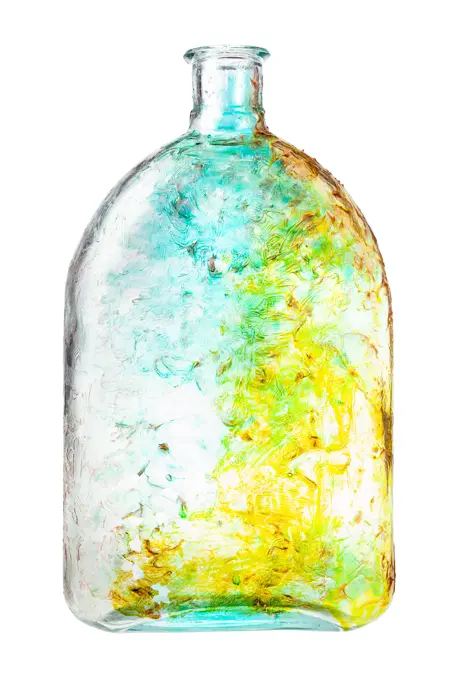
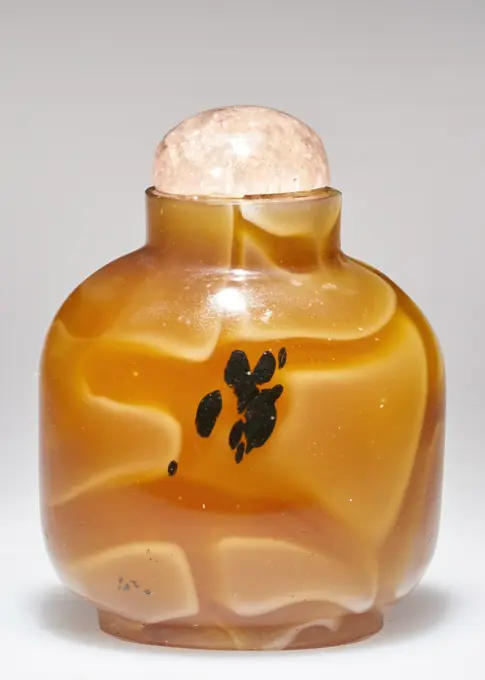
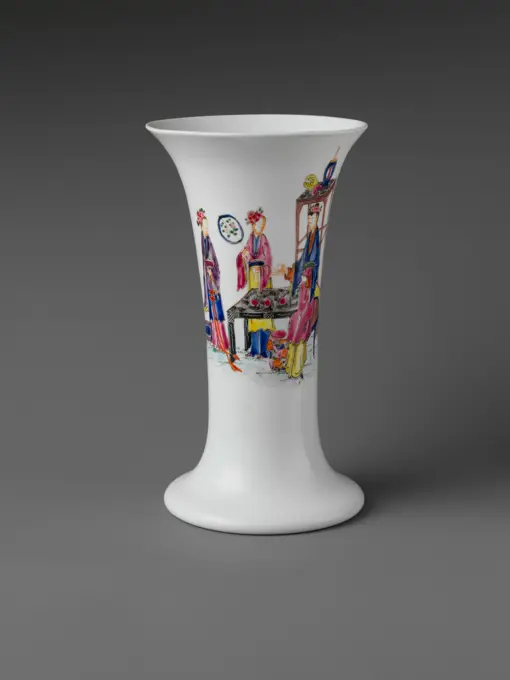
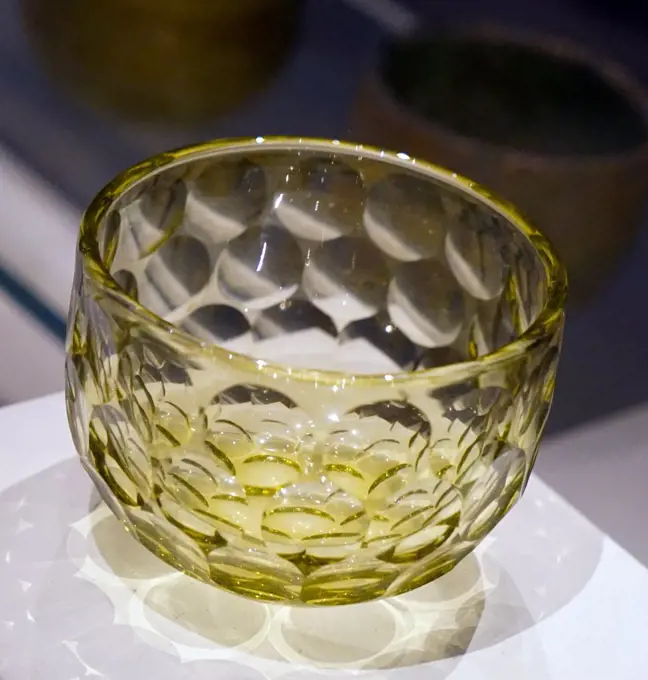
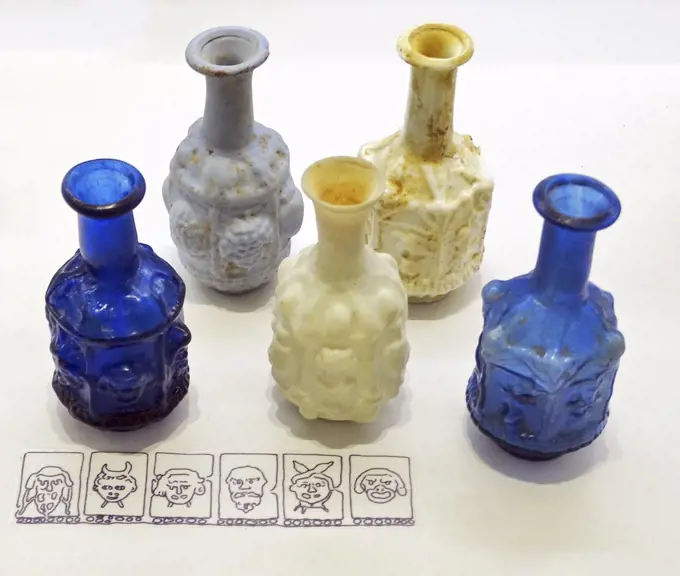
water jug, Purepecha culture, Mexico, collected in 1994, clay, natural pigments and varnish, Anthropology National Museum, Madrid, Spain.Vase, 1736-1795, 11in. (27.9cm), White 'camphor' jadeite, China, 18th centuryVase (China); porcelainVase. Culture: China. Dimensions: H. 5 in. (12.7 cm); Diam. 4 in. (10.2 cm). Date: 19th century. Museum: Metropolitan Museum of Art, New York, USA.Water pot probably 19th century Chinese. Water pot 461502Vase. Culture: American. Designer: Designed by Louis Comfort Tiffany (American, New York 1848-1933 New York). Dimensions: H. 14 1/2 in. (36.8 cm). Maker: Tiffany Glass and Decorating Company (American, 1892-1902). Date: 1893-96. Museum: Metropolitan Museum of Art, New York, USA.Vase. Jagmin, Stanisław (1875-1961), authorVase early 18th century China. Vase. China. early 18th century. Porcelain painted with crackled green glaze (Jingdezhen ware). Qing dynasty (1644-1911). CeramicsPitcher 1875-79 Dallas Pottery. Pitcher 5787Miniature vase (one of a pair) late 18th-early 19th century Chinese, for European market. Miniature vase (one of a pair) 205407American 20th Century, Bowl, 1935 1942 BowlParrot Double-Chambered Stirrup Vessel from Viru' Valley,  Peru,  USA,  Florida,  Jacksonville,  The Museum of Contemporary Art,  Moche Ceramic Collection,  circa 200-500 A.D.Cosmetic creams on grey backgroundVaas, N.V. Haagsche Plateel Factory Rozenburg, 1900 Vase of porcelain on square base, multi -colored painted with birds and thistles. The four walls have a rib in the middle. The long neck is round and runs narrower to the mouth. The four sides are decorated in the same way. The Hague porcelain Vase of porcelain on square base, multi -colored painted with birds and thistles. The four walls have a rib in the middle. The long neck is round and runs narrower to the mouth. The four sides are decorated in the same way. The Hague porcelainCoffeepot ca. 1755 Style of Whieldon type. Coffeepot. British, Staffordshire. ca. 1755. Lead-glazed earthenware. Ceramics-PotteryVase 1880-90. Vase 9527Snuff Bottle in the Shape of a Leaf early 19th century China. Snuff Bottle in the Shape of a Leaf. China. early 19th century. White porcelain with pink tourmaline stopper. Qing dynasty (1644-1911). Snuff BottlesPair of Bottles with Peach Bloom Glaze, 1662-1722. China, Qing dynasty (1644-1911), Kangxi reign (1661-1722). Porcelain; overall: 14.6 cm (5 3/4 in.); part 2: 15.3 cm (6 in.).Helmet dated A.H. 1223/A.D. 1808-9 Crimean or South Russian The Arabic inscriptions include the names of the maker and the owner, the latter apparently a descendant of the ruling house of the Crimean Tartars.. Helmet 24026Tumbler. Culture: American. Dimensions: H. 3 3/4 in. (9.5 cm). Maker: Probably Hobbs, Brockunier and Company (1863-1891). Date: after 1886. Museum: Metropolitan Museum of Art, New York, USA.Resting Swan. Mashimizu Zōroku (Japan, Kyoto, 1822-1877). Japan, mid- to late 19th century. Costumes; Accessories. Porcelain with celadon glazeTerracotta askos (flask with a spout and handle over the top) mid-5th century B.C. Greek, Attic Flask with a spout and handle over the top and no decoration.. Terracotta askos (flask with a spout and handle over the top) 255614Helmet. Culture: Crimean or South Russian. Dimensions: H. including mail 22 1/4 in. (56.5 cm); H. excluding mail 5 1/4 in. (15.9 cm); Diam. 7 1/8 in. (18.1 cm); Wt. 3 lb. 13.4 oz. (1740.7 g). Date: dated A.H. 1223/A.D. 1808-9.The Arabic inscriptions include the names of the maker and the owner, the latter apparently a descendant of the ruling house of the Crimean Tartars. Museum: Metropolitan Museum of Art, New York, USA.Beaker ca. 1700 Southern German. Beaker. Southern German. ca. 1700. Glass. GlassJARRON CHINO. Location: PRIVATE COLLECTION. MADRID. SPAIN.Beaker 101 CE-300 CE Mediterranean Region. Initially affordable only among the wealthy, glass was used in ancient Rome as containers for oils, perfume, and tablewares. The variety of glass-making techniques reveals the changing tastes and fashions over the centuries. During the 1st century CE, cast glass was a novel form that was a luxury for the Roman household, but by the end of the century, the innovation of blown glass allowed for less labor-intensive and less expensive production, which meant people of lesser means could afford it. Blown glass became so popular it nearly supplanted ceramic and even bronze wares in the home.. Glass, blown technique . Ancient MediterraneanSnuff Bottle 19th century China. Snuff Bottle. China. 19th century. Ribbon agate with agate stopper. Qing dynasty (1644-1911). Snuff BottlesBottle. Eastern Mediterranean. Date: 200 BC-1 BC. Dimensions: 12.1 × 4.1 × 3.2 cm (4 3/4 × 1 5/8 × 1 1/4 in.). Glass, core-formed technique. Origin: Egypt. Museum: The Chicago Art Institute, Chicago, USA. Author: Ancient Egyptian.Glass perfume bottle 2nd-3rd century A.D. Roman Candlestick unguentarium.Colorless with greenish tinge.Rim folded out, over, and in; short, flaring mouth; slender, tall, slightly concave neck; horizontal shoulder; sides of body expanding downwards; pushed-in bottom; circular pontil scar at center of bottom.Intact; some bubbles; deep pitting and iridescent weathering.. Glass perfume bottle 239589Jean-Joseph Carriès (1855-1894). "Gourd". Enamelled sandstone and golden drips. Museum of Fine Arts of the City of Paris, Petit Palais. 24204-20 Ceramic, white flow, gray background, large pot, emaille gres, spherePitcher.   Maker: George E. Ohr, American, 1857-1918ewer, Grieksche A de (the Greek A Factory), Delft, Netherlands, founded 1658, Adrianus Kocx, Dutch, active 1687-1701, Tin-glazed earthenware, Eight-sided, flattened, inverted pear-shaped body on raised foot, looped handle, slender neck, everted spout with leaf-shaped flanges at sides; painted in underglaze blue on white with dark outlines (trek) on body with dragons bordered by lambrequins, leaf border base, flowers neck, spots handle., Delft, Netherlands, 1686-1701, ceramics, Decorative Arts, ewerCut glass bowls made by Japanese artist, Tami Ishida. Dated 20th CenturyBottle, anonymous, c. 1675 - c. 1685 Smooth stand ring. Soul inserted. Flattened spherical bottle. A drip ring around the neck. In Italian letters, it has been calligraphy 'Zyt, in the good, in the good.  glassblower: Low CountriesLeiden glass glassblowing Smooth stand ring. Soul inserted. Flattened spherical bottle. A drip ring around the neck. In Italian letters, it has been calligraphy 'Zyt, in the good, in the good.  glassblower: Low CountriesLeiden glass glassblowingFlakonik - snack;  18th century (1700-00-00-1799-00-00);Bottle Lalique, Rene (1860 1945)Bottle 1720-1730 Bohemia. Glass .Lazio Viterbo Viterbo Museo Civico35. Hutzel, Max 1960-1990 Views of paintings (Middle Ages through 18th c.), frescoes, a tabernacle, coffin, sculpture reliefs, portal fragments, busts, sculpture, tapestry found in the Pinacoteca, Second floor gallery and Second floor cloister sequences. Antiquities: Many views of Etruscan and Roman fragments, sculpture, sarcophagi, pottery, masks, jewelry and other objects found in the Storeroom sequence (inventory numbers on back of prints), and the Cloister, Second floor Cloister, Valle Giulia, Sala Romana and Sala Etrusca sequences. General Notes: There are eight separate numerical sequences for this location. The cloister as an architectural structure, rather than museum site, is documented in the record and file for S. Maria della Verita, Cloister, all views of which are stored in Medieval core collection. Five views from the Museo Civico Second floor cloister sequence are stored in Medieval. German-born photographer and scholar Max Hutzel (1911-Pair of Salt Cellars from the Sulkowsky Service, c. 1736. Meissen Porcelain Factory (German), Johann Friedrich Eberlein (German, 1696-1749). Hard-paste porcelain; overall: 9.6 cm (3 3/4 in.).Cover for a Box in the Form of a Snail, c. 1750. Strasbourg Factory (French). Faience; overall: 8 x 12.4 x 7 cm (3 1/8 x 4 7/8 x 2 3/4 in.).Vase, 'Sous l'eau du songe'. Emile Gallé (France, Nancy, 1846-1904)Cristallerie de Gallé (France, Nancy, active 1874-1935). France, Nancy, circa 1890-1895. Furnishings; Accessories. Cased, acid-etched and wheel-cut glassClose-up of a hen shaped box, FranceManufacture de Sèvres, Cache (main title), 1903. White porcelain. Petit Palais, Museum of Fine Arts of the City of Paris.Baluster covered vase with landscapes in panels, anonymous, c. 1700 Balus -shaped lid vase made of porcelain, painted in underlaze blue. The belly is divided into five rows of lotus leaf -shaped cartouches with landscapes. A continuous landscape on the neck. The bell -shaped lid is divided into six compartments with landscapes. Above the foot, on the shoulder, the edge and the lid edge a band with a zigzag pattern. A few chips in the edge of the lid. Lid vase is part of a cupboard set. Blue White. China porcelain. glaze. cobalt (mineral) painting / vitrification Balus -shaped lid vase made of porcelain, painted in underlaze blue. The belly is divided into five rows of lotus leaf -shaped cartouches with landscapes. A continuous landscape on the neck. The bell -shaped lid is divided into six compartments with landscapes. Above the foot, on the shoulder, the edge and the lid edge a band with a zigzag pattern. A few chips in the edge of the lid. Lid vase is part of a cupboard set. Blue WhiSnuff Bottle China. Snuff Bottle 41642Tumbler 1870-90 Challinor, Taylor and Company. Tumbler 9113Vase Węcewicz, Janina, Economic Glass Huta ZawiercieTokoname-Ware Jar 1401-1500 Japan. Stoneware with ash glaze .Snuff Bottle (China); stoneware, carnelian, amber, ivory; 6.4 x 4.5 x 2.6 cm (2 1/2 x 1 3/4 x 1 in. ); 1980-9-9-a,bLidded Funerary Urn (Ping) with Crane and Dragon. China, Jiangxi Province, Jingdezhen, late Southern Song dynasty, about 1200-1279. Furnishings; Accessories. Qingbai ware, wheel-thrown stoneware with molded and applied decoration and pale blue glaze"SILLO" O BOTIJO CON LA MITAD SUPERIOR VIDRIADA - ARTE POPULAR S XX. Location: ALFARERIA. ISLA. MALLORCA. SPAIN.Vase China. Vase. China. Porcelain. Qing dynasty (1644-1911), early Qianlong period (1736-95). CeramicsOblong cylindrical storage bottle, apothecary bottle perfume bottle bottle holder soil find glass, free blown and shaped Oblong cylindrical storage bottle also called pharmacy bottle or eau-de-cologne bottle in clear light green glass. Pontil mark under flat bottom. Elongated cylindrical body topped out with straight shoulders and slightly rejuvenated neck chipped archeology health care packing pharmacyBowl. Designer Edith Brown, American, 1872-1932 Maker: Paul Revere Pottery, American, 1908-1942Cup; Huta Kryszta around 1725-1735 (1725-00-00-1735-00-00);1939, gearbox noDecanterStengelglas. .Flask 17th century probably French. Flask. probably French. 17th century. Glass. GlassVase. Acquired at the World's Fair 1900 in ParisJARRO DE PICO VERTEDOR PINTADO - SIGLO XX.Bottle vase with portrait of Queen Victoria, c. 1897, 6 7/8 x 3 7/16 x 3 7/16 in. (17.46 x 8.73 x 8.73 cm), Porcelain, China, Chinese export, Having ascended to the British throne in 1837, Queen Victoria celebrated her Diamond Jubilee (60th anniversary) in 1897. The occasion was not overlooked by the manufacturers of Chinese Export porcelain, even in the waning days of its manufacture.Snuff Bottle with Tied Ribbons. India; Mughal. Date: 1765-1799. Dimensions: 7.6 x 6.2 x 2 cm (3 x 2 7/16 x 3/4 in.). Jade with carved decoration. Origin: India. Museum: The Chicago Art Institute, Chicago, USA.Square bottle with figures in a landscape, a flower vase and a flowering plant near a rock, anonymous, c. 1660 - c. 1680 Square bottle of porcelain, painted in under -glaze blue. Four different performances on the wall: one with two ladies with a fan in a landscape for a large tree with two birds, a flower vase with a woman with a fan, a flowering chrysanthemum in rocks and a water carrier at a house and a large tree With a bird. The shoulder with flower vines. Arita, Blauw-Wit. Japan porcelain. glaze. cobalt (mineral) painting / vitrification Square bottle of porcelain, painted in under -glaze blue. Four different performances on the wall: one with two ladies with a fan in a landscape for a large tree with two birds, a flower vase with a woman with a fan, a flowering chrysanthemum in rocks and a water carrier at a house and a large tree With a bird. The shoulder with flower vines. Arita, Blauw-Wit. Japan porcelain. glaze. cobalt (mineral) painting / vitrificationSnuffer with a spoon;  1st half 20th century (1901-00-00-1950-00-00);Snuff Bottle late 18th-early 19th century China. Snuff Bottle 41370Vase 1890 Stoke-on-Trent. Bone china, enamel, and gilding .JARRA DECORADA Y VIDRIADA AL MODO ARABE DEL S XV - ARTE POPULAR S XX. Location: ALFARERIA. TERUEL. SPAIN.BottleFragment of bottom and wall of oil lamp, oil lamp lamp illuminant soil find glass, hand-blown Fragment of oil lamp in clear green glass. Pontil mark under slightly raised bottom of thick glass. Cylindrical wall runs outwards (after approximately 5.0 cm) from archeology Stadscentrum Stadsdriehoek Rotterdam Laurenskerk Soil discovery restoration Laurenskerk (1952-1968): sacristy 1st layer in discharge to the outside.Brush holder with two brushes 18th century China. Brush holder with two brushes 44293Vase.   Maker: Rookwood Pottery, American, 1880-1960Decorator: Edward Timothy Hurley, American, 1869-1950Wazka with dark red glazed Langyao unknownSnuff bottle with the character of longevity (shou). Culture: China. Dimensions: H. 2 13/16 in. (7.1 cm). Date: 19th century. Museum: Metropolitan Museum of Art, New York, USA.Vase (France); Designed by Emile Gallé (French, 1846-1904); Manufactured by Gallé (France), Etablissement Gallé; blown, cased, acid etched glassSnuff bottle with theatrical scene late 19th century China. Snuff bottle with theatrical scene 41768Vase (France); Manufactured by Daum (France); glassPitcher. Manufacturer probably: Herculaneum Pottery, British, 1793-1841Root Drum Stool, 19th century, 16 x 12 1/2 in. (40.6 x 31.75 cm), Cypress, China, 19th century, There is a very old and rich tradition in China of furniture made from roots. At its most elaborate, frames for furniture such as chairs and tables were actually grown over many years into the desired shape. The tradition has strong ties to Taoist principles and a reverence for nature. As with scholar's rocks, rootwood furniture was particularly popular amongst the literati for use in their libraries and garden studios. This unusual stool is made from a solid section of cypress tree trunk. It is possible that the piece was found as we now see it, but the unusual drum shape with its central bulge together with the overall sense of balance might imply that the original section of trunk was slightly enhanced by the craftsman.Reichsadlerhumpen, anonymous, 1649 Inserted soil, smooth, set stand ring. On the cylinder -shaped, at the top slightly tasting body in black the double -headed government citizen with crown and nimbus. In front of the chest the Rijksappel, on the wings the weapons of the Elector and the Quaterniones Imperii. At the rear between the wings a lily of Dalen, above it anno Domini 1649, and just below the Fries Das Holy R Mische Reich Sampt Mitt Seinen Geliedtmaáen. The position ring is decorated with white stripes, below and above the representation and completely at the top of white scallops. Under the upper scallop, between two double white dotted lines, a gilded band on which a motif of alternating oval and windows is applied in white dots. Upper Franconia glass glassblowing Inserted soil, smooth, set stand ring. On the cylinder -shaped, at the top slightly tasting body in black the double -headed government citizen with crown and nimbus. In front of the chest the Rijksappel, on the wingGlass jugs and bottles from the 1st-3rd century, Museo Archeologico Concordiese with finds from the Roman period, medieval old town, Portogruaro, Veneto, Friuli, Italy, Portogruaro, Veneto, Italy, EuropeFlash; German germany, tyrol; 1. PO. 18th century (1700-00-00-1750-00-00);Bottle with Stopper. American; Millville, New Jersey. Date: 1900. Dimensions: . Glass. Origin: Millville. Museum: The Chicago Art Institute, Chicago, USA.Set of ancient vase hand drawn ink sketch. Engraved style vector illustration.hand painted glass flask isolated on white glass painting - hand painted glass flask isolated on white background ,property released Copyright: xZoonar.com/ValeryxVoennyyx 15363071 ,model released, Symbolfoto ,property releasedVase Purple vase isolated included clipping path Copyright: xZoonar.com/MarkoxBericx 6738495Snuff Bottle, 1850-1925, 2 3/4 x 2 1/8in. (7 x 5.4cm), Glass simulating agate, rose quartz, China, Qing dynastyBeaker 1760-65 British. Beaker. British. 1760-65. Opaque glass with enamel decoration. Probably made in Bristol, Bristol, EnglandSpoon Warmer, c. 1880. Robert Wallace Martin (British, 1843-1923), Martin Brothers (British). Stoneware; overall: 15.2 x 17 x 10.5 cm (6 x 6 11/16 x 4 1/8 in.).Vase from 1316 AD (Ming Dynasty) in an exhibit at the Shanghai Museum, a museum of ancient Chinese art, situated on the Peoples Square in the Huangpu District of Shanghai, China.Ko-Tze late 19th century Chinese Whistles like this one, made of bamboo and gourd, weigh only a few ounces. They are attached to the tails of pigeons, and are heard as the birds fly overhead. When attached to a carrier pigeon, the whistle alerted the recipient of the bird's arrival. Each of these ko tzes is inscribed with the character for "loyality," perhaps in reference to the faithful homing of each pigeon.. Ko-Tze. Chinese. late 19th century. gourd, bamboo. China. Aerophone-Whistle Flute-whistleCut glass bowls made by Japanese artist, Tami Ishida. Dated 20th CenturyEaster glass with Lamb of God from 1738, Museum of Glass, Stoelzle Glass Center, Baernbach, Styria, Austria, EuropeSnuff Bottle with the Chinese Character of Longevity late 18th century China. Snuff Bottle with the Chinese Character of Longevity 41211Craftsperson holding turquoise bottle at ceramic workshopBottles with motifs of fruits, amphorae, birds and Dionysus masks. Found on the Phoenician coast, from the 1st century.Cup with the motif of a yellow dragon on the blue background unknownCeramic vases. Pottery clay vase, isolated flat textured art objects. Antiques utensils, decorative retro bowls for flowers and plants, swanky vector icons. Illustration of vase ceramic and pottery. Ceramic vases. Pottery clay vase, isolated flat textured art objects. Antiques utensils, decorative retro bowls for flowers and plants, swanky vector iconsUSA, MICHIGAN, NEAR DETROIT, NORTHVILLE, THE KITCHEN WITCH, PEPPER SPOON REST1920s style Glass bottles and Decanters.