Vintage Asian Vases and Bottles

A collection of decorative vases and bottles showcasing various styles and glazes from different Asian dynasties, featuring intricate patterns and historic craftsmanship.

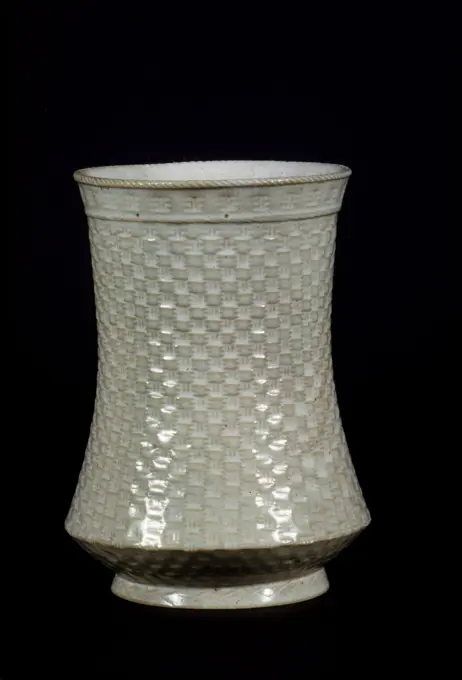
Vase (usual name). Sandstone, celadon, incised decor. Cernuschi Museum, Asia Museum of Asia in the city of Paris.
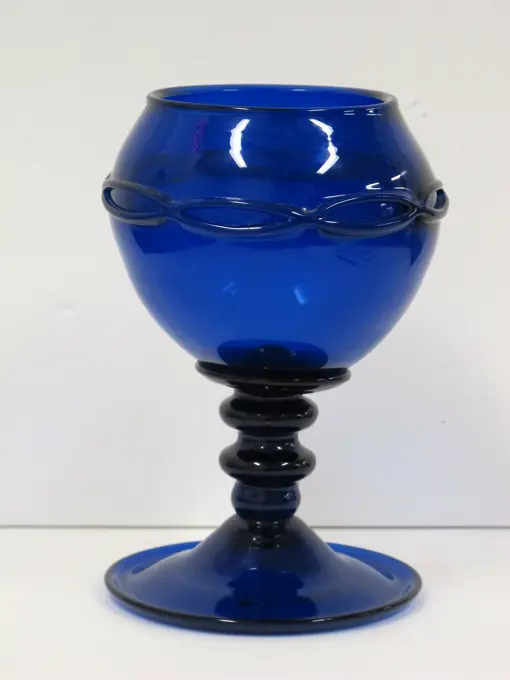
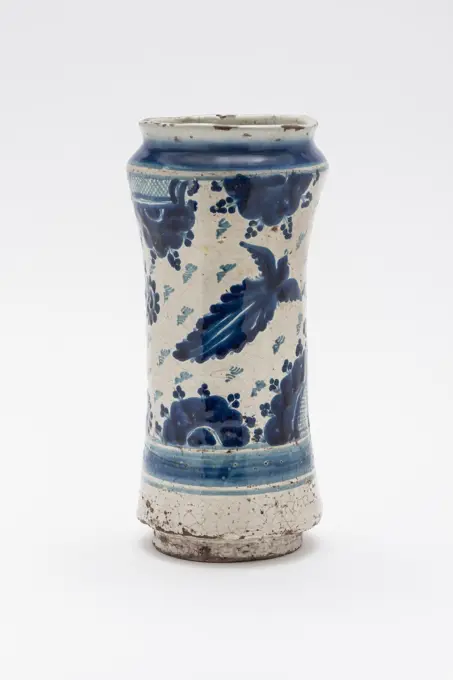
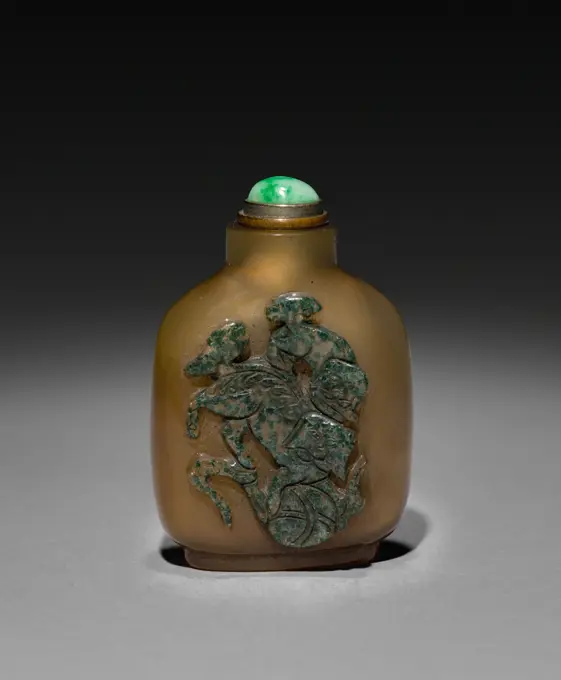
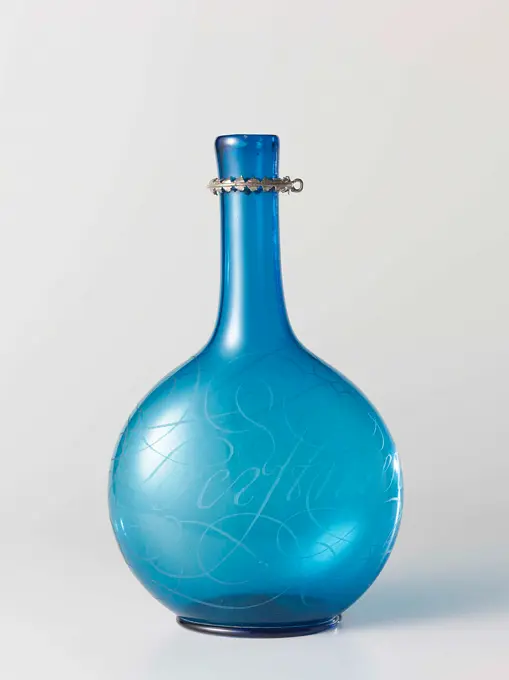
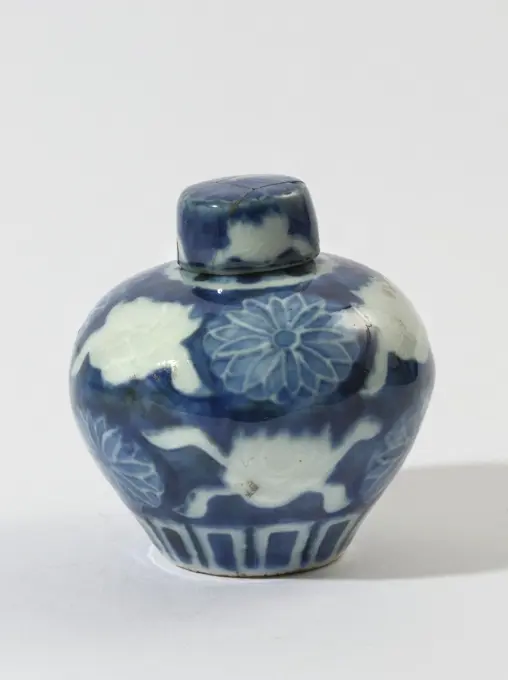
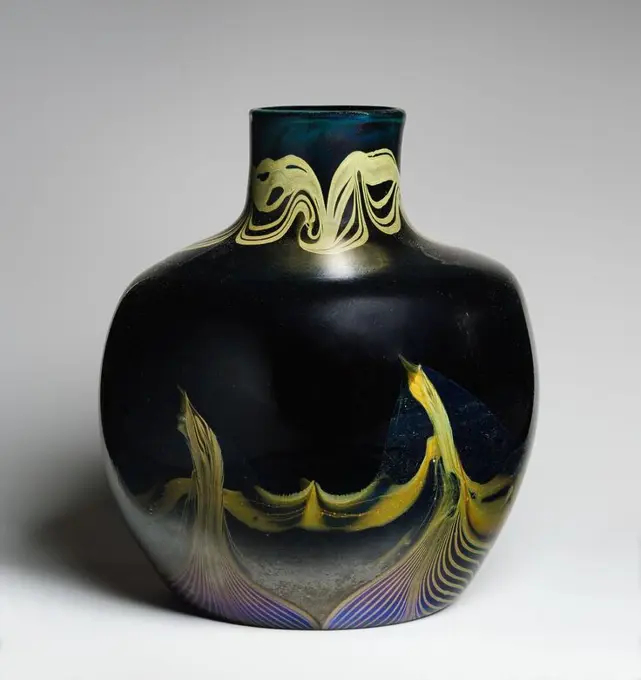
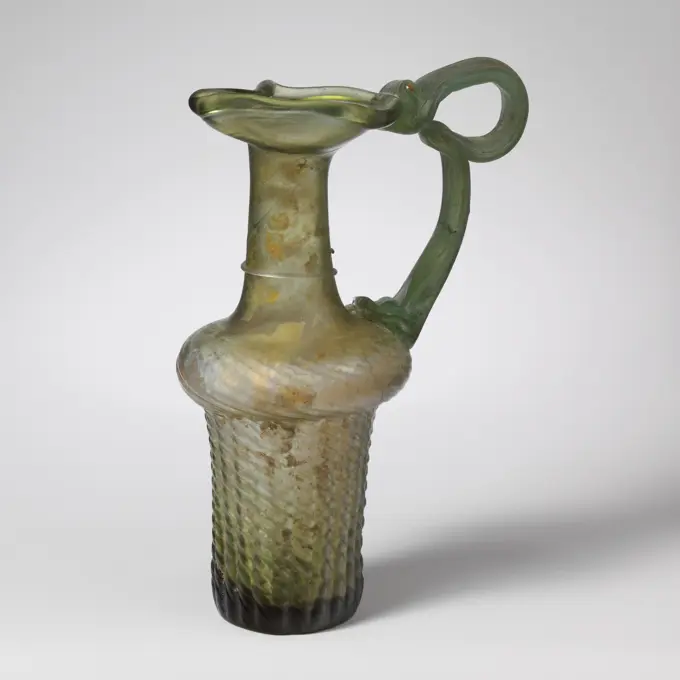
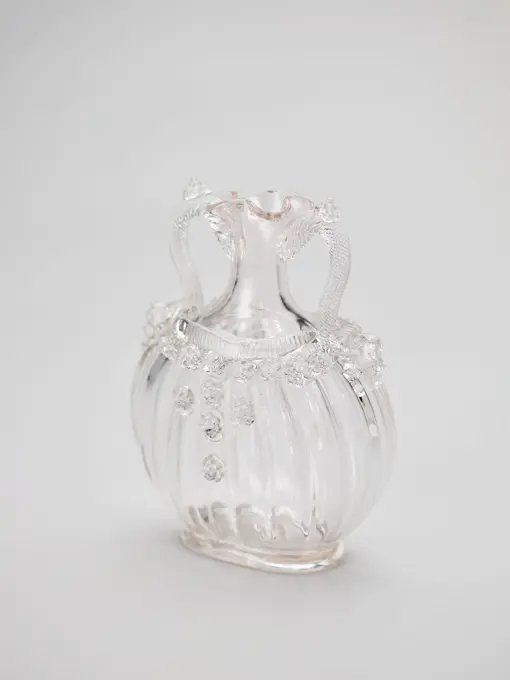
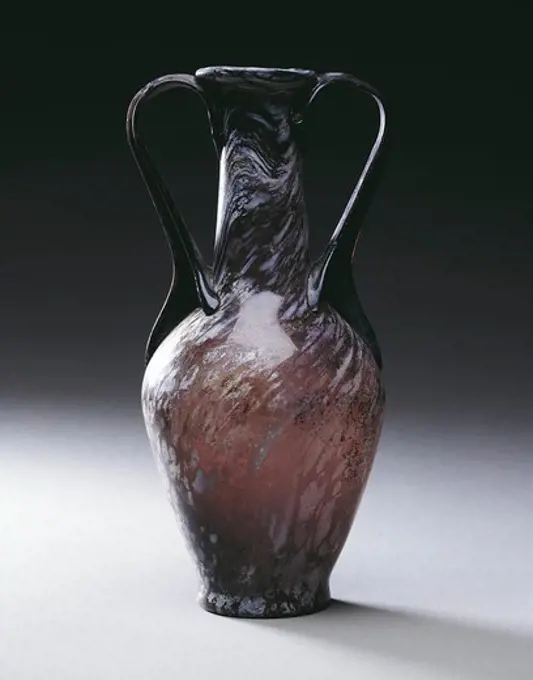
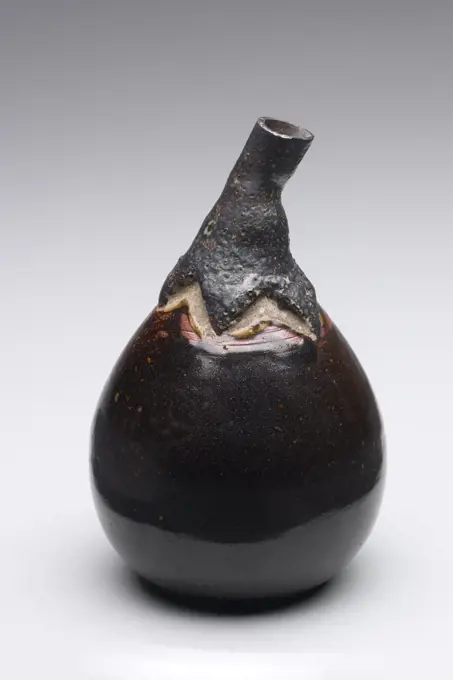
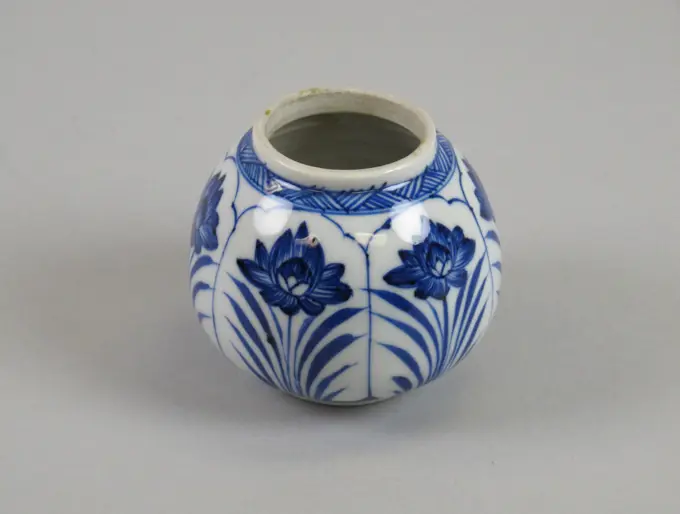
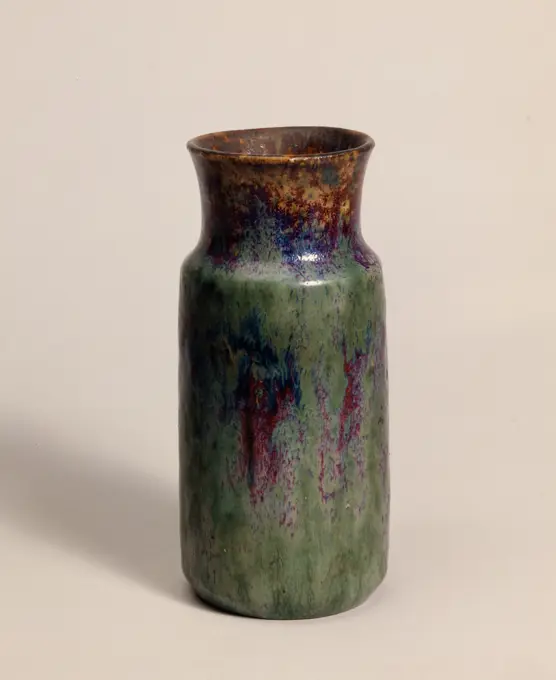
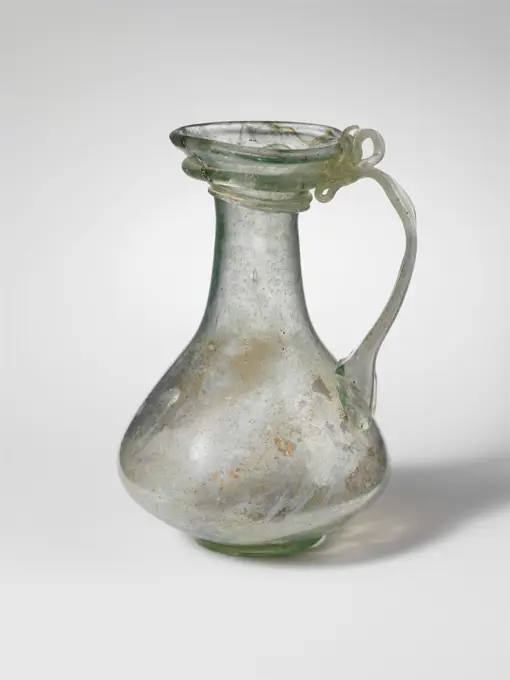
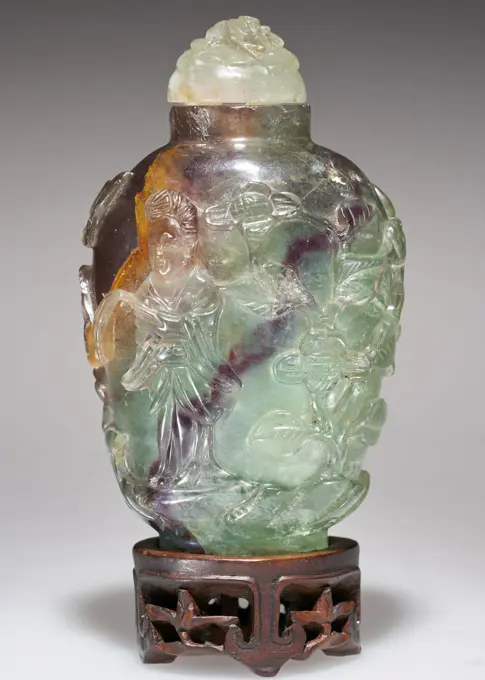
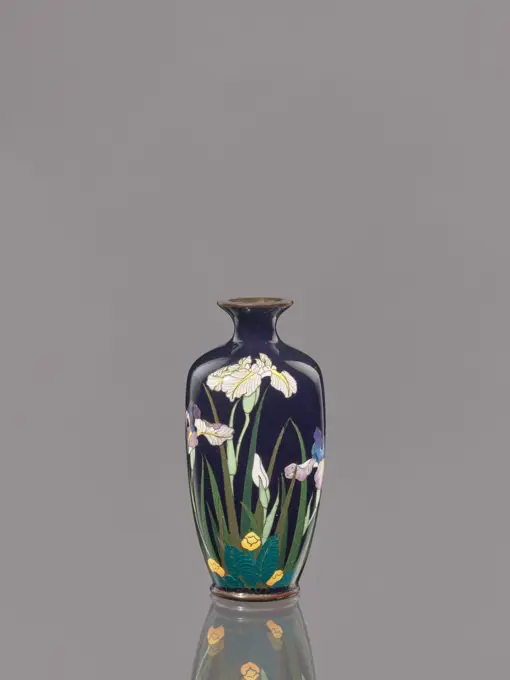
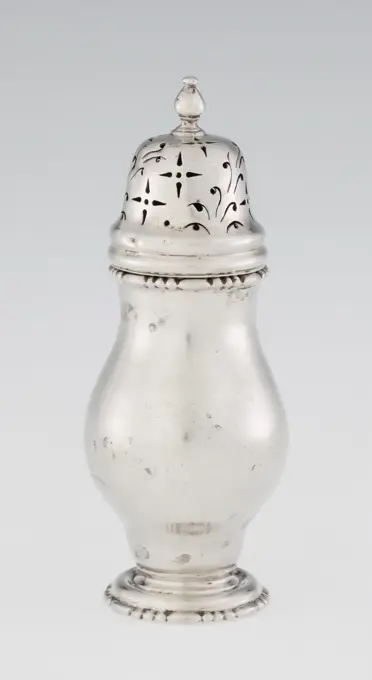
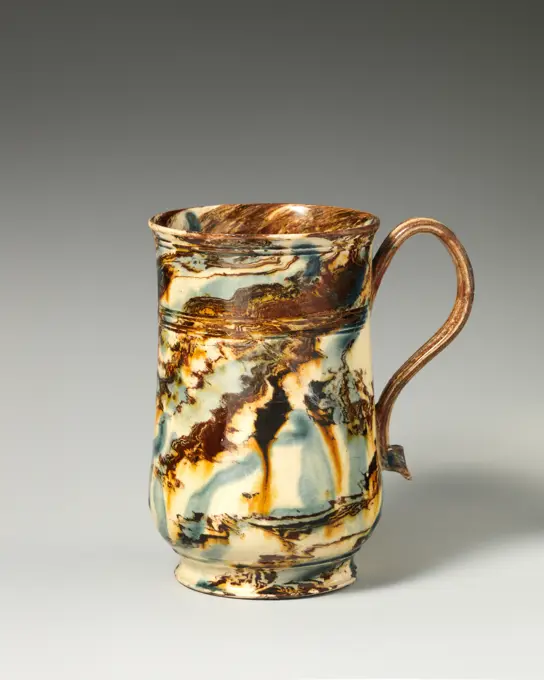
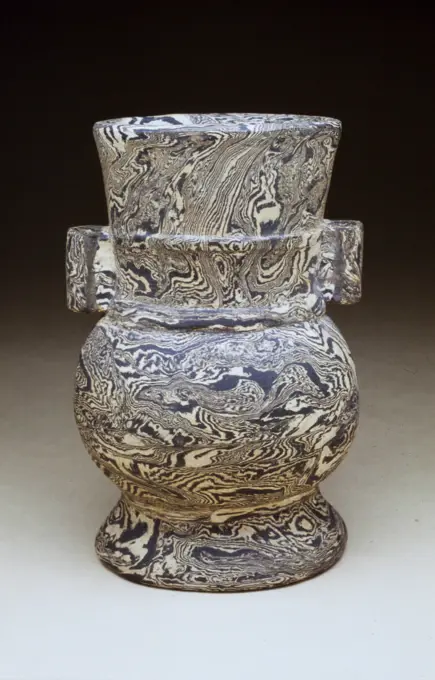
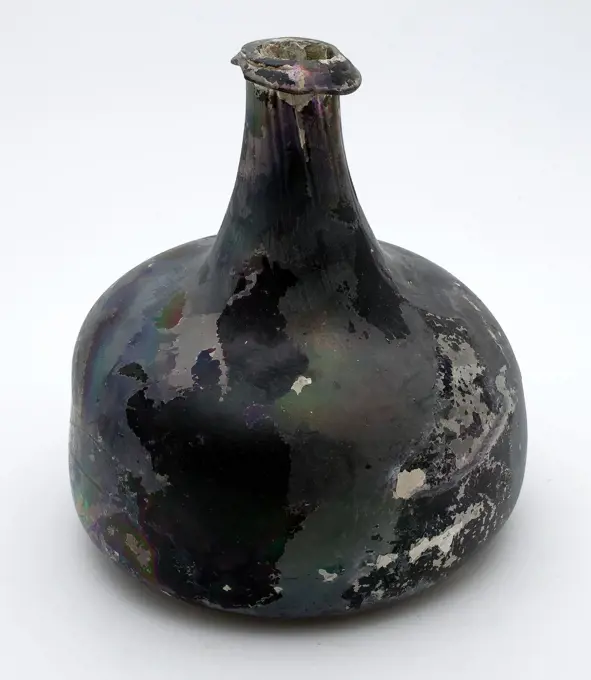
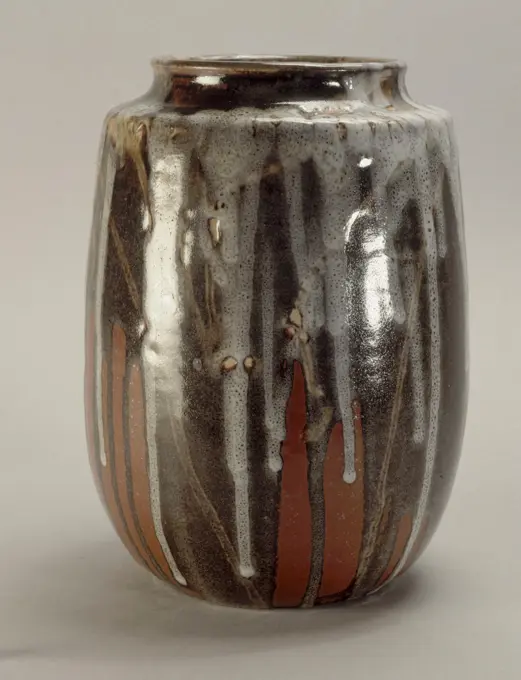
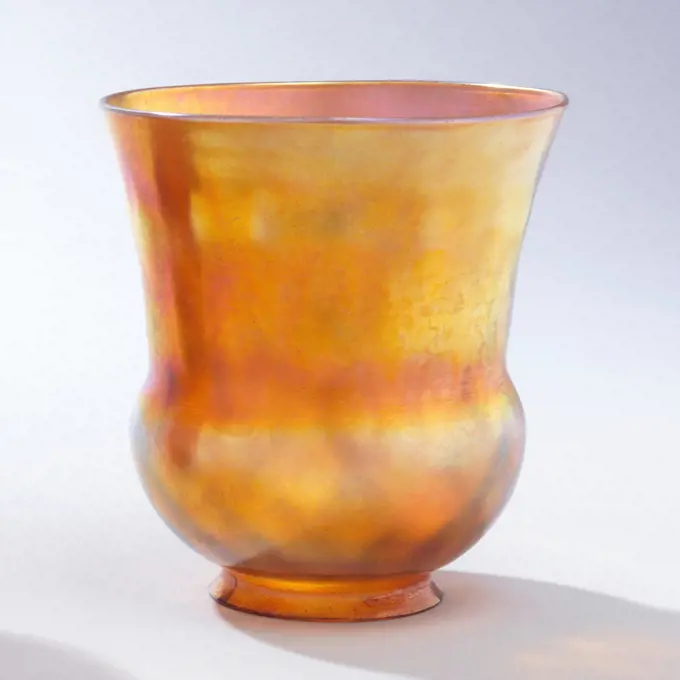
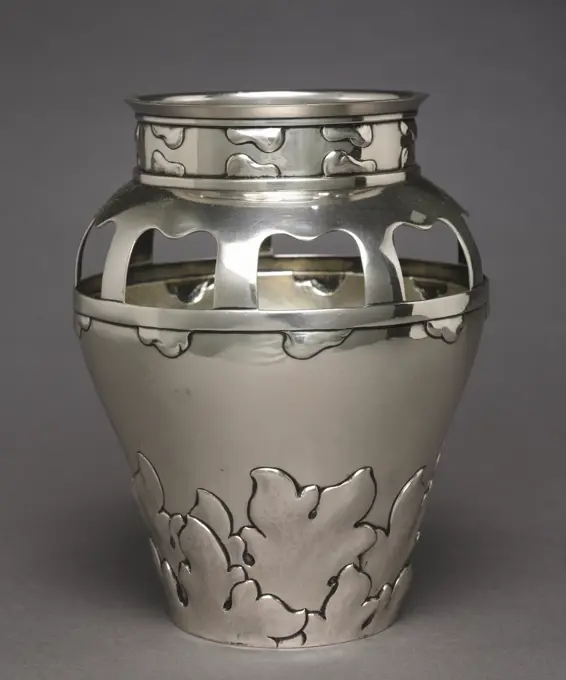
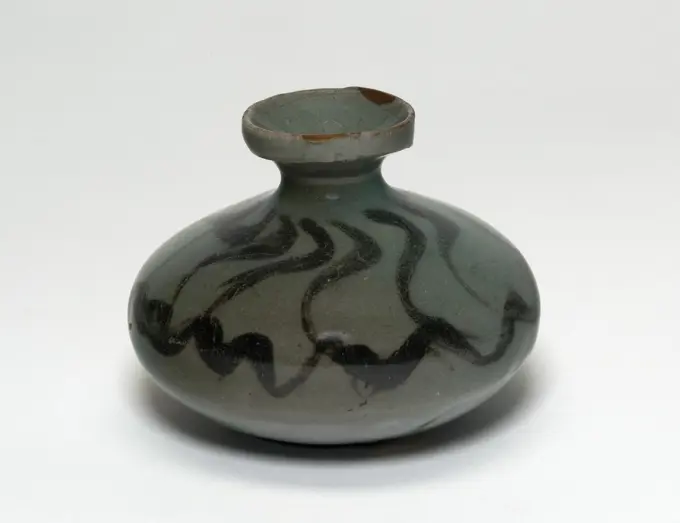
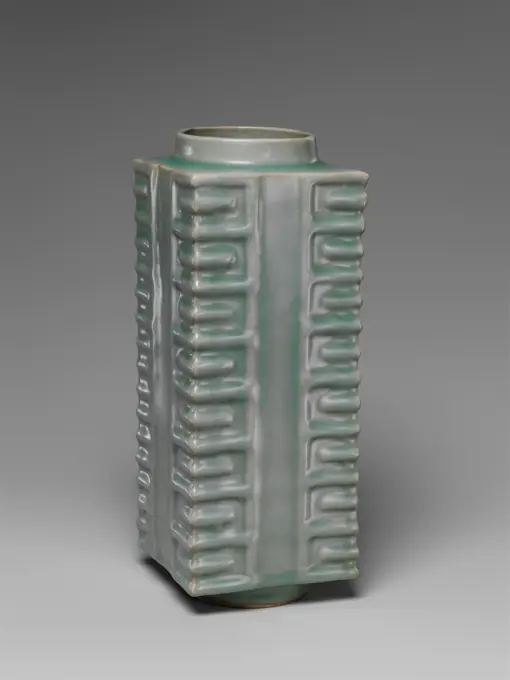
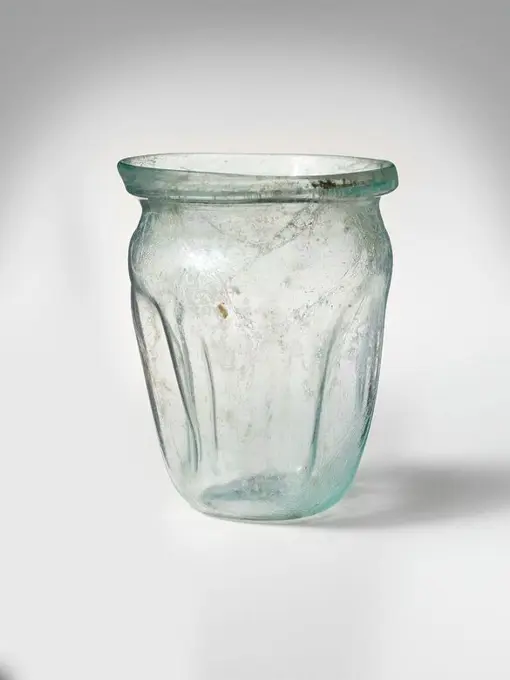
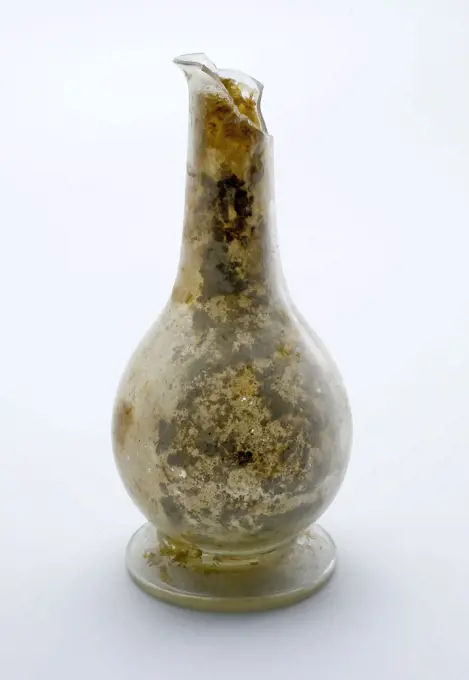
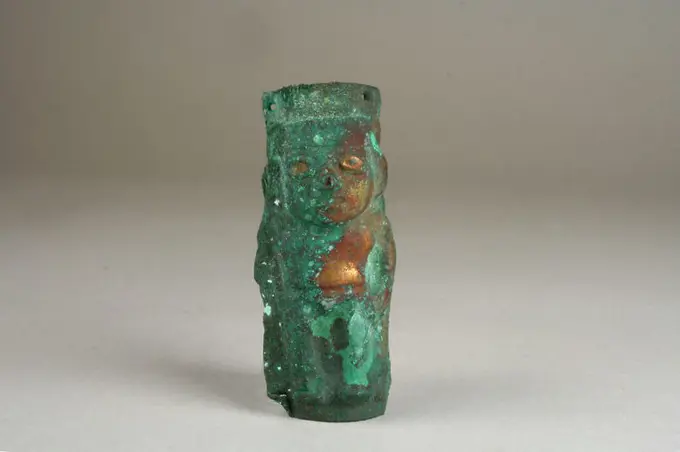
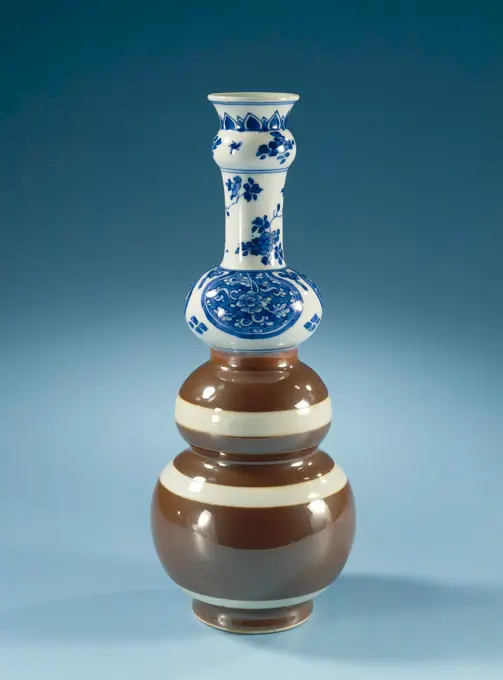
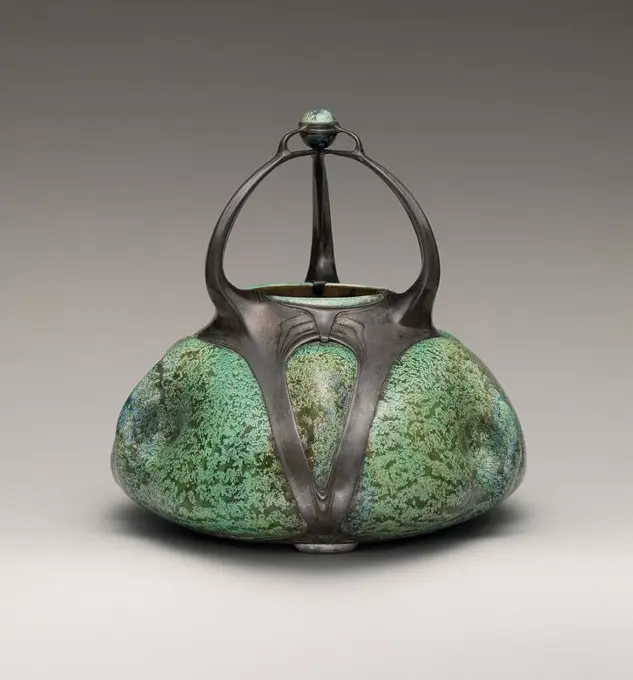
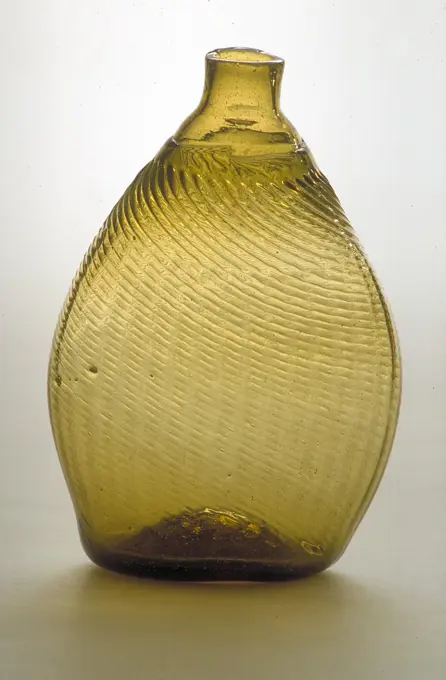
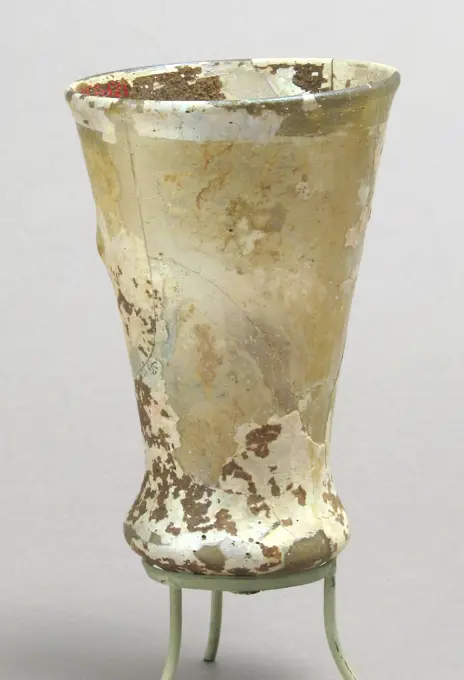
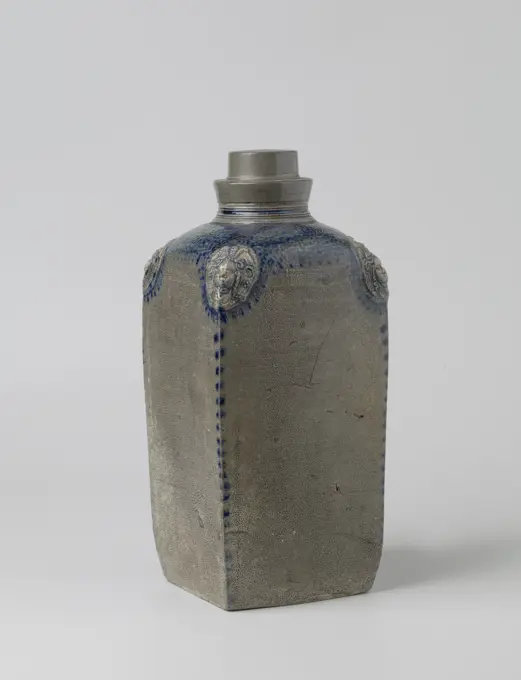
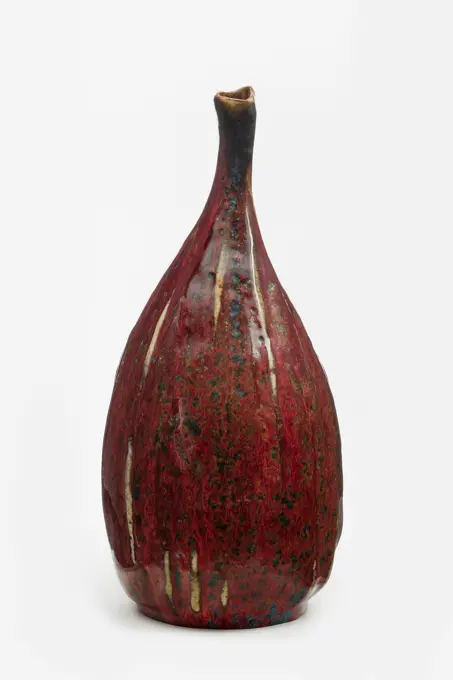
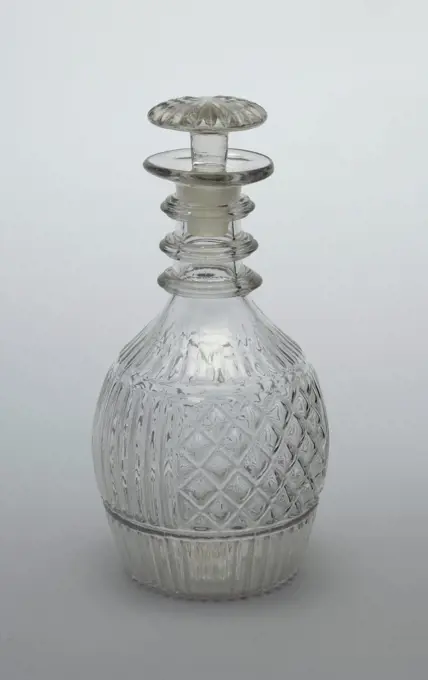
Decanter and stopper, glass, Bulbous body; 3 triple neck rings; wide flat lip; cut decoration on sides of 5 panels, each with arches on columns covered with fine diamonds and a star in center; prismatic rings around shoulder; mushroom-shaped stopper radially cut., Waterford, Ireland, ca. 1810-15, glasswares, Decorative Arts, Decanter and stopperGoblet or drinkingvessel. Maker, possibly by: Thomas H. Cains, American, born England, 1779-1865Gold Band Flask. UnknownApothecary Jar (Albarelo). Unidentified artist. Mexico, Puebla de los Ángeles, circa 1750-1800. Furnishings; Accessories. Tin-glazed earthenwareSnuff Bottle, 1644-1911. China, Qing dynasty (1644-1911). Glass; overall: 5.8 cm (2 5/16 in.).Glass alabastron (perfume bottle). Culture: Greek, Eastern Mediterranean. Dimensions: Height: 4 13/16 in. (12.2 cm)Diameter: 1 1/2 × 7/8 in. (3.8 × 2.3 cm). Date: 2nd-mid 1st century B.C..Translucent cobalt blue, with handles in same color; trails in opaque white.Rim-disk with thick rounded edge, uneven with radiating tooling marks on upper surface and projecting jagged inner edge to mouth; straight-sided fusiform body expanding downward, then tapering in to pointed bottom; two horizontal lug handles applied over trail at top of body, one slightly higher than the other.Thick trail applied around rim; another trail attached at bottom, drawn up in a spiral to point of carination, tooled into a festoon pattern on side with twelve upward strokes, and wound round again in spiral ending on rim.Intact; some dulling, a few deep pitting holes, and faint iridescence. Museum: Metropolitan Museum of Art, New York, USA.Bottle. The inscription translates a: Do not quench the spirit’. On the base Van Heemskerk recorded that the bottle was a gift to his daughter-in-law, Anna Coninck, on the first anniversary of her marriage to his son Joost.Jar. "Blue and white" porcelain, Qing dynasty (1644-1912). Provenance: China. Paris, Cernuschi museum. 78837-27 Asian art, Chinese art, Ching dynasty, Qing dynasty, Tsing dynasty, jar, containerVase. Culture: American. Designer: Designed by Louis Comfort Tiffany (American, New York 1848-1933 New York). Dimensions: H. 11 1/4 in. (28.6 cm). Maker: Tiffany Glass and Decorating Company (American, 1892-1902). Date: ca. 1897. Museum: Metropolitan Museum of Art, New York, USA.Pitcher 400 CE-600 CE Syria. Byzantine glassmakers refined the techniques they inherited from their Roman predecessors, creating objects with increasingly elaborate forms and complex decorative elements to flaunt their skills. Cosmetic containers were often adorned with fine strands (trails) of glass that required a steady hand and rapid execution, while other vessels look quite complex yet were easily made. Glass continued to be used in objects of personal adornment such as jewelry, both as a material in its own right and to imitate precious stones, offering more affordable options for what was in fashion.. Glass, mold-blown technique . ByzantineMetallic green decorative vase. Studio Photo. Metallic green decorative vaseGlass jug with trefoil rim late 4th-mid-5th century A.D. Roman, Syrian Translucent green, with same color handle and trail.Trefoil rim with thick folded lip; broad flaring mouth; cylindrical neck expanding downwards; curving shoulder with large overhanging rounded collar below; straight side tapering downwards; thick base with pushed-in bottom; central pontil scar; thick rod handle applied to shoulder, drawn up and out, then pinched into fold with loop above, and trailed on to back and underside of rim.On neck (now detached), single fine trail wound round three or four times in a spiral. On collar and body, close-set spiral ribs descending from left to right; on body only, narrow vertical ribs creating a slanting notched pattern.Intact, except for part of trail around neck, and with small crack in back of rim and mouth; blowing striations, some pinprick bubbles, and black impurities in handle; slight dulling and pitting, with faint iridescence on exterior, patches of creamy brown weathSmall rod vase. Acquired from the Atelier de Glatigny on the Paris World Fair 1900view 2 of 2. Vase, 1860-1890. Made by Barnes & CoPurple white-veined glass amphora, from PompeiTakatori Style Sake Bottle in the Form of anEggplant, Stoneware, probably Takatori, Height:: 6 in. (15.2cm), Made in Takatori, Chikuzen Province, Japan, Japanese, Edo period(1615-1868), Containers -CeramicsWater pot with flowers late 17th-early 18th century China. Water pot with flowers. China. late 17th-early 18th century. Porcelain painted in underglaze cobalt blue (Jingdezhen ware). Qing dynasty (1644-1911), Kangxi period (1662-1722). CeramicsFlask c 1860-1866 New London. Glass . New London Glass WorksCarafe; Non -like Lona Huta; 2. PO. 19th century (1850-00-00-1900-00-00);Fuglewicz Joanna, DarPierre-Adrien Dalpayrat (1844-1910). Vase. Flammed sandstone. Museum of Fine Arts of the City of Paris, Petit Palais. GRES, GRES FLAME, object of decoration, vase, 19th 19th 19th 19 19th 19th centuryGlass jug 3rd-4th century A.D. Roman Small jug.Translucent light blue green; handle, foot ring, and trail in same color.Uneven rim folded over and into flaring mouth; cylindrical neck, expanding downwards; biconical body; low, applied foot ring; flat bottom, with pontil scar; three-ribbed strap handle, attached to upper body with long downward claws, drawn up, round, and in, folded down and up, and attached to underside of mouth and edge of rim over trail, with projecting hollow loop.One thicker trail wound horizontally slightly more than once around underside of mouth, then wound nearly twice down in a spiral on top of neck.Complete, but crack extending from rim down mouth; many bubbles, some large and elongated, with streaky black impurities in rim and mouth; faint weathering and iridescence on exterior, patches of creamy brown weathering and brilliant iridescence on interior.. Glass jug 245346Snuff Bottle, 3 3/4 x 2 1/4in. (9.5 x 5.7cm), Stone, ChinaSmall vase. unknown, craftsmanSugar-sugar sugar bowl; Harrod`s Stores Ltd (London; Sellers; Fl. 1849-), Burbidge, Richard (1847-1917); 1913/14 (1913-00-00-1914-00-00);Mug ca. 1750 John Astbury. Mug. British, Staffordshire. ca. 1750. Glazed earthenware. Ceramics-PotteryGlass Beaker late 6th-early 7th century Frankish. Glass Beaker 465828 Frankish, Glass Beaker, late 6thearly 7th century, Glass, Overall: 4 3/16 x 2 5/16 in. (10.6 x 5.9 cm). The Metropolitan Museum of Art, New York. Gift of J. Pierpont Morgan, 1917 (17.194.129)Anonymous, cracked glass cup (main title). Colorful cracked glass, partially erased. Petit Palais, Museum of Fine Arts of the City of Paris.Vase with dolphins 19th century Dr. Antonio Salviati Company. Vase with dolphins. Italian, Venice (Murano). 19th century. Glass. GlassCruet 1870-90 Adams and Company. Cruet 2742. Fabric tea bus or chair of stoneware with an ivory lid, partly covered with a brown glaze. The lower part of the bus is unglazed. A crack in the edge, continuously over the shoulder. Part missing from the lid.Sake Bottle. Japan, Edo period, 1615-1868, 19th century. Ceramics. Tsutsumi ware; stoneware with black and white glazesVase, 618-907, 8 1/8 x 5 1/4in. (20.6 x 13.3cm), Pottery, China, 7th-10th centuryPitcher 1849-58 Probably United States Pottery Company. Pitcher 5859Belly bottle, hammer bottle, bottle holder bottomfound glass, free blown and shaped glass application Bulky bottle hammer bottle in clear green glass. Pontil mark under slightly raised bottom Body with almost straight up wall to uneven flat shoulders and rejuvenated (dm 6.0 - 2.7 cm) neck with imposed all-round sharp glass wire (chip 1.3 cm) and dilated lip archaeology packagingJean Carriès (1855-1894). "Large pot". Enameled sandstone. Museum of Fine Arts of the City of Paris, Petit Palais. 24204-5 Ceramic, large pot, gres emaillePitcher. Culture: American. Dimensions: H. 9 5/8 in. (24.4 cm). Maker: William Boch and Brothers (before 1844-ca. 1861). Date: ca. 1855. Museum: Metropolitan Museum of Art, New York, USA.Seif Yohei III mined the repertoire of Chinese vessel types, from ceramics modeled after ancient ritual bronzes to shapes developed in the Yuan (1279-1368) and Ming (1368-1644) dynasties. His designs tended to be formal and restrained, often featuring creamy white glazes suggestive of the hue of Ding ware and green glazes resembling Longquan ware. Seif Yohei IV continued to create works in the studio’s signature colors but also produced pieces with strong color and flare that were his interpretations of Qing dynasty (1644-1911) glazes. Hu-Shaped Vase with Handles, 1914-46. Seifū Yohei IV (Japanese, 1872-1951). Porcelain with molded and carved design and green glaze; height: 31 cm (12 3/16 in.); diameter: 21.5 cm (8 7/16 in.).Cylindrical Snuff Bottle with Deer and Crane amidst Pine 1750-1820 China. Glass; dark blue overlay on snowstorm ground .Rosewater Sprinkler or Bottle With Powder Blue and Light Brown. Rose water dropper or pine bottle of porcelain with spherical body and thickenings in the long, narrow neck, covered with underglaze blue and café-au-lait glaze. The body is covered with bleu poudré (powder blue); The neck is covered with a light brown glaze. Bleu poudré with monochrome brown.Stemmed Bowl. Colin Pearson; English, 1923-2007. Date: 1988. Dimensions: 12.7 x 10.5 x 8.3 cm (5 x 4 1/8 x 3 1/4 in.). Porcelain, turquoise glaze. Origin: London. Museum: The Chicago Art Institute, Chicago, USA.Maebyeong Korea 12th centuryVase. Stockton Art Pottery (United States, California, Stockton, 1896-1900). United States, 1895-1900. Furnishings; Accessories. EarthenwareVase. Dimensions: H. 9.9 cm (3 7/8 in), Diam. 6 cm (2 3/8 in). Dynasty: Dynasty 18. Reign: reign of Amenhotep III. Date: ca. 1390-1353 B.C..This core-formed glass vase was assembled from fragments found at the palace of Amenhotep III at Malqata during the Museum's excavations at the site. A large amount of waste glass as well as glass rods and other basic materials for making glass were also discovered, suggesting that glass was being manufactured nearby. By the reign of Amenhotep III, Egyptian artists had mastered the art of glass-making which had come to Egypt only a few generations earlier from the Near East where it was developed (see 26.7.1175). Museum: Metropolitan Museum of Art, New York, USA.Lamp shades, Louis Comfort Tiffany, (American, 1848-1933), Favrile glass, (a/e) Bell-shaped iridescent glass shade for sconce. Predominantly orange-gold. Diamond pattern formed in bulging part of bell shape. Plain round lip., USA, 1907, glasswares, Decorative Arts, Lamp shadesVase (USA); Made by Louis Comfort Tiffany (American, 1848-1933); favrile glassVase, 1900. Thorvald Bindesbøll (Danish, 1846-1908), firm of Anton Michelsen (Danish). Silver; diameter: 16.1 cm (6 5/16 in.); overall: 20.4 cm (8 1/16 in.).Vase, painted with leaf vines in green and black, Johann Oertel & Co, c. 1910 Somewhat concave foot, narrowing body with five coves, painted with black tiflens and green leaves. Bent out mouth with cut edge. Haida glass glassblowing / grinding Somewhat concave foot, narrowing body with five coves, painted with black tiflens and green leaves. Bent out mouth with cut edge. Haida glass glassblowing / grindingBottle of tomato ketchupVase Necel, Franciszek (1868 1935)Oil Bottle with Scrollwork 1135-1165 Korea. Celadon-glazed stoneware with overglaze iron-painted decoration; gold repair .Beaker with MythologicalFiguresVase, Rookwood Pottery, American, 1880 - 1967, Sara Sax, American, 1870-1949, Glazed earthenware, Elongated ovoid with slightly flaring neck. White on top, shading into grayish mauve toward bottom. Slip-painting of yellow lilies with pale green leaves., Cincinnati, Ohio, USA, 1900, ceramics, Decorative Arts, VaseBeaker 1675-1685 France. Glass .Bottle 301 CE-500 CE Syria. Glass, blown technique . Ancient RomanCzarek on the foot;  19th century (1801-00-00-1900-00-00);Meiping vase on the base;  XVII/18th century (1662-00-00-1722-00-00);Decanter and glass by Guido Balsamo Stella (1882-1941)Przeszo Przyszoci unknownVase with the Eight Trigrams Design, 1736-1795. China, Qing dynasty (1644-1911), Qianlong reign (1736-1795). Porcelain with a crackled Ge-type glaze; overall: 28.4 cm (11 3/16 in.).Quadrangular vase in the form of a Neolithic ritual jade object (cong) 13th century China The shape of this vase derives from that of early jades and illustrates the interest in earlier bronze and jade shapes that characterized Chinese culture during the twelfth and thirteenth centuries. Like other shapes that were revived during this period, the shape of this vase continued to be used in ceramic and metalwork for centuries.. Quadrangular vase in the form of a Neolithic ritual jade object (cong) 73676TARRO VIDRIADO Y DECORADO EN AZUL CON ESCUDO Y AGUILA. Location: ALFARERIA. FAJALAUZA. GRANADA. SPAIN.Flower vase. Massier, Clement (181401917), ceramistCarafe with traffic jamLarge Blue Glass Bottle Vase 1800-1899 Japan. Glass .Vase (Ping) with Medallions. China, Jiangxi Province, Jingdezhen, Chinese, Qing dynasty, Kangxi mark and period, 1662-1722. Furnishings; Accessories. Wheel-thrown porcelain with red painted decoration under clear glazeJugCilindrical vase with powder blue and landscapes with figures or animals, anonymous, c. 1700 - c. 1724 Cylindrical vase of porcelain with a wide, straight neck, flat edge and raised lip, decorated in under -glaze blue. The vase is covered with bleu poudré (powder blue) with different cartouches saved in it. On the abdomen two elongated cartouches with one woman in the window of a pavilion with a man in front of a dragon on swirling waves. In the other a river landscape with a fishing man on the edge of a cliff. Between the elongated cartouches two round cartouches with a bird on a branch and one with a hare. On the other side an insect for flowering plants and a rock and a shrimp between aquatic plants. Bleu Poudré with blue and white. China porcelain. glaze. cobalt (mineral) painting / vitrification Cylindrical vase of porcelain with a wide, straight neck, flat edge and raised lip, decorated in under -glaze blue. The vase is covered with bleu poudré (powder blue) with different cartouFlask. Culture: American. Dimensions: H. 8 1/4 in. (21 cm). Maker: Possibly Kentucky Glass Works (ca. 1850-55). Date: 1840-50. Museum: Metropolitan Museum of Art, New York, USA.Glass cup. Culture: Roman. Dimensions: H.: 2 3/4 in. (7 cm). Date: 2nd-3rd century A.D..Translucent blue green.Slightly flaring, uneven, collar-like rim with vertical, rounded lip; short, concave neck; bulbous shoulder; body tapering downwards; concave bottom.On body, eight deep, irregular, elongated indents.Intact, except for minor surface chip in bottom; few bubbles; some iridescent weathering and small patch of soil encrustation on inside of rim. Museum: Metropolitan Museum of Art, New York, USA.Snuff Bottle, 1644-1911. China, Qing dynasty (1644-1911). Glass; overall: 6.8 cm (2 11/16 in.).Small bulbous bottle or vial, (medicine) Bottle holder bottomfound glass, free blown and shaped Small bulbous (pour) Bottle or vial in clear colorless glass. Pontil mark under concave light ascending foot ring. Belly body with narrow shoulders to slim light rejuvenated neck with wide mouth of which about half is missing archaeological gift packagingStaff Head. Culture: Moche (Loma Negra). Dimensions: H. 2 7/8 x W. 1 1/4 x D. 3/4 in. (7.3 x 3.2 x 1.9 cm). Date: 390-450. Museum: Metropolitan Museum of Art, New York, USA.Snuff Bottle, 19th century, 2 3/4 x 1 7/8in. (7 x 4.8cm), Jade, China, 19th centuryHead from a FemaleFigurine. Bottle-shaped vase (nobble bottle) of porcelain consisting of three dumplings, long neck with thickening and spreading edge, covered with a café-au-lait glaze and painted in underglaze blue. The lower two bulbs are covered with a brown glaze interspersed with three cream tires; On the upper sphere in blue three connected cartouches with flower drinks in reserve; the neck with flower branches, butterflies and insects; The edge with a bond with leaf motifs. Two chips in the edge. On the underside an old label with: Friends of Asian art. Monochrome brown with blue and white.Vase probably 18th-19th century. Vase 444784Large vase with lid (Kazaritsubo) from a pair, 1870. Cernuschi museum, Museum of Arts in Asia in the city of Paris.Italy, Bergamo, Lovere, Glass ampullas from tombBottle. Culture: China. Dimensions: H. 7 1/4 in. (18.4 cm). Museum: Metropolitan Museum of Art, New York, USA.Small vase. unknown, craftsmanModel No. 992. Designer: Walter Scherf (German, Grünewald 1875-1909 Nuremberg). Dimensions: 10 1/4 x 10 1/2 in. (26 x 26.7 cm). Manufacturer: Walter Sherf & Co., Nürnberg. Date: ca. 1903.Friedrich August Scherf and his son Walter founded the Metallwarenfabrik für Kleinkunst Walter Scherf & Co. in 1899. The manufacturer worked with noted designers, including Josef Hoffmann. Walter Scherf, who trained at the Nürnberger Handwerkkunst, Bayerisches Gewerbemuseum between 1903 and 1907, also designed for the company. With its delicately curved metalwork and mottled green stoneware, the centerpiece demonstrates the younger Scherf's engagement with innovative Art Nouveau designs. Museum: Metropolitan Museum of Art, New York, USA.Caster ca. 1760-80 British, Staffordshire. Caster. British, Staffordshire. ca. 1760-80. Salt-glazed stoneware. Ceramics-PotteryBottle China. Bottle. China. Porcelain. Qing dynasty (1644-1911), Qianlong period (1736-95). CeramicsVase Beckmann & WeisVase, 18th century, Unknown Japanese, 6 3/4 x 4 1/2in. (17.1 x 11.4cm), Porcelain, Japan, 18th century. .Flask. Manufacturer possibly: East Hartford Glass Works, American, 1783-1830Manufacturer possibly: Keene-Marlboro-Street Glass Works, American, 1815-1841Manufacturer possibly: Coventry Glass Works, American, 1813-1850Vessel with Small Knobs, 1st-5th century, 2 3/4 in. (6.99 cm), Glass, Roman, 1st-5th centuryVase with vertical ribs. Plowed soil, vertically ribbed foot, overtorning in a vertical ribbed, cylindrical body, finished in a wide, flat, ribbed edge.Bell Beaker 6th-7th century Frankish. Bell Beaker. Frankish. 6th-7th century. Glass. Glass-VesselsDecanter and Stopper, 1905. Manufacturer: James Powell & Sons. Attributed to: Edward SpencerSquare bottle with lion heads, anonymous, c. 1640 - c. 1700 Square bottle of stoneware with a round shoulder and short, narrow neck. Some profiles on the neck. Partly covered with cobalt blue. A printed and imposed relief decoration of a lion's head on every corner of the shoulder; The shoulder and corners with blue dots. A pewter frame with screw cap attached to the neck. Westerwald. Westerwald Stoneware. Glaze. Cobalt (Mineral). frame: tin (metal) vitrification Square bottle of stoneware with a round shoulder and short, narrow neck. Some profiles on the neck. Partly covered with cobalt blue. A printed and imposed relief decoration of a lion's head on every corner of the shoulder; The shoulder and corners with blue dots. A pewter frame with screw cap attached to the neck. Westerwald. Westerwald Stoneware. Glaze. Cobalt (Mineral). frame: tin (metal) vitrificationPrunus Vase China. Prunus Vase. China. Porcelain. Qing dynasty (1644-1911), Kangxi period (1662-1722). CeramicsTerracotta lekythos (oil flask). Culture: Greek, Attic. Dimensions: H. 15 1/4 in. (38.7 cm). Date: ca. 440-430 B.C..Youth and woman at tombThe depiction of a stele (grave monument) shows how funerary vases like this one were used. On the stepped plinth there are five standard lekythoi--two of which have toppled over--and one squat lekythos. In addition, there is a kylix (drinking cup) as well as two wreaths and a fillet (band). The mourners carry an aryballos and an alabastron, vases that probably contained perfumed oil. Museum: Metropolitan Museum of Art, New York, USA.Gourd Vase 1893-1900 France. Glazed stoneware . Pierre Adrien DalpayratTea Caddy withlidService Aïda: Pitcher, c. 1880. Jean Pouyat Factory (French). Porcelain; overall: 7.7 x 8.4 x 5.1 cm (3 1/16 x 3 5/16 x 2 in.).Vase. Dated: 1935/1942. Dimensions: overall: 29.8 x 23.1 cm (11 3/4 x 9 1/8 in.). Medium: watercolor, graphite, and goauche on paperboard. Museum: National Gallery of Art, Washington DC. Author: American 20th Century.Vase, Rombic” pattern. Designer Reuben Haley, American, 1872-1933 Manufacturer: Muncie Clay Products, American, 1919-1931Bowl early 18th century China. Bowl. China. early 18th century. Porcelain with peacock feather glaze (Jingdezhen ware). Qing dynasty (1644-1911), Yongzheng mark and period (1723-35). Ceramics