Vintage Ceramic Bottles and Vessels

A selection of artistic bottles and vases from different cultures and periods, showcasing unique glazes and forms, highlighting craftsmanship in ceramics.
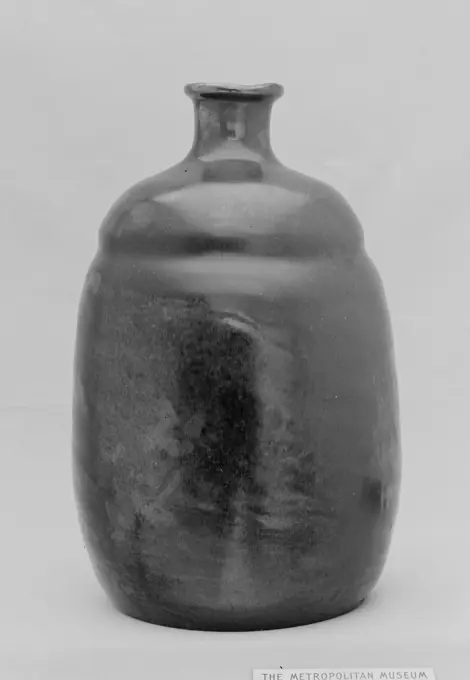
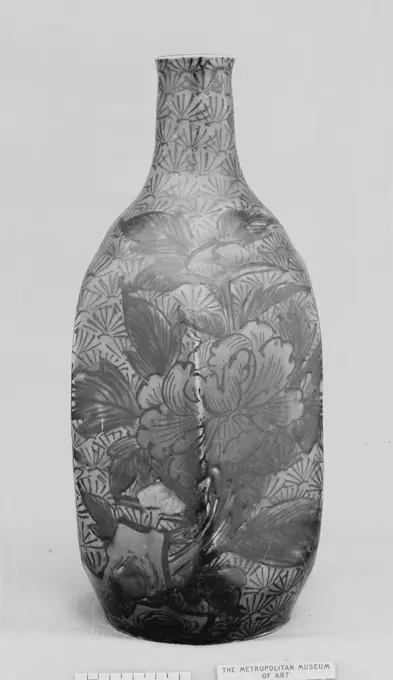
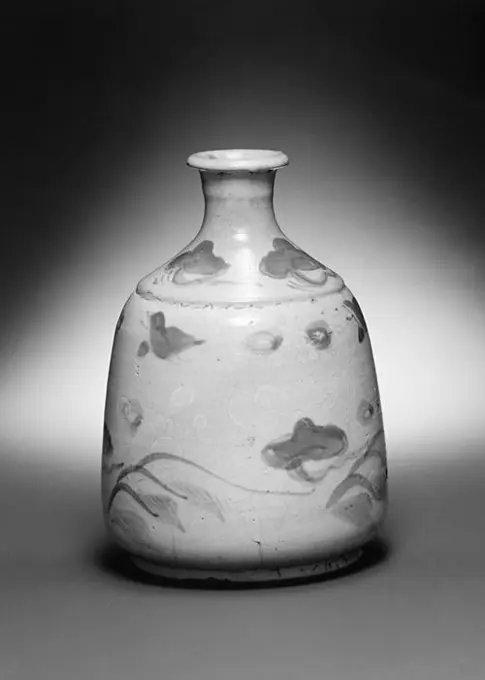
Bottle 18th century Japan. Bottle. Japan. 18th century. Clay covered with a mottled glaze and an overglaze (Takatori ware, Satsuma type). Edo period (1615-1868). Ceramics
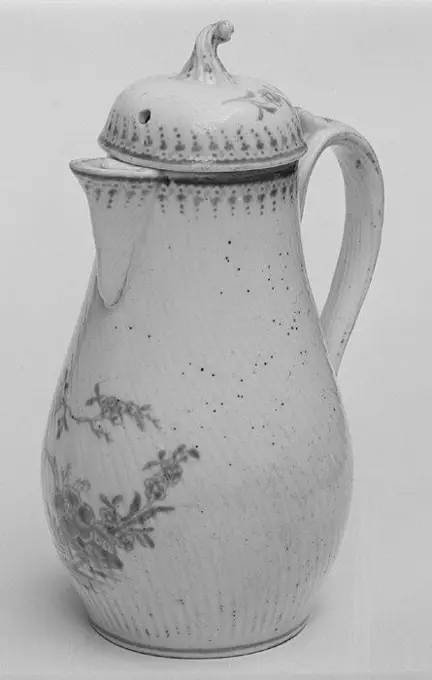
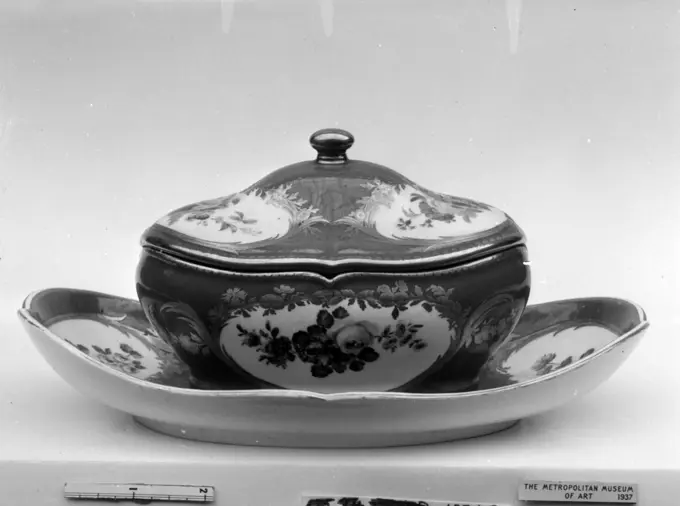
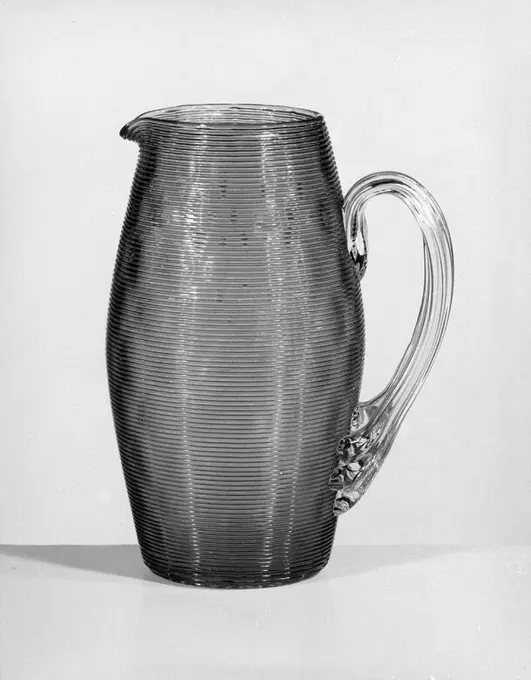
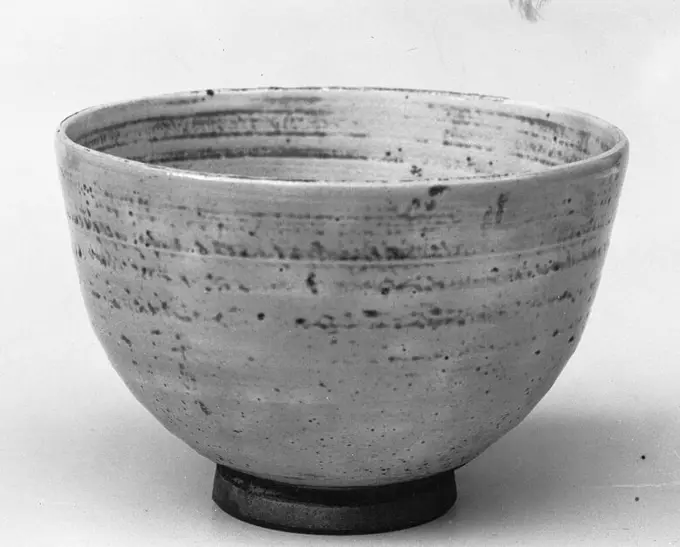
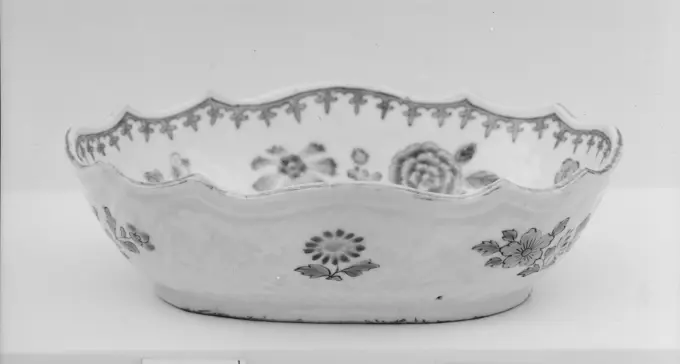
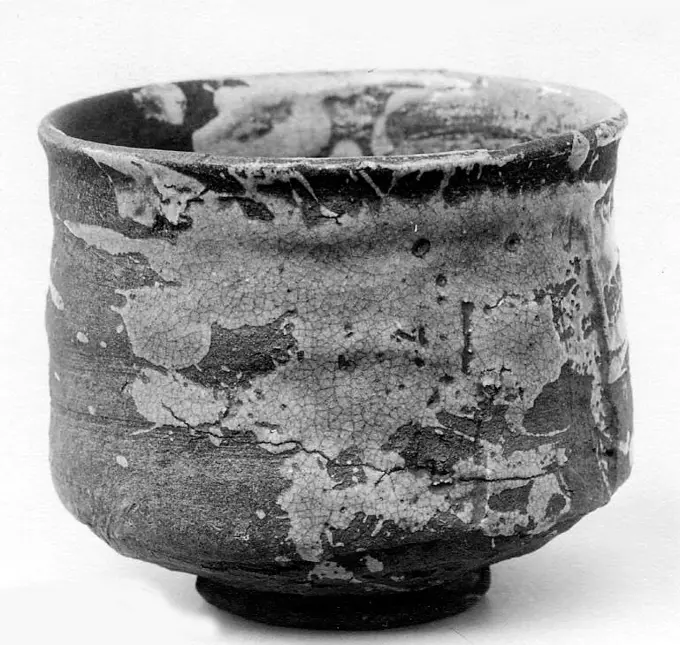
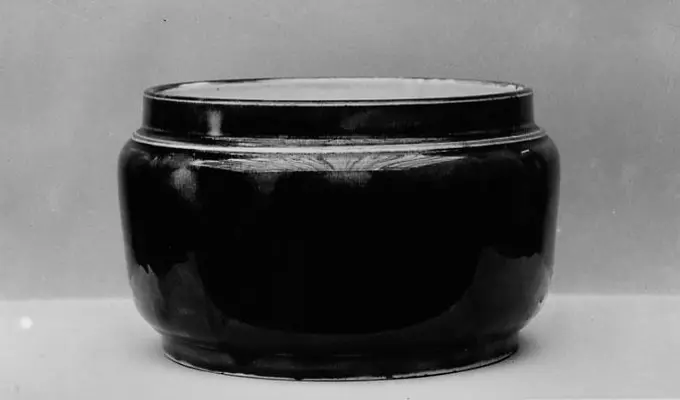
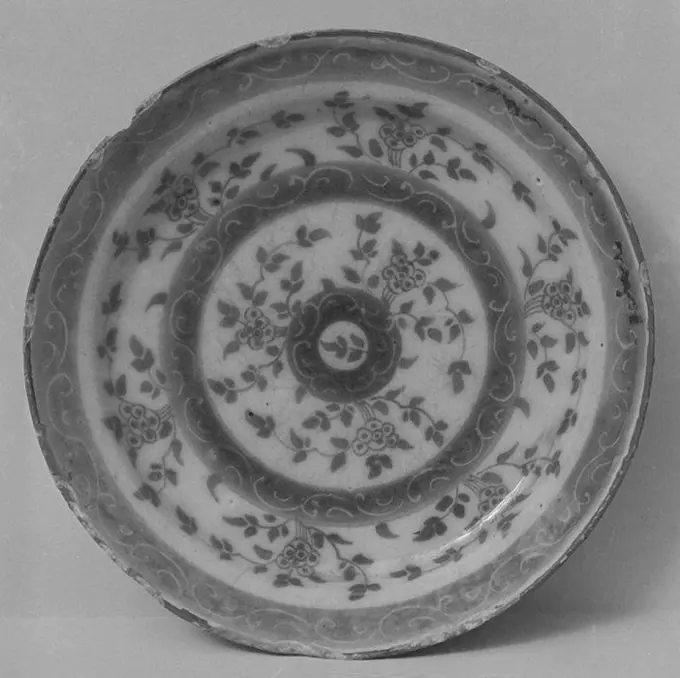
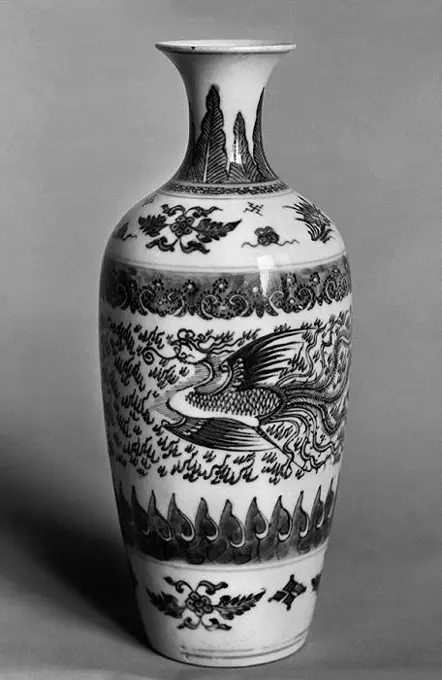
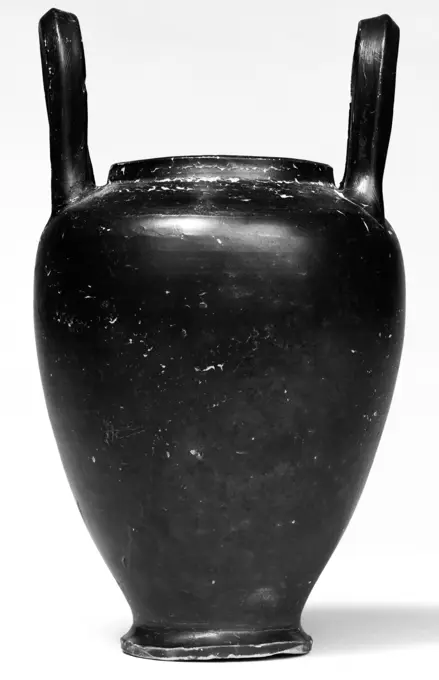
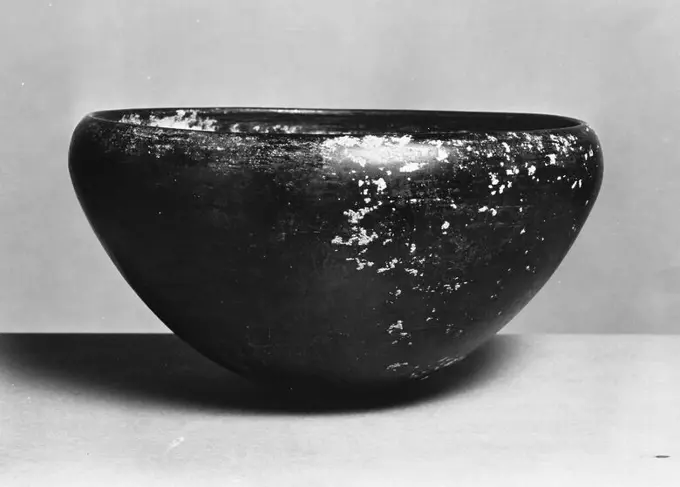
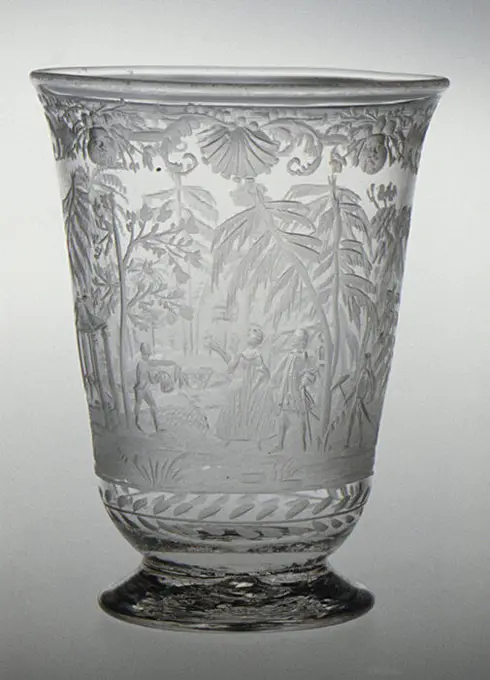
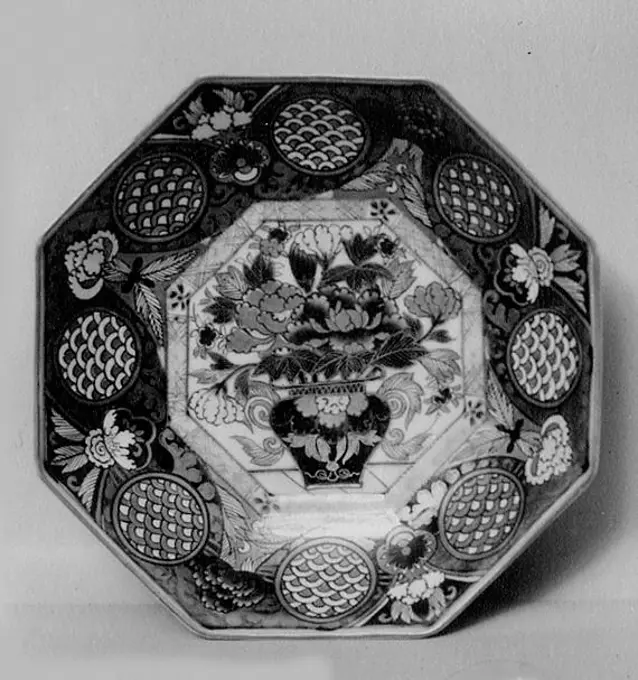
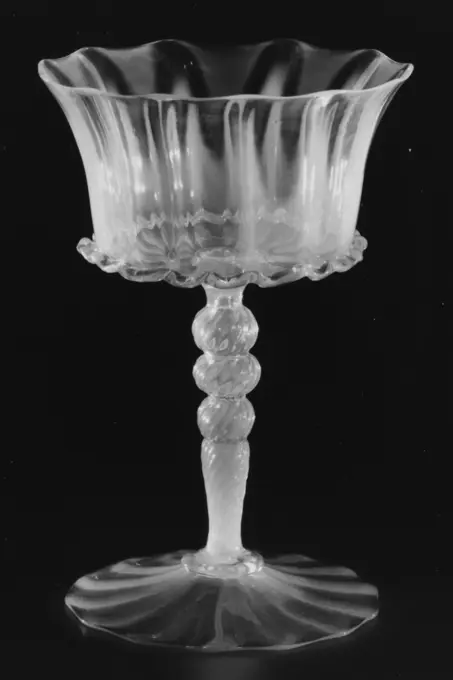
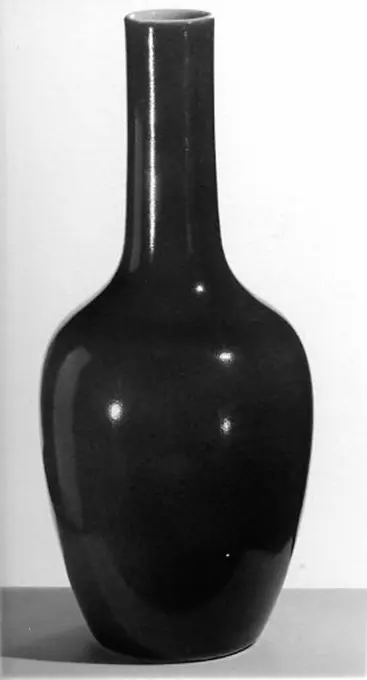
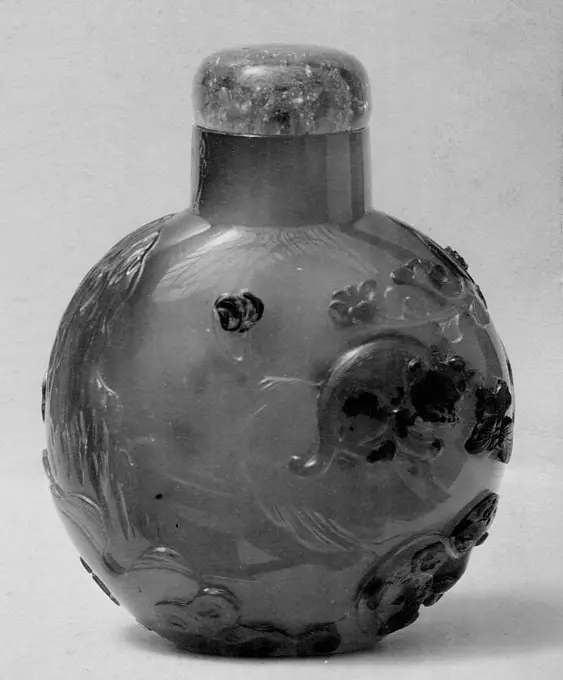
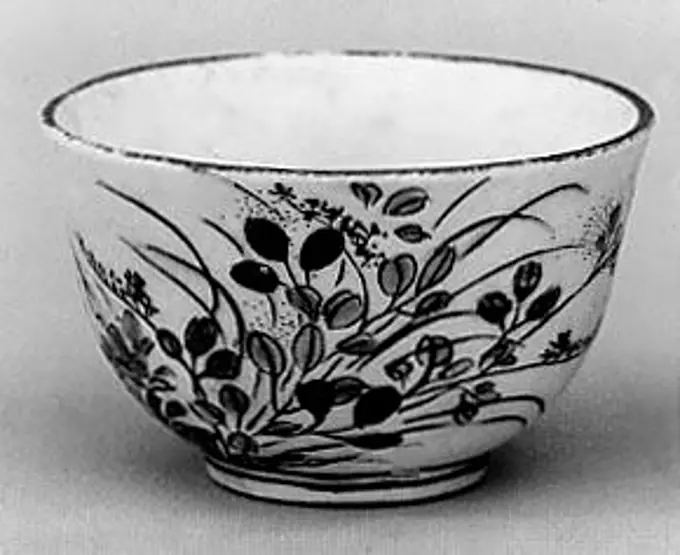
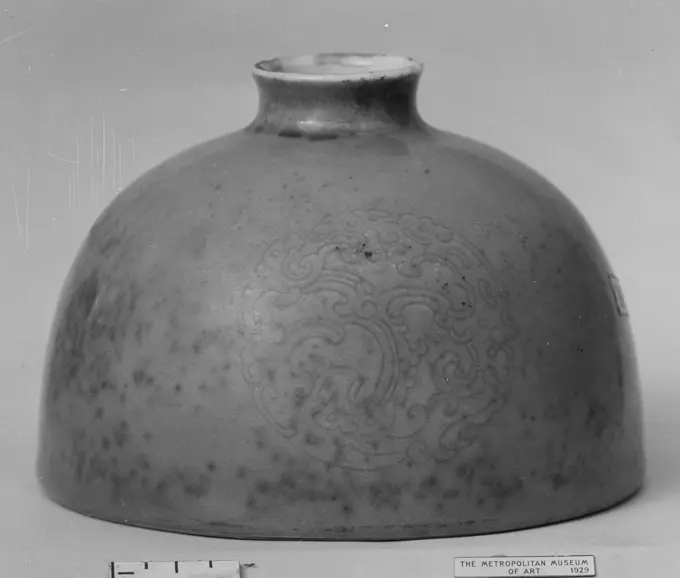
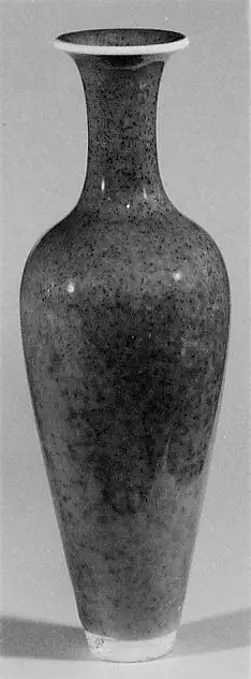
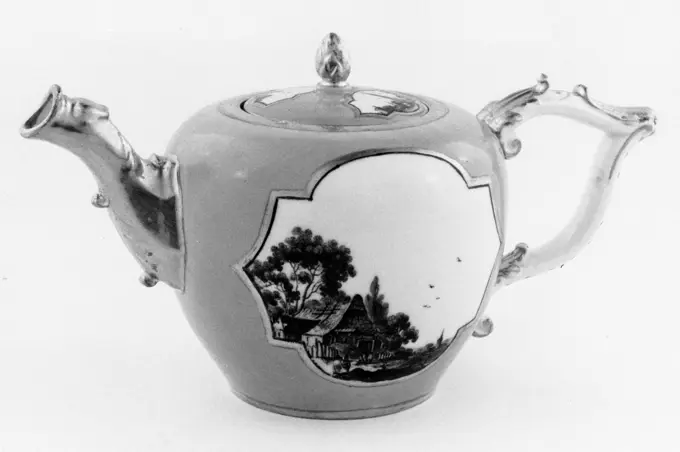
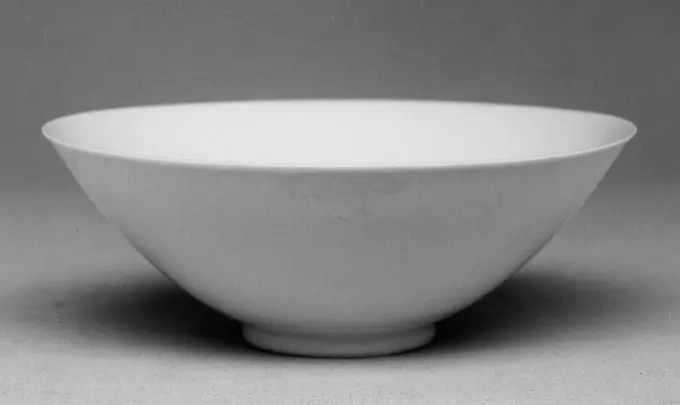
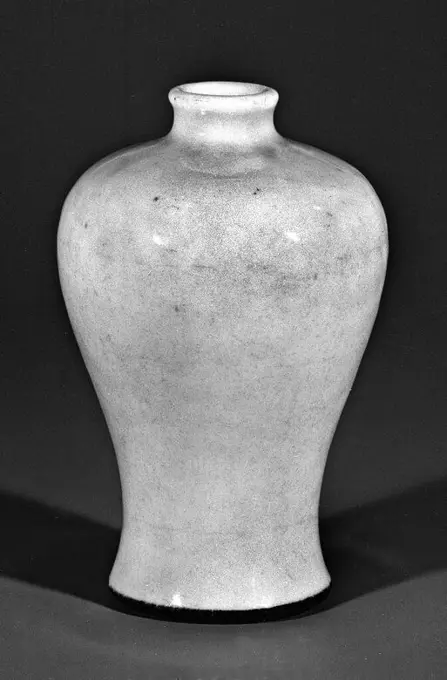
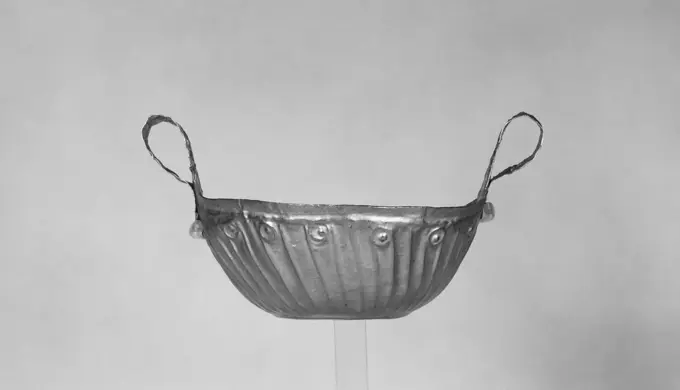
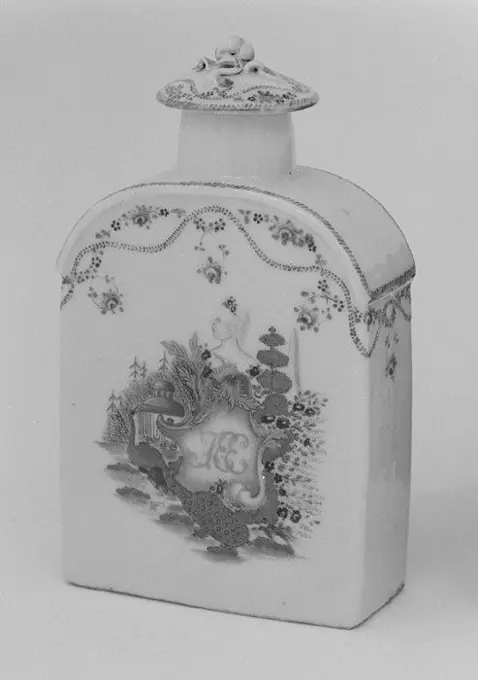
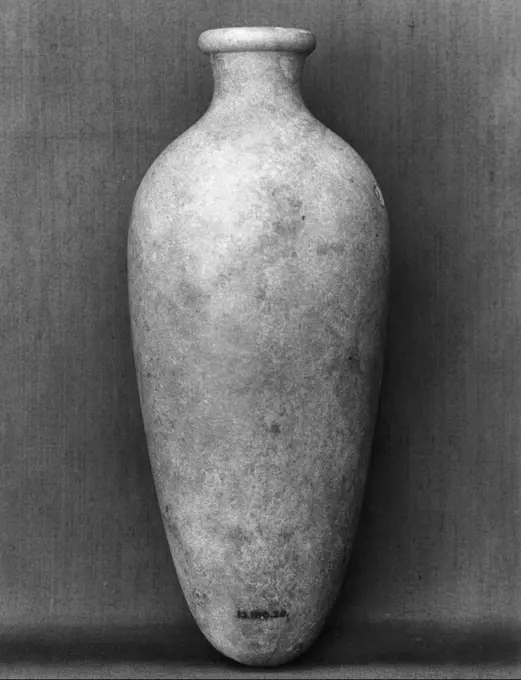
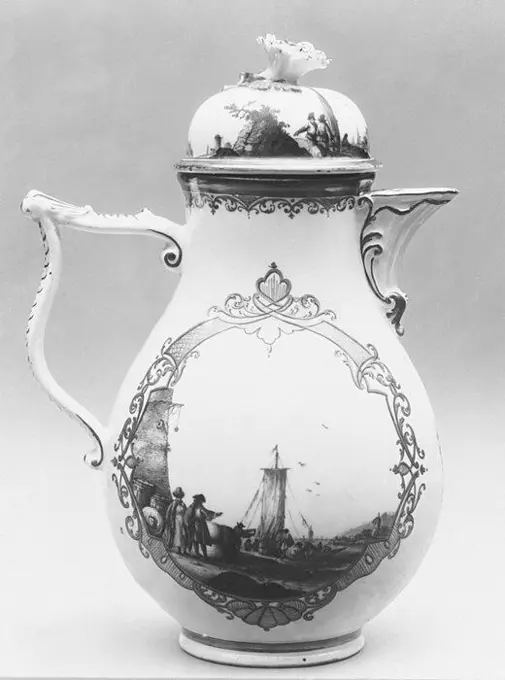
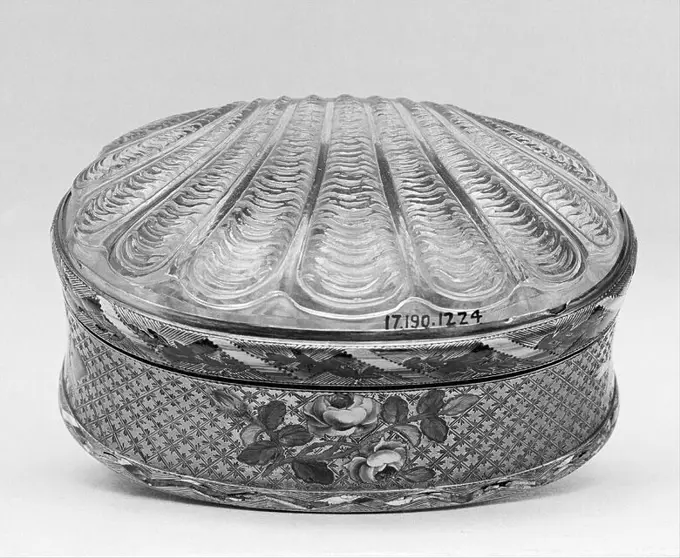
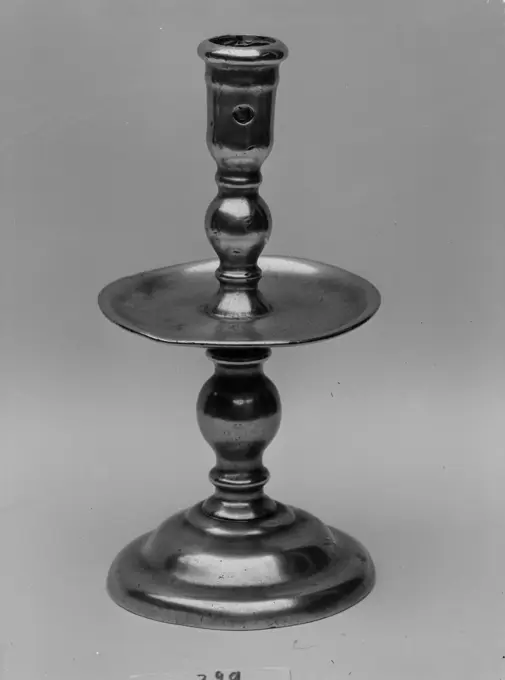
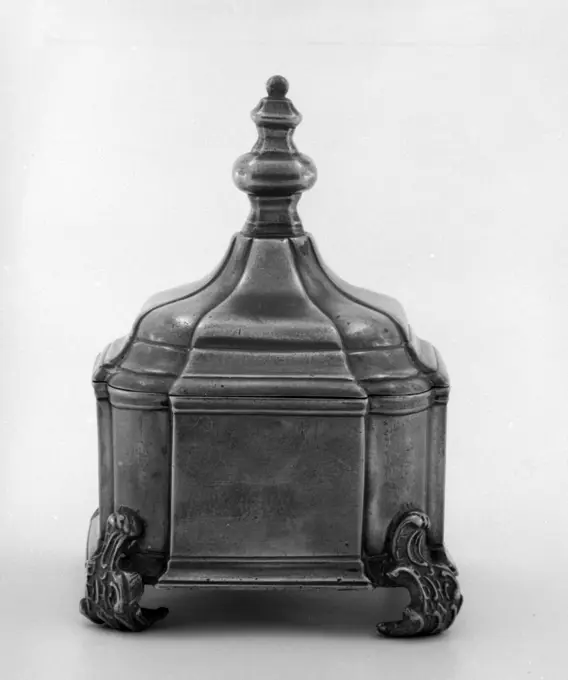
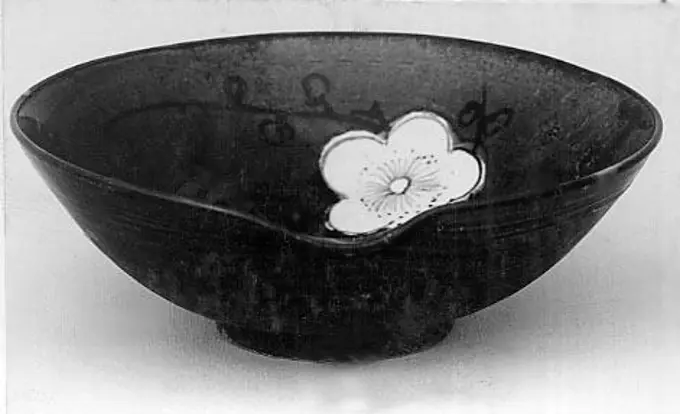
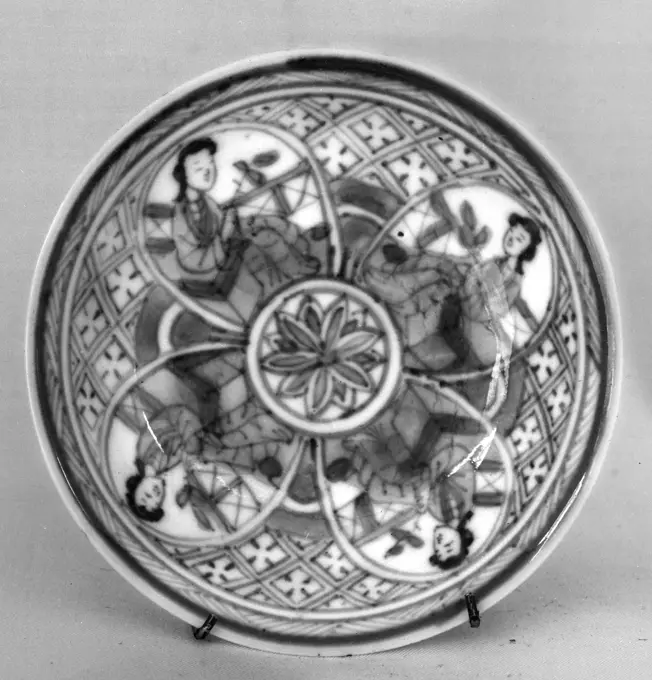
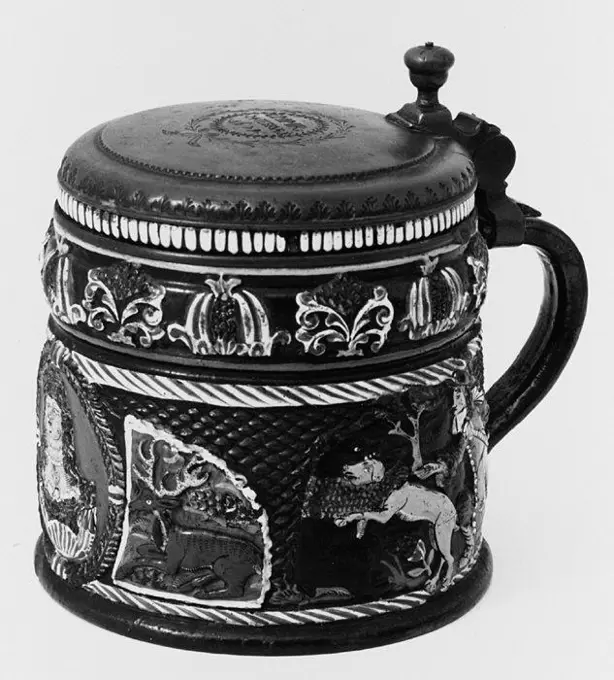
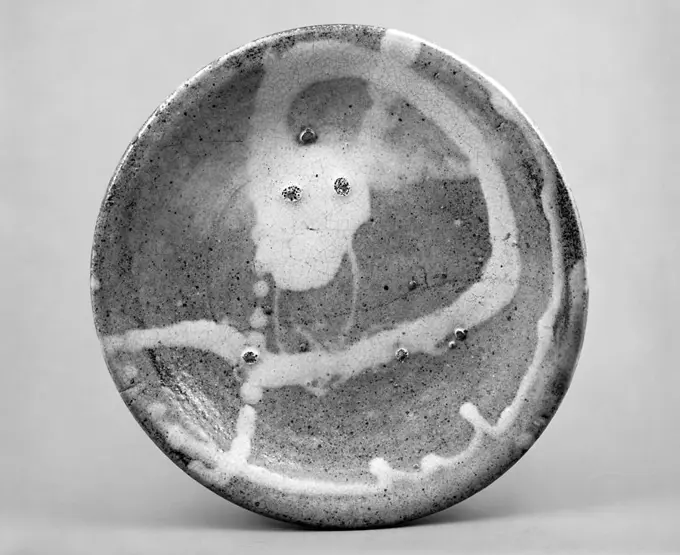
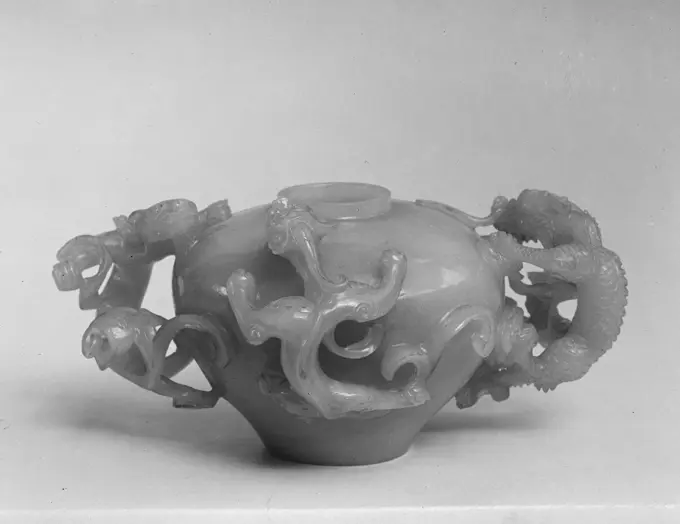
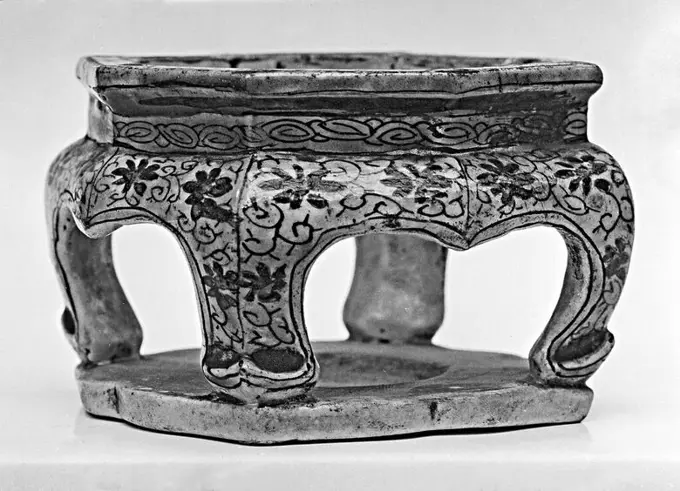
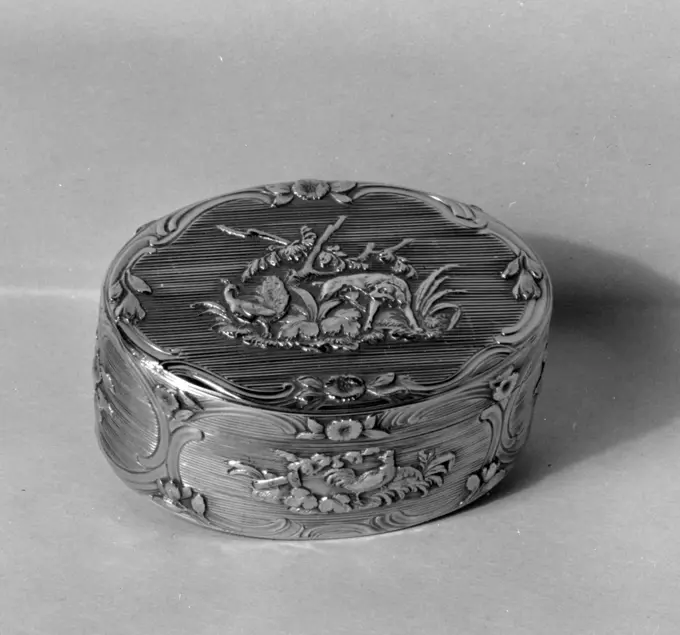
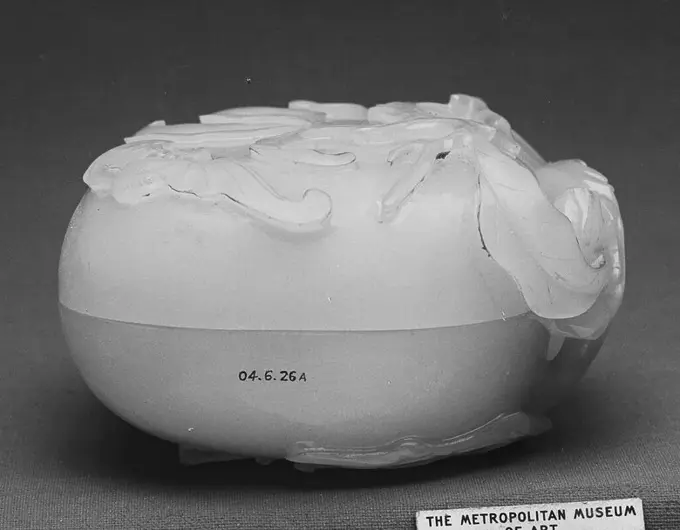
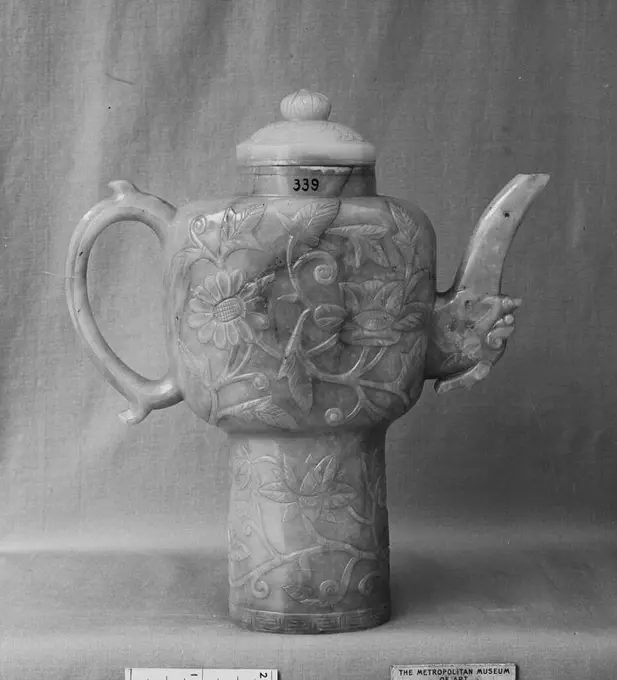
Dish. Culture: Japan. Dimensions: Diam. 8 7/8 in. (22.5 cm). Date: 19th century. Museum: Metropolitan Museum of Art, New York, USA.Milk pot ca. 1770-75 Tournai. Milk pot 188633 Factory: Tournai, Belgian, established ca. 1750, Milk pot, ca. 177075, Soft-paste porcelain, Height: 5 1/2 in. (14 cm). The Metropolitan Museum of Art, New York. Gift of Alfred Duane Pell, 1902 (02.6.73a, b)Sugar bowl (one of four) (part of a service) ca. 1767 Sèvres Manufactory French. Sugar bowl (one of four) (part of a service). French, Sèvres. ca. 1767. Soft-paste porcelain. Ceramics-PorcelainSugar bowl (one of four) (part of a service) ca. 1775 Sèvres Manufactory French. Sugar bowl (one of four) (part of a service) 197860Jug 17th century German, Nuremberg. Jug. German, Nuremberg. 17th century. Faience (tin-glazed earthenware); pewter. Ceramics-PotteryPitcher. Culture: American. Dimensions: H. 7 1/8 in. (18.1 cm). Maker: Possibly Boston & Sandwich Glass Company (American, 1825-1888, Sandwich, Massachusetts). Date: 1880-88. Museum: Metropolitan Museum of Art, New York, USA.Lazio Viterbo Viterbo Museo Civico01. Hutzel, Max 1960-1990 Views of paintings (Middle Ages through 18th c.), frescoes, a tabernacle, coffin, sculpture reliefs, portal fragments, busts, sculpture, tapestry found in the Pinacoteca, Second floor gallery and Second floor cloister sequences. Antiquities: Many views of Etruscan and Roman fragments, sculpture, sarcophagi, pottery, masks, jewelry and other objects found in the Storeroom sequence (inventory numbers on back of prints), and the Cloister, Second floor Cloister, Valle Giulia, Sala Romana and Sala Etrusca sequences. General Notes: There are eight separate numerical sequences for this location. The cloister as an architectural structure, rather than museum site, is documented in the record and file for S. Maria della Verita, Cloister, all views of which are stored in Medieval core collection. Five views from the Museo Civico Second floor cloister sequence are stored in Medieval. German-born photographer and scholar Max Hutzel (1911-Covered vase. Culture: China. Dimensions: H. 11 1/8 in. (28.3 cm); H. (with stand) 13 1/16 in. (33.2 cm); W 5 1/2 in. (14 cm). Date: early 18th century. Museum: Metropolitan Museum of Art, New York, USA.Teabowl. Artist: Nin'ami Dohachi (Takahashi Dohachi II) (Japanese, 1783-1855). Culture: Japan. Dimensions: H. 3 in. (7.6 cm); Diam. 4 1/4 in. (10.8 cm). Date: ca. 1850. Museum: Metropolitan Museum of Art, New York, USA.Baluster vase with elephant head. 12th century, 13th century, ceramic glazed stoneware from CambodiaBottle. Culture: Japan. Dimensions: H. 5 1/8 in. (13 cm). Date: 18th-19th century. Museum: Metropolitan Museum of Art, New York, USA.Covered Bowl third quarter 17th century China. Covered Bowl 49246Dish 1736-95 Chinese export porcelain was one of the luxuries deemed essential to a well-appointed eighteenth-century house. Until 1784, when direct trade began between China and America, Chinese porcelain came to the colonies by way of Europe. This dish was part of a large service that descended in the Verplanck family of New York.. Dish. 1736-95. Porcelain. Made in ChinaTeabowl ca. 1650 Japan. Teabowl 63202Jardinière ca. 1890 Ernest Chaplet French. Jardinière 487352Plate early 18th century Dutch, Delft. Plate 190731Snuff Bottle 19th century China. Snuff Bottle 41682Wine bottle Japan. Wine bottle 52305Vase with dragon and phoenix early 18th century China. Vase with dragon and phoenix 45908Dish ca. 1815-30 Derby Porcelain Manufactory. Dish 187983 Factory: Derby, Factory director: Bloor Period, Dish, ca. 181530, Soft-paste porcelain, 8 1/4  10 in. (21  25.4 cm). The Metropolitan Museum of Art, New York. Gift of Miss Emilie Lazarus, 1895 (95.6.16)Tureen ca. 1760 British, Staffordshire. Tureen 199578Campanian Black Lebes. UnknownCeramic Urn 11th-16th century Carchi. Ceramic Urn 314181Pair of Stem Cups China. Pair of Stem Cups. China. Porcelain painted in underglaze blue. Ming dynasty (1368-1644), Wanli mark and period (1573-1620). CeramicsBottle ca. 1830 Japan. Bottle. Japan. ca. 1830. Pottery covered with glaze. Edo period (1615-1868). CeramicsCup ca. 1900-1600 B.C. Iran. Cup 325002Bowl. Culture: China. Dimensions: H. 4 3/4 in. (12 cm); Diam. 9 3/8 in. (23.8 cm). Date: ca. 3rd millennium B.C.. Museum: Metropolitan Museum of Art, New York, USA.Tea cup ca. 1760-70 Chinese, for British market. Tea cup 201279Woodland scene of bird-snaring ca. 1725 German, Nuremberg The sudden appearance of elegant, single glass beakers in the eighteenth century may be explained by the custom of drinking water with a draft of thick, sweet, hot chocolate.. Woodland scene of bird-snaring 195841Milk jug with cover (part of a service) ca. 1770 Worcester factory. Milk jug with cover (part of a service) 206114Plate 1750 Japan. Plate 46990Creamer 1880-90. Creamer. 1880-90. Pressed purple marble glass. Made in EnglandDessert glass() probably late 17th century Italian (Venice). Dessert glass() 461228Vase China. Vase 50692Vegetable Dish 1800 Japan. Vegetable Dish. Japan. 1800. White porcelain decorated with colored enamels (Arita ware). Edo period (1615-1868). CeramicsSnuff Bottle 19th century China. Snuff Bottle 41681Water Vessel. Culture: China. Dimensions: H. 1 1/2 in. (3.8 cm); Diam. 1 3/4 in. (4.4 cm). Museum: Metropolitan Museum of Art, New York, USA.Vase. Culture: China. Dimensions: H. 16 1/2 in. (41.9 cm). Museum: Metropolitan Museum of Art, New York, USA.Cup 1800-1850 Japan. Cup. Japan. 1800-1850. Pottery with finely crackled glaze decorated in colors (Satsuma ware). Edo period (1615-1868). CeramicsBowl 19th century, after 17th century original British, after Russian original This electrotype is after a seventeenth-century original a treasure of the Kremlin, Moscow, at the time of reproduction.. Bowl 186625Water Coupe China. Water Coupe. China. Porcelain with incised decoration under peachbloom glaze. Qing dynasty (1644-1911), Kangxi mark and period (1662-1722). CeramicsVase ca. 1700-22 China. Vase. China. ca. 1700-22. Porcelain with peach-bloom glaze. Qing dynasty (1644-1911), Kangxi mark and period (1662-1722). CeramicsCandlestick 1700-1800 Diego Gonzales de la Cueva. Candlestick. Mexican. 1700-1800. Silver. Made in MexicoMeissen Porcelain Manufactory, Teapot and Cover, c. 1740-45, hard-paste porcelain.Water pot 19th century China. Water pot 48357Jug ca. 1765 British (American market). Jug. British (American market). ca. 1765. Stoneware. Made in Staffordshire, EnglandBowl with bitter melons and butterflies 18th century China. Bowl with bitter melons and butterflies 50750Cup 1780 Japan. Cup 62992Salt 1820-40 American. Salt. American. 1820-40. Blown pattern-molded glass. Possibly made in England; Possibly made in United StatesDecanter.   Maker: Boston and Sandwich Glass Works, American, 1826-88Fragmentary bowl ca. 1000 B.C. Iran. Fragmentary bowl. Iran. ca. 1000 B.C.. Gold. Iron Age. Northwestern Iran, Caspian regionBowl 15th century Korea. Bowl 57419Cup. Culture: China. Dimensions: H. 1 3/8 in. (3.5 cm); Diam. 3 1/8 in. (7.9 cm). Museum: Metropolitan Museum of Art, New York, USA.Ice cream cup (Tasse à glace) (part of a service) 1780 Sèvres Manufactory French. Ice cream cup (Tasse à glace) (part of a service). French, Sèvres. 1780. Soft-paste porcelain. Ceramics-PorcelainSpoon tray 18th century German, Thuringia The gift of the Hans Syz Collection in 1995 endowed the Museum with nearly three hundred examples of European and Asian ceramics meticulously acquired by Swiss-born collector Dr. Syz (1894-1991) to chart the migration of models and patterns from East to West. Documenting a continuous process of influence and adaptation, these pieces provide a discriminating review of the nuances of stylistic change resulting from three centuries of trade.. Spoon tray 208441Flask (Neck and Body). UnknownFire bowl ca. 1830 Kinkozan Japanese. Fire bowl 47107Gallipot. Culture: China. Dimensions: H. 4 7/8 in. (12.4 cm); Diam. 3 1/8 in. (7.9 cm). Museum: Metropolitan Museum of Art, New York, USA.Two-Handled Cup. UnknownCovered Butter Dish 1850-70 American With the development of new formulas and techniques, glass-pressing technology had improved markedly by the late 1840s. By this time, pressed tablewares were being produced in large matching sets and innumerable forms. During the mid-1850s, colorless glass and simple geometric patterns dominated. Catering to the demand for moderately-priced dining wares, the glass industry in the United States expanded widely, and numerous factories supplied less expensive pressed glassware to the growing market. At the Exhibition of the Industry of All Nations at New Yorks Crystal Palace in 1853, for example, the New England Glass Company exhibited 130 pieces of one design, "consisting of bowls, tumblers, champagnes, wines, and jelly glasses." This object belongs to one such service. Although the glass manufactory is not known, the glassware is very typical of the large services that were very popular with Americas middle class in the nineteenth century.. CoveredBliżej Kultury unknownHexagonal Bottle ca. 1850 Japan. Hexagonal Bottle. Japan. ca. 1850. Pottery (Hizen ware, Kutani type). Edo period (1615-1868). CeramicsBottle. Culture: China. Dimensions: H. 7 1/4 in. (18.4 cm). Museum: Metropolitan Museum of Art, New York, USA.Tea caddy with cover 1780-90 Chinese, for Danish market. Tea caddy with cover. Chinese, for Danish market. 1780-90. Hard-paste porcelain. Ceramics-Porcelain-ExportPilgrim bottle. Culture: China. Dimensions: 8 5/8 x 7 1/4 in. (21.9 x 18.4 cm). Date: late 18th-first half of the 19th century. Museum: Metropolitan Museum of Art, New York, USA.Toilet vase ca. 1850-1700 B.C. Late Middle Kingdom A pit in the portico of the rock- cut tomb MMA 840 in the Asasif area of the Theban necropolis contained the remains of a coffin, a group of fine jewelry and two toilet vessels (13.180.1-13.180.3; 13.180.4a-i; 13.180.5a, b; 13.180.6-13.180.11; 13.180.19a-c; 13.180.20). The dates of these objects range from the late Middle Kingdom (ca. 1850-1700 B. C.) through the Second Intermediate Period (ca. 1700-1550 B. C.). Similarly shaped stone vessels to this one (see for instance 10.176.46, 11.150.29, 25.2.6a, b) and pottery jars (see for instance 32.3.213) appear to date this vessel to the latter era.. Toilet vase 544013Bottle. Culture: Japan. Dimensions: H. 5 7/8 in. (14.9 cm). Date: early 19th century. Museum: Metropolitan Museum of Art, New York, USA.Vaso Mediceo (Firenze) , Antiquities, Vases, Medici vase. Nicholas Catsimpoolas CollectionCoffee or chocolate pot ca. 1740-45 Meissen Manufactory German. Coffee or chocolate pot 188671 Factory: Meissen Manufactory, German, 1710present, Coffee or chocolate pot, ca. 174045, Hard-paste porcelain, Height: 9 1/2 in. (24.1 cm). The Metropolitan Museum of Art, New York. Gift of Alfred Duane Pell, 1902 (02.6.133a, b)Snuffbox. Culture: French, Paris. Dimensions: 2 3/4 × 2 in. (7 × 5.1 cm). Maker: Jean Ducrollay (French, born 1709, master 1734, recorded 1760). Purveyor: Pierre André Jacquemin (or Jacqmin). Date: 1750-56, base and lid later replacements.In eighteenth-century Europe, Paris led the production of high-quality luxury goods. Parisian goldsmiths made a wide range of small, personal articles such as snuffboxes; étuis to hold sealing wax, tweezers, or utensils for sewing; souvenirs, which contained thin ivory tablets for note taking; and shuttles for knotting lace. Gold snuffboxes and boxes decorated with portrait miniatures were prized and frequently given as royal gifts, often to ambassadors or members of the court in lieu of cash payments for their services. Coveted and admired, these boxes were produced from a variety of materials. The best were skillfully made of gold and embellished with diamonds, enameled decoration, lacquer, and other luxurious materials. By the middle of the centurCandlestick 1600-1700. Candlestick. 1600-1700. Brass. Possibly made in Netherlands; Possibly made in EnglandCovered Bowl 1830-70 Probably David Haring. Covered Bowl. American. 1830-70. Earthenware. Made in Bucks County, Pennsylvania, United StatesFragment of the Neck and Mouth of a Funerary Lekythos. UnknownVase 19th century possibly Italian. Vase. possibly Italian. 19th century. Glass. GlassTobacco box second quarter 18th century C. Vos. Tobacco box. Dutch. second quarter 18th century. Pewter. Metalwork-PewterLavatory or portable cistern 18th century Flemish. Lavatory or portable cistern. Flemish. 18th century. Pewter. Metalwork-PewterBowl 18th century Japan. Bowl 52511Mug ca. 1840 Bohemian The shape is characteristic of mugs used at spas.. Mug. Bohemian. ca. 1840. Glass, enameled and gilt. GlassPlatter 17th century possibly Dutch. Platter. possibly Dutch. 17th century. Pewter. Metalwork-PewterBottle Japan. Bottle 52300Saucer with four ladies late 17th-early 18th century China. Saucer with four ladies. China. late 17th-early 18th century. Porcelain painted in underglaze cobalt blue (Jingdezhen ware). Qing dynasty (1644-1911), Kangxi period (1662-1722). CeramicsHunting tankard dated 1679 George Schöps German stoneware tankards were brought to America in large numbers on Dutch fur-trading ships. Shards of these popular vessels have been uncovered at seventeenth century sites in New York and New England.. Hunting tankard 198714Square vase with flowers of four seasons late 17th century China. Square vase with flowers of four seasons. China. late 17th century. Porcelain painted in underglaze cobalt blue (Jingdezhen ware). Qing dynasty (1644-1911), Kangxi period (1662-1722). CeramicsJar. Culture: China. Dimensions: H. 13 1/2 in. (34.3 cm). Museum: Metropolitan Museum of Art, New York, USA.Bowl late 18th century China. Bowl. China. late 18th century. Porcelain with lemon yellow glaze. Qing dynasty (1644-1911). CeramicsDish 17th century German, Frankfurt or Dutch. Dish 193034Mace head ca. 9th century B.C. Iran. Mace head 325779Plate 17th century Japan. Plate 52213Mace head ca. 9th century B.C. Iran. Mace head 325776Goblet 18th century probably German. Goblet. probably German. 18th century. Glass, opalescent. GlassDragon Vase China. Dragon Vase. China. Nephrite. Qing dynasty (1644-1911), Kangxi period (1662-1722). JadeStand. Culture: China. Dimensions: H. 2 1/4 in. (5.7 cm); W. 4 in. (10.2 cm); D. 3 1/2 in. (8.8 cm). Date: early 18th century. Museum: Metropolitan Museum of Art, New York, USA.Patch box 1759-60 Probably by Jean Formey. Patch box. French, Paris. 1759-60. Gold. Metalwork-Gold and PlatinumTobacco Box 19th century Japan. Tobacco Box 60519Bottle with stopper. Culture: German. Dimensions: Overall: 4 1/2 × 2 5/8 in. (11.4 × 6.7 cm). Date: 1835-40. Museum: Metropolitan Museum of Art, New York, USA.Hill Jar China. Hill Jar 46032Snuff Bottle China. Snuff Bottle 41271Bottle 13th century Korea. Bottle 57422Box in the shape of a peach. Culture: China. Dimensions: H. 1 7/8 in. (4.8 cm); W. 2 3/4 in. (7 cm); L. 3 1/4 in. (8.3 cm). Date: 18th century. Museum: Metropolitan Museum of Art, New York, USA.Wine pot with cover. Culture: China. Dimensions: H. 7 7/8 in. (20 cm); W. 6 15/16 in. (17.6 cm); L. 2 7/16 in. (6.2 cm). Museum: Metropolitan Museum of Art, New York, USA.