Vintage Ceramic Bottles and Vessels

A selection of artistic bottles and vases from different cultures and periods, showcasing unique glazes and forms, highlighting craftsmanship in ceramics.
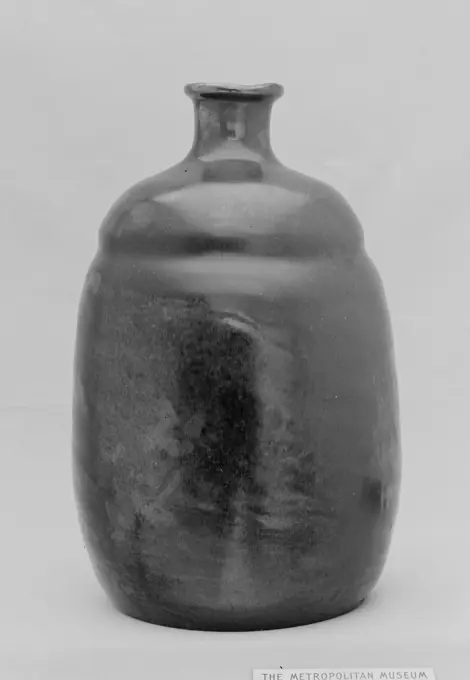
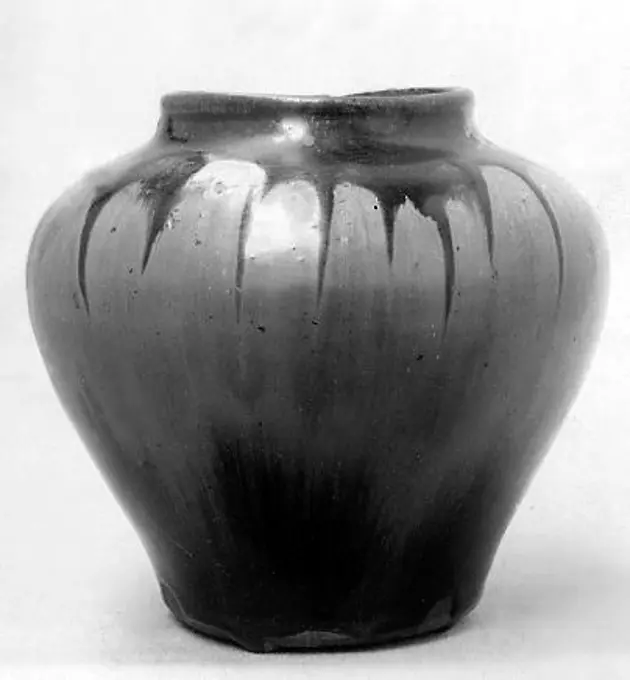
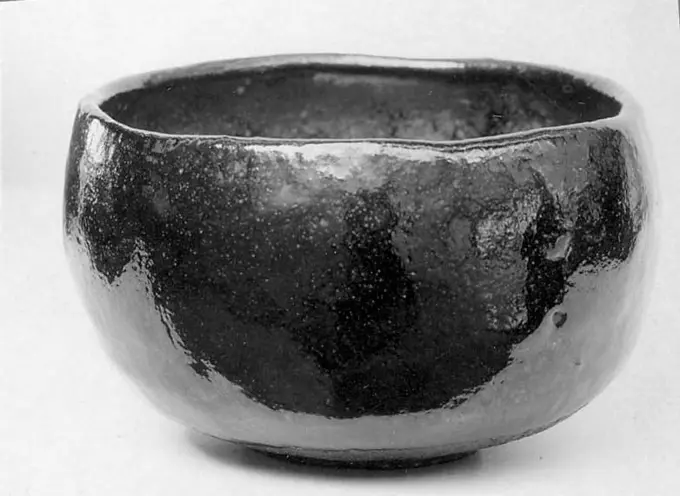
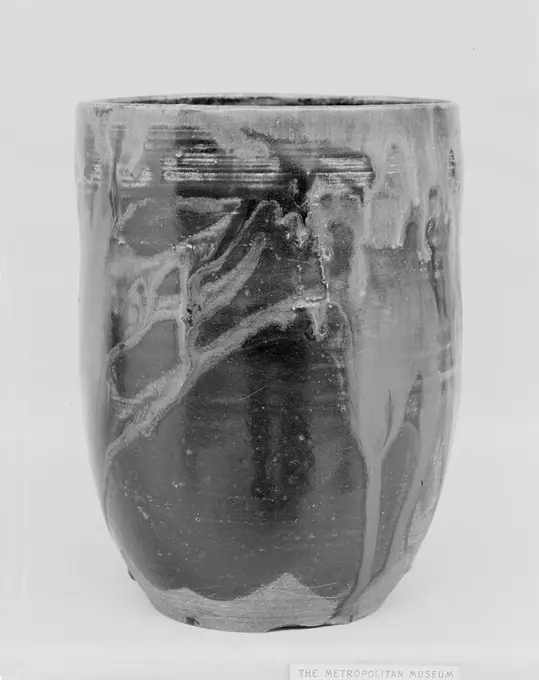
Bottle 18th century Japan. Bottle. Japan. 18th century. Clay covered with a mottled glaze and an overglaze (Takatori ware, Satsuma type). Edo period (1615-1868). Ceramics
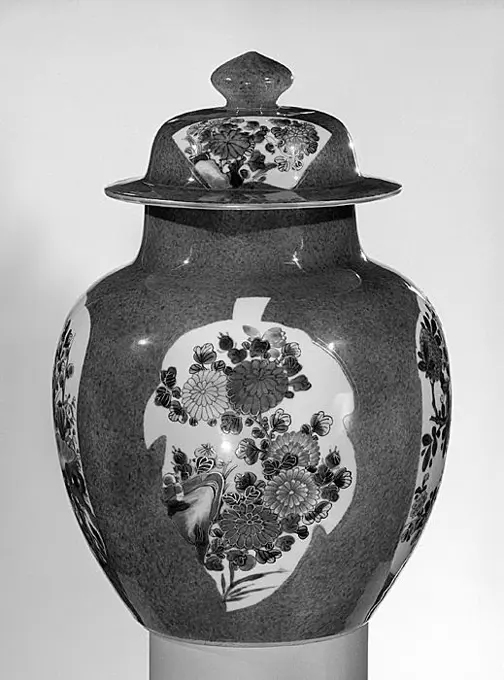
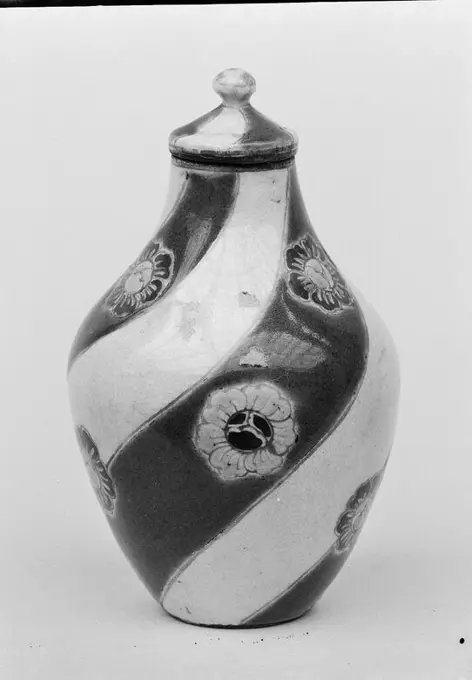
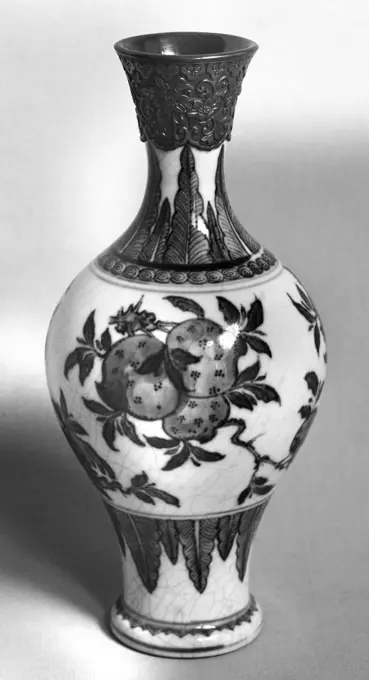
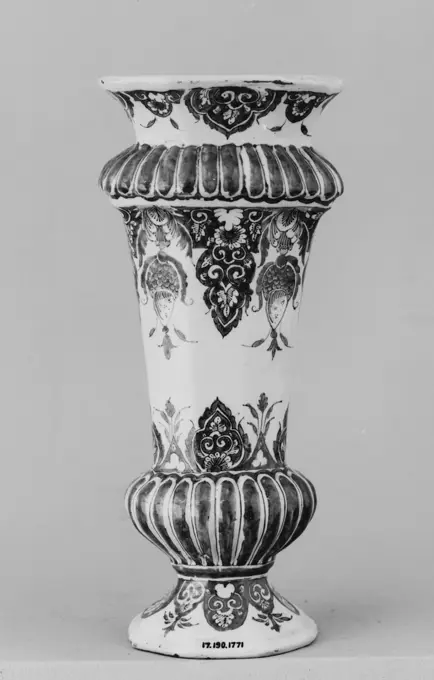
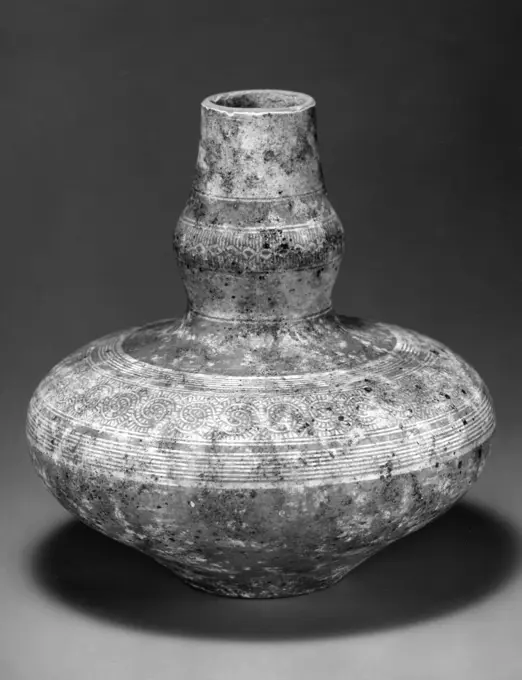
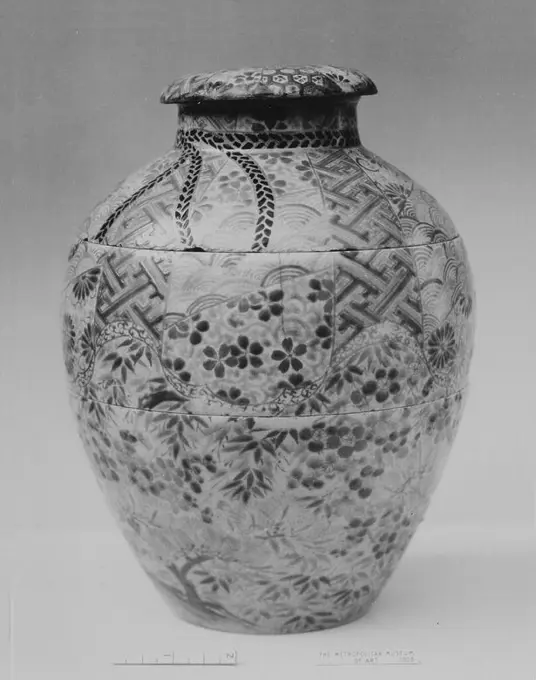
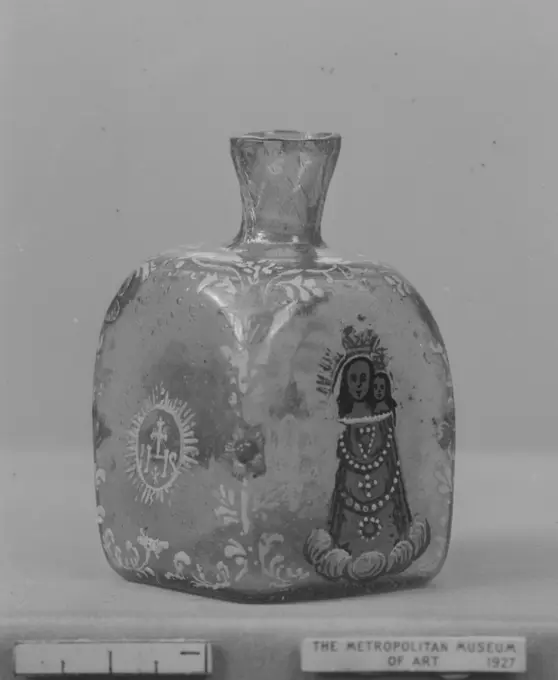
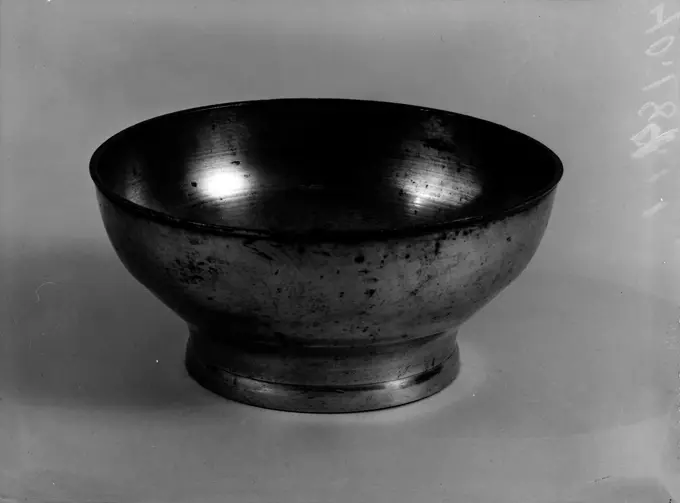
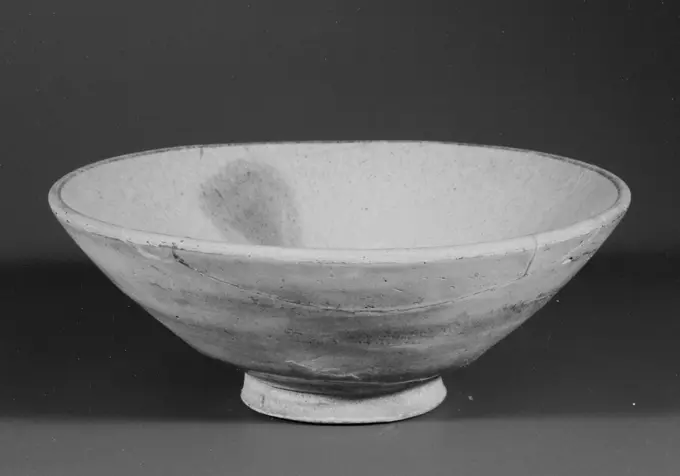
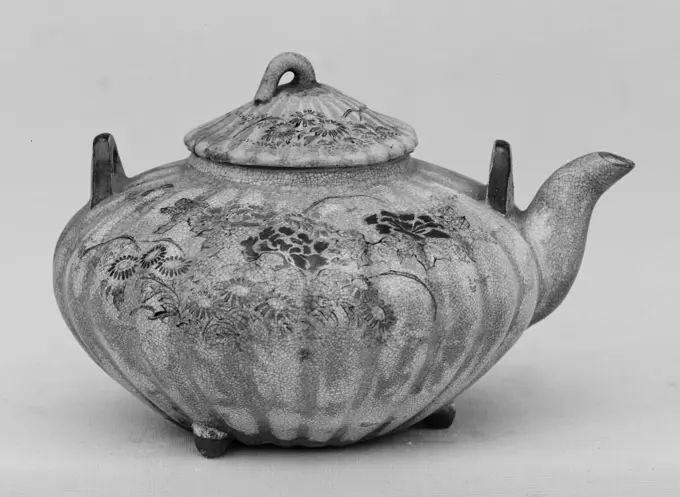
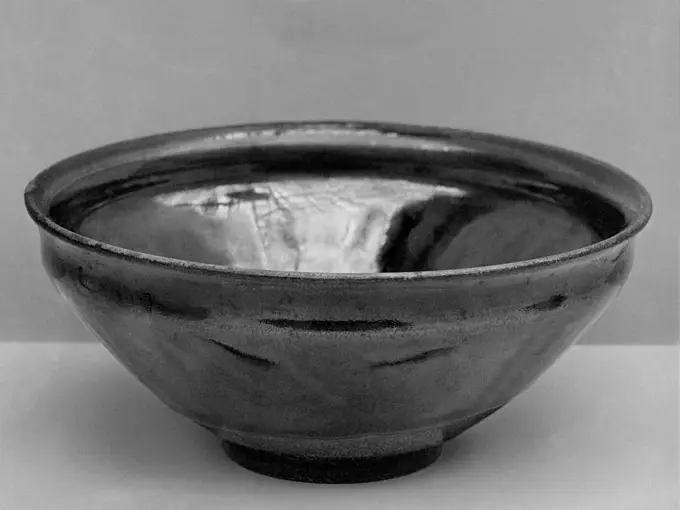
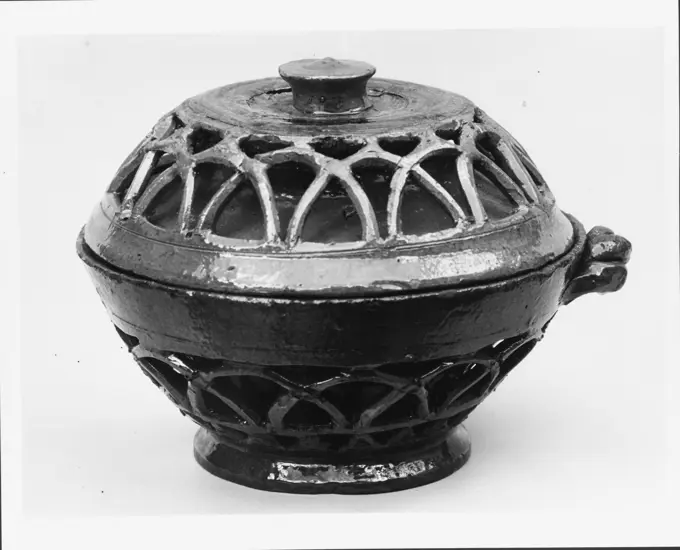
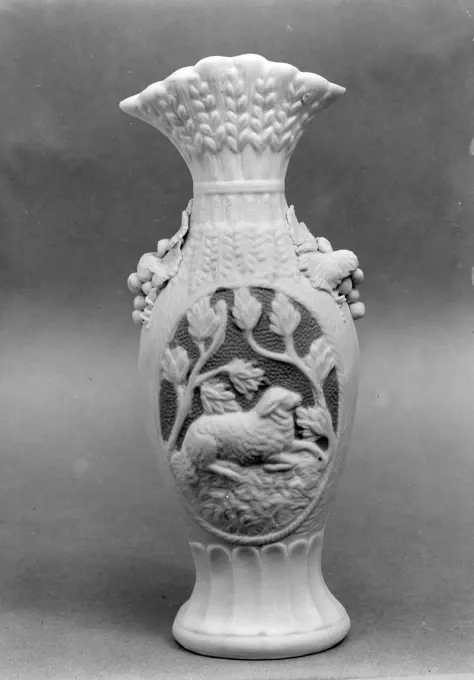
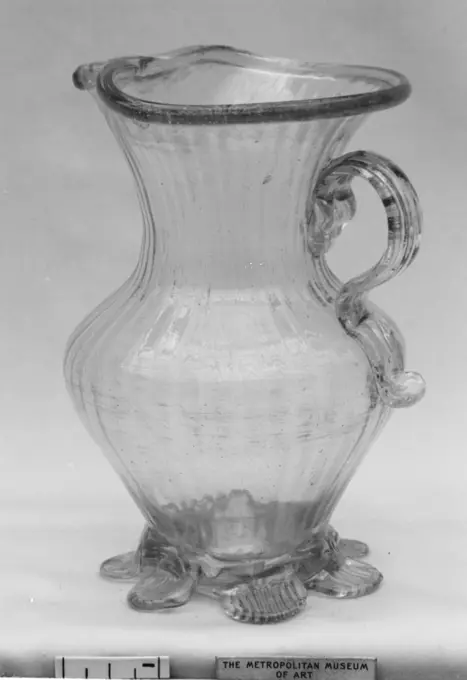
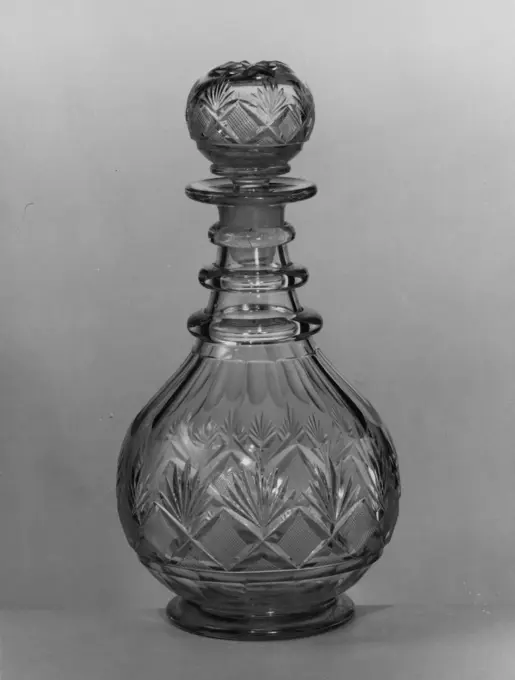
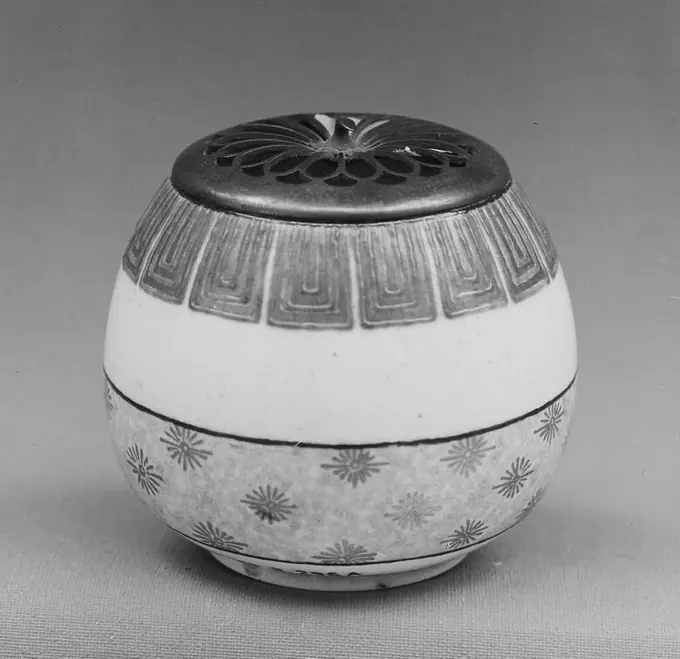
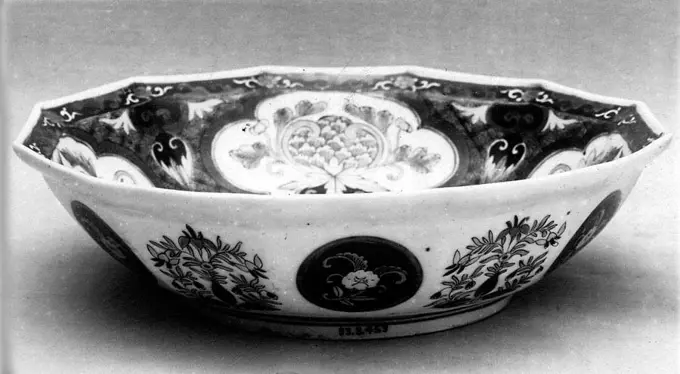
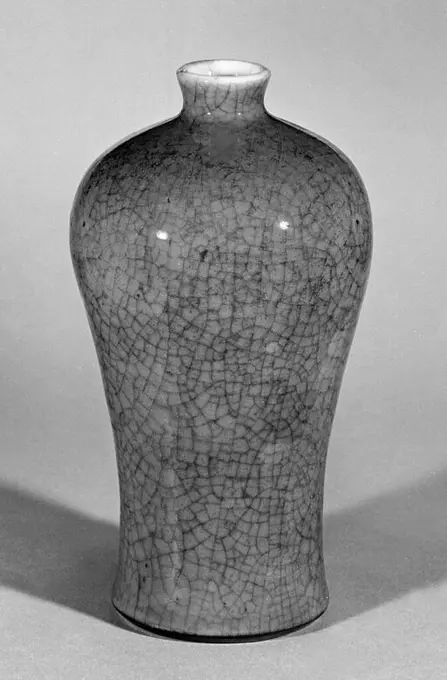
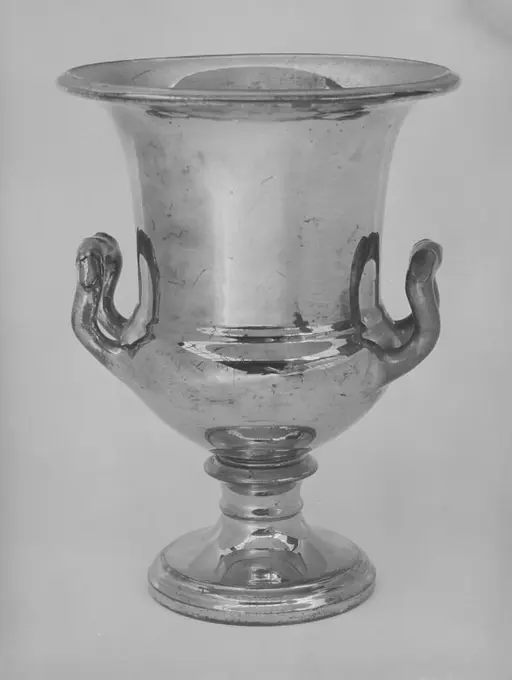
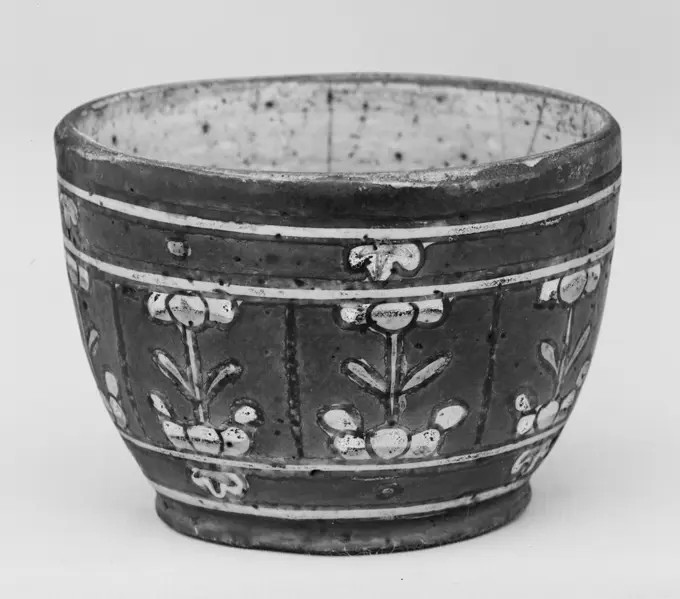
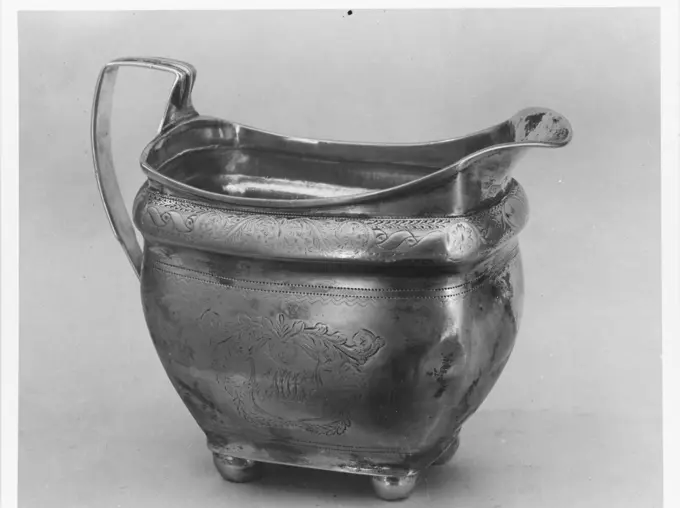
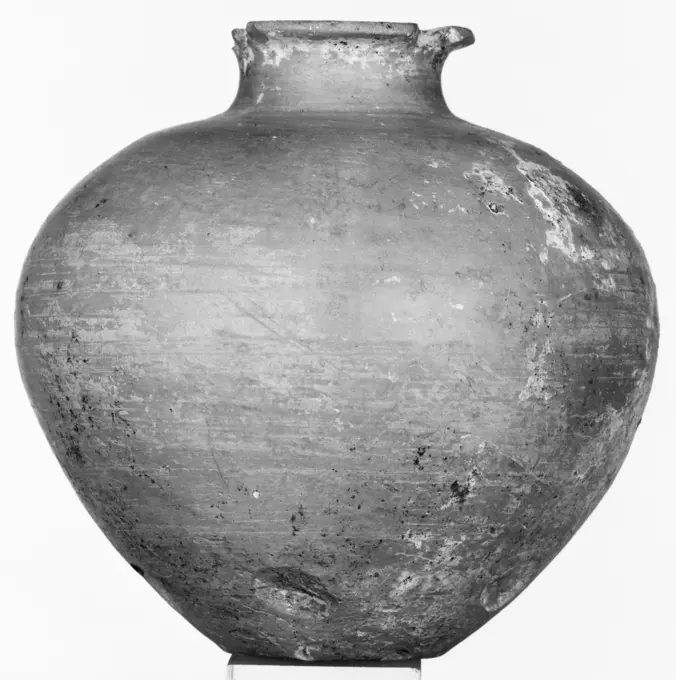
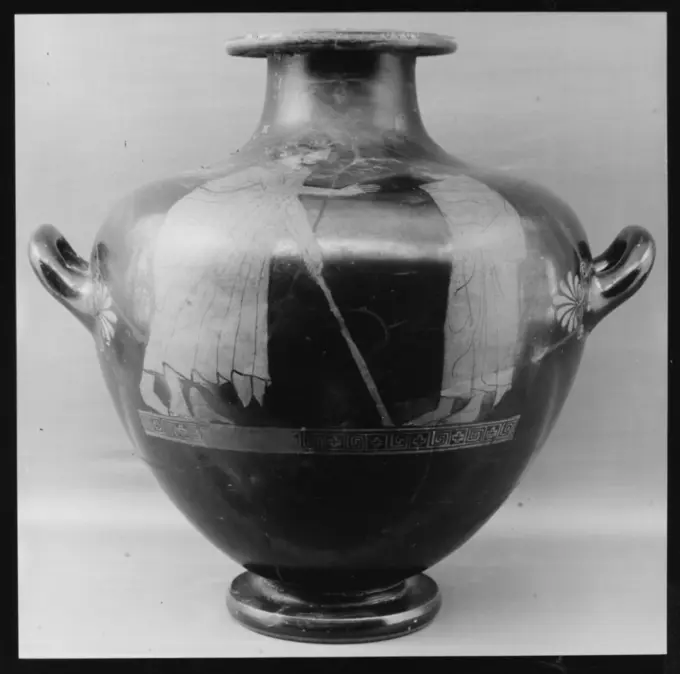
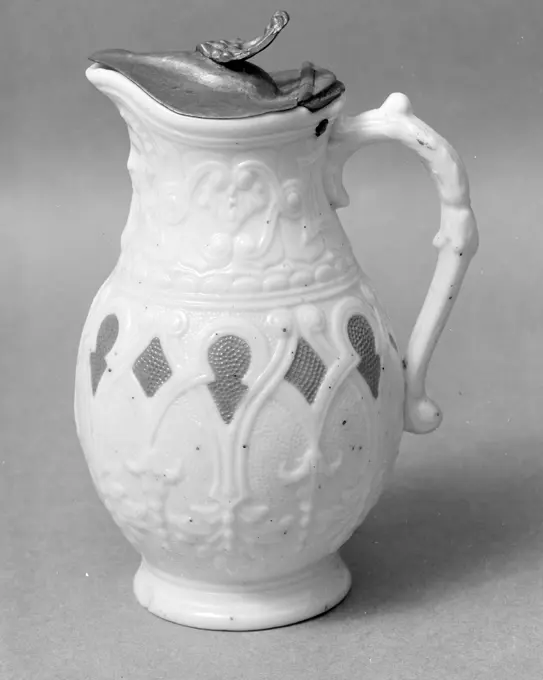
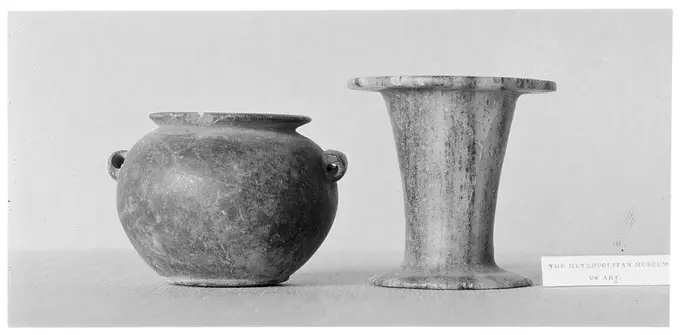
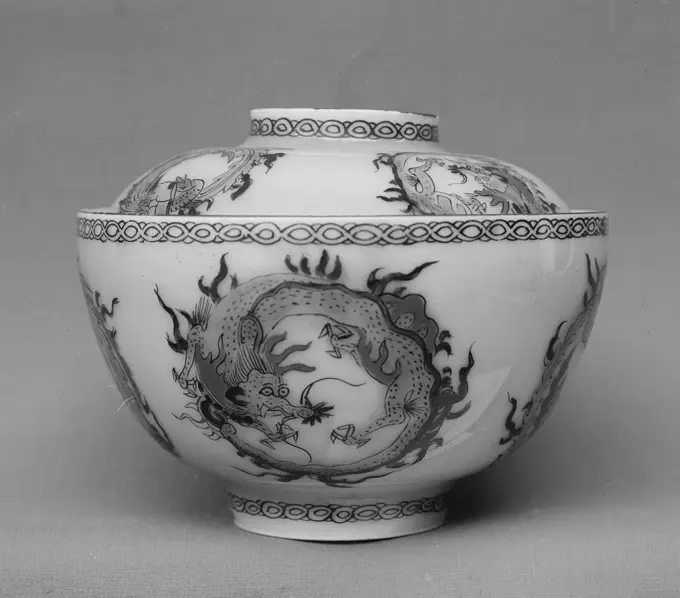
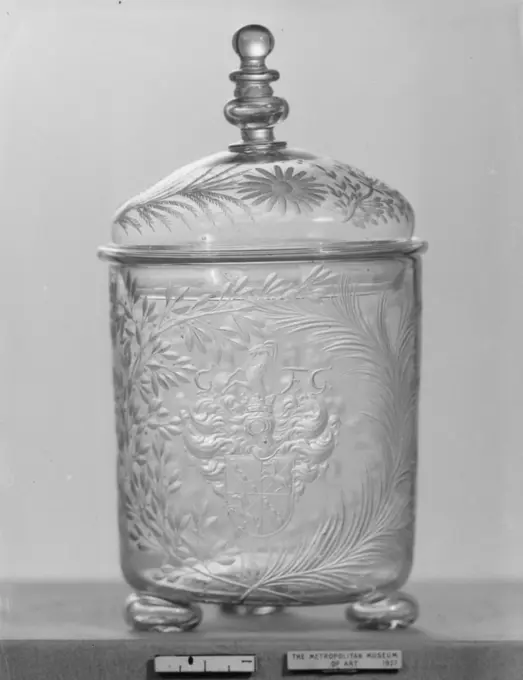
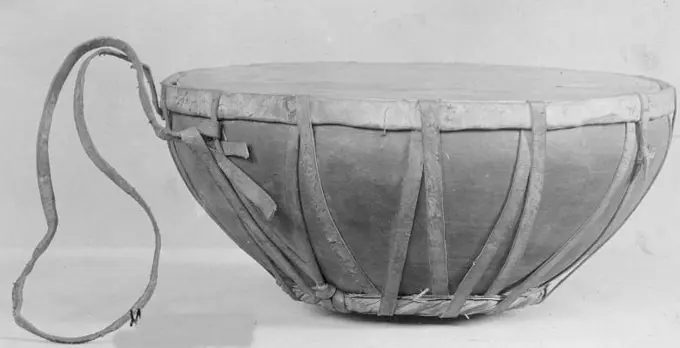
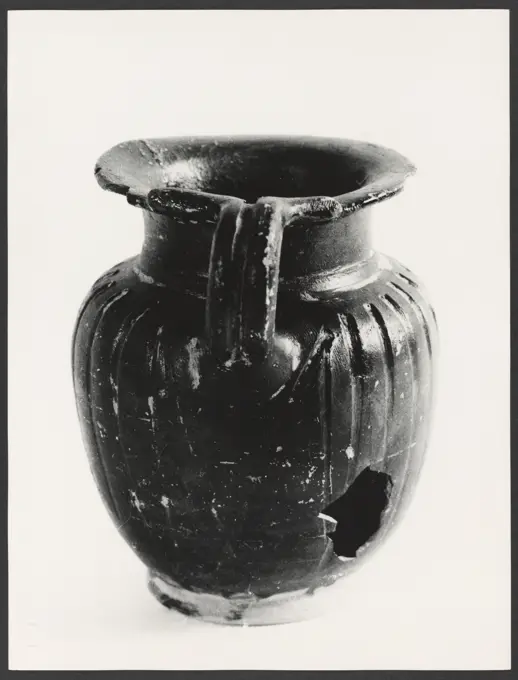
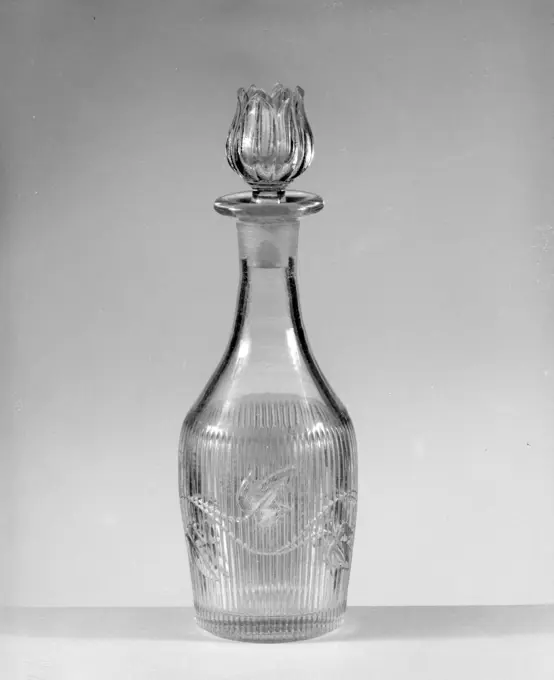
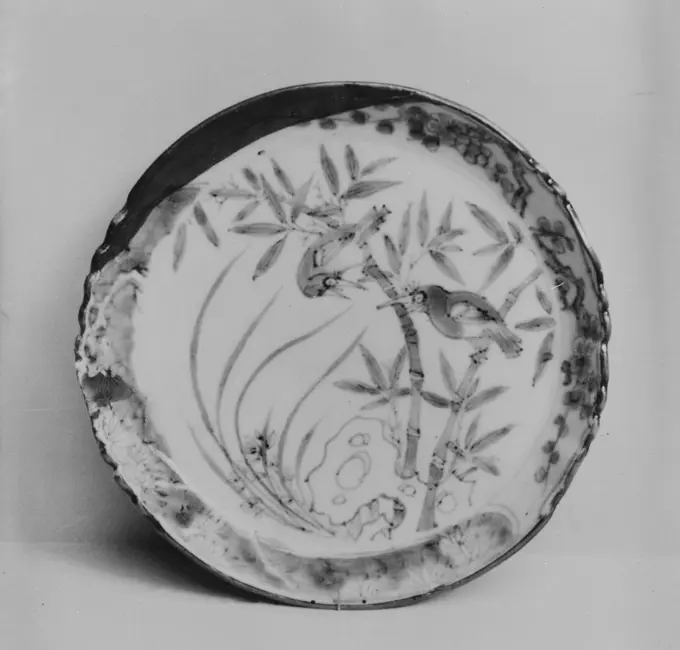
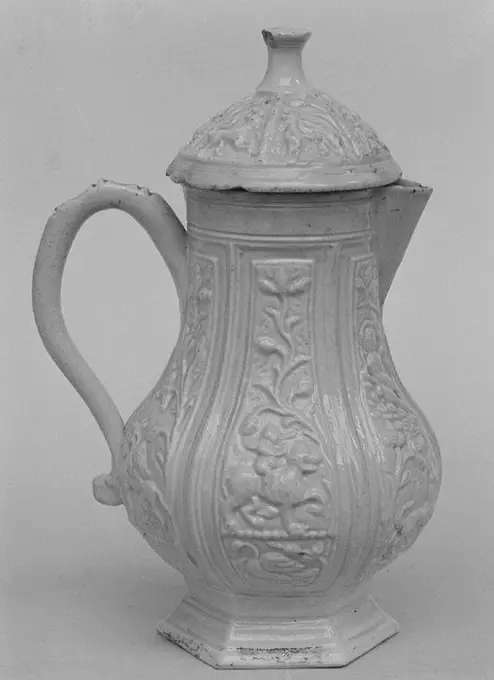
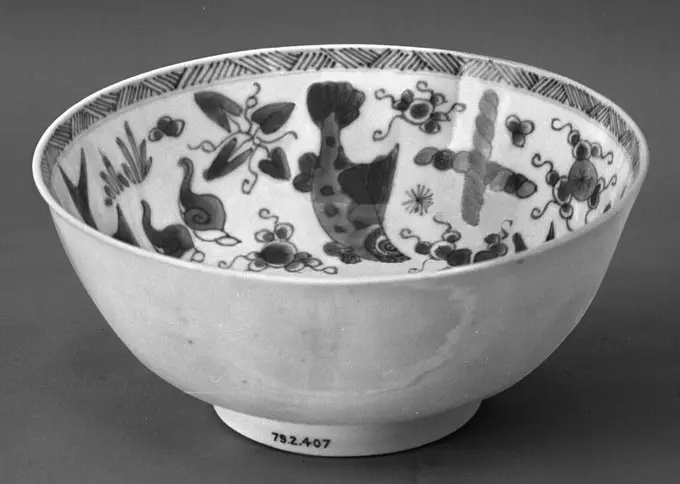
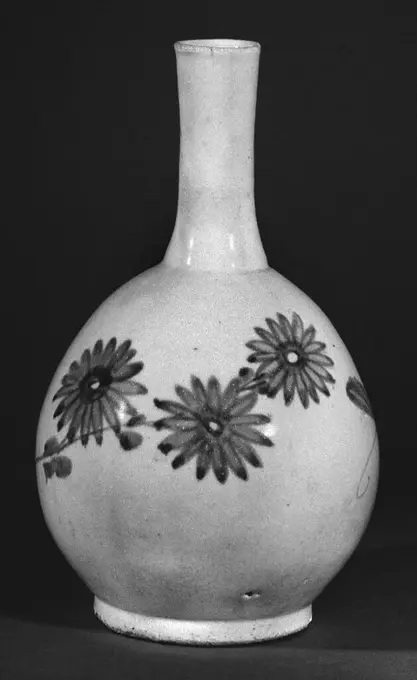
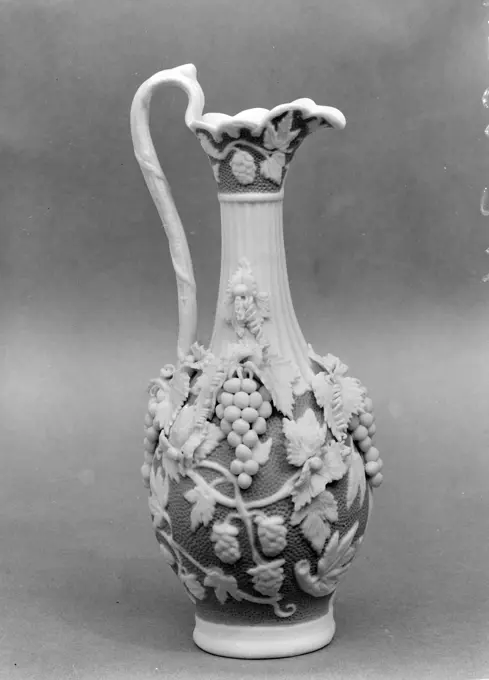
Ewer 1830-70 American Named in reference to the ancient marble quarry on the Greek island of Parros, parian has higher proportion of feldspar than conventional porcelain, resulting in a vitrified biscuit body that resembles white statuary marble. Stylish and affordable, parian statuary and hollowware were extremely popular household ornaments in the mid-nineteenth century. This vessel was likely made by the United States Pottery Company, which exhibited parian to great acclaim at the 1853 Crystal Palace Exhibition in New York.. Ewer. American. 1830-70. Parian porcelain. Probably made in Bennington, Vermont, United StatesBottle. Culture: China. Dimensions: H. 6 9/16 in. (16.7 cm); Diam. 4 in. (10.2 cm). Date: 18th century. Museum: Metropolitan Museum of Art, New York, USA.Bottle 18th century Japan. Bottle. Japan. 18th century. Clay covered with a mottled glaze and an overglaze (Takatori ware, Satsuma type). Edo period (1615-1868). CeramicsBottle. Culture: Japan. Dimensions: H. 7 5/8 in. (19.4 cm); Diam. 6 1/4 in. (15.9 cm). Date: ca. 1800. Museum: Metropolitan Museum of Art, New York, USA.Incense Burner China. Incense Burner 61195Covered jar with birds and flowers late 17th-early 18th century China. Covered jar with birds and flowers 50695Bottle China. Bottle 46831Vase.  Manufacturer: William Ellis Tucker, American, 1800-1832 Manufacturer: Tucker and Hemphill, American, active 1831-38 Manufacturer: Joseph Hemphill, American, 1770-1842Bottle for Sweets 1650 Japan. Bottle for Sweets. Japan. 1650. Clay covered with glaze (Takatori ware). Edo period (1615-1868). CeramicsMiniature Jar with Cover. Culture: Japan. Dimensions: H. (with cover) 2 7/8 in. (7.3 cm). Date: late 18th century. Museum: Metropolitan Museum of Art, New York, USA.Vase. Culture: China. Dimensions: H. 6 3/4 in. (17.1 cm). Museum: Metropolitan Museum of Art, New York, USA.Vase with peaches, pomegranates, and fingered citrons early 18th century China. Vase with peaches, pomegranates, and fingered citrons. China. early 18th century. Soft-paste porcelain painted in underglaze cobalt blue (Jingdezhen ware), silver mount. Qing dynasty (1644-1911). CeramicsVase. Culture: China. Dimensions: H. 7 3/4 in. (19.7 cm). Museum: Metropolitan Museum of Art, New York, USA.Jar Japan 19th centuryCovered Bowl. Culture: China. Dimensions: H. 6 3/4 in. (17.1 cm); Diam. 5 in. (12.7 cm). Date: late 18th-19th century. Museum: Metropolitan Museum of Art, New York, USA.Vase. Culture: China. Dimensions: H. 20 1/8 in. (51.1 cm); Diam. 14 1/2 in. (36.8 cm). Museum: Metropolitan Museum of Art, New York, USA.Covered bowl with Thai mythical figures 19th century China. Covered bowl with Thai mythical figures 45876Vase ca. 1705-20 French, Rouen Faience, or tin-glazed and enameled earthenware, first emerged in France during the sixteenth century, reaching widespread usage among elite patrons during the seventeenth and early eighteenth centuries, prior to the establishment of soft-paste porcelain factories. Although characterized as more provincial in style than porcelain, French faience was used at the court of Louis XIV as part of elaborate meals and displays, with large-scale vessels incorporated into the Baroque garden designs of Versailles. Earlier examples of French faience attest to the strong influence of maiolica artists from Italy. Later works demonstrate the ways in which cities such as Nevers, Rouen, Lyon, Moustiers, and Marseille developed innovative vessel shapes and decorative motifs prized among collectors throughout Europe. While faience can be created from a wide mixture of clays, it is foremost distinguished by the milky opaque white color achieved by the addition of tin oxide tBottle with Bulbous Neck ca. 14th century Thailand. Bottle with Bulbous Neck 37456Vase. Culture: China. Dimensions: H. 7 1/4 in. (18.4 cm). Museum: Metropolitan Museum of Art, New York, USA.Jar. Culture: China. Dimensions: H. 9 3/4 in. (24.8 cm). Date: first half of the 19th century. Museum: Metropolitan Museum of Art, New York, USA.Bottle 18th century Japan. Bottle 47806Incense Burner. Culture: China. Dimensions: H. 6 1/4 in. (15.9 cm); Diam. 8 in. (20.3 cm). Museum: Metropolitan Museum of Art, New York, USA.Jar 18th century Japan. Jar 47813Large Vase with Cover and Design of Peacocks China. Large Vase with Cover and Design of Peacocks. China. Porcelain. Qing dynasty (1644-1911), Qianlong period (1736-95). CeramicsCake box in tiers. Culture: Japan. Dimensions: H. 6 3/8 in. (16.2 cm); Diam. 7 1/4 in. (18.4 cm). Date: 1780. Museum: Metropolitan Museum of Art, New York, USA.Bottle late 17th-early 18th century Southern German Painted with the Santa Casa of Poreto and the Black Madonna of Loreto with sacred monograms.. Bottle. Southern German. late 17th-early 18th century. Glass. GlassReliquary ca. 1st-3rd century Pakistan (ancient region of Gandhara). Reliquary. Pakistan (ancient region of Gandhara). ca. 1st-3rd century. Schist with gold, silver, and rock-crystal objects. SculptureCreamer 1865-70 Central Glass Company. Creamer. American. 1865-70. Pressed glass. Made in Wheeling, West Virginia, United StatesMinature meiping vase 18th century China. Minature meiping vase 50737Jar 19th century Japan. Jar 62704Bowl 1817-21 Robert Palethorp Jr.. Bowl. American. 1817-21. Pewter. Made in Philadelphia, Pennsylvania, United StatesCovered jar with plum blossoms late 17th-early 18th century China. Covered jar with plum blossoms. China. late 17th-early 18th century. Porcelain painted in underglaze cobalt blue (Jingdezhen ware). Qing dynasty (1644-1911), Kangxi period (1662-1722). CeramicsBowl 12th-13th century China. Bowl. China. 12th-13th century. Stoneware with light blue glaze (Jun ware). Jin dynasty (1115-1234). CeramicsCircular Small Covered Jar with Millefleur Design 19th century Japan. Circular Small Covered Jar with Millefleur Design 63328Teapot 1865-70 Japan. Teapot. Japan. 1865-70. Pottery covered with a crackled glaze;overglaze enameled and gilded designs (Satsuma ware). Edo (1615-1868) or Meiji period (1868-1912). CeramicsEast Greek Trefoil Oinochoe. UnknownCovered Sugar Bowl 1780-1820 American or British. Covered Sugar Bowl. American or British. 1780-1820. Blown pattern-molded lead glass. Possibly made in England; Possibly made in United StatesTea caddy 1750-55 Chinese, for British market. Tea caddy 202597Snuff Bottle China. Snuff Bottle 41280Vase. Culture: China. Dimensions: H. 5 3/4 in. (14.6 cm). Museum: Metropolitan Museum of Art, New York, USA.Tea caddy (part of a service) ca. 1765-75 Worcester factory Eighteenth- and nineteenth-century porcelain tea sets usually comprised a teapot and stand, milk jug, sugar bowl, tea caddy, spoon tray, slop basin, six or twelve tea bowls with or without handles, and six or twelve saucers, a coffee pot and six or twelve coffee cups and a dish for cake. The Worcester factory made tea bowls with a handle if the decoration was European and without a handle for Oriental designs.. Tea caddy (part of a service) 198461Vase with cover ca. 1730-35 Meissen Manufactory German. Vase with cover 191636Jar. Culture: China. Dimensions: H. 7 3/8 in. (18.7 cm); Diam. 8 1/4 in. (21 cm). Date: late 18th-19th century. Museum: Metropolitan Museum of Art, New York, USA.Bowl China. Bowl 48104Vase 1700-1800 Chinese. Vase. Chinese. 1700-1800. Porcelain, teak. Made in ChinaCovered Bowl ca. 1835 Probably David Haring. Covered Bowl. American. ca. 1835. Earthenware. Made in Bucks County, Pennsylvania, United StatesVase. Culture: British (American market). Dimensions: H. 7 1/2 in. (19.1 cm); Diam. 5 1/4 in. (13.3 cm). Maker: Probably Stevens and Williams. Date: ca. 1885. Museum: Metropolitan Museum of Art, New York, USA.Covered Cup and Saucer China. Covered Cup and Saucer. China. Porcelain: egg-shell. Qing dynasty (1644-1911), Qianlong period (1736-95). CeramicsVase 1830-70 American. Vase. American. 1830-70. Parian porcelain. Probably made in Bennington, Vermont, United StatesBell 1769-70 Probably by François Delapierre. Bell 200351Cummings' Columbian Art Tresures Exhibit. Photographs of Marshall Plan Programs, Exhibits, and PersonnelBottle vase 18th century China. Bottle vase. China. 18th century. Porcelain with blue glaze (Jingdezhen ware). Qing dynasty (1644-1911). CeramicsJug 17th-18th century Italian, Venice or French. Jug. Italian, Venice or French. 17th-18th century. Glass. GlassDecanter 1820-35 Possibly Bakewell, Page & Bakewell. Decanter 3074Wine Bottle. Culture: Japan. Dimensions: H. 7 1/2 in. (19.1 cm). Date: 19th century. Museum: Metropolitan Museum of Art, New York, USA.Gemel flask 18th century American. Gemel flask. American. 18th century. Free-blown glass. Made in New Jersey, United StatesIncense Burner. Culture: Japan. Dimensions: H. 2 in. (5.1 cm). Date: 1800. Museum: Metropolitan Museum of Art, New York, USA.Octagonal Jar with Cover. Culture: Japan. Dimensions: H. (with cover) 24 3/4 in. (62.9 cm). Date: 1700. Museum: Metropolitan Museum of Art, New York, USA.Candlestick and workbox (table à ouvrage en guéridon) ca. 1785 Attributed to Martin Carlin French. Candlestick and workbox (table à ouvrage en guéridon) 206786Covered Jar 15th-16th century Thailand (Si Satchanalai). Covered Jar 37478Beaker 19th century Probably by Edmé Samson. Beaker 185899Bowl 1780 Japan. Bowl. Japan. 1780. White porcelain decorated with blue under the glaze, colored enamels (Arita ware). Edo period (1615-1868). CeramicsGallipot. Culture: China. Dimensions: H. 7 3/4 in. (19.7 cm); Diam. 4 1/4 in. (10.8 cm). Museum: Metropolitan Museum of Art, New York, USA.Water Coupe. Culture: China. Dimensions: H. 3 1/2 in. (8.9 cm); Diam. 5 in. (12.7 cm). Museum: Metropolitan Museum of Art, New York, USA.Tray ca. 1860-66 Chinese, for American market. Tray. Chinese, for American market. ca. 1860-66. Porcelain. Made in ChinaVase. Culture: British. Dimensions: H. 9 1/2 in. (24.1 cm). Date: 1800-1830. Museum: Metropolitan Museum of Art, New York, USA.Vase. Culture: Japan. Dimensions: H. 4 3/4 in. (12.1 cm). Date: 18th century. Museum: Metropolitan Museum of Art, New York, USA.Cup 18th century Japan. Cup. Japan. 18th century. Pottery covered by glaze overlaid with design in colors (Kyoto ware). Edo period (1615-1868). CeramicsBowl with Geometric Decoration. UnknownCup 18th century Japan. Cup 47040Creamer 1800-1830 Hugh Wishart. Creamer. American. 1800-1830. Silver. Made in New York, New York, United StatesIncense Burner 18th century Japan. Incense Burner 62680Pear-Shaped Jar (Hu). Culture: China. Dimensions: H. 13 1/2 in. (34.3 cm). Date: 2500-2000 B.C.. Museum: Metropolitan Museum of Art, New York, USA.Small Handless Jar. UnknownStanding cup 1600 Austrian, possibly Hall. Standing cup. Austrian, possibly Hall. 1600. Glass. GlassTeabowl ca. 1770 Tokunyu Japanese. Teabowl 63089Bowl. Culture: China. Dimensions: H. 1 5/8 in. (4.1 cm); Diam. 4 7/8 in. (12.4 cm); Diam. of foot 2 1/8 in. (5.4 cm). Date: ca. 1662-83. Museum: Metropolitan Museum of Art, New York, USA.Liqueur glass late 19th century Italian (Venice). Liqueur glass 460887Apulian Kantharos. Xenon Group (Greek (Apulian))Terracotta hydria: kalpis (water jar) ca. 480-470 B.C. Attributed to the Syleus Painter Youth and boy; inscribed the boy is fairThe handles of this terracotta hydria, with a broad palmette where the handle joins the body, are influenced by their counterparts in bronze. On a terracotta work, the palmette is purely decorative. On a bronze hydria, the broad handle attachment, which may assume many forms, strengthens the points of contact to the body of the vase.. Terracotta hydria: kalpis (water jar). Greek, Attic. ca. 480-470 B.C.. Terracotta; red-figure. Classical. VasesVase. Culture: China. Dimensions: H. 8 5/8 in. (21.9 cm). Date: first half of the 19th century. Museum: Metropolitan Museum of Art, New York, USA.Vase. Culture: China. Dimensions: H. 10 1/2 in. (26.7 cm). Museum: Metropolitan Museum of Art, New York, USA.Goblet late 18th-early 19th century Continental European. Goblet. Continental European. late 18th-early 19th century. Glass. GlassSyrup Jug 1830-70 American. Syrup Jug. American. 1830-70. Parian porcelain. Probably made in Bennington, Vermont, United StatesSquat lugged stone vessel. Dimensions: 1 3/4 x 2 1/2 in. (4.5 x 6.4 cm). Date: ca. 3300-3100 B.C.. Museum: Metropolitan Museum of Art, New York, USA.Cup with Cover 1780 Japan. Cup with Cover. Japan. 1780. White porcelain covered with a light celadon glaze and decorated with polychrome enamels and gold (Nabeshima ware). Edo period (1615-1868). CeramicsWater Pot. Culture: Japan. Dimensions: H. 6 7/8 in. (17.5 cm); Diam. 5 5/8 in. (14.3 cm). Date: 19th century. Museum: Metropolitan Museum of Art, New York, USA.Beaker with cover 1665-74 Workshop of Hermann Schwinger German The coats-of-arms are those of two Regensberg families; George Friedrich Gumpelsheimer married November 7, 1665, Barbara Elisabeth Hamman; he died 1674.. Beaker with cover. German, Nuremberg. 1665-74. Glass. GlassTāśā (drum) 19th century Indian (north). Tāśā (drum) 500720Flask 1820-40 American. Flask. American. 1820-40. Blown pattern-molded glass. Made in Midwest, United StatesLazio Latina Sezze Antiquarium Comunale55. Hutzel, Max 1960-1990 German-born photographer and scholar Max Hutzel (1911-1988) photographed in Italy from the early 1960s until his death. The result of this project, referred to by Hutzel as Foto Arte Minore, is thorough documentation of art historical development in Italy up to the 18th century, including objects of the Etruscans and the Romans, as well as early Medieval, Romanesque, Gothic, Renaissance and Baroque monuments. Images are organized by geographic region in Italy, then by province, city, site complex and monument.Bitters Bottle 1860-70 American. Bitters Bottle. American. 1860-70. Pressed glass. Made in United StatesPlate 16th century Gorodayu Shonzui Japanese. Plate. Gorodayu Shonzui (Japanese,). Japan. 16th century. White porcelain decorated with blue under the glaze (Arita ware, Imari type). CeramicsHot milk jug with cover ca. 1765 British, Staffordshire These objects were probably made for export to Europe. Their lustrous glaze, unusual for Staffordshire white stoneware, suggests that the potters were consciously competing with imported ivory-white Chinese porcelains made in Tê-Hua, Fukien Provence.. Hot milk jug with cover 199542Sauceboat ca. 1760 British, Staffordshire. Sauceboat 199575Bowl. Culture: China. Dimensions: H. 2 7/8 in. (7.3 cm); Diam. 6 1/4 in. (15.9 cm). Date: late 17th-early 18th century. Museum: Metropolitan Museum of Art, New York, USA.Bottle. Culture: Korea. Dimensions: H. 10 1/2 in. (26.7 cm); Diam. 6 1/4 in. (15.9 cm). Date: 17th century. Museum: Metropolitan Museum of Art, New York, USA.Water Pot. Culture: Japan. Dimensions: H. 6 1/8 in. (15.6 cm). Date: 19th century. Museum: Metropolitan Museum of Art, New York, USA.Vase 1750 Japan. Vase 62917