Vintage Chairs Collection

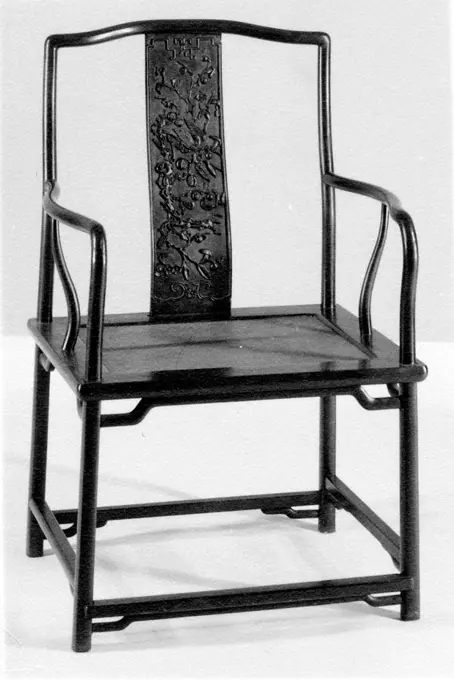
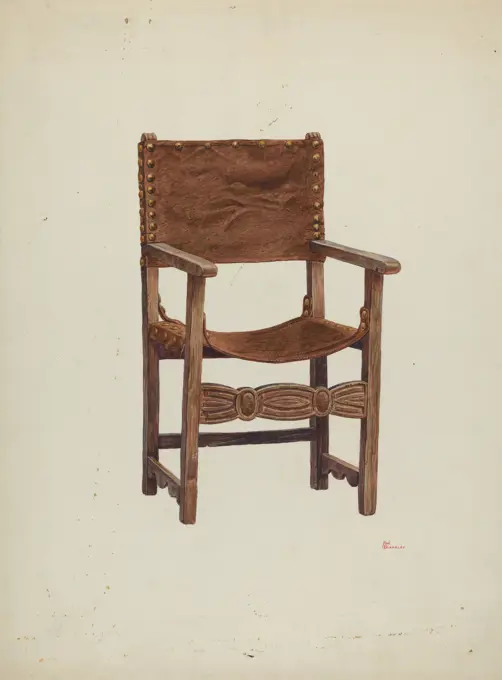
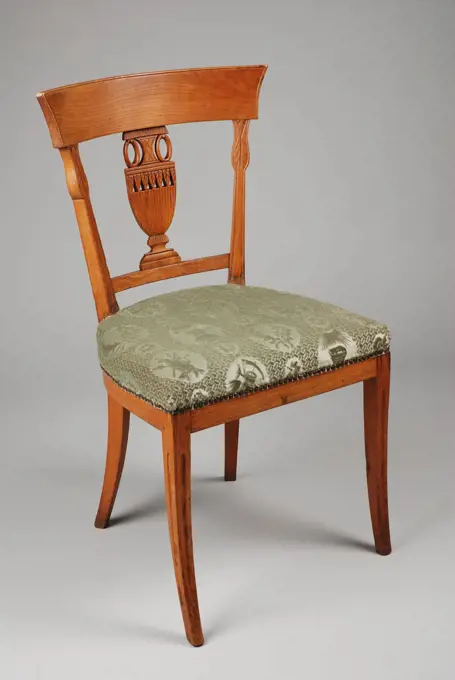
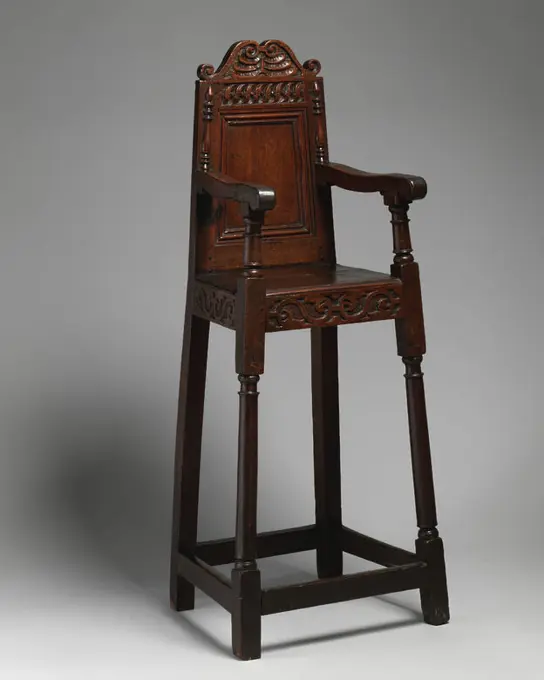
Various antique chairs showcasing different styles and materials such as wood and rush, representing historical furniture design.

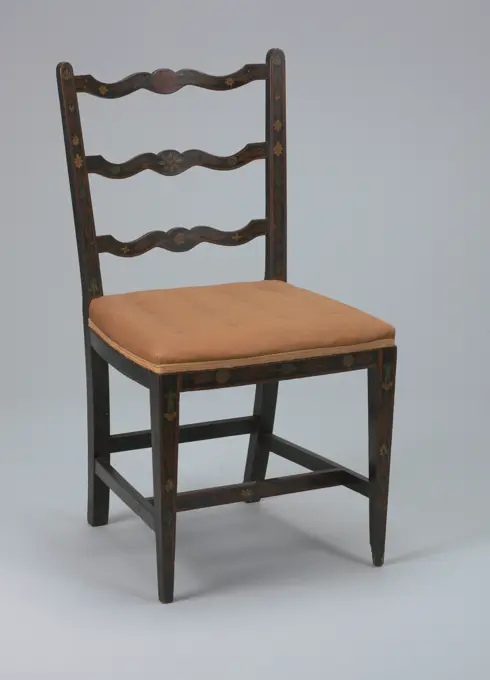
Side chair, carved wood, Rectangular open back, the top rail carved with a design of grapes. Splat composed of five splints, inward-curving and fused centrally. Straight moulded seat rails, the front grape-carved., Sweden, late 18th century, furniture, Decorative Arts, Side chair
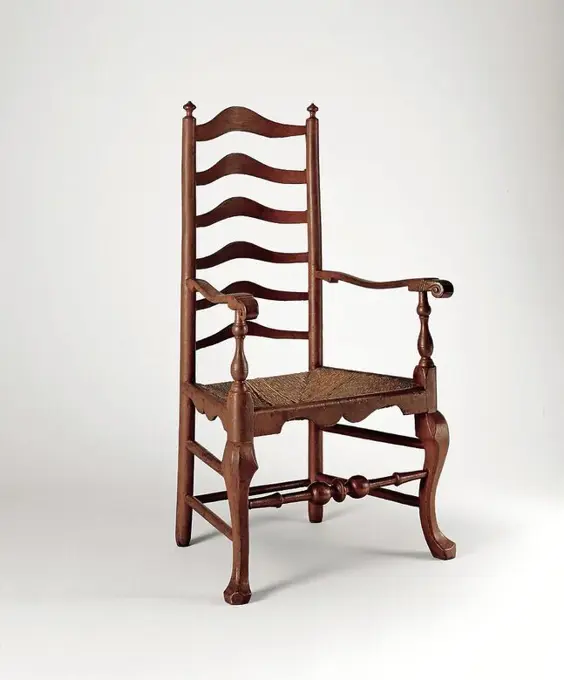
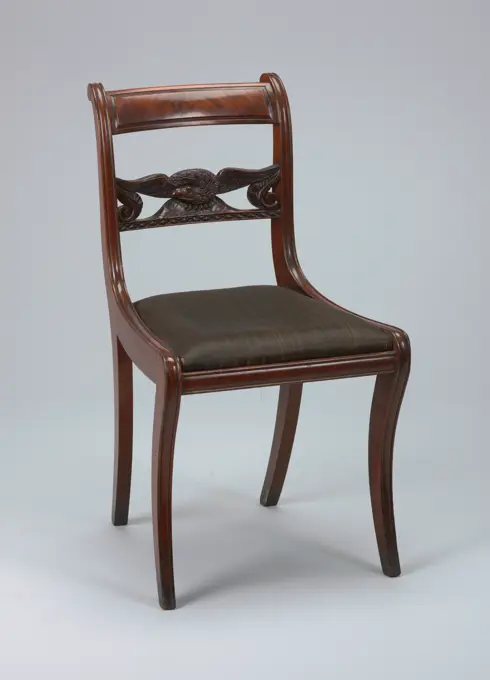
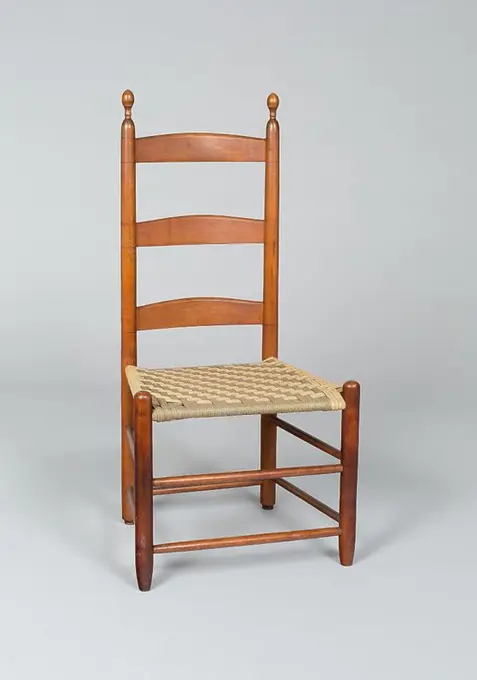
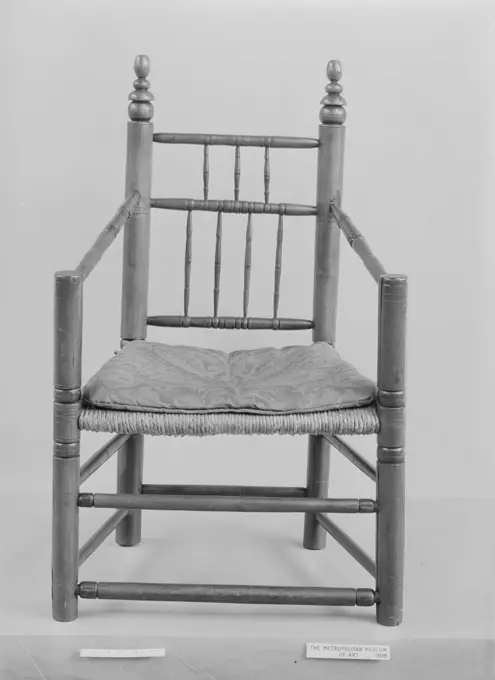
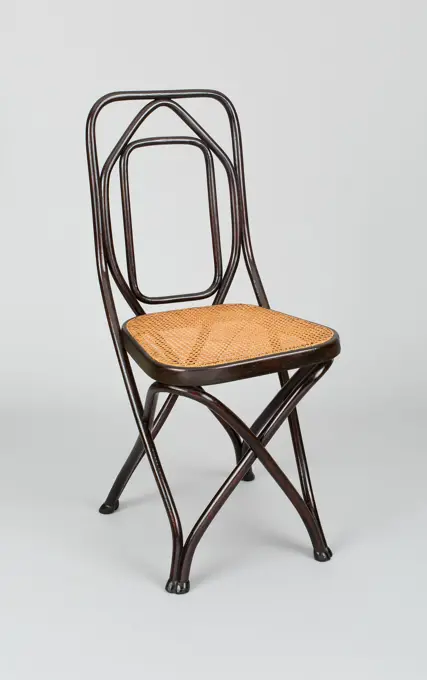
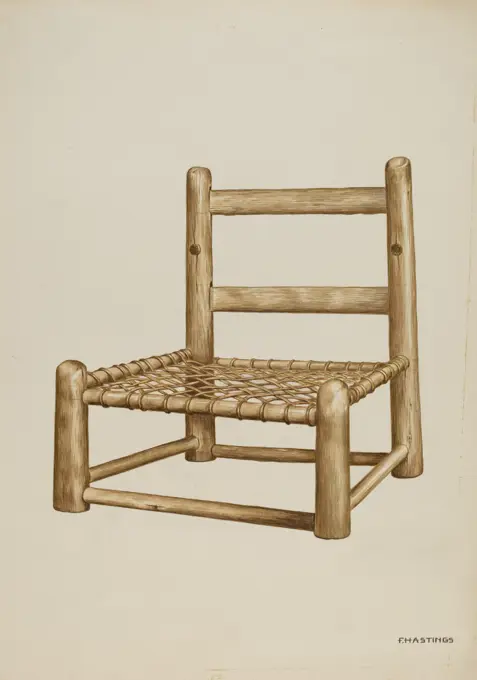
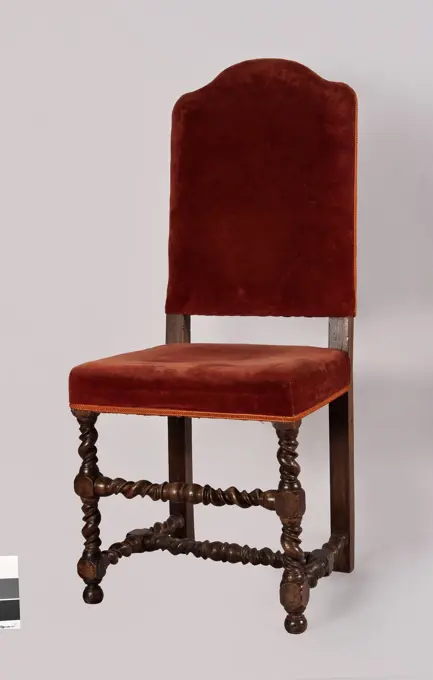
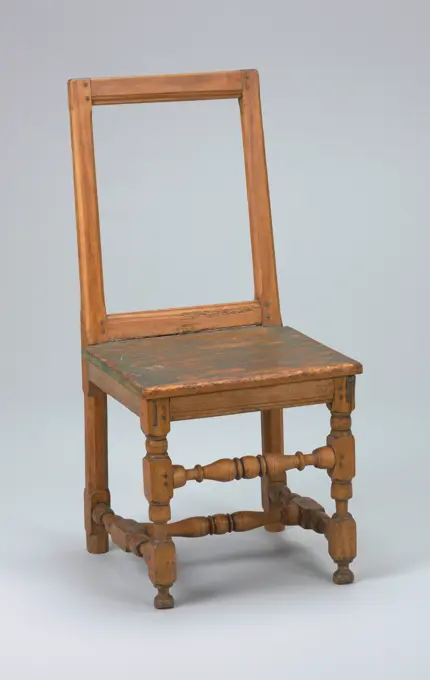
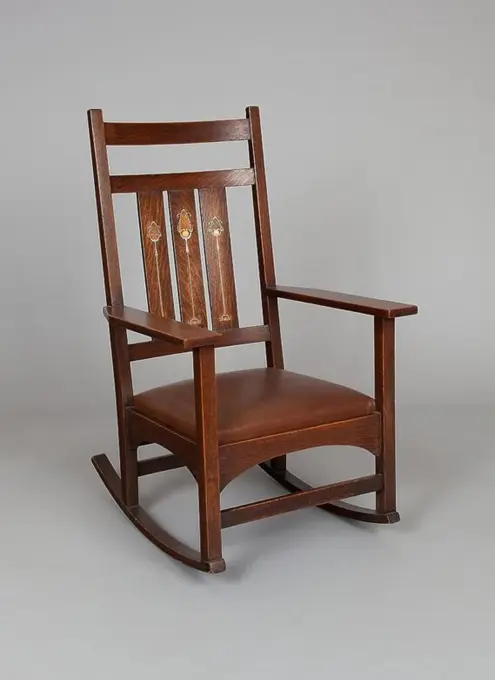
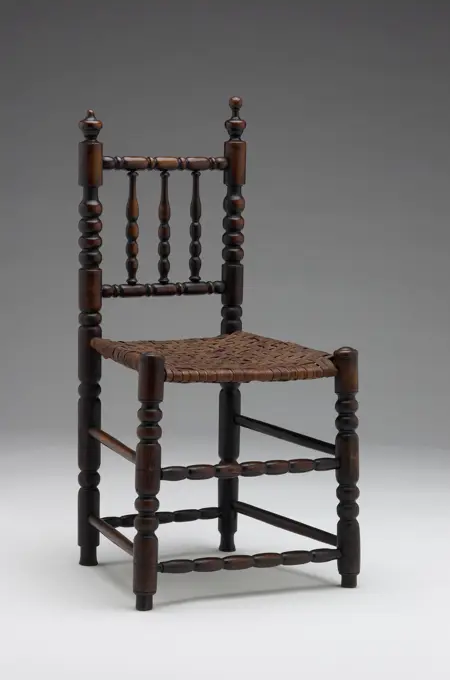
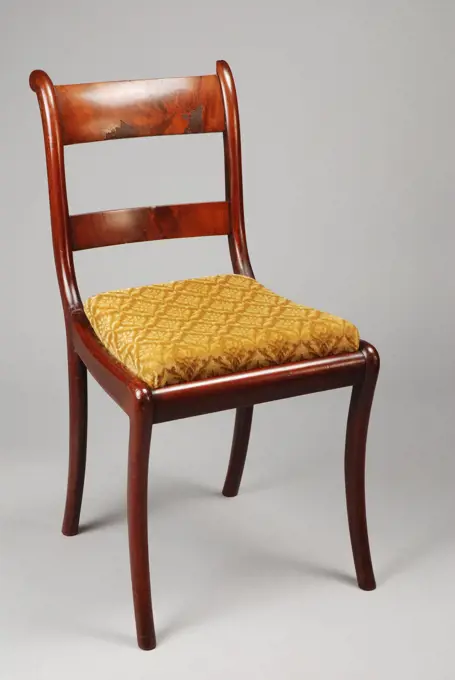
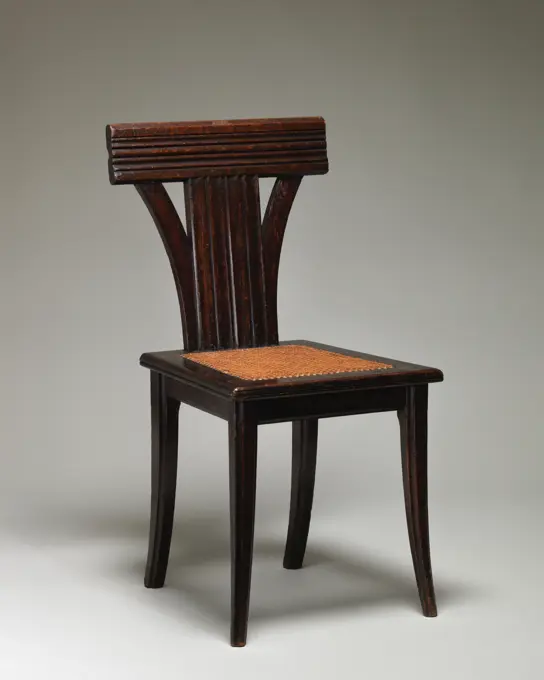
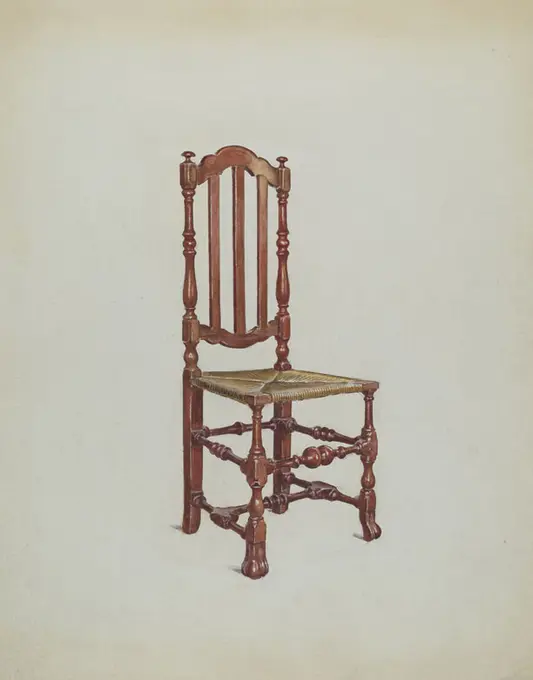
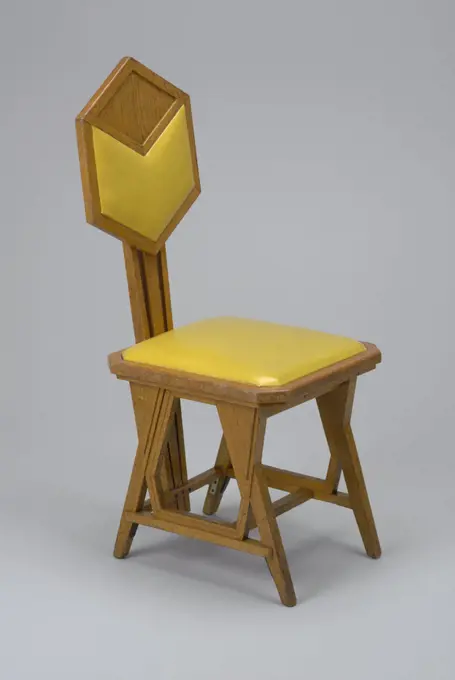
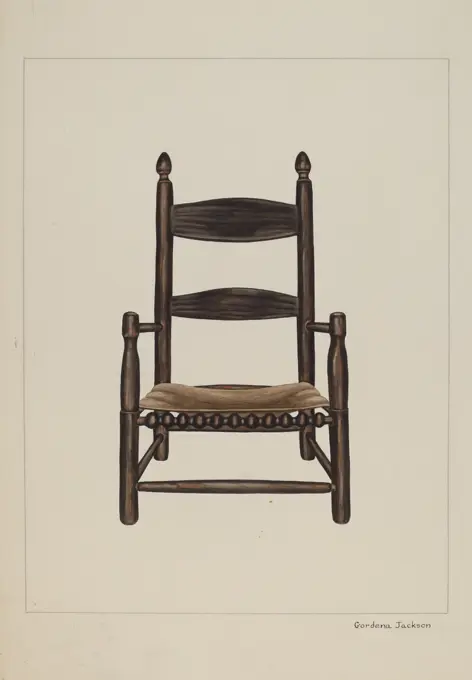
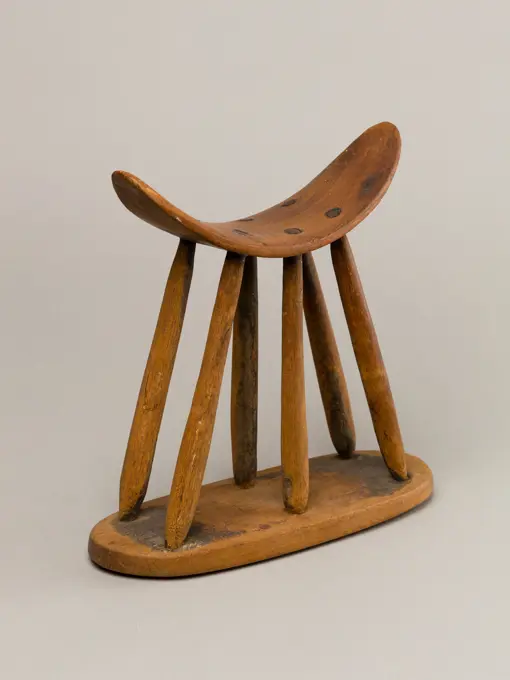
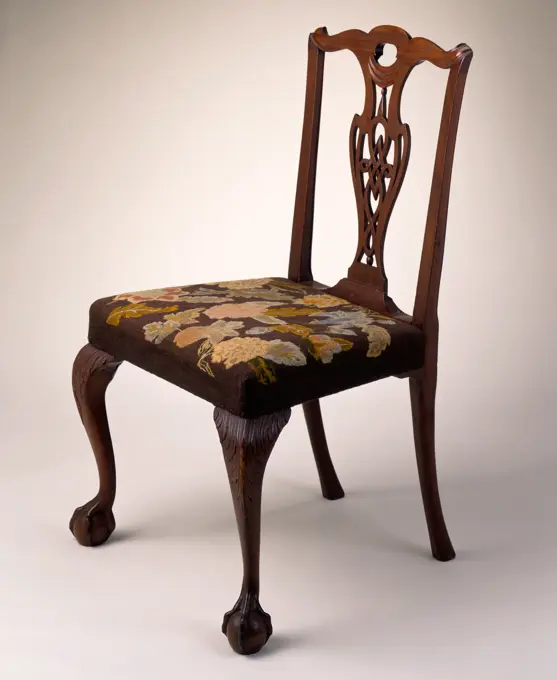
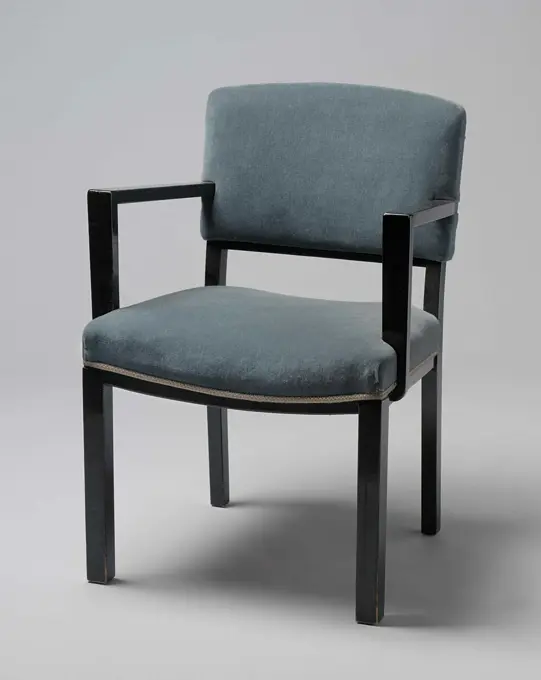
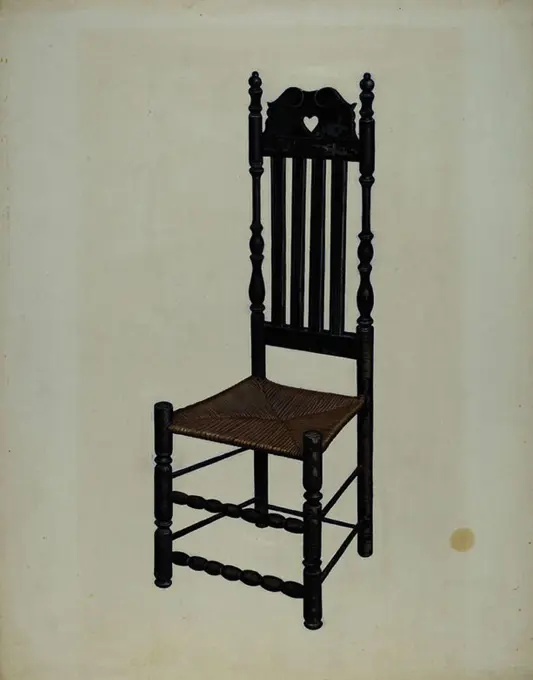
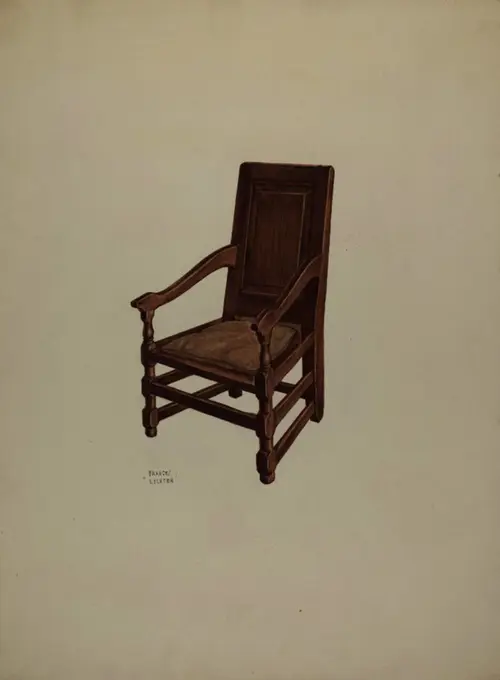
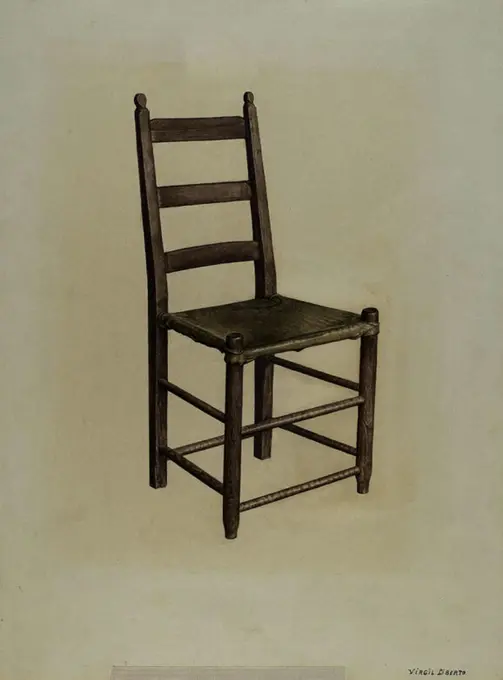
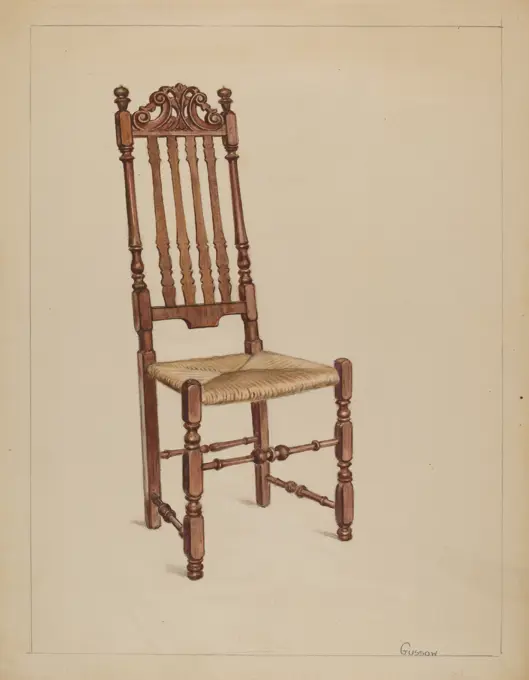
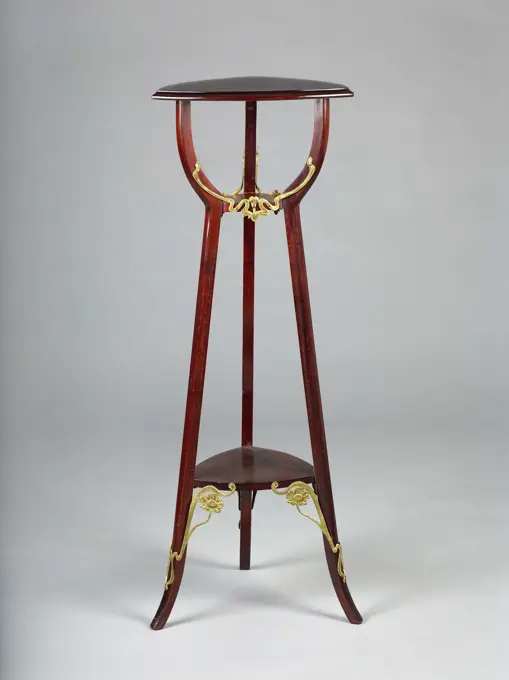
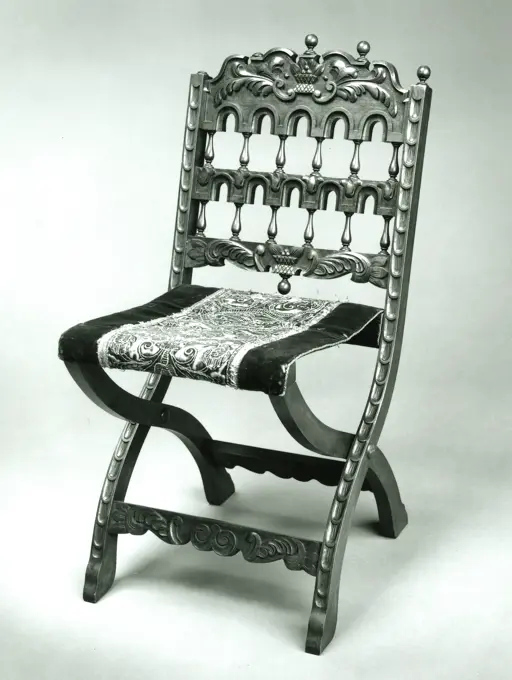
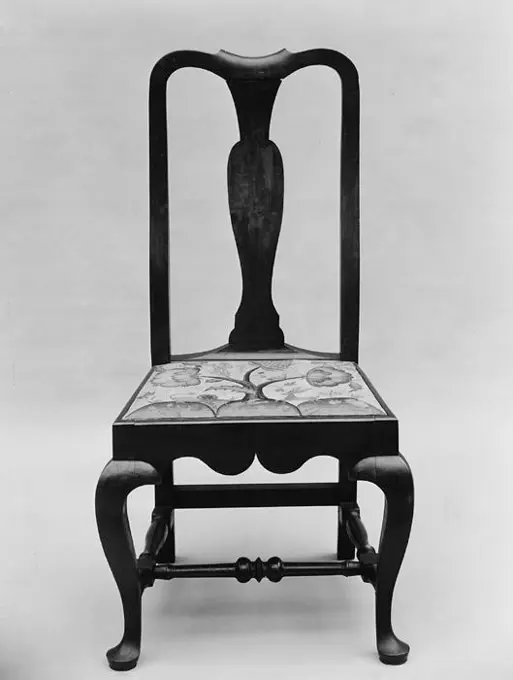
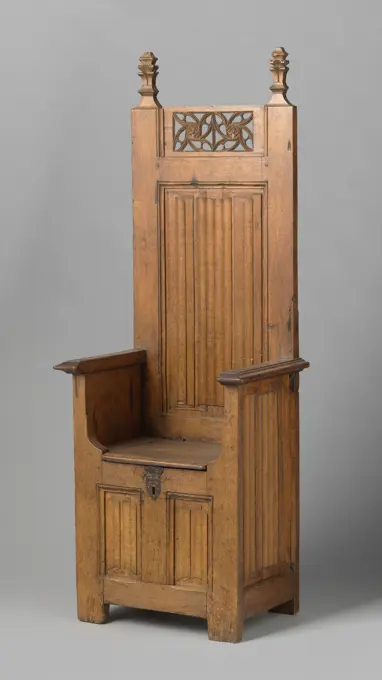
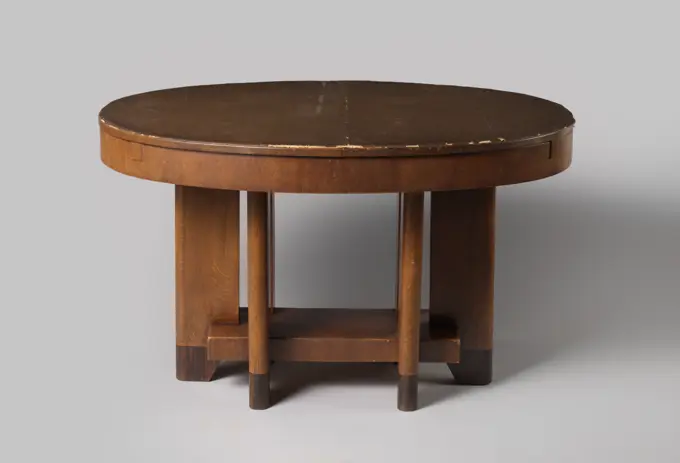
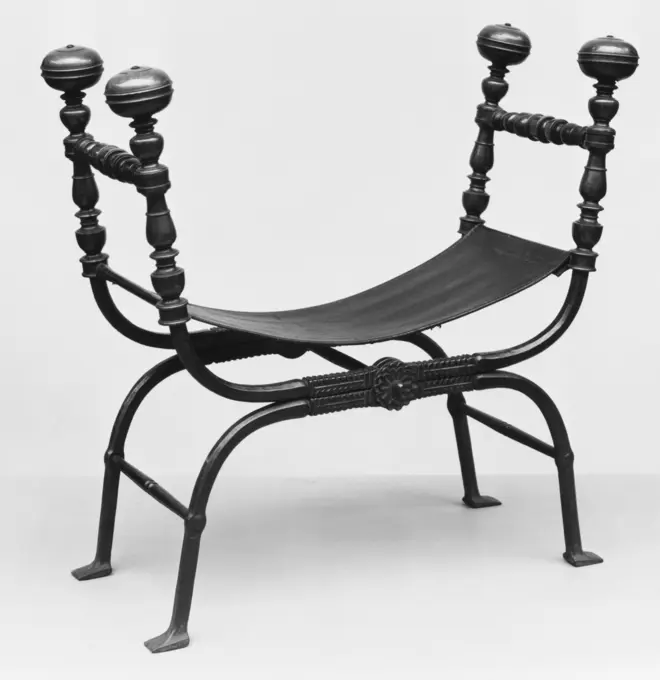
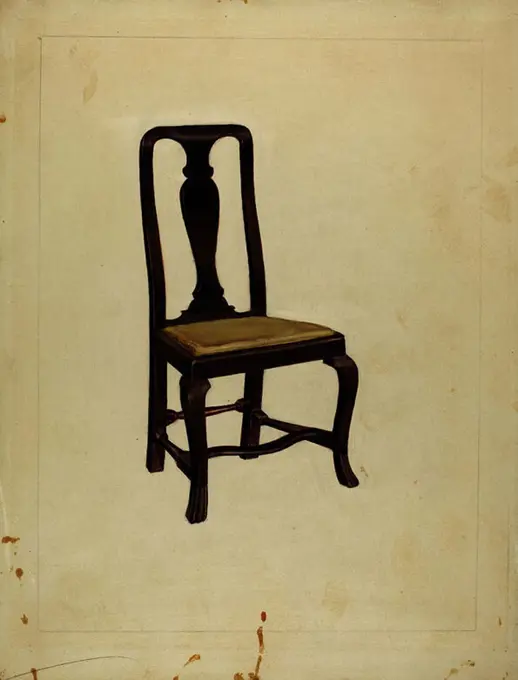
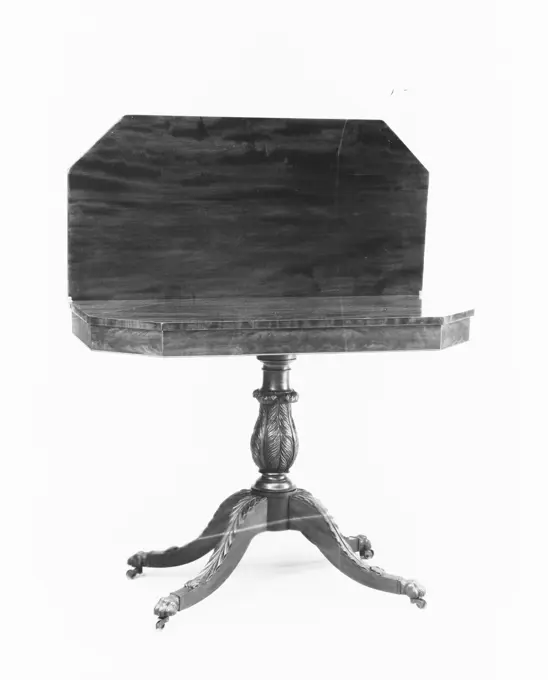
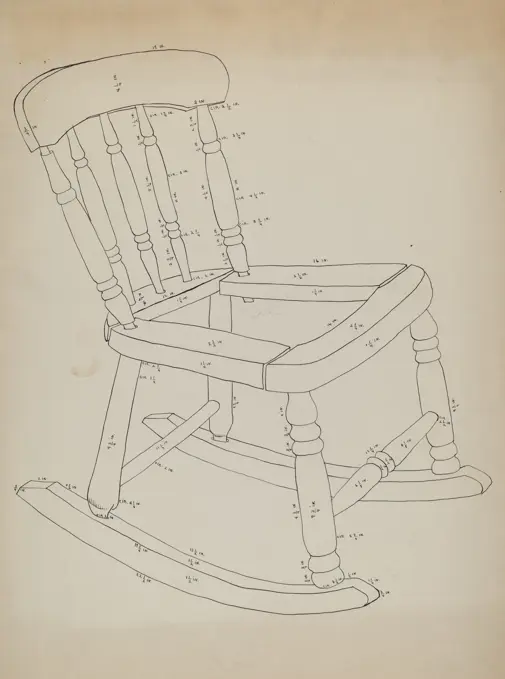
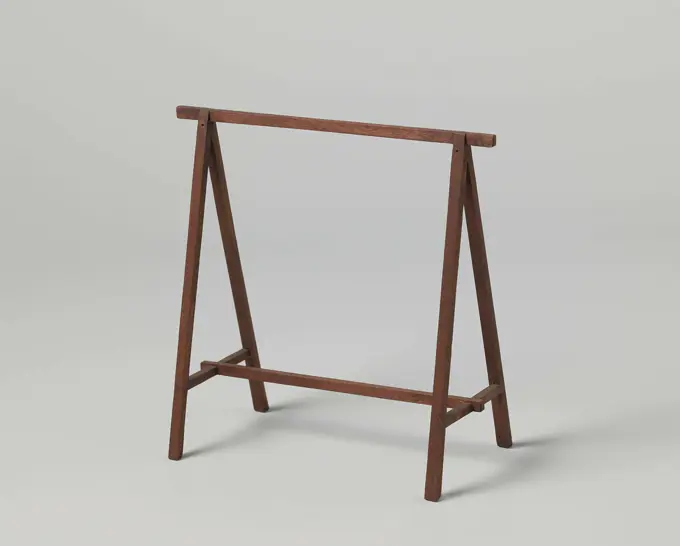
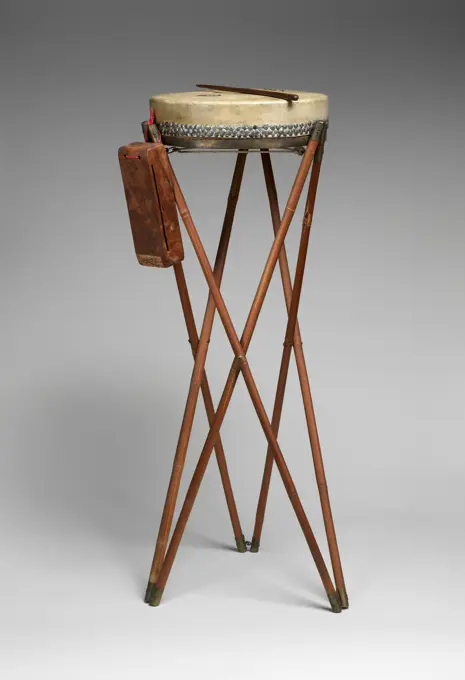
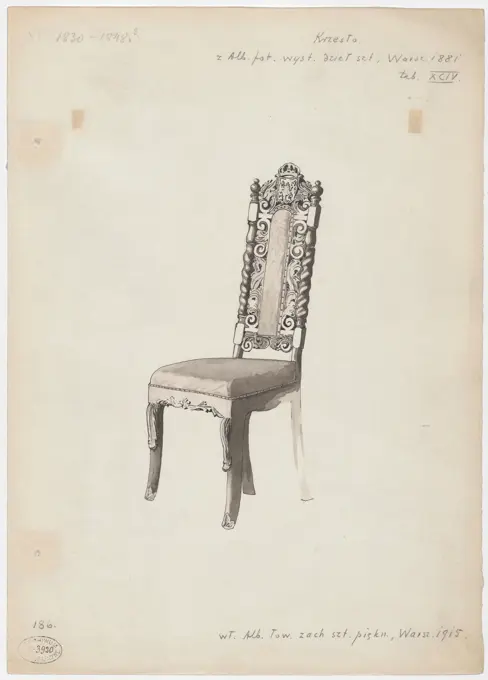
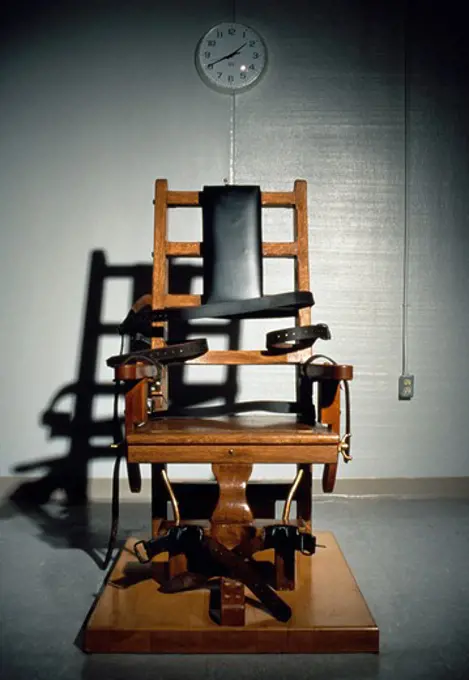
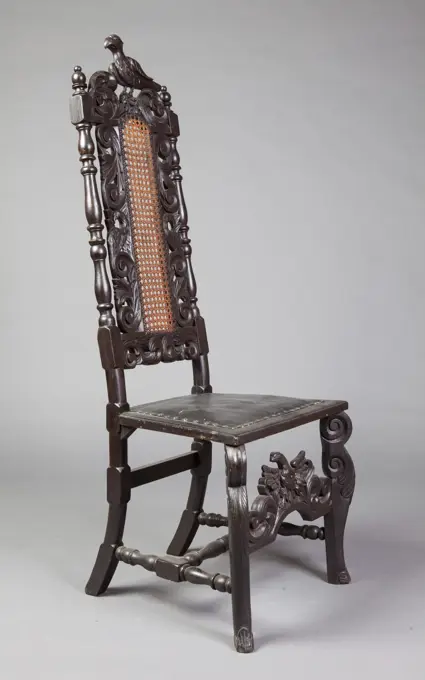
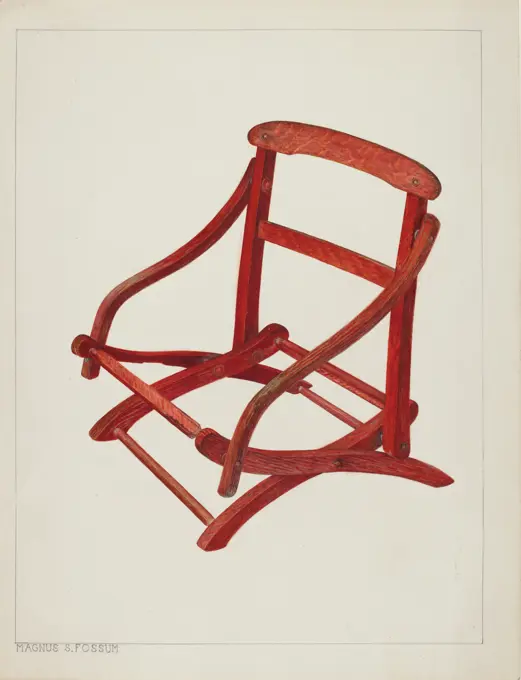
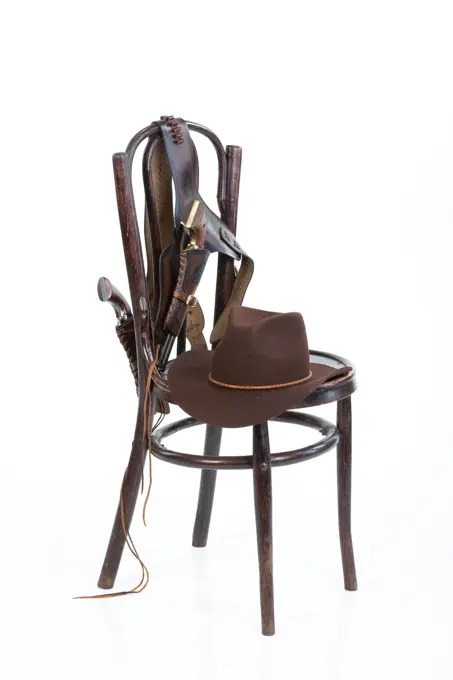
Side Chair (England); wood, painted beechTurned Great Chair with Rush Seat. United States, New England, probably Massachusetts, 1650-1700. Furnishings; Furniture. Maple, oak, replaced rushArmchair. Culture: American. Dimensions: 43 1/4 x 25 1/2 x 18 1/4 in. (109.9 x 64.8 x 46.4 cm). Maker: Attributed to the Workshop of Solomon Fussell (active ca. 1726-50). Date: 1735-50. Museum: Metropolitan Museum of Art, New York, USA.Chair (USA); Collected by Mrs. Abram S. Hewitt (American, 1830-1912); carved mahoganySide Chair. Shaker Colony; American, 19th century. Date: 1831-1840. Dimensions: 37 3/4 × 18 1/2 × 15 1/2 in. (overall)17 3/4 × 13 7/8 in. (seat). Birch. Origin: United States. Museum: The Chicago Art Institute, Chicago, USA.Side chair, carved wood, Rectangular open back, the top rail carved with a design of grapes. Splat composed of five splints, inward-curving and fused centrally. Straight moulded seat rails, the front grape-carved., Sweden, late 18th century, furniture, Decorative Arts, Side chairTurned Armchair 1650-1700 American. Turned Armchair. American. 1650-1700. Maple, ash. Made in United StatesSide Chair Designed 1880-1890 Austria. Beech, cane . August Thonet (Designer)Albert Ryder, Ladderback Chair, 1935 1942 Ladderback ChairFrank Wenger, Side Chair, c 1937 Side ChairArmchairFlorence Hastings, Hickory High Chair, c 1938 Hickory High ChairArmchair. unknown, authorSide Chair (Canada); woodRocking Chair. Harvey Ellis; American, 1852-1904; Made by United Crafts; American, founded 1897. Date: 1903. Dimensions: 102.2 × 62.2 × 44.5 cm (40 1/4 × 24 1/2 × 17 1/2 in.). Oak with copper and bronze inlays. Origin: Eastwood. Museum: The Chicago Art Institute, Chicago, USA.SideChairChair 1790-1810 American. Chair 1661Mahogany Biedermeier chair, chair furniture furniture interior design wood mahogany velvet, Two mahogany Biedermeier chairs model round legs broader rows of wood is redder in color slightly different dimensions. Veneered hood and sparse saber legs and ocher yellow velor upholstery on the seat backrests ending in voluten BiedermeierSide chair ca. 1880 George Edmund Street The chair was designed for the London Law Courts by the English architect, George Edmund Street, a leading practitioner of the Victorian Gothic Revival who specialized in ecclesiastical work. However, his best-known project was the Law Courts (now the Royal Courts of Justice) in the Strand, London, for which a competition was conducted in 1866-67. The construction did not begin until 1874, however, and was only completed in 1882, a year after Street's death. The building was considered an artistic milestone and The Times predicted in 1867 that it would be "a perpetual monument of English art as understood and practiced in the latter half of the 19th century." The design of the building beautifully illustrates that a picturesque Gothic style could be used for a modern secular building.Street also designed much of the furniture for the more important rooms in the building, which was manufactured by several companies, Holland and Sons; Gillows & CoSide Chair. Dated: c. 1936. Dimensions: overall: 29.3 x 23.1 cm (11 9/16 x 9 1/8 in.) Original IAD Object: none given. Medium: watercolor, colored pencil, graphite, and some heightening on paper. Museum: National Gallery of Art, Washington DC. Author: Florence Choate.Peacock Side Chair, Frank Lloyd Wright, American, 1867-1959, Imperial Hotel, Oak, leatherette upholstery, Side chair with octagonal seat, hexagonal back supported by three central vertical members which rise from seat stretcher. Legs attached at slanting angles to form triangular voids and solids and irregular hexagonal voids at intersections with stretchers. Slip seat and back panel covered in yellow leatherette., Japan, 1921-22, furniture, Decorative Arts, chair, chairArmchair. Armchair from walnut. The square legs run back into the back stamps and in front of the armrest. The front legs are connected by a processed flat rule; The hind legs through a flat, above and below challenge, rule. The front and hind legs are again connected to each other by low-placed rules, which are brace-shaped below. The stretched S-shaped armrests end in volutes. The leather upholstery of the back and seat is lost with copper nails. See: BK-16879-b.SideChairJoseph Rothenberg, Side Chair, 1936 Side ChairGordena Jackson, Child's Chair, c 1937 Child's ChairHeadrest ca. 2030-1802 B.C. Middle Kingdom Headrests were used by ancient Egyptians to support a person's neck while sleeping. While the flat base board and curved top are consistent features, the form of the middle section varied. This type with six slender rods supporting the curved top is fairly rare. More common were single column-like supports between base and top.. Headrest 544251Headrest. Dimensions: H. 8 3/4 in. (22.2 cm), W. 9 in. (22.9 cm). Dynasty: Late Dynasty 11 - Dynasty 12. Date: ca. 2030-1802 B.C..Headrests were used by ancient Egyptians to support a person's neck while sleeping. While the flat base board and curved top are consistent features, the form of the middle section varied. This type with six slender rods supporting the curved top is fairly rare. More common were single column-like supports between base and top. Museum: Metropolitan Museum of Art, New York, USA.Side Chair (part of a set) c 1885 New York. Maple . Louis Comfort TiffanySide Chair. Designed by Frank Lloyd Wright; American, 1867-1959. Date: 1956-1958. Dimensions: 50 3/8 × 20 × 23 1/2 in. (overall)12 1/4 × 20 × 19 1/2 in. (seat). Plywood with copper. Origin: United States. Museum: The Chicago Art Institute, Chicago, USA.Side Chair ca. 1780 American. Side Chair. American. ca. 1780. Ash, pine. Made in Pennsylvania, United StatesArmchair 18th-19th century China. Armchair 51060Florence Truelson, Wooden Chair, c 1937 Wooden ChairButaca modernista, siglo XX. Colección privada. Author: RAFAEL MASO.American 20th Century, Chair, 1935 1942 ChairPair of sidechairsHigh-Back Windsor HighChairHal Blakeley, Arm Chair, 1941 Arm ChairMagnus S Fossum, Ladder Back Chair  Called Jolting Chair, c 1936 Ladder Back Chair - Called Jolting ChairArmchair 1750-1800 American. Armchair. American. 1750-1800. Pine, ash, maple. Made in United StatesEgret Empire chair, chair furniture furniture interior design wood elm wood velor, Vase in the back leaf lotus in back style green velor upholstery with medallion motif With still Louis Seize ornaments Empire Louis XVI Louis XVI Louis SeizeChild's high chair. Culture: British. Dimensions: Overall: 47 × 14 1/2 × 12 1/2 in. (119.4 × 36.8 × 31.8 cm). Date: ca. 1650. Museum: Metropolitan Museum of Art, New York, USA.Side Chair with Diamond and Figure-eight Splat. United States, Massachusetts, Boston-Salem area, 1765-1775. Furnishings; Furniture. Mahogany, maple, needlepoint not originalArmchair with angular armrests and covered with blue tripe. Armchair of black varnished wood resting on four square legs. The front legs are straight and the hind legs are slightly bent and run through in the back styles. The seat is caught in four rules whose two side rules are straight and the front and rear rule bent. The stamp of the backrest is also bent. From the middle of the backrest, flat angular armrests run down on the front, not in line with the front legs, resting on flat struts that are partially attached to and partly against the seat. Both the handrail and the seat is covered with blue tripe. The seat cover is trimmed with a beige trim.High Back Chair. Dated: c. 1937. Dimensions: overall: 46 x 35.5 cm (18 1/8 x 14 in.) Original IAD Object: 3'9" x 18" wide. Medium: gouache and watercolor on paperboard. Museum: National Gallery of Art, Washington DC. Author: James M. Lawson and Gordon Saltar.Pa. German Chair. Dated: c. 1938. Dimensions: overall: 50.6 x 38.3 cm (19 15/16 x 15 1/16 in.). Medium: watercolor, graphite, and colored pencil on paperboard. Museum: National Gallery of Art, Washington DC. Author: Frances Lichten.Child's Rocking Chair. Dated: c. 1939. Dimensions: overall: 35.4 x 24.1 cm (13 15/16 x 9 1/2 in.) Original IAD Object: 26"high; 18 1/2"wide; 14 3/4"deep, seat. See data sheet for dets.. Medium: watercolor, colored pencil, graphite, and some heightening on paperboard. Museum: National Gallery of Art, Washington DC. Author: William H. Edwards.Rawhide Bottom Chair. Dated: 1939. Dimensions: overall: 35.4 x 27.6 cm (13 15/16 x 10 7/8 in.) Original IAD Object: 36"high; 17"wide; 15"deep. Medium: watercolor, colored pencil, pen and ink, and some heightening on paper. Museum: National Gallery of Art, Washington DC. Author: Virgil A. Liberto.SideChairCard Table. Dated: 1937. Dimensions: overall: 30.3 x 22.2 cm (11 15/16 x 8 3/4 in.) Original IAD Object: 28"high; 36"wide; 17 1/2"deep. Medium: watercolor, colored pencil, and graphite on paperboard. Museum: National Gallery of Art, Washington DC. Author: Ferdinand Cartier.Wash stand, wood, England, 19th century, furniture, Decorative Arts, Wash standSheraton StyleChairChild's Folding Chair. Dated: c. 1938. Dimensions: overall: 34.9 x 26.2 cm (13 3/4 x 10 5/16 in.) Original IAD Object: 14"x 12 1/2" x 14 1/2" seat.. Medium: watercolor, colored pencil, and graphite on paper. Museum: National Gallery of Art, Washington DC. Author: Magnus S. Fossum.Bernard Gussow, Side Chair, c 1936 Side ChairPedestal. unknown, authorCollapsible chair 16th or 17th century (textiles); early 20th century (woodwork) American, United States (New York); and Italian or Spanish. Collapsible chair 460366Comb back WindsorChairWooden, ivory and gilt chair, from the tomb of King Tutankhamen. Ovale Table, Anonymous, 1785 - 1800 Oval table resting on conical legs, connected by an X-shaped cross, with a thickened intersection. The folding leaf and the rules are painted with flower and leaf vines. Veneer of Satijnhout. Great Britain wood (plant material). satinwood (wood) Oval table resting on conical legs, connected by an X-shaped cross, with a thickened intersection. The folding leaf and the rules are painted with flower and leaf vines. Veneer of Satijnhout. Great Britain wood (plant material). satinwood (wood)Side Chair 1740-70 American In rural areas, painted decoration was frequently used to simulate expensive materials or to add visual interest. This side chair, which retains its original crewelwork seat cover, has a maple frame painted in imitation of imported mahogany.. Side Chair. American. 1740-70. Painted maple. Probably made in Wellingford, Connecticut, United StatesGenevieve Sherlock, Boston Rocker, 1940 Boston RockerBoard chair. unknown, manufacturerOak chair with closed cask-shaped chassis .. Hairwood armchair on a closed chest-shaped frame, which serves as a mountain location. The corner styles on the front narrows from the seat up to the flat profiled armrests; On the back they run over in the high back styles, on which pinnacles. The front plate has two panels within framework; The sides and back each one high panel, all filled with letter refills. Above the high back panel a removable cut-away panel with fish-blower motifs around two rosettes.Pair of Side Chairs c 1770-1790 East Windsor Hill. Mahogany with white and yellow pine . Chapin School of CabinetmakersTable, oval, extendable, at twice three wide flat legs, connected by a rectangular plateau. Two extension leaves are part of the table. Oval extraction table from pine and oak, beech and coromandewood resting on twice three wide flat legs. The legs are interconnected at the bottom and box cut by a rectangular wide plateau. The table has two side baths.Folding stool Italian 19th century, in part 16th centuryChair-table. Dated: 1937. Dimensions: overall: 45.7 x 26.8 cm (18 x 10 9/16 in.) Original IAD Object: Seat: 19 1/2"high; Table 53"long; 24"deep. Medium: watercolor, colored pencil, graphite, and pen and ink on paperboard. Museum: National Gallery of Art, Washington DC. Author: M. Rosenshield-von-Paulin.Bedside table, temple furniture. Paris, Carnavalet museum. 34144-5 Arrondissement III, Revolution (1789-1799), temple (enclosure of), 18th centurySide Chair 1830-50 United Society of Believers in Christs Second Appearing (“Shakers”), Mount Lebanon, New York. Side Chair 1741Side Chair. Dated: c. 1940. Dimensions: overall: 29.9 x 22.8 cm (11 3/4 x 9 in.). Medium: watercolor, graphite, and pen and ink on paperboard. Museum: National Gallery of Art, Washington DC. Author: Marion Curtiss.Armchair. Culture: American. Dimensions: 32 1/2 x 21 3/8 x 22 13/16 in. (82.6 x 54.3 x 57.9 cm). Date: 1800-1815. Museum: Metropolitan Museum of Art, New York, USA.Lon Cronk, Shaker Candle Table, c 1937 Shaker Candle TableCard Table 1810-15 American. Card Table. American. 1810-15. Mahogany. Made in New York, New York, United StatesTulita Westfall, Rocking Chair, c 1937 Rocking ChairObjects, Washington's furniture, chairs, Danversport, Cheever Street , Chairs, Washington, George, 1732-1799. Frank Cousins Glass Plate Negatives CollectionPa. German Hoe. Dated: 1941. Dimensions: overall: 28.9 x 22.8 cm (11 3/8 x 9 in.) Original IAD Object: 5 1/2" high; 4 1/4" wide. Medium: graphite on paperboard. Museum: National Gallery of Art, Washington DC. Author: Maurice Van Felix.John Dana, Chest, c 1938 ChestRack, shear-shaped. High drain rack of pickled mahogany in the shape of a trestle.Dorothy Johnson, Raw Hide Bottom Rocker, c 1940 Raw Hide Bottom RockerPair of SideChairsGolden retro rocker wooden swing chair on wood floor as a vintage memoriesGout Stool, 1750-65. This mahogany adjustable seat on a tripod base was made in England around 1750-65. It is most likely that it was made as a special commission for an individual suffering from gout , a form of arthritis which results in swollen joints, particularly in the feet and legs making walking extremely painful and difficult.The construction is unusual as the curved ribs of the stool have been made from strips of mahogany which have been glued together to produce a laminate,. "plywood" structure. In the 18th century this work would have been time consuming as each layer had to be cut and glued by hand. Objects made in this way, therefore, tended to be expensive and purchased by the gentry and wealthier patrons... Purchased from Edward H Pinto, 1965.. .Child's rocking chair -Dough Trough Bench. Dated: c. 1940. Dimensions: overall: 22.2 x 26.7 cm (8 3/4 x 10 1/2 in.) Original IAD Object: overall: 18" high, 28" long, 10 3/4" wide. Medium: watercolor, graphite, and colored pencil on paperboard. Museum: National Gallery of Art, Washington DC. Author: LeRoy Griffith.Carl Buergerniss, Cherry Table, c 1936 Cherry TableCouch 17th century China In warm weather, one would sit on the rattan mat with legs either crossed or pendant. In cold weather, quilts and cushions were added for comfort.. Couch 42745Single white rustic chair standing in an empty room on light wooden parquet floor.. White old-fashioned chair Staircase Model (France); fruitwood (pearwood), ash (base)Triangular Corner Safe. Dated: c. 1941. Dimensions: overall: 45.7 x 35.6 cm (18 x 14 in.). Medium: watercolor and graphite on paper. Museum: National Gallery of Art, Washington DC. Author: Gladys M. Guillaudeu.Bangu () 19th century Elevated Tone Workshop, Guangzhou (Canton) The interior of the bangu has six wood wedges held together by a brass belt and tightly stretched cowhide. When struck, this small drum produces a sharp, dry sound to signal the different tempi of the piece. Several sounds may be produced depending on where it is struck.Used in Chinese opear by the percussionist who plays many different instruments and is the ensemble’s leader, responsible for setting the rhythm, linking scenes, emphasizing the action and punctuating the singing and speech. This is accomplished by a rich variety of gongs, drums, cymbals and wood blocks. The following examples are a few of the essentials. Bangu (). Chinese. 19th century. Wood, skin, metal. China. Membranophone-single-headed / frame drumJuanita Lantz, Bench, 1935 1942 BenchVintage wooden chair in coffee shop, stock photoChair, according to photograph from the "Album of industrial works of art from the an exhibit of the Museum of Industry and Agriculture in Warsaw 1881", table XCIV ; album from the collection of the Zachęta Arts Society in Warsaw. Frankiewicz (Francewicz), Władysław (fl. 1915), draughtsman, cartoonistTableThe electric chair (for death penalty) at the Greensville Correctional Center in Jarratt, Virginia.Bishop Hill: Bed. Dated: c. 1936. Dimensions: overall: 32.7 x 24.9 cm (12 7/8 x 9 13/16 in.) Original IAD Object: 52" high; 66 1/2" long; 47 1/2" wide. Medium: watercolor, graphite, and pen and ink on paper. Museum: National Gallery of Art, Washington DC. Author: Wellington Blewett.ChairFolding armchair 16th century Italian. Folding armchair 197164Magnus S Fossum, Child's Folding Chair, c 1938 Child's Folding ChairVirginia Kennady, Cradle, c 1939 CradleOld Chair And Cowboy Belt Cowboy belt, guns and hat on an old chair on isolated background Copyright: xZoonar.com/AndreyxSkatx 13296948